
Light bulbs: how to choose the right ones?
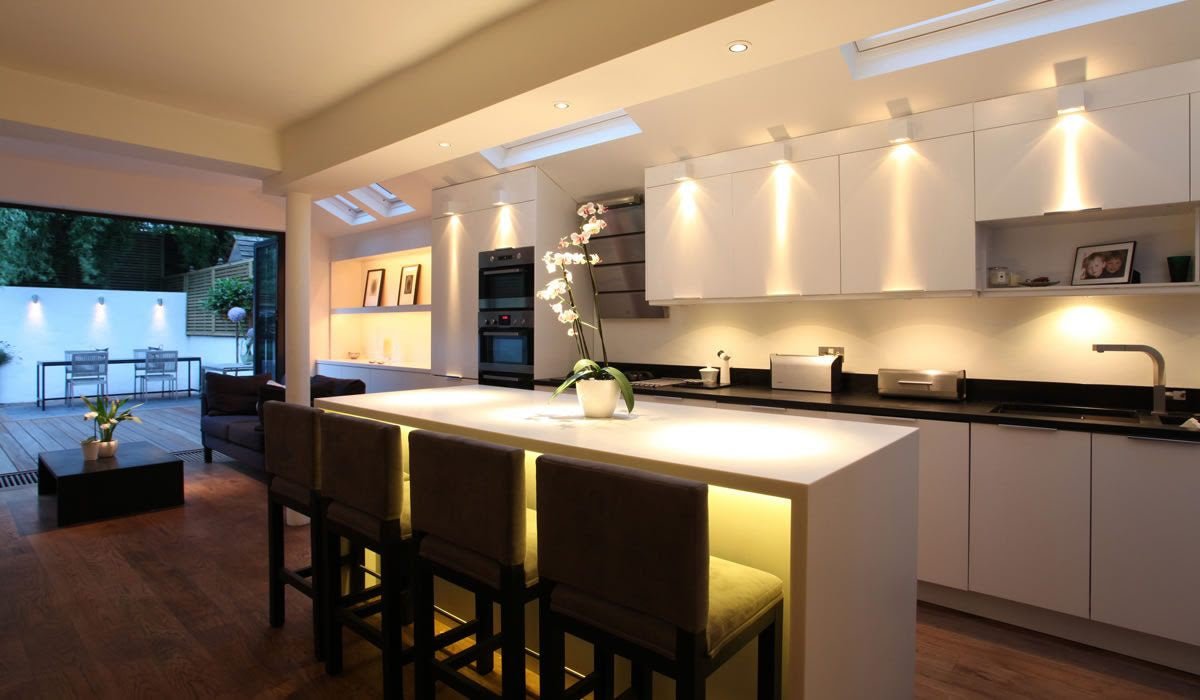
When buying light bulbs, one can be faced with a difficult choice. The reason we abandoned classic incandescent bulbs was to improve energy efficiency. They were too power-hungry. As in any field, technology is always evolving, and the choice of bulbs is now wide enough to allow for well-thought-out lighting. Lighting is a subtle thing that can impact your sleep hours and even your alertness. Since we spend a good part of our lives at home, it's natural to want it to be well-lit. For the type of luminaire, consider the function of each room and light the areas where you need light. Not only should a good strategy provide lighting according to the room's use, but it must also be adapted to different times of the day or evening.
A well-thought-out little guide to see clearly
Compact fluorescent lamps (CFLs) are designed to replace classic incandescent bulbs. It is recommended to use them in rooms that require prolonged lighting: with ceiling lights, pendants, reserve them for hallways, and even the bathroom. Avoid using them on bedside tables or in the living room. Historically, they were known for their white light and bulky format. They now come in all sorts of sizes and shapes and can provide warm light comparable to incandescent bulbs. They are economical to use. Since they contain mercury, they must be handled with caution. LED bulbs can replace all lighting sources. They have low energy consumption. It is recommended to choose them with opaque glass to limit the effect of their blue spectrum. They are suitable for hard-to-reach places due to their lifespan. This is the multi-purpose bulb, but particularly for bedside lamps and directed lighting. They are well-suited for outdoor lighting even in very cold weather. Halogen bulbs provide warm, bright lighting, reminiscent of the light from classic incandescent lamps. They can be used anywhere in the house; used judiciously, they can project light in a targeted manner. They are suitable for the office, living room, and outdoor lighting. We like them, but on the other hand, they must be handled with care, as they quickly become very hot. There is a multitude of specialized bulbs for the most varied uses, but to find your way around, bring the incandescent bulb you want to replace to the store. Is it a classic A-shaped bulb, a spotlight, a "chandelier" style bulb for a hanging fixture, a bulb for direct lighting? You can compare to ensure the base is the same and then choose the type and shape.Think about luminaires
Table lamps: The height of a table lamp should not exceed one and a half times the height of the furniture it occupies, and the lampshade should be at eye level for a seated person. This way, the light will not be glaring. However, if the luminaire is intended for reading, the light flux should reach shoulder level. Chandeliers or pendant lights: A pendant light illuminating guests directly and only the table is the appropriate type of lighting. You can adjust the pendant from 1.70 m to 1.80 m (5'6" to 5'8") from the floor. This way you will get excellent brightness without the risk of hitting the luminaire! Finally, consider the decor, the style, and don't be too rigid in applying these few rules.Bulb or luminaire don't forget
- Distribute lighting in a room;
- Add accent lighting, it helps improve the atmosphere;
- Don't hesitate to use dimmers,
- Don't neglect natural light;
- Choose an appropriate light tone;
- Avoid over-lighting a room;
- Take into account the activities practiced in a room.