






Why light your stairs
A poorly lit staircase is one of the riskiest spots in a home. A light for stairs placed at tread level removes shadows exactly where your foot lands, without glaring at anyone going up or down. It's also about mood: a run of recessed fixtures or an LED strip tracing each tread creates a soft glow that's pleasant at night and saves you from turning on the main light. Good lighting for stairs is both safety and atmosphere.
Dals recessed step lights
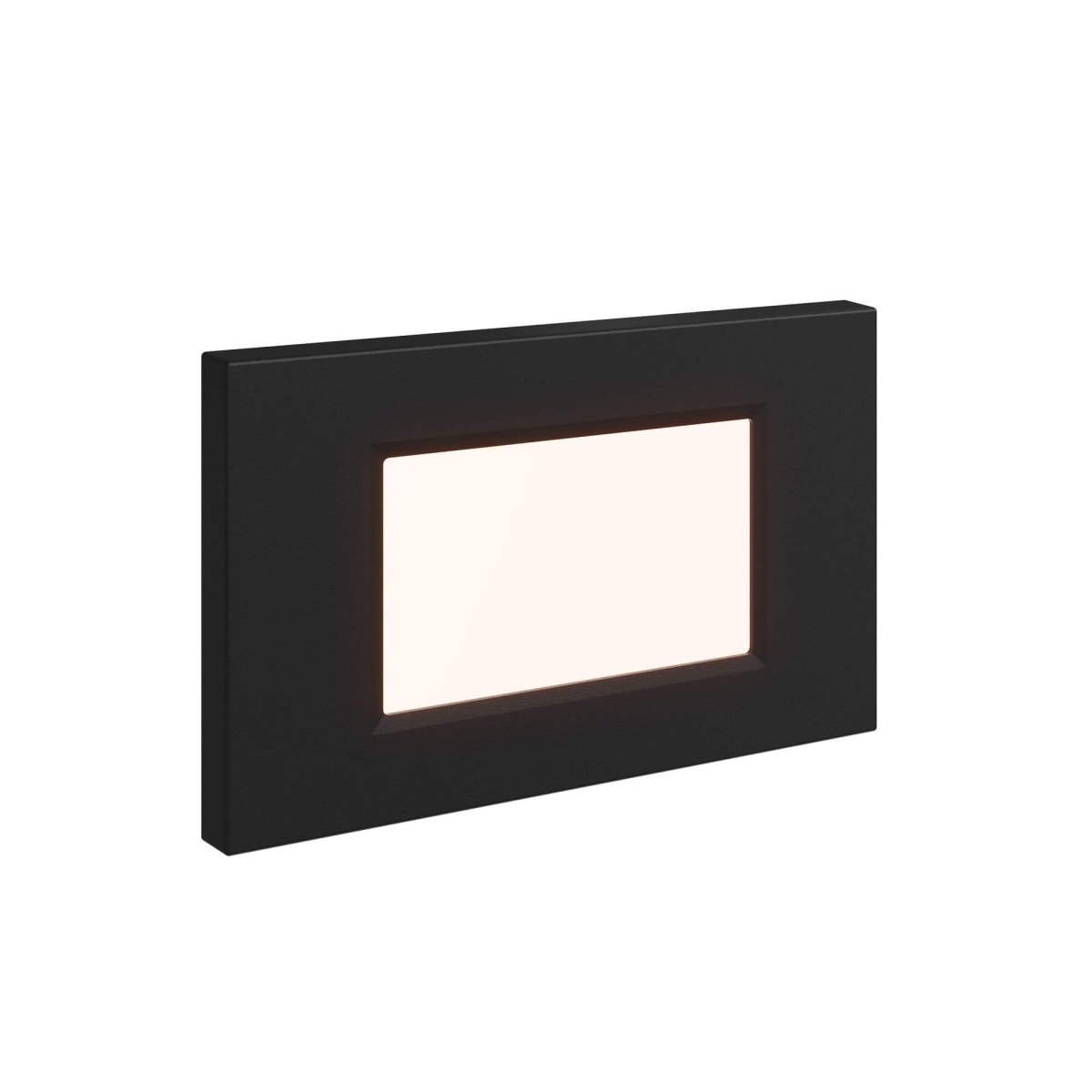
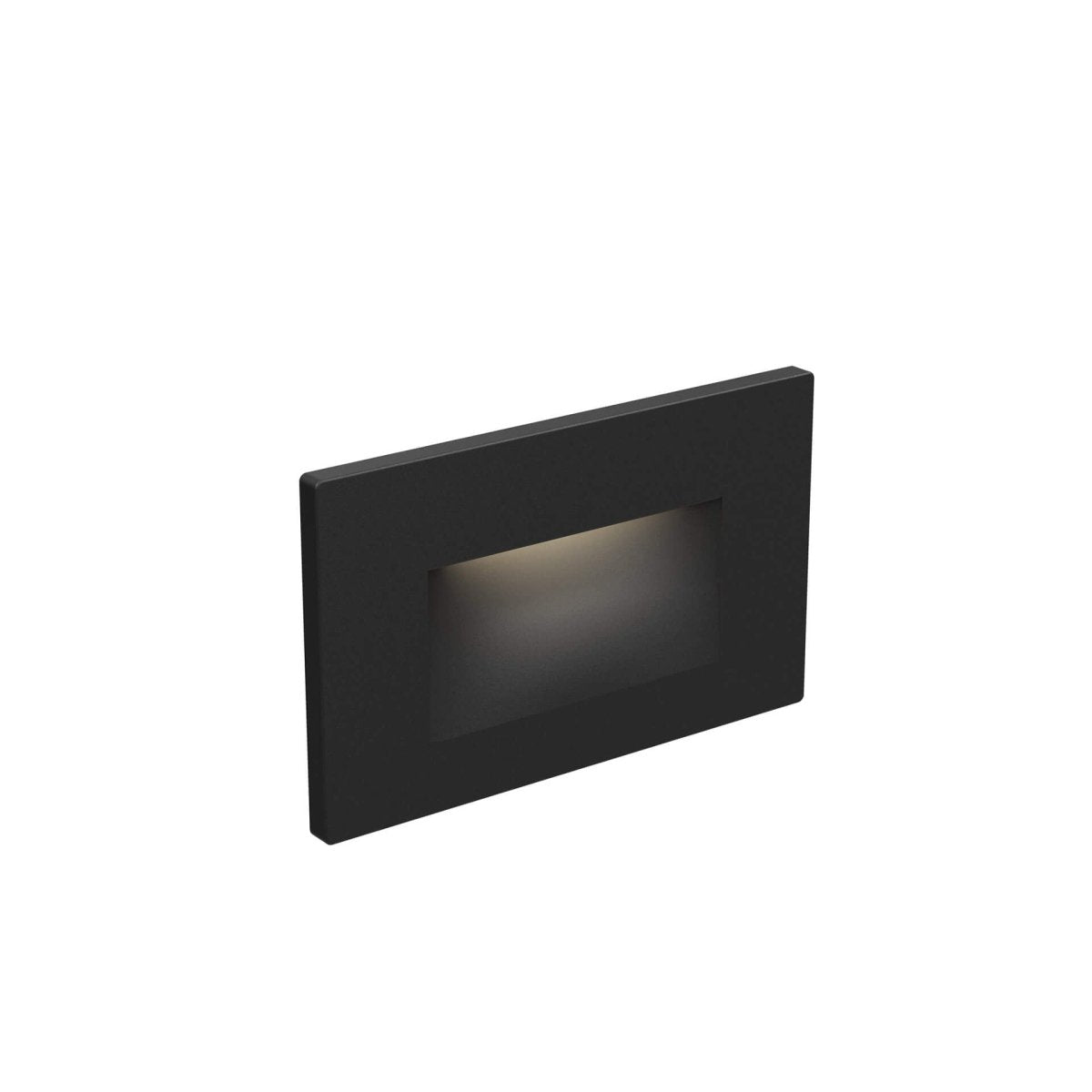
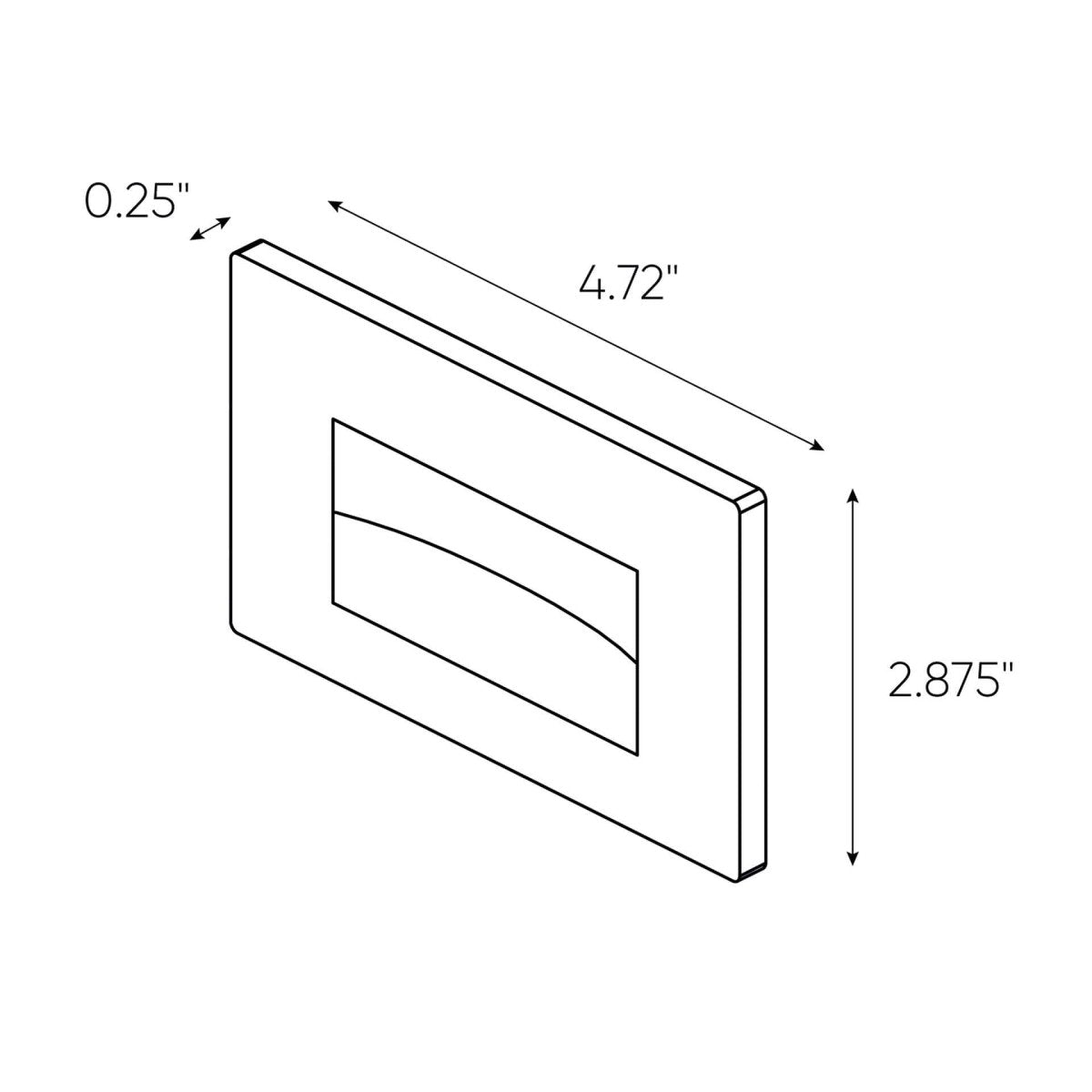
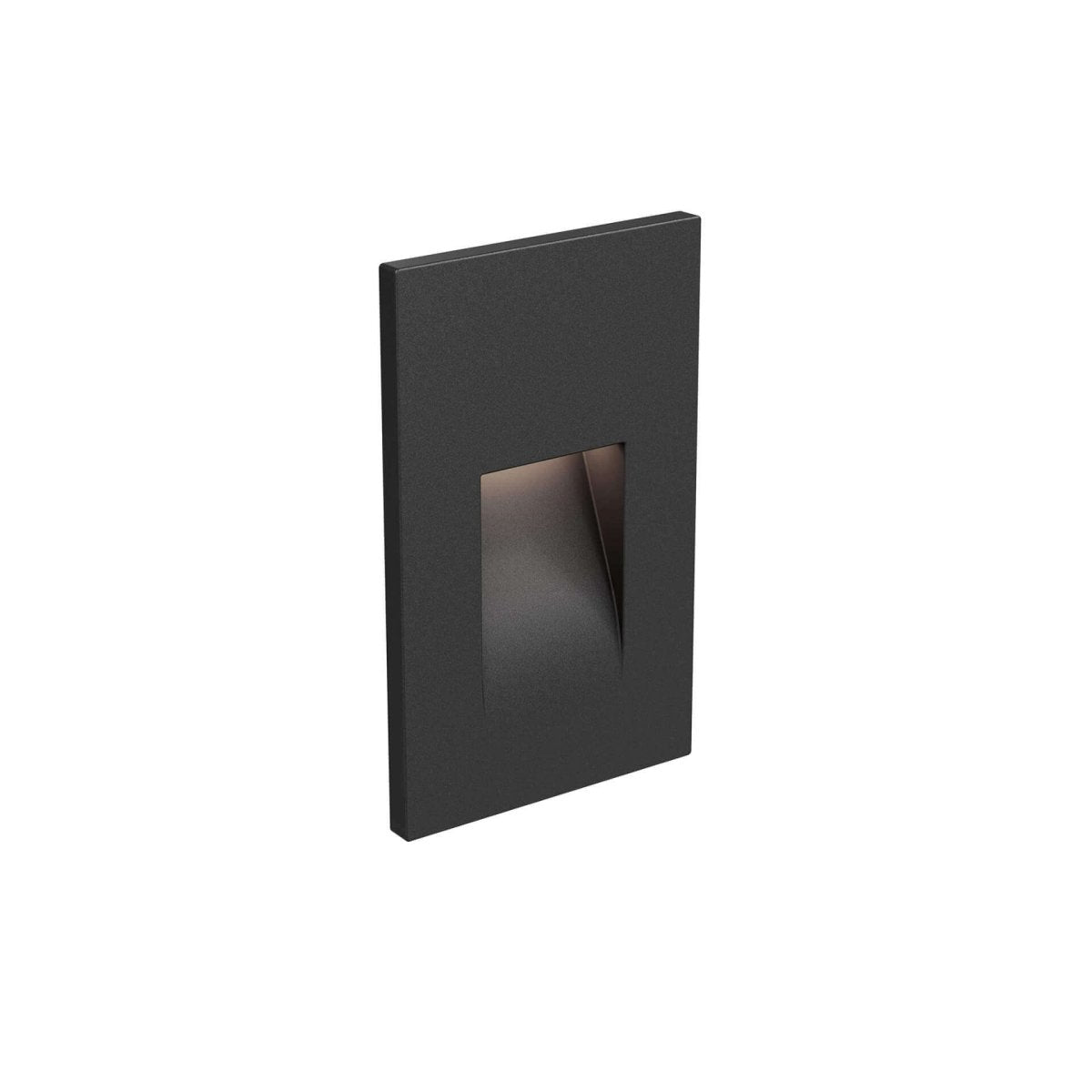
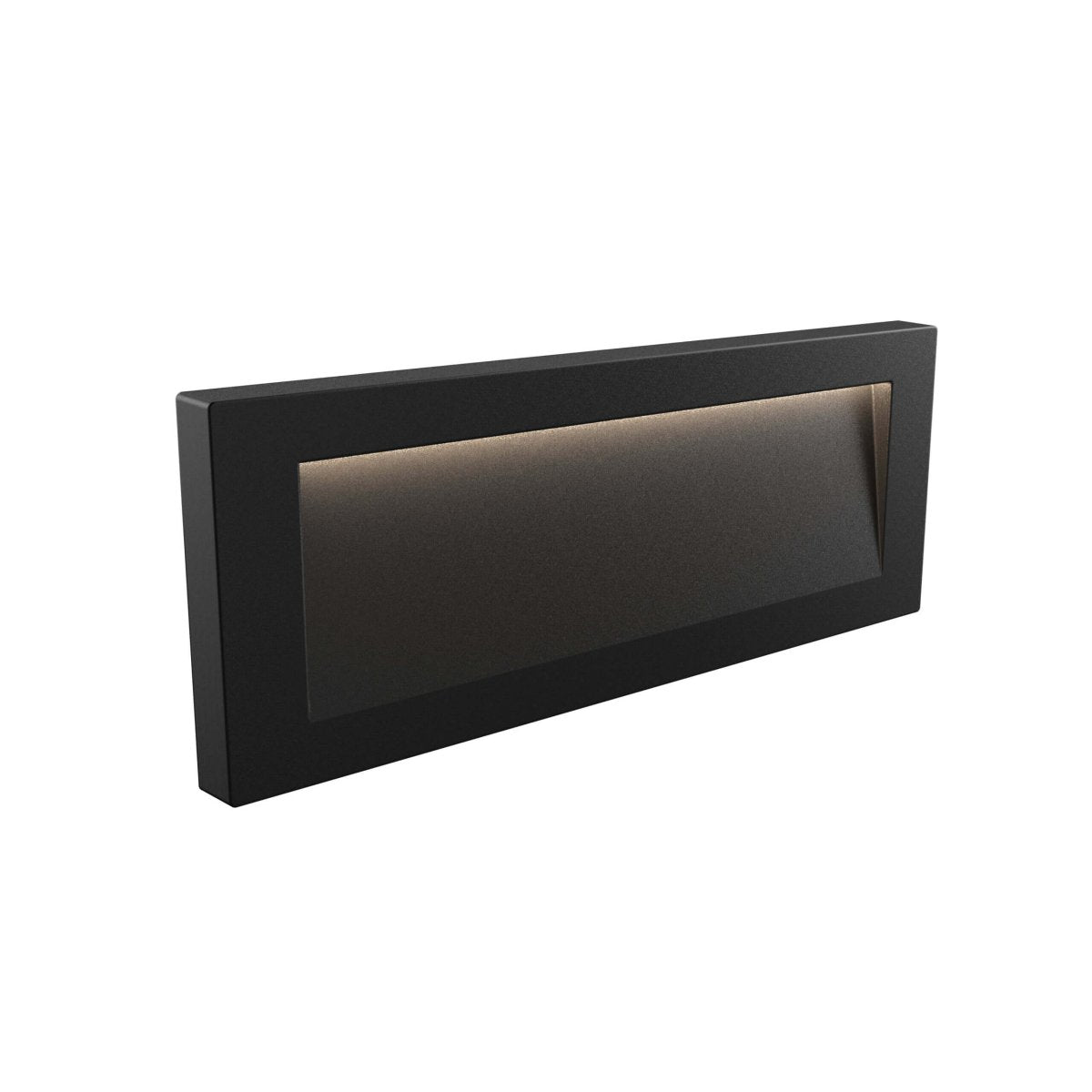
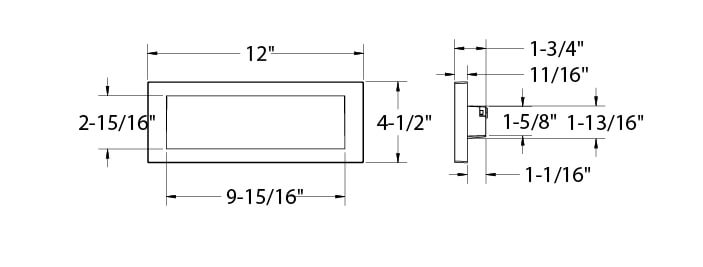
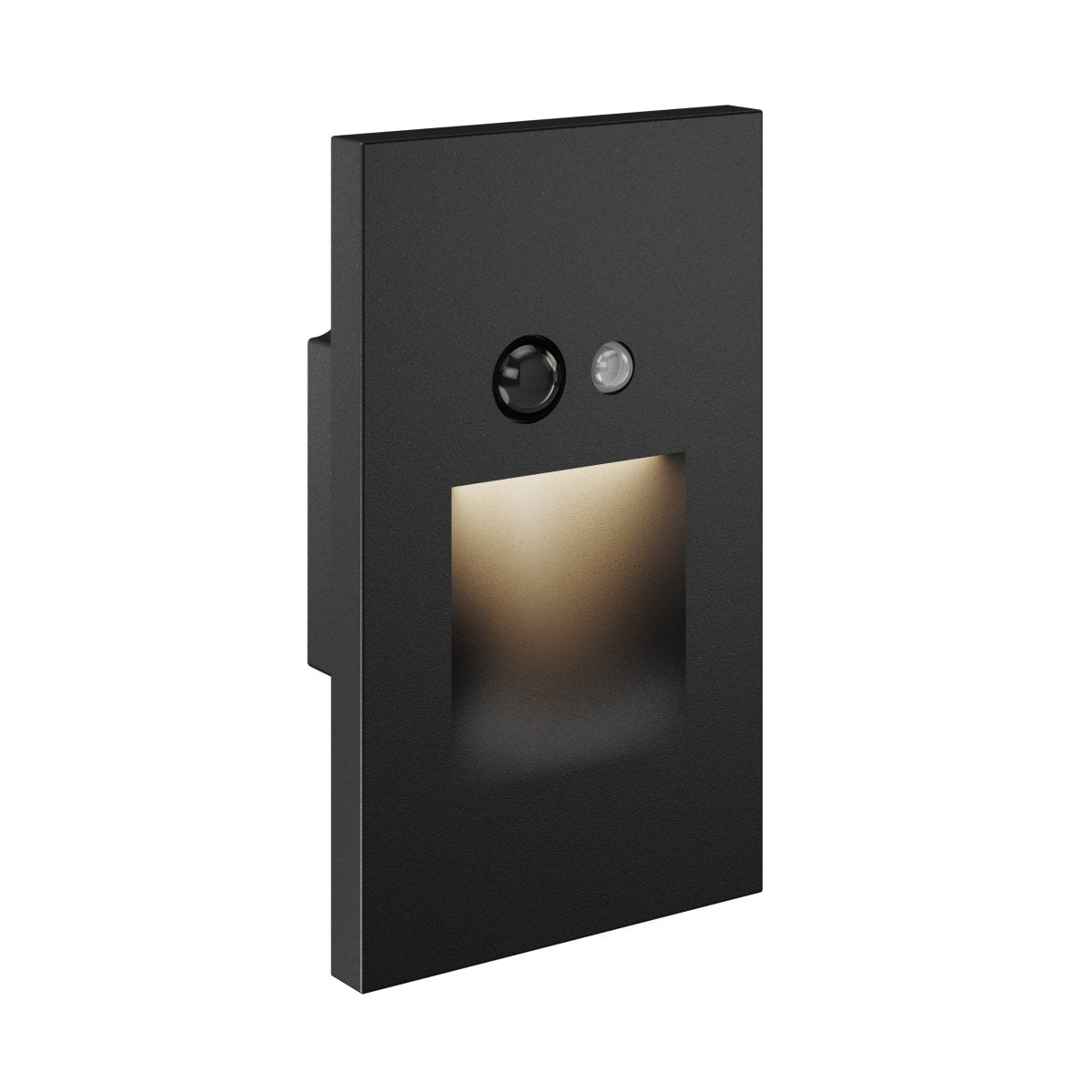
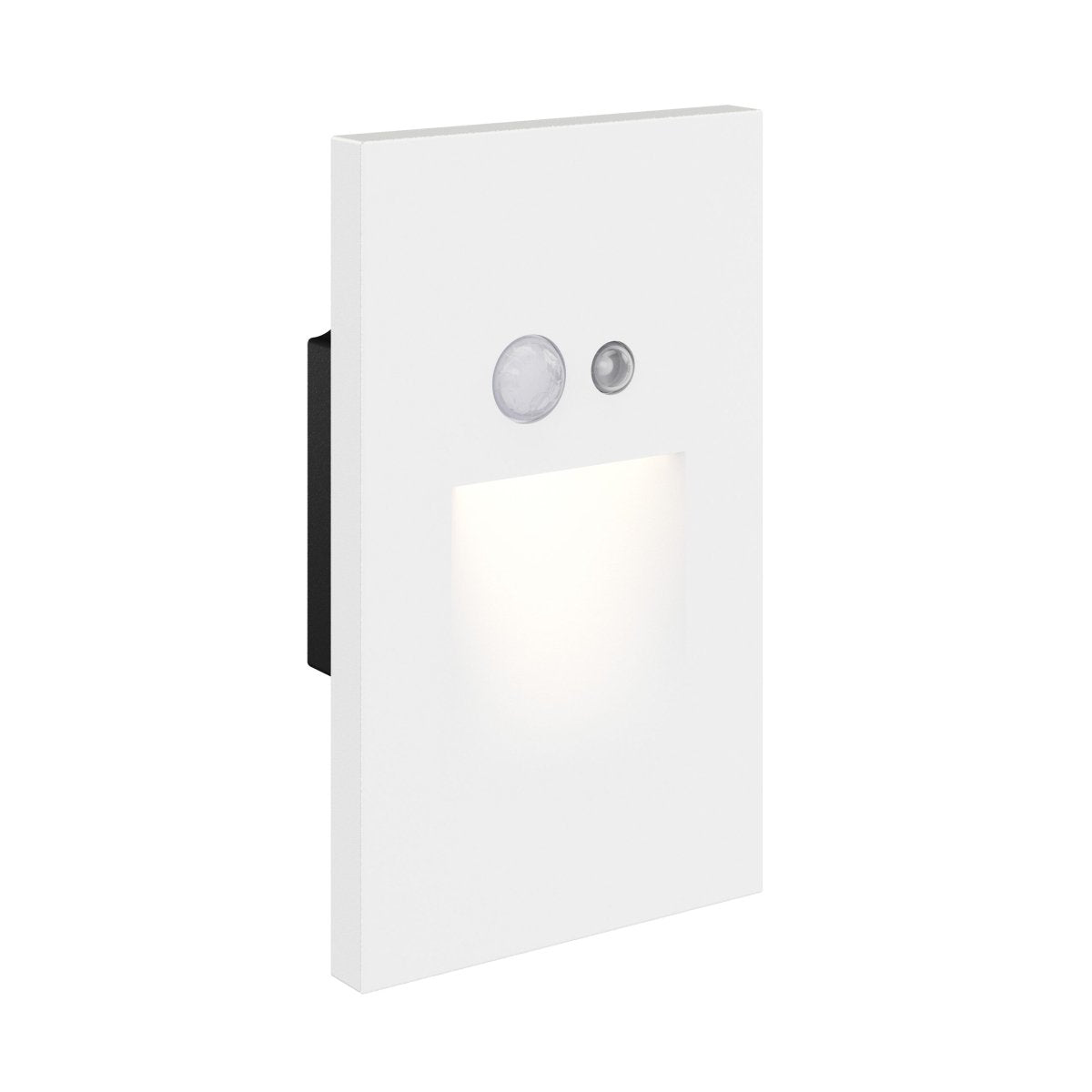
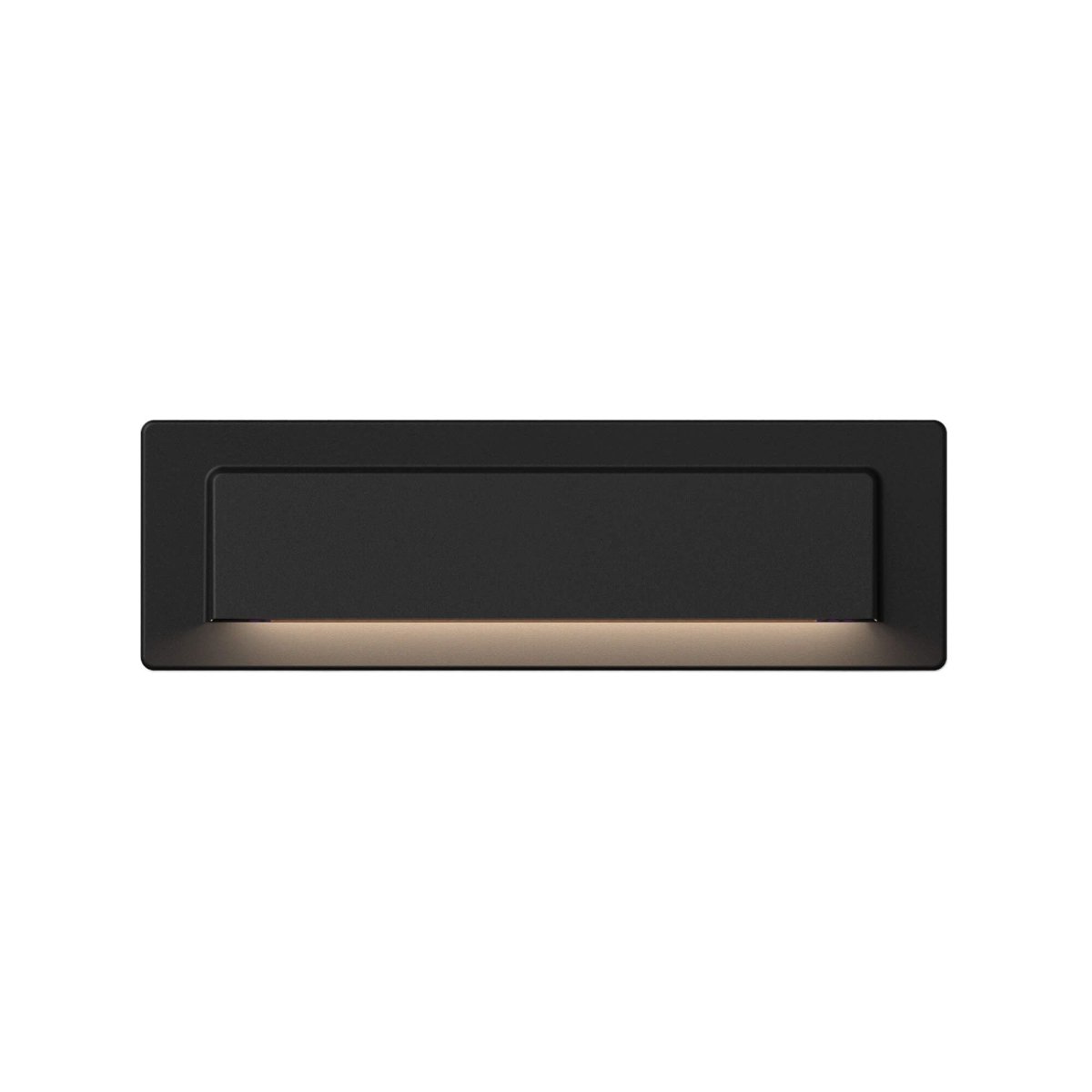
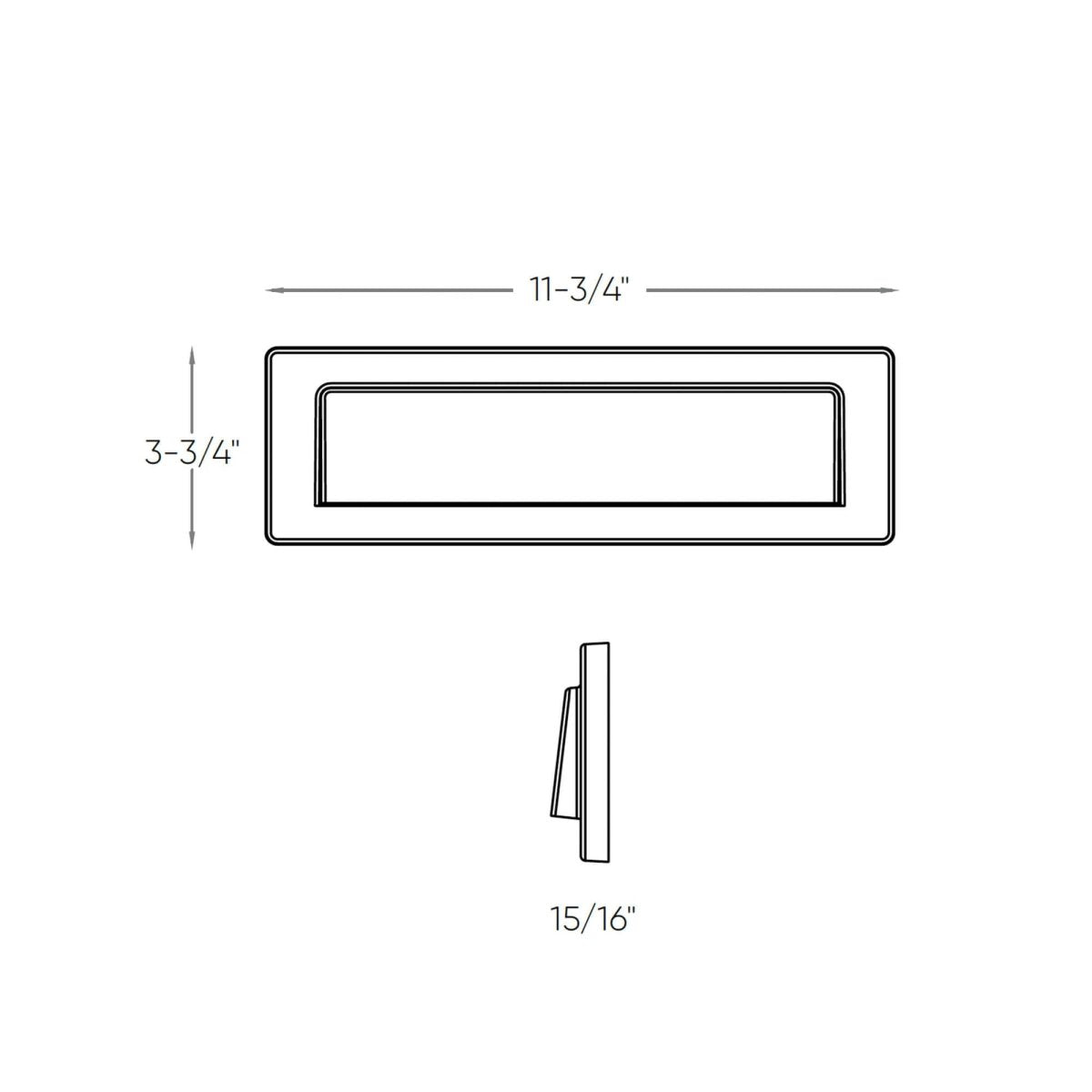
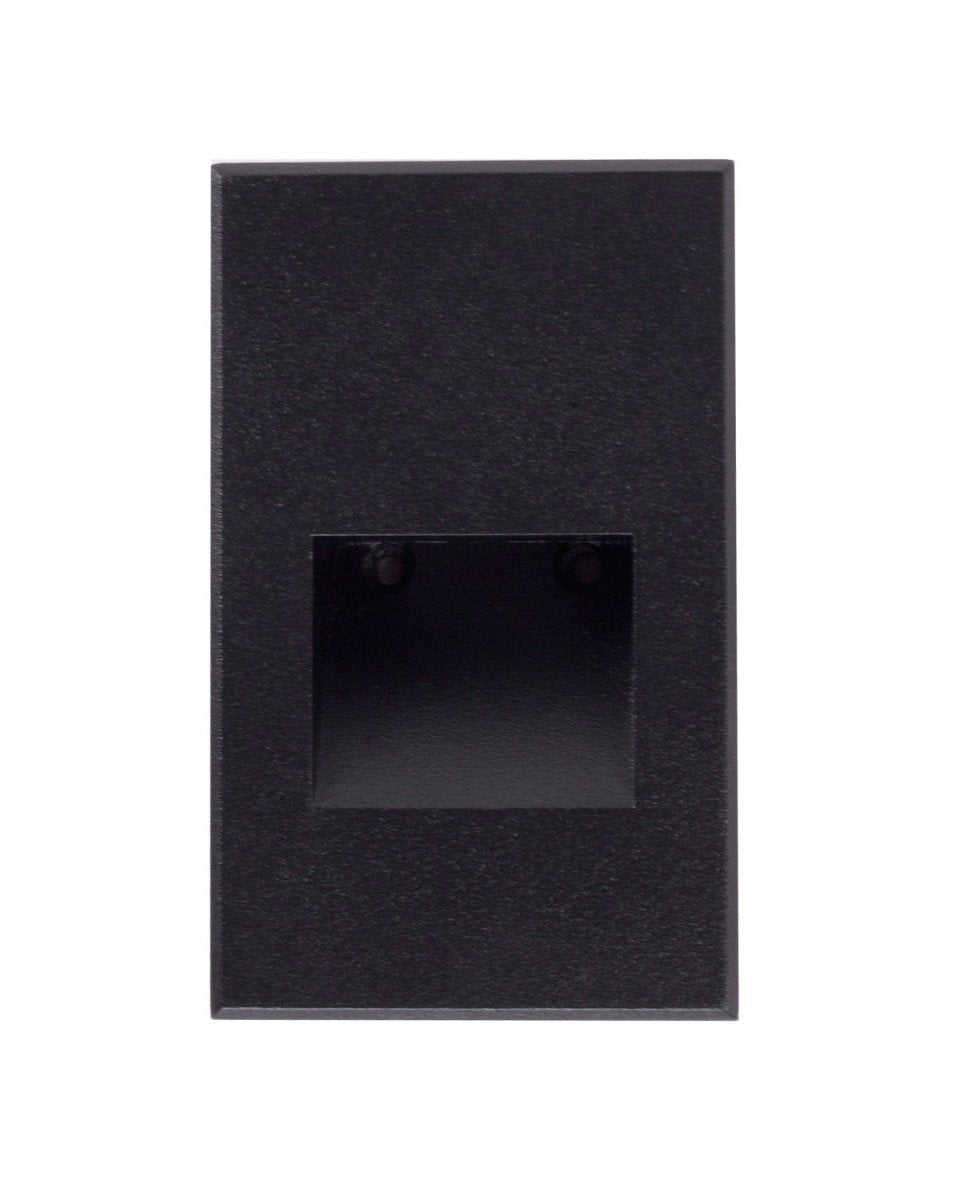
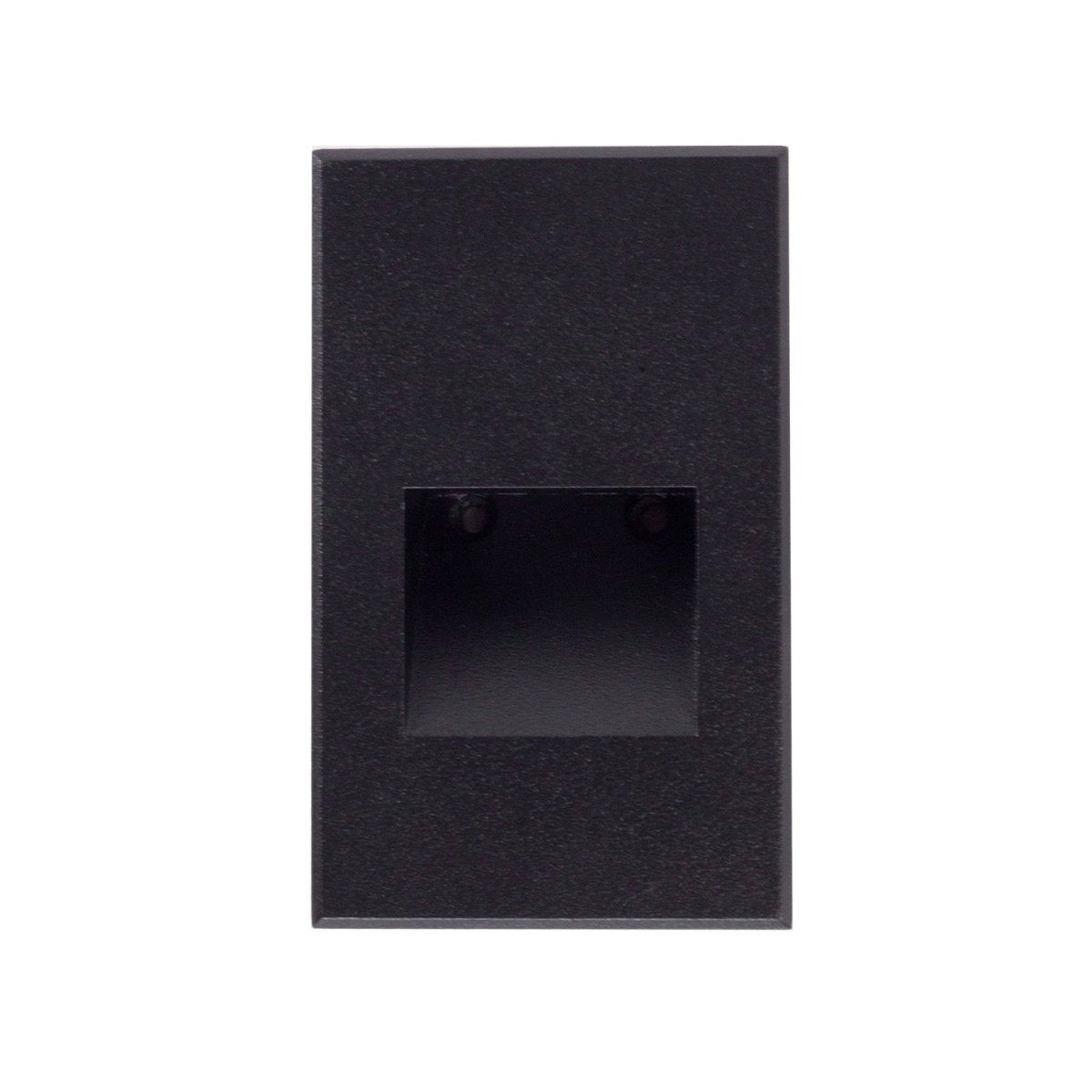
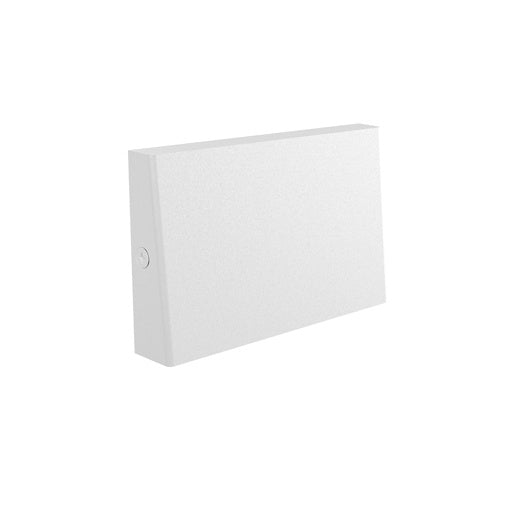
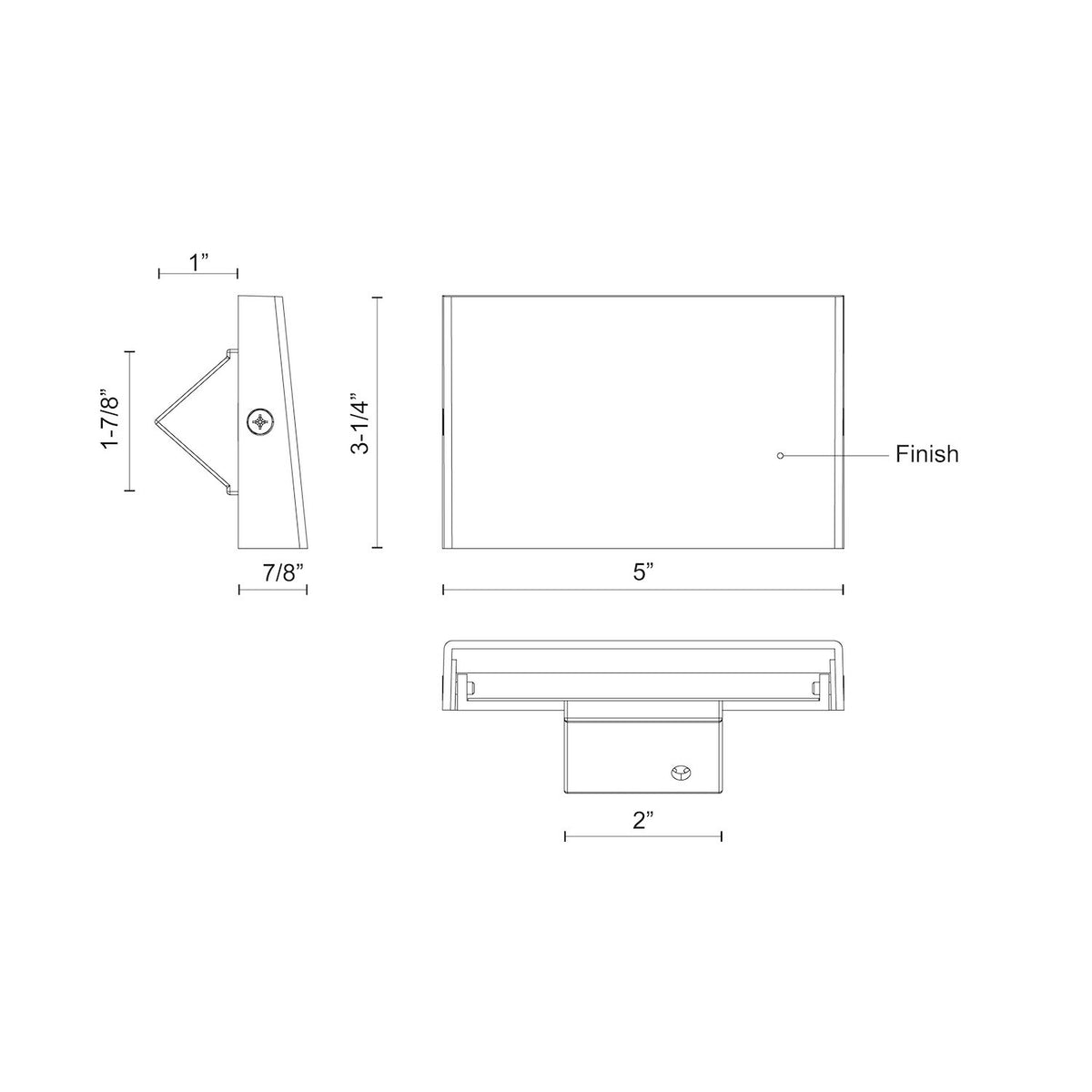
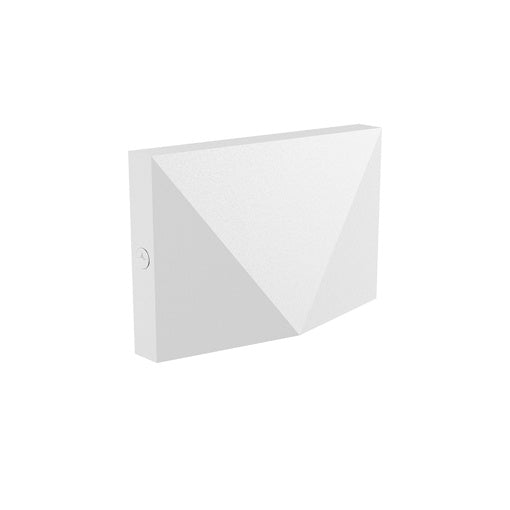
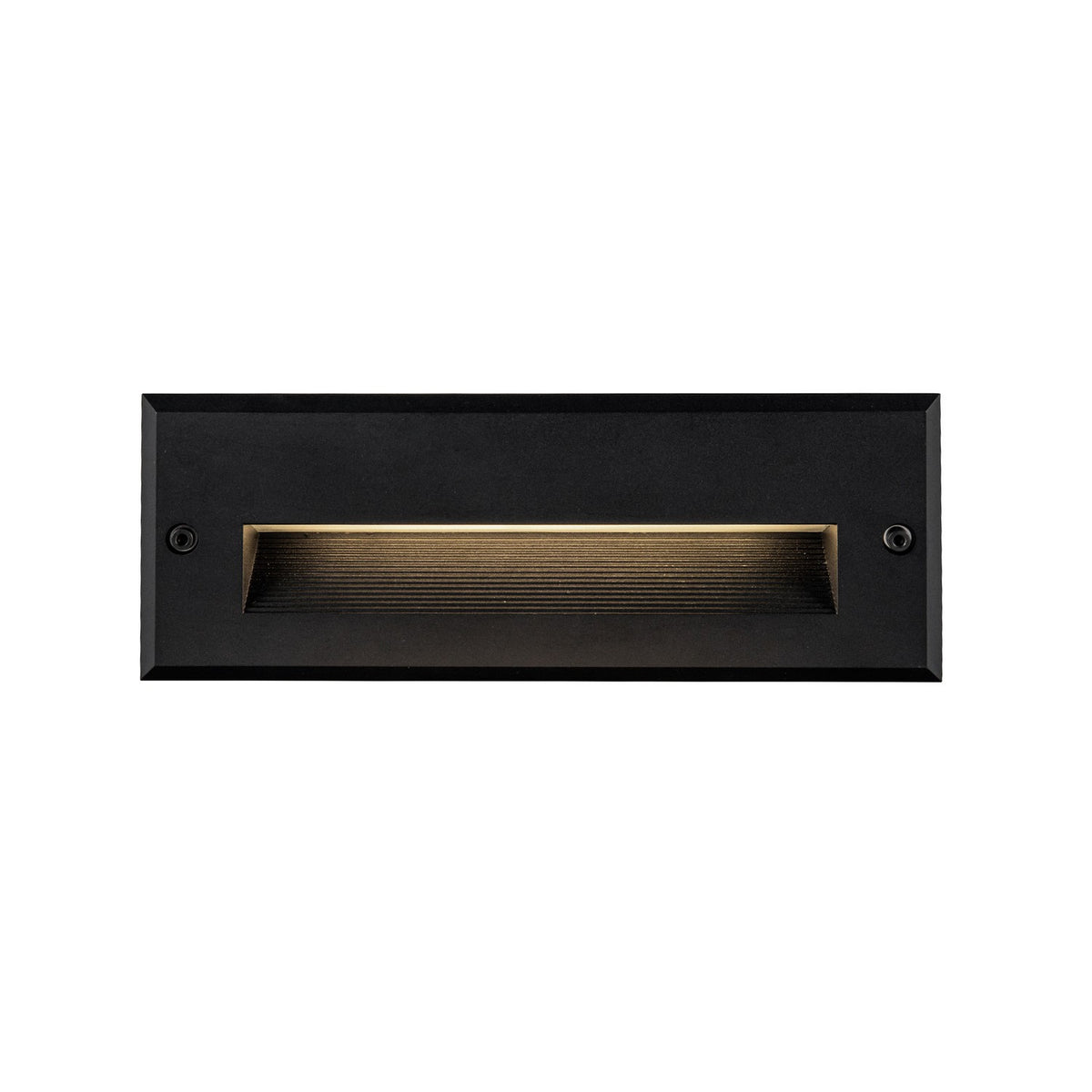
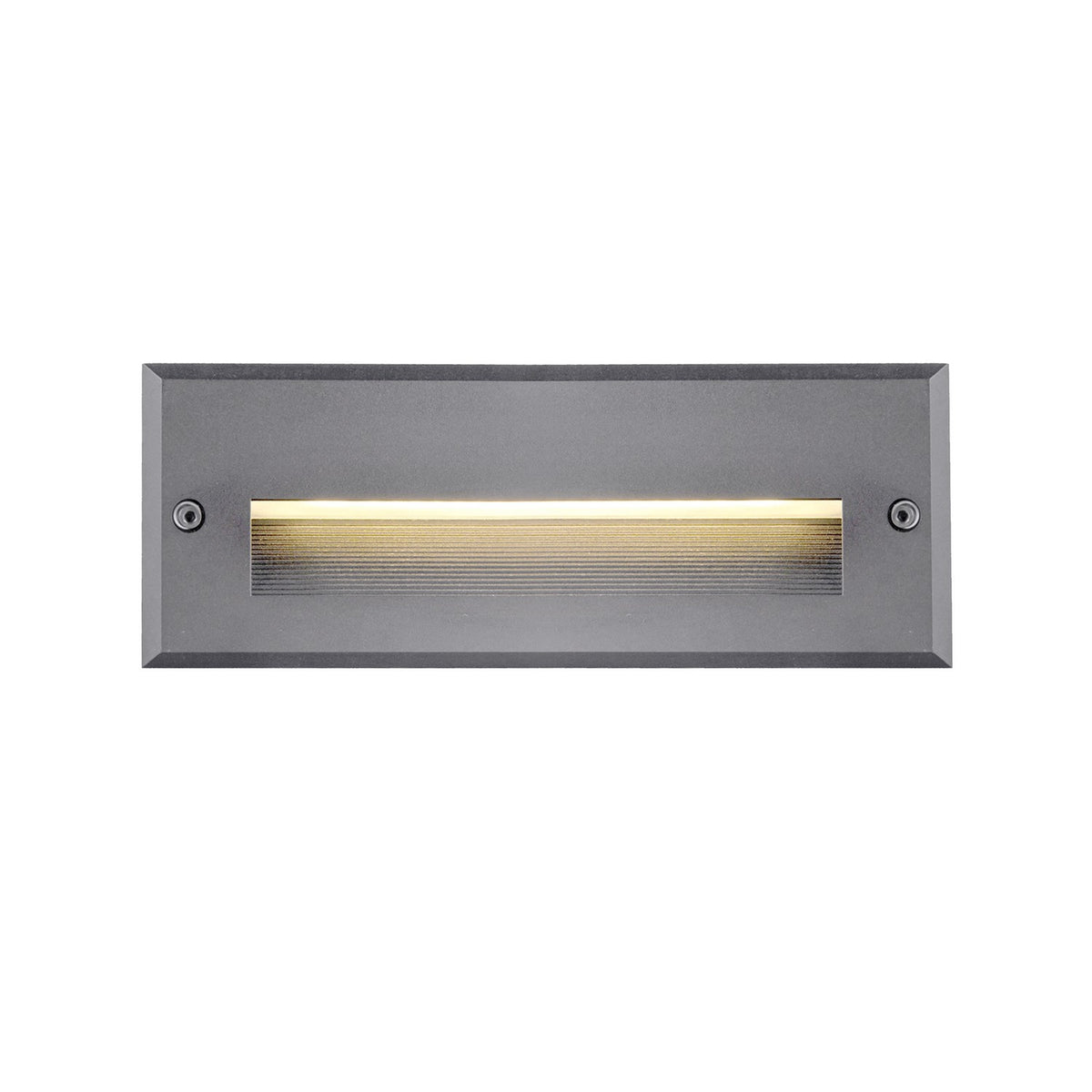
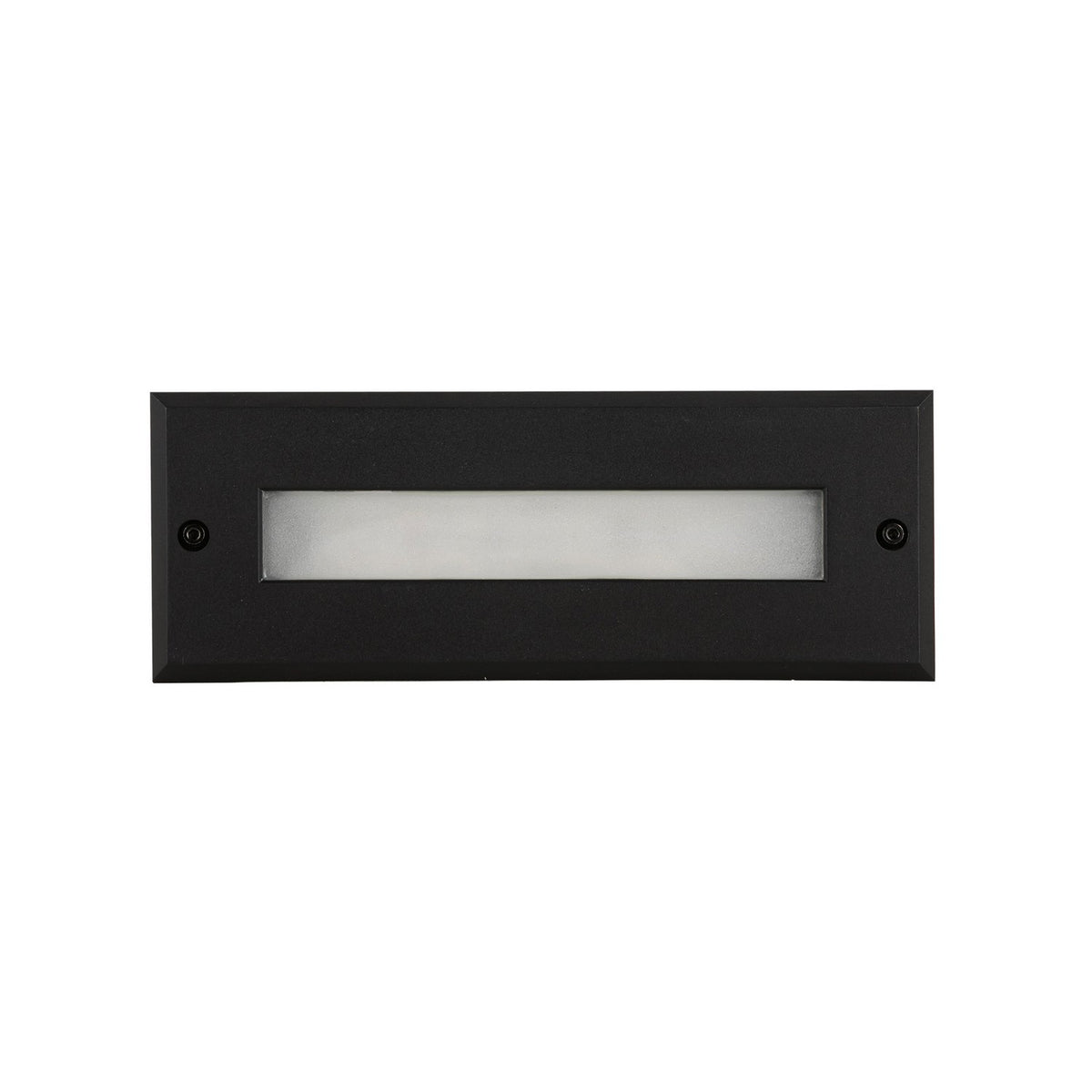
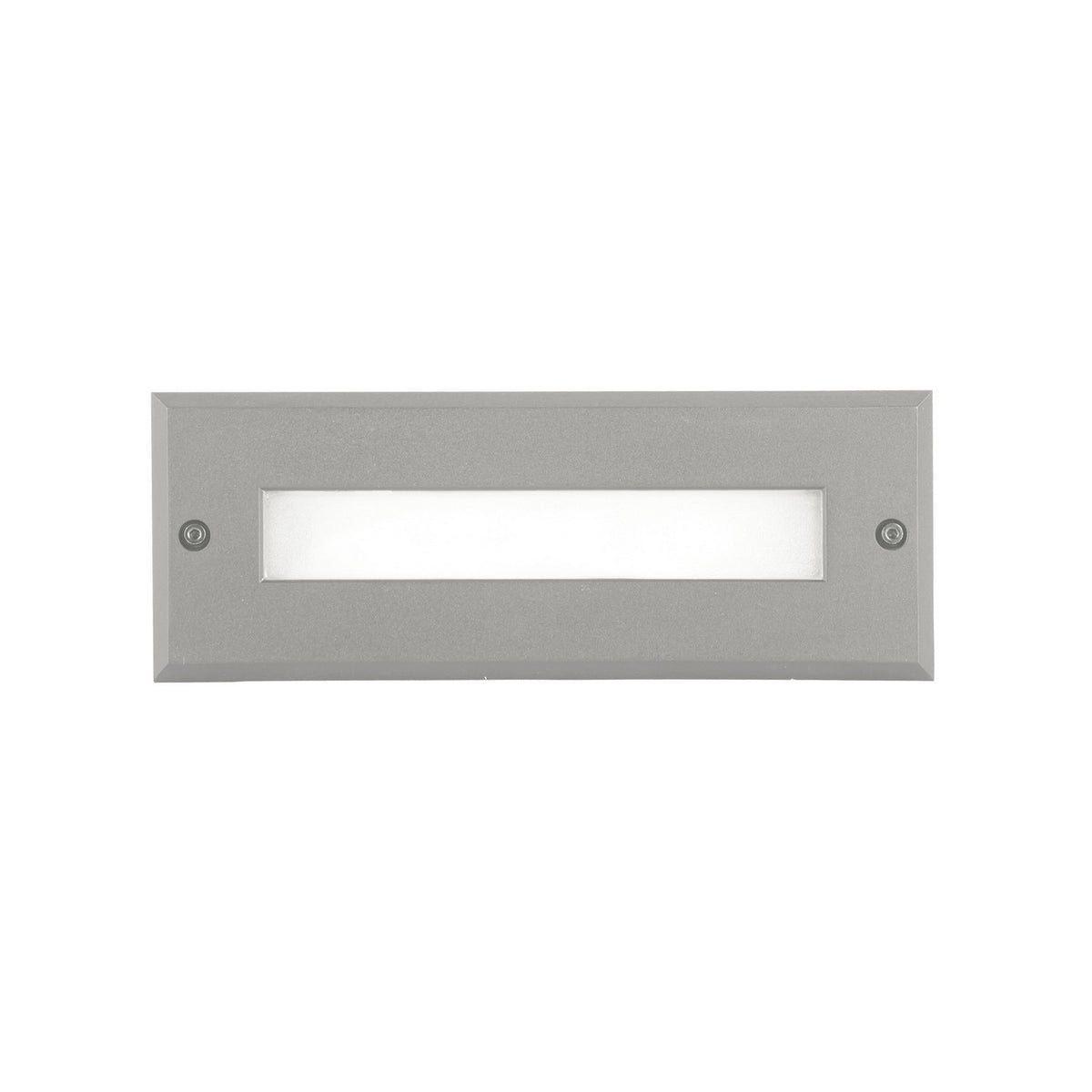
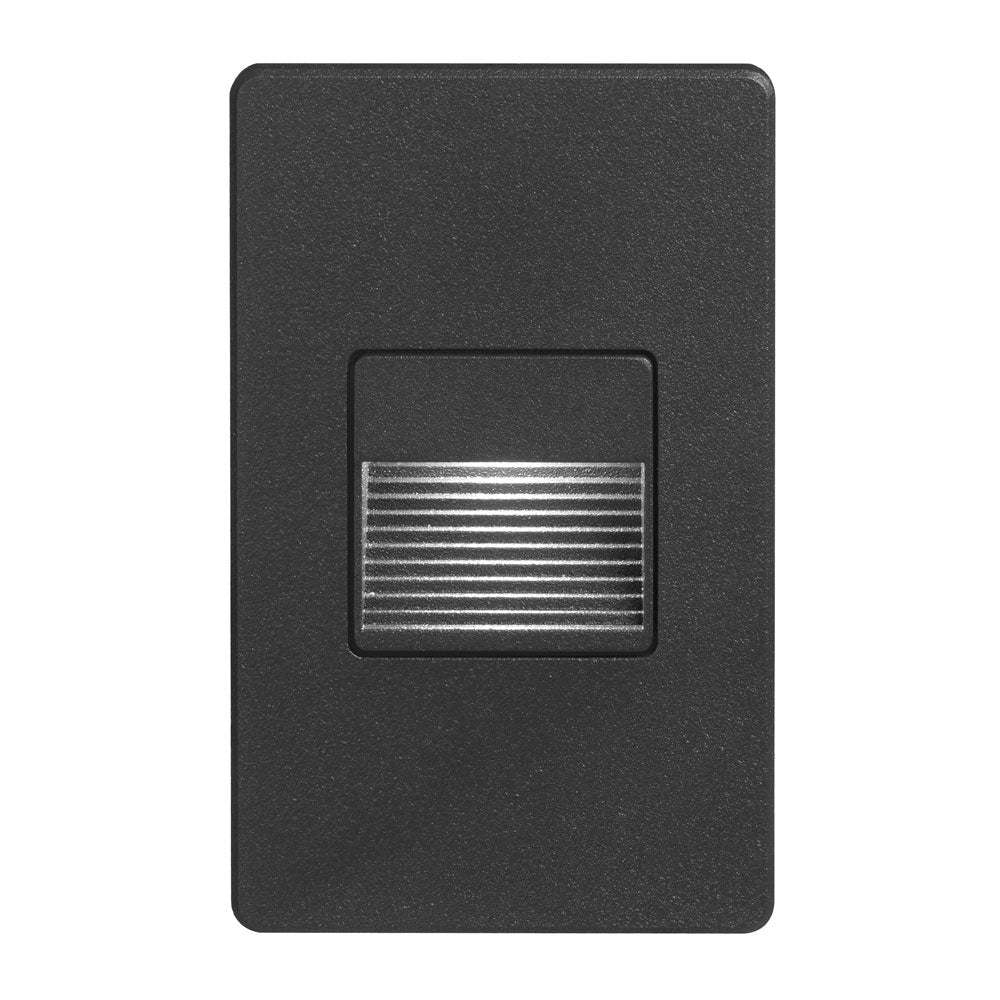
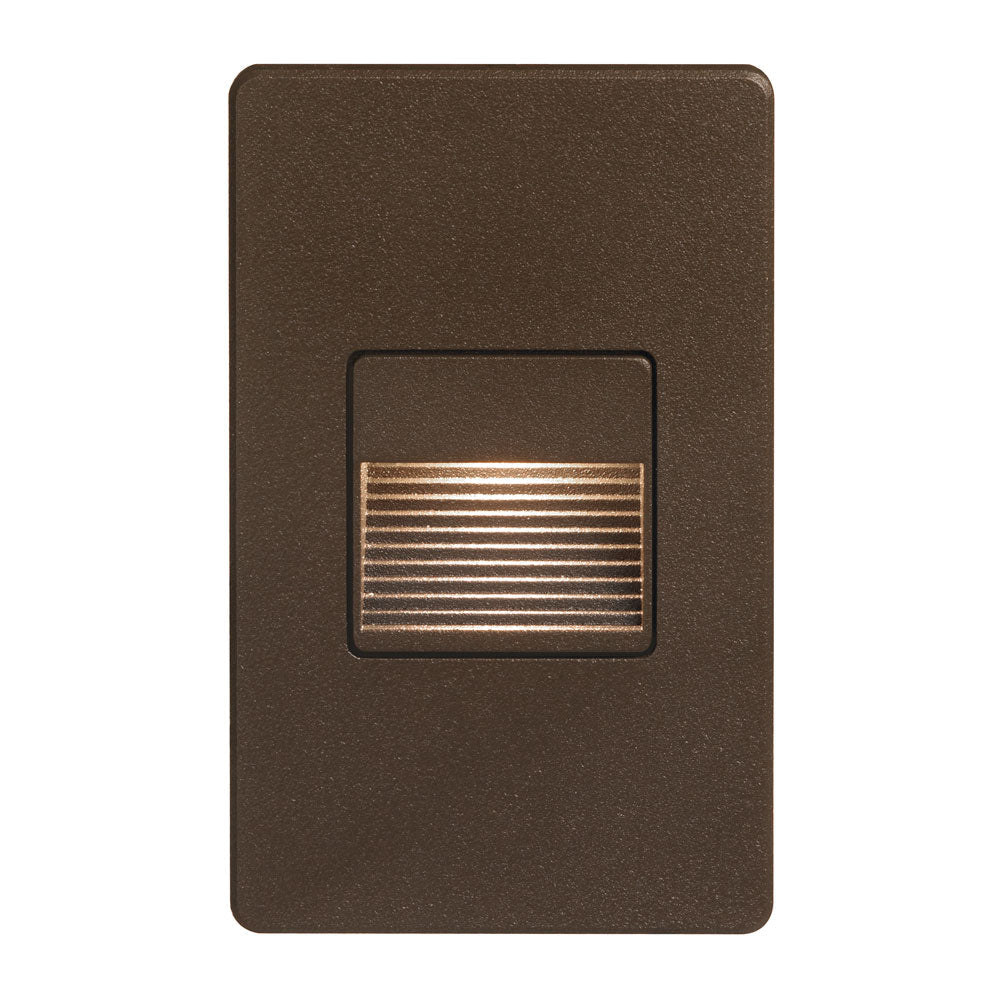
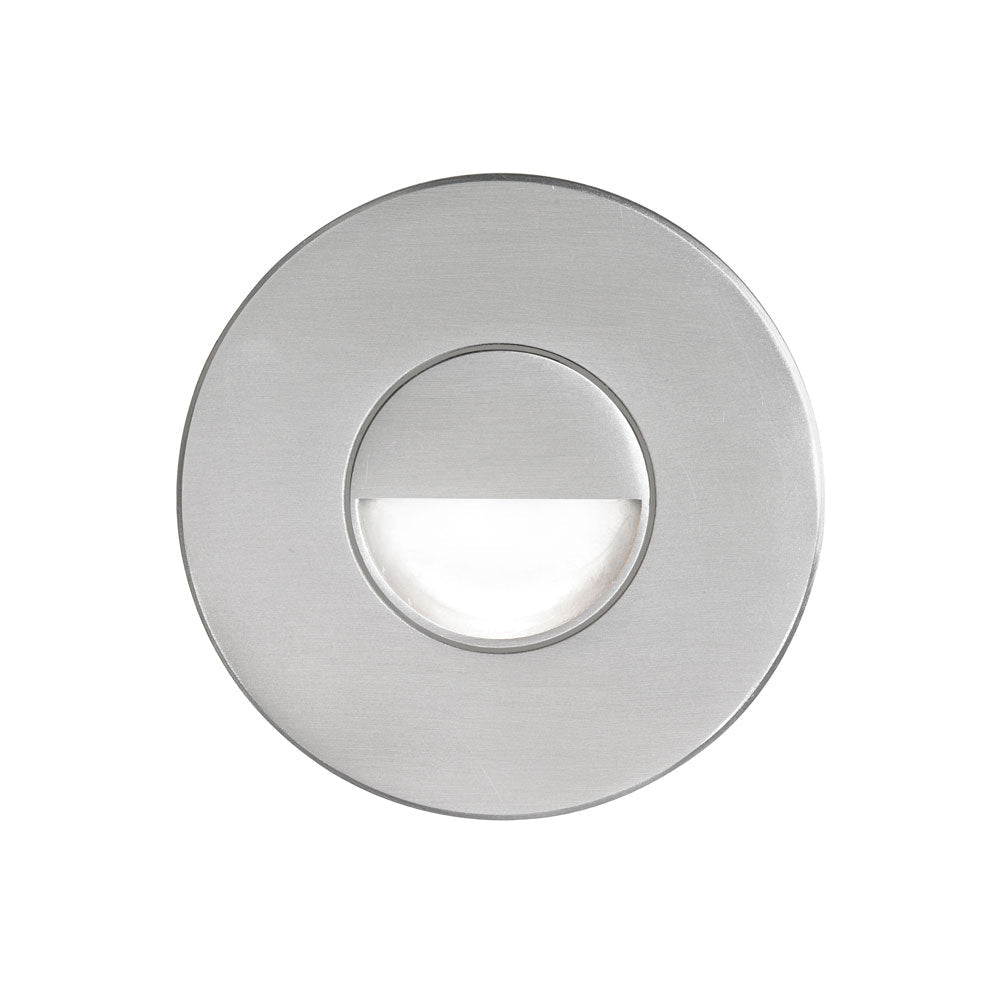
The core of this collection is the recessed step lights from Dals. They fit into the riser or the side wall, sit flush with the surface, and throw light down onto the tread below. Their compact size suits both an indoor staircase with LED lighting and a marked outdoor entry. Dals builds these with integrated LEDs, so there's no bulb to replace and power draw stays low. This is a clean way to get a step light exactly where you need it.
Indoors: staircase and stairway
For an indoor stair light, aim for a discreet, warm glow. One fixture every two or three steps is usually enough to mark the climb. In a narrow stairway or a basement descent, these low points of light on the stairs let you skip a row of sconces and keep the wall clear. Lighting in a stairway works best when it's low and even.
Outdoors: steps and porch
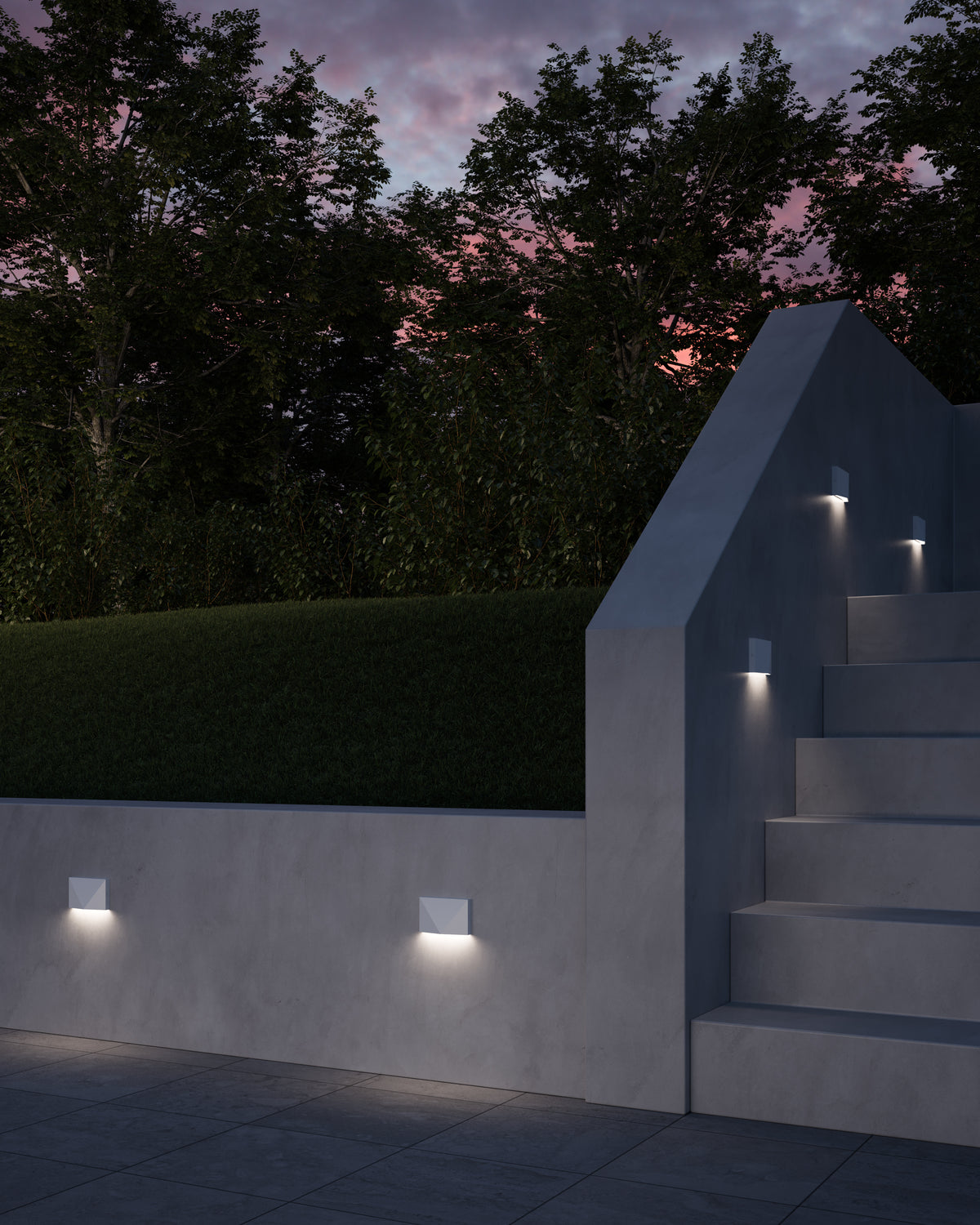
Outside, step lighting has to handle rain, frost and temperature swings, so choose a model rated for outdoor or wet locations. A well-placed light for steps secures a porch or deck stair and blends into a broader plan; a matching landscape light along the path ties it all together for lighted stairs that stay safe year-round.
Mounting height and placement
To light stairs effectively, keep the fixture low, near the tread, so the beam sweeps the step nosing without hitting your eyes. The step light usually goes in the riser a few inches below the nosing, or in the side wall between 6 in (15 cm) and 12 in (30 cm) above each step depending on the look you want. Even spacing gives a clean, readable result on the stairs.
Color temperature and visual comfort
For a staircase, warm white from 2700 to 3000 K stays welcoming and doesn't harshen materials. A high color rendering index (CRI) helps you read the texture and edge of each tread. Indoors and in a stairway, this warm tone matches the rest of the home's fixtures. If you add a wall sconce at the top of the staircase light, keep the same color temperature so everything reads as one.
Styles and finishes
Recessed step lights come in round or square shapes and neutral finishes that melt into the riser or wall. A quiet finish disappears by day and shows only the light at night. That's what makes a well-chosen stair light nearly invisible: you notice the glow, not the housing.
Rounding out your lighting
Step lighting pairs well with other solutions. An LED strip under a handrail or along a stringer extends the marked effect. At the top or bottom of the stairs, a sconce or ceiling fixture handles general light while the recessed units keep the steps safe. Consider a compatible dimmer to adjust the light on the stairs through the day.