











The main types of ceiling lights
Each category answers a specific need. Knowing the differences helps you pick the right format for the right room without guessing.
Chandeliers
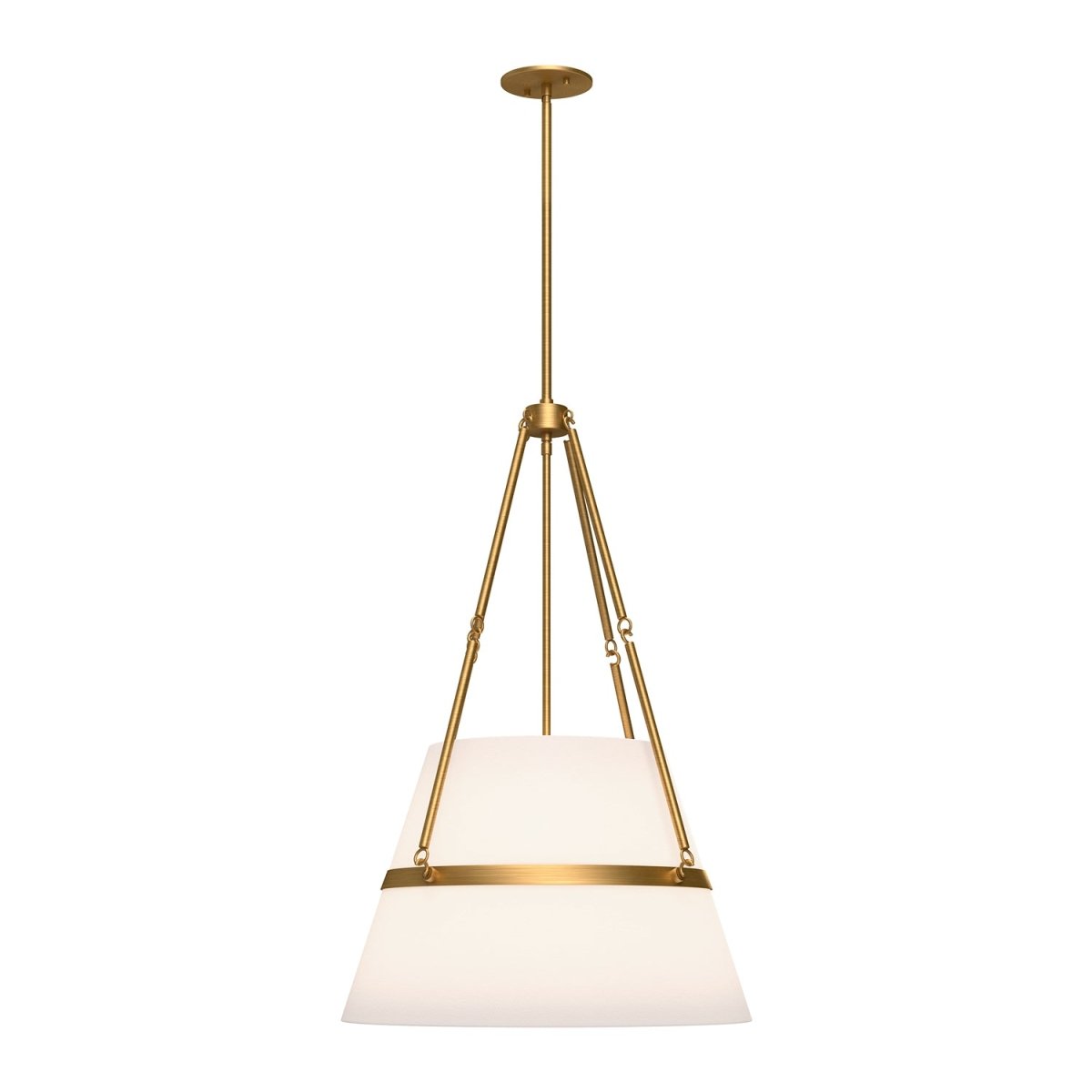
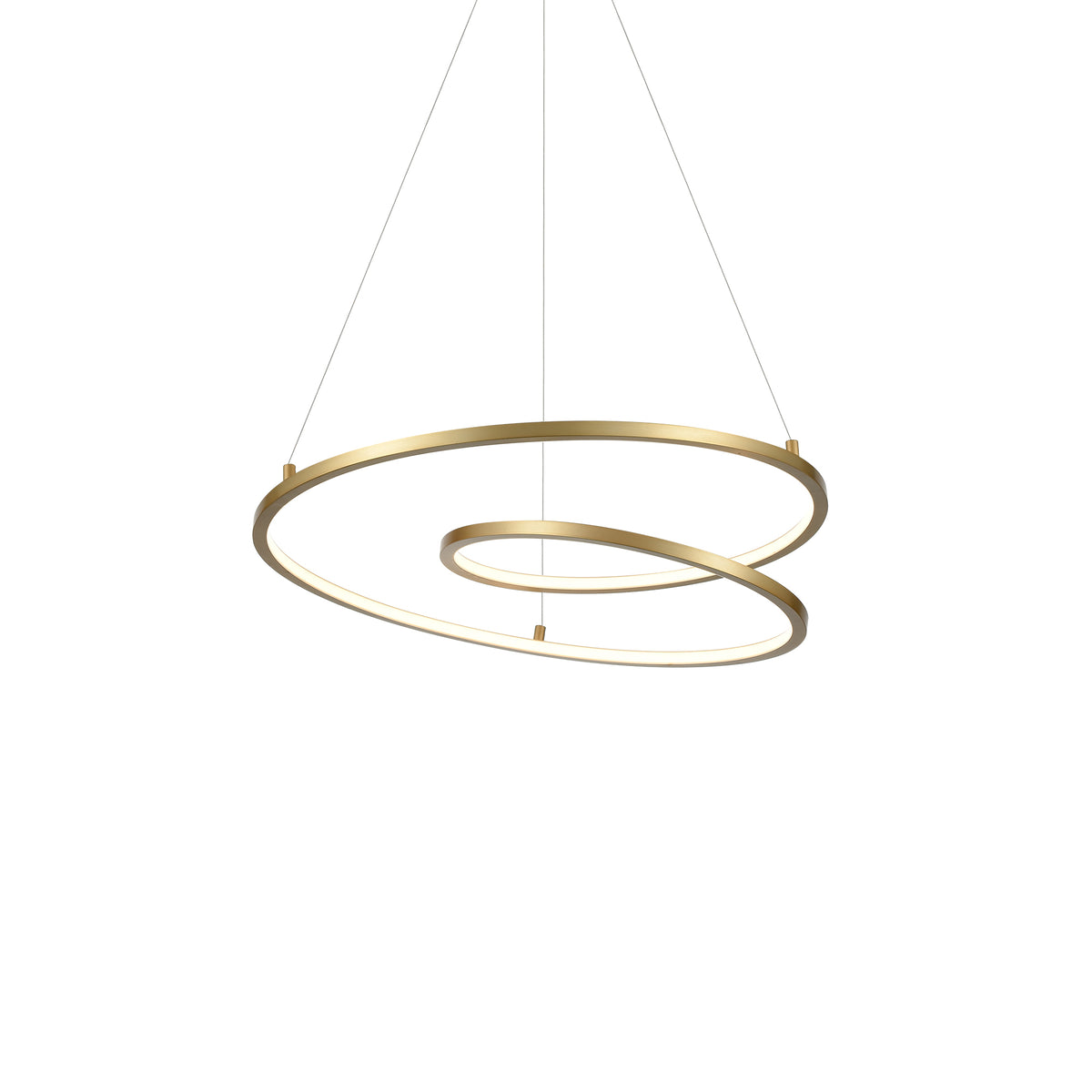
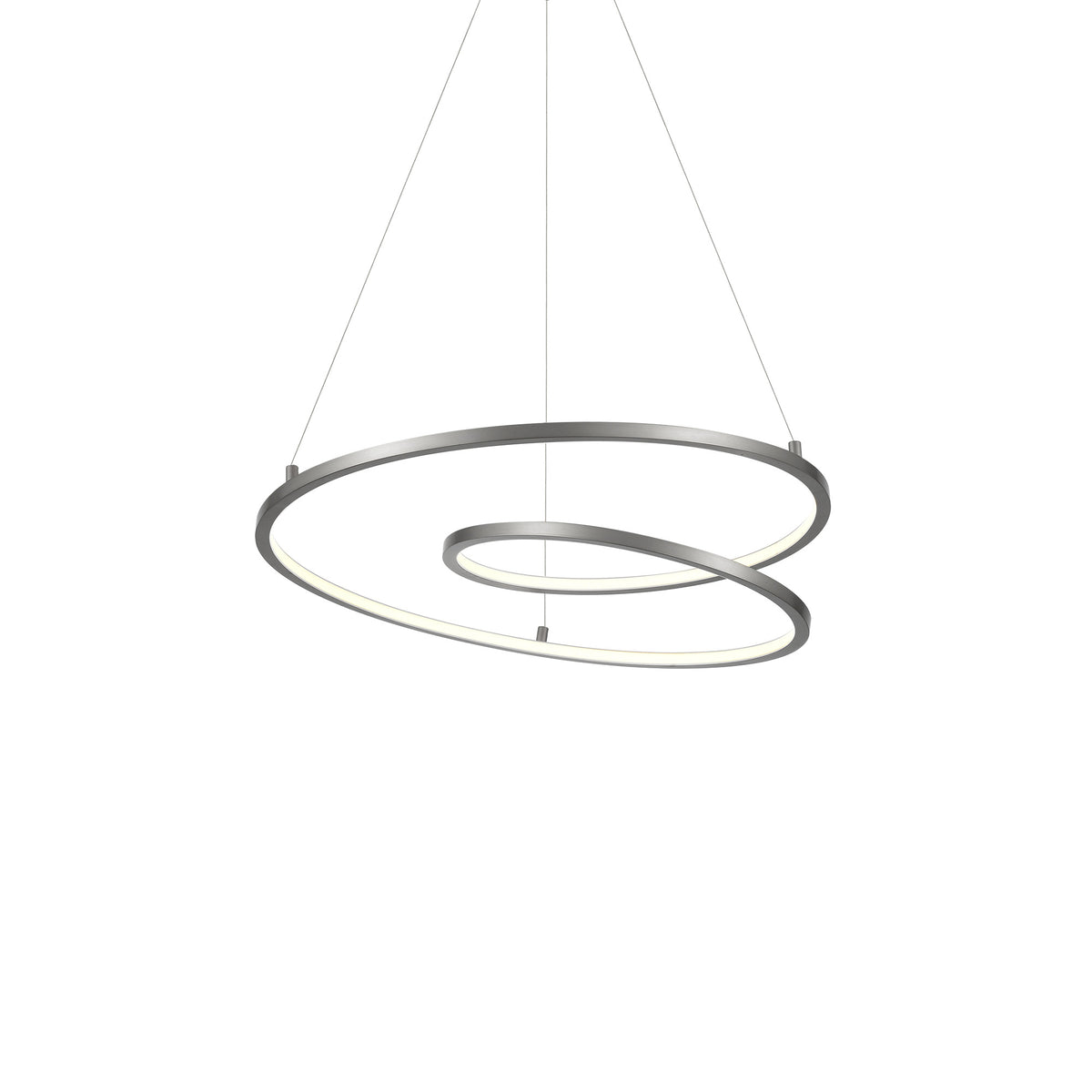
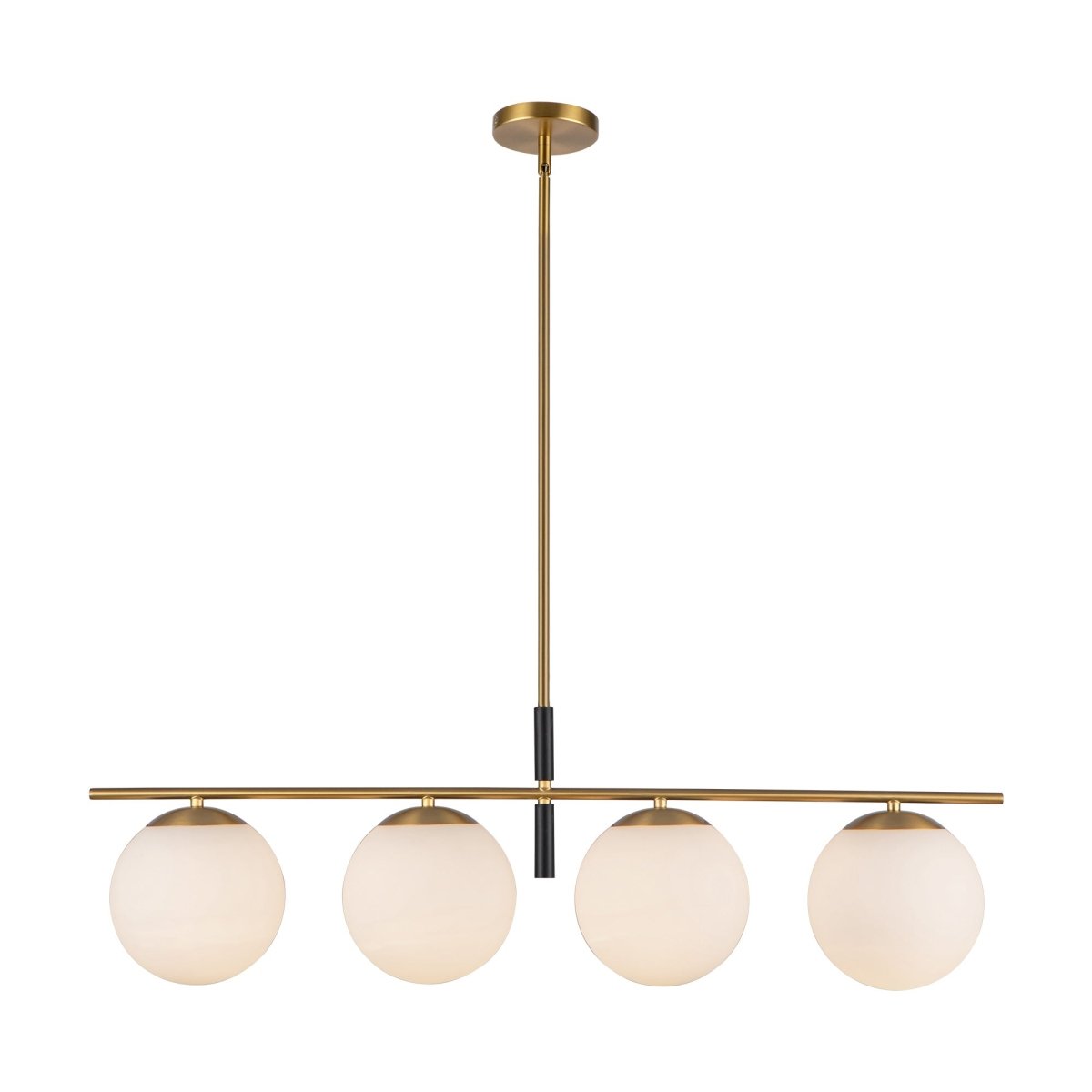
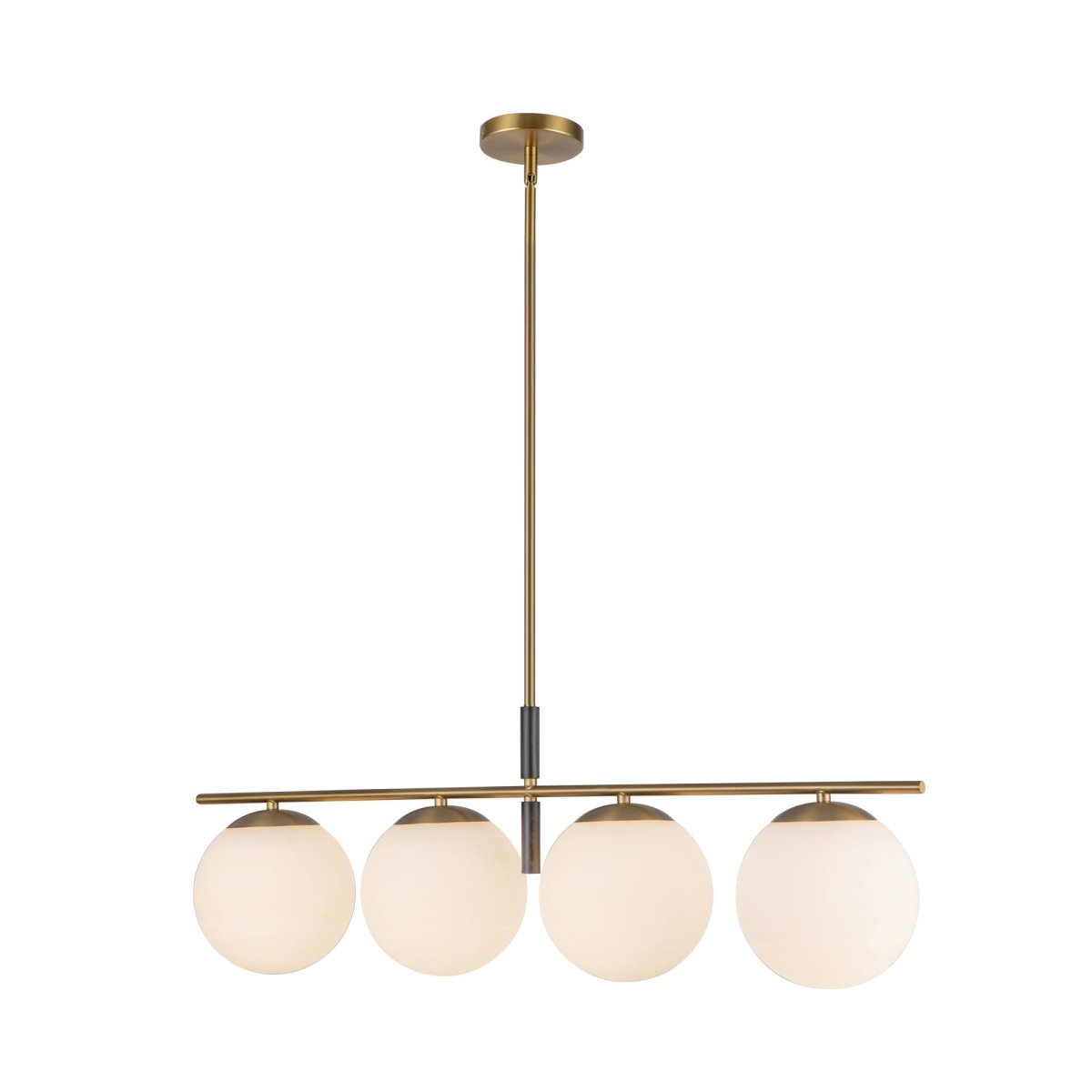
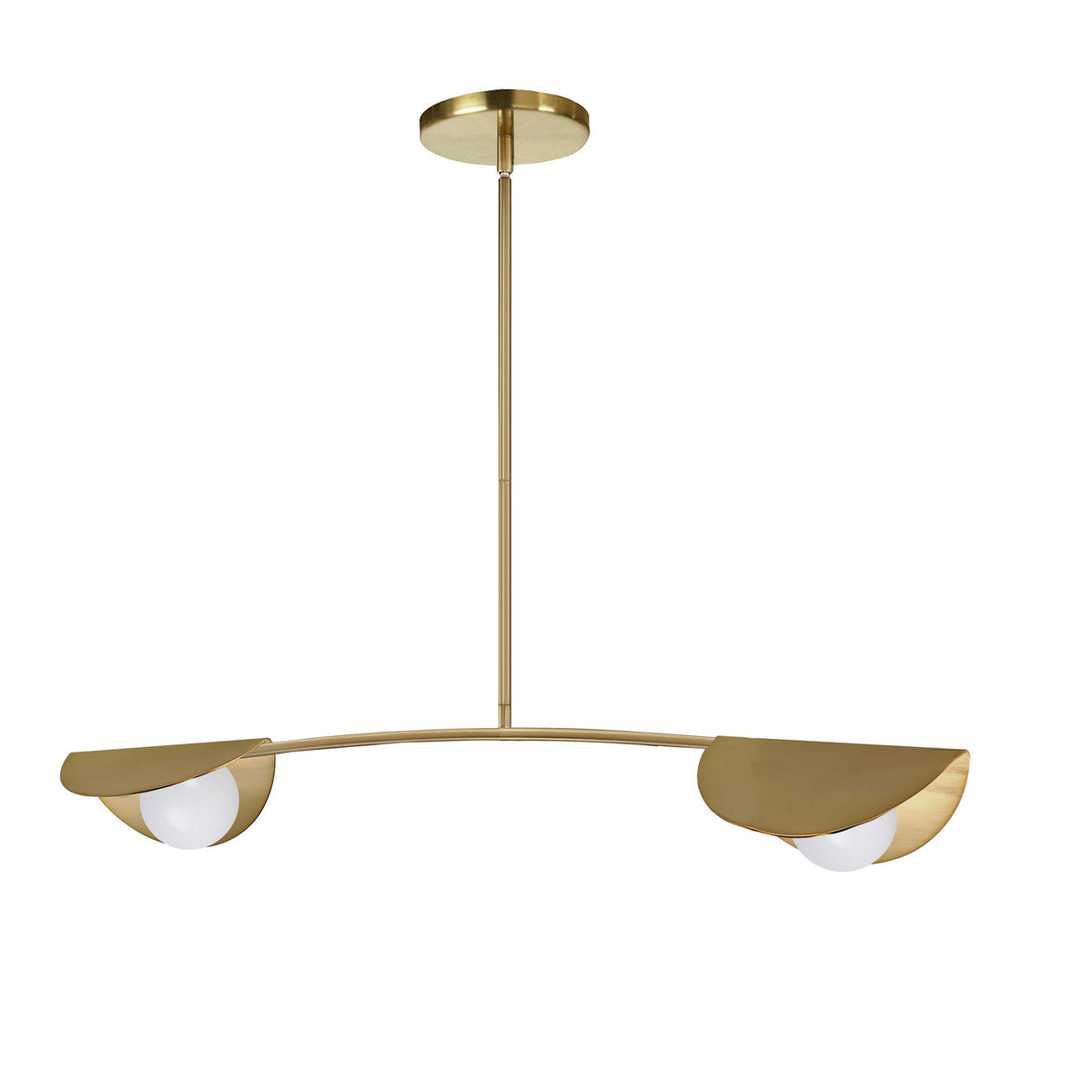
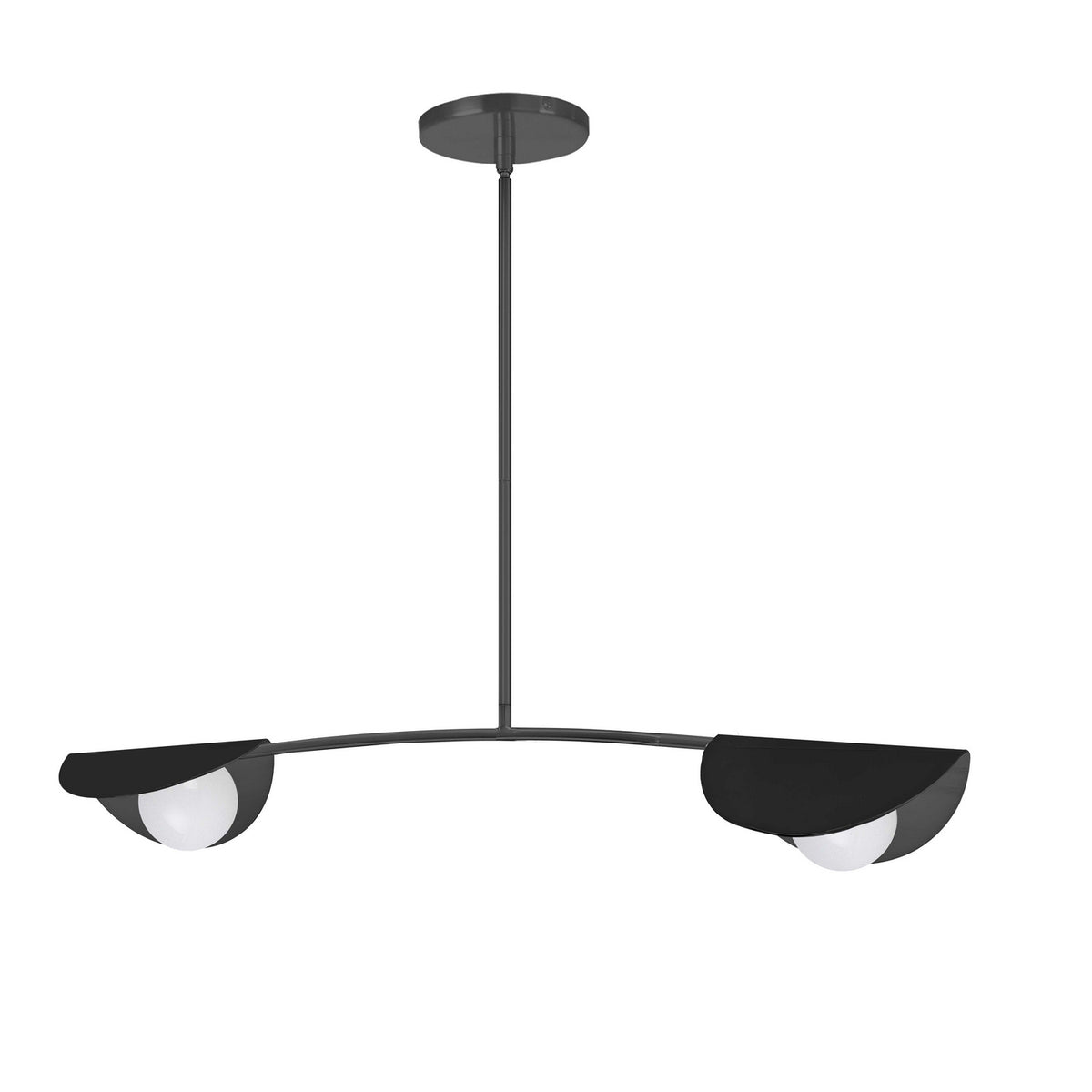
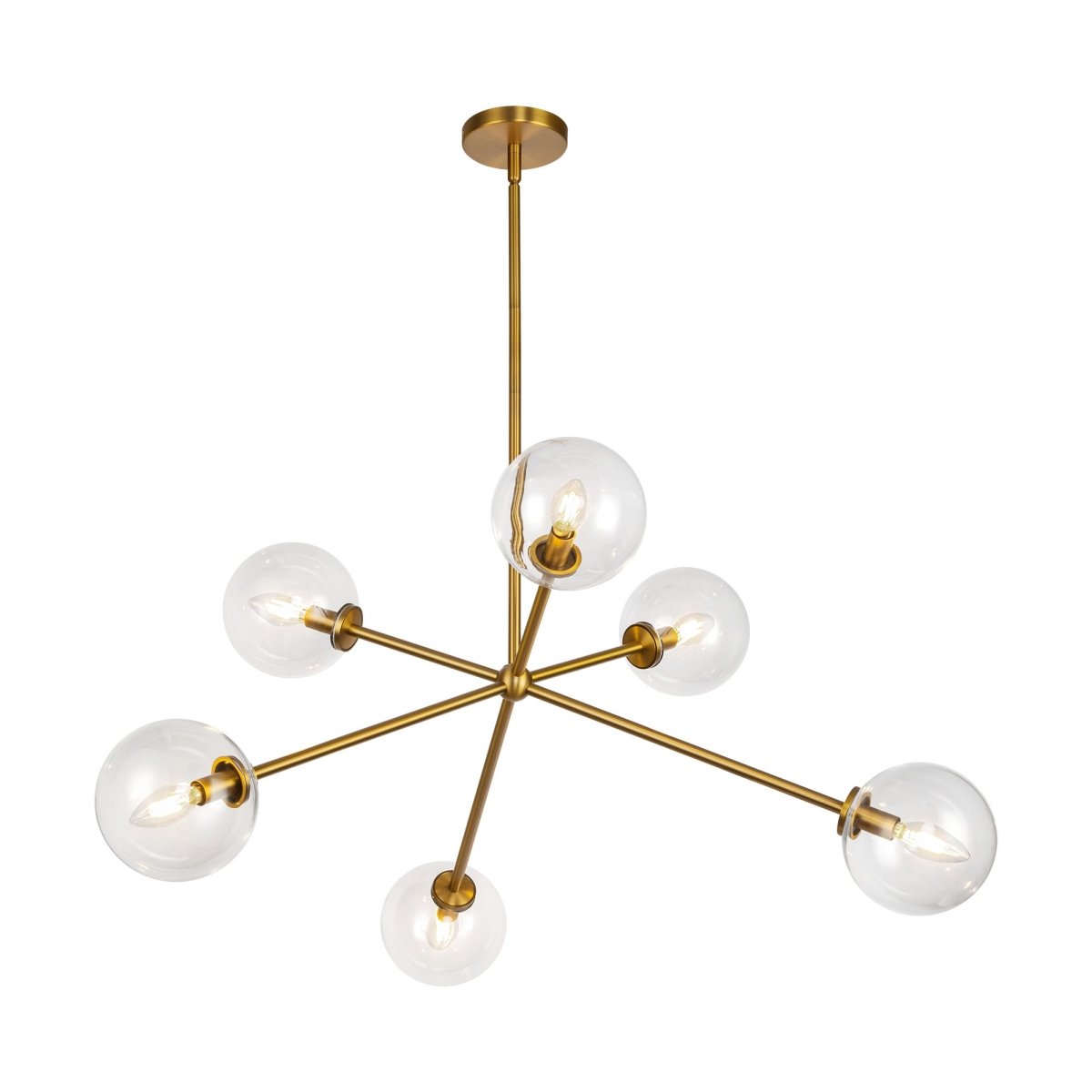
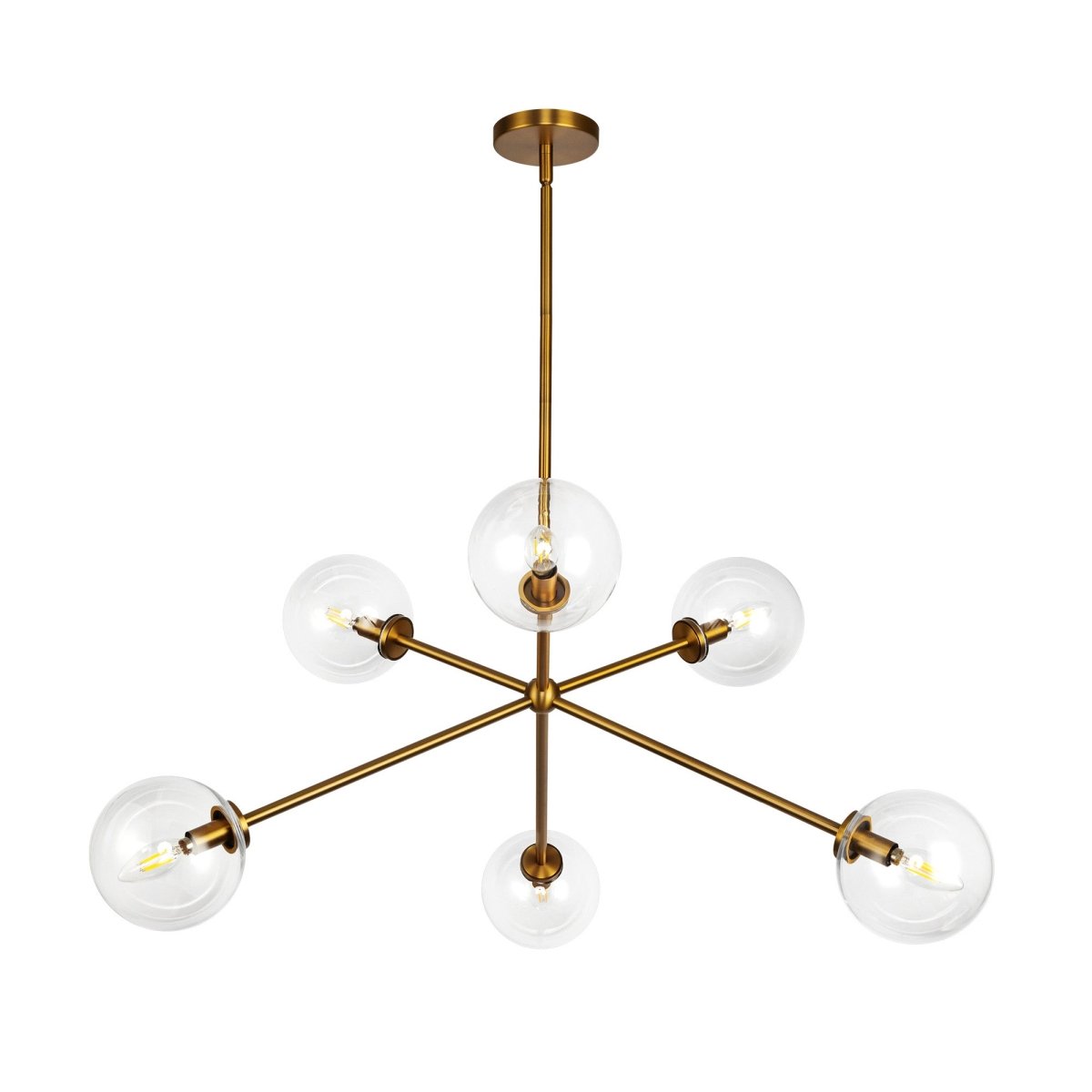
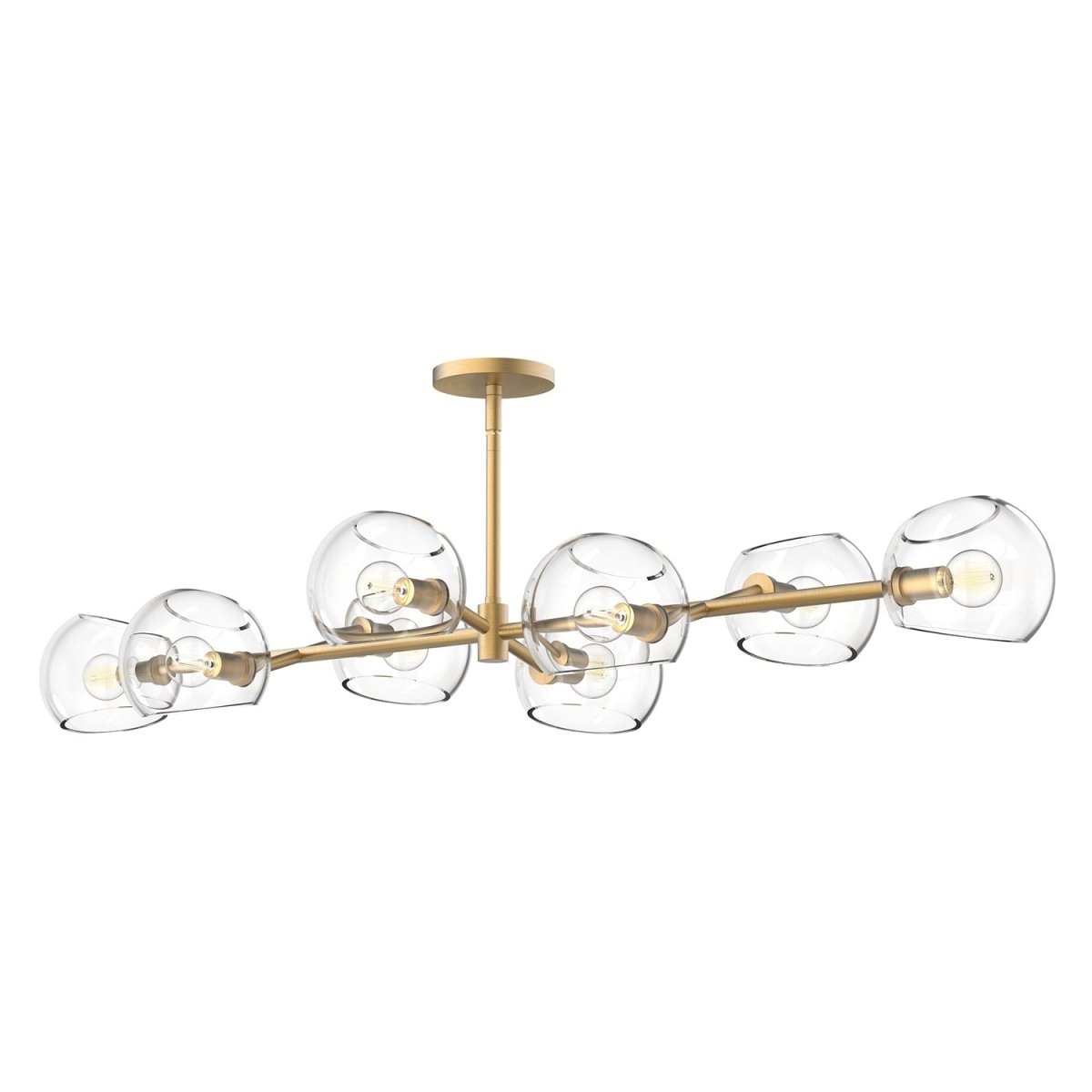
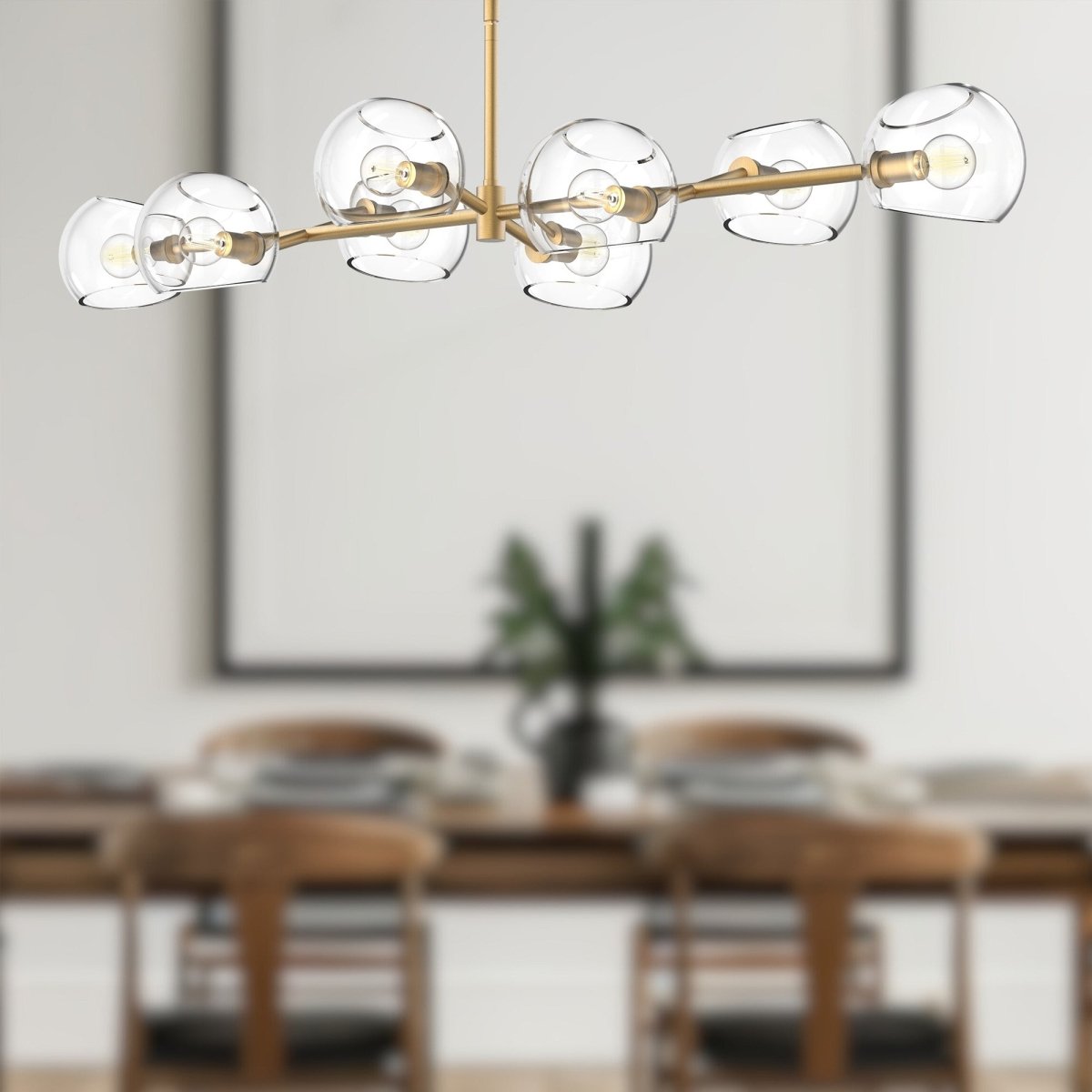
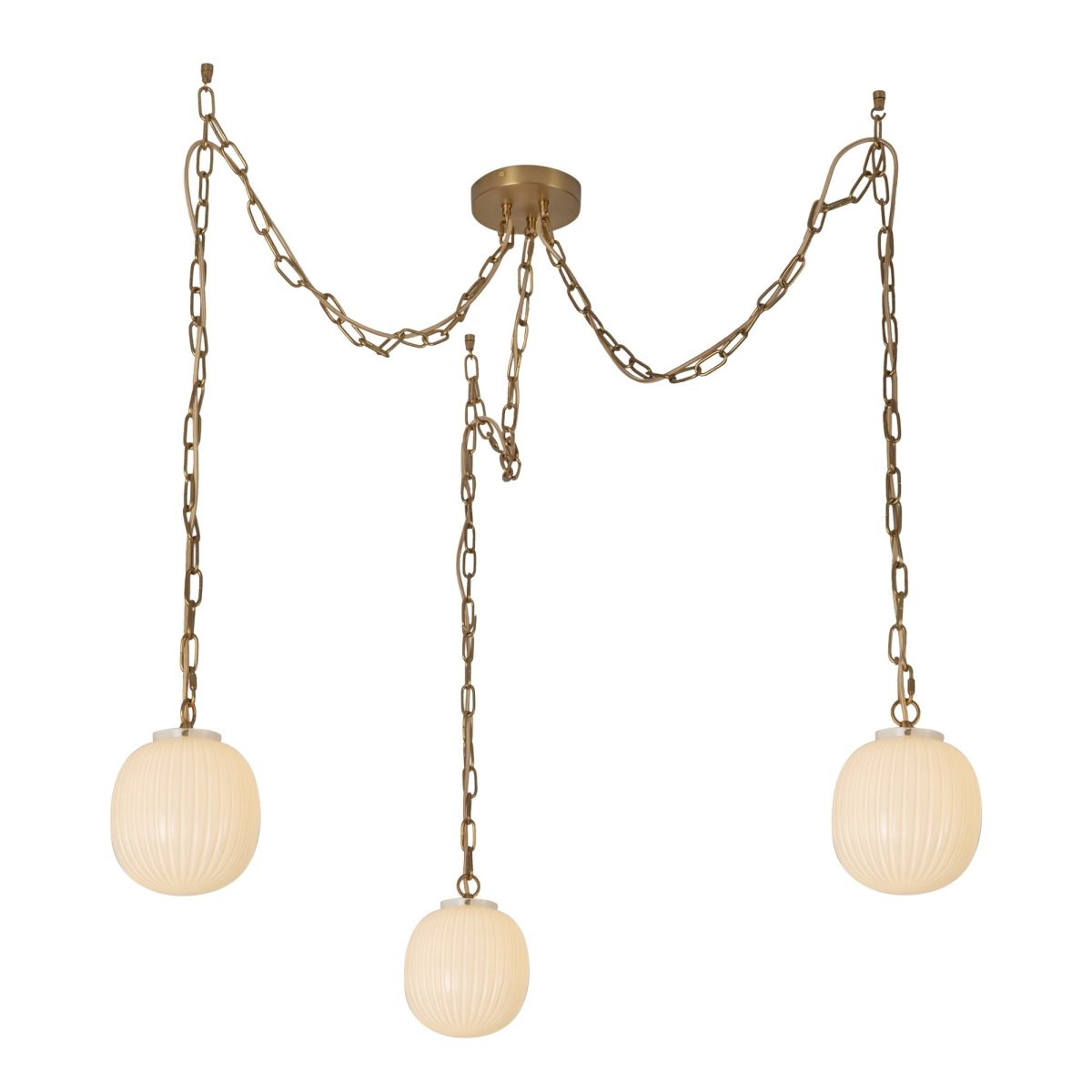
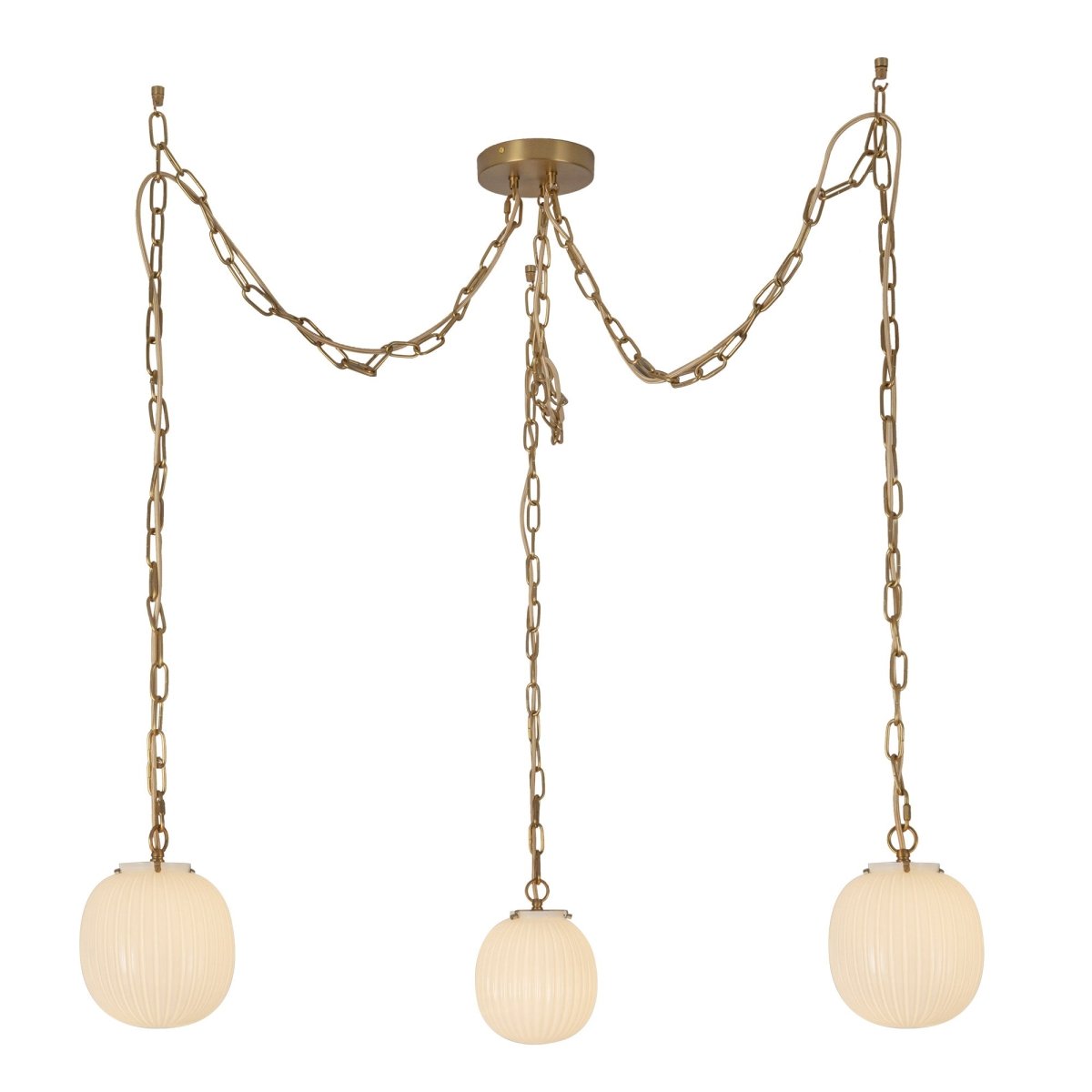
A chandelier structures a room and often becomes the centrepiece over a dining table or in a double-height entry. It comes in linear versions for rectangular tables, in crystal designs, or in more open contemporary shapes. A brass chandelier warms up a neutral scheme, while a matte black one anchors a quieter mood.
Pendant lights and hanging lights
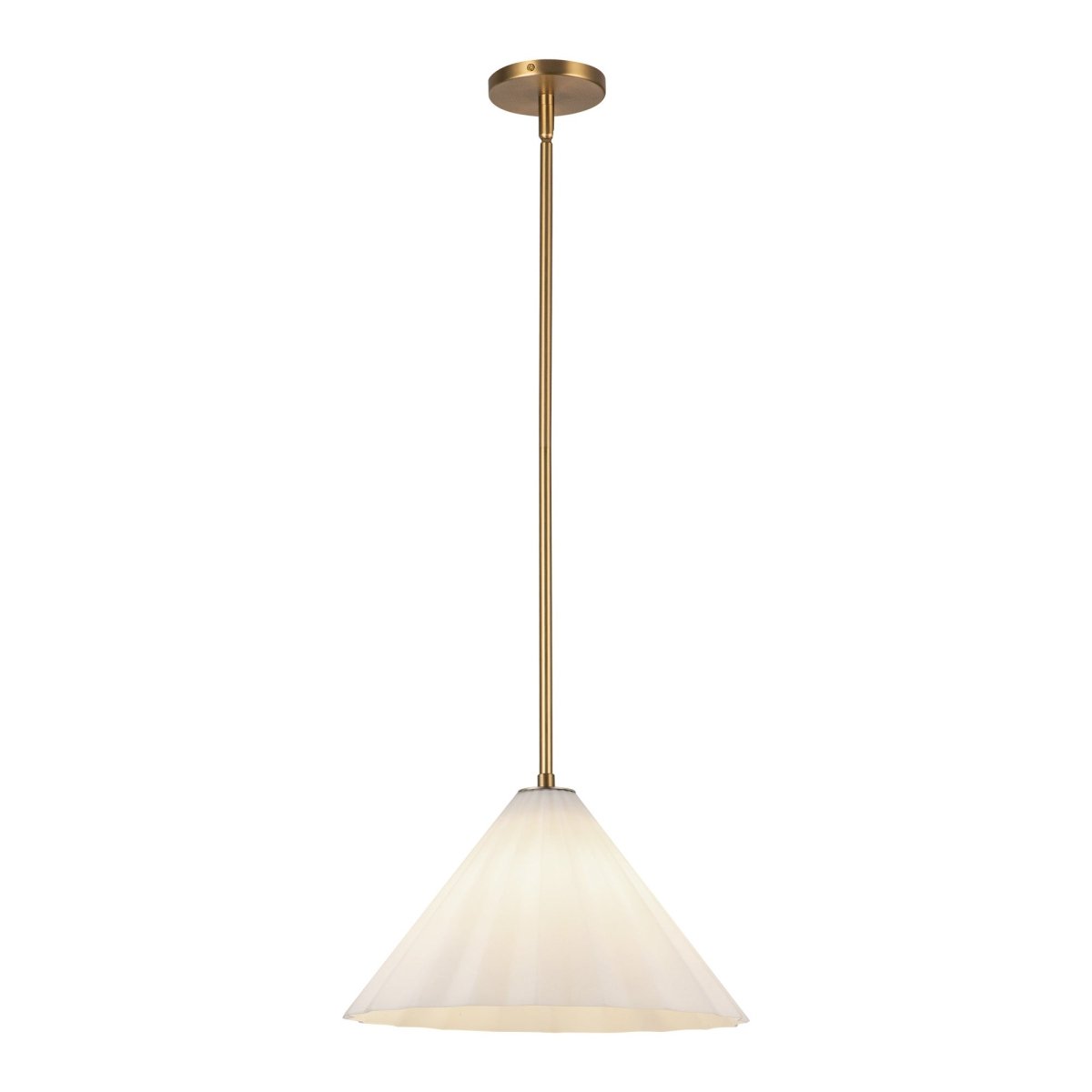
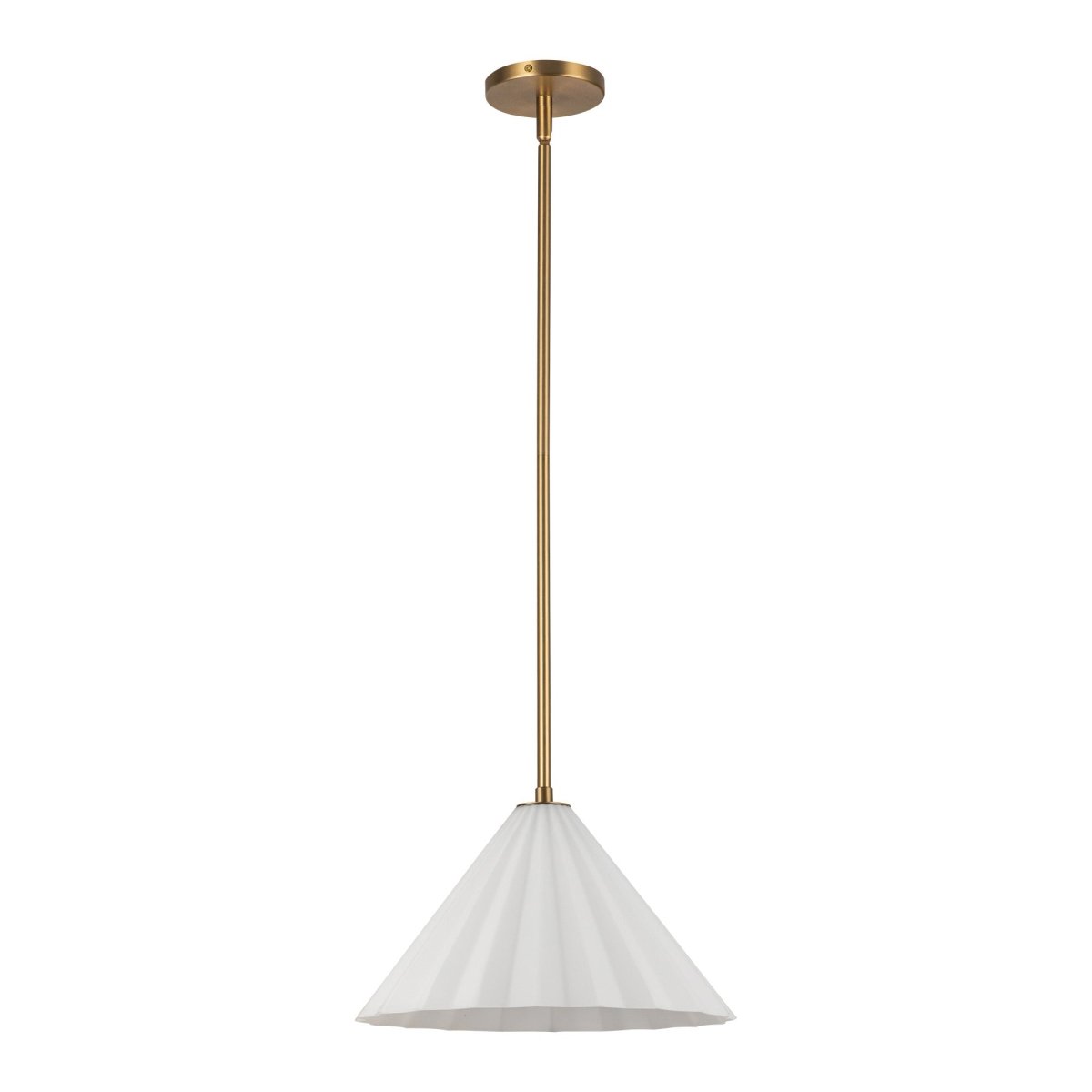
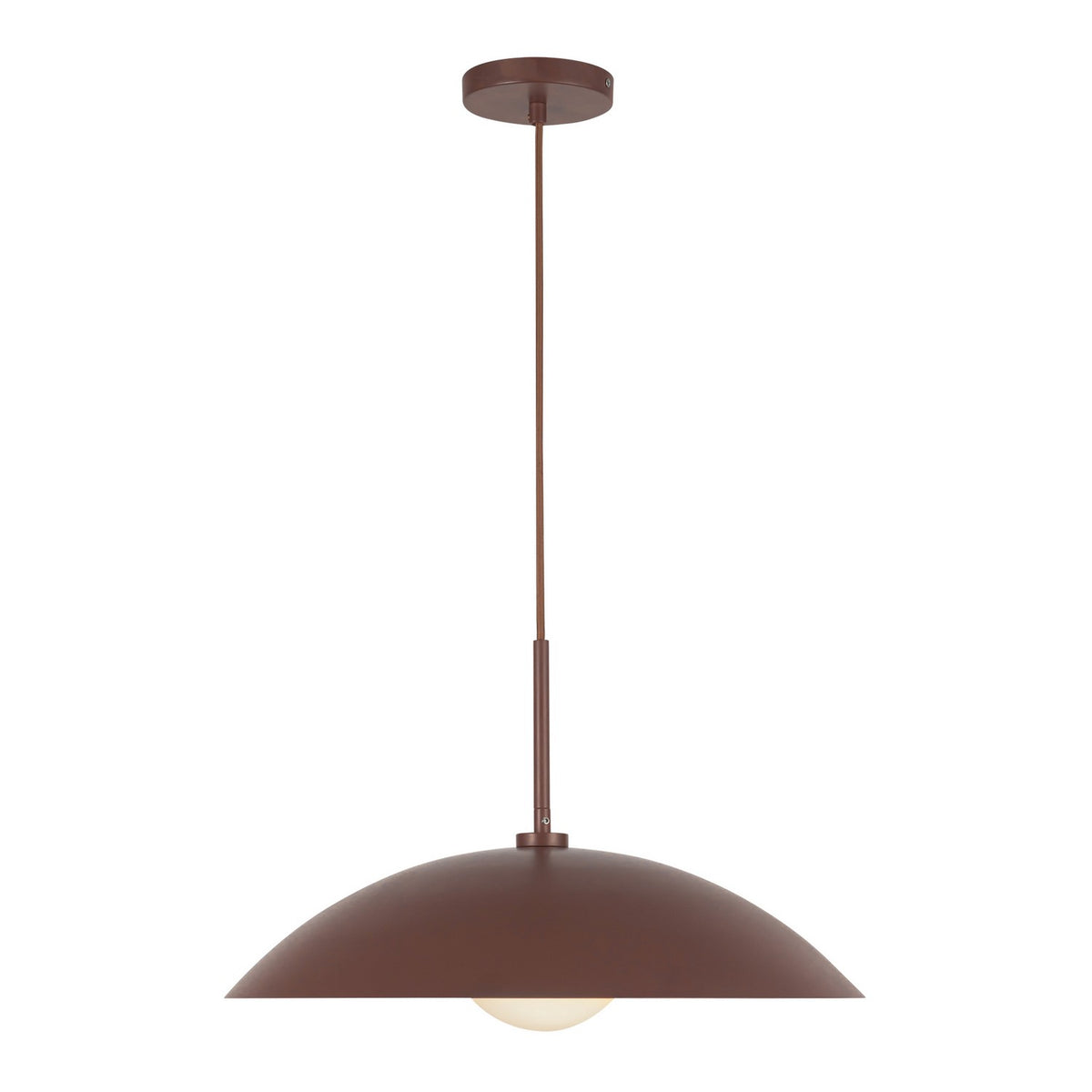
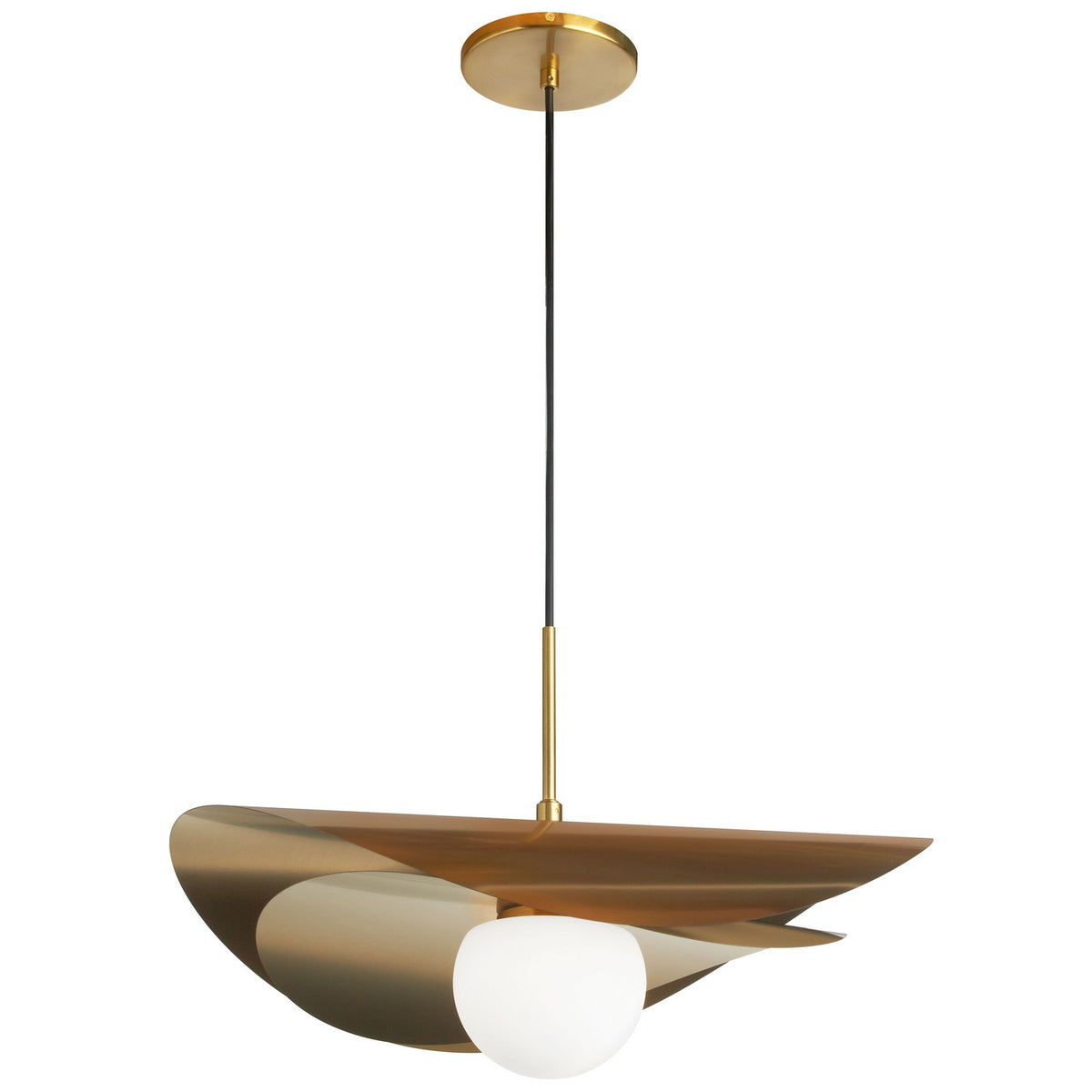
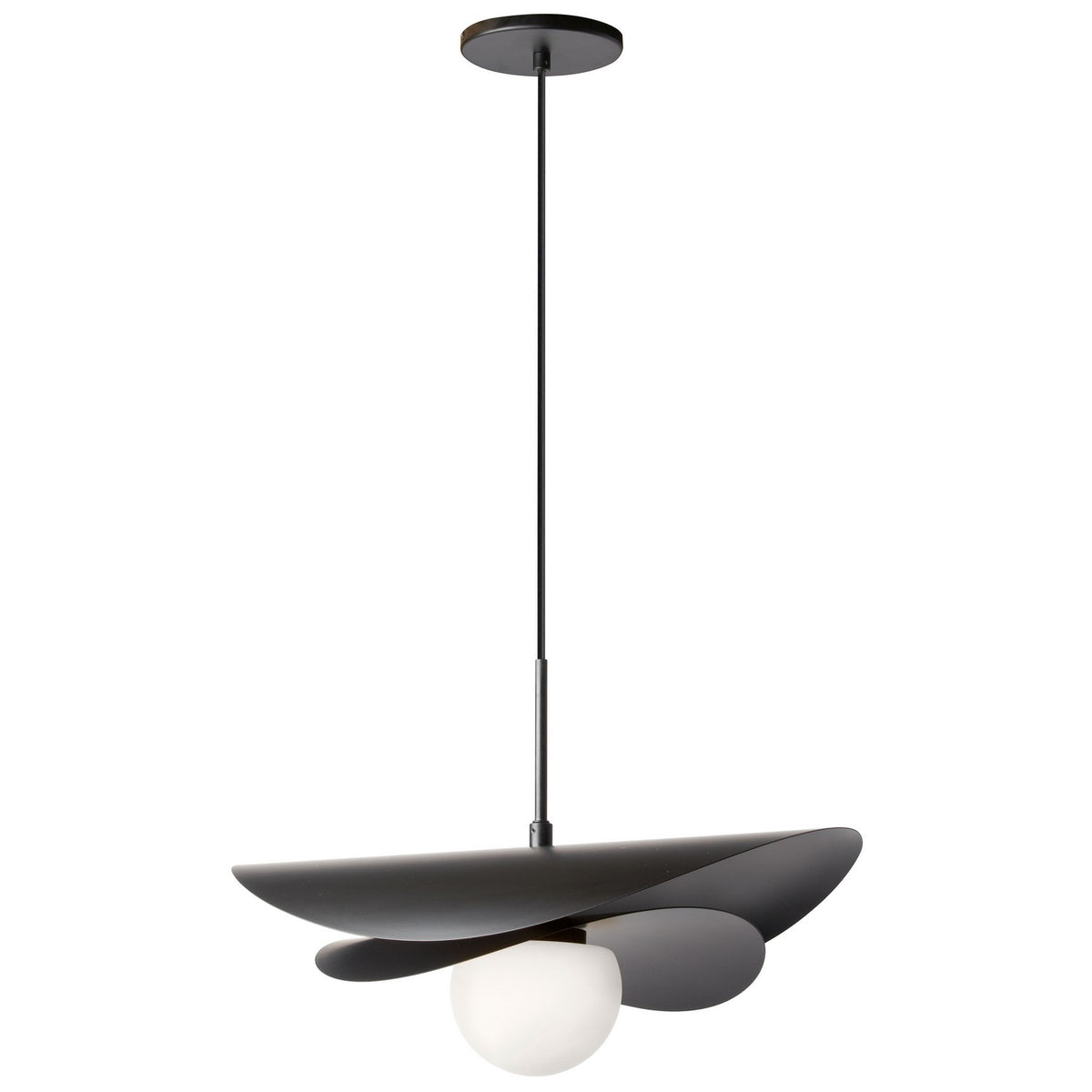
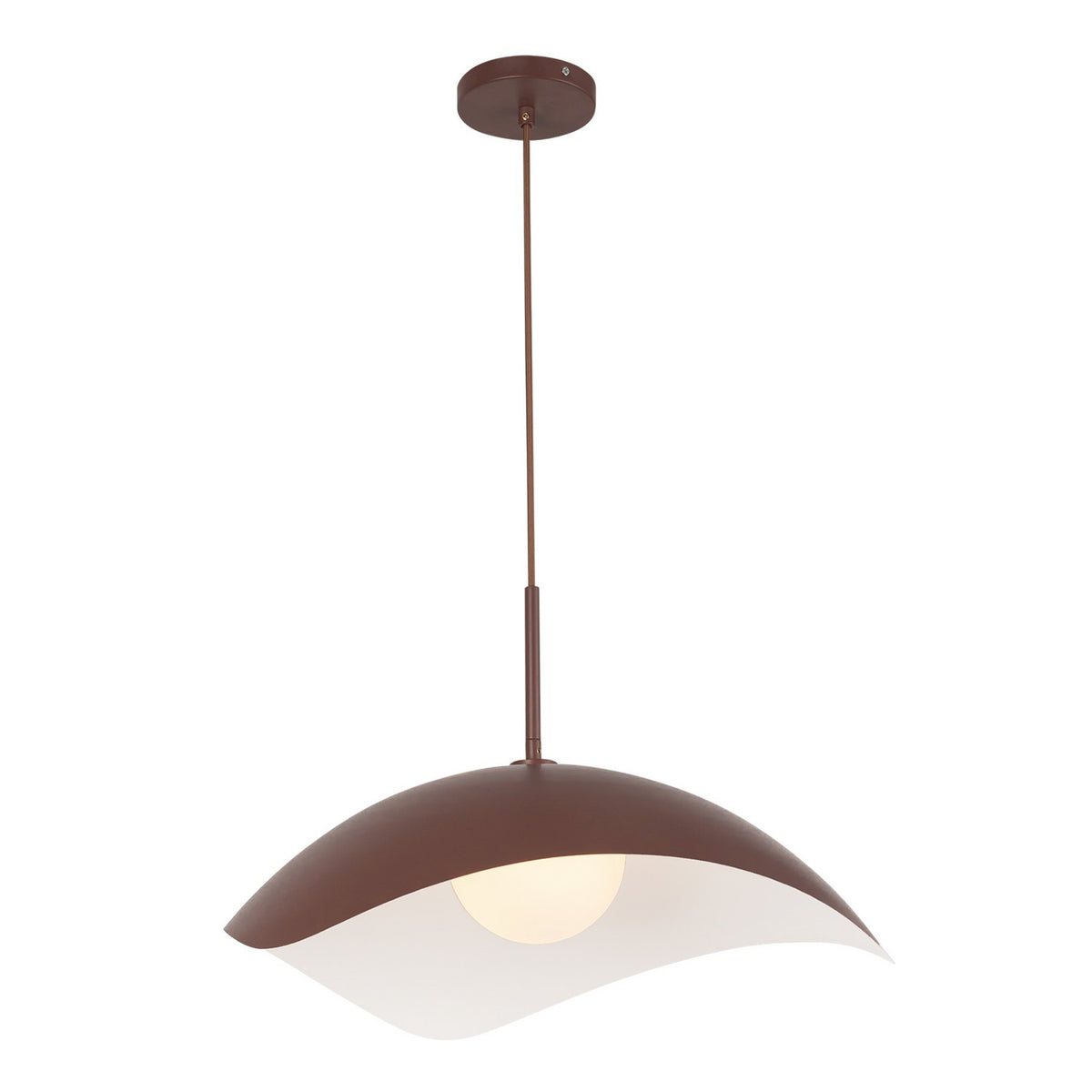
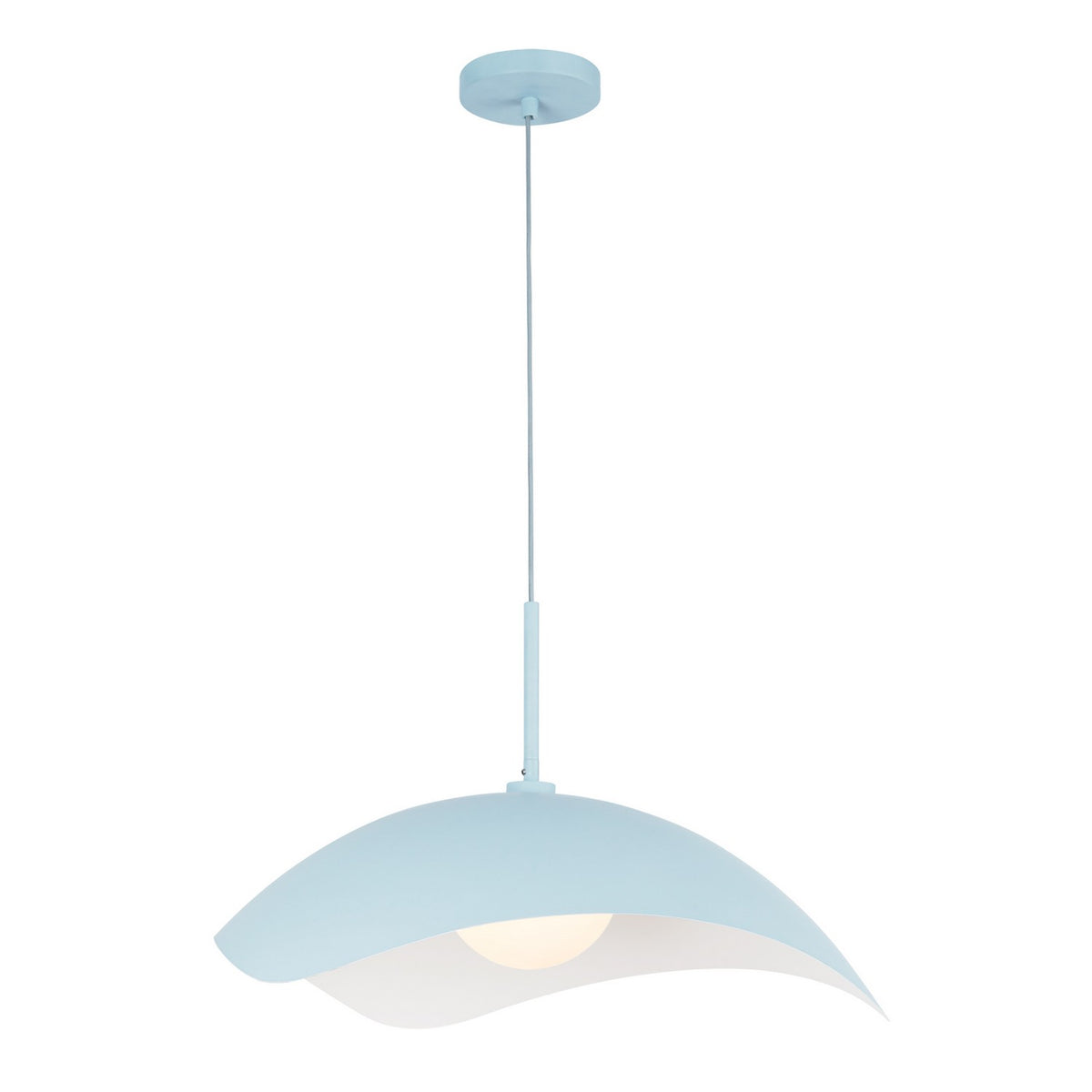
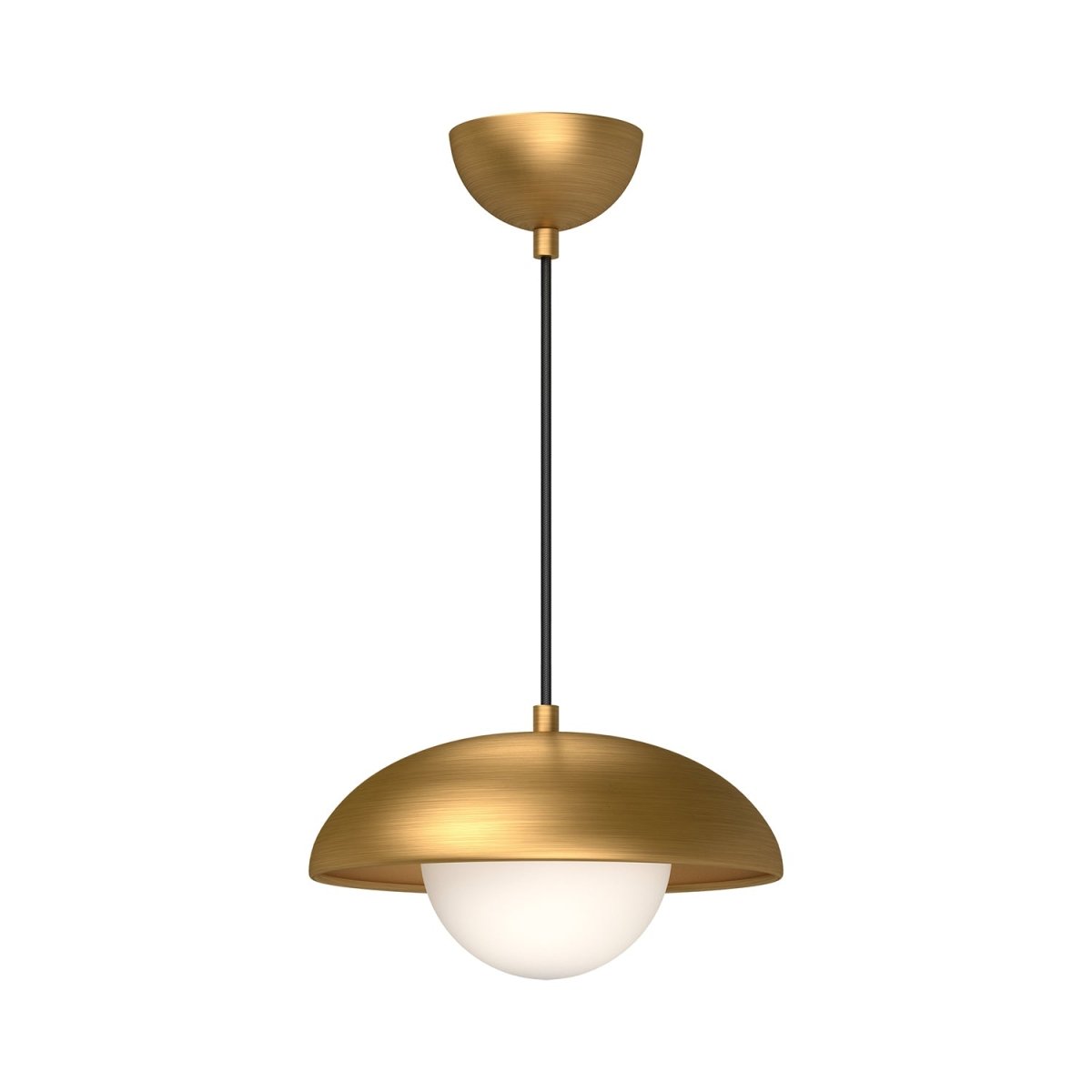
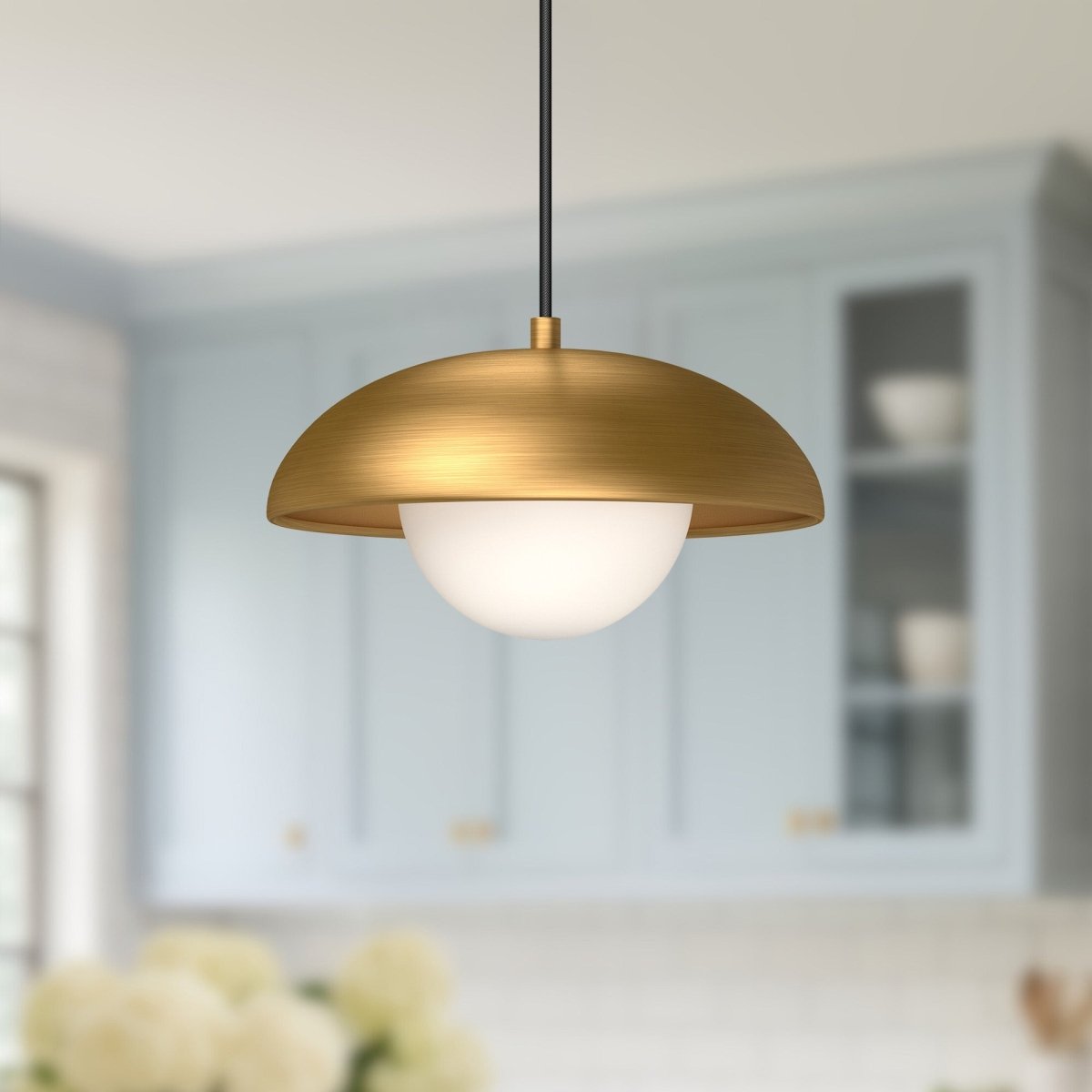
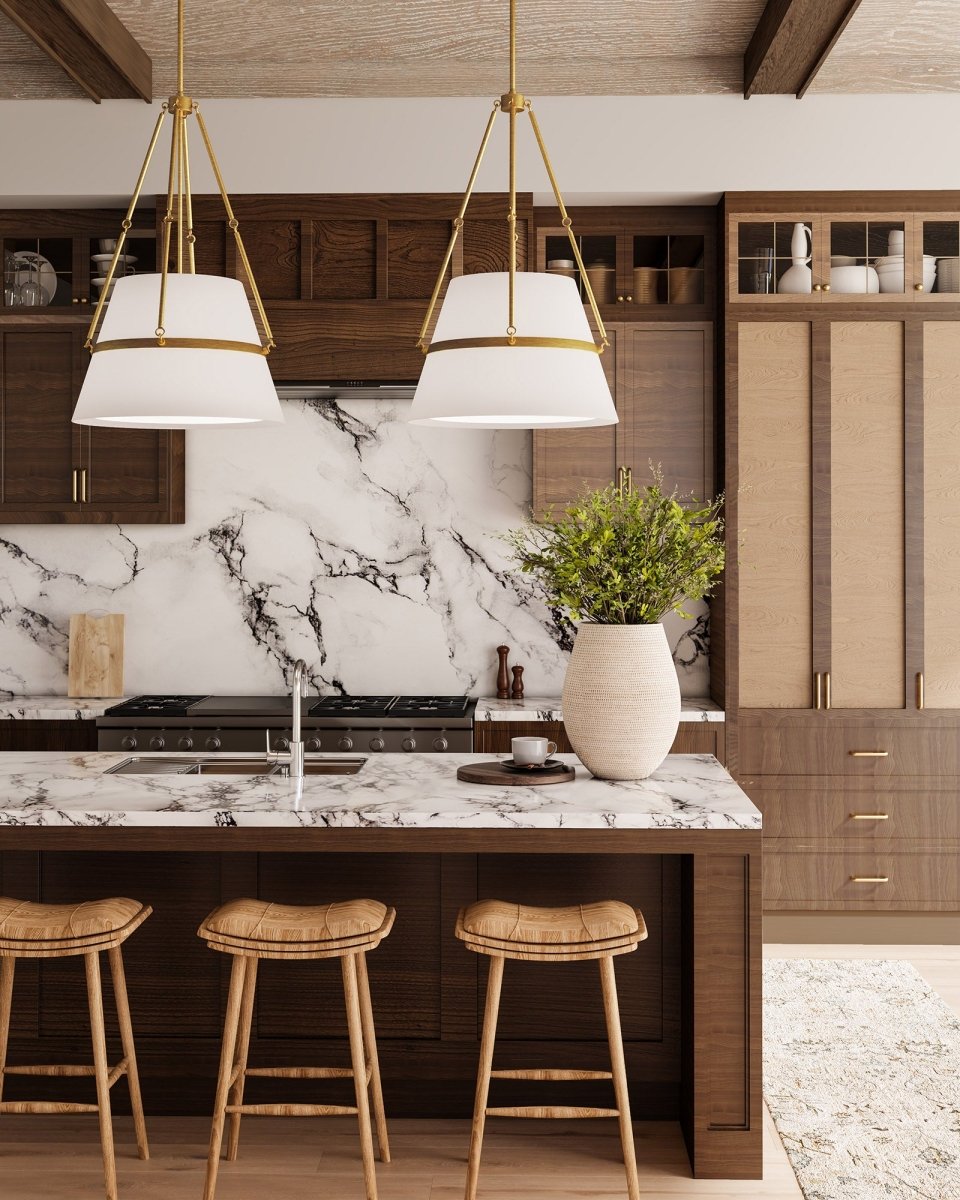
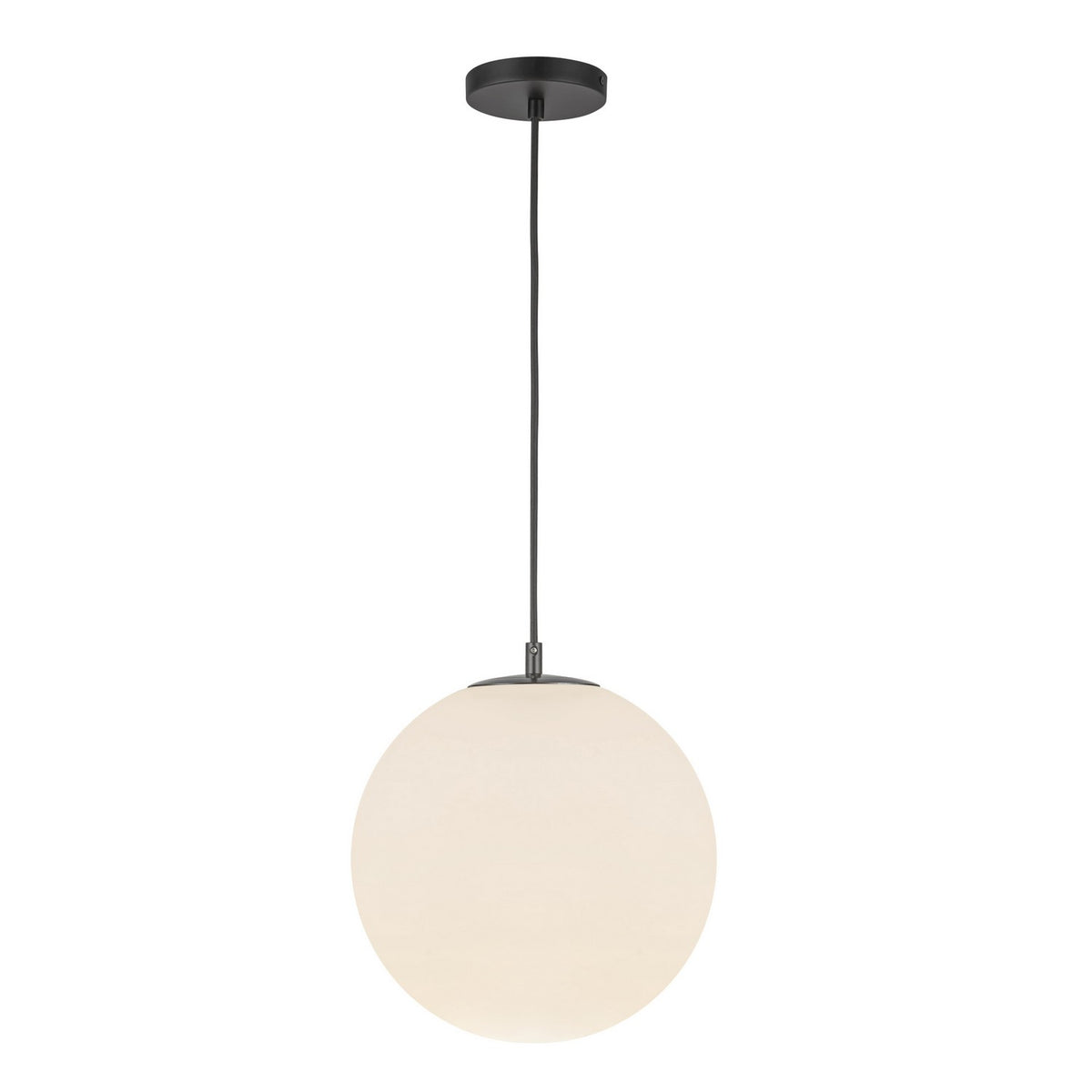
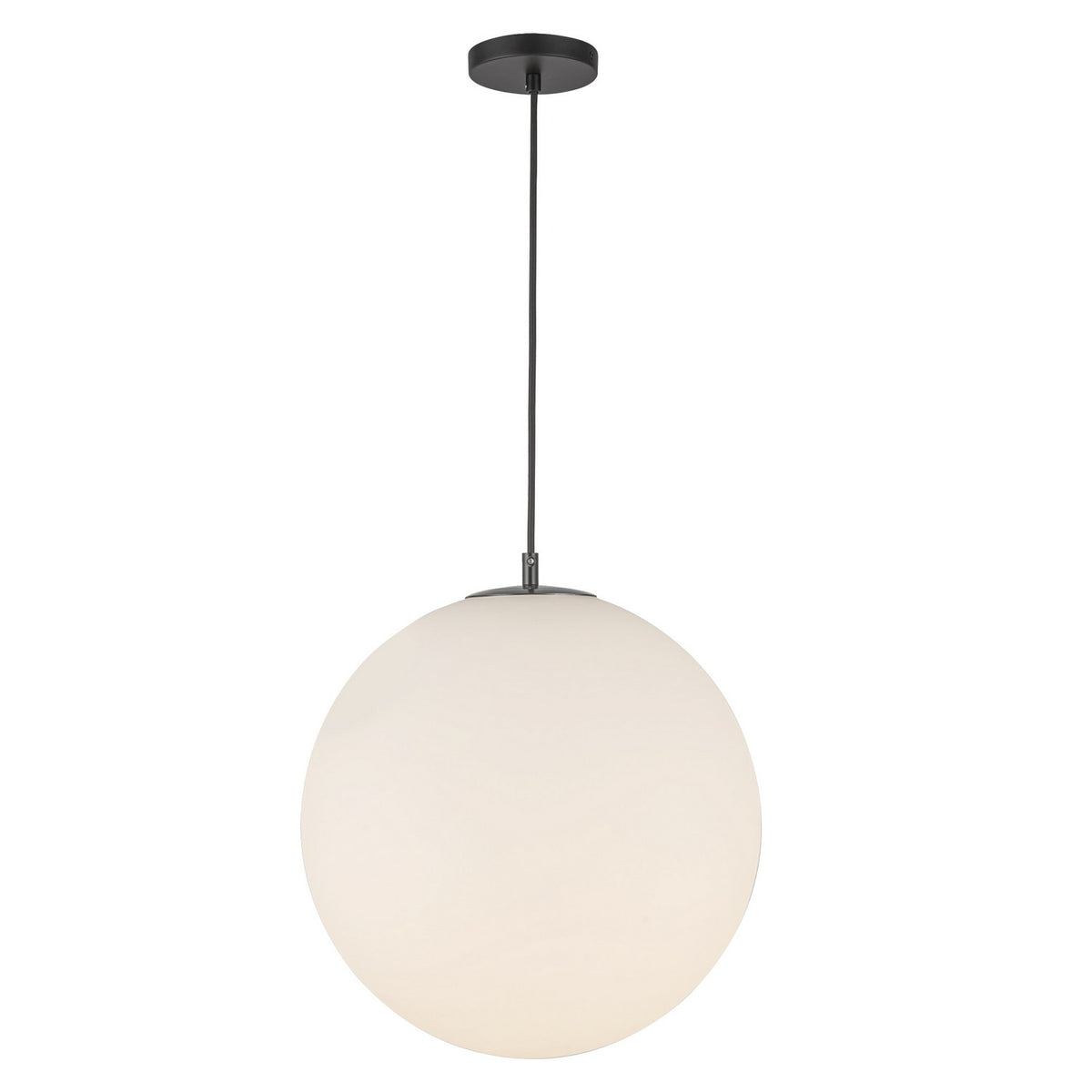
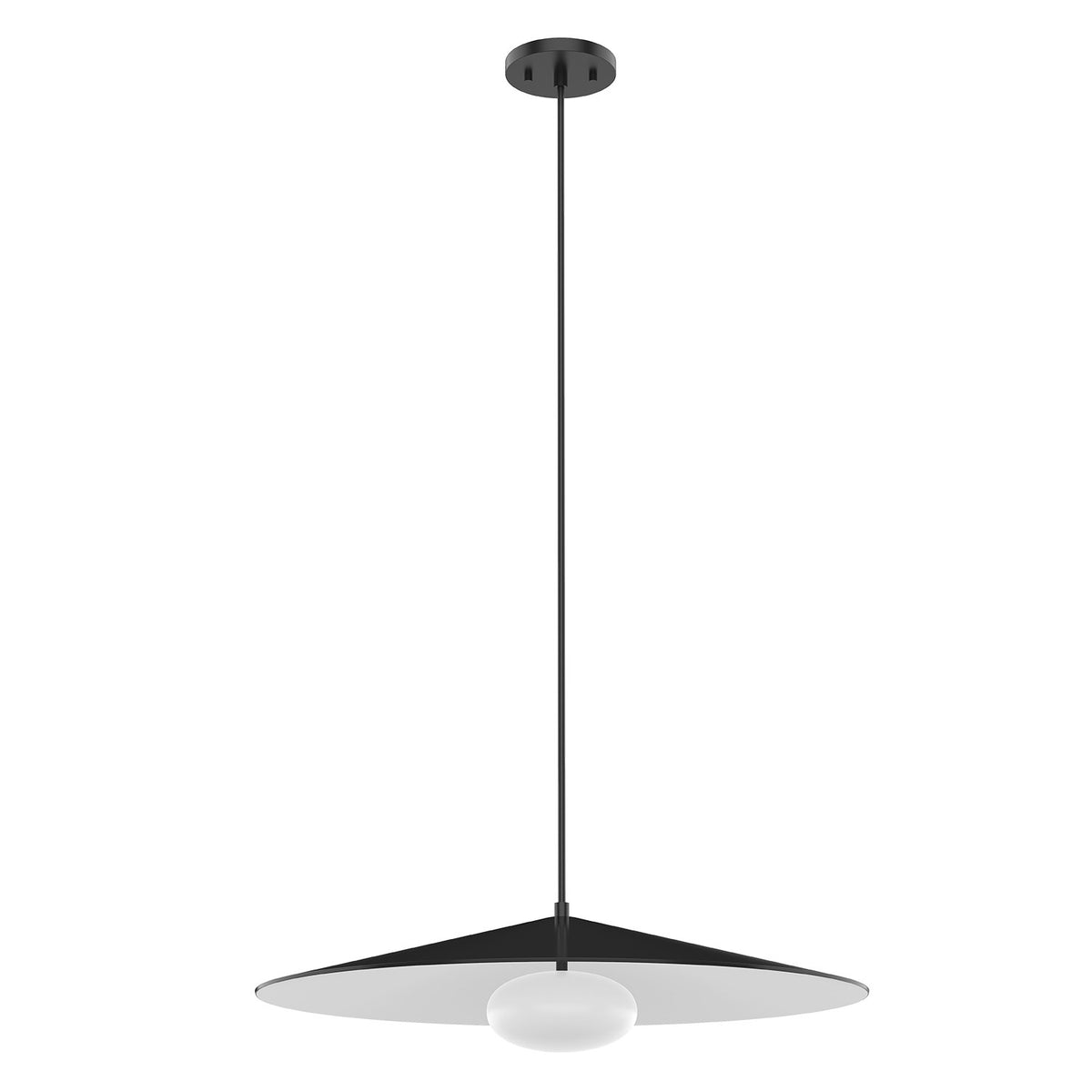
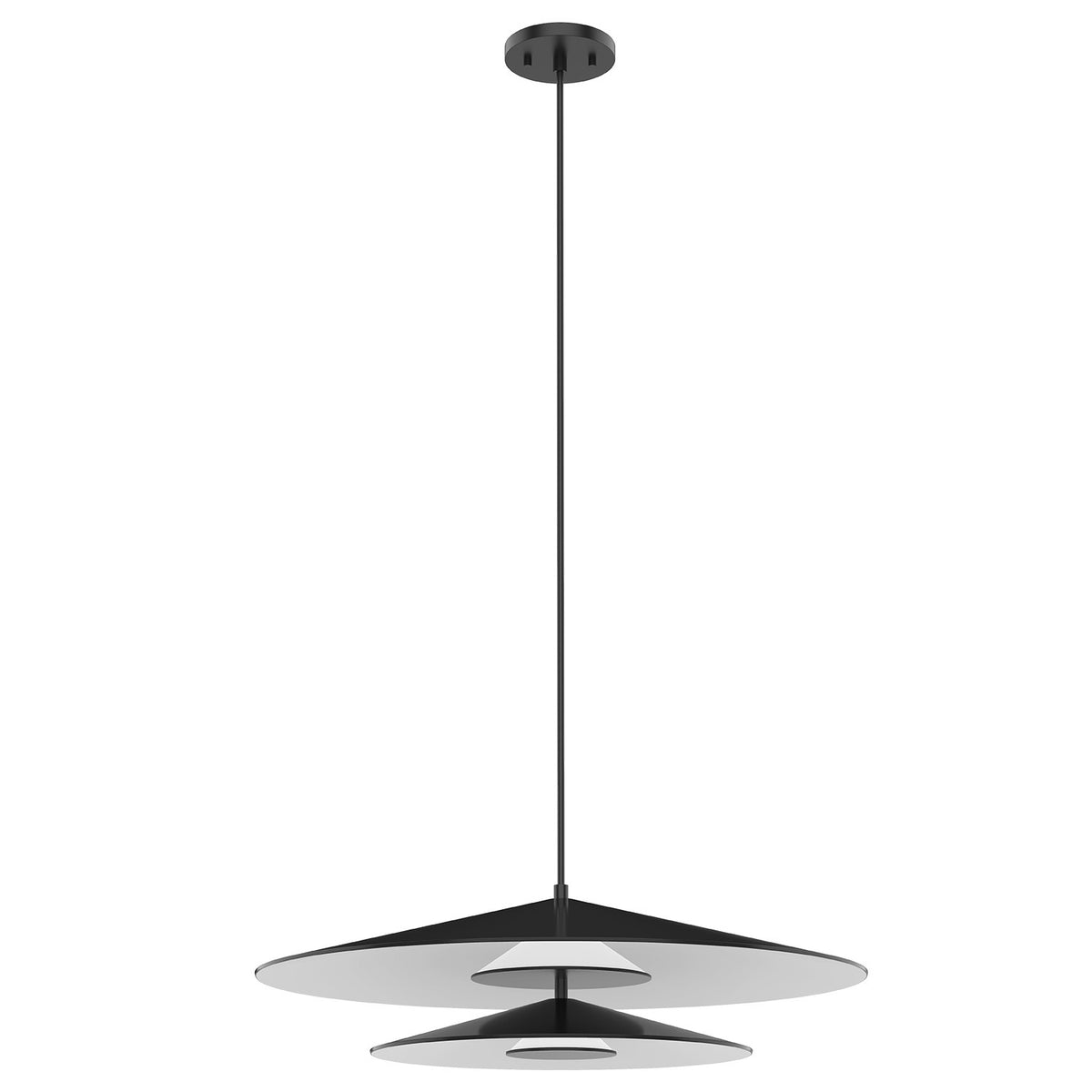
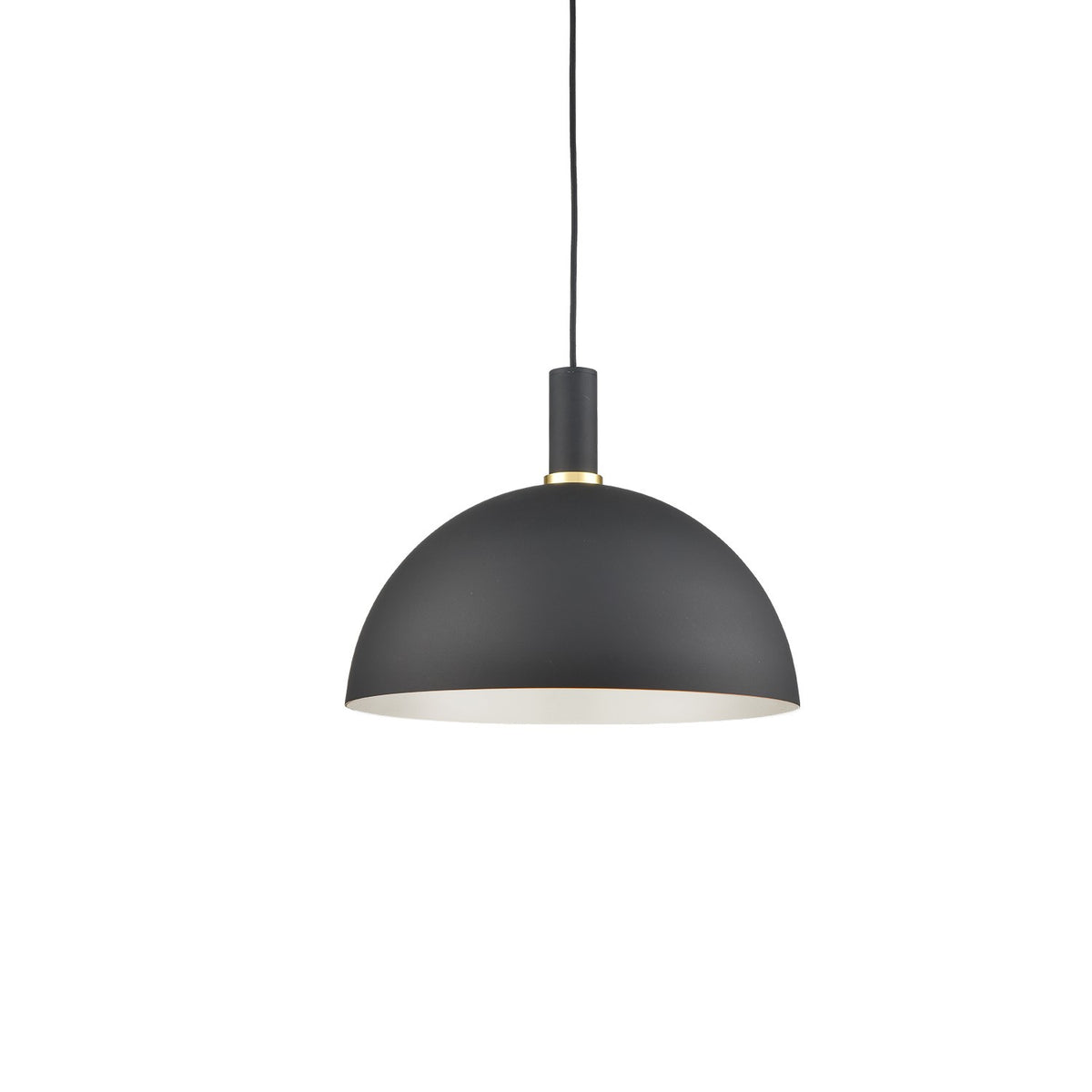
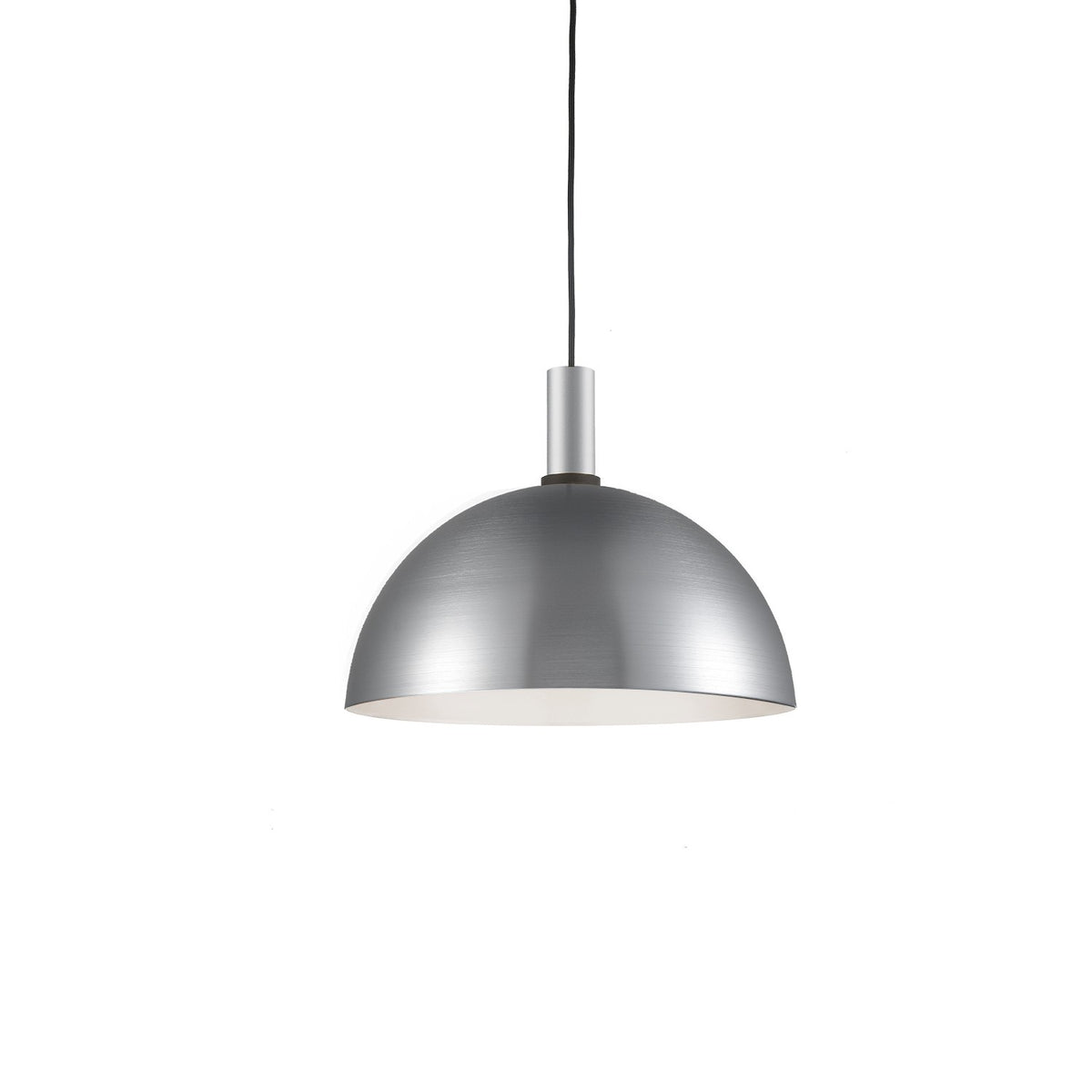
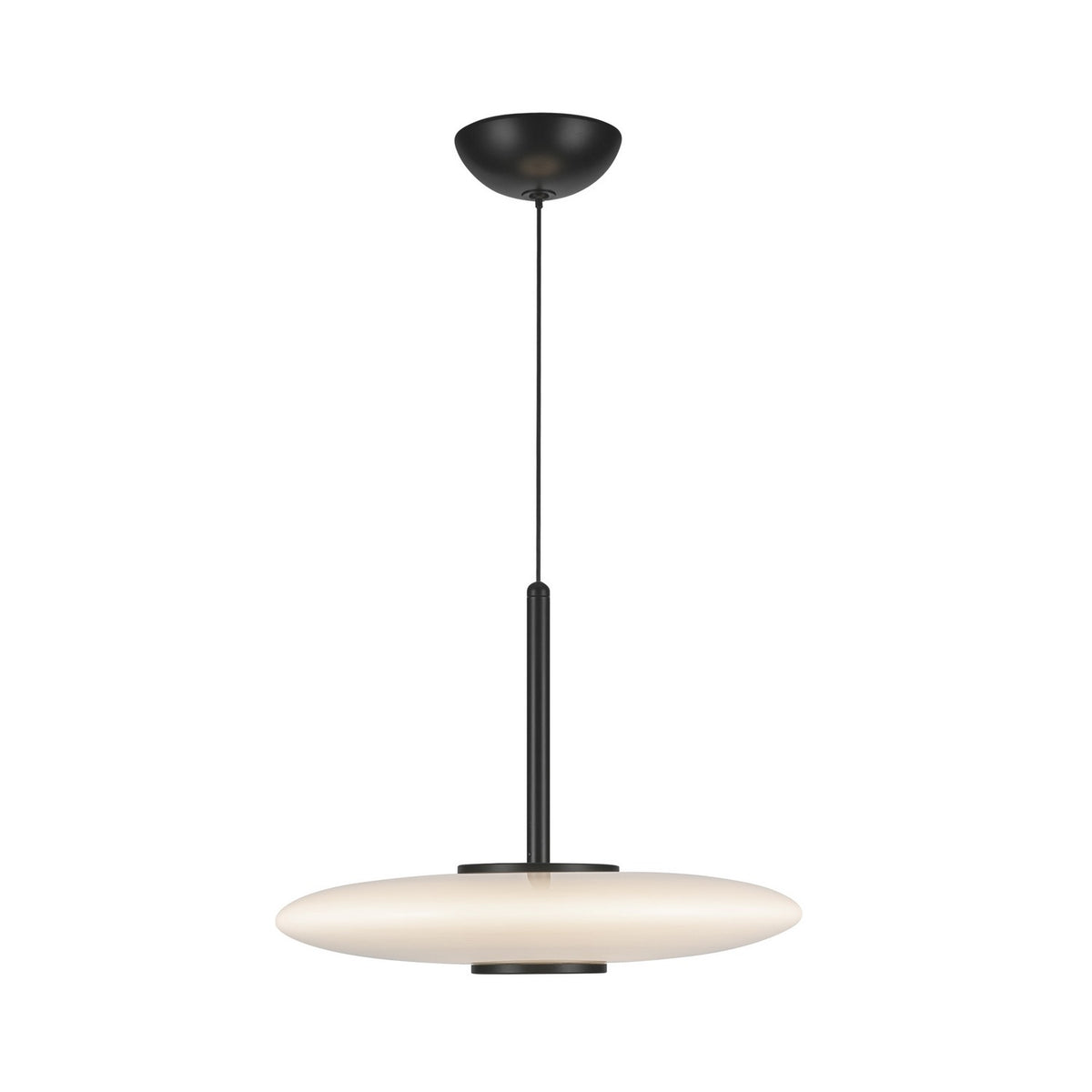
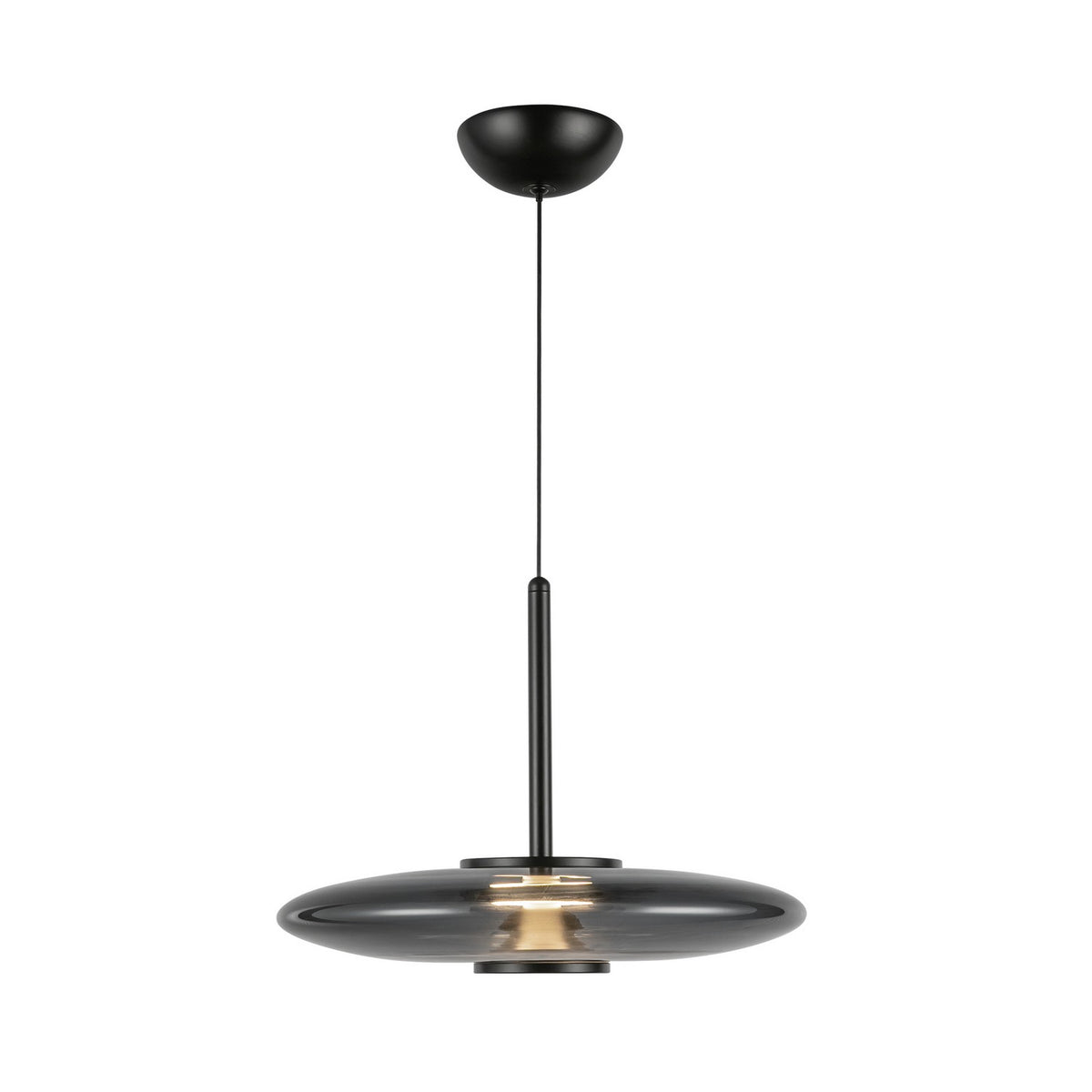
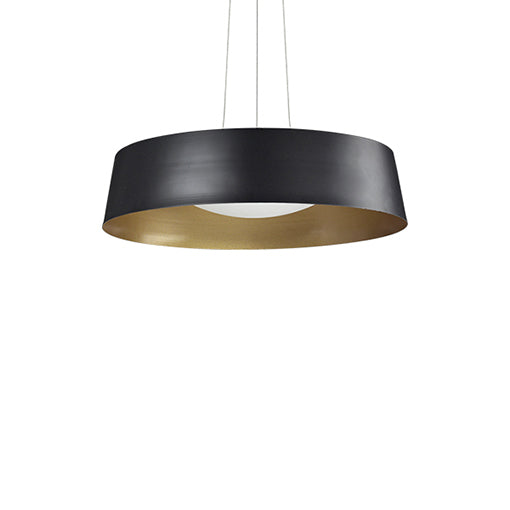
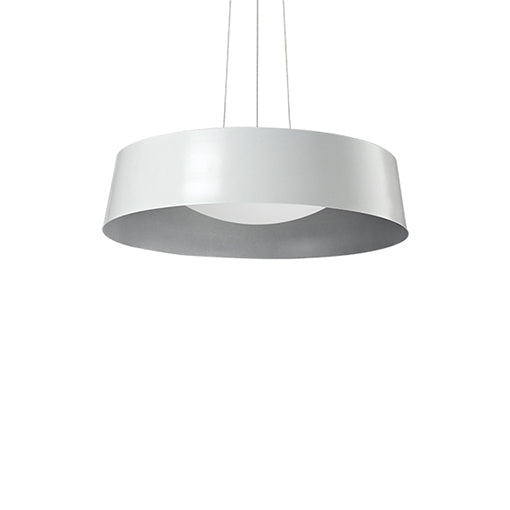
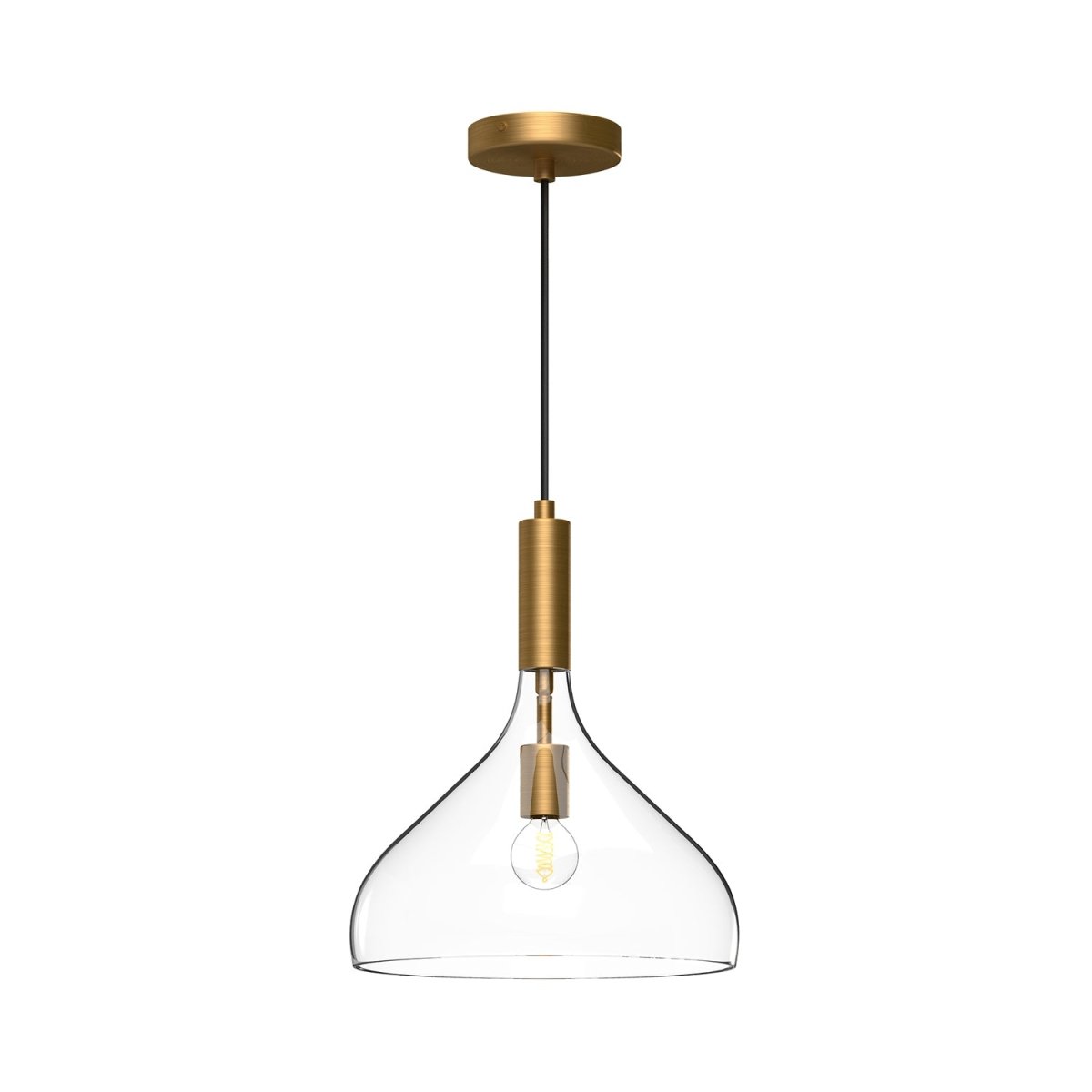
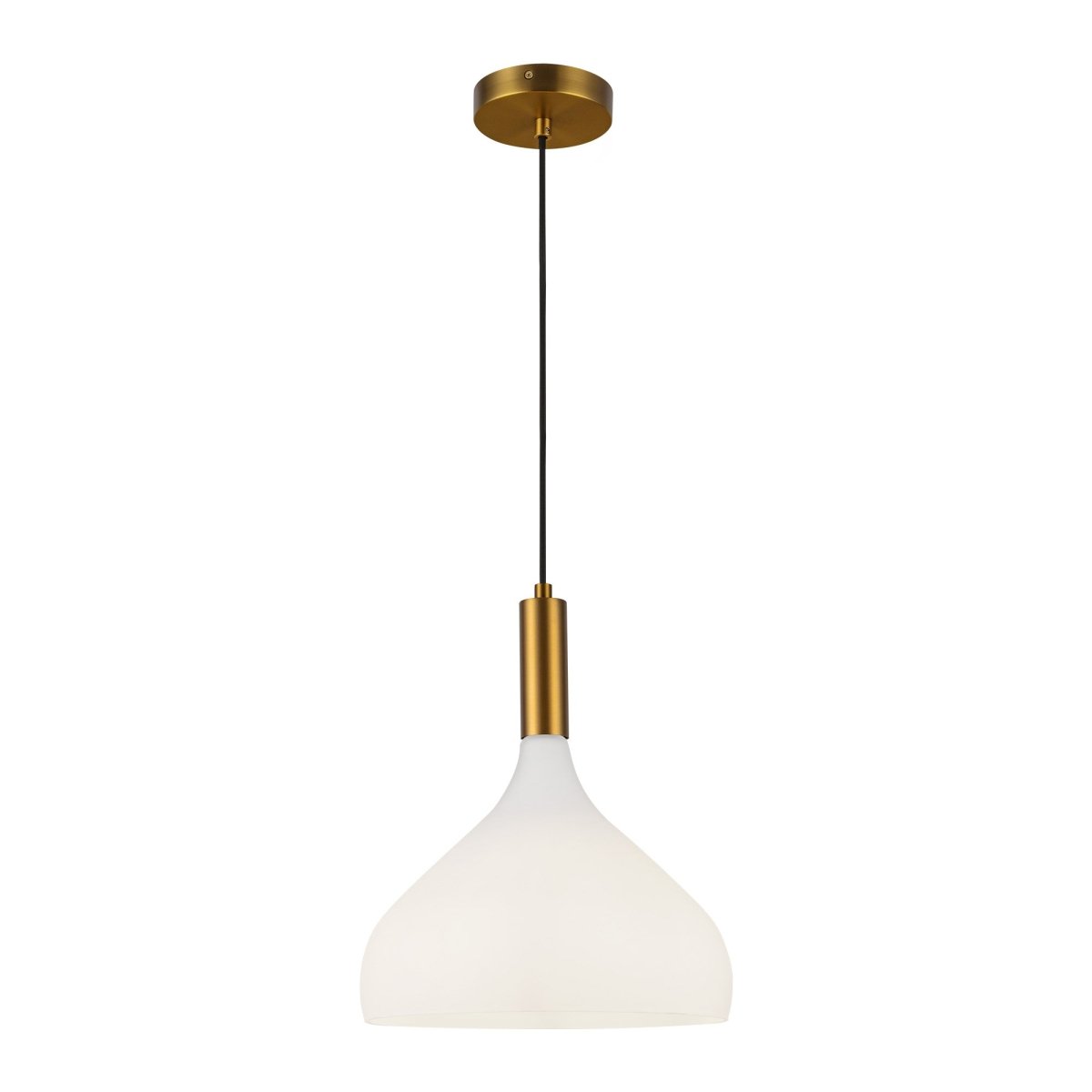
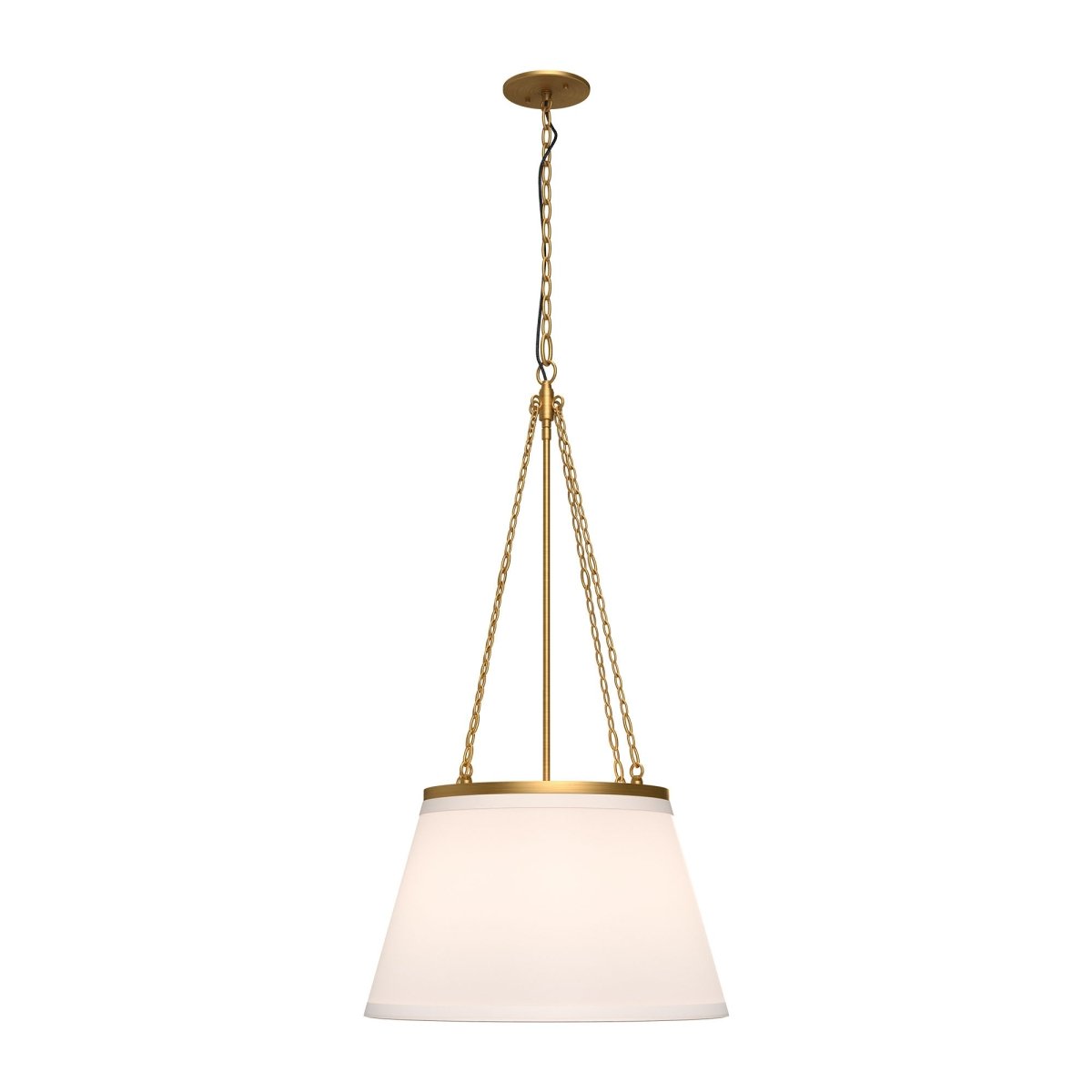
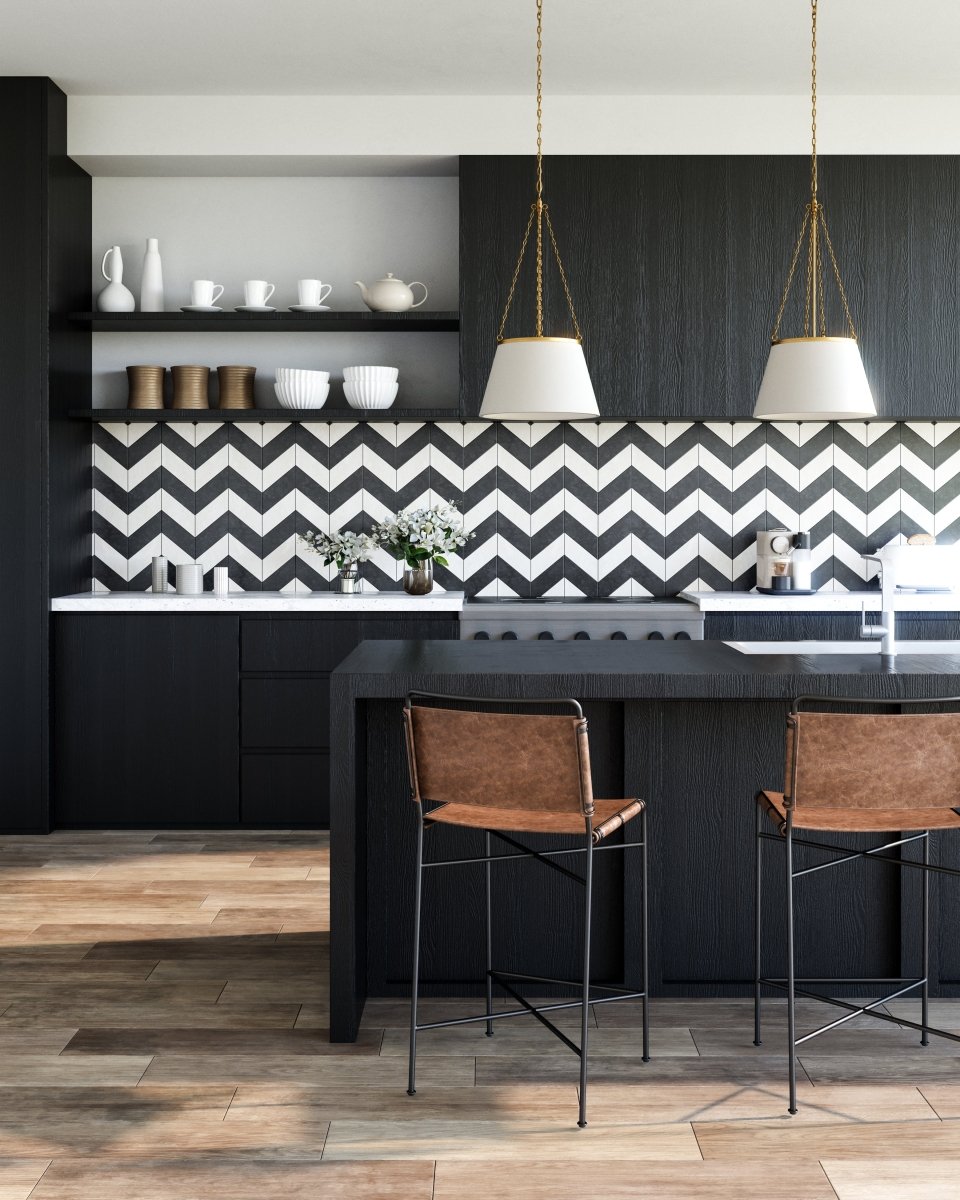
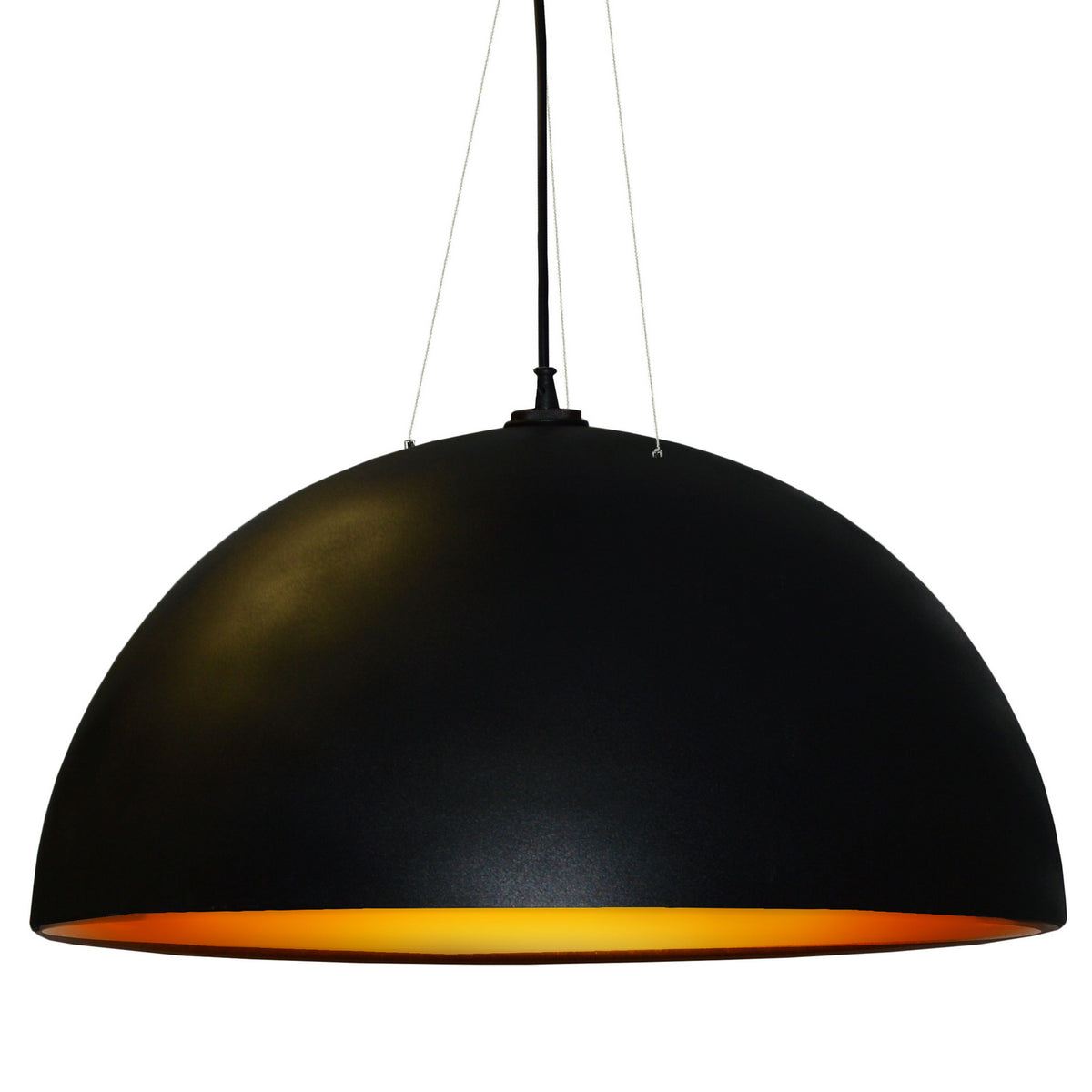
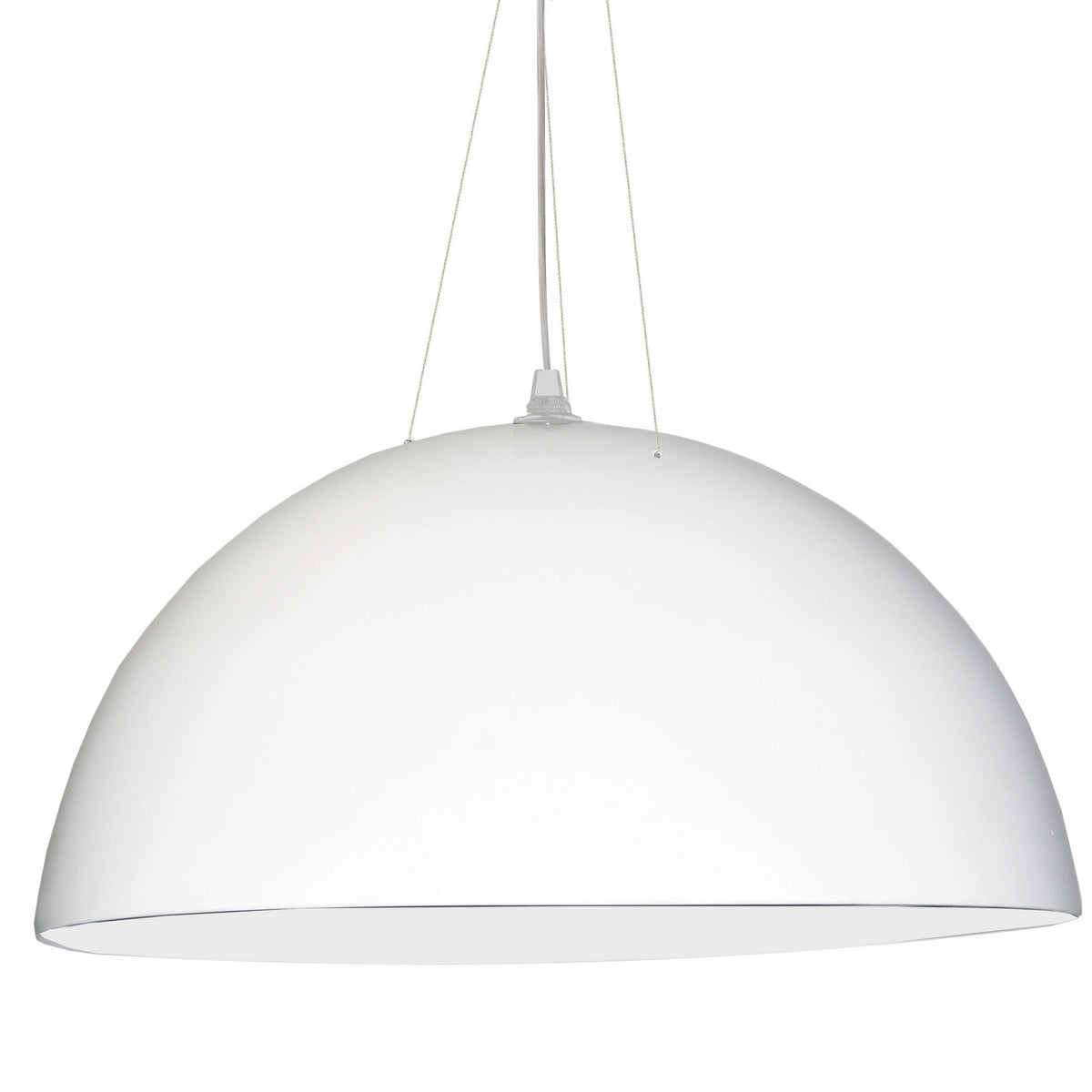
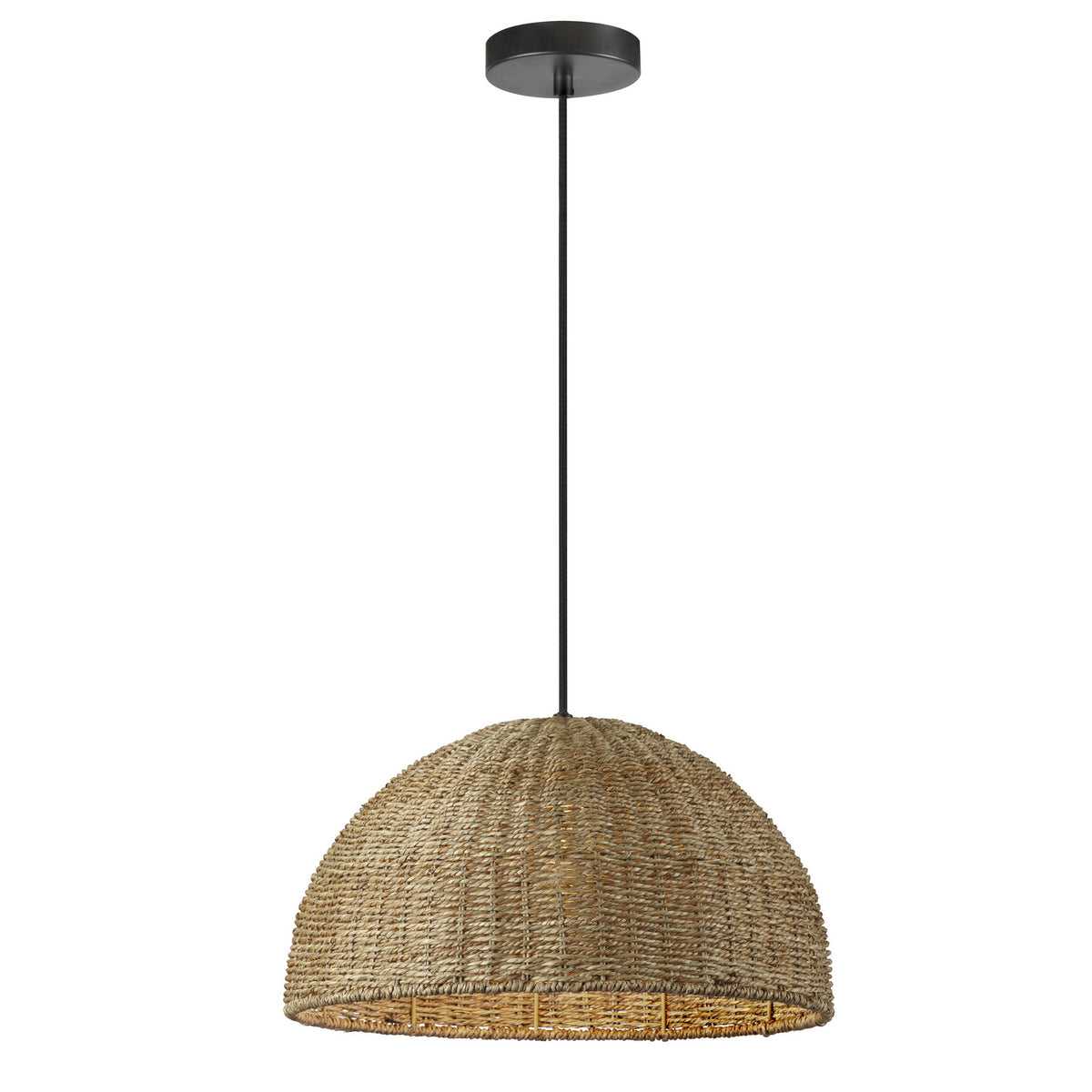
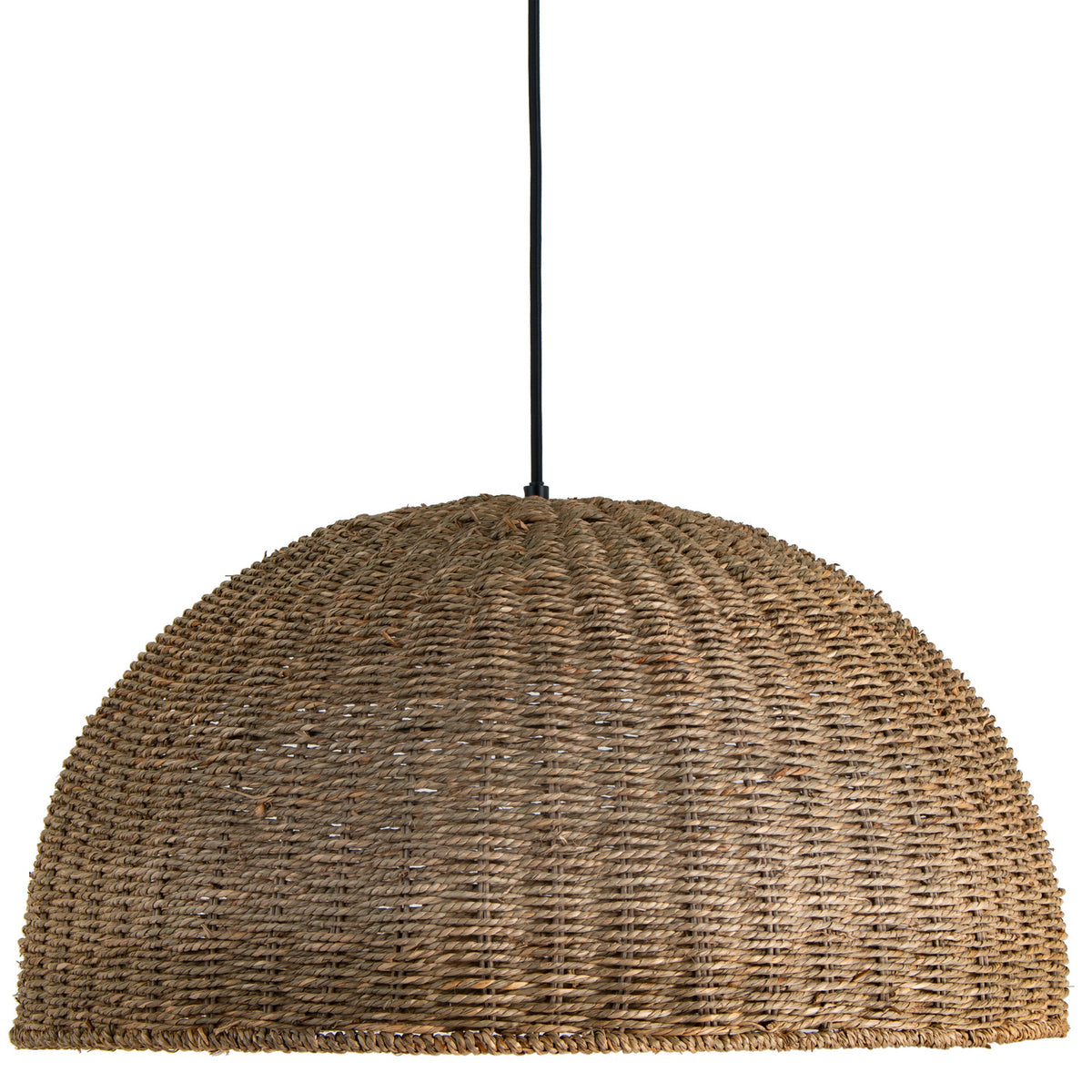
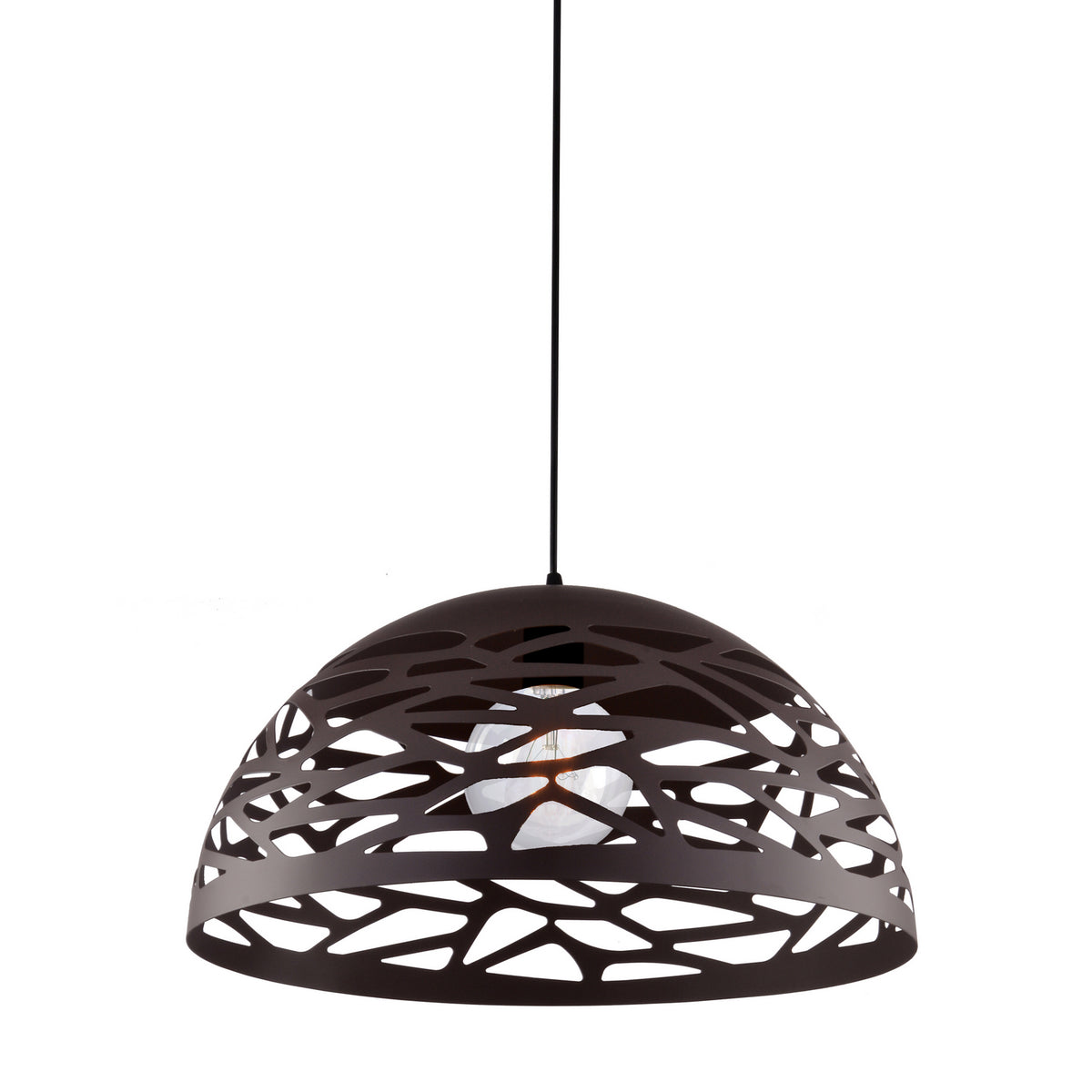
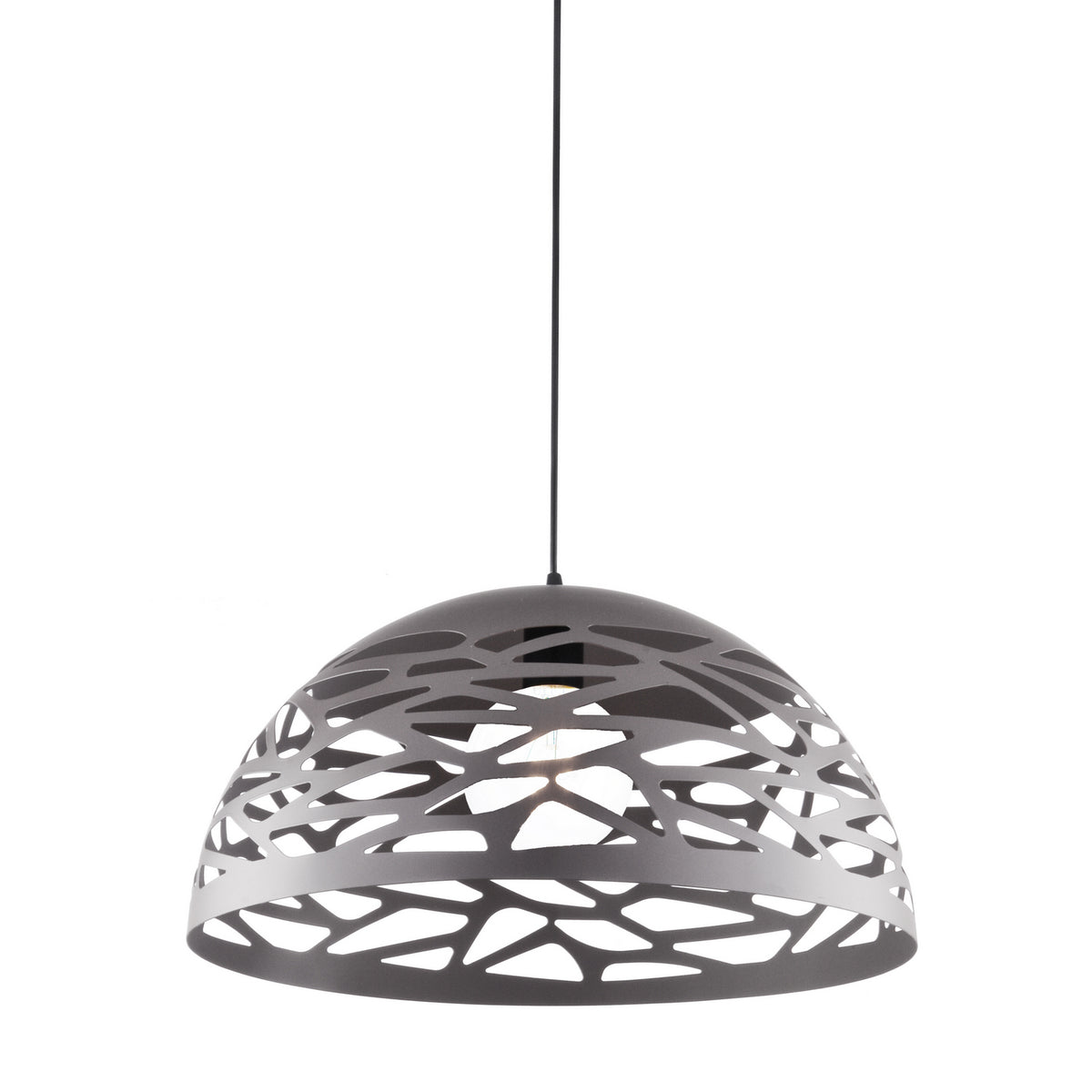
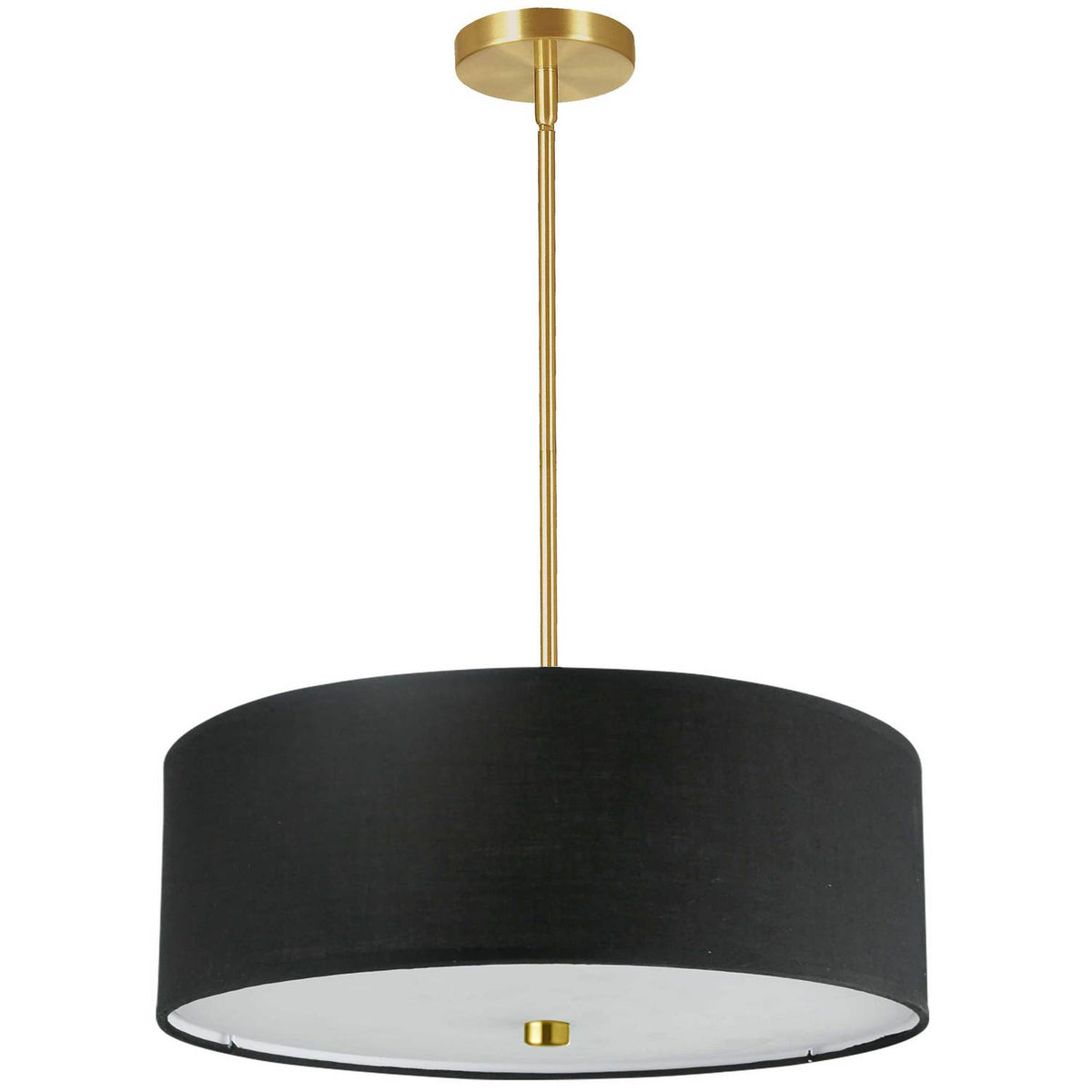
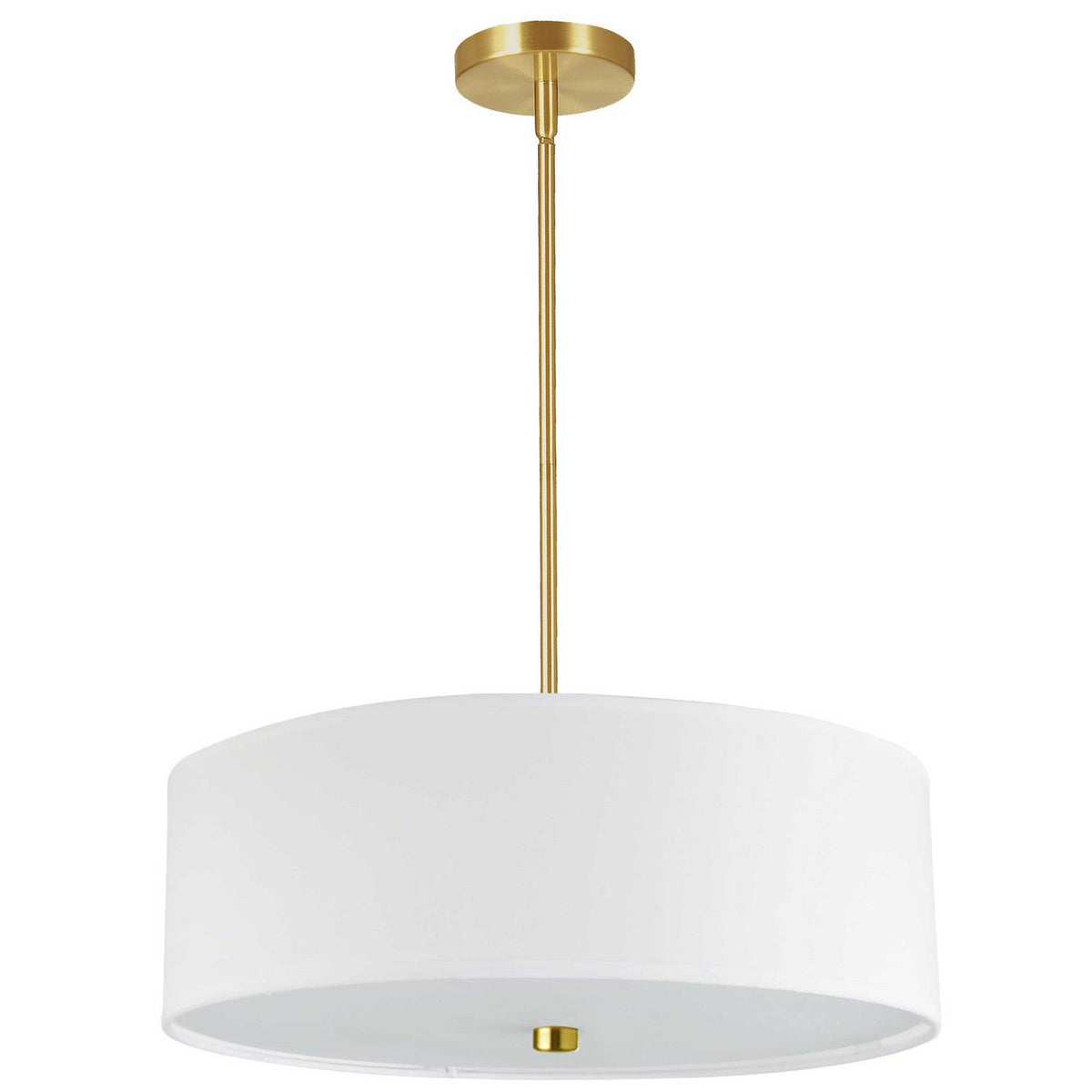
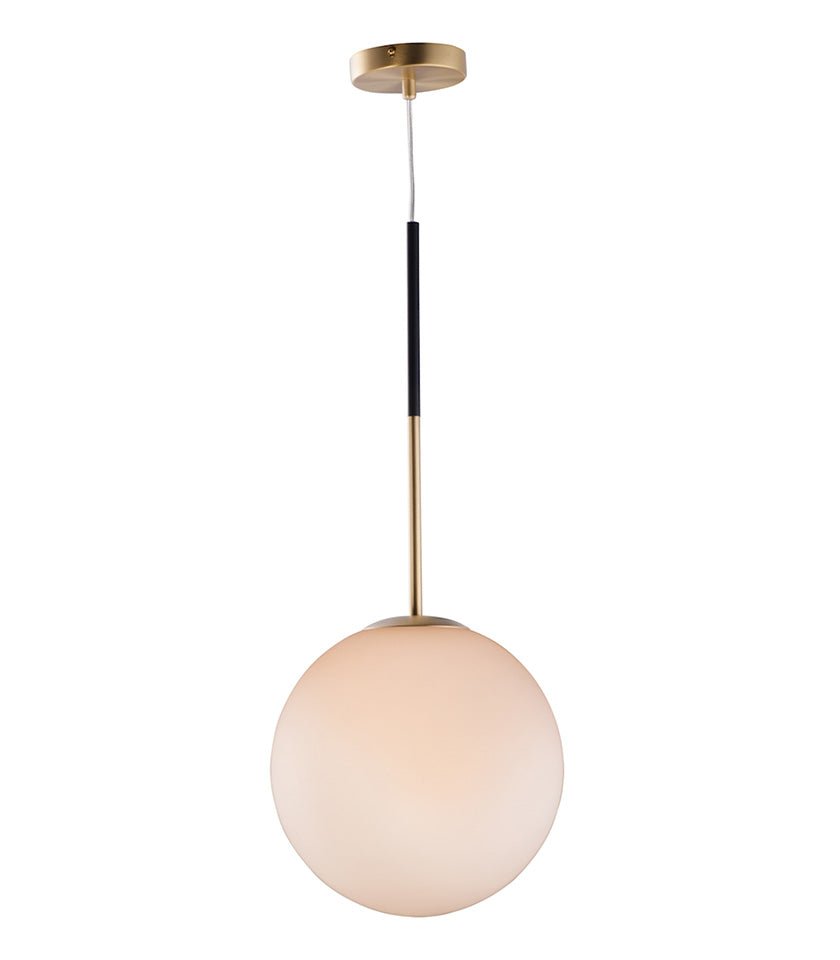
A pendant light hangs lower than a flush mount and works on its own over a counter or in a cluster above an island. It's the most versatile format in the collection: a single hanging light creates a focal point, while several in a row give rhythm to a long run. A pendant light over a kitchen island is usually set to leave about 30 to 36 in (76 to 91 cm) between the counter and the bottom of the fixture.
Flush mounts and semi-flush mounts
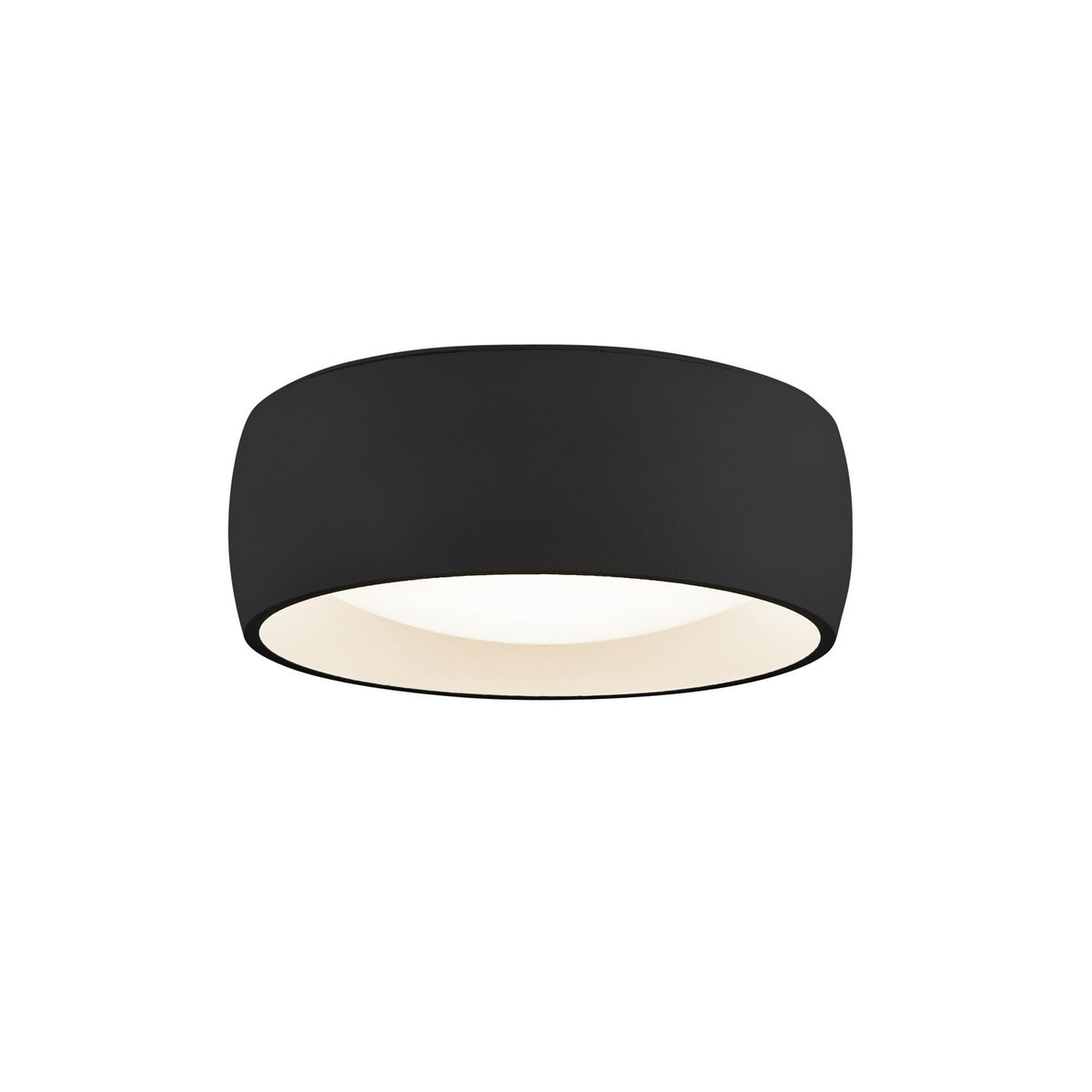
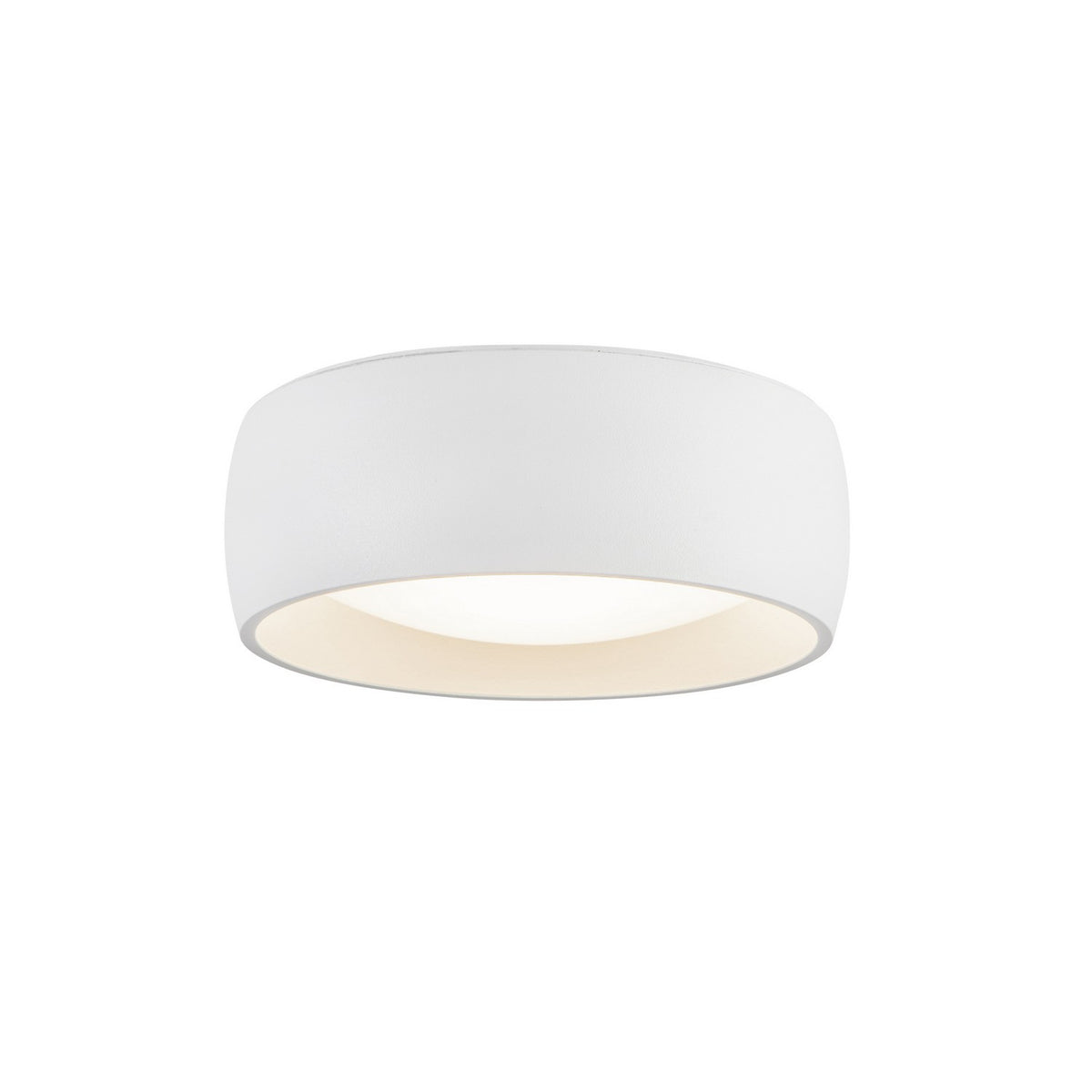
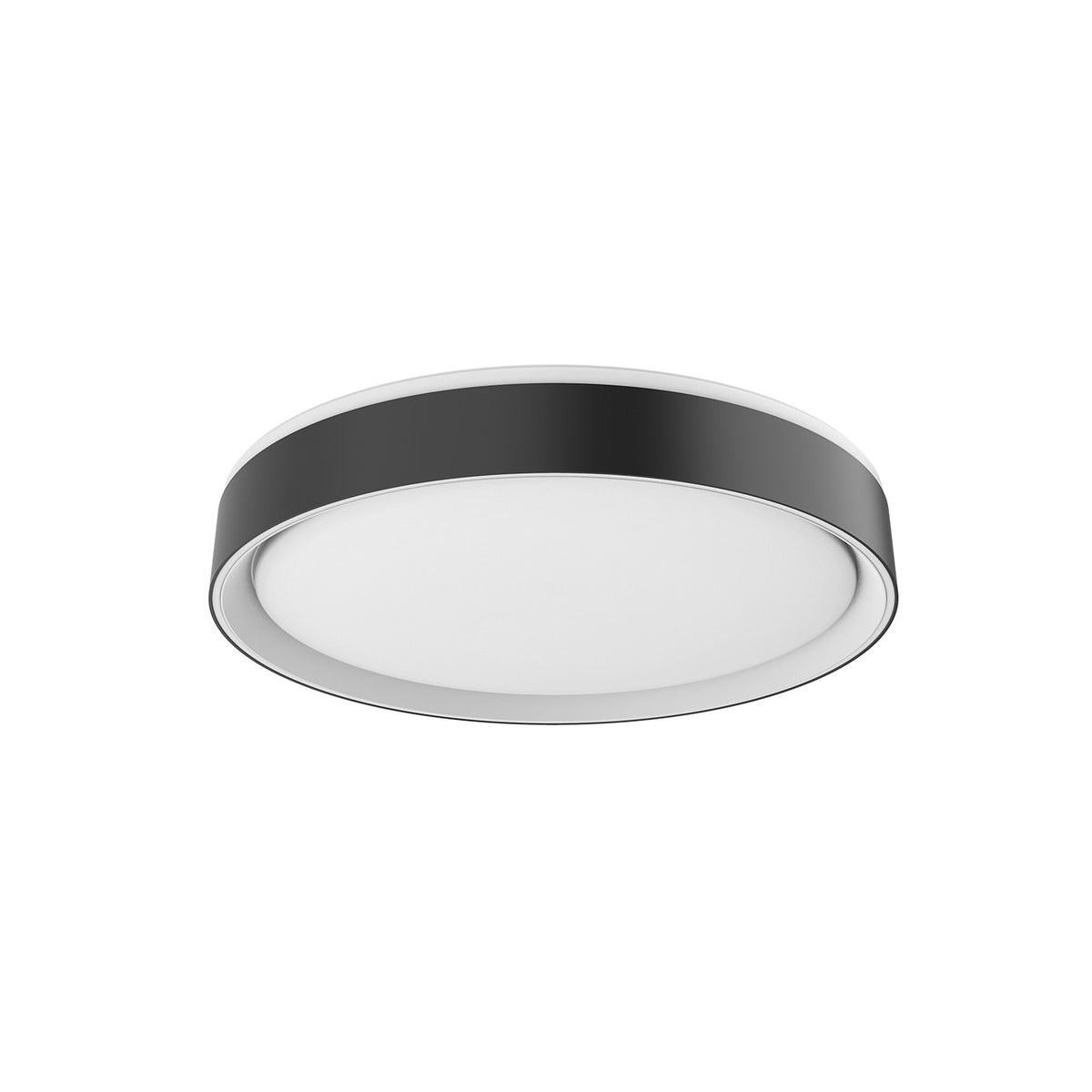
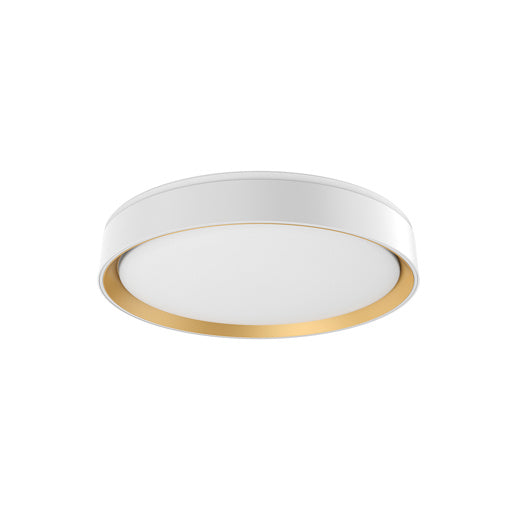
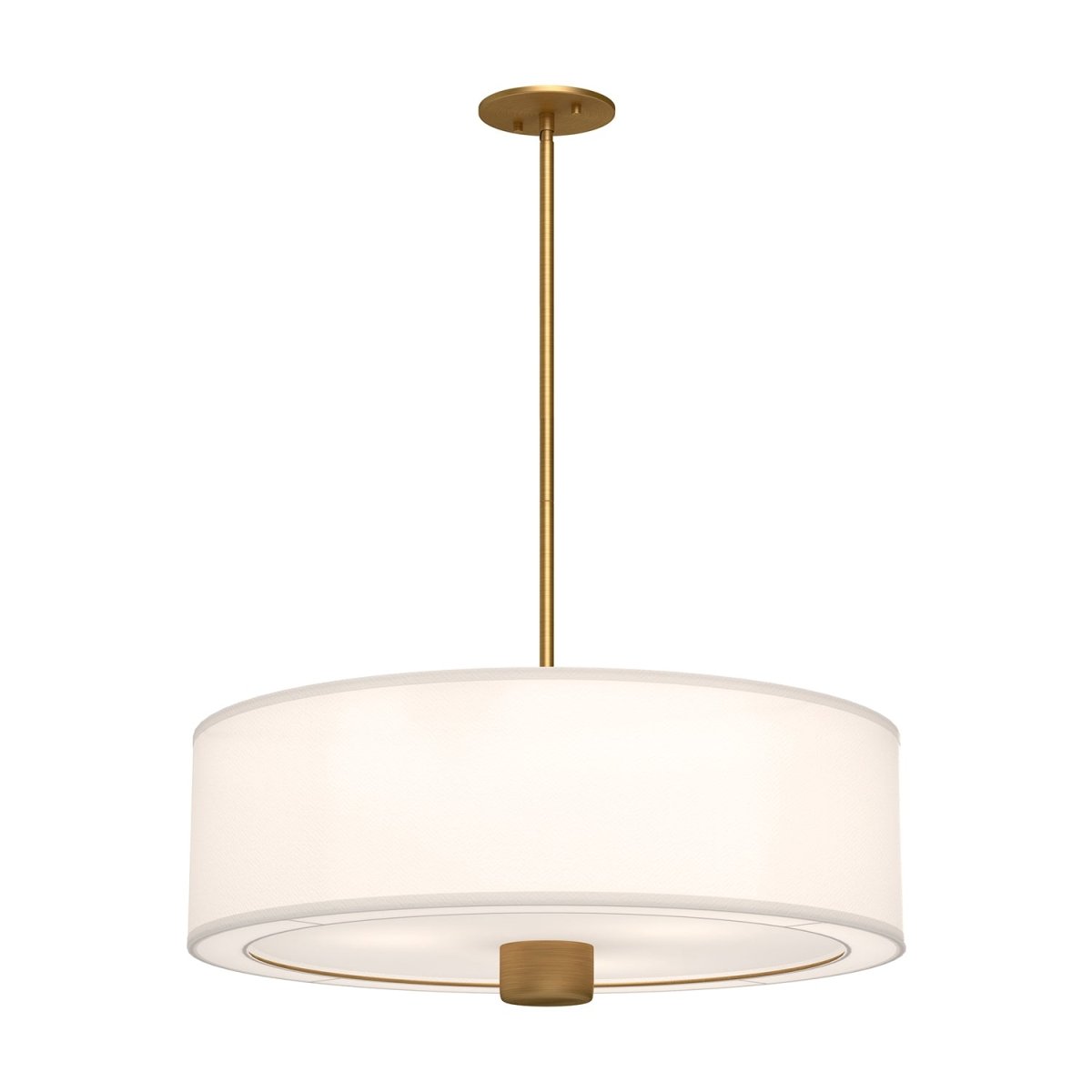
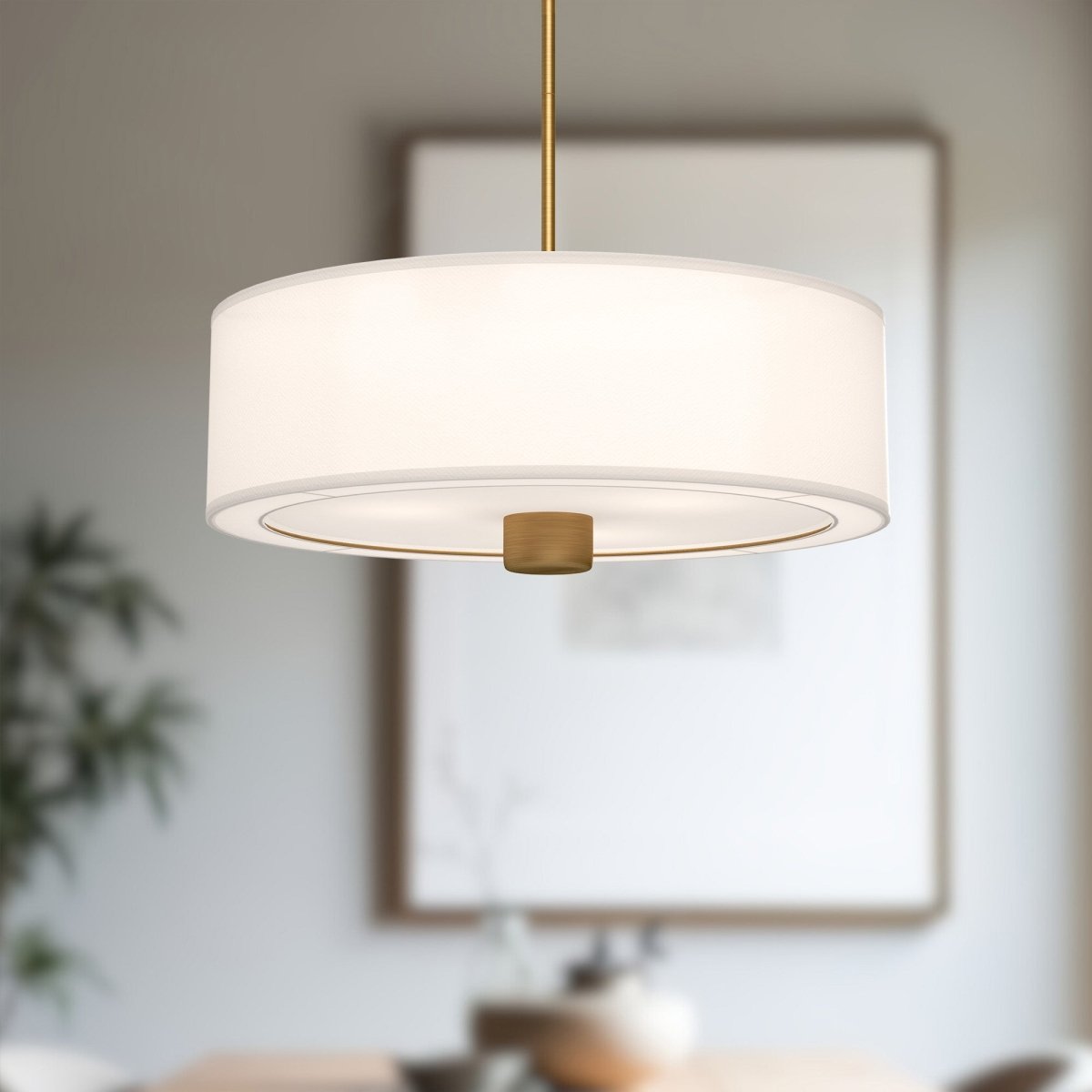
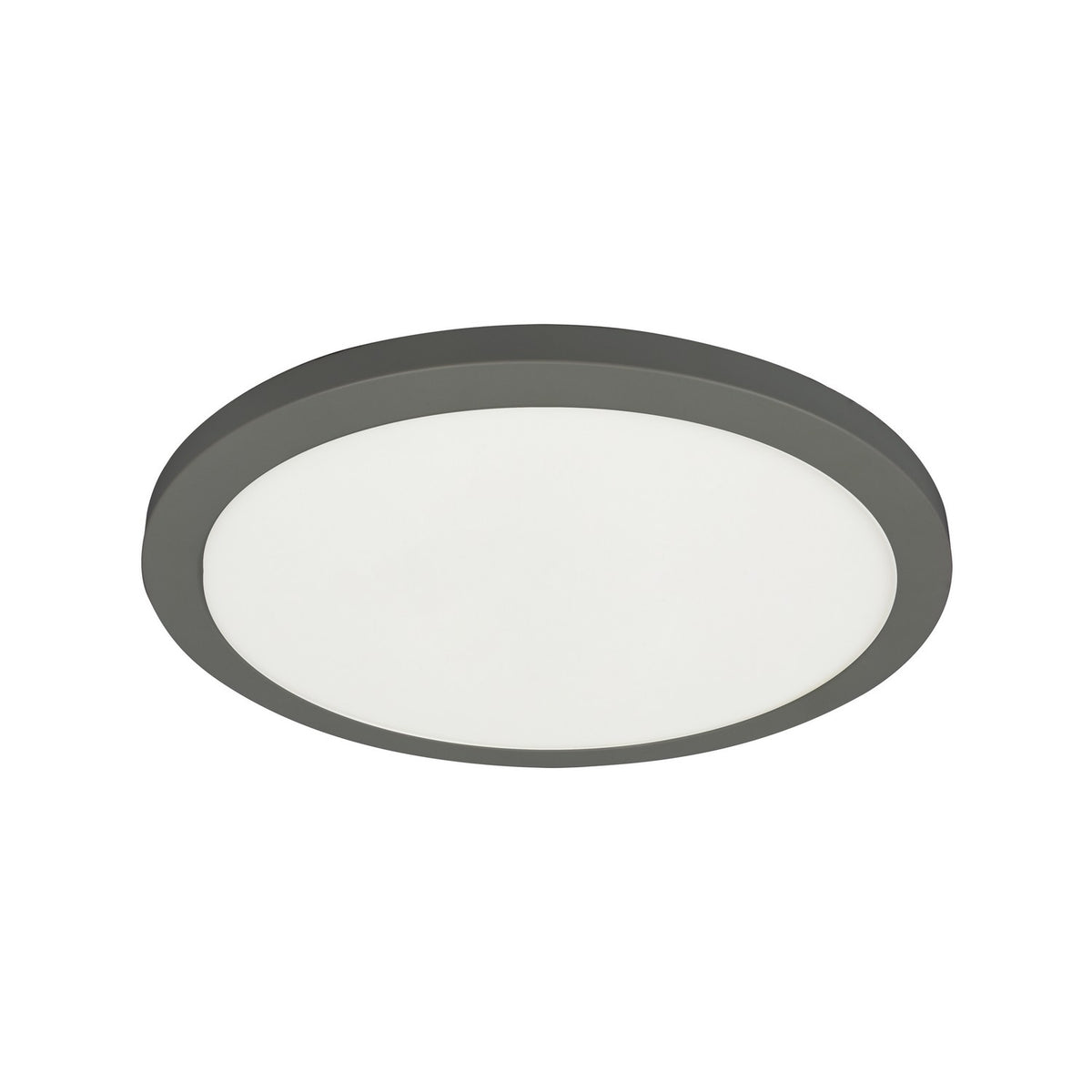
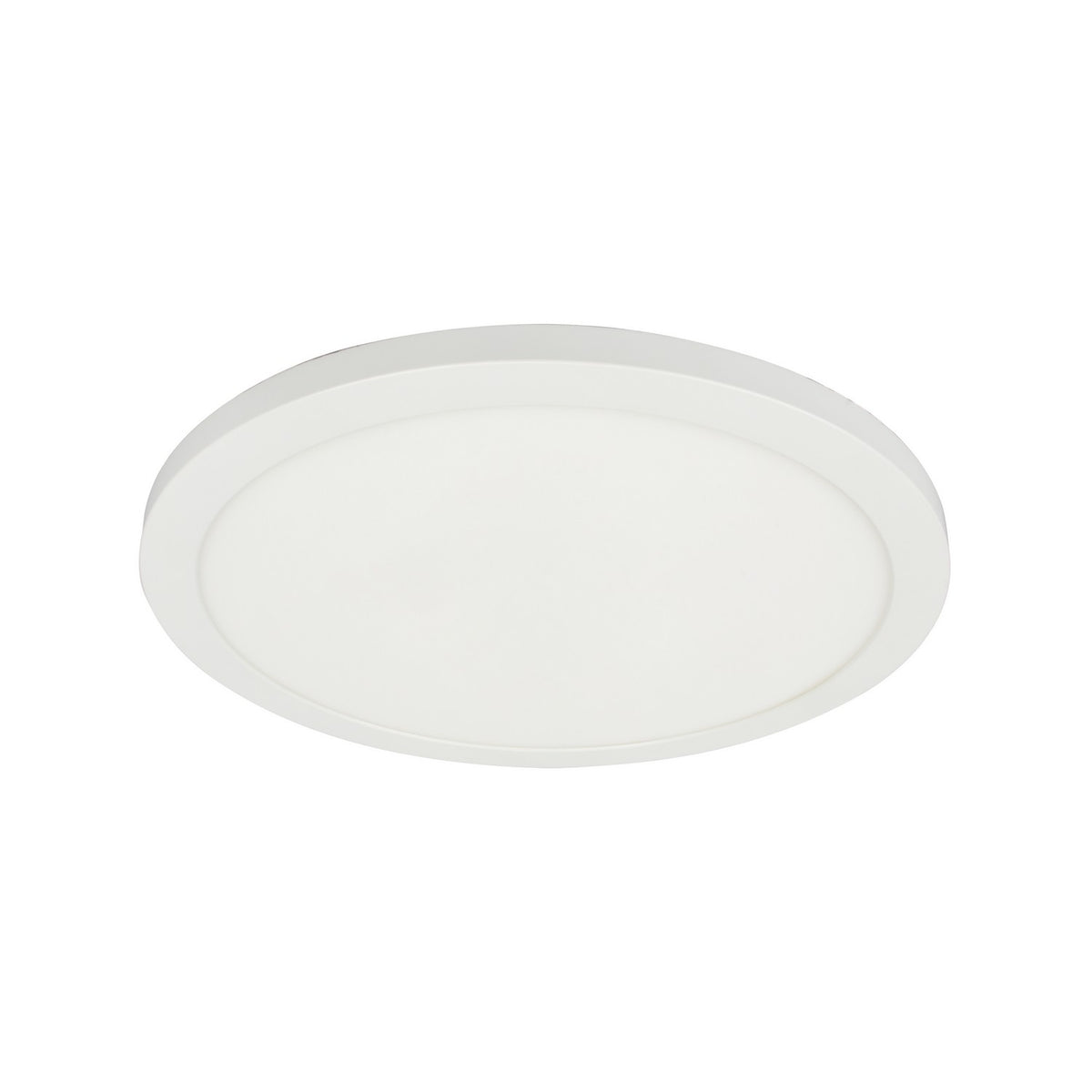
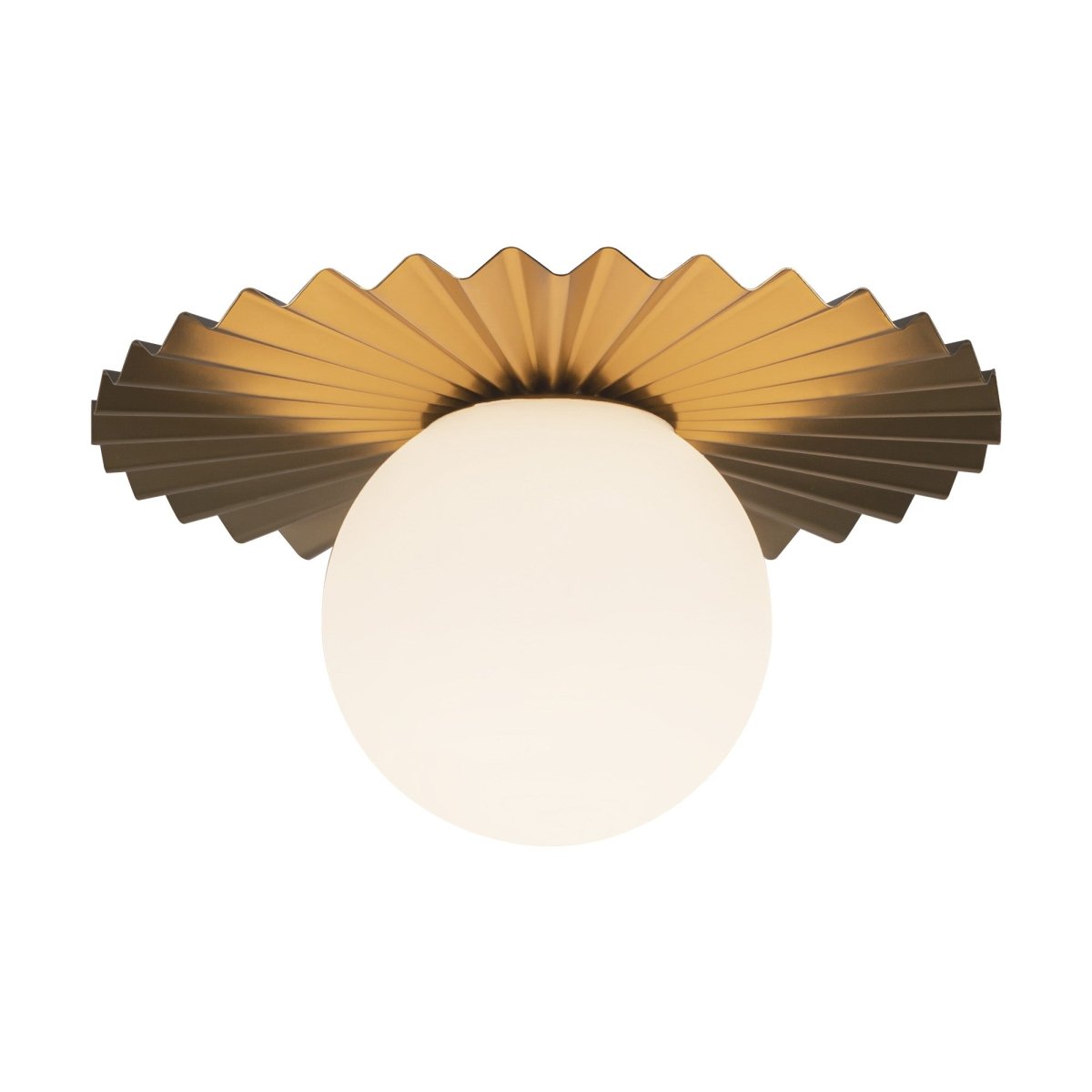
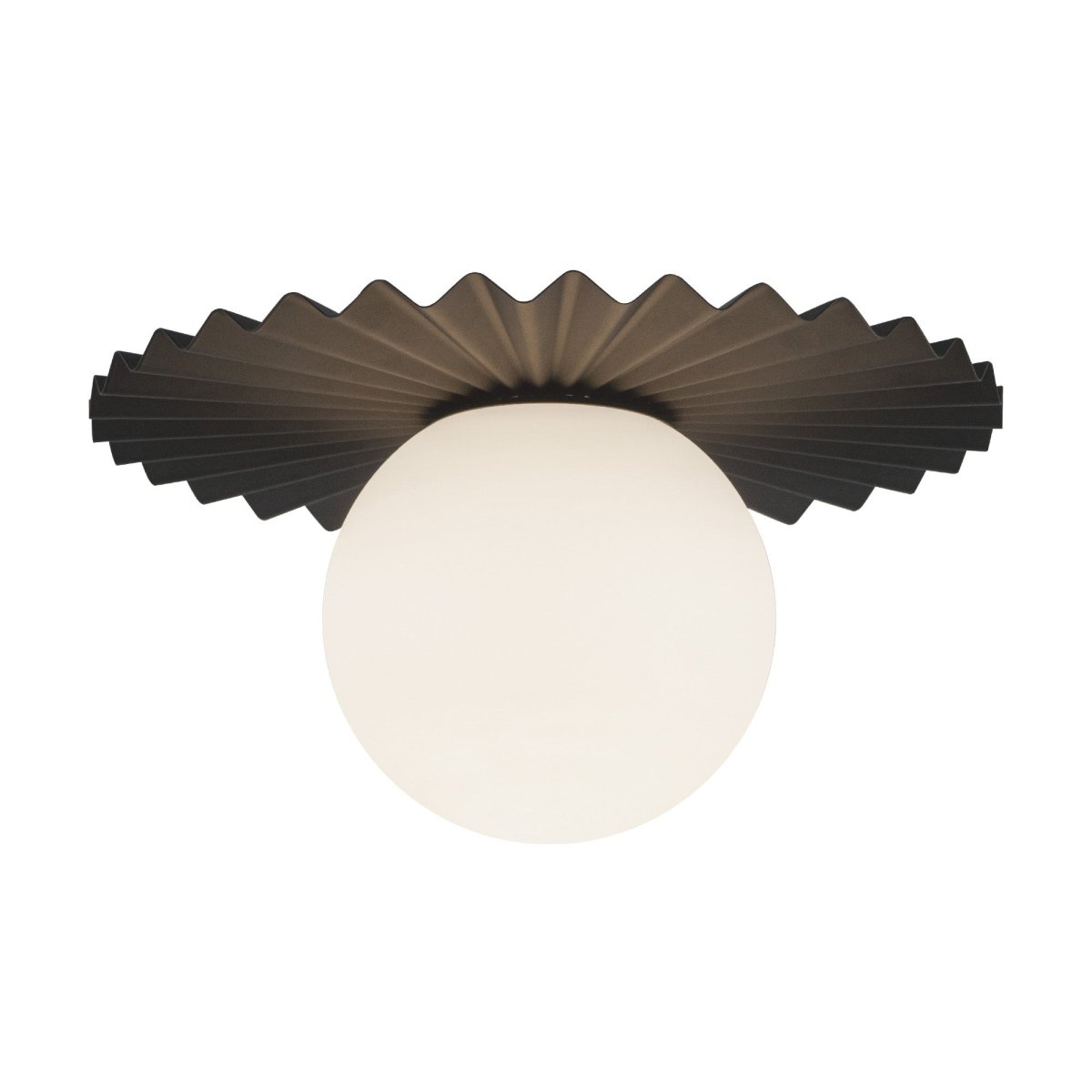
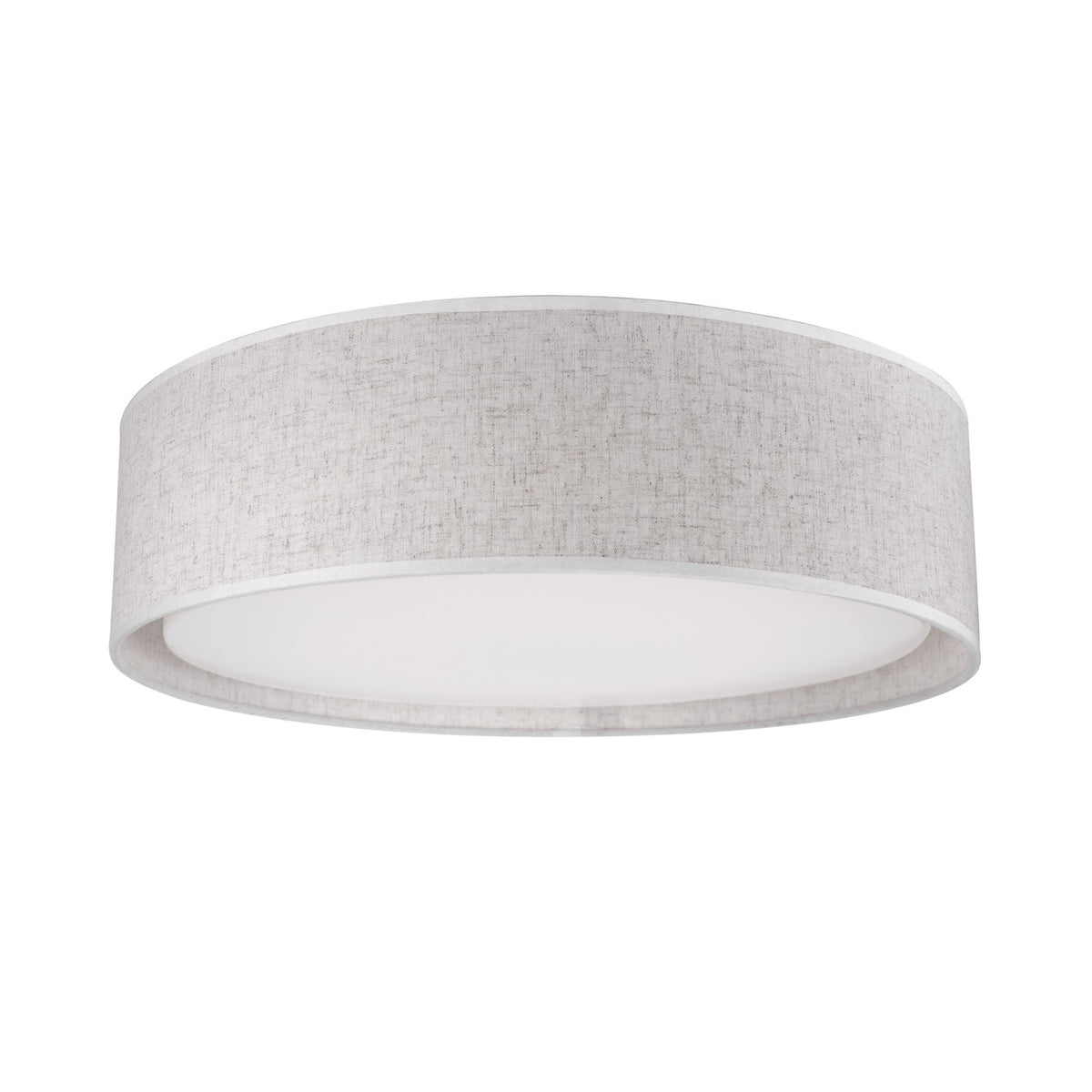
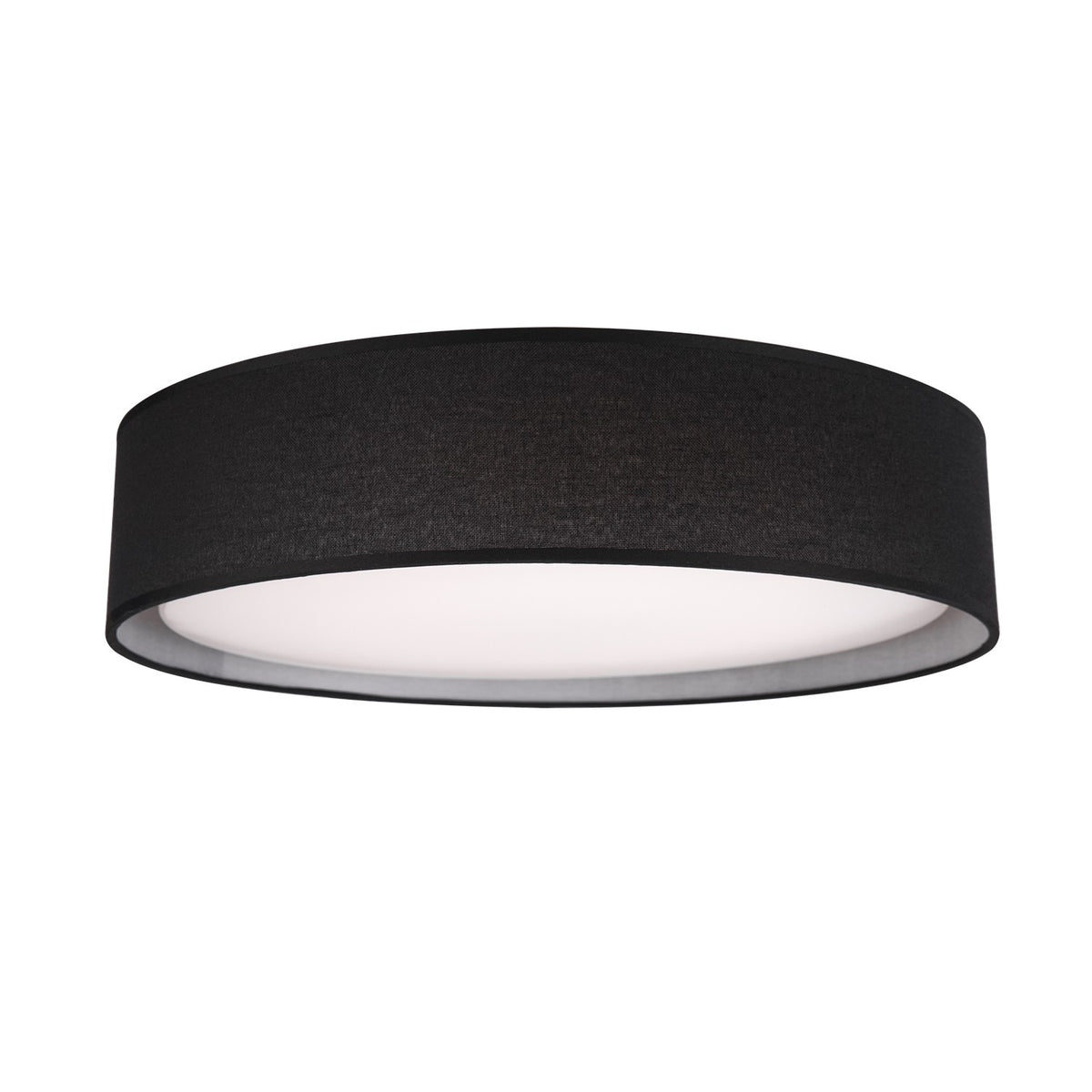
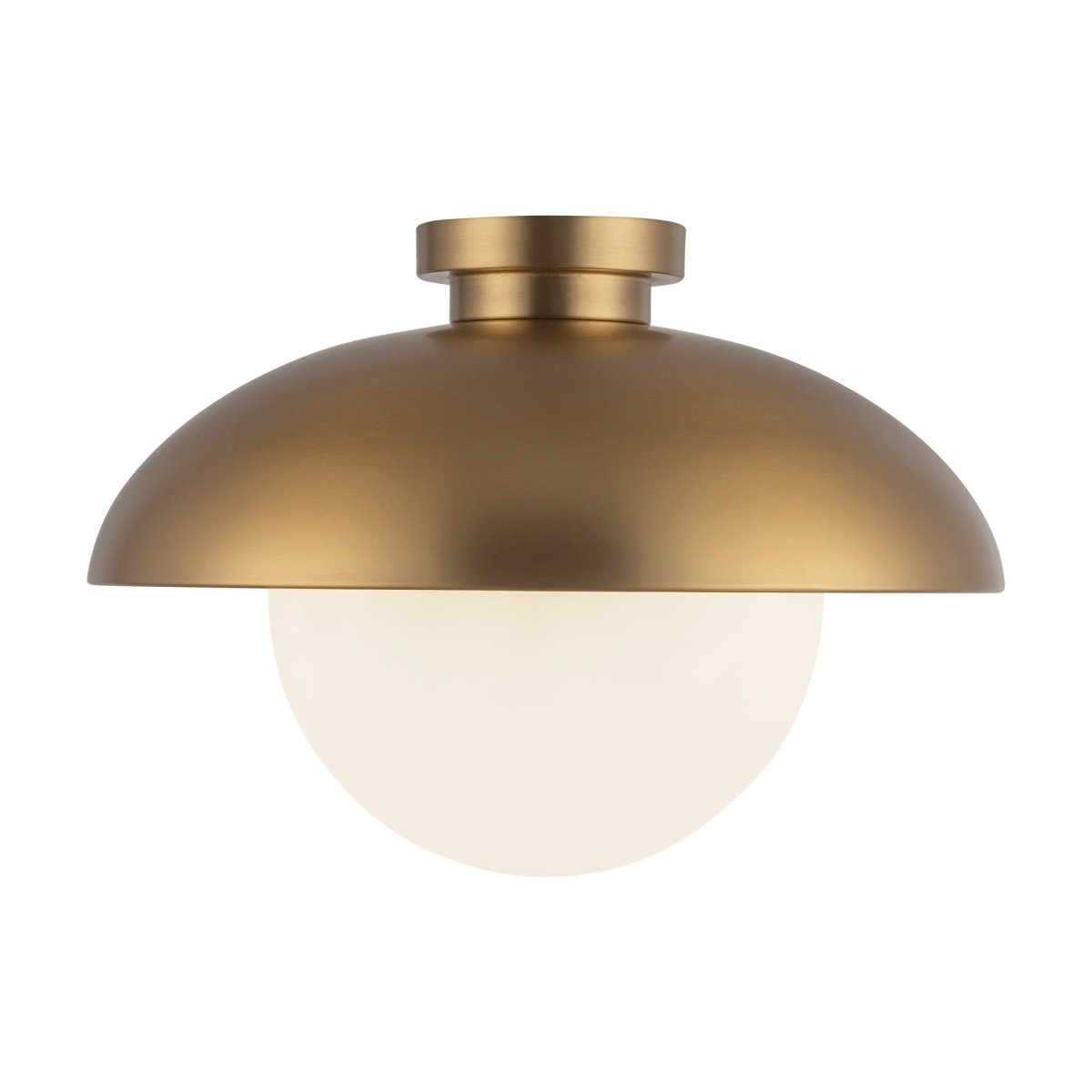
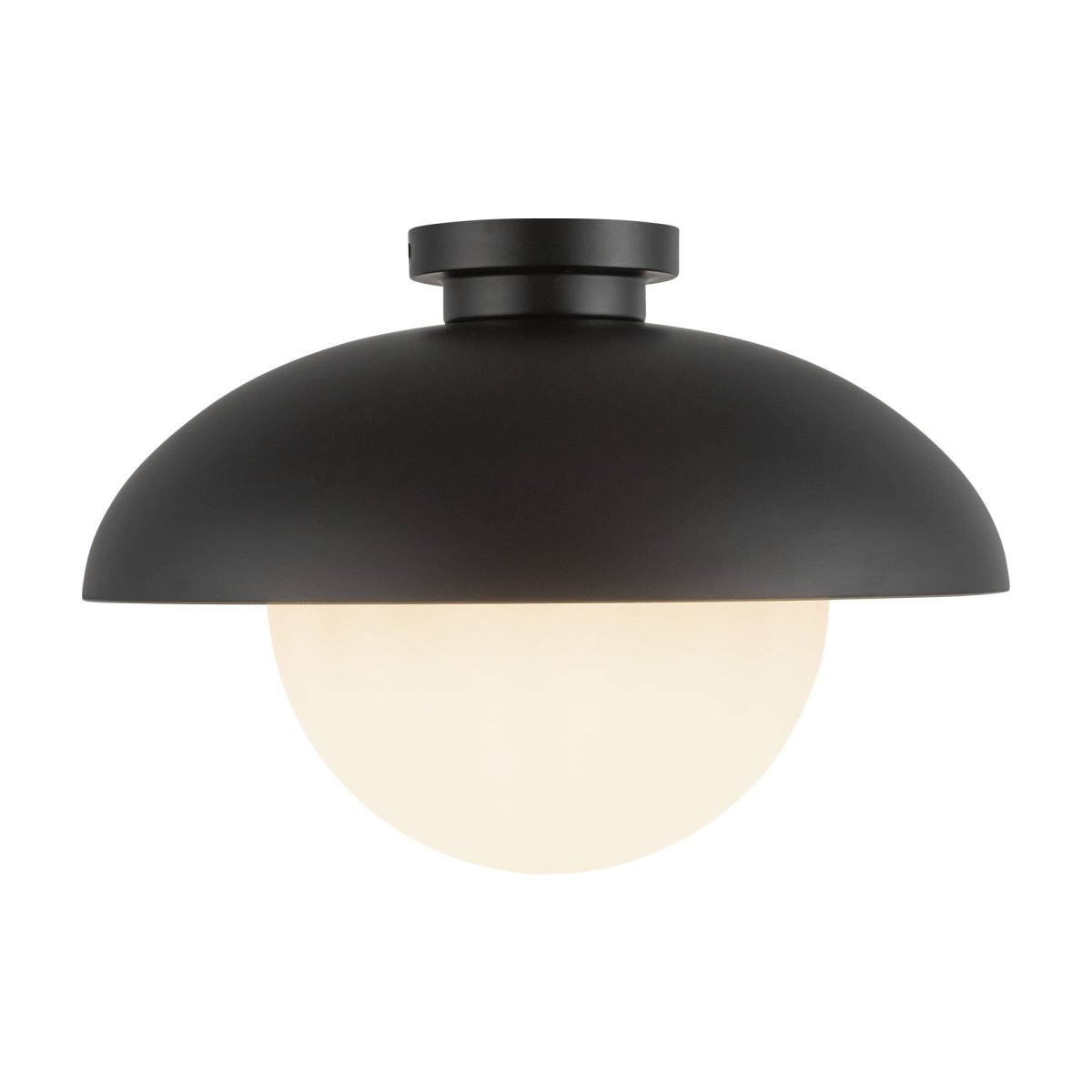
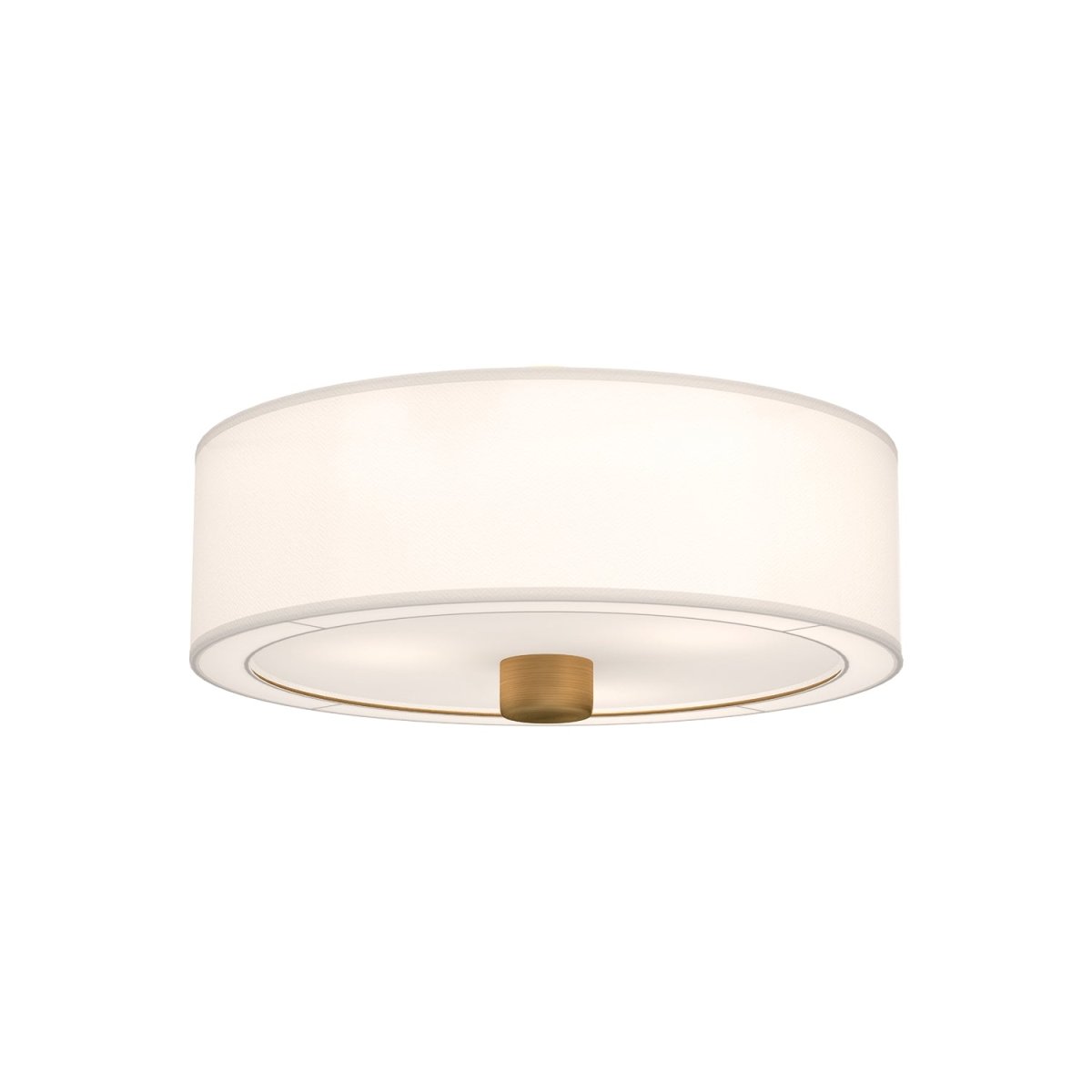
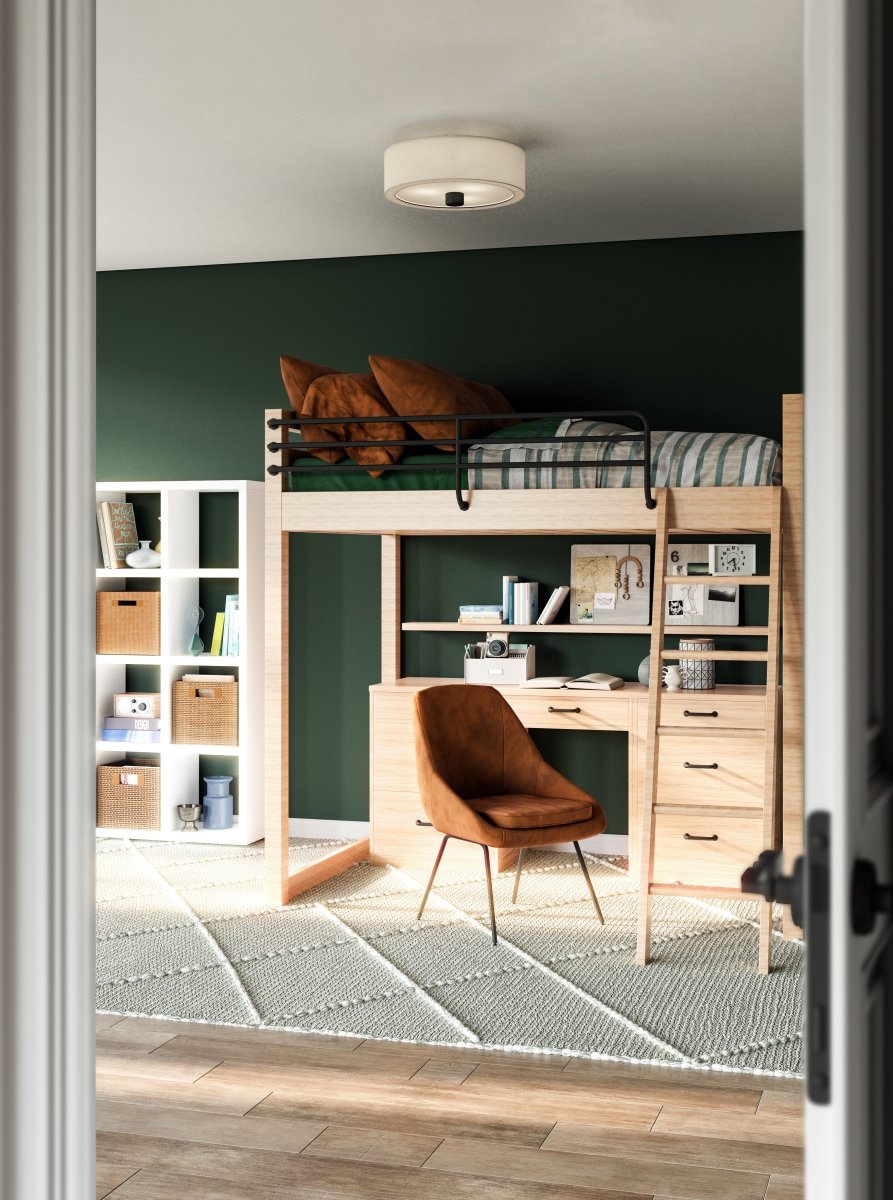
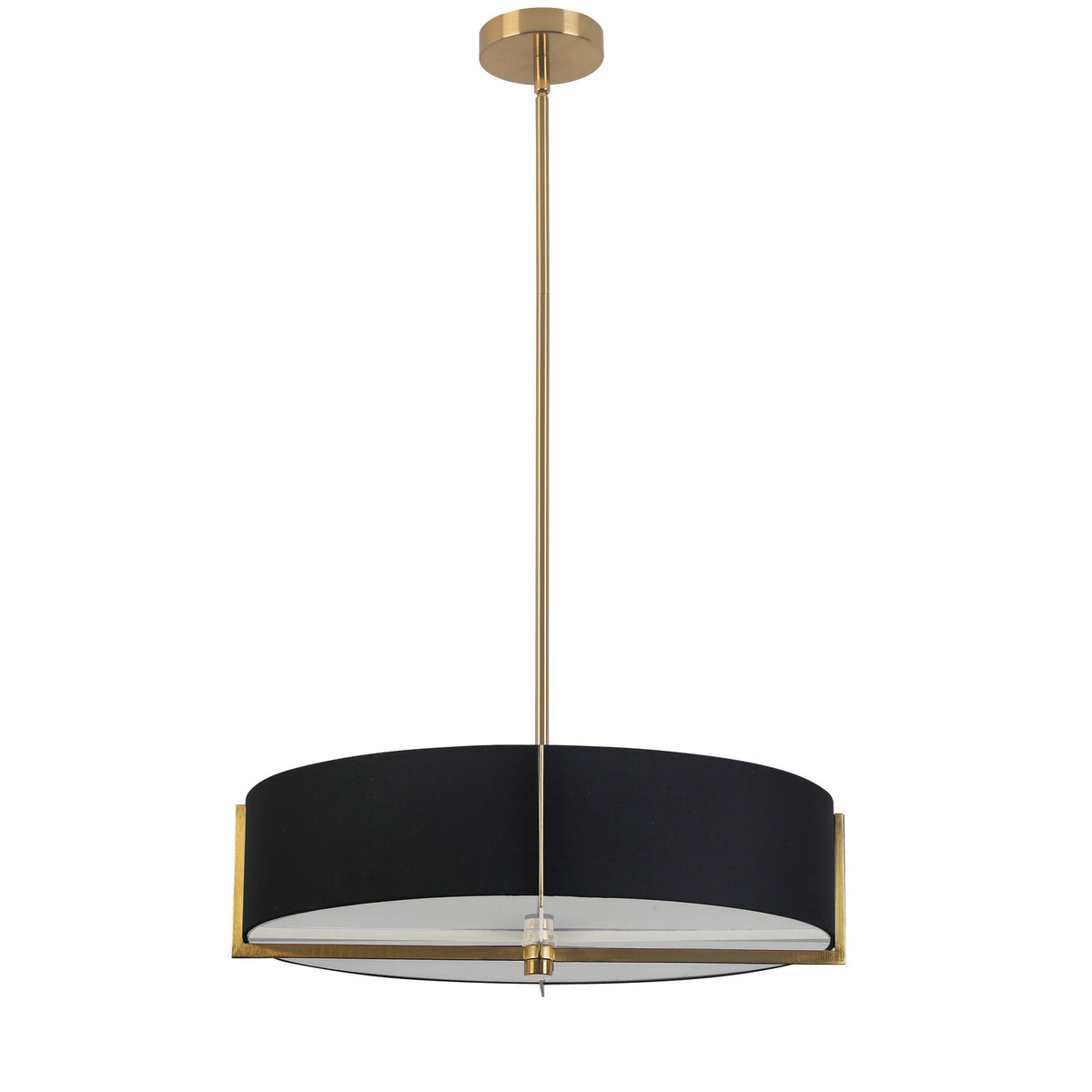
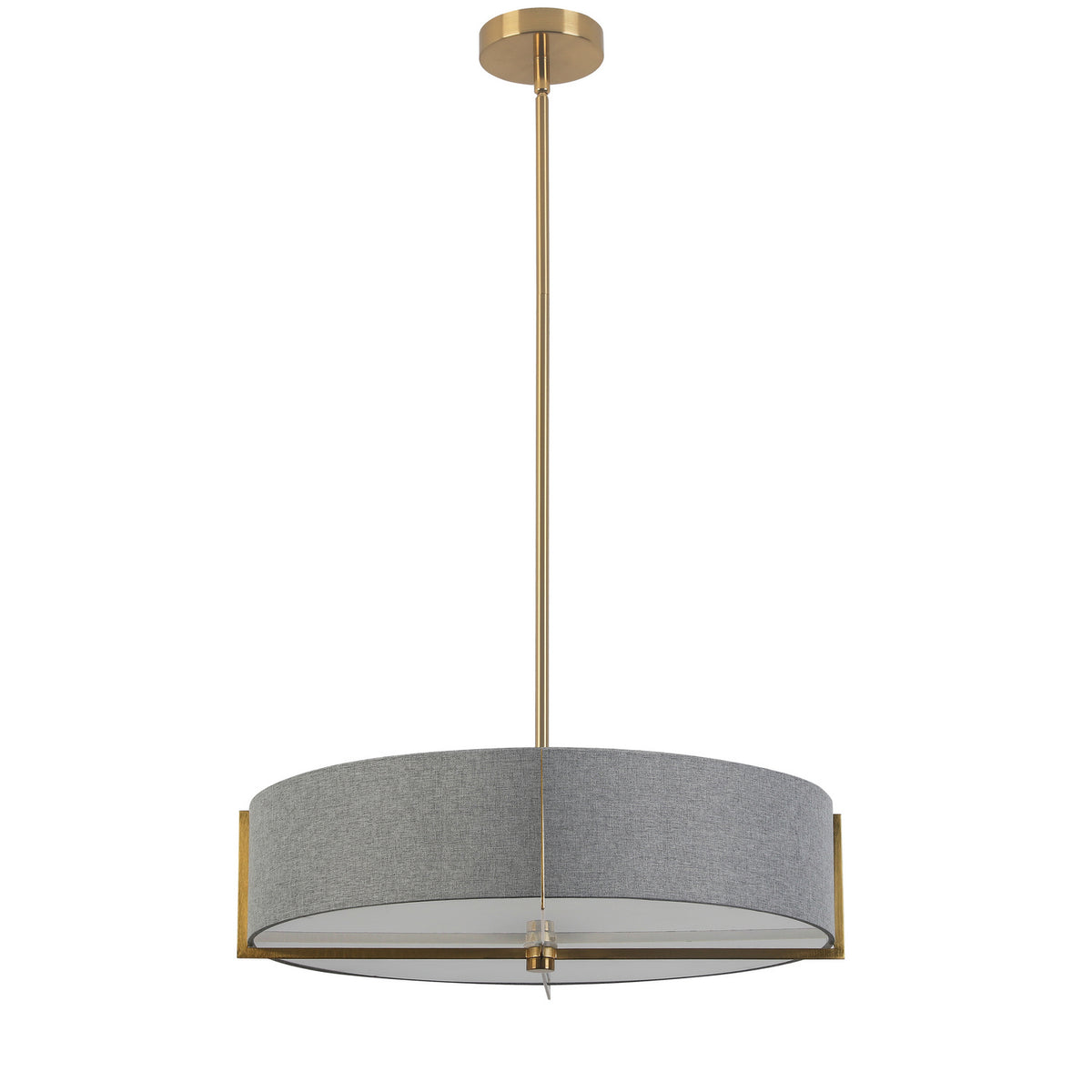
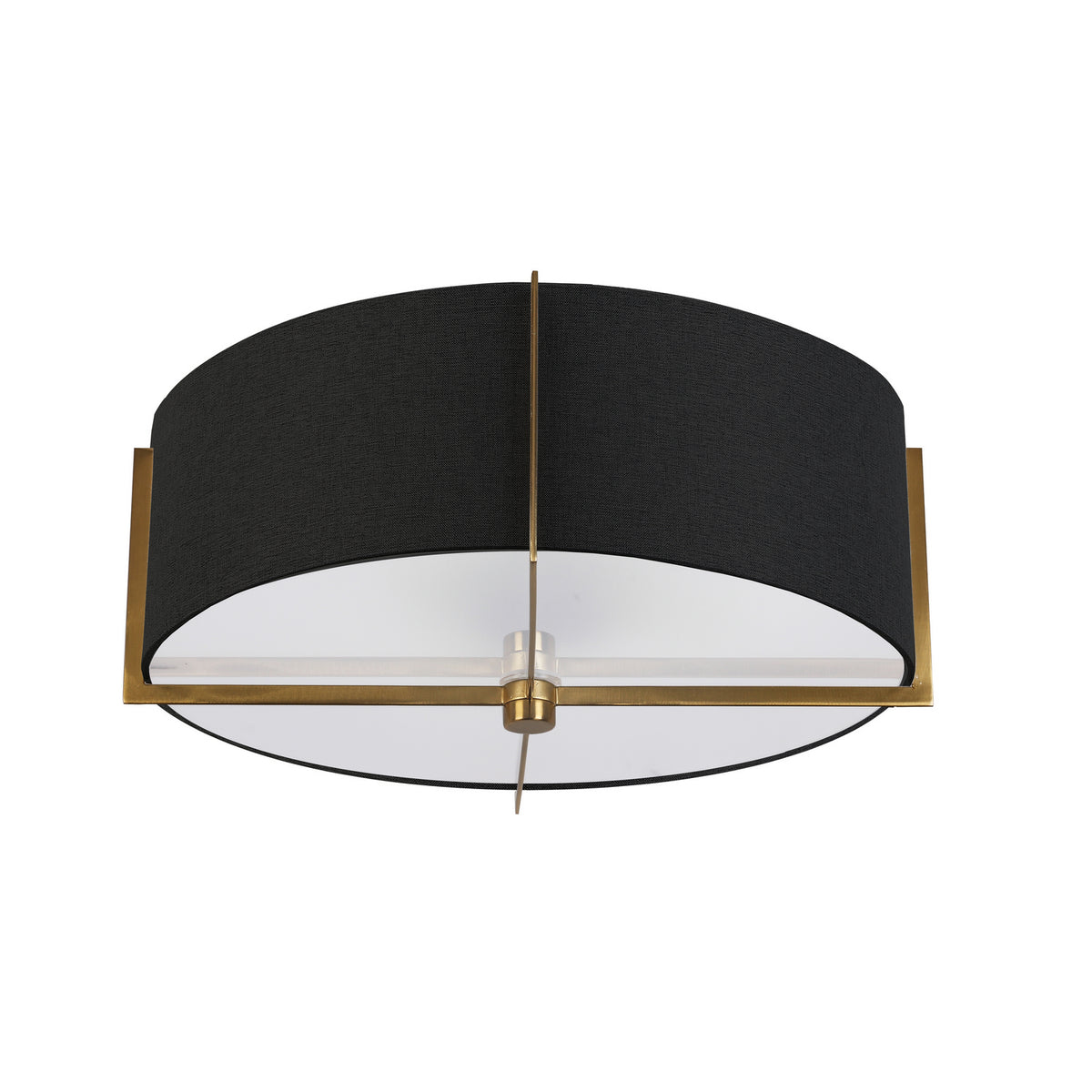
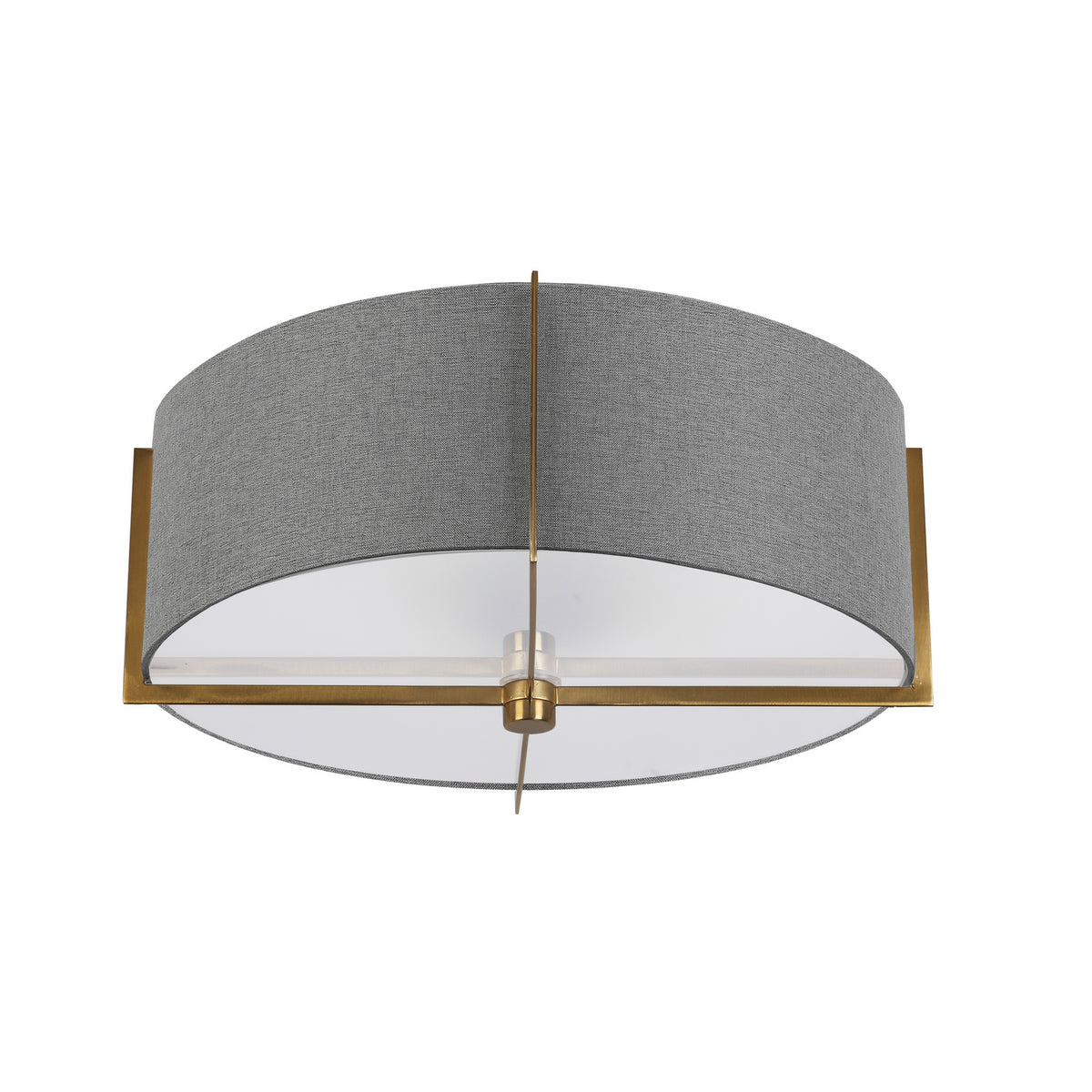
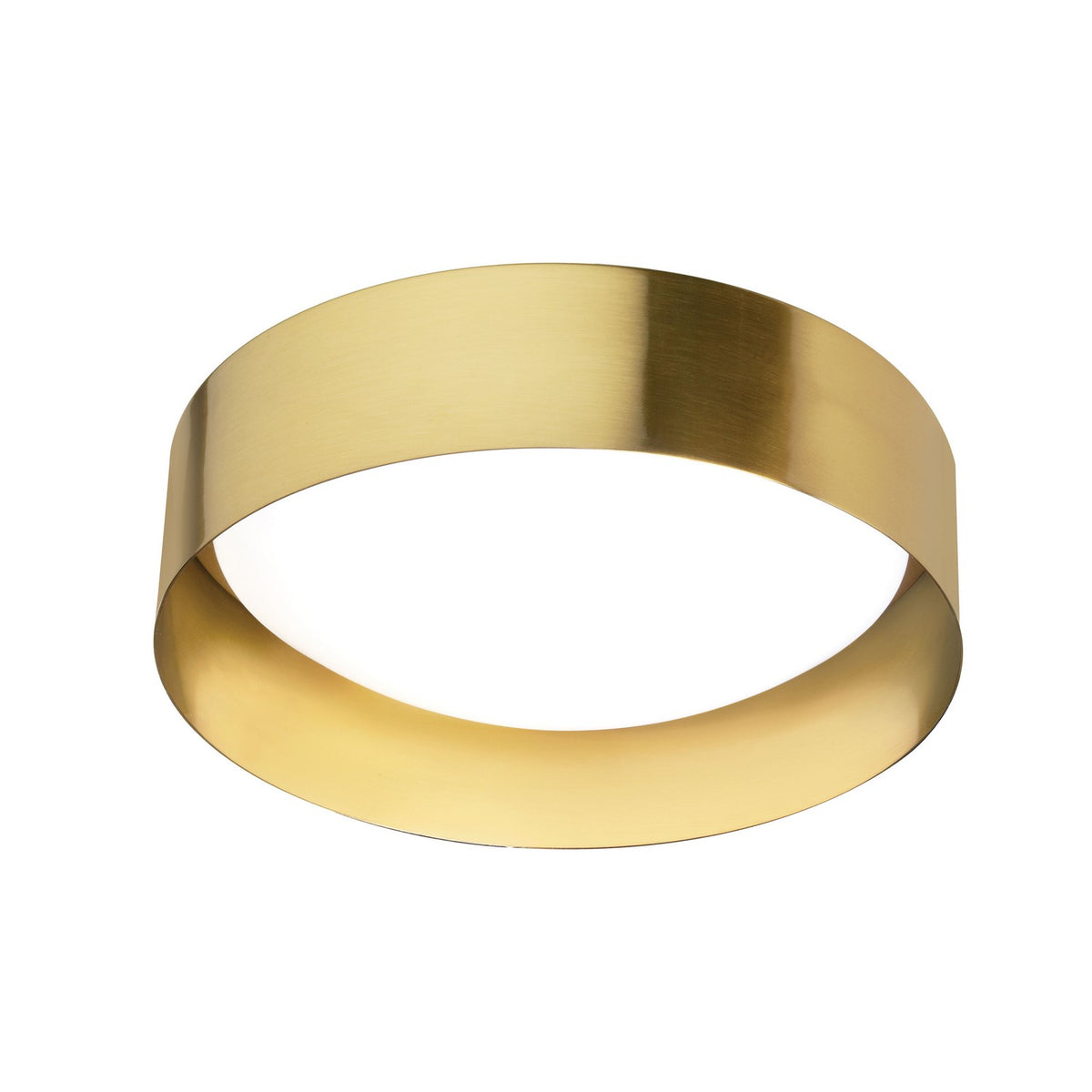
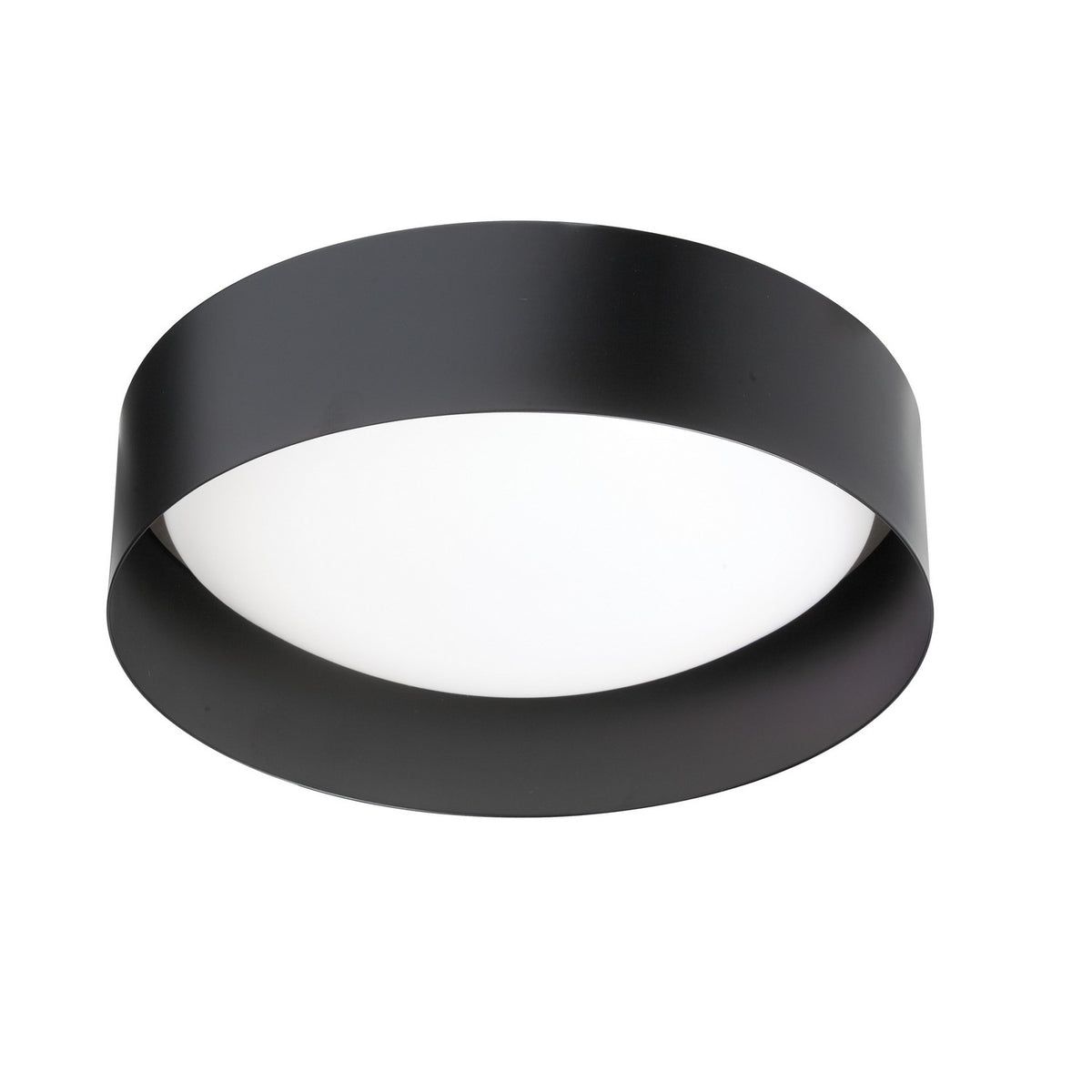
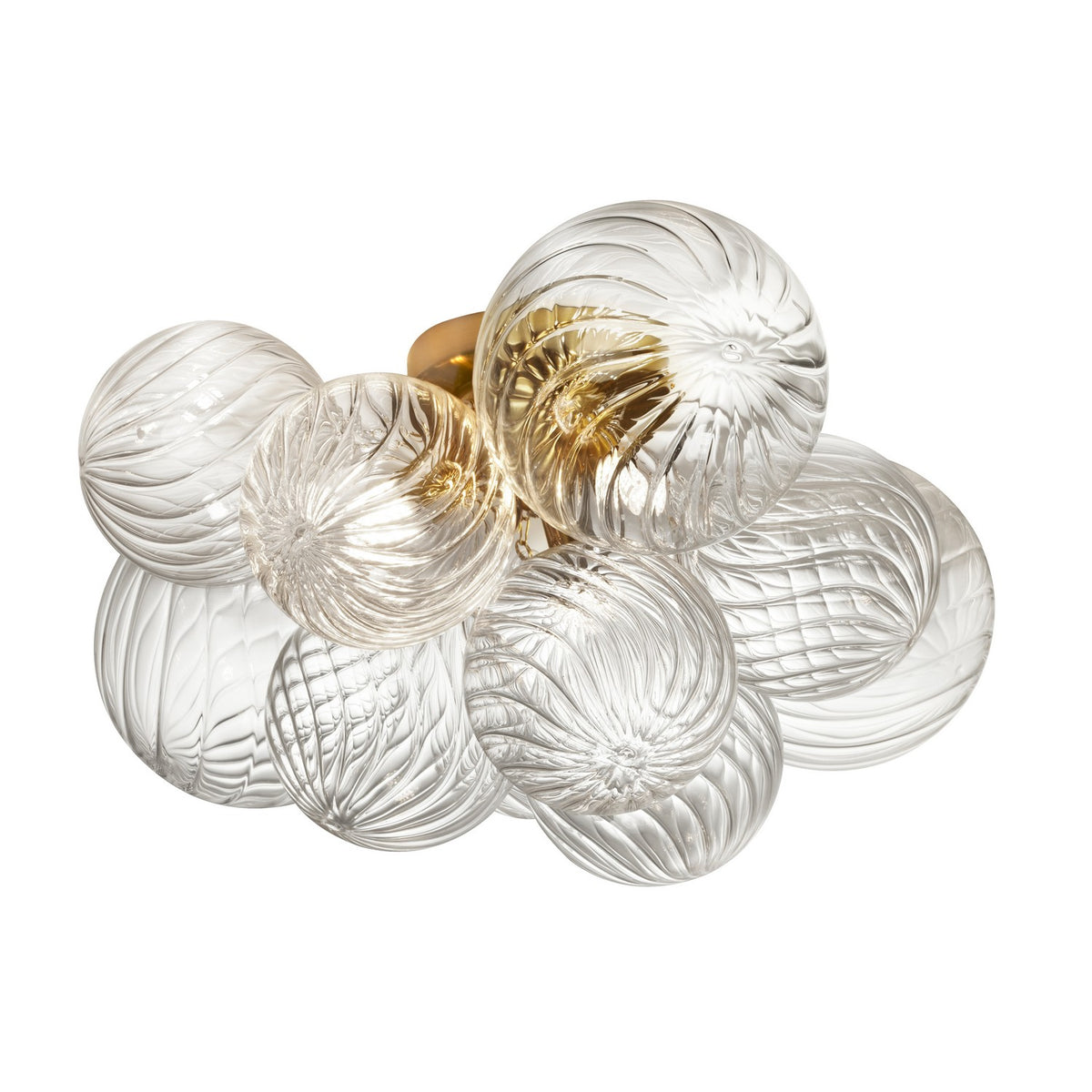
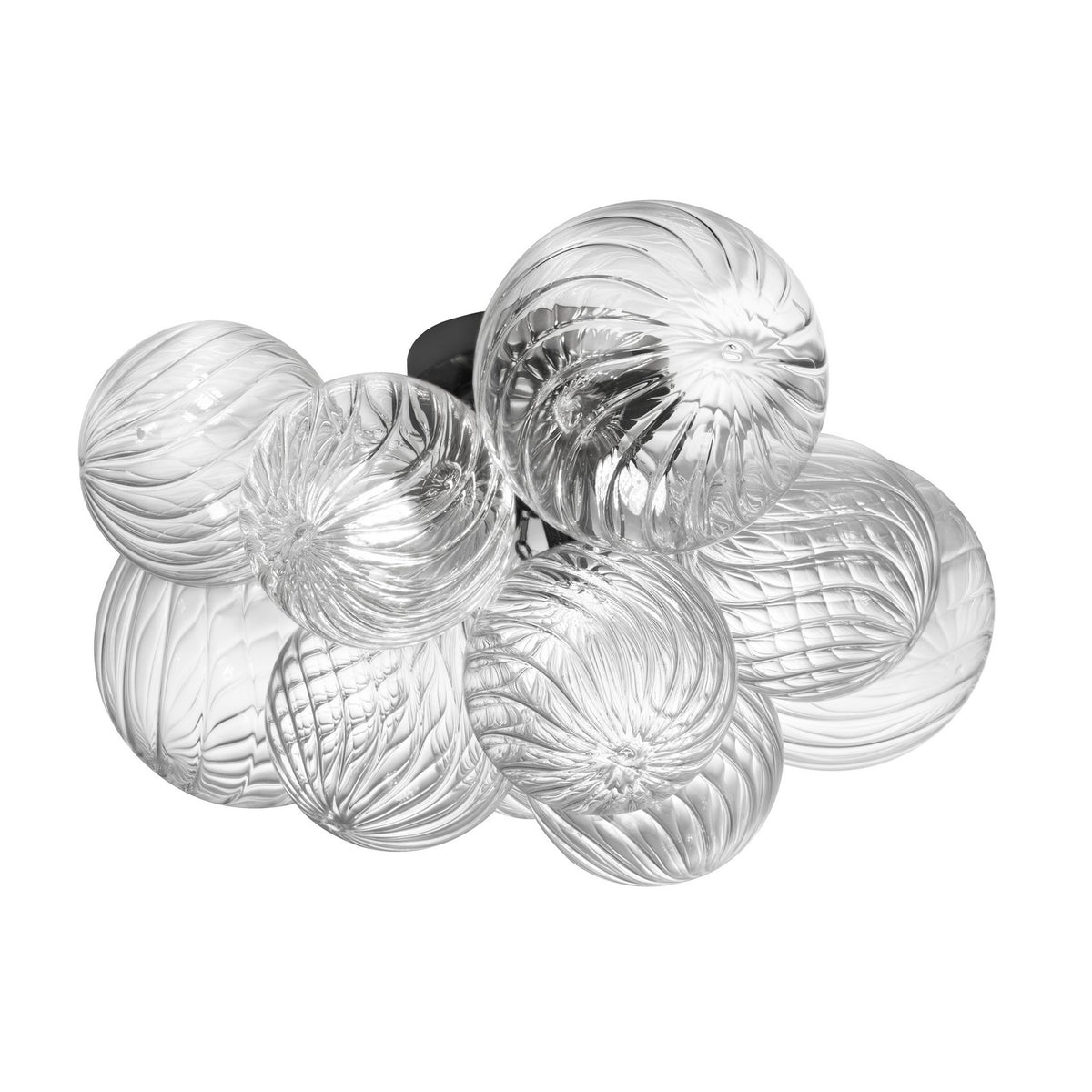
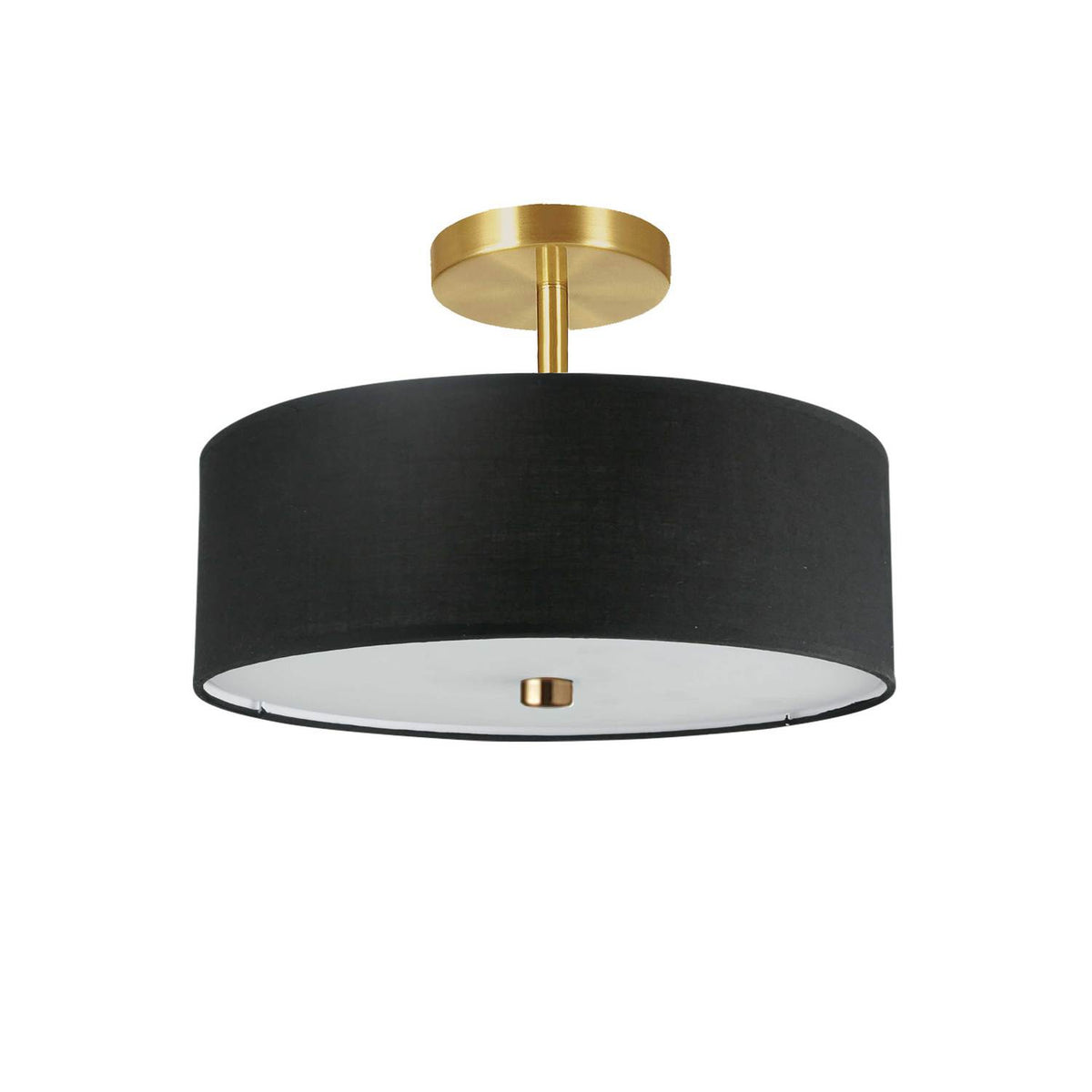
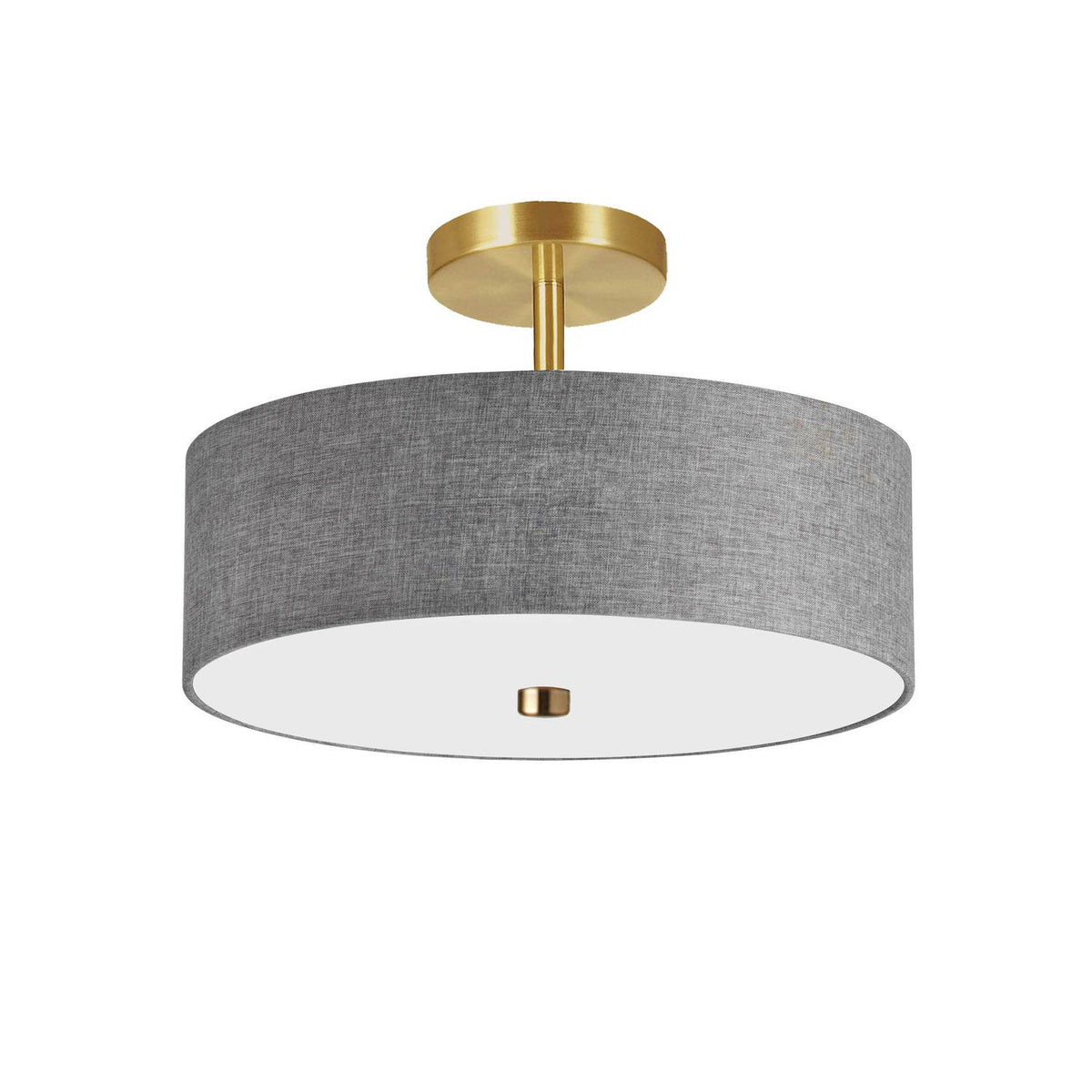
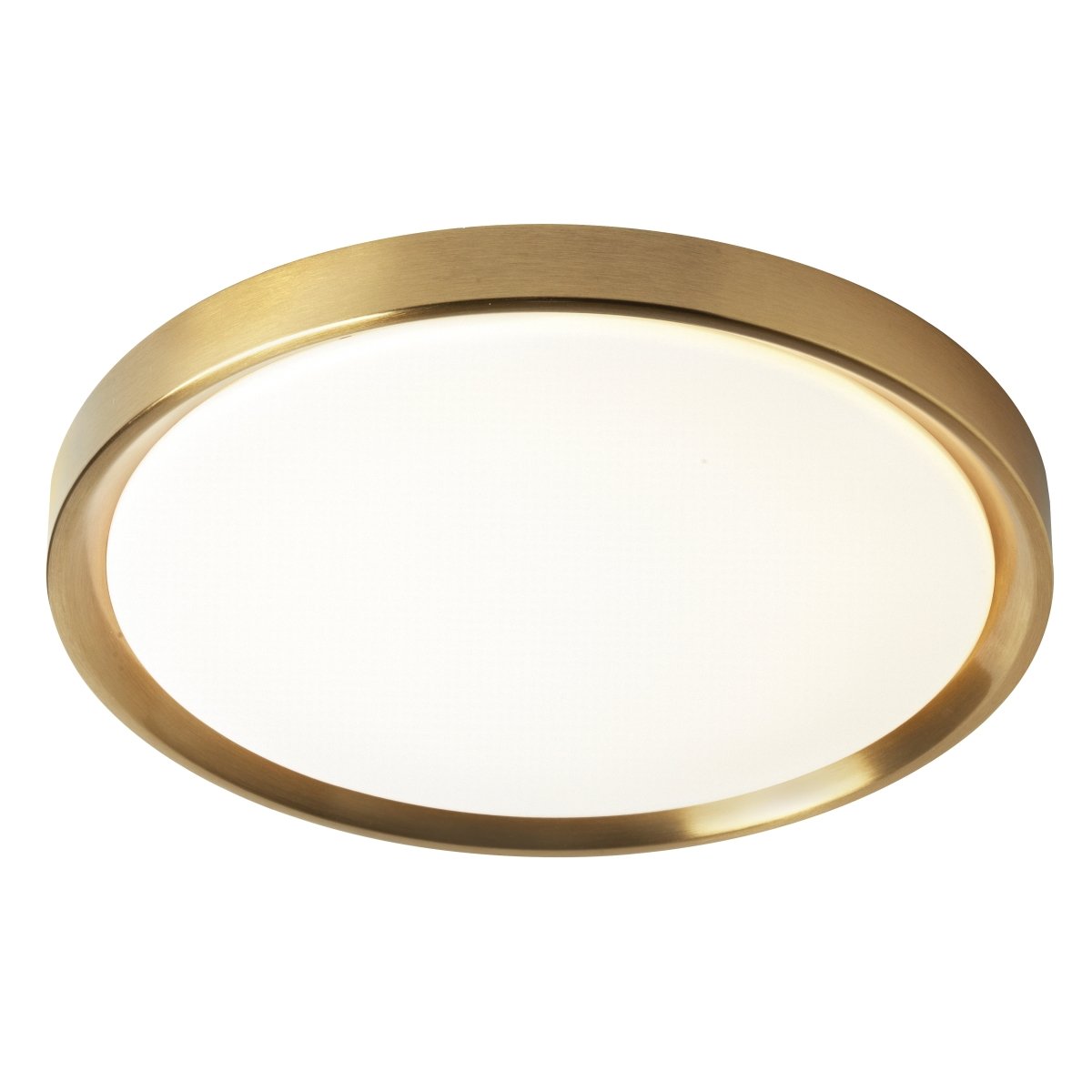
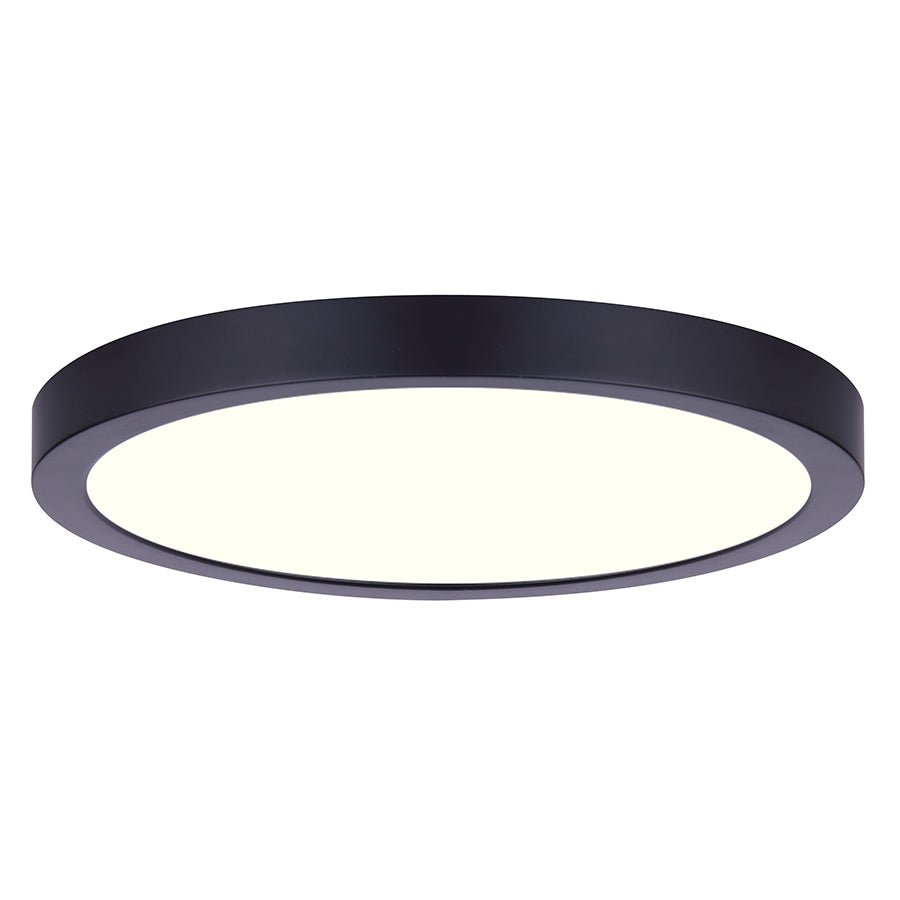
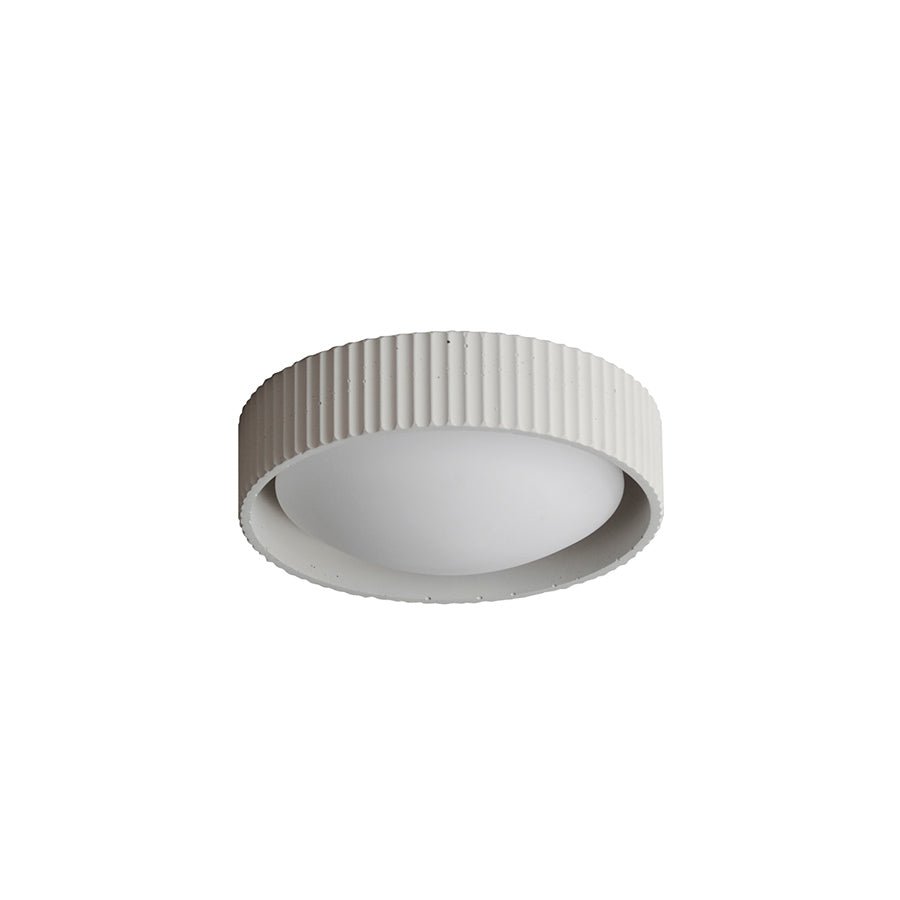
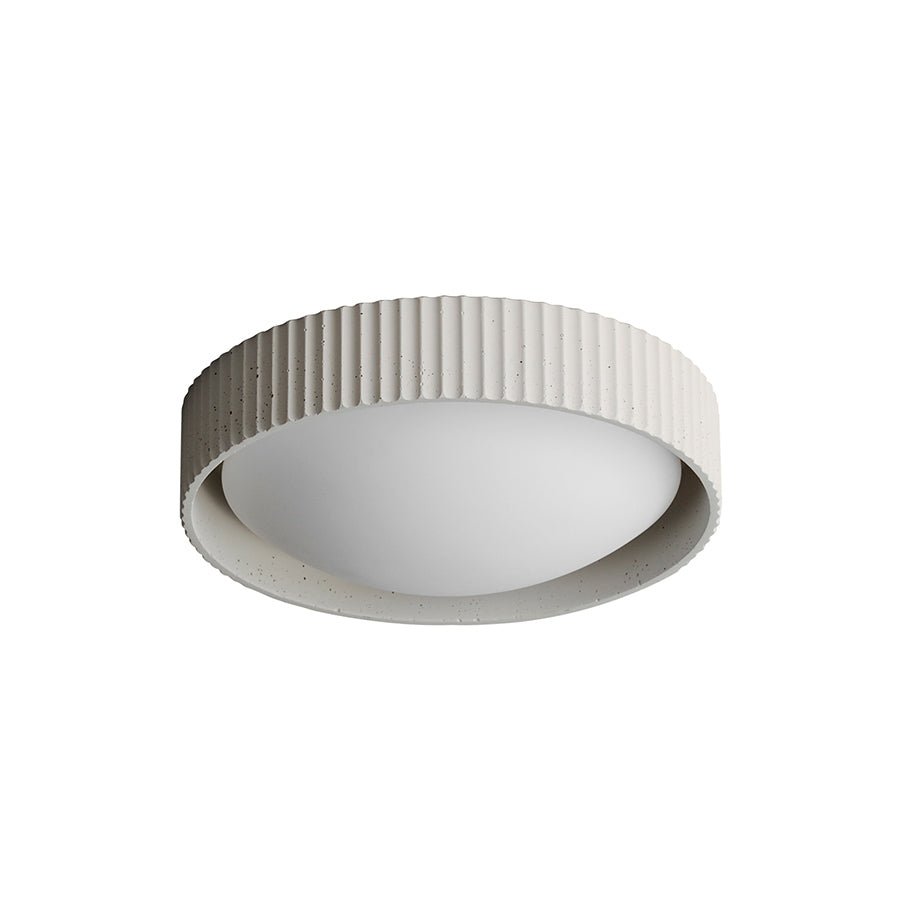
When the ceiling is low or a hanging light would get in the way, a flush mount is the answer. Mounted tight to the ceiling, it spreads even ambient ceiling light, ideal for a hallway, bedroom or bathroom. A semi-flush mount leaves a small gap that adds depth without demanding much height.
Linear suspensions and track lighting
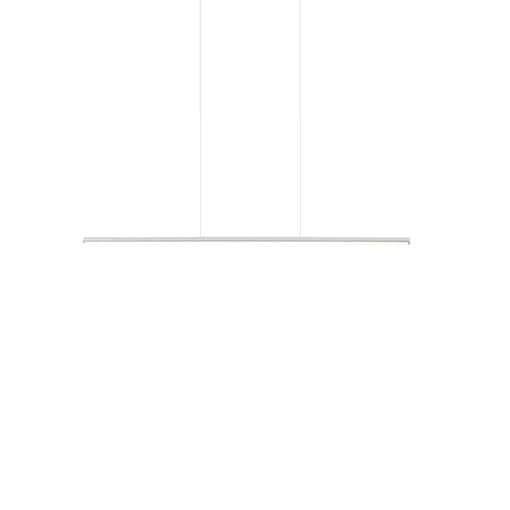
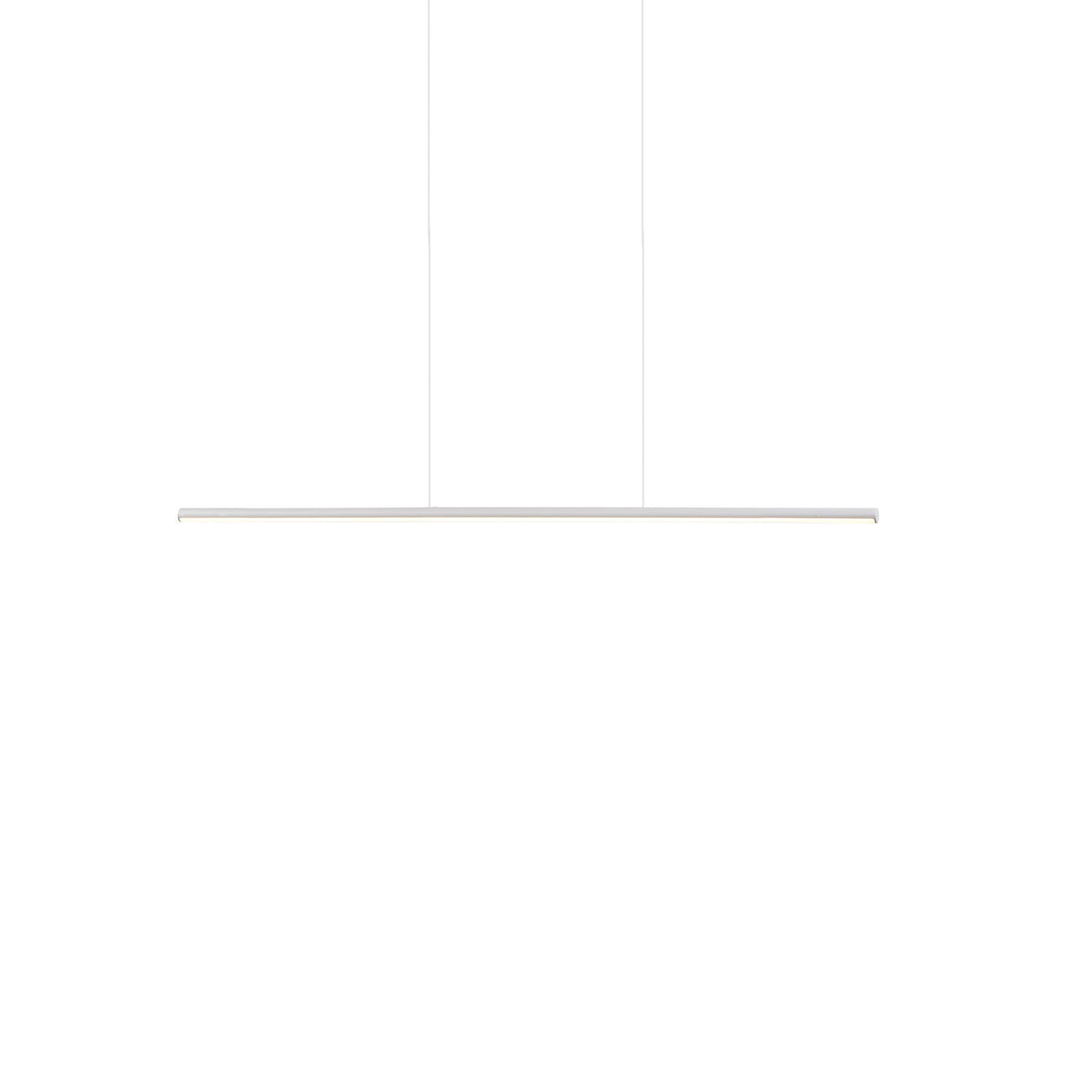
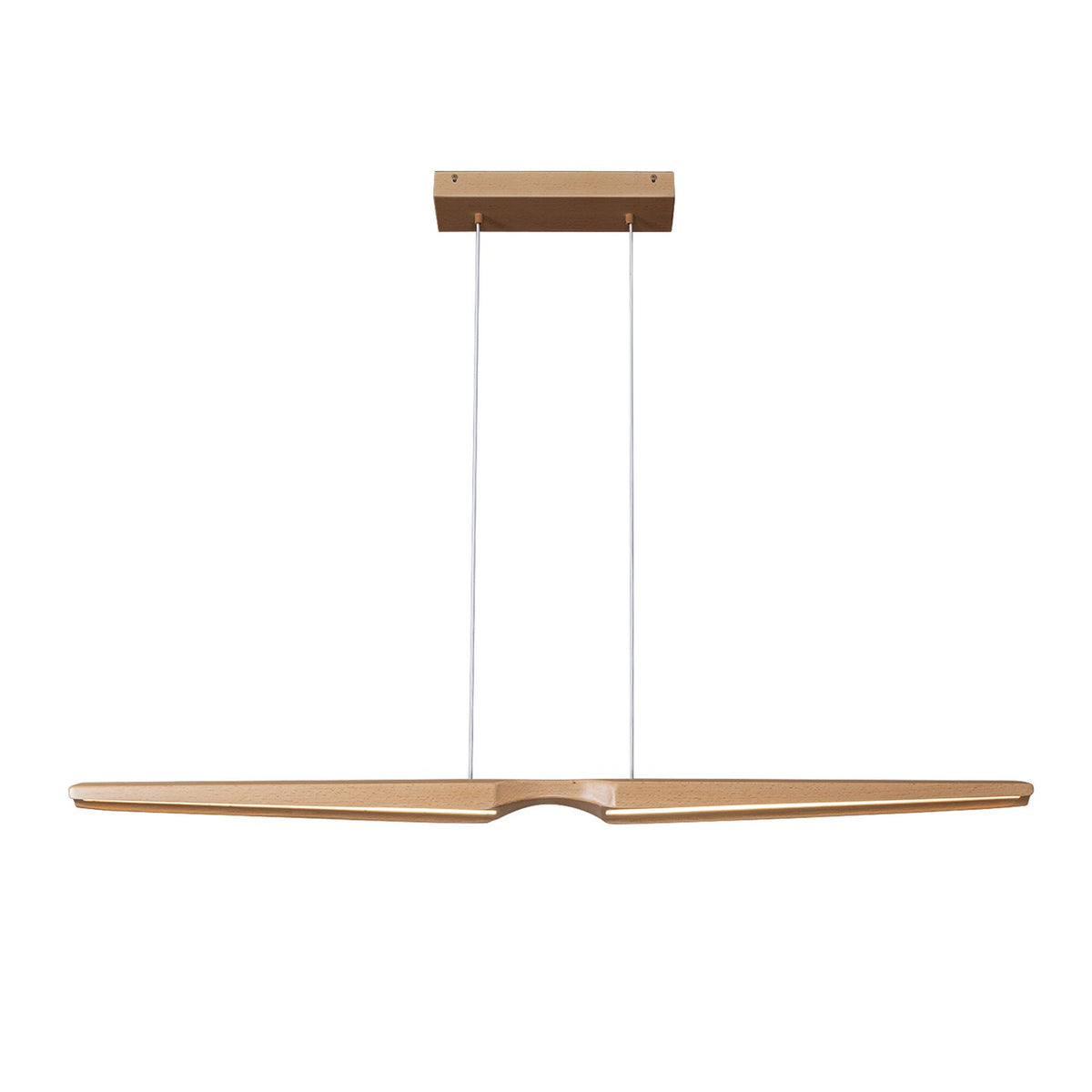
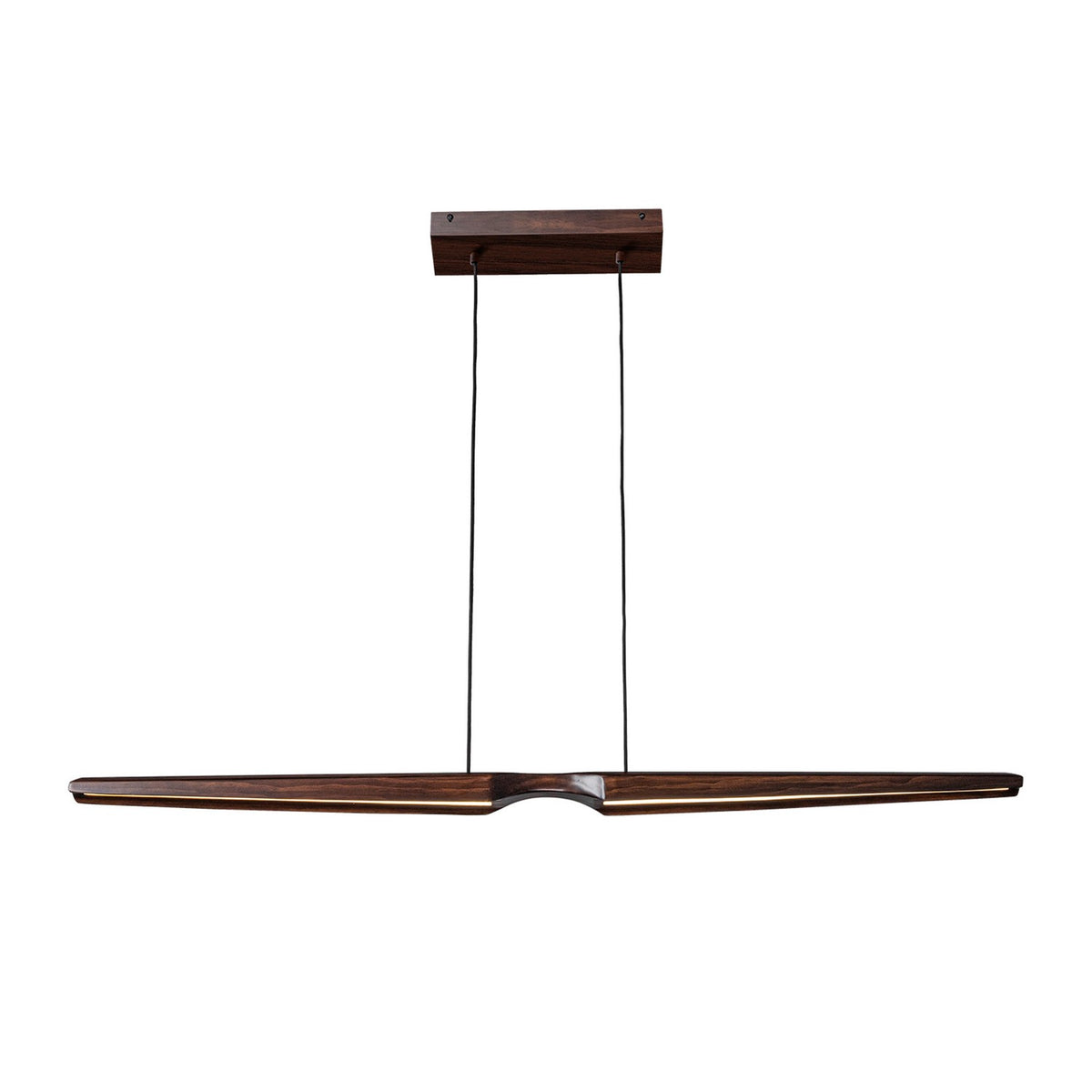
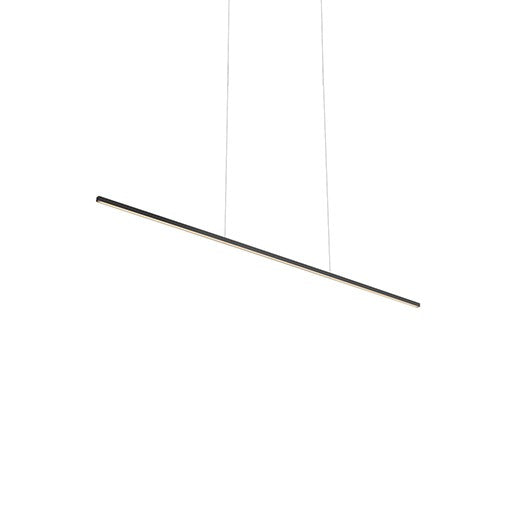
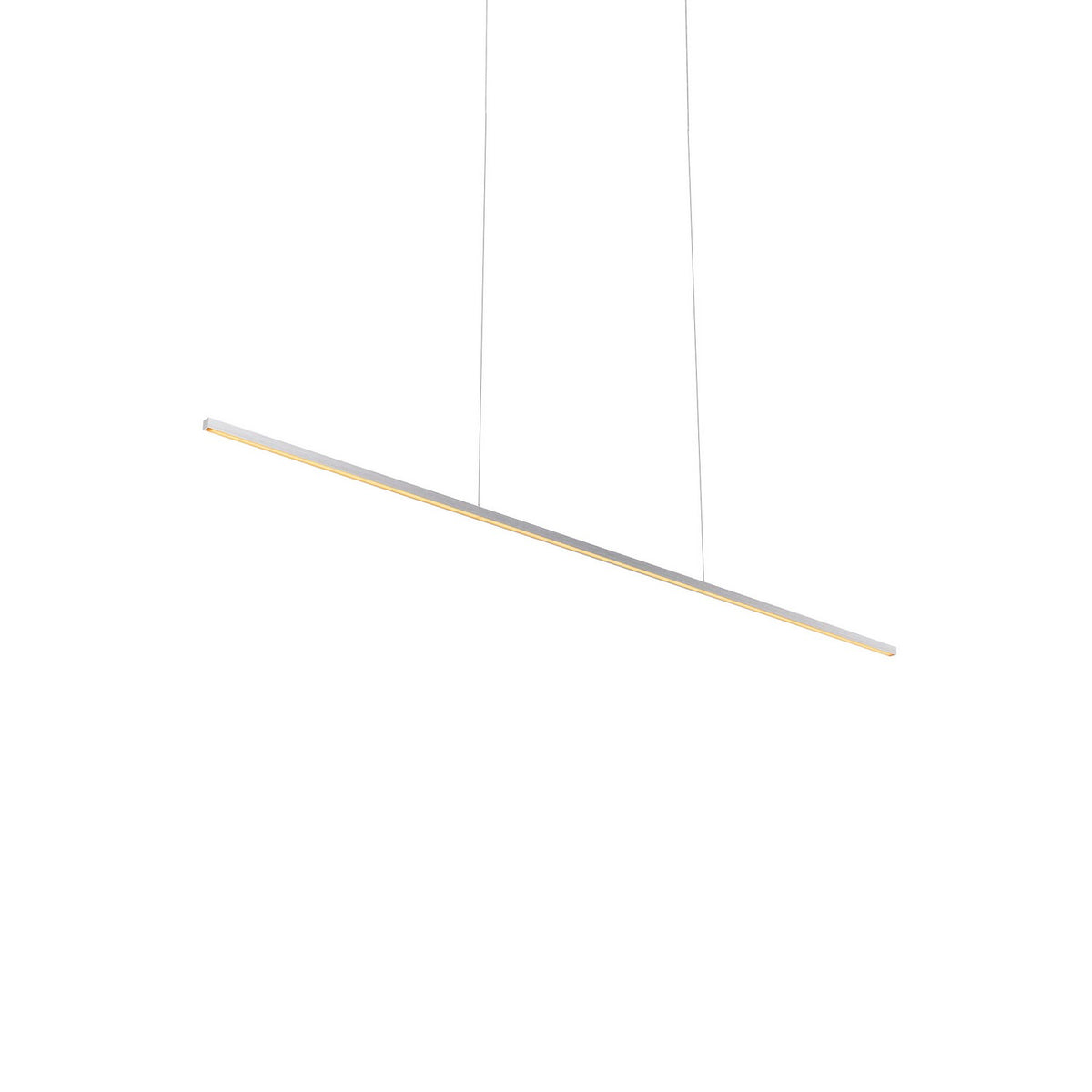
For a long counter, a stretched dining table or a work surface, a linear suspension spreads light along the whole length. Track lighting, a more architectural look, aims spotlights at precise points and suits open-plan spaces where several zones need light.
Choosing the right ceiling light by room
The same fixture won't suit every room. Start from the purpose: general ambient light, task light over a work surface, or a decorative accent.
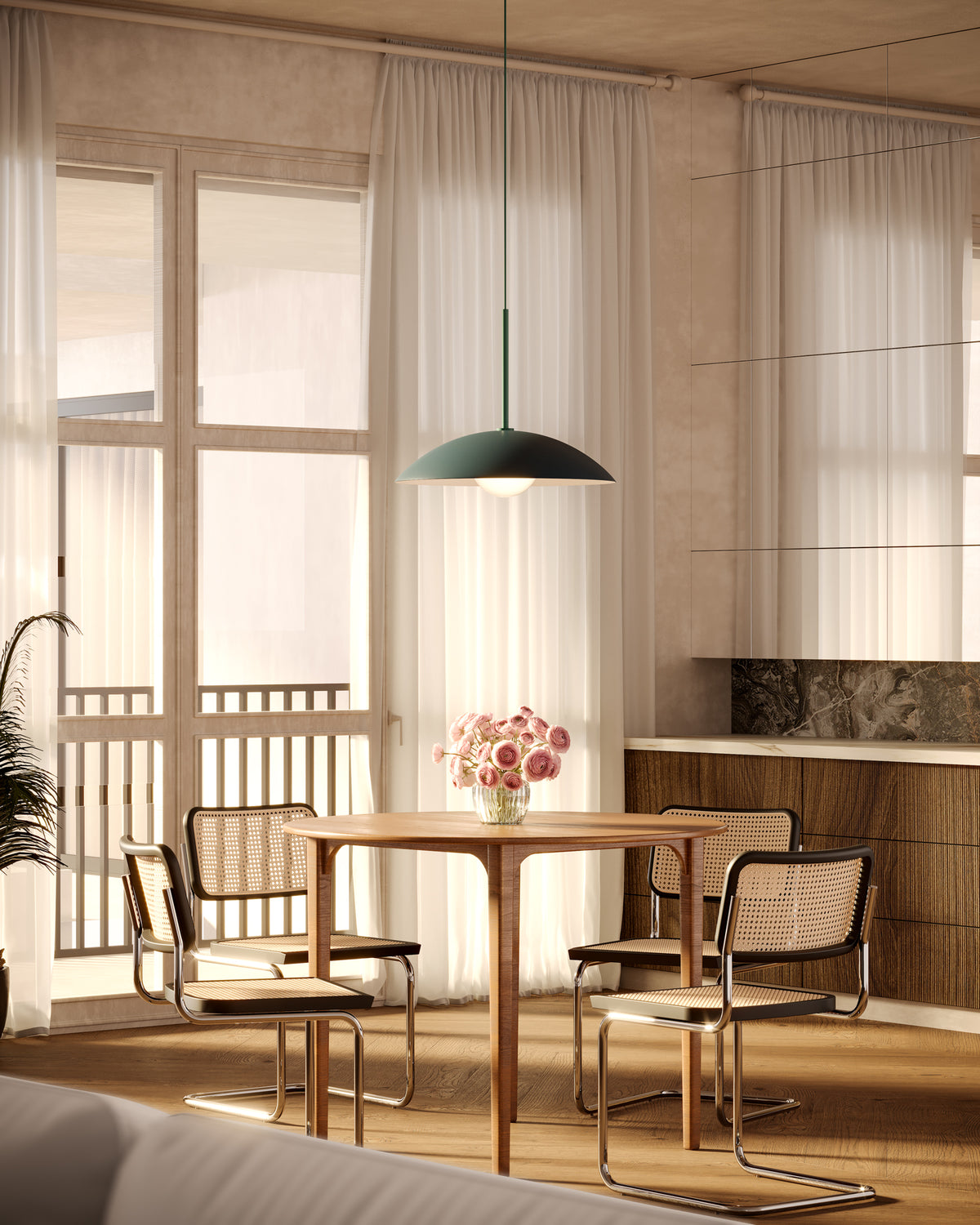
- Dining room: a ceiling light centred on the table, about one-third of its width, with the bottom of the fixture roughly 30 to 34 in (76 to 86 cm) above the tabletop.
- Kitchen: pendant lights over the island or a linear suspension over a counter, backed up by under-cabinet lighting.
- Bedroom: a flush mount or semi-flush mount for soft, wrapping light, ideally on a dimmer.
- Entry and hallway: a chandelier or a hanging light to set the tone the moment you arrive.
- Open-plan living room: several sources at varied heights to define zones.
Colour temperature and visual comfort
For living spaces, warm white light of 2700 to 3000 K creates a welcoming mood and flatters wood tones and textiles. A high colour rendering index (CRI), ideally 90 and up, keeps colours true, which matters in a kitchen or dining room. Dimmable LED fixtures let you shift from bright light for cooking to a soft glow for dinner.
Measure carefully before installing
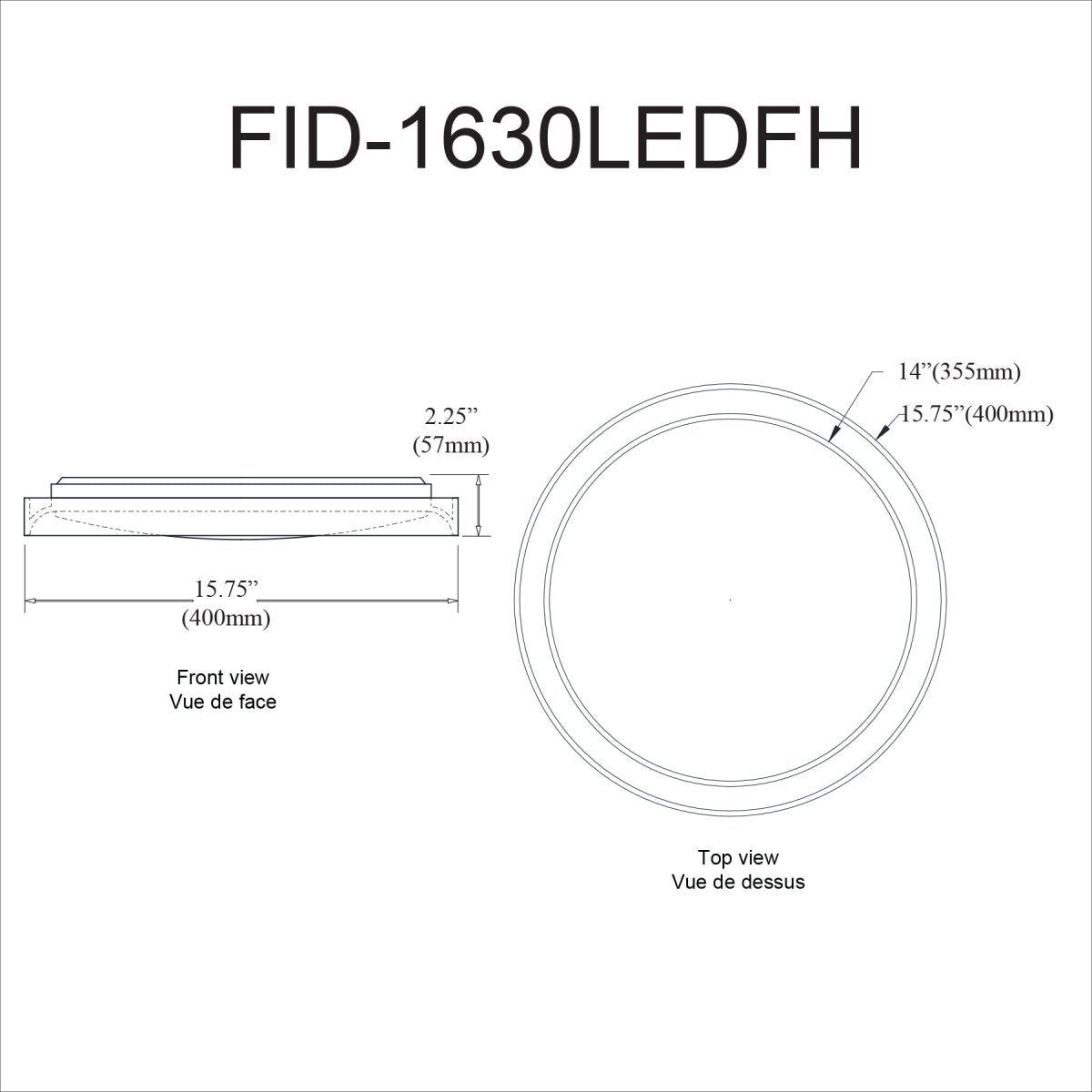
Before you choose, measure the room and note two key dimensions: the fixture's diameter and its overall height. Check the available ceiling height, especially for a hanging light: in a standard 8 ft (2.4 m) room, keep at least 7 ft (2.1 m) of clearance below the fixture in walkways. Note the ceiling type too: a sloped ceiling calls for a fixture with an adjustable canopy or a pendant rather than a fixed flush mount. Finally, confirm the fixture's rating for damp locations before hanging one in a bathroom.
If you have any doubt about the existing wiring or the electrical box, always check with an electrician. A wall sconce can also round out ceiling lighting in a reading nook or on either side of a mirror.
Our ceiling light brands
Z-Lite offers the widest range, from transitional to modern. Visual Comfort Studio leans on clean lines and refined finishes. Kuzco Lighting and Alora Lighting push integrated-LED contemporary design, while Dainolite brings versatile pieces that are easy to mix. Canarm, Artcraft, Kichler, Hinkley and Matteo Lighting round out the choice of styles and finishes.