




















Understanding low-voltage landscape lighting
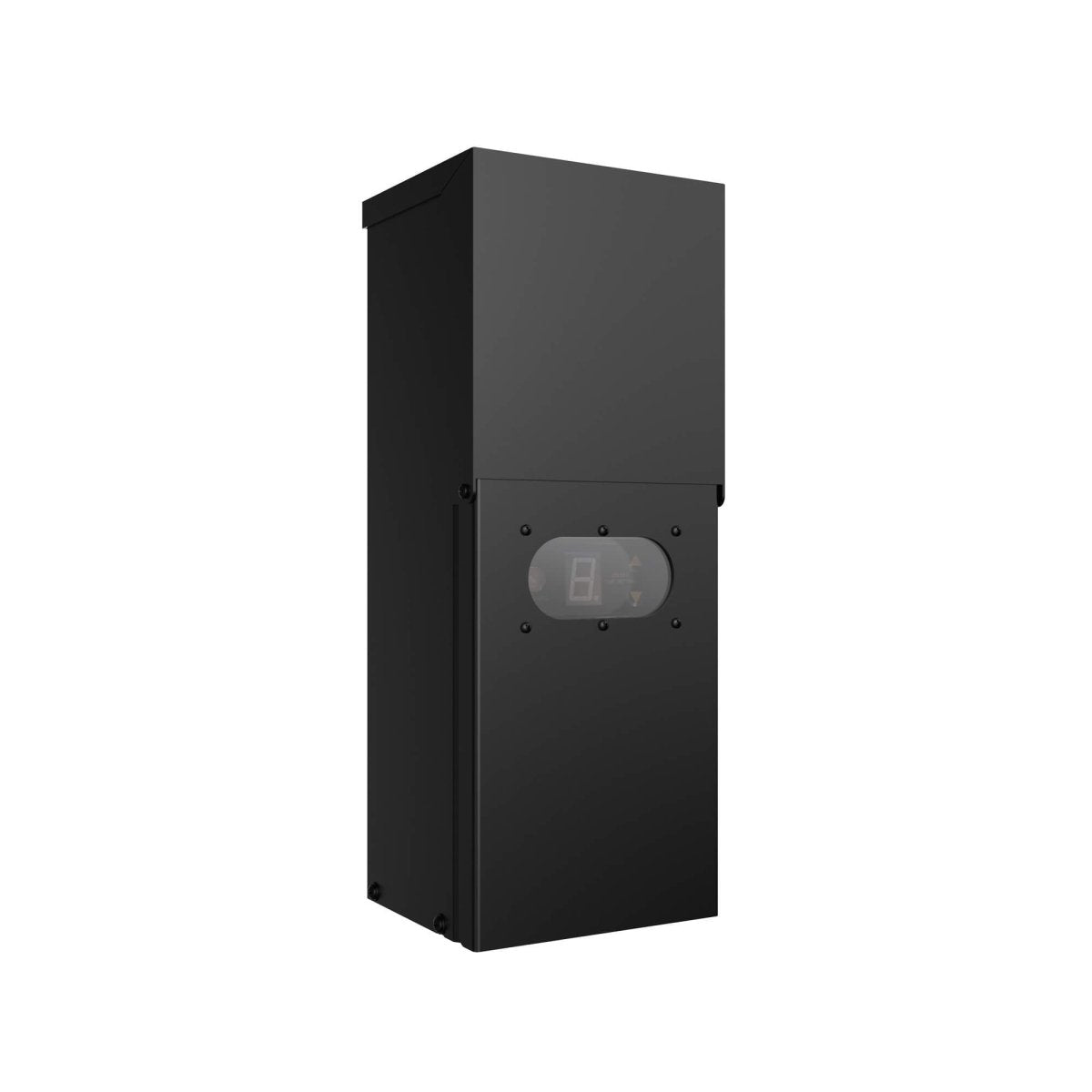
The vast majority of residential installations run on 12V, a voltage stepped down from the 120V mains by an outdoor transformer. This low-voltage approach to garden lighting has become the standard for three concrete reasons: safety, since the lower voltage reduces risk during installation and daily use; efficiency, as 12V LED fixtures draw a fraction of the energy of line-voltage versions; and flexibility, a 12V system being easy to reposition or expand without rewiring everything.
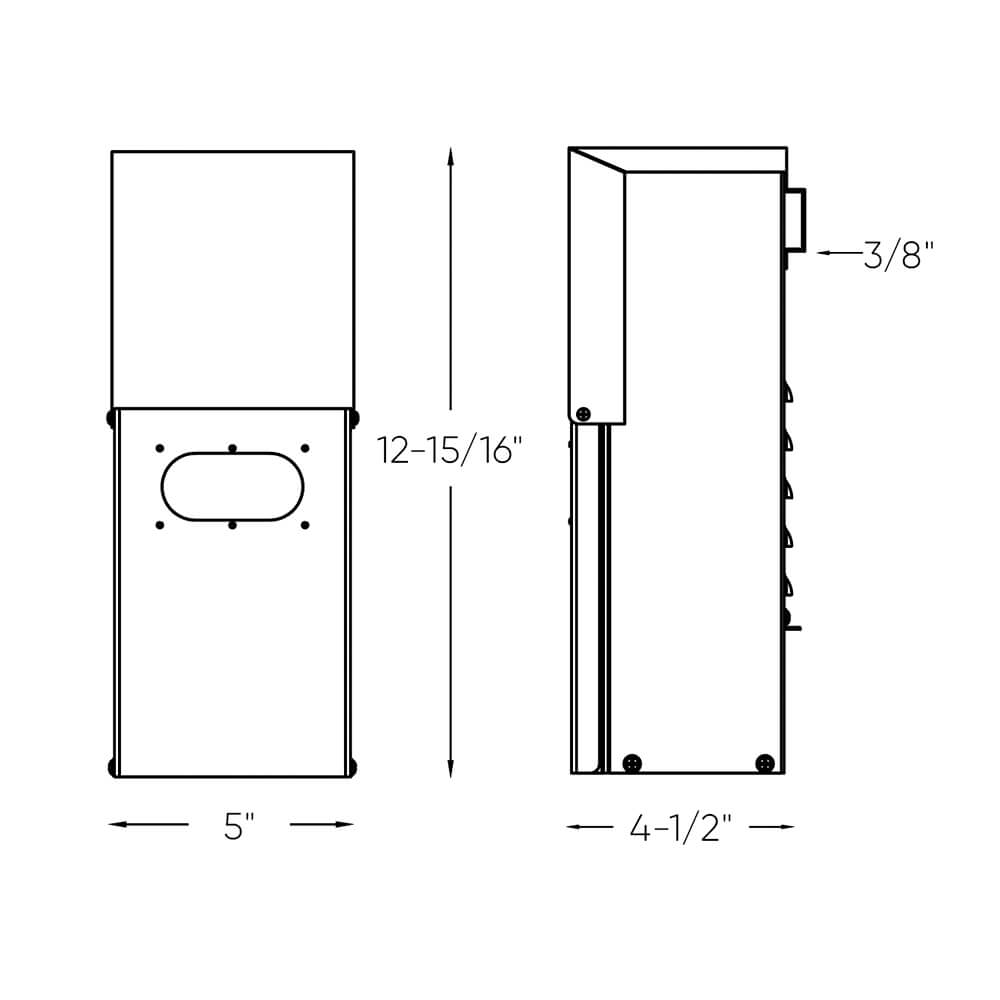
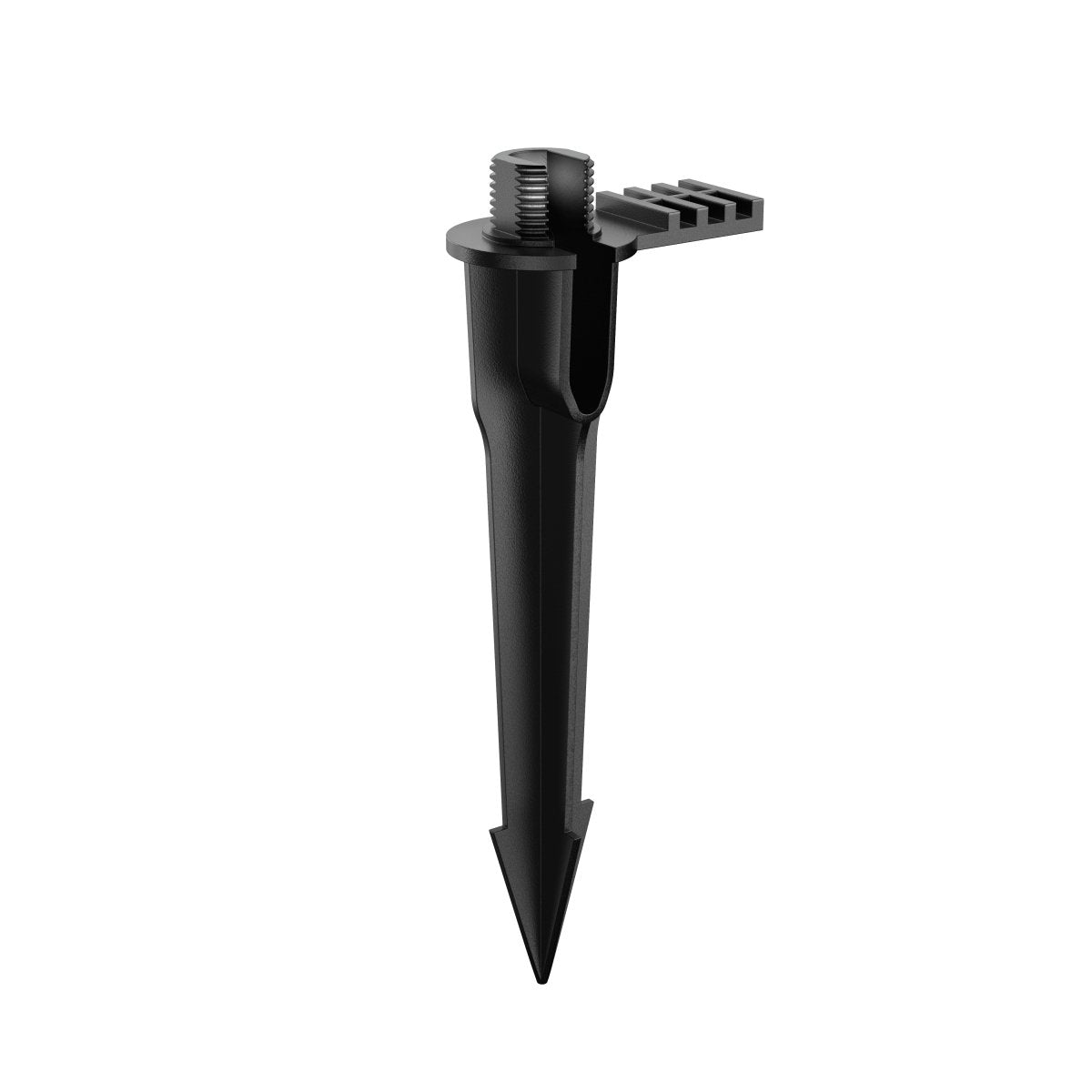
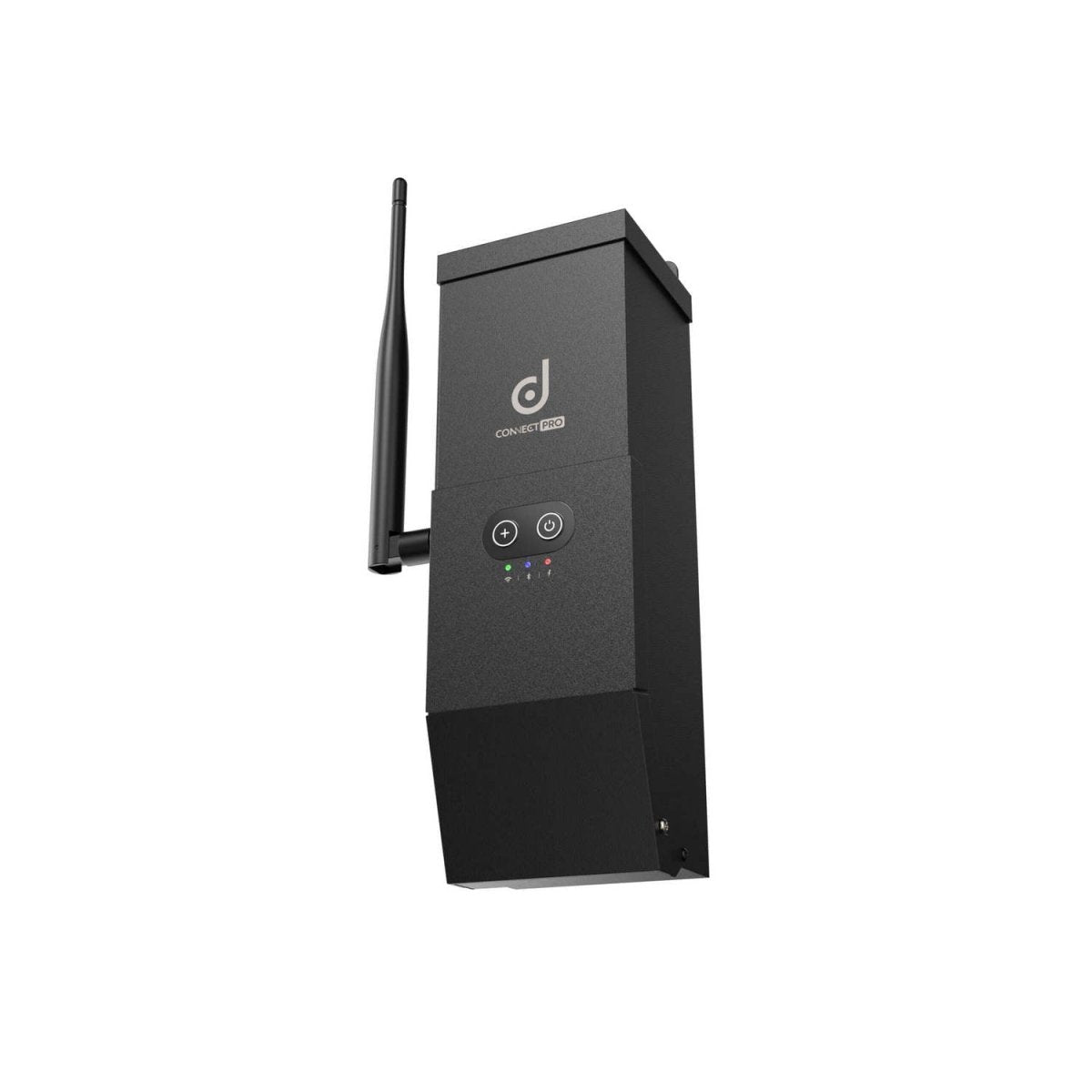
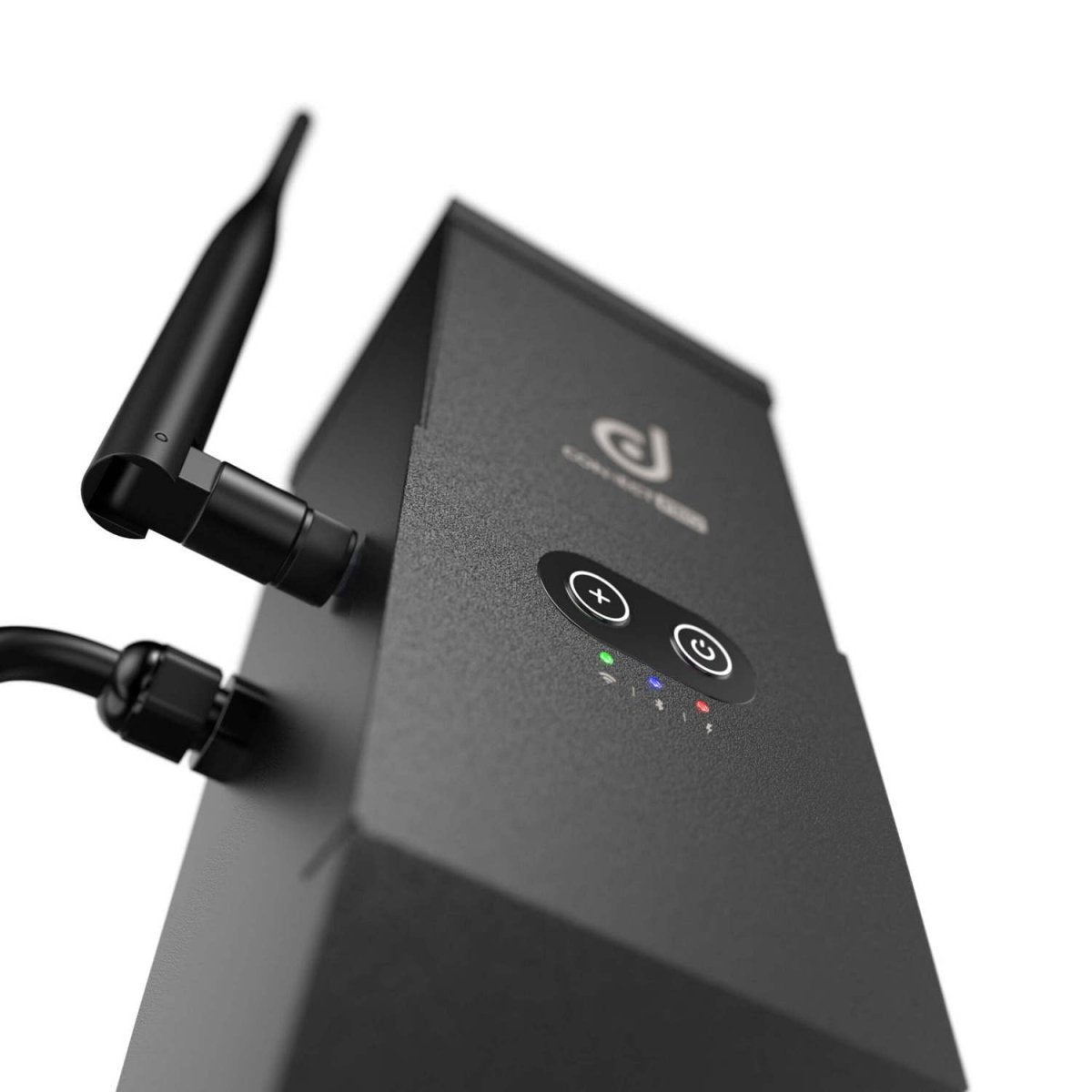
Some applications — large floodlights, high-output commercial installs — are still better served by 120V. We offer both worlds, along with the transformers, ground stakes and accessories (sealing silicone, replacement lenses) needed to finish a clean, lasting system.
Types of outdoor lighting fixtures
Path lighting
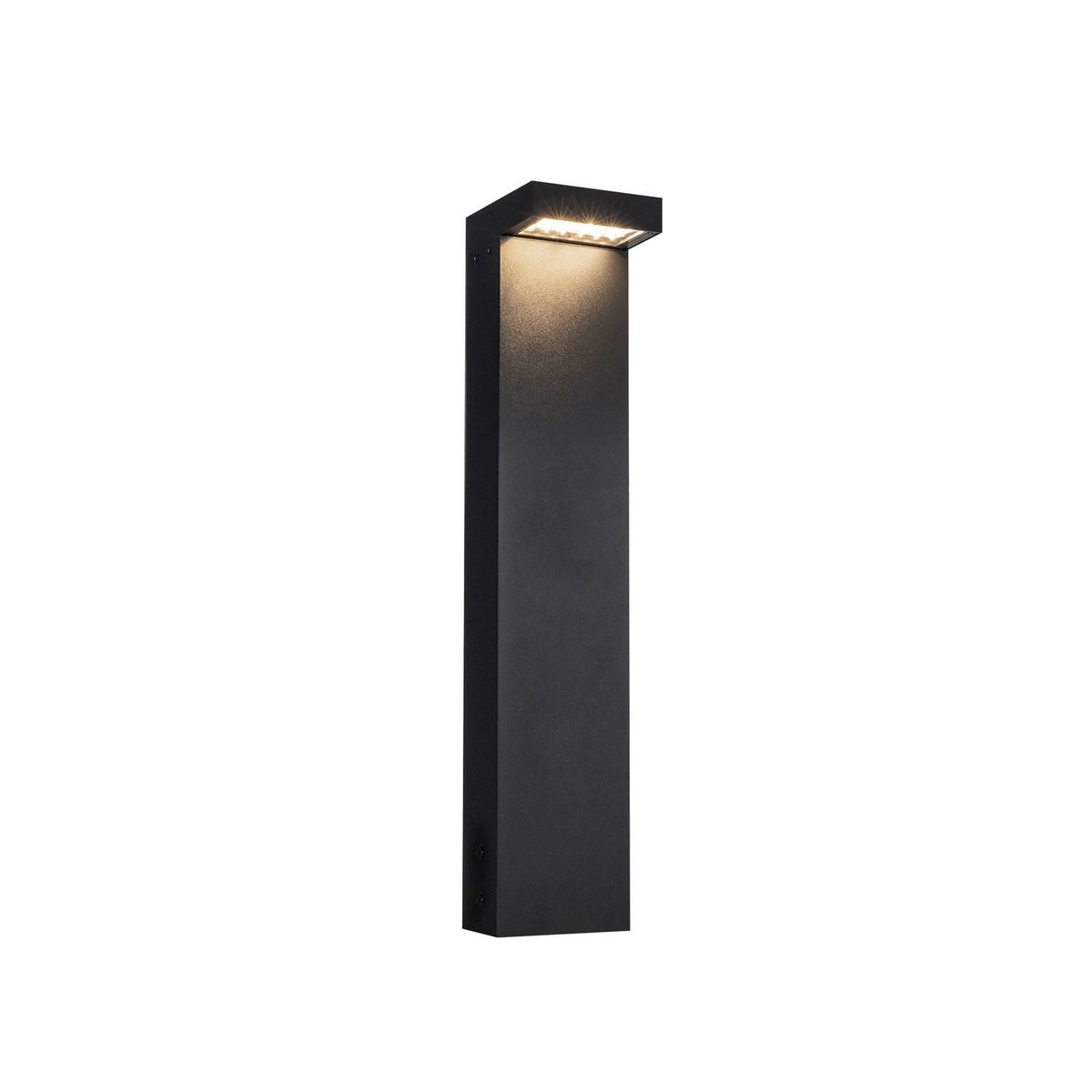
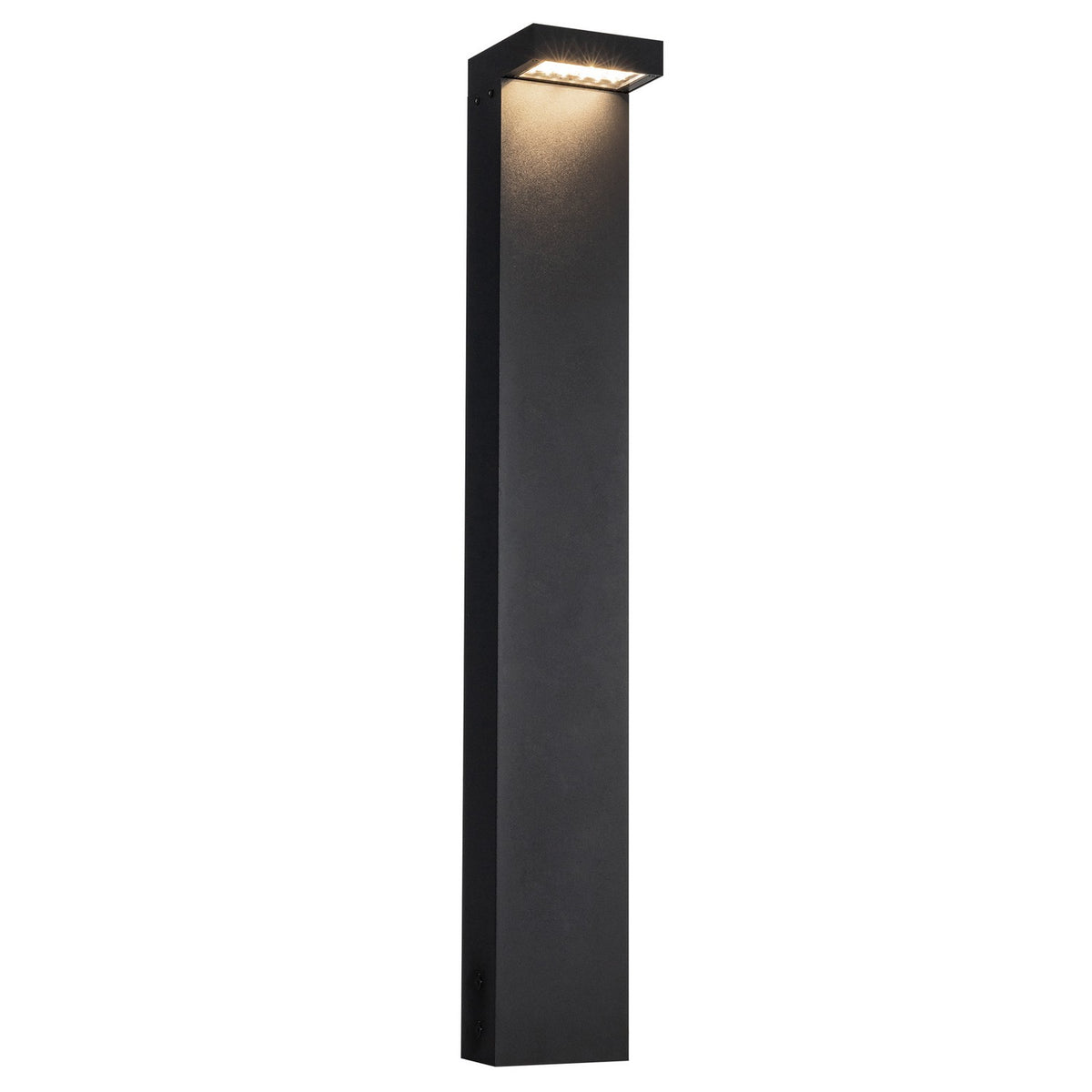
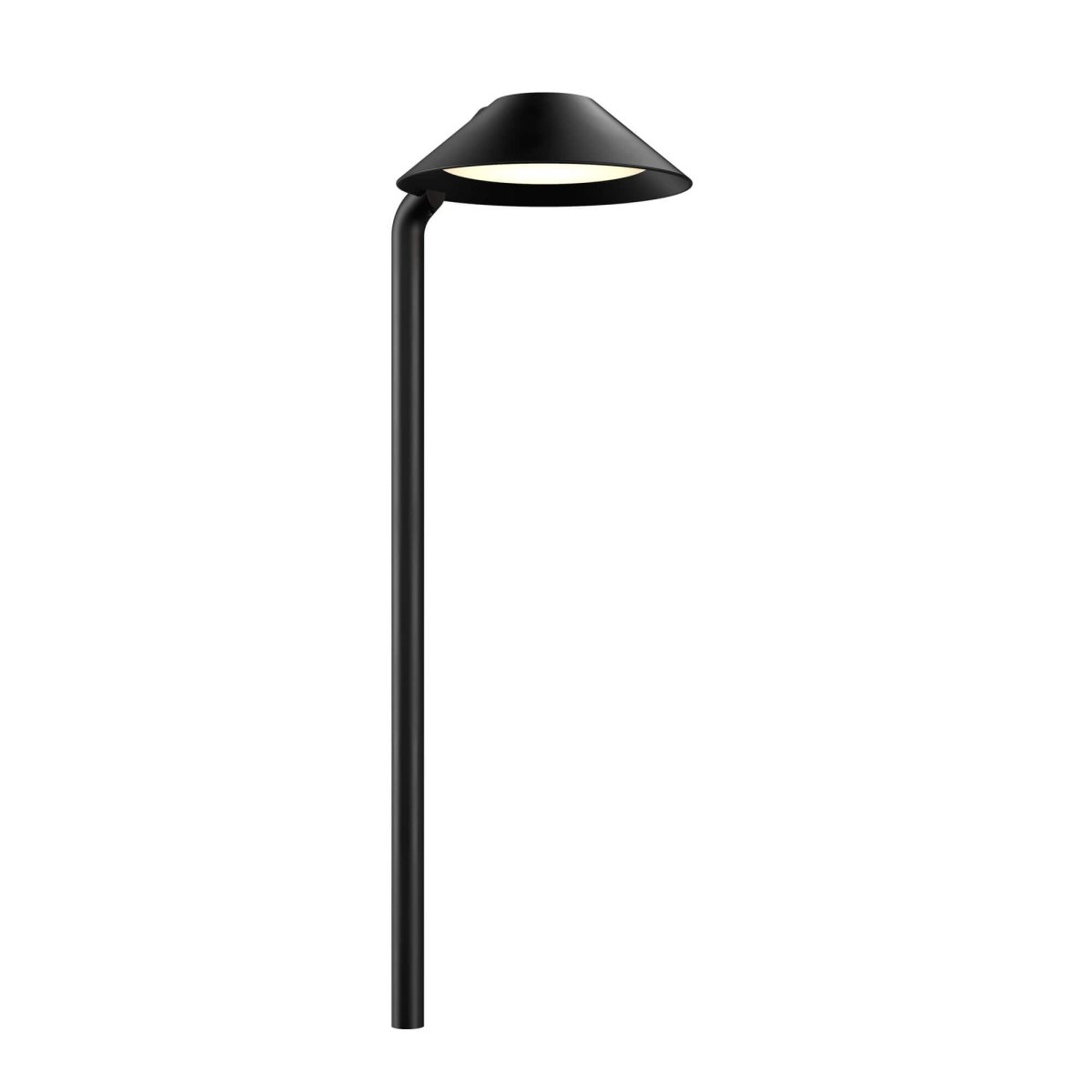
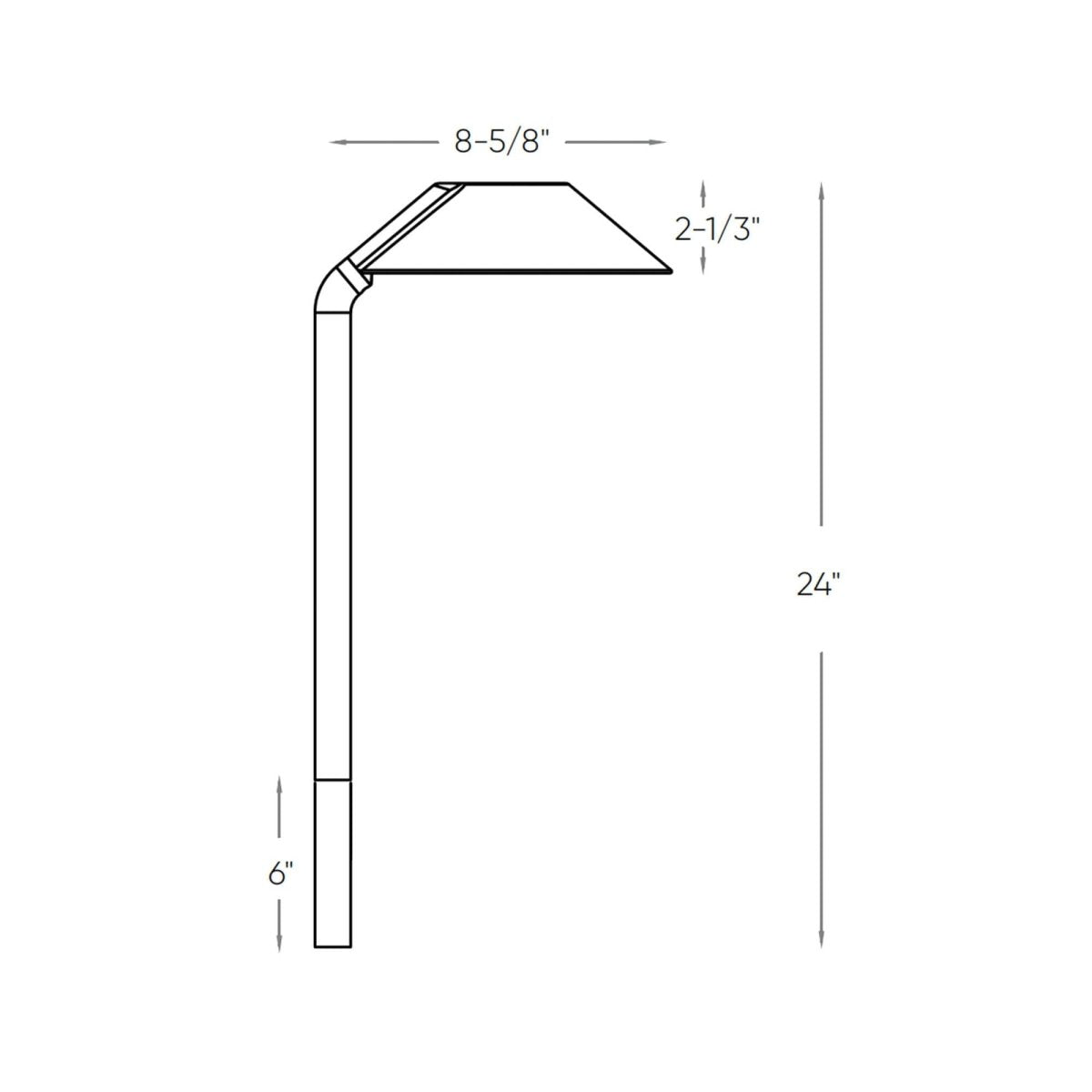
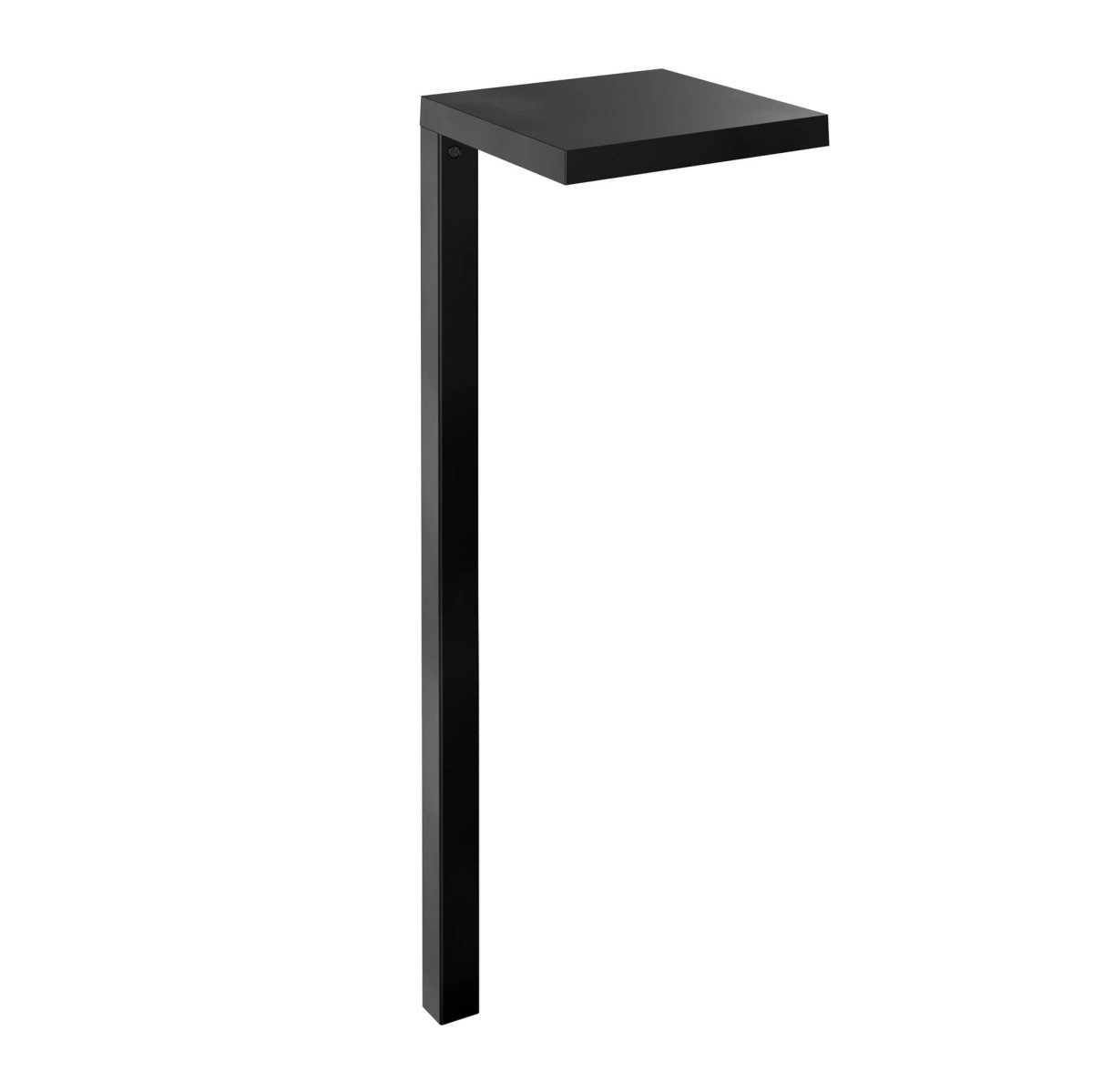
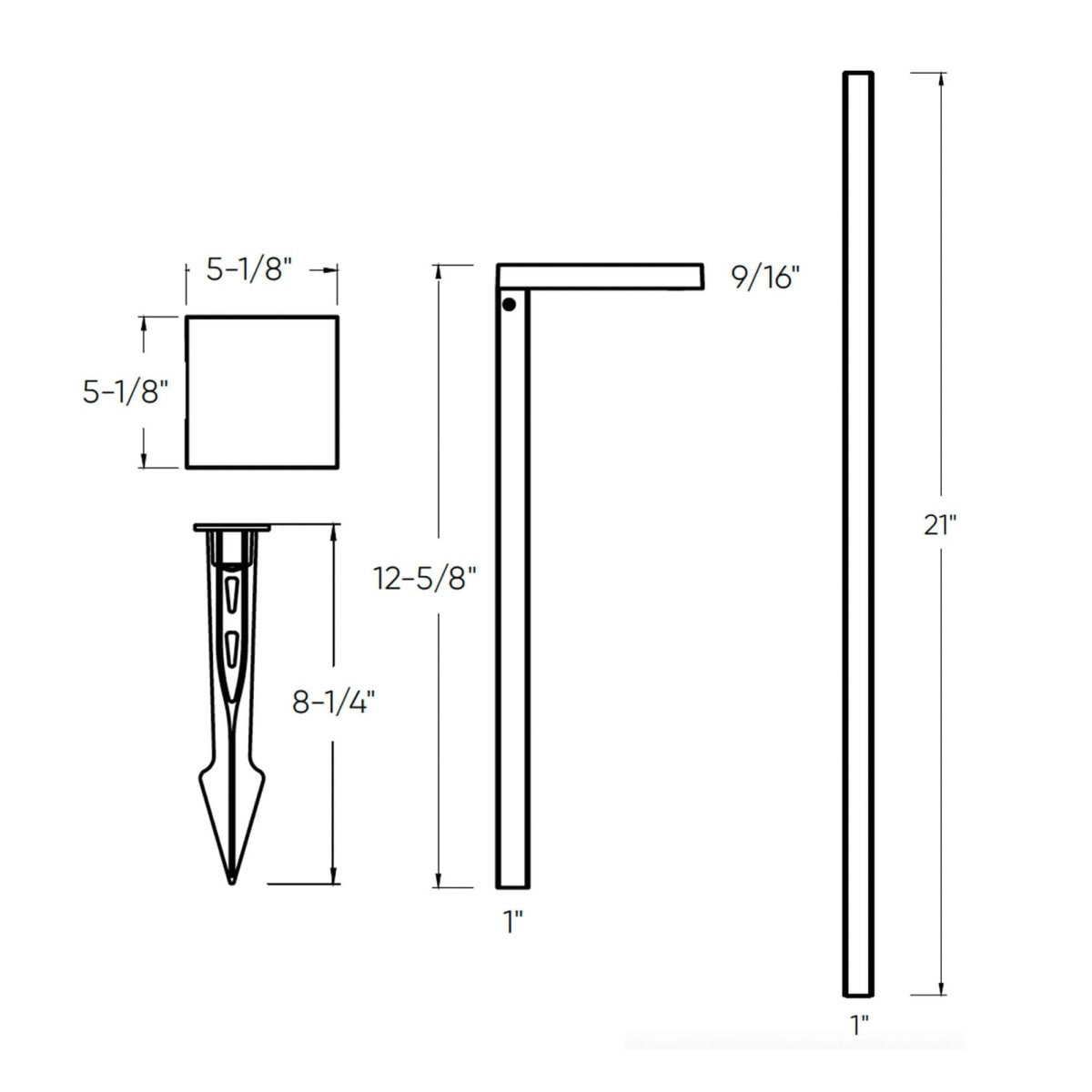
Path lights mark edges and guide movement without glare. Light falls in a soft pool at ground level, setting up a rhythm along a walkway or planting bed. It's the baseline safety layer of any scheme.
Spotlights and narrow beams
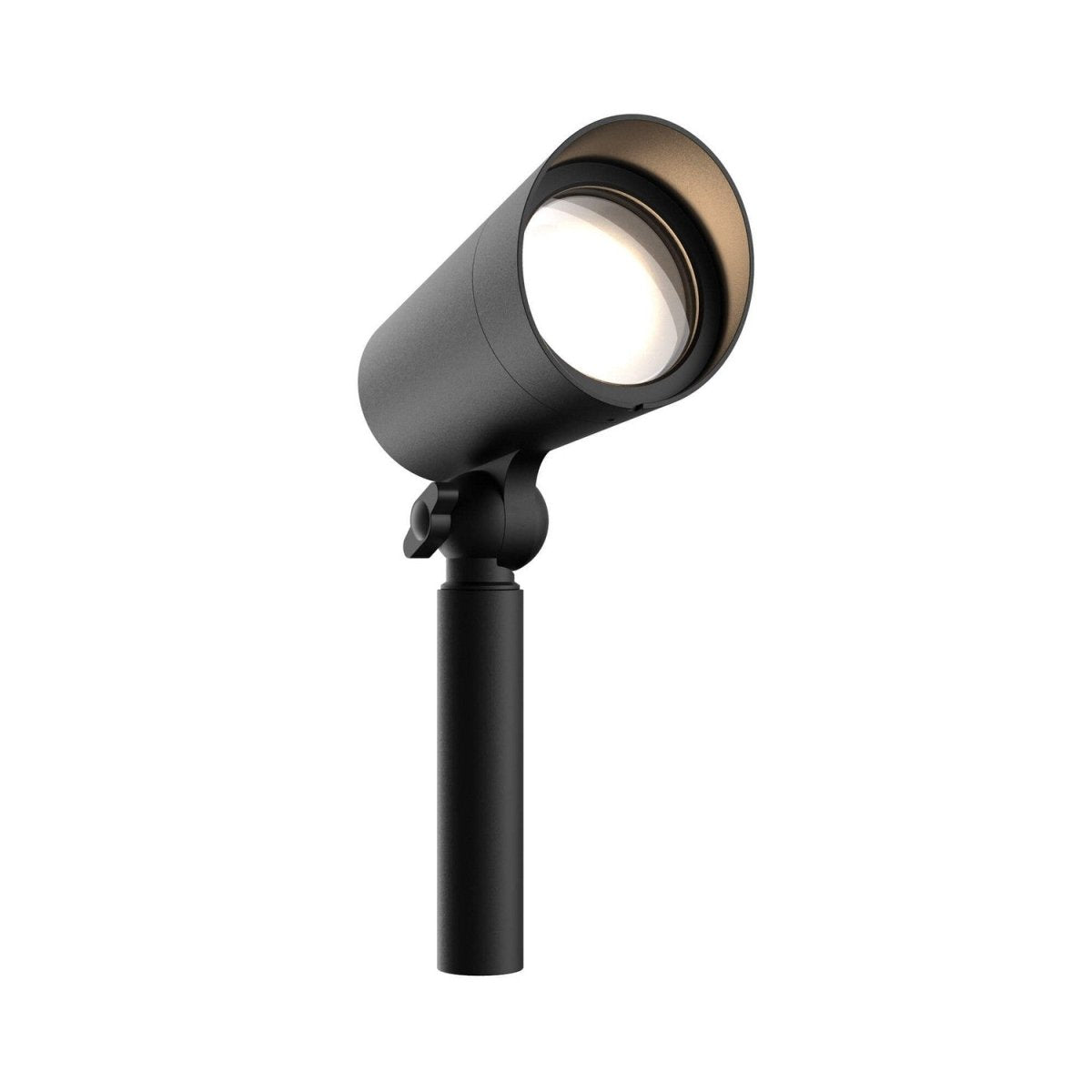
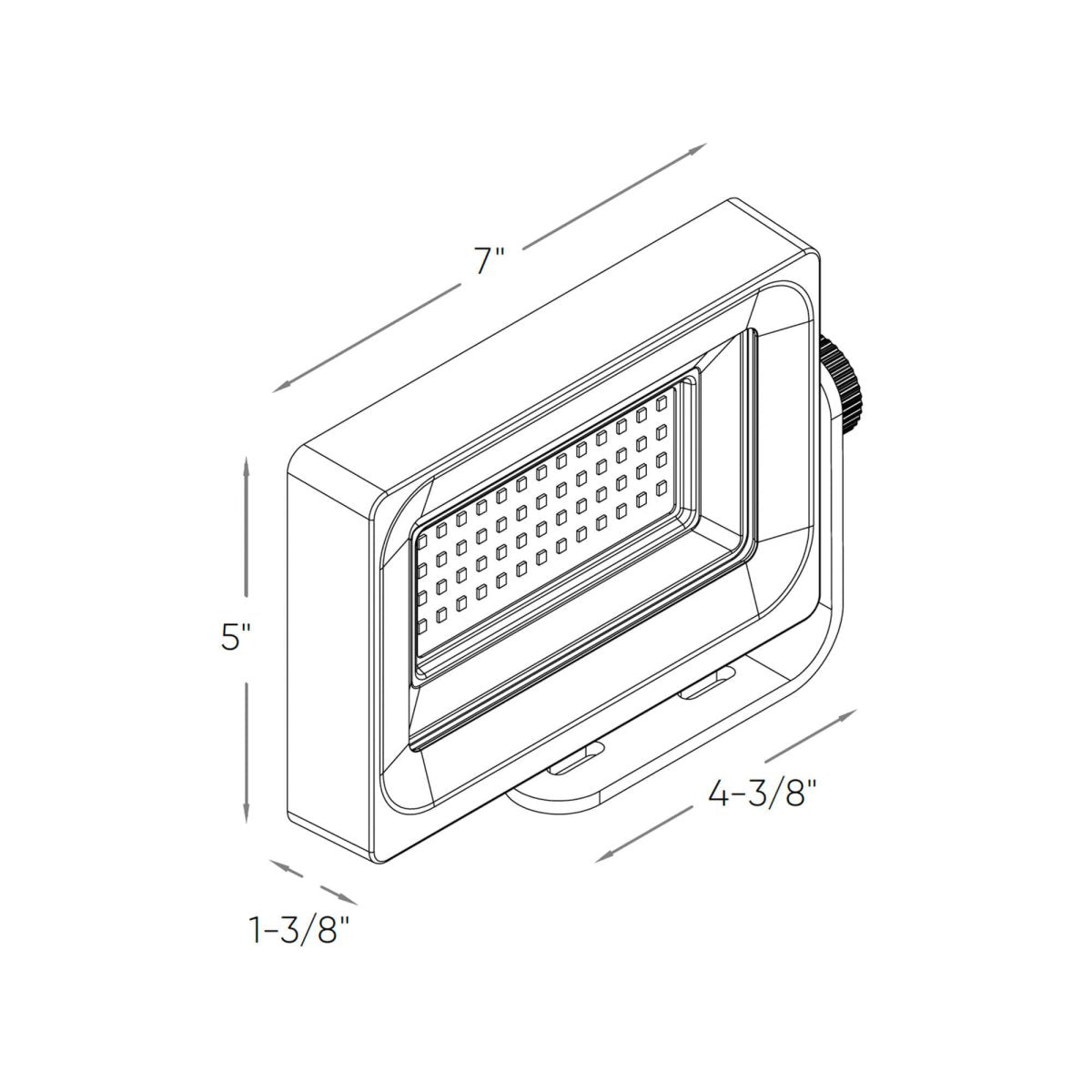
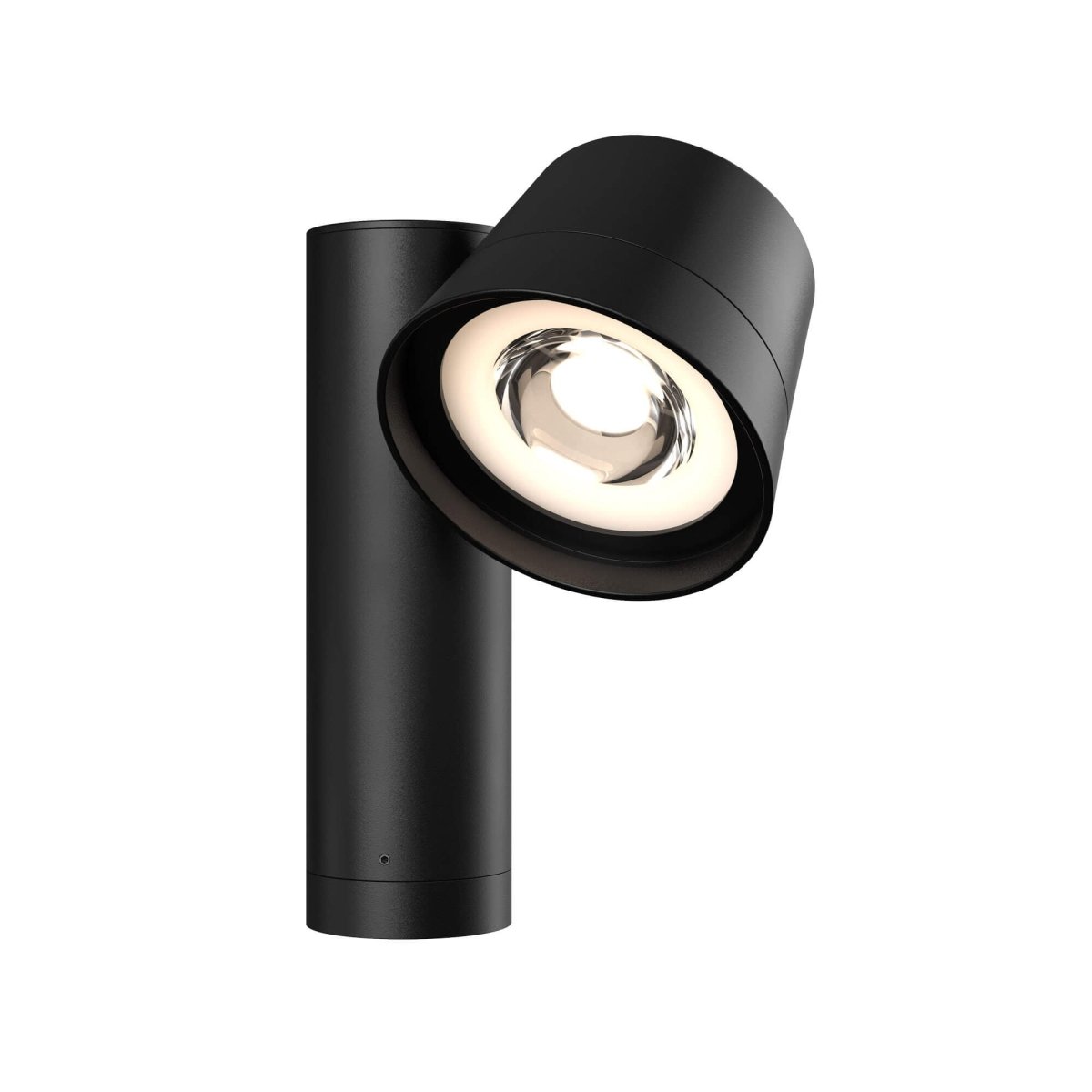
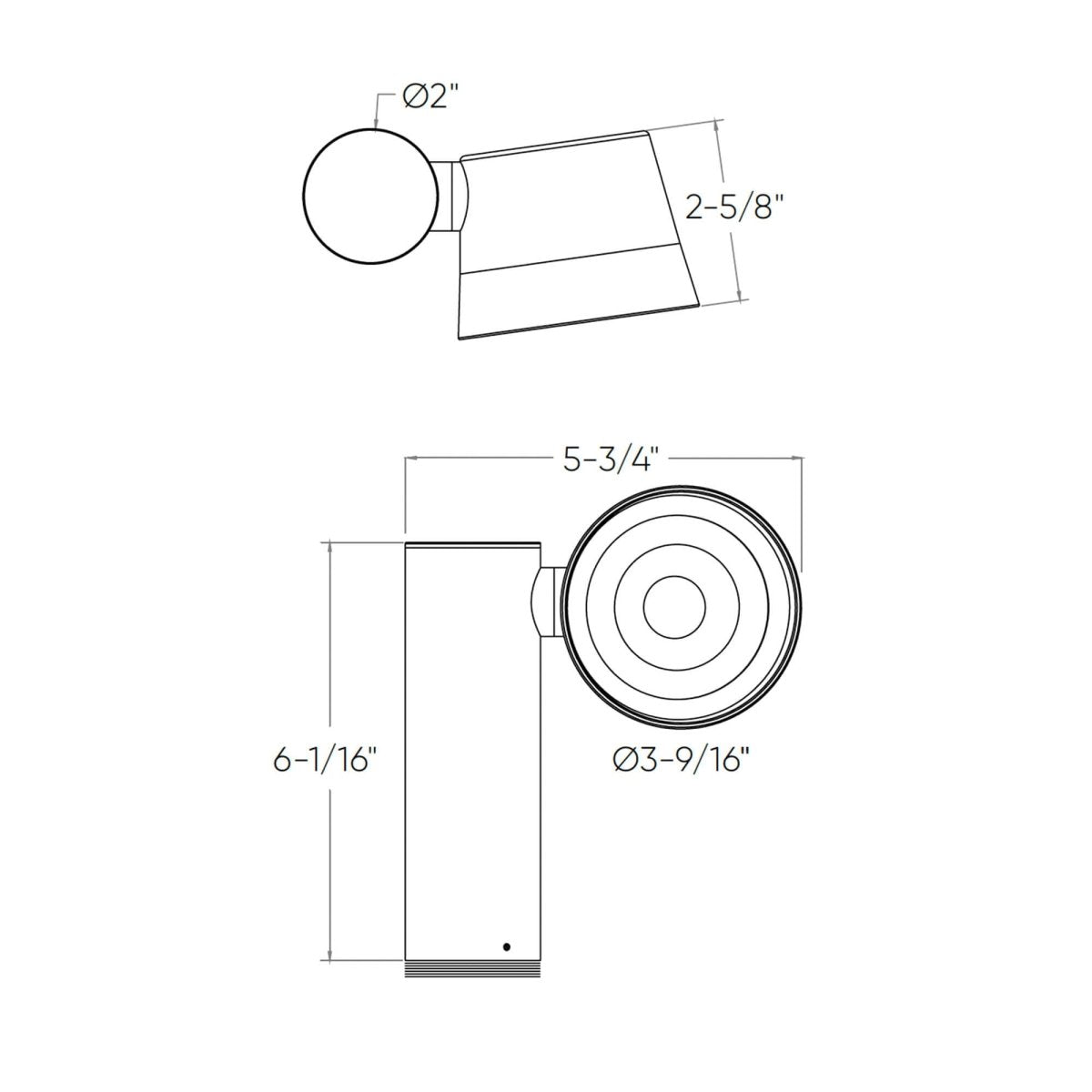
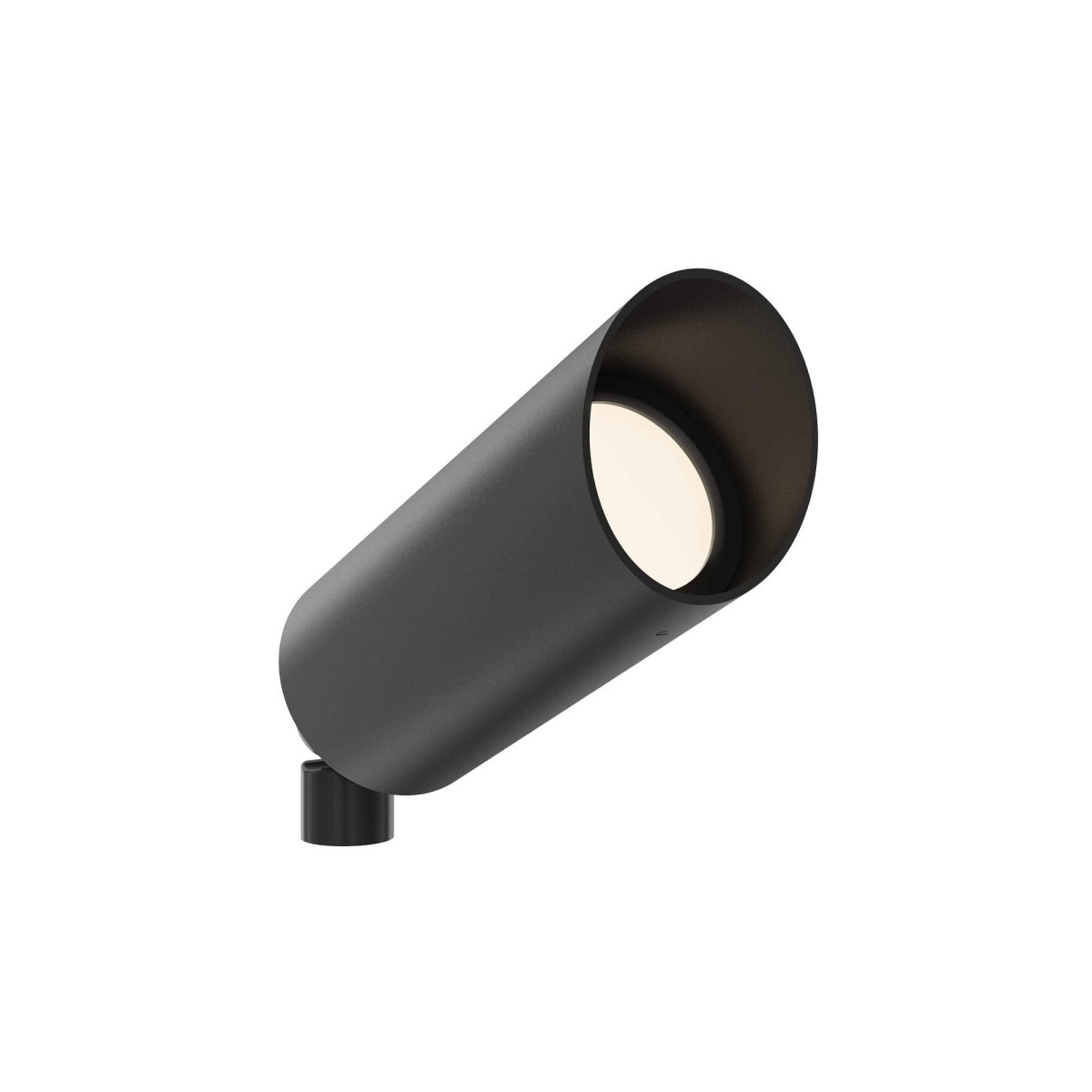
A narrow-beam outdoor fixture concentrates light on a single subject: a specimen tree, a sculpture, an architectural detail. Wider-beam models wash an entire surface. Depending on placement, they serve uplighting, downlighting or silhouetting.
Well lights and bollards
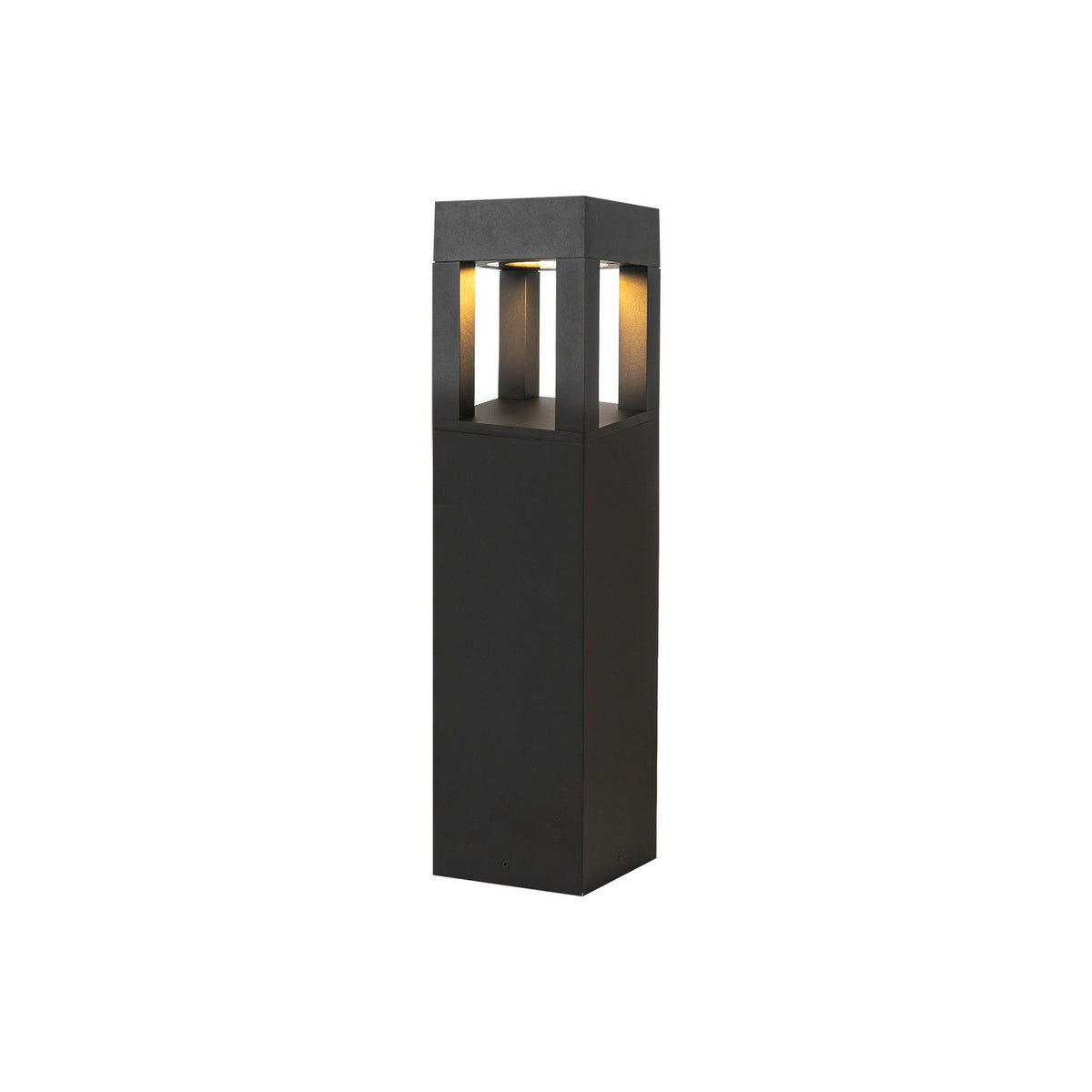
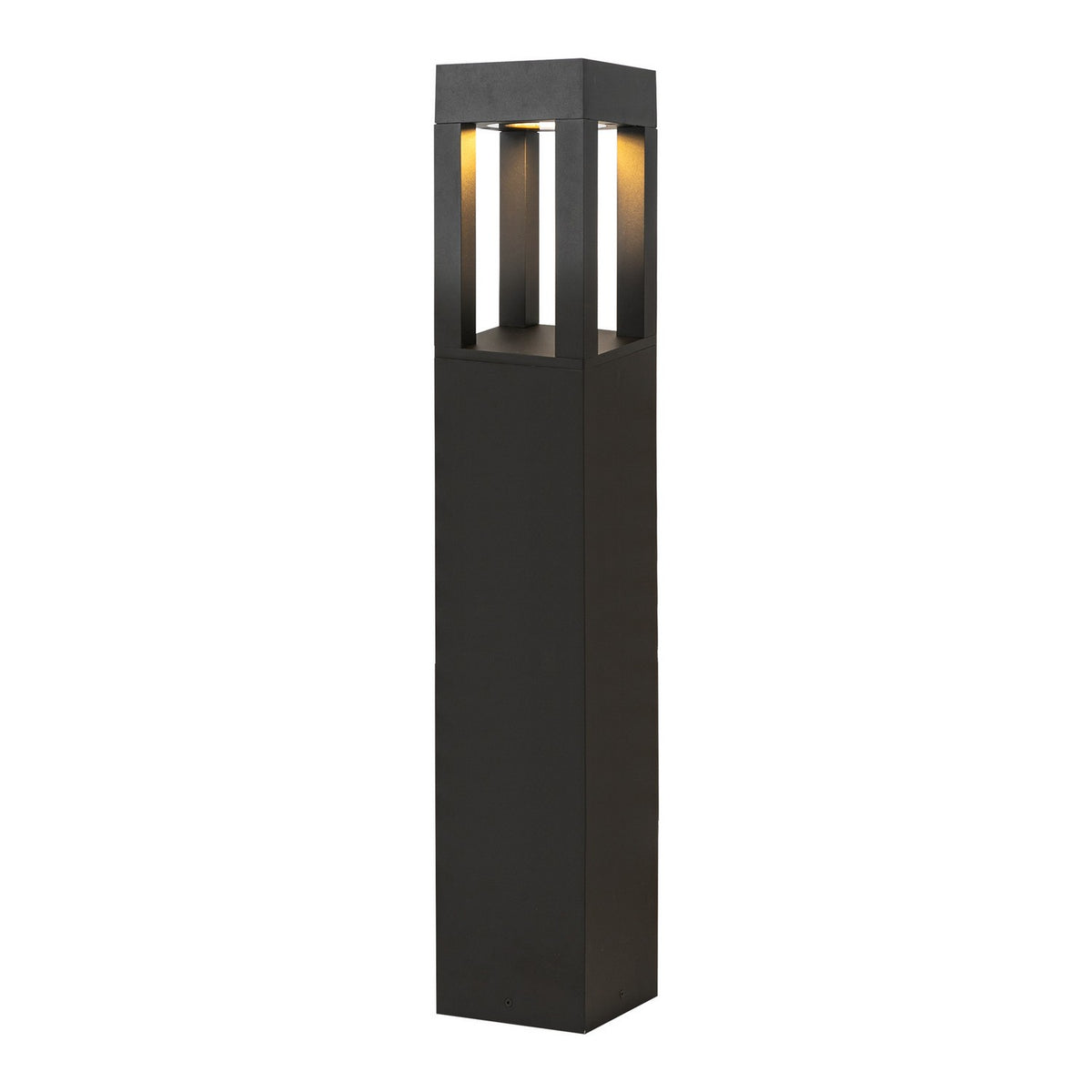
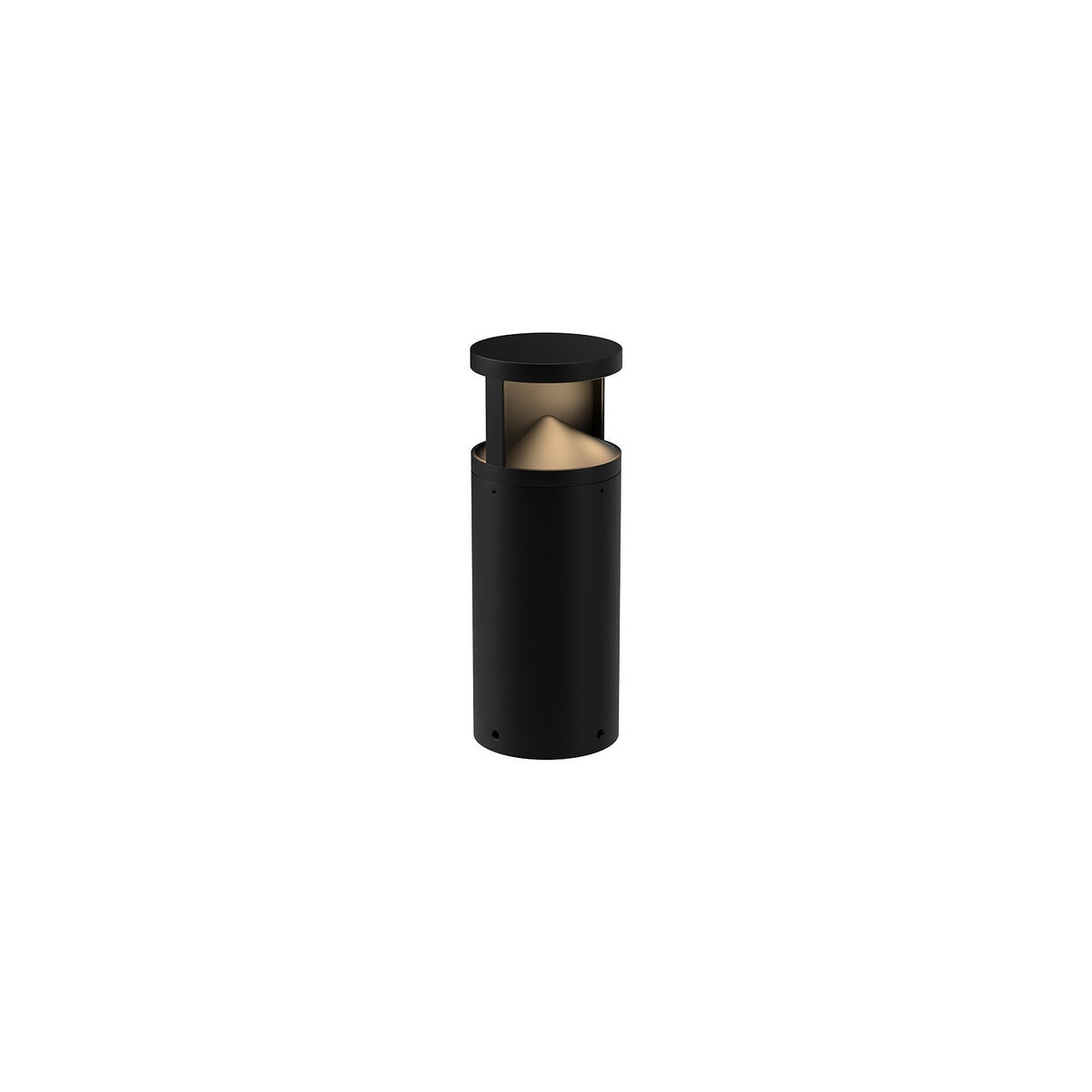
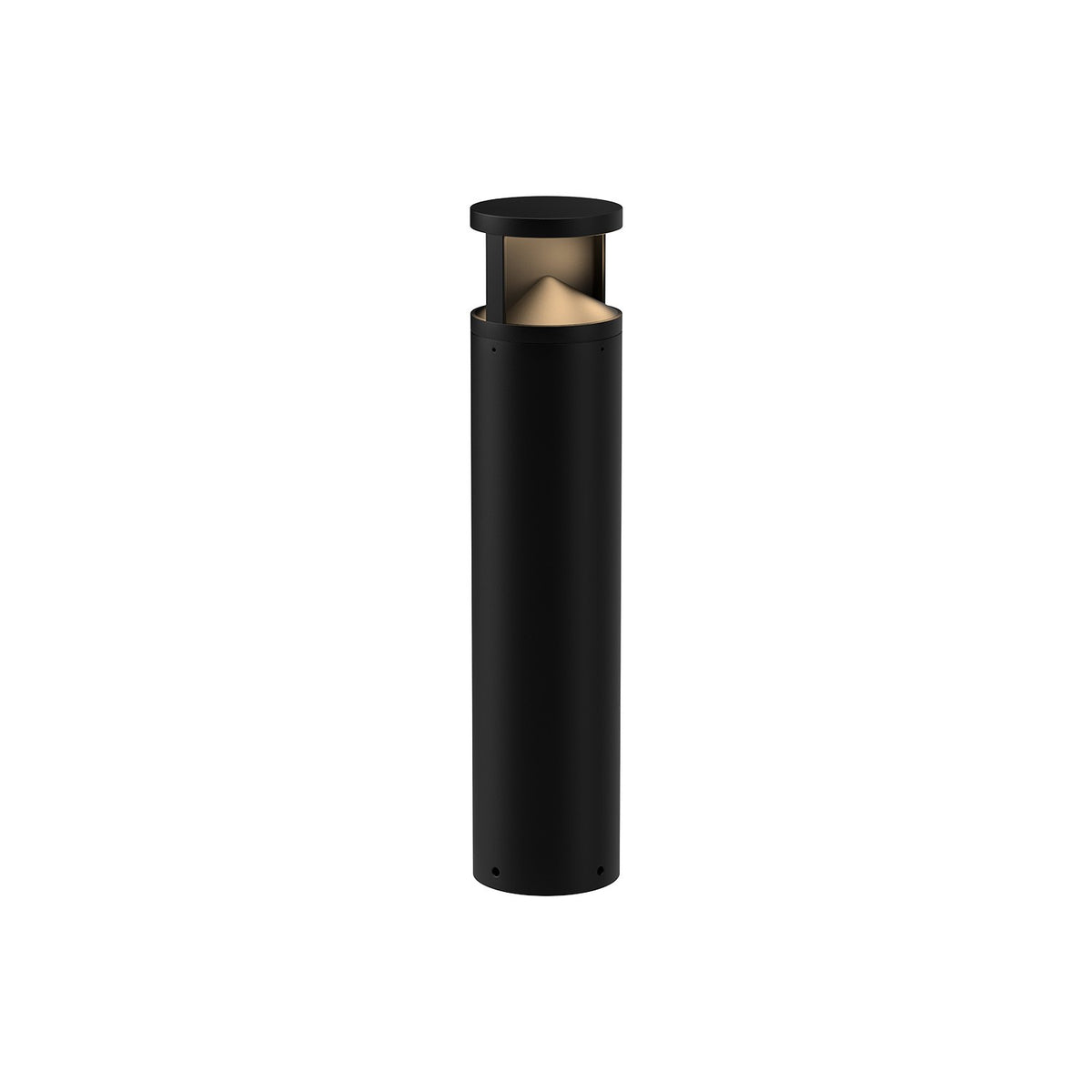
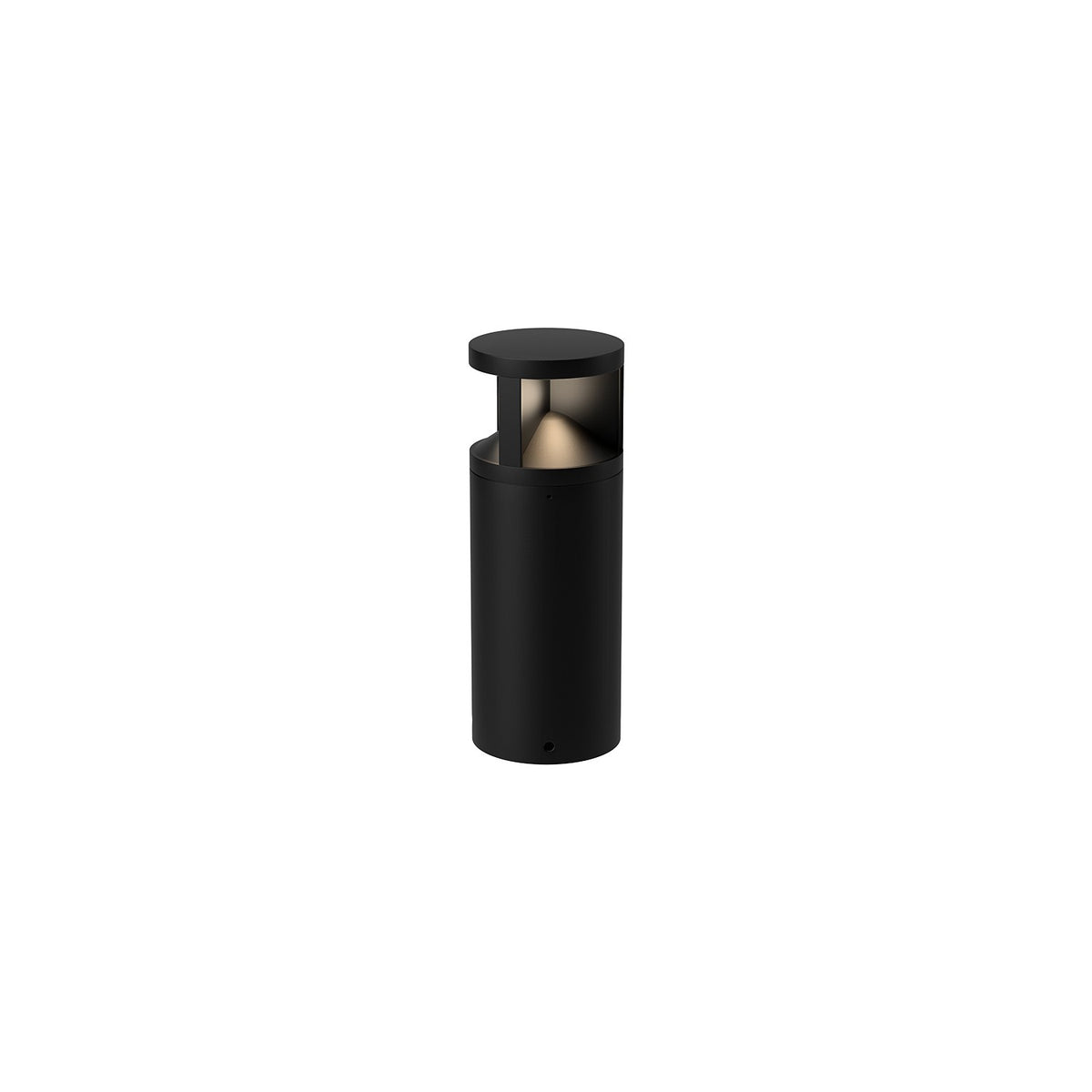
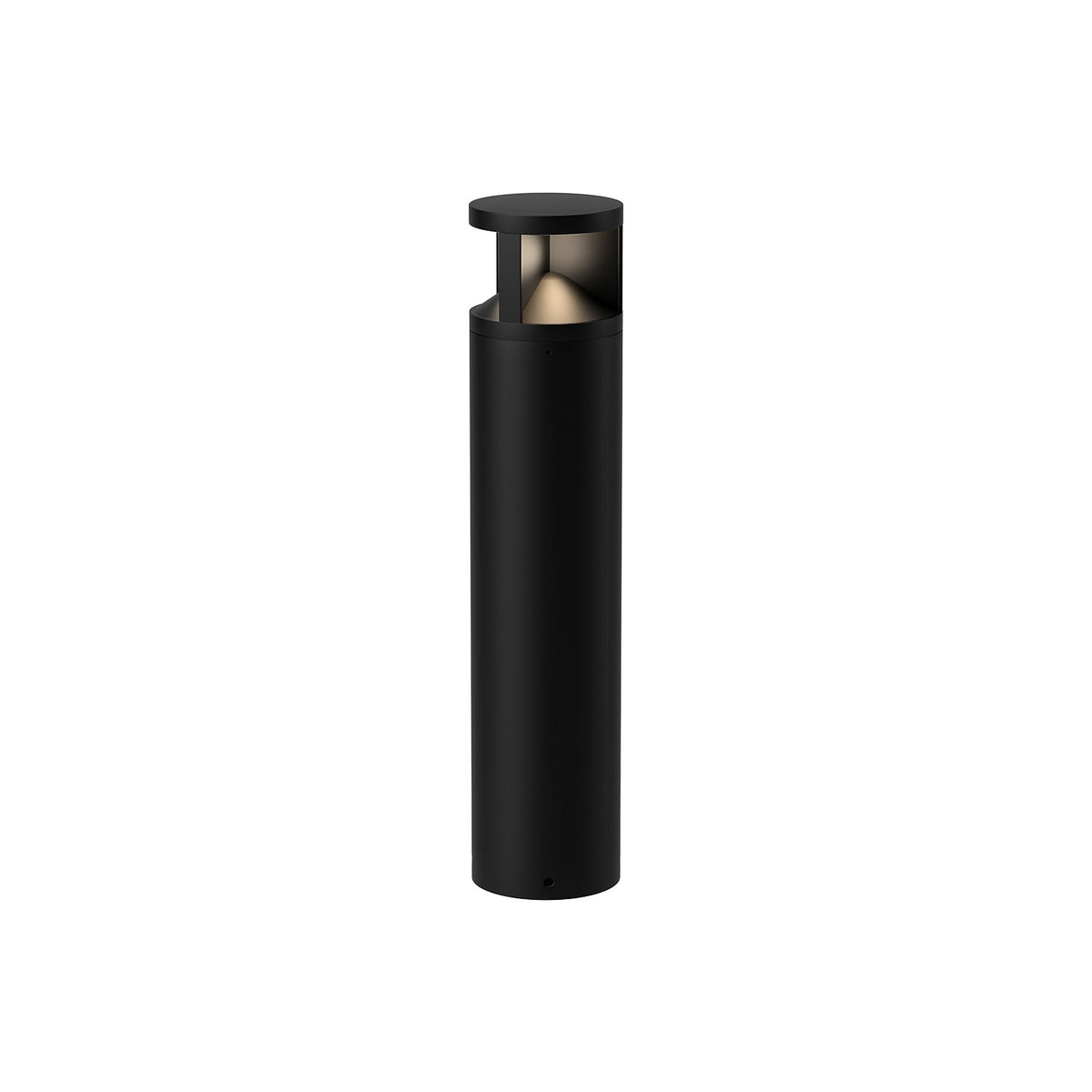
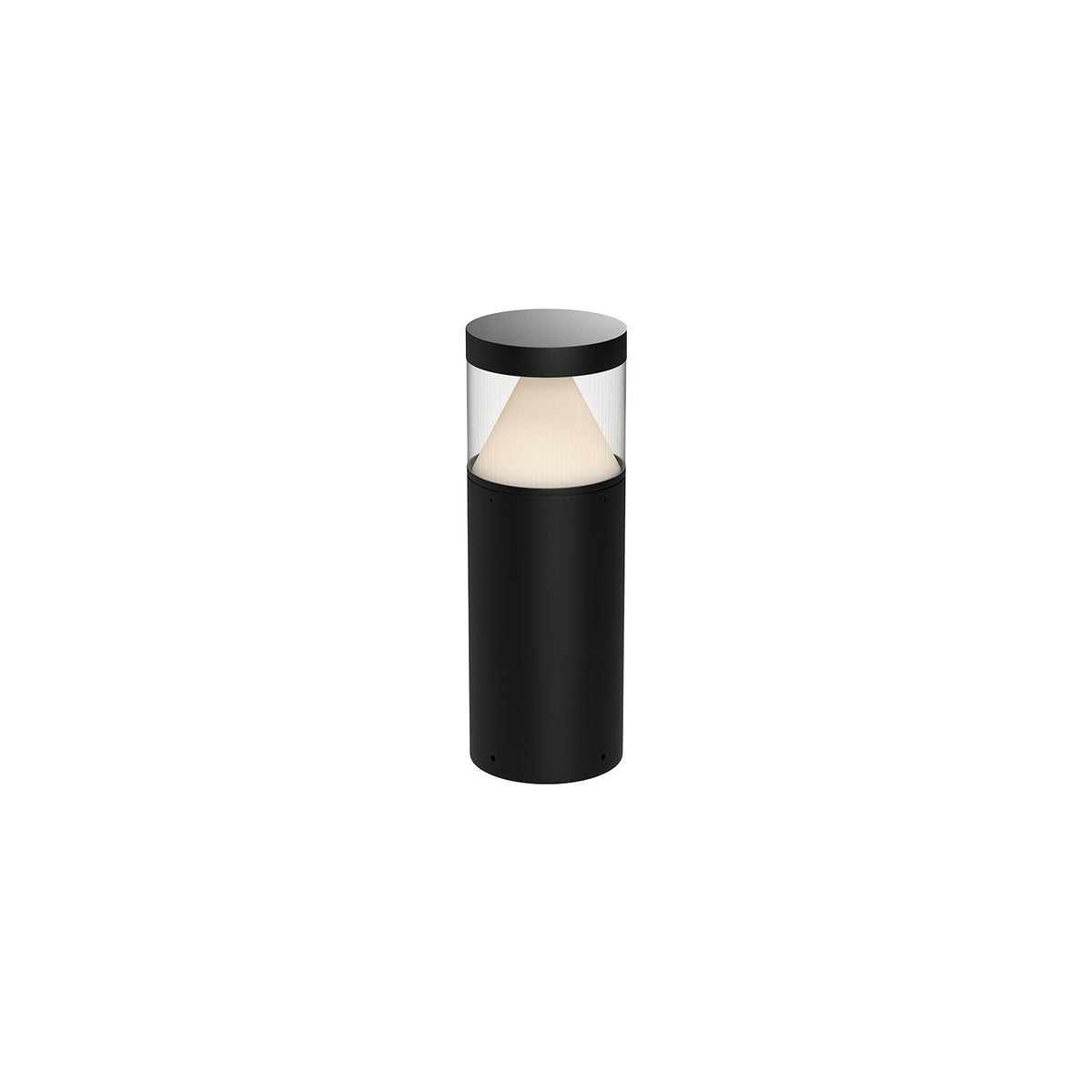
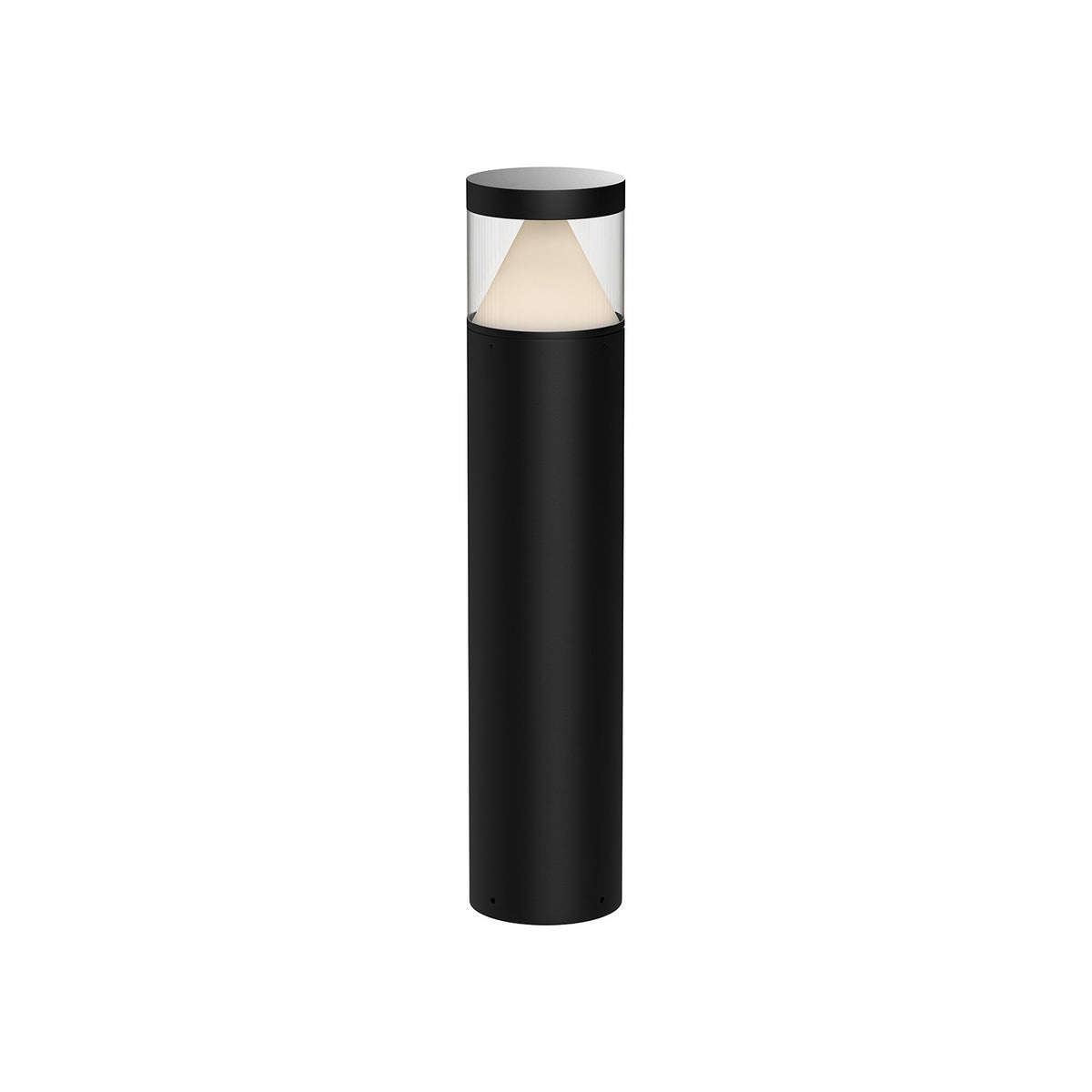
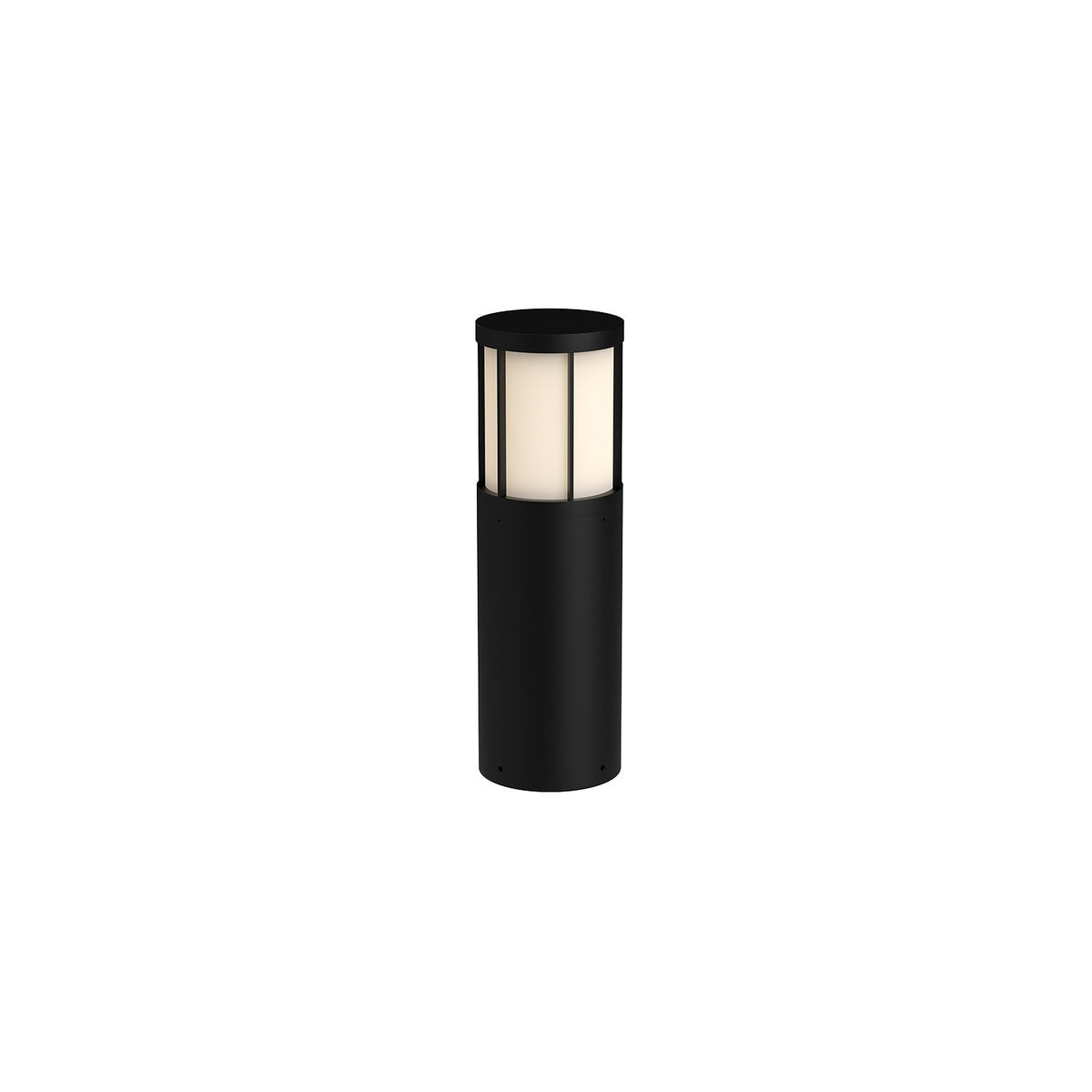
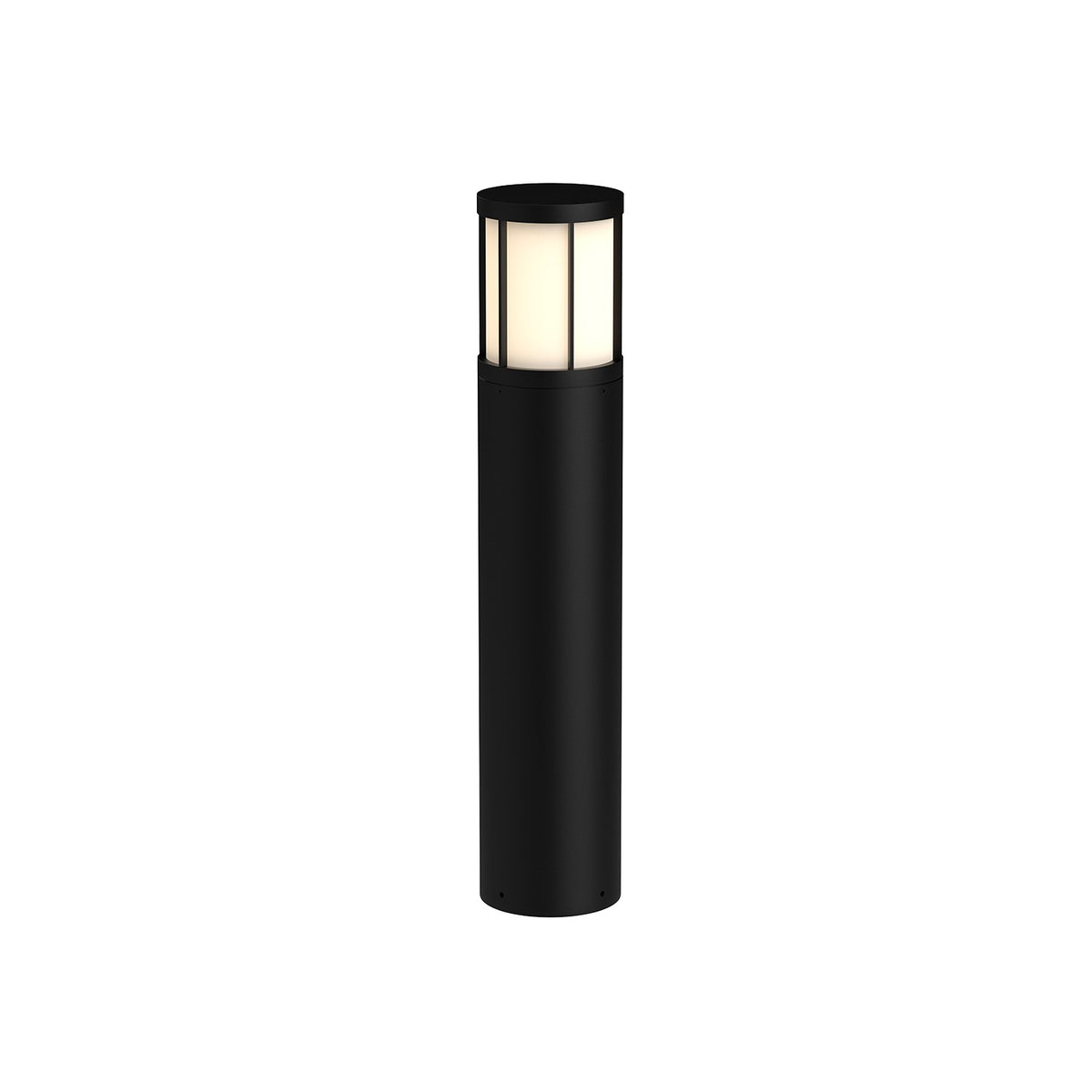
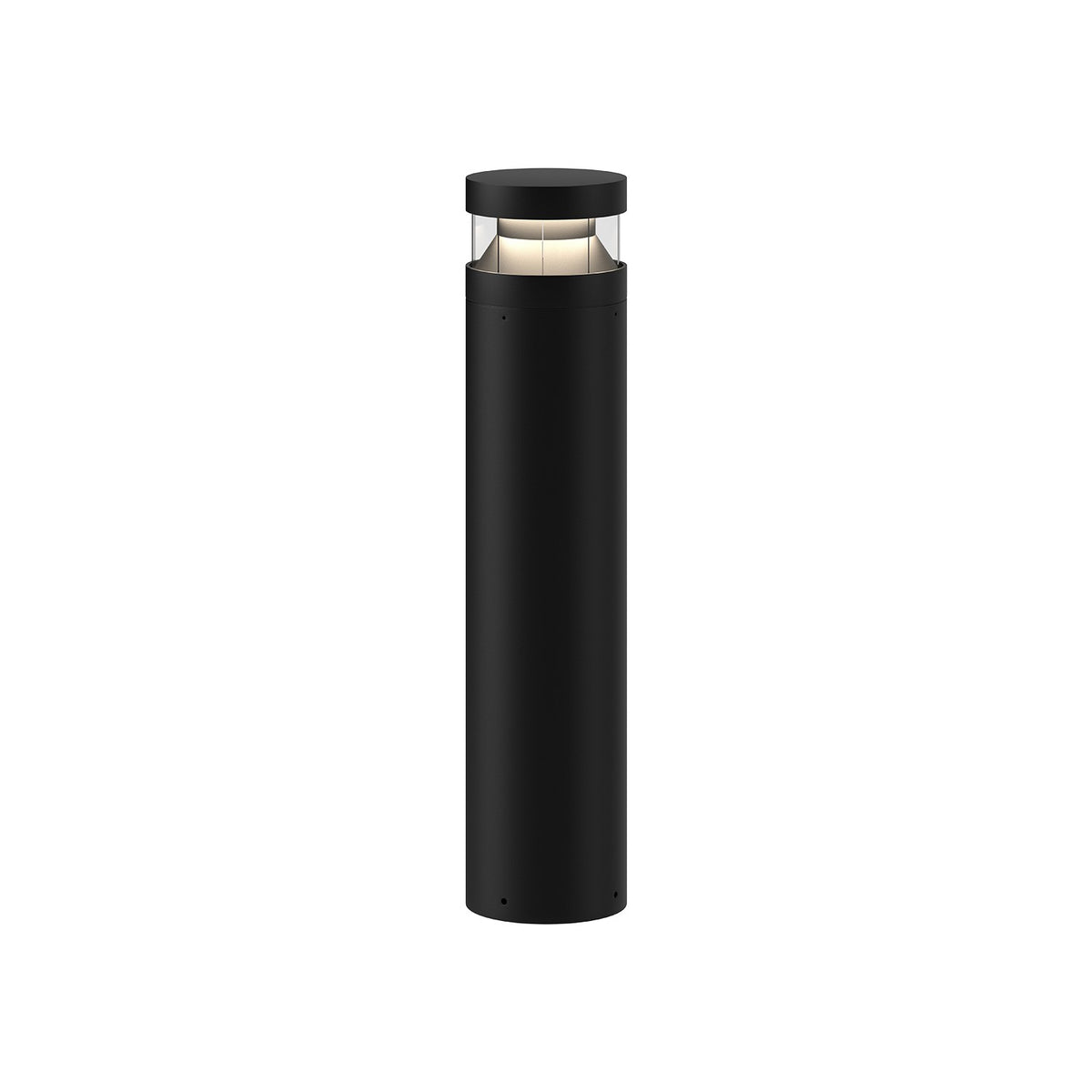
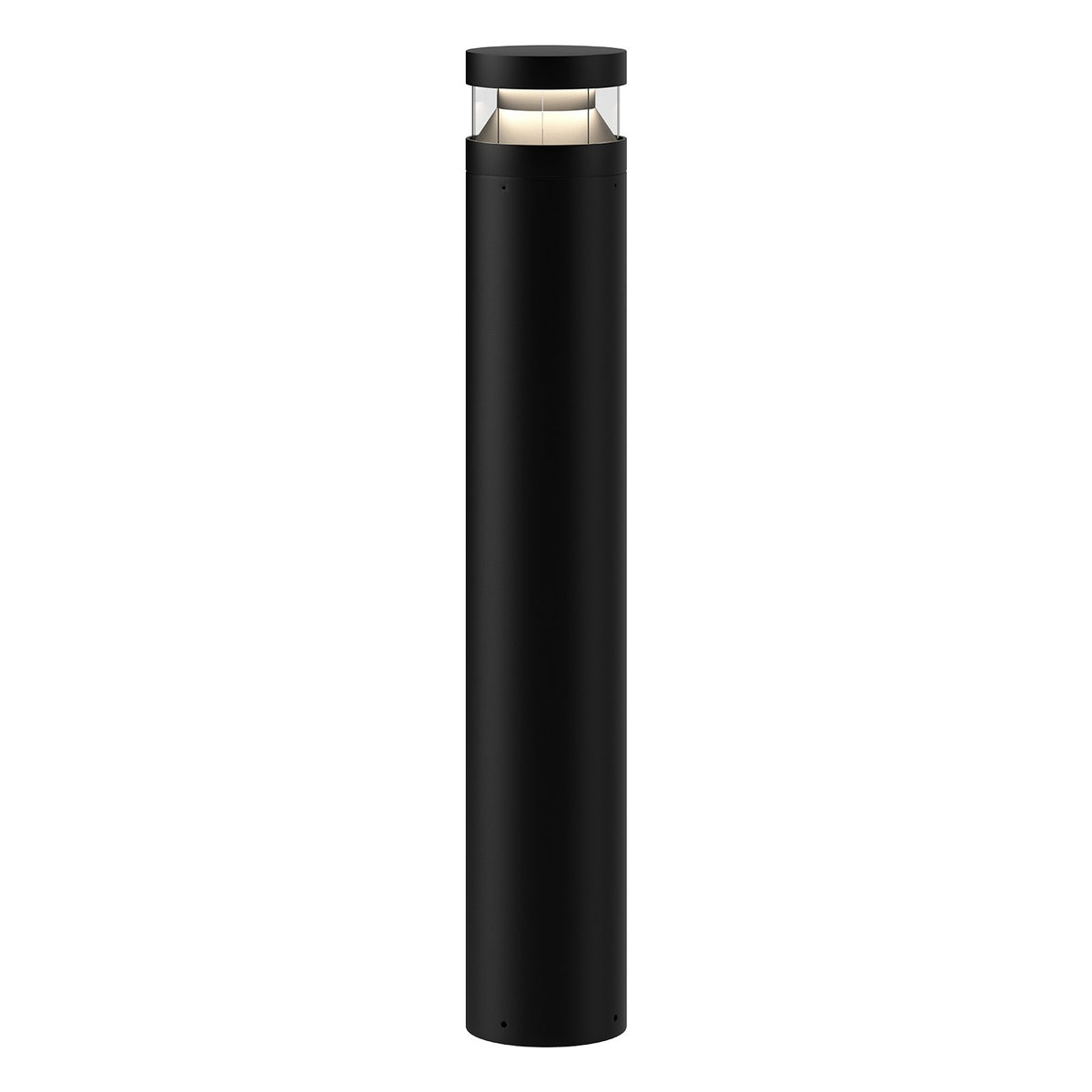
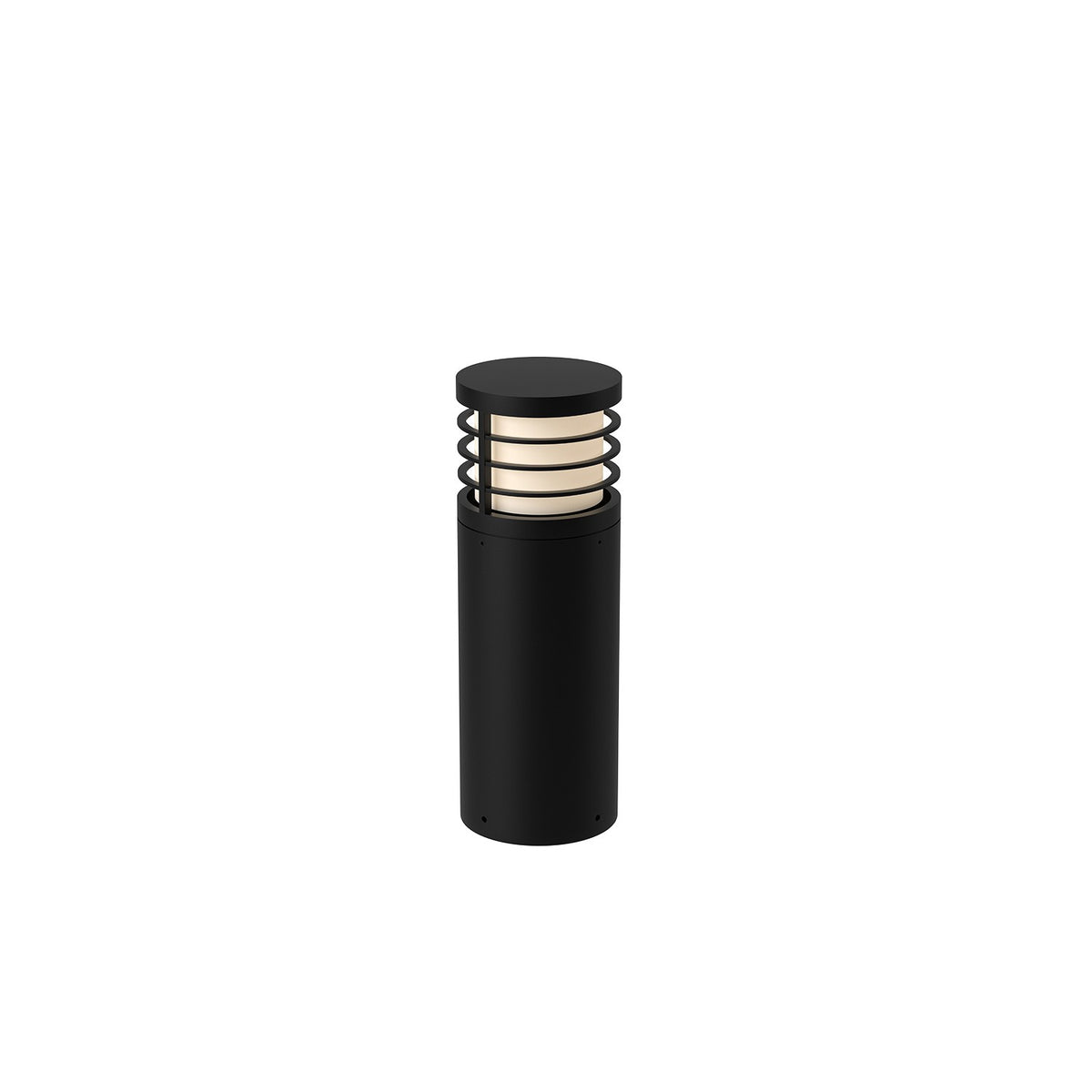
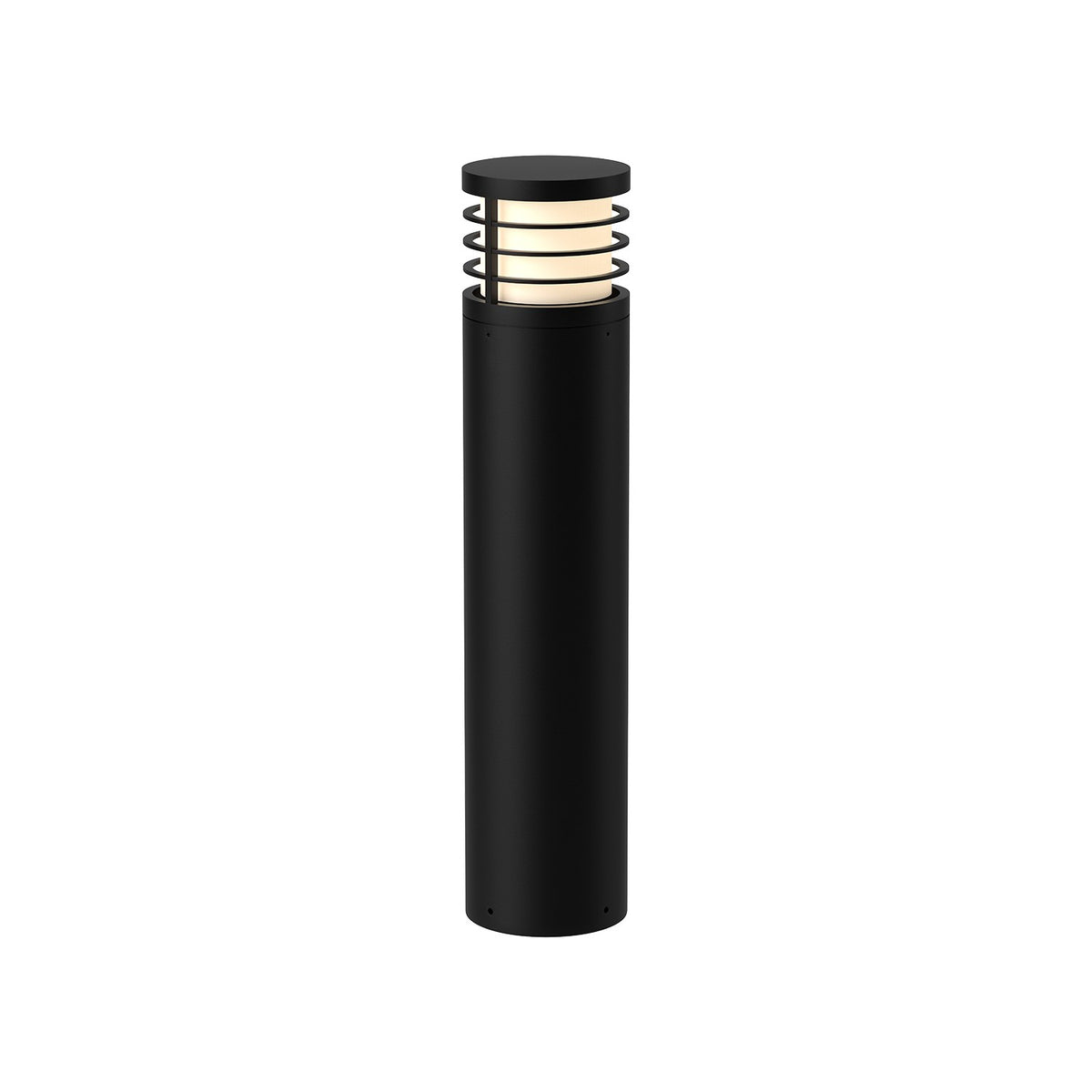
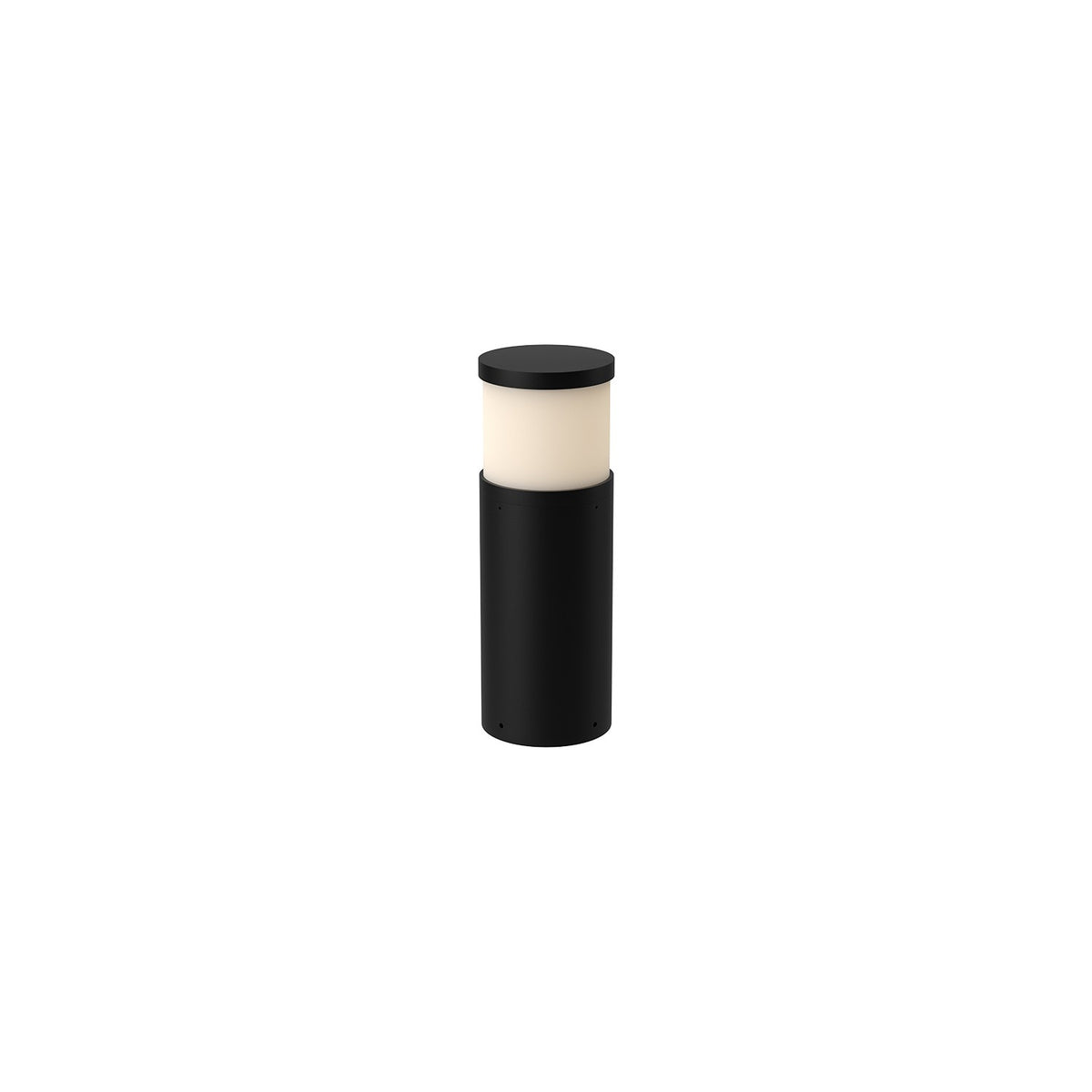
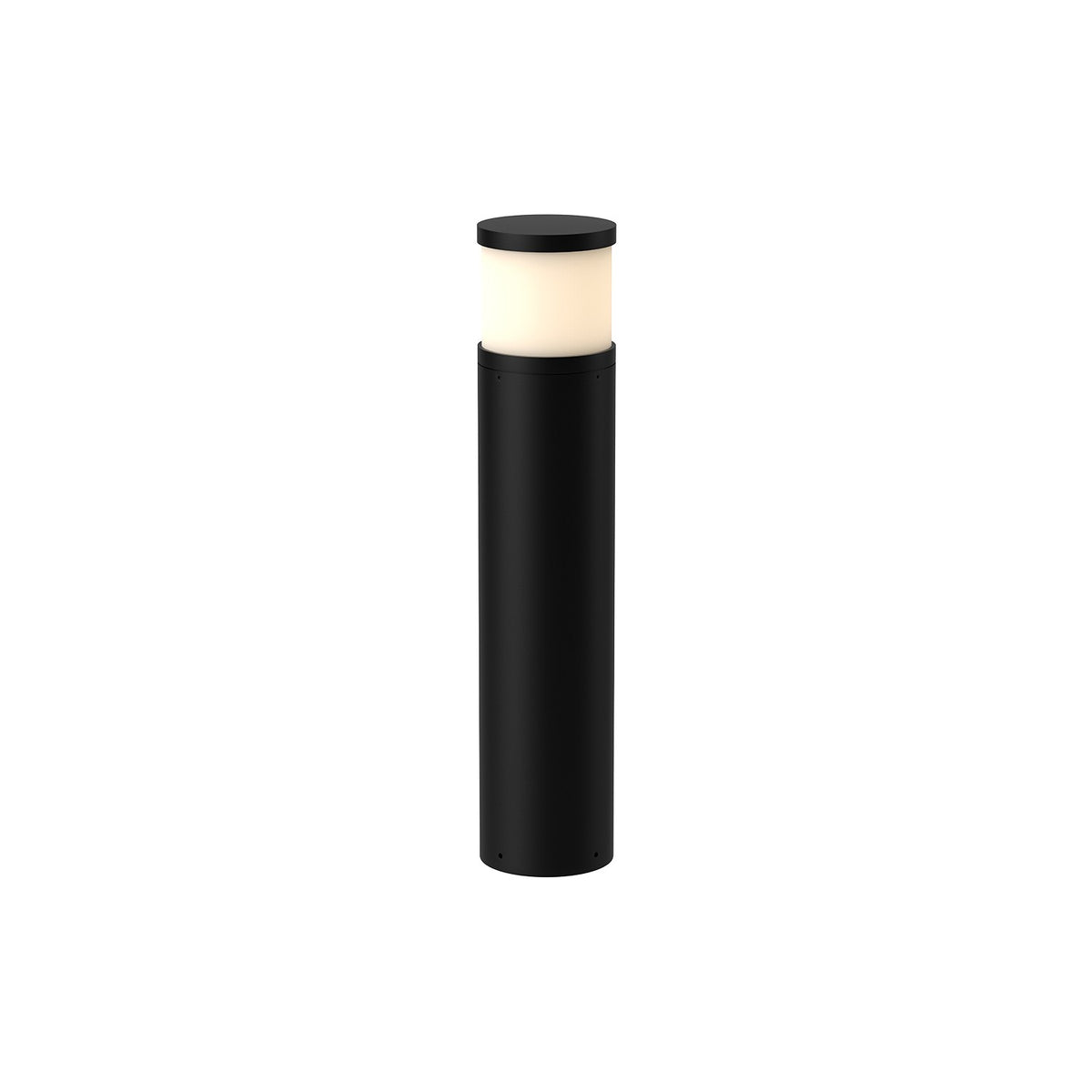
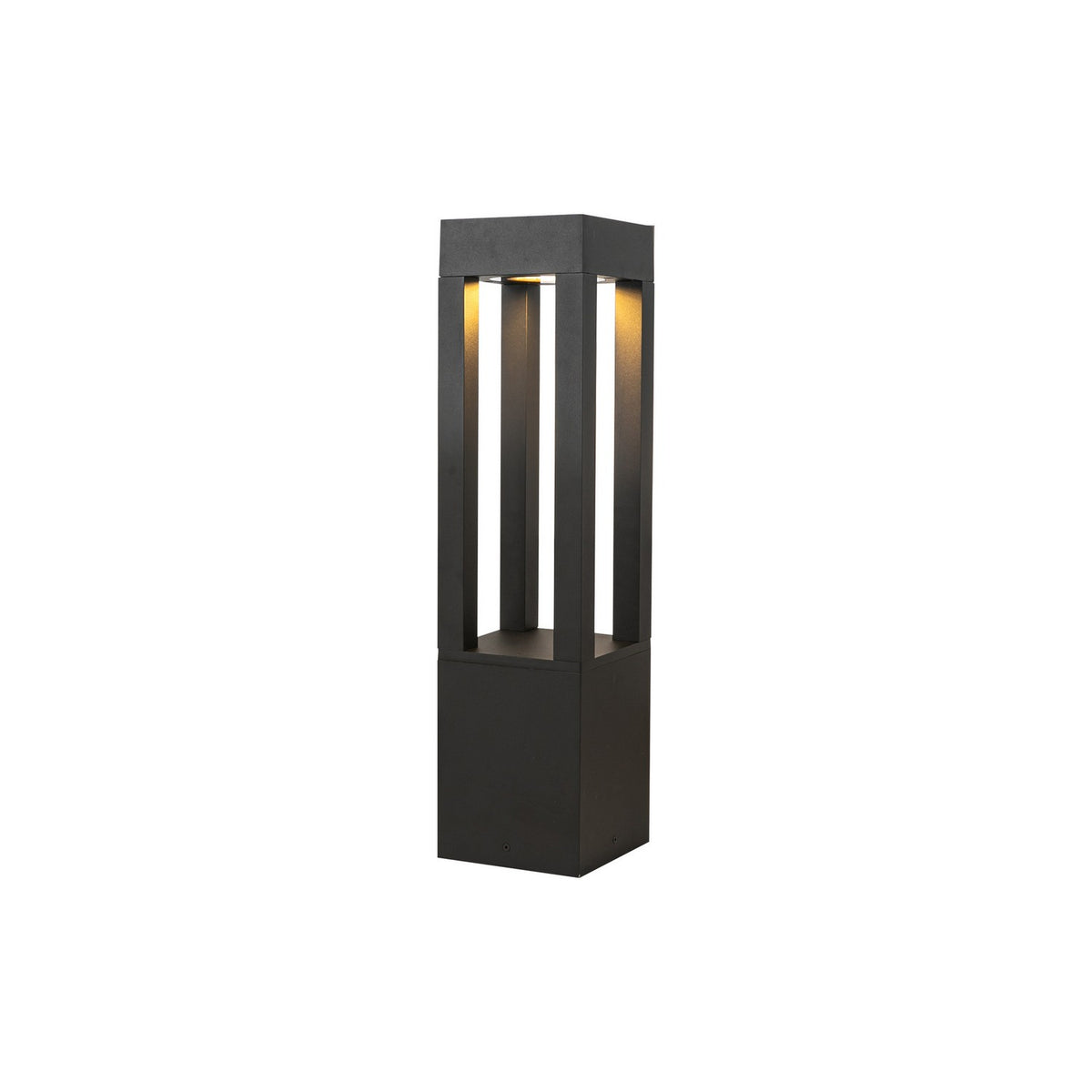
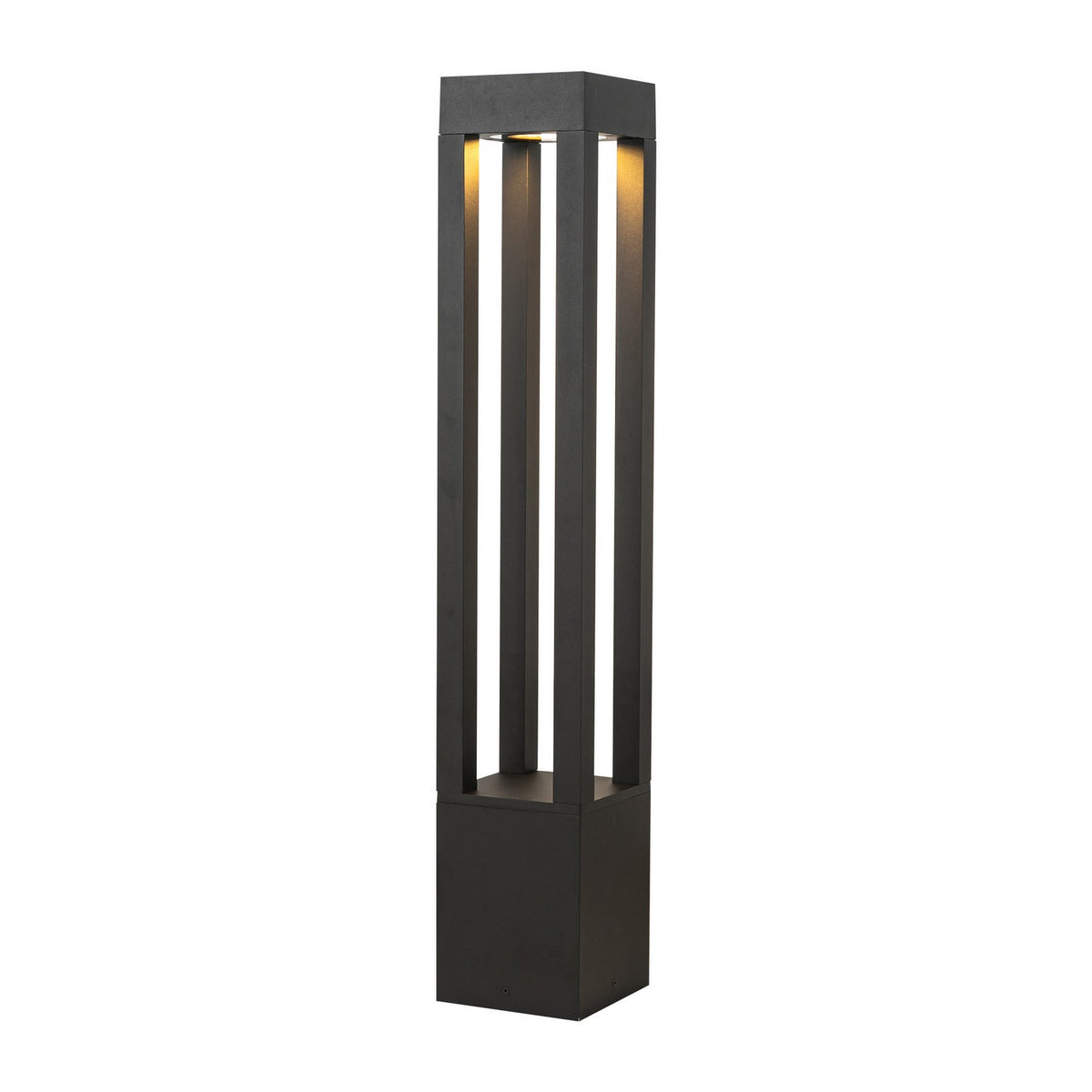
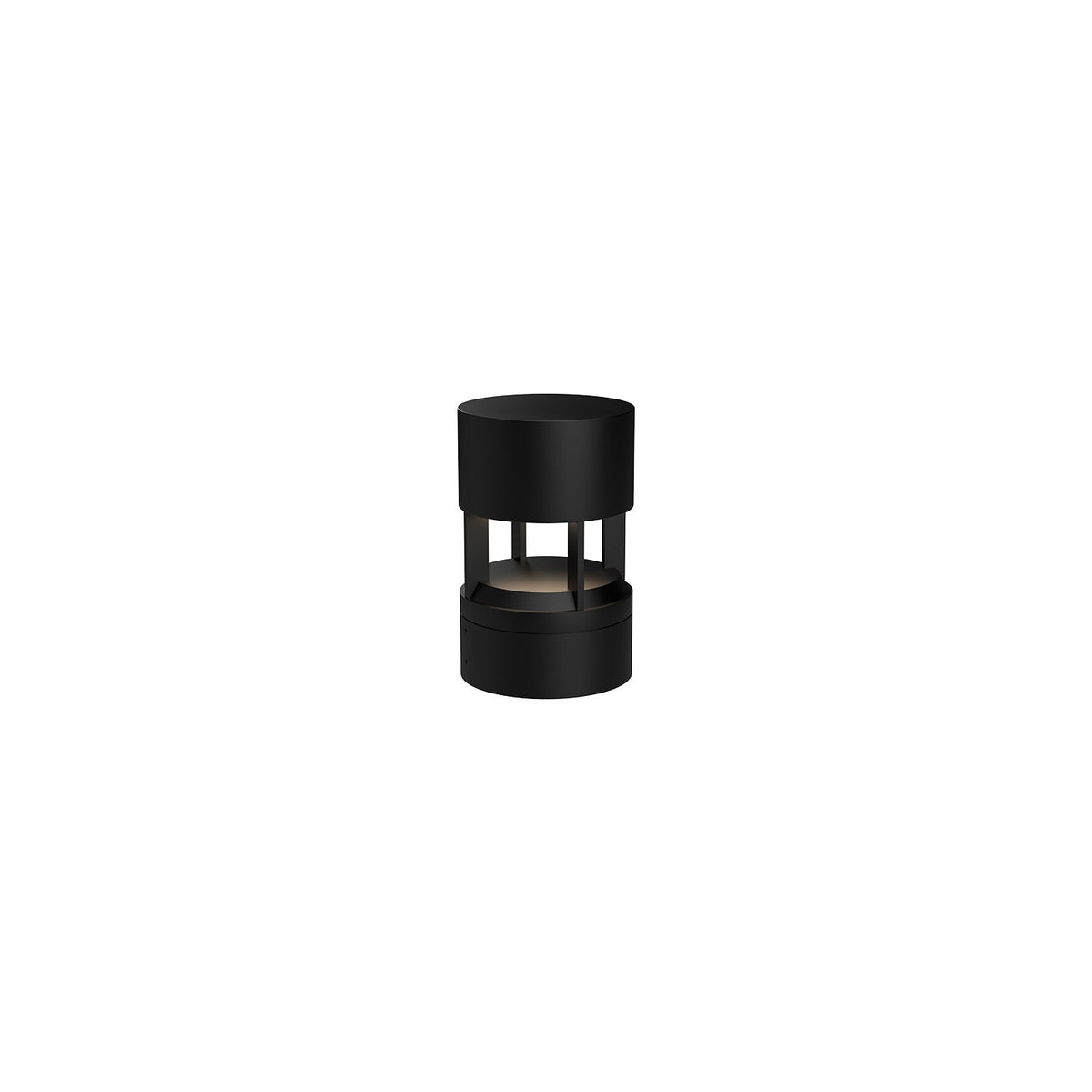
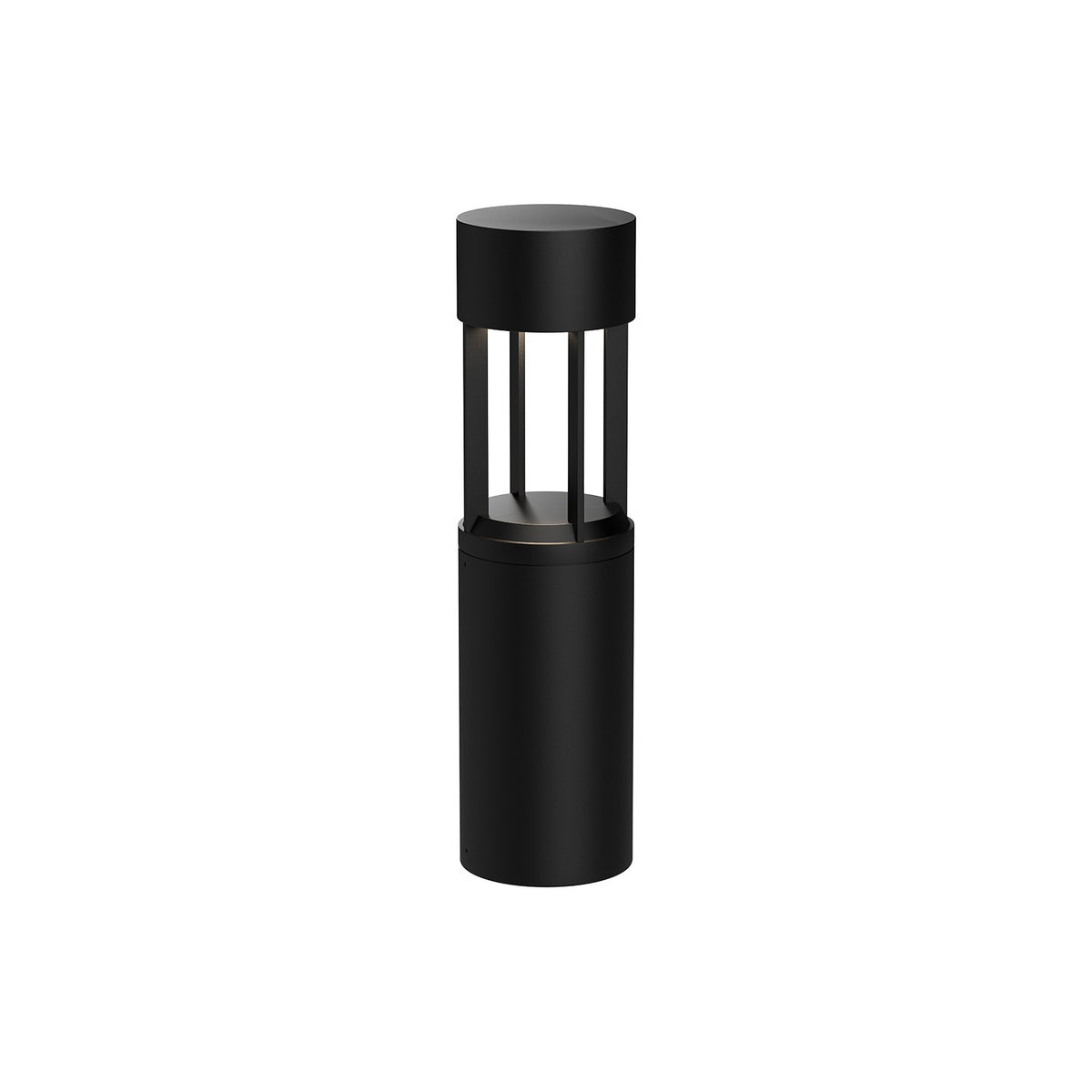
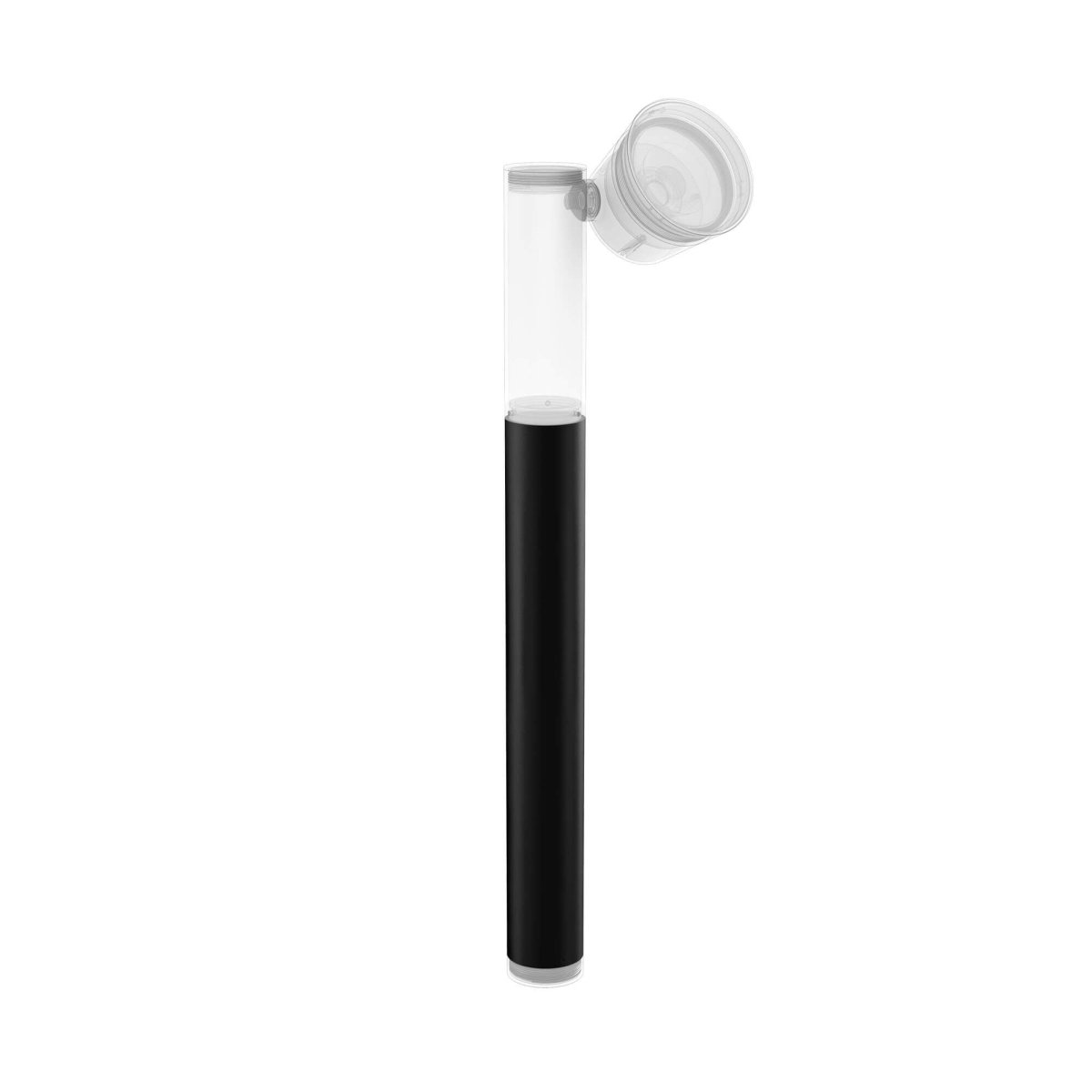
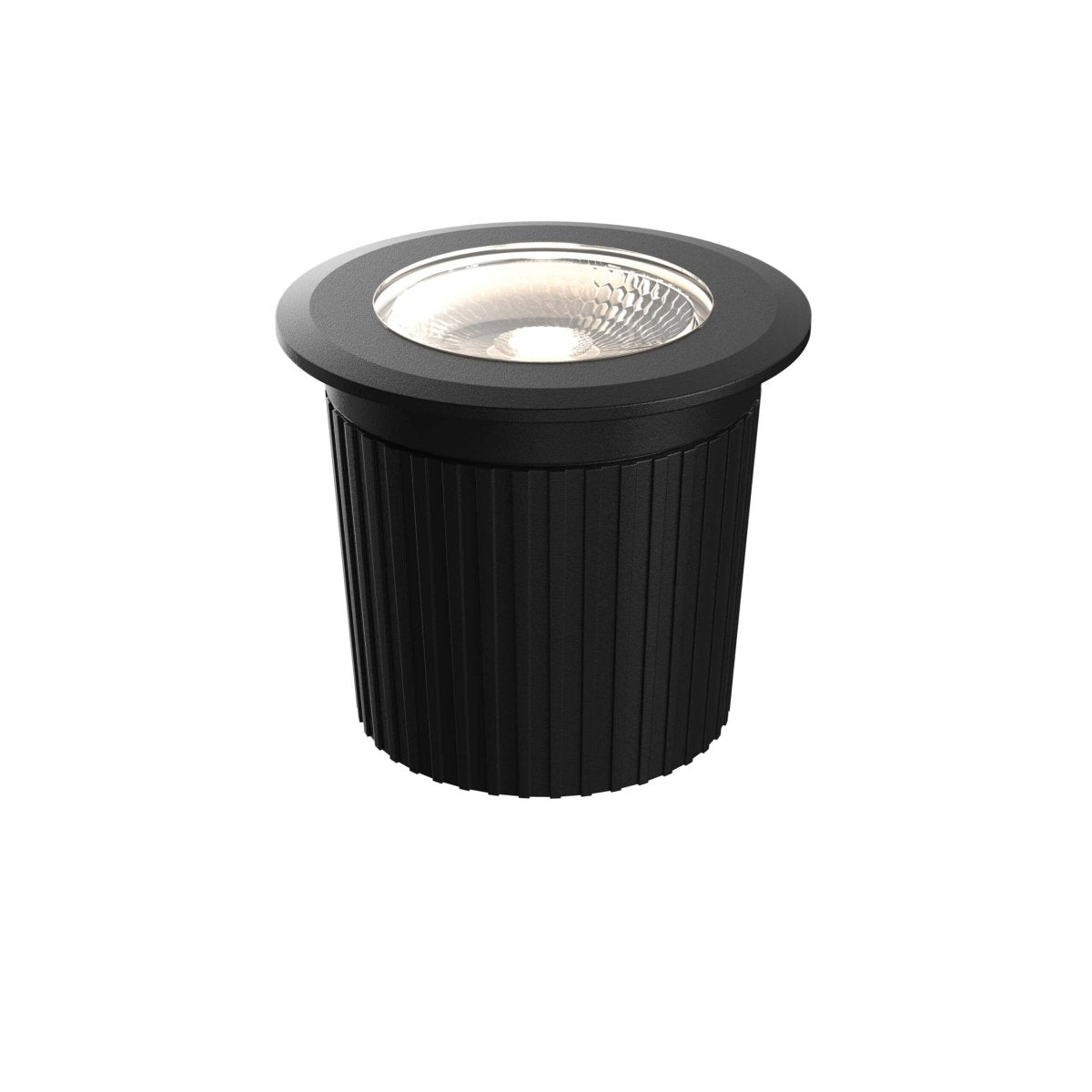
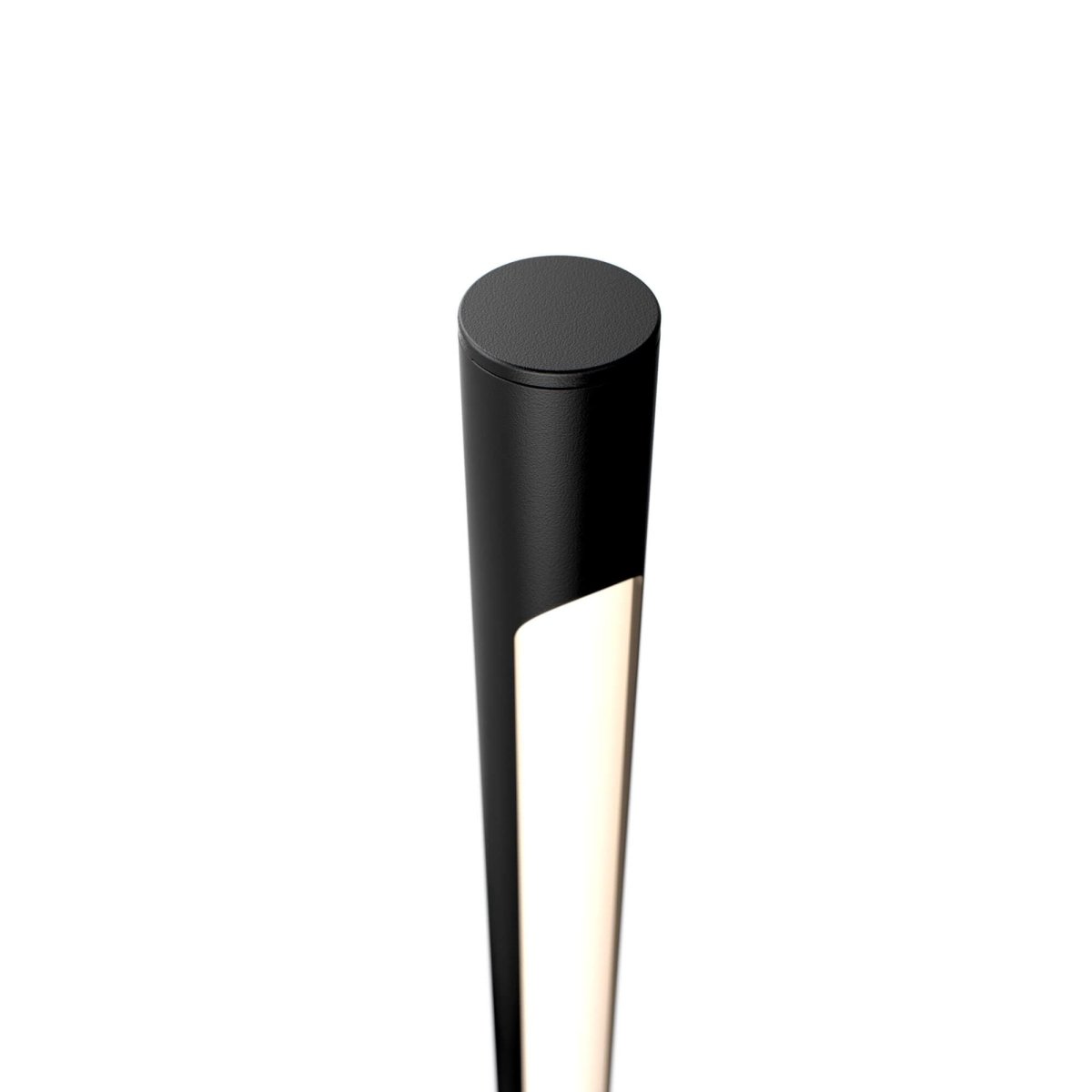
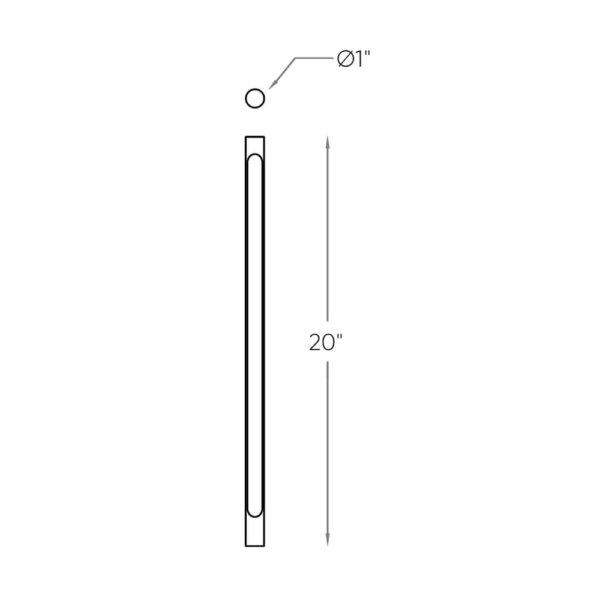
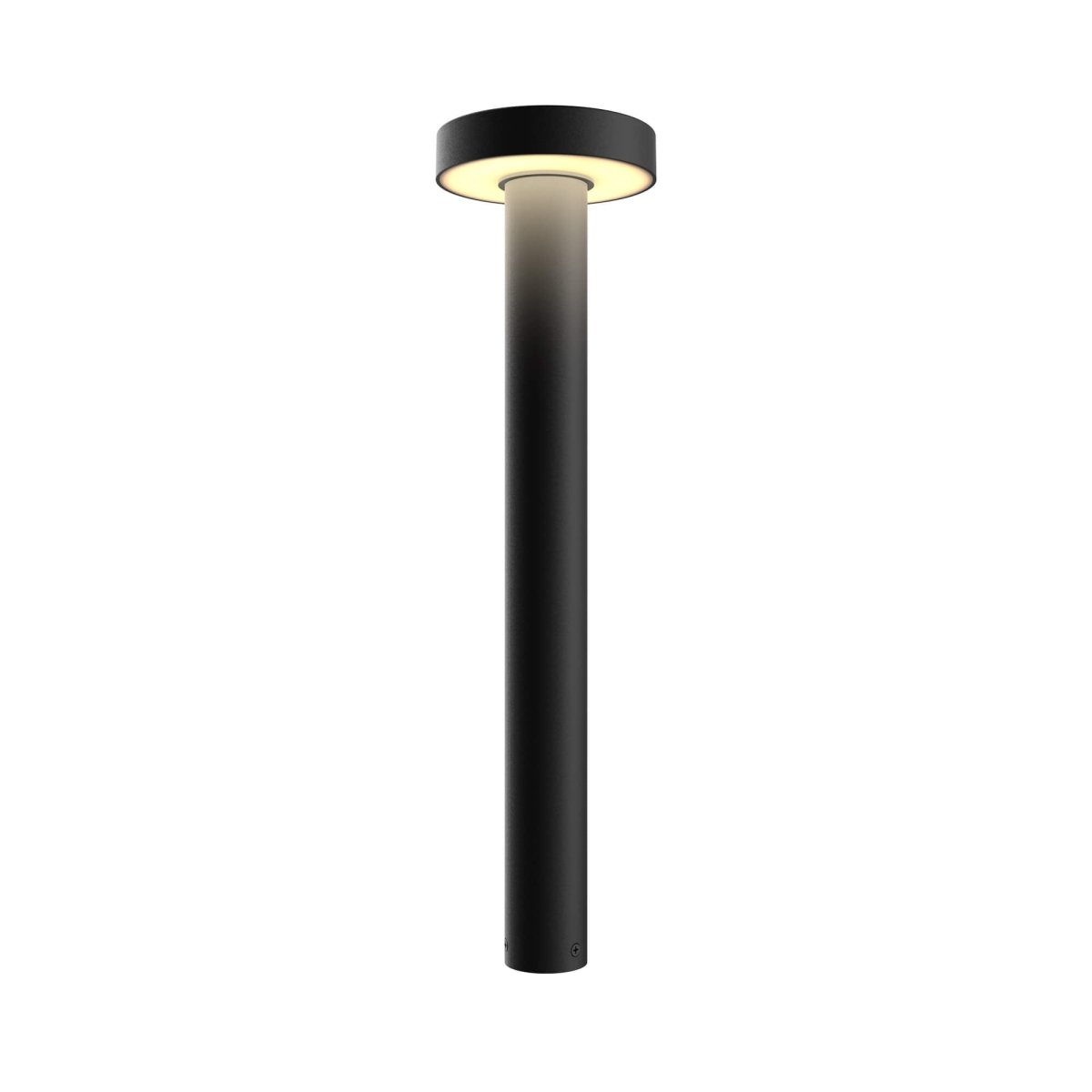
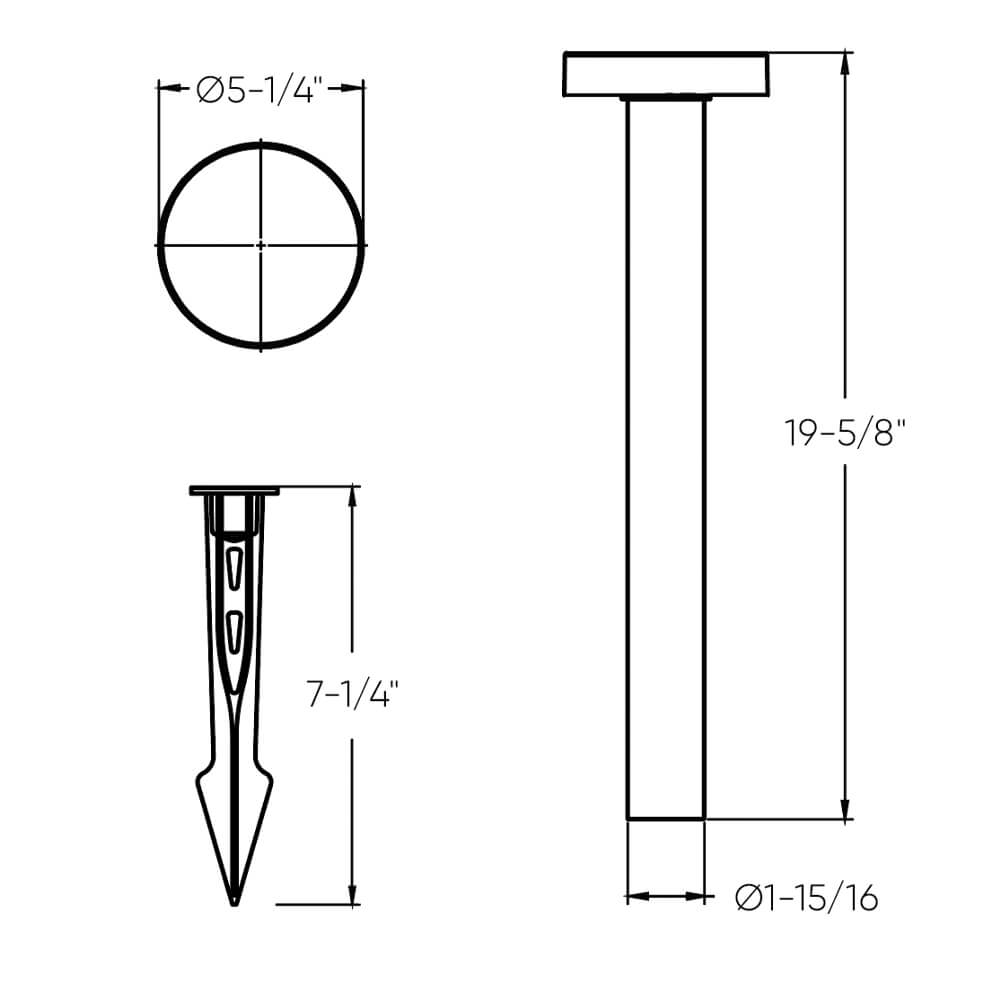
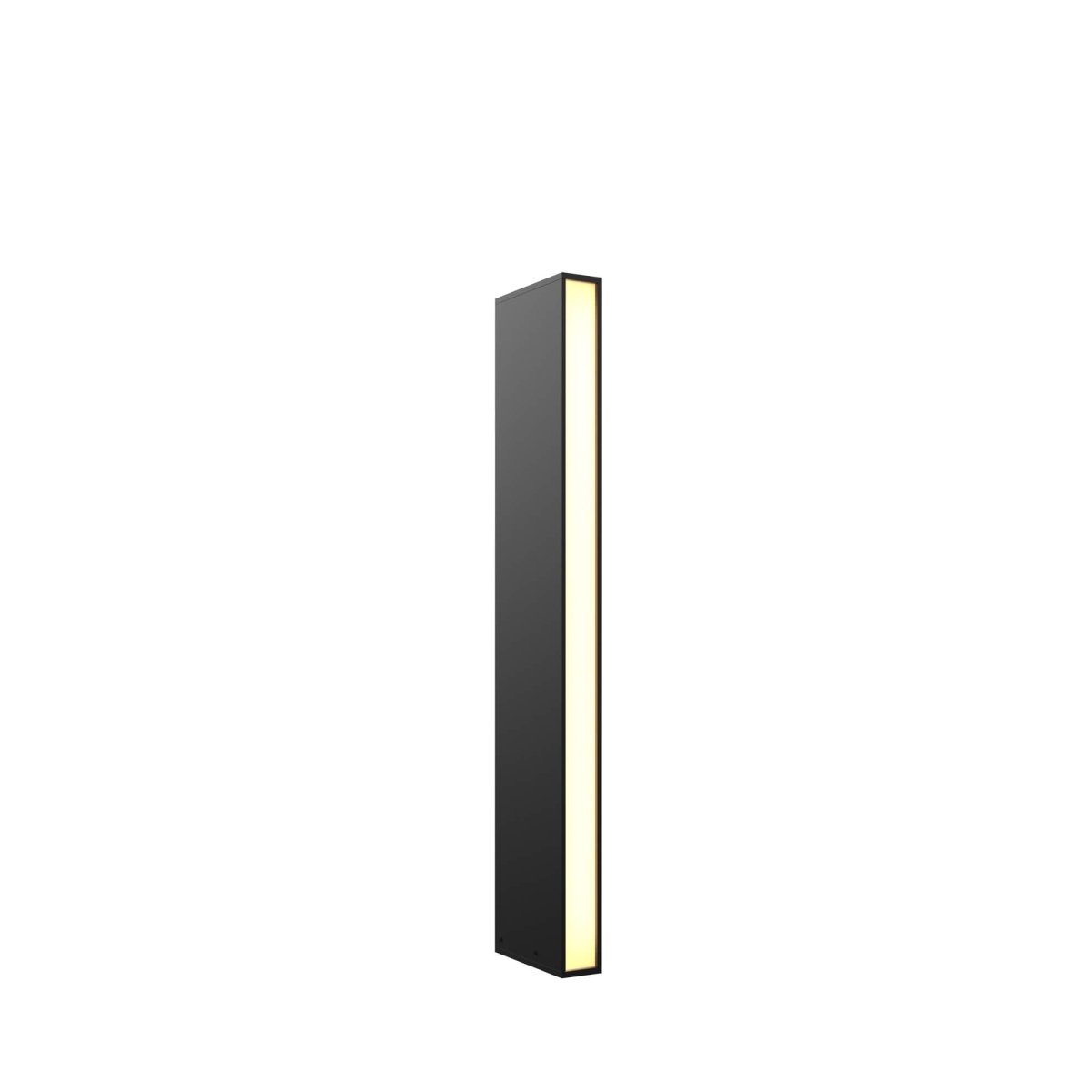
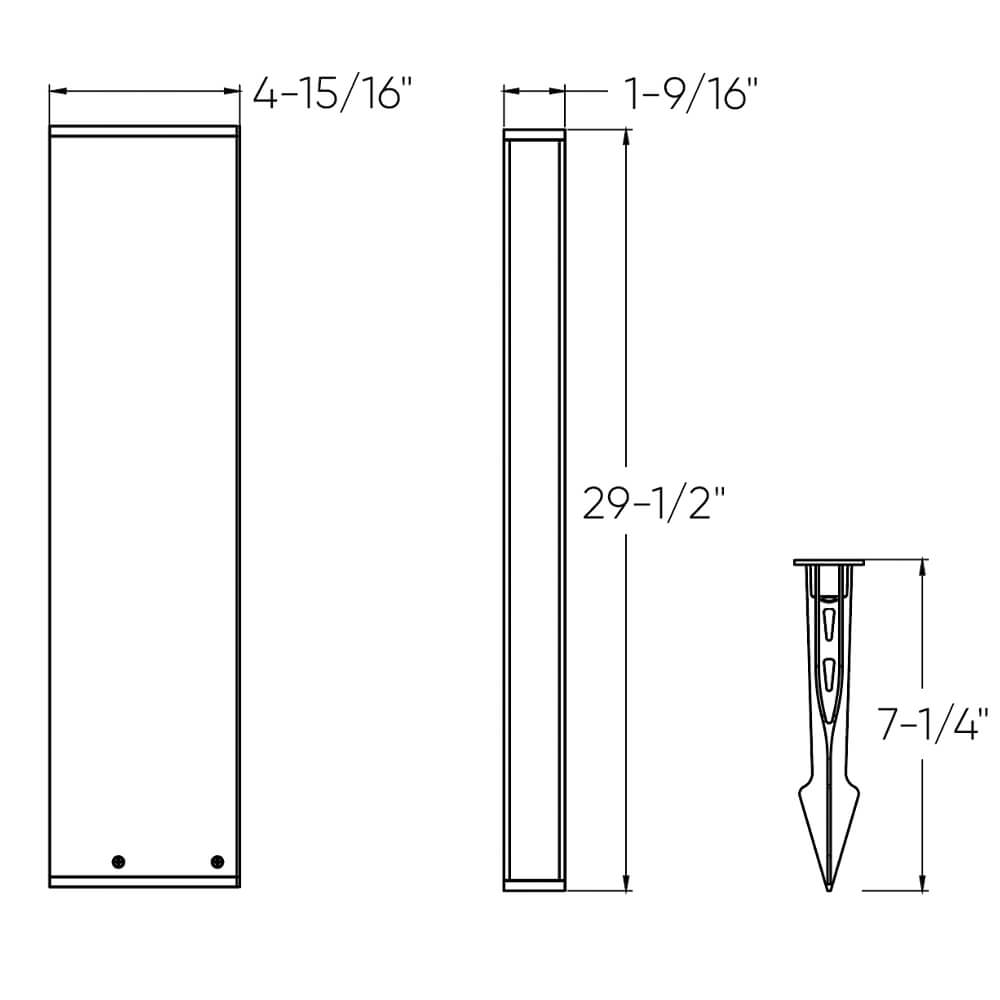
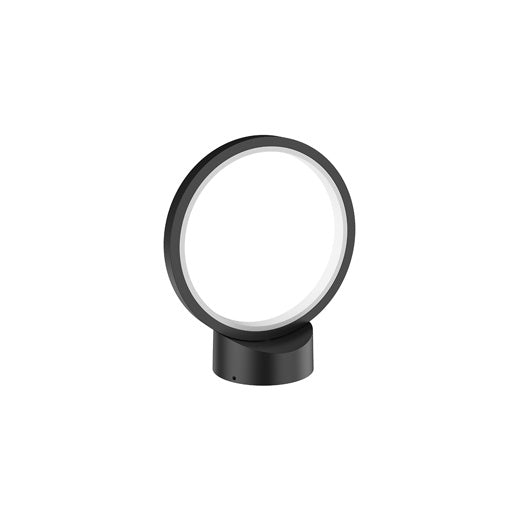
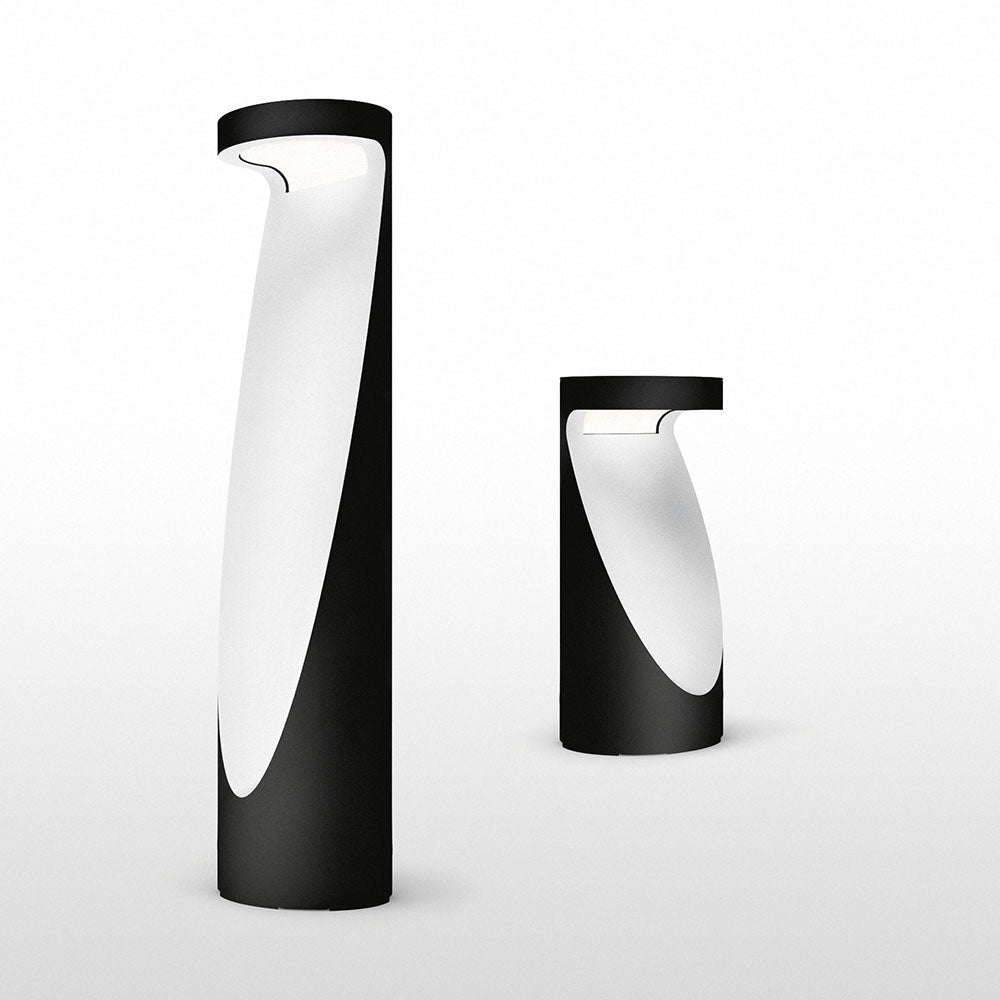
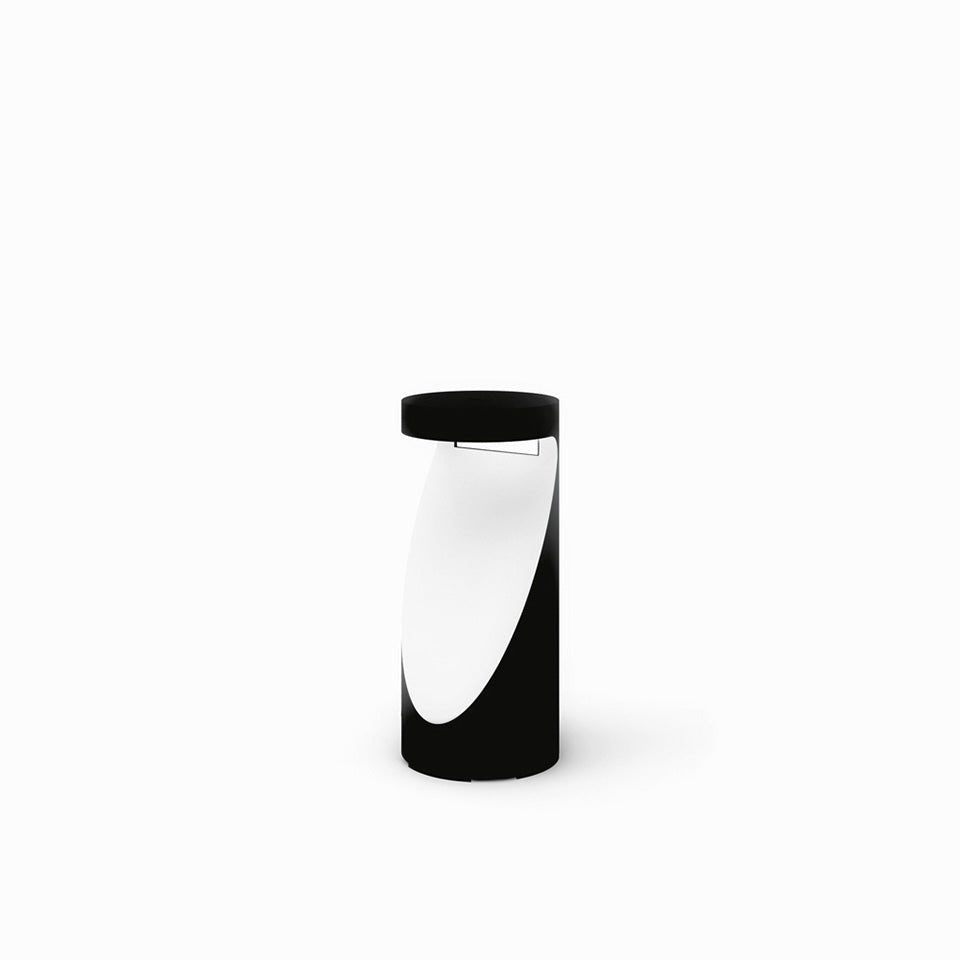
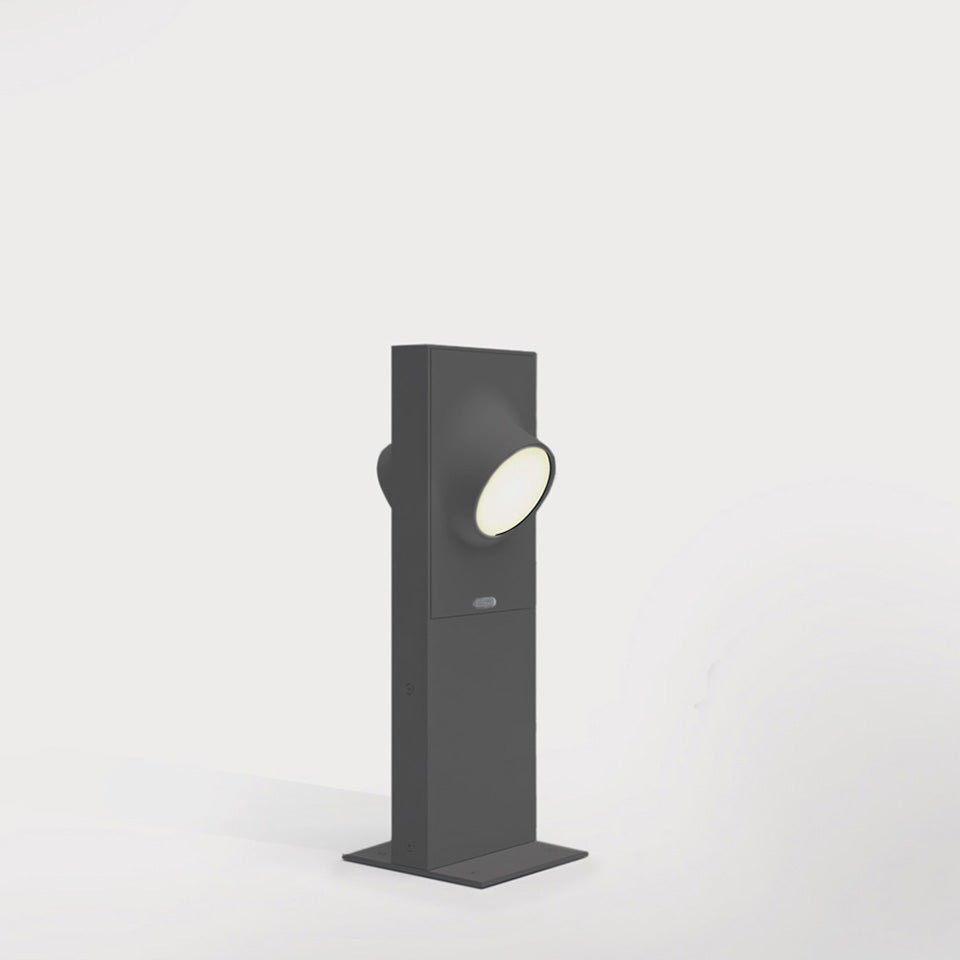
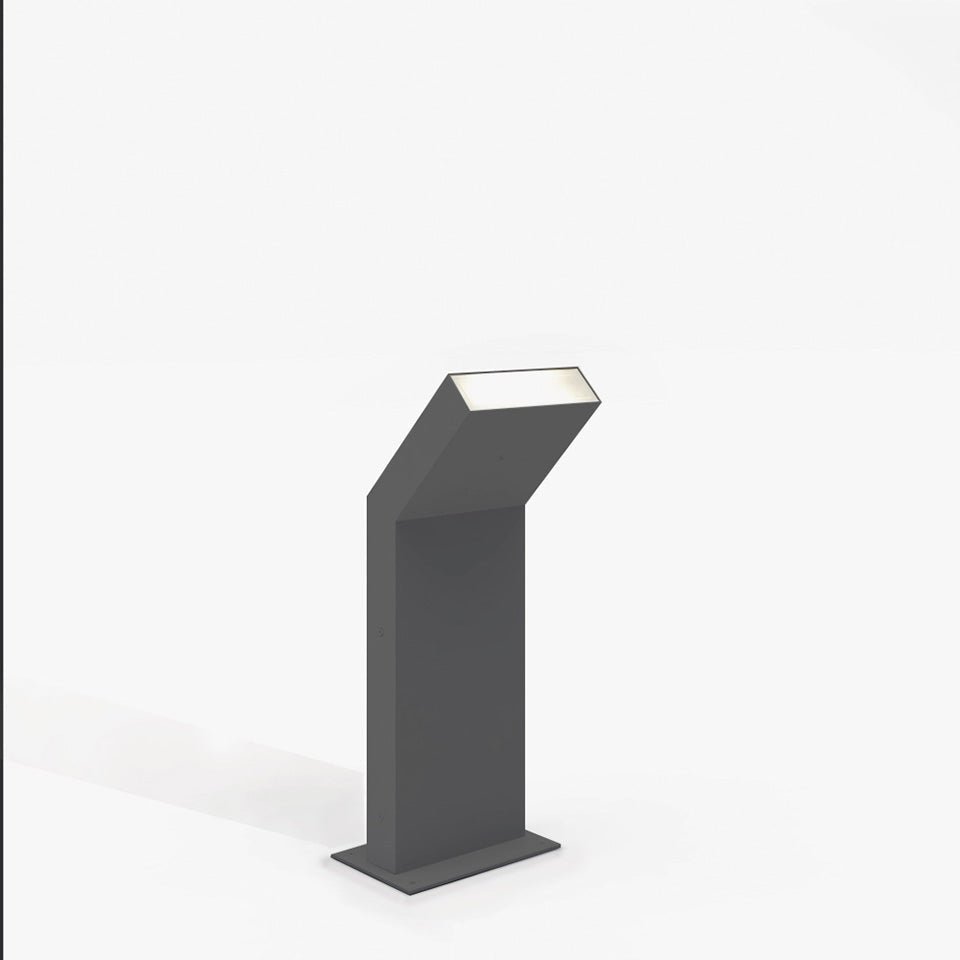
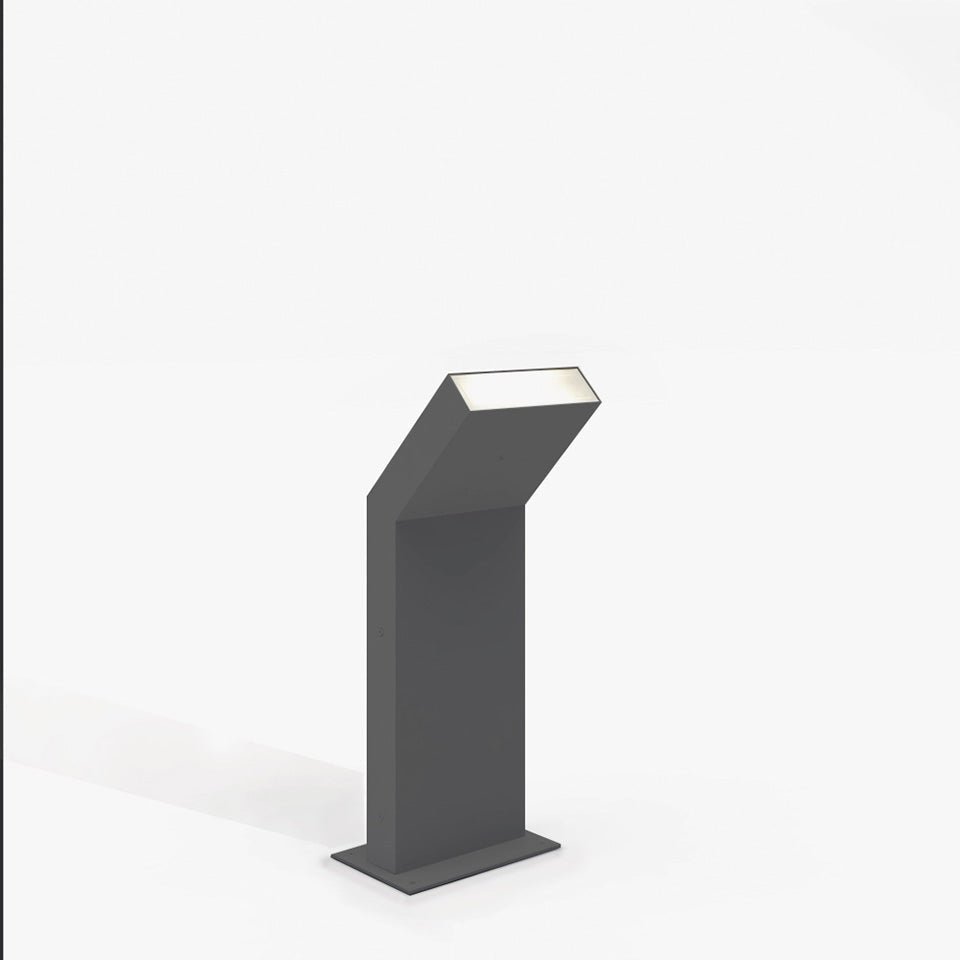
Flush well lights disappear into the ground and throw light upward onto a trunk, column or wall with no visible hardware. Bollards, by contrast, are freestanding elements that mark a driveway entry or parking area — a kind of small garden post light that joins the visual language of the design.
Step and deck lighting
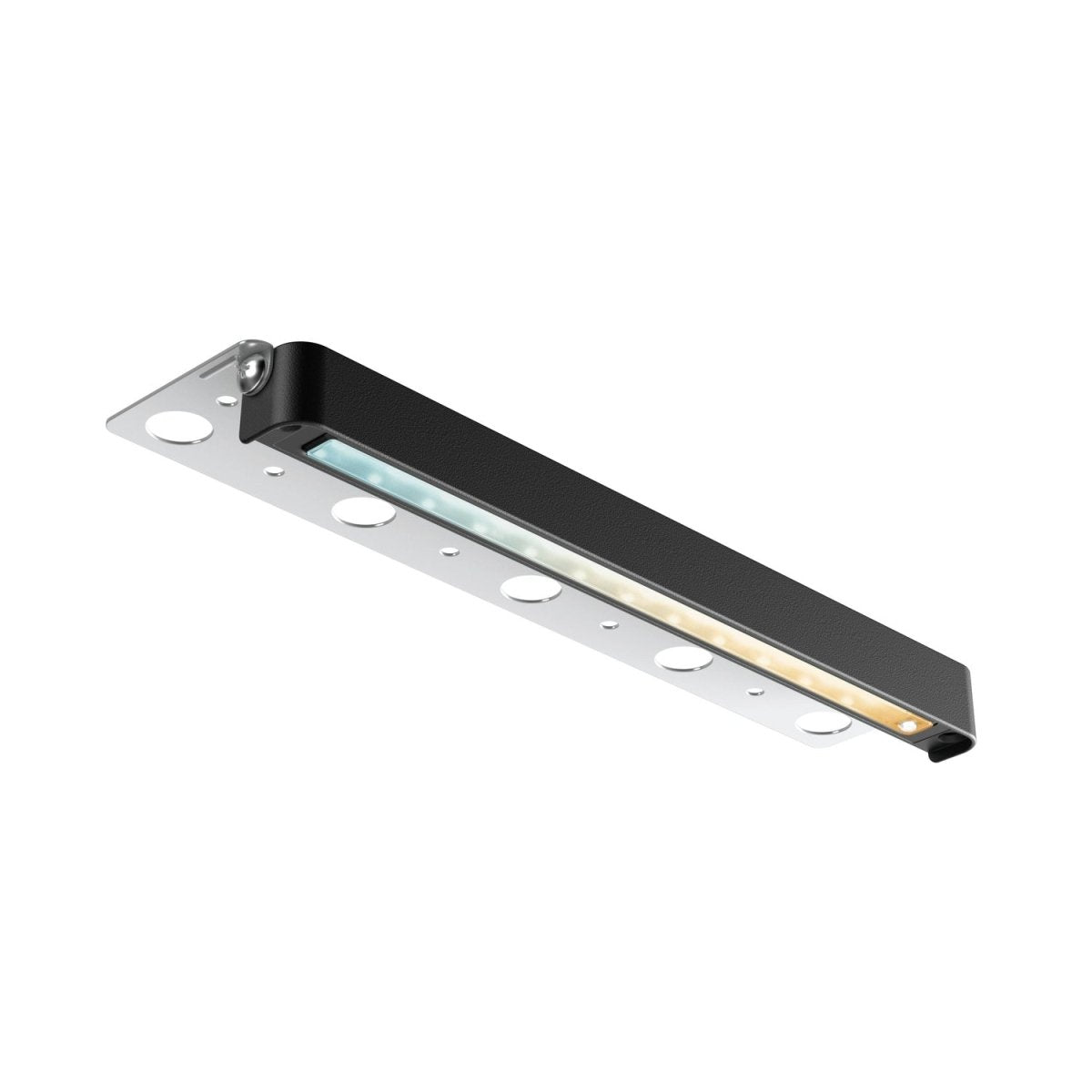
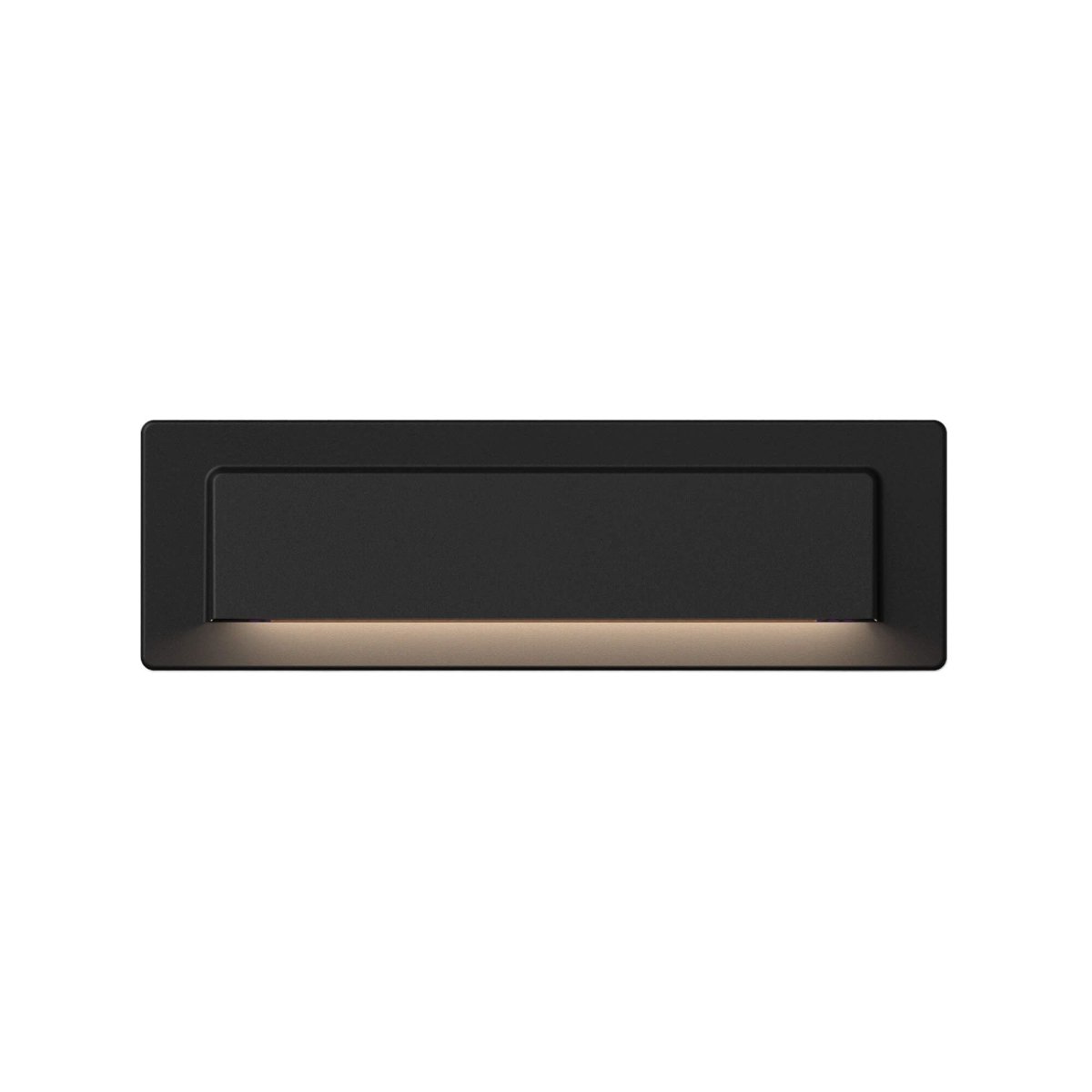
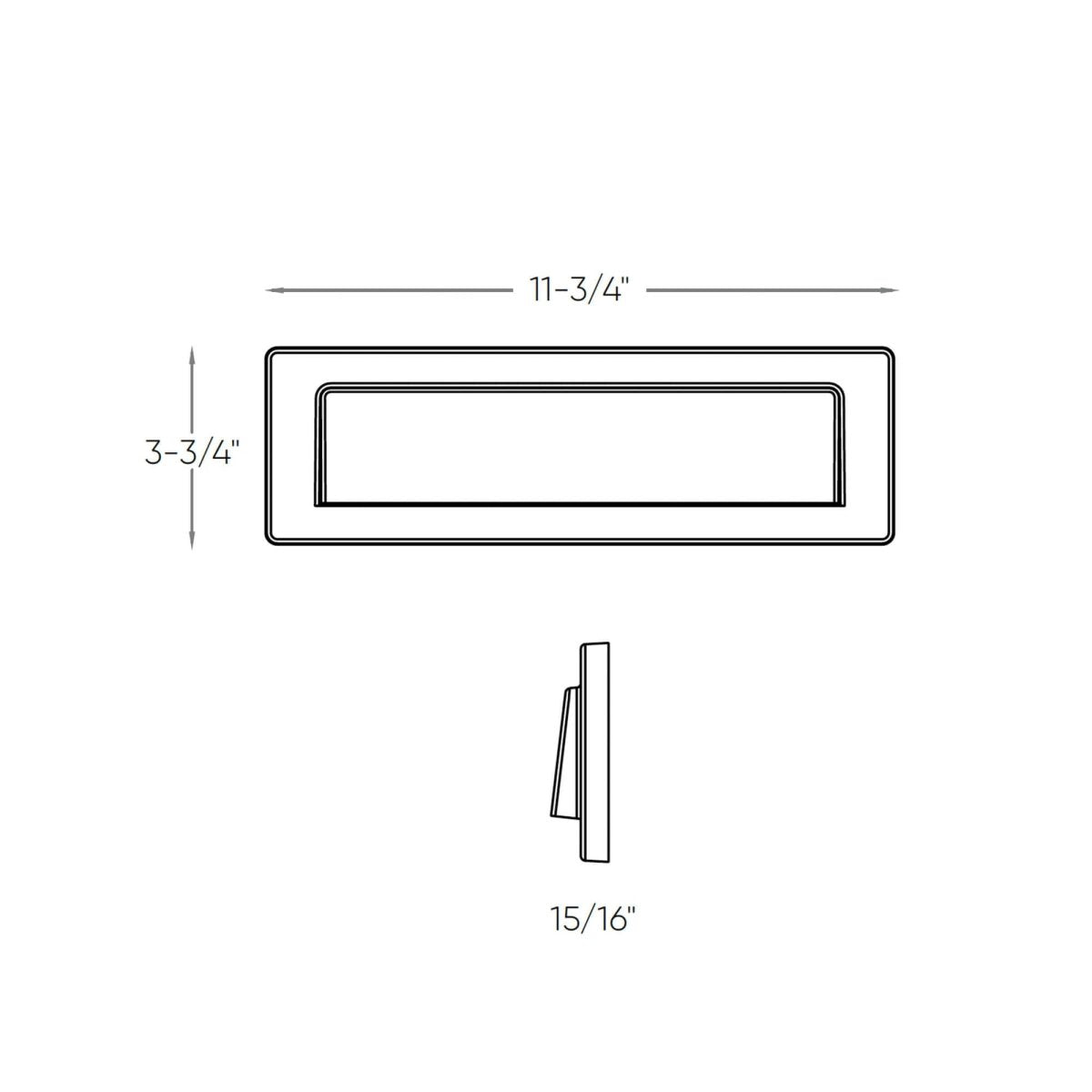
Integrated into risers and surfaces, these fixtures make footing safe while staying discreet. In LED form they produce little heat and use very little energy, making them an obvious choice for durable patio lighting.
Techniques for building ambiance
Good landscape lighting design is as much about the shadows as the light. You layer techniques to build depth.
- Uplighting: a ground-level fixture lights a tree or facade from the base for a dramatic effect that reveals texture.
- Moonlighting: fixtures set high in a tree drop soft, dappled light, mimicking the moon.
- Silhouetting: a source behind the subject throws its outline against a wall or fence.
- Grazing: the beam skims a textured surface — stone, bark — to accentuate the grain.
Alternating these effects keeps the eye moving. For a system that can grow, favour dimmable or color-tunable fixtures able to shift from functional light to an intimate mood as the evening unfolds.
Choosing well: output and color temperature
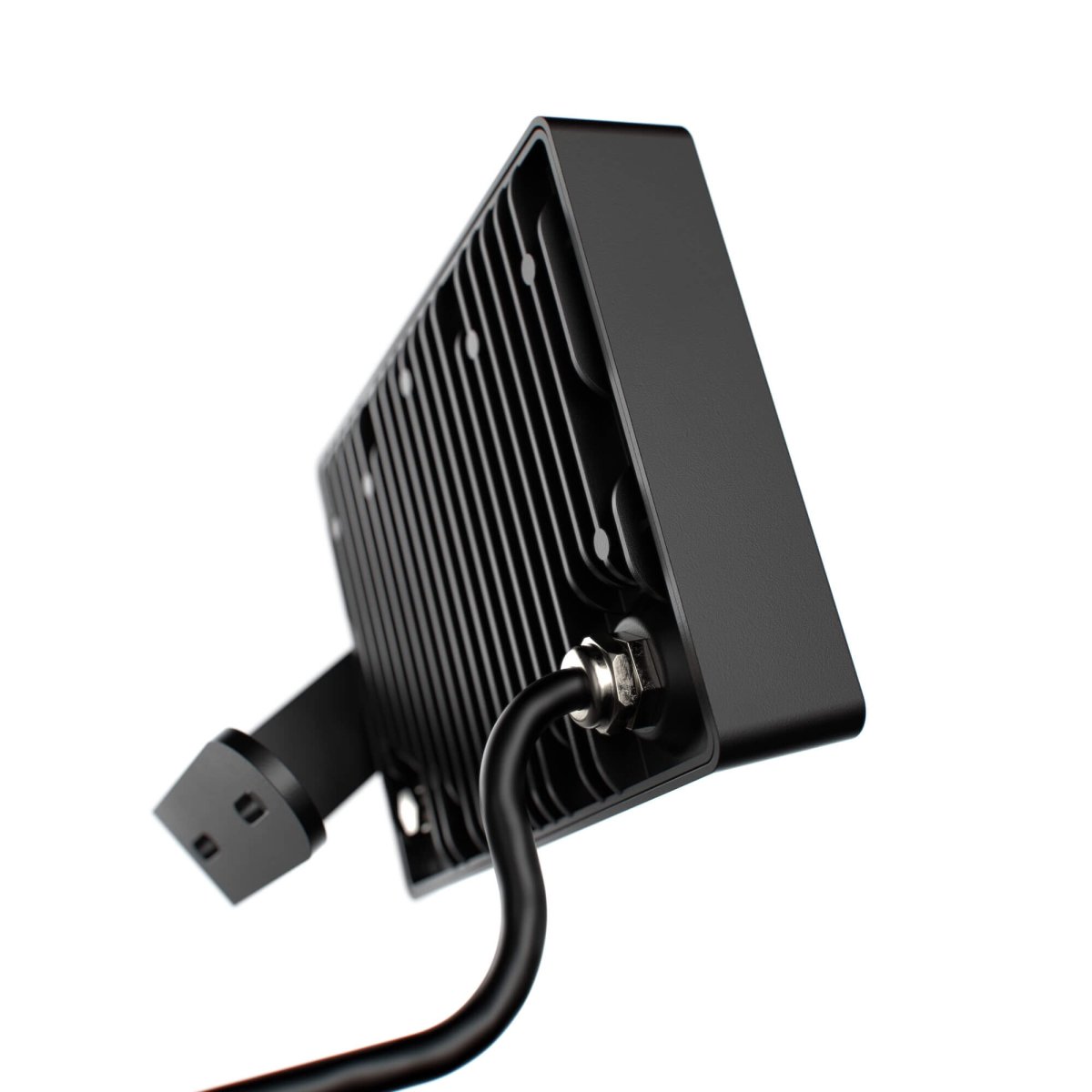
Brightness is measured in lumens, never in watts. As a guide: 100 to 200 lumens is enough for path lighting; 200 to 400 lumens for a small tree or focal point, and 500 to 700 lumens or more for a large tree or facade; 700 to 1,500 lumens or more to wash a wall or for a security application with an LED floodlight.
For color, warm white from 2700 to 3000 K remains the reference: it creates a welcoming atmosphere and flatters foliage. Cooler tones (4000 to 5000 K) suit a contemporary look or security lighting. Mind your transformer too: its wattage capacity must cover all connected fixtures, with headroom for future additions.
Materials and durability for the Quebec climate
An outdoor fixture spends winter outside, so material choice matters. We favour finishes built for exposure — powder-coated aluminum, brass, copper — and weatherproof ratings suited to rain, dust and frost. A quality LED easily lasts 50,000 hours, roughly a decade of normal use. A well-sealed wall fixture or floodlight holds its finish and performance season after season.
Our landscape lighting brands
The collection leans mainly on dals, whose catalogue spans path lighting, floodlights and complete low-voltage systems right down to the transformer and ground stakes. Artemide brings a more sculptural take on outdoor lighting design, where the fixture earns its place by day as much as by night. Kuzco Lighting and Tech Lighting round out the range with contemporary pieces built for the outdoors.