













Why a table lamp changes a room
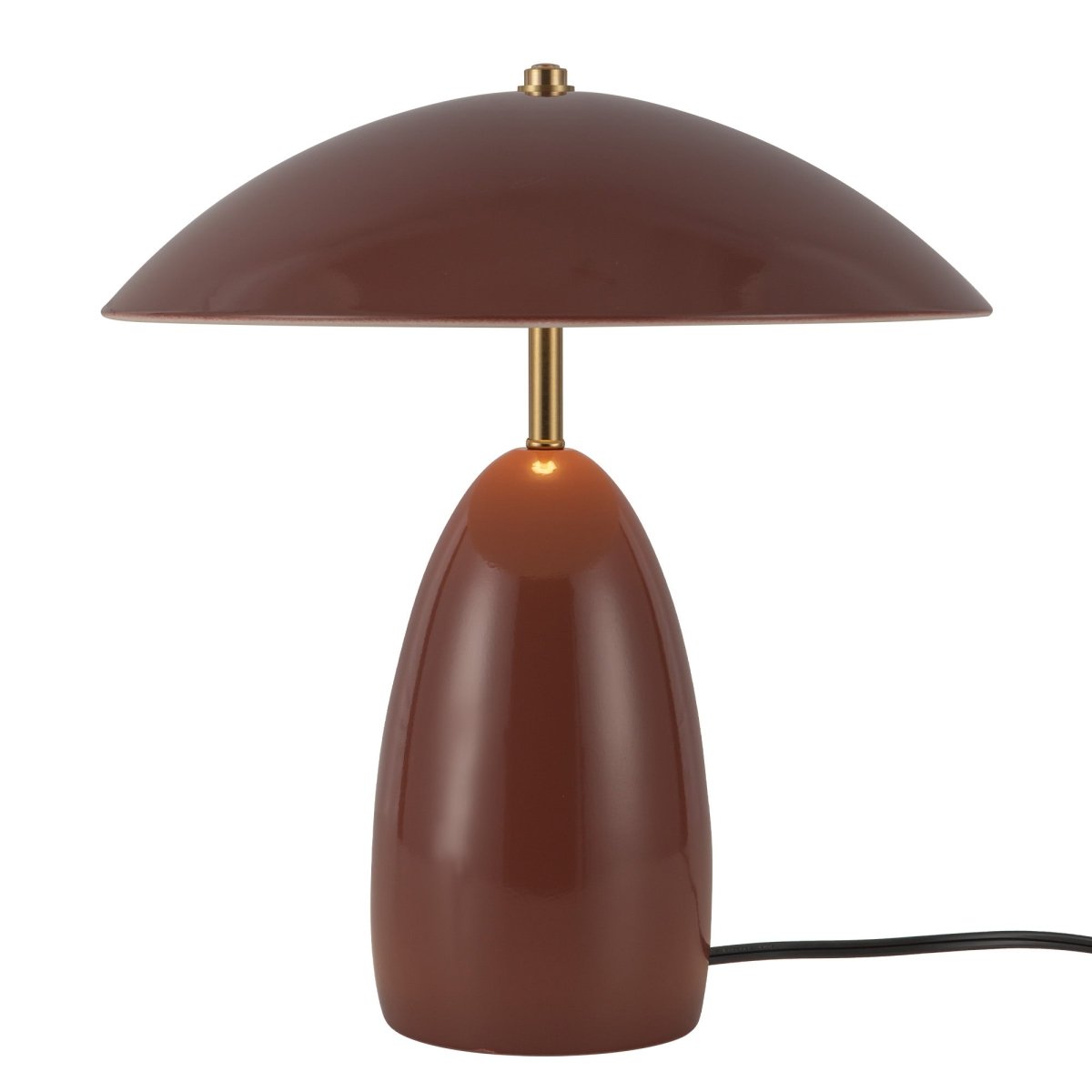
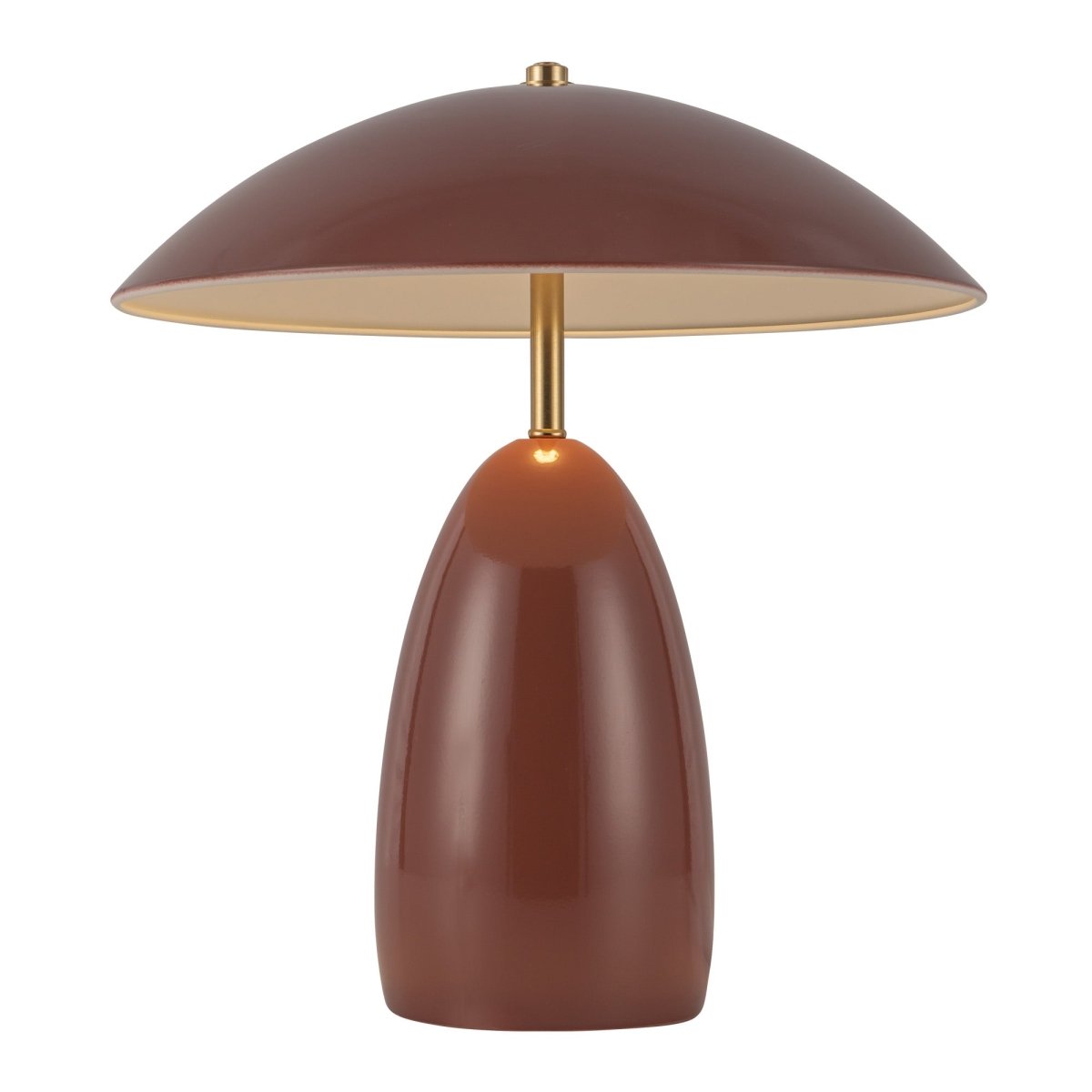
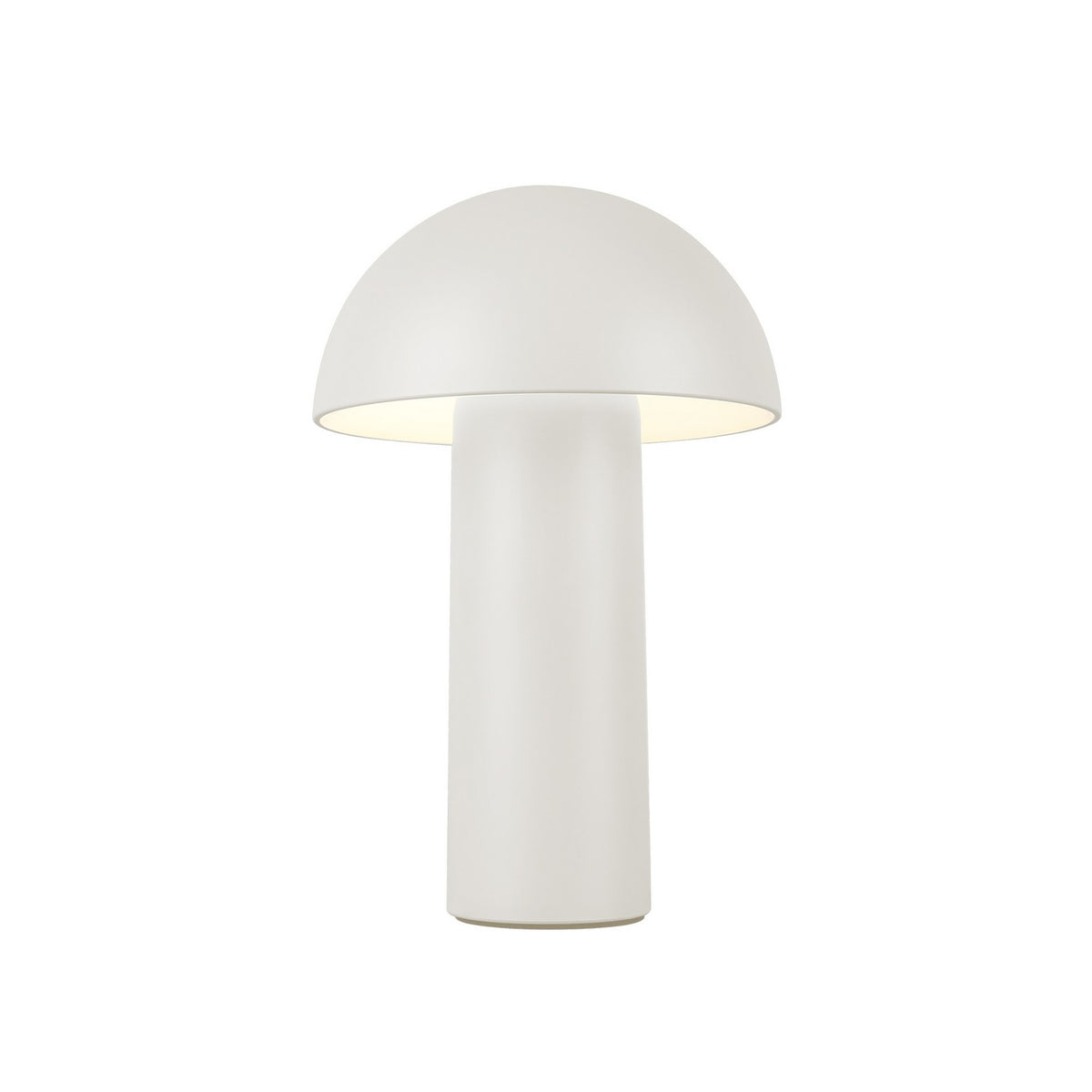
Unlike a ceiling fixture or a fixed wall sconce, a table lamp moves wherever you like it. It adds a third layer of light, below eye level, that softens the harsh shadows of overhead fixtures. It's also an object on display: base, shade and finish contribute to the décor as much as to the light. Use one to warm a reading corner, anchor a console, or bring intimacy to conversation once evening sets in.
The main types of table lamps
Bedside lamp
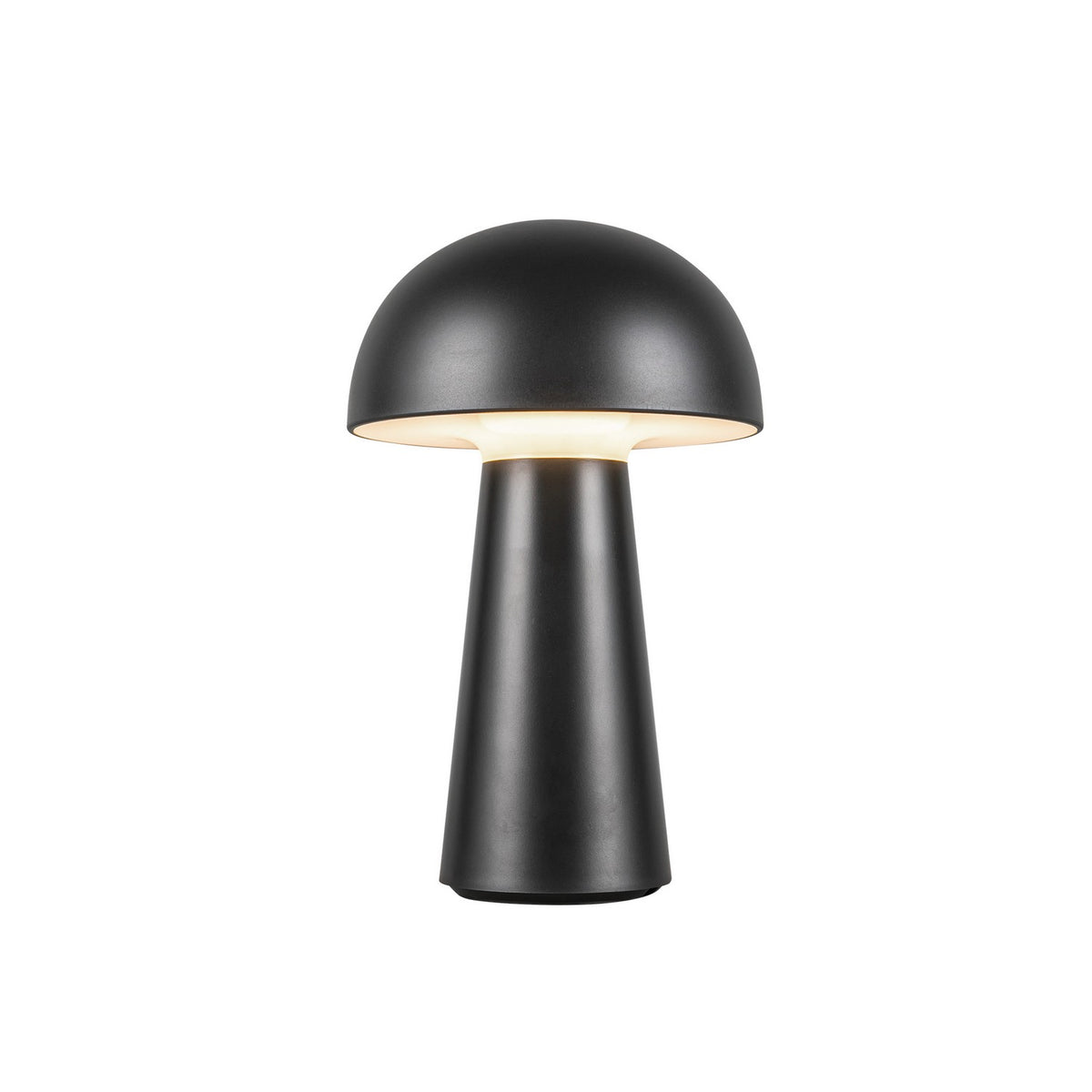
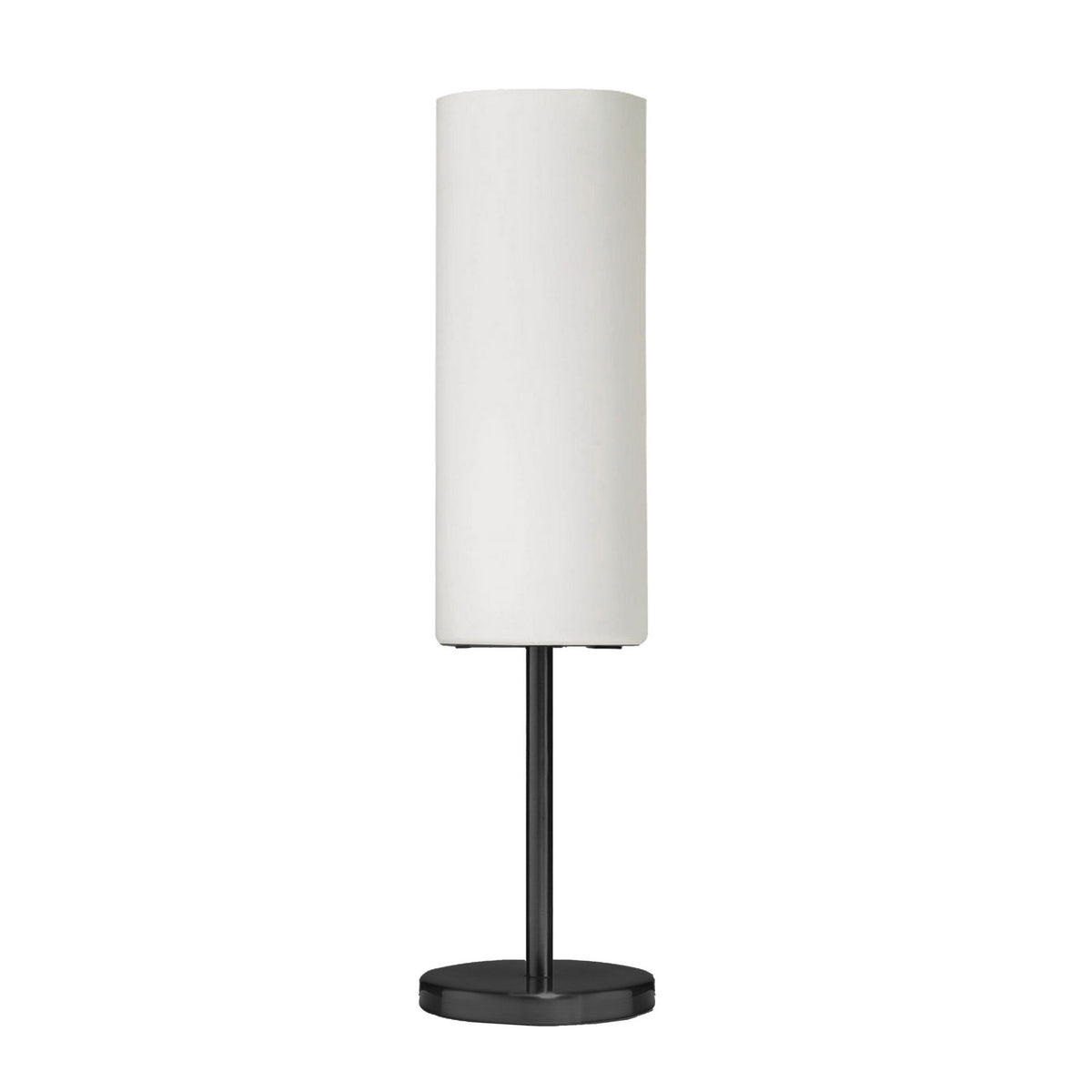
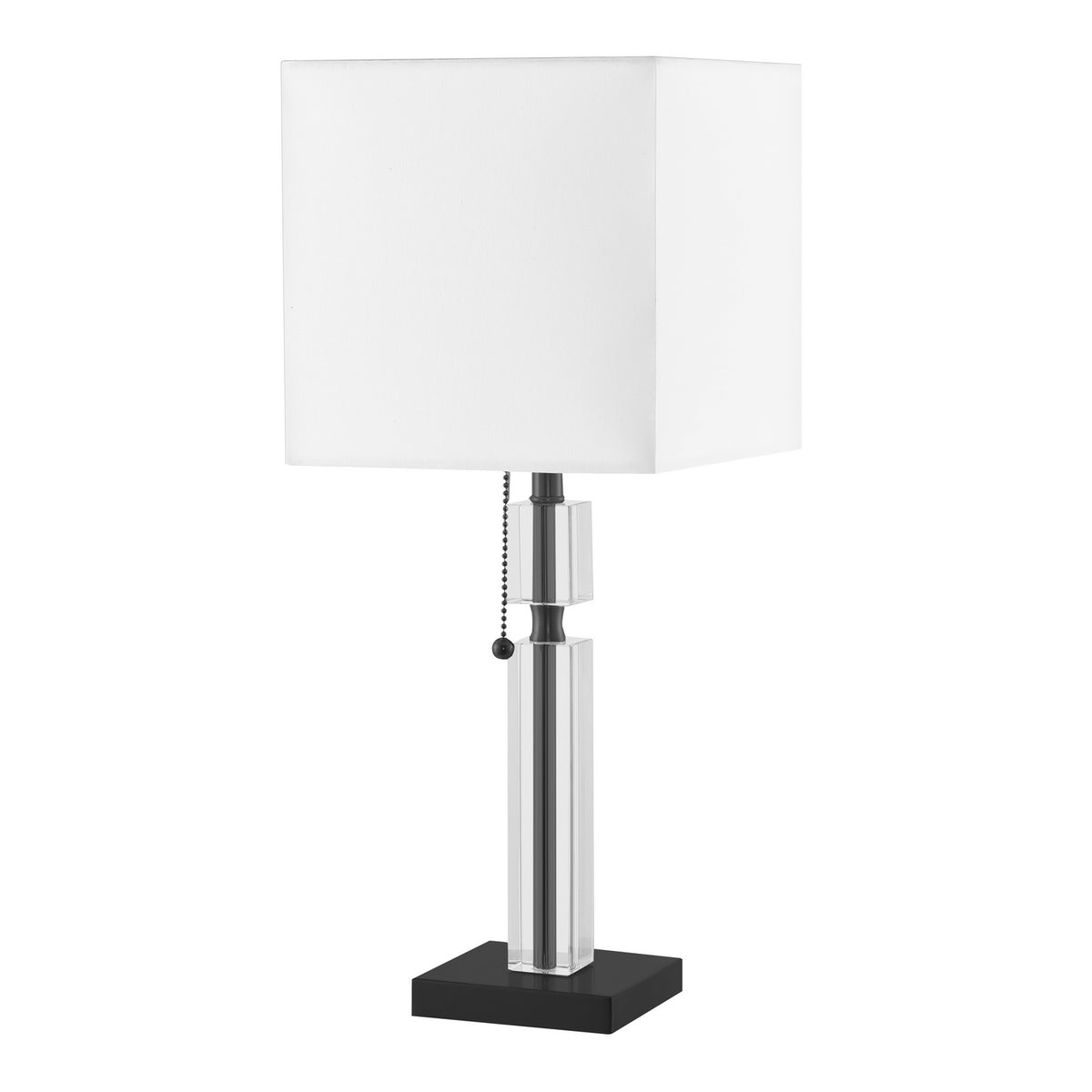
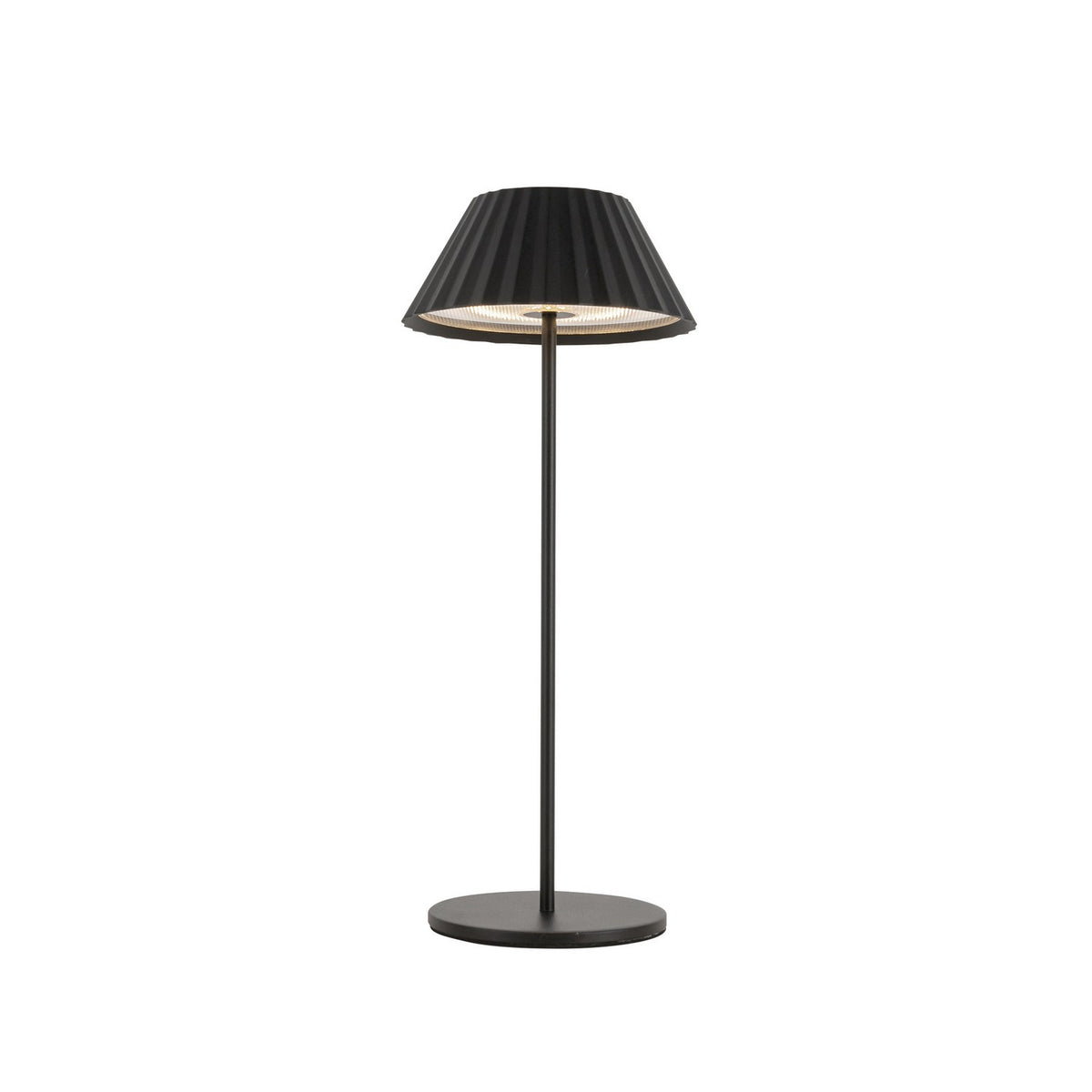
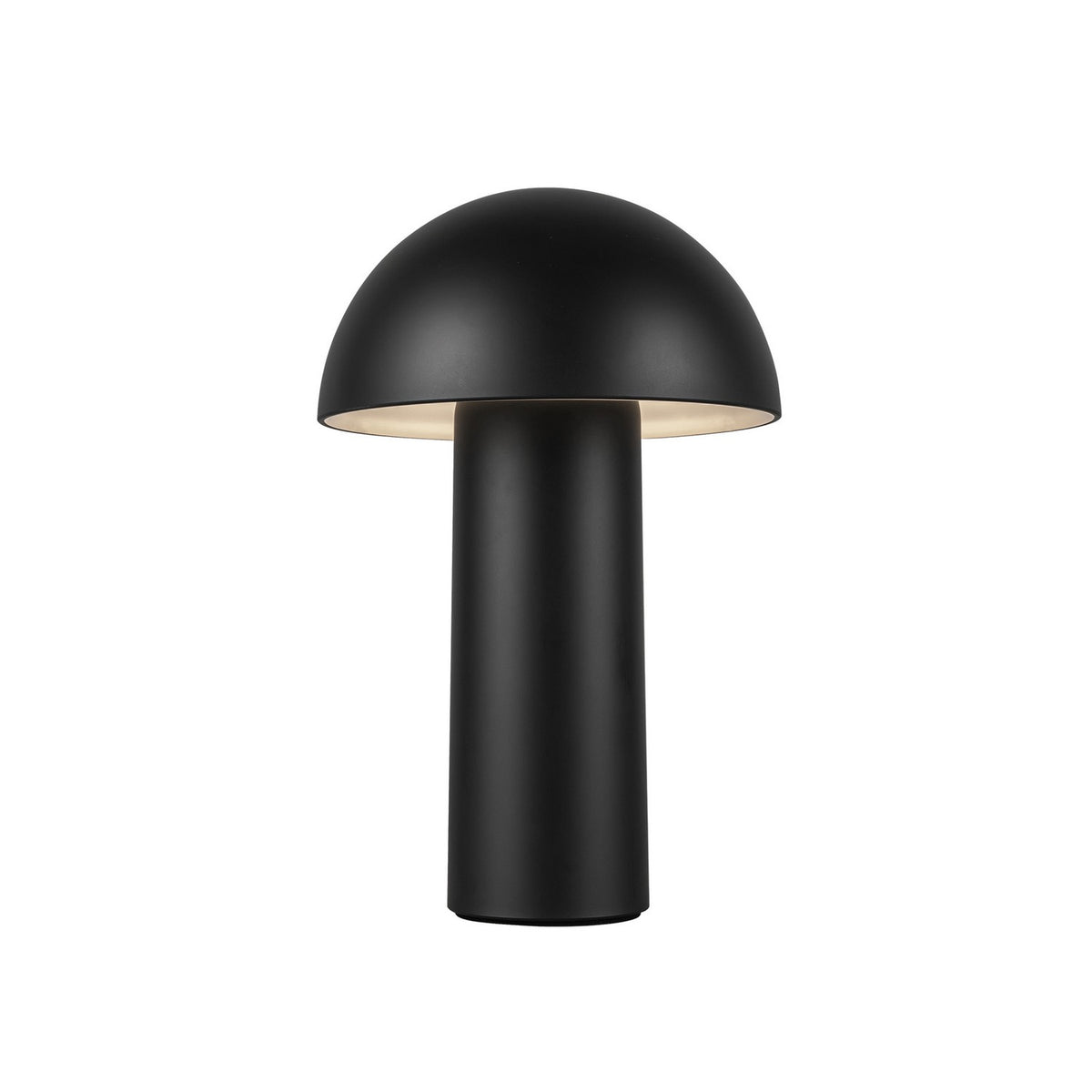
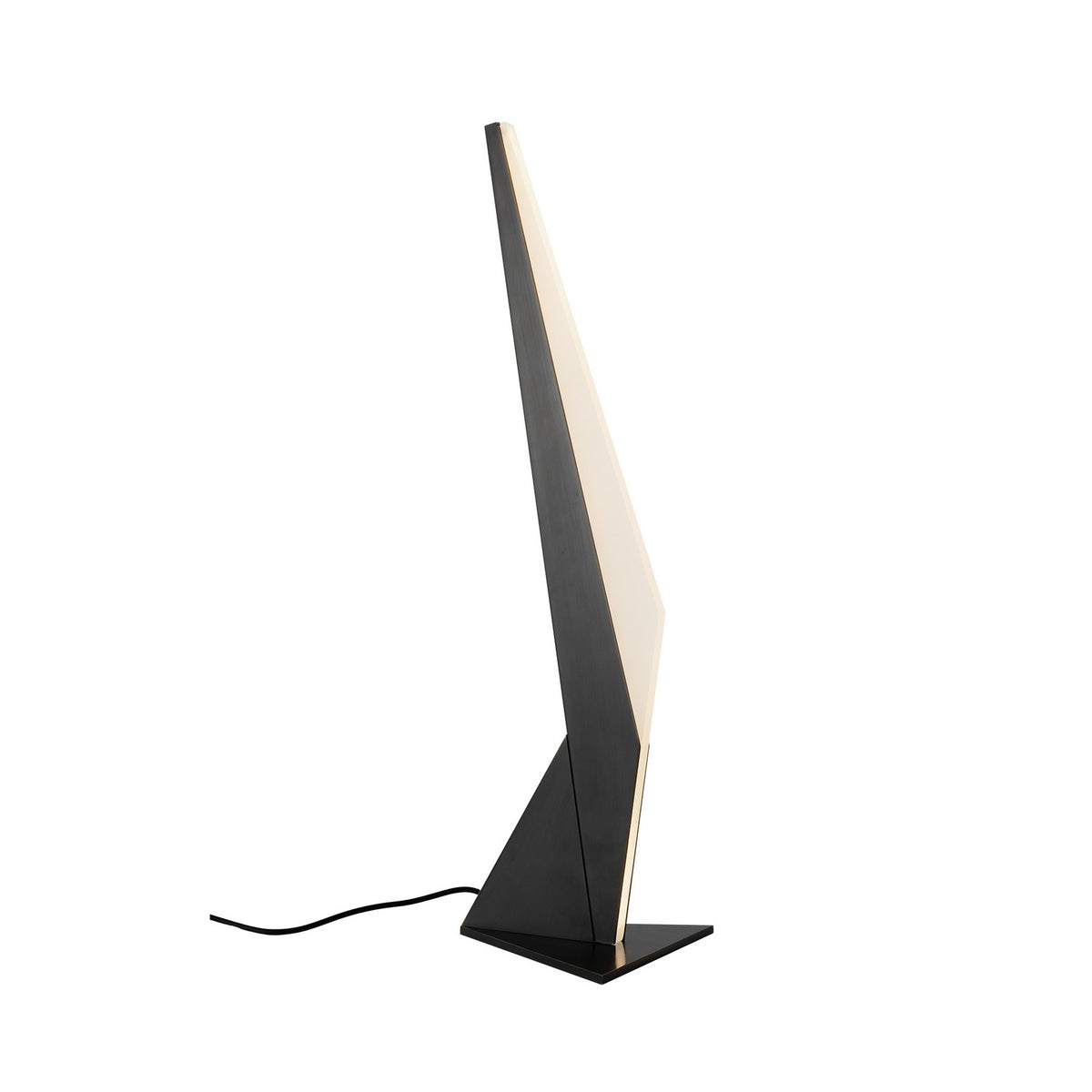
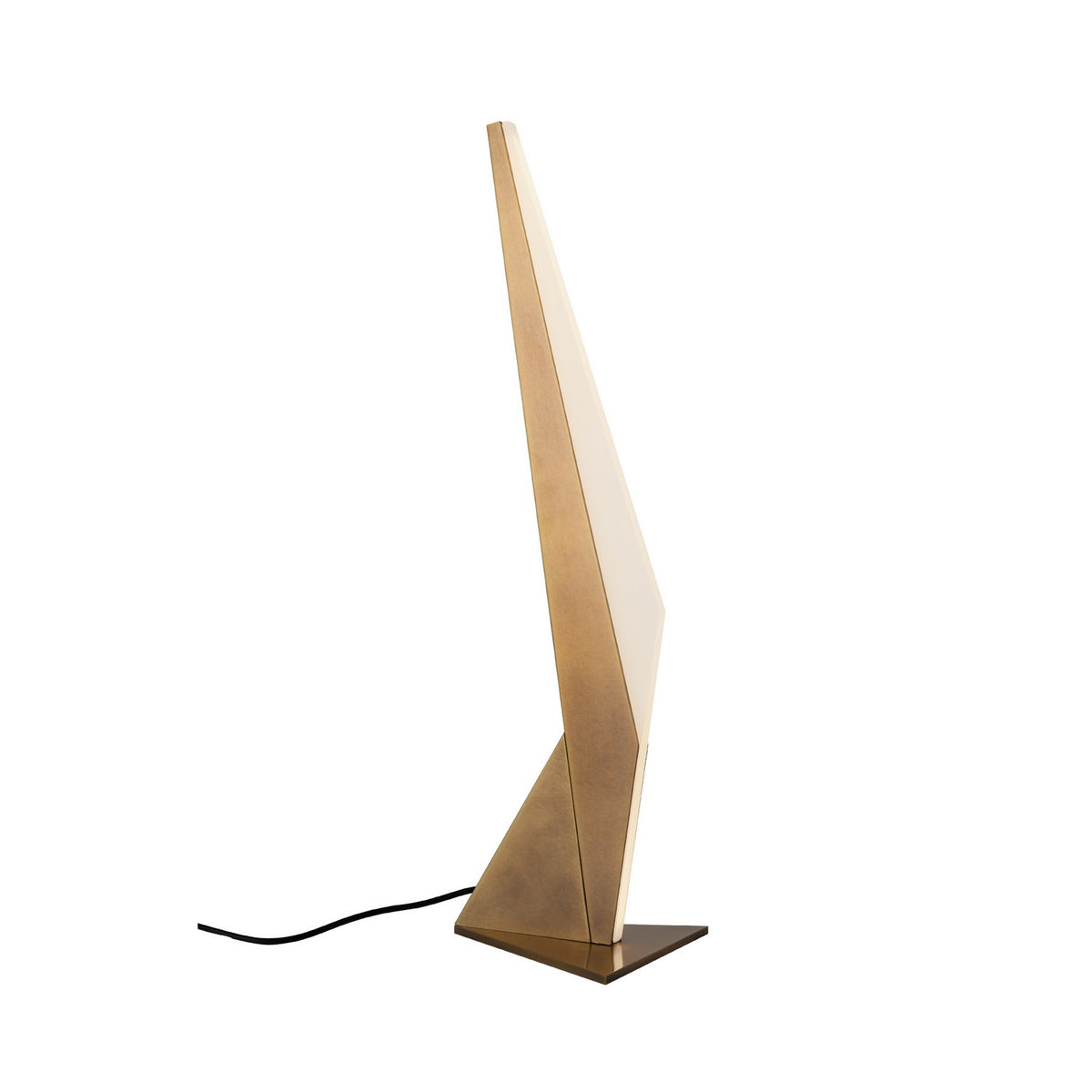
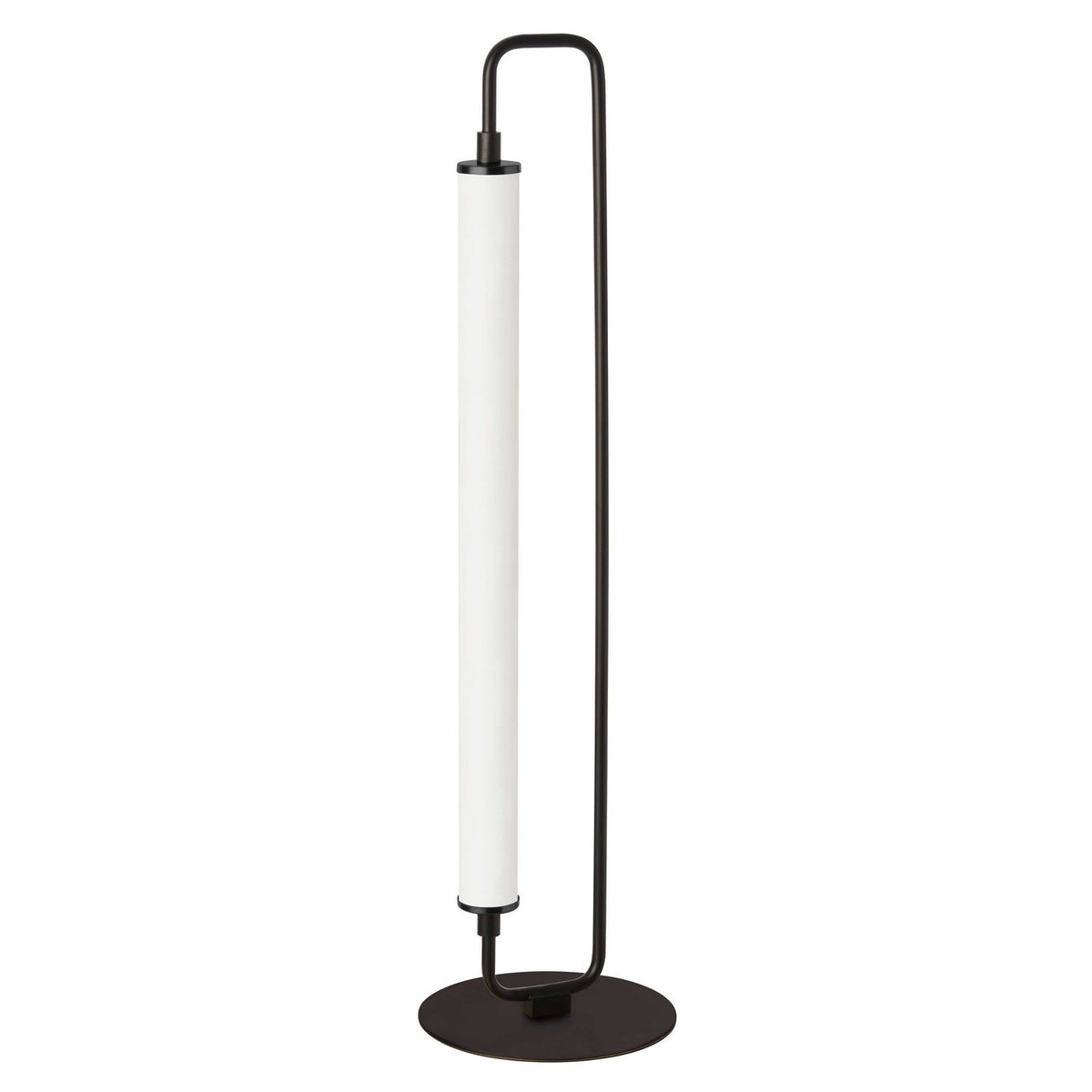
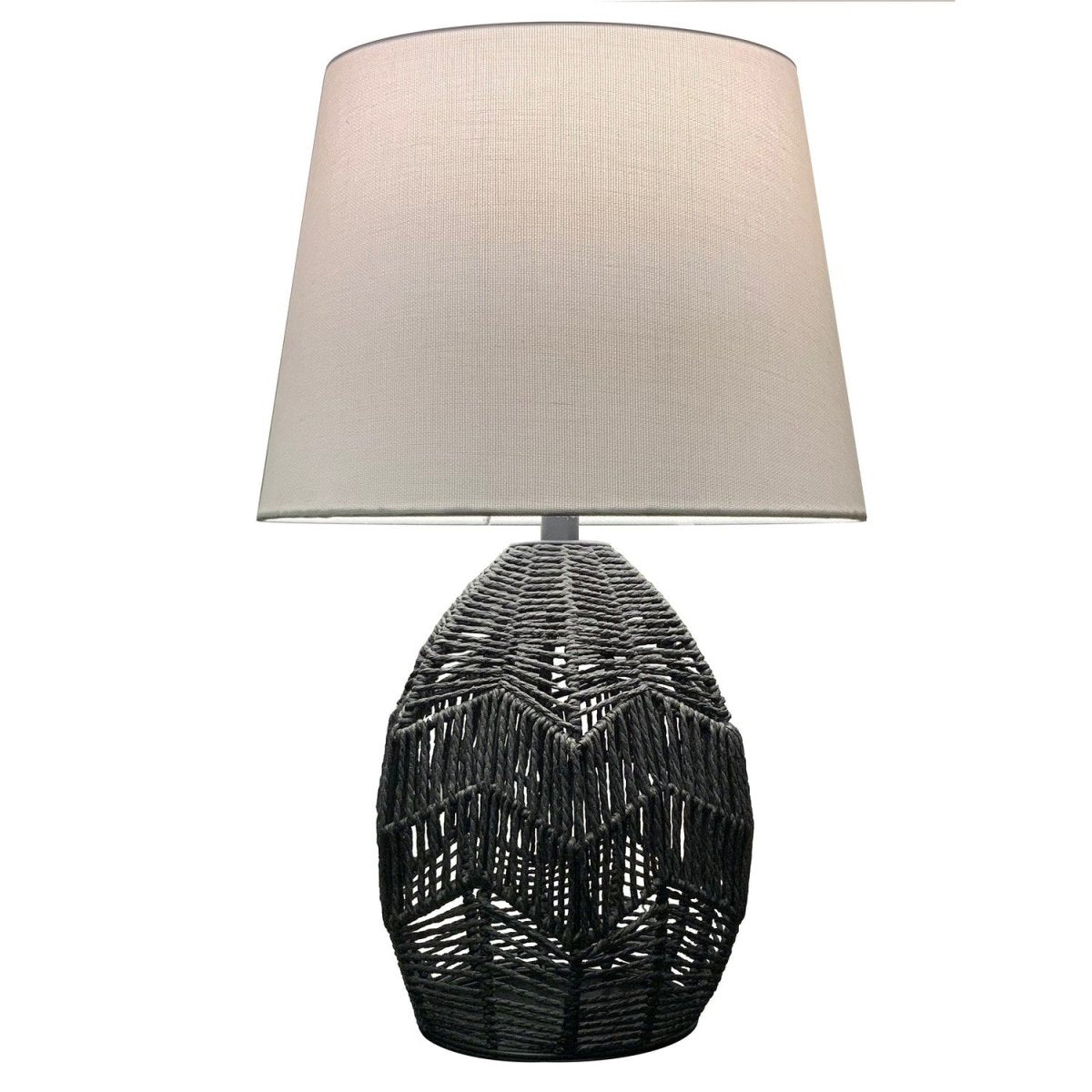
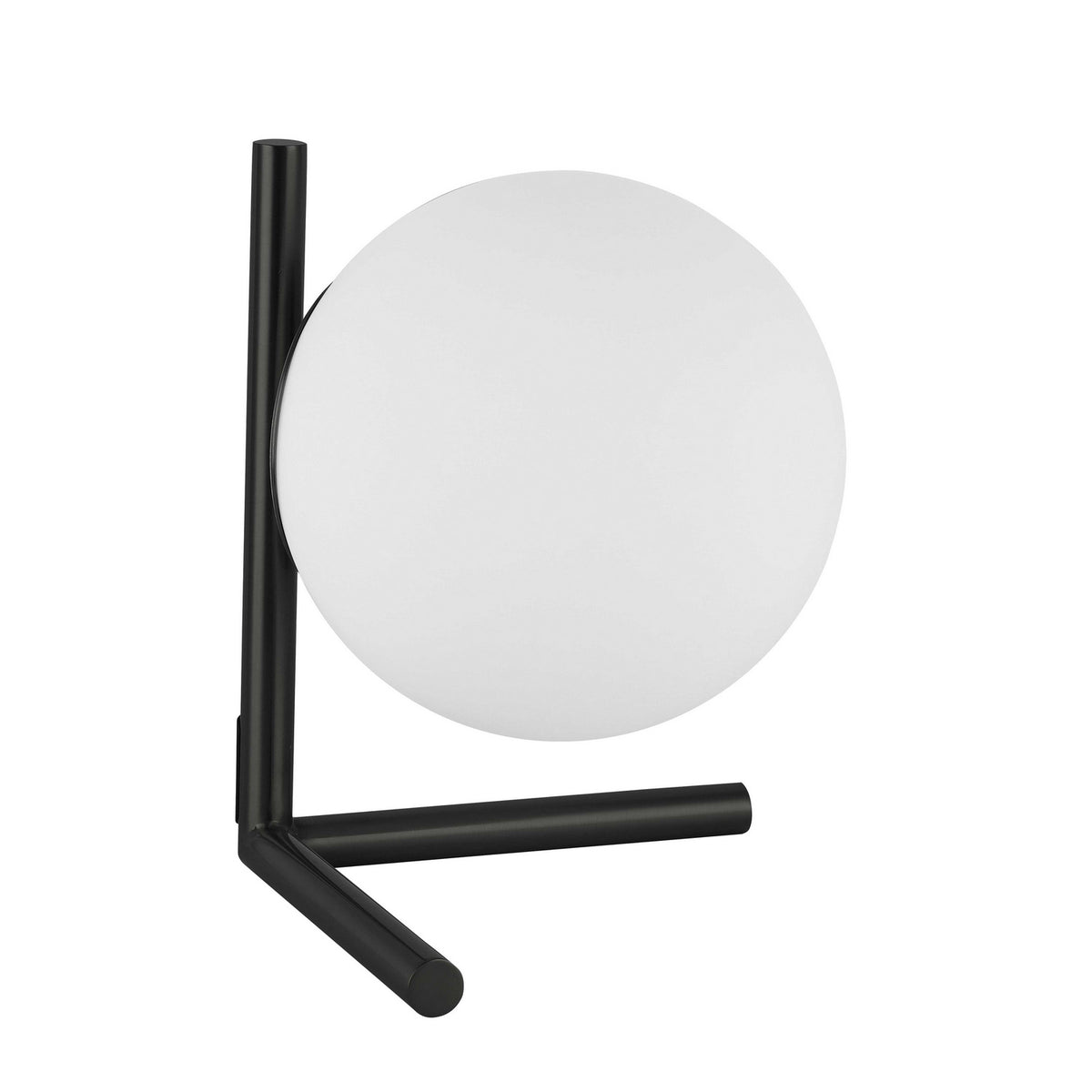
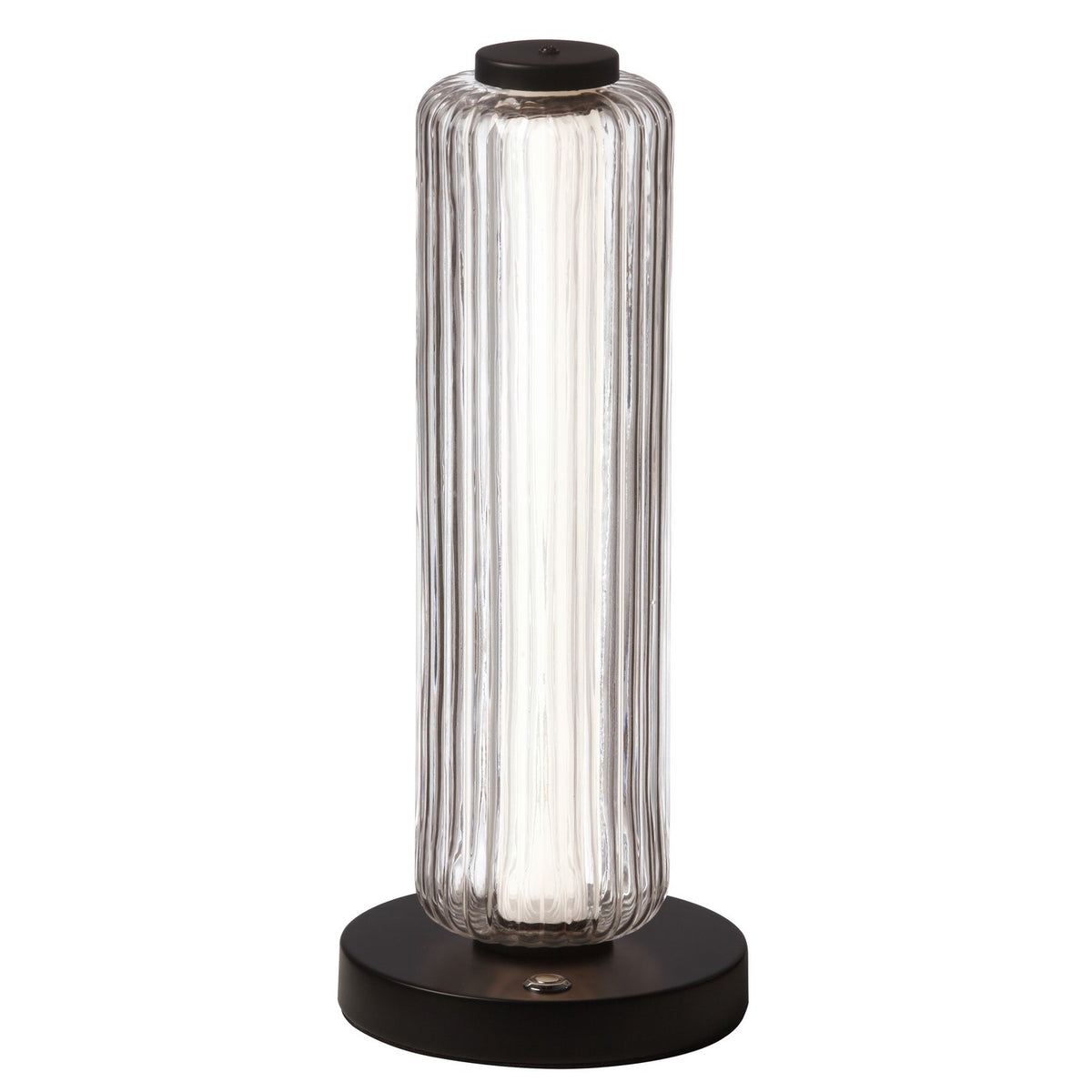
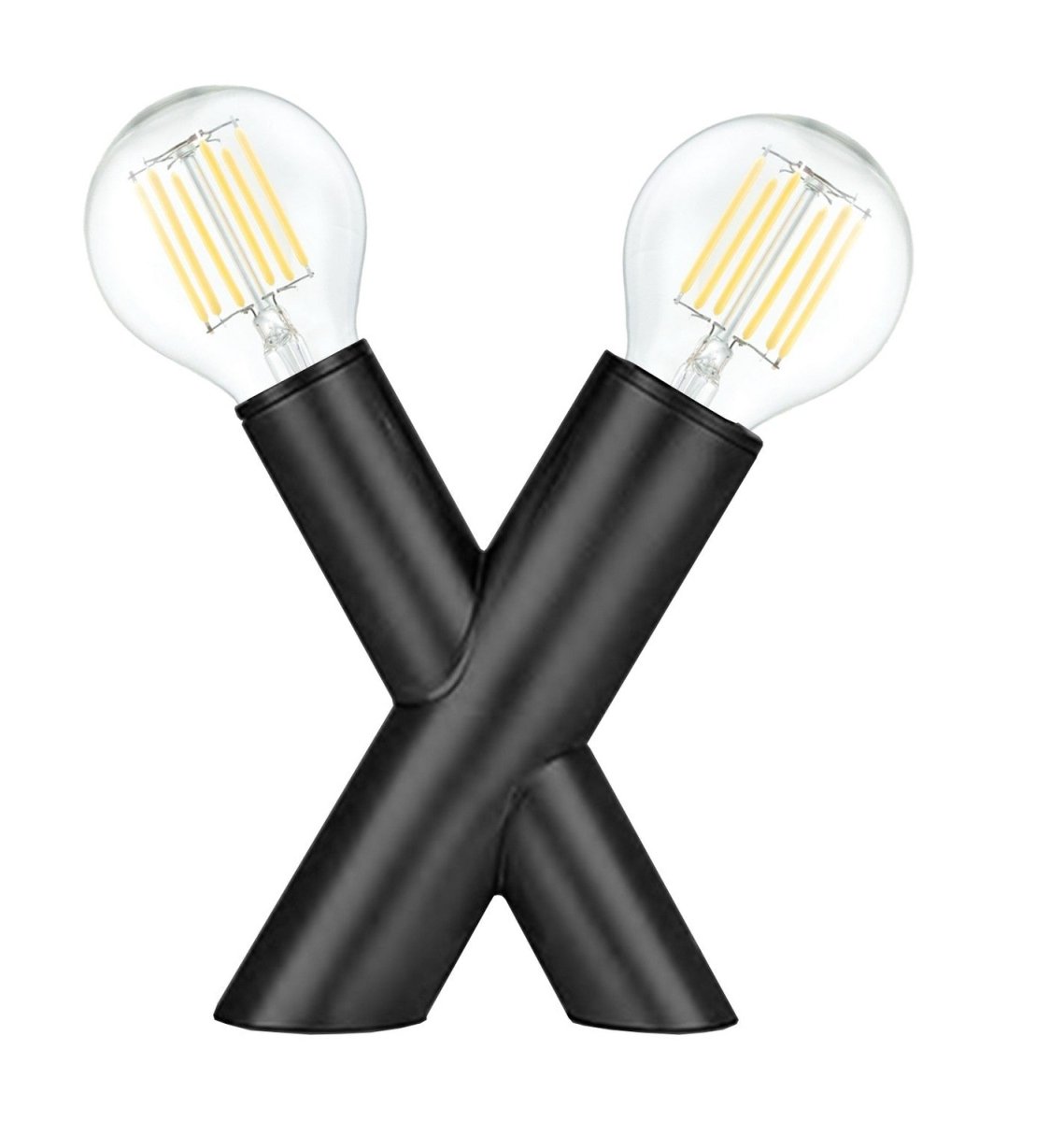
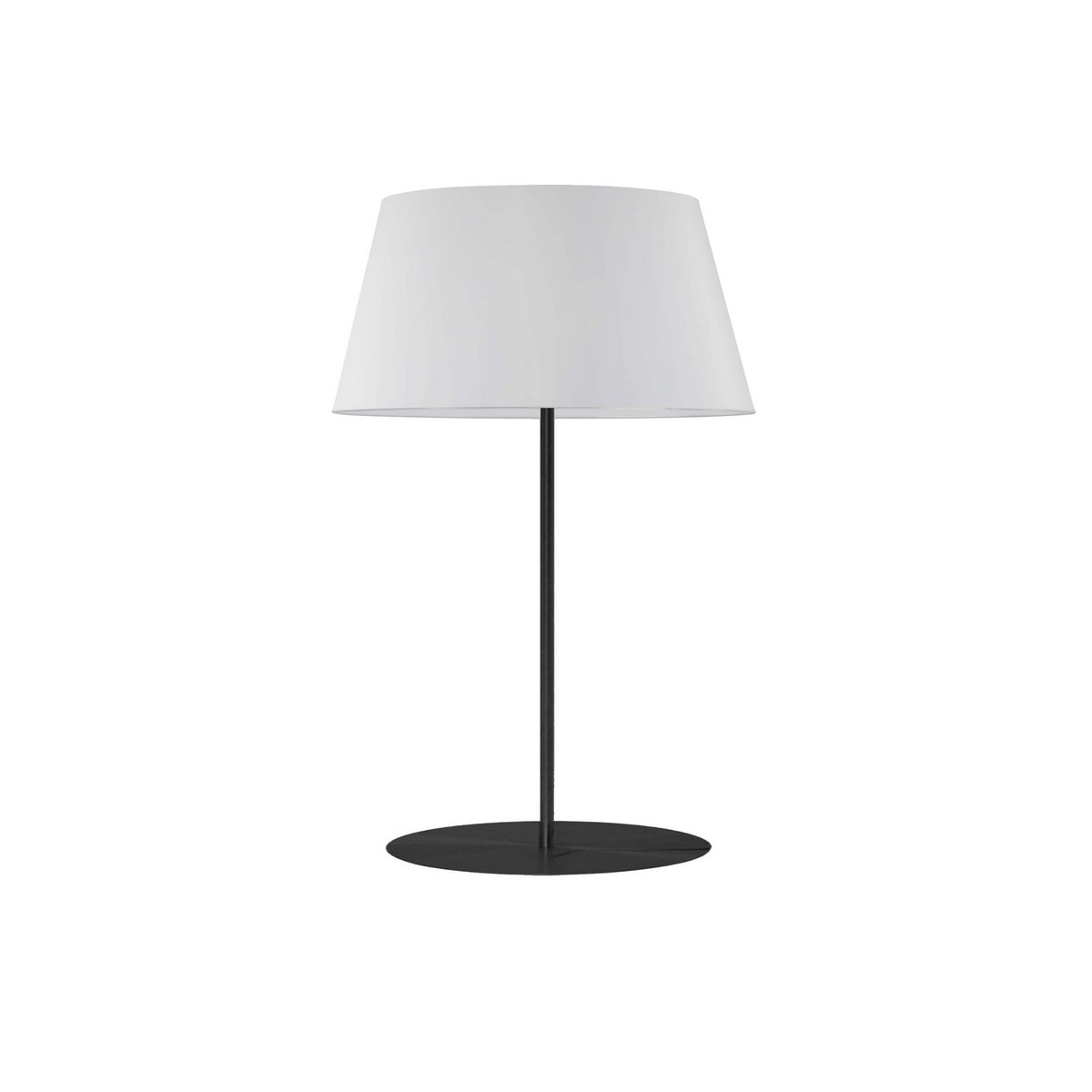
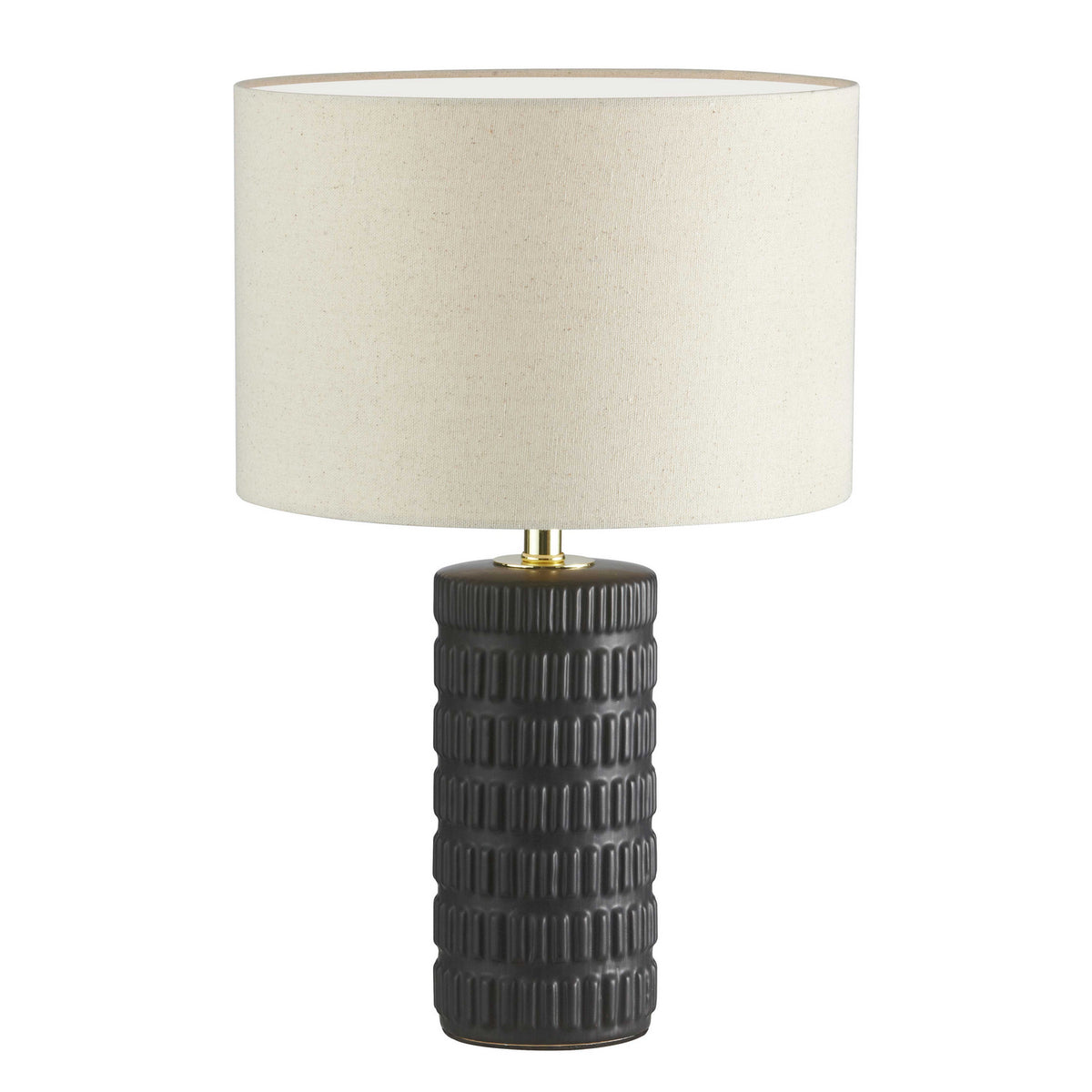
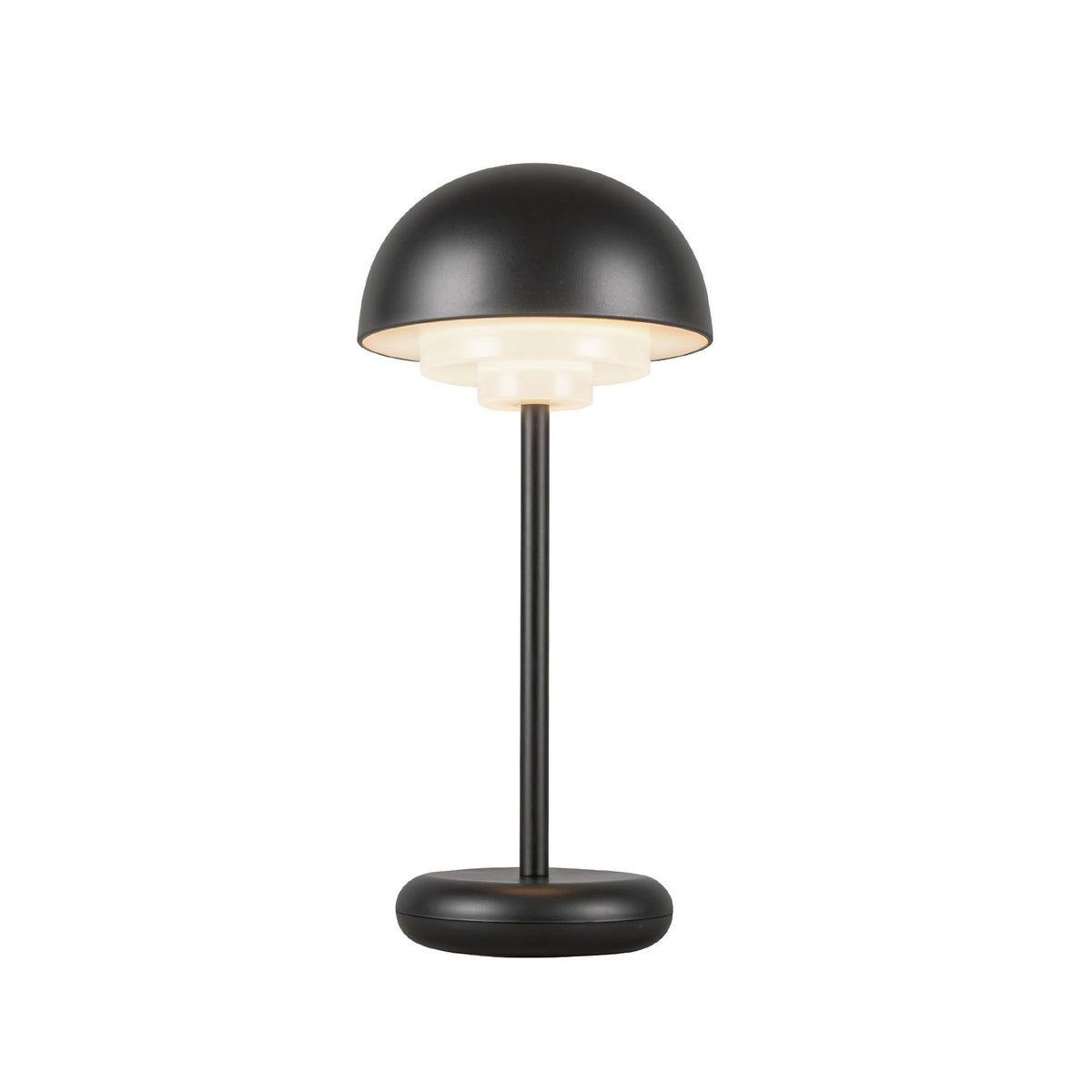
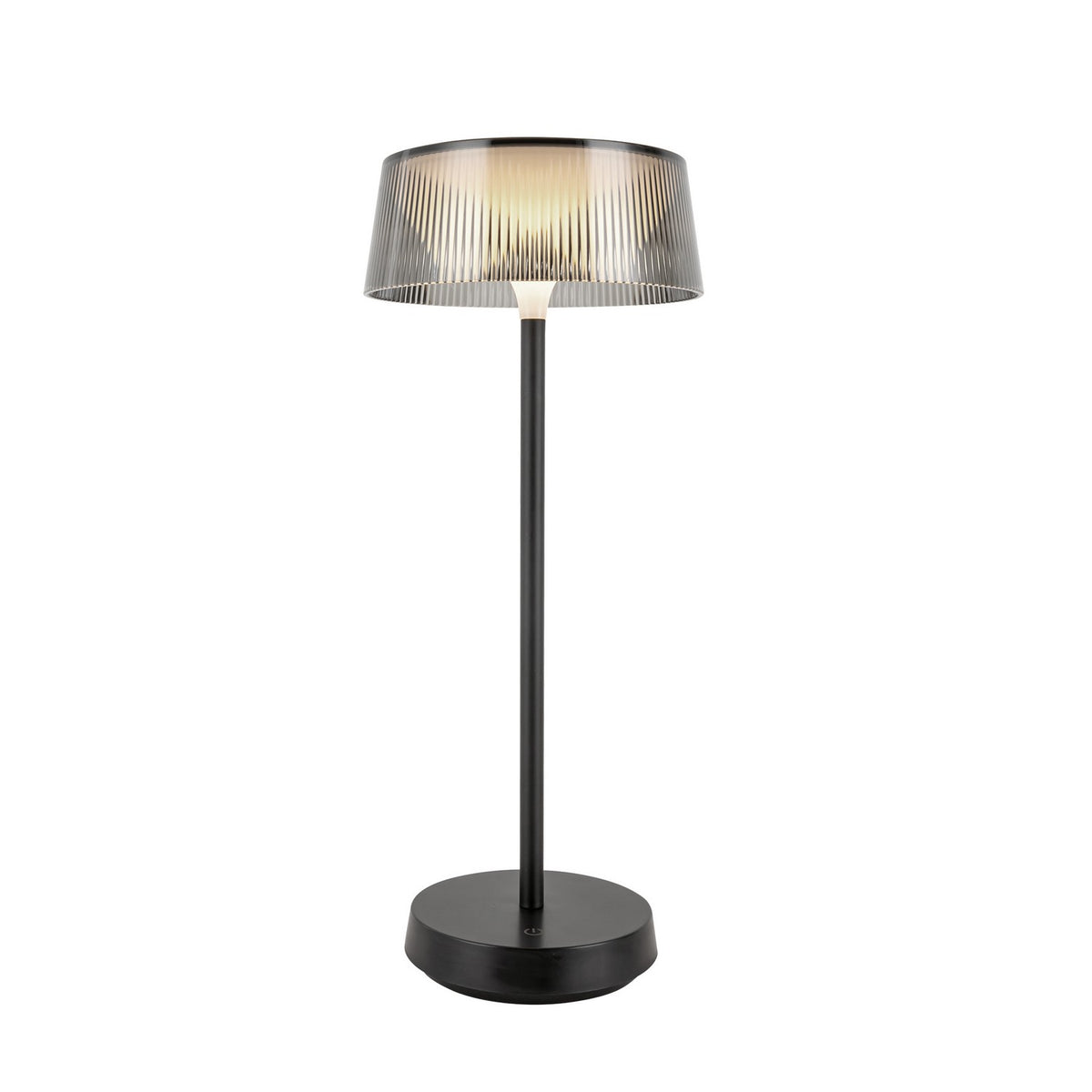
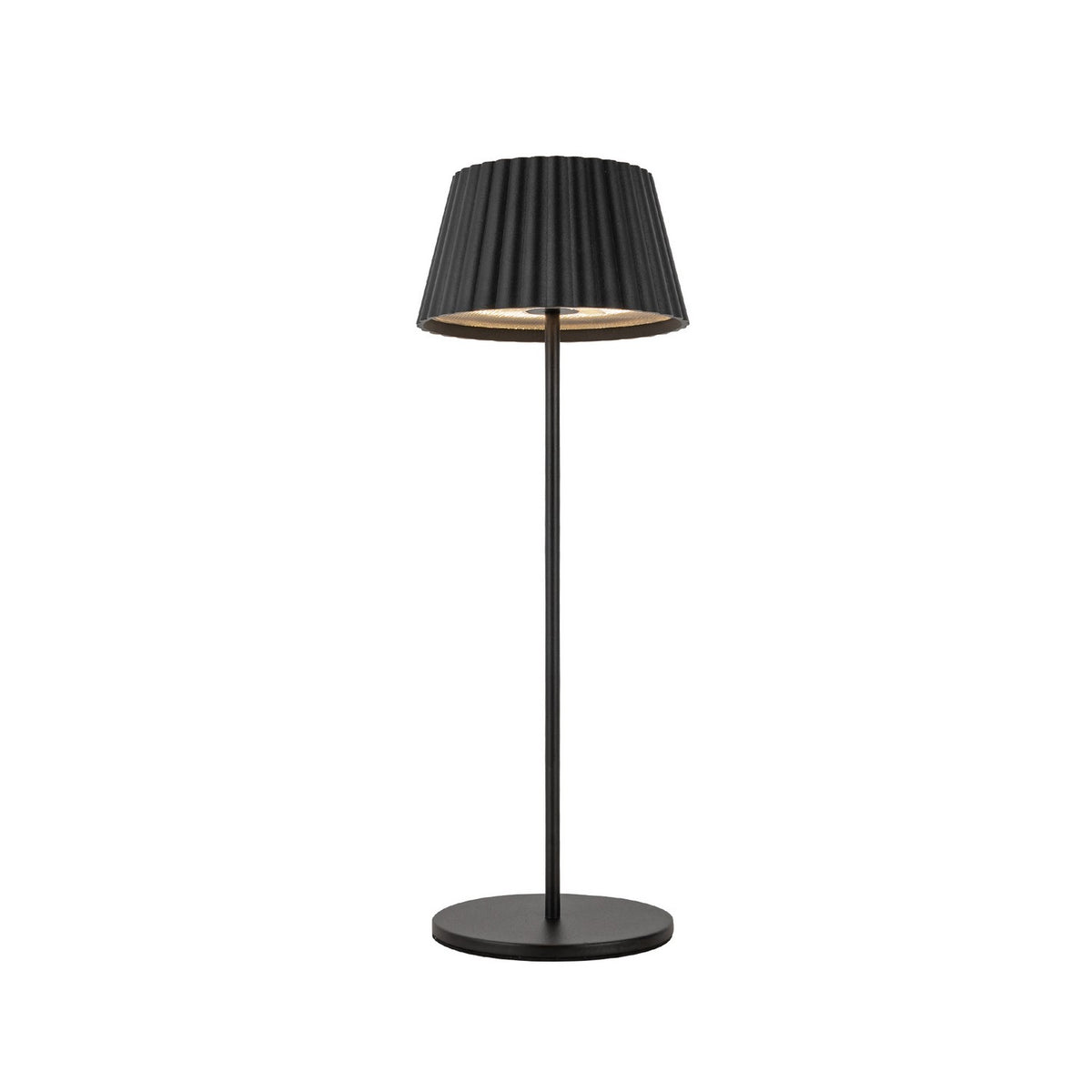
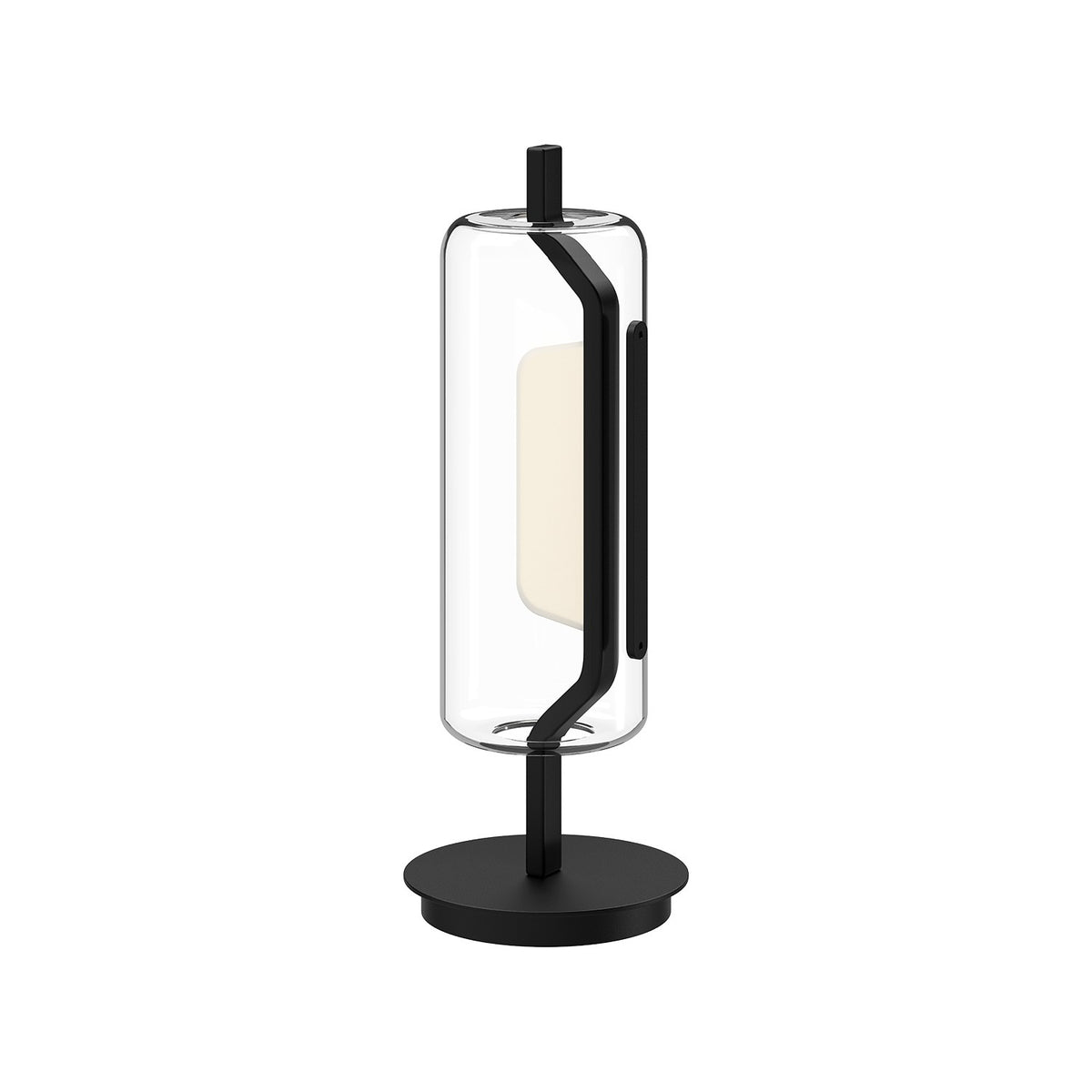
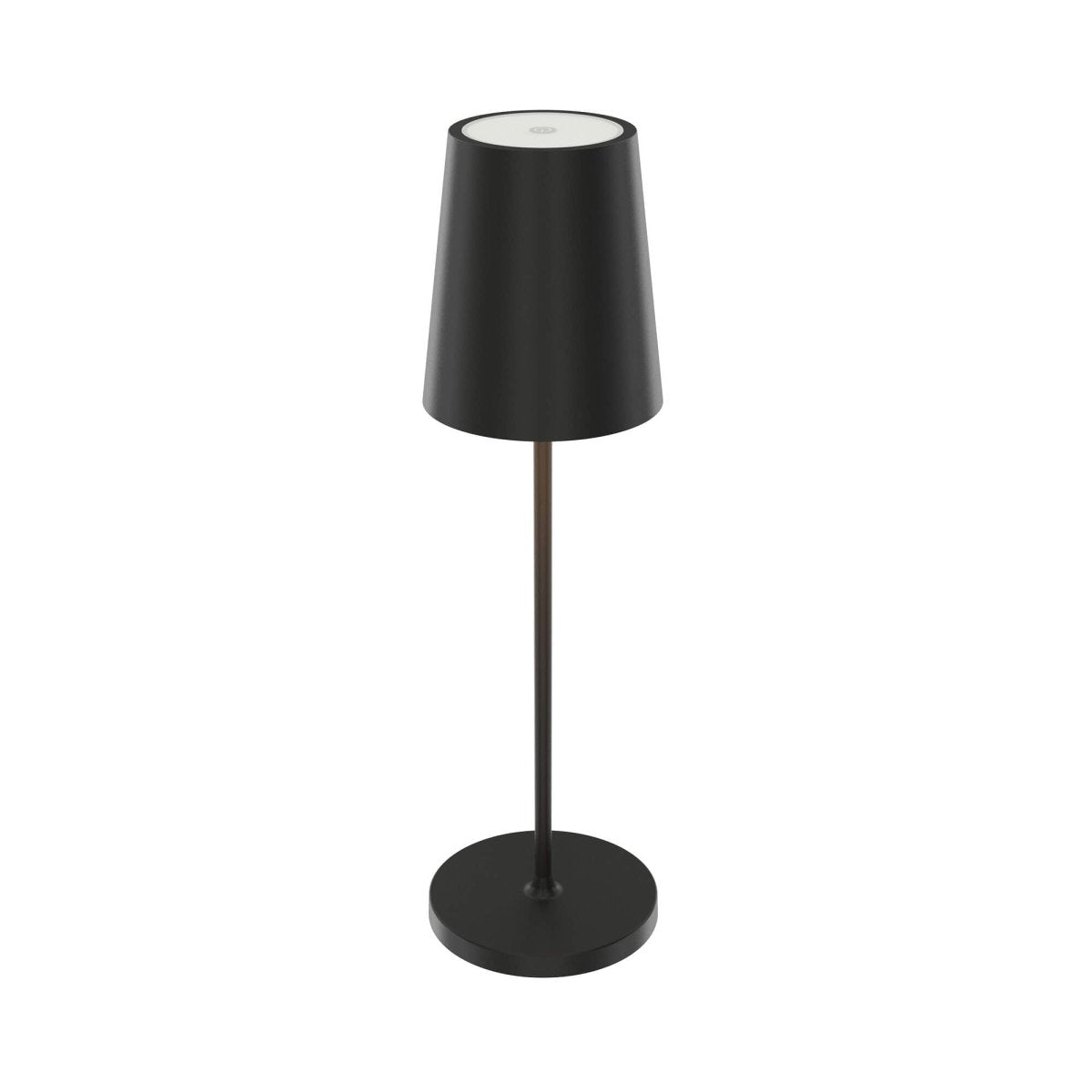
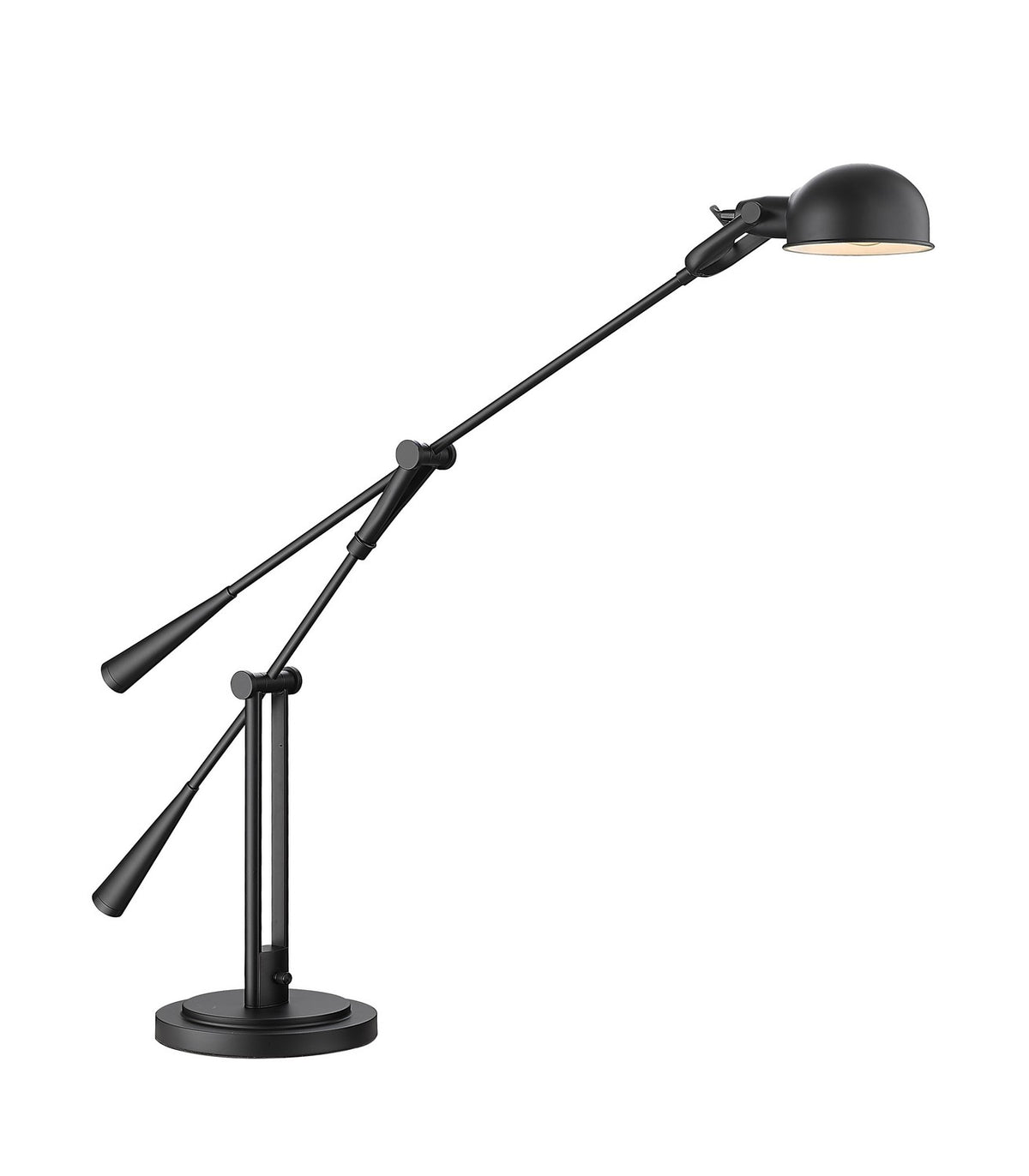
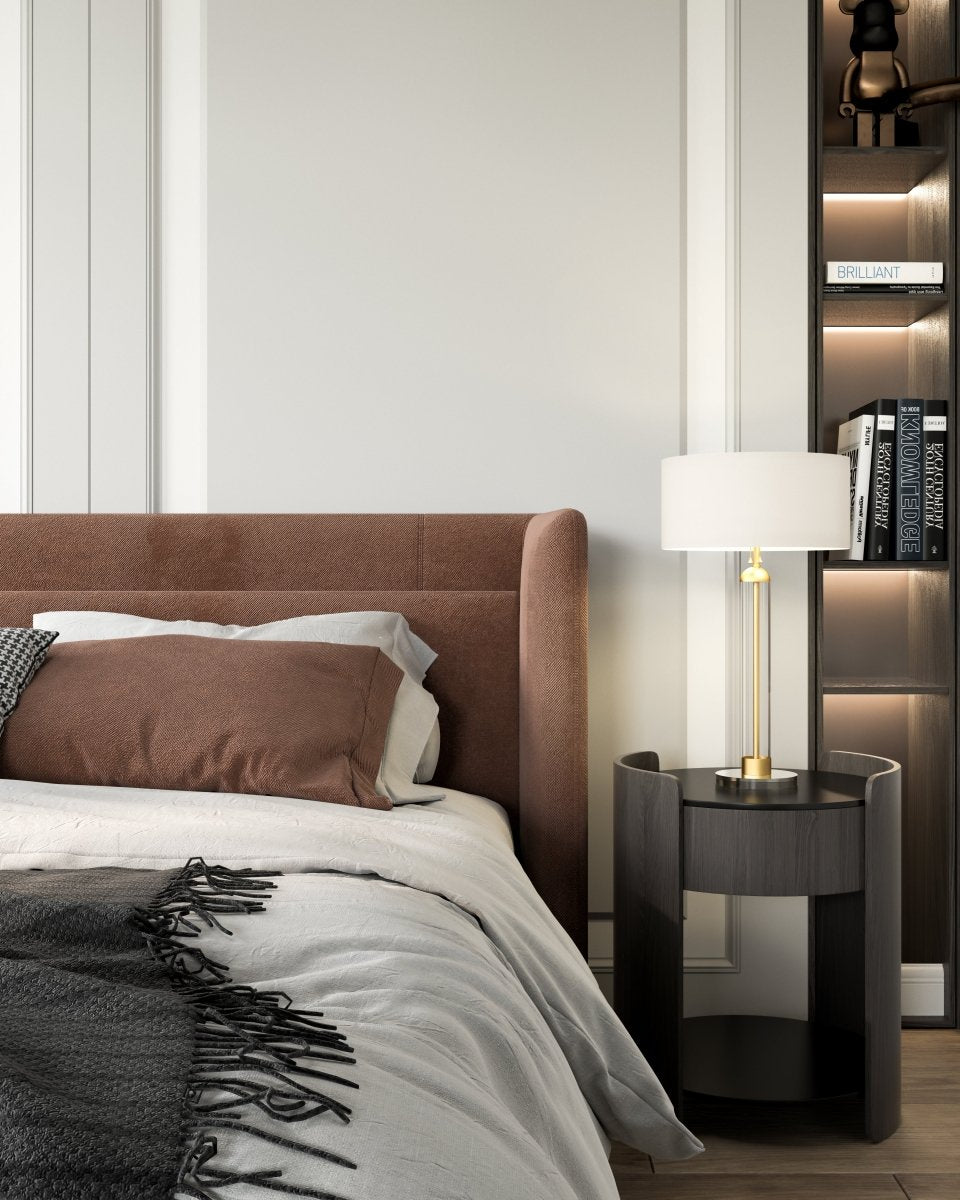
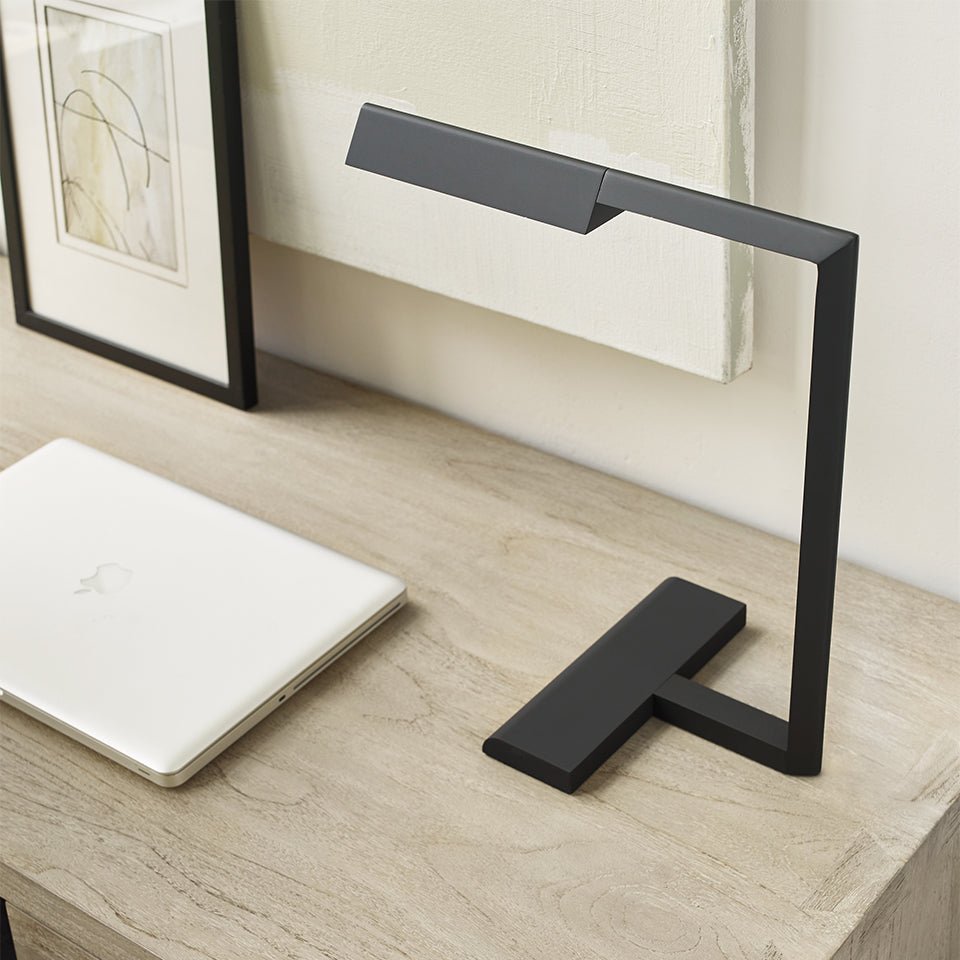
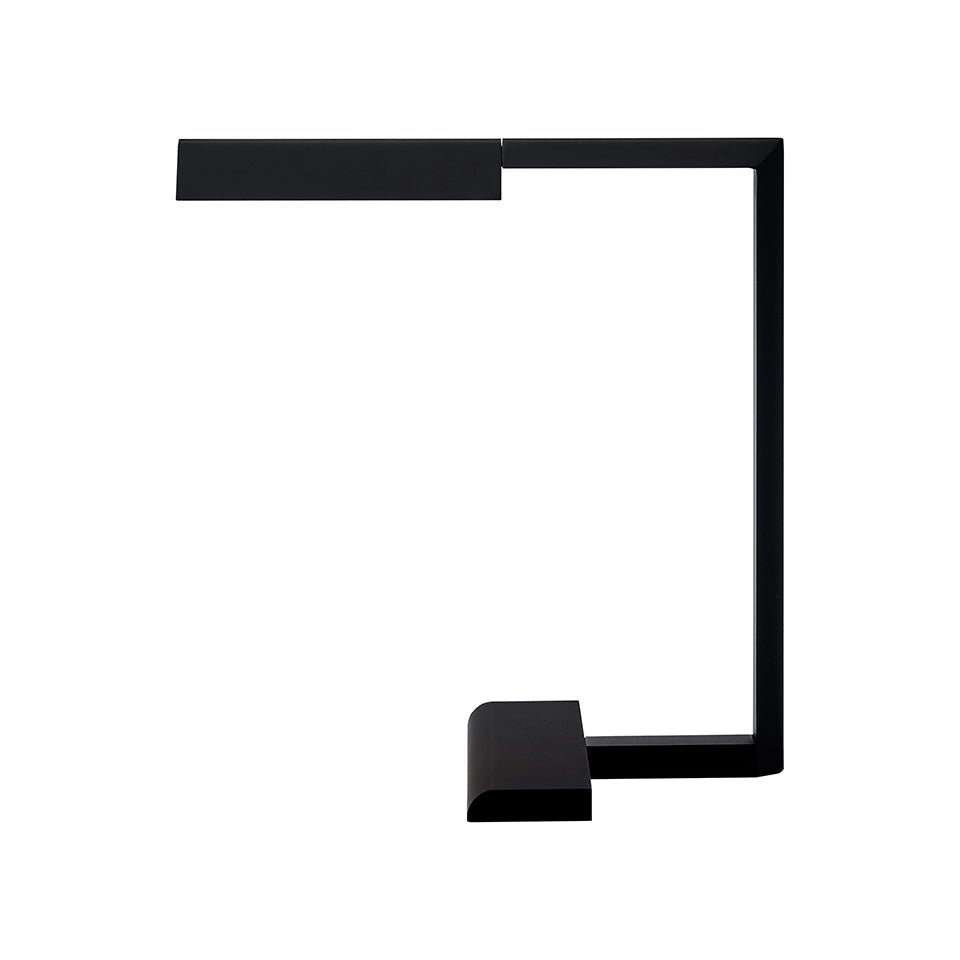
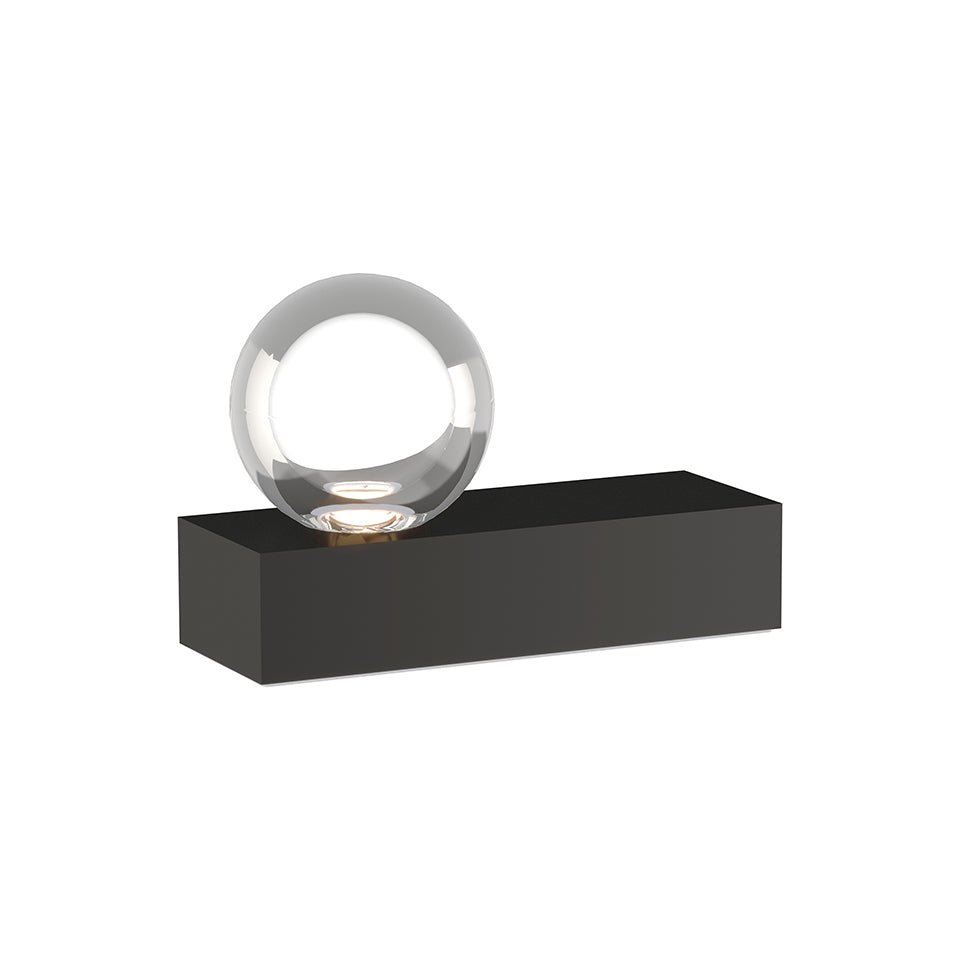
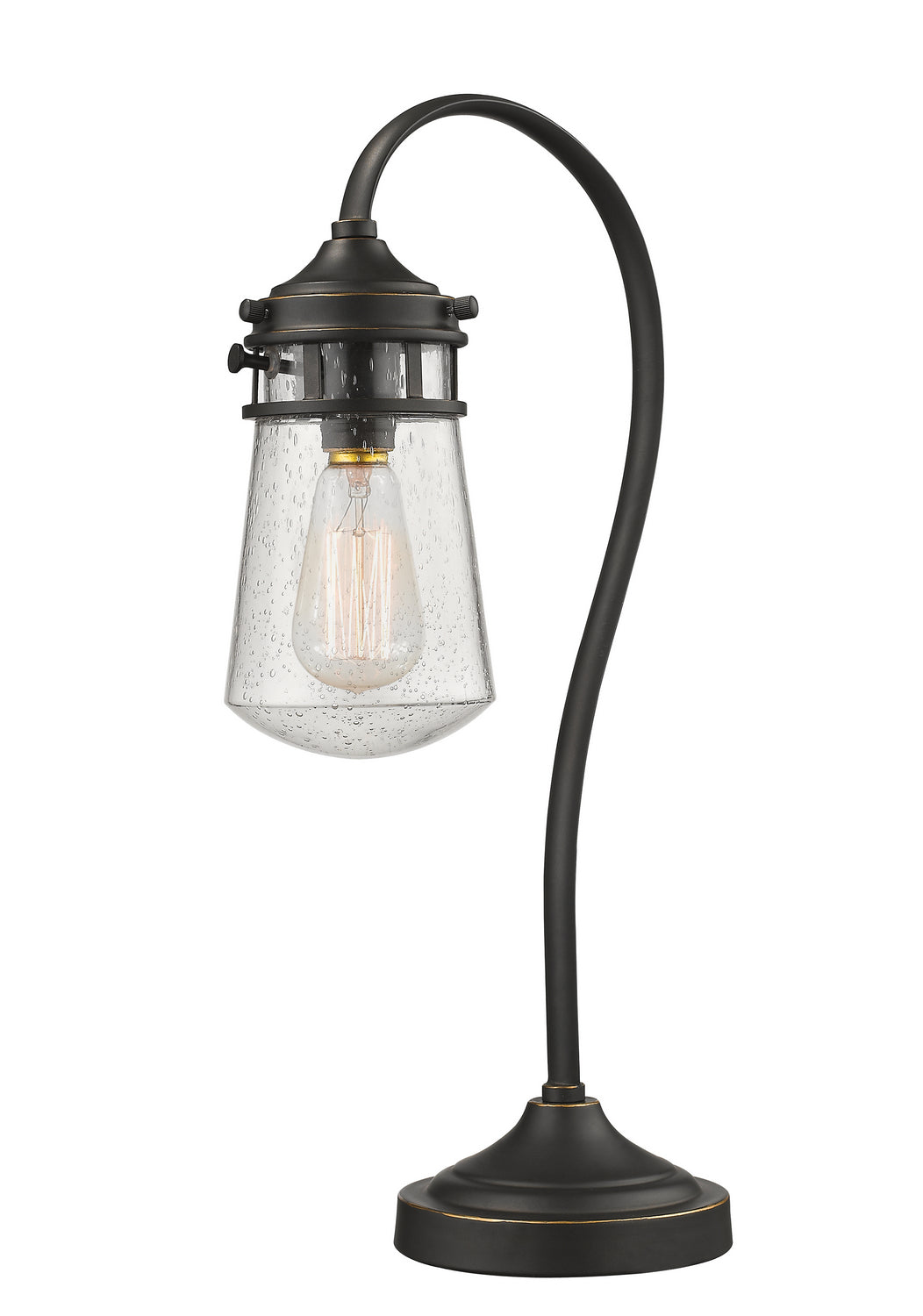
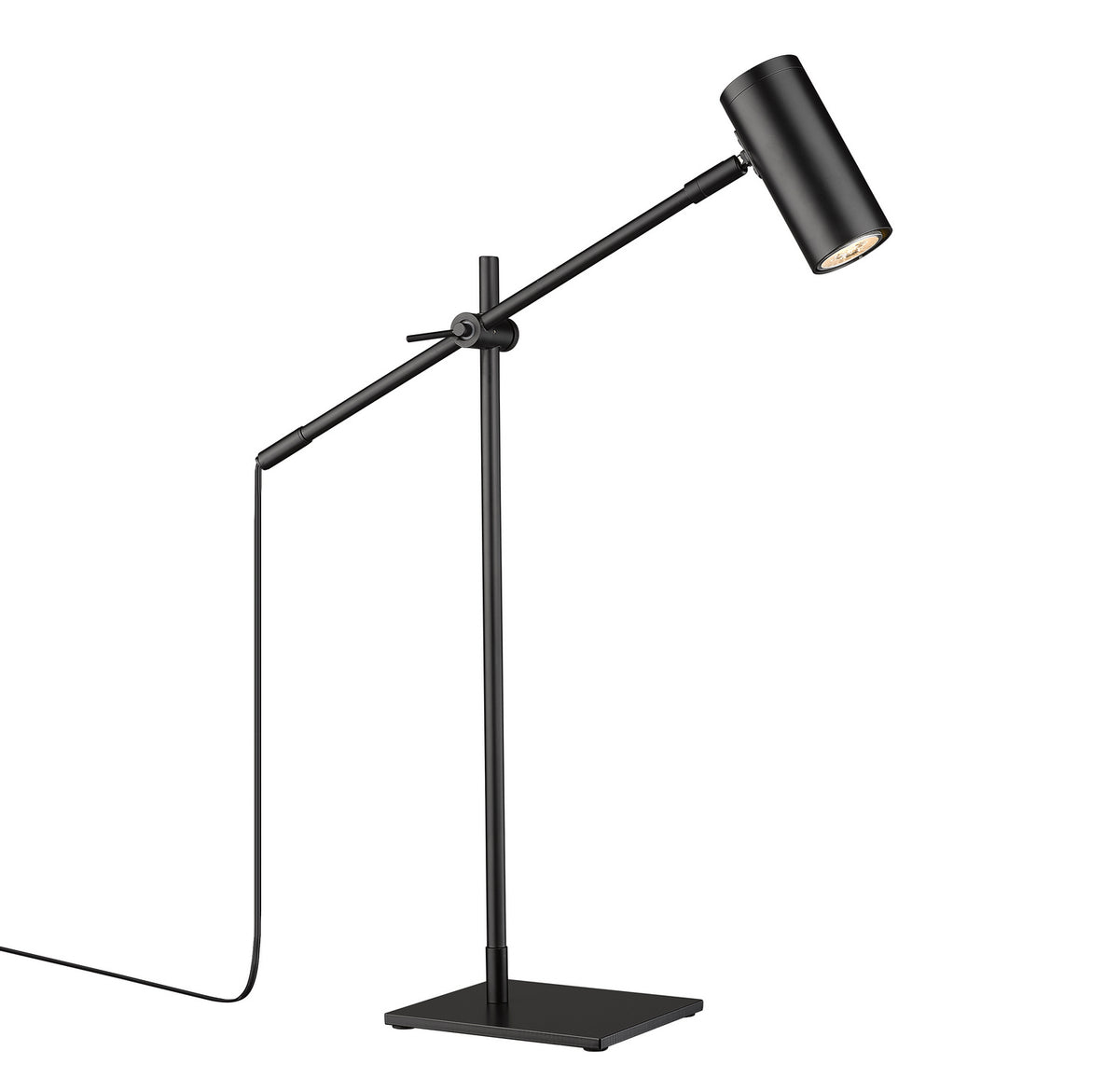
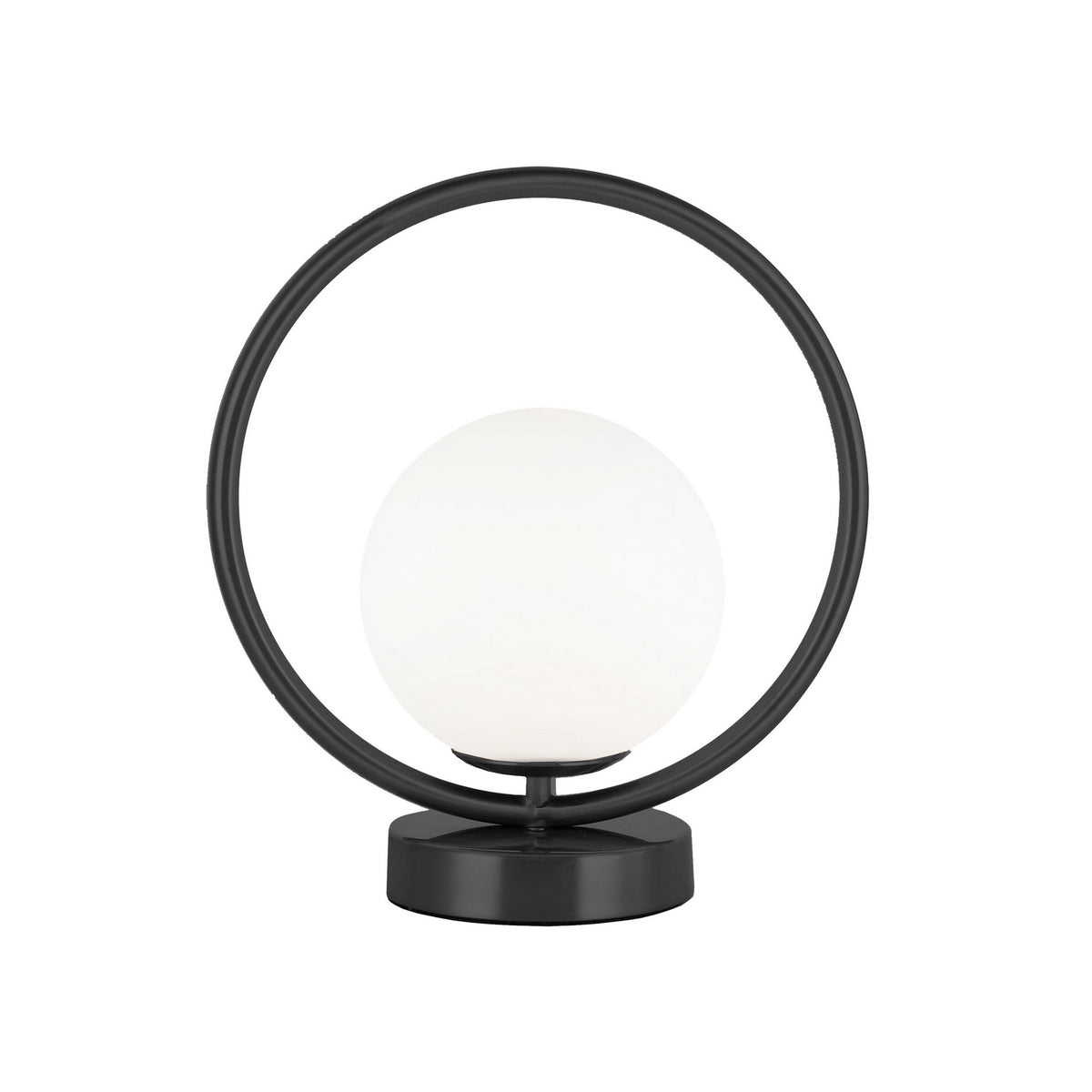
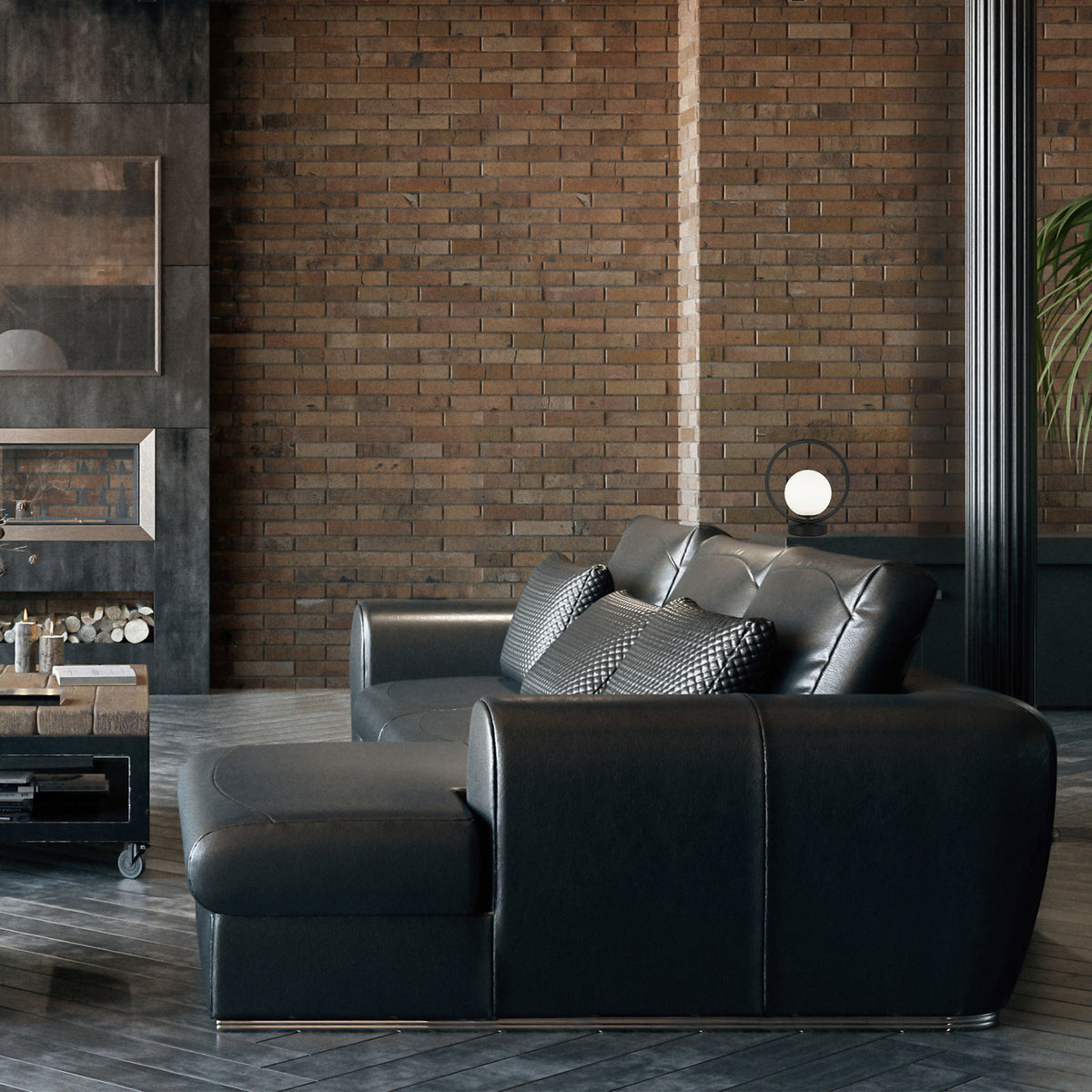
Set on the nightstand, a bedside lamp is for reading without straining the eye and for a soft glow before sleep. Favour a warm bulb (2700-3000 K) and a switch that's easy to find in the dark. For a rustic bedroom, a wood base adds warmth; for a rawer look, aged metal fits the bill. A matte black lamp suits almost any contemporary interior.
Accent and living room lamps
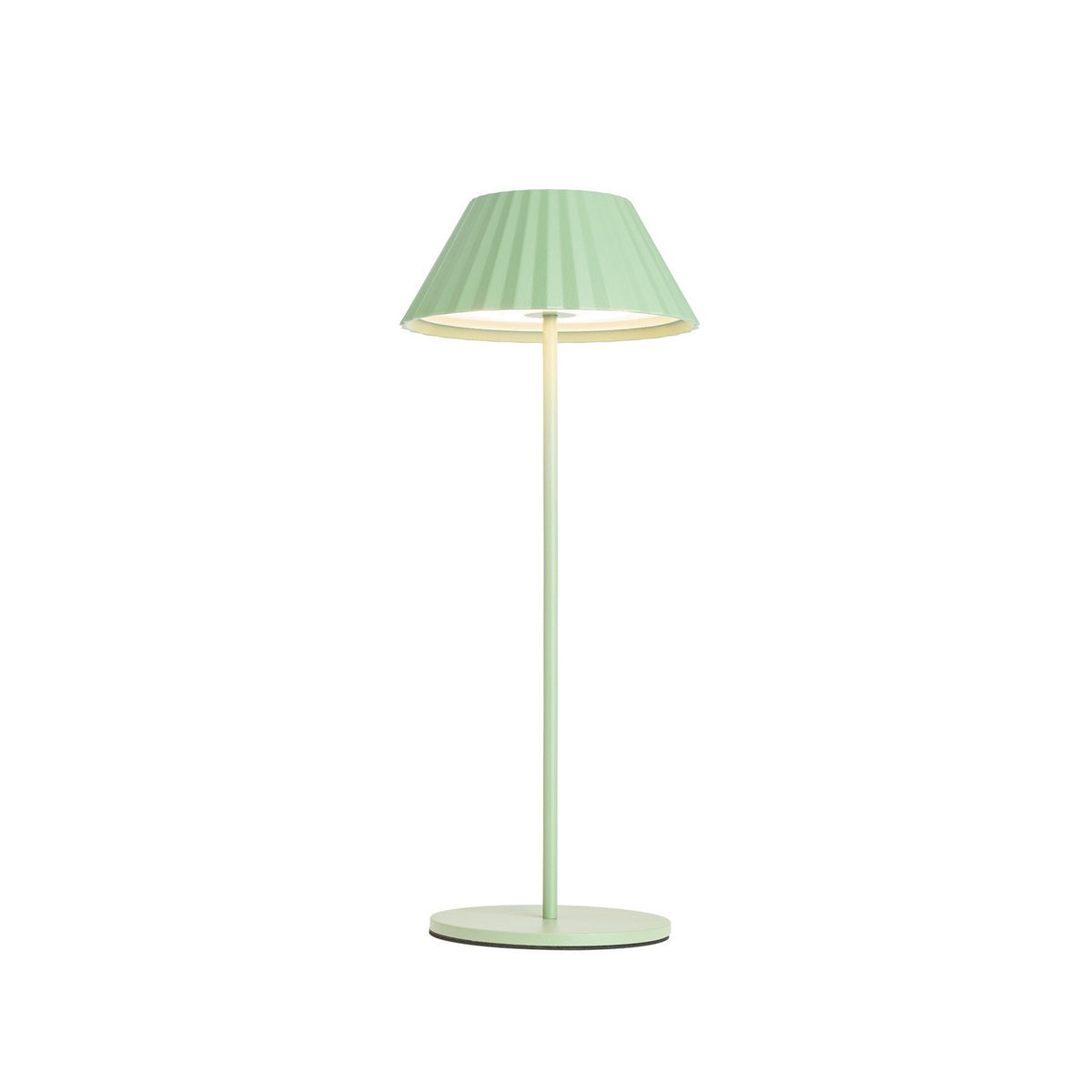
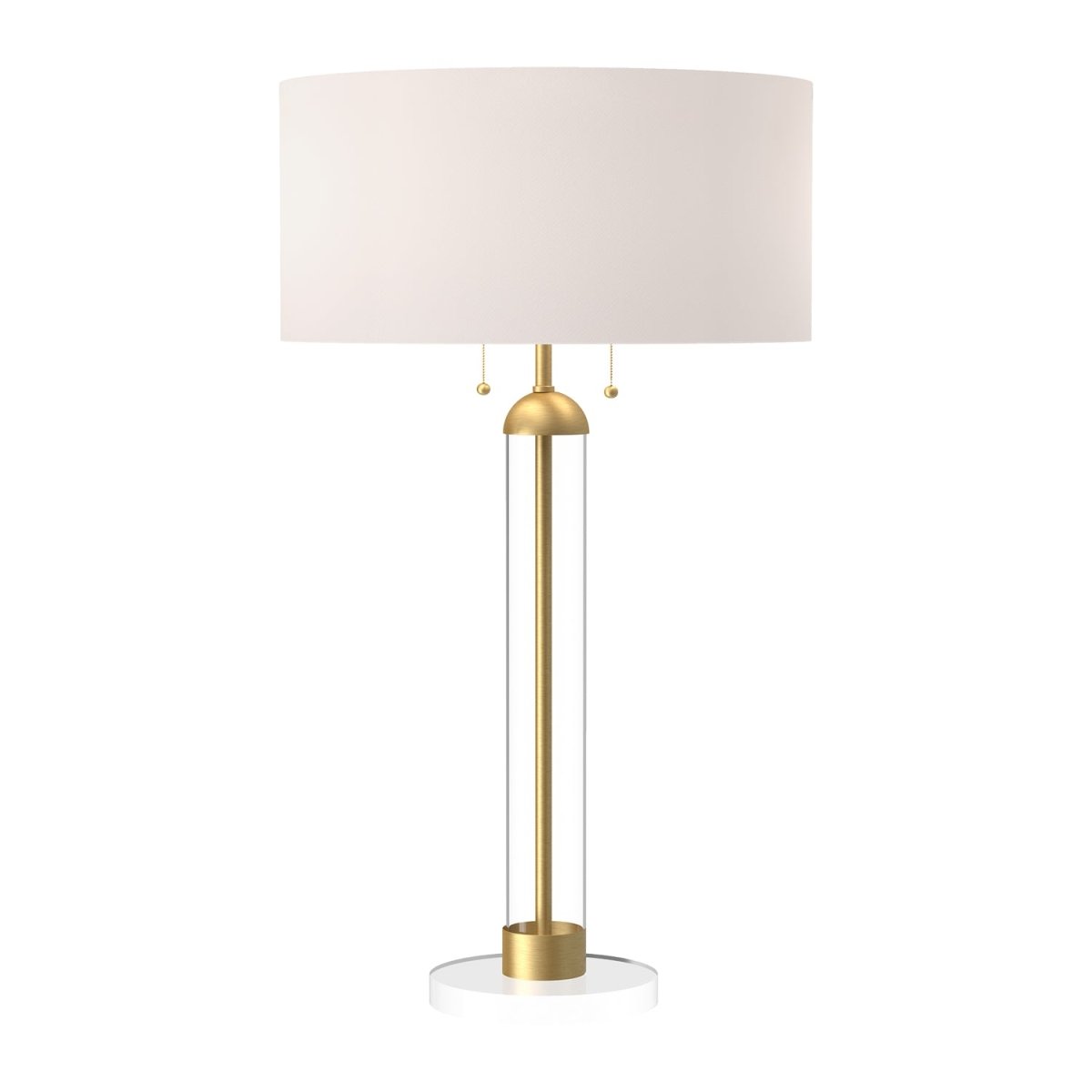
On a side table or sideboard, a lamp casts ambient light that balances the general lighting. Linen or fabric shades diffuse the glow and cut glare — ideal for the living room or dining area. It's the simplest way to shift the atmosphere without a renovation.
Large and small table lamps
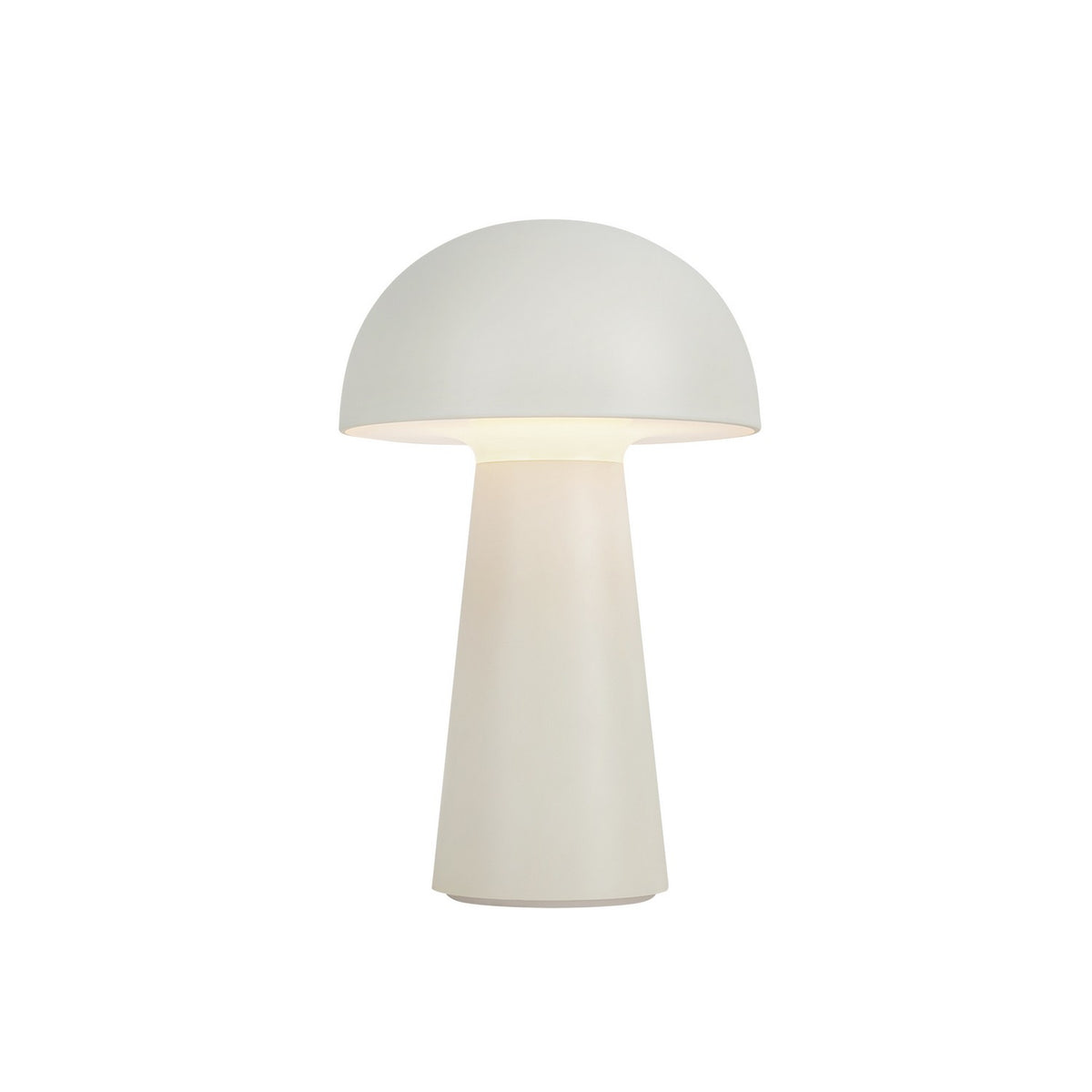
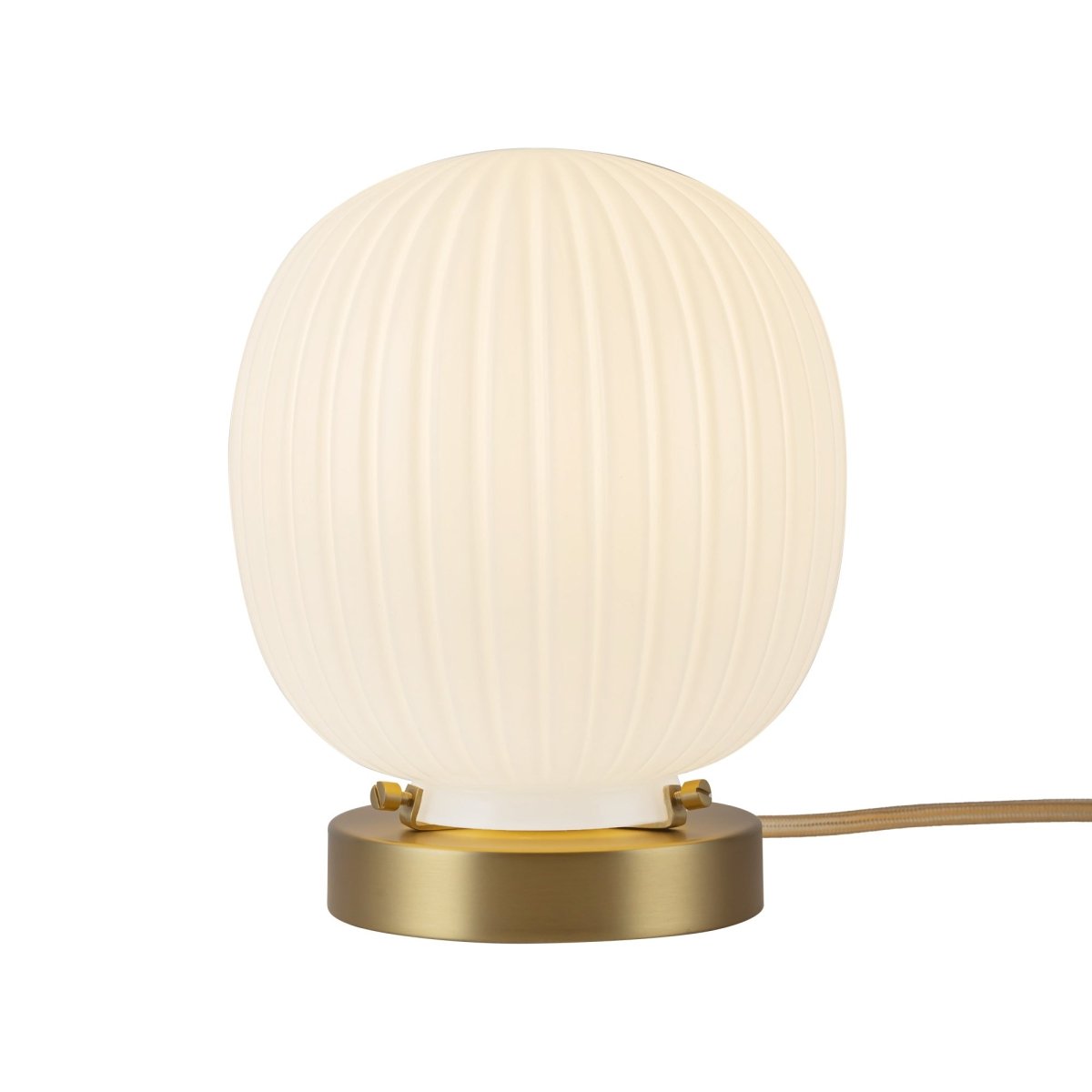
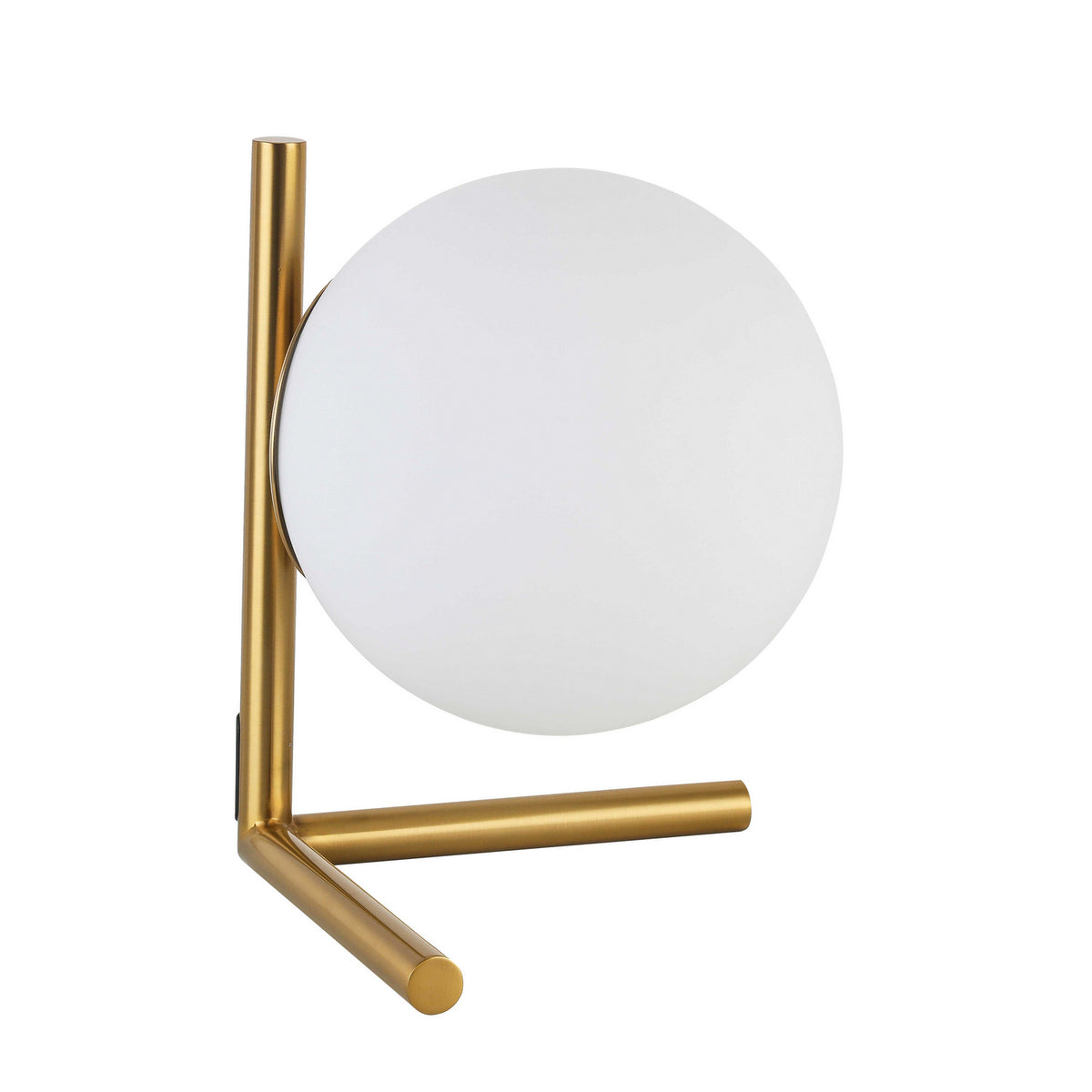
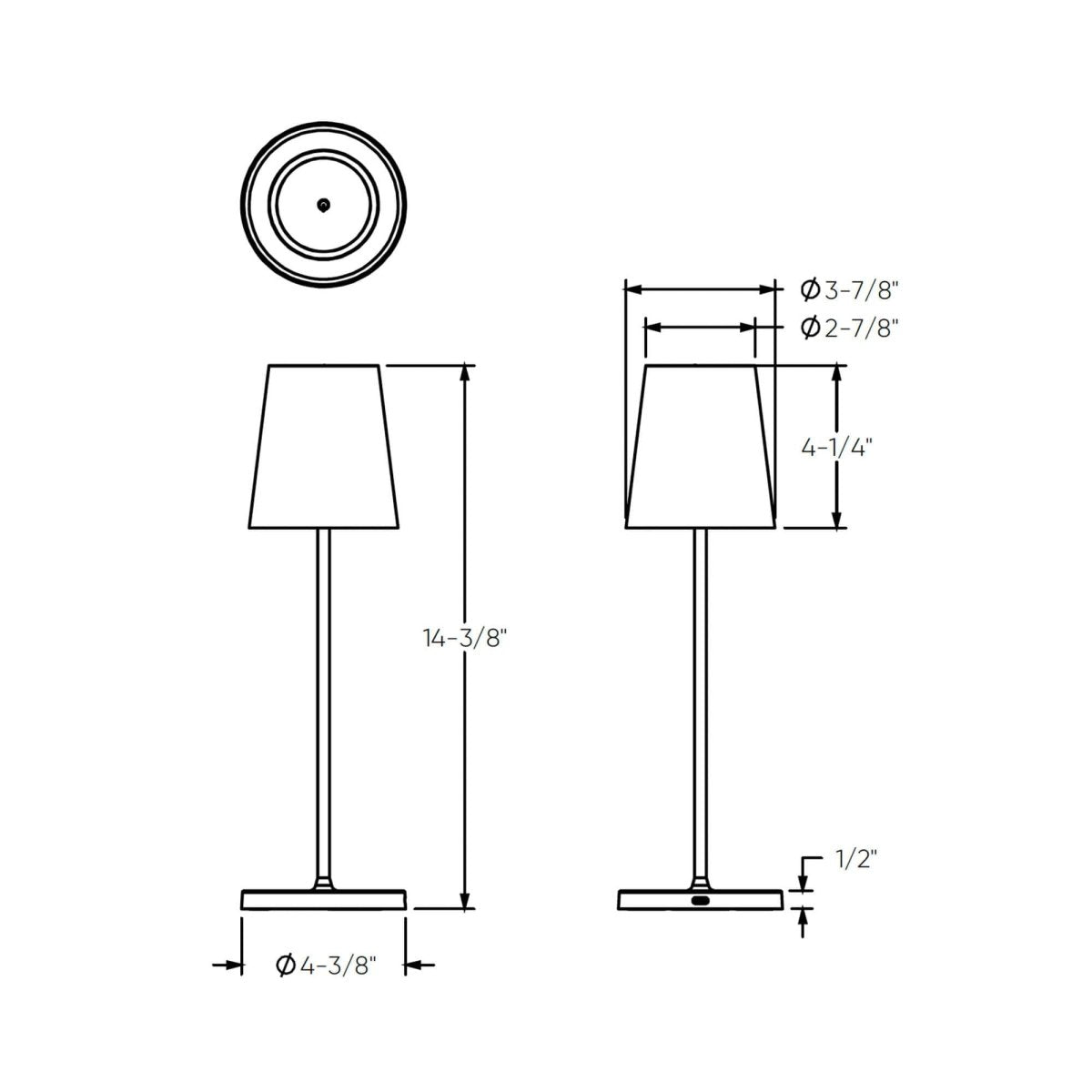
Scale makes all the difference. A large table lamp belongs on a wide console or a generous dresser, while smaller lamps suit shelves, narrow desks and compact nightstands. A small lamp is often enough to light reading without crowding the surface.
Where to place your table lamps
- Nightstand: a warm lamp within reach for reading and unwinding, with an accessible switch.
- Living room: a table lamp on a side table balances the ceiling fixture and creates a cozy mood.
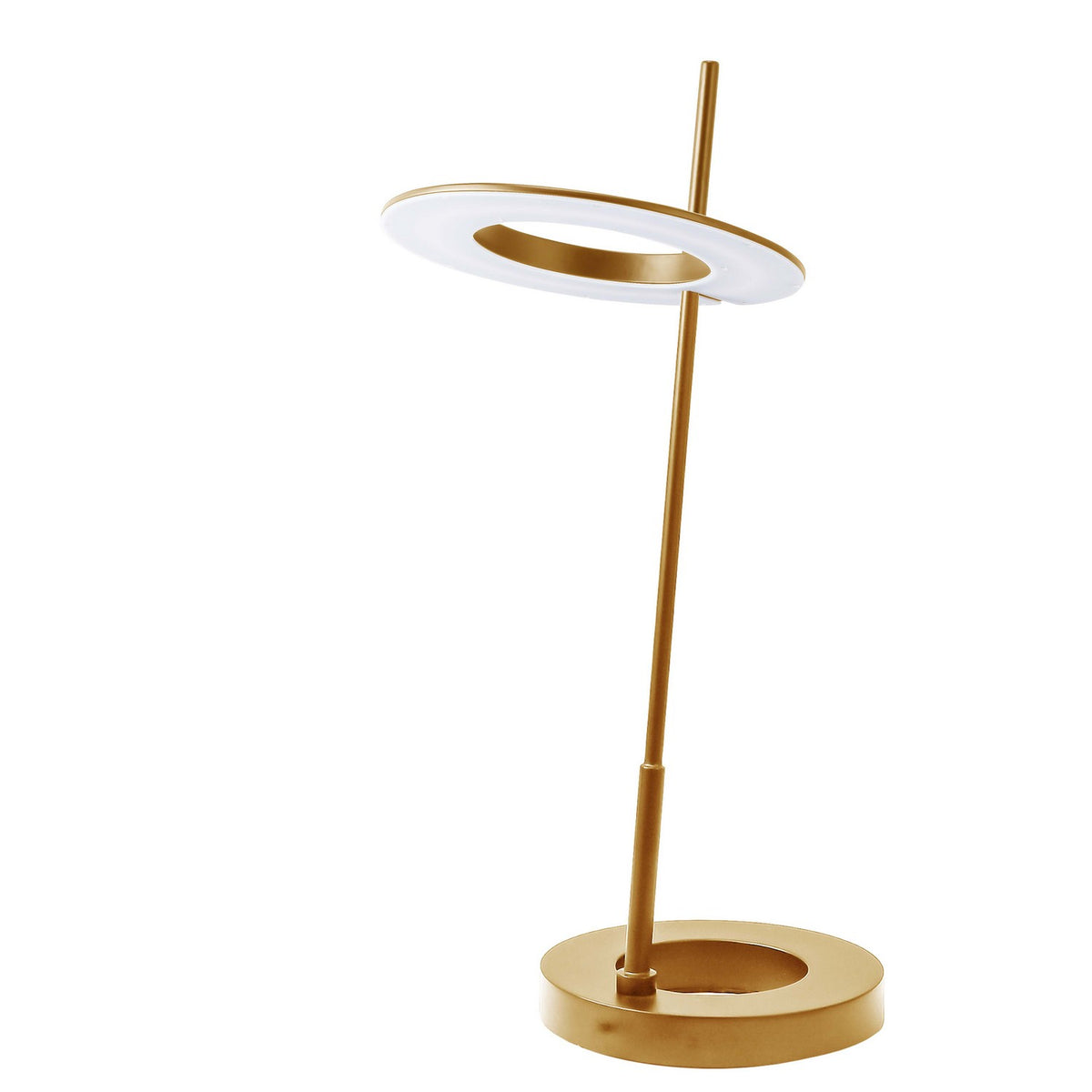
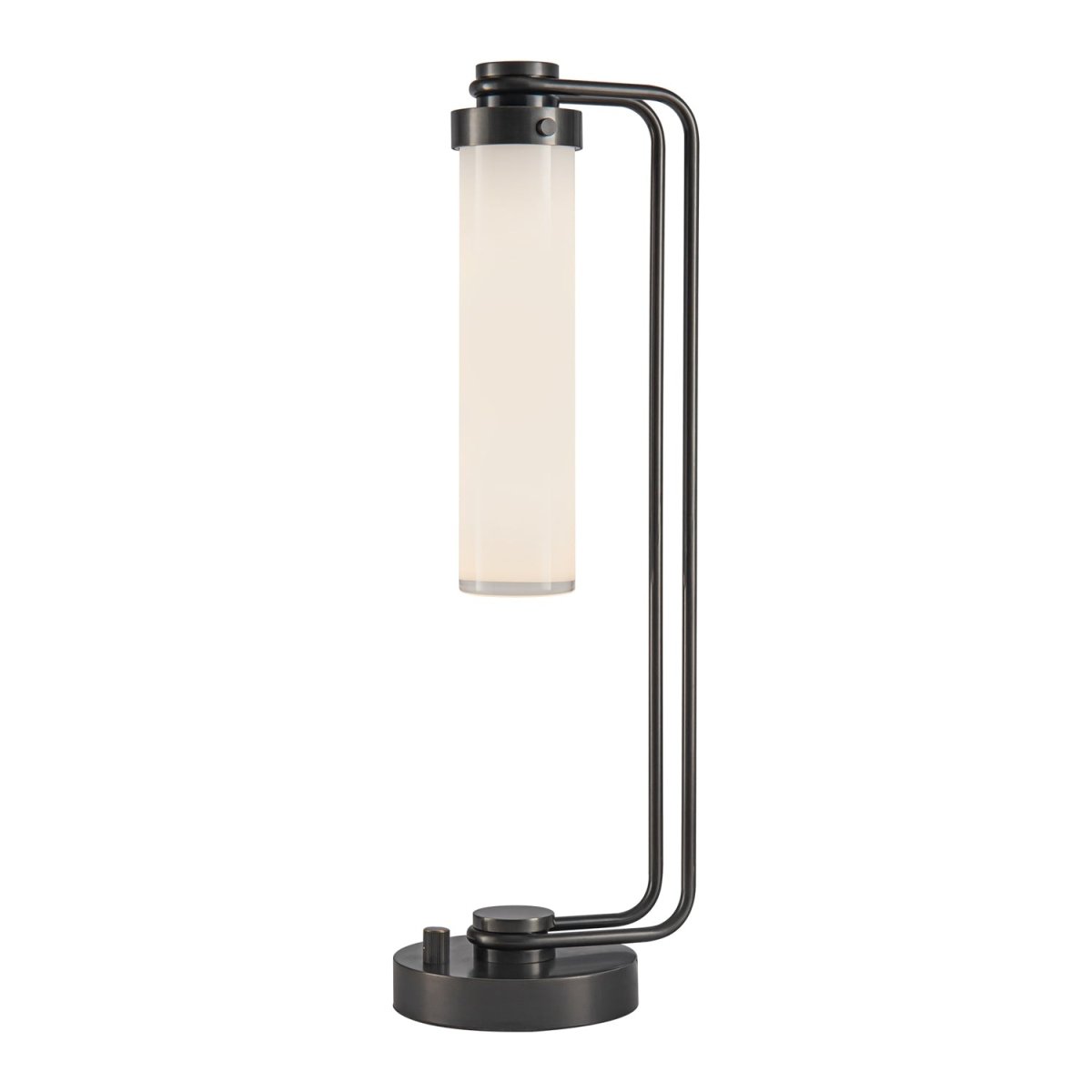
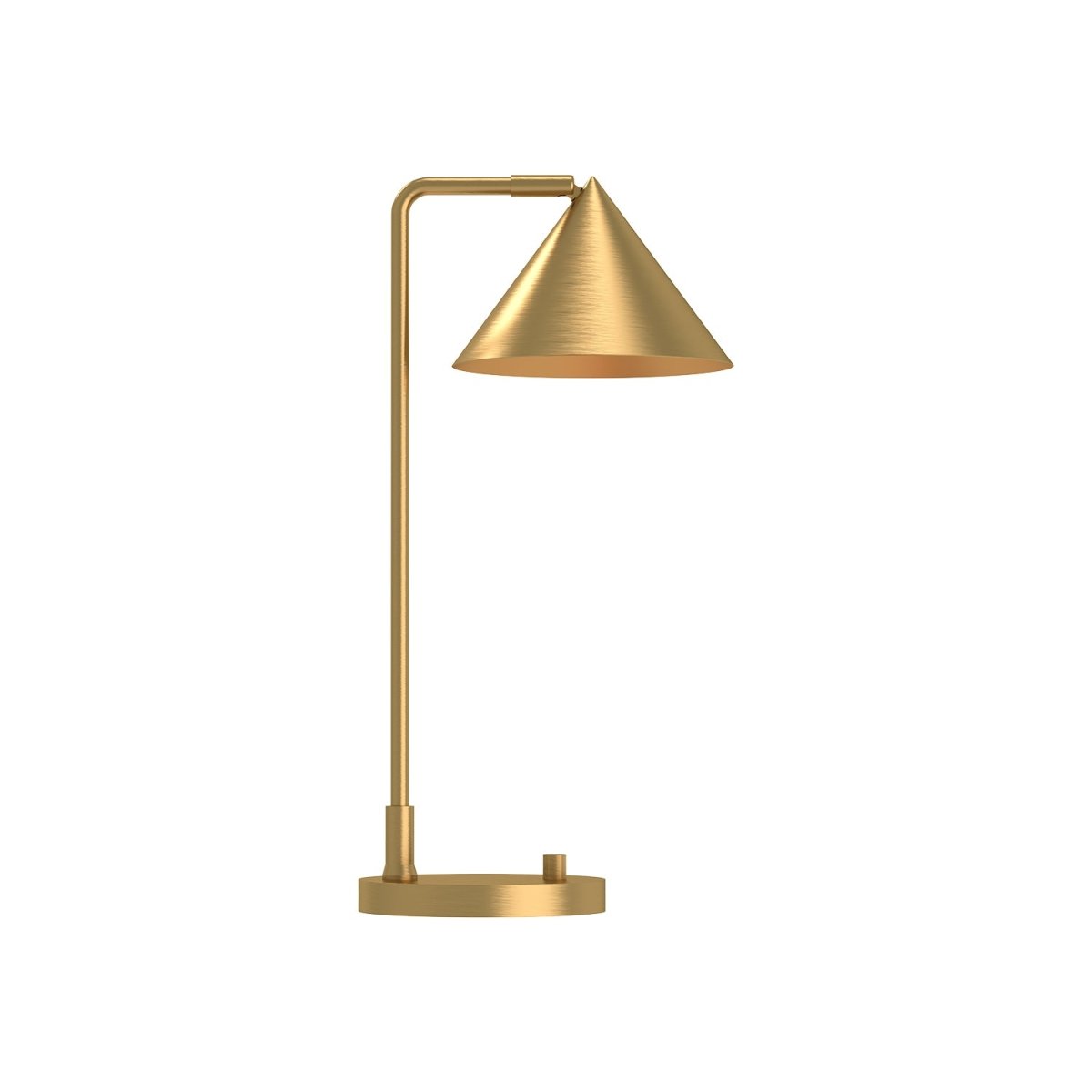
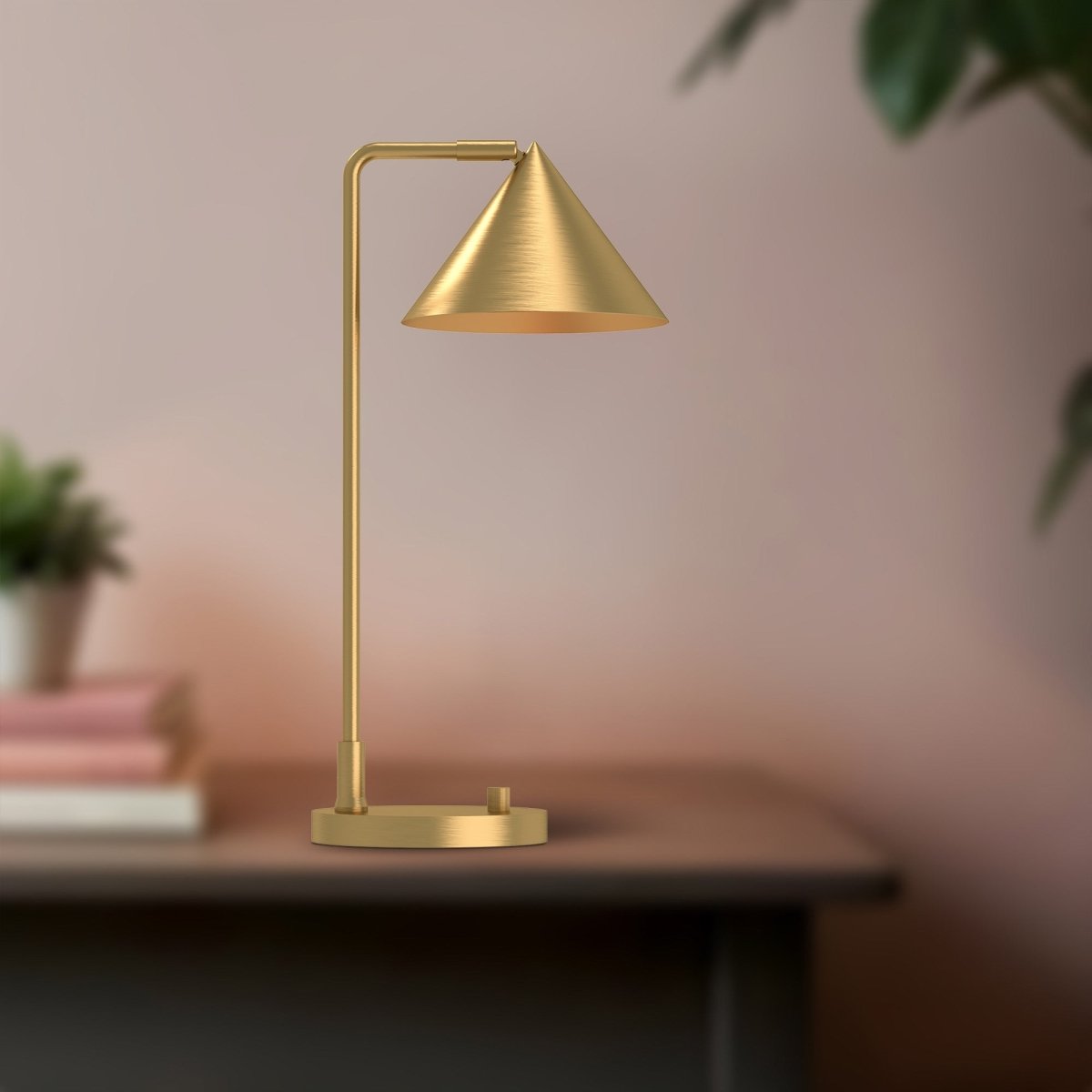
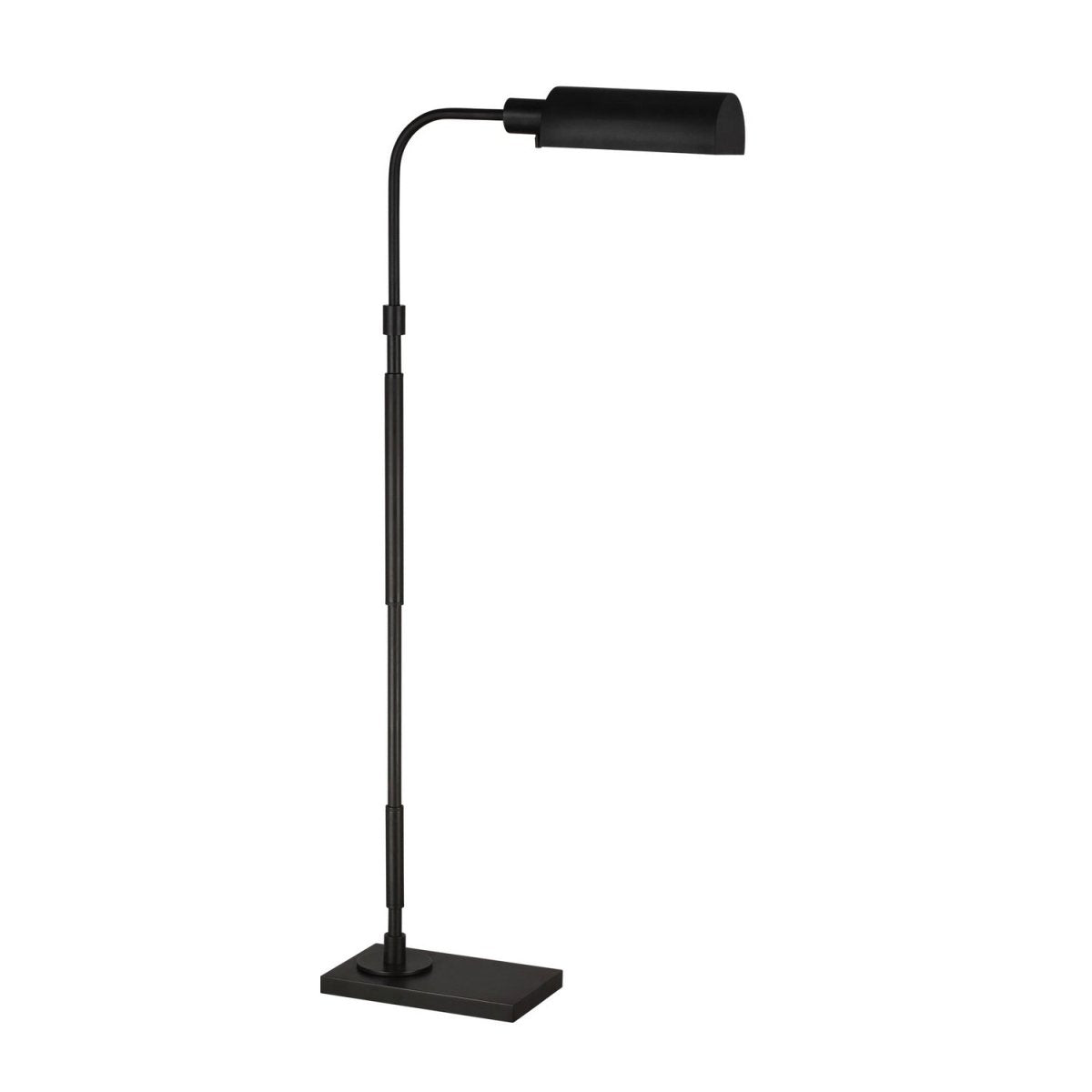
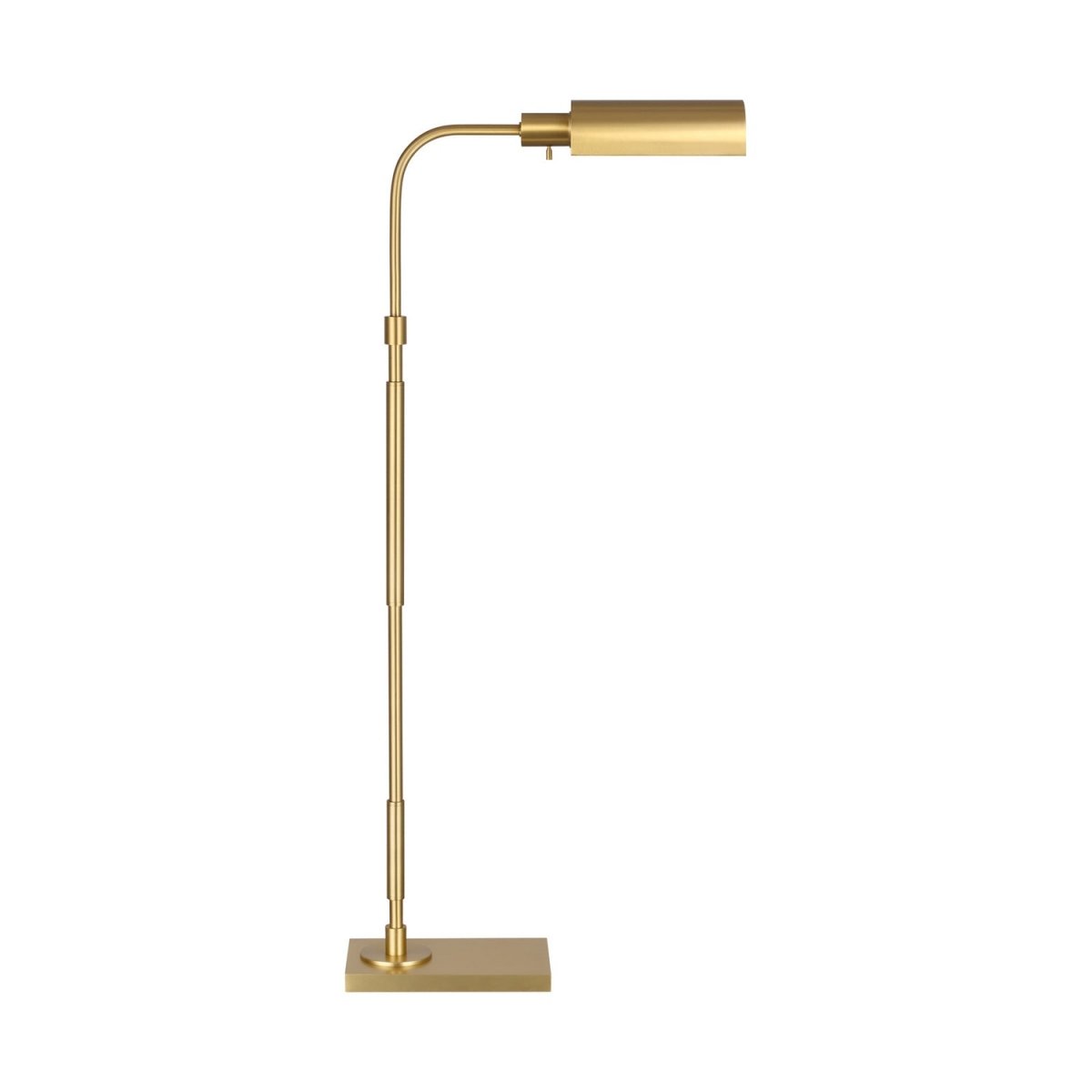
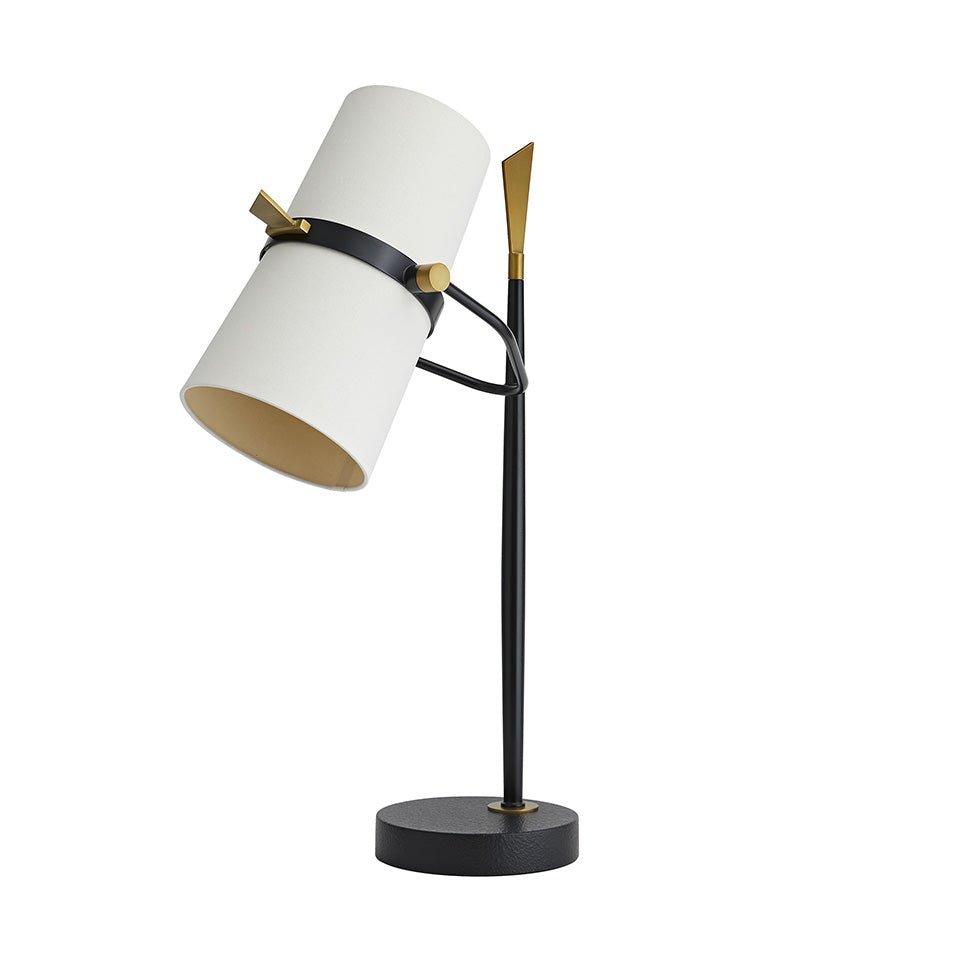
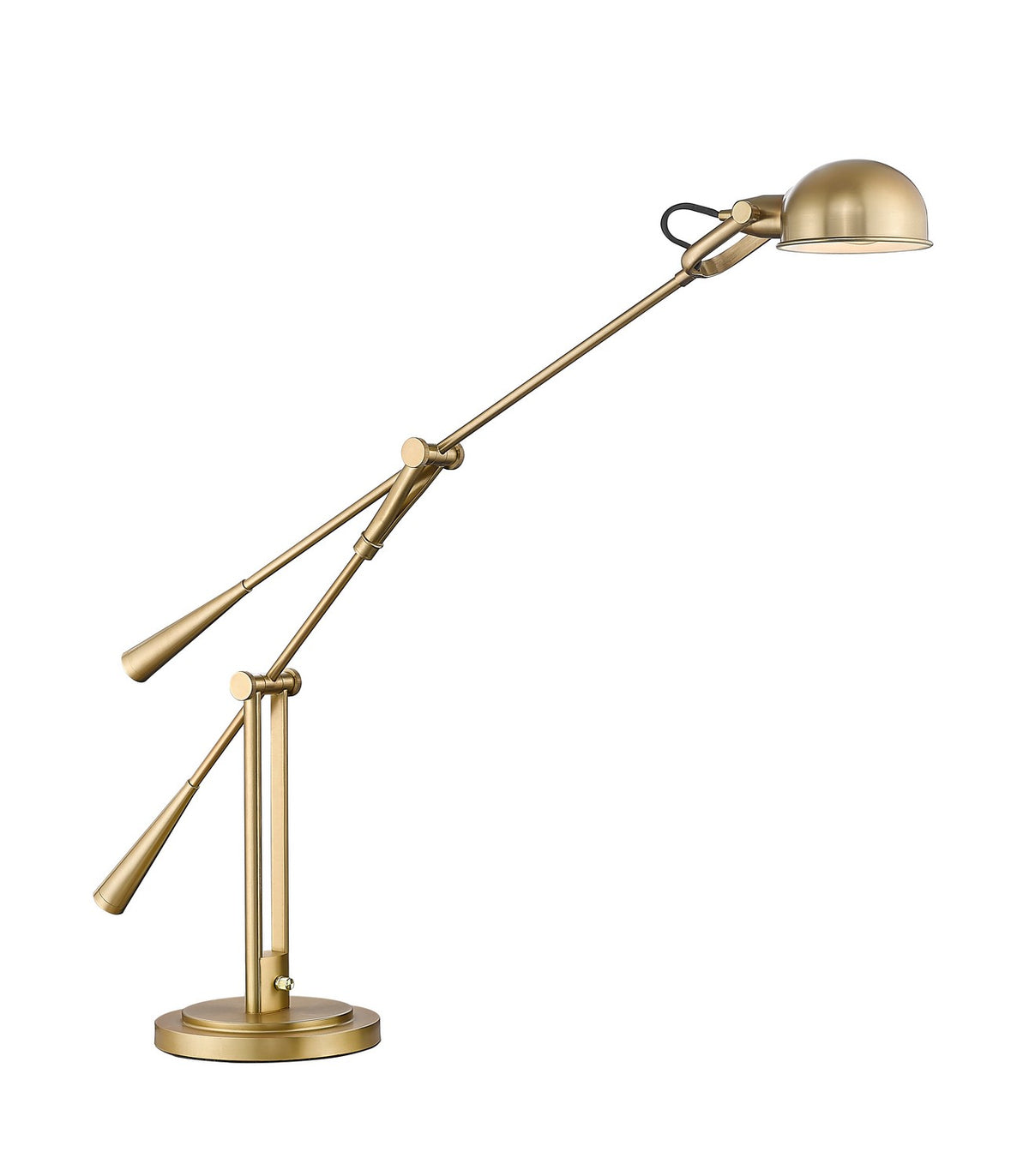
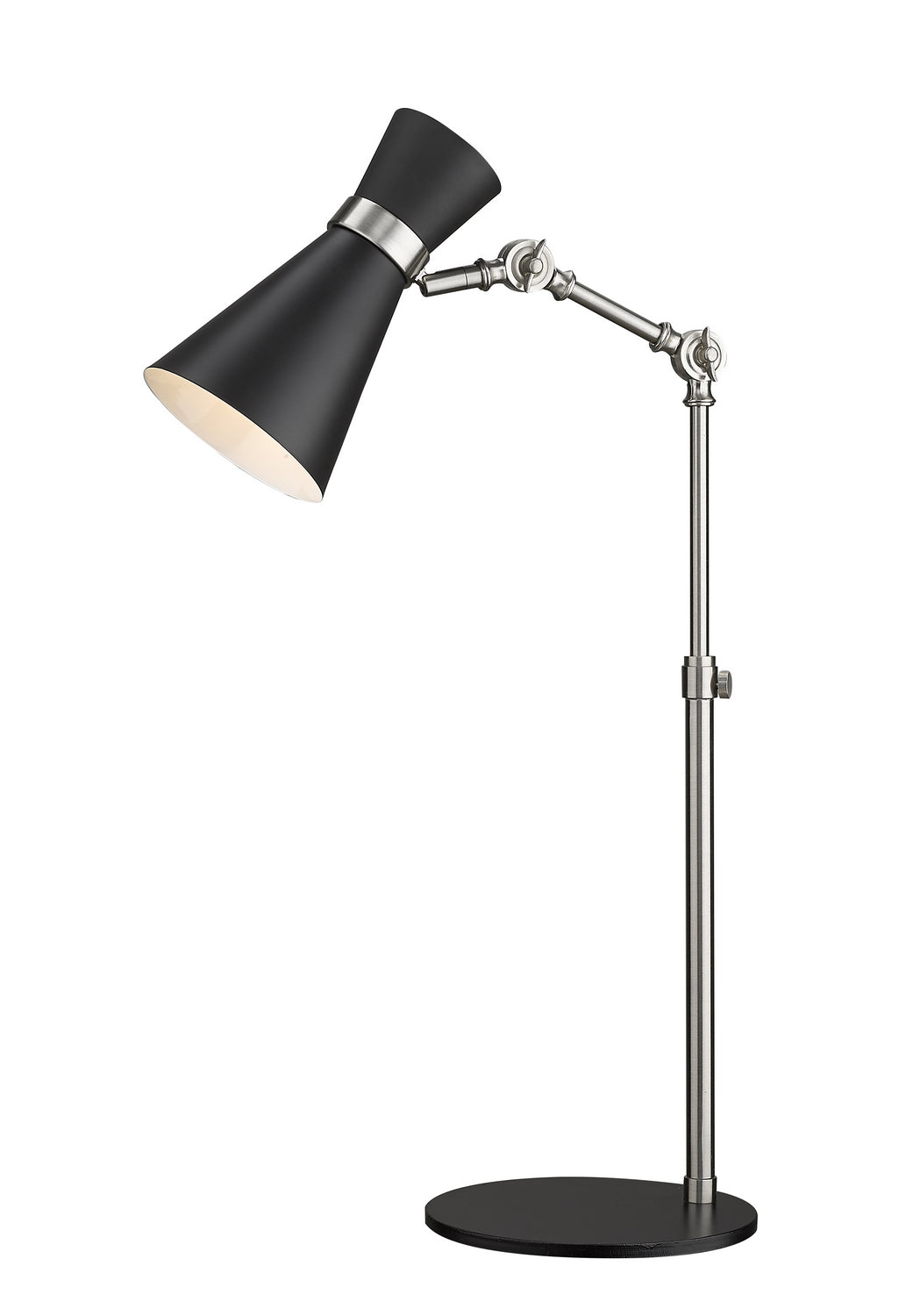
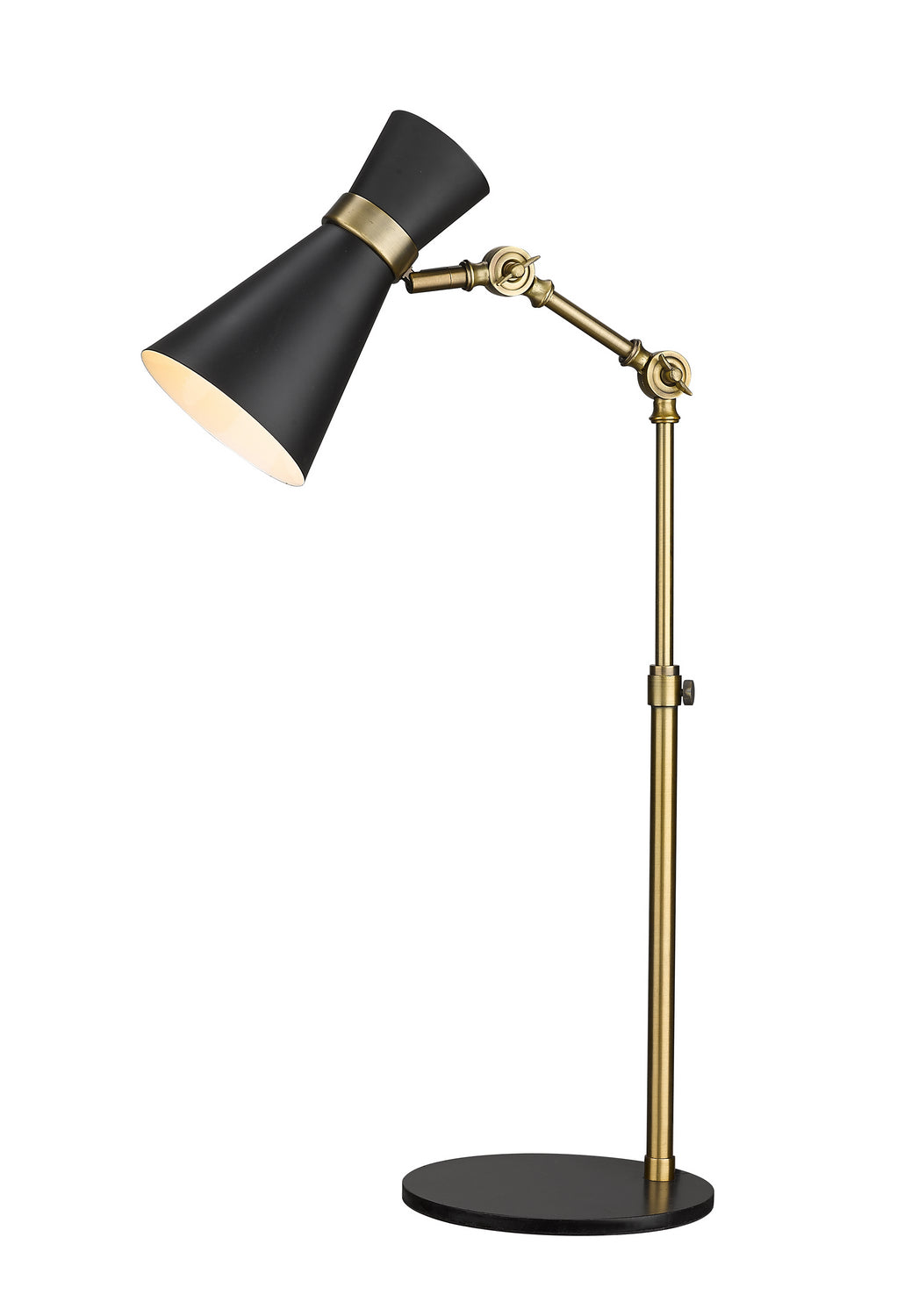
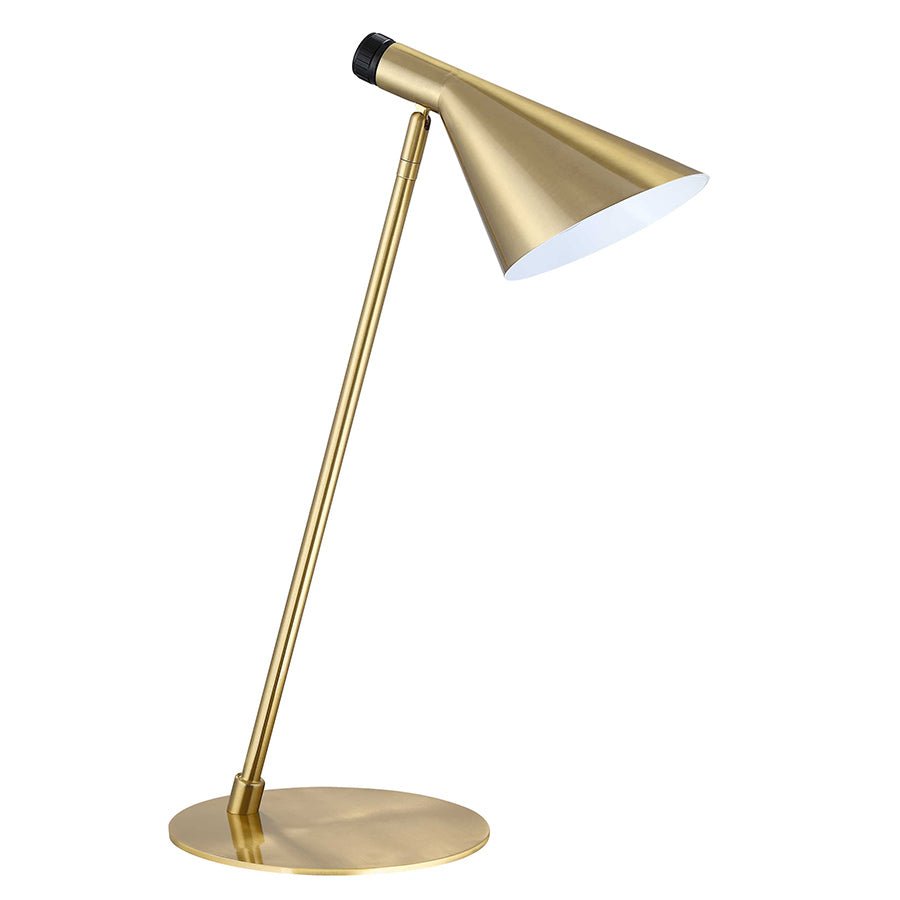
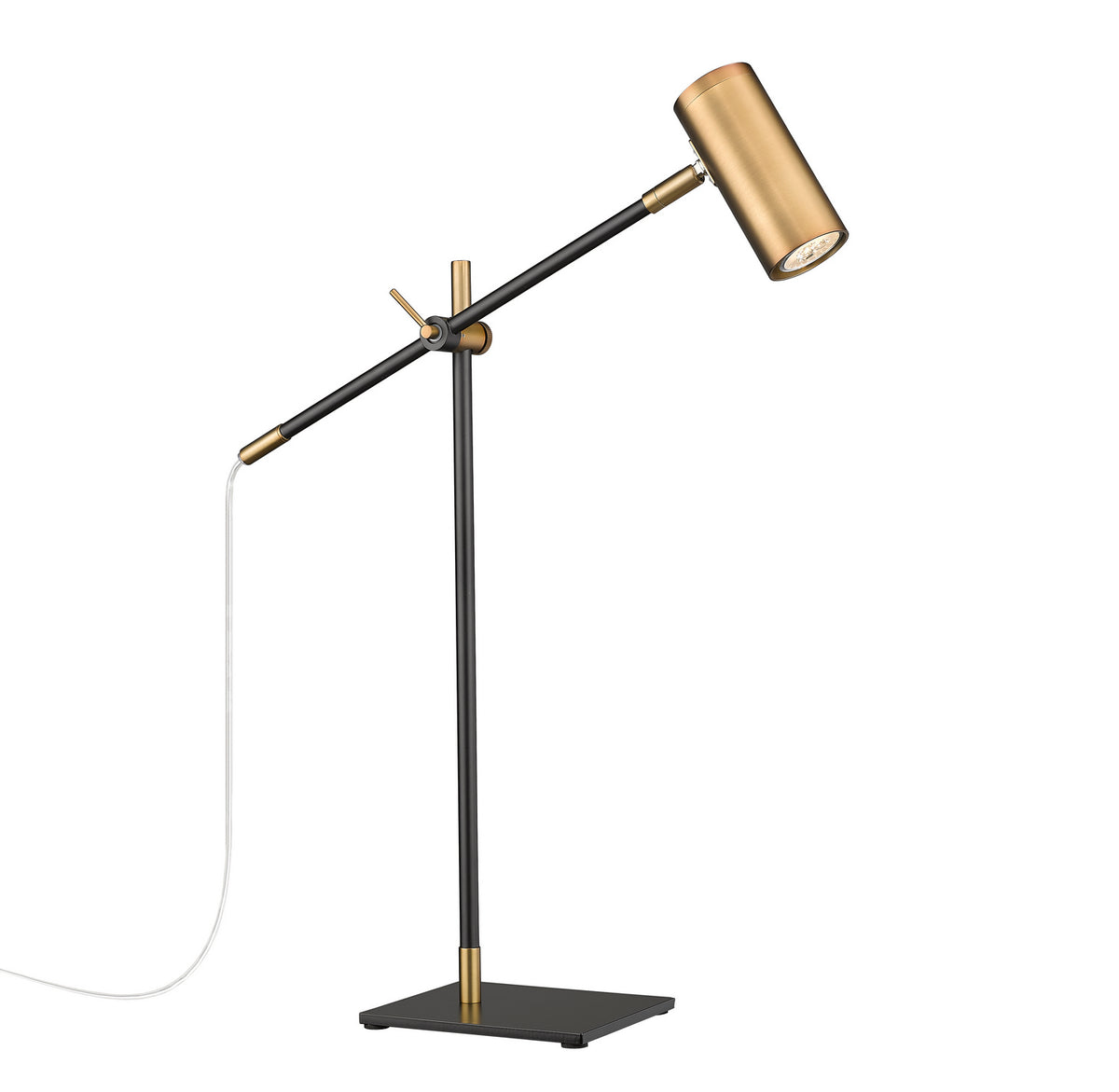
- Home office: an adjustable head aims light at the work surface; here a desk lamp in the functional sense makes sense.
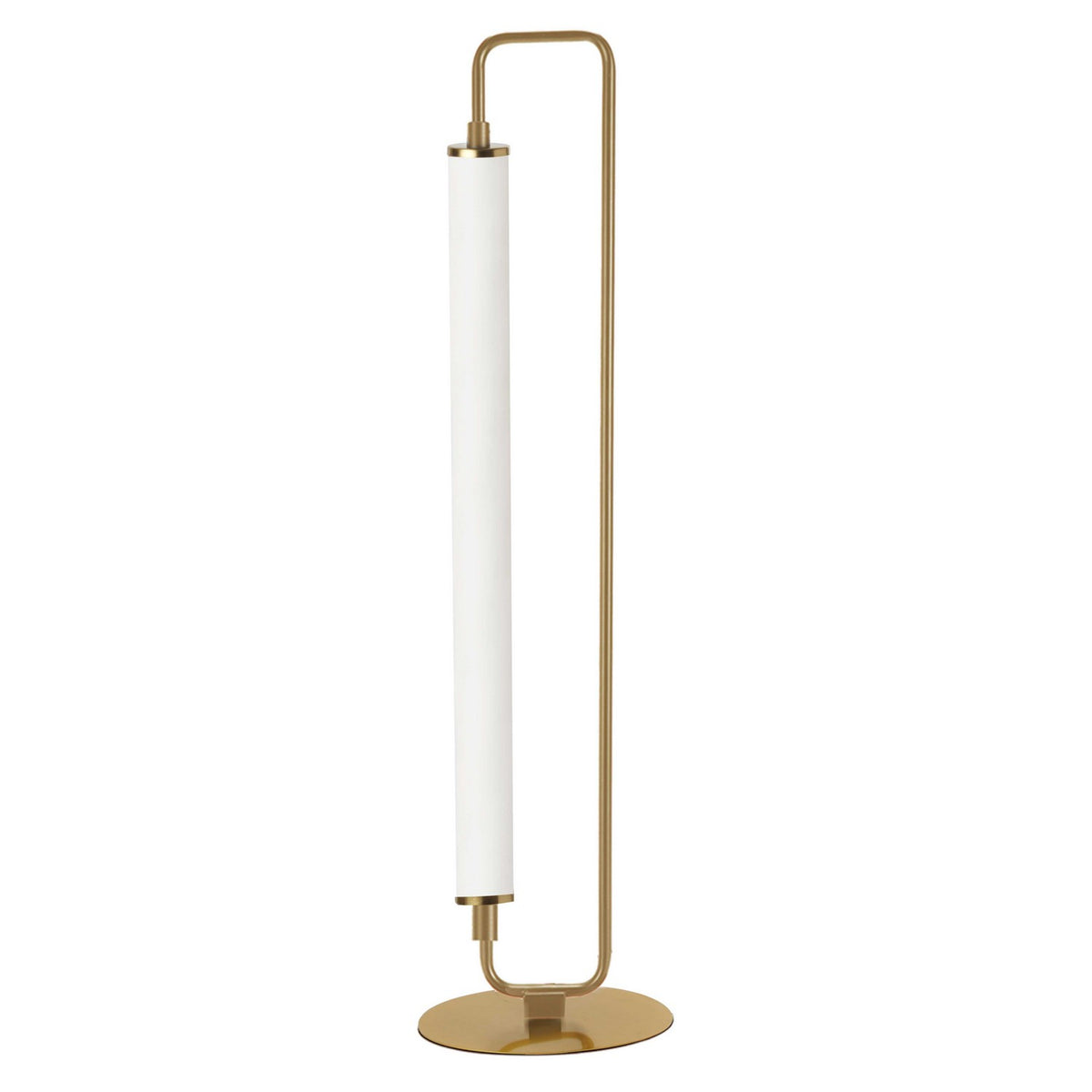
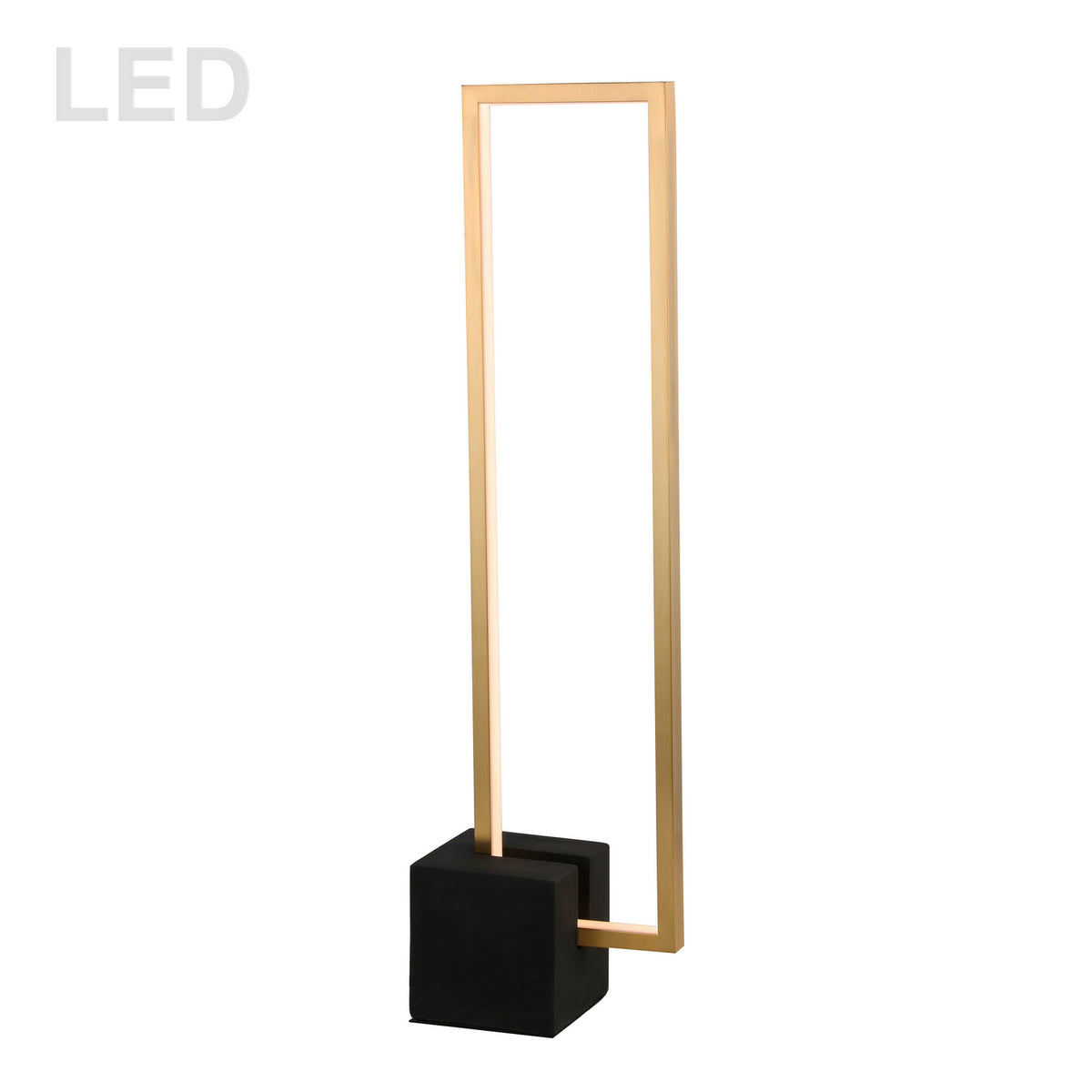
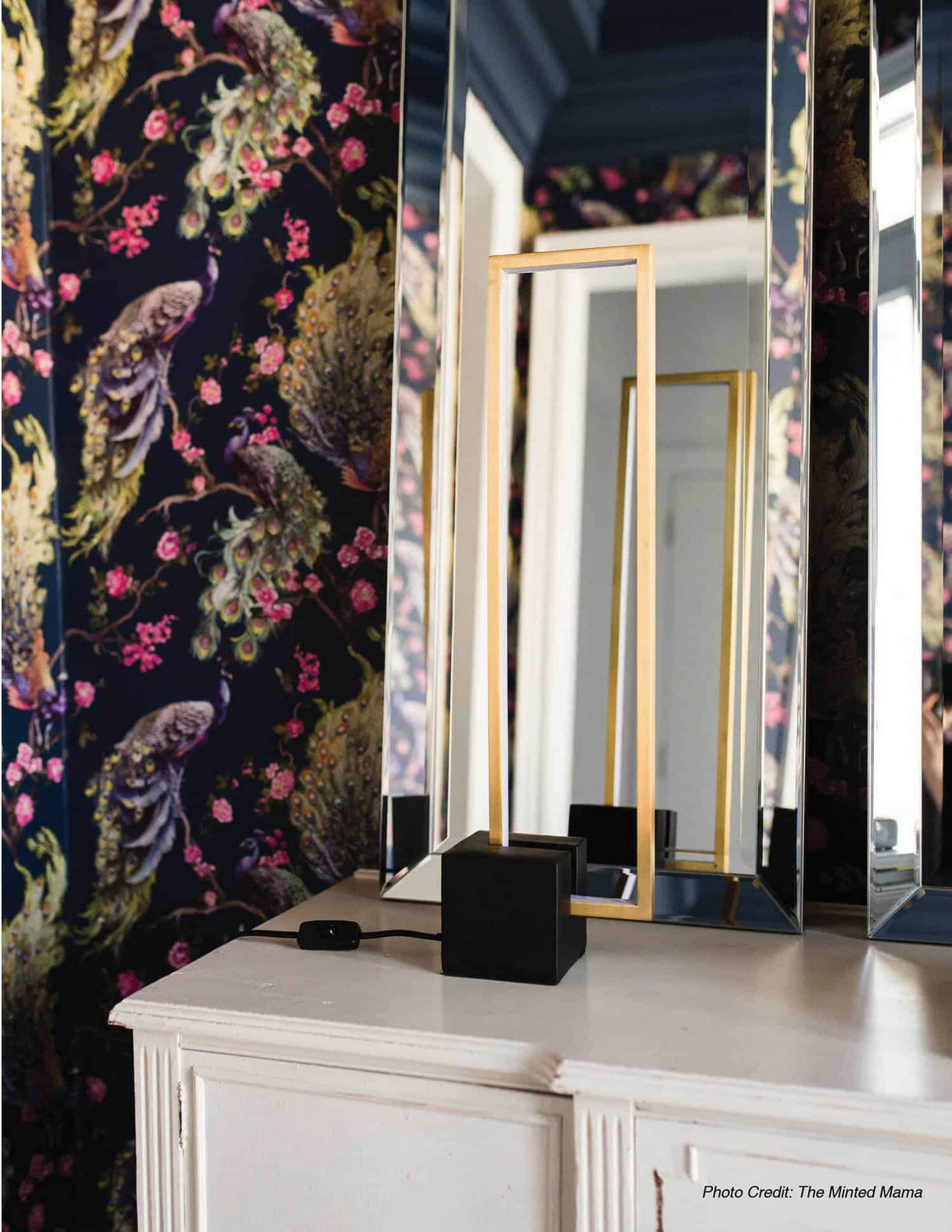
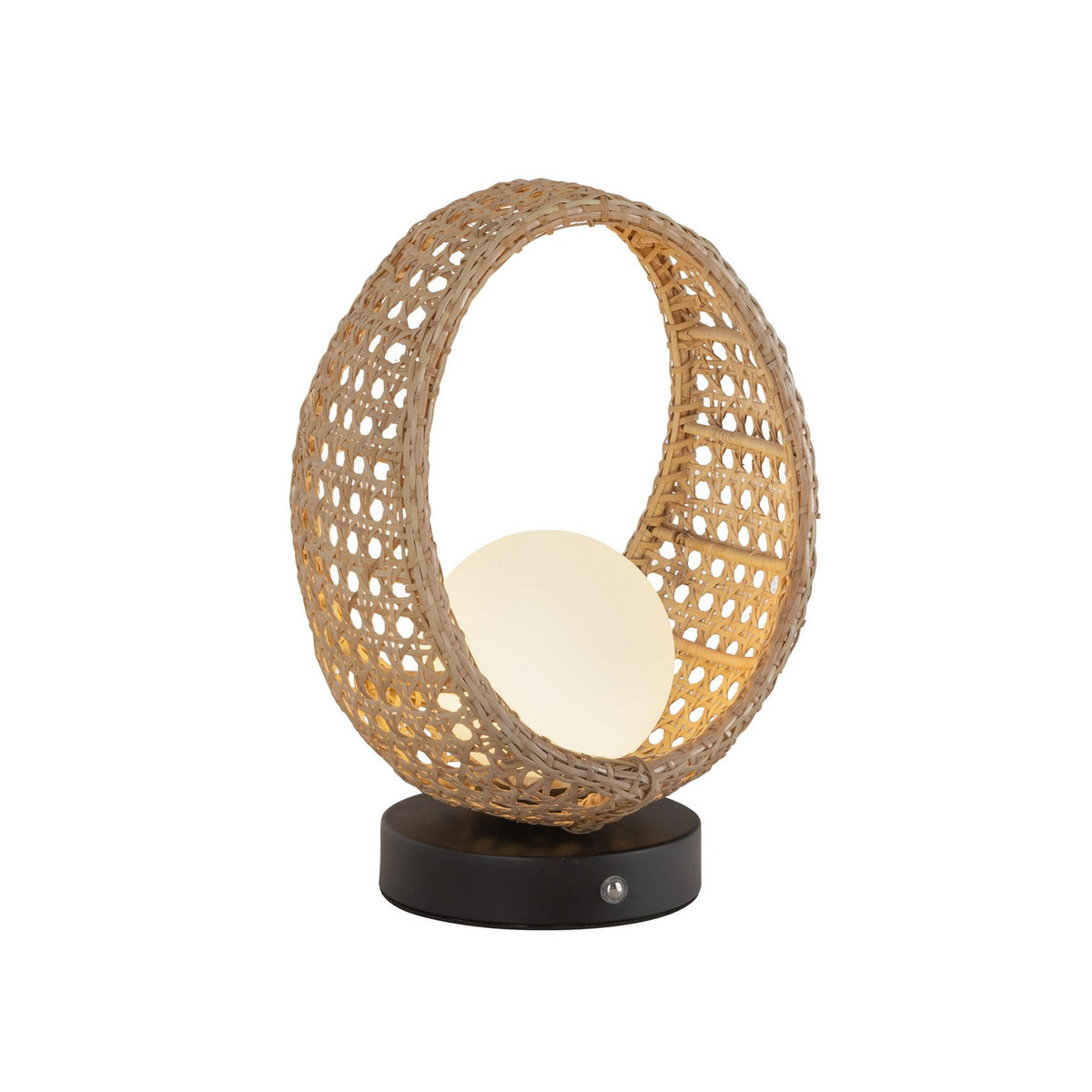
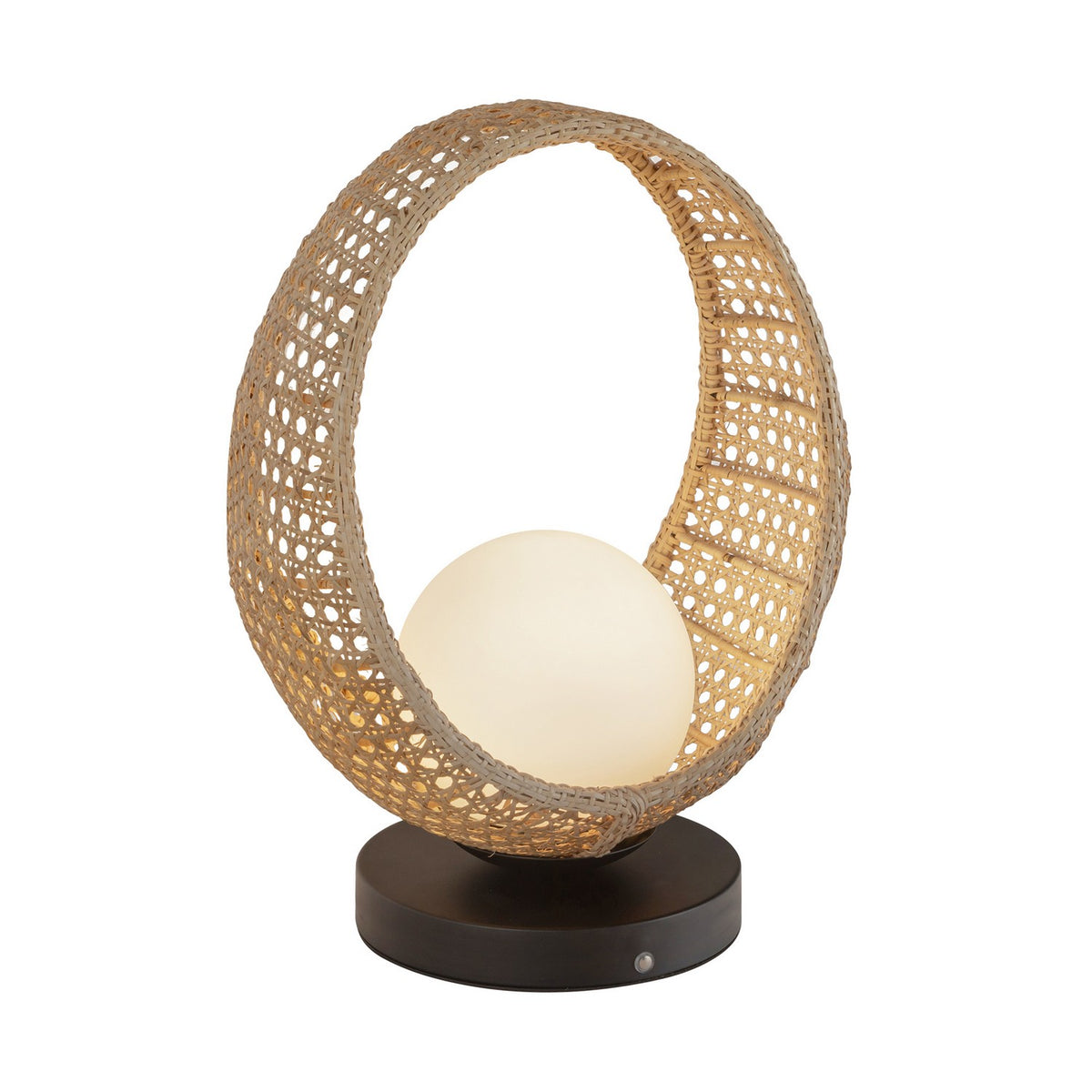
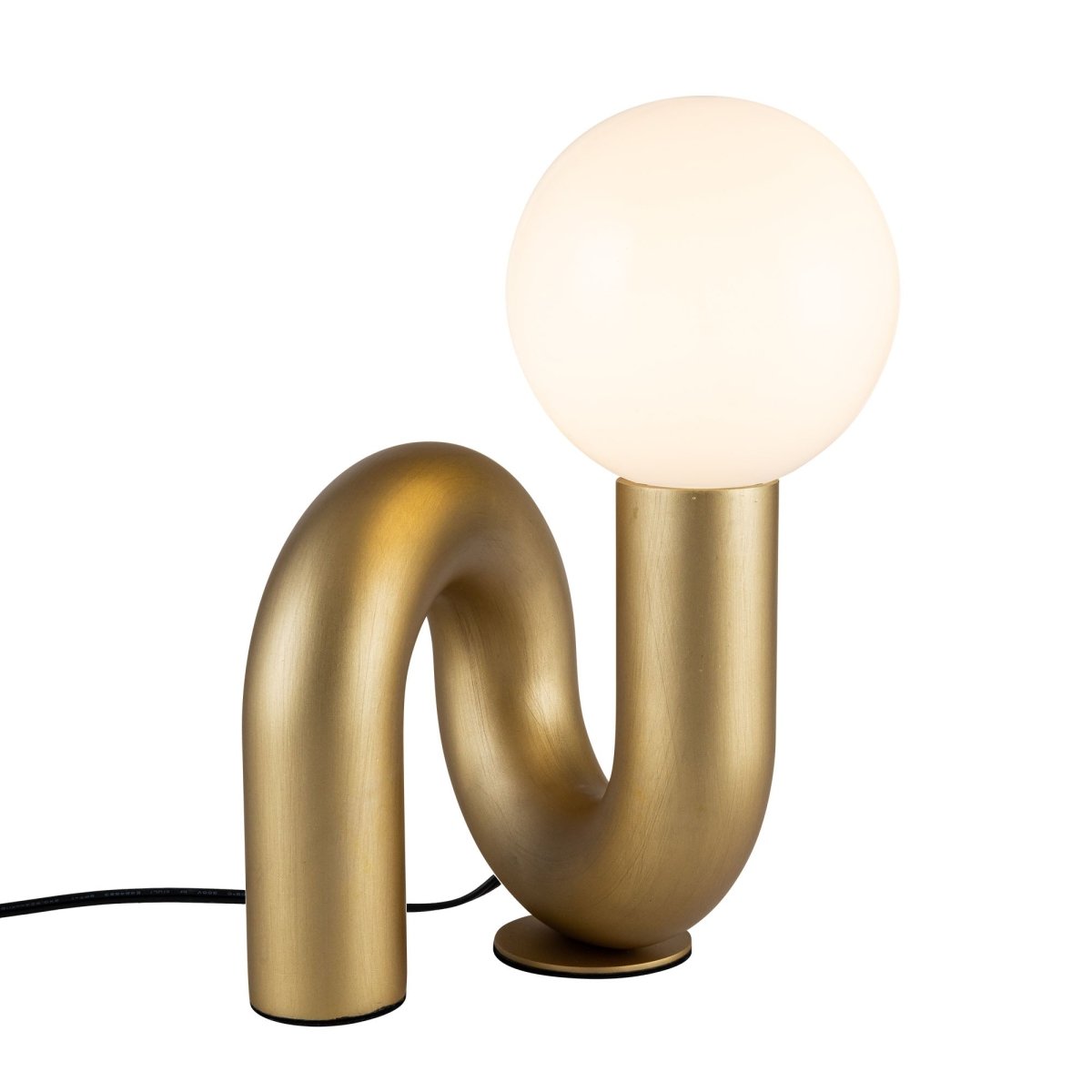
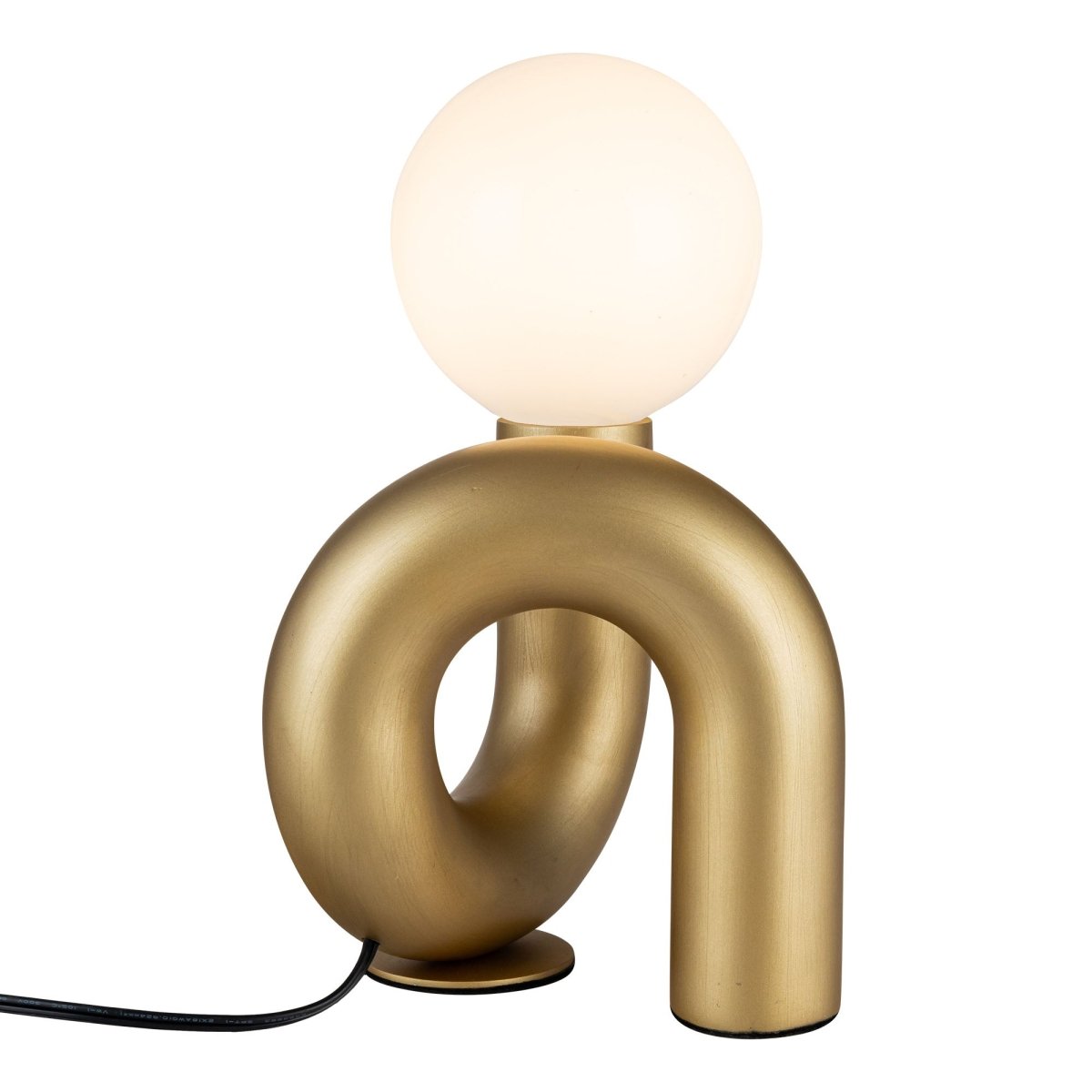
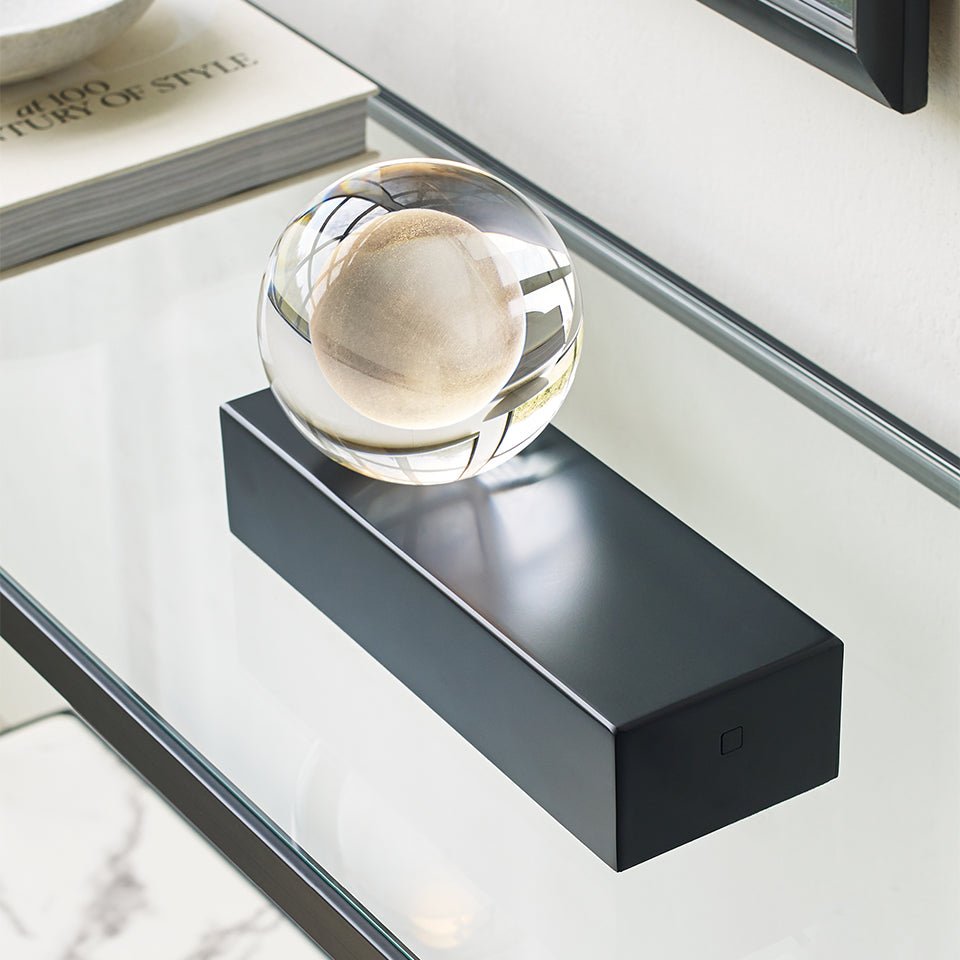
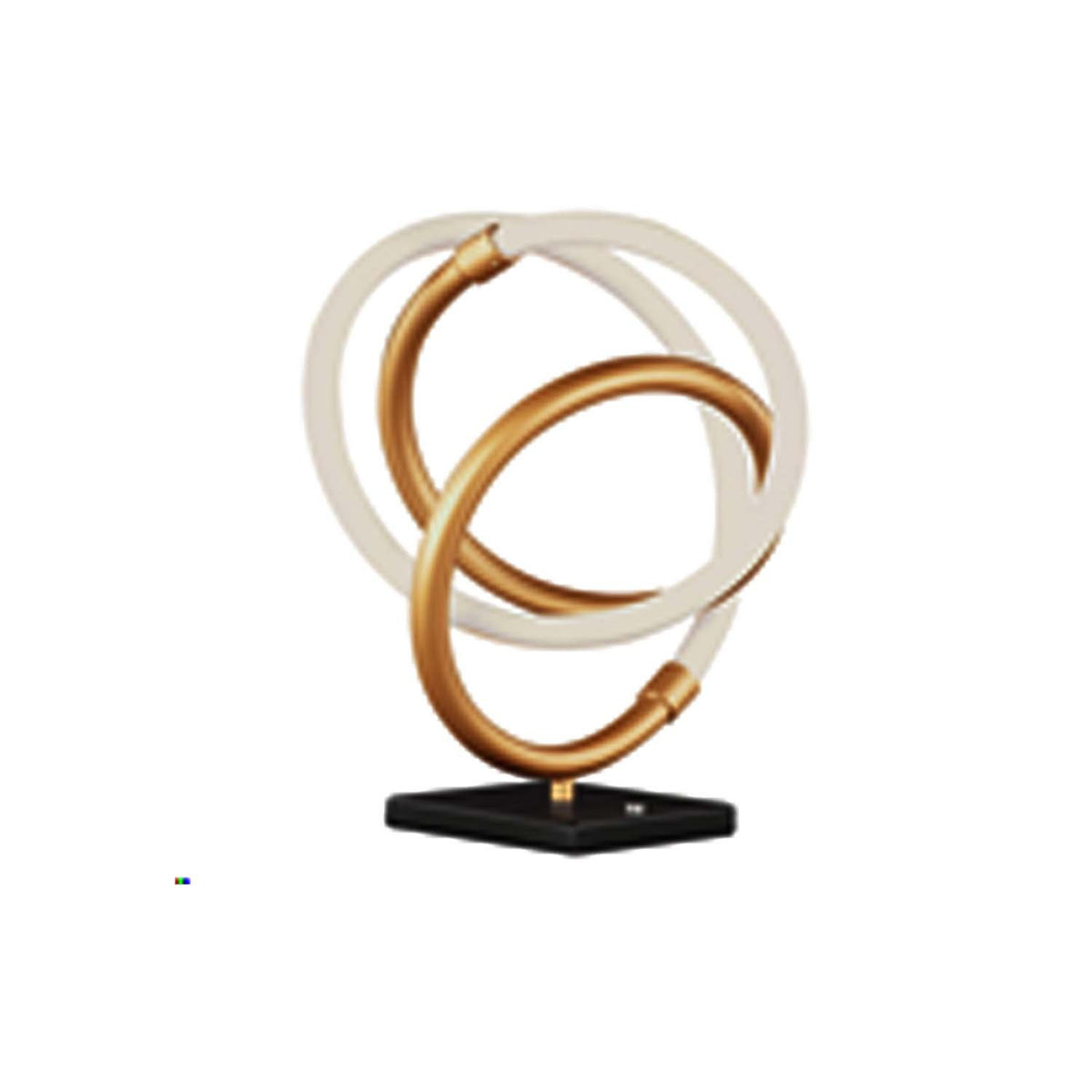
- Entryway and console: a sculptural lamp sets the tone and acts as a focal point.
- Buffet and sideboard: a discreet glow highlights a bouquet or an object during gatherings.
Materials, bases and shades
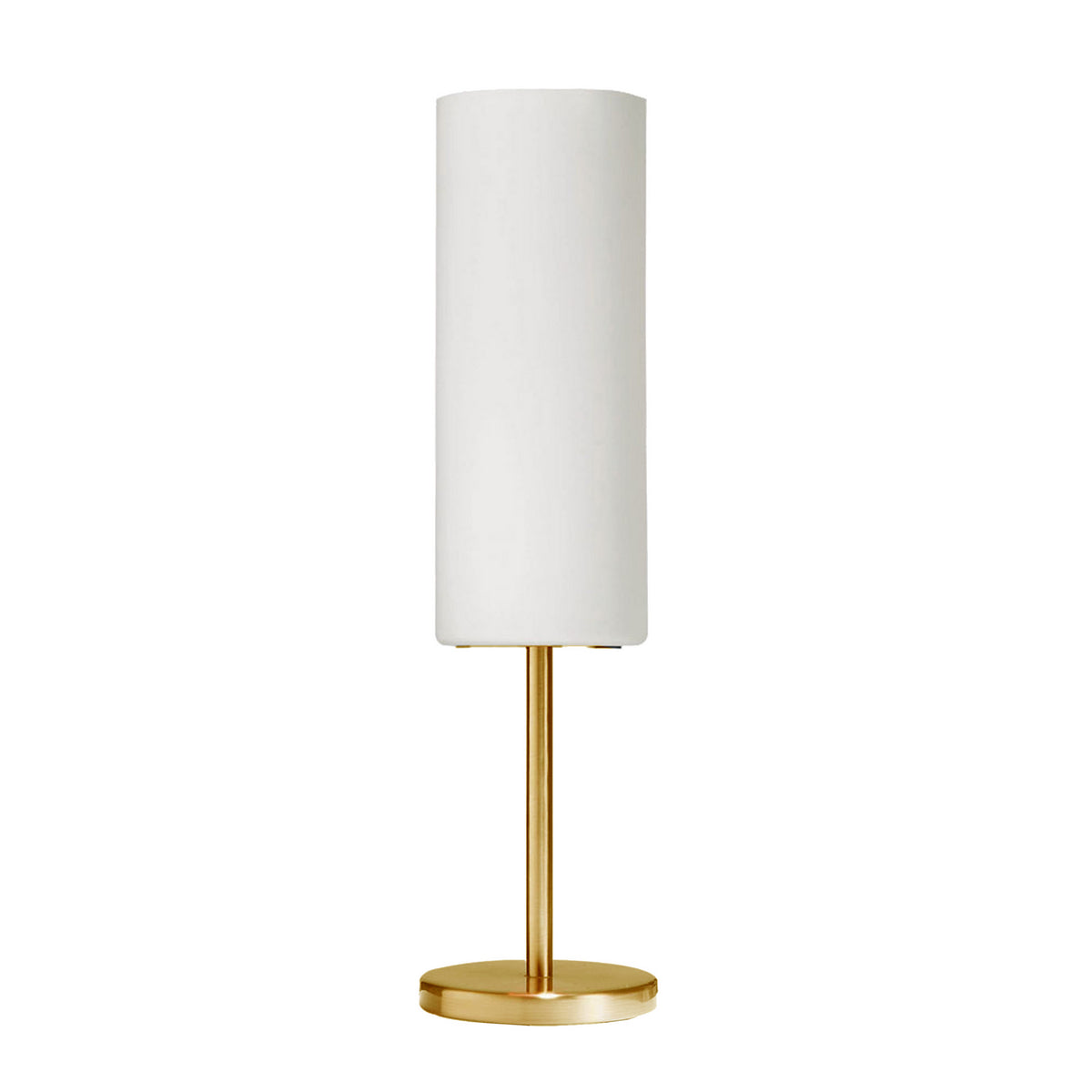
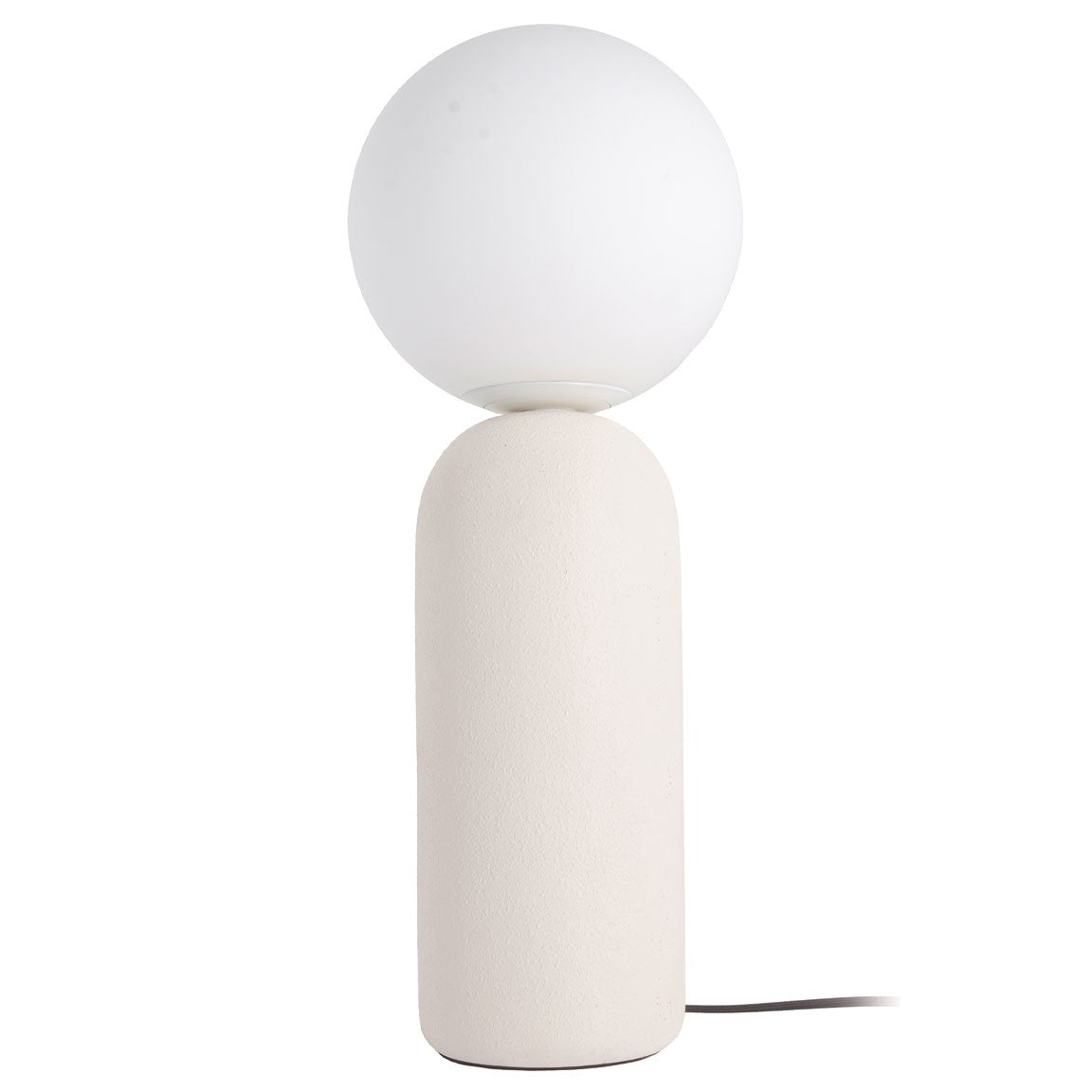
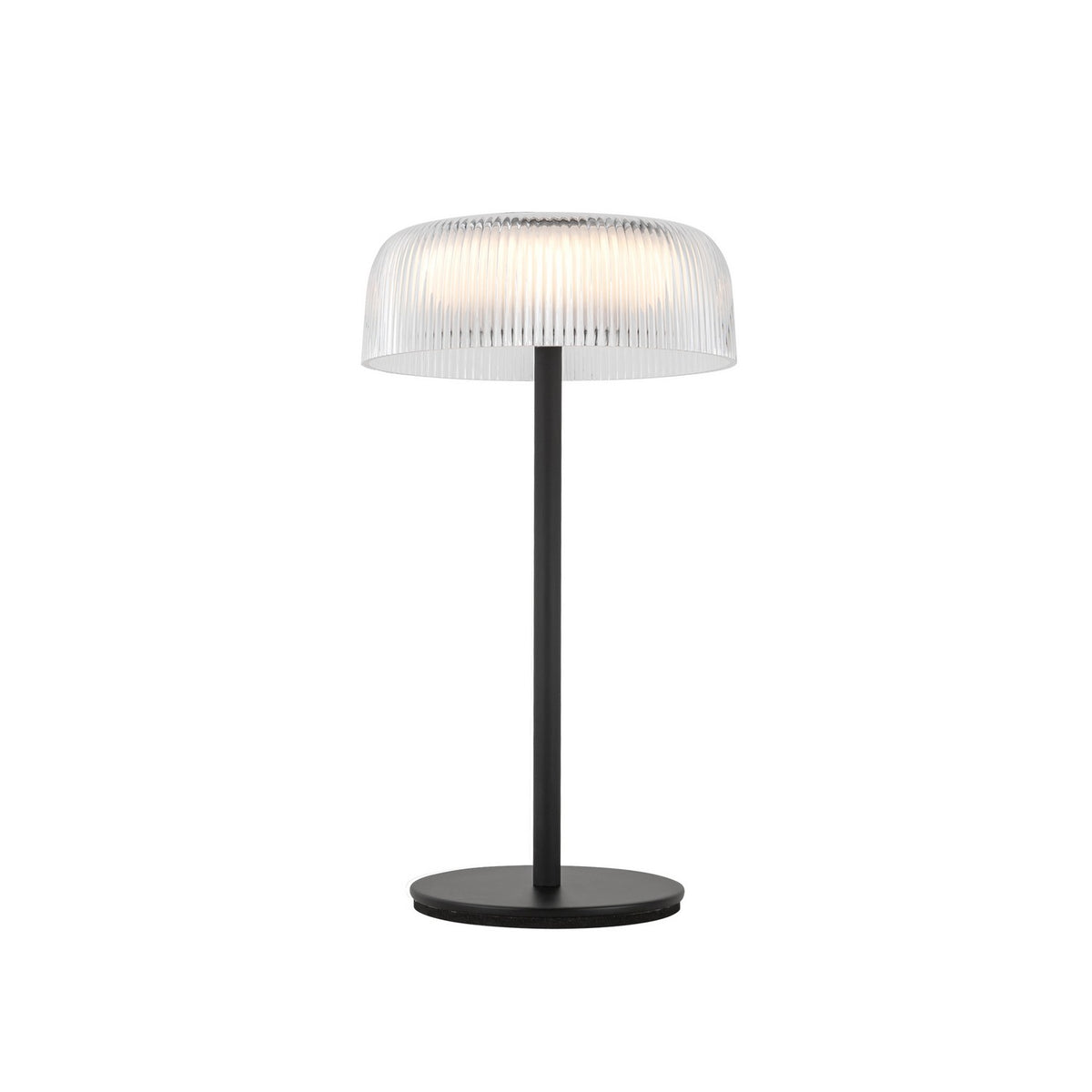
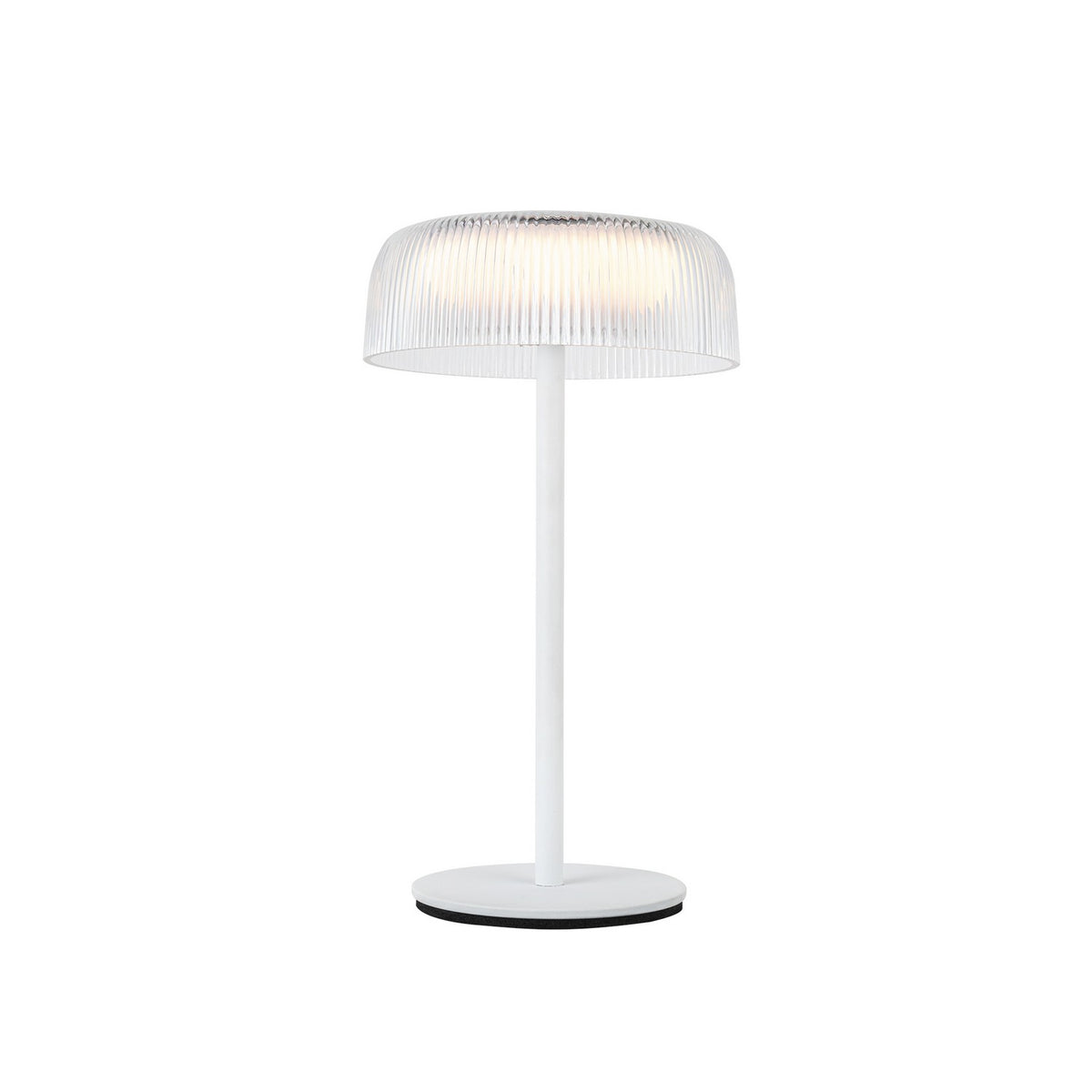
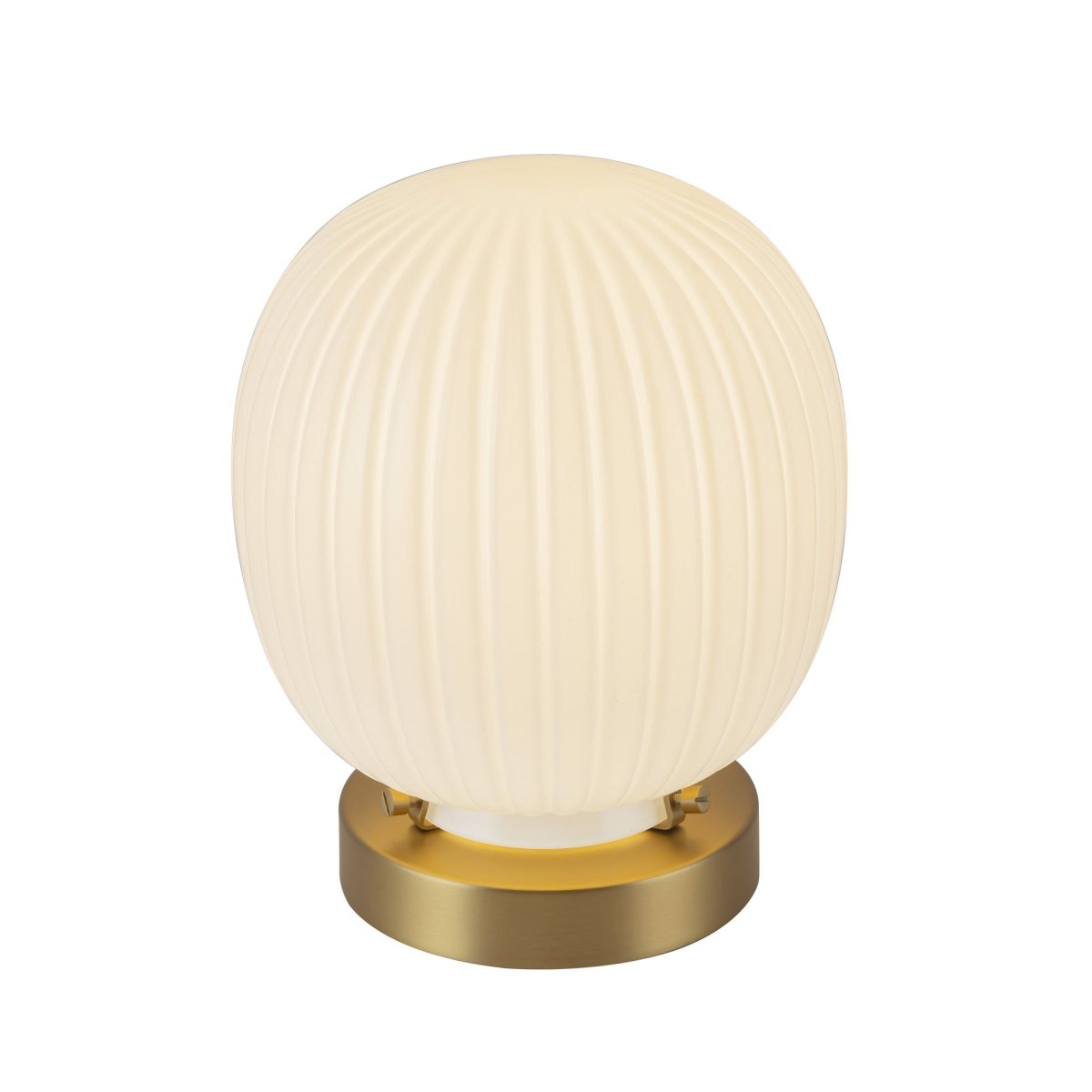
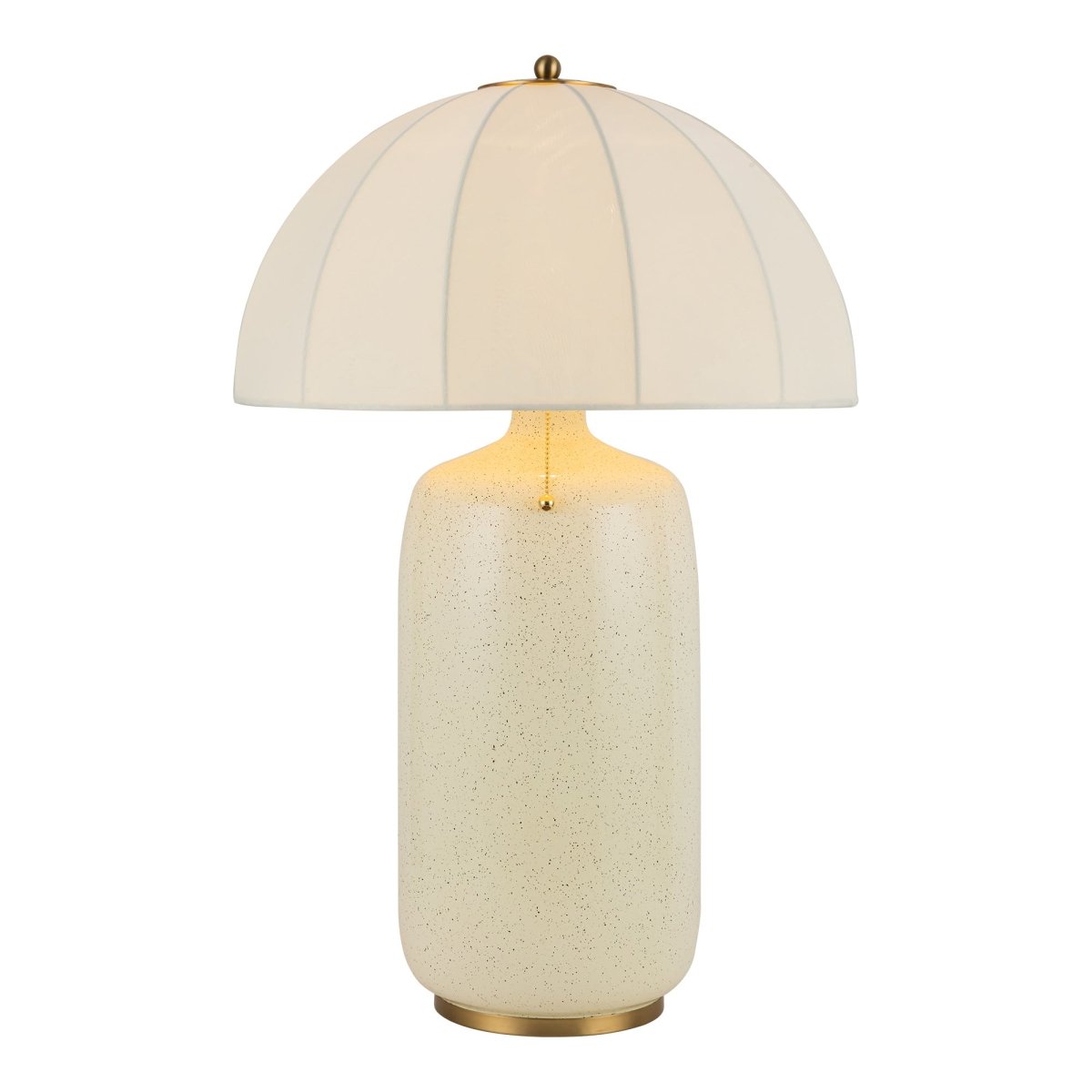
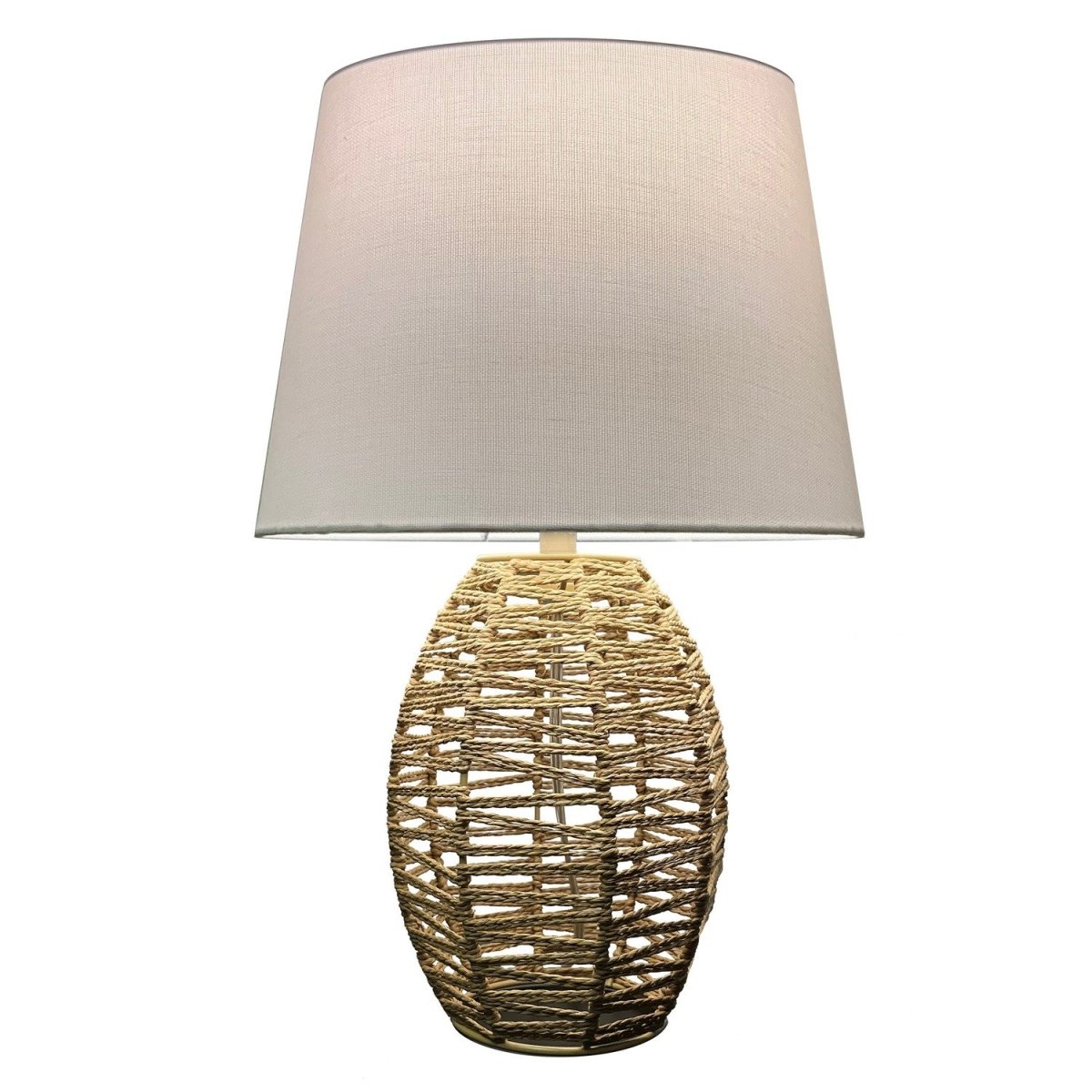
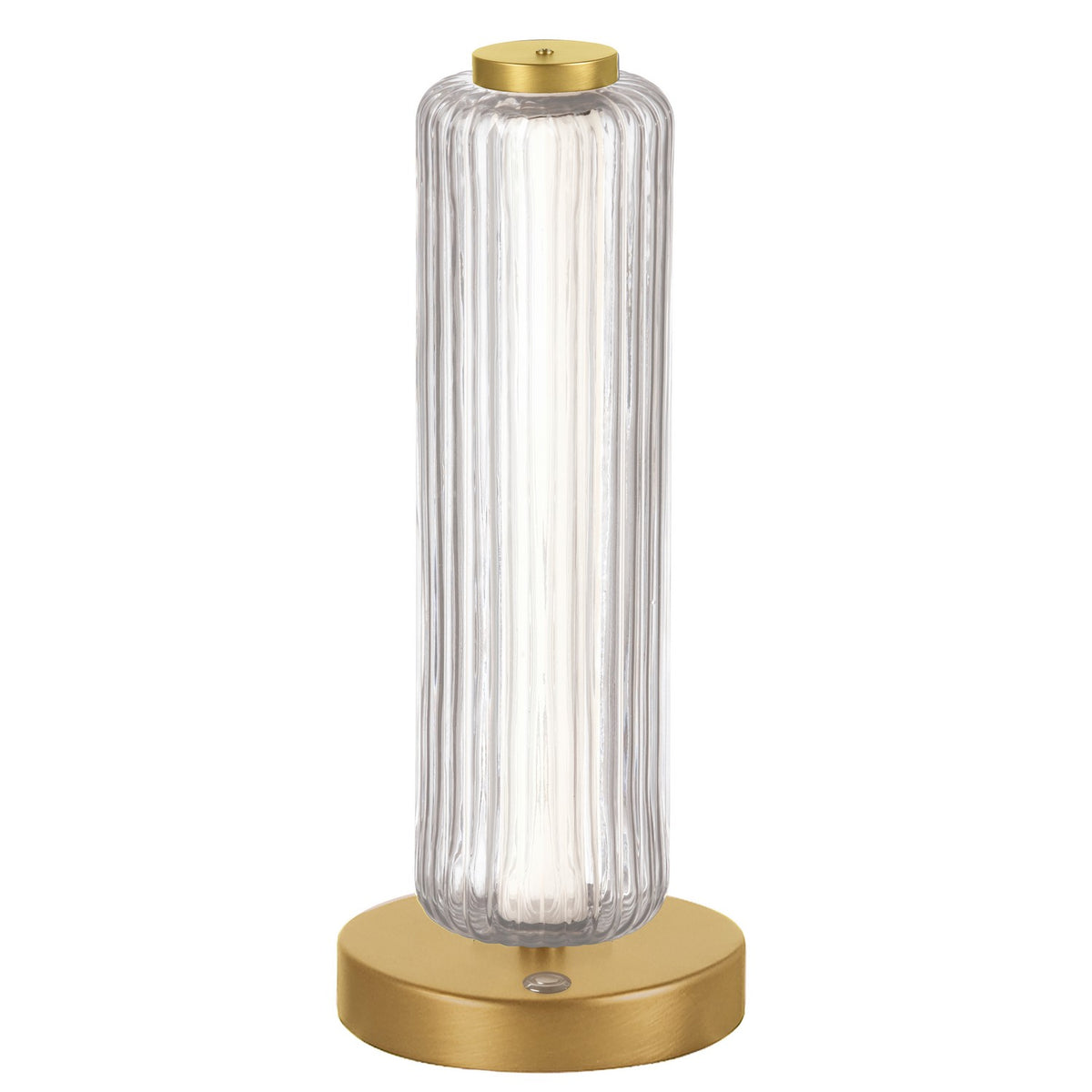
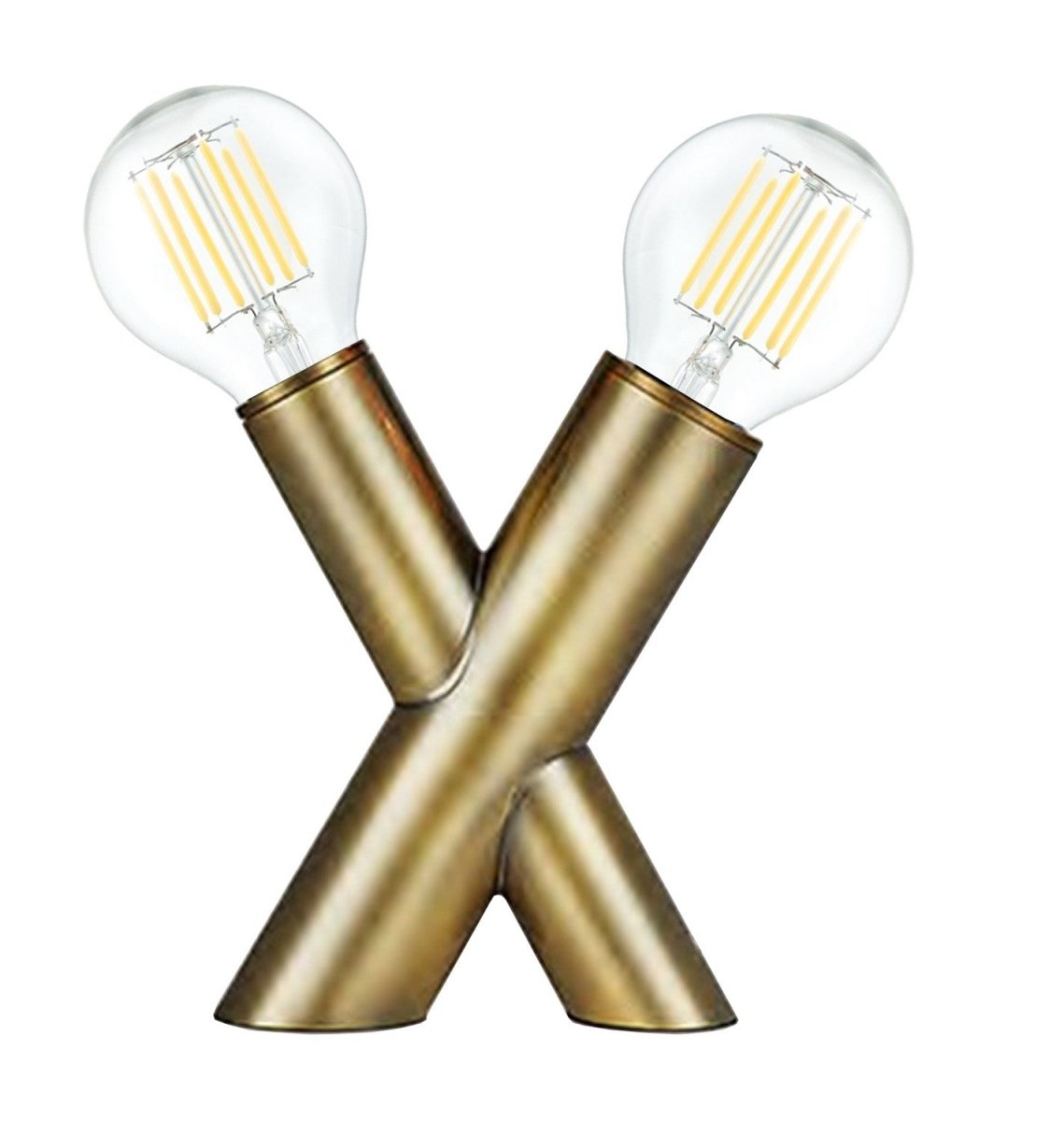
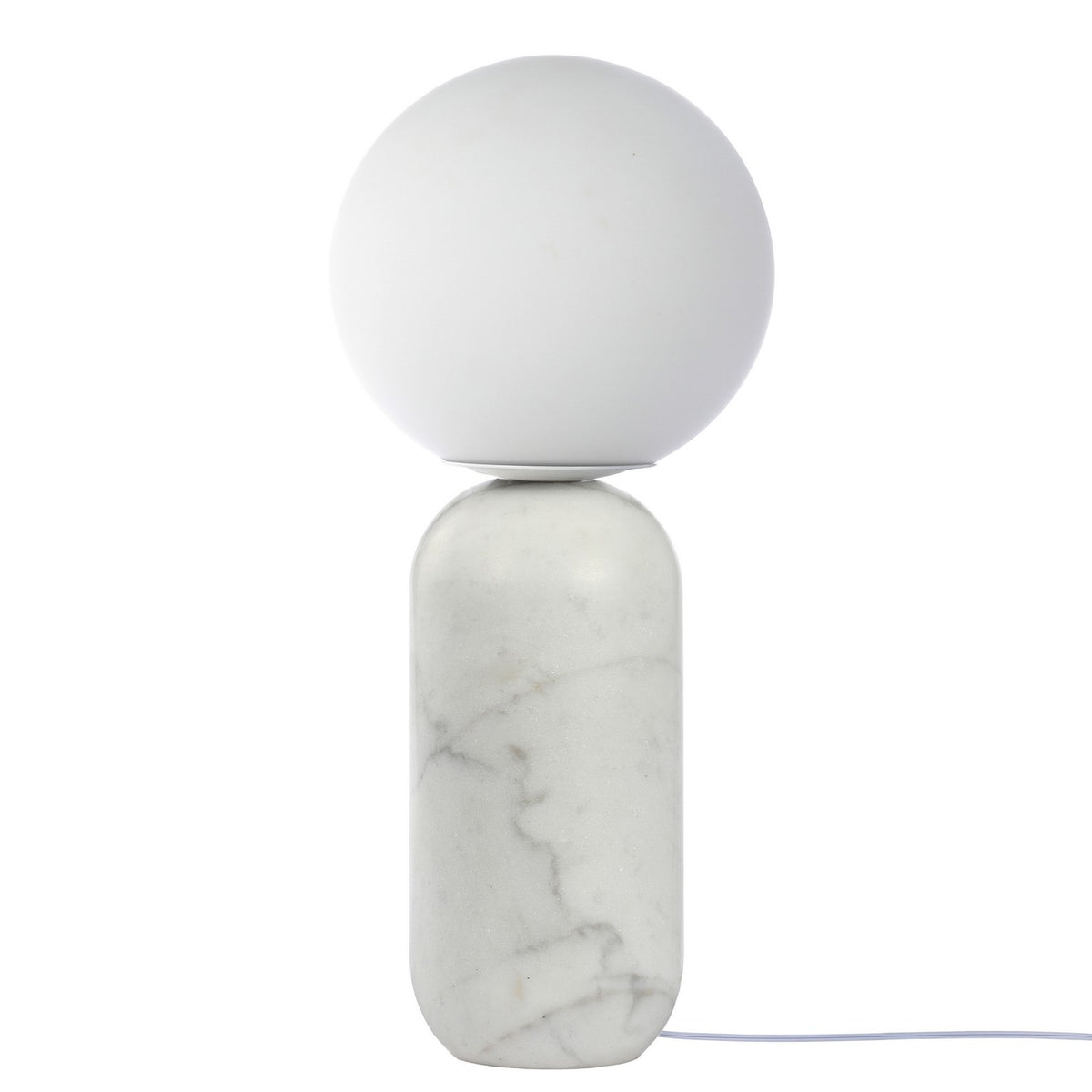
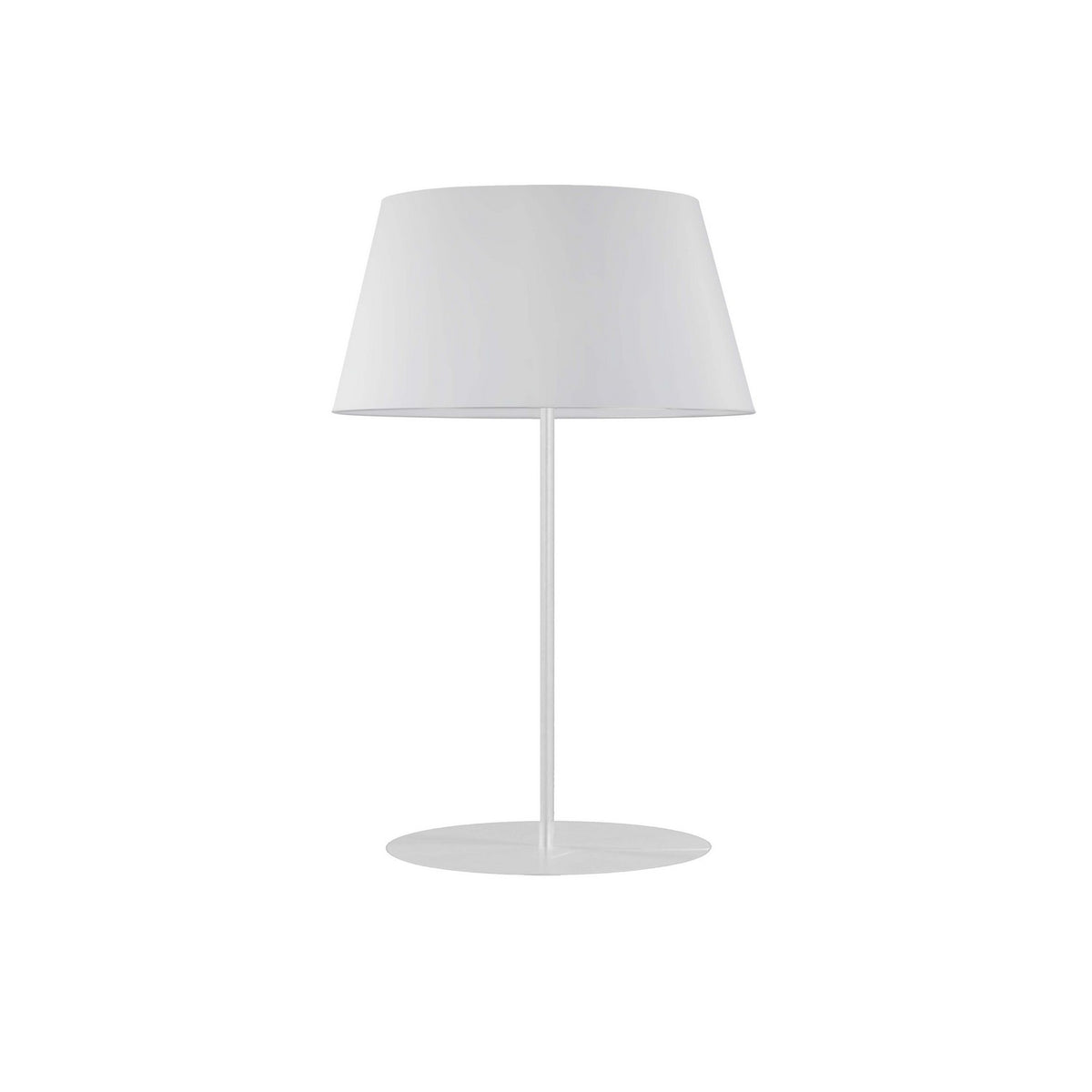
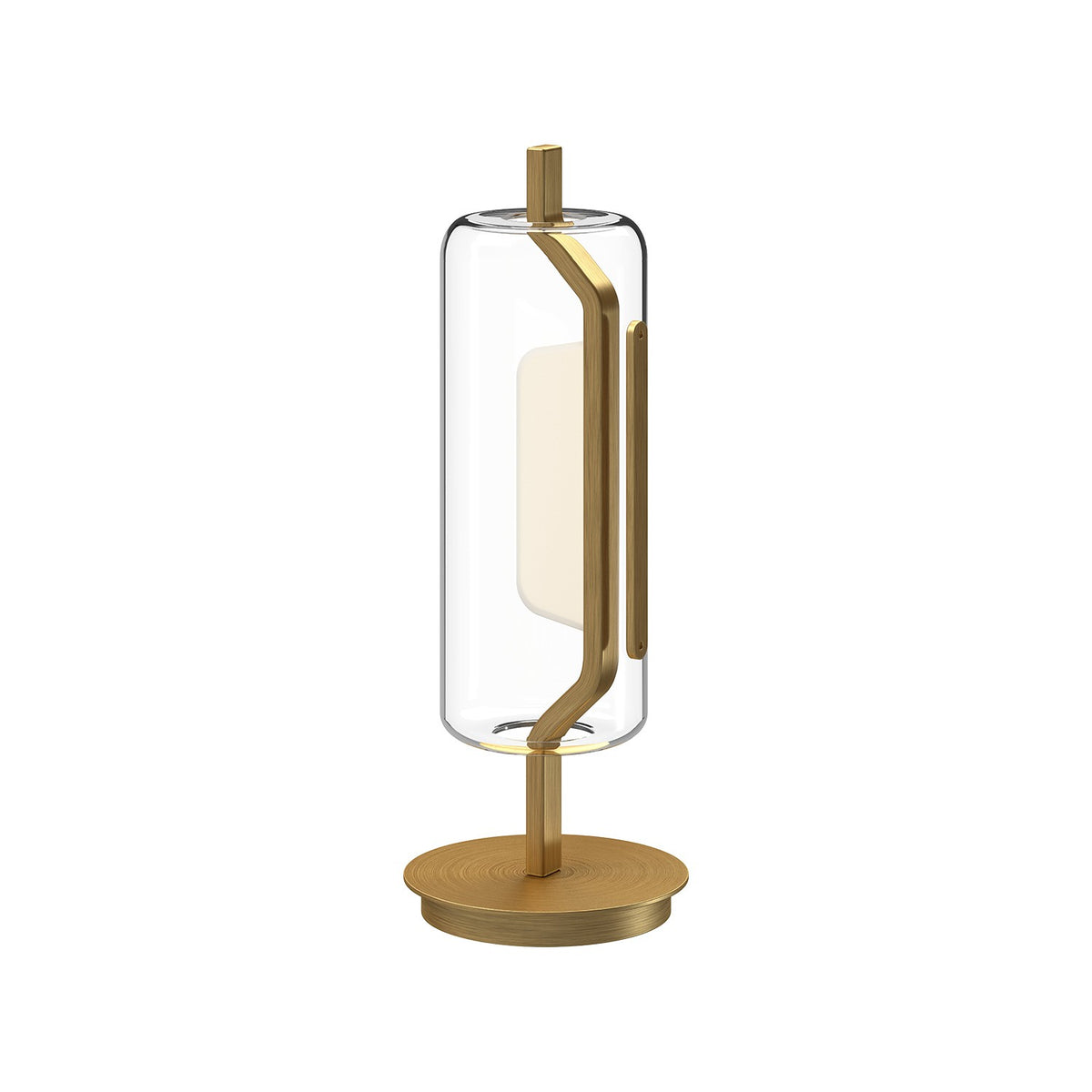
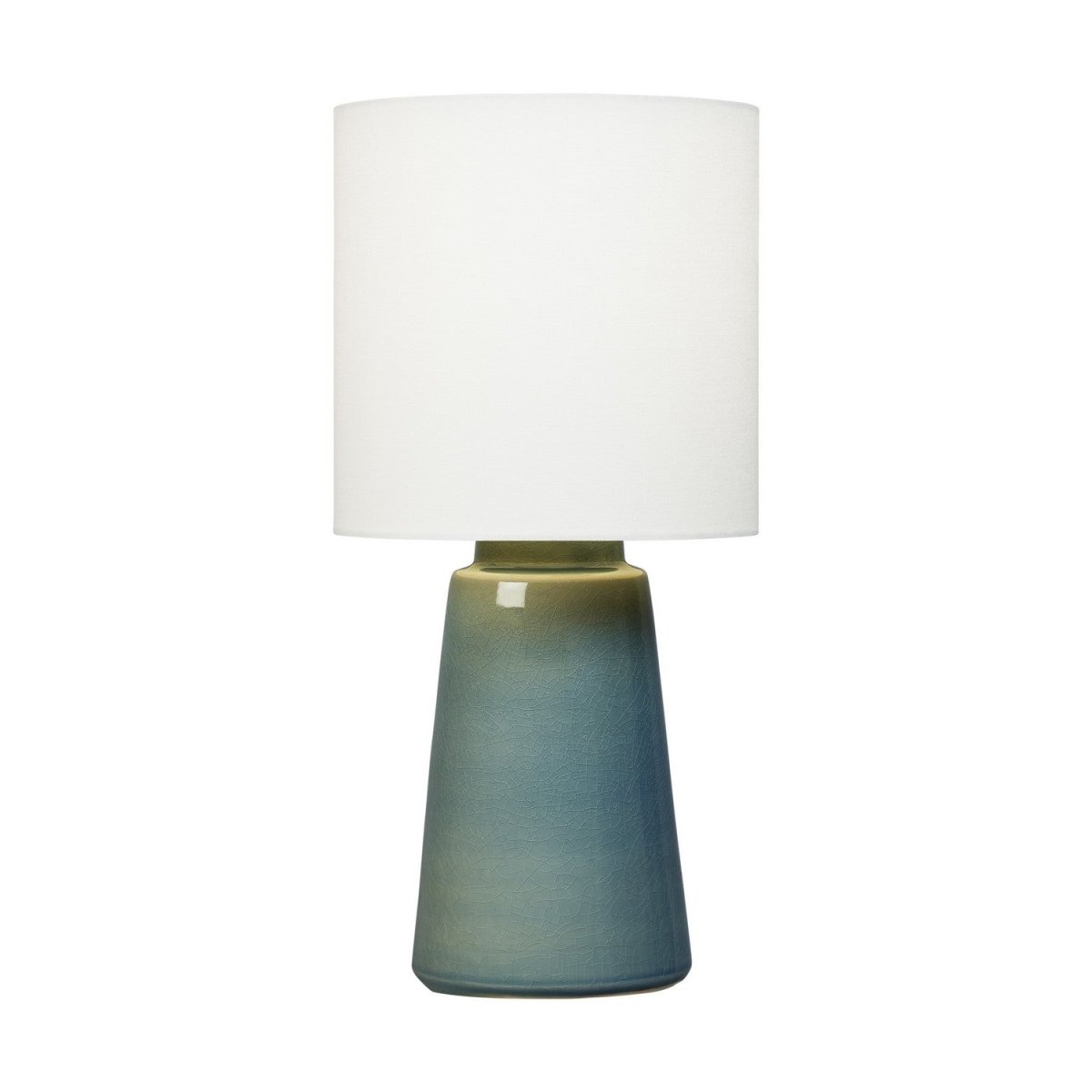
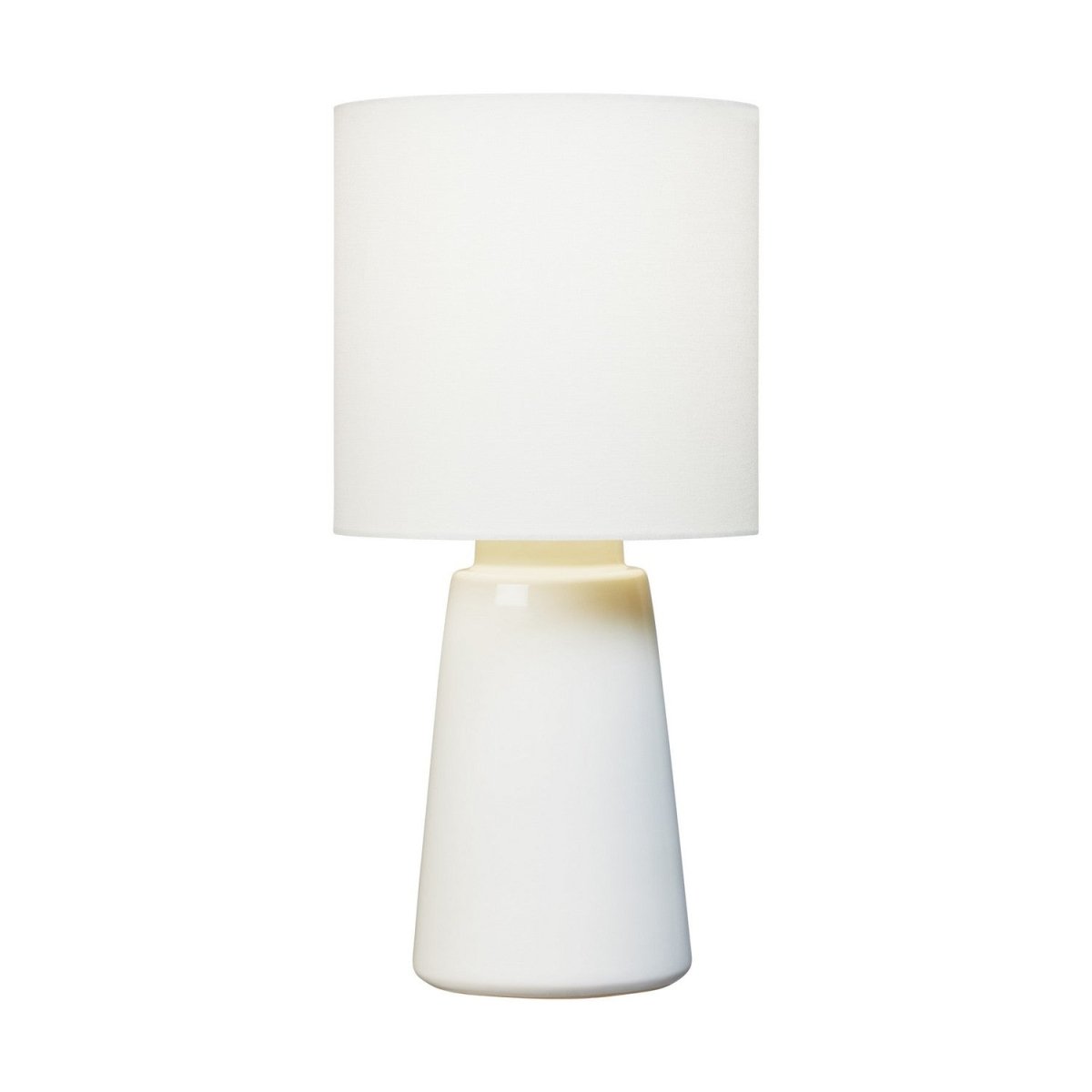
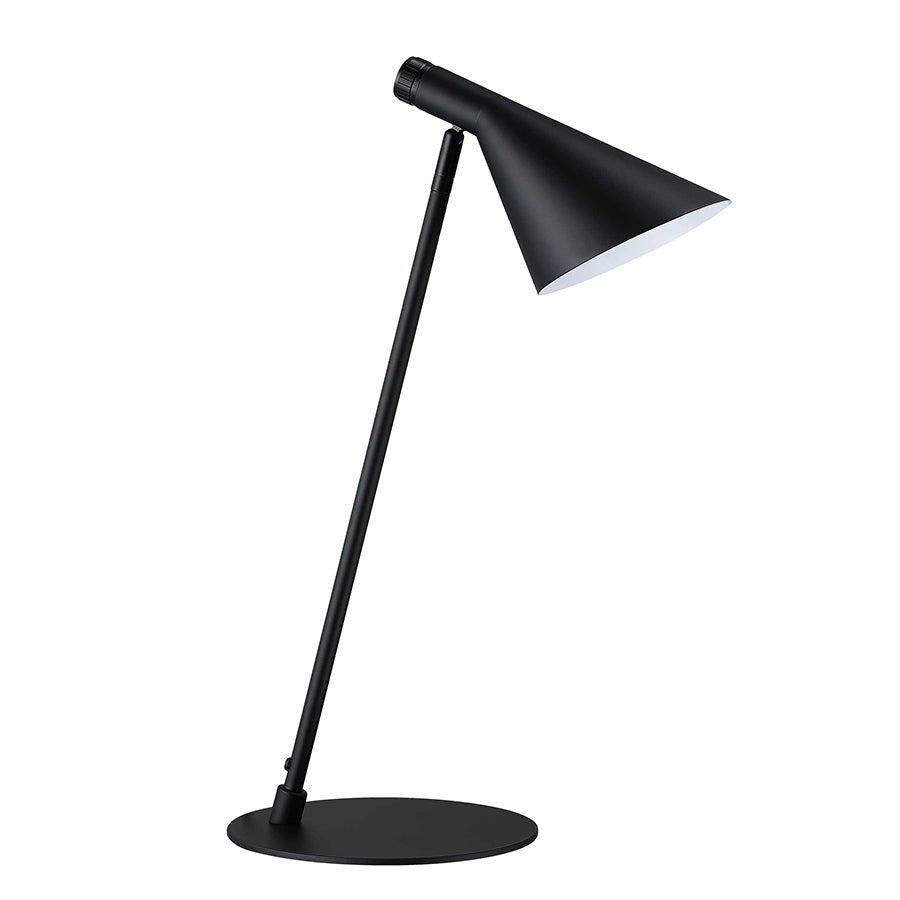
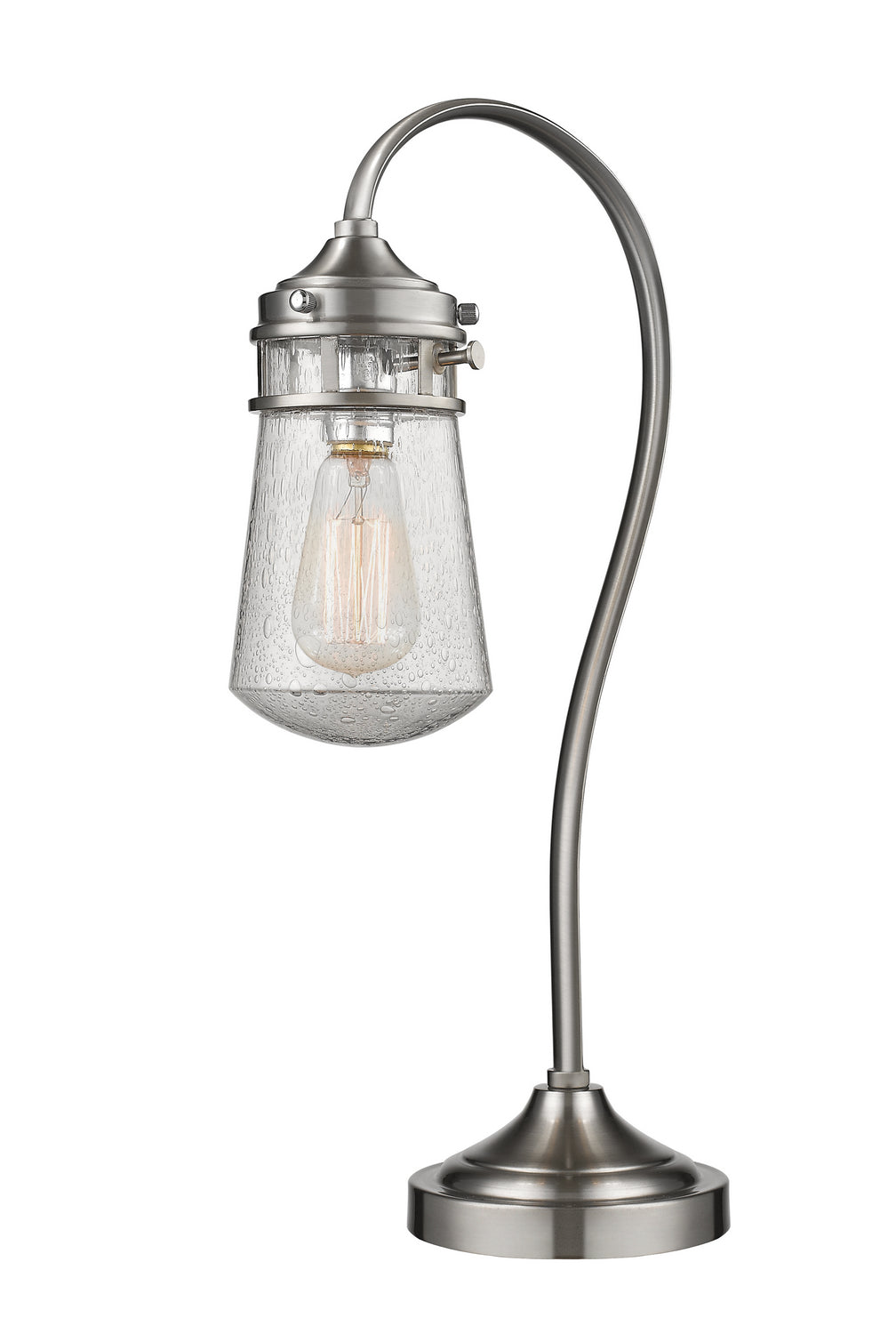
The base carries most of the character: ceramic for an artisanal finish, marble or stone for weight and presence, glass for lightness, metal (brass, bronze, blackened steel) for a contemporary or industrial feel, wood for natural warmth. For shades, a drum shape spreads a broad, even glow, while a tapered shade directs light downward, perfect for reading. Linen, paper and frosted glass soften shadows. If floor space is tight, a lighting table combo with a slim base keeps things uncluttered.
Performance: dimming, bulbs and switches
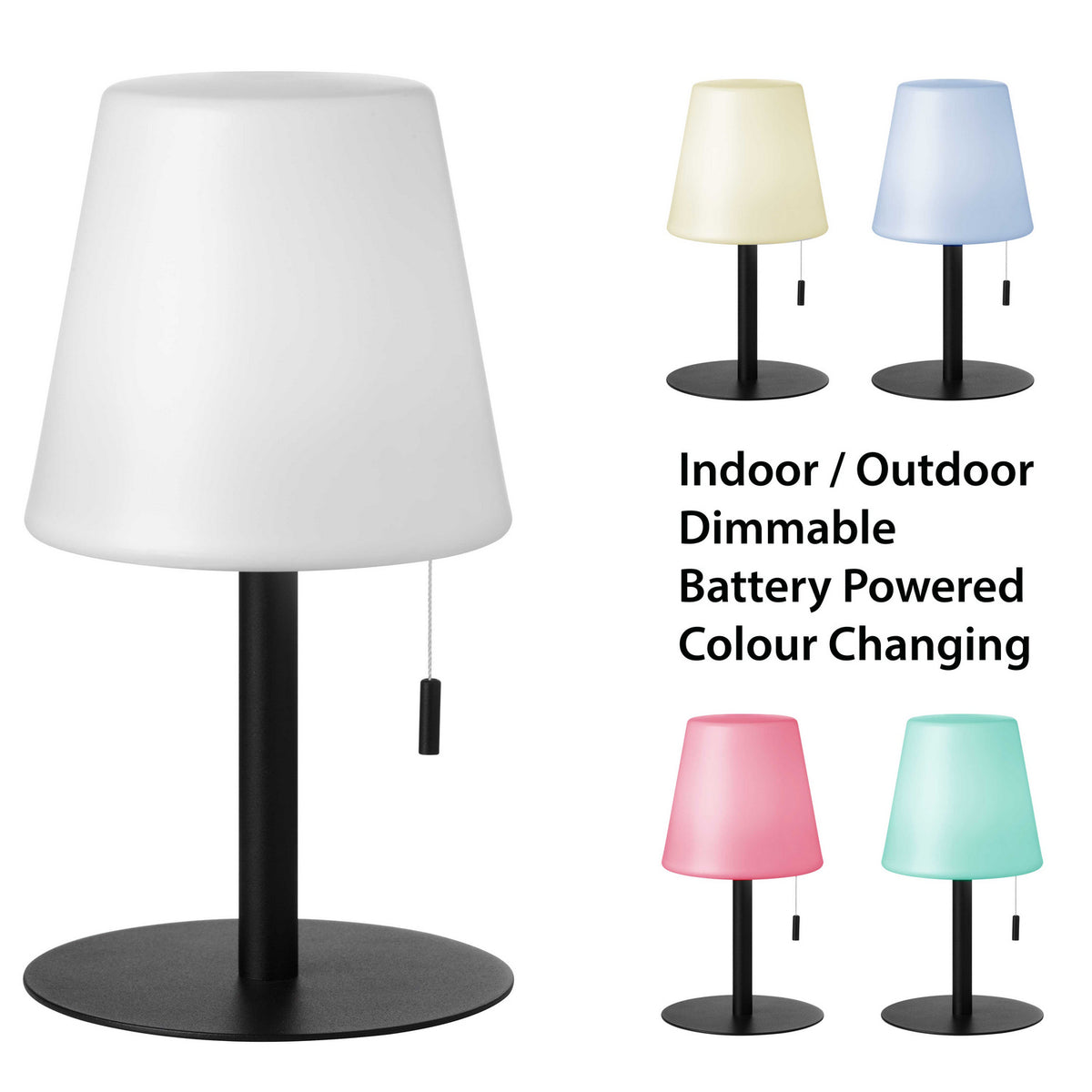
- Dimming: a lamp compatible with a dimmer gives control over intensity through the day; check the LED bulb is marked dimmable.
- Bulb and temperature: 2700-3000 K for a warm mood, a cooler temperature for focused task use; aim for good CRI for accurate colours.
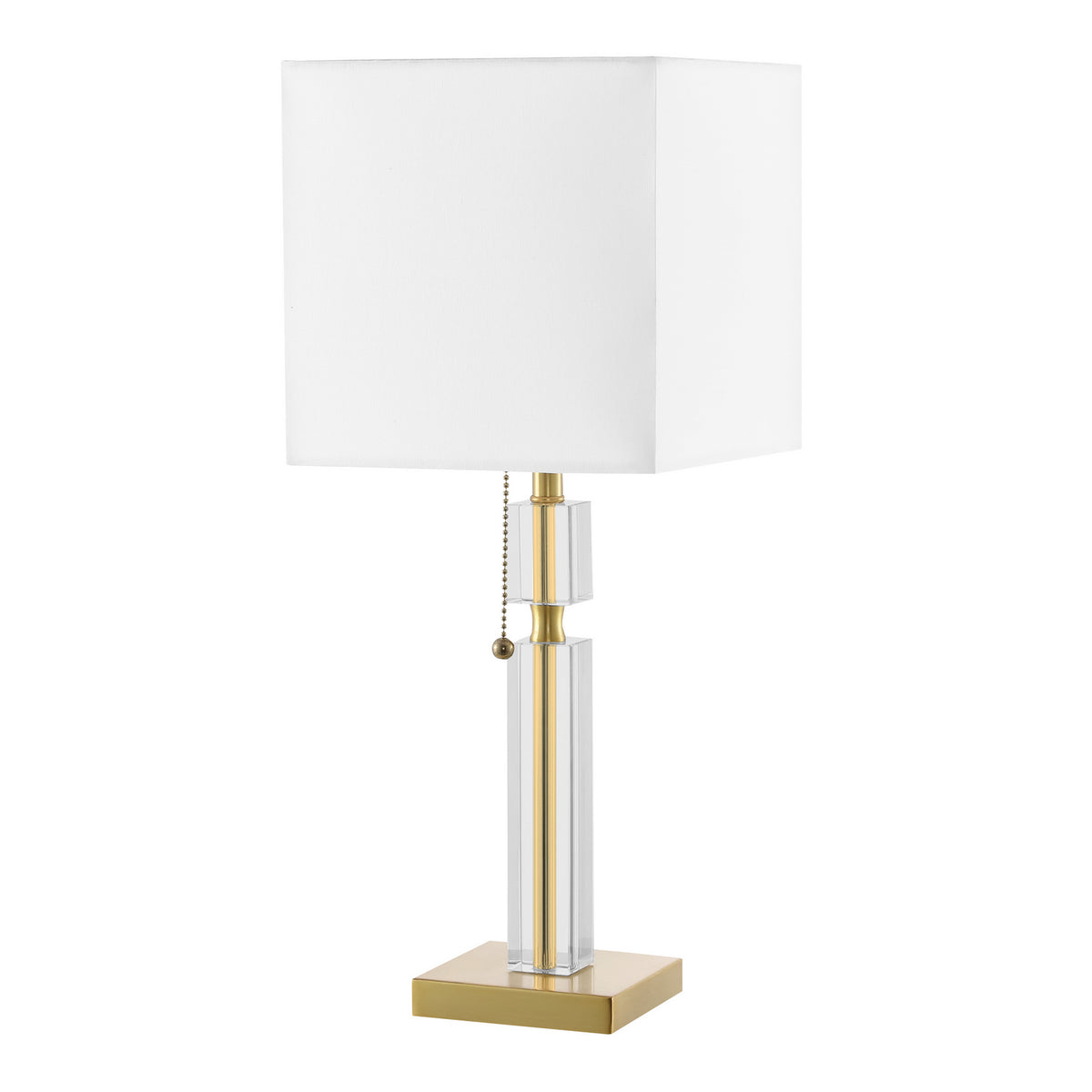
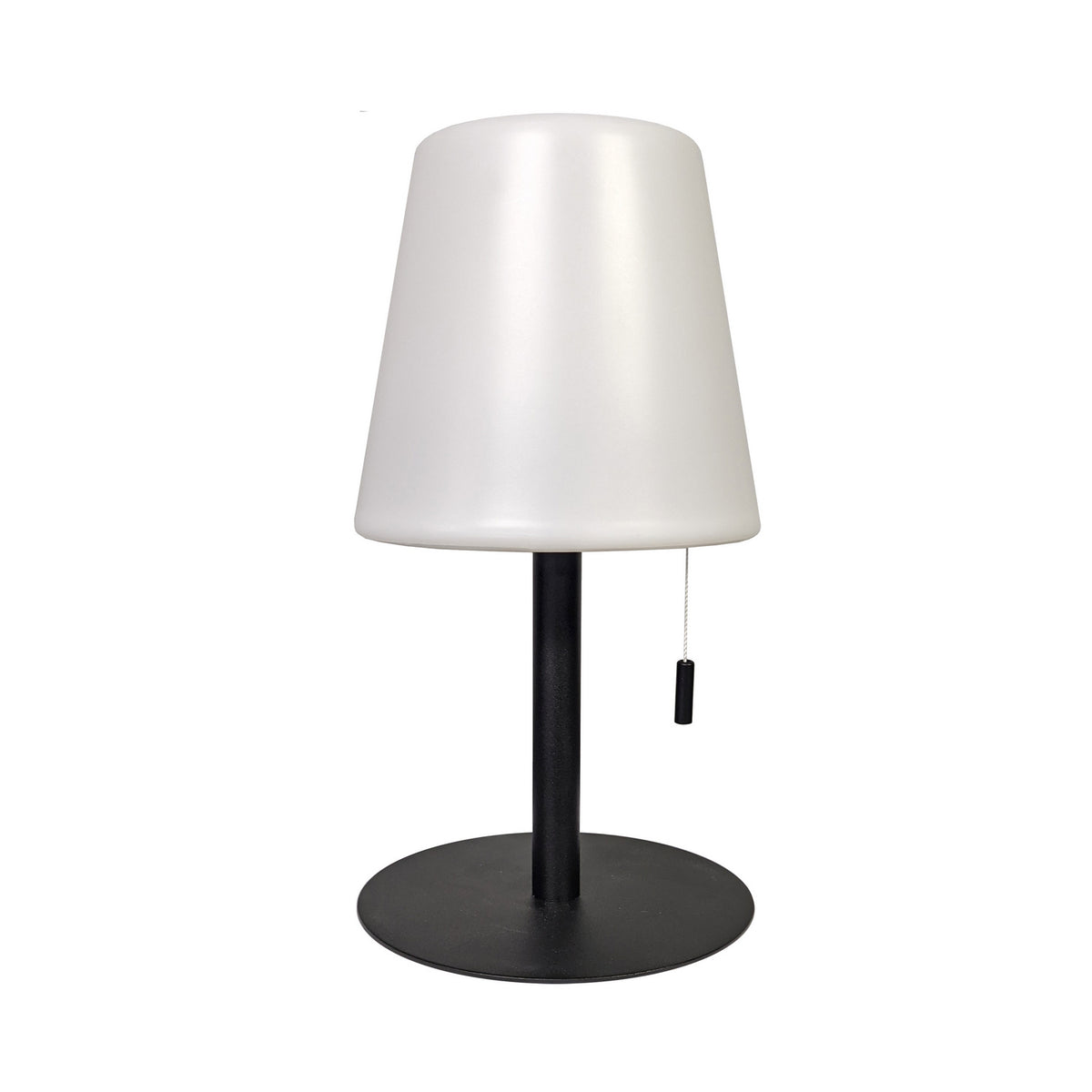
- Switch: base knob, pull chain, inline cord switch or touch control — pick to suit the spot.
- Cord management: allow enough length to reach the outlet without tension and to avoid visible wires.
Our brands
Visual Comfort Studio and Artemide cover the architectural and sculptural look, while Luce Lumen brings pieces with strong character. The catalogue also spans Dainolite, Kuzco Lighting, PageOne, Alora Lighting, Adesso, Louis Poulsen and Pablo Designs, among others, from Scandinavian minimalism to warmer finishes. Pair one with a matching floor lamp for a coherent scheme.