

















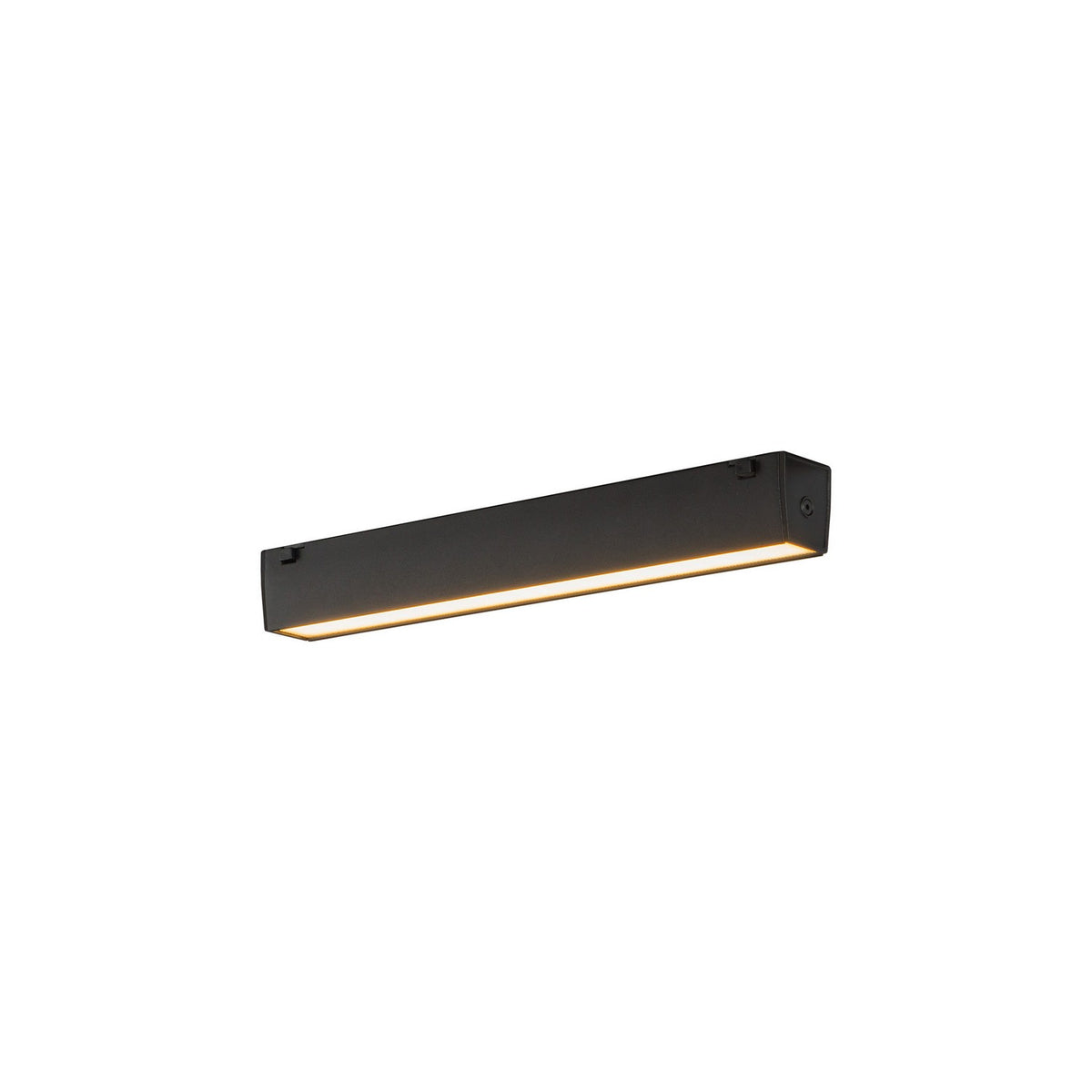
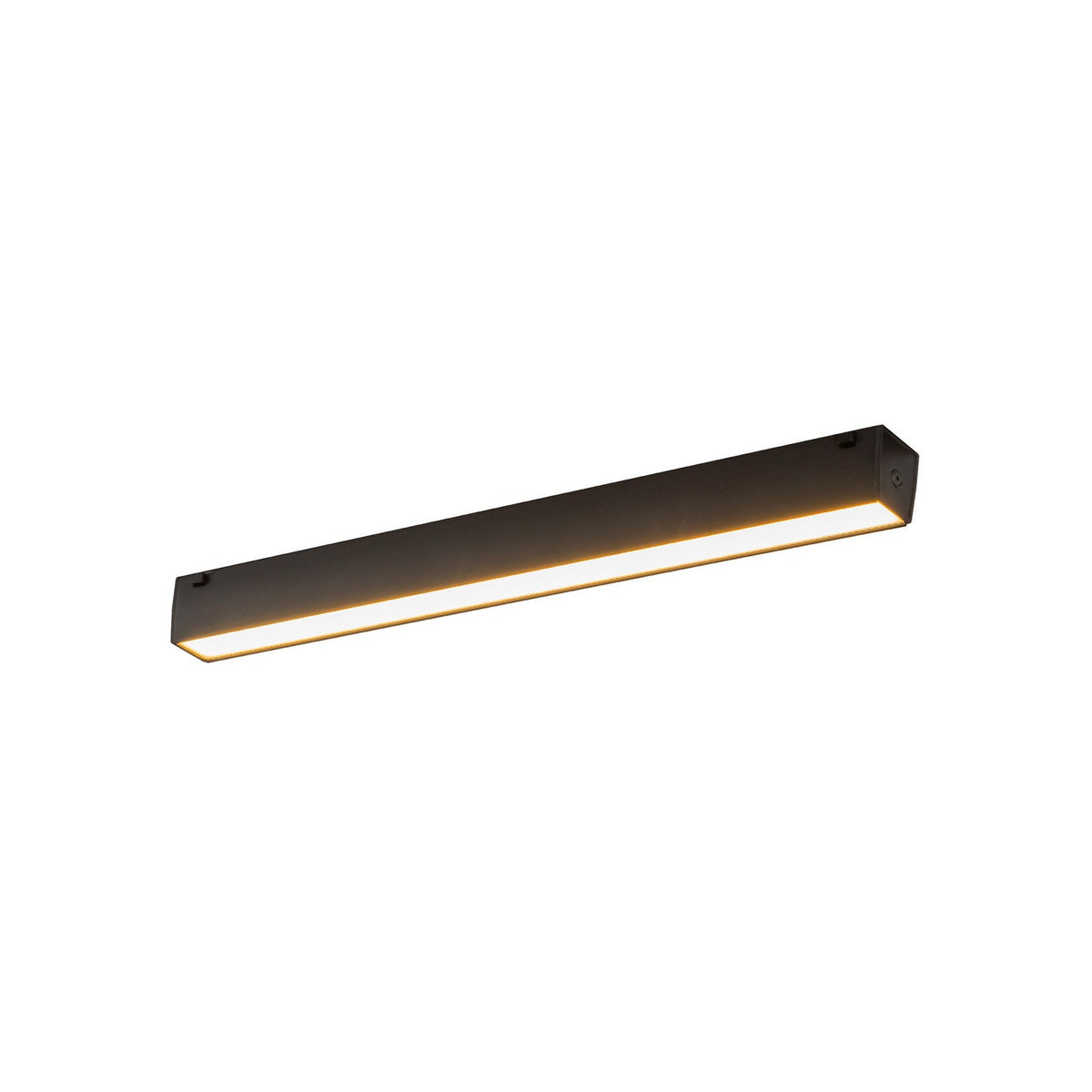
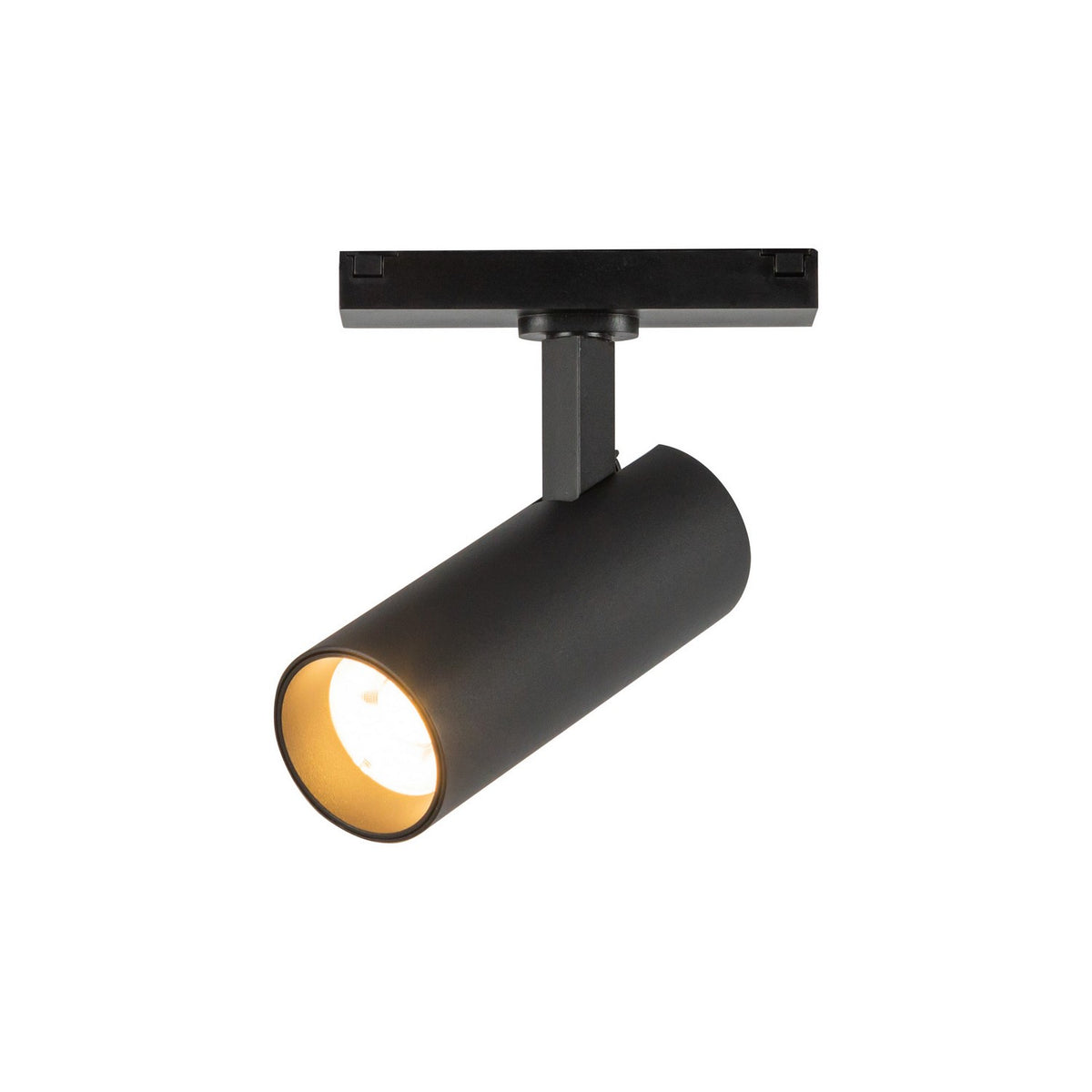
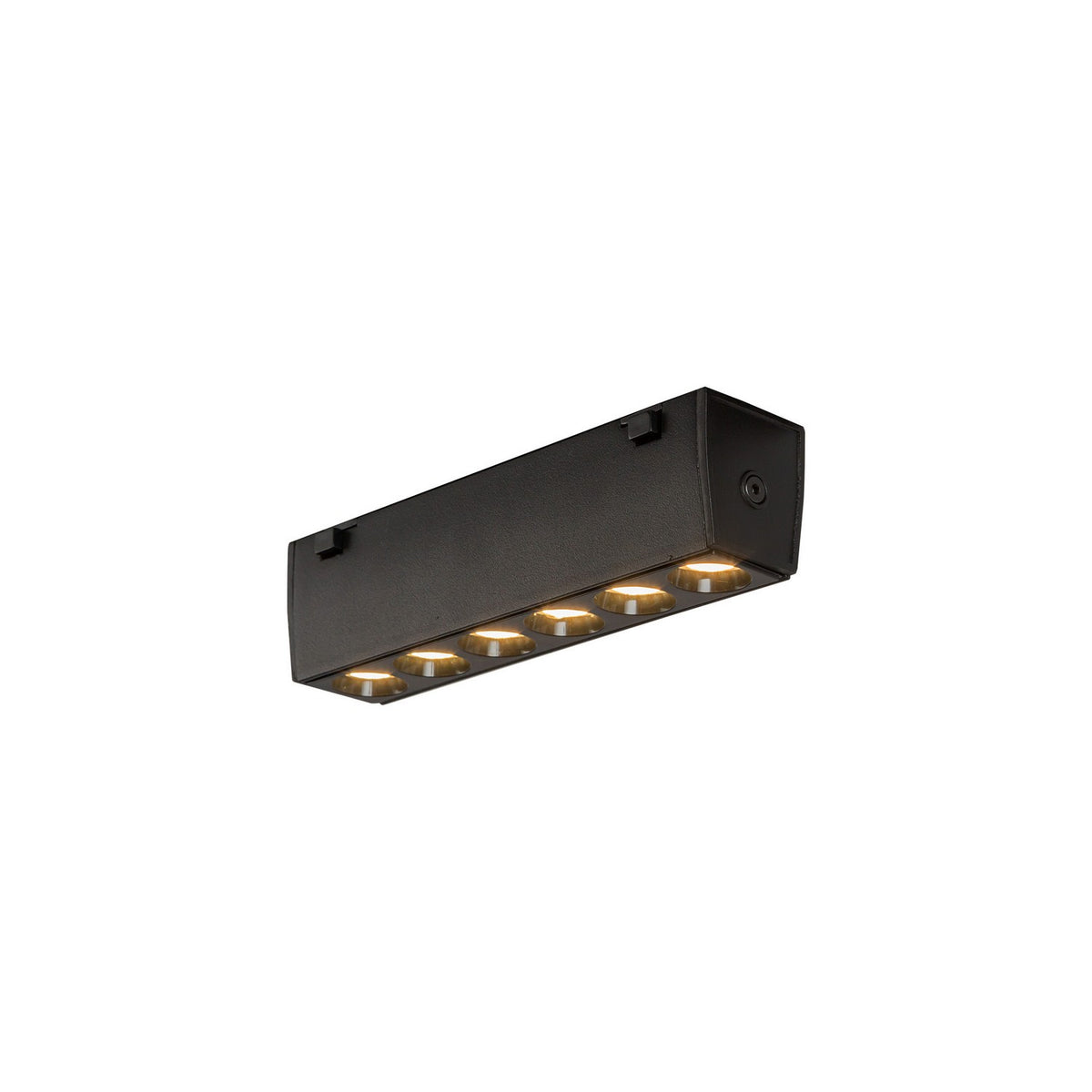
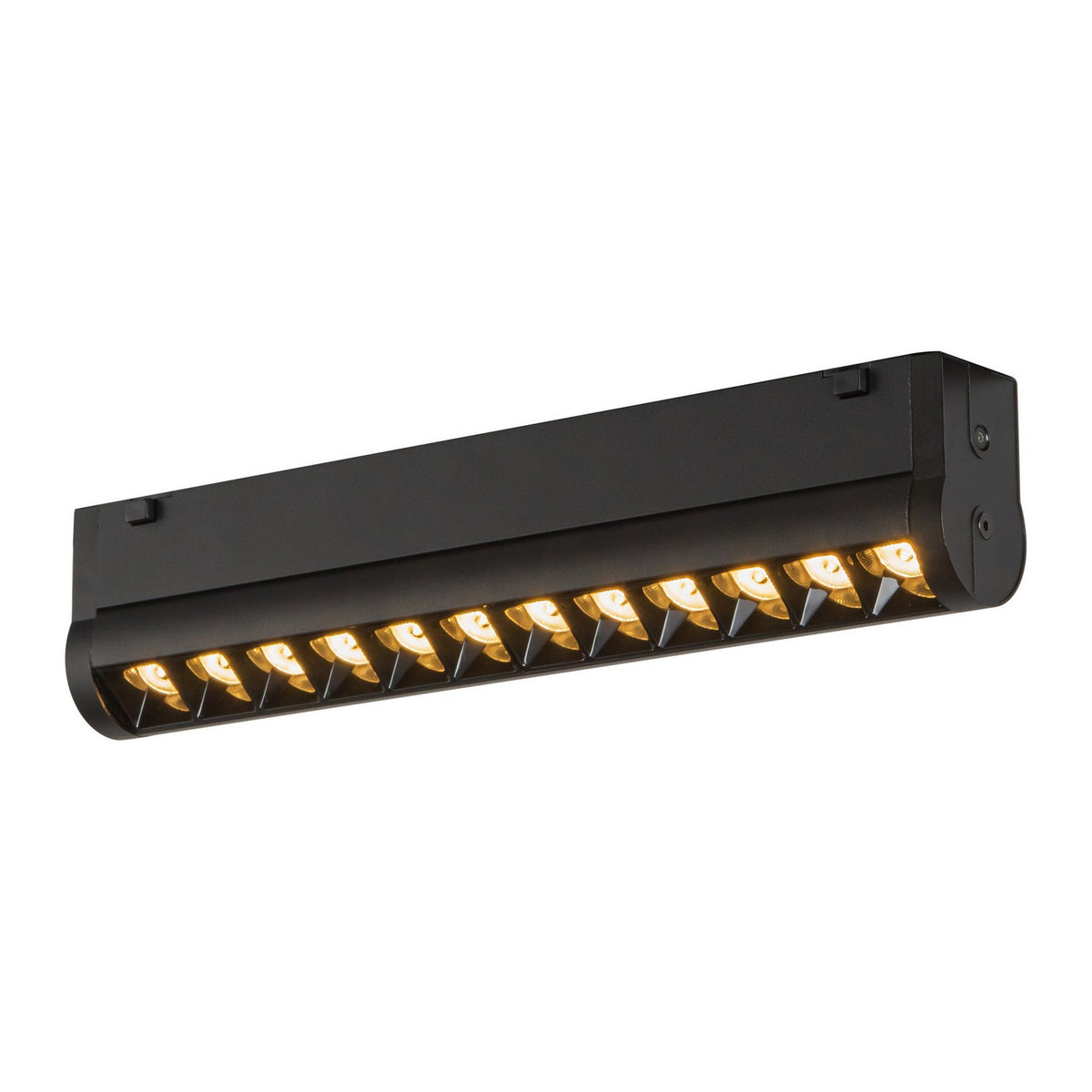
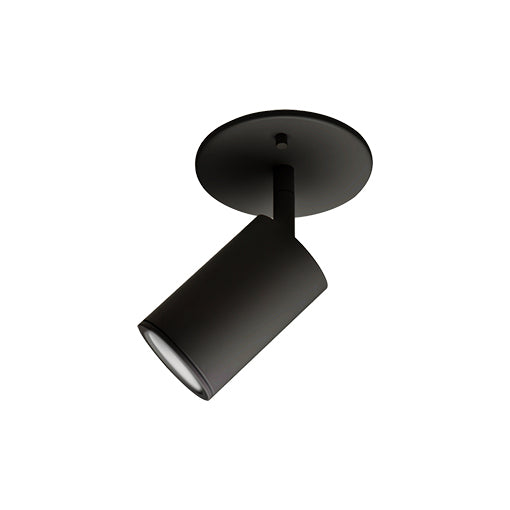
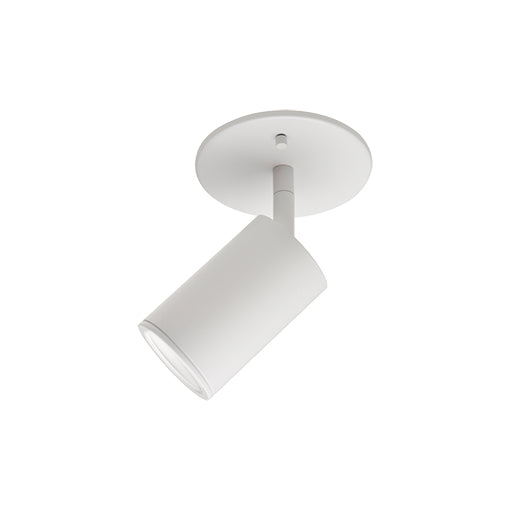
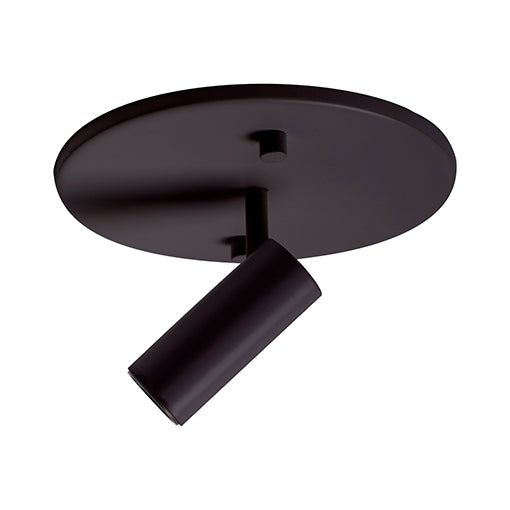
Why choose a rail light
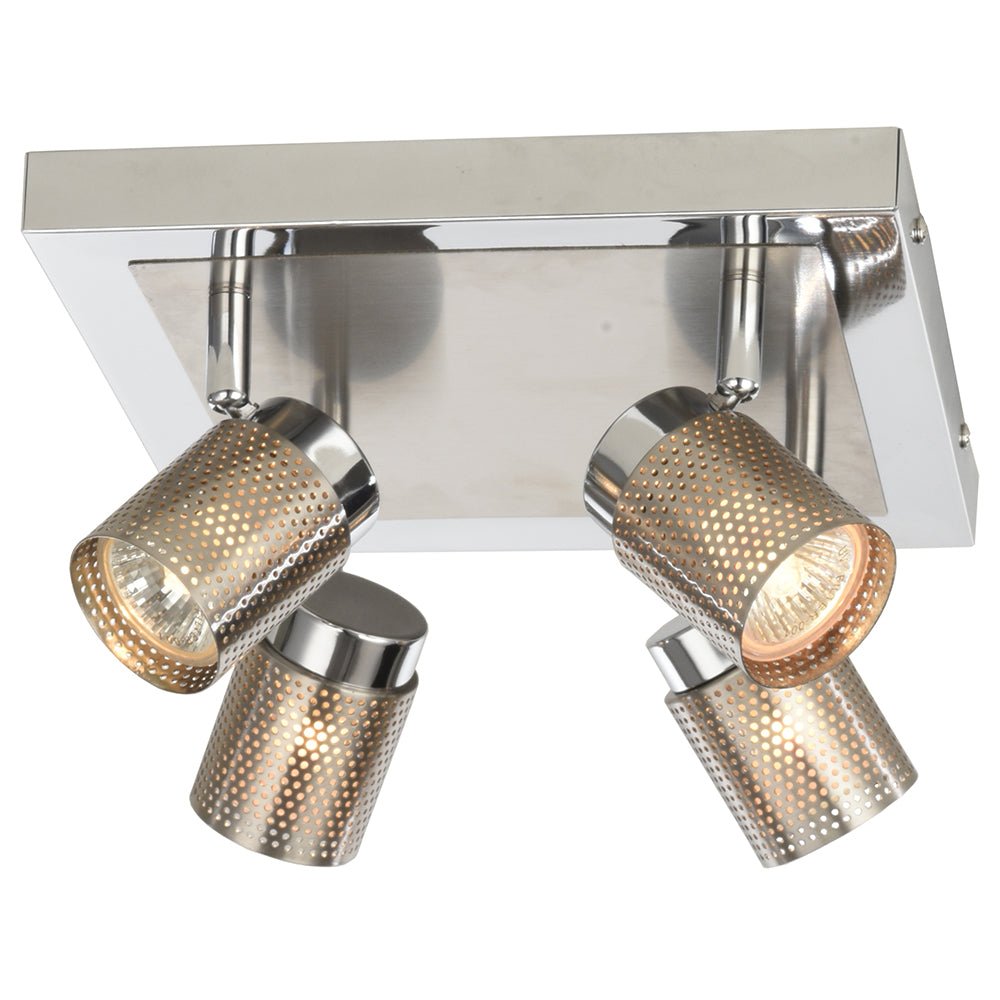
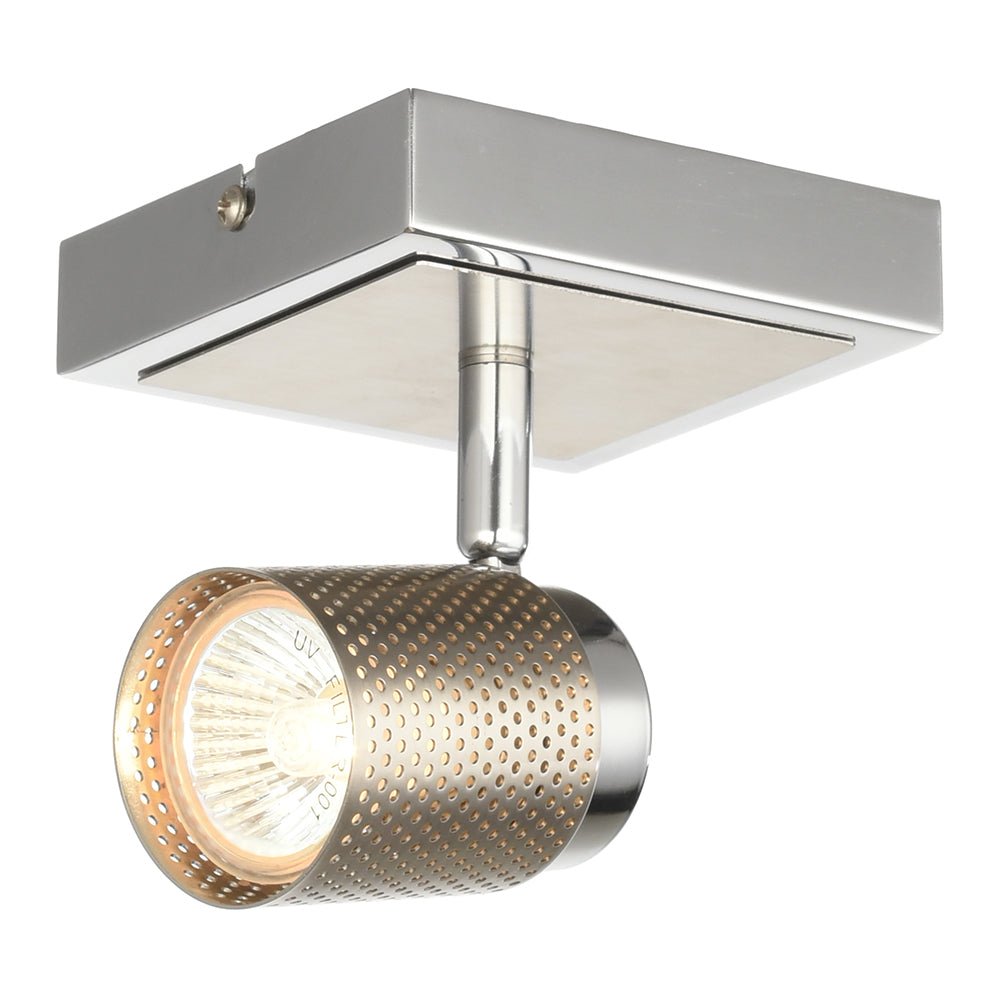
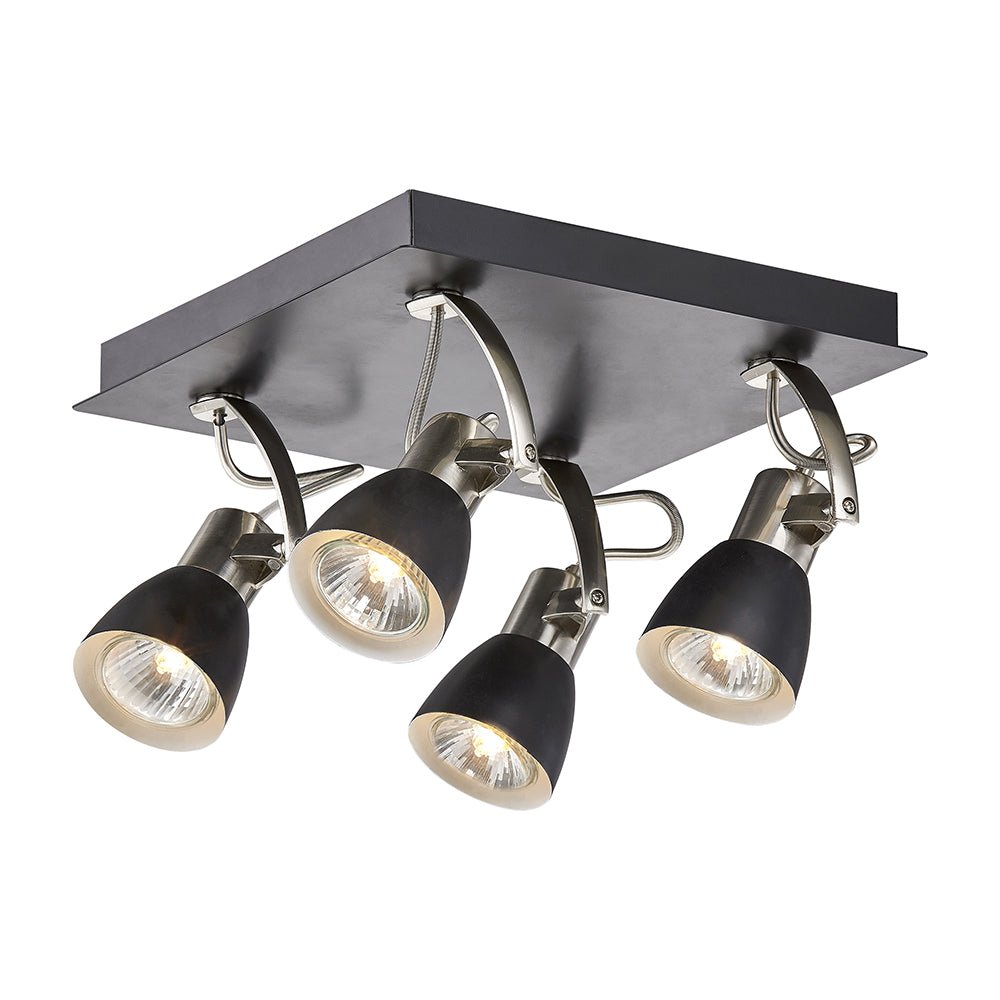
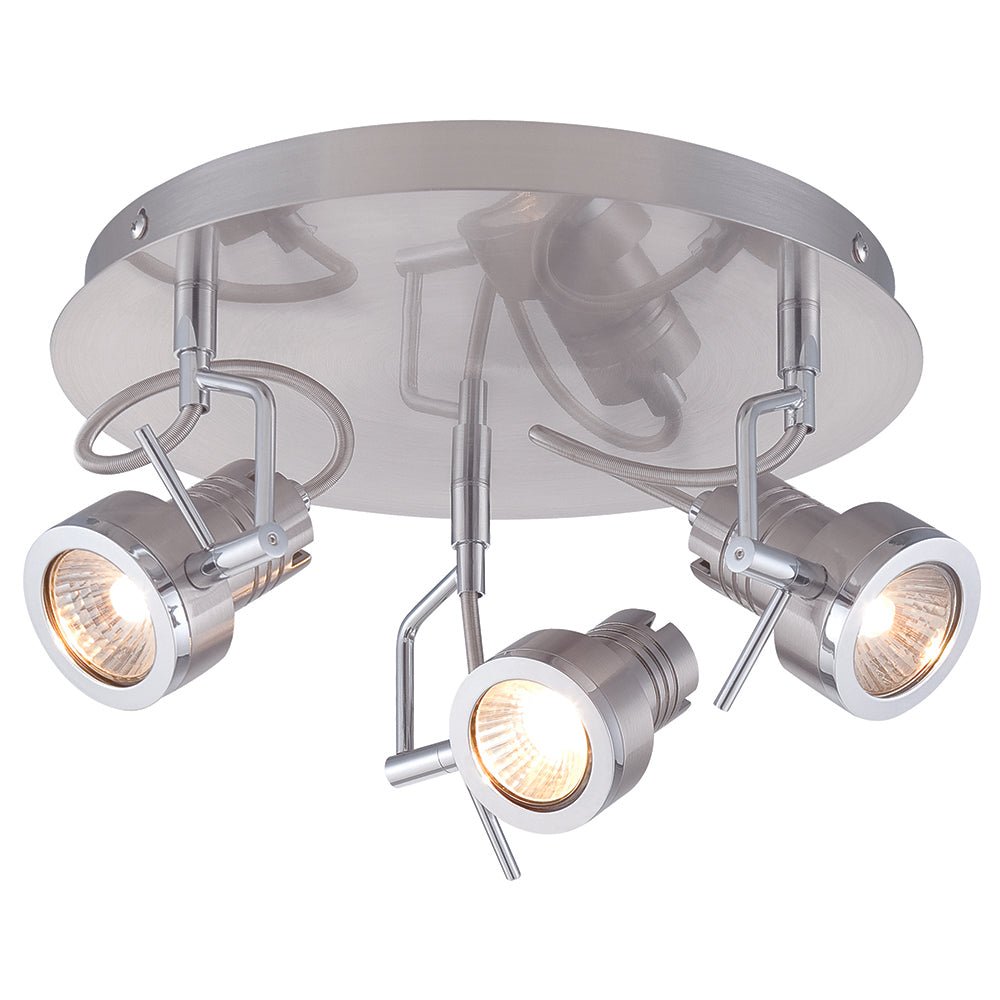
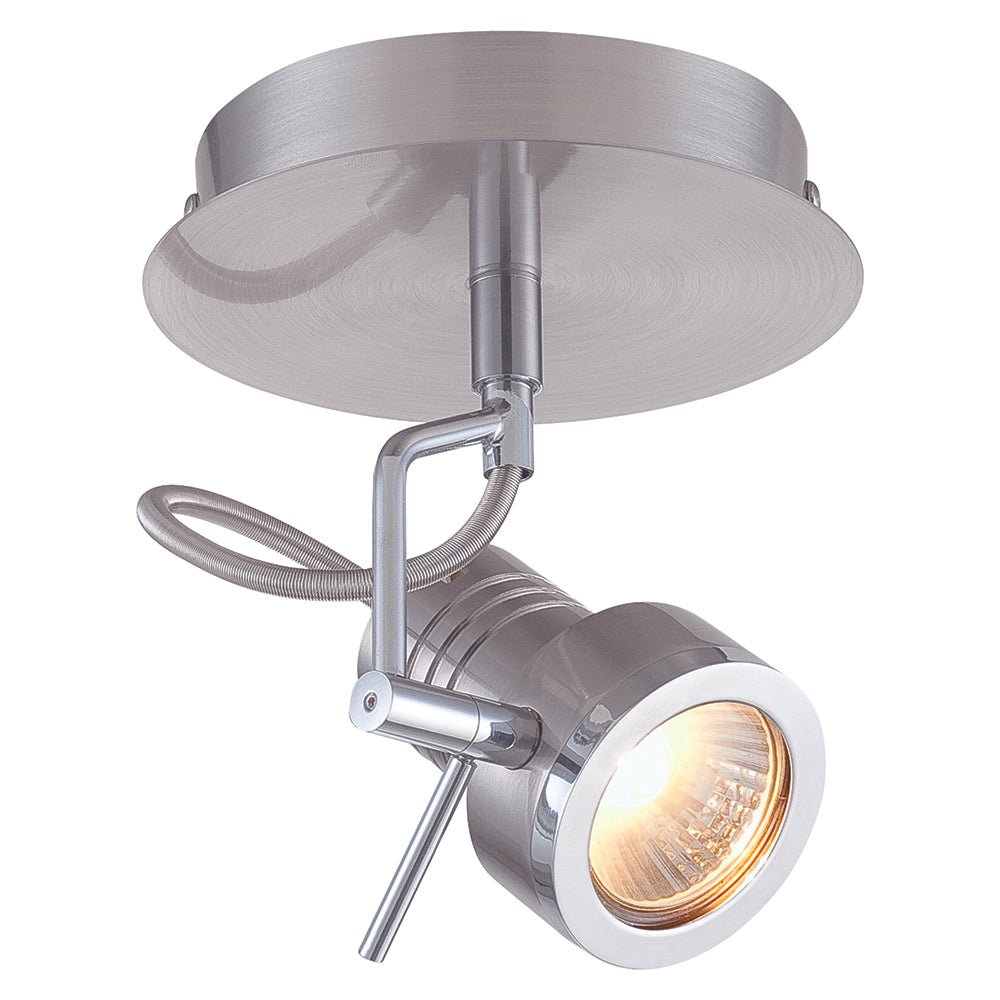
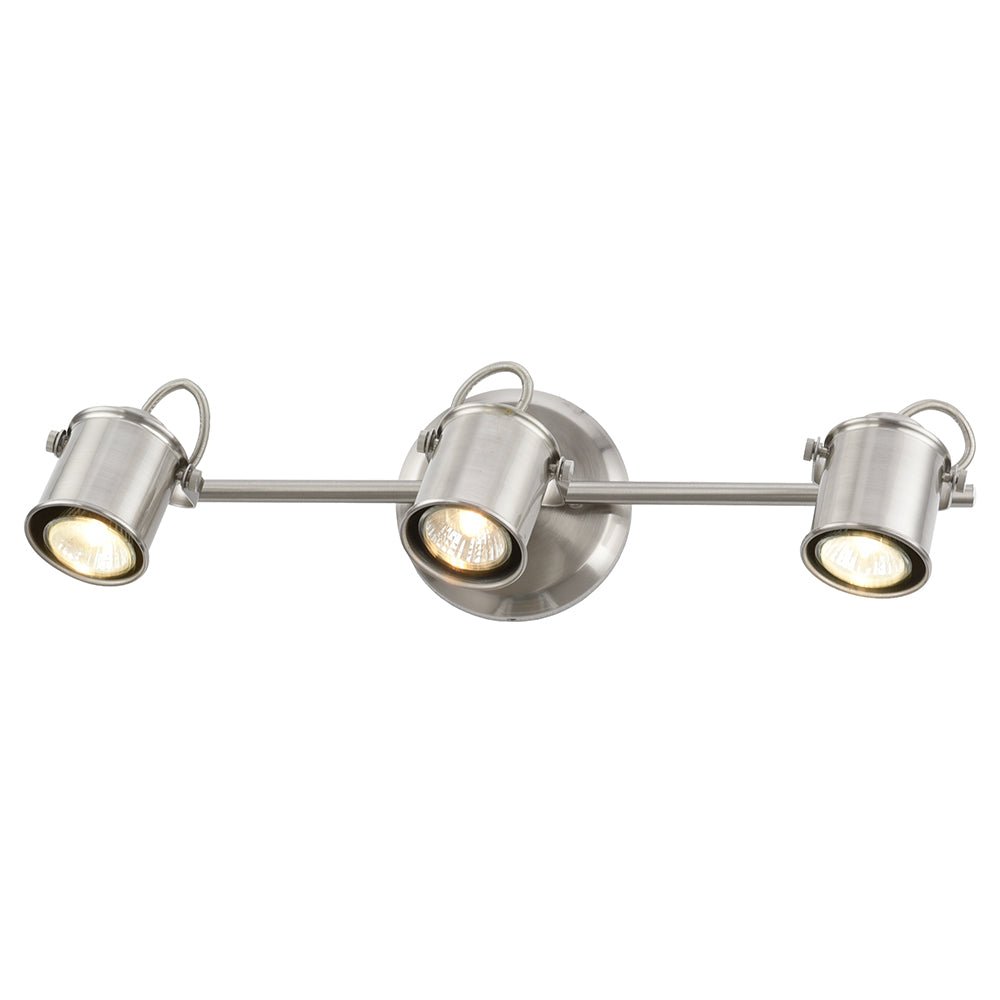
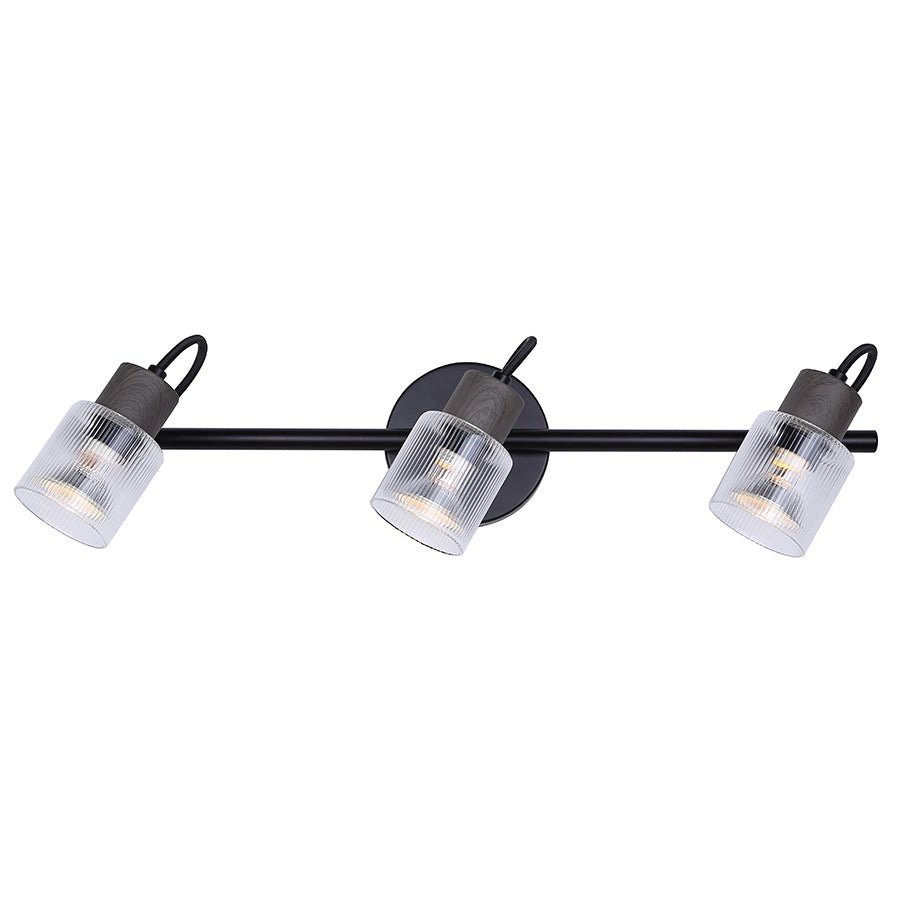
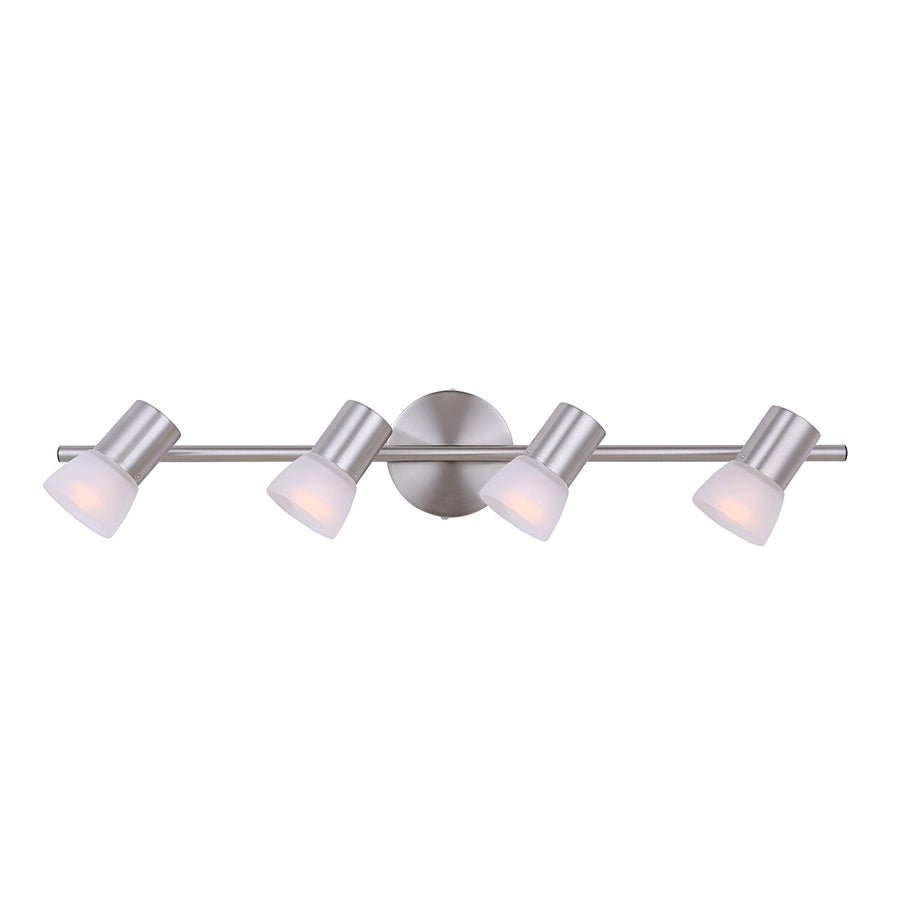
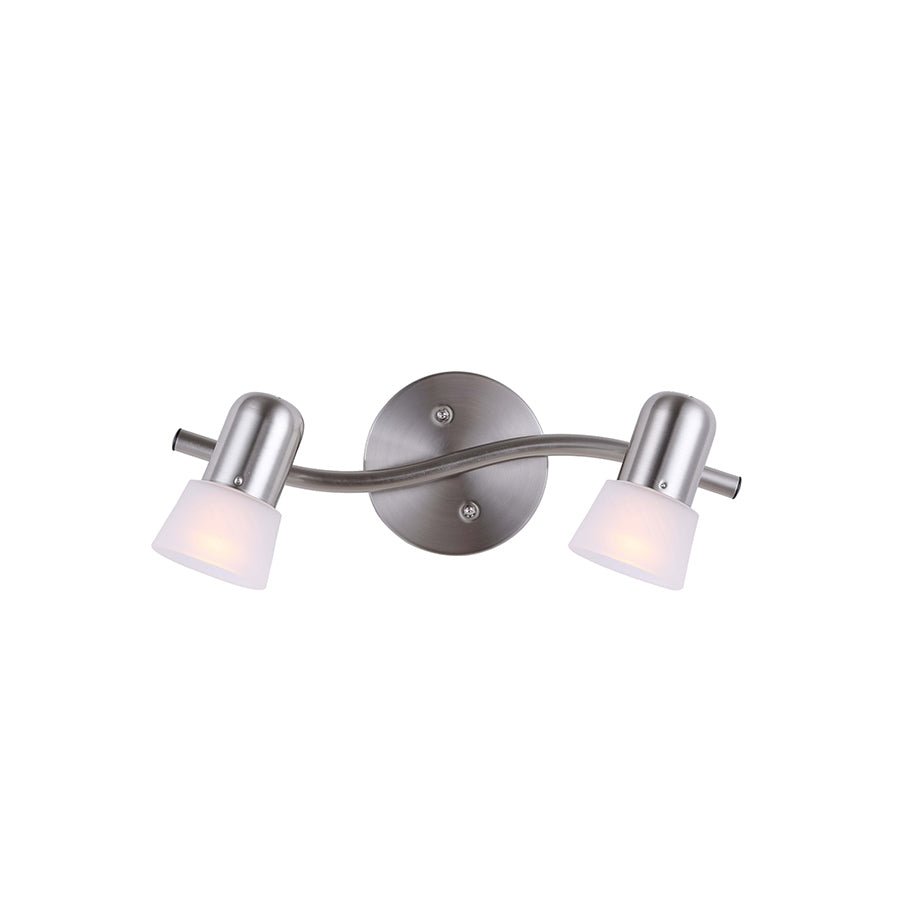
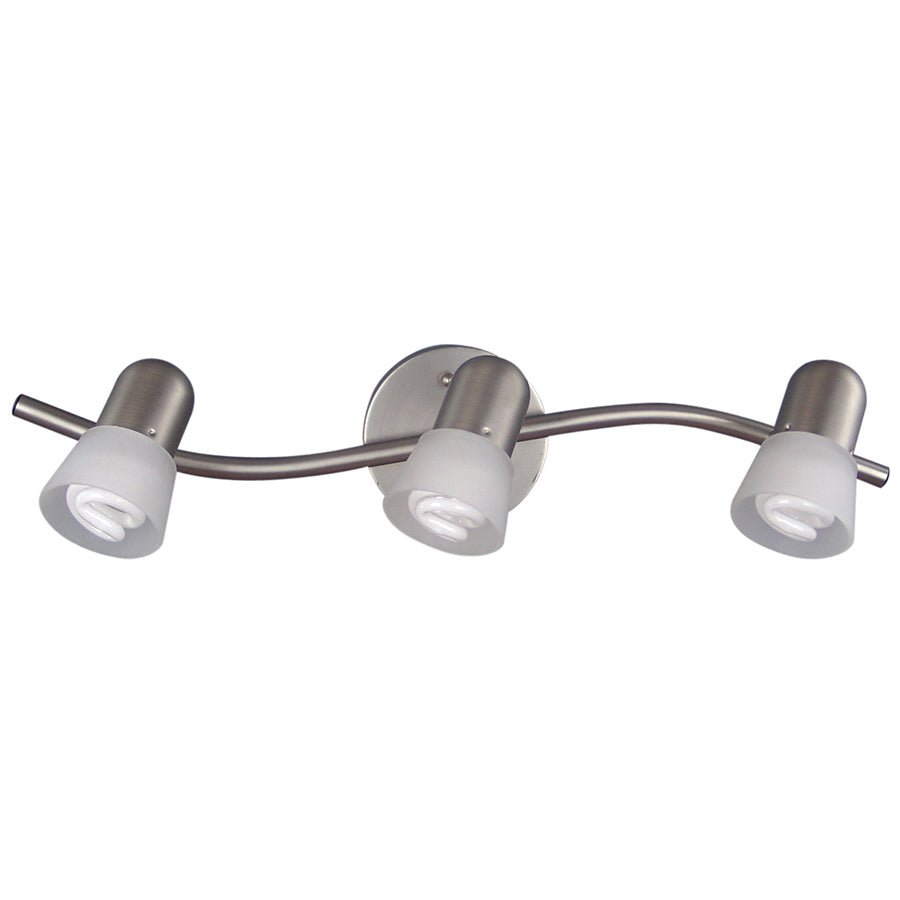
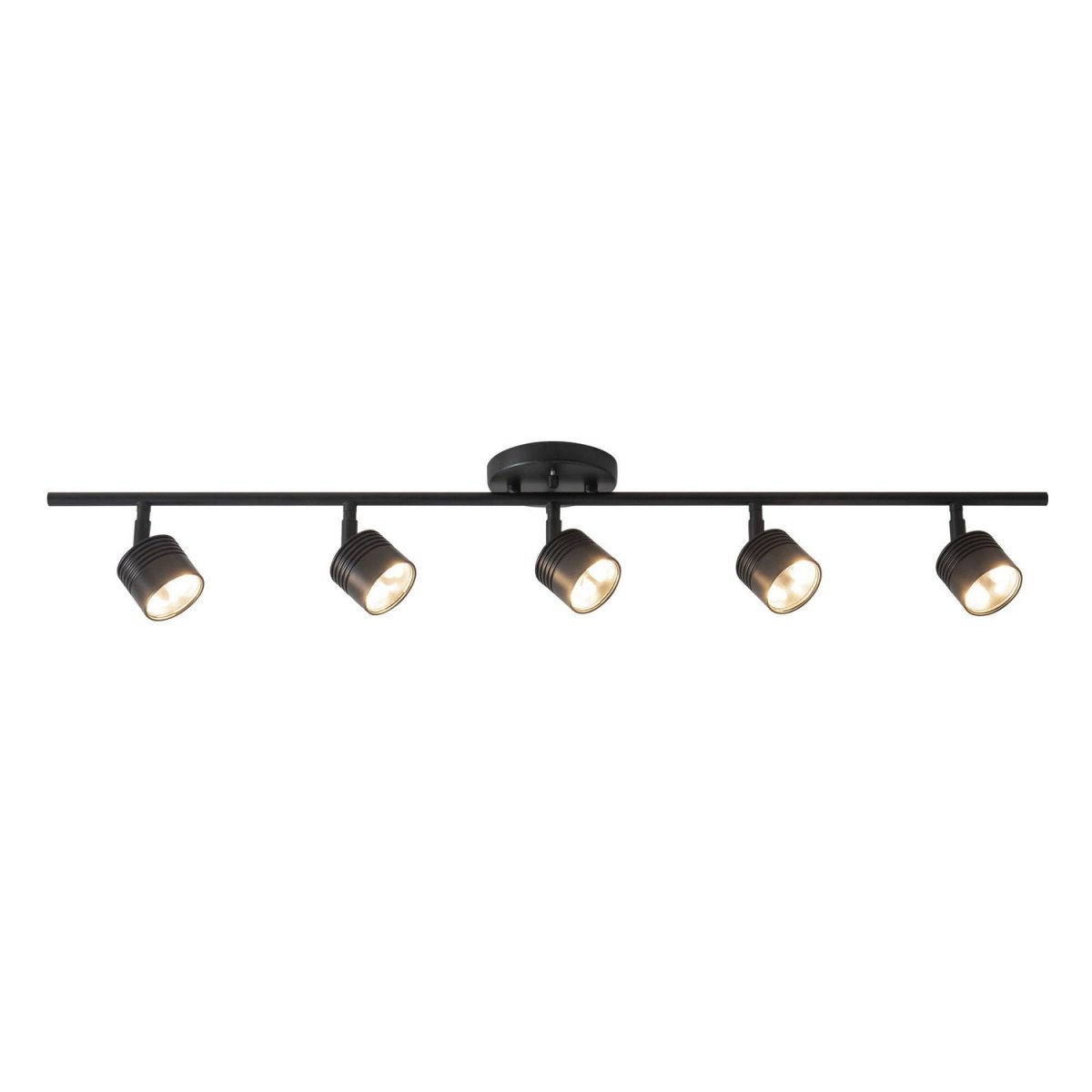
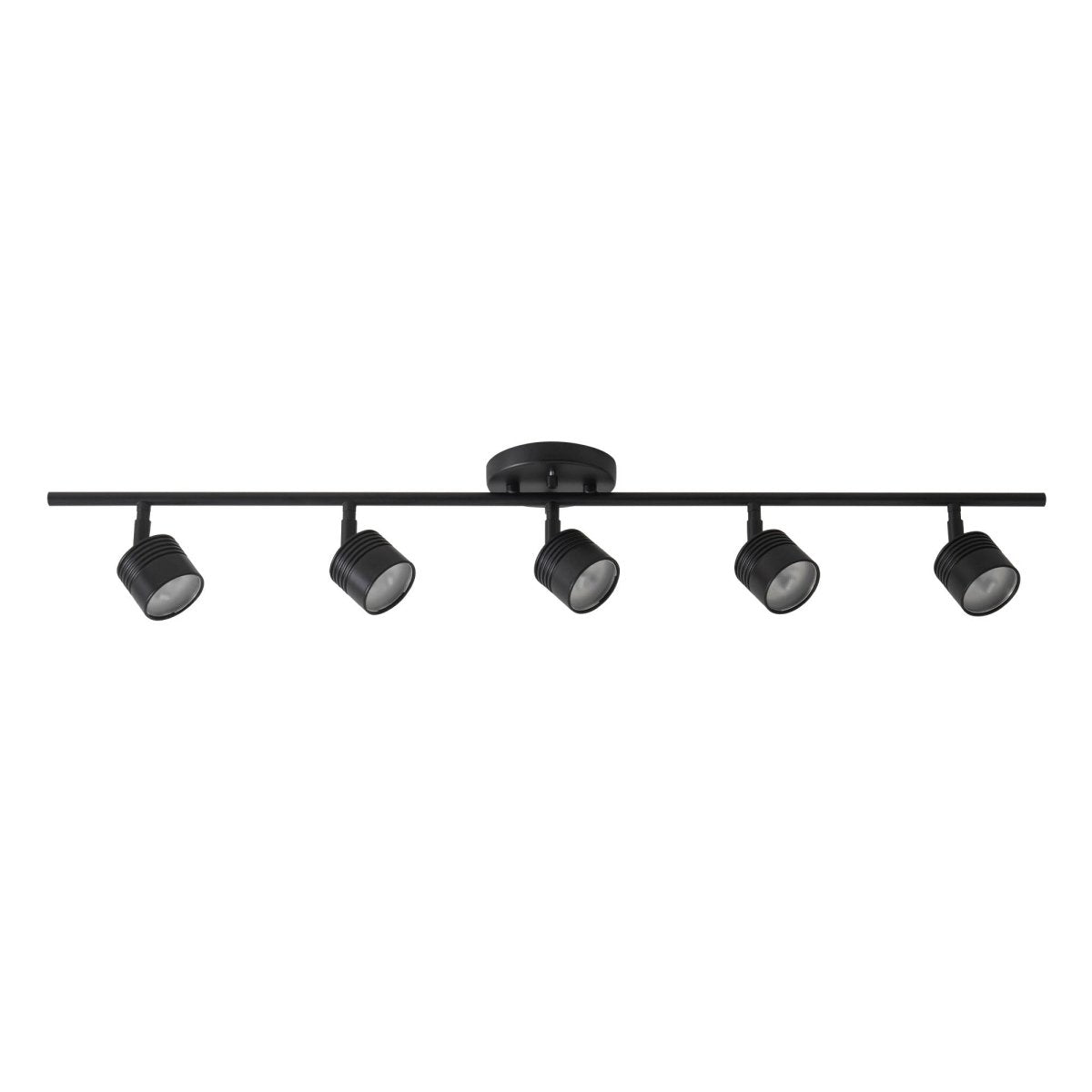
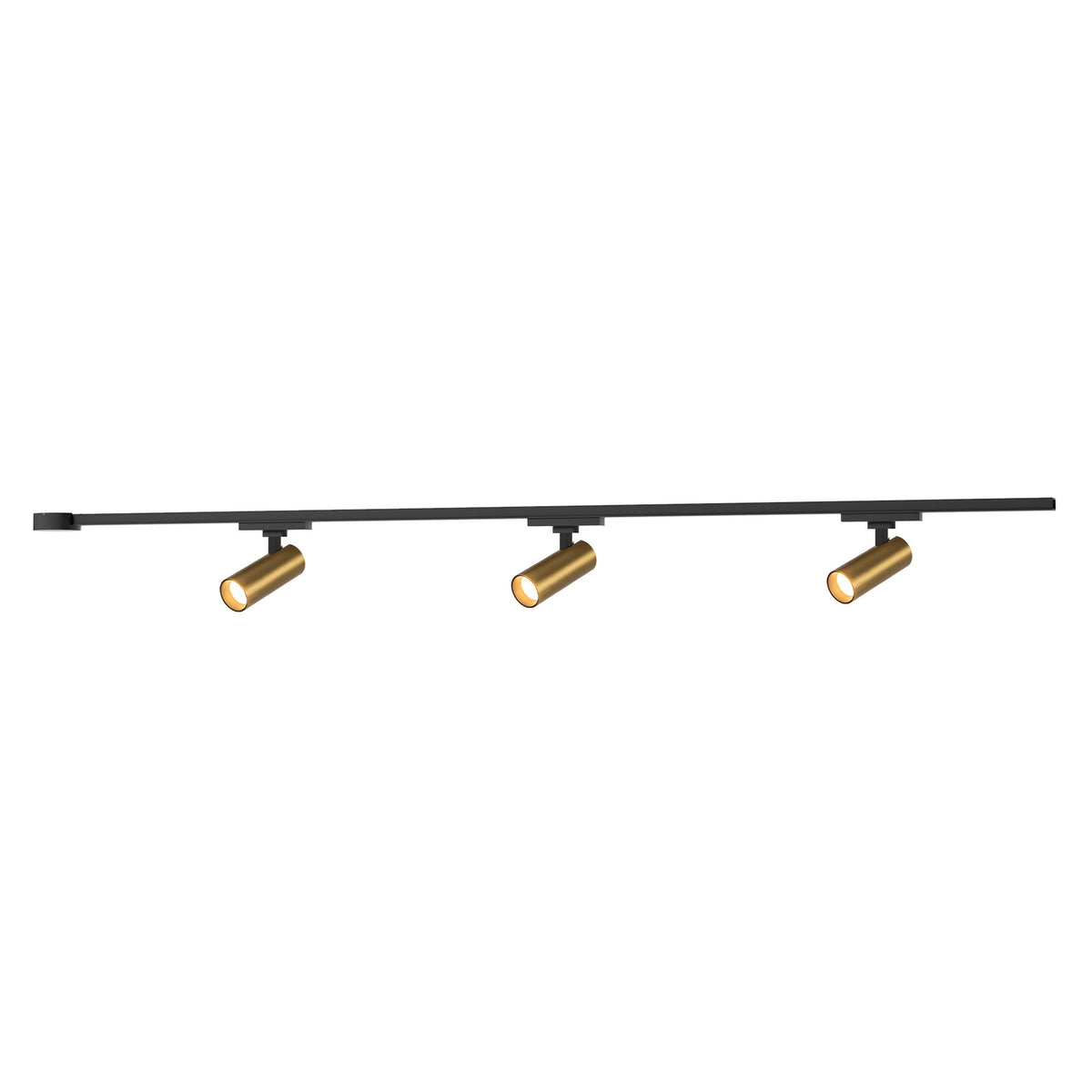
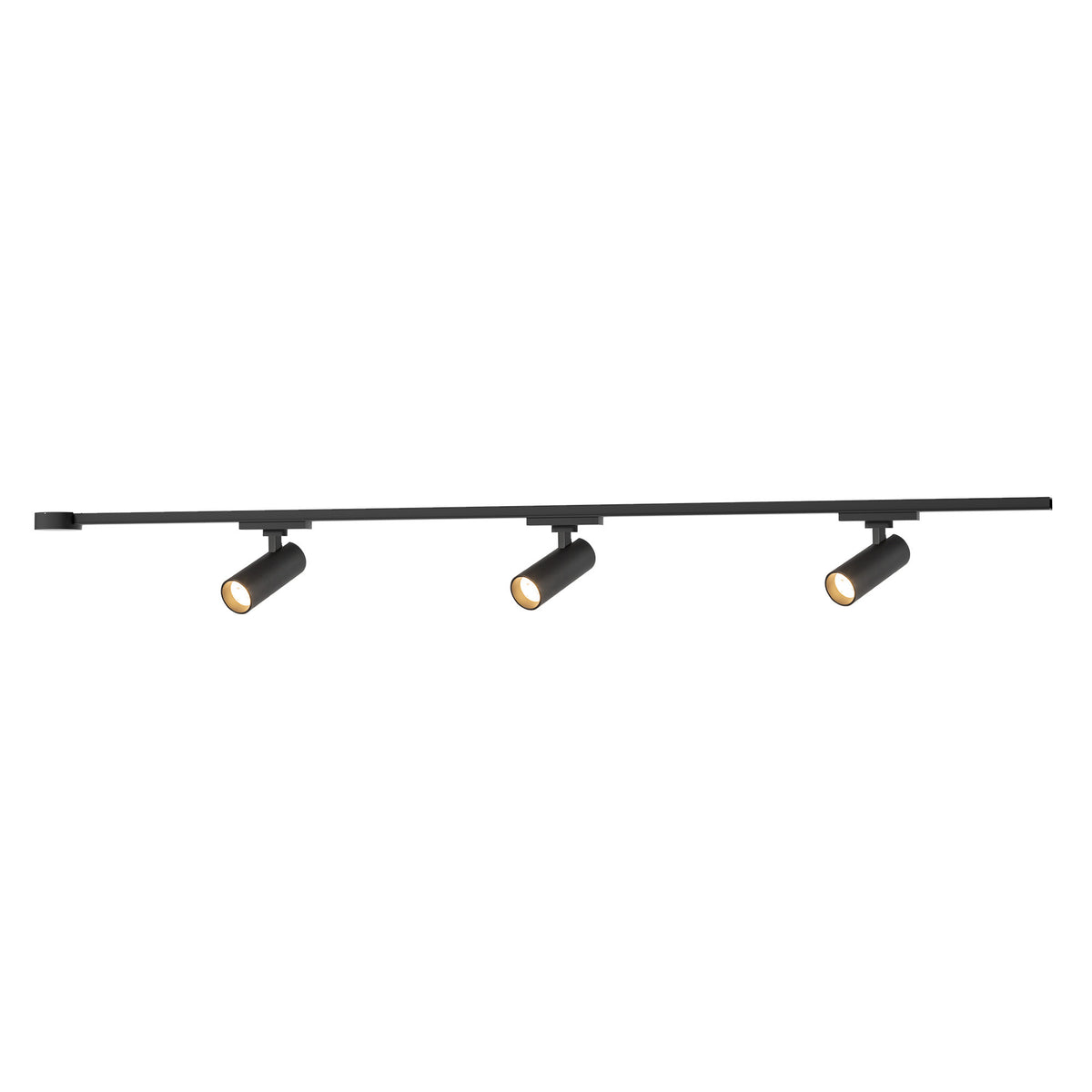
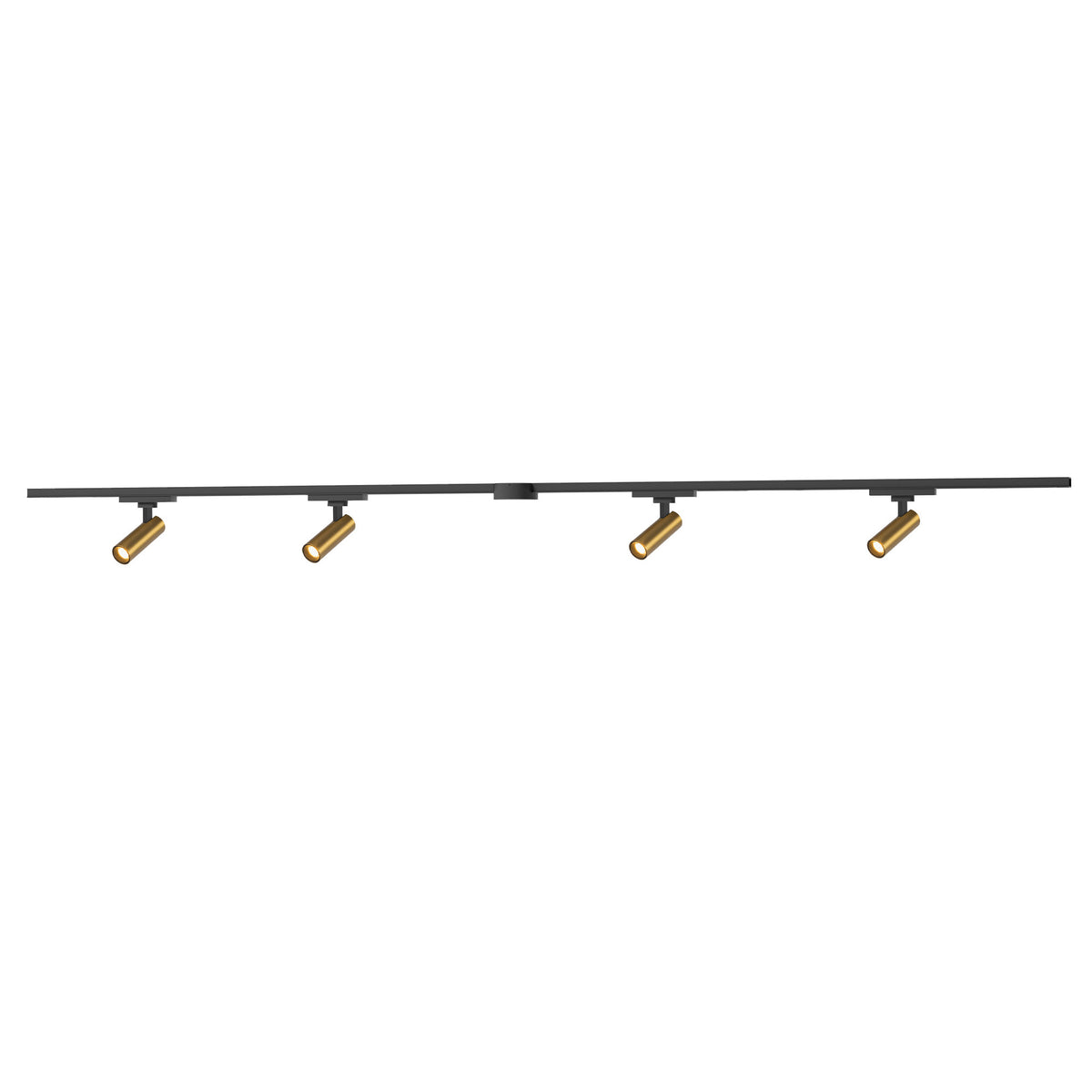
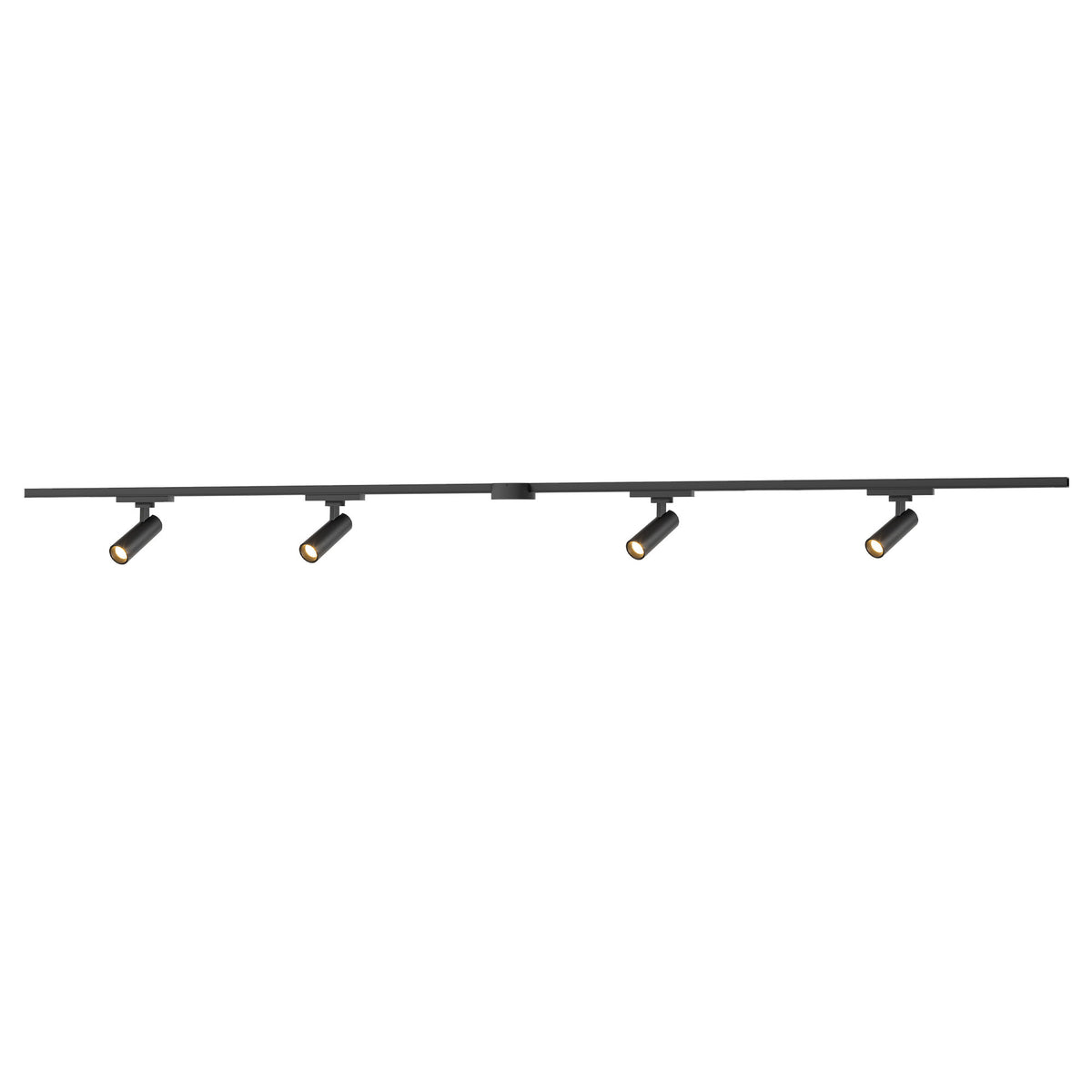
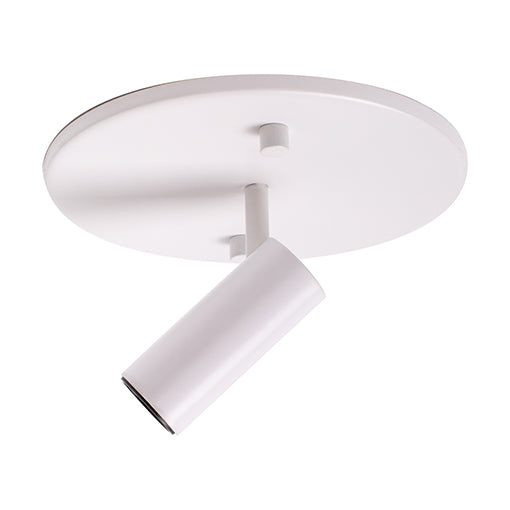
An adjustable rail spot light system gathers into one ceiling line what several separate fixtures would do individually. You combine narrow-beam heads (15 to 25 degrees) to highlight artwork with wide-beam heads (40 to 60 degrees) for ambient wash, all fed from a single power point. The result is track lighting that layers ambient, task, and accent light without multiplying ceiling penetrations.
- Directional precision: each spotlight aims independently, with beam angles from 15 to 60 degrees depending on the task.
- Modularity: reposition heads along the rail without an electrician, ideal for a space that evolves.
- LED efficiency: modern heads typically deliver 600 to 1,200 lumens each, with a rated life of 25,000 to 50,000 hours.
- Discreet integration: a low-profile rail reads as a clean architectural line, in matte black or satin white.
Track lighting room by room
Living rooms and open spaces
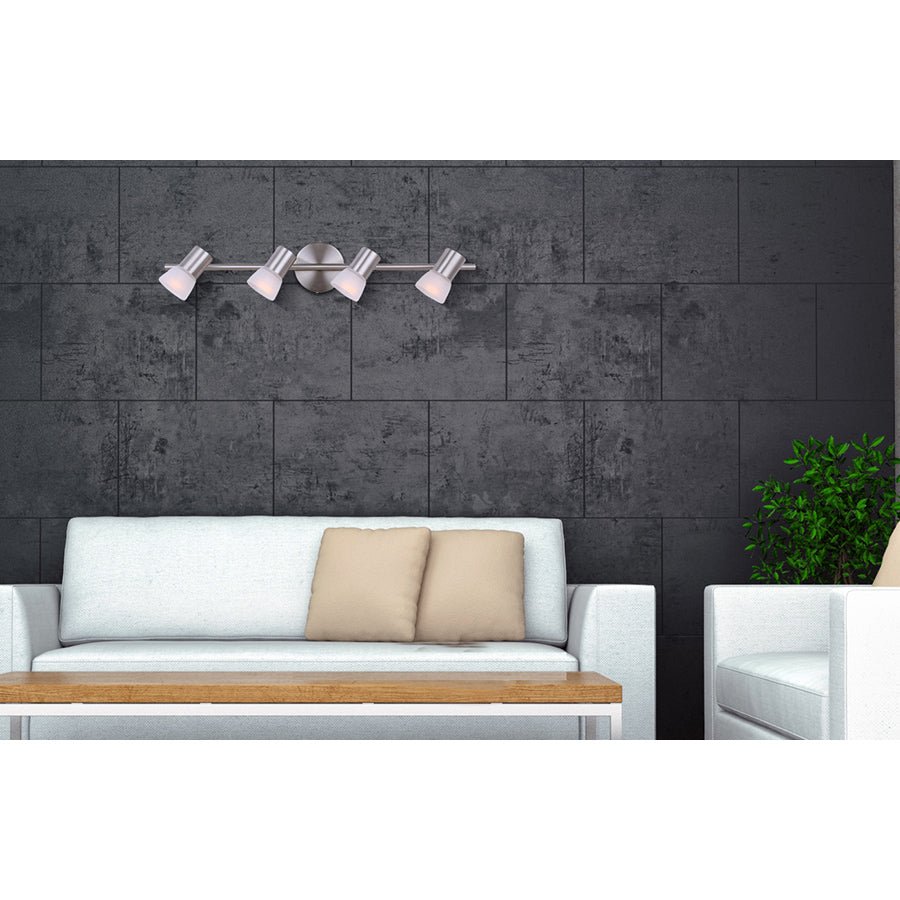
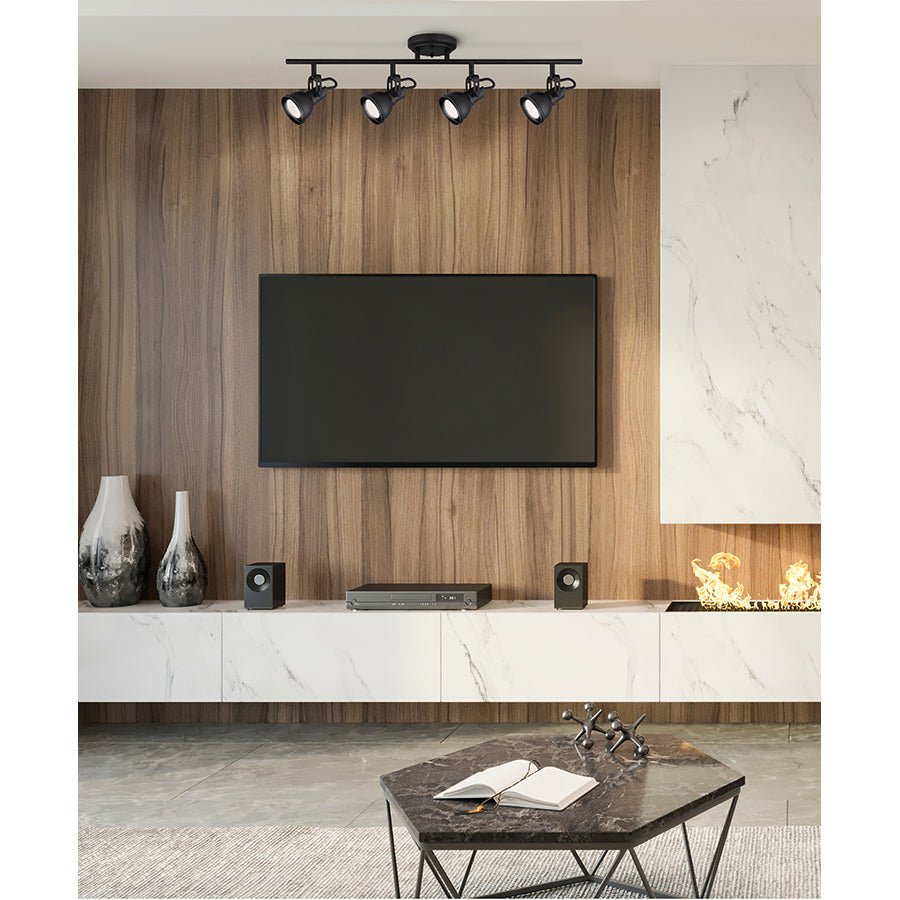
In an open plan, a track light creates zones without walls. Use wide heads (40 to 60 degrees) for ambient wash and narrow heads to feature a canvas or shelving. Space general heads 18 to 24 in (46 to 61 cm) apart, and aim an accent head about 30 degrees off the wall to avoid glare on glazed frames.
Kitchens
For task lighting, mount the rail parallel to the counter, about 24 in (61 cm) from the wall, so light hits the work surface rather than casting your shadow. Over an island, a single rail centered with three or four heads spaced 12 to 16 in (30 to 41 cm) apart gives even light, visually lighter than a pendant cluster.
Hallways and galleries
A single rail along the ceiling centerline, heads angled toward the walls, turns a passage into a small gallery. For framed work, narrow heads (15 to 20 degrees) aimed at 30 degrees light each piece without reflection. Align heads with the frames rather than at fixed intervals.
Offices and studios
Position the rail perpendicular to your line of sight to avoid screen glare. One wide head for fill plus two or three narrow heads for work zones creates layered light. For a studio, choose heads with high CRI (90 or above) for accurate rendering of colors and finishes. This is where a rail spot really earns its place.
Finishes and styles
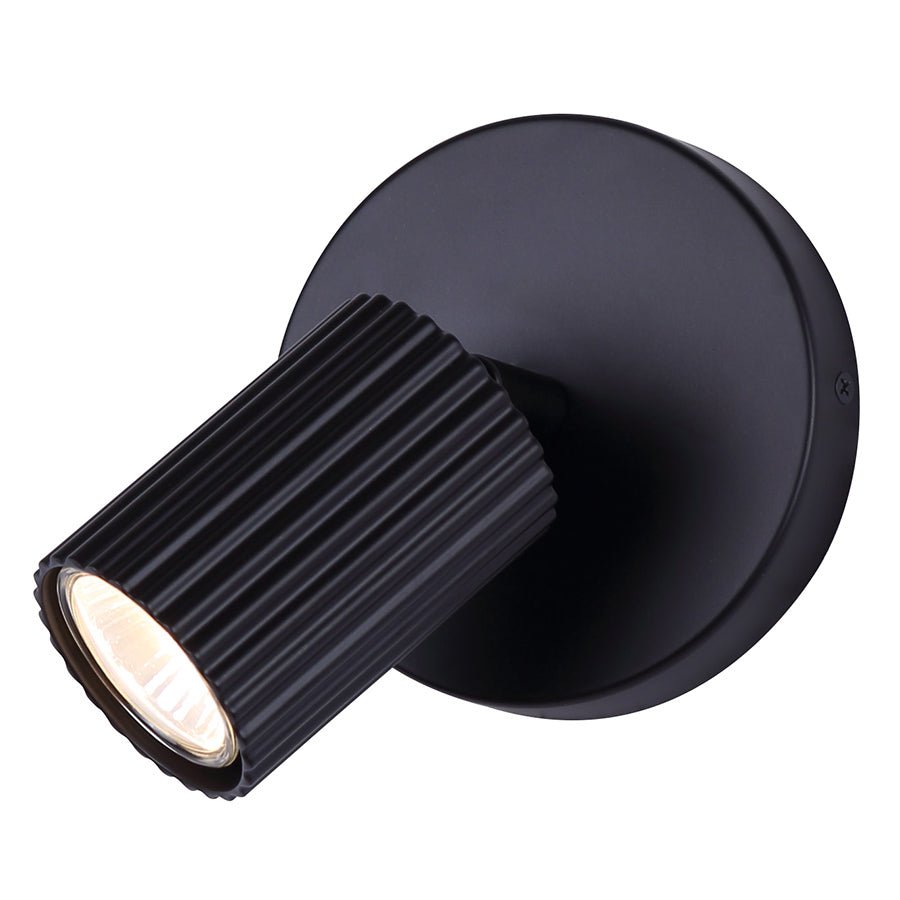
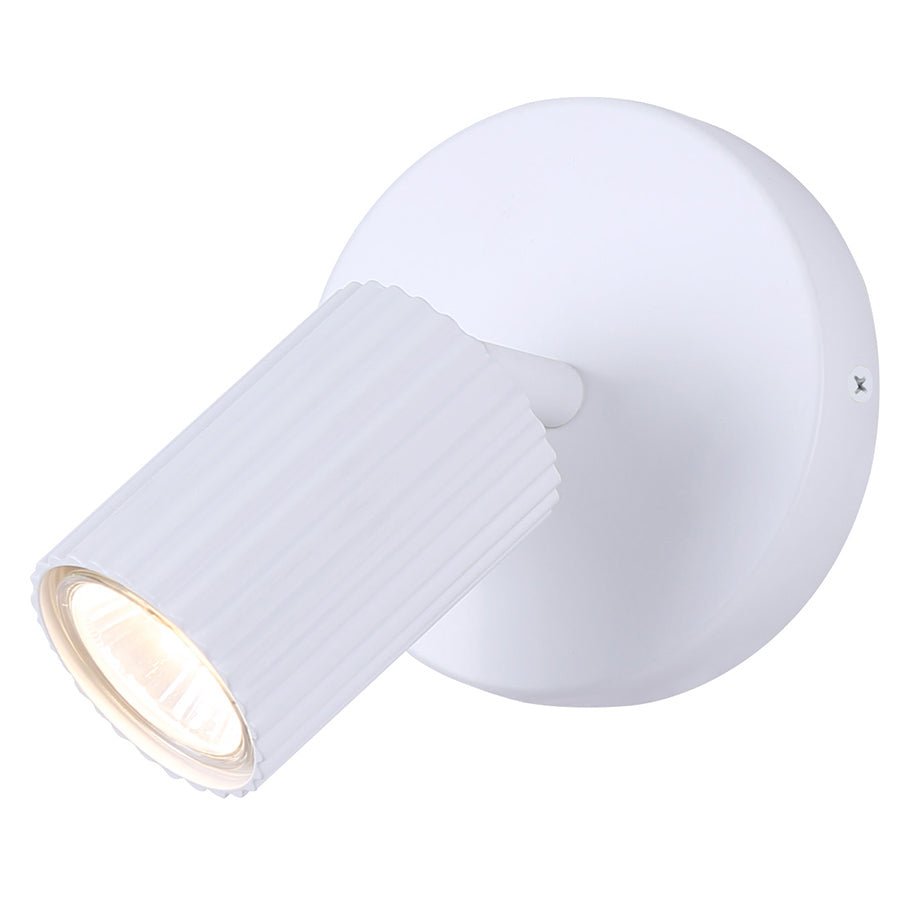
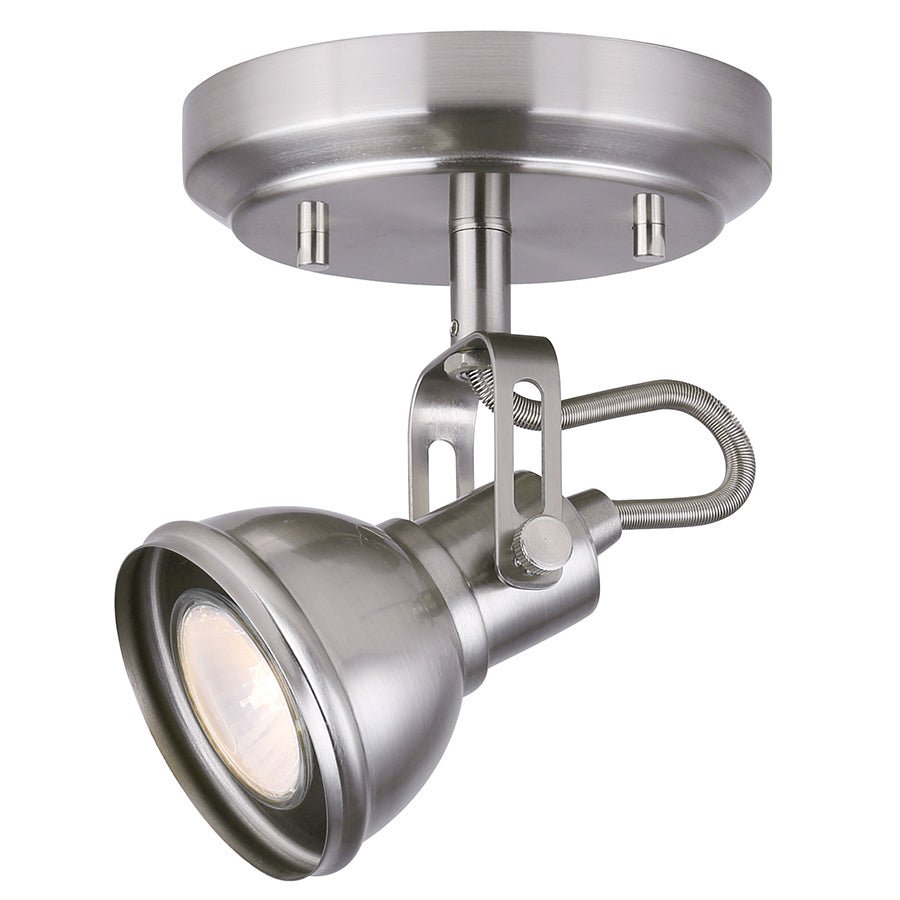
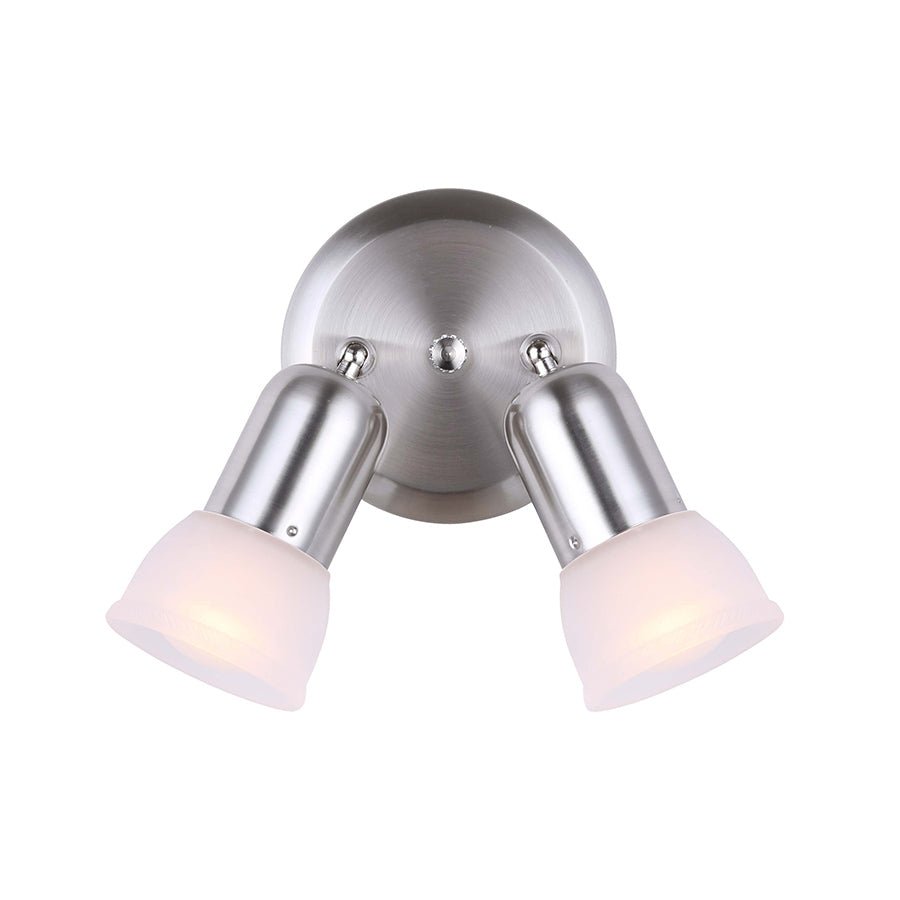
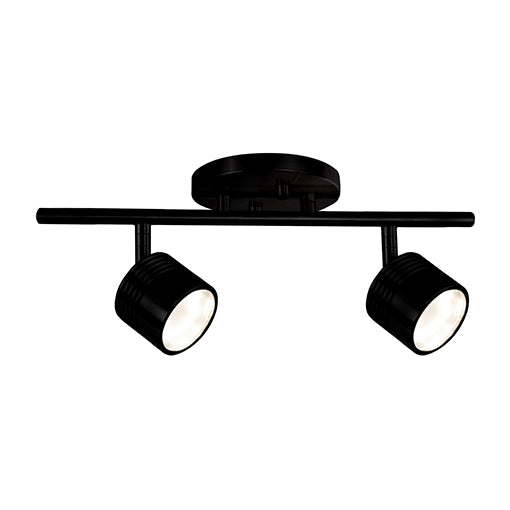
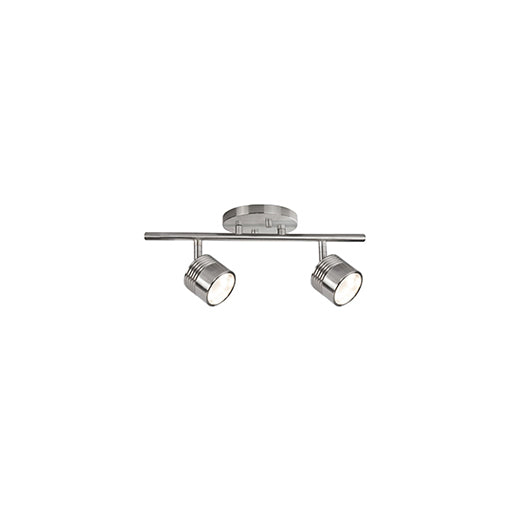
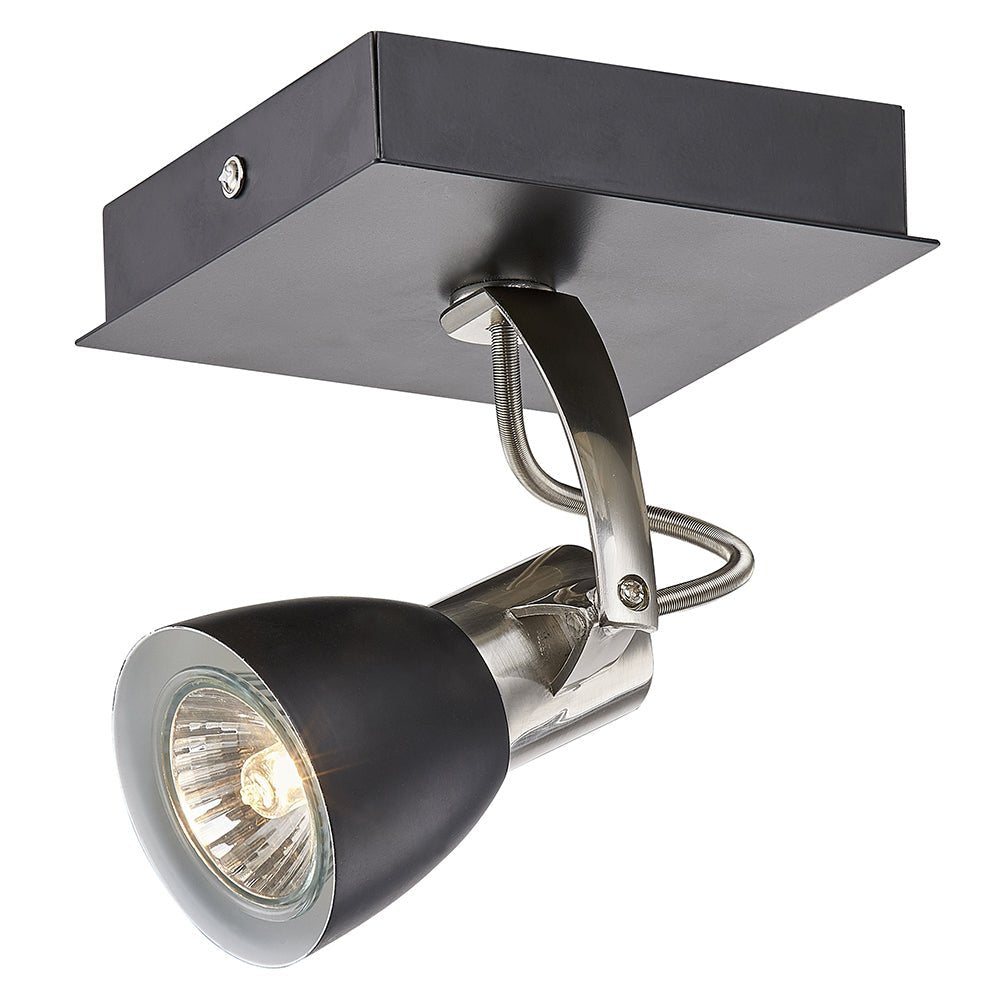
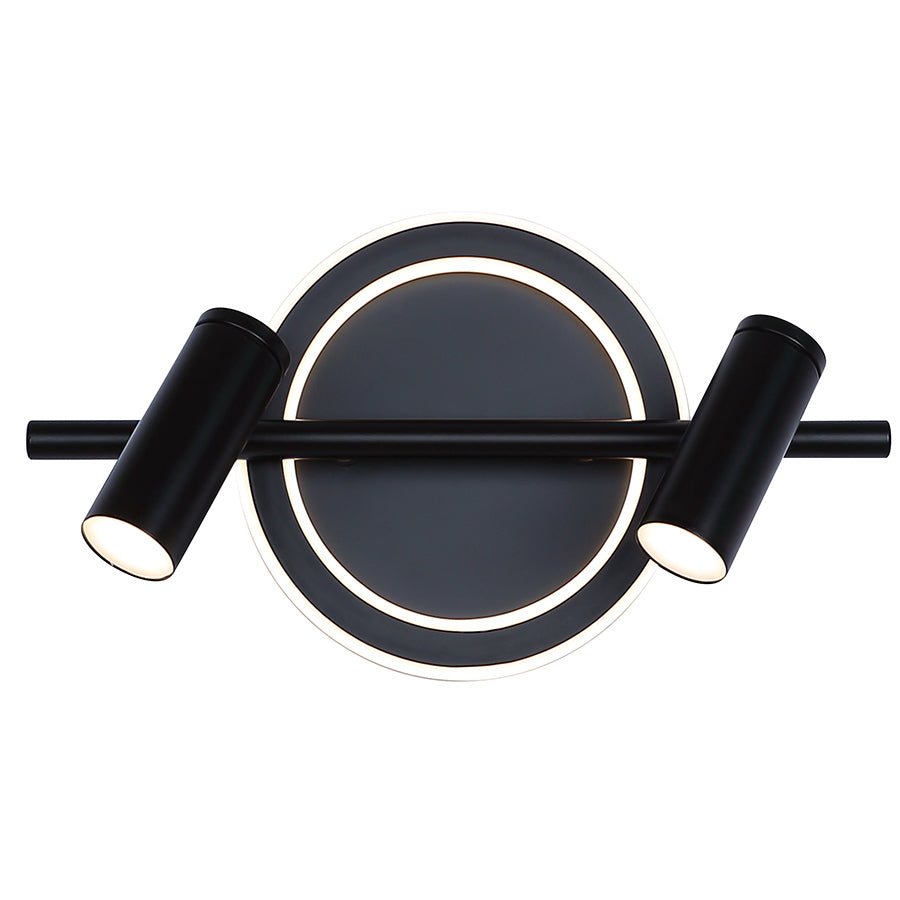
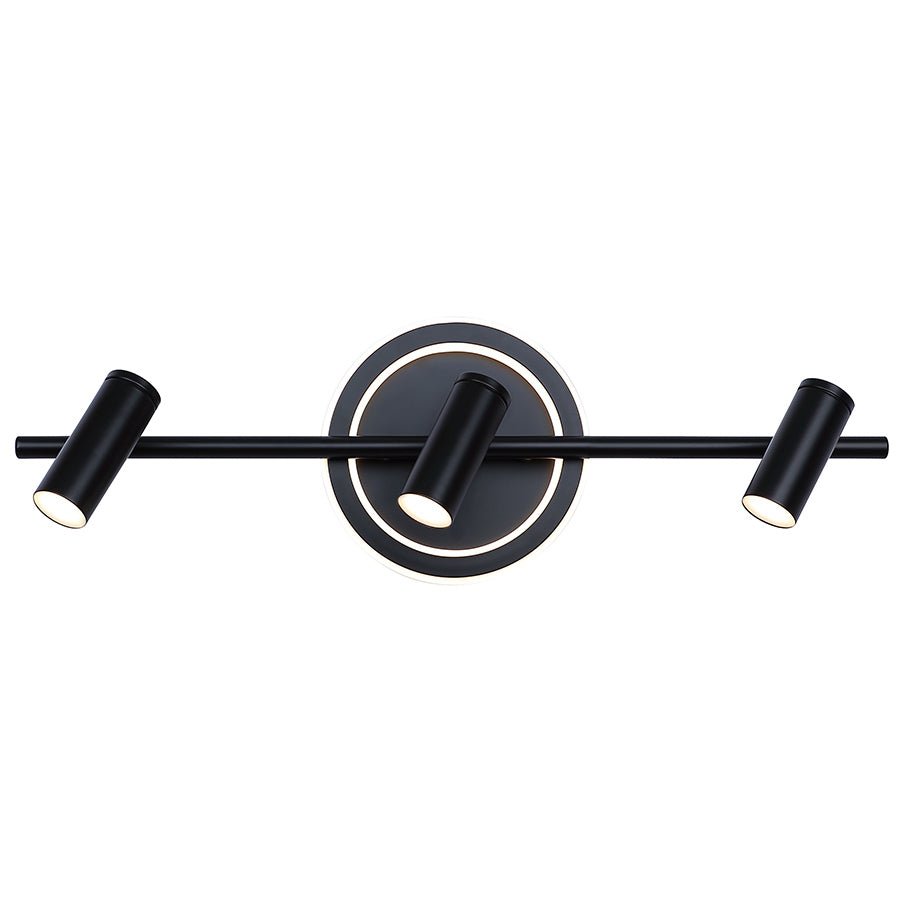
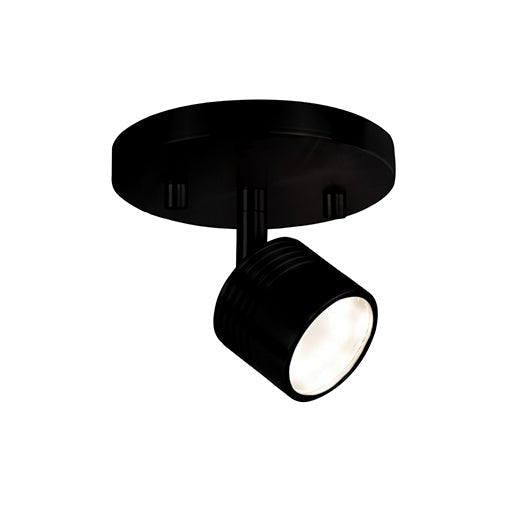
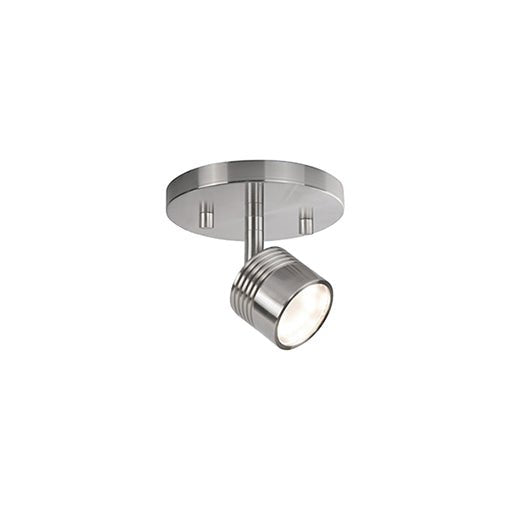
A black rail light creates graphic contrast against a light ceiling and pairs with exposed concrete and dark wood; in a gallery, this finish recedes to keep focus on the objects. Conversely, a white rail blends into a standard ceiling for a near-invisible result. Brushed nickel softens reflected light and suits kitchens and transitional spaces, while brass tones add warmth to dining rooms and libraries.
Pendants and connectors on the rail
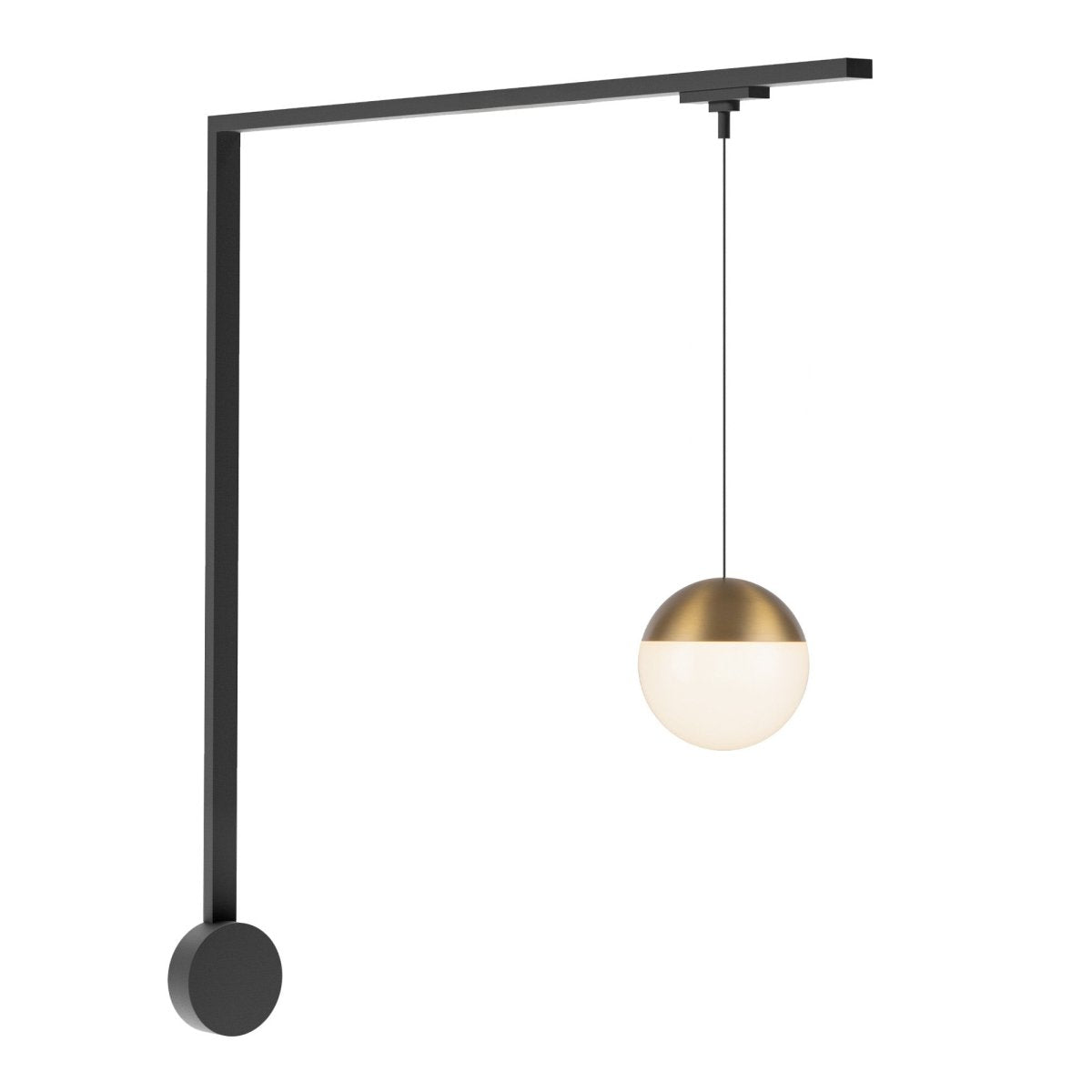
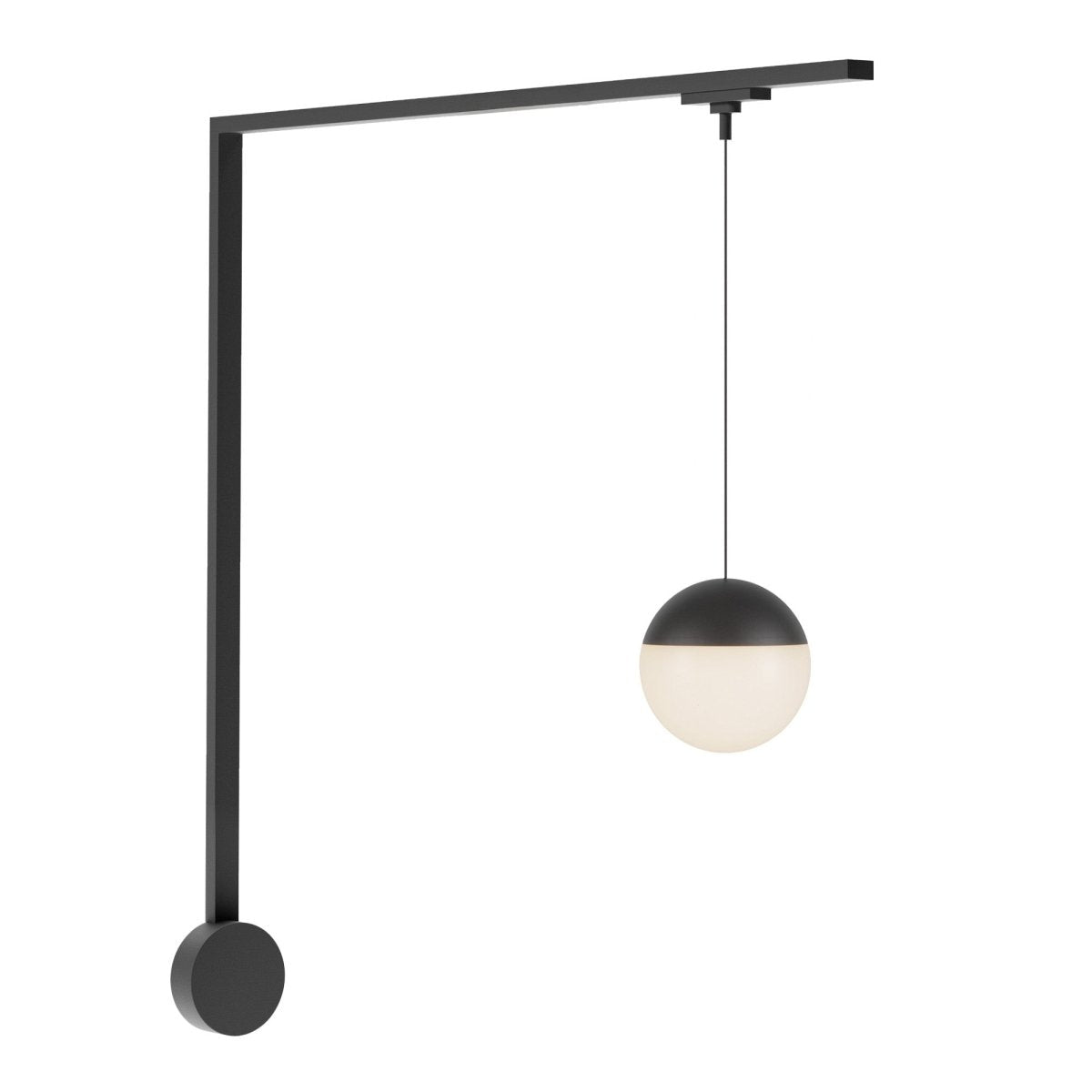
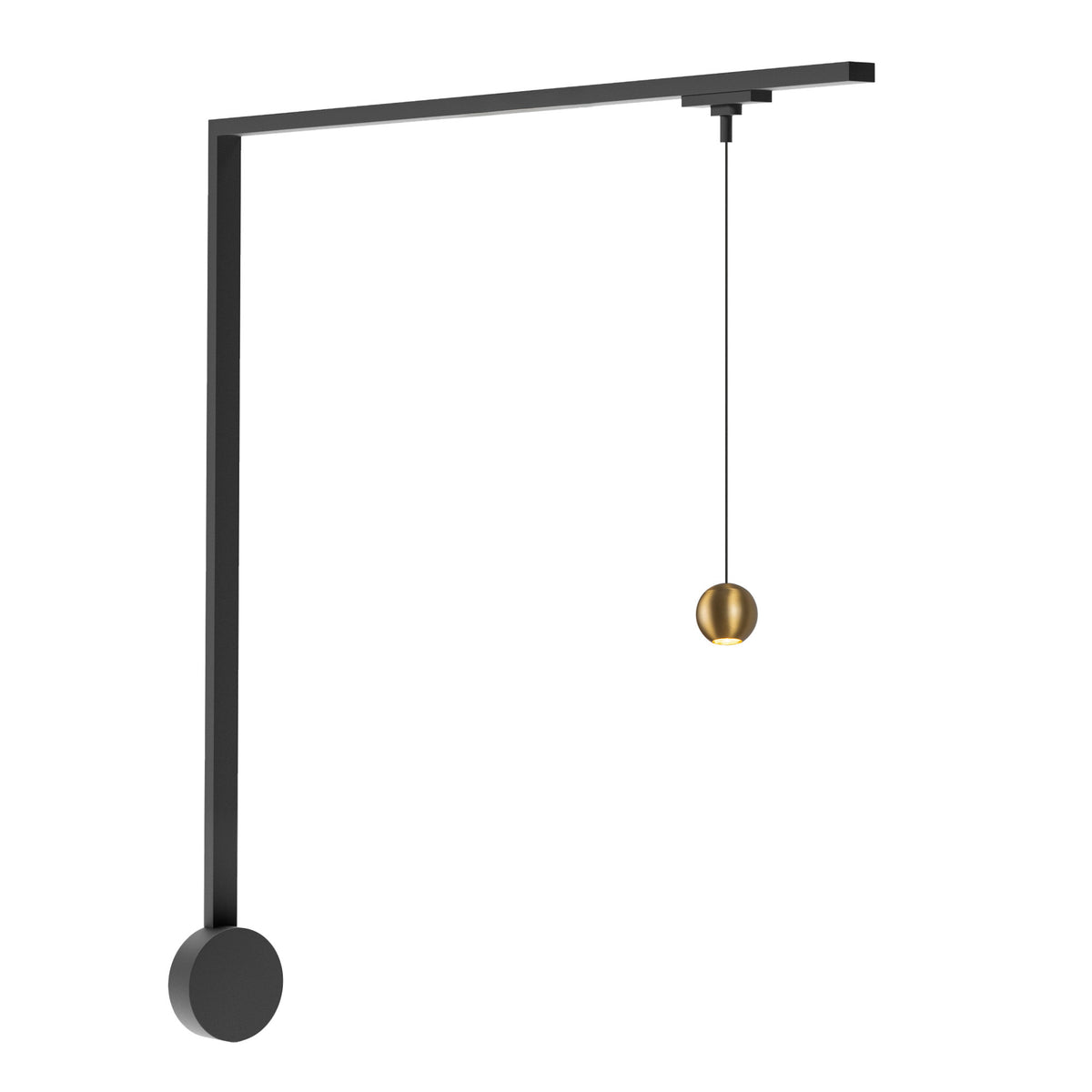
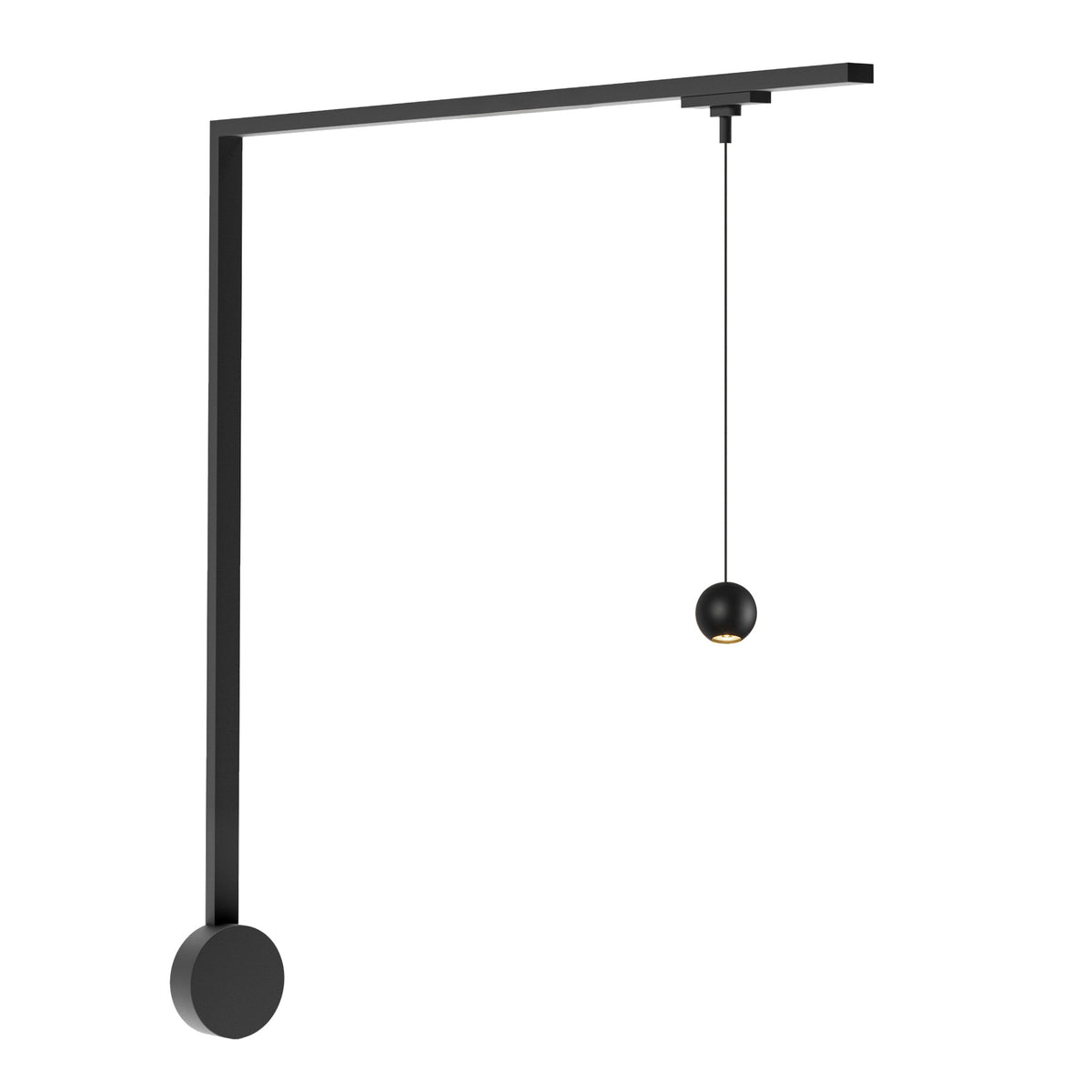
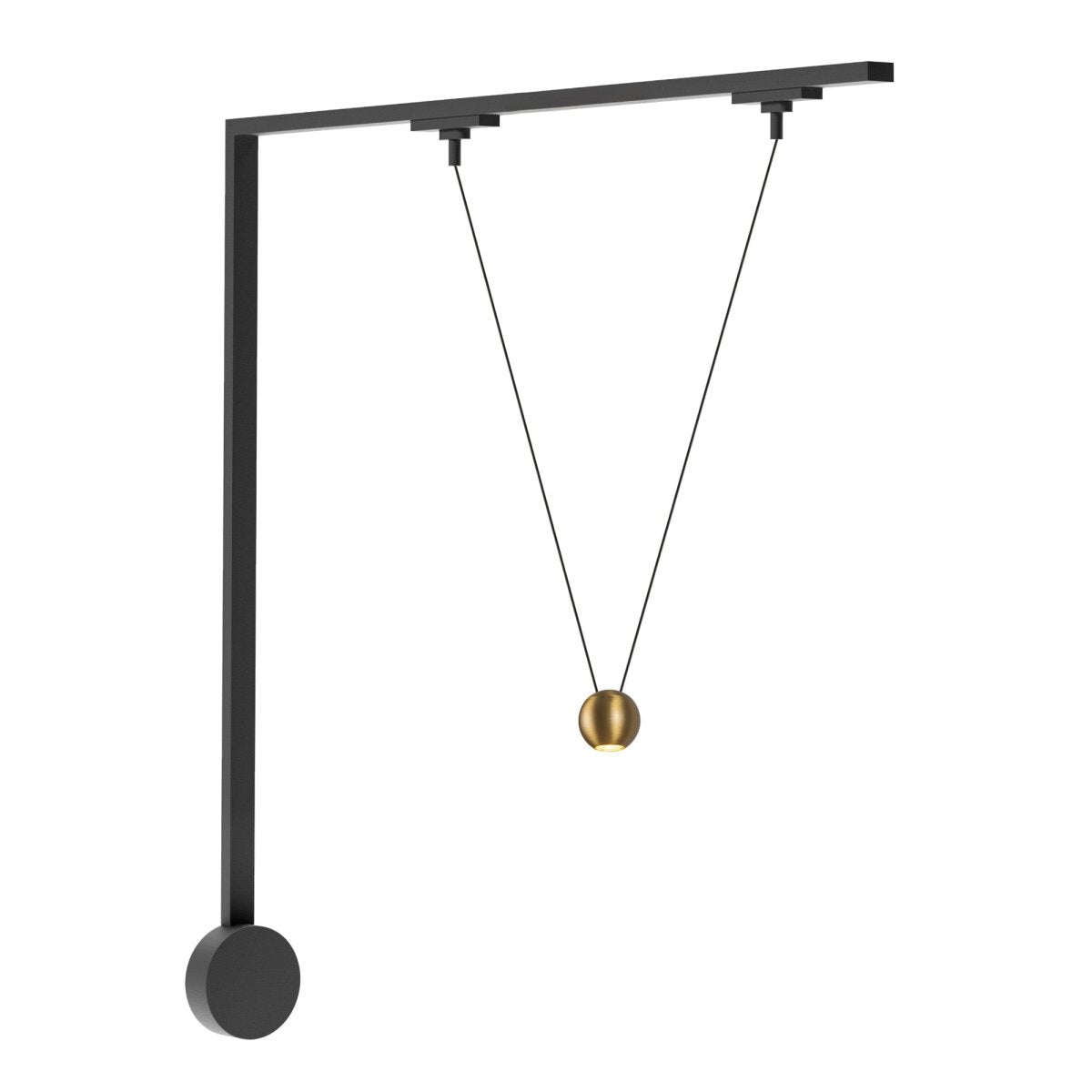
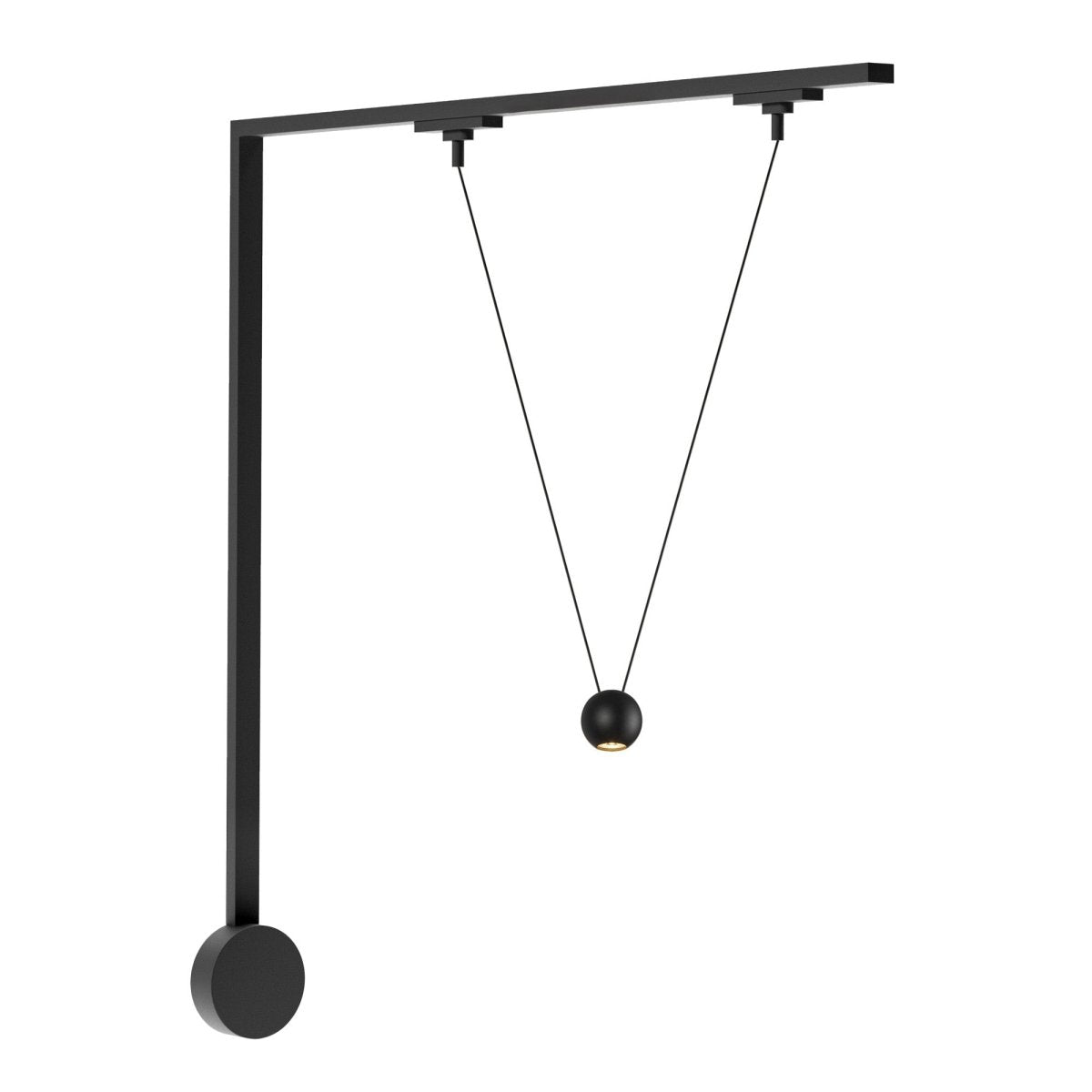
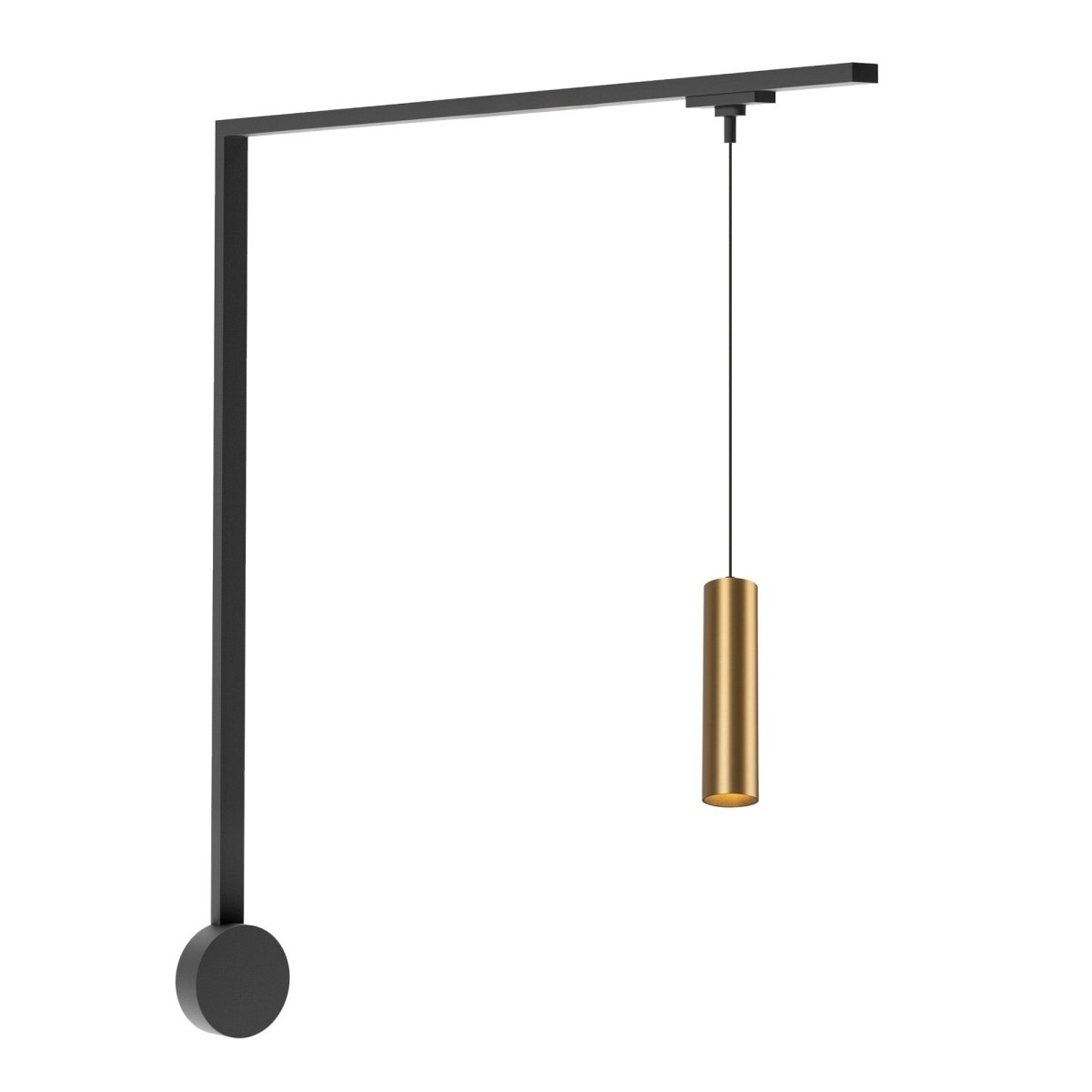
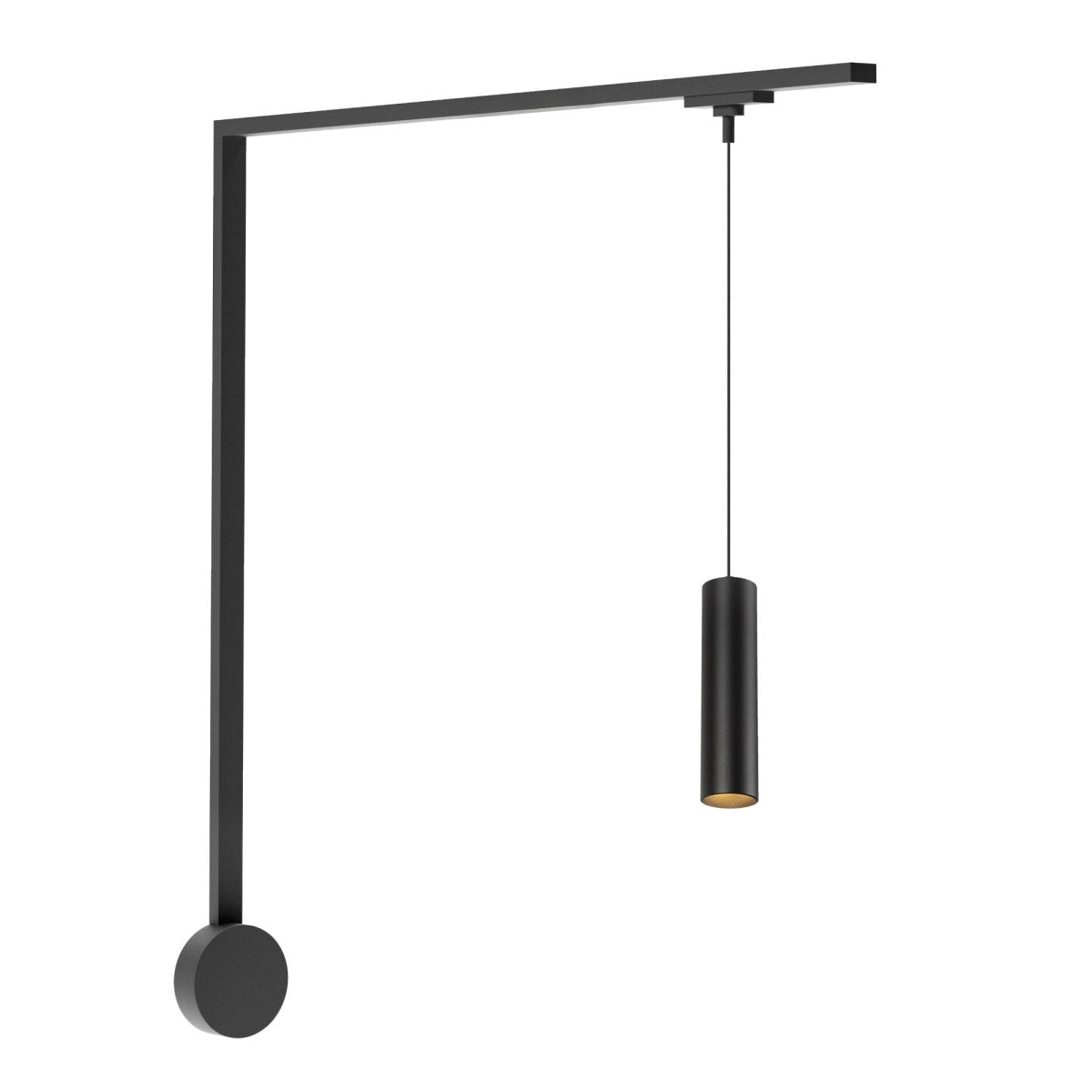
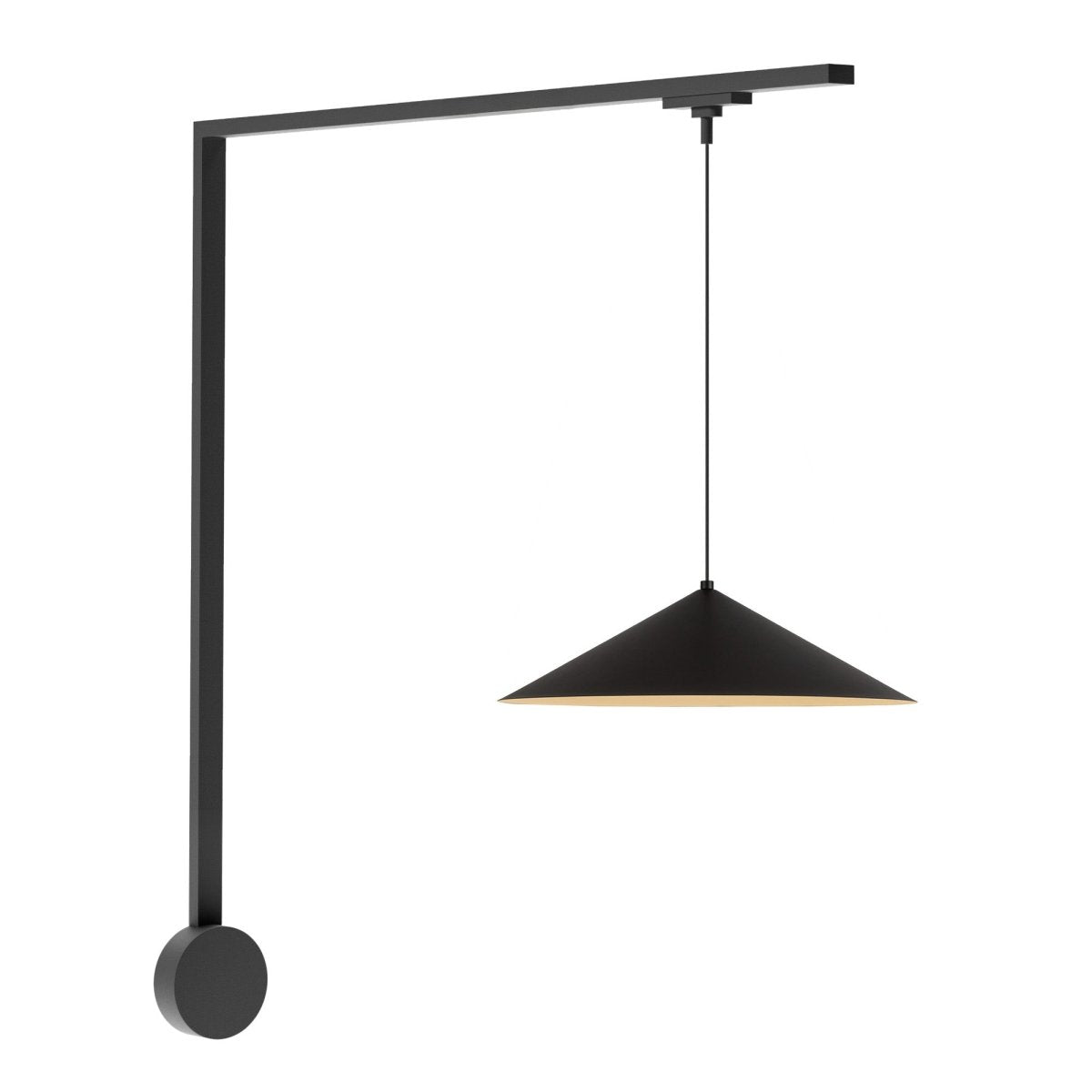
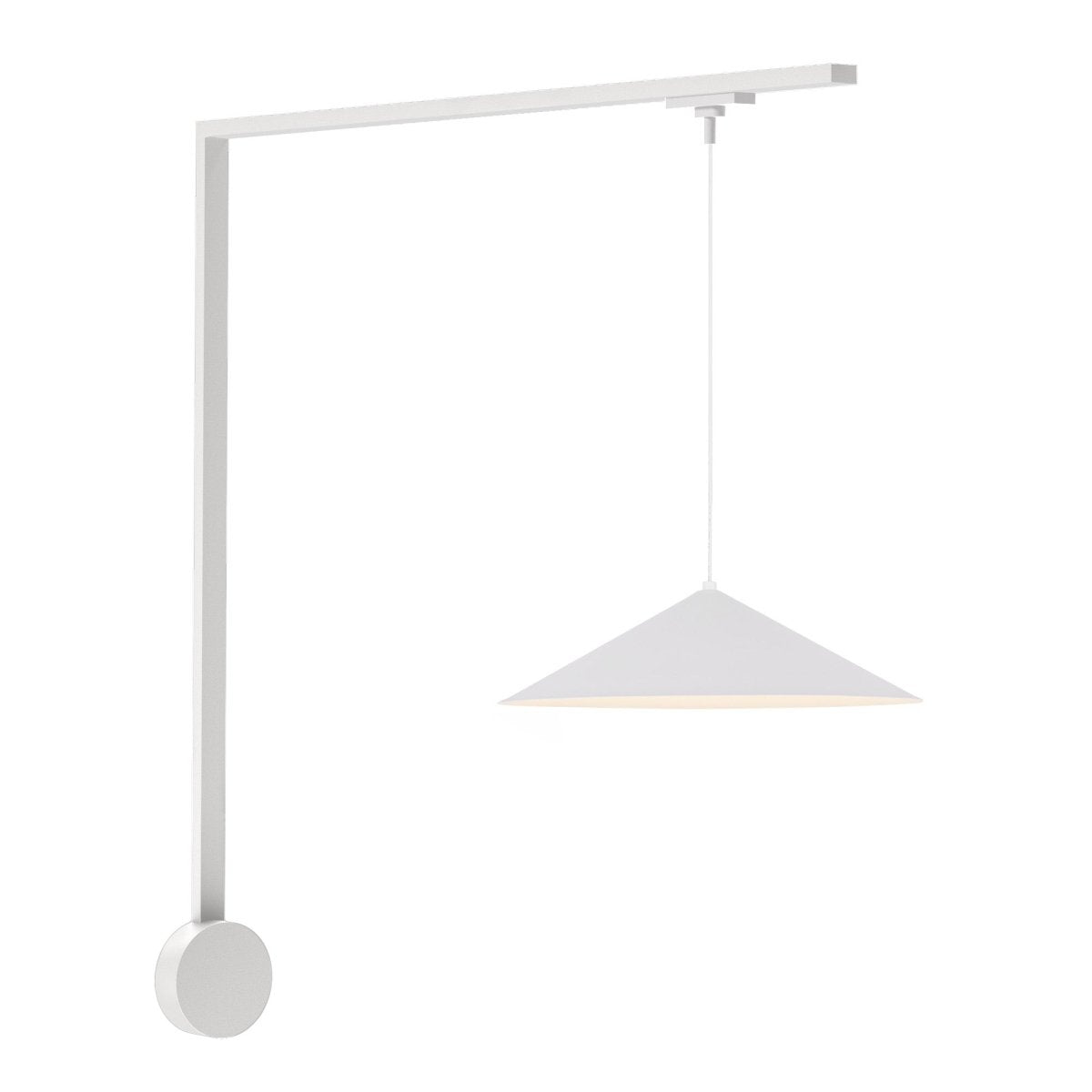
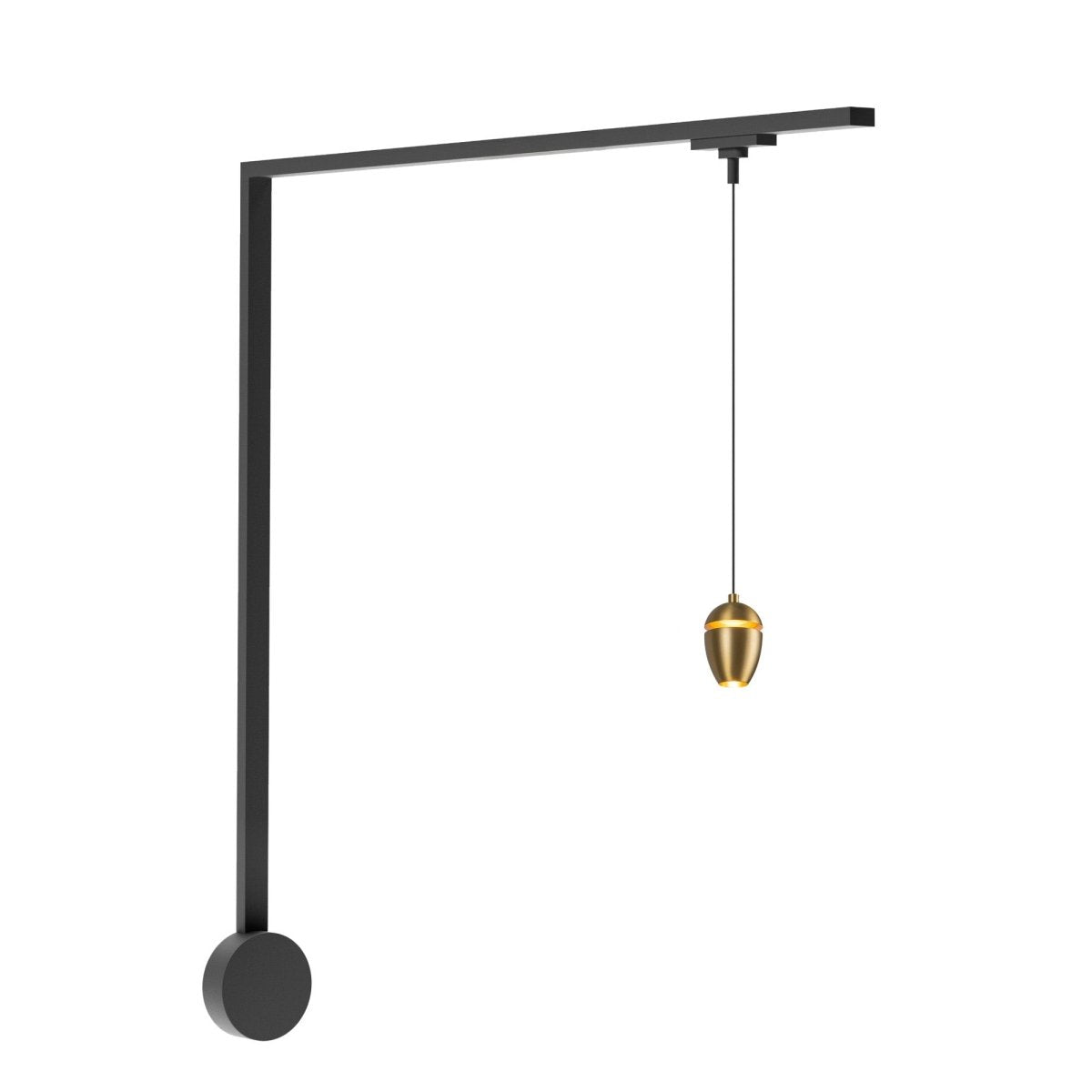
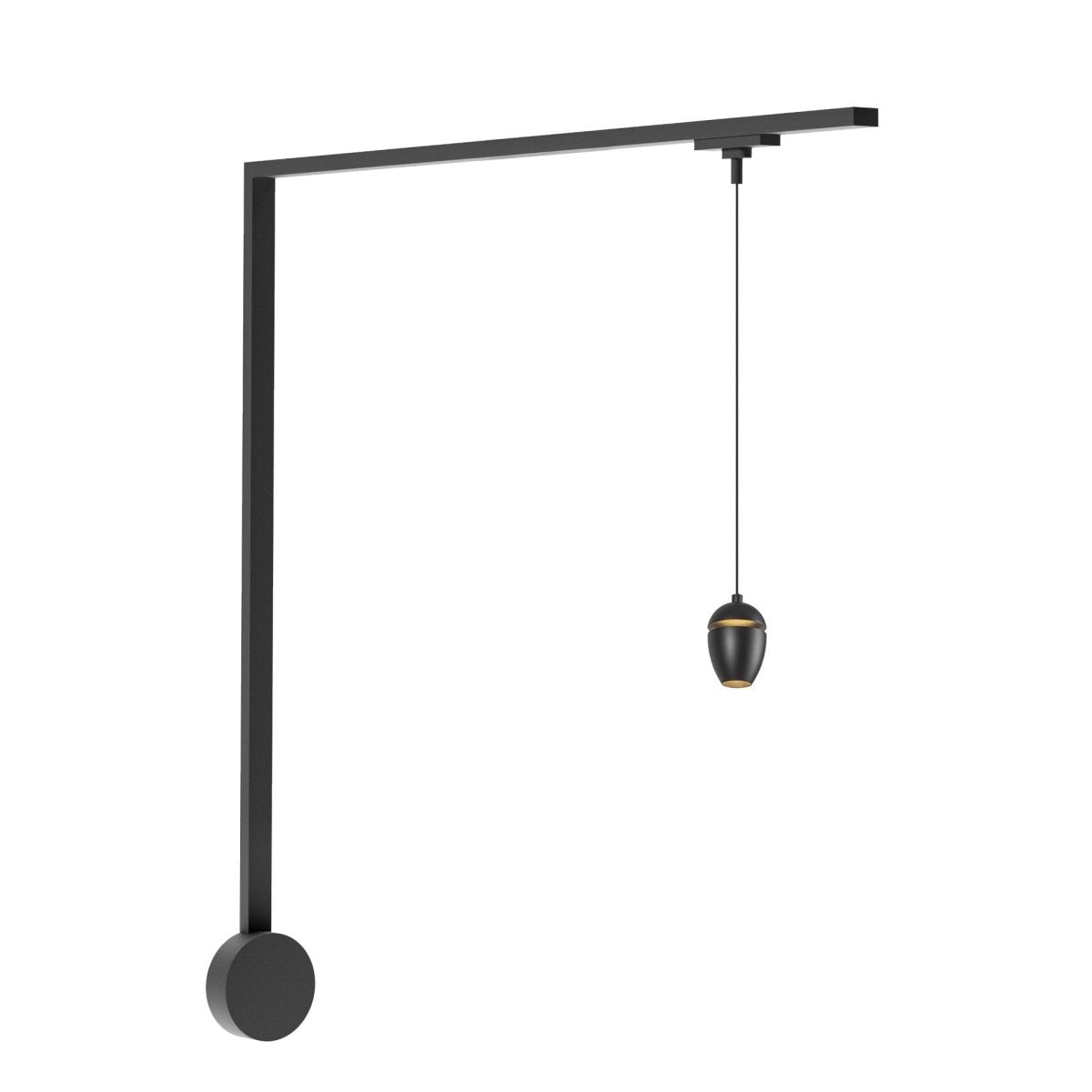
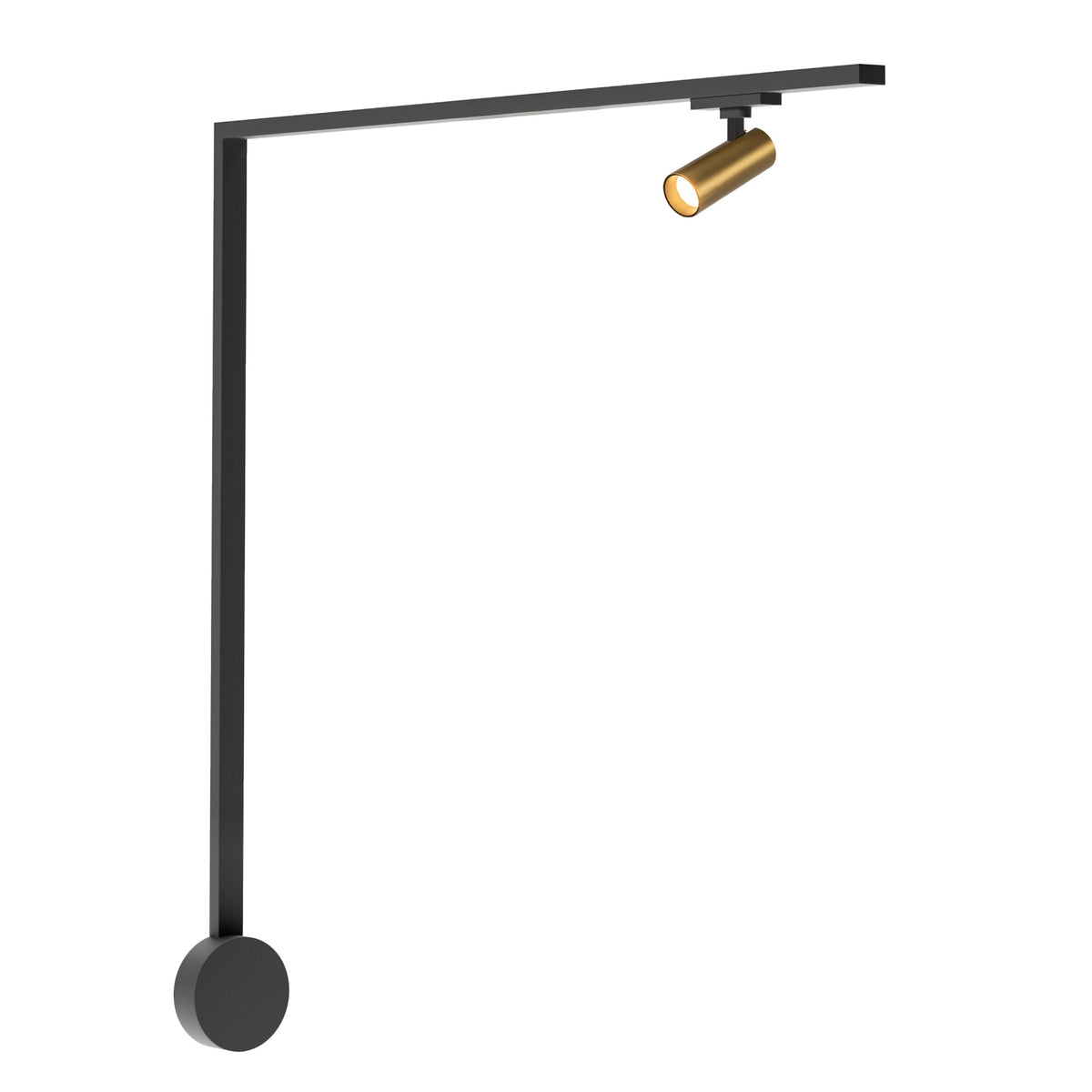
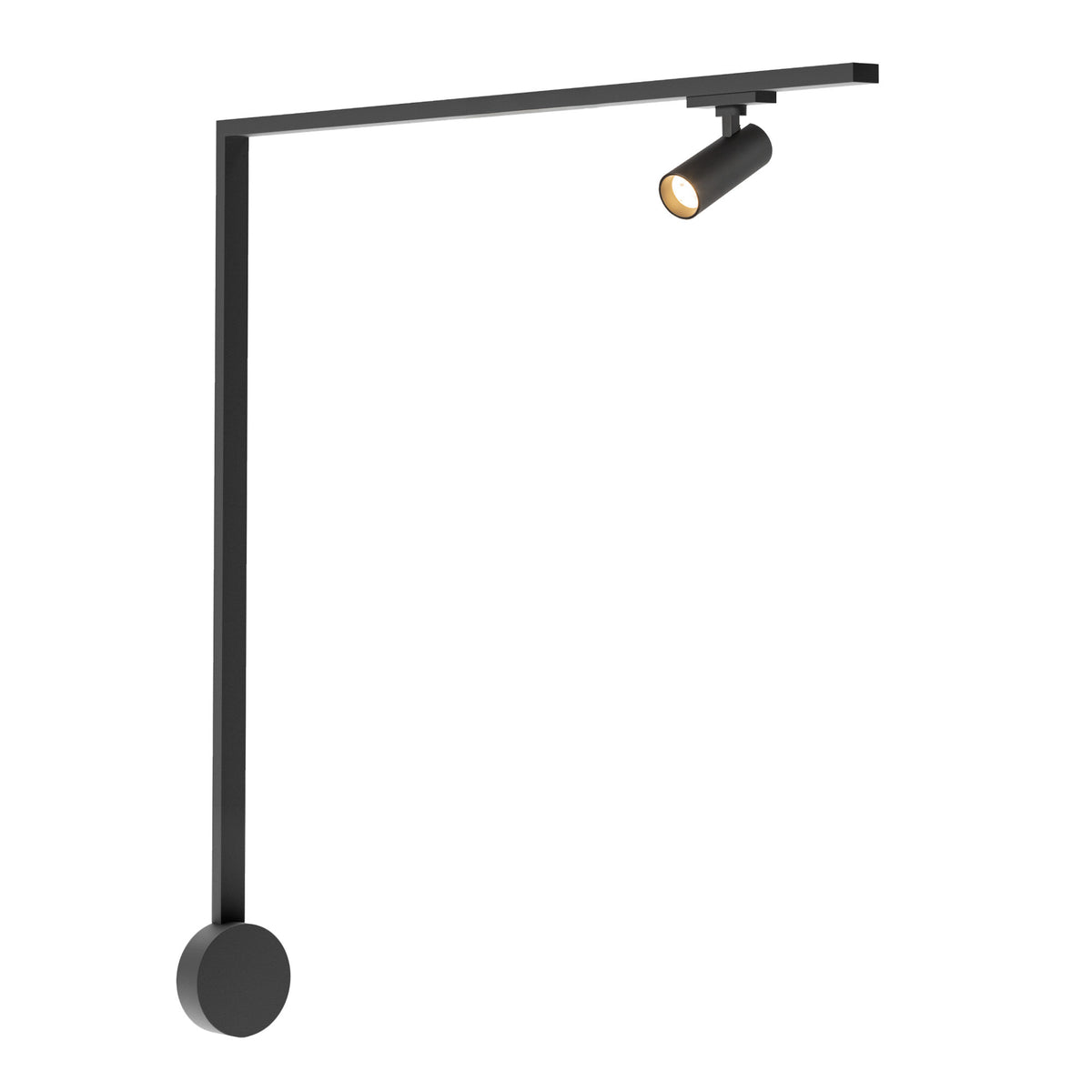
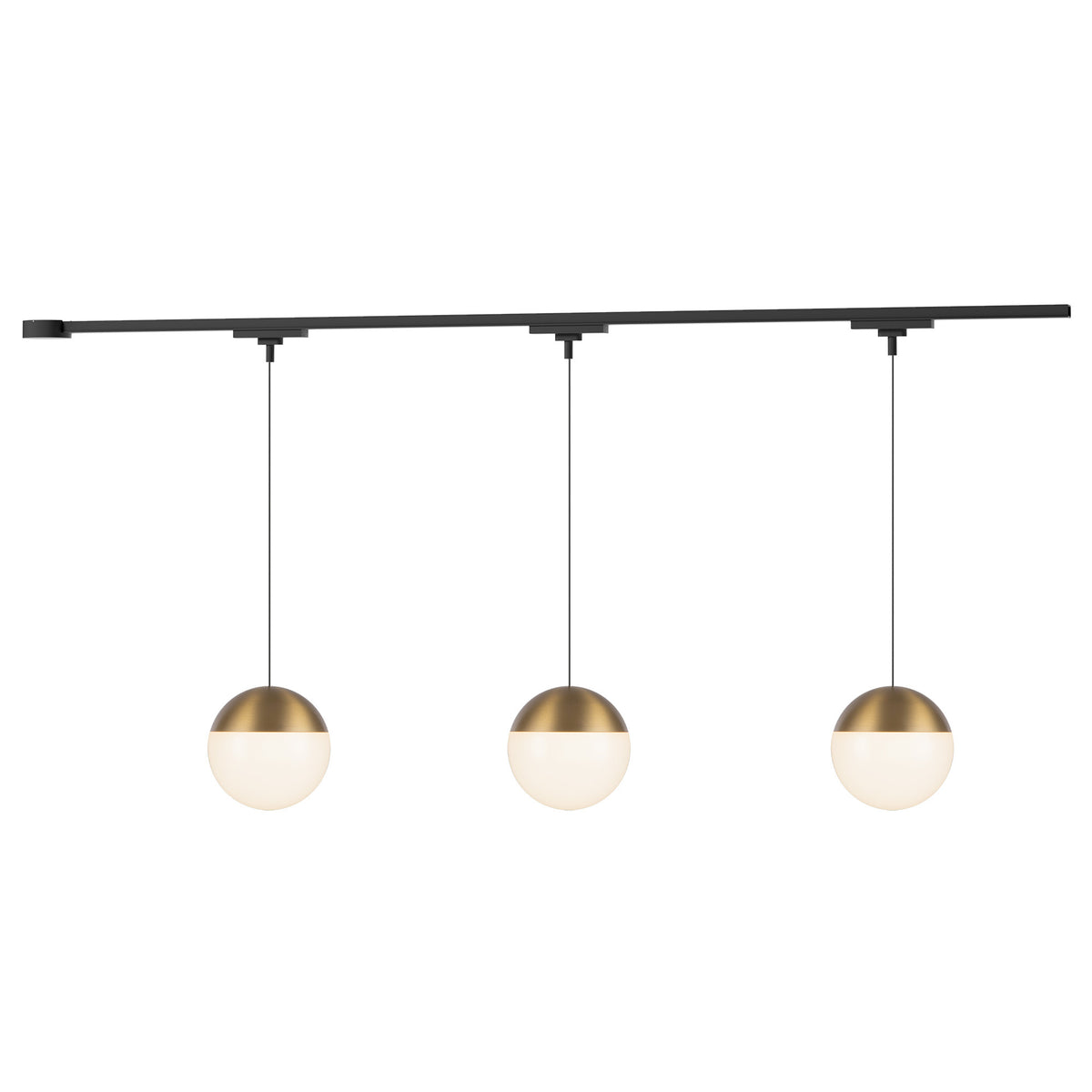
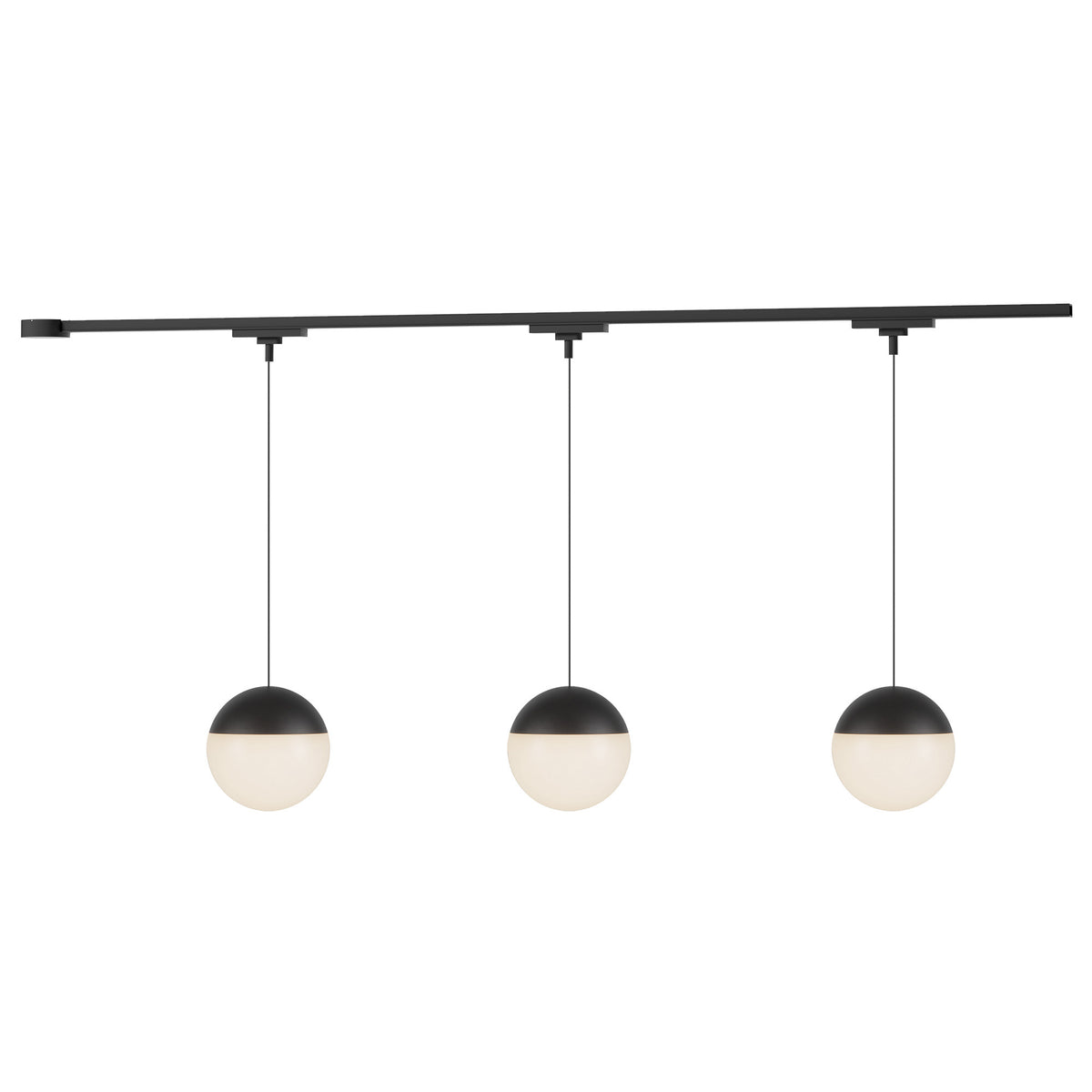
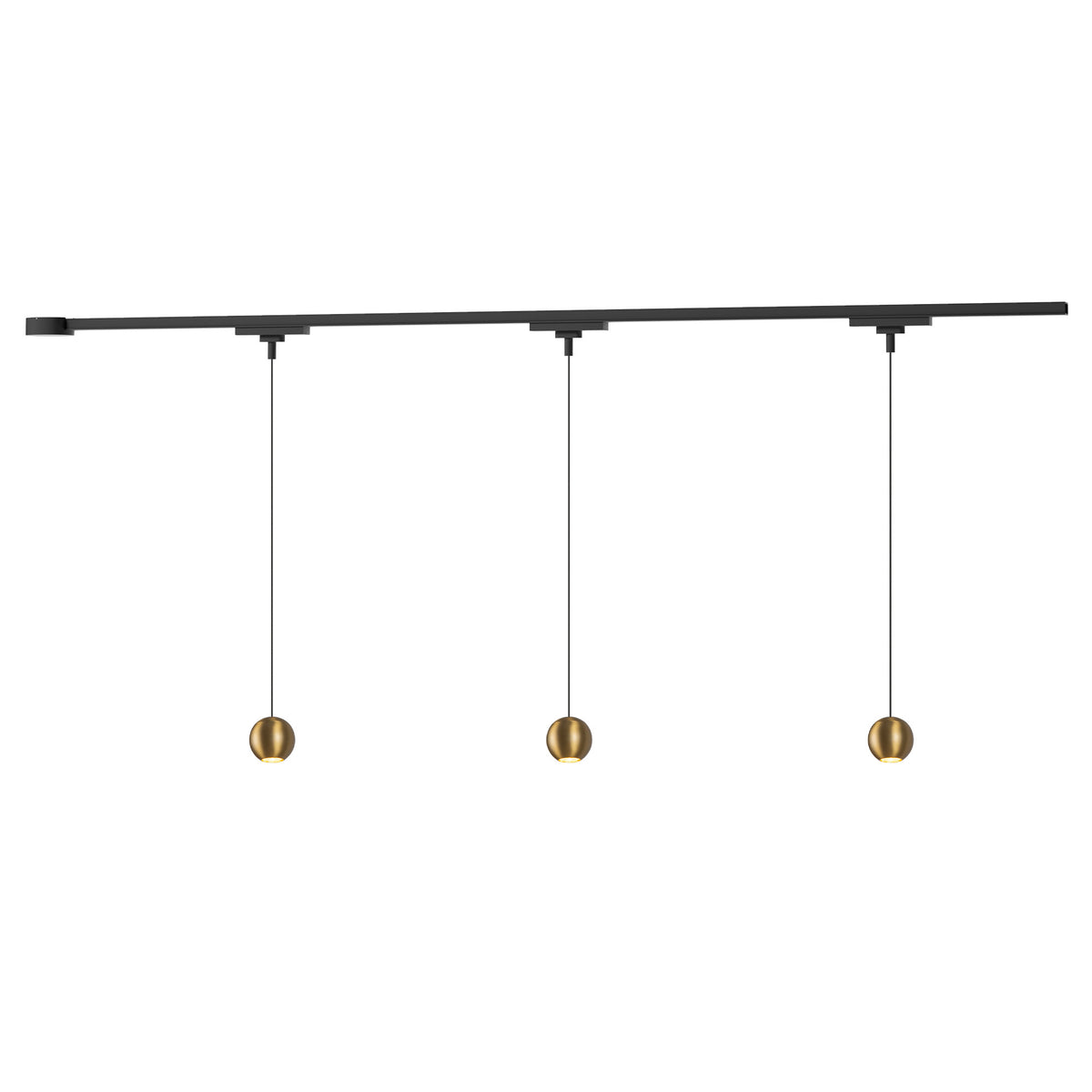
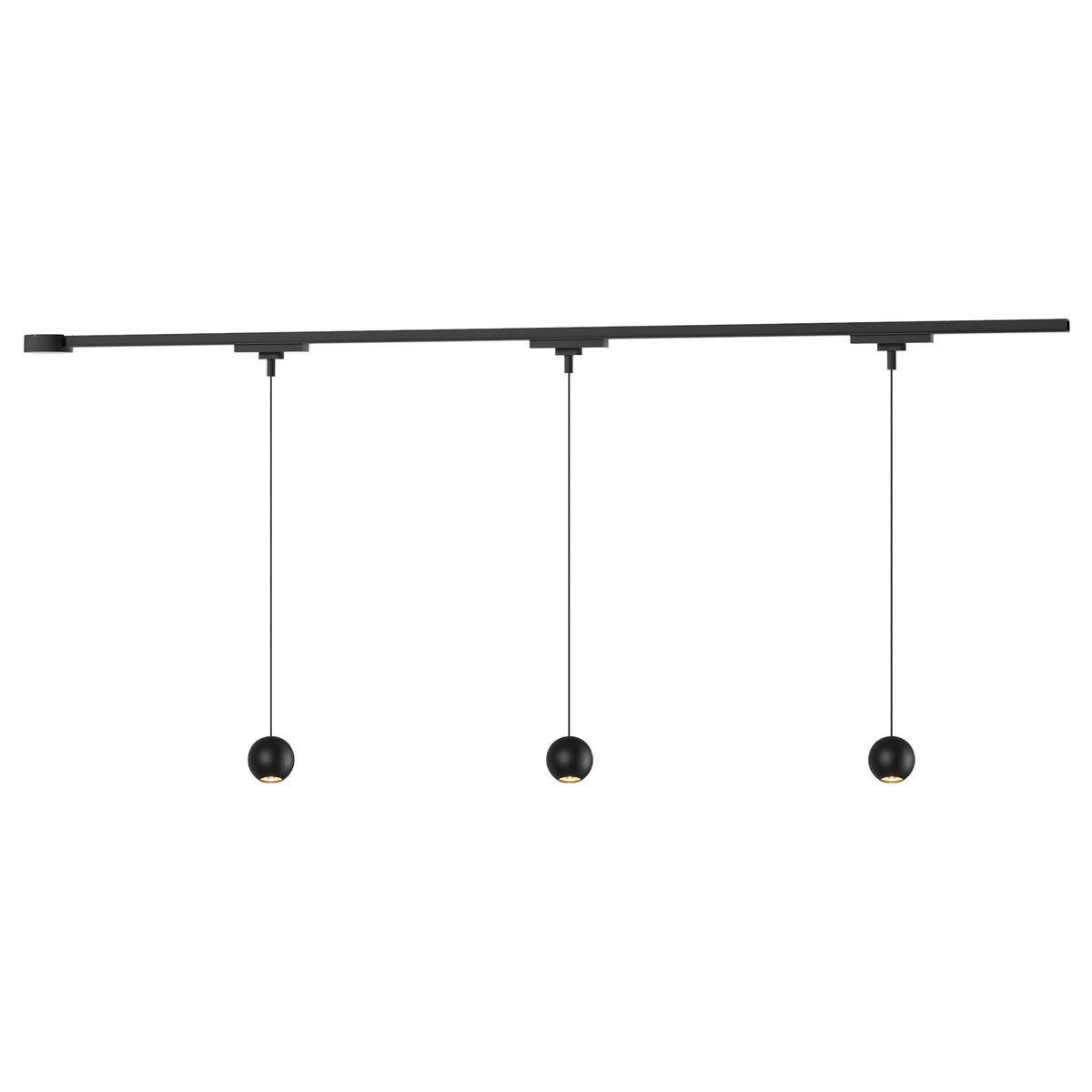
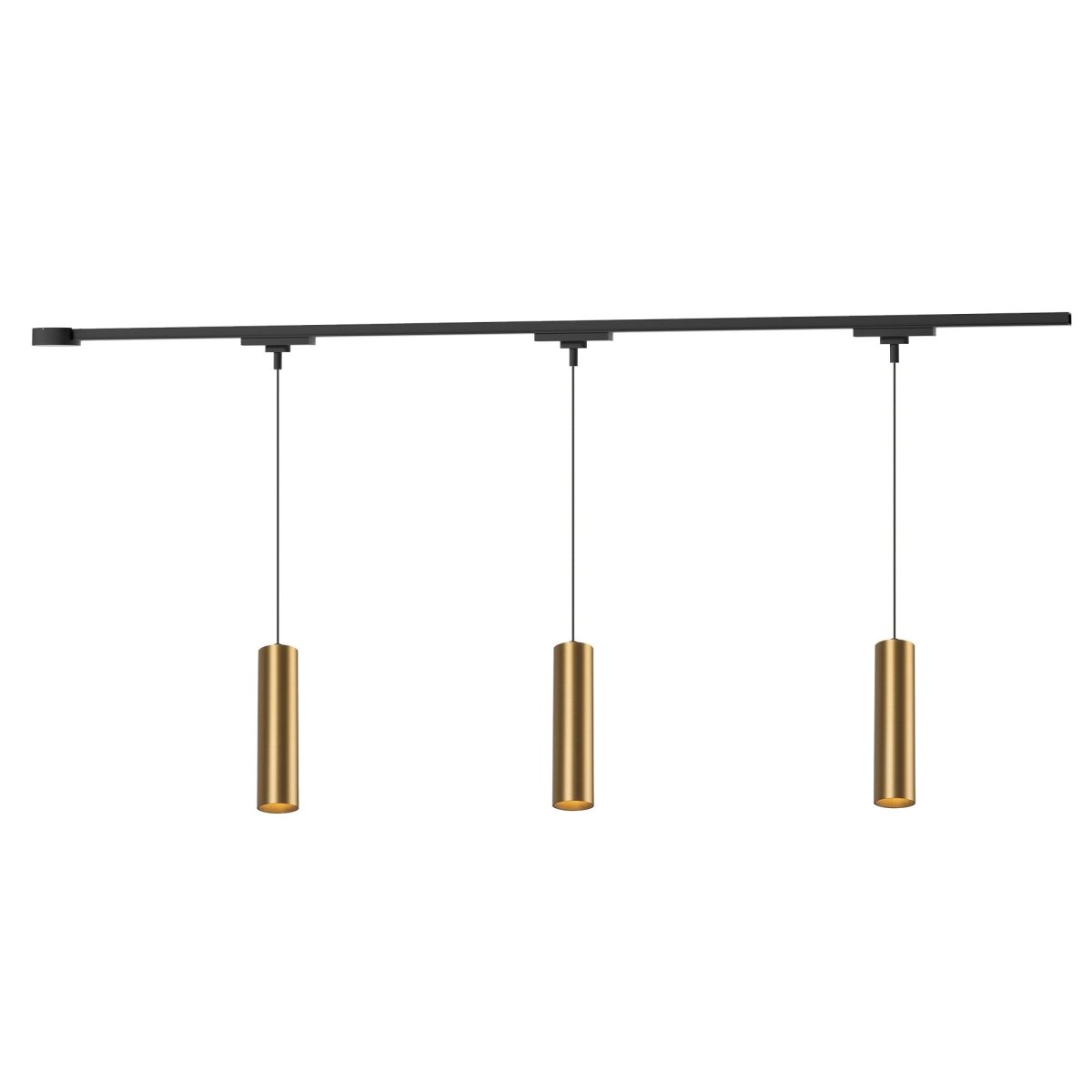
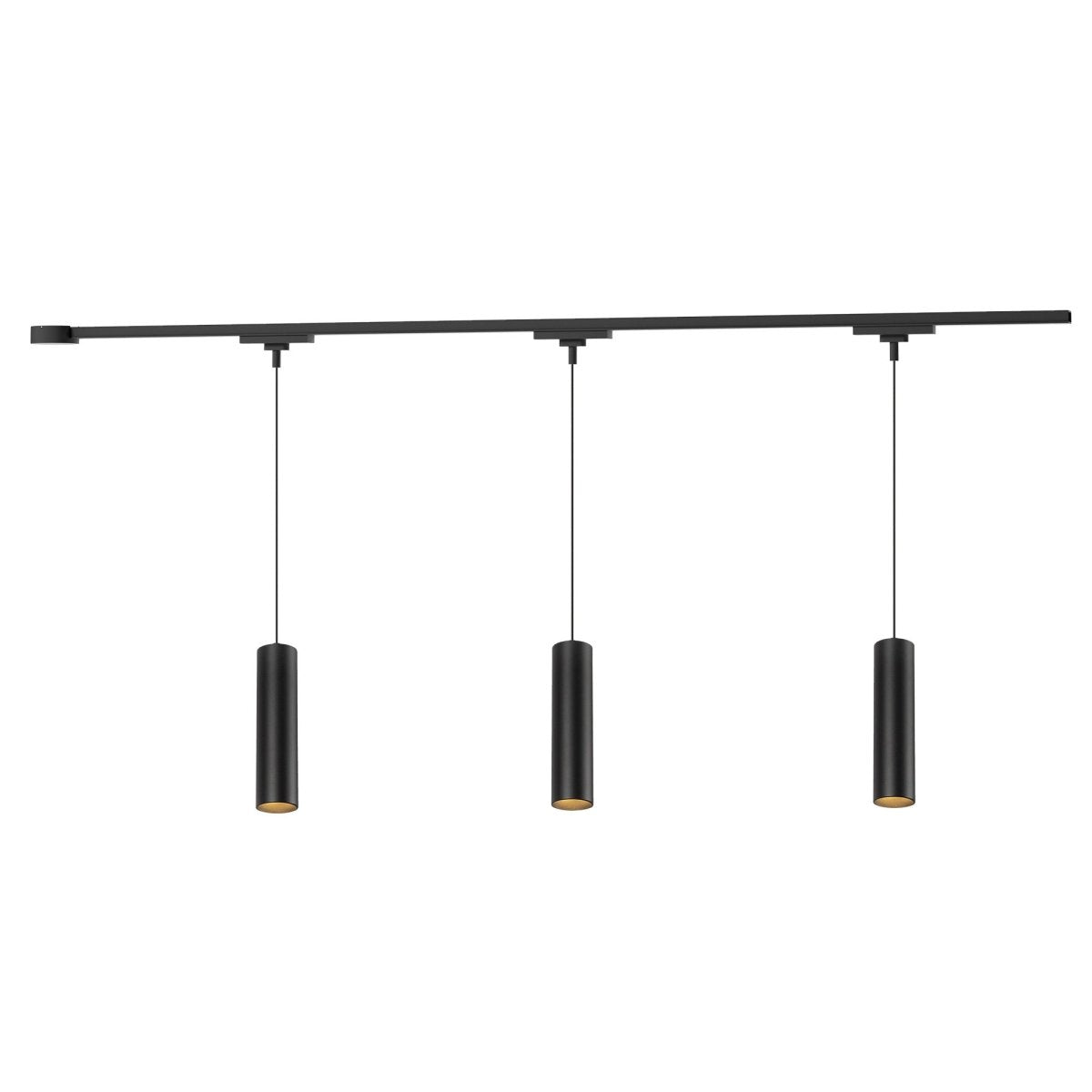
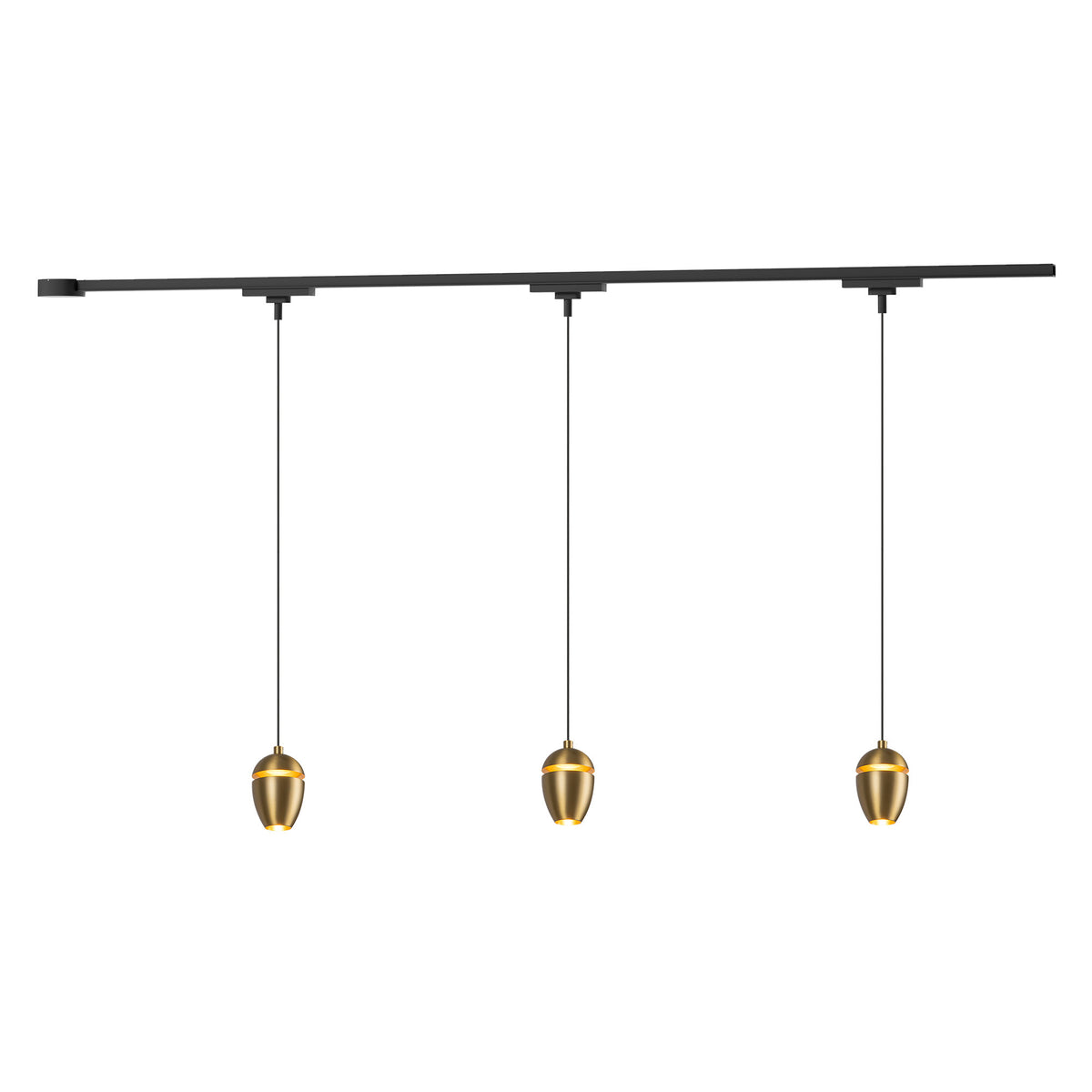
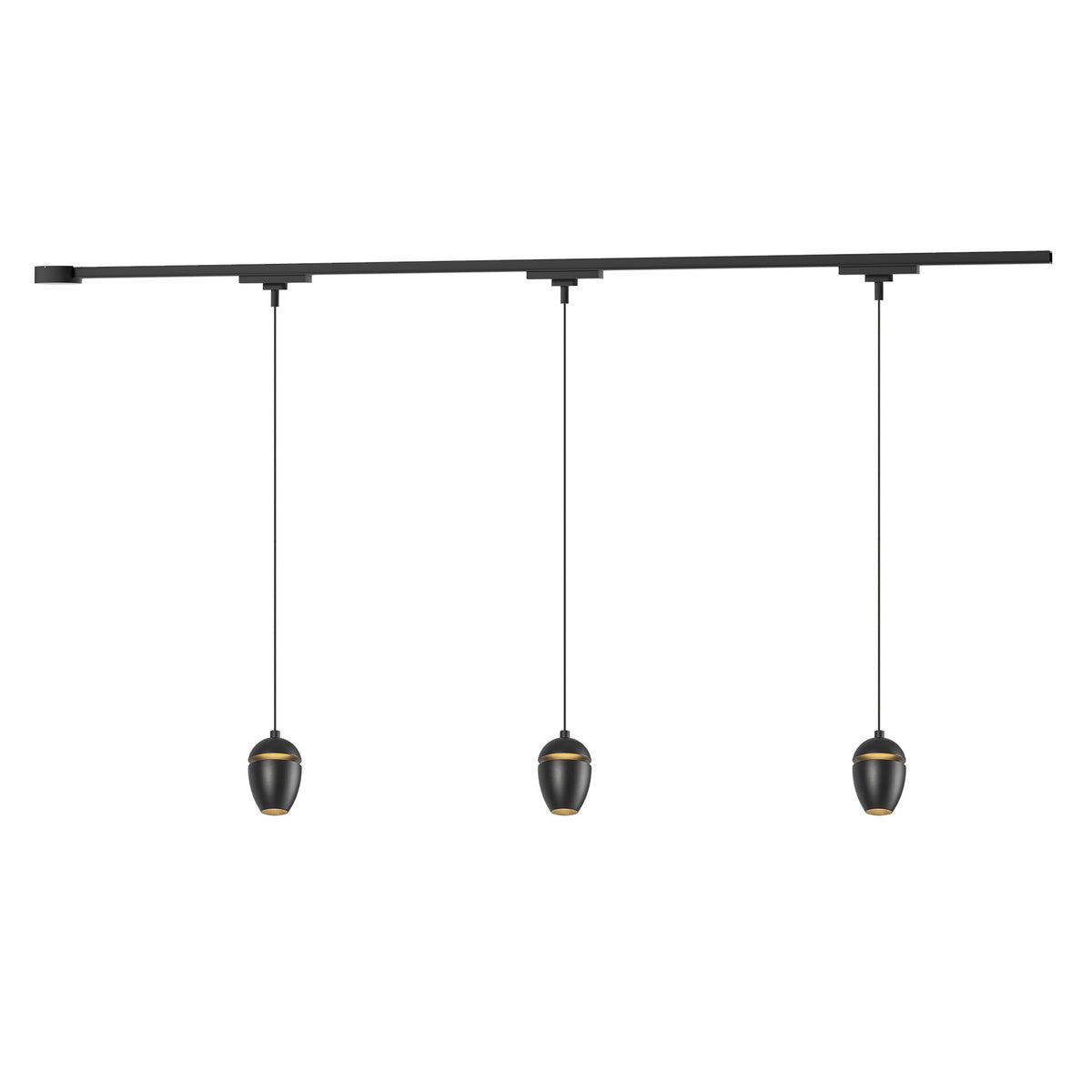
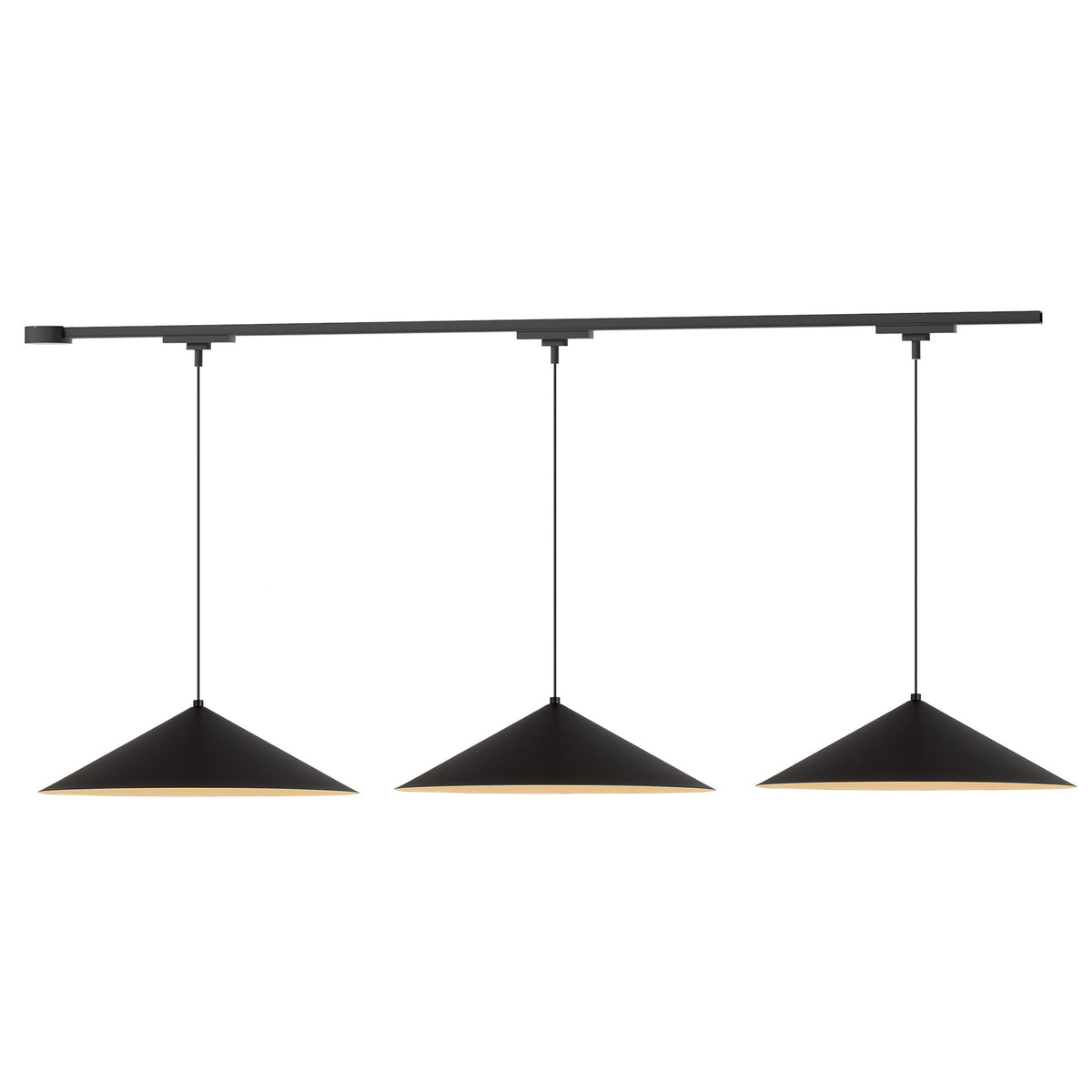
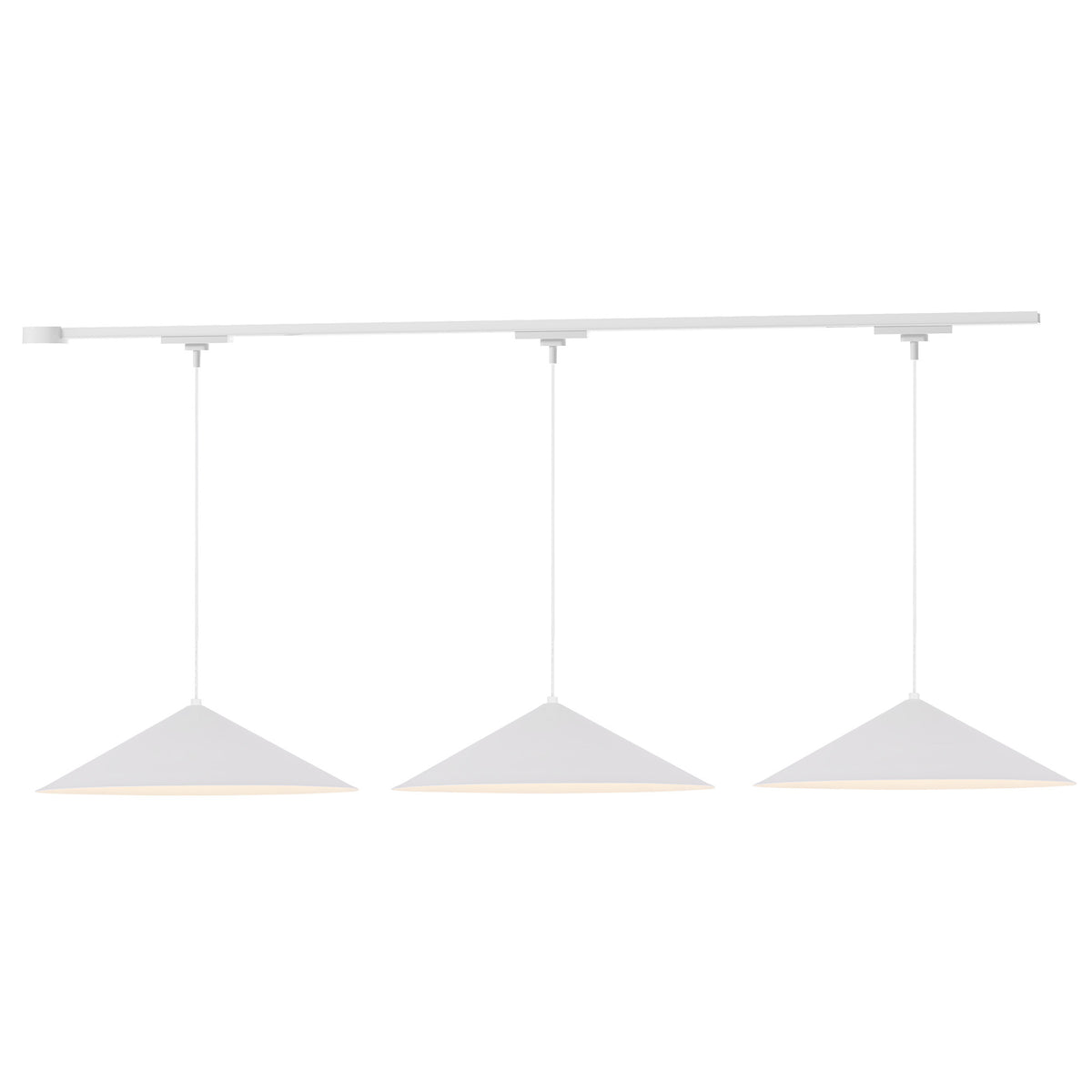
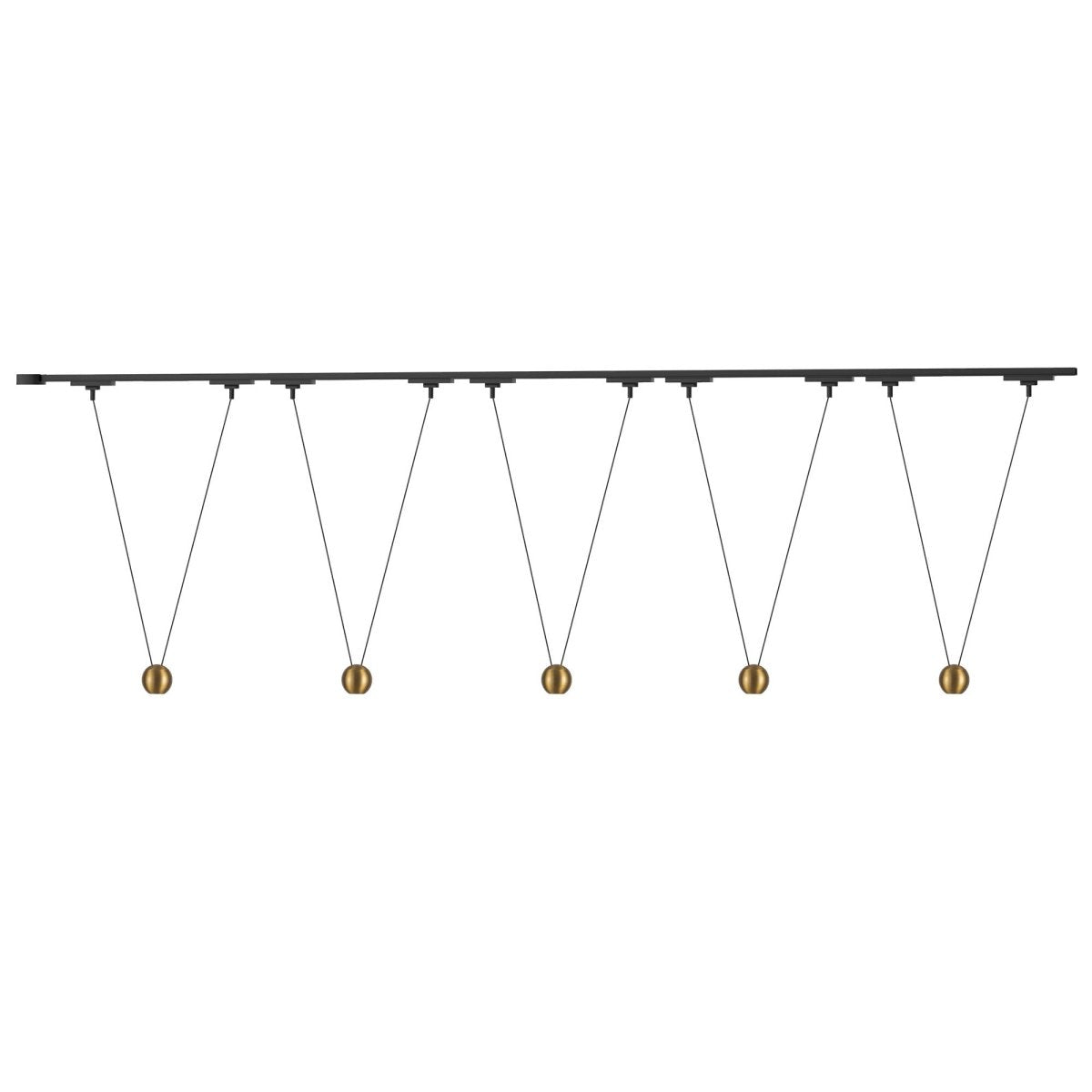
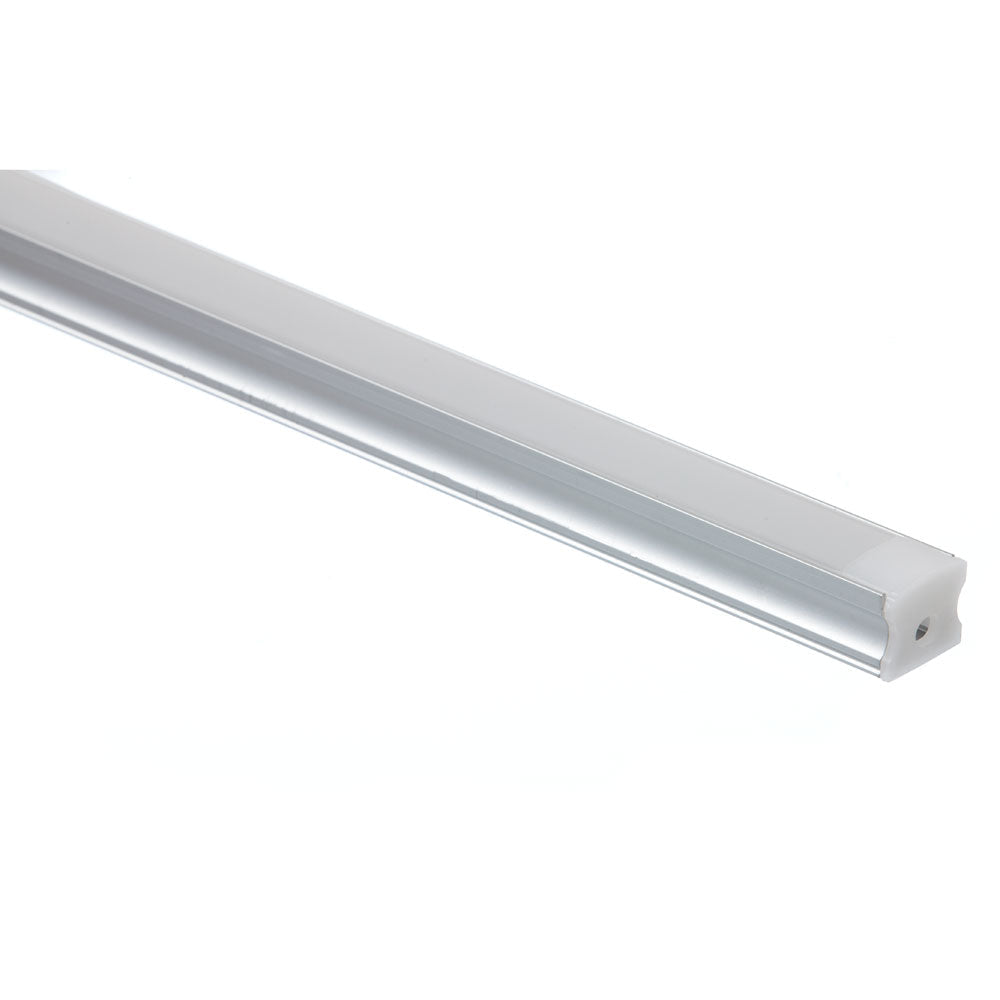
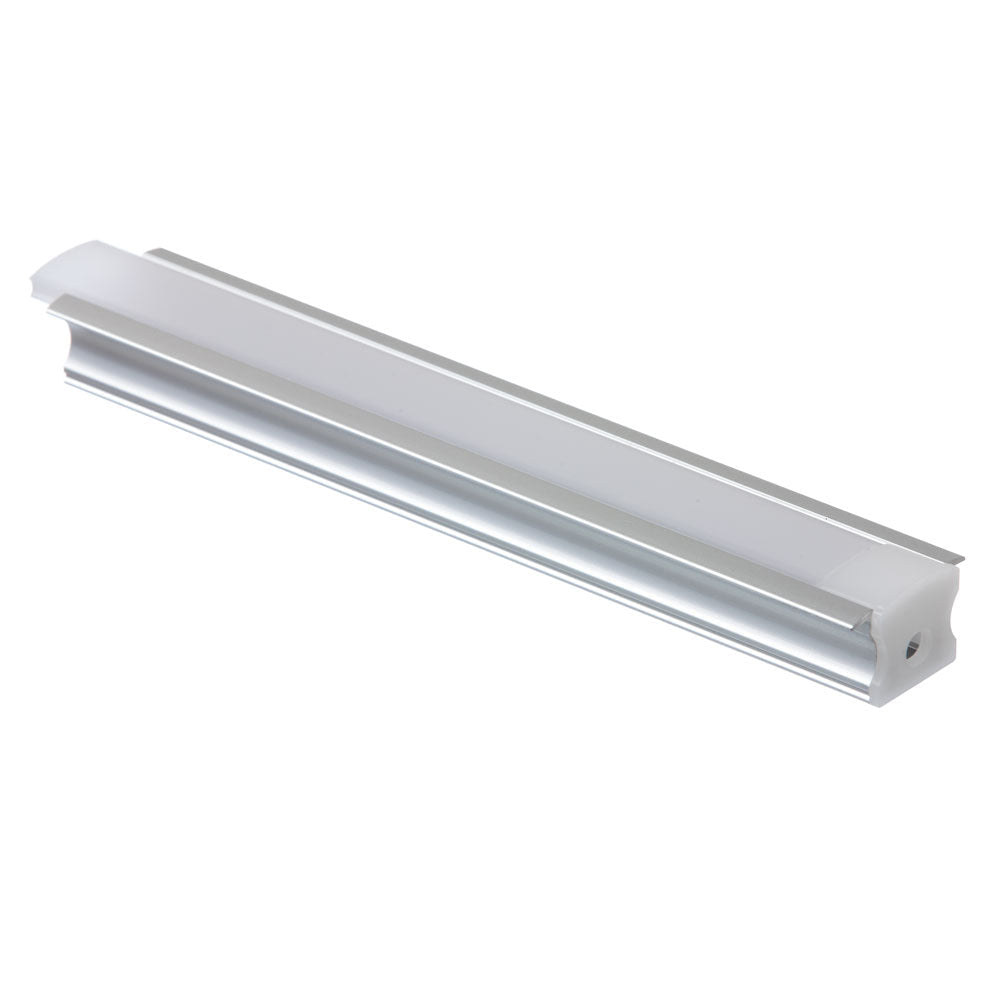
Our collection isn't limited to spot heads: it also includes rail-mounted pendants for decorative light over an island or table, plus the full hardware range — I, L, T, and four-way connectors, wall connectors, and end caps — to build an L-shaped run or a custom path. These pieces let you turn a corner or extend the circuit to match your ceiling geometry. If you also want recessed lighting elsewhere in the room, track and recessed fixtures layer nicely together.
Planning your system
- Head density: one head every 12 to 18 in (30 to 46 cm) for accent, one every 24 in (61 cm) for ambient.
- Color temperature: 2700 to 3000 K for warm, welcoming light at home.
- Dimming: choose heads marked dimmable with an LED-compatible dimmer to avoid flicker.
- Sloped ceilings: most rails install up to 45 degrees with the right adapter, or suspended to keep the rail level.