

















What accent lighting really means
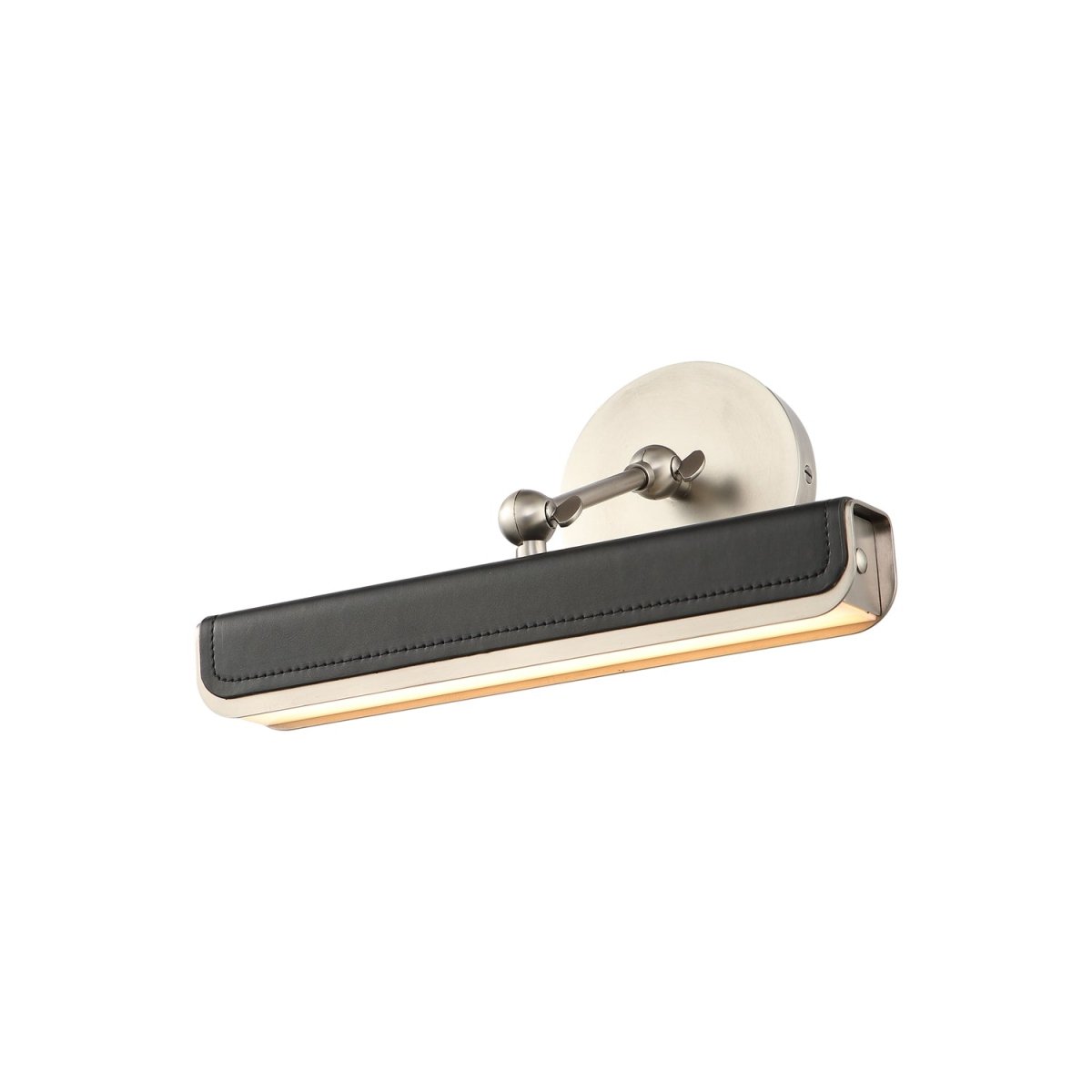
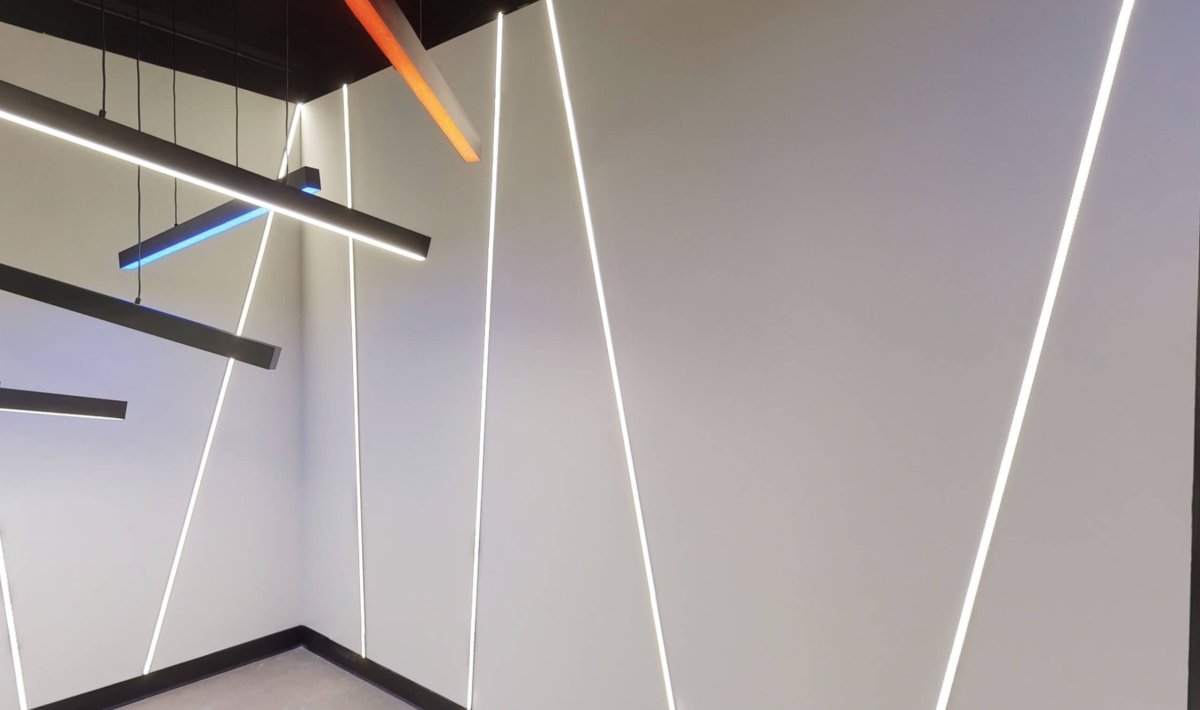
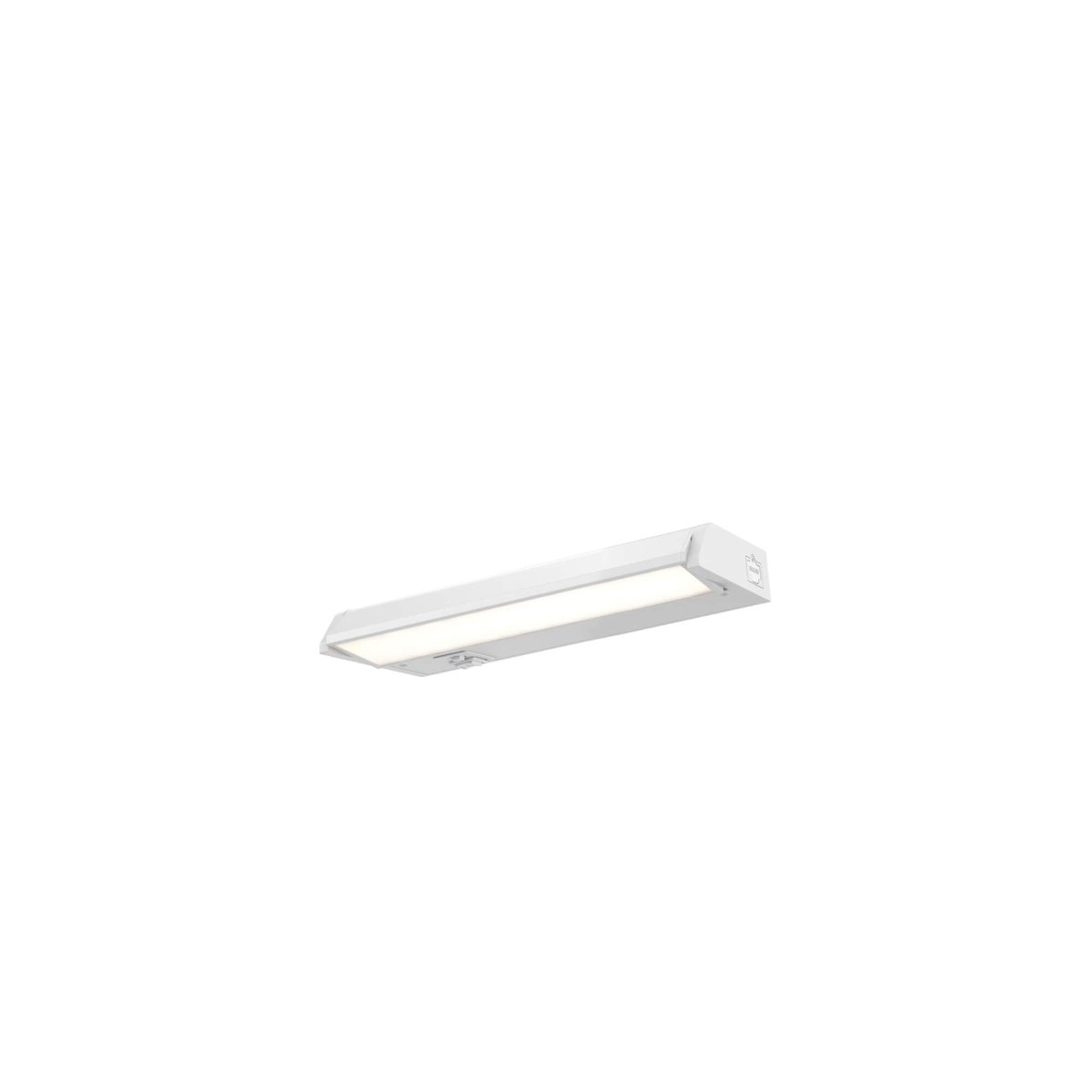
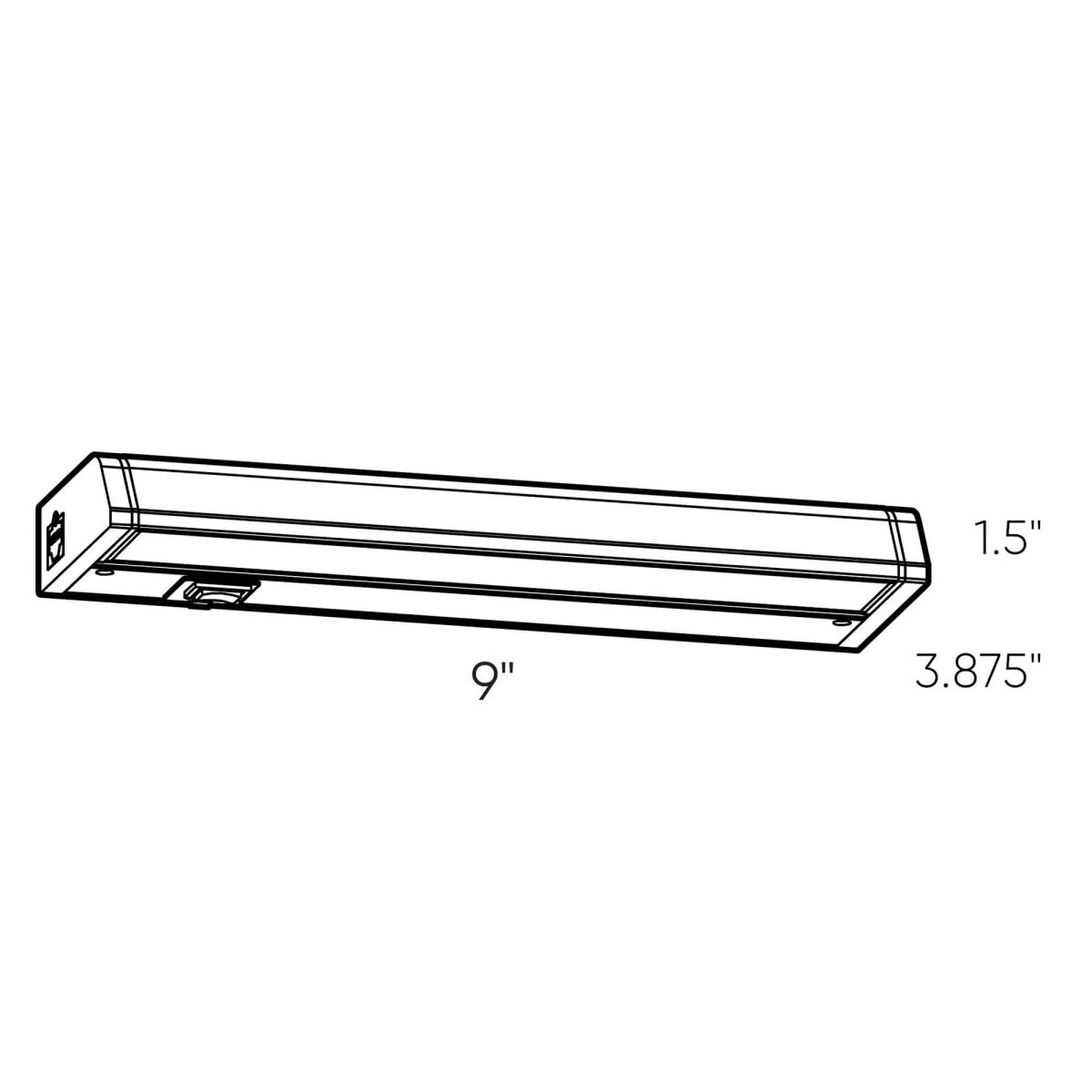
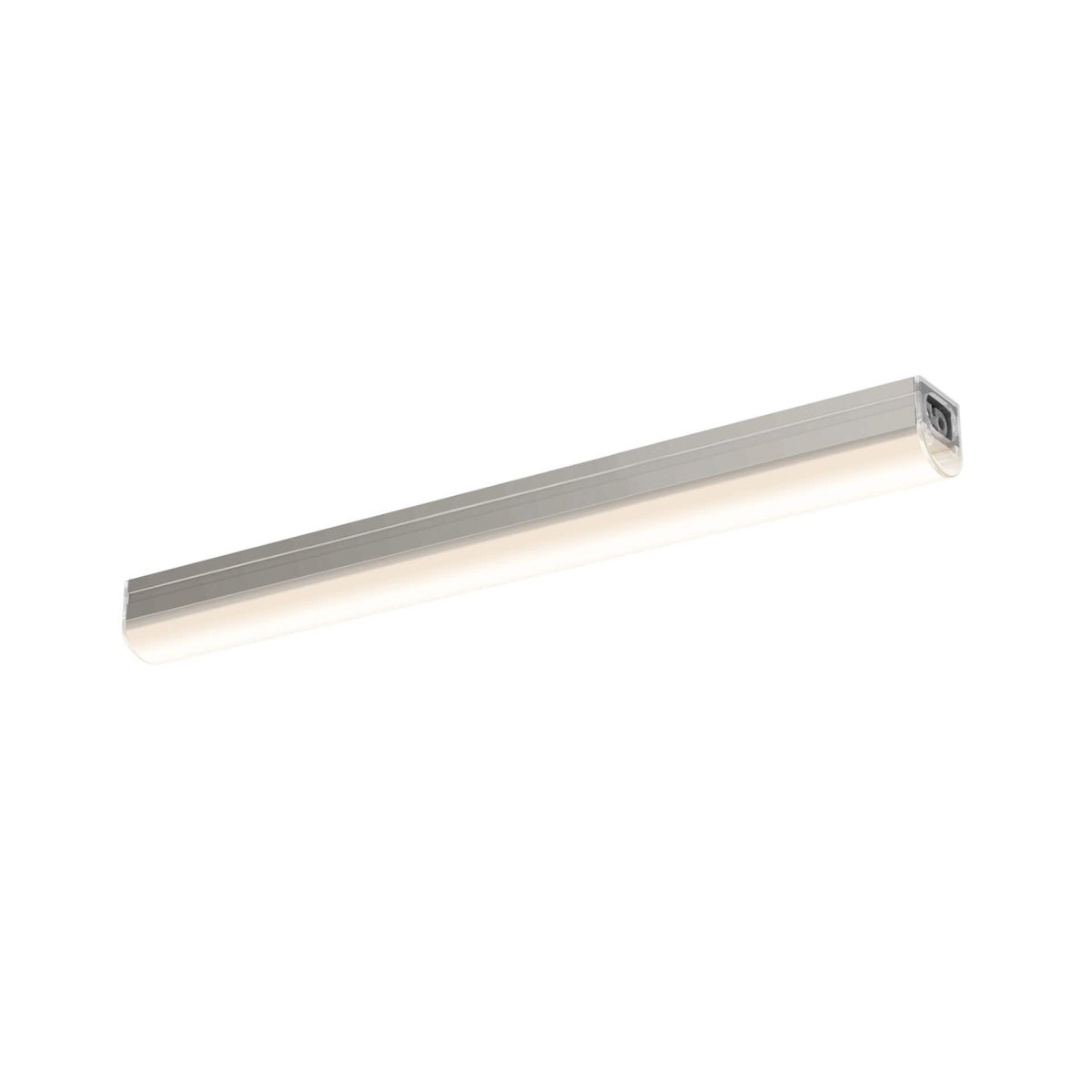
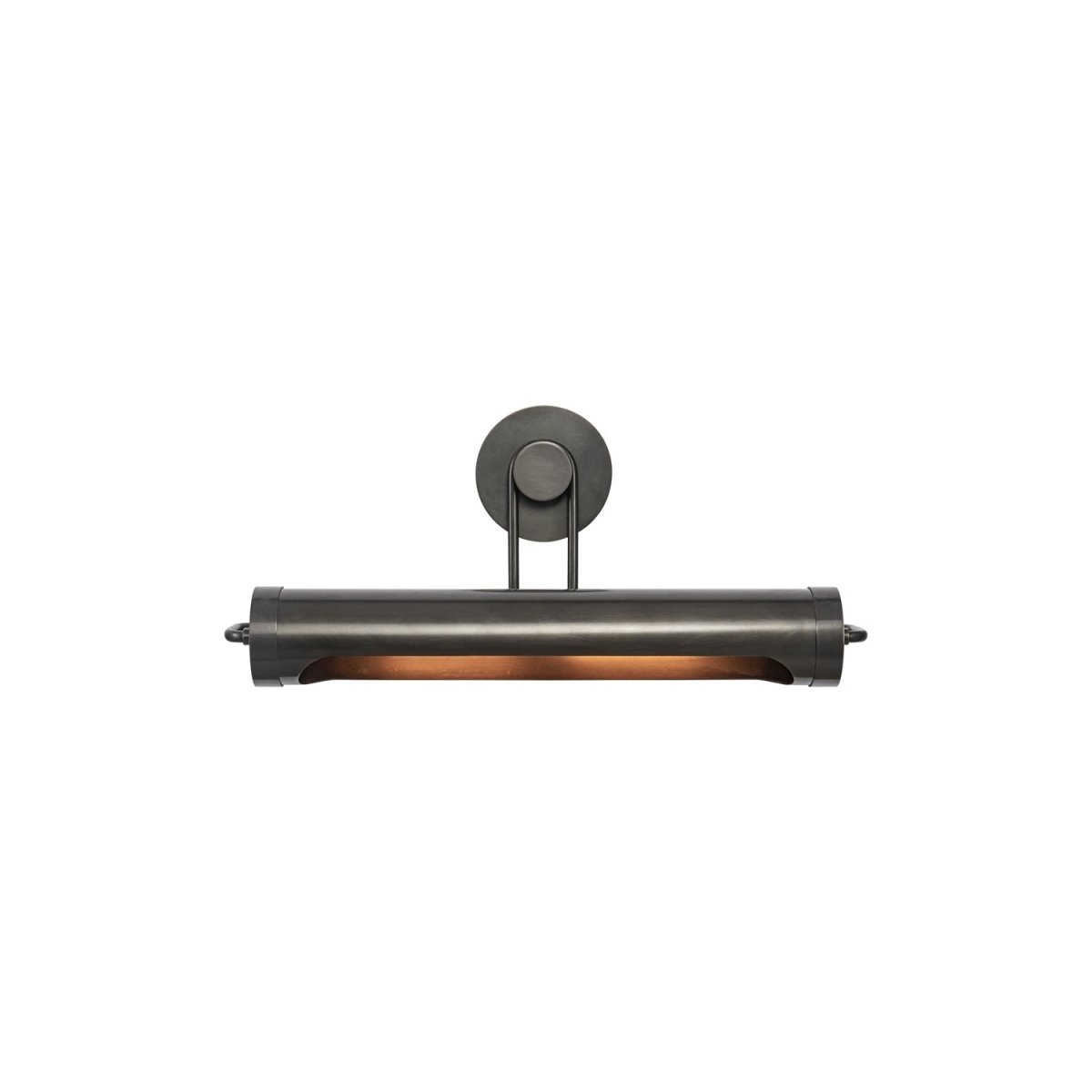
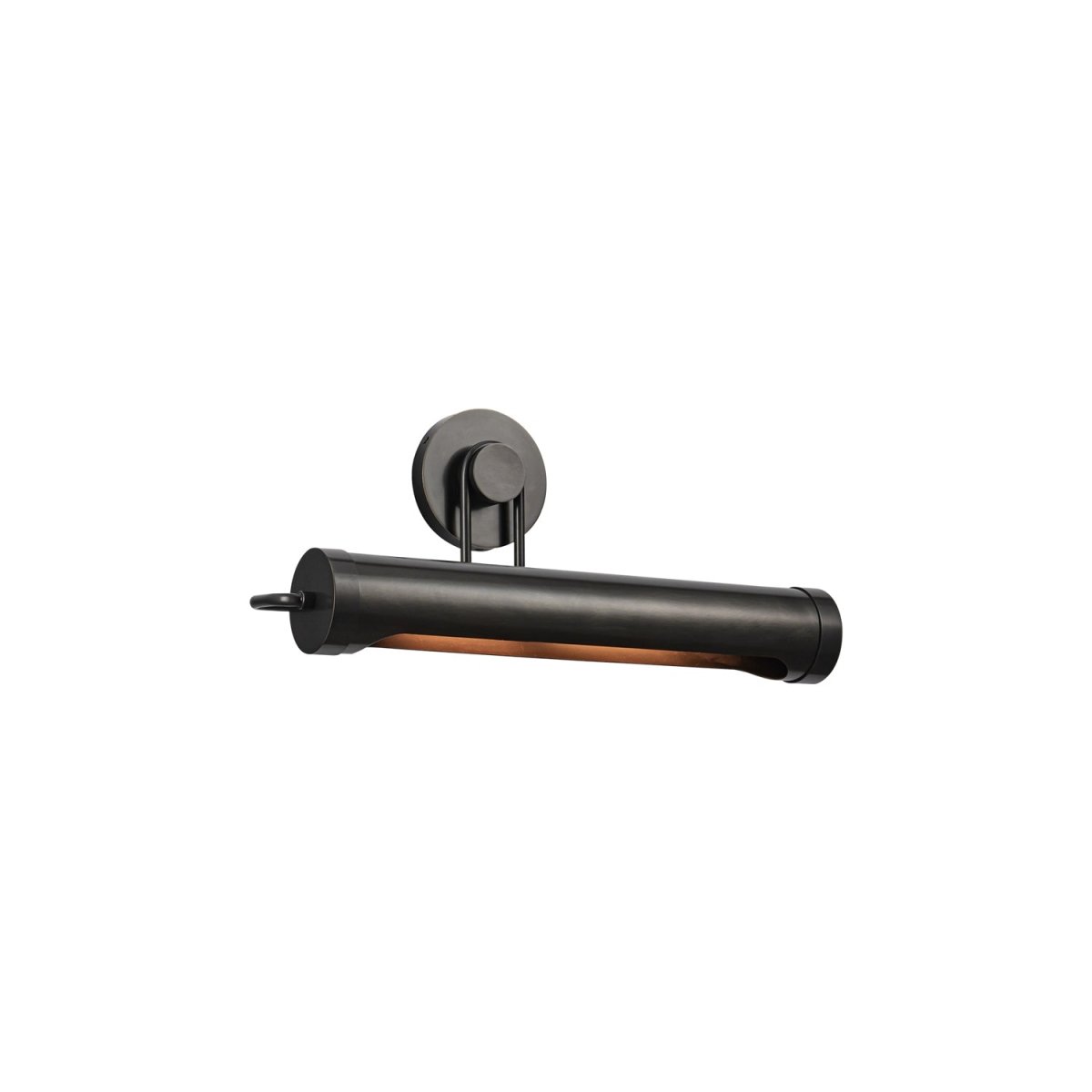
The term stays broad and shifts from room to room, but the idea fits in one line: add light to a specific spot without making that source the centerpiece. A grand chandelier or a bold pendant plays the lead; accent lighting underlines. Some of our products, like linear under-counter fixtures or picture lights, also serve a practical purpose while showcasing an object — the line between accent lighting and task lighting is often thin.
Where accent lights work best
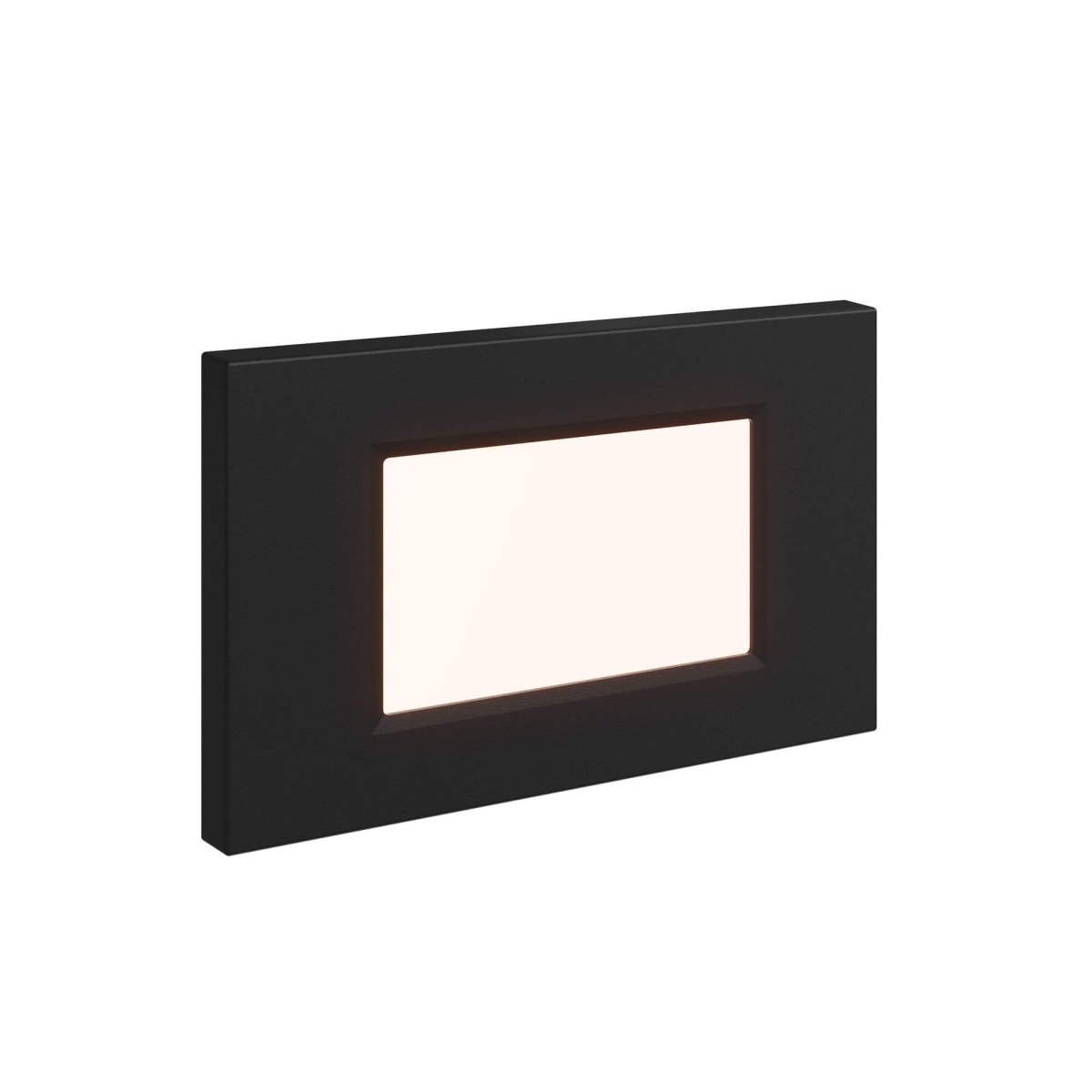
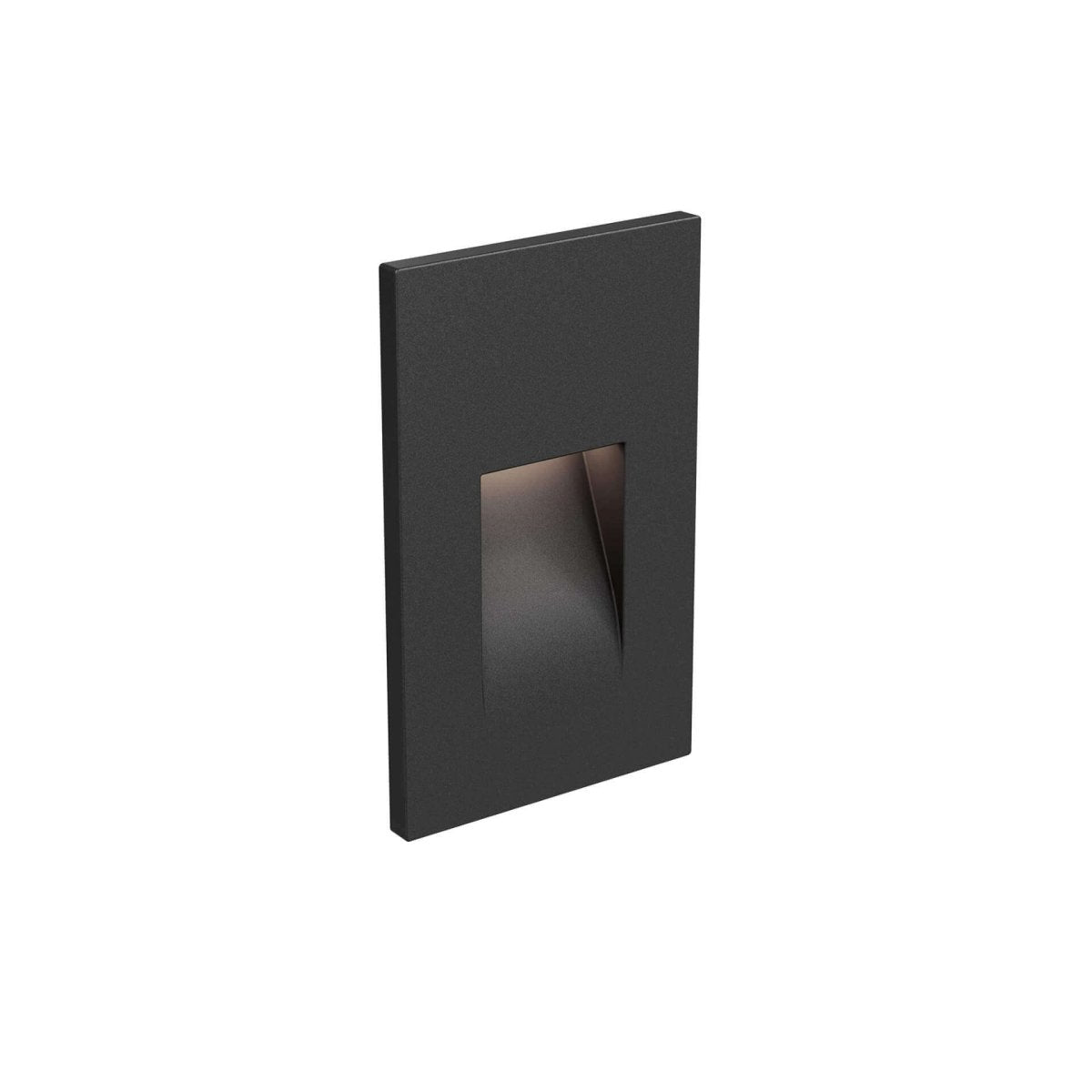
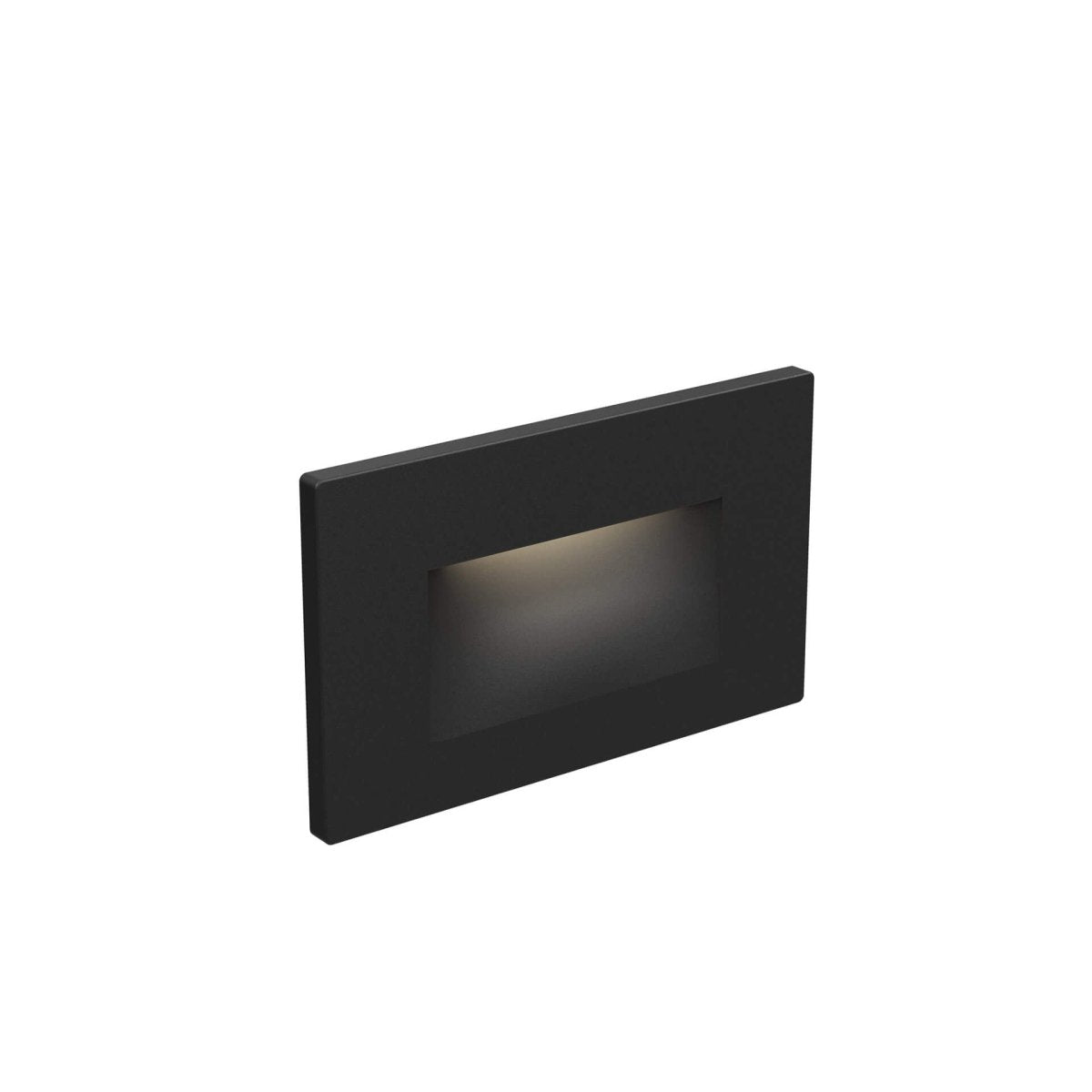
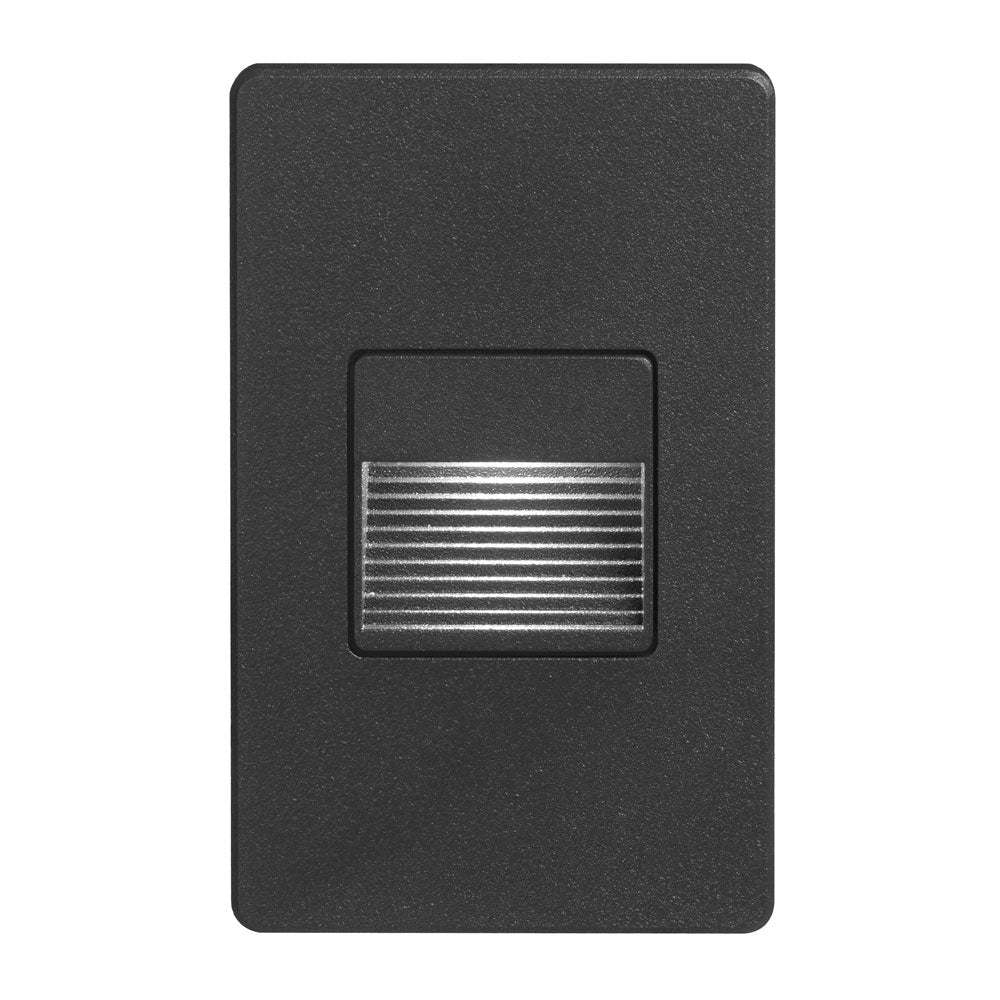
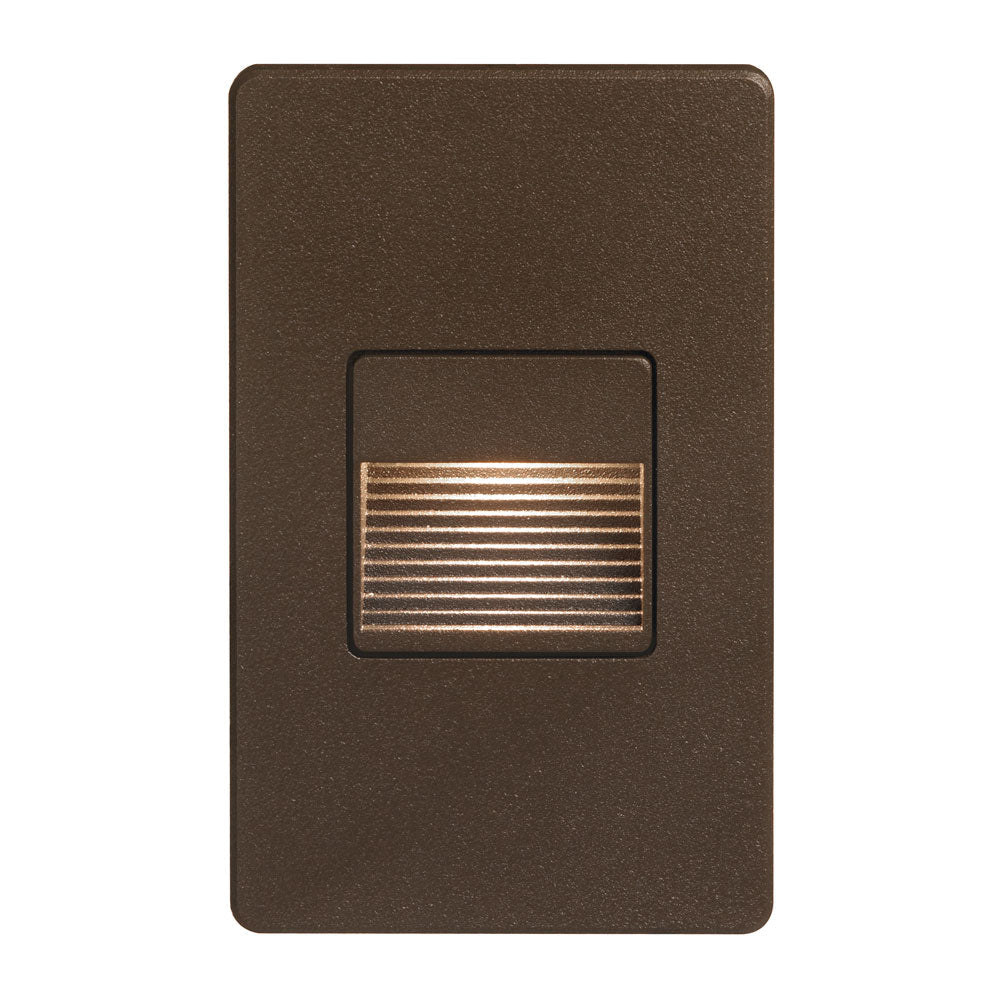
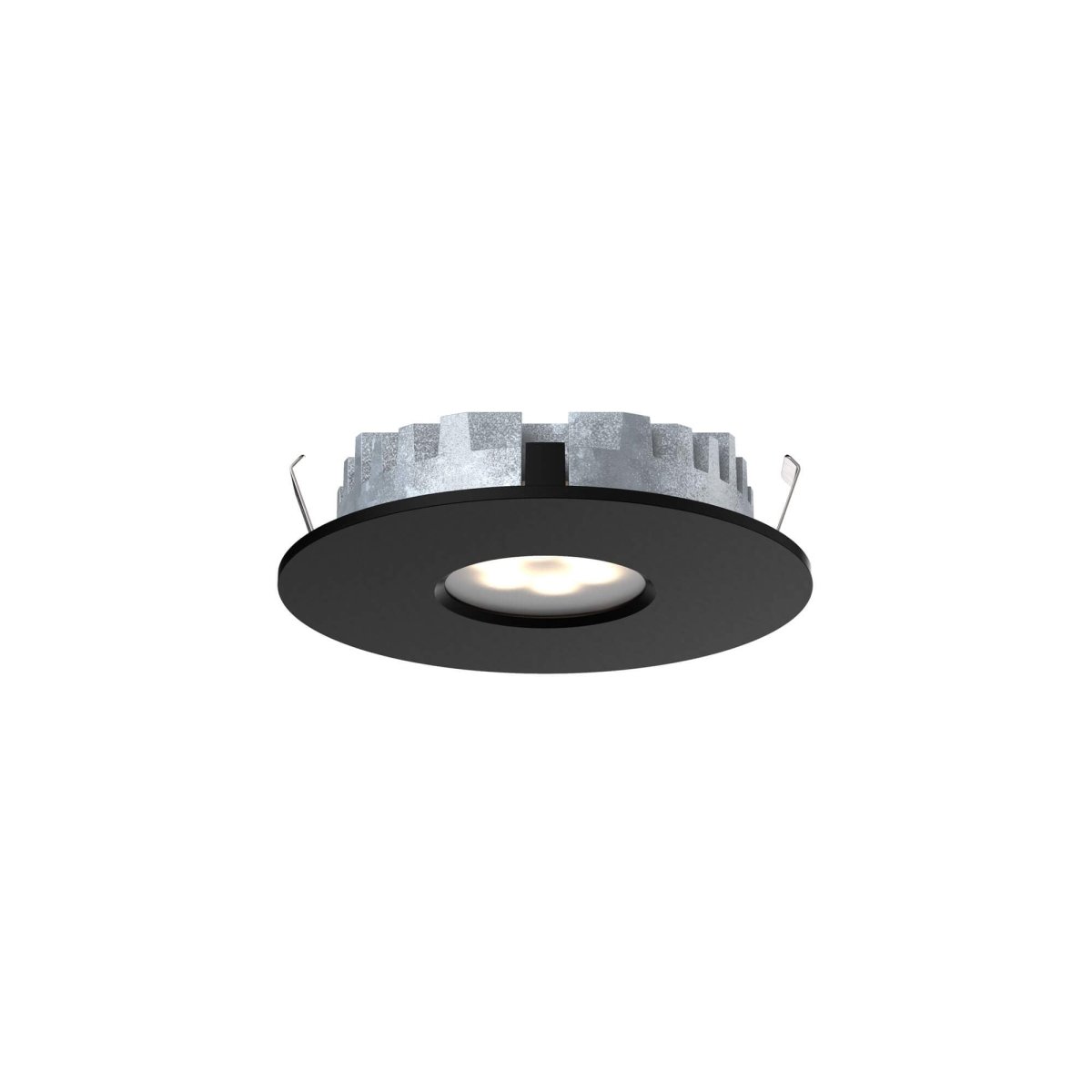
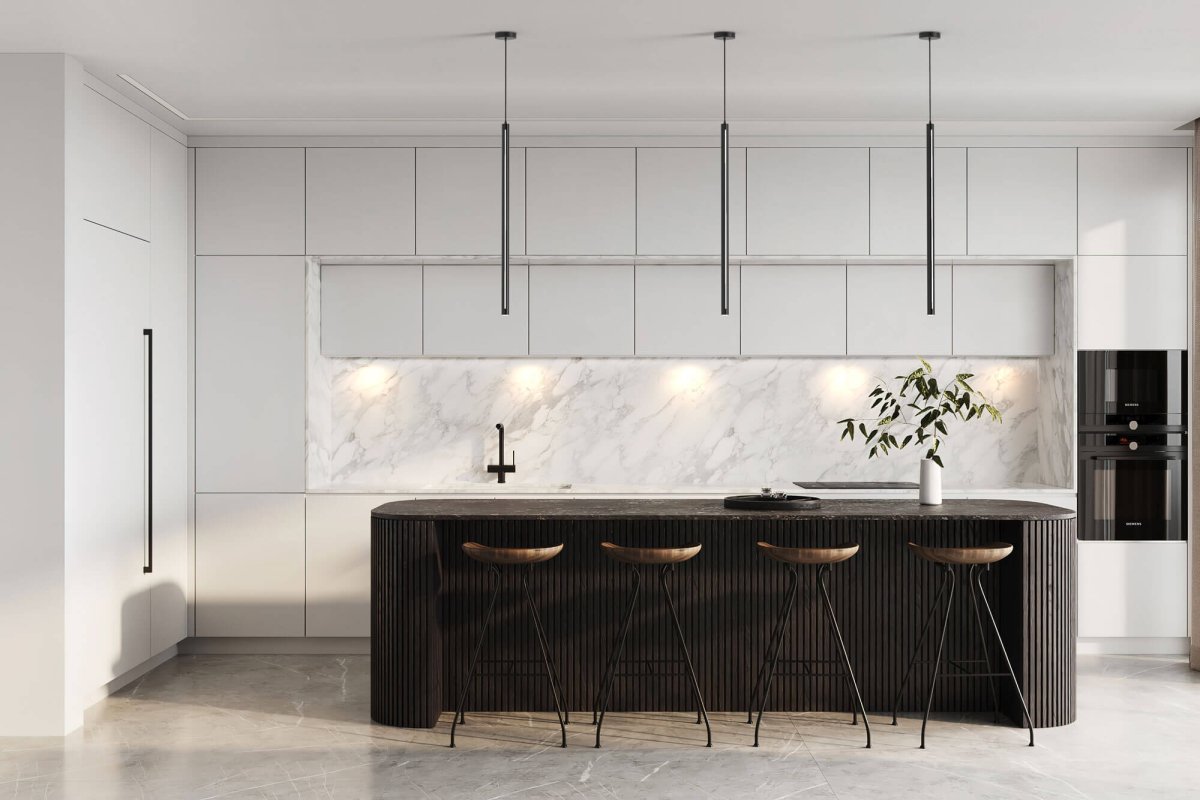
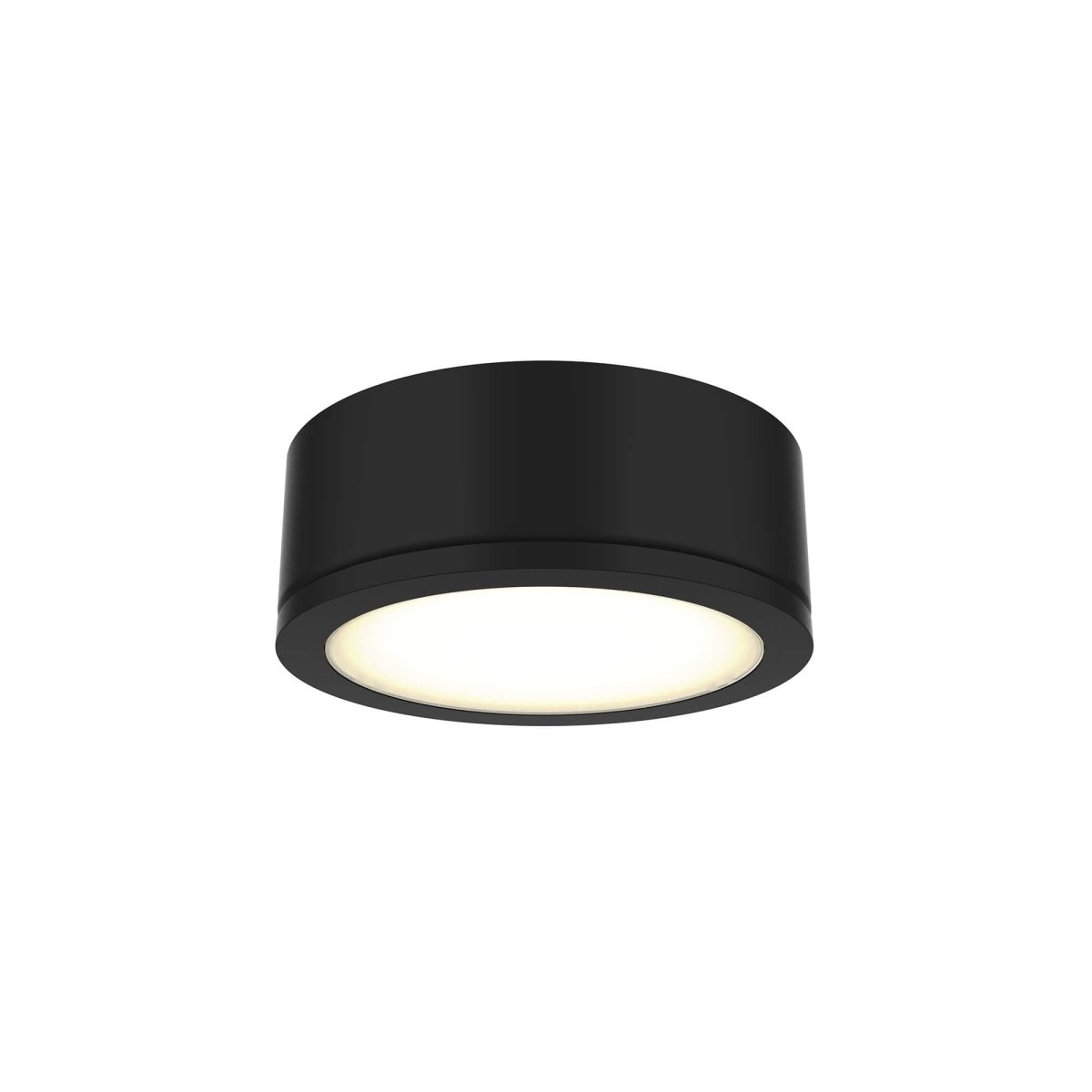
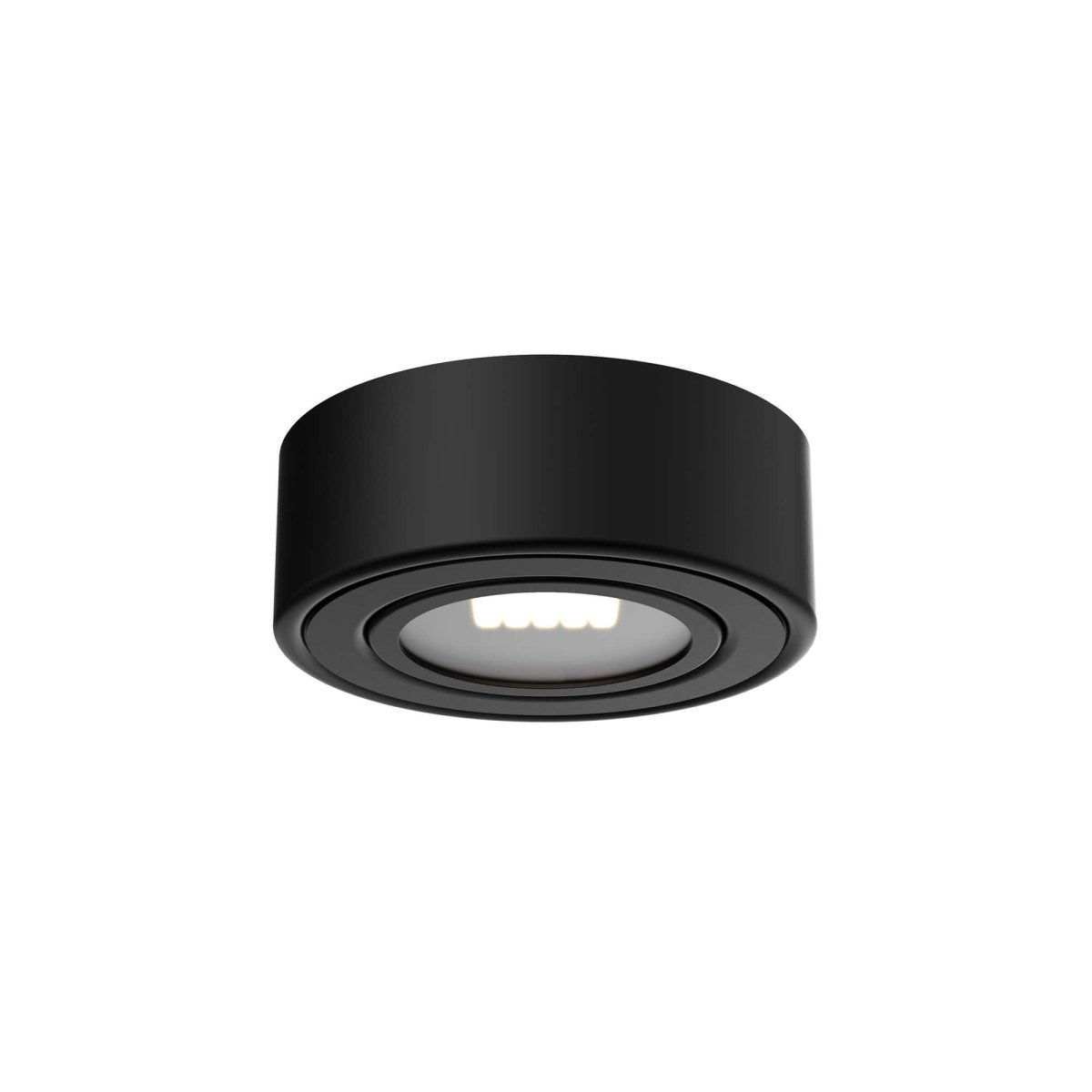
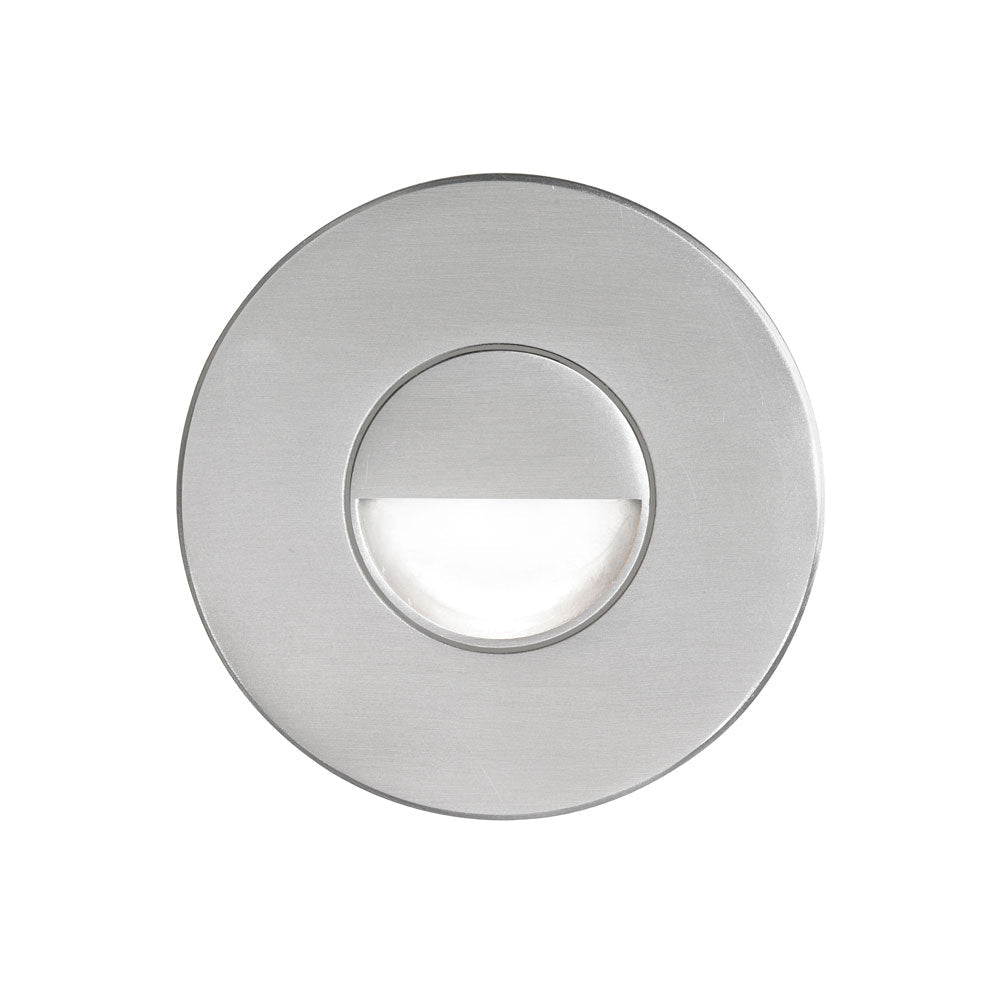
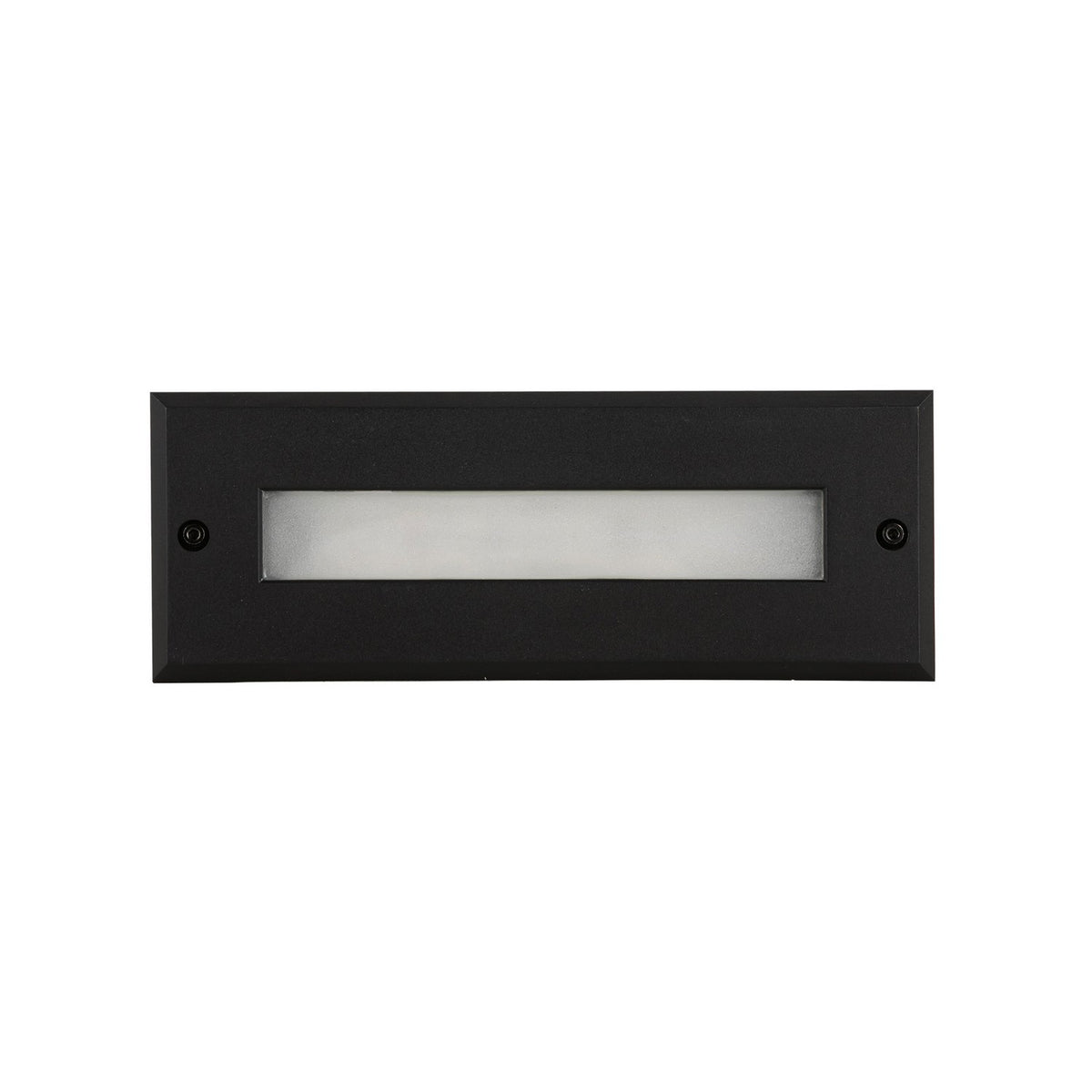
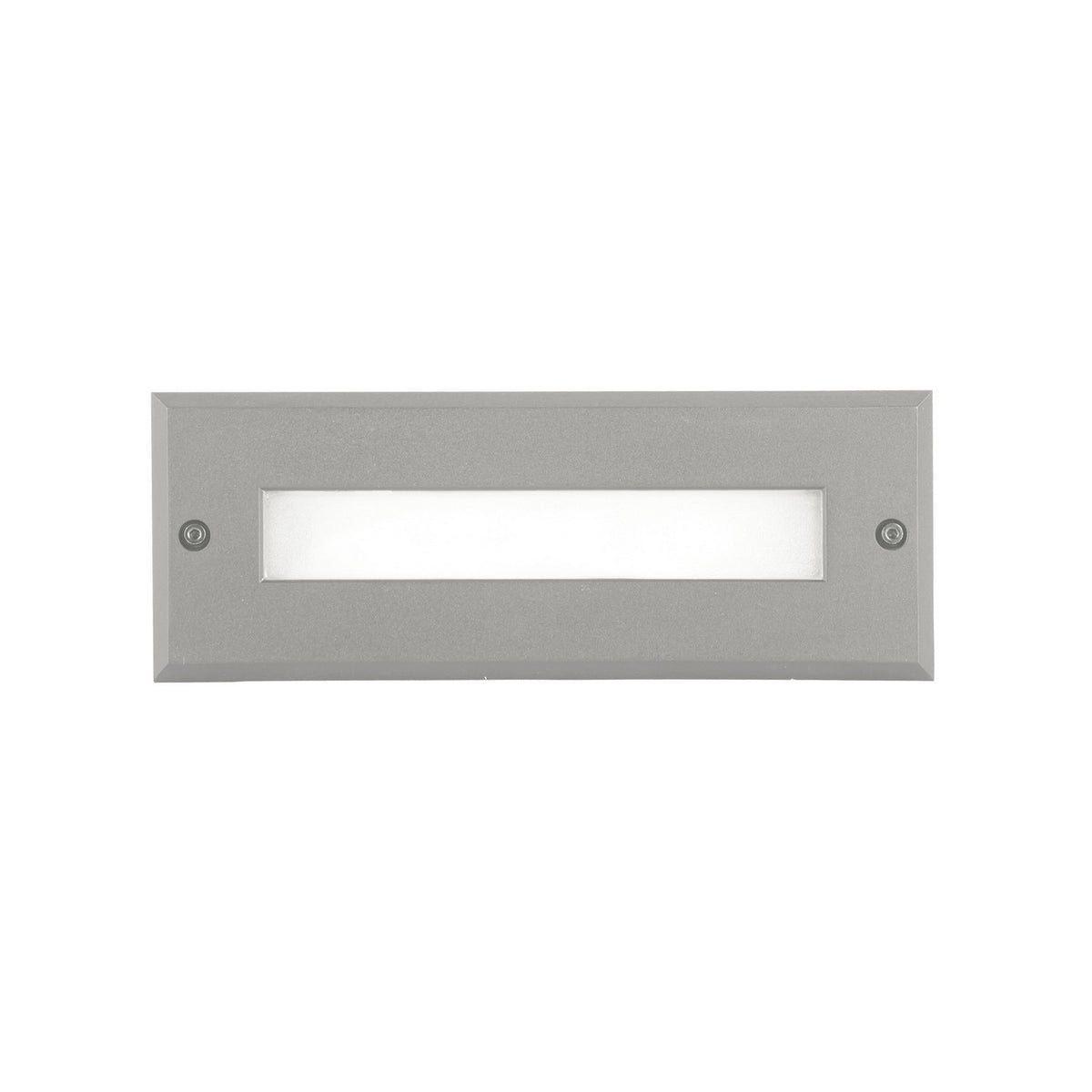
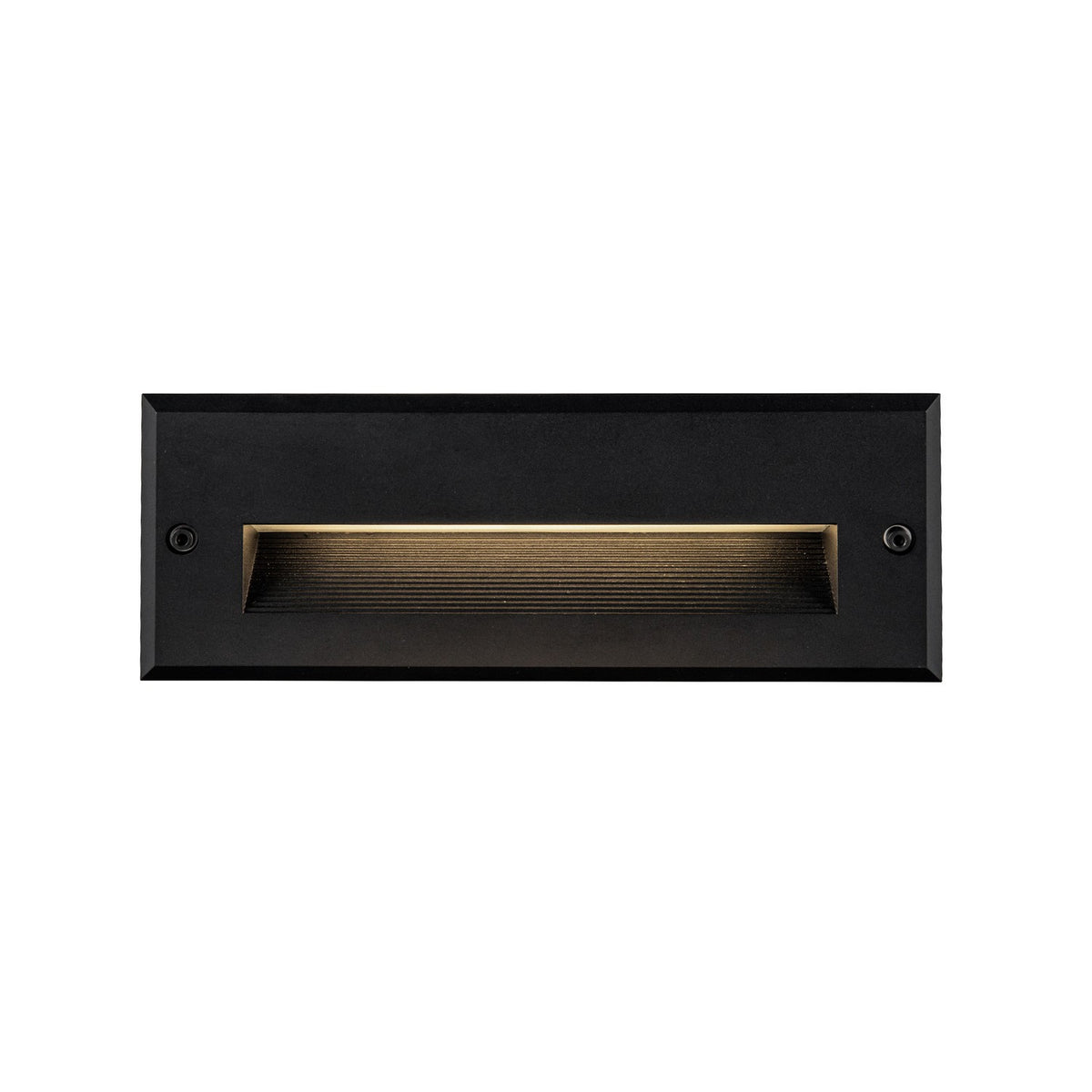
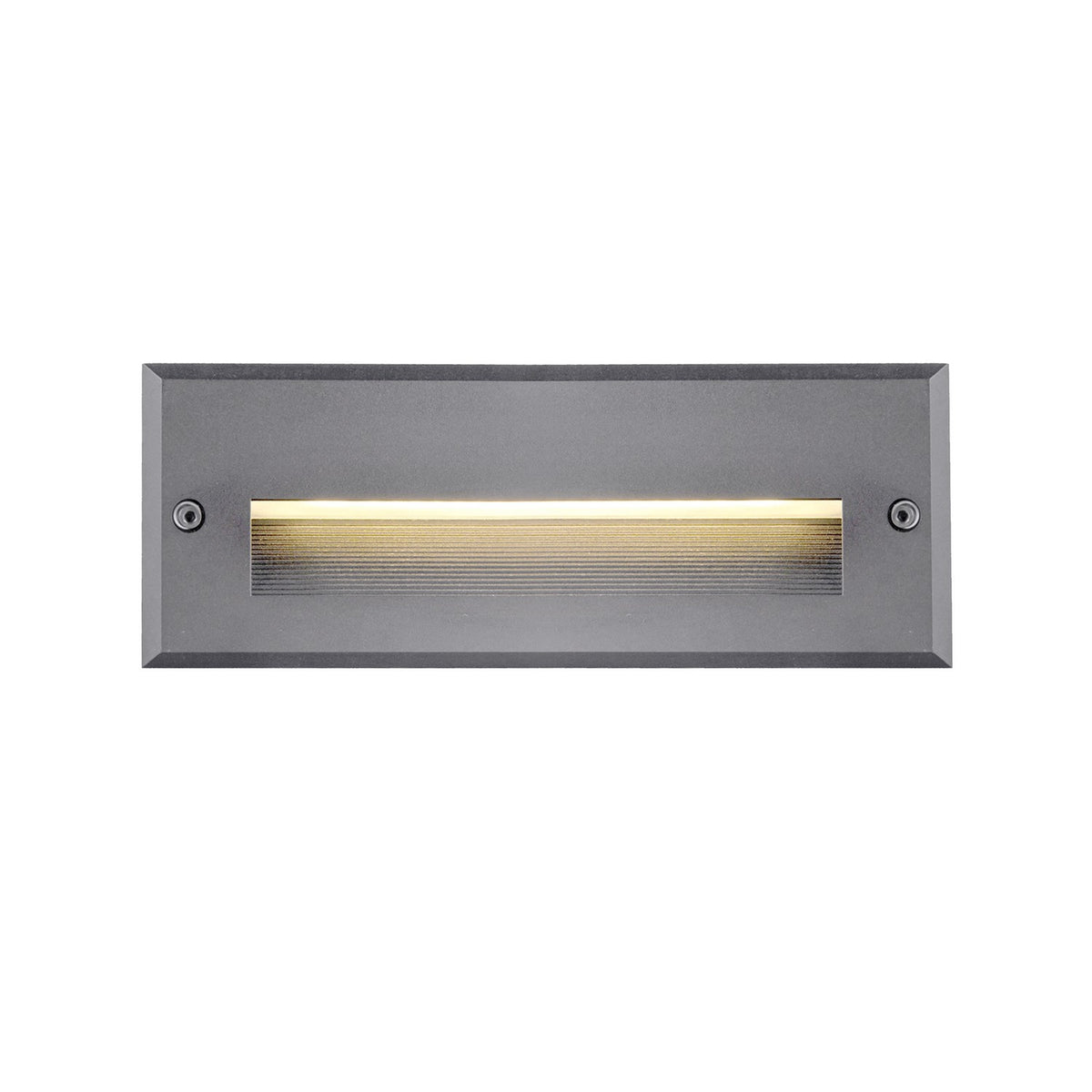
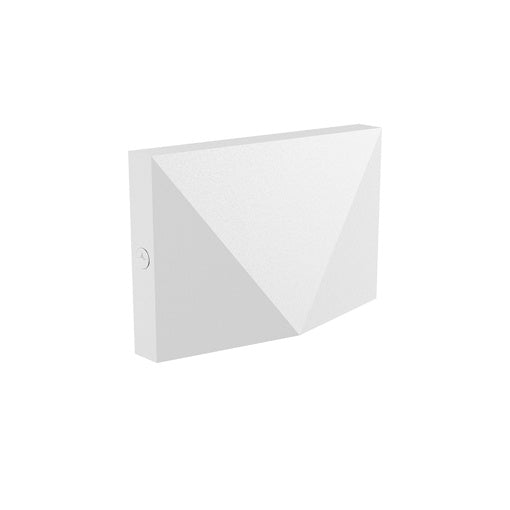
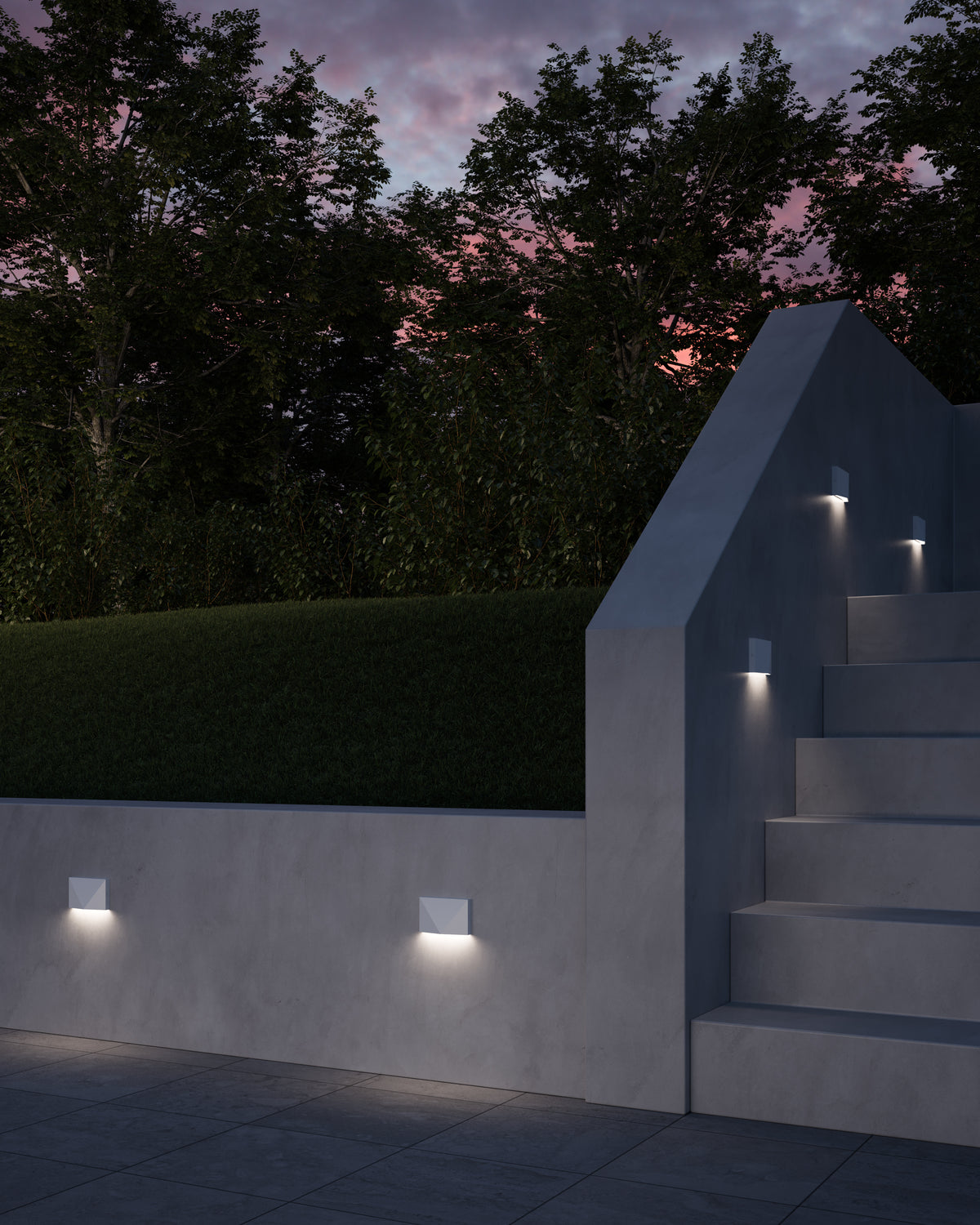
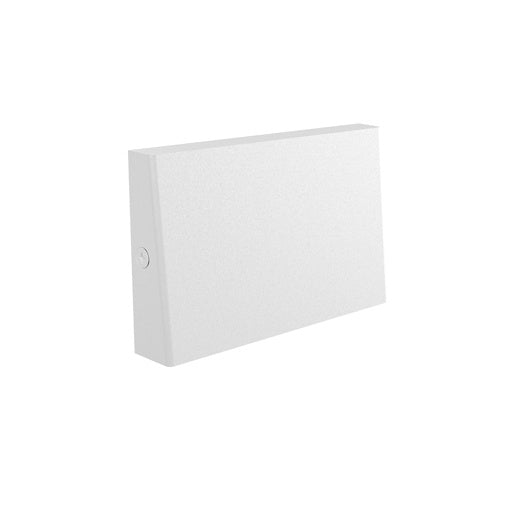
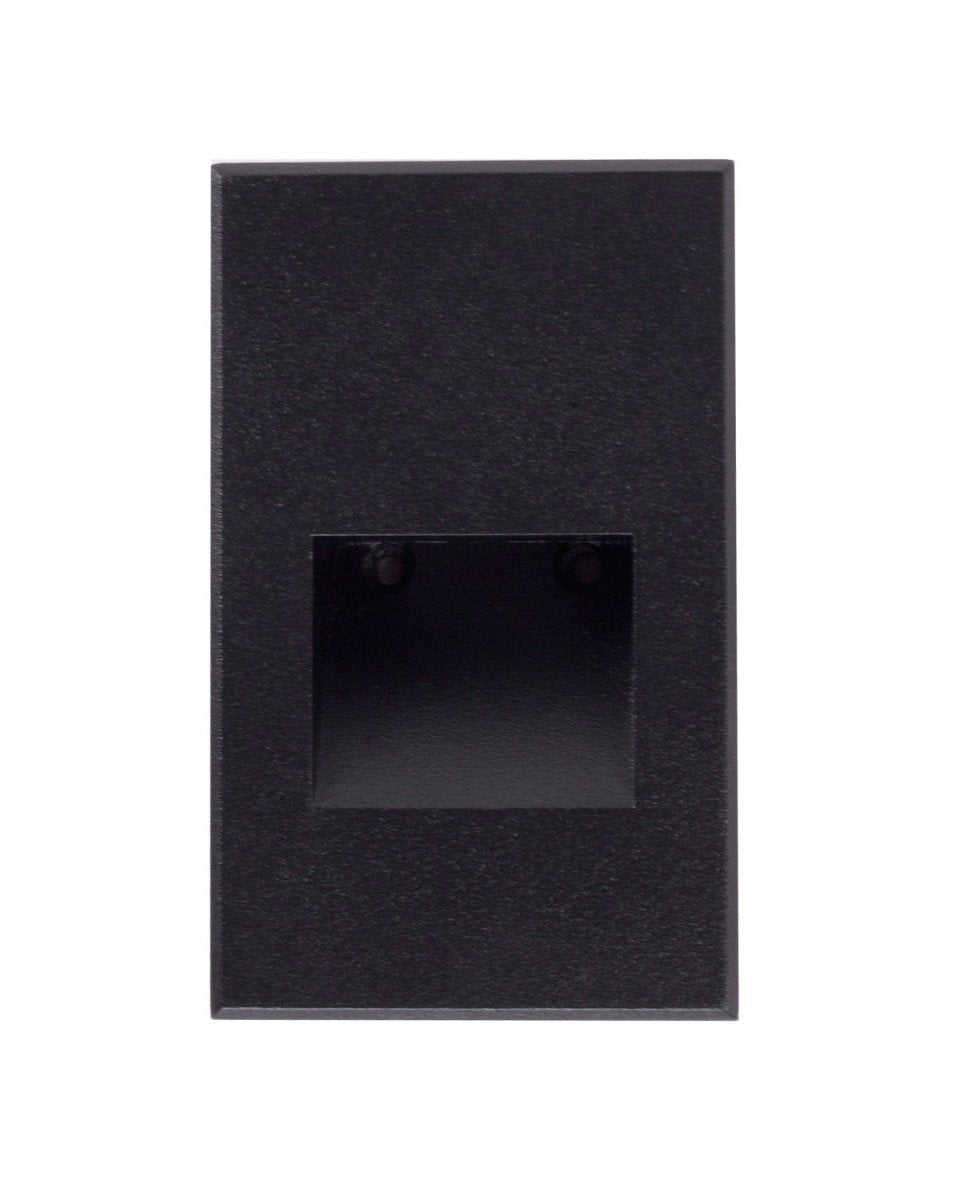
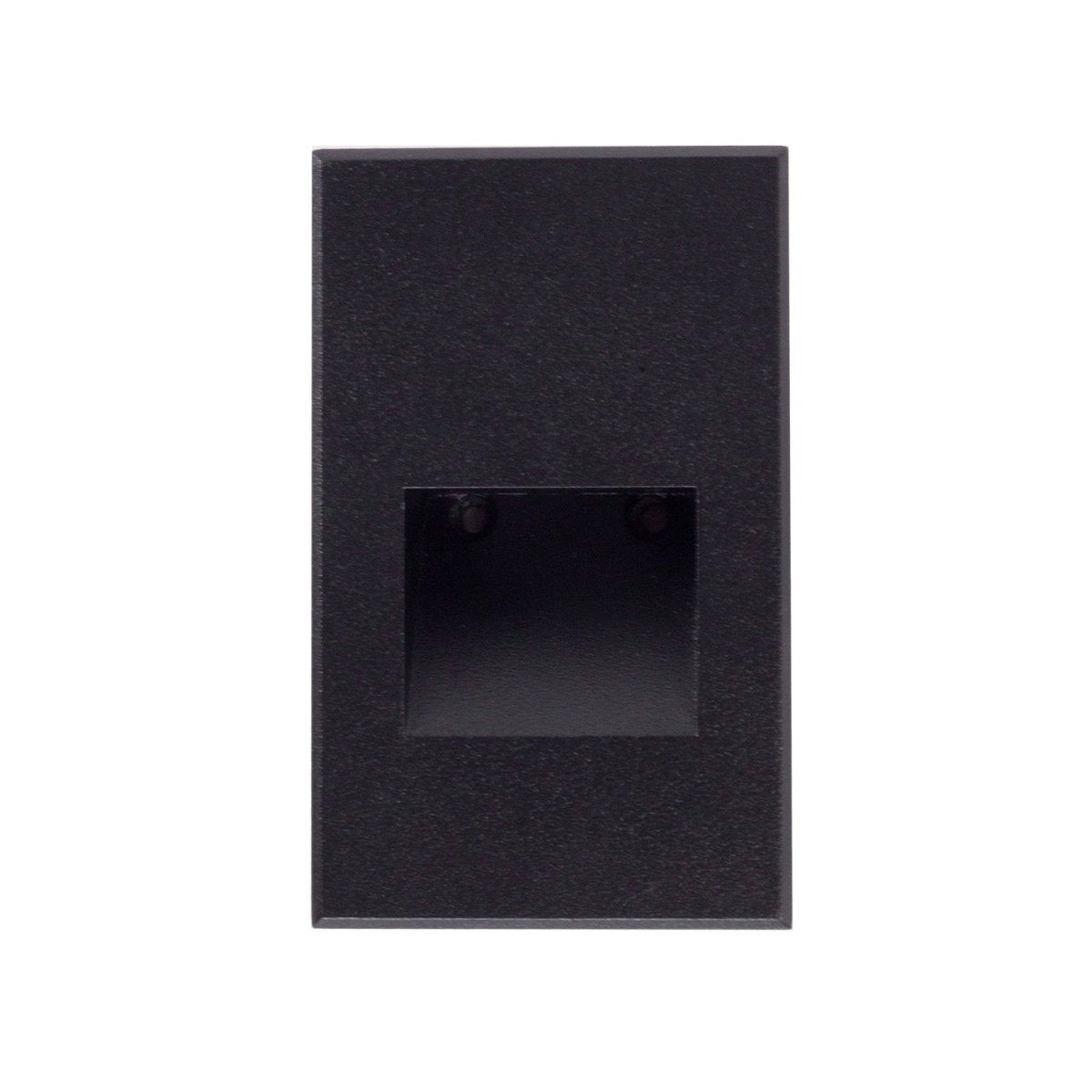
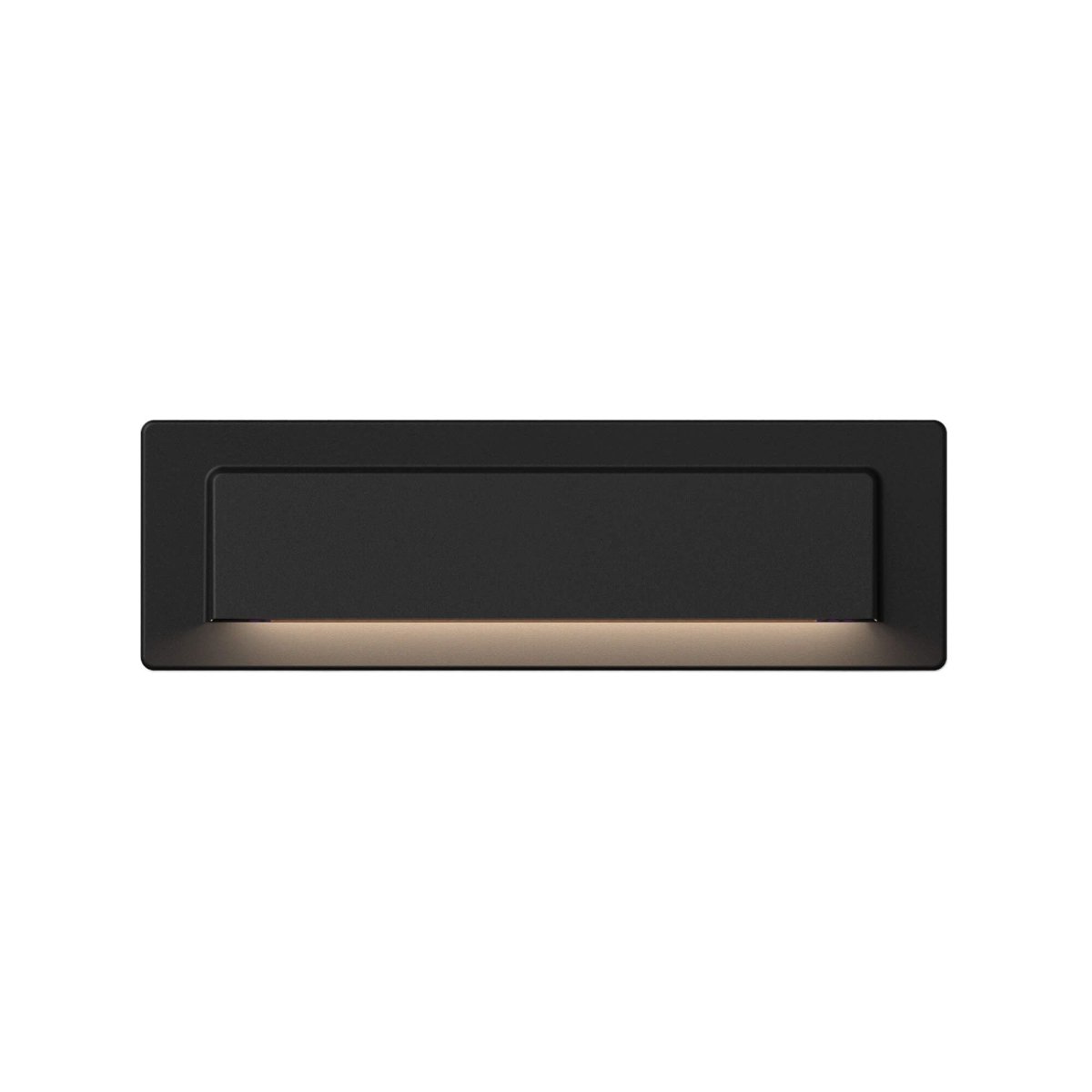
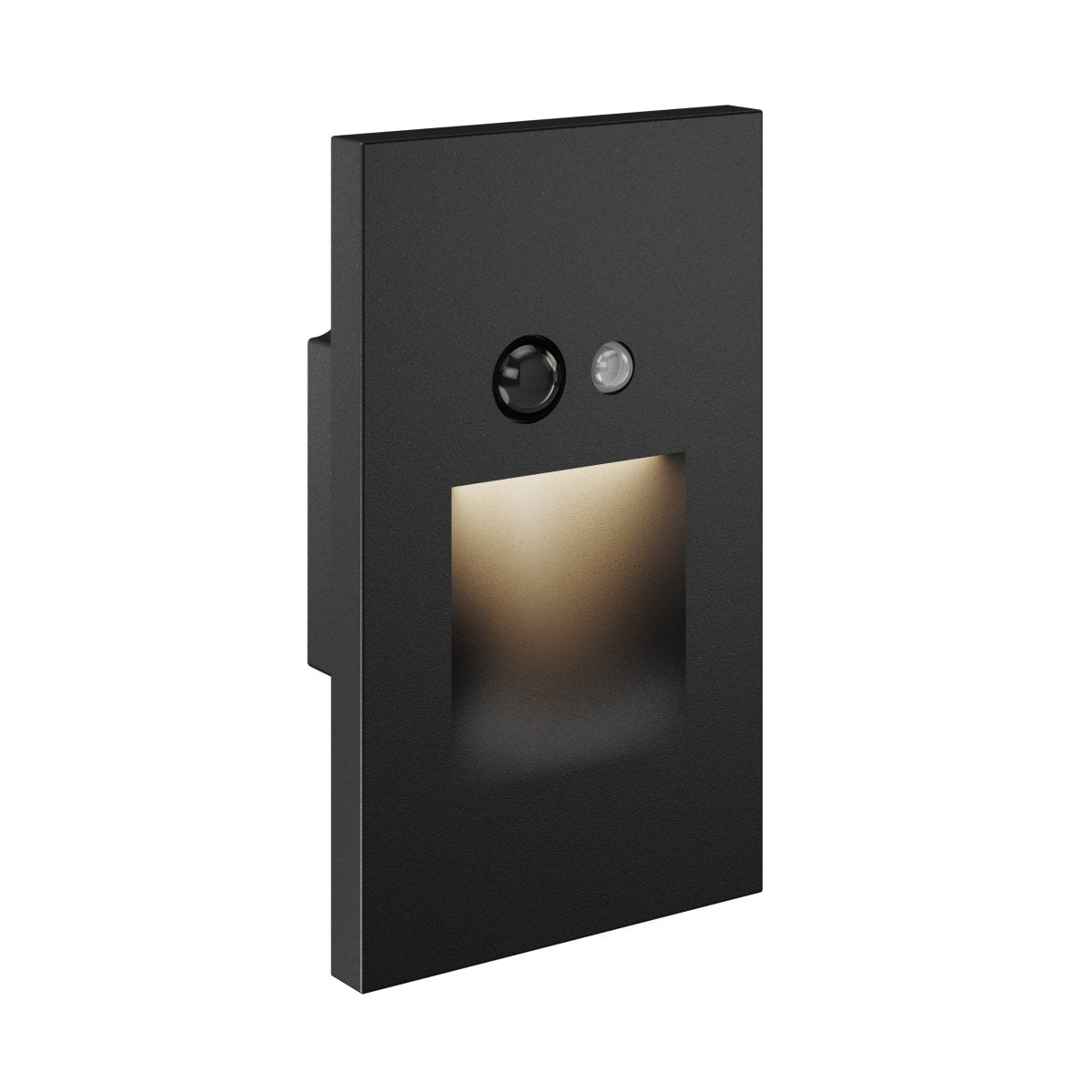
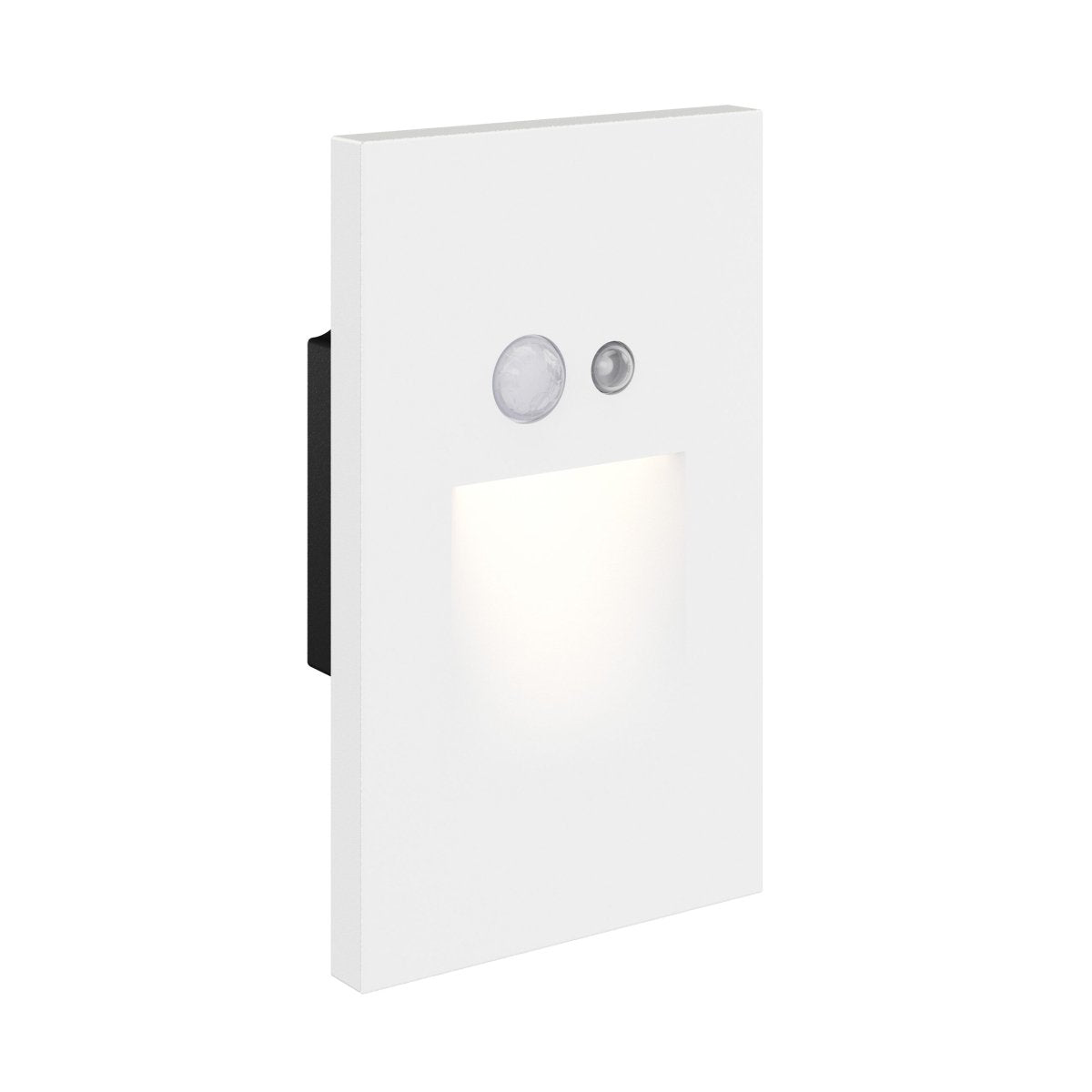
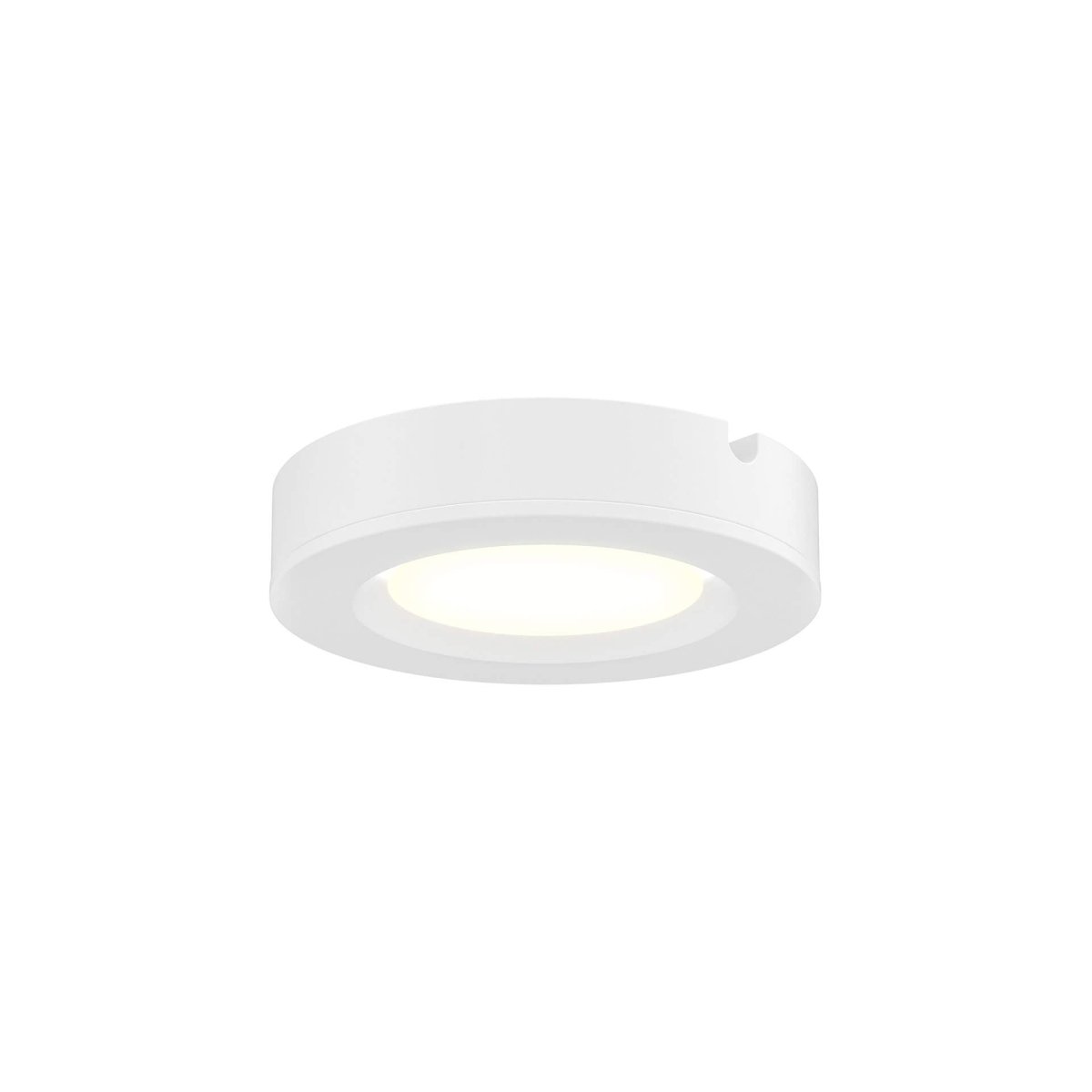
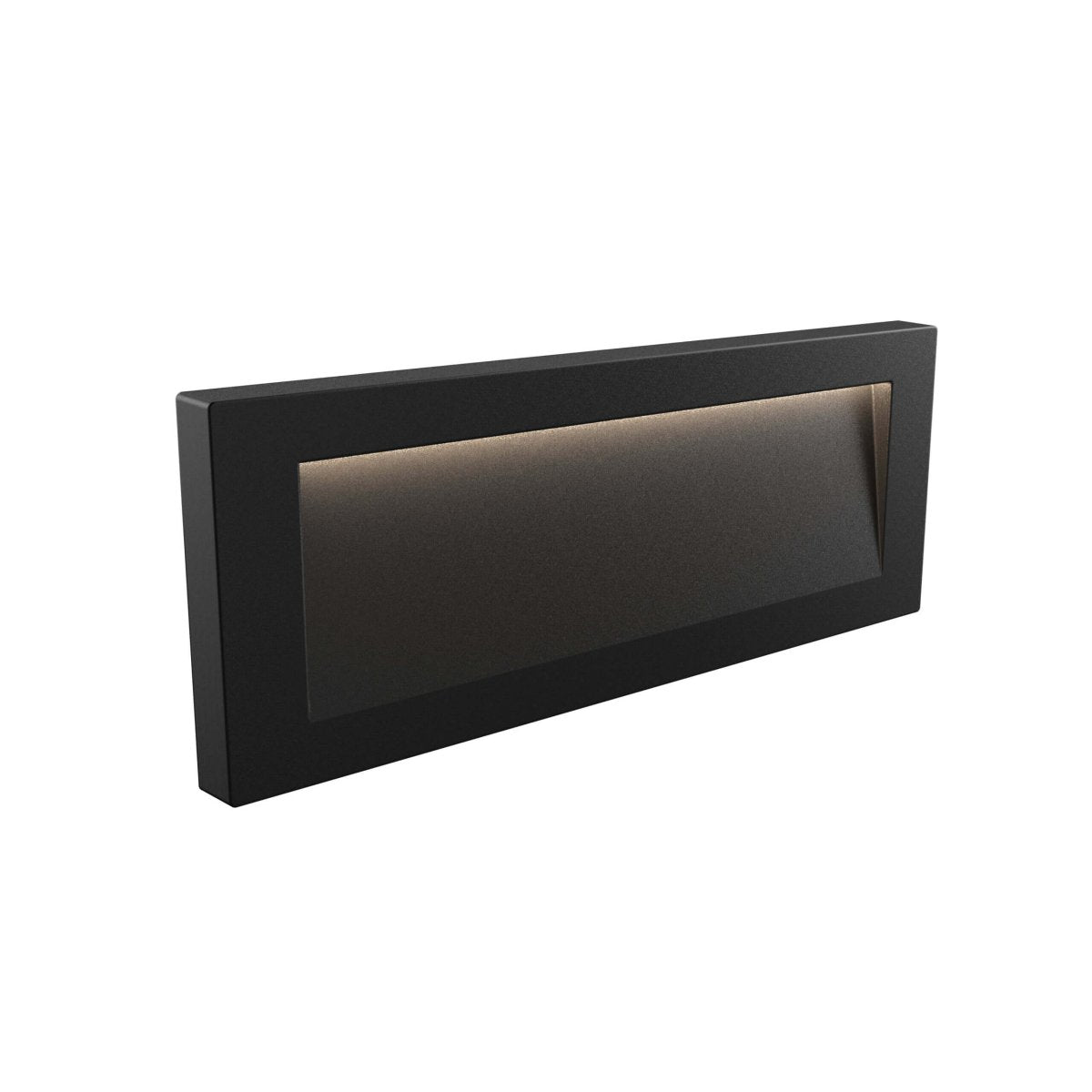
The kitchen benefits hugely from under-cabinet accent lighting: an LED puck or a linear fixture casts light straight onto the counter, handy for following a recipe at night without turning on the whole ceiling. A hutch shines when lit from within to highlight antiques and collections. Picture lights dress up living rooms and hallways where you hang your favorite pieces. In stairways and passages, a step light gently marks the path, making nighttime movement safer.
Led strip and light strips
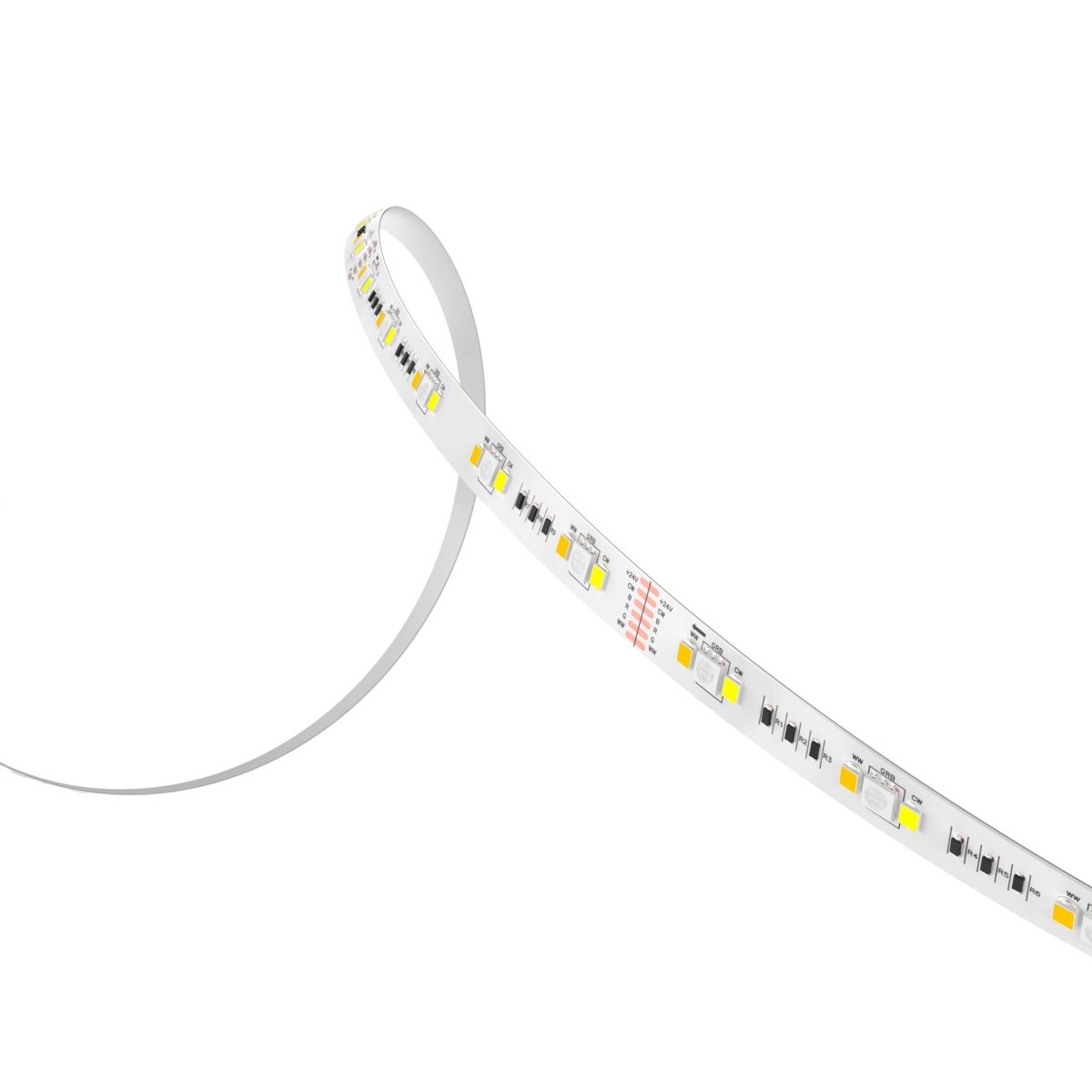
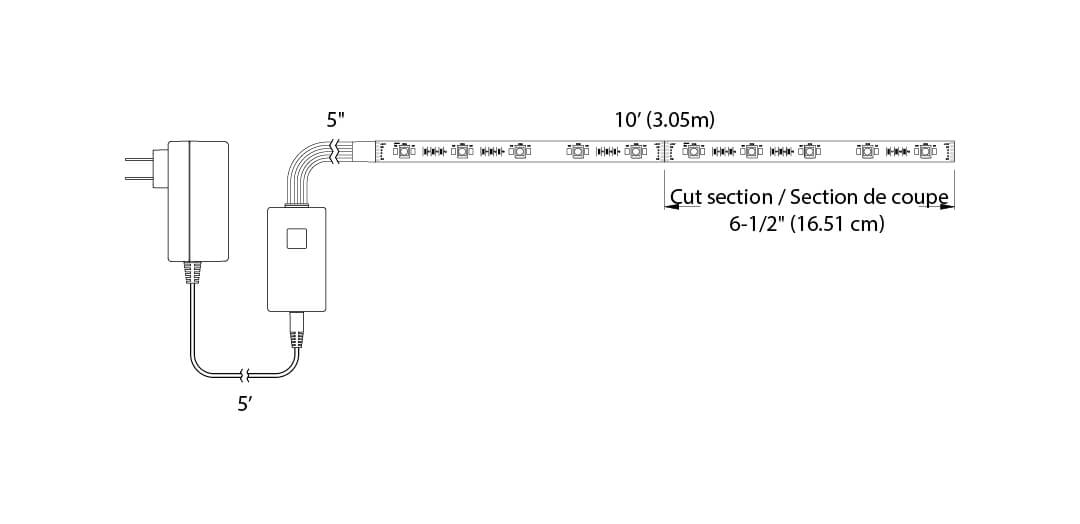
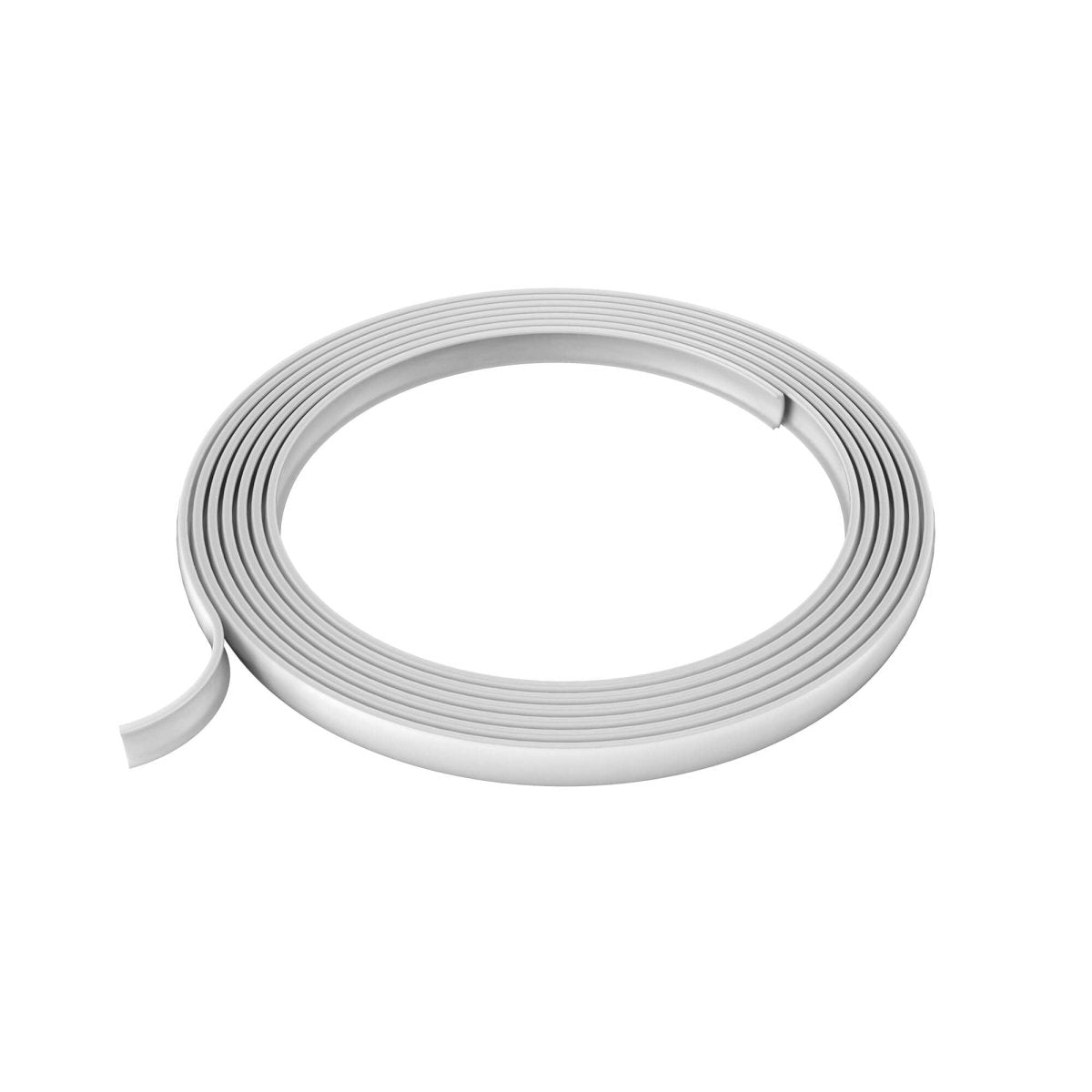
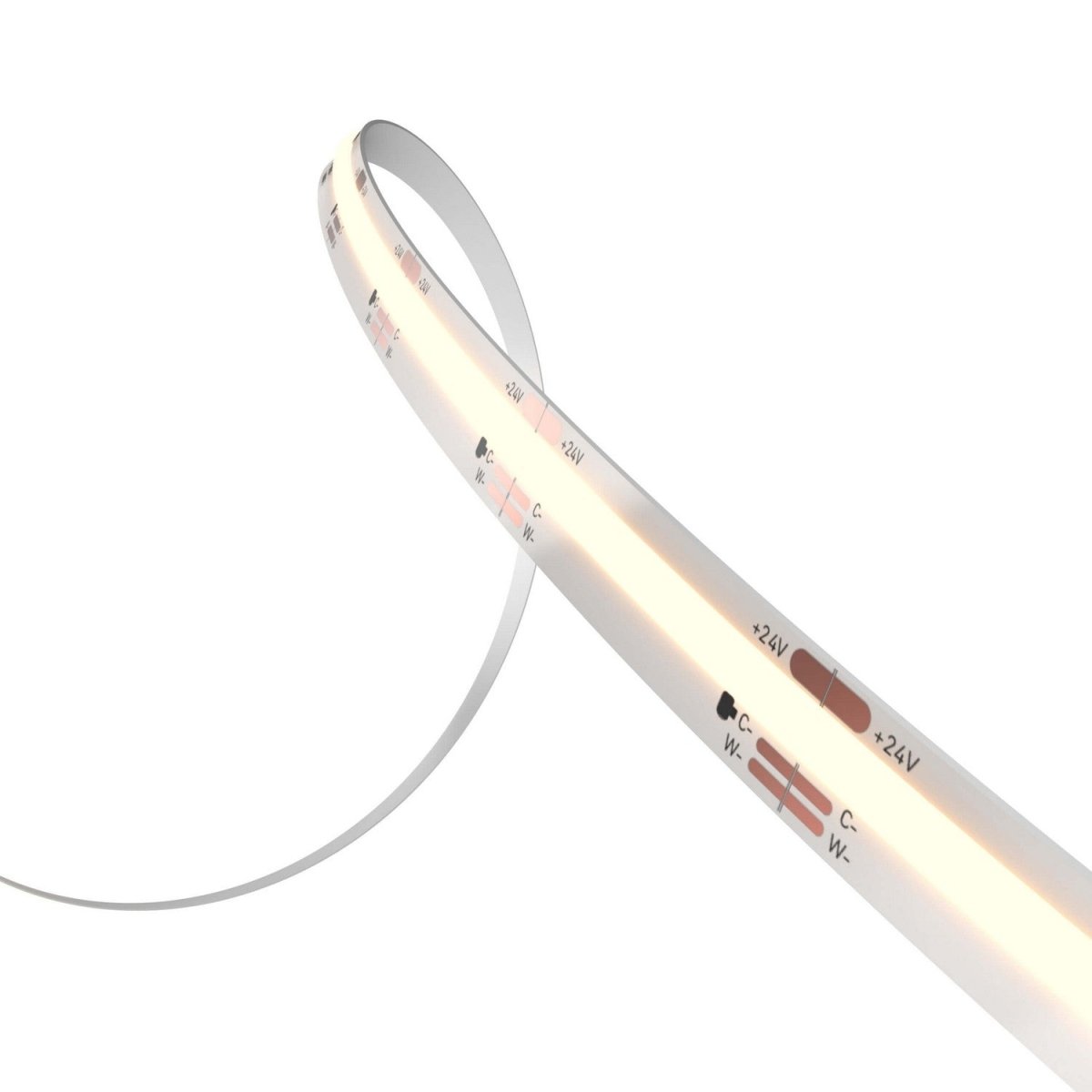
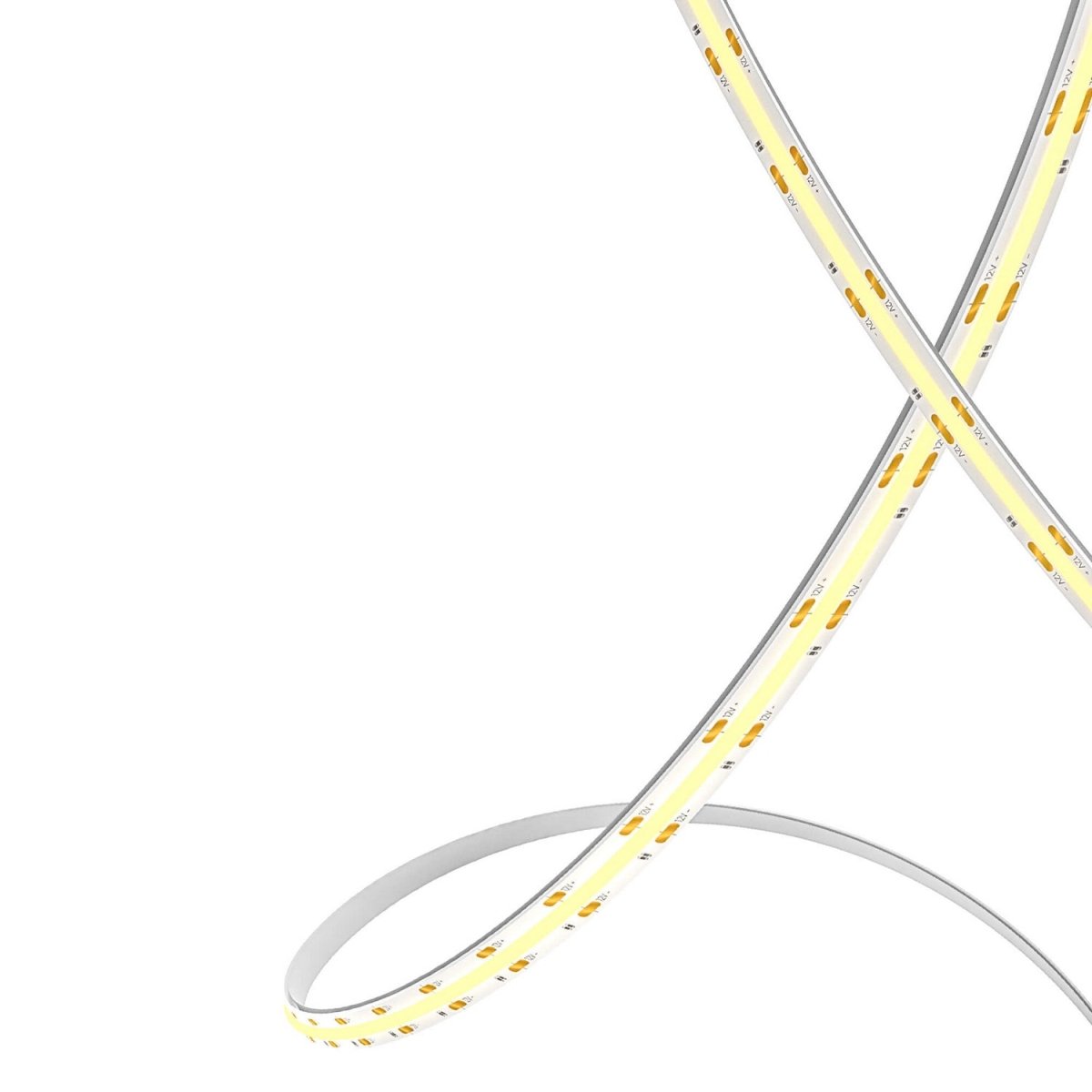
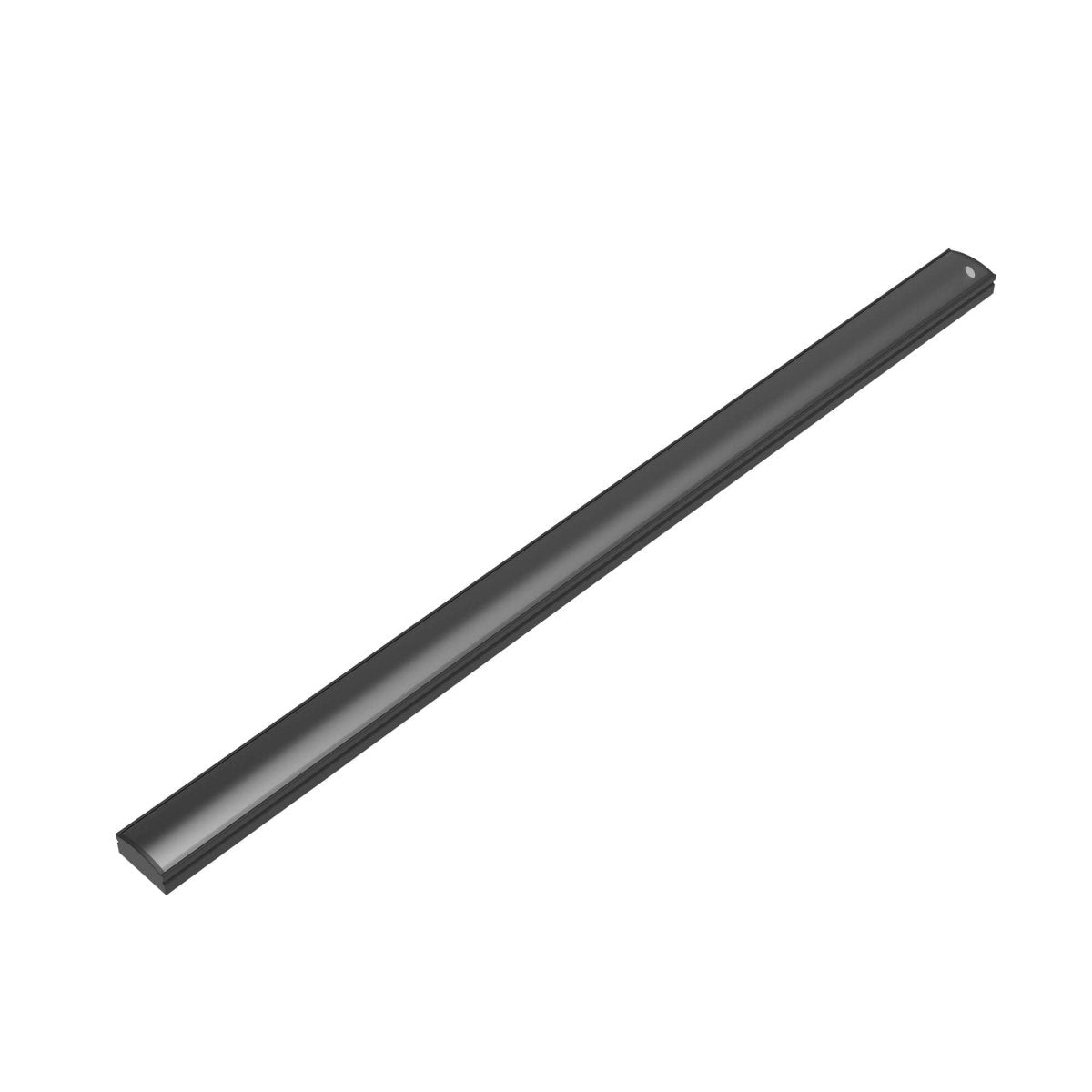
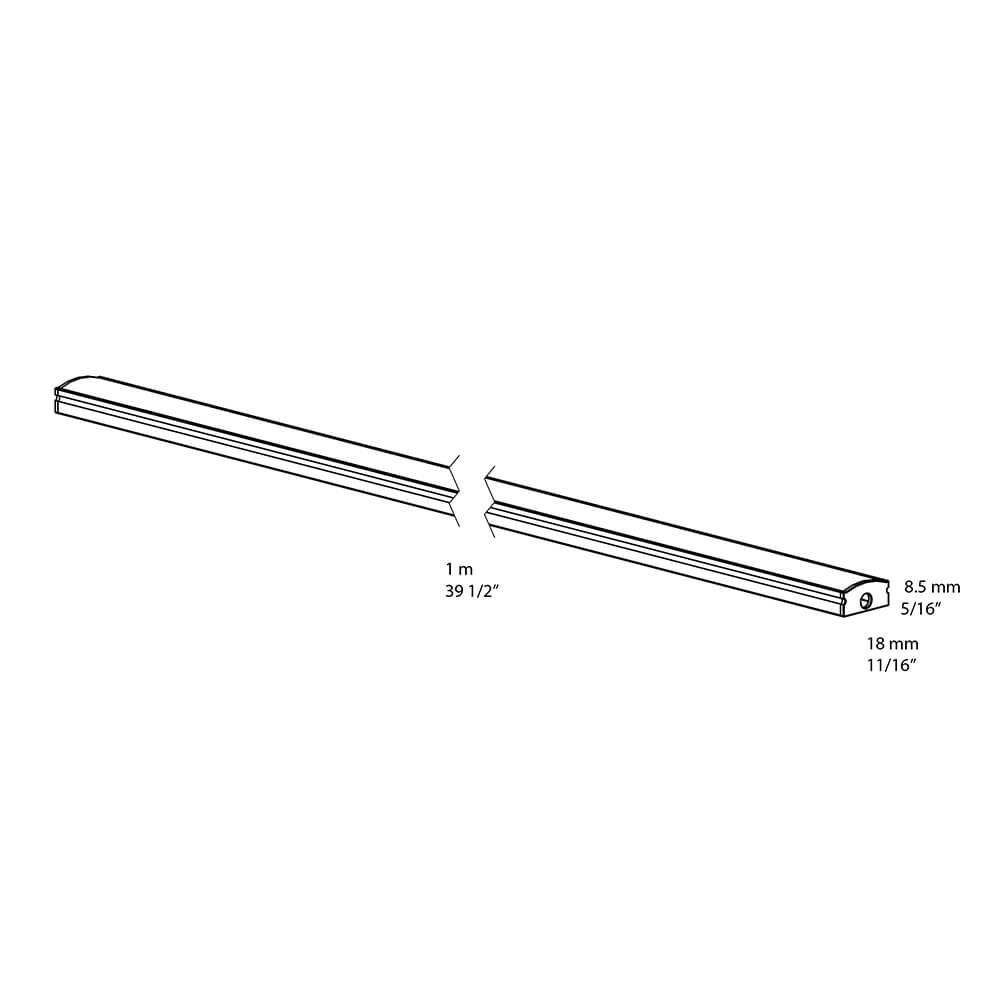
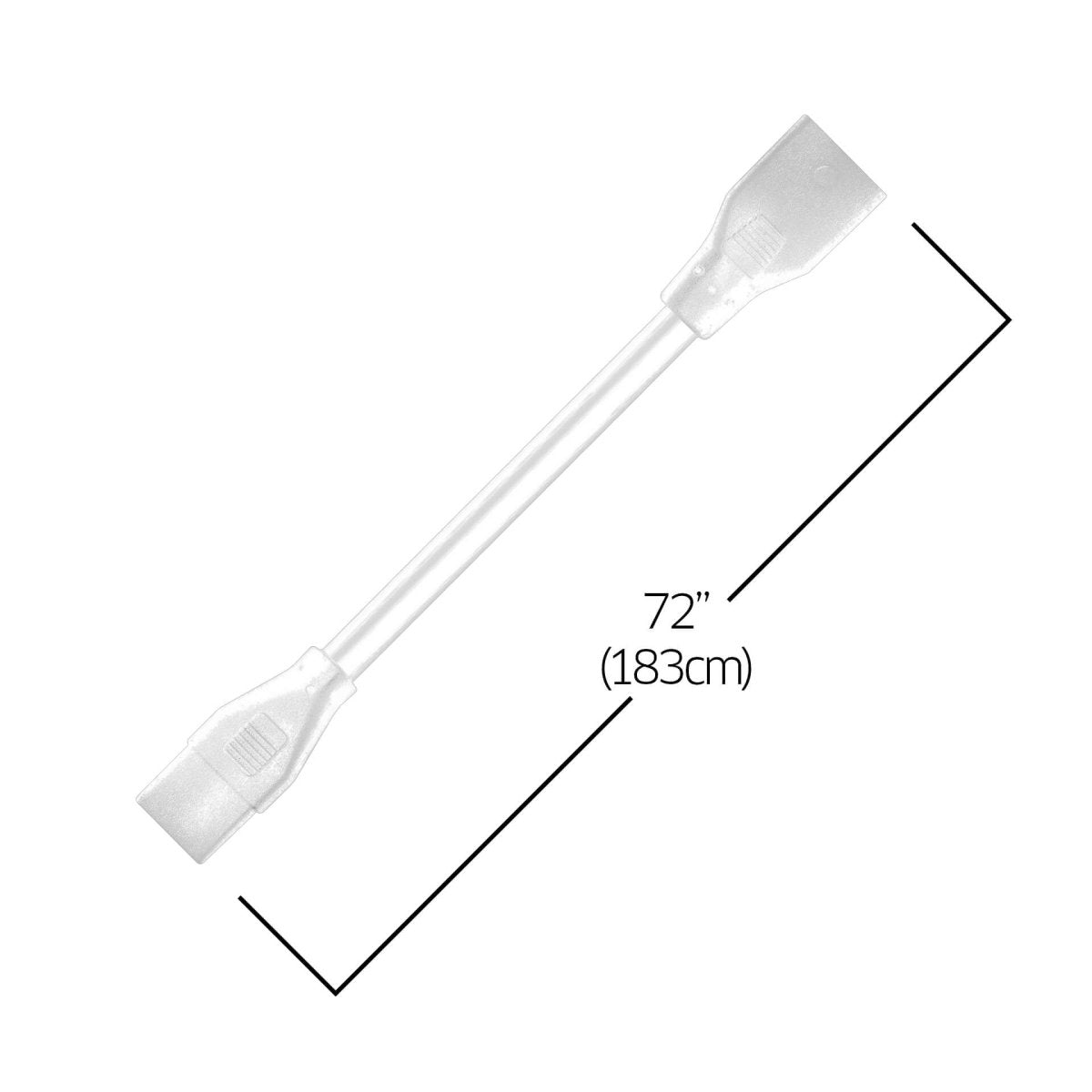
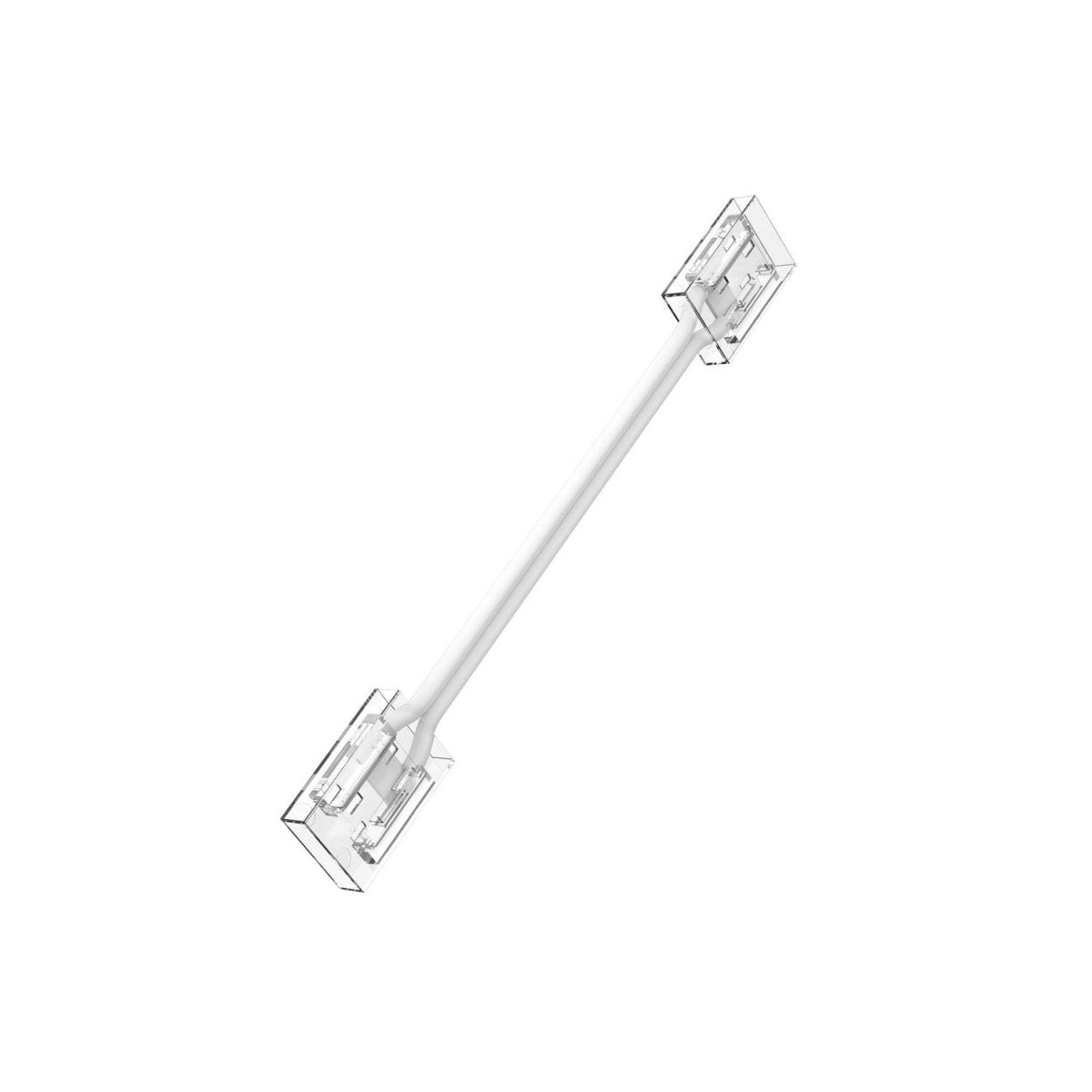
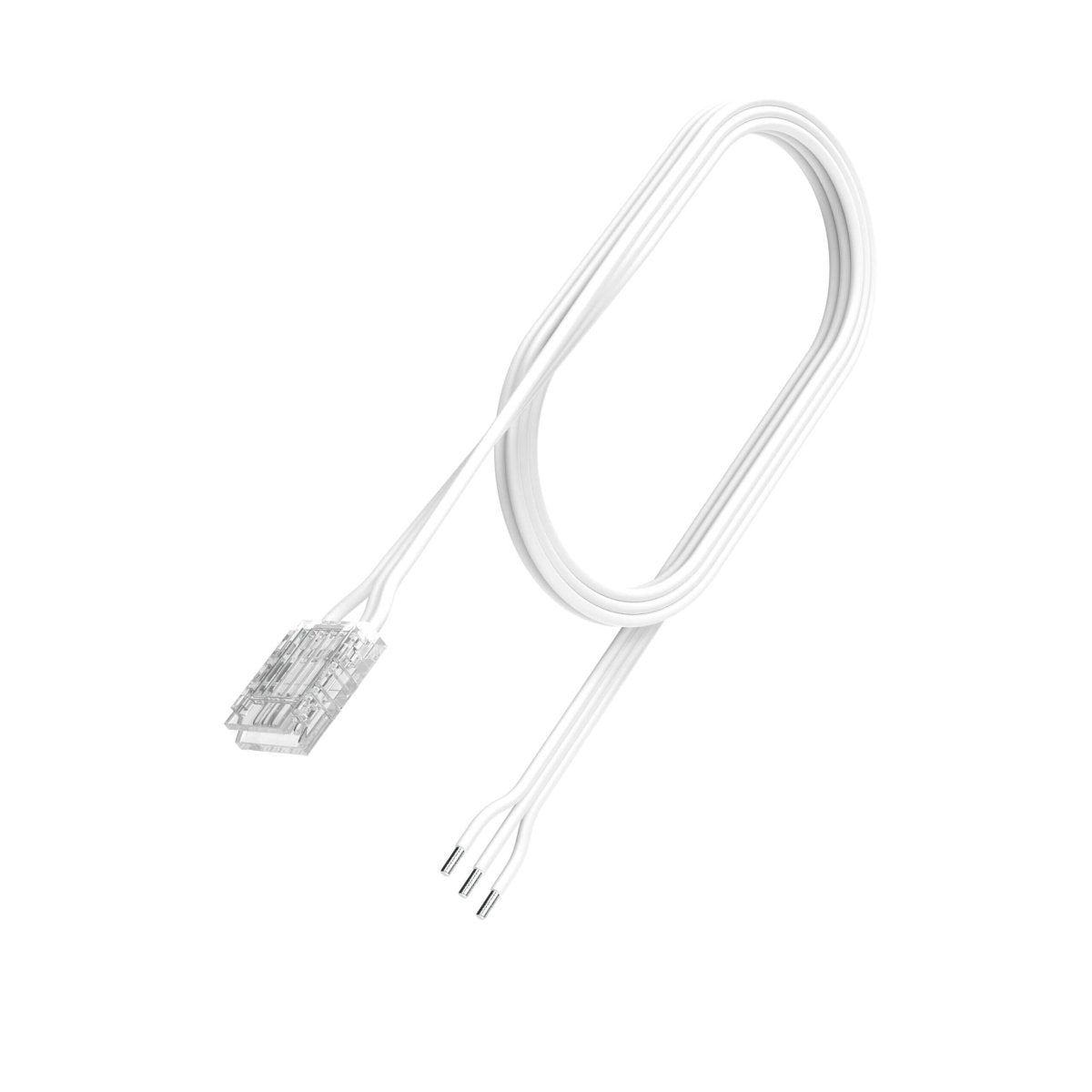
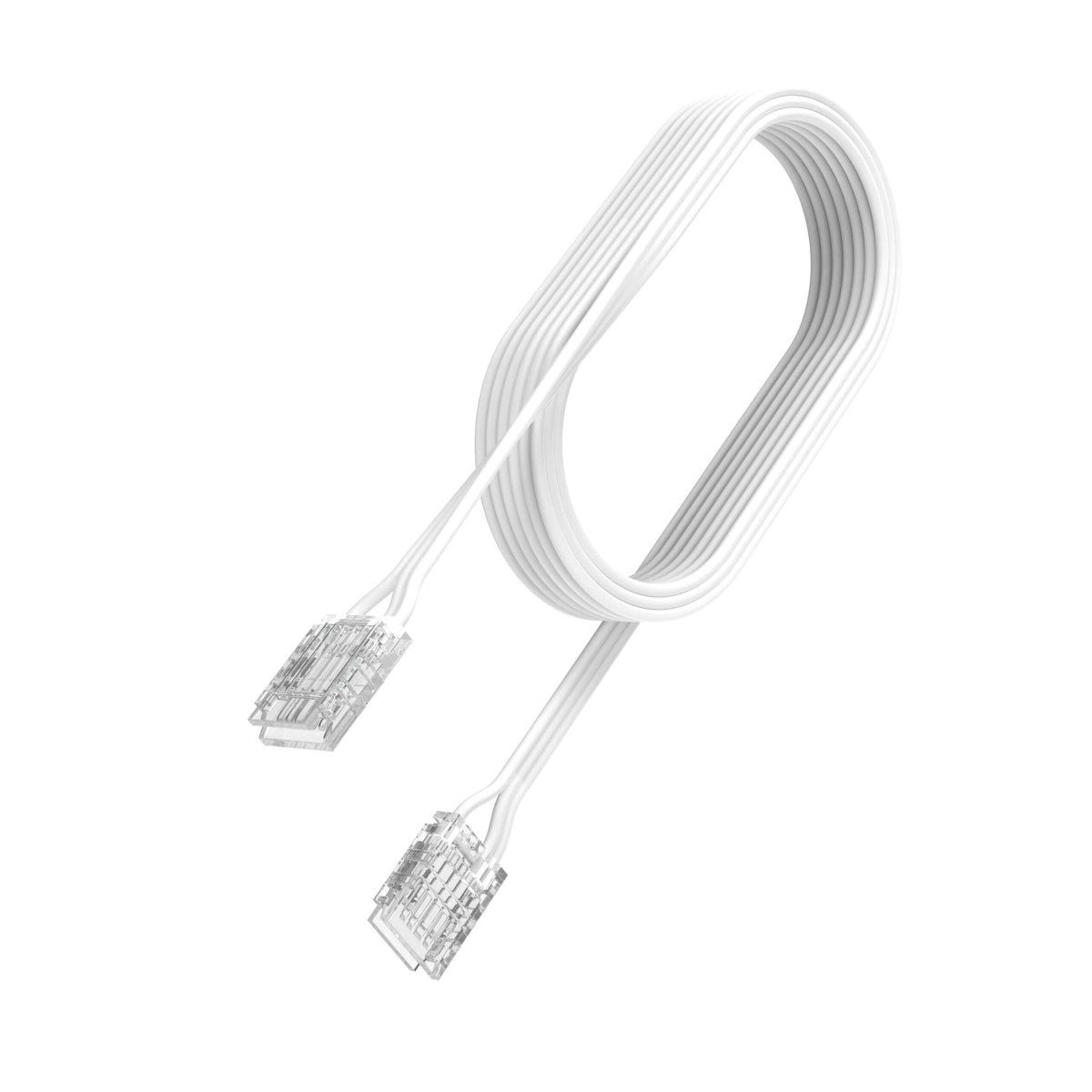
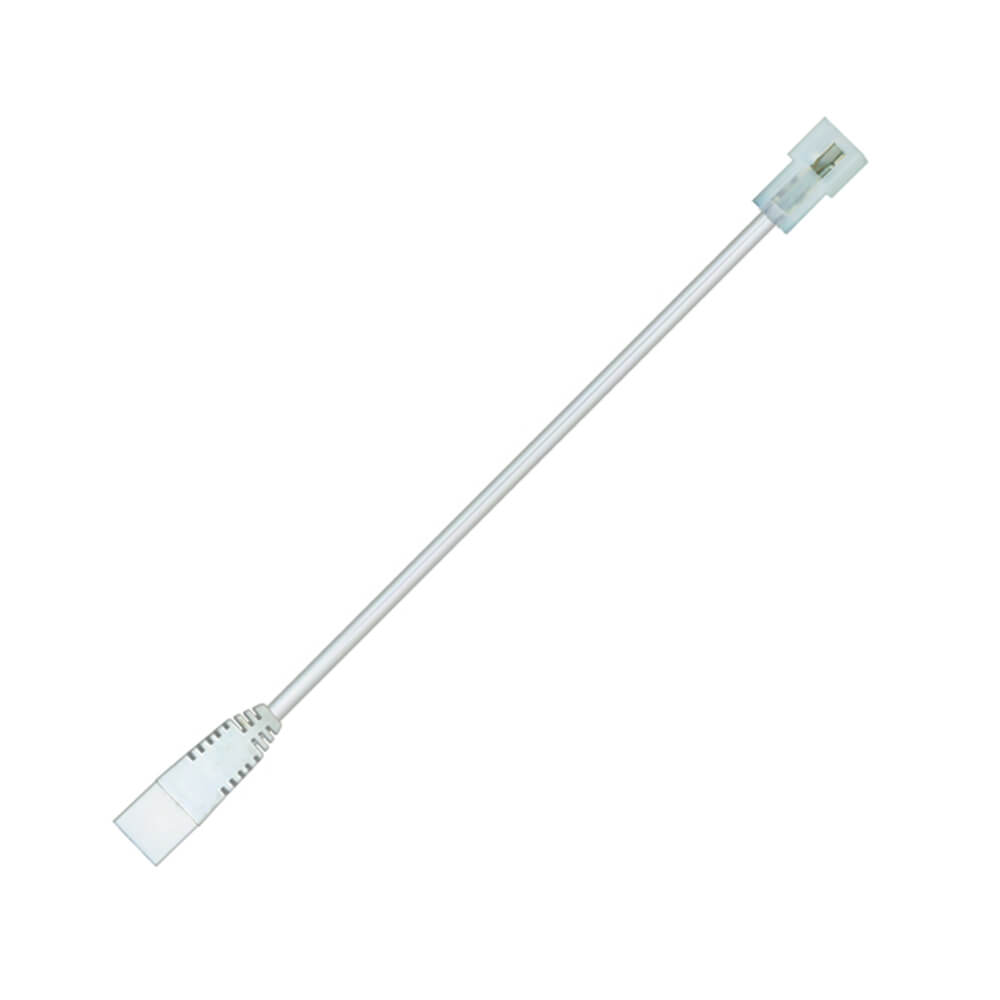
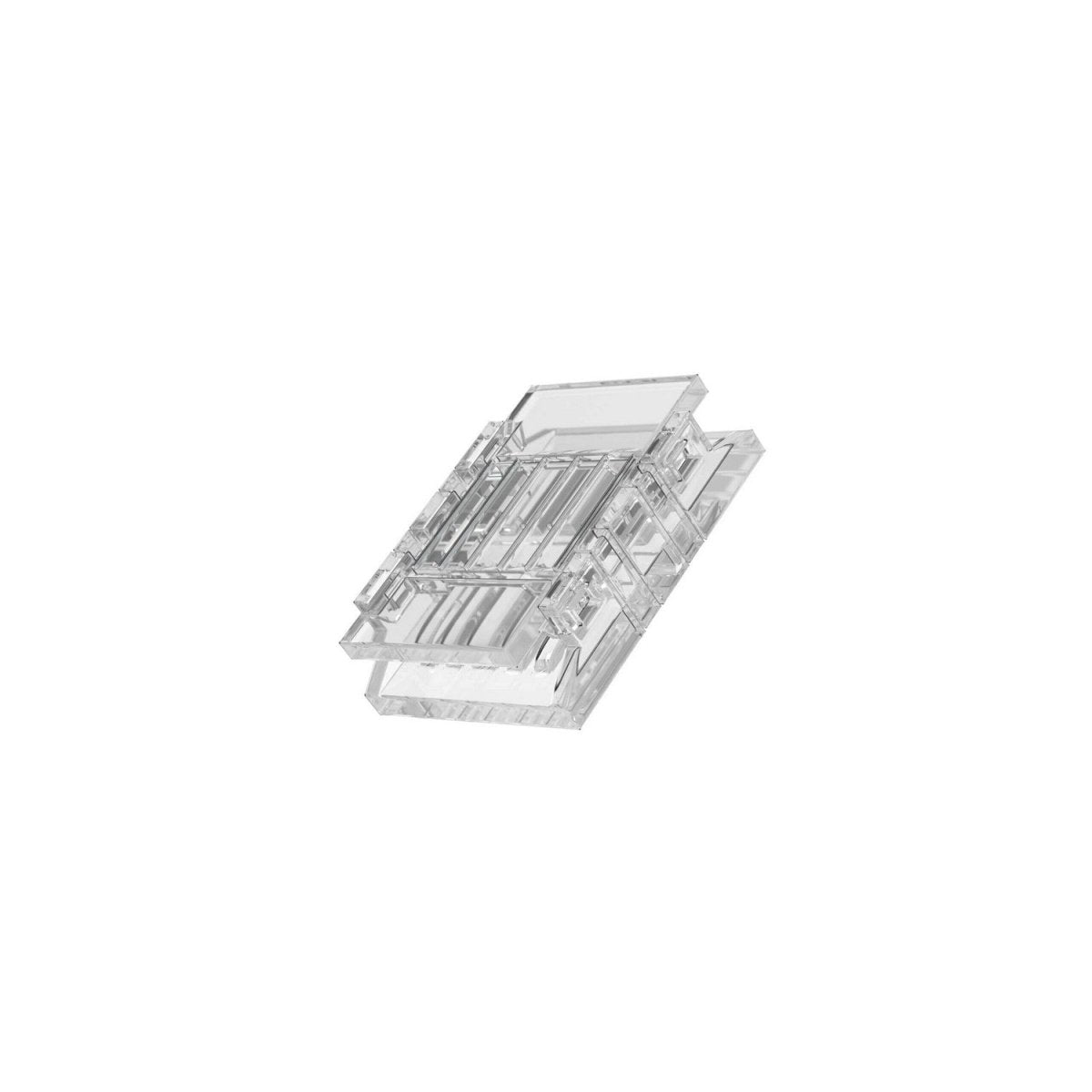
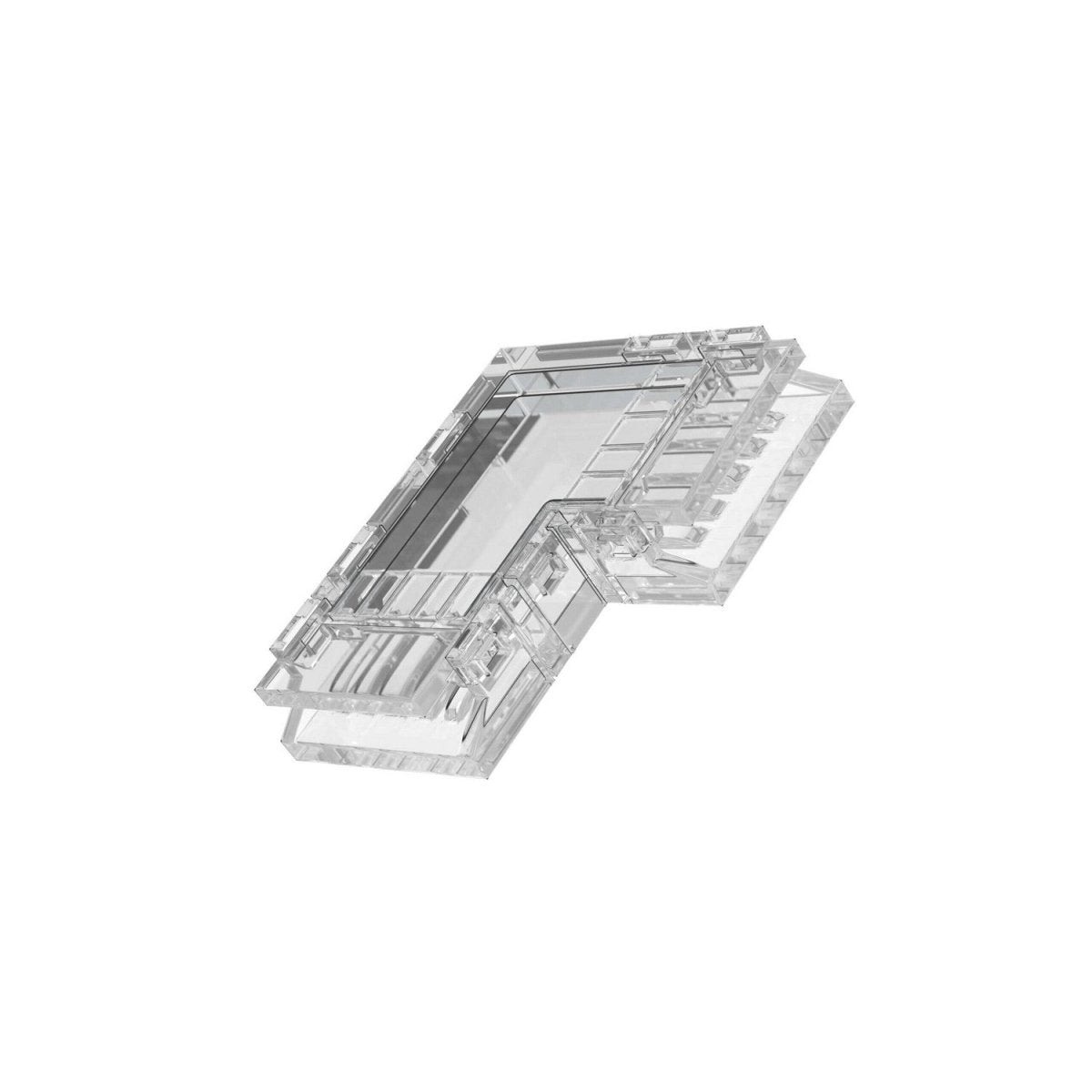
An led strip tucks under a shelf, behind a cornice or along a cabinet to create a uniform glow. dals offers it in single-color, in warm 3000 K, or as a CCT kit that lets you tune the white temperature. Extrusions and lenses diffuse the light so you don't see individual diodes. Some led strip models cut at regular intervals to fit your layout precisely.
Low voltage, transformers and dimming
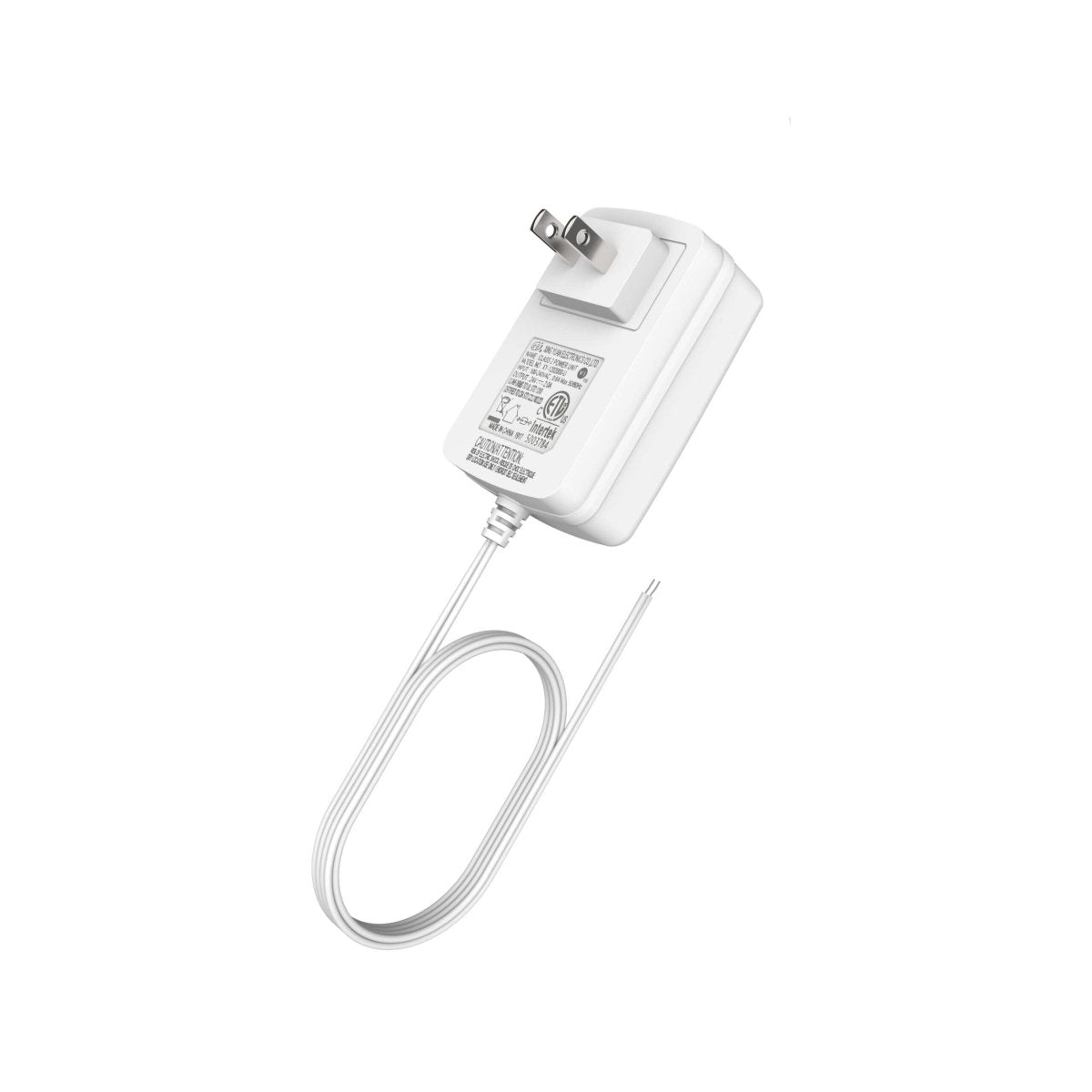
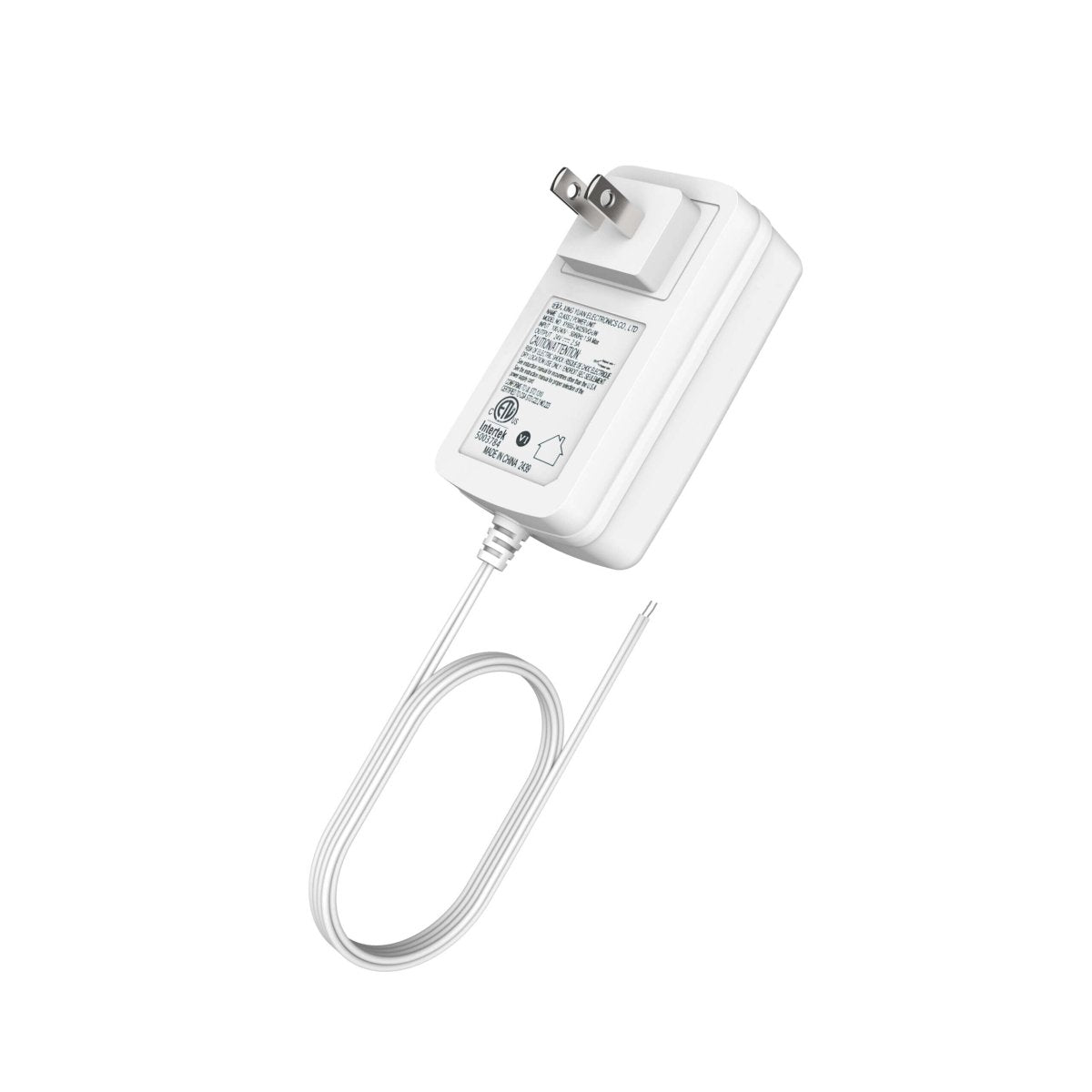
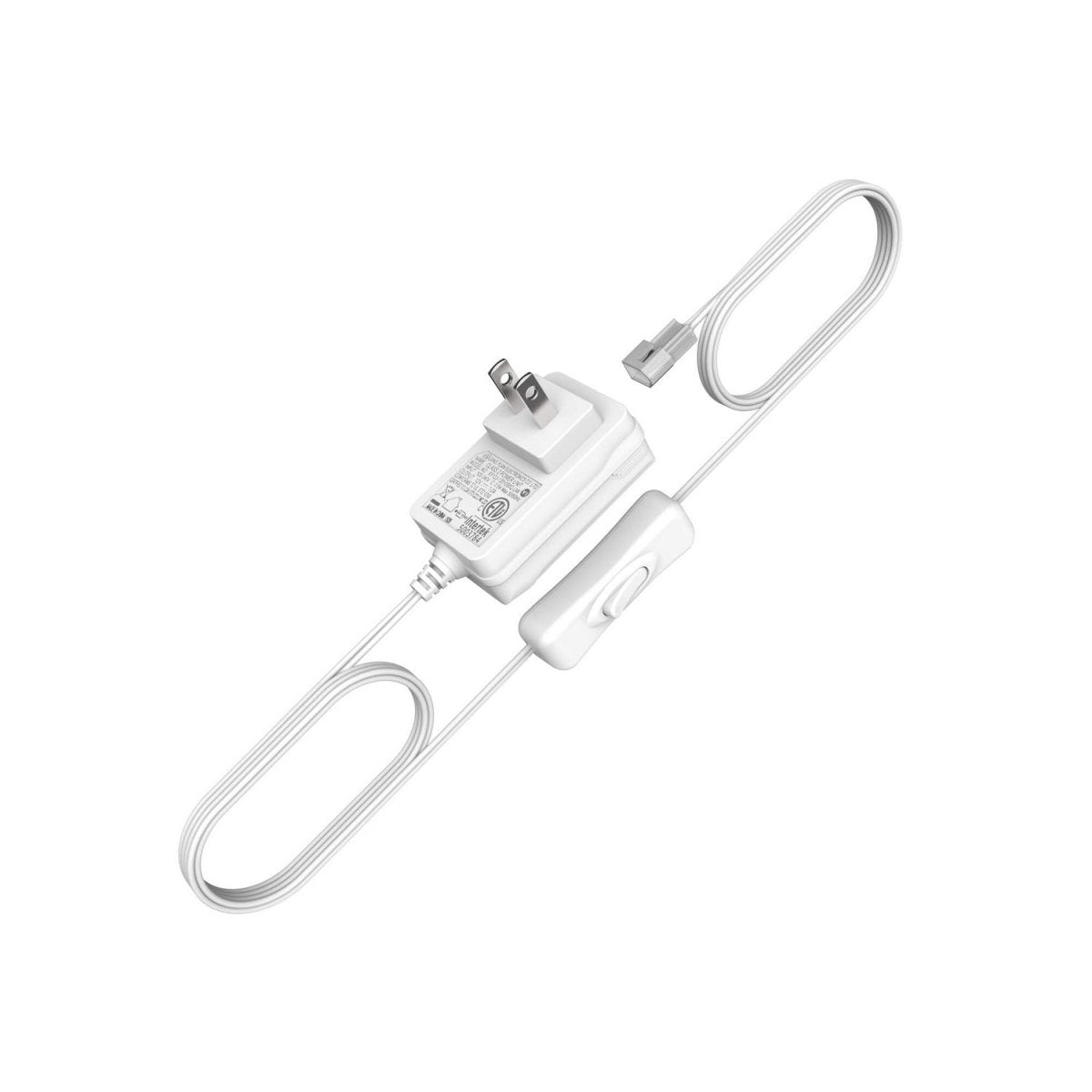
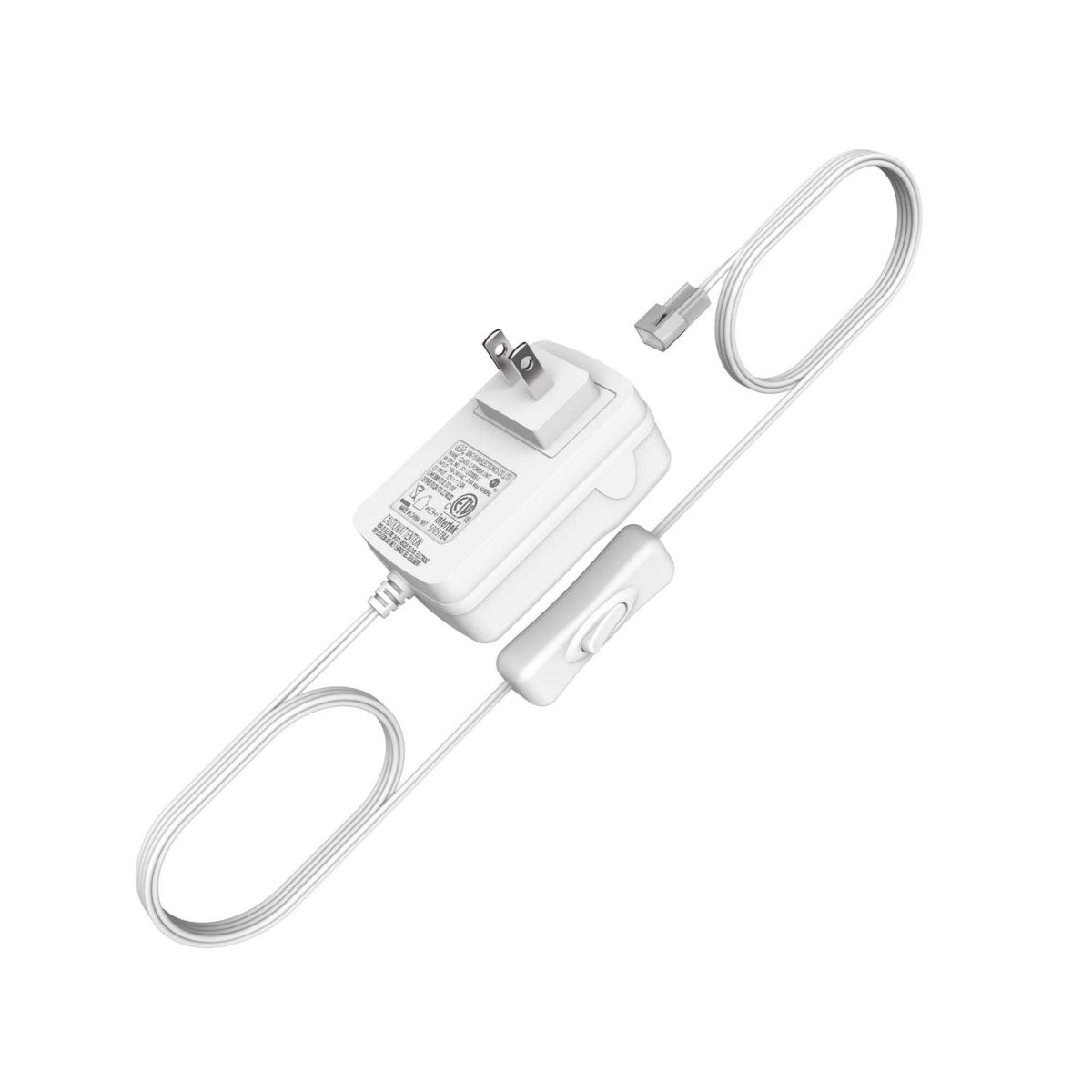
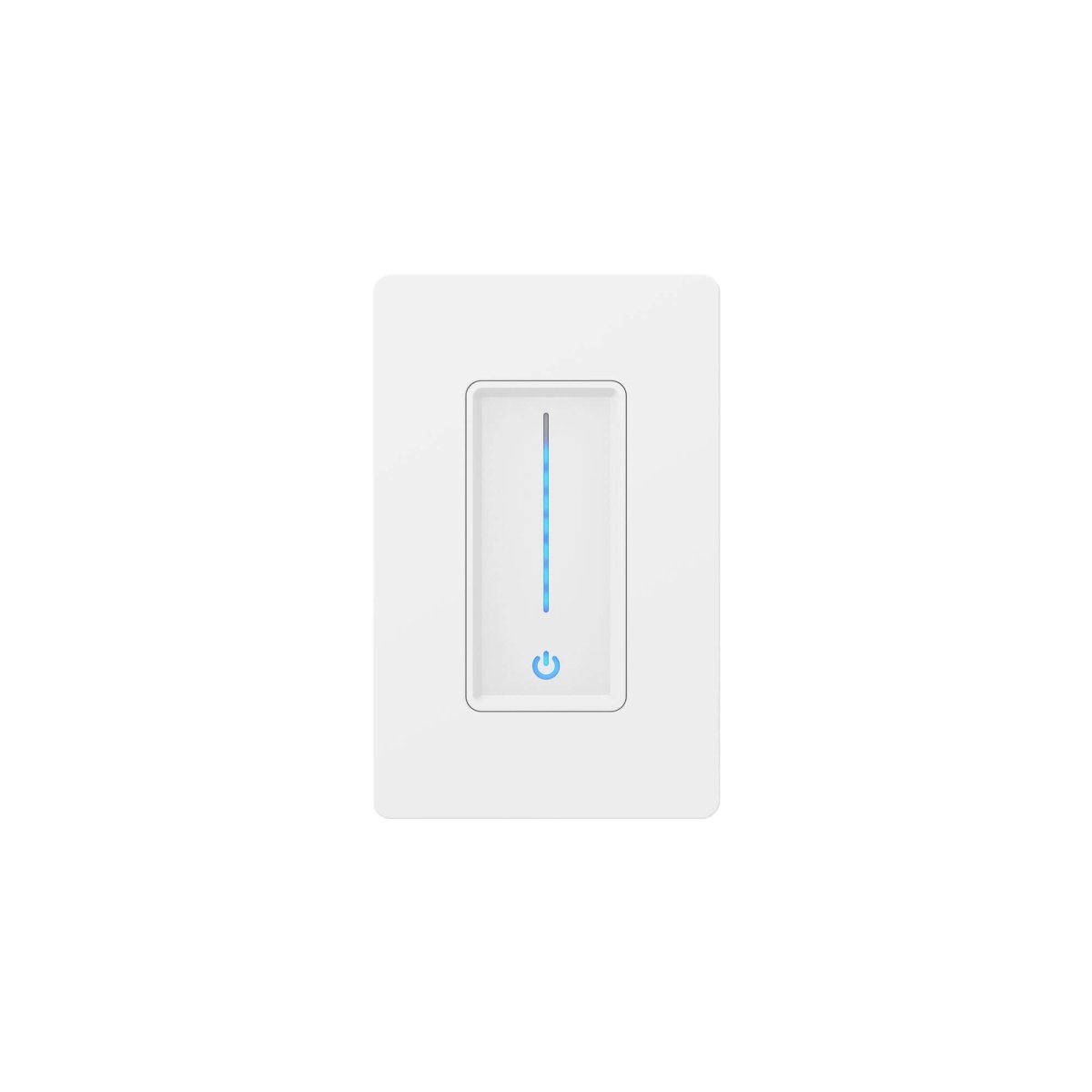
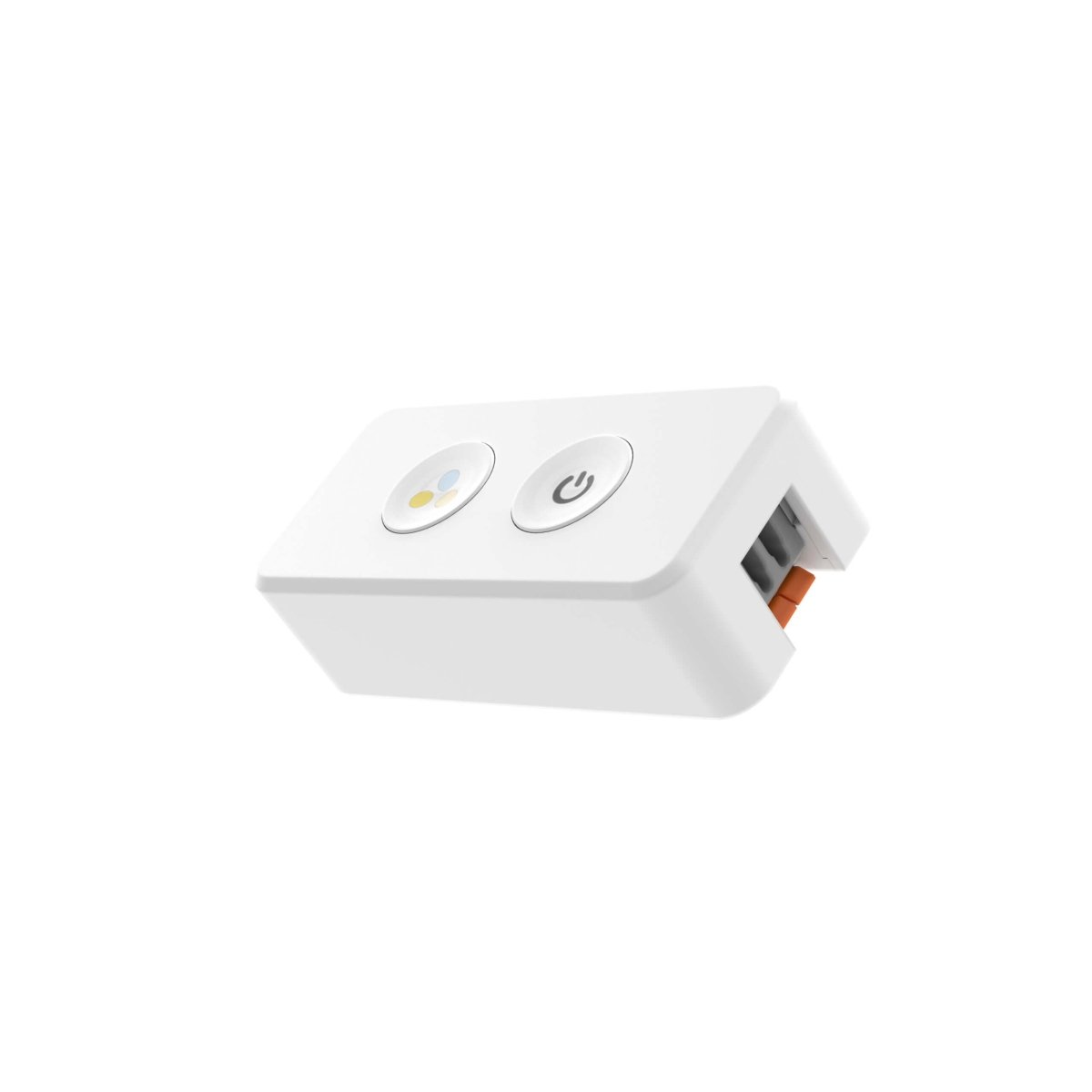
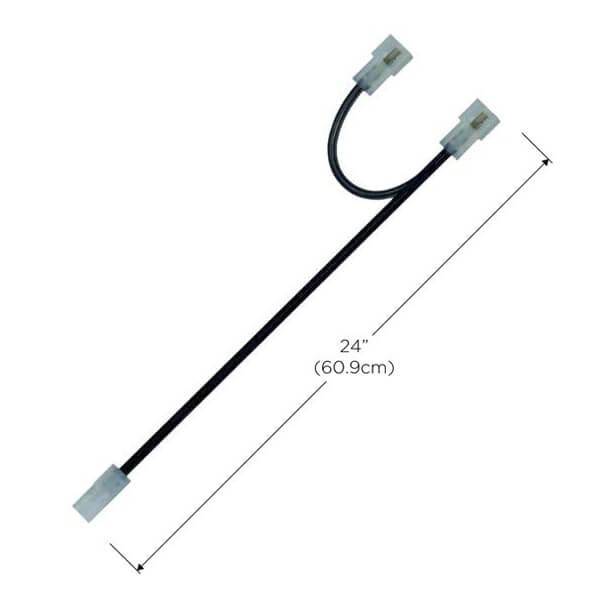
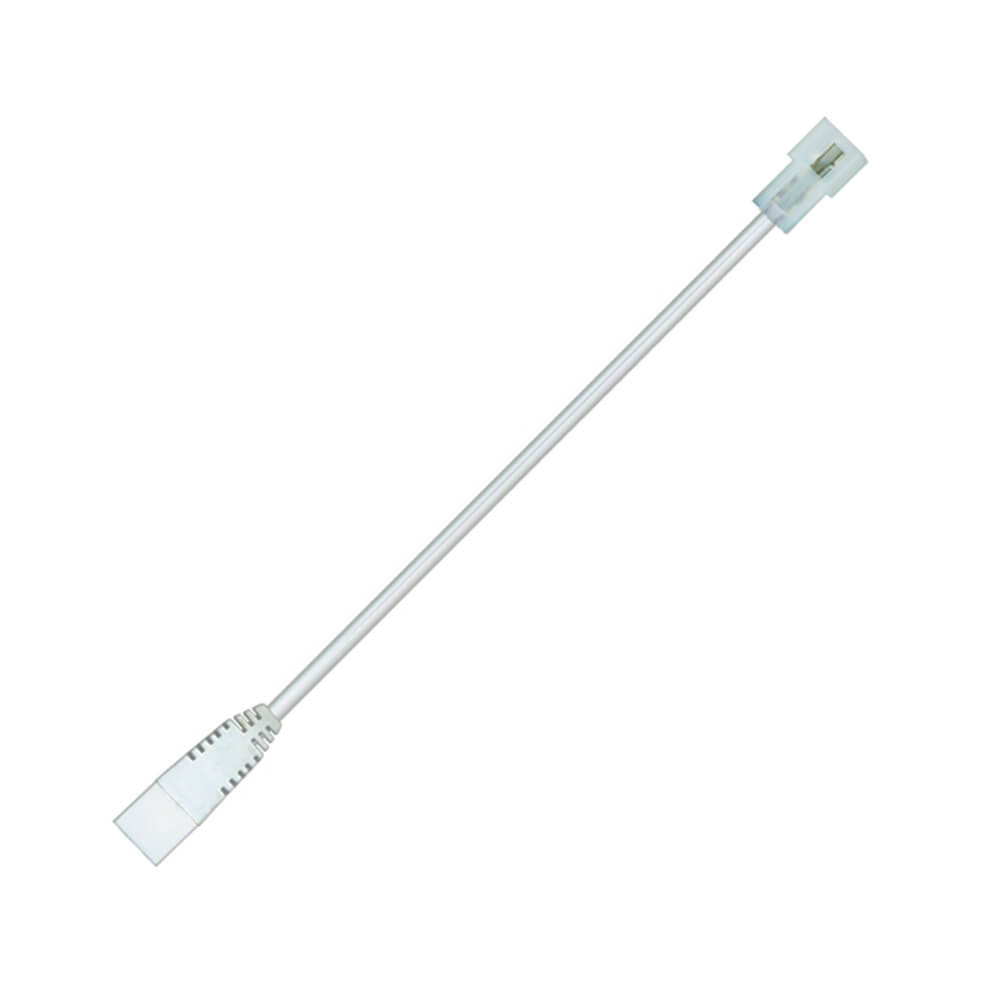
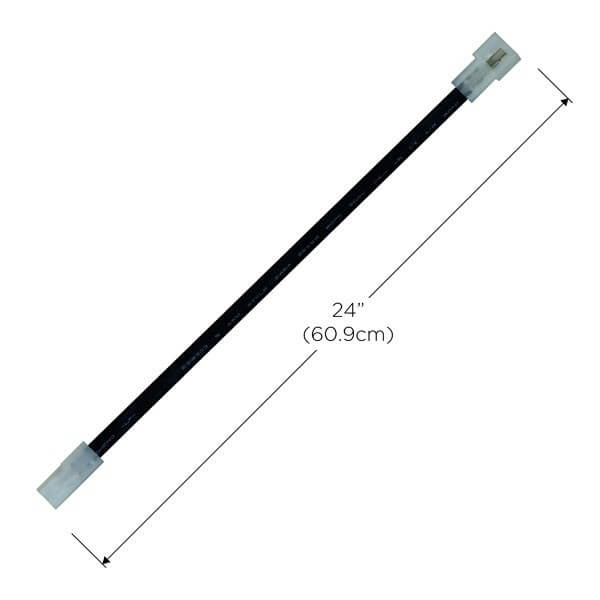
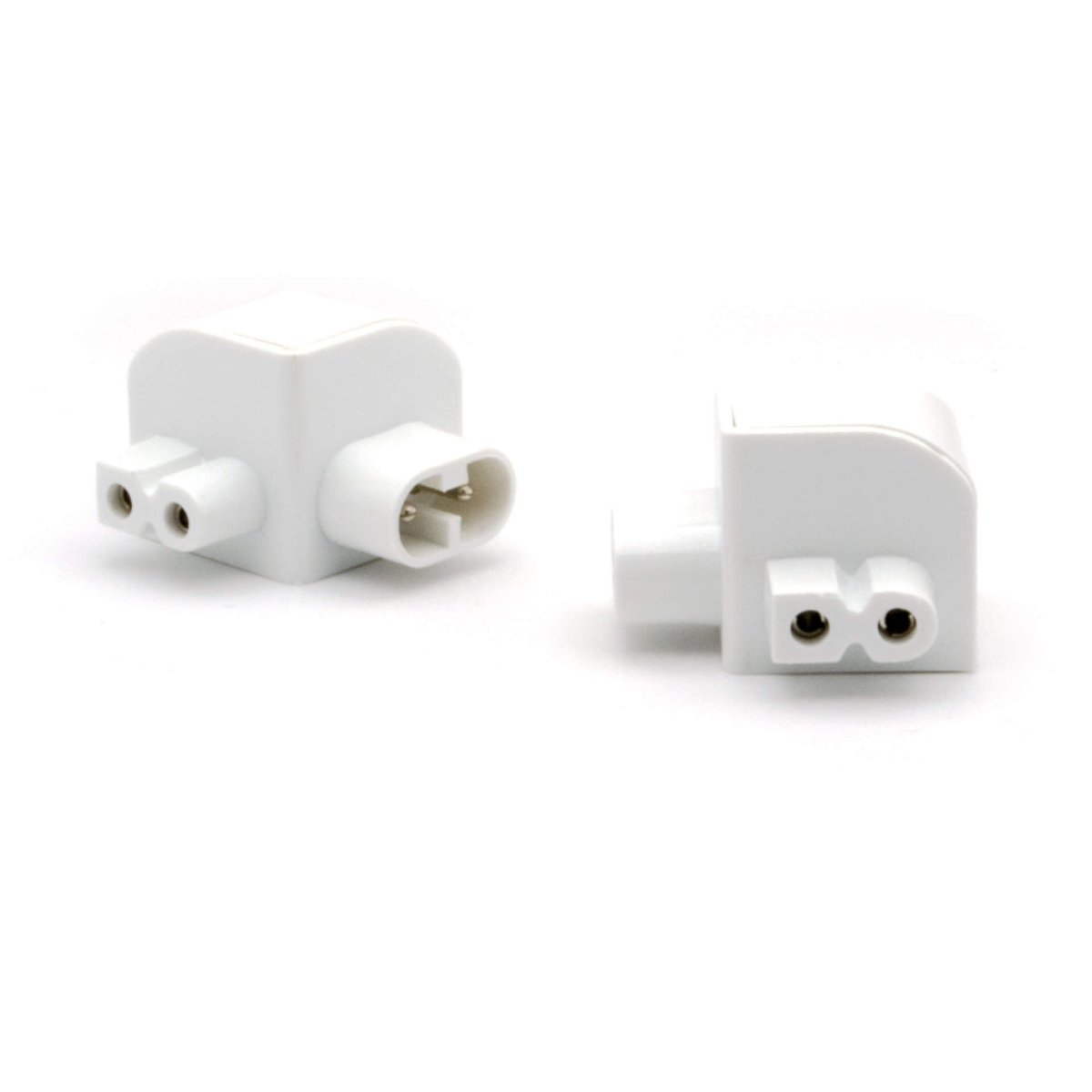
Several of our strips and recessed fixtures run on low voltage (12V DC), which calls for a transformer matched to the load. dals offers plug-in transformers in 12W and 24W, dimmable transformers and even a 2-in-1 module combining low-voltage supply and dimming. A remote rounds out certain kits so you can adjust intensity from a distance. Always check your installation's total wattage before picking a transformer: add up the watts of each section to stay under the unit's capacity.
Color temperature and rendering
For a warm, inviting mood, aim for the 2700K to 3000K range, which flatters woodwork, artwork and kitchen surfaces. A high color rendering index (CRI) keeps hues true — essential above a countertop or a picture light installation. CCT kits let you switch between a warmer white in the evening and a more neutral white for tasks.
How to choose your accent lighting fixtures
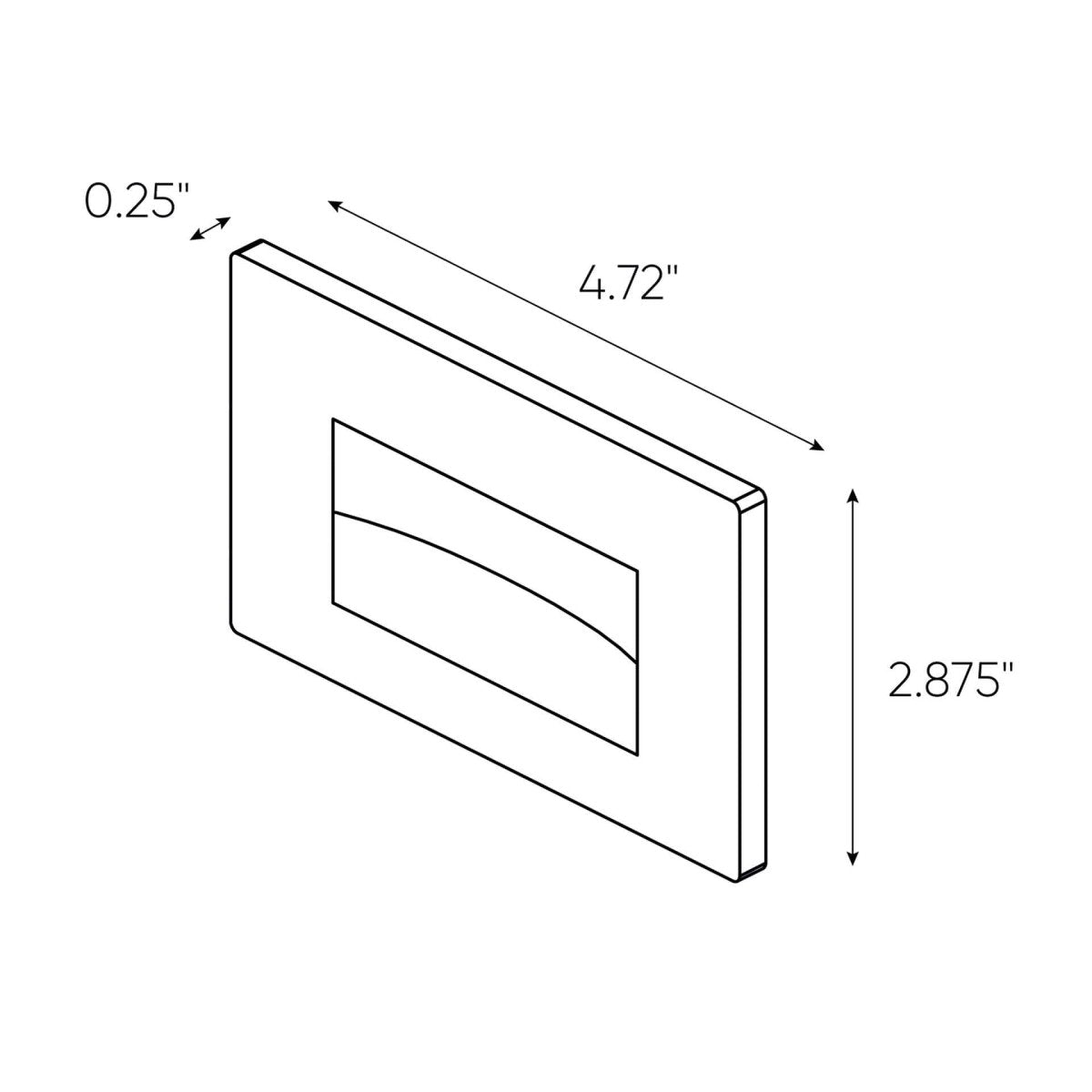
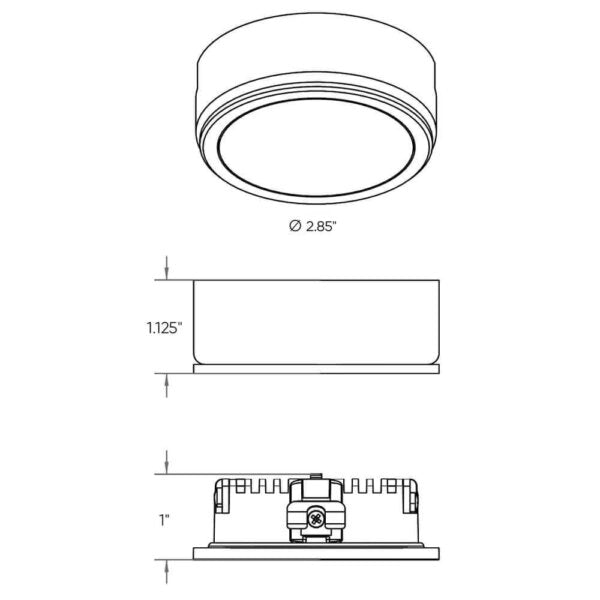
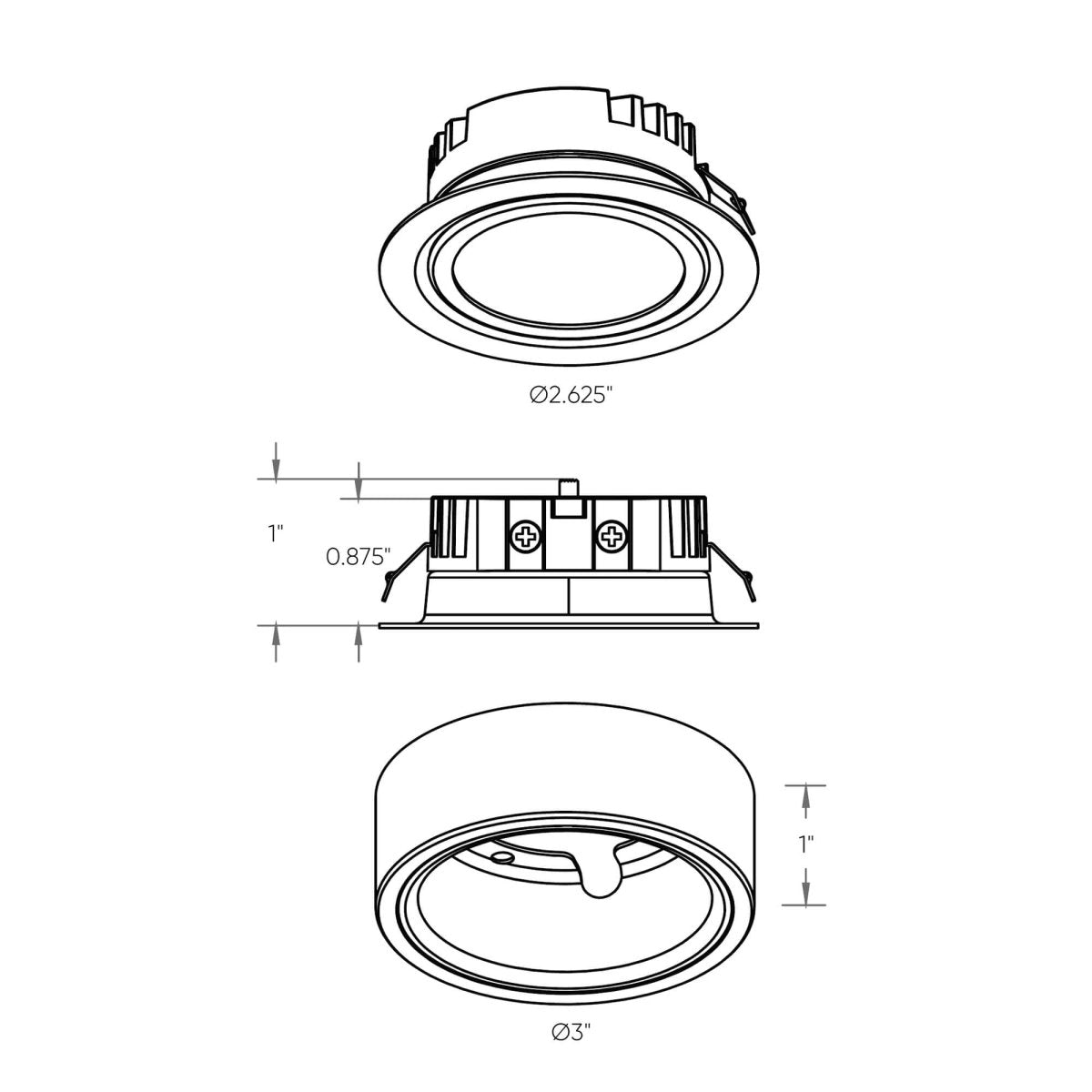
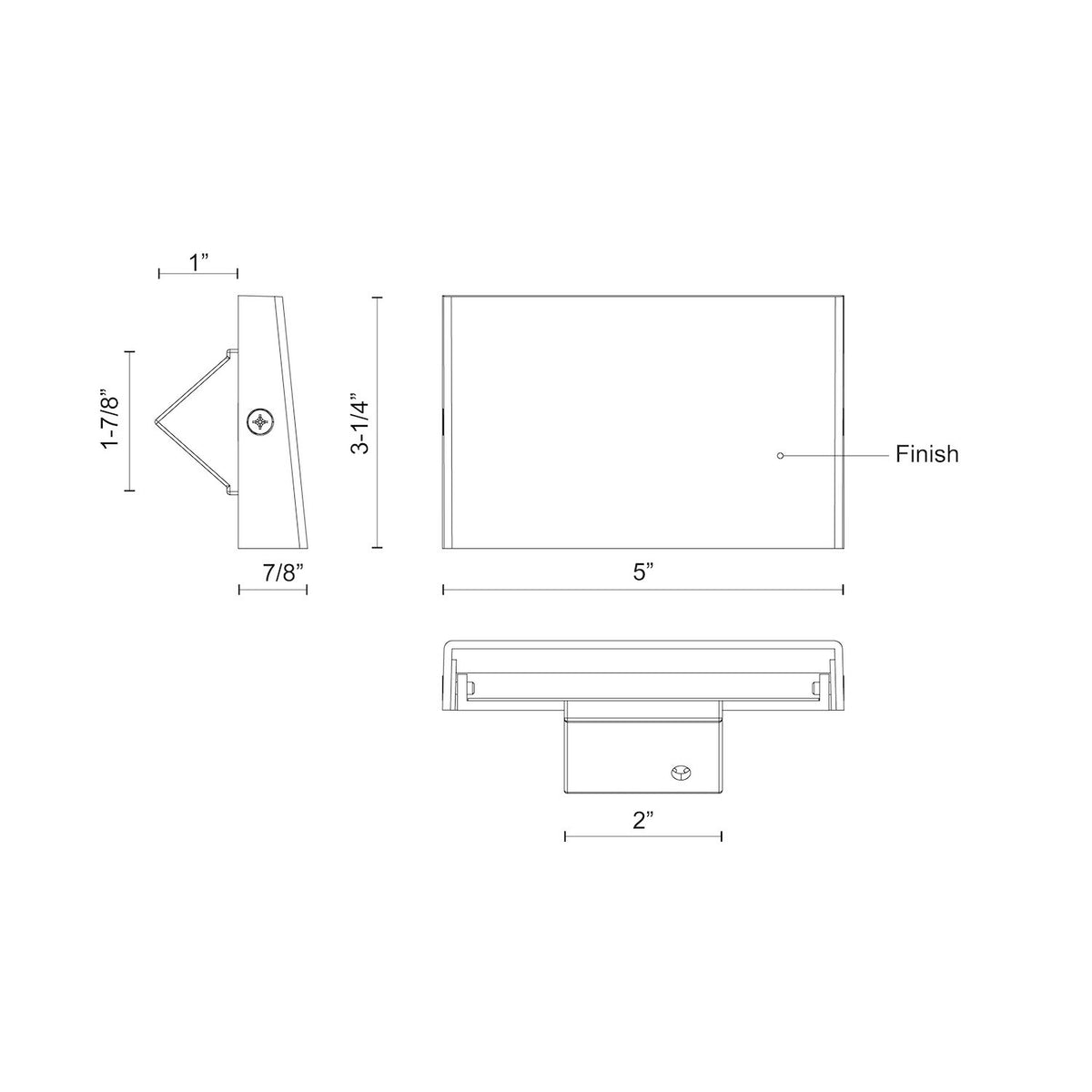
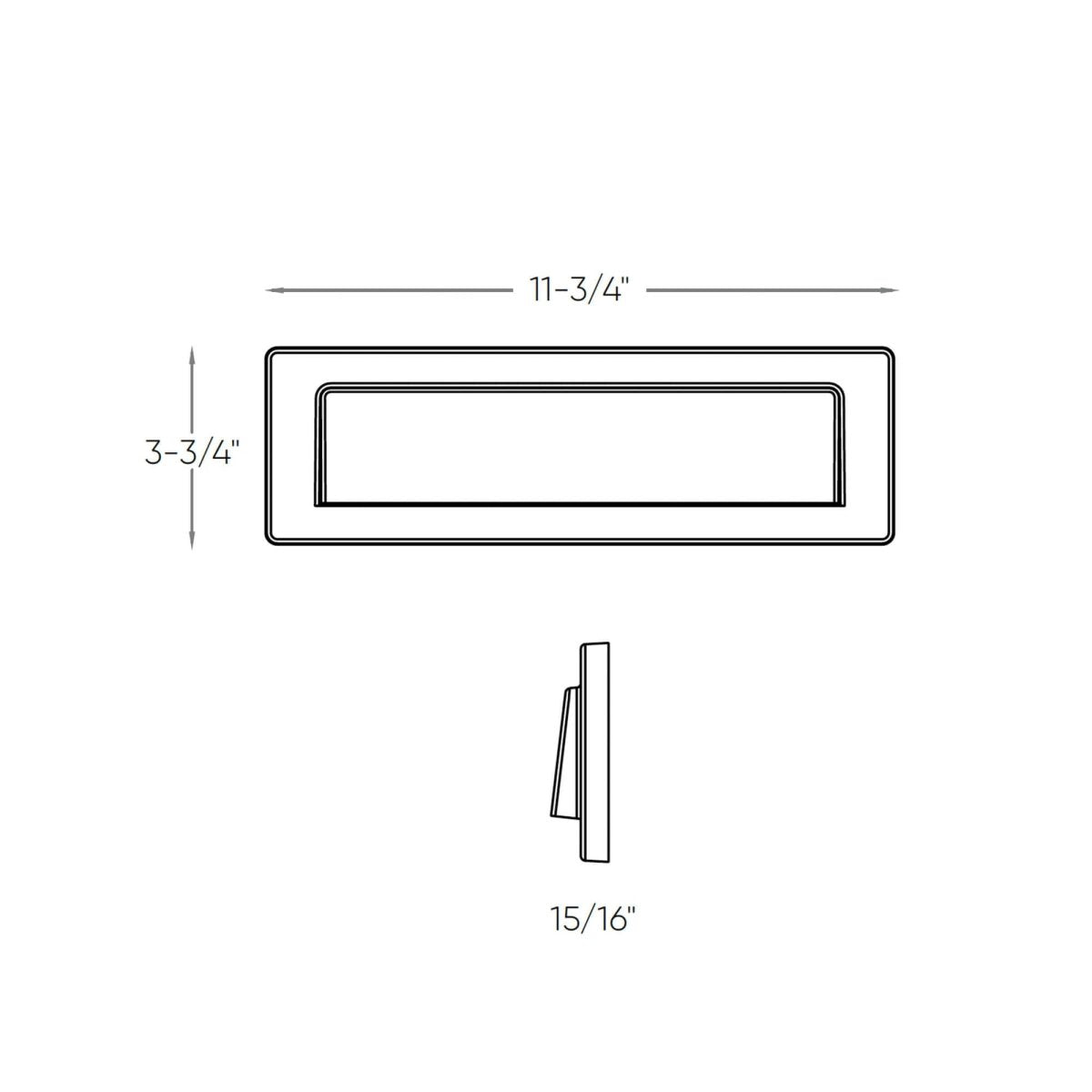
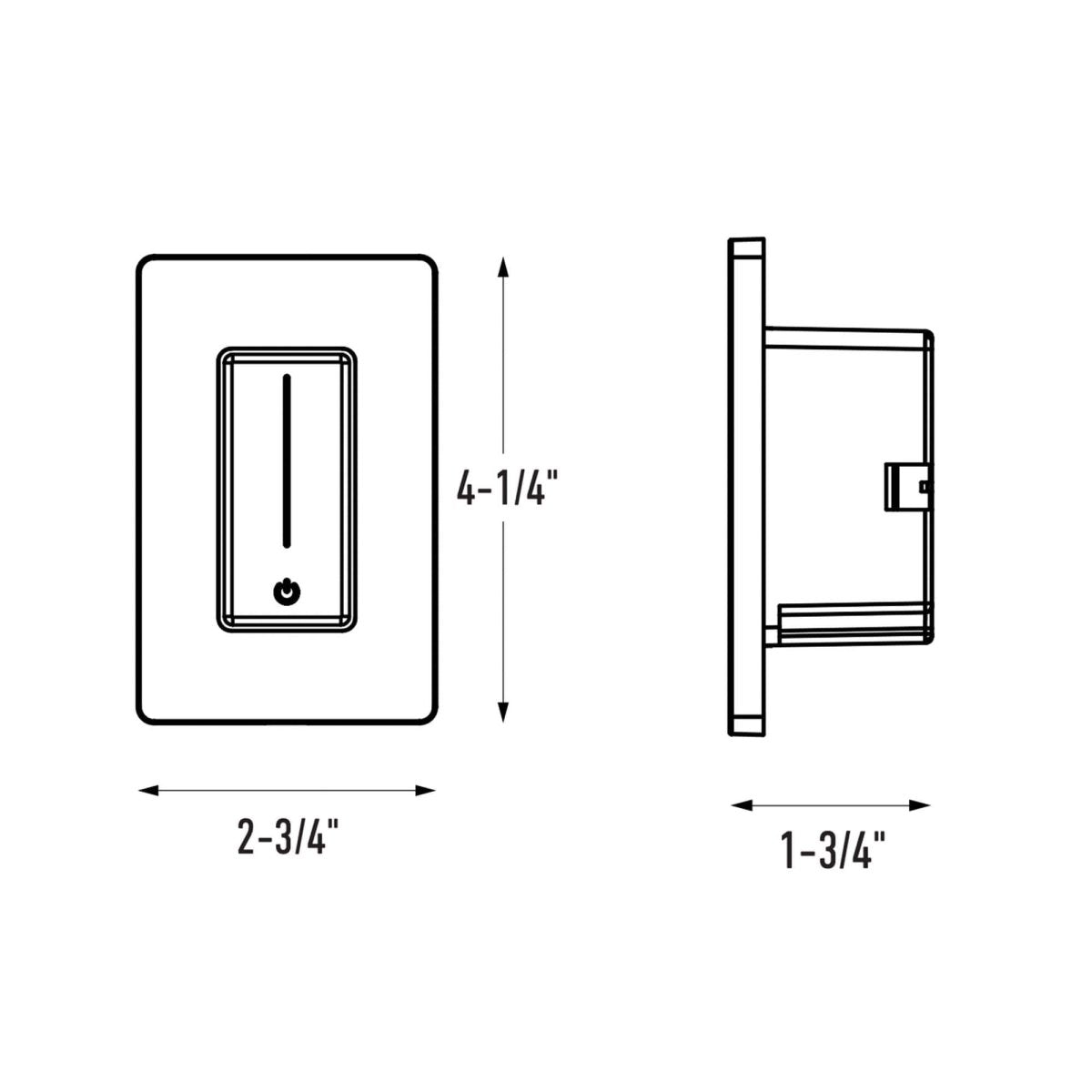
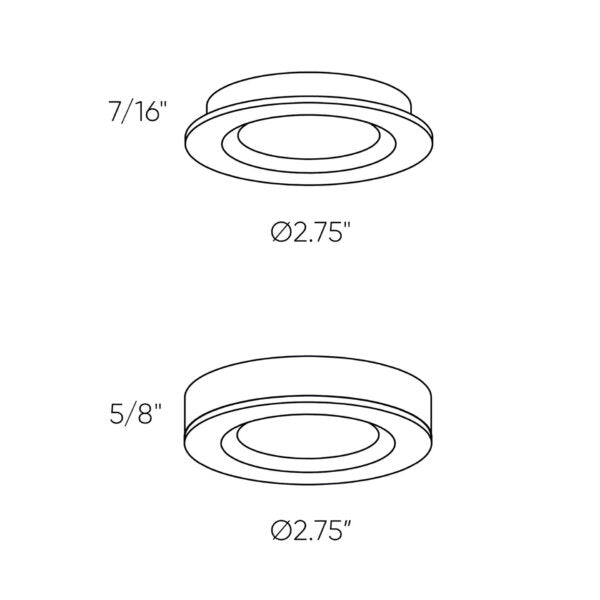
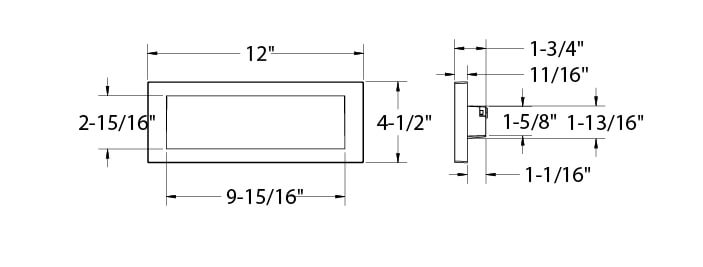
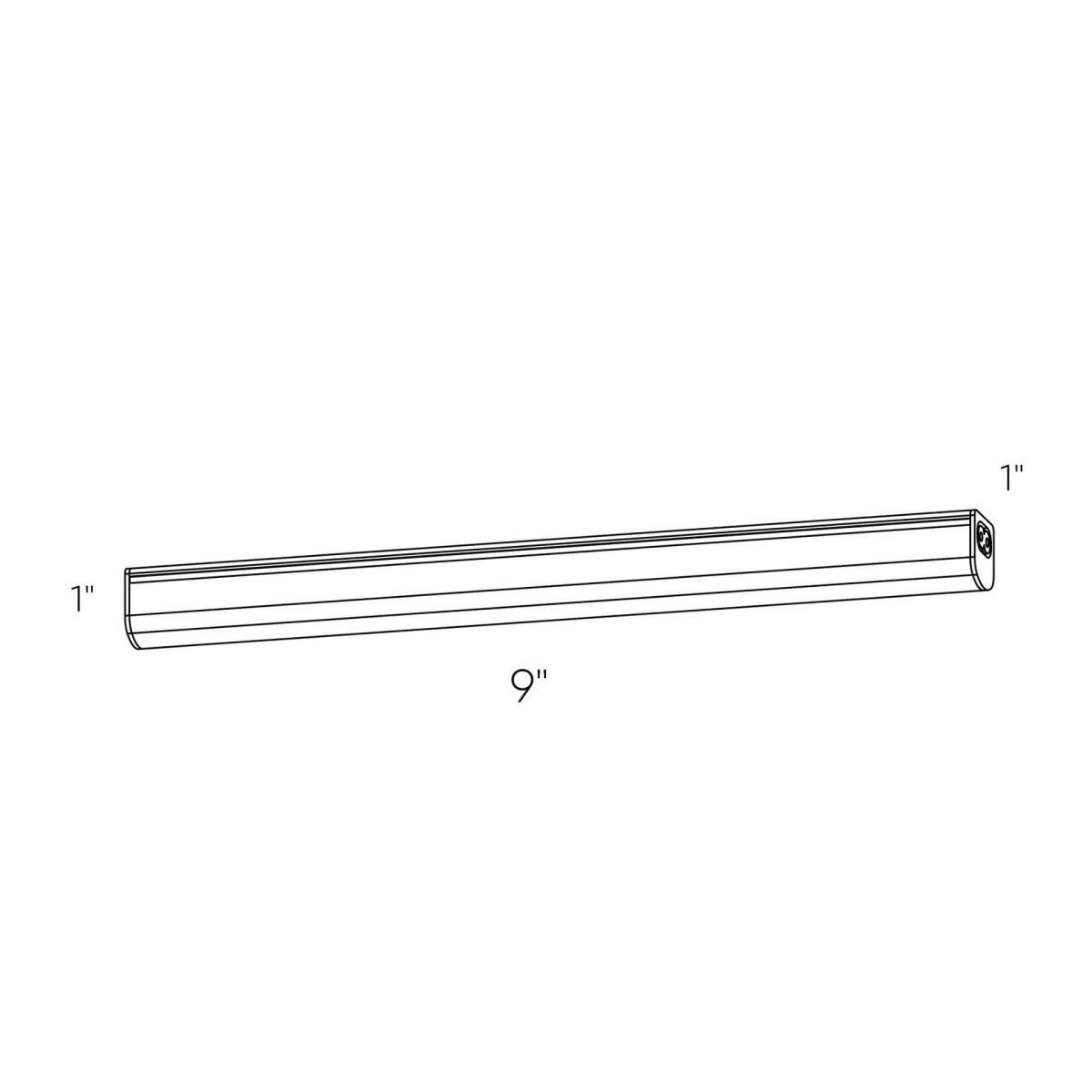
Start with function: do you want focused accent lights or discreet led accent lighting to fill a dim zone? Then refine by finish, color temperature and dimming, which is very useful in a kitchen. Measure the dimensions — height, width and, for linear systems, length — so the fixture fits cleanly. Finally, compare lumens: since the goal is to highlight without glare, an overly bright source works against the effect you want. Accent spotlights and adjustable heads give you direction where it counts.
Balancing accent and ambient light
A good lighting plan layers sources. Reserve accent lighting for focal points — fireplace, bookshelf, artwork — and back it with general ambient light. Too many accent sources without an ambient base creates uneven, visually busy lighting. Dimmers help balance intensity for a cohesive feel. Feature accent lighting works best as part of a full scheme, not on its own.