













How an LED recessed light works
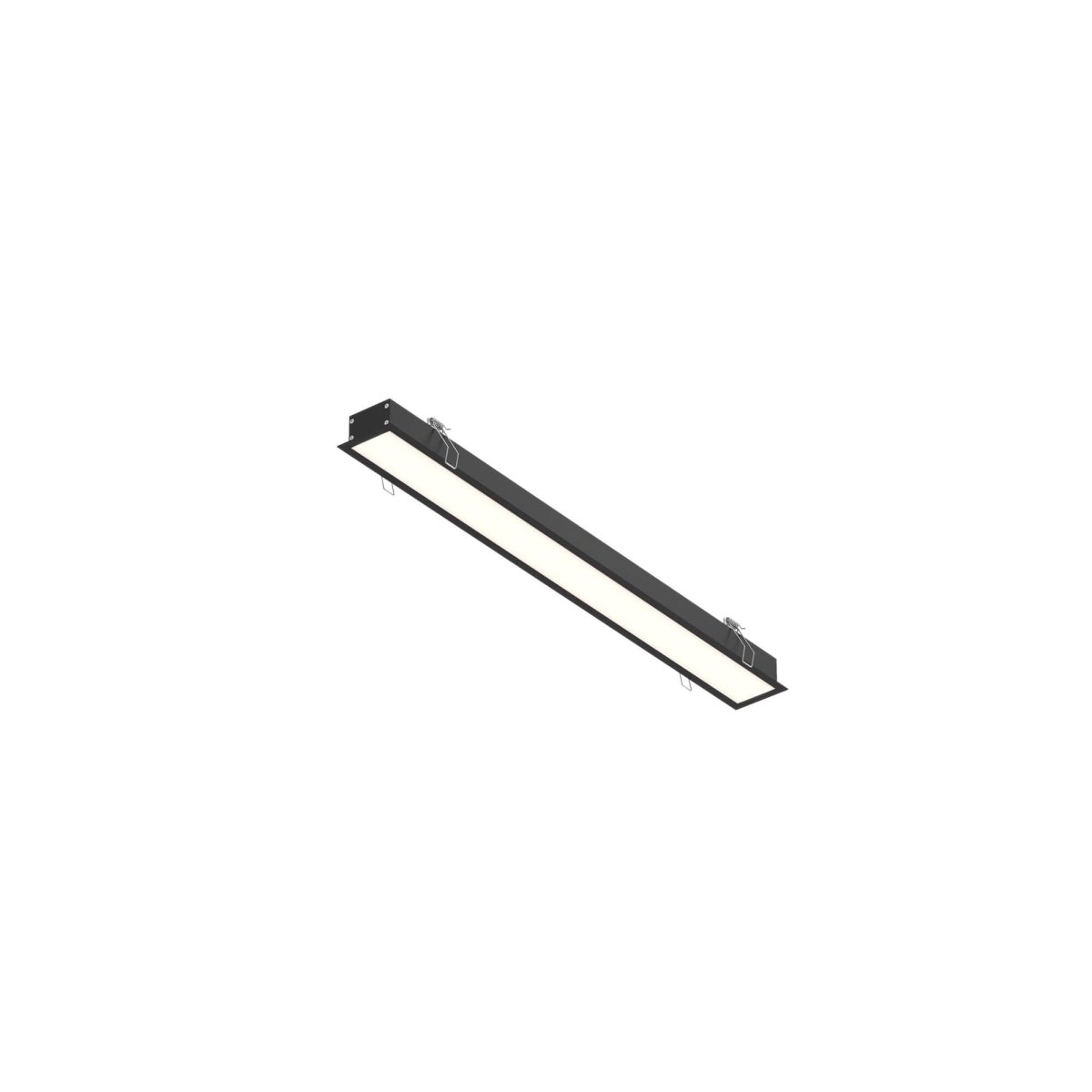
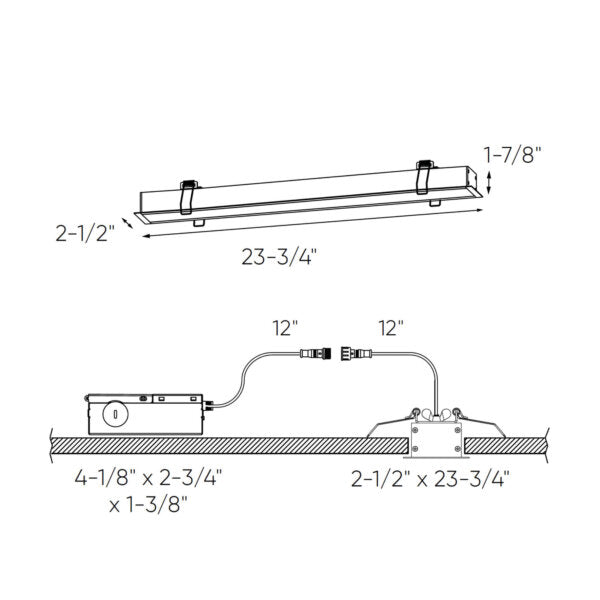
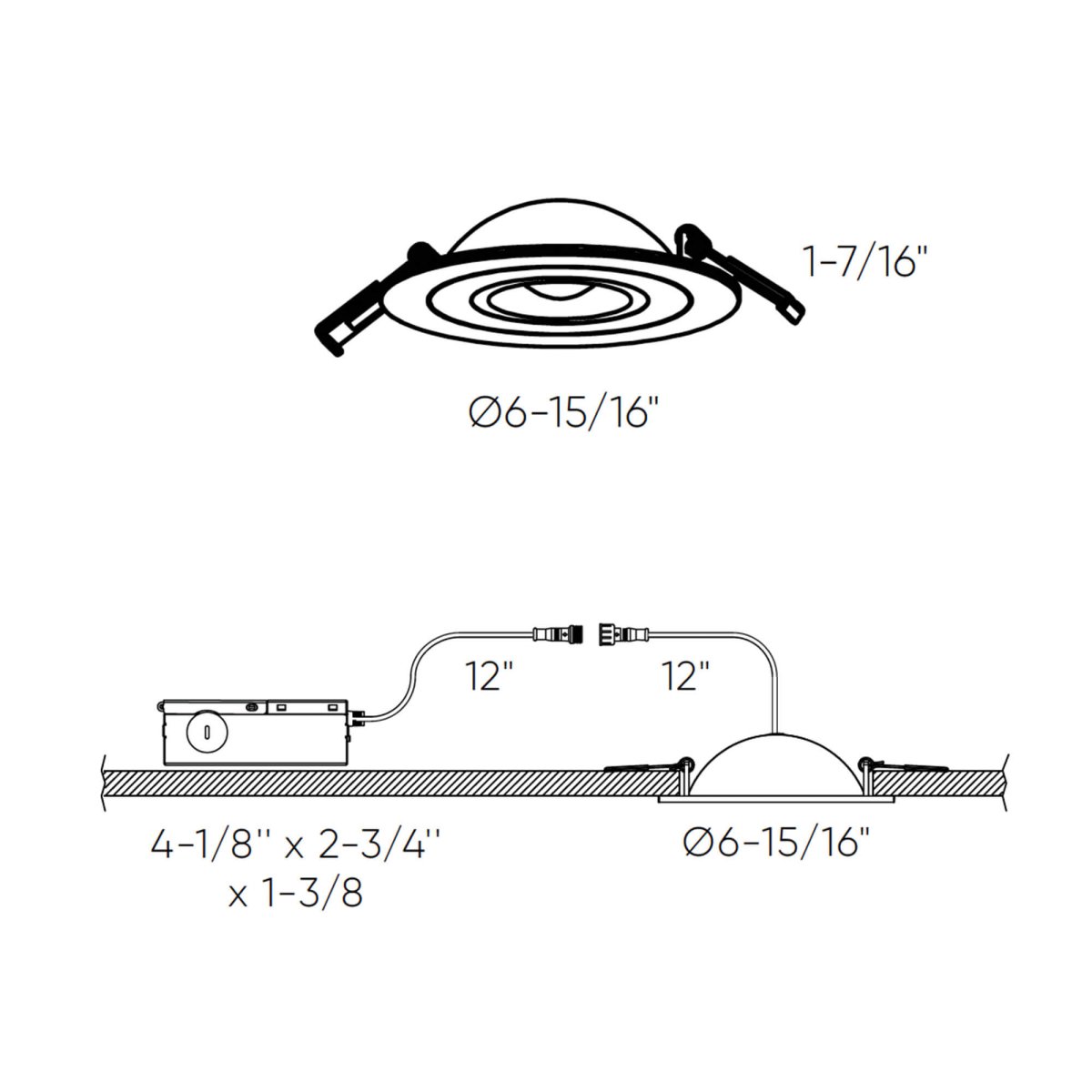
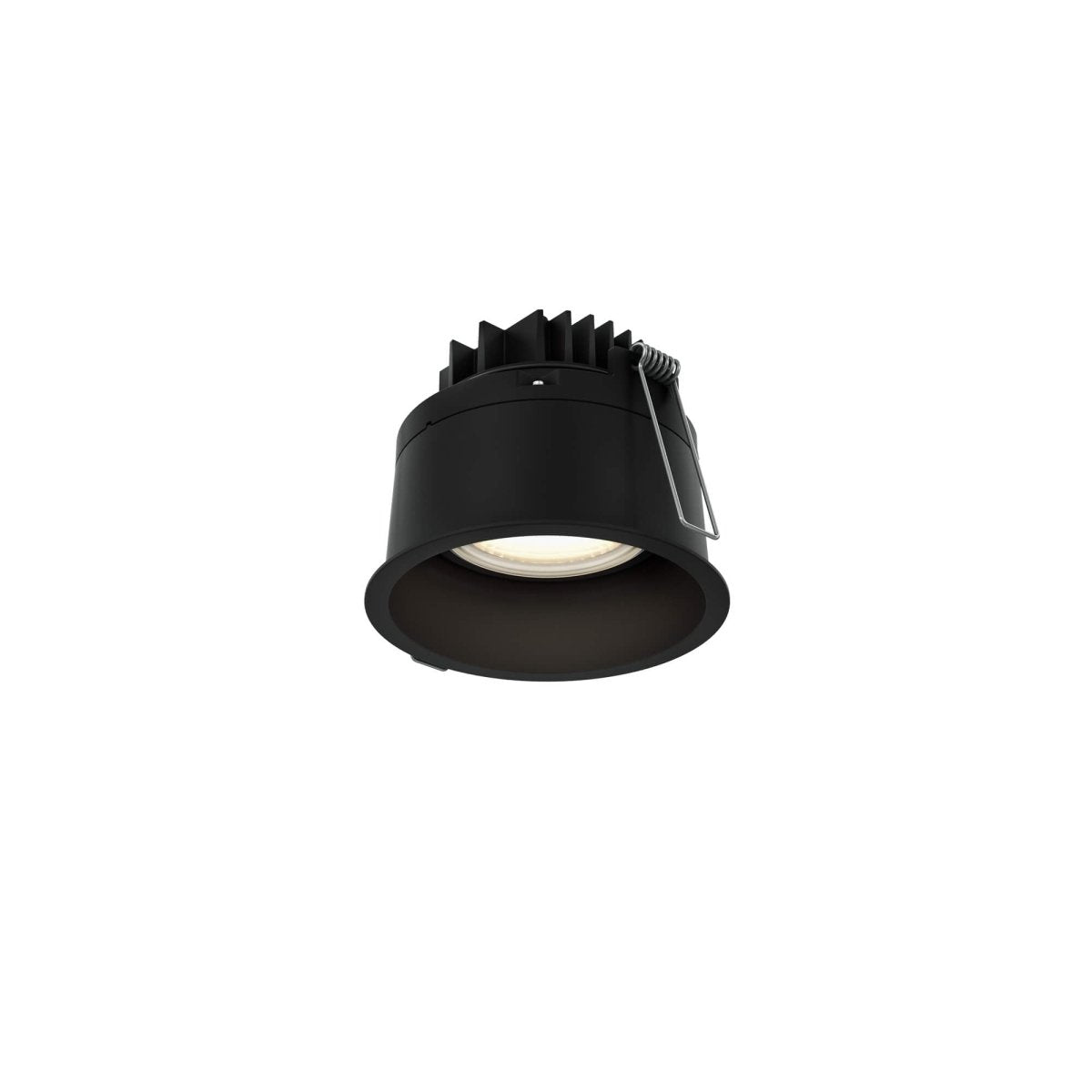
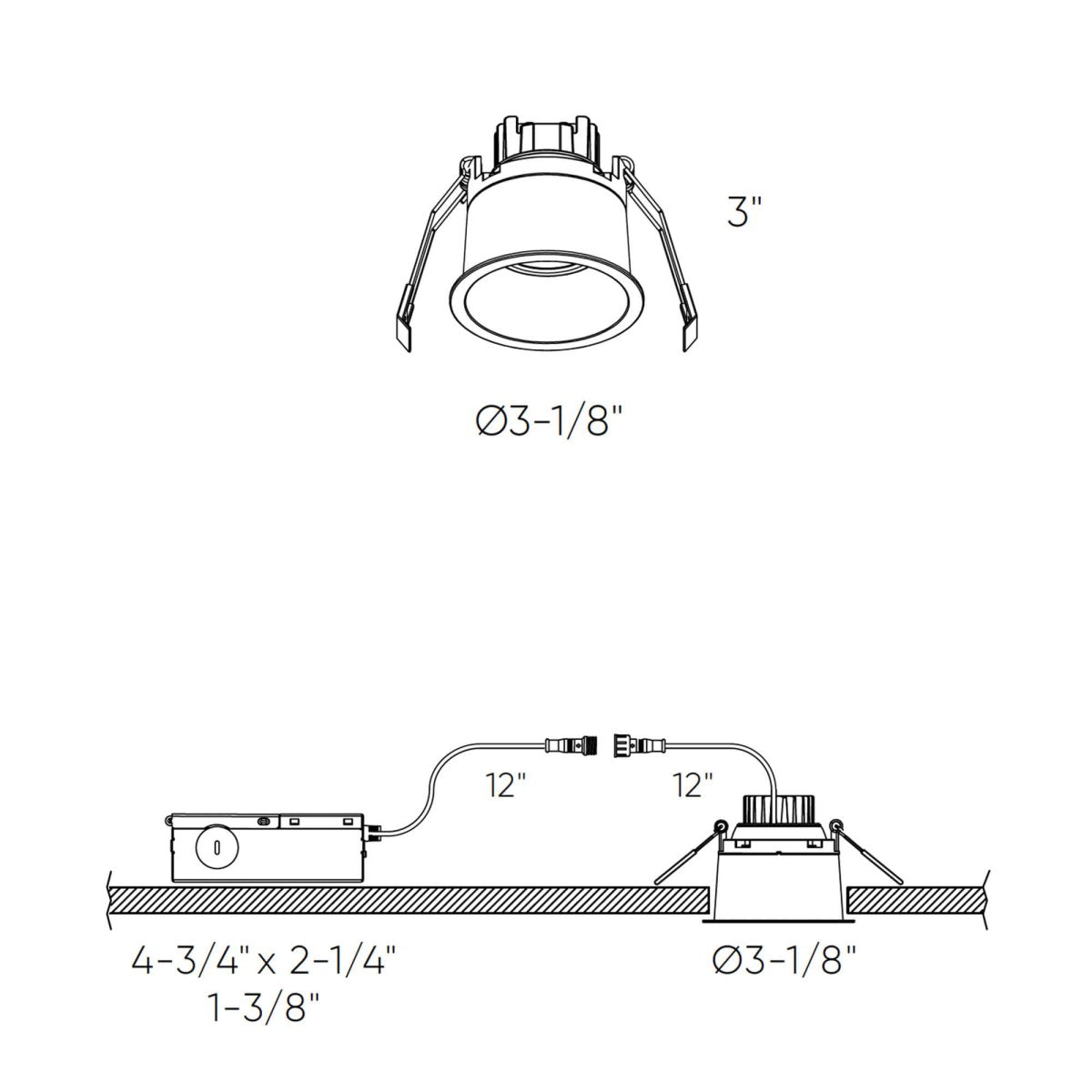
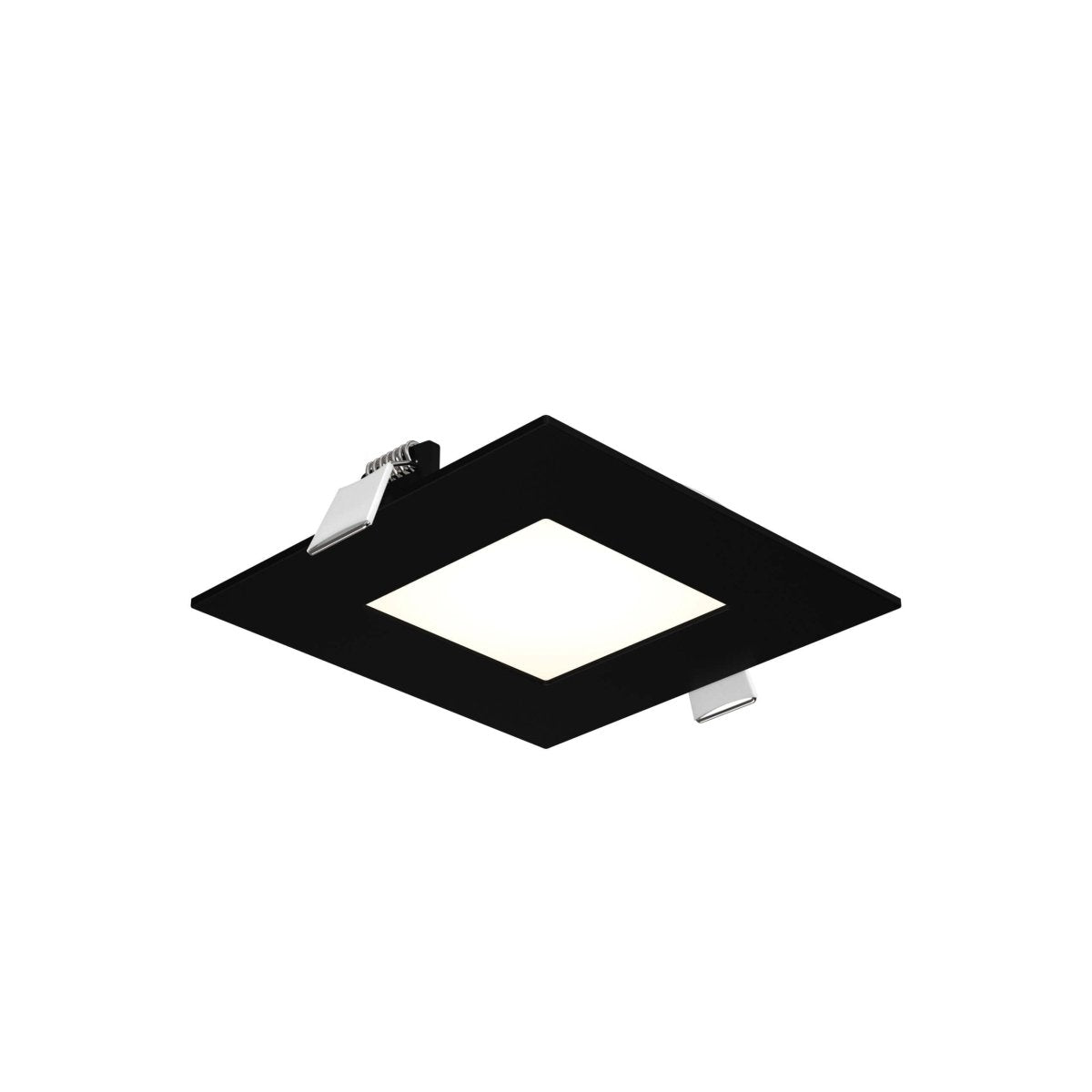
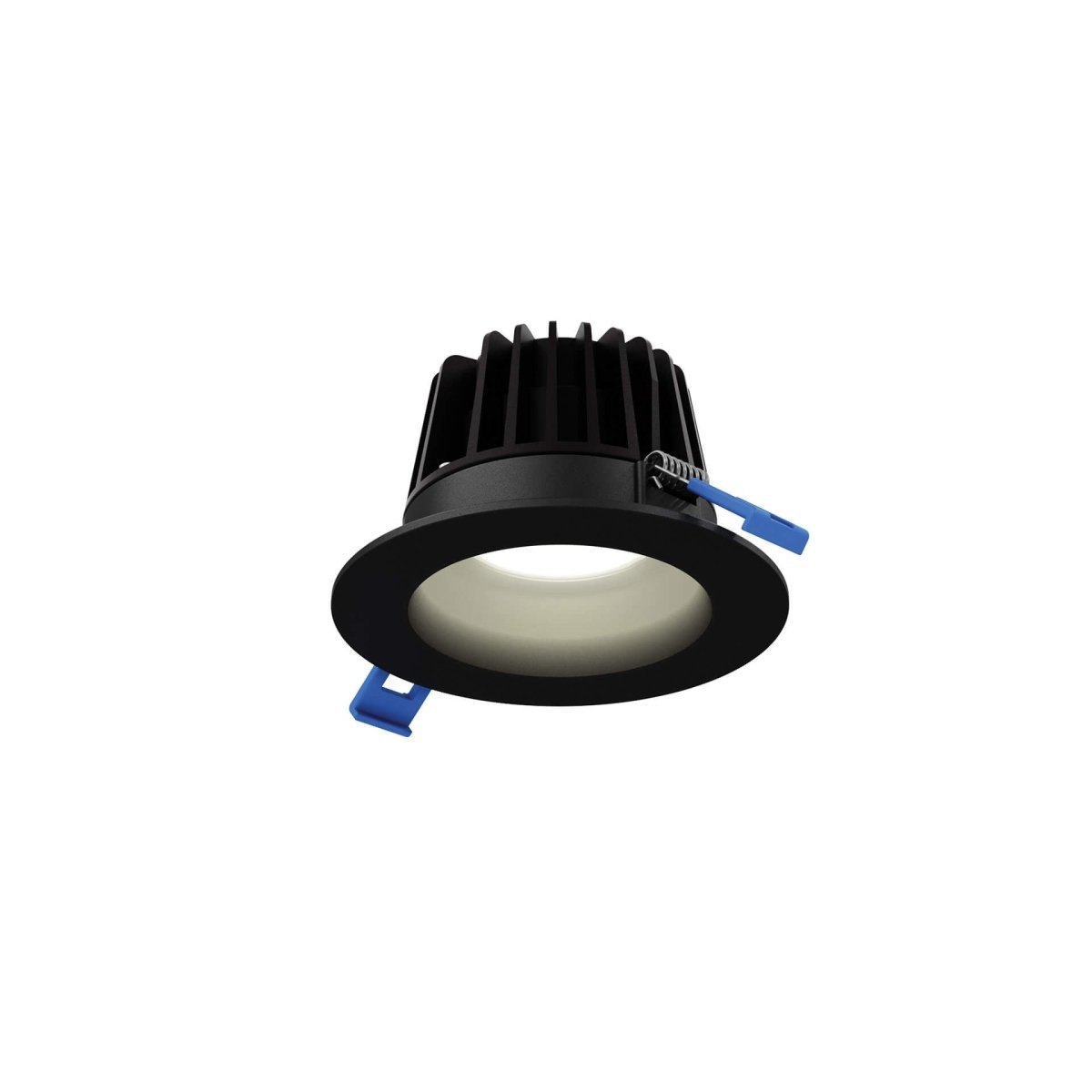
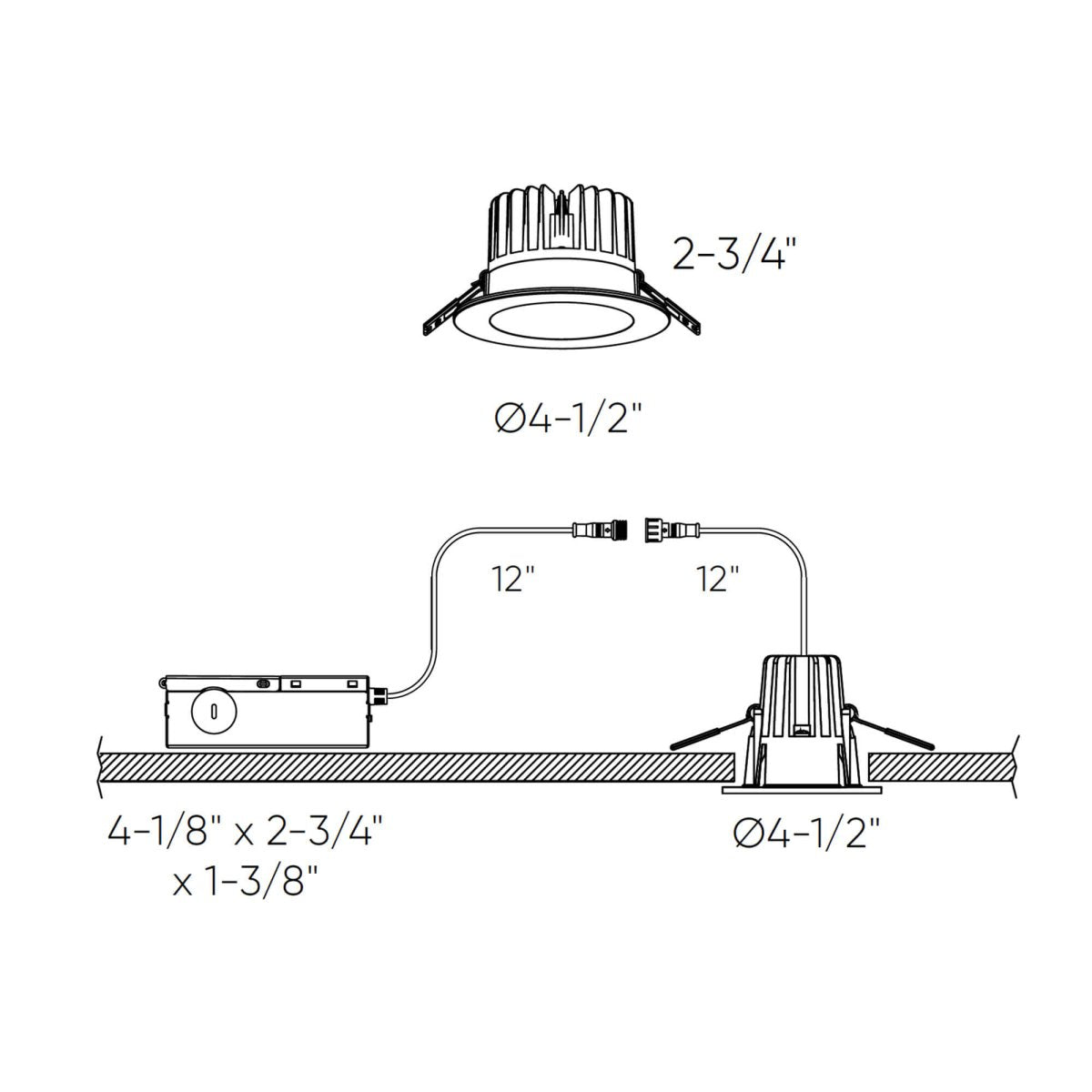
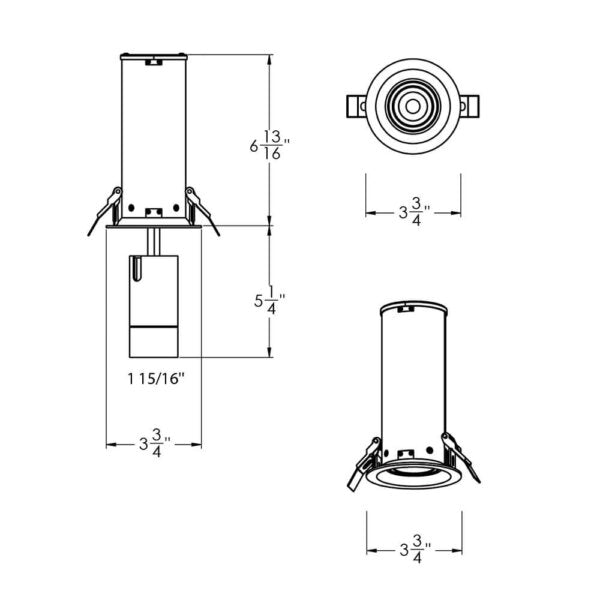
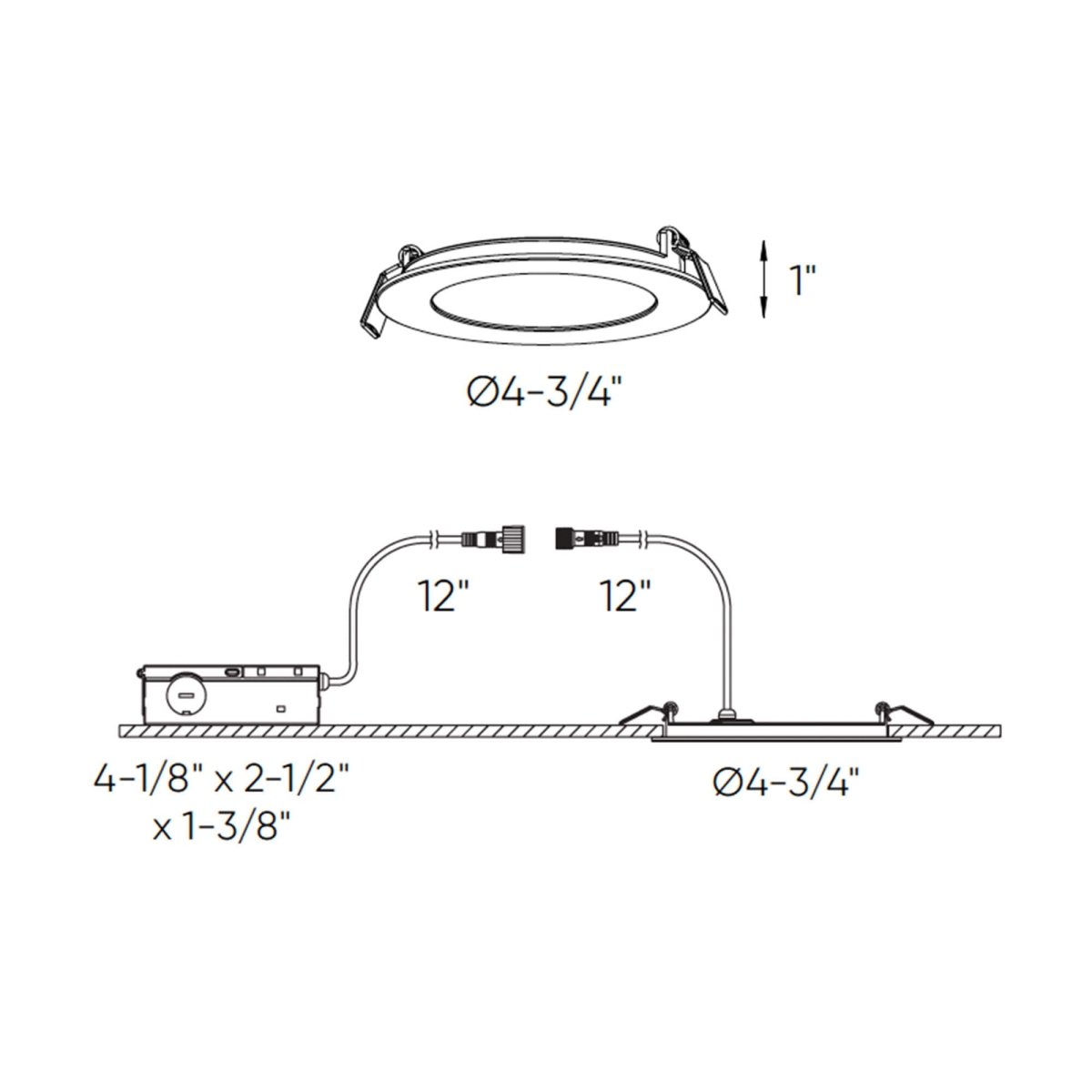
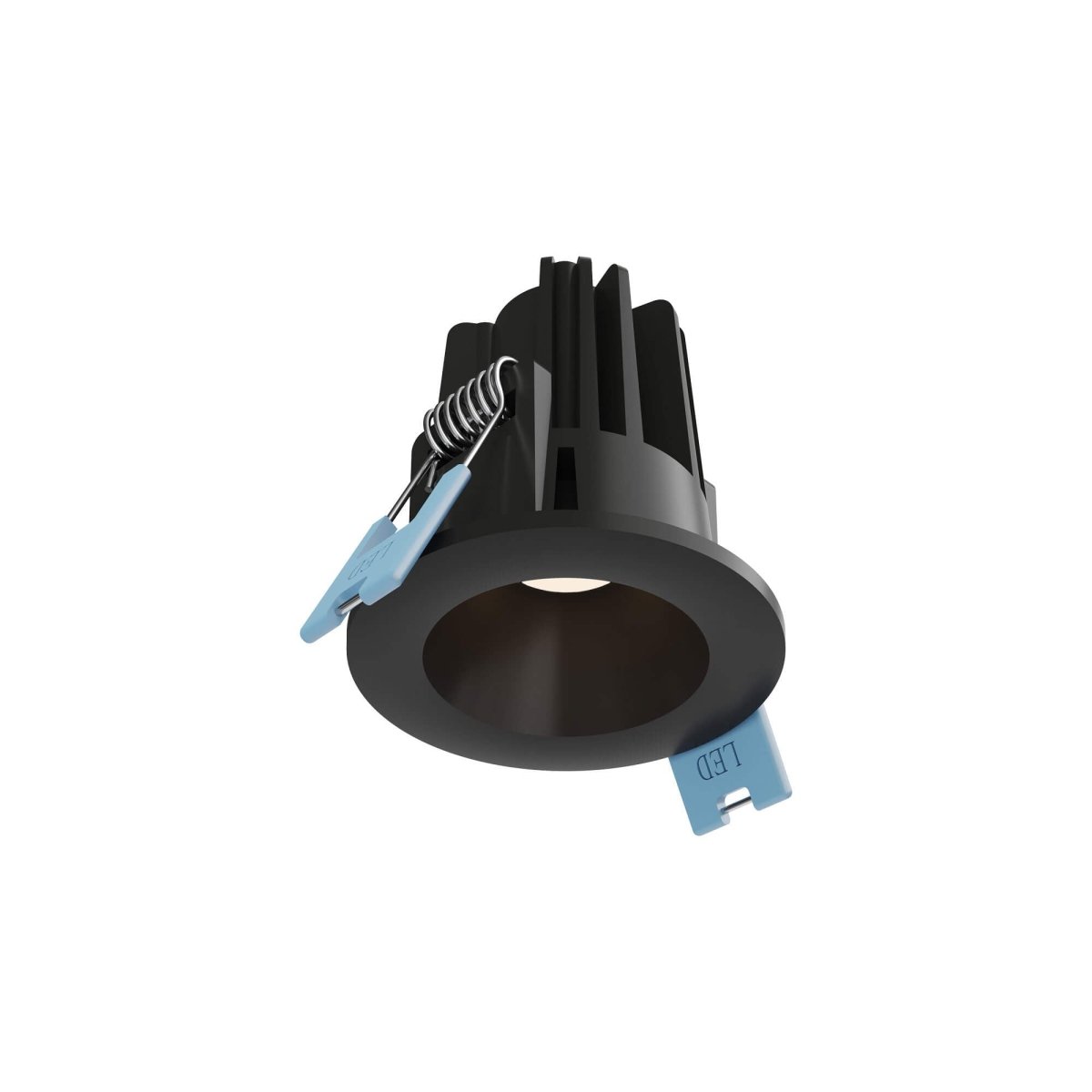
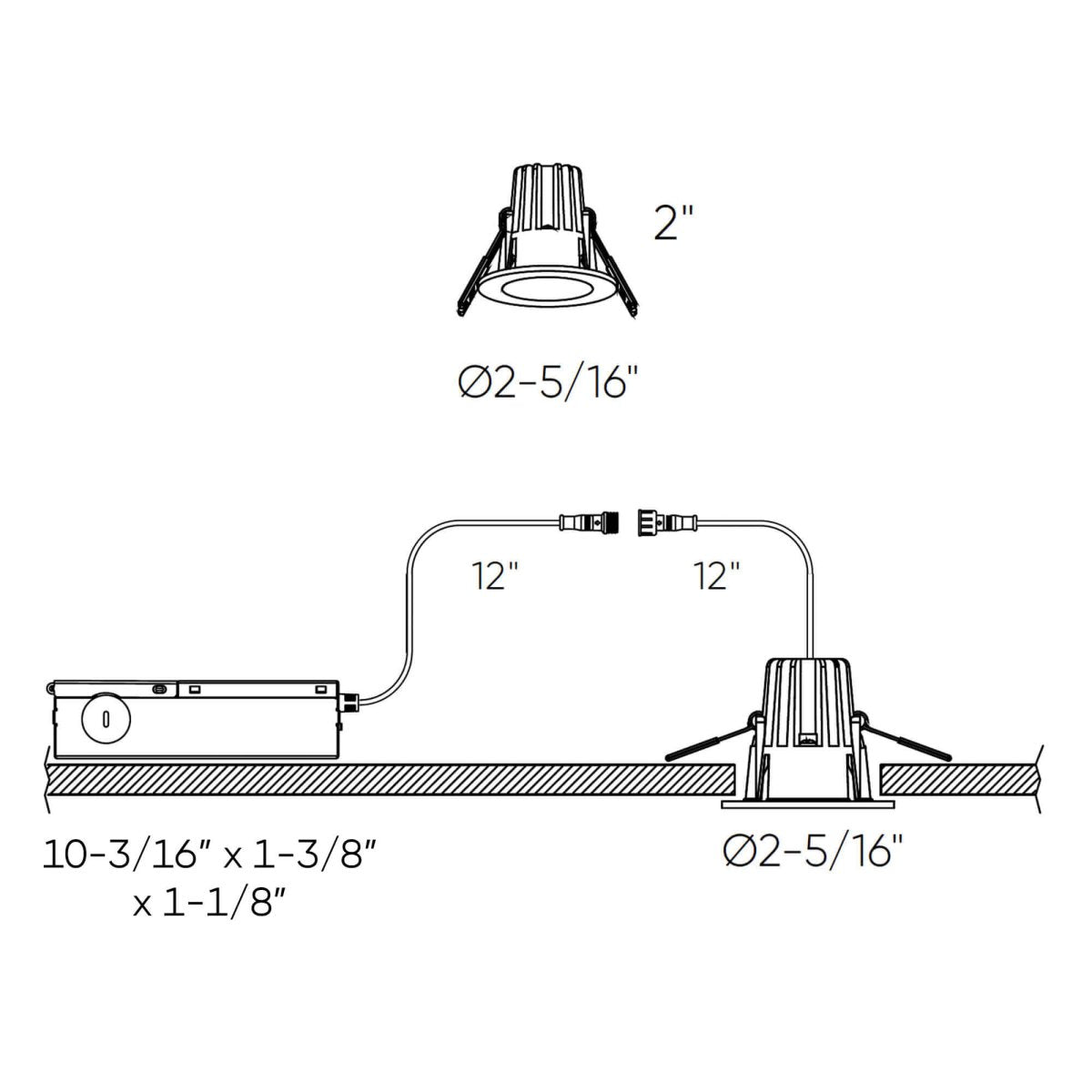
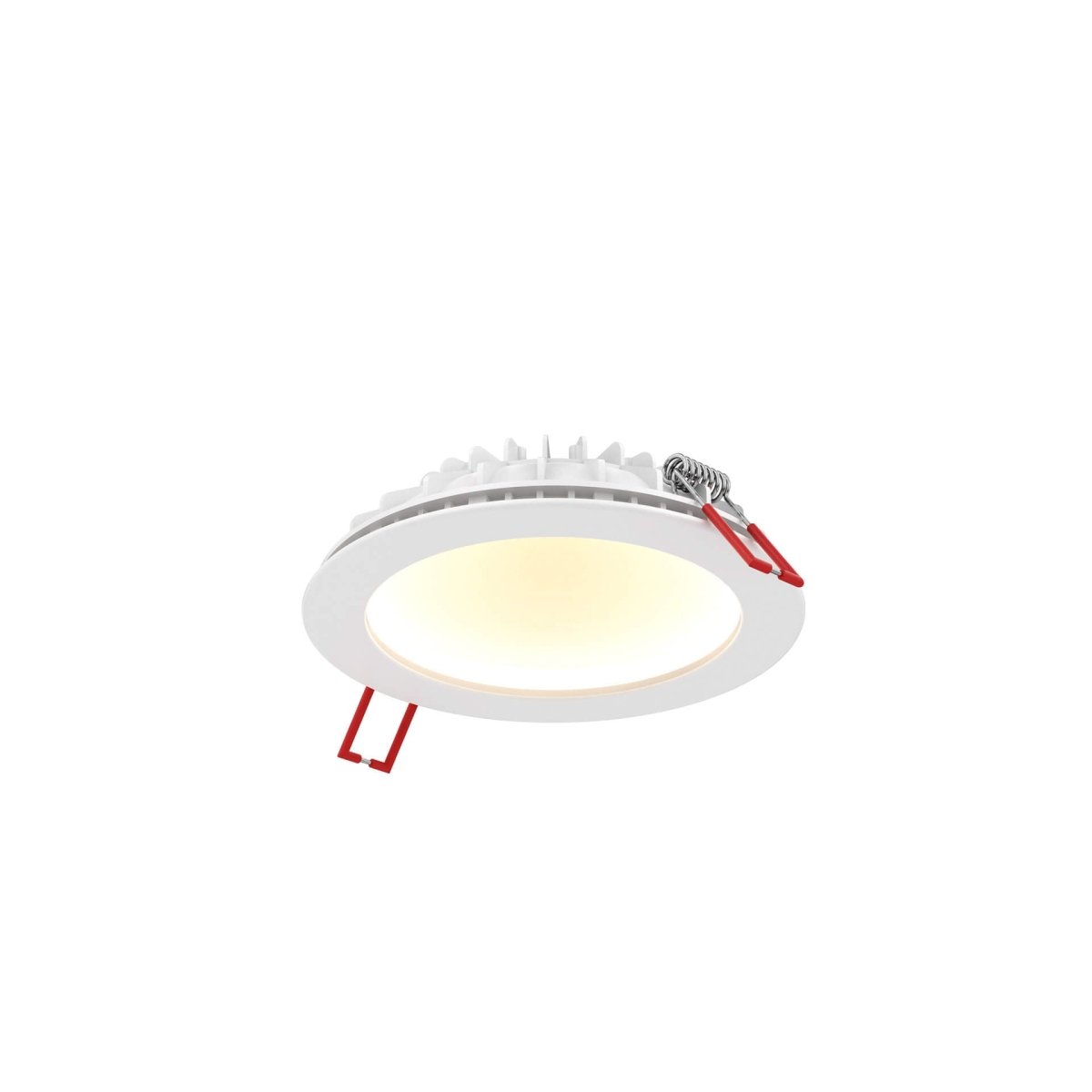
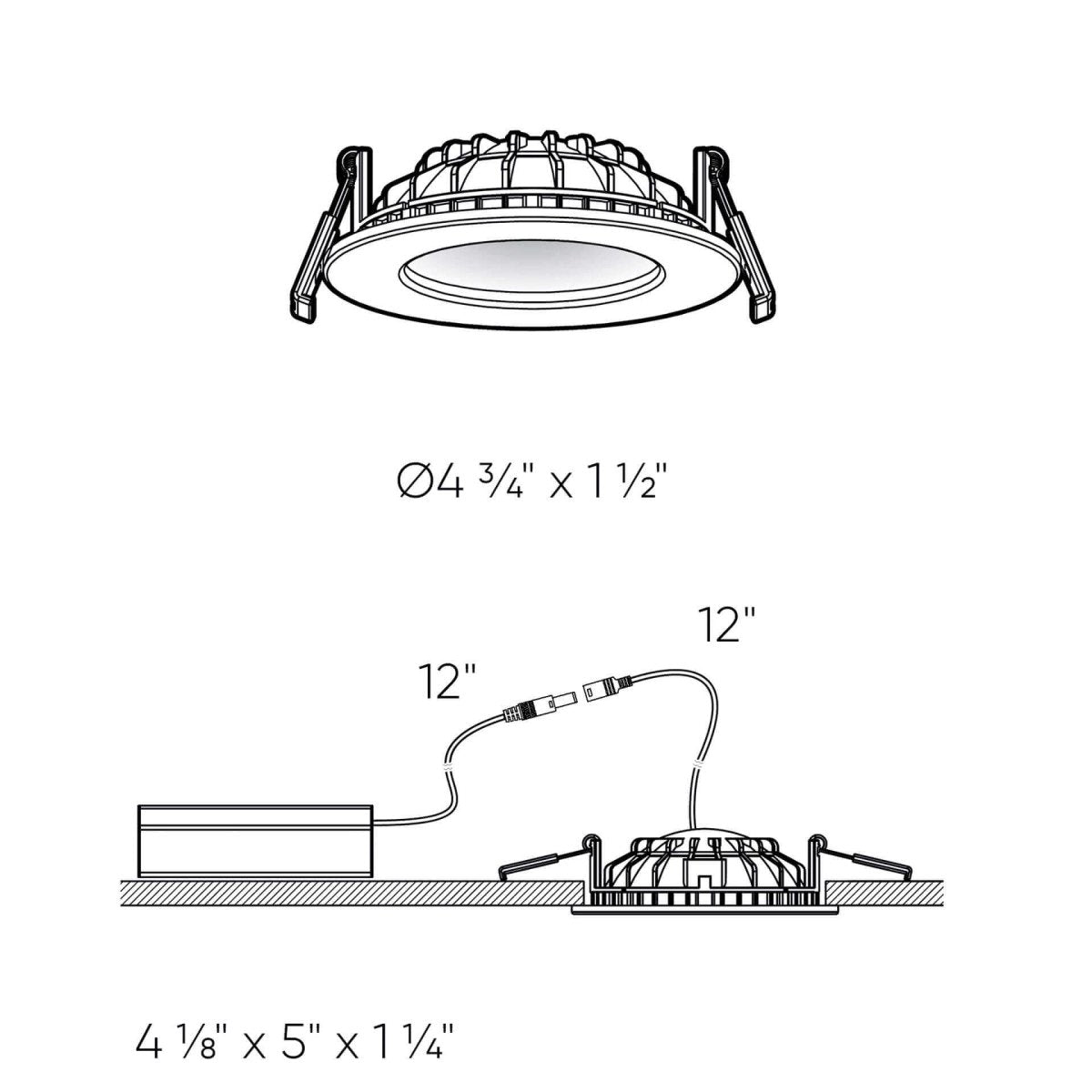
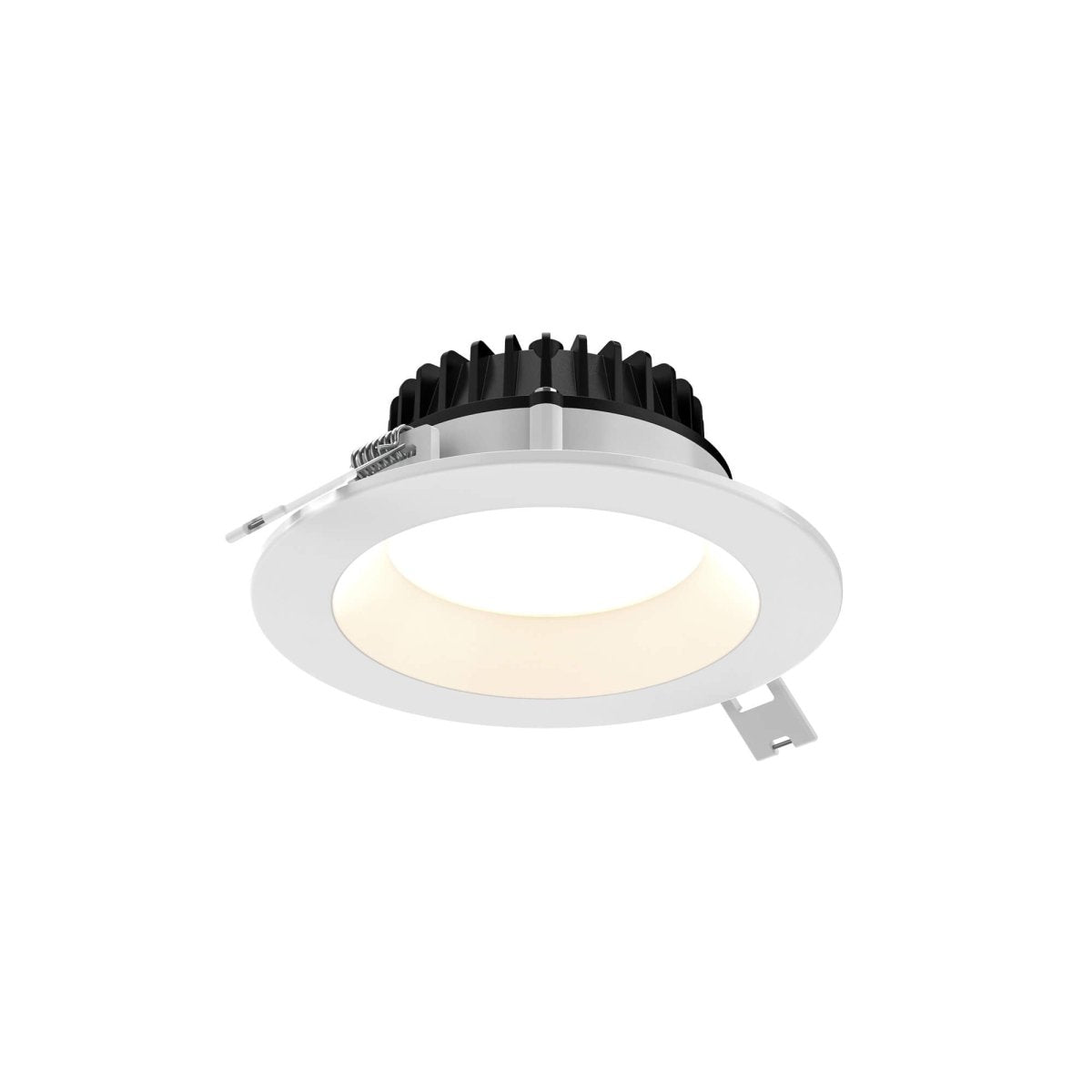
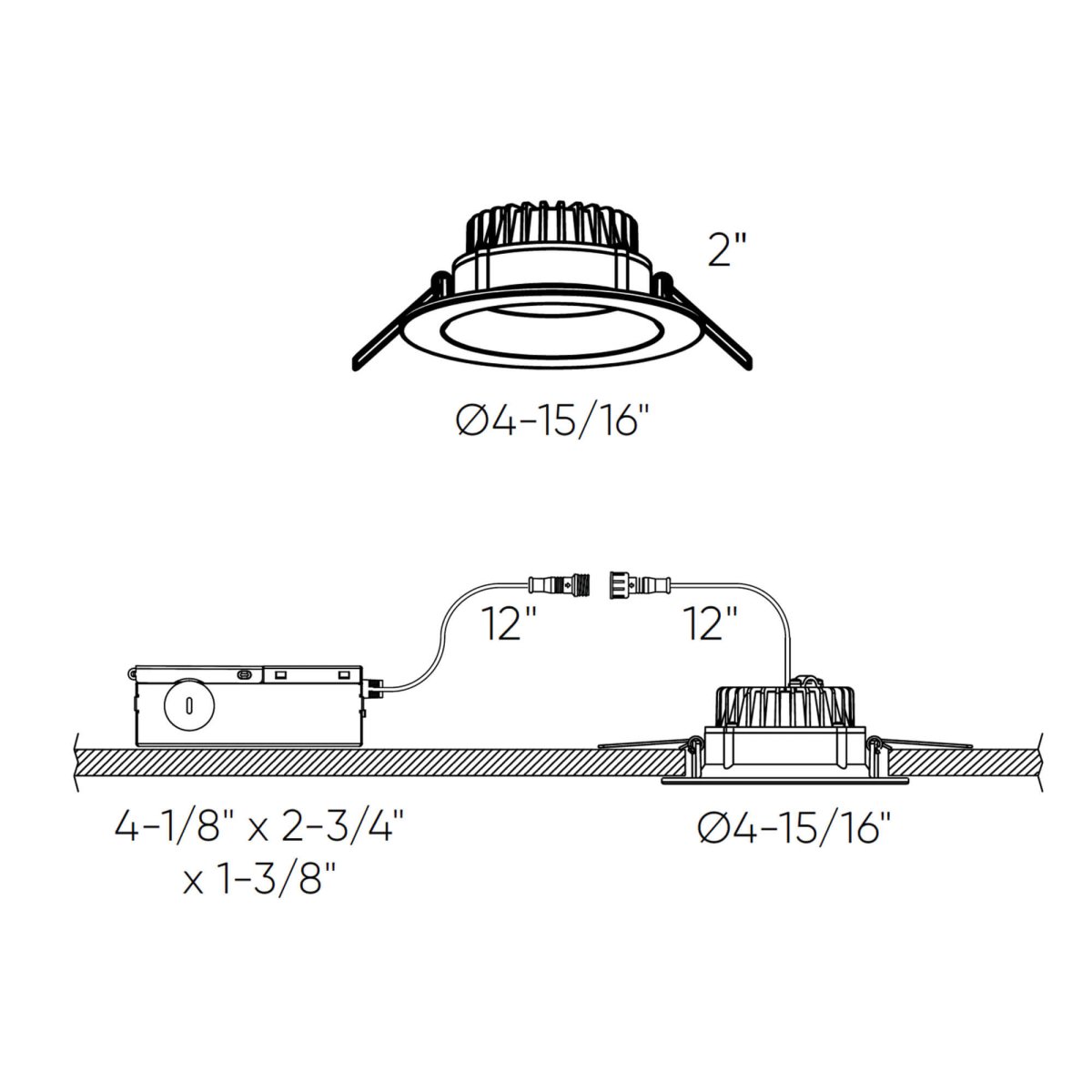
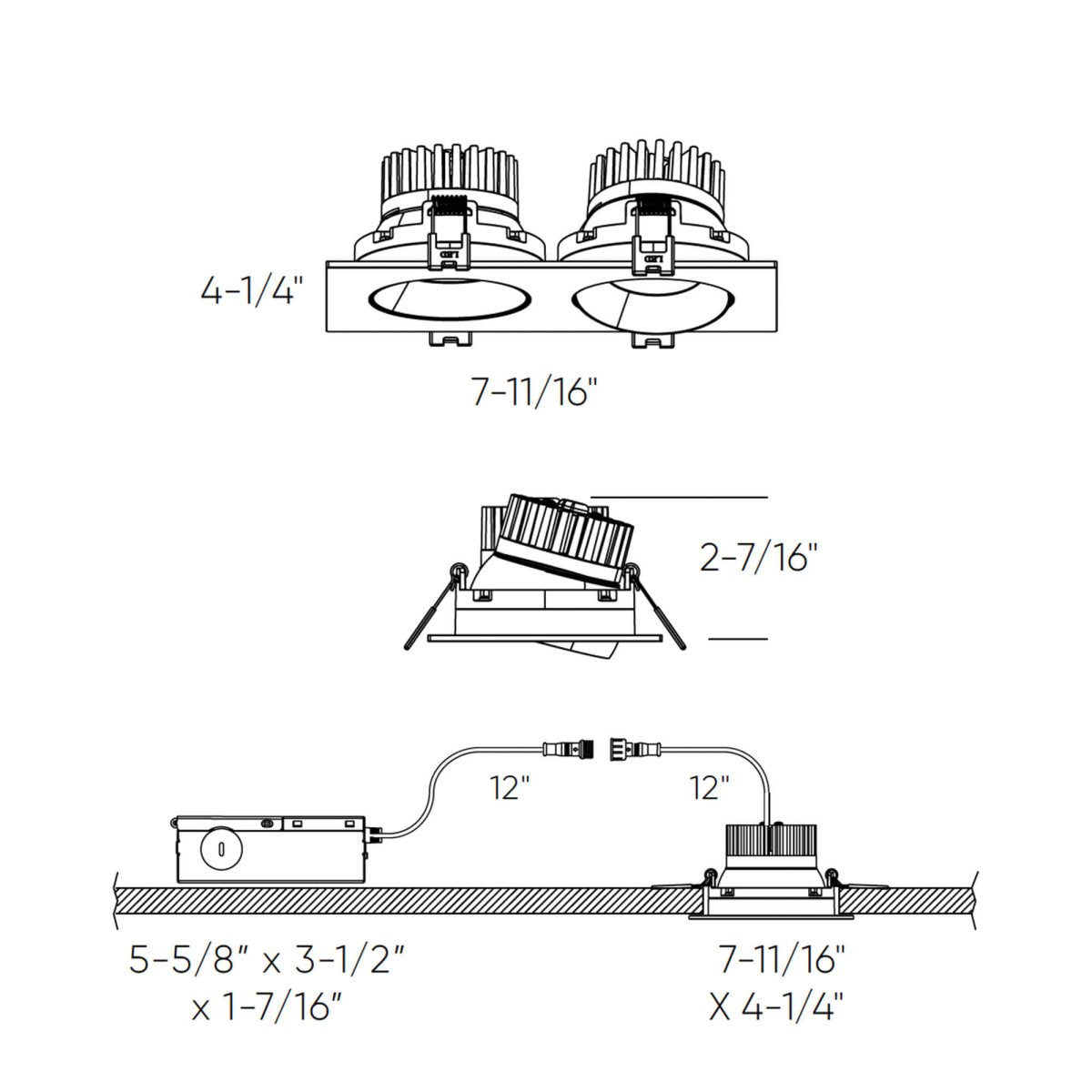
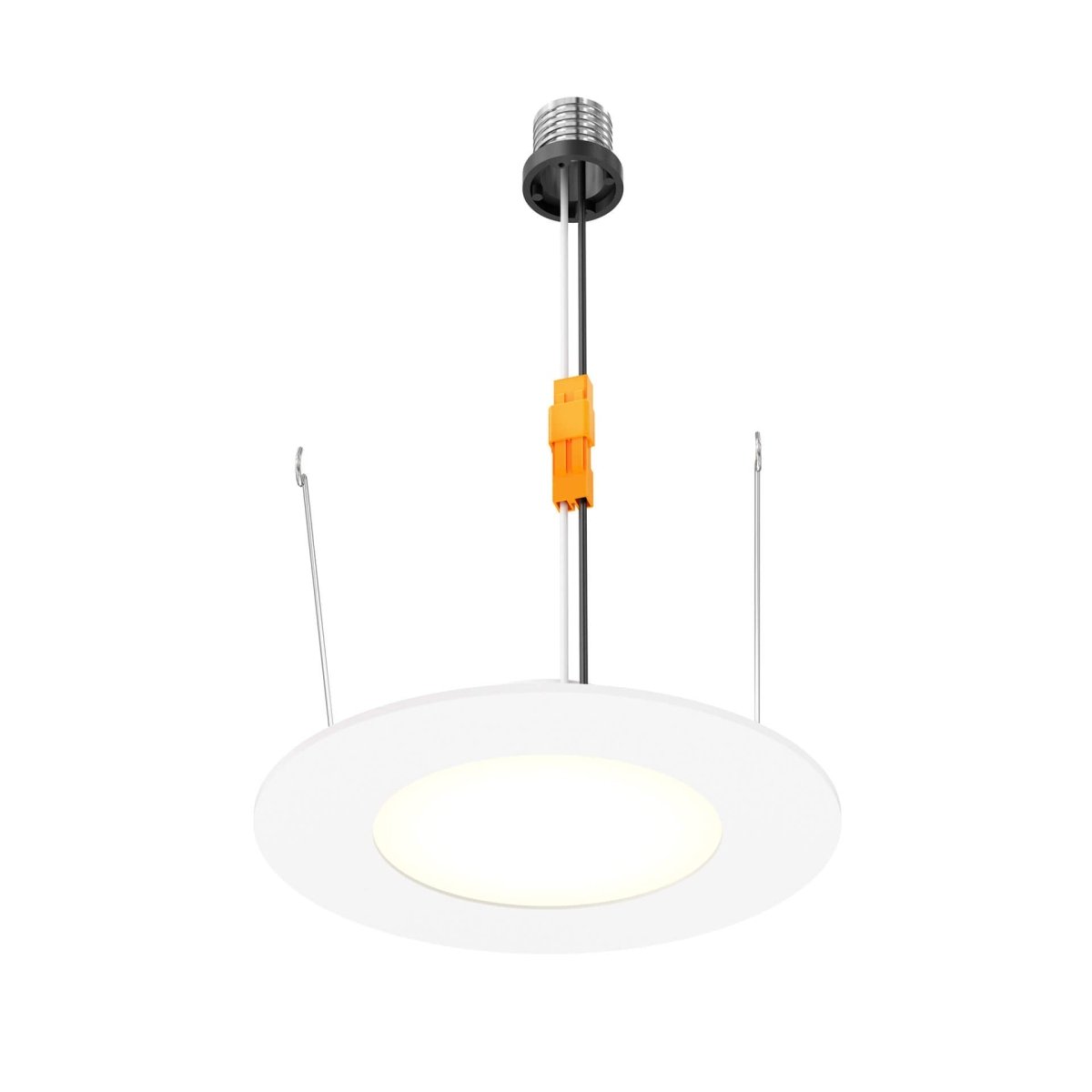
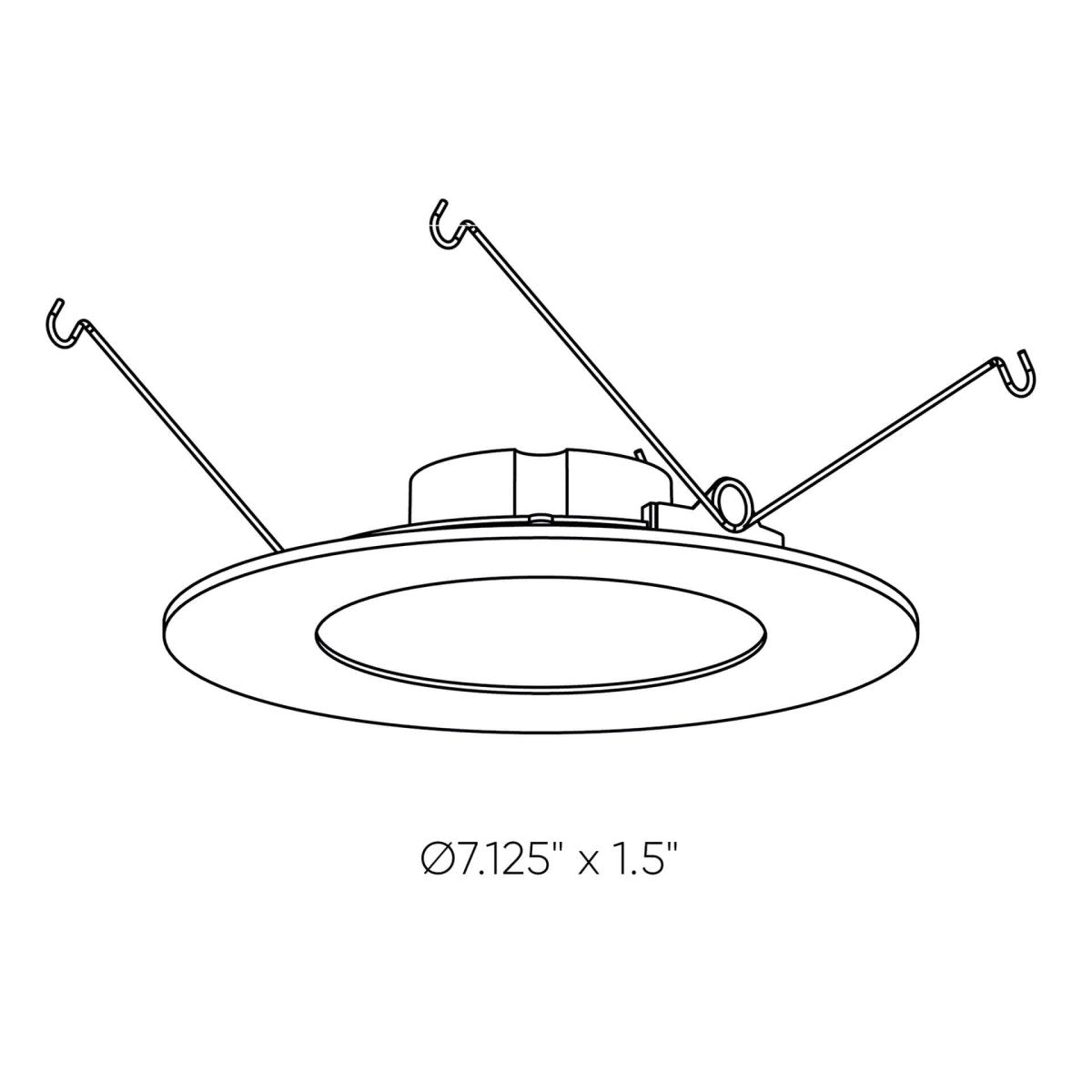
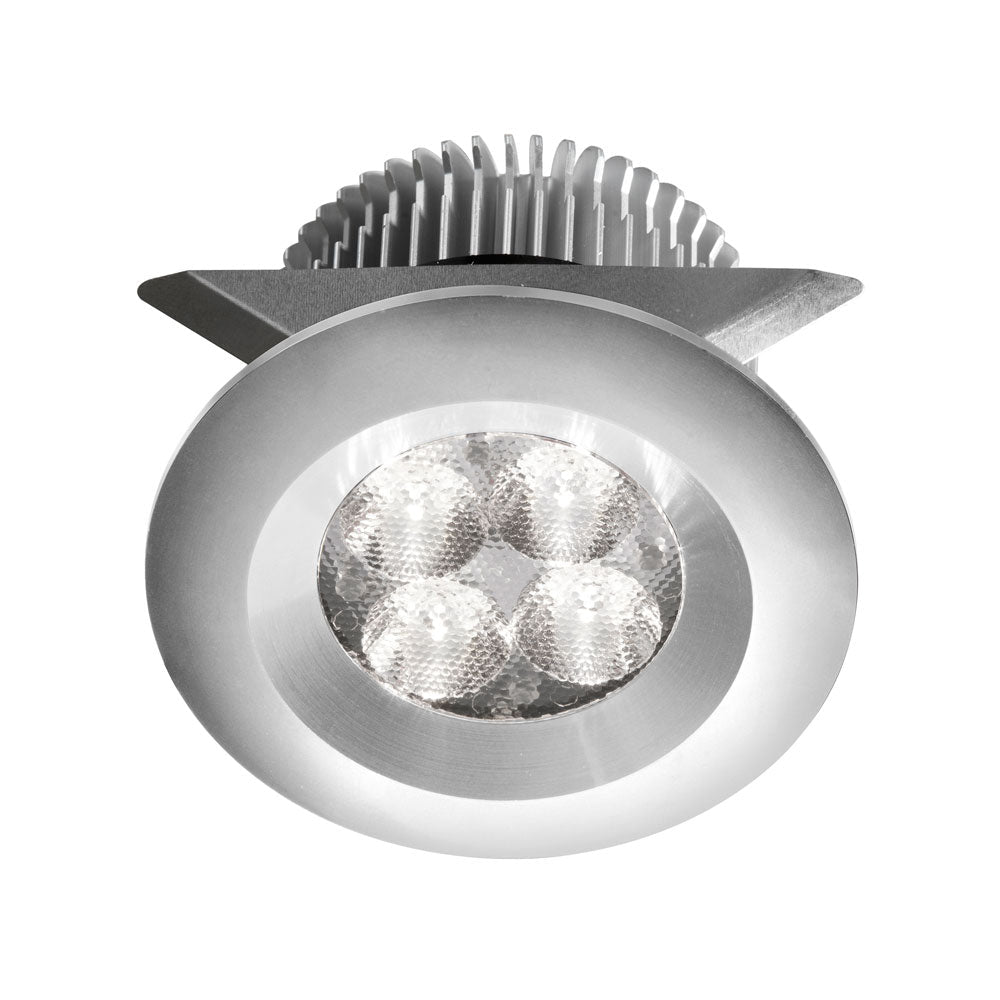
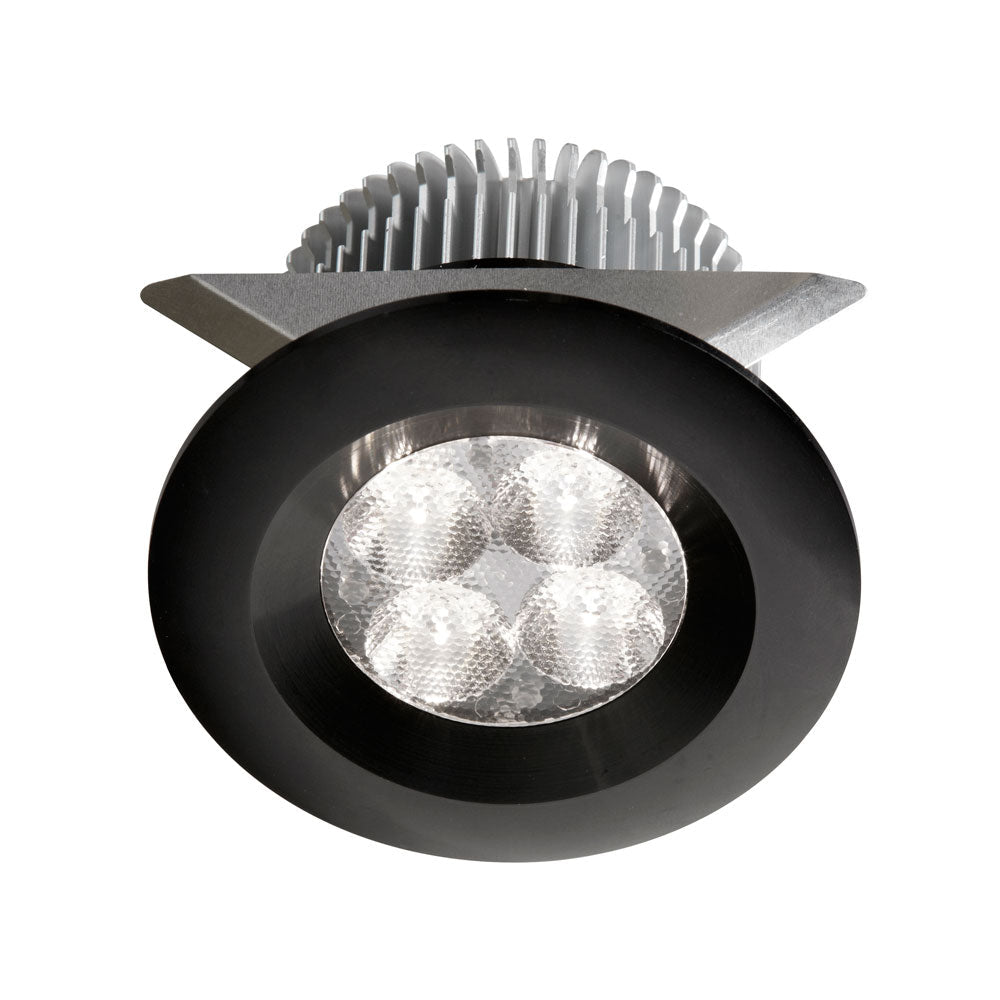
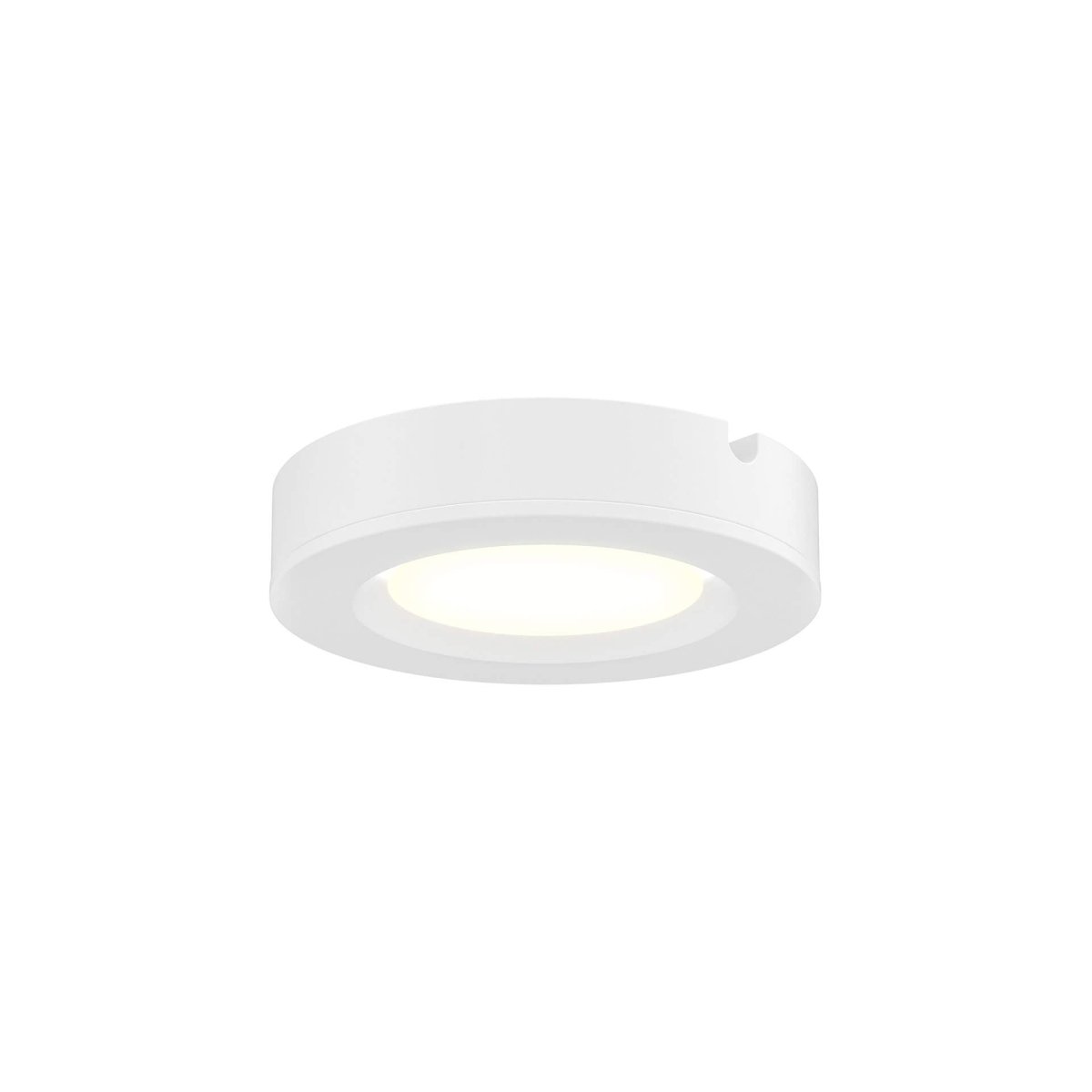
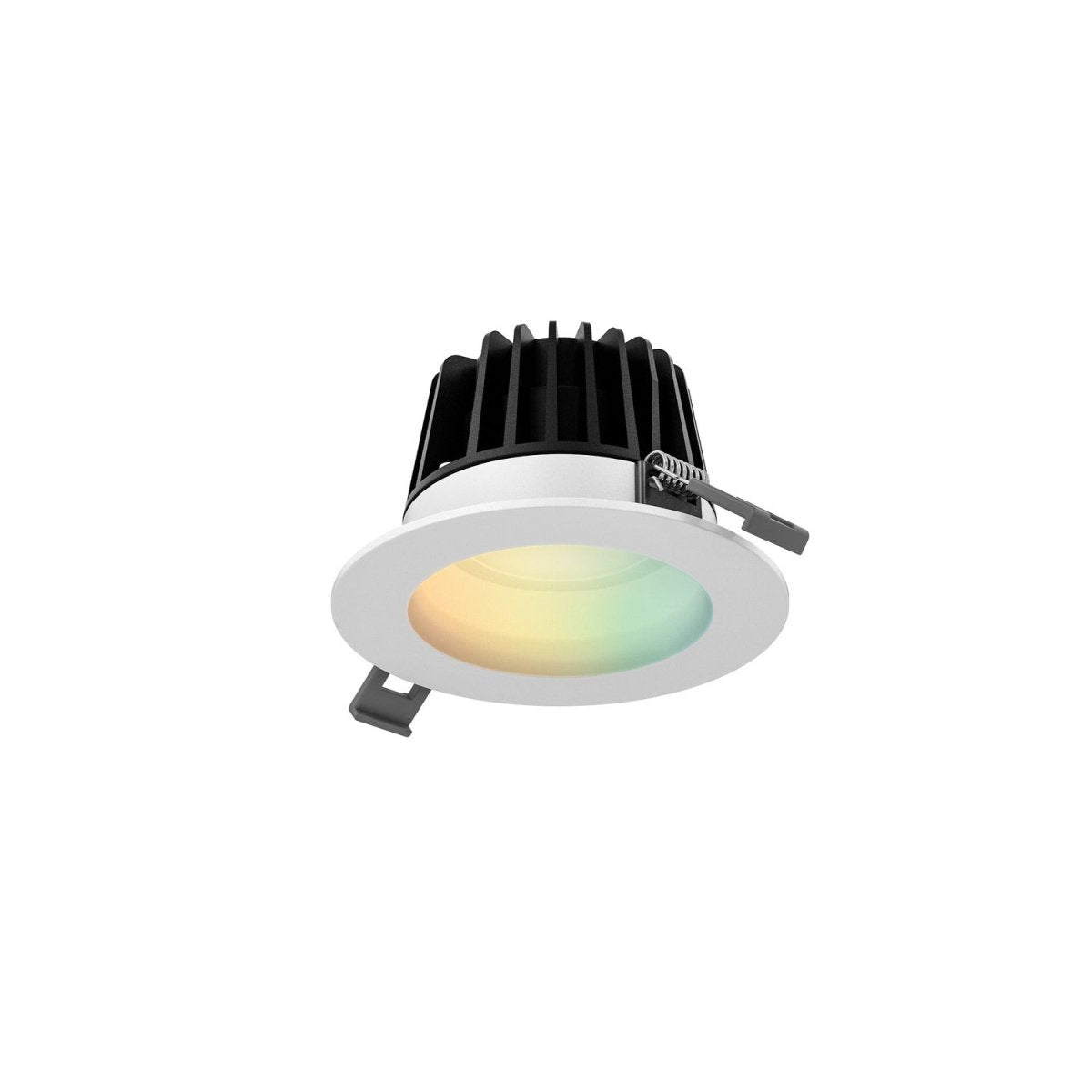
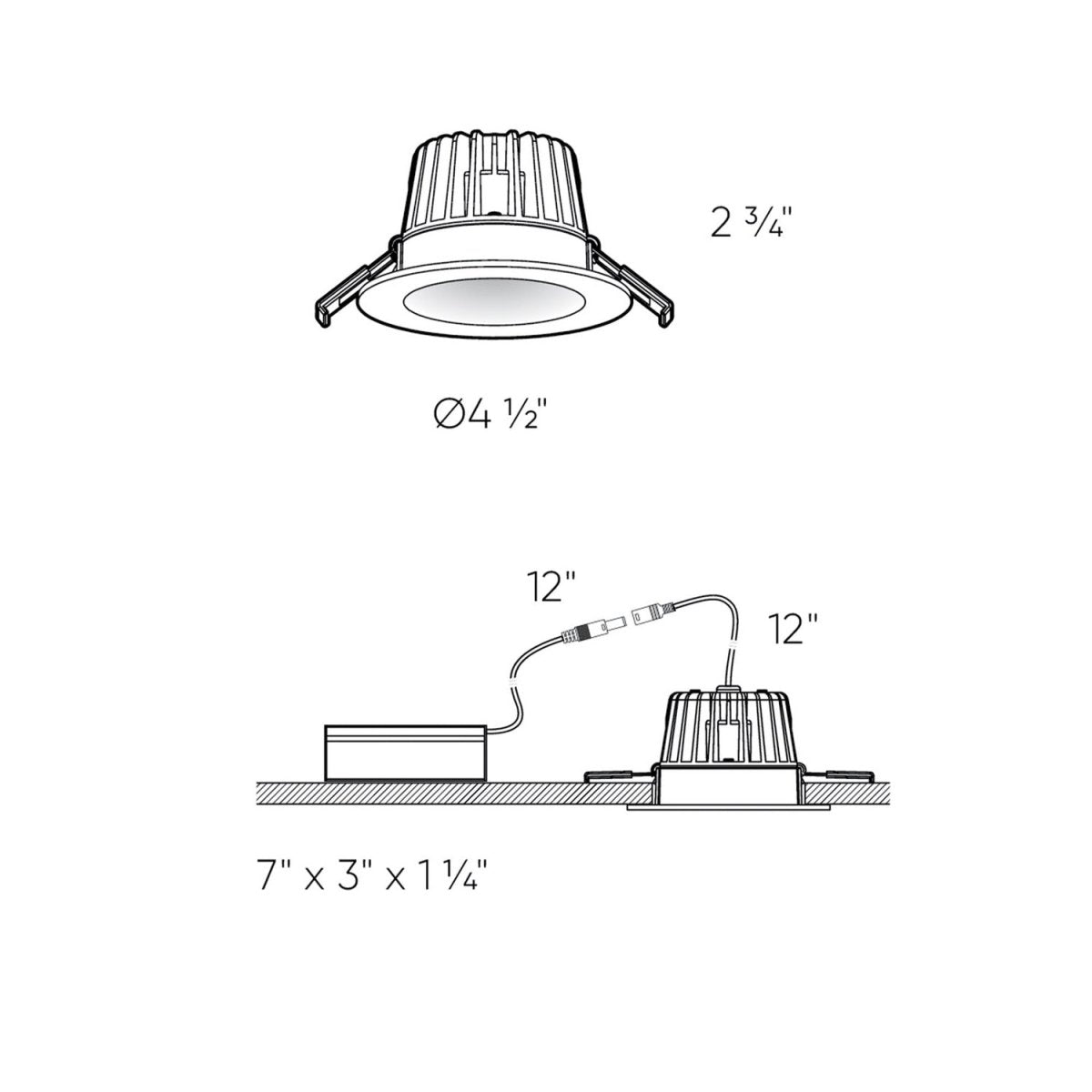
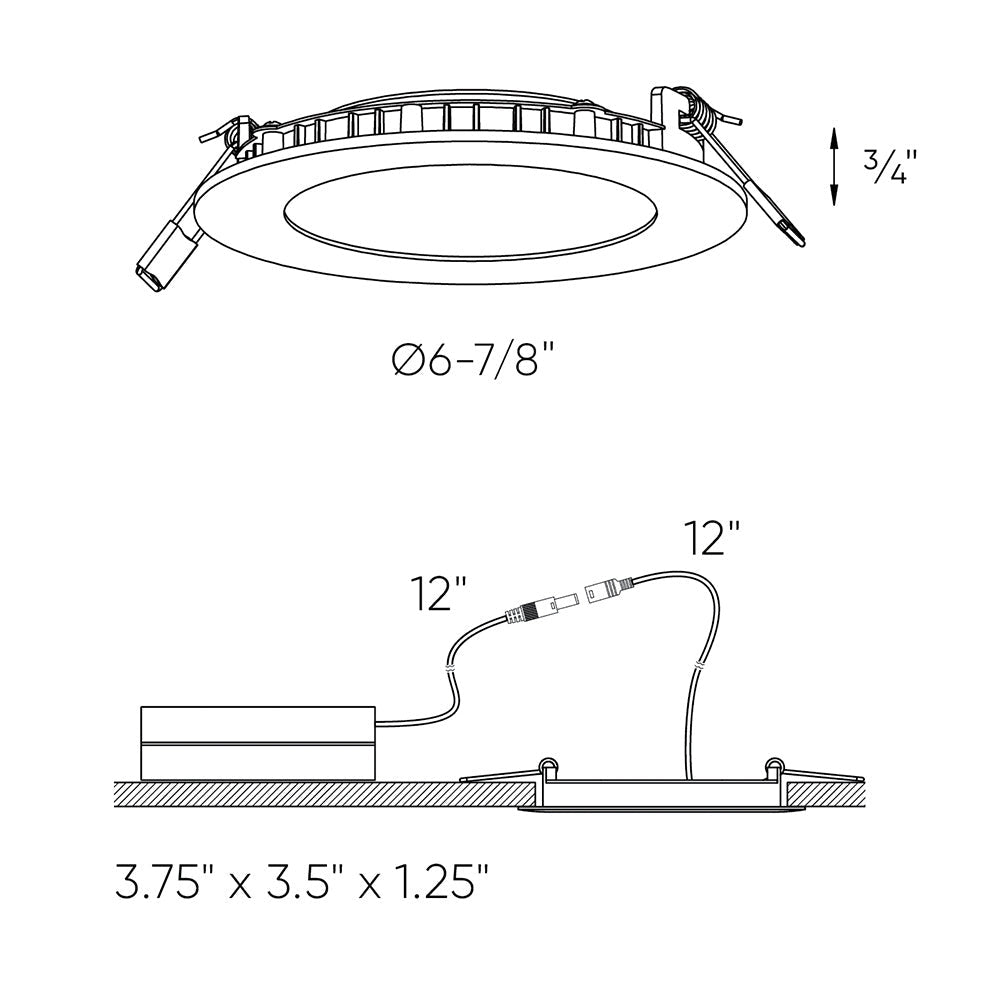
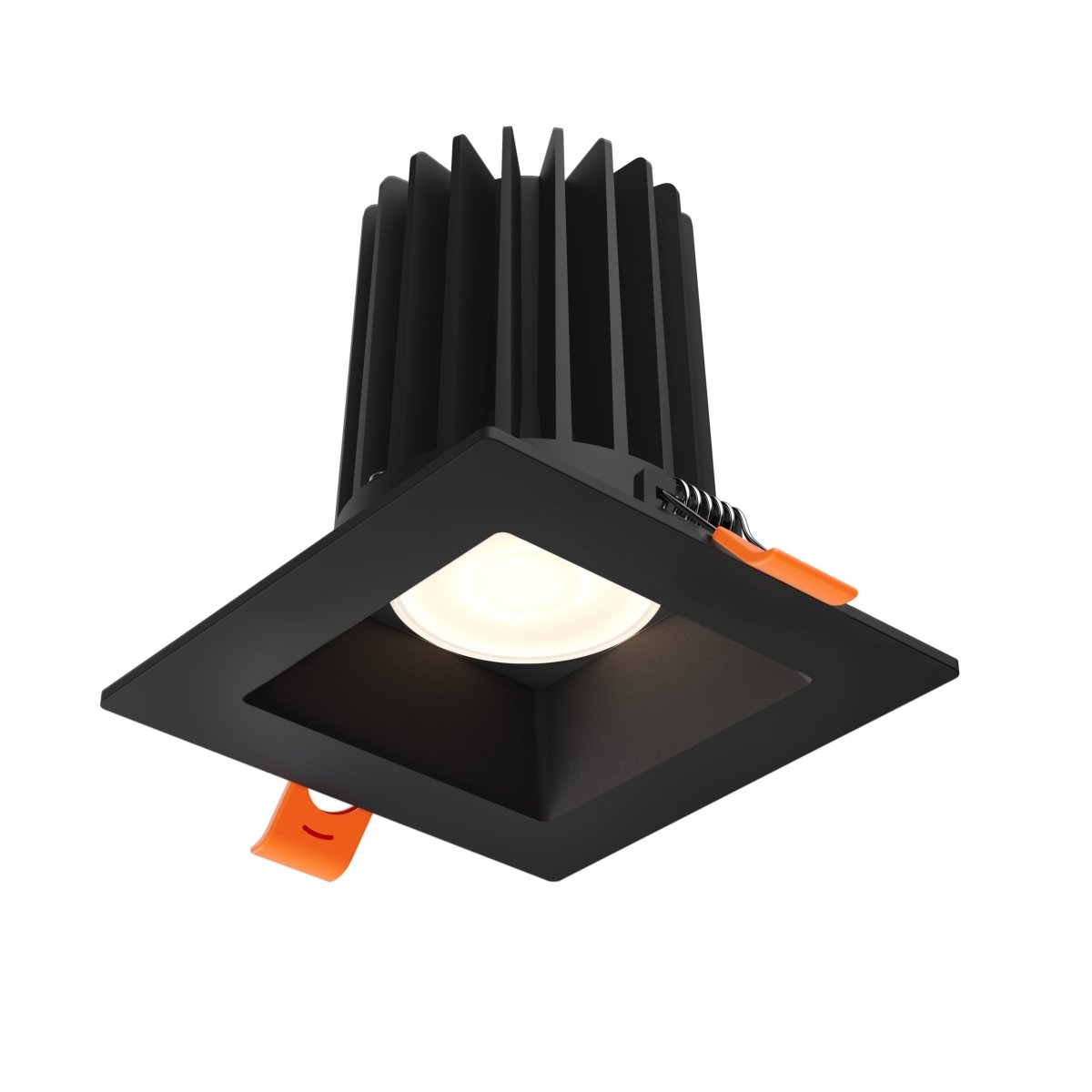
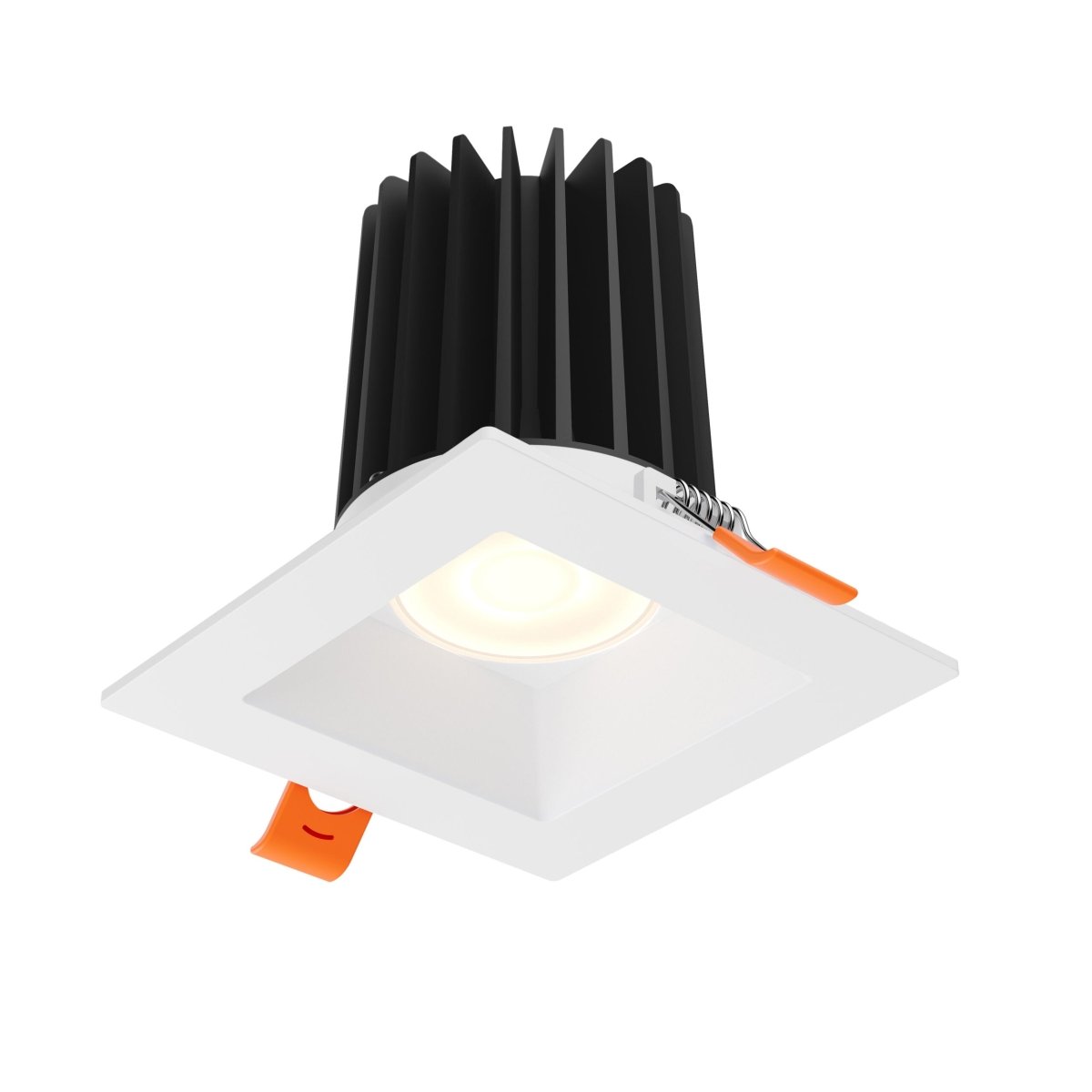
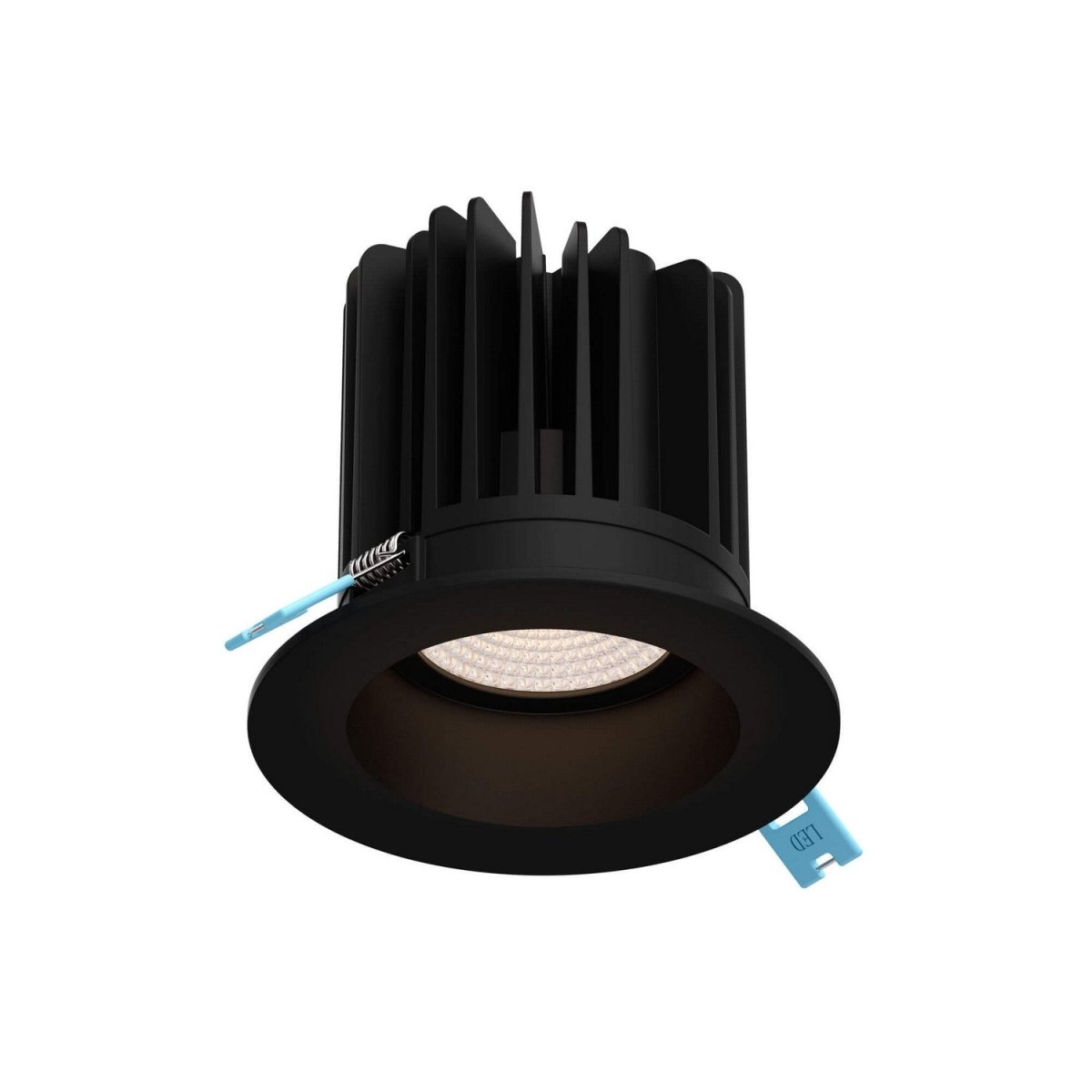
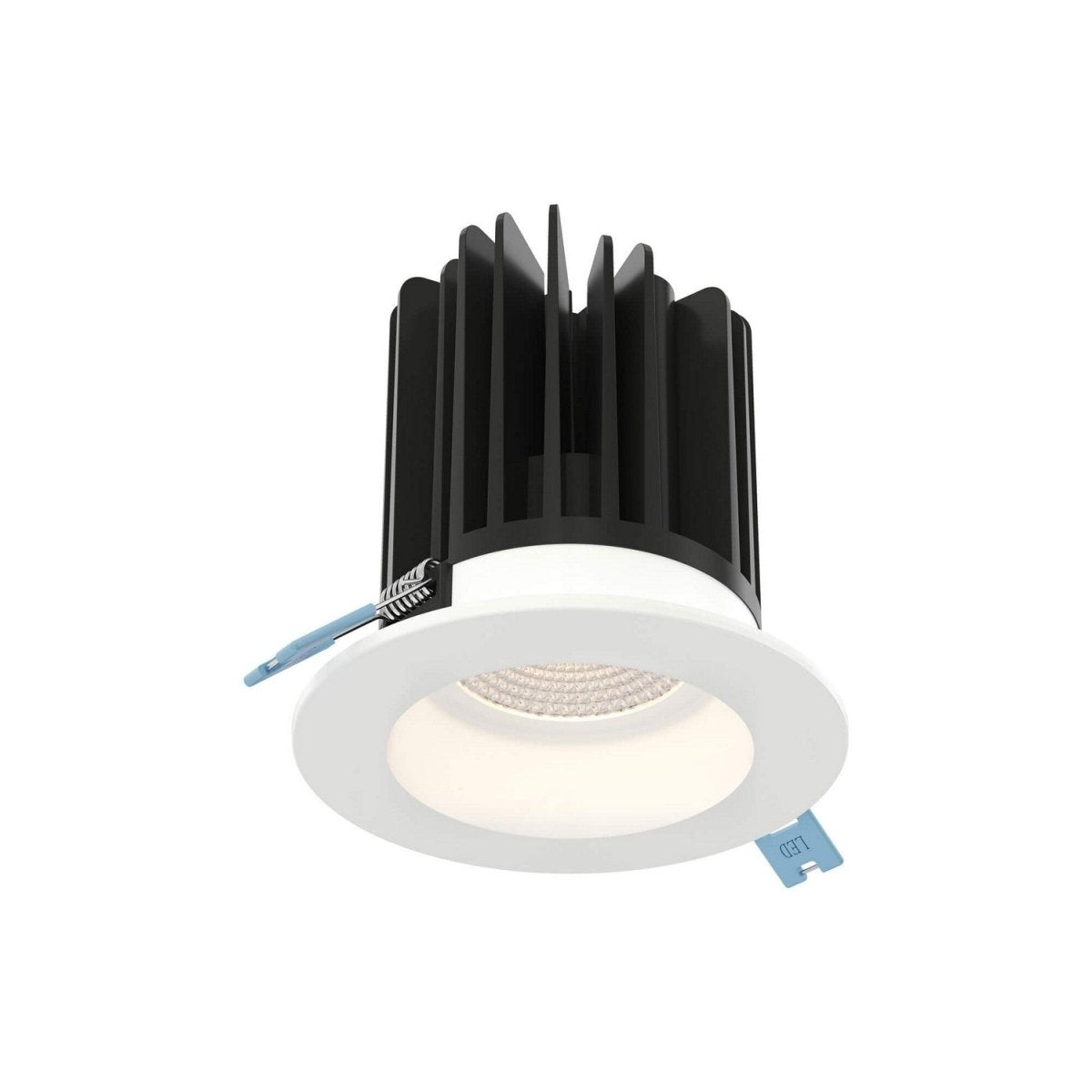
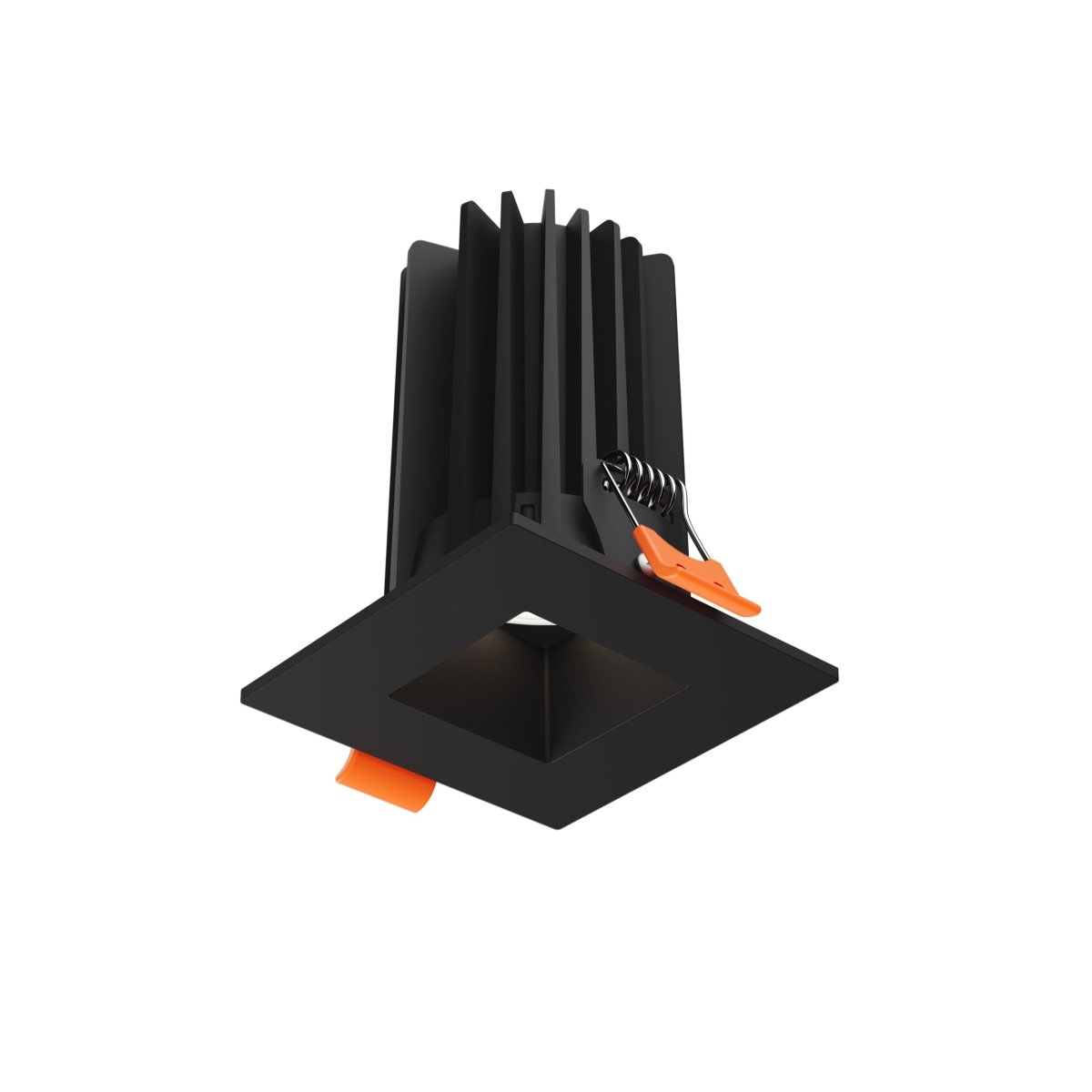
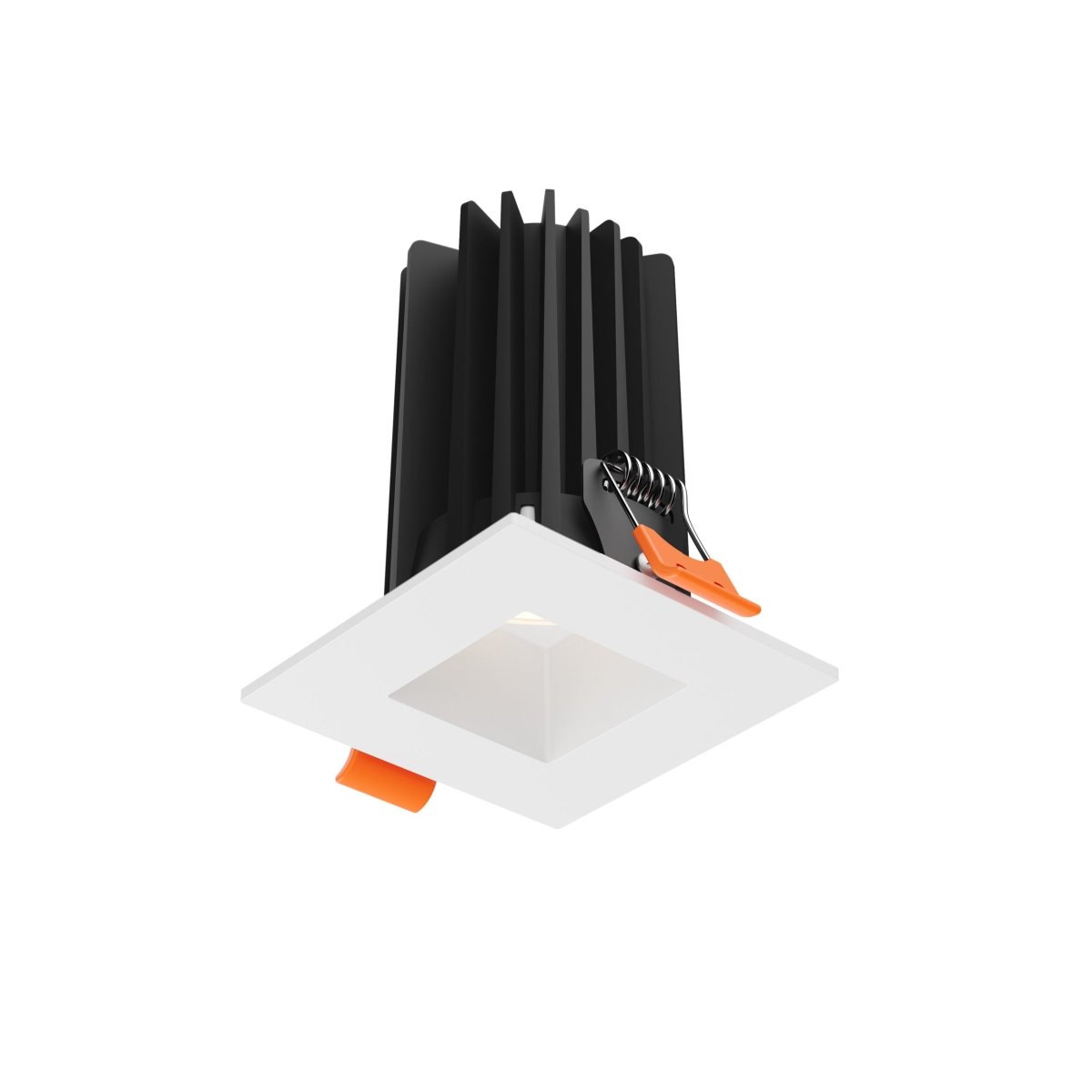
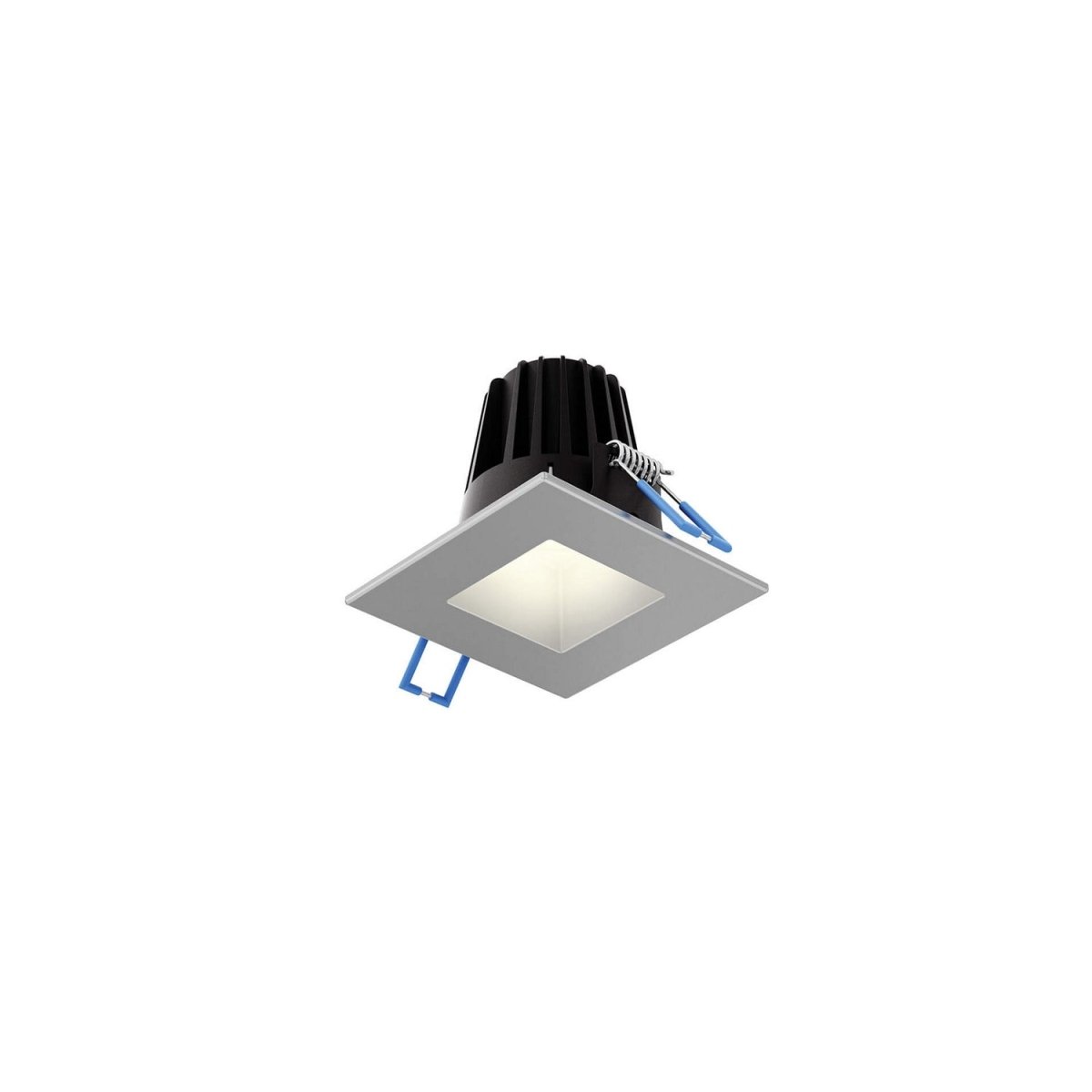
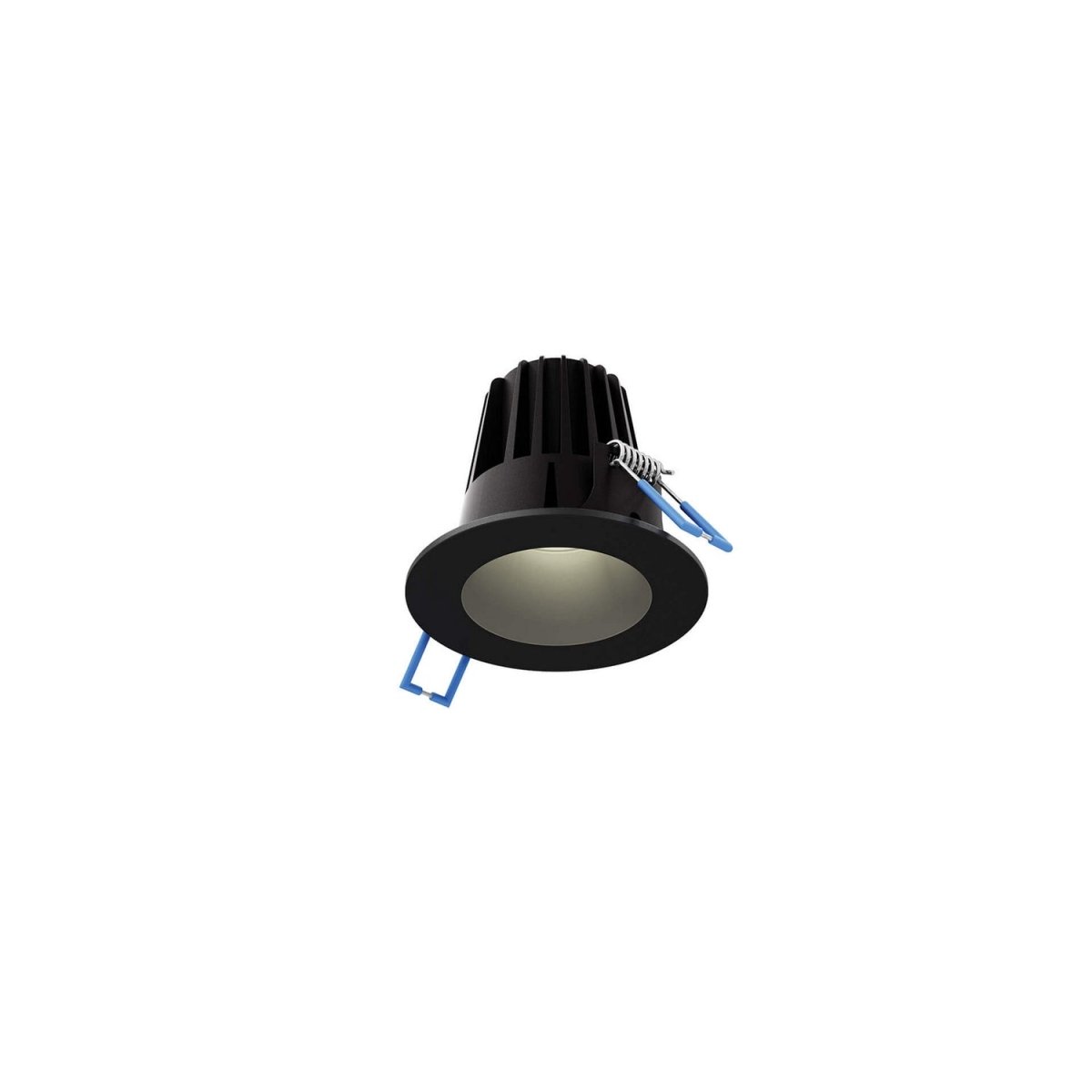
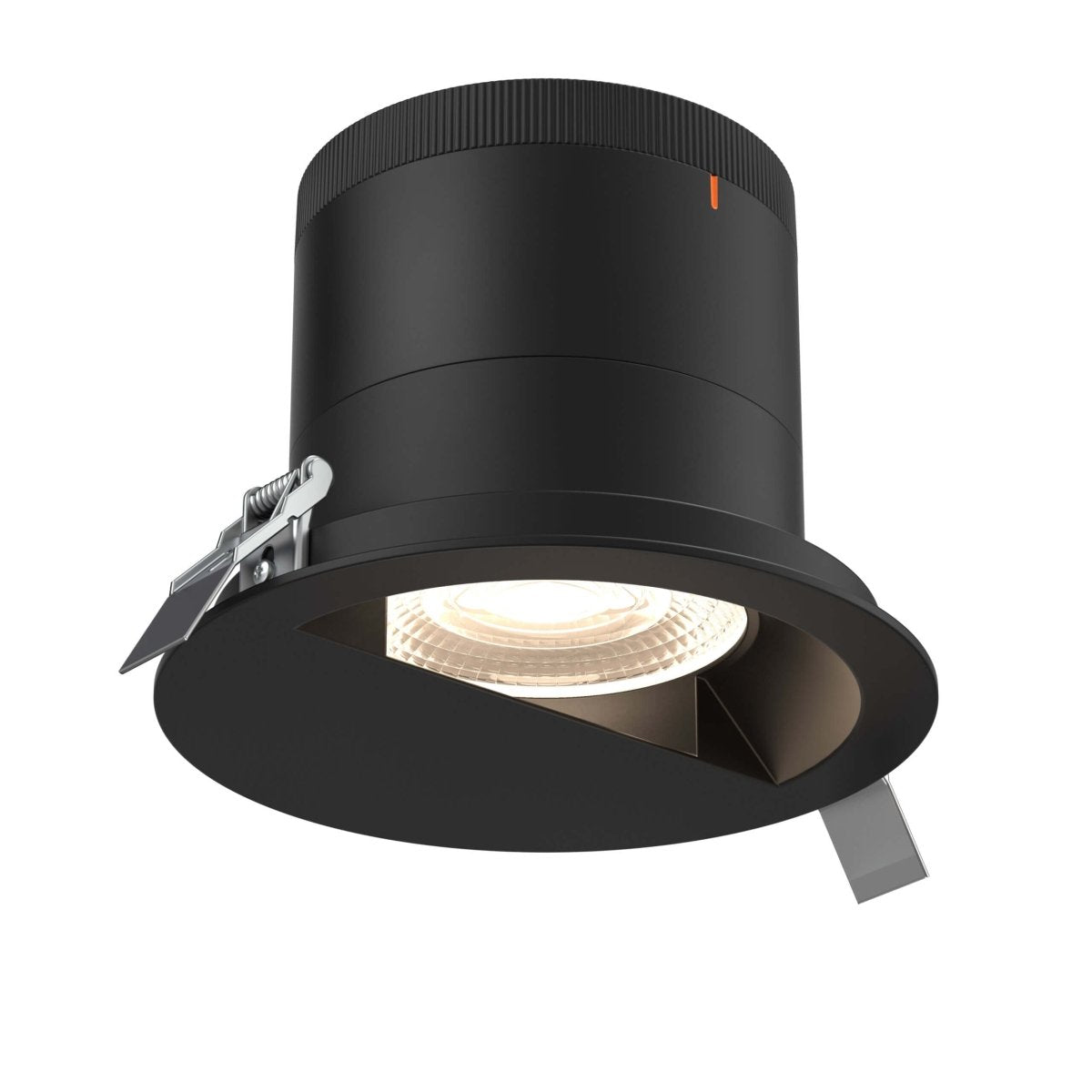
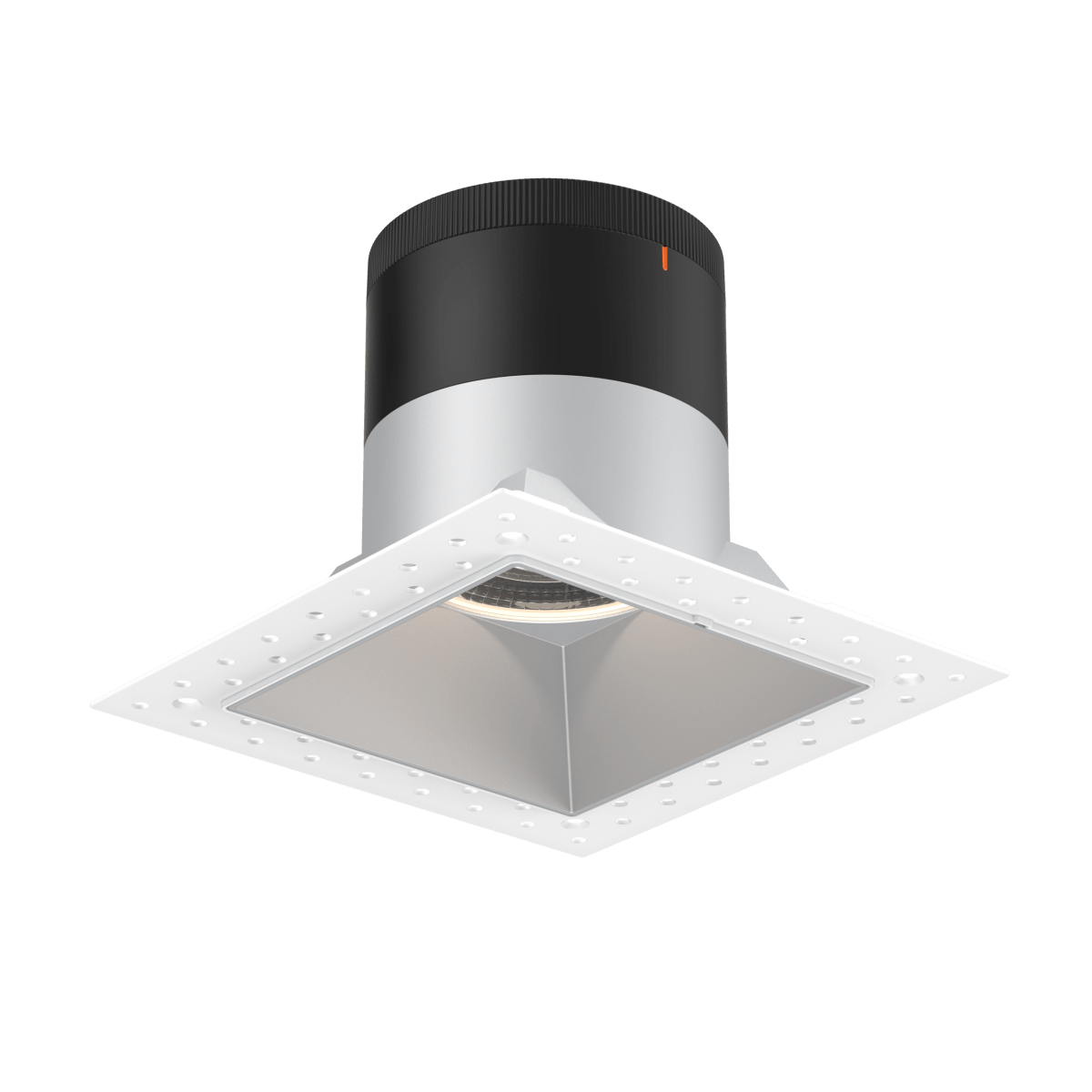
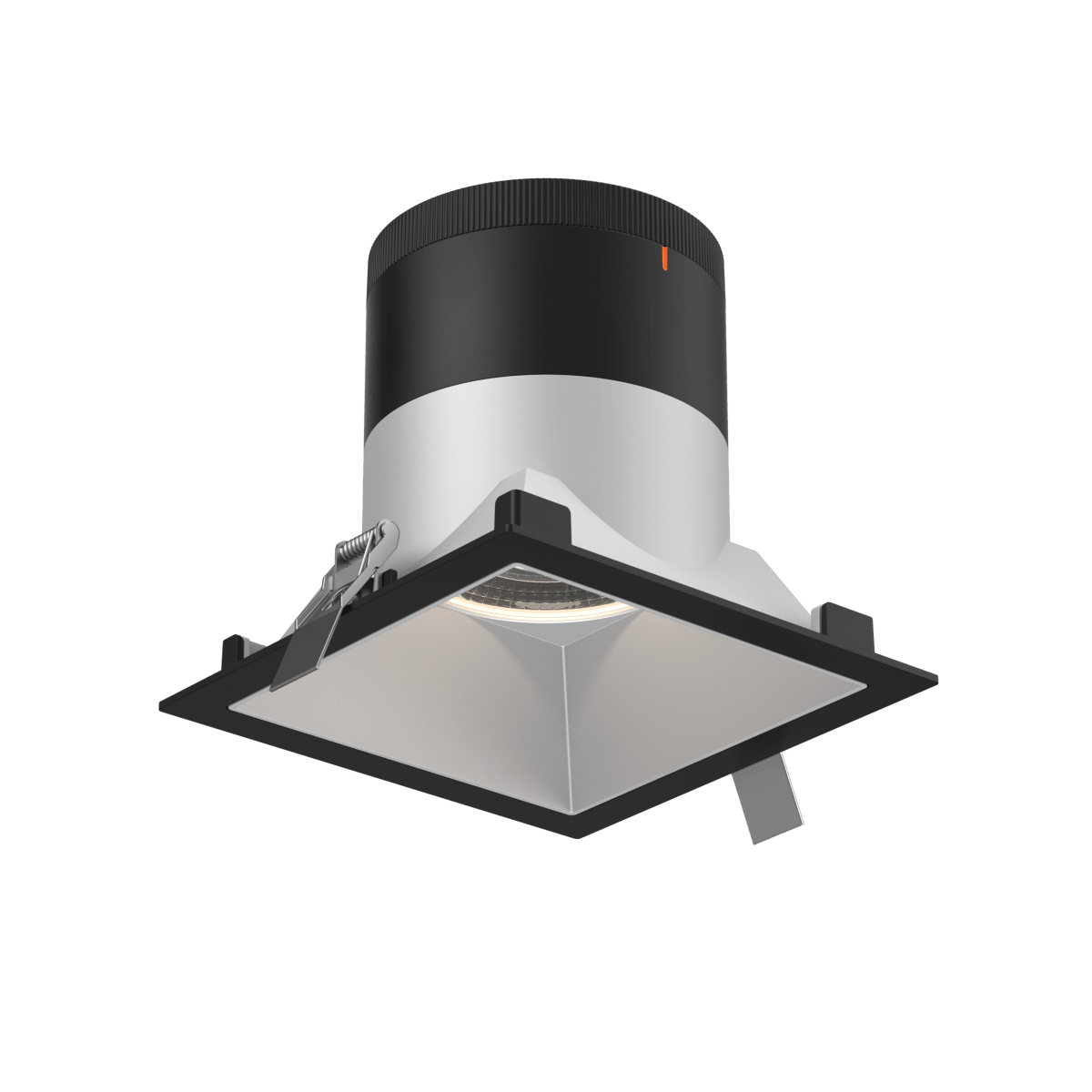
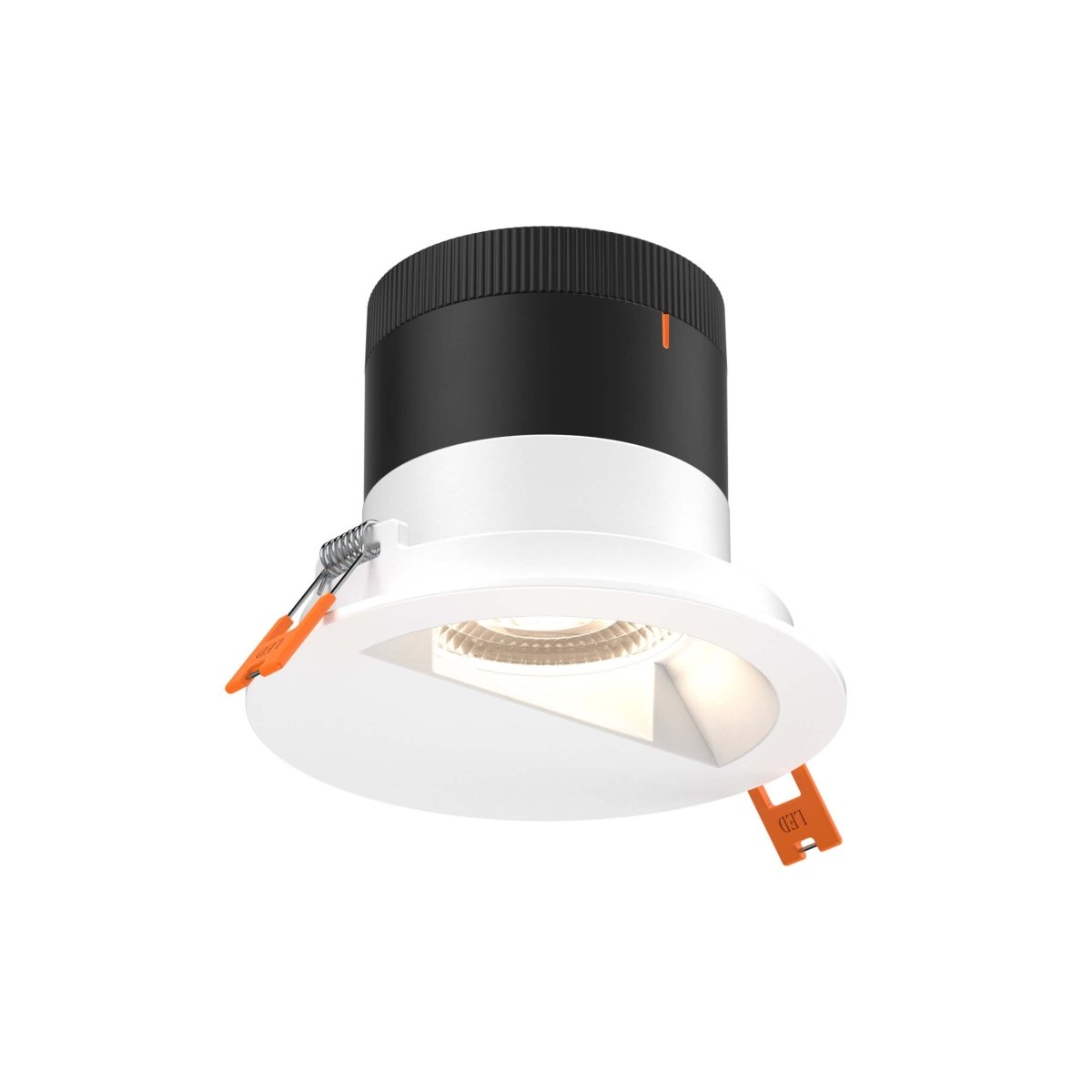
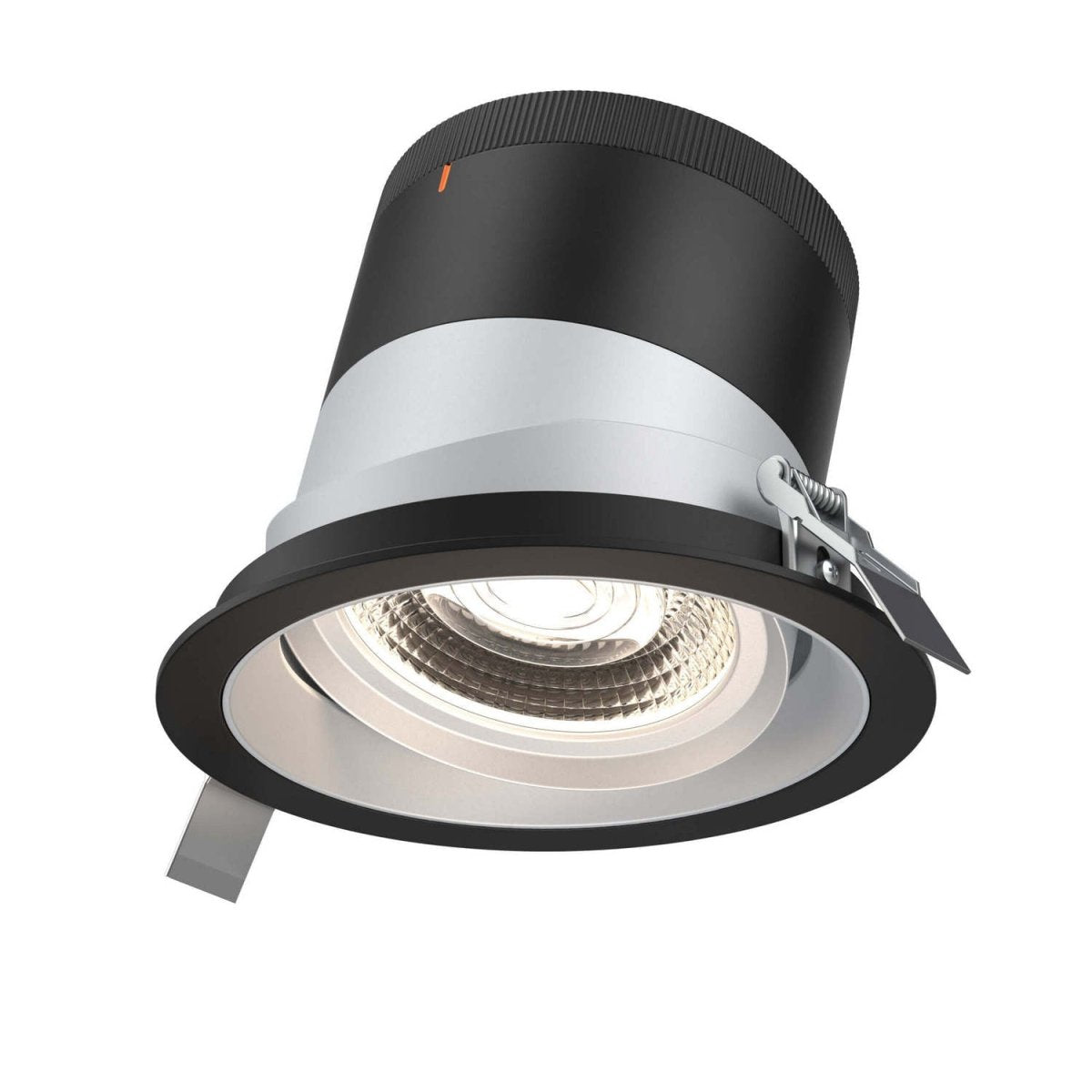
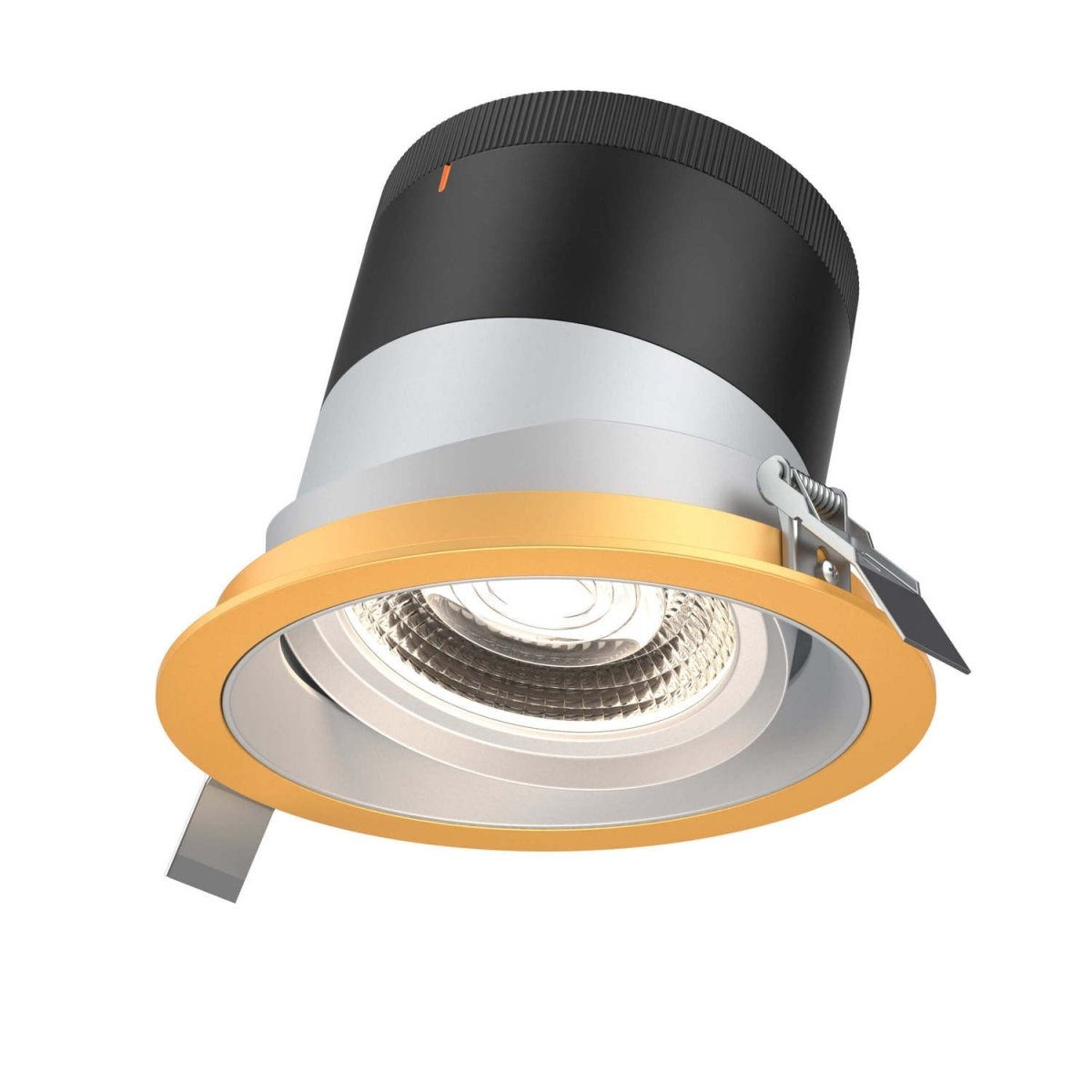
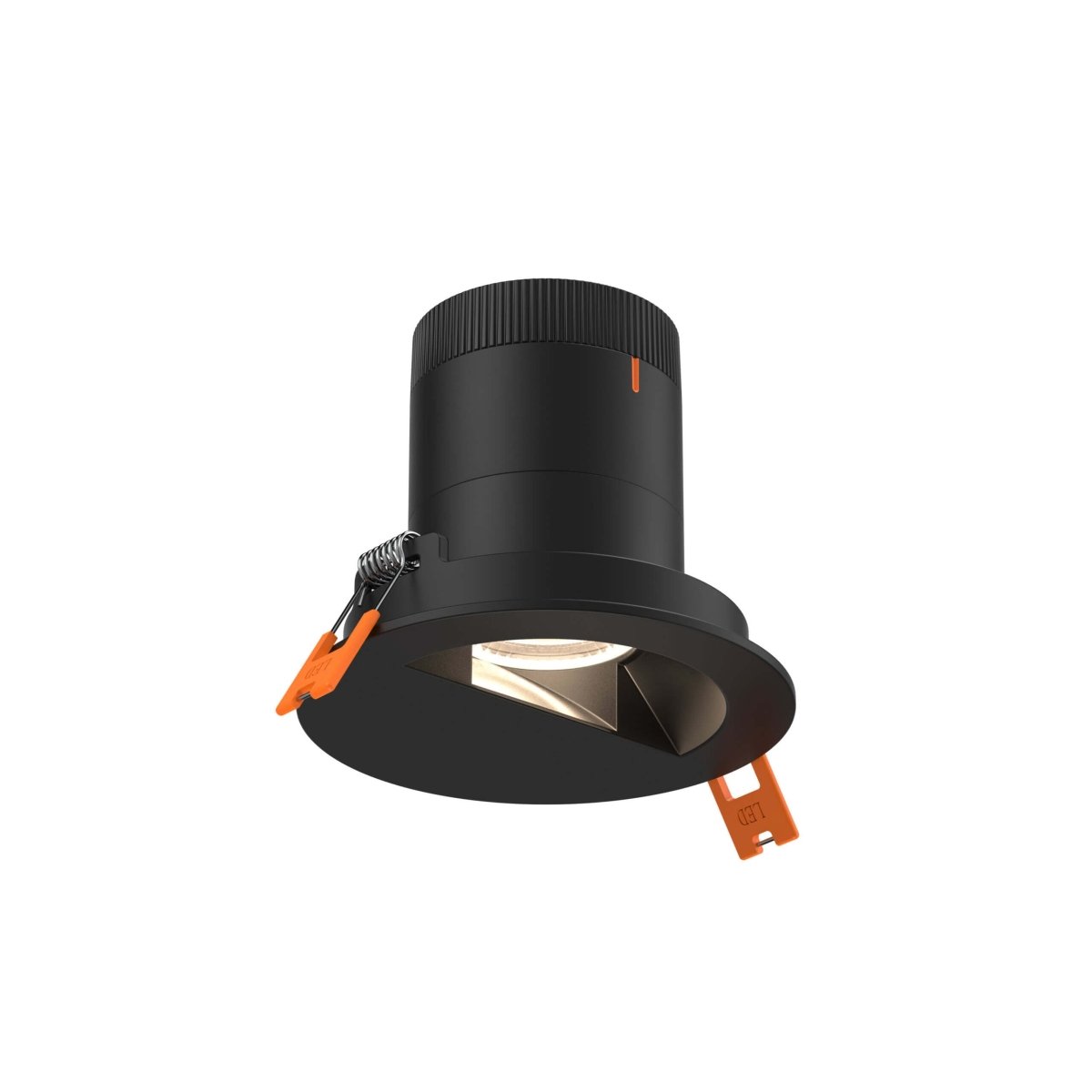
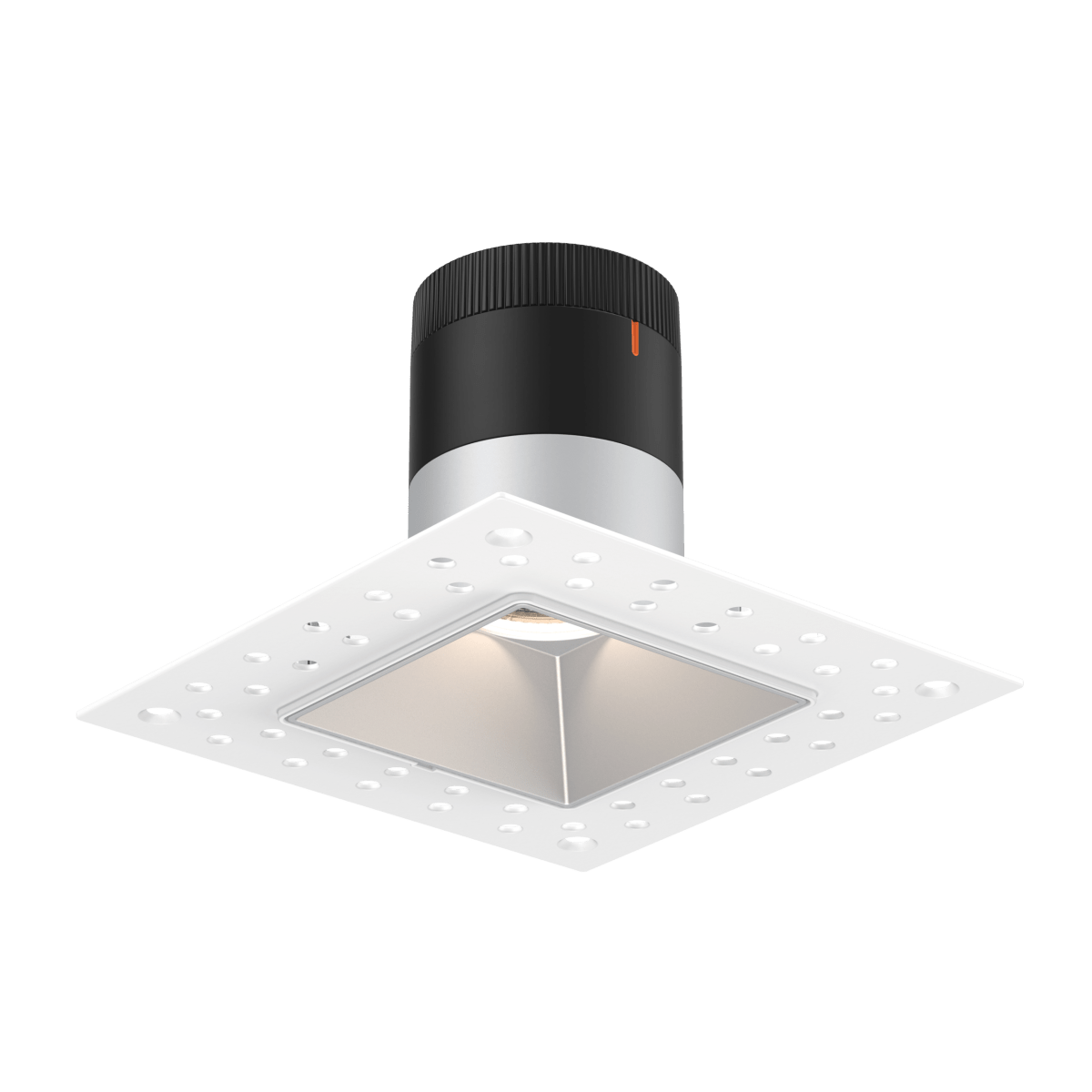
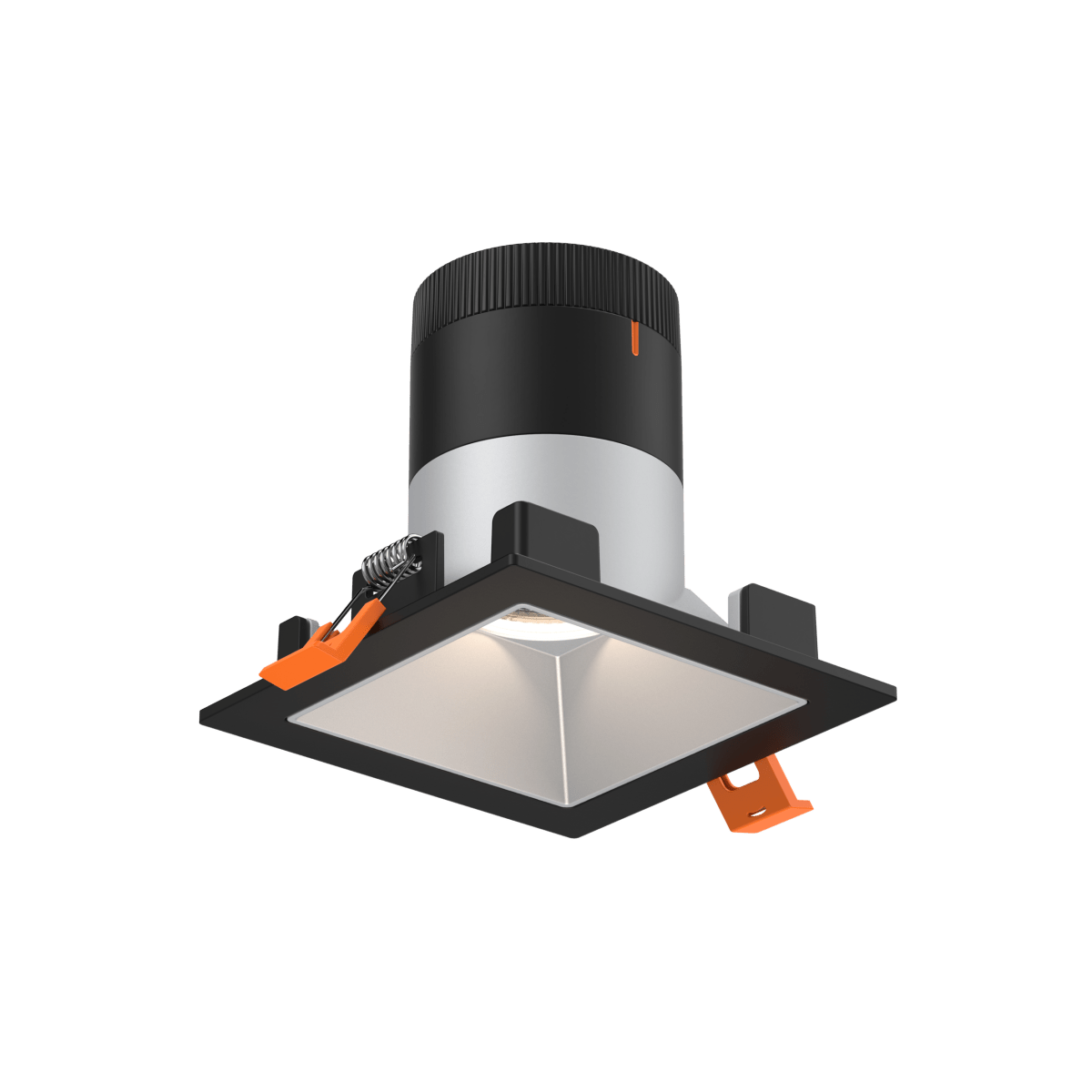
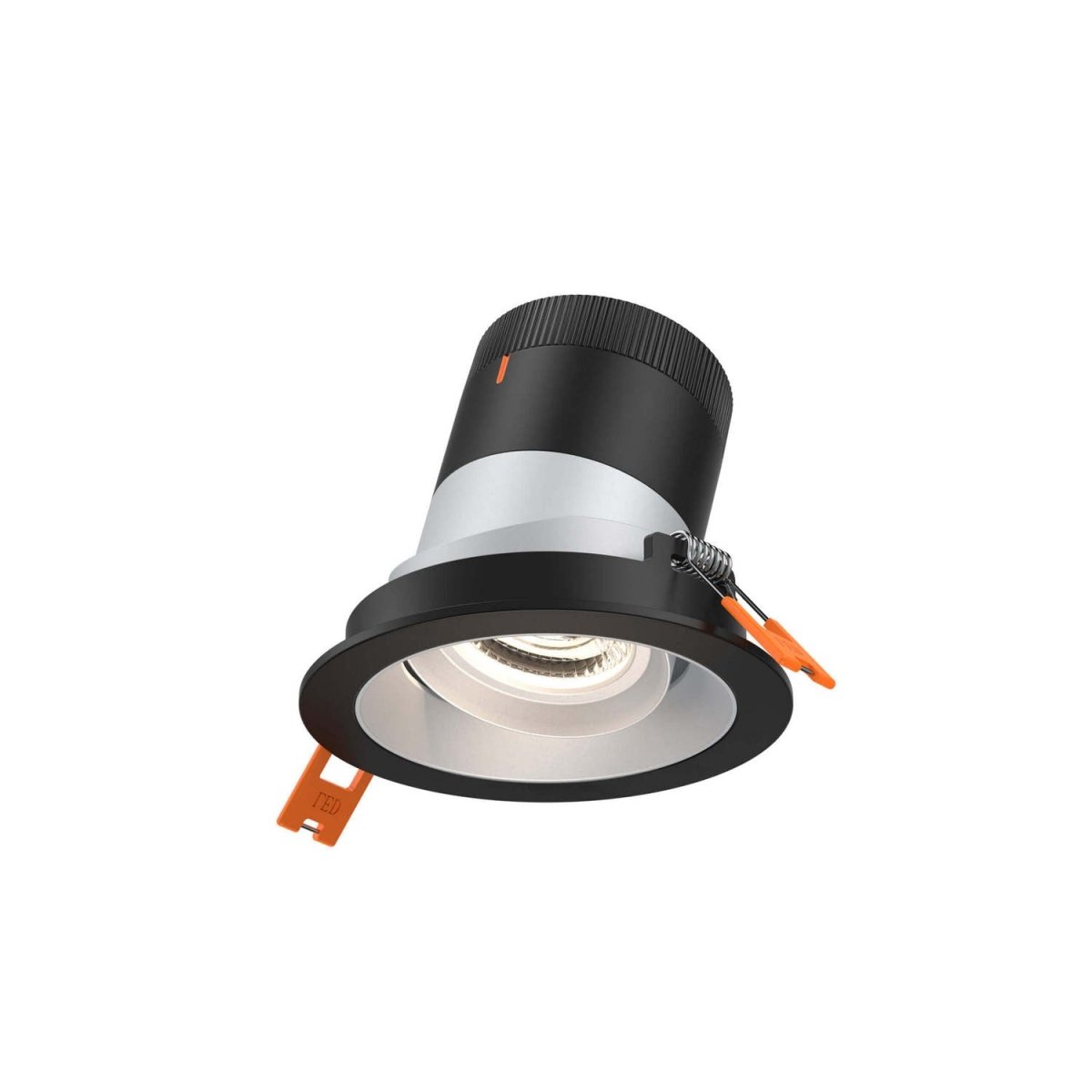
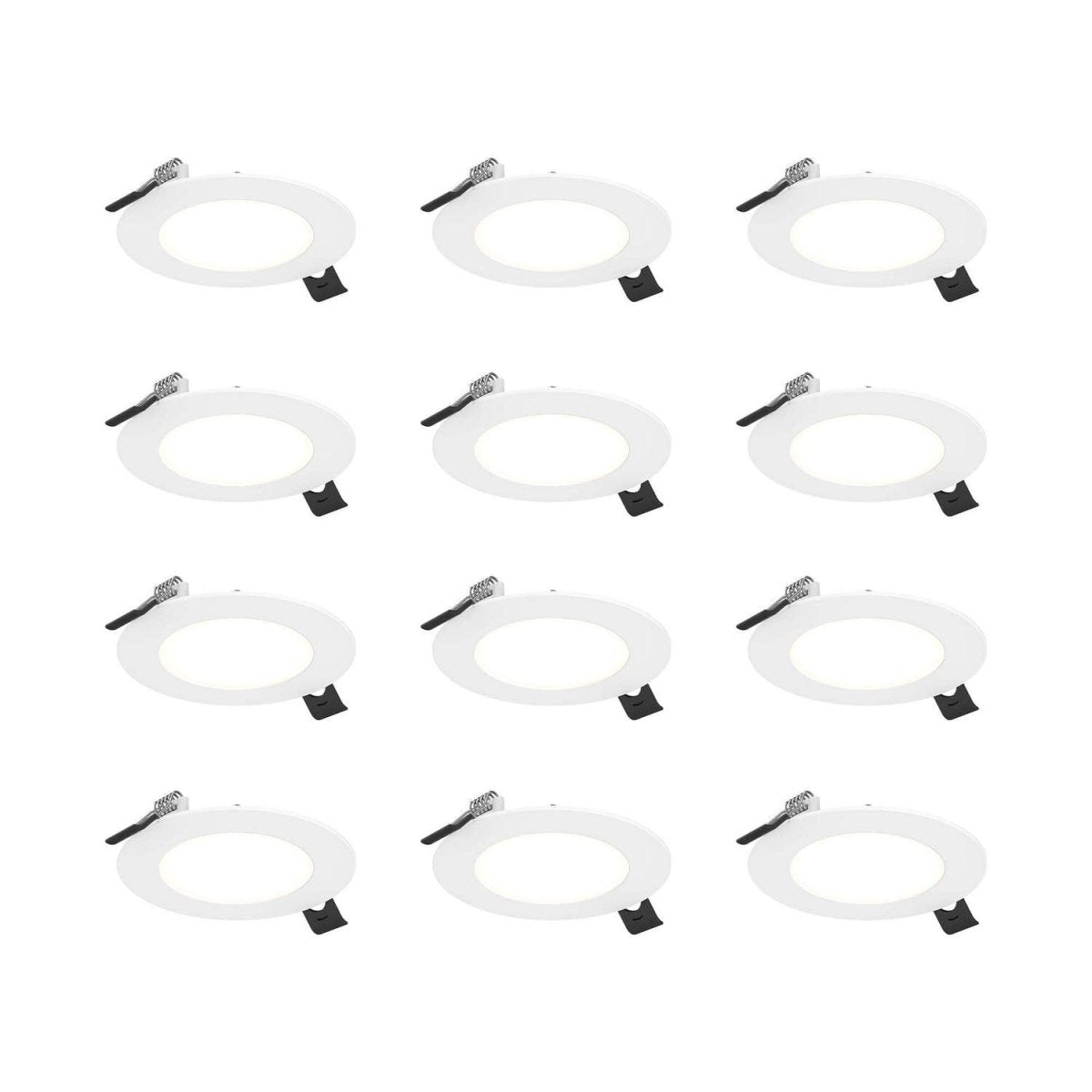
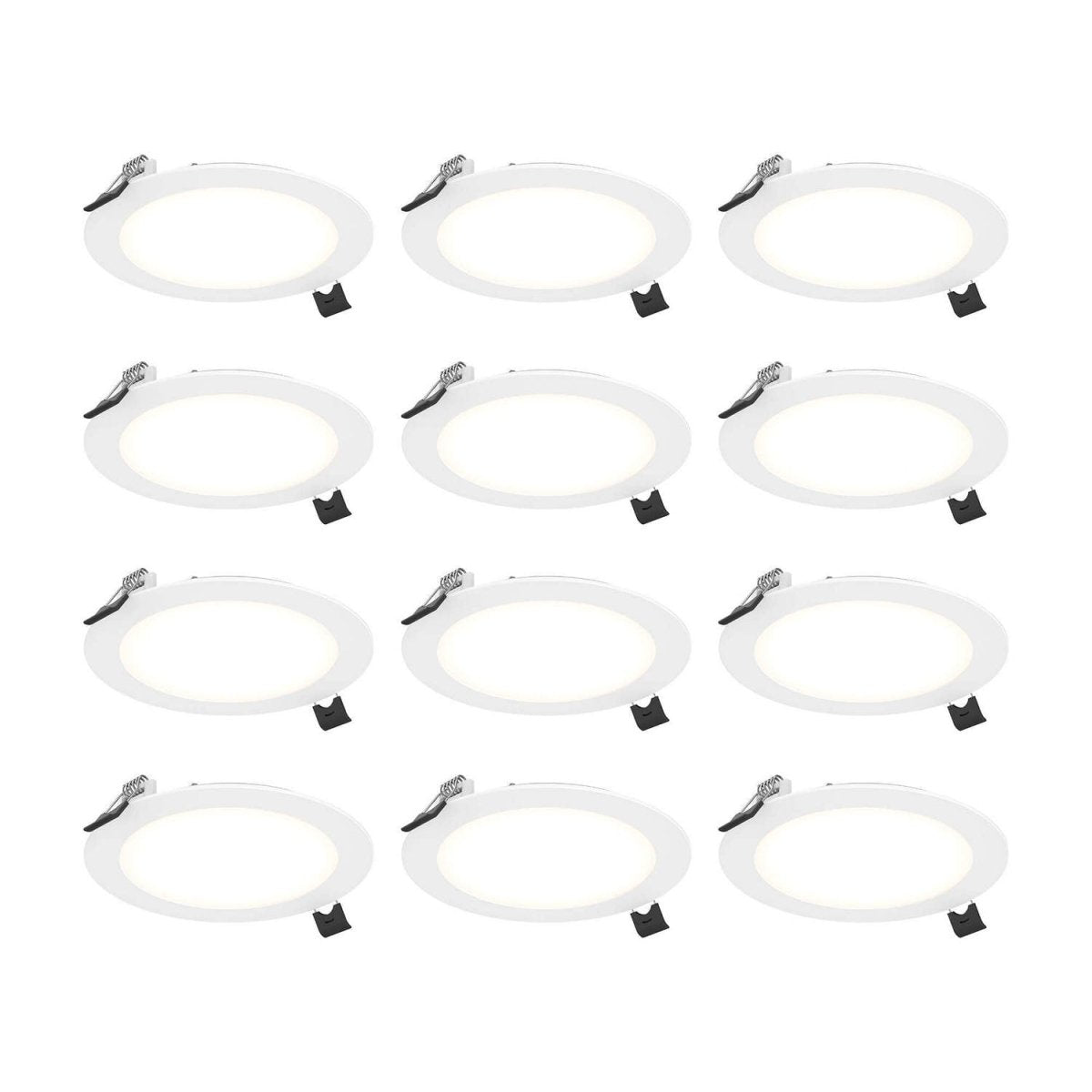
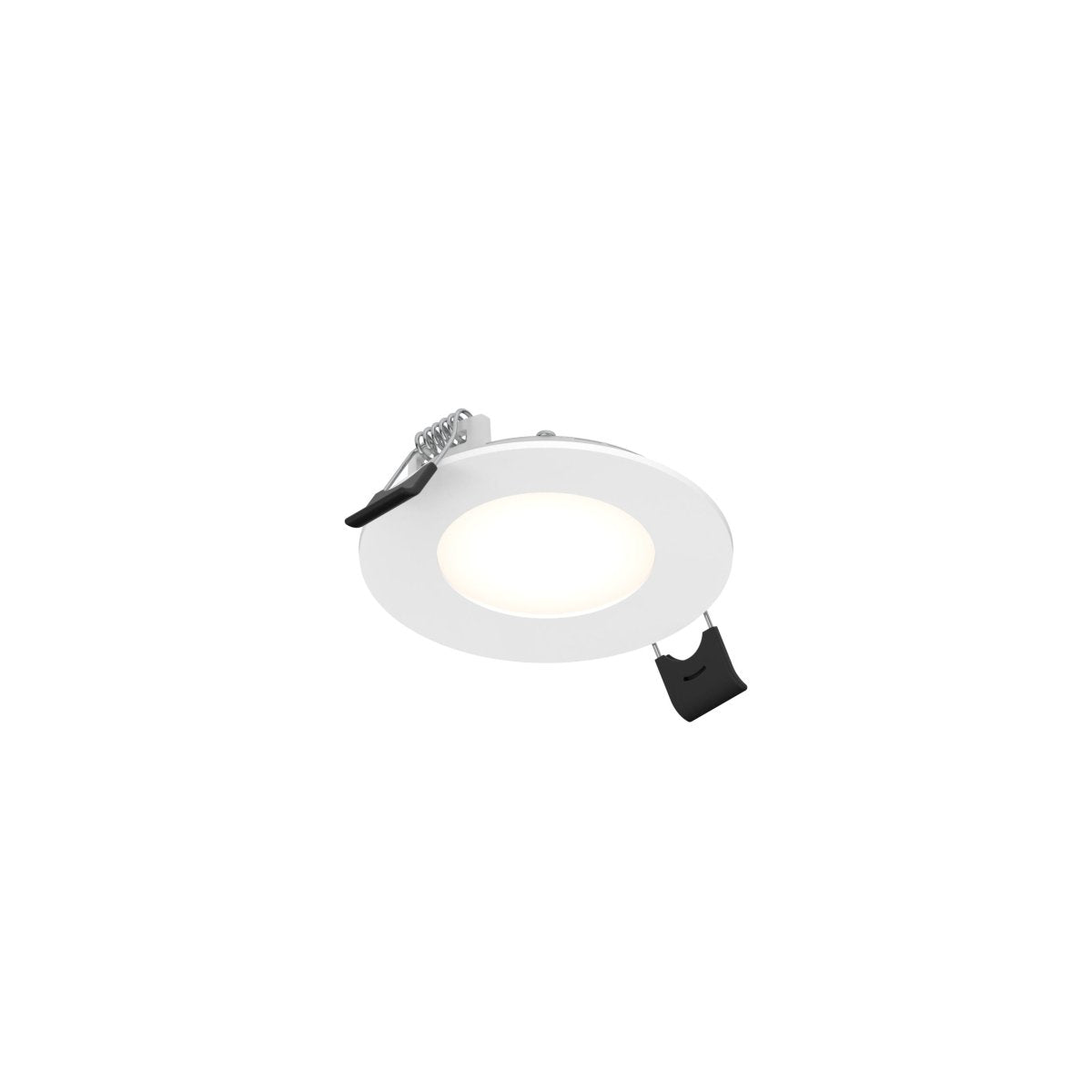
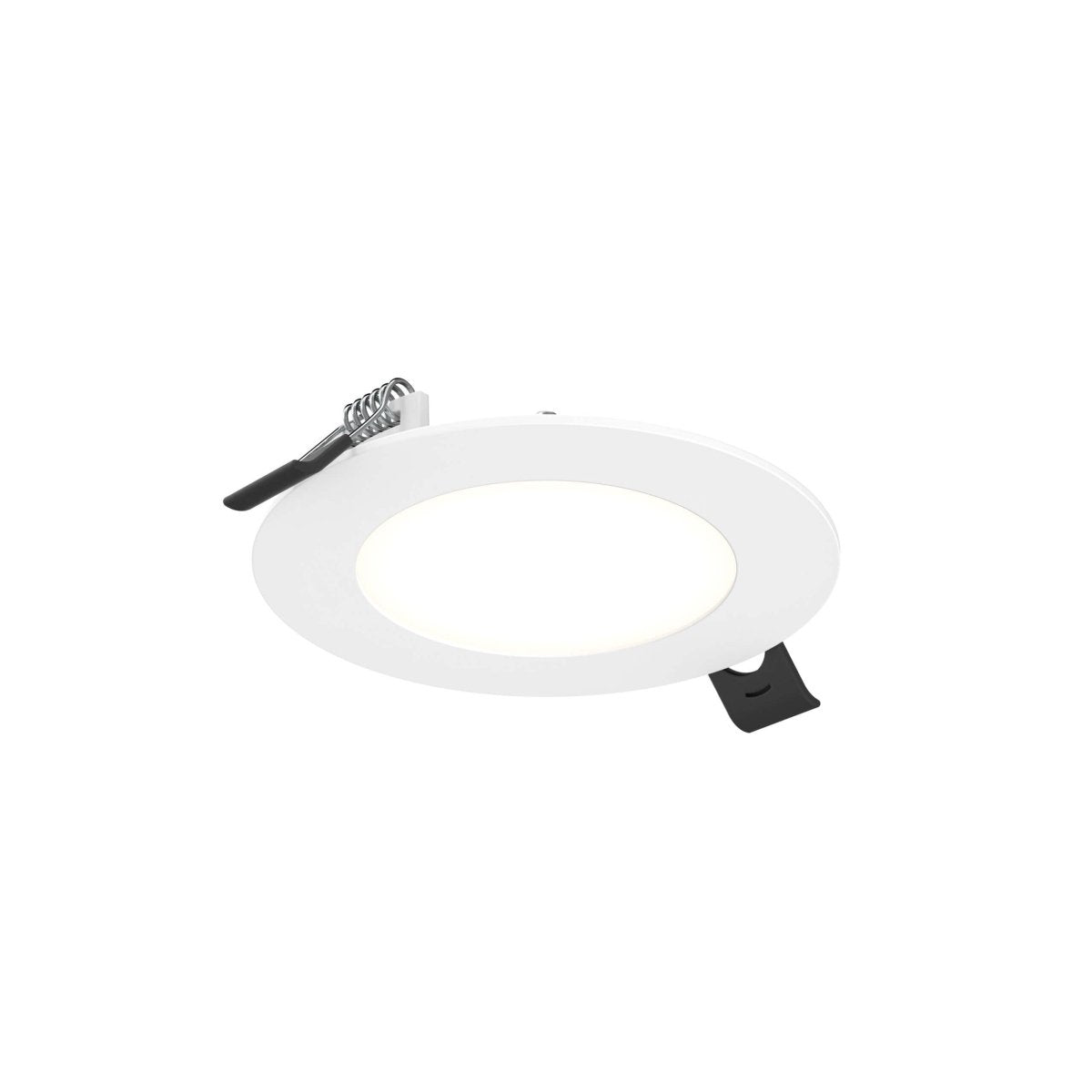
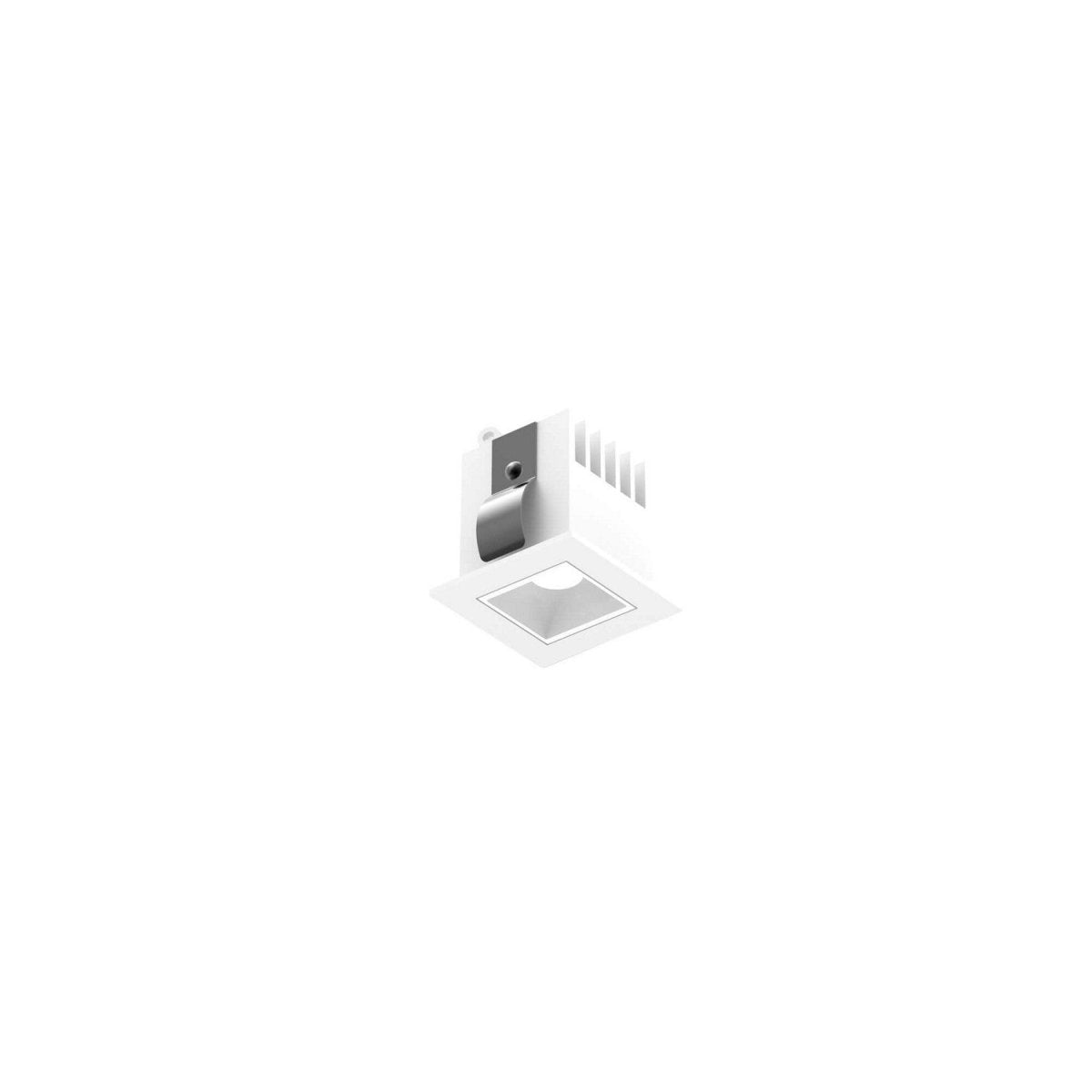
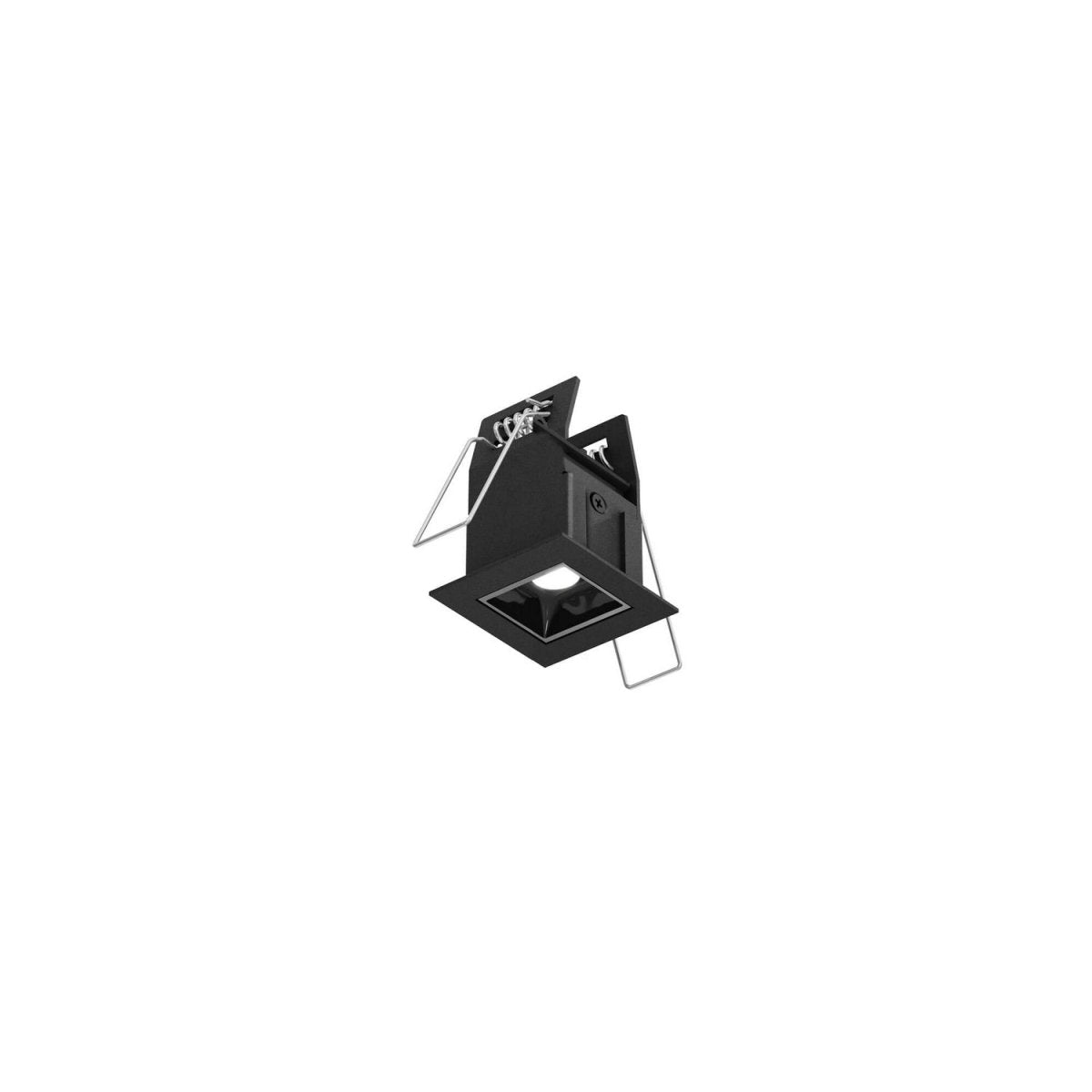
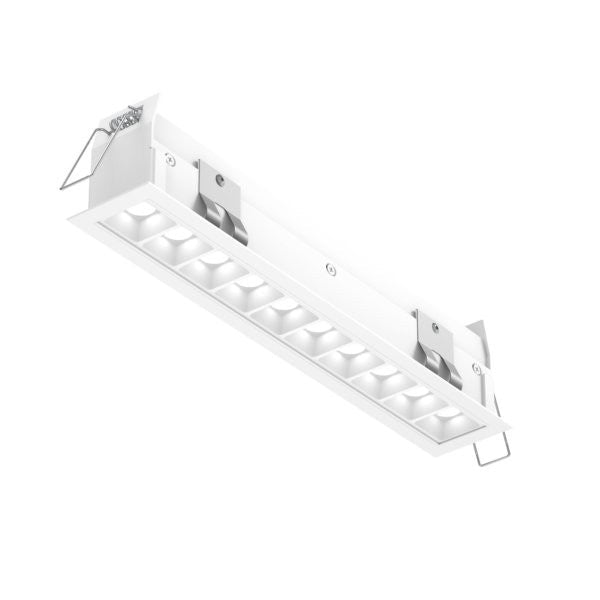
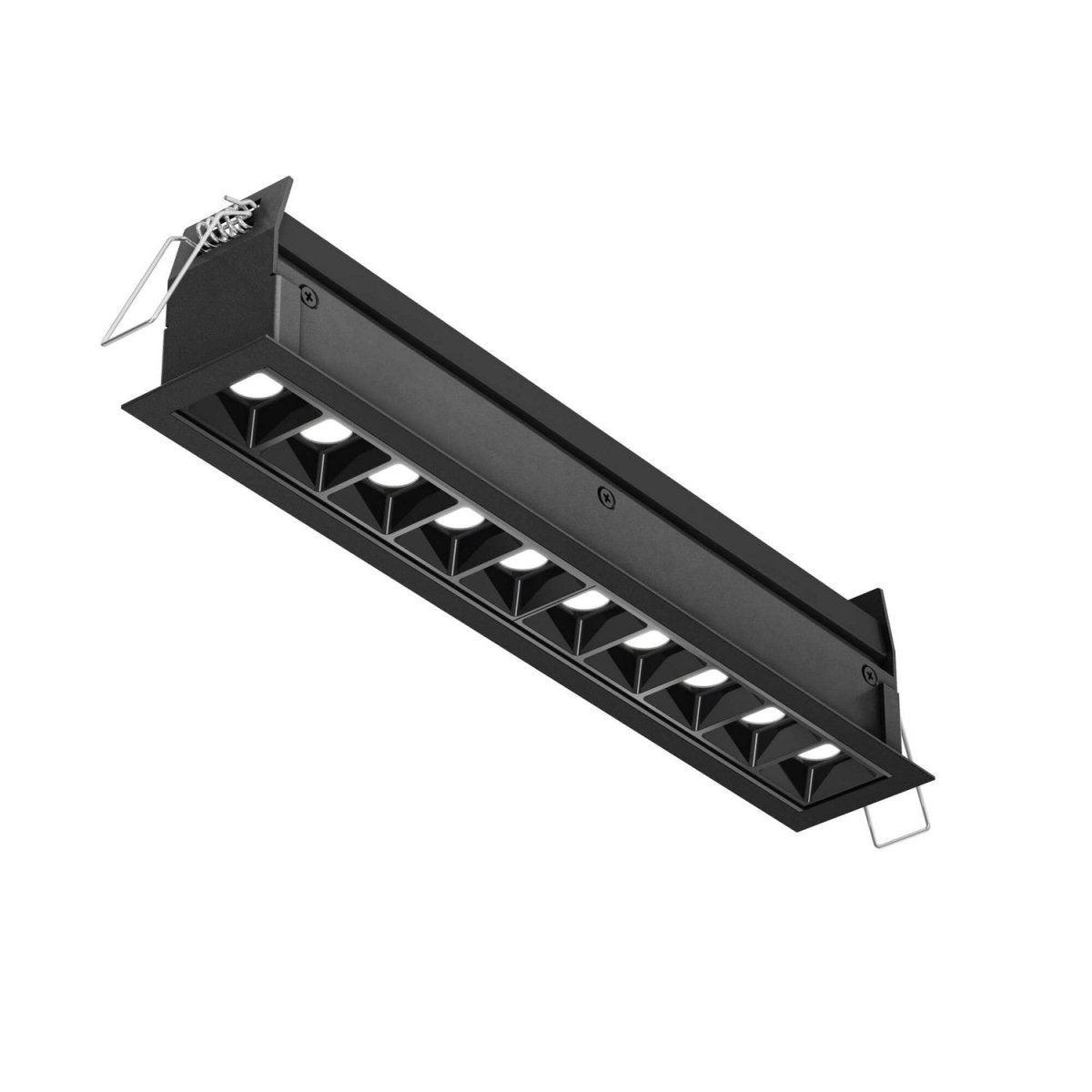
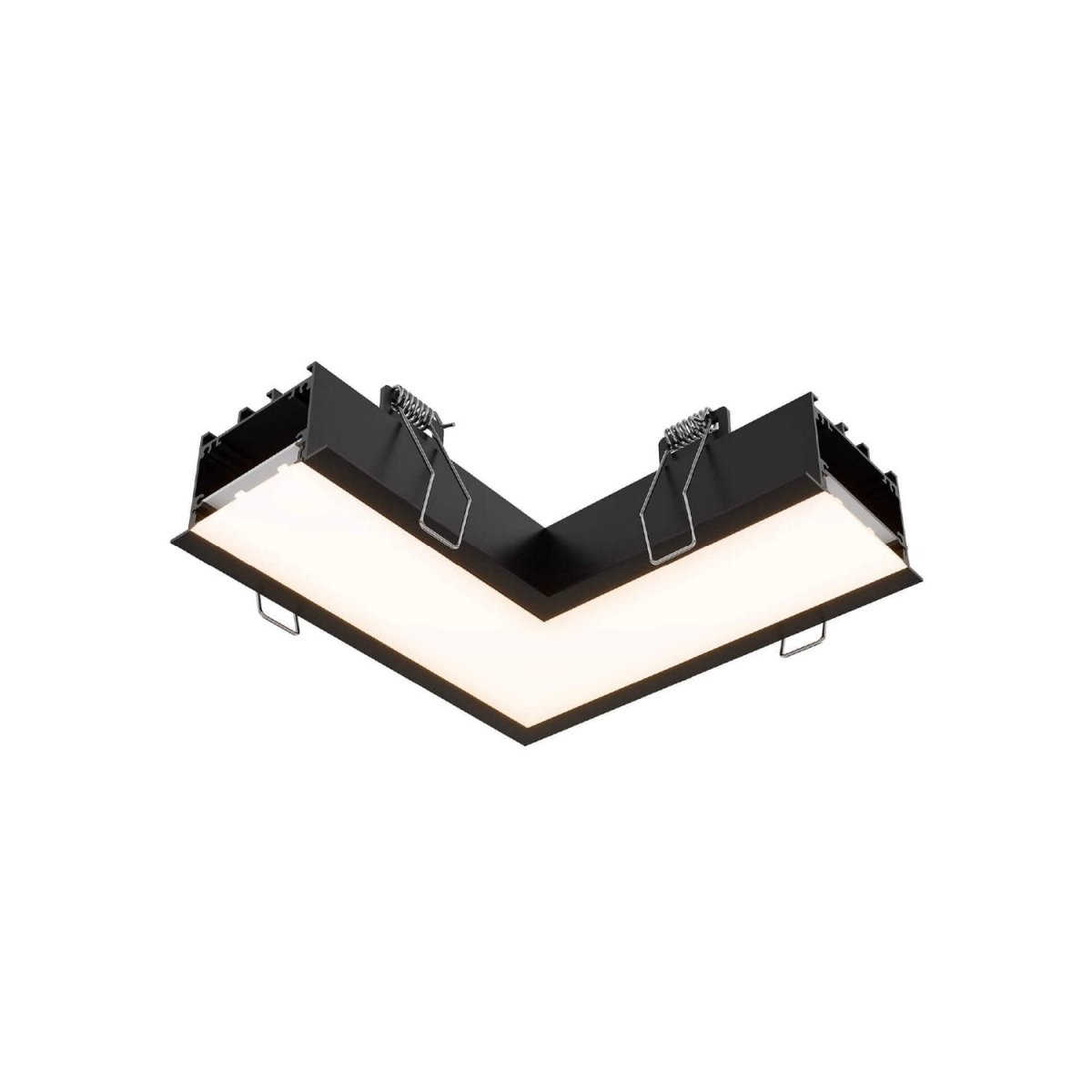
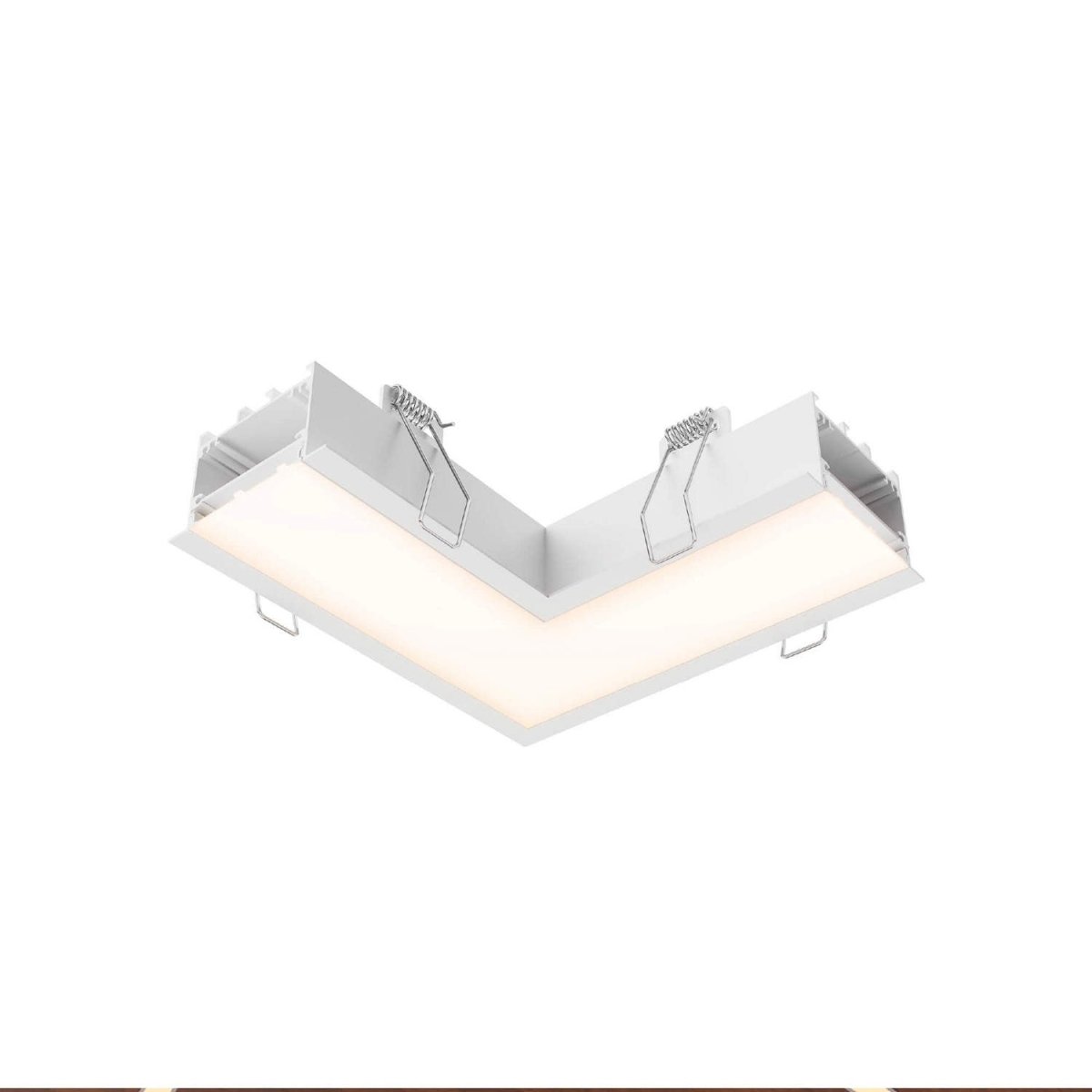
A recessed system has two parts: the housing, tucked above the ceiling, and the visible trim that frames and aims the beam. The housing is mainly your electrician's concern — clearance above the ceiling, contact with insulation, 120 V wiring. The trim is about style: it's the only part you see once the job is done. Many dals models arrive as integrated LED units, so you won't be swapping bulbs for years.
Housing, trim and replacement parts
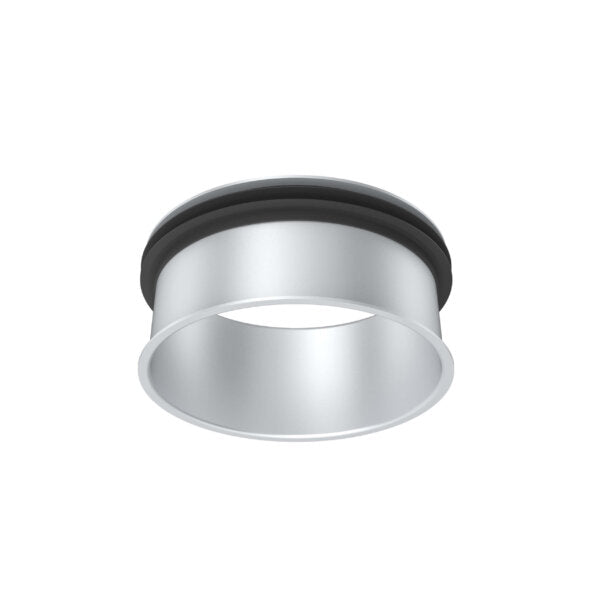
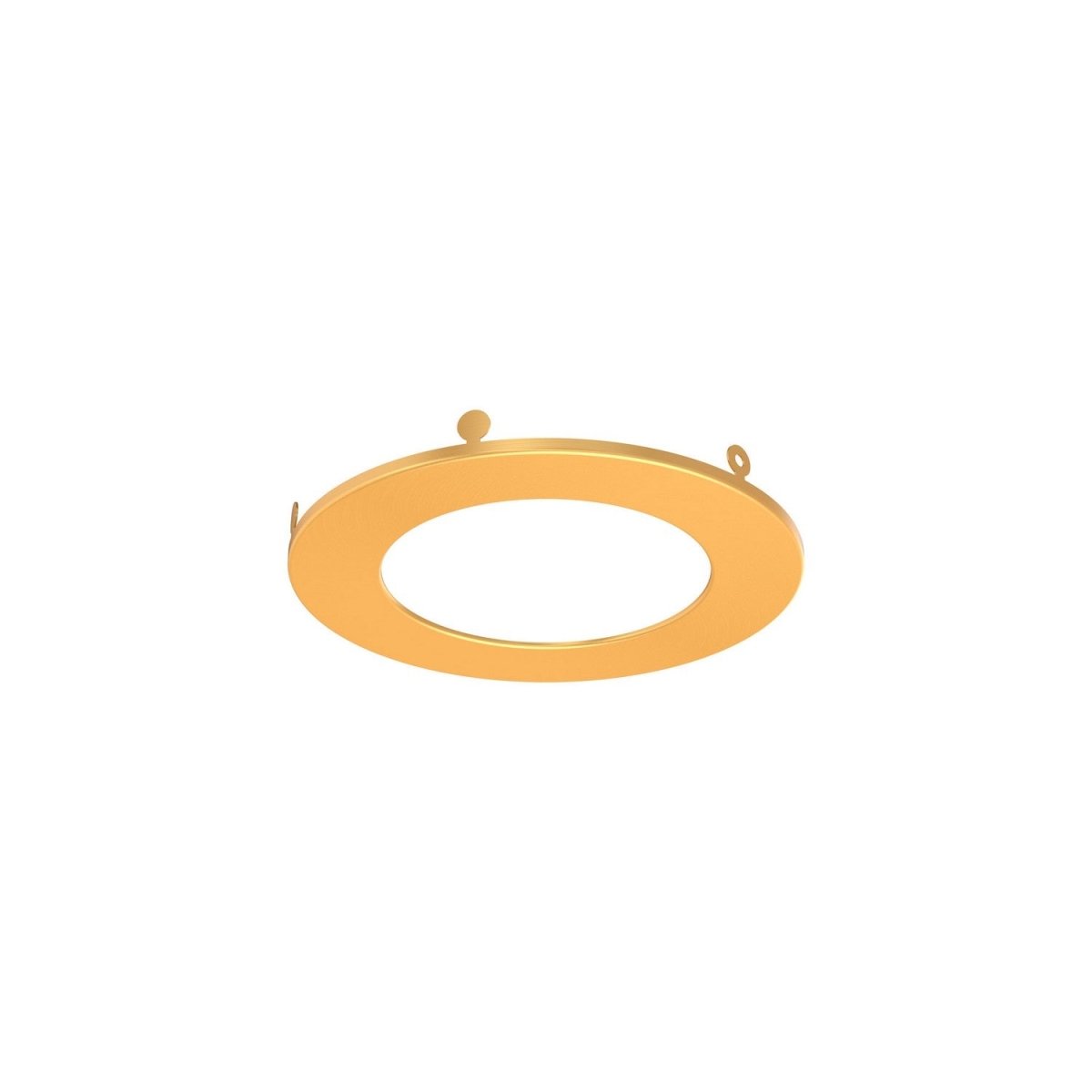
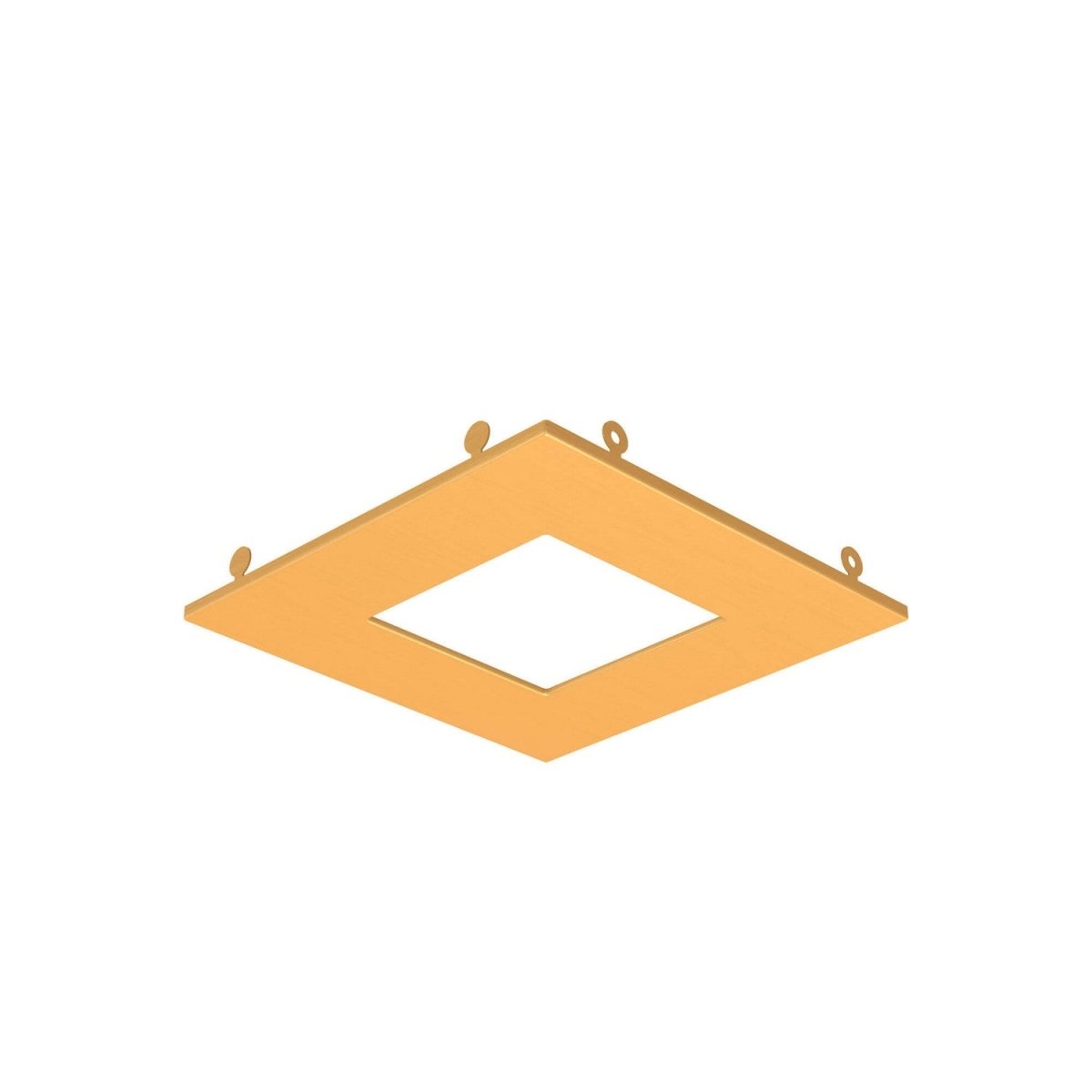
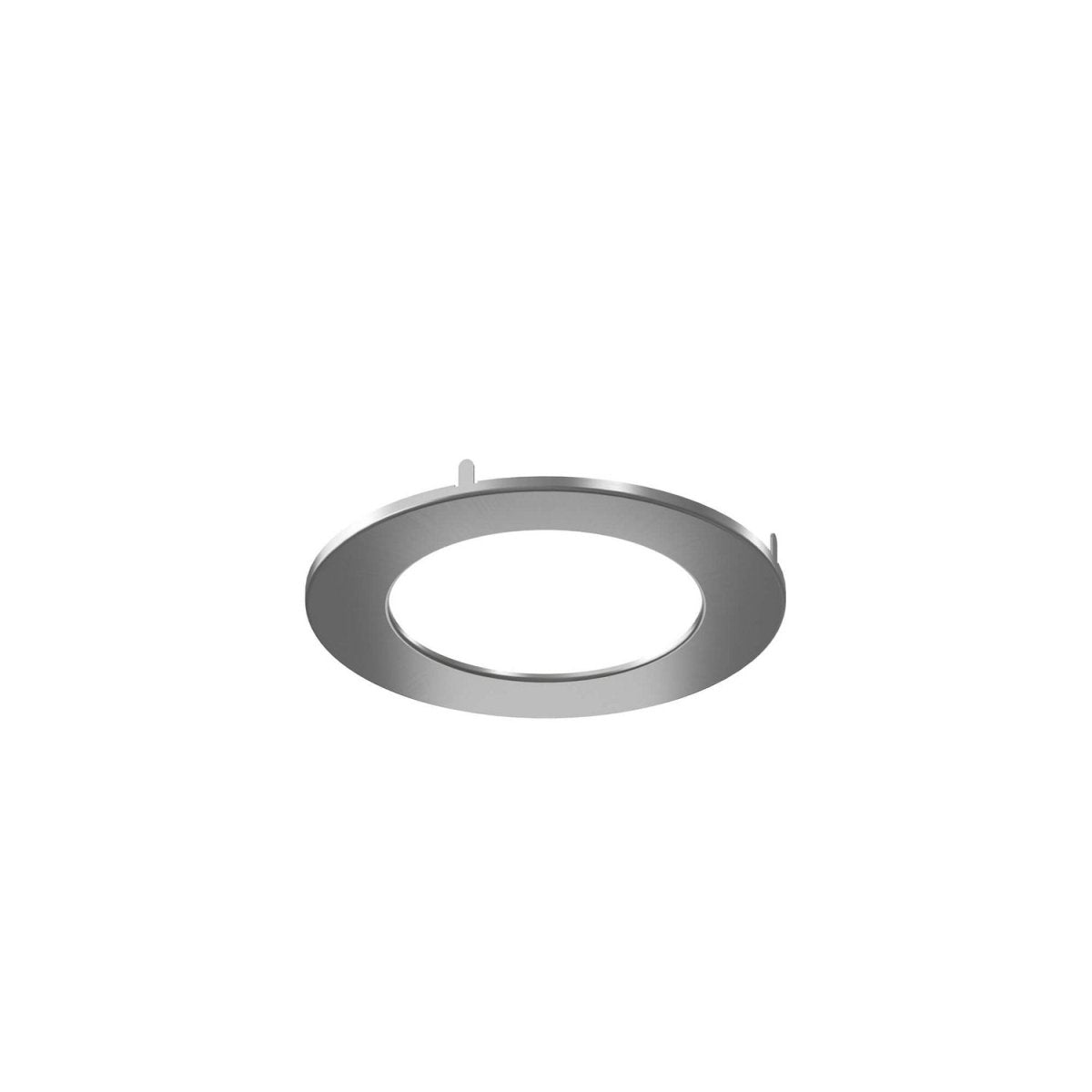
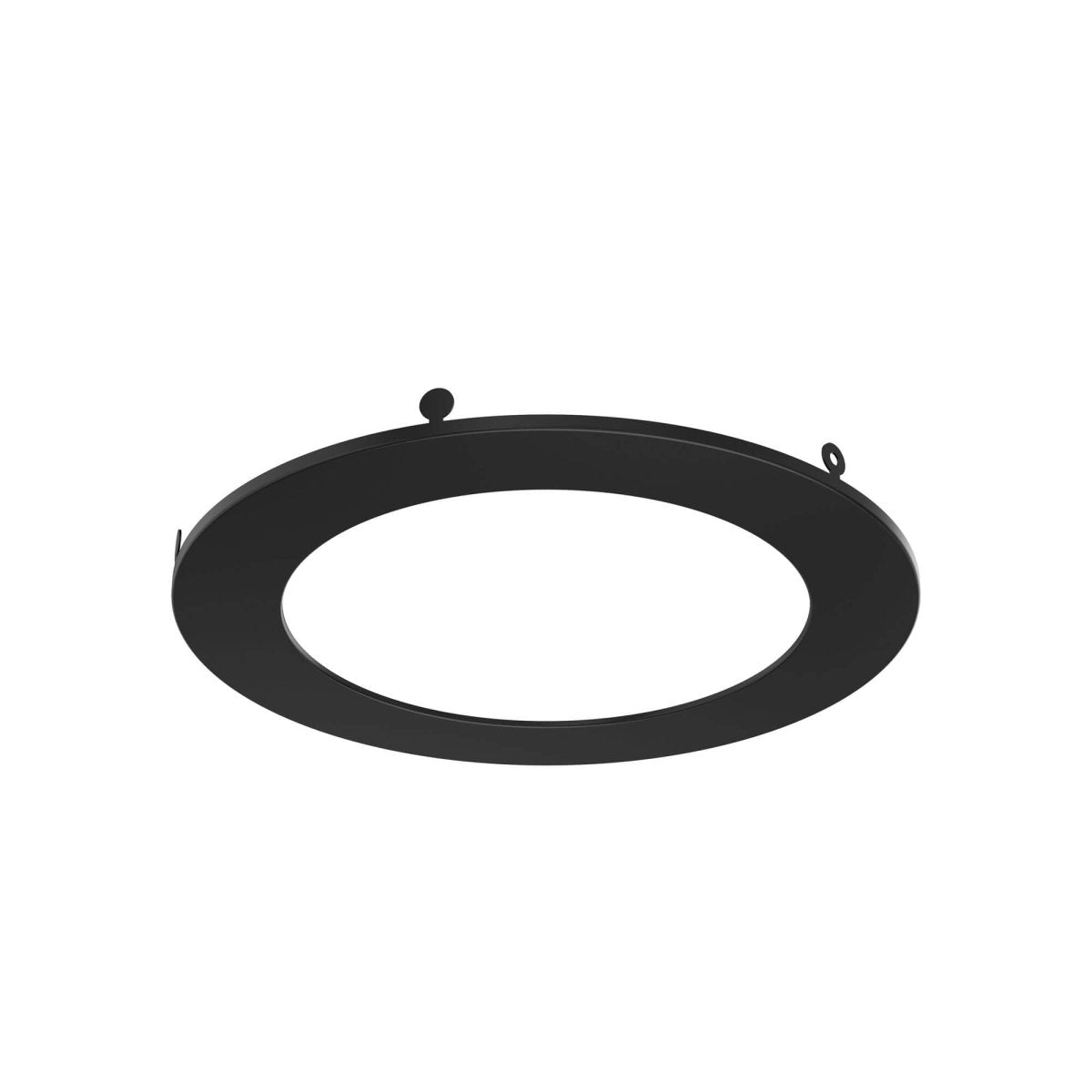
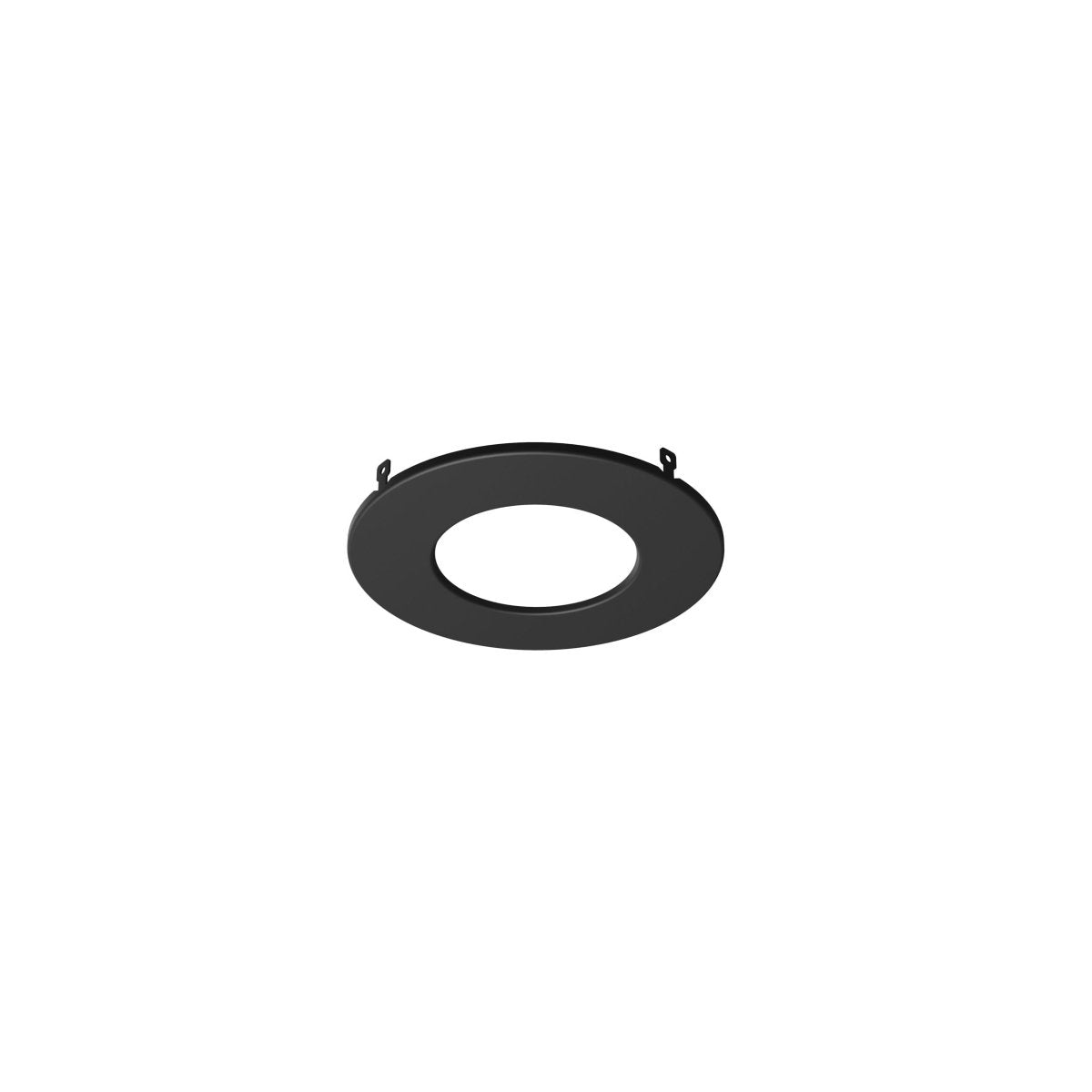
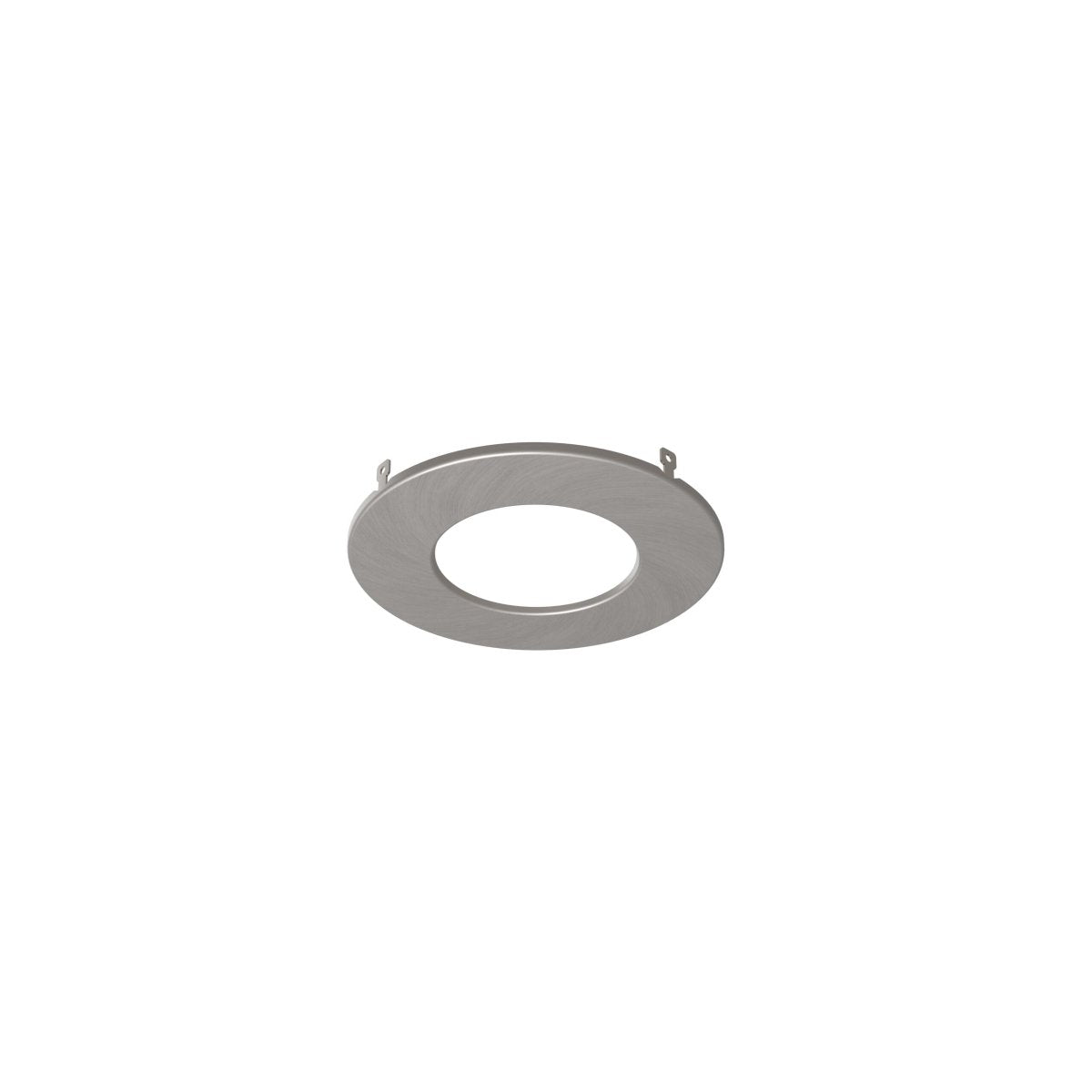
We also carry trims sold on their own and replacement parts, handy for refreshing an existing ceiling without redoing everything. If your fixtures still work but look dated, a new trim often modernizes the room on its own.
Styles by use, from pot light to accent
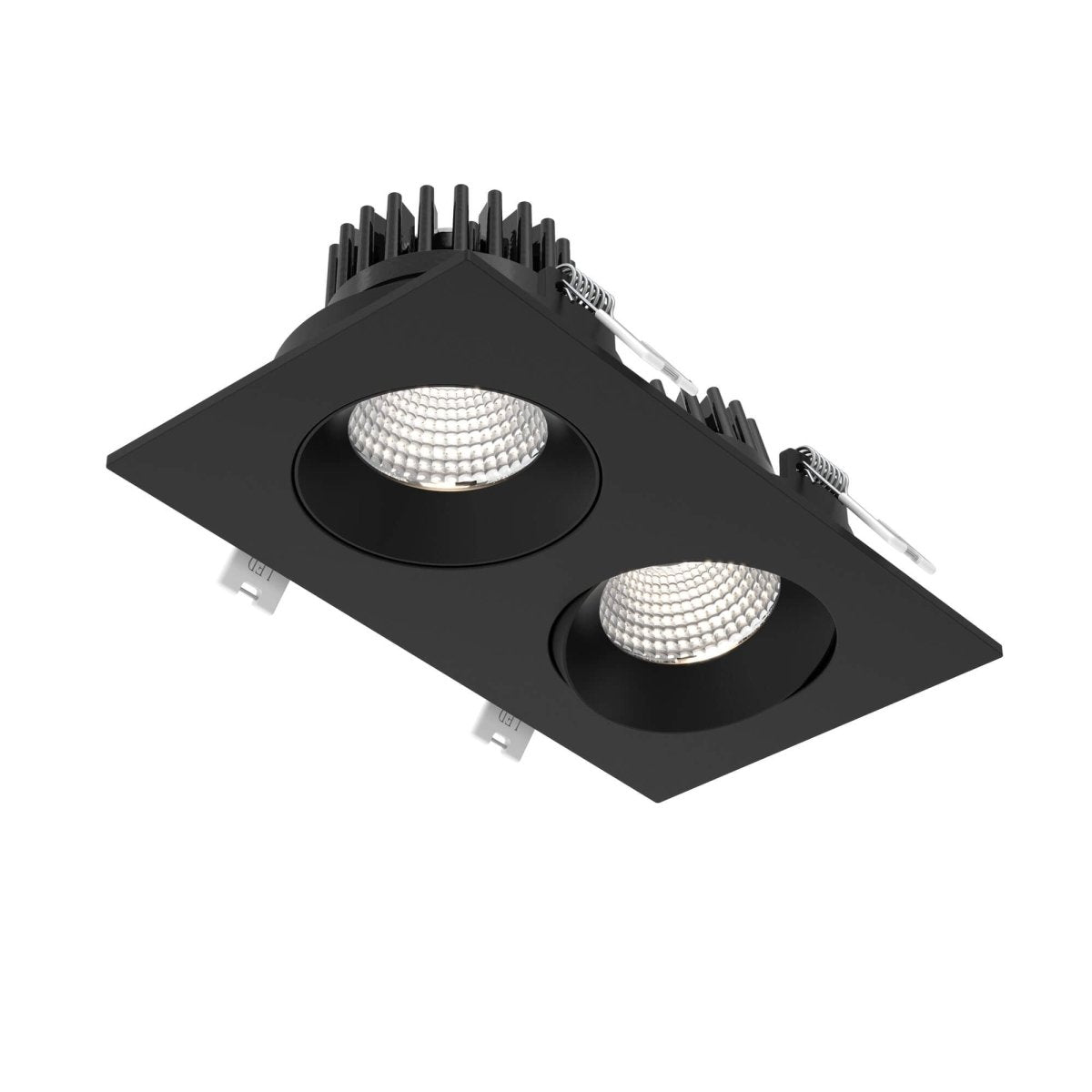
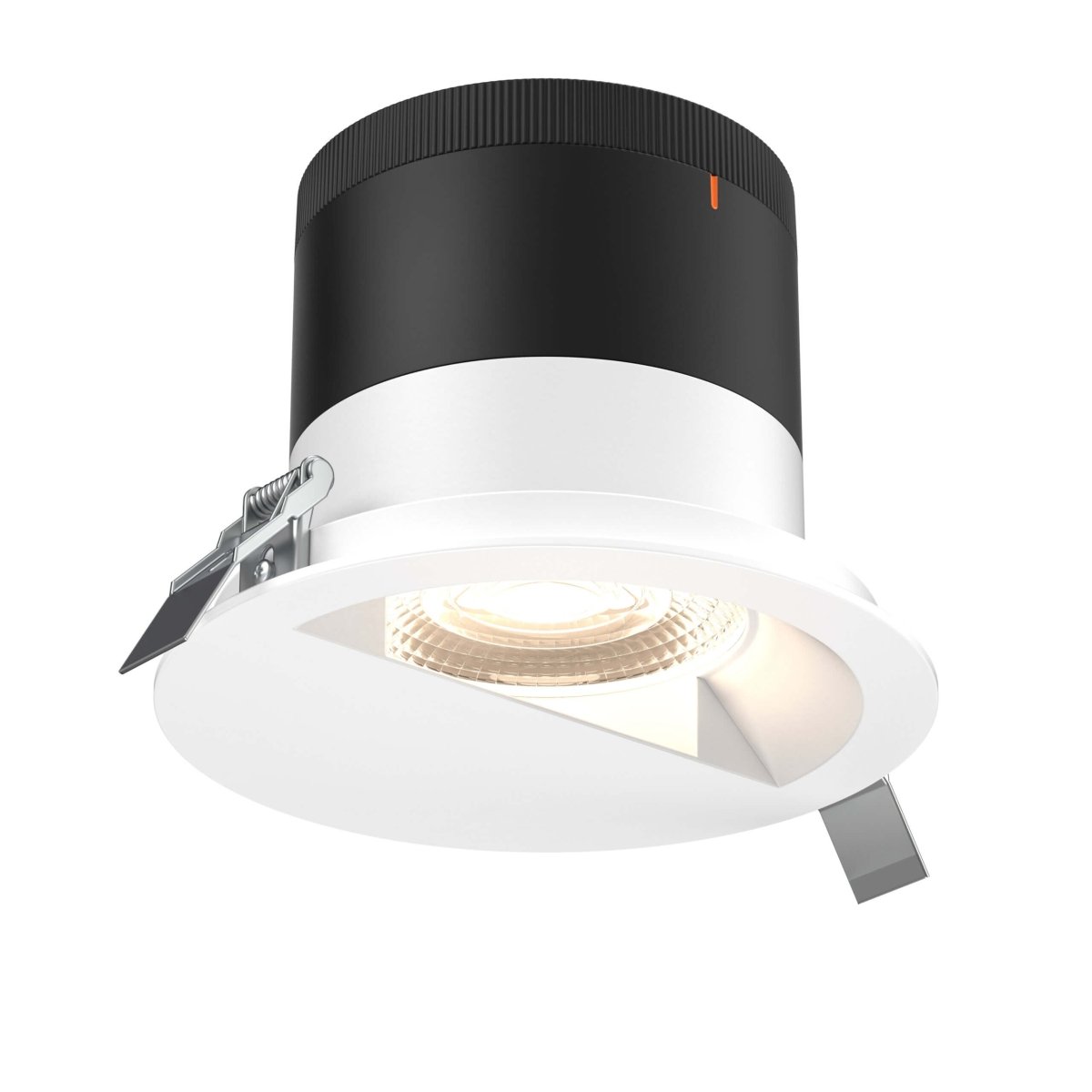
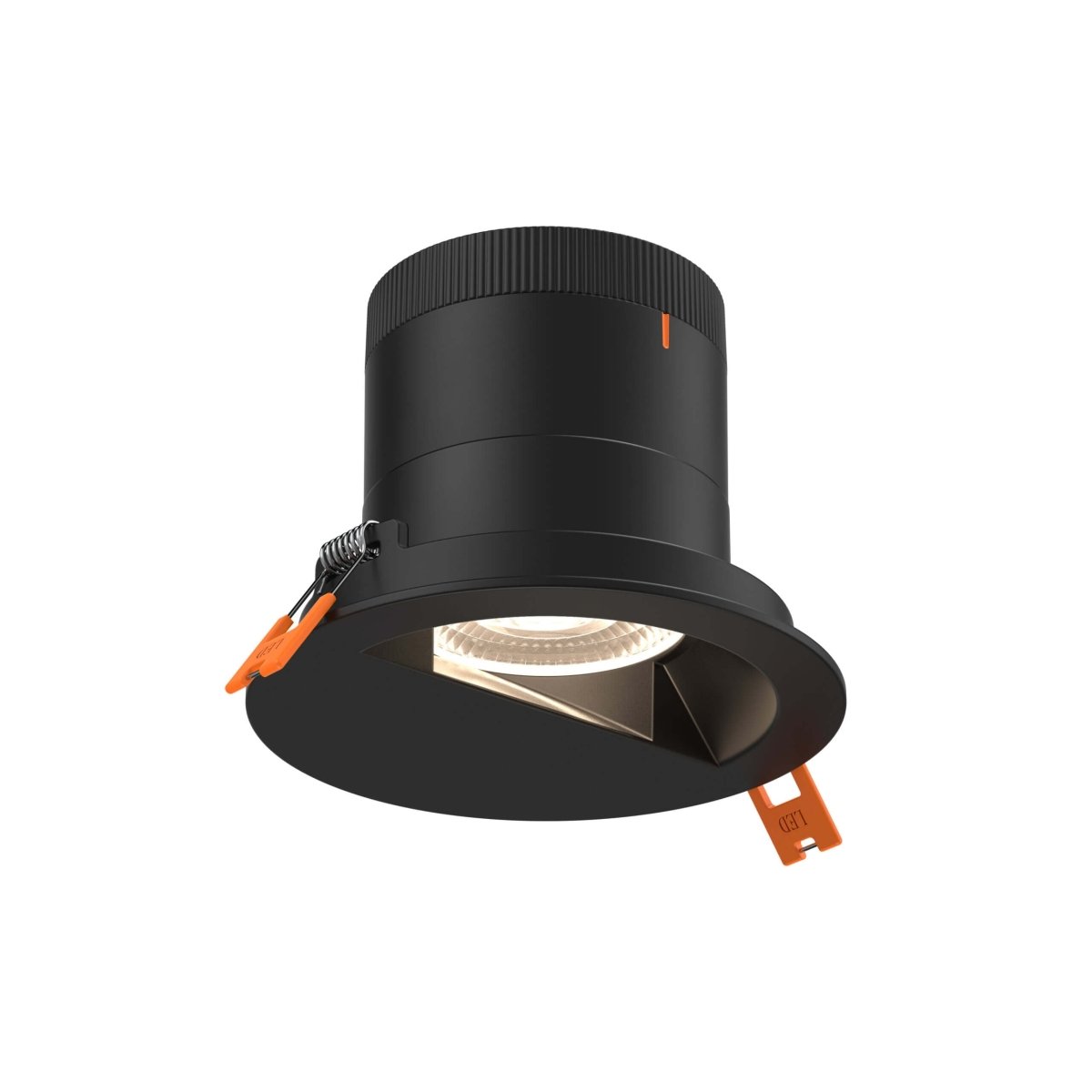
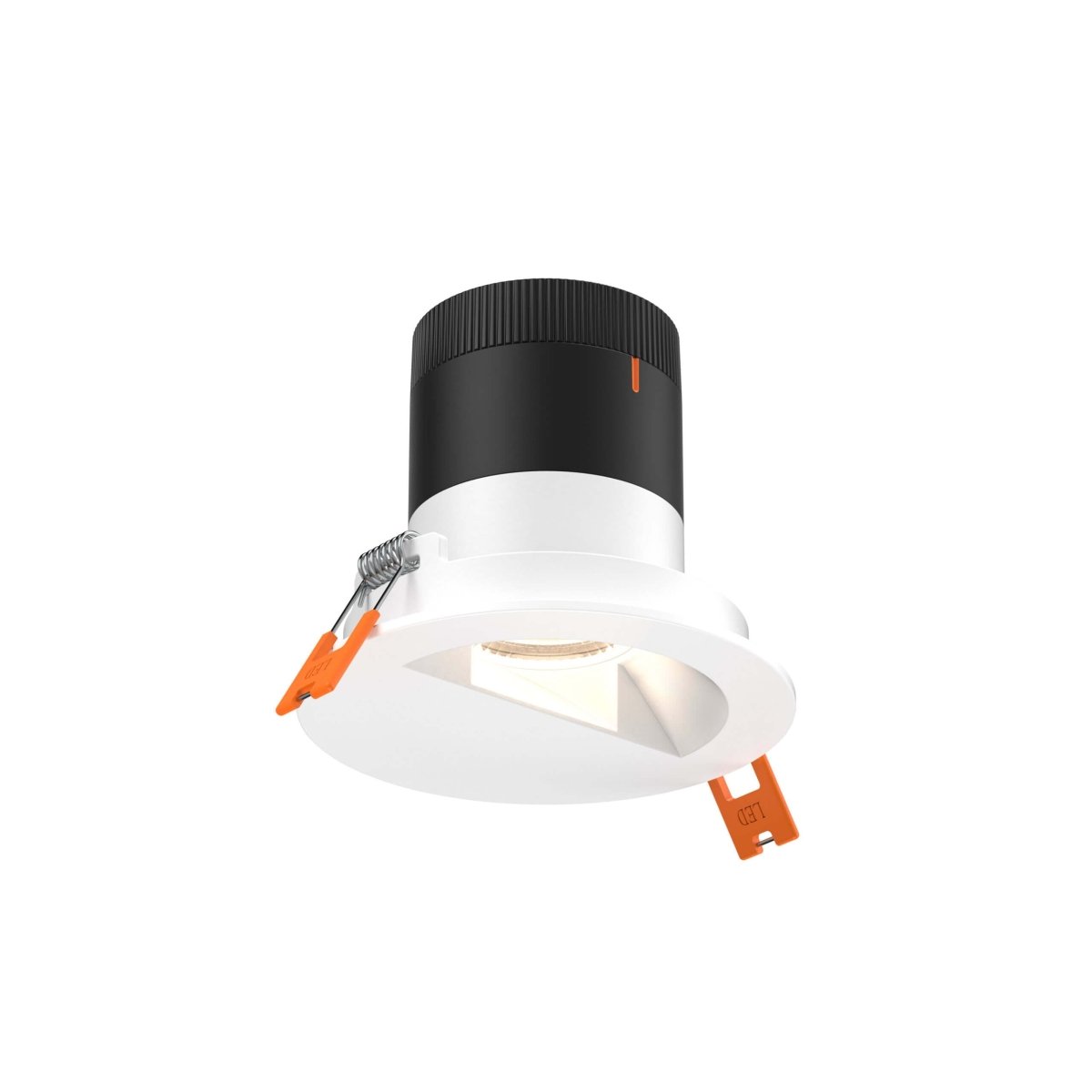
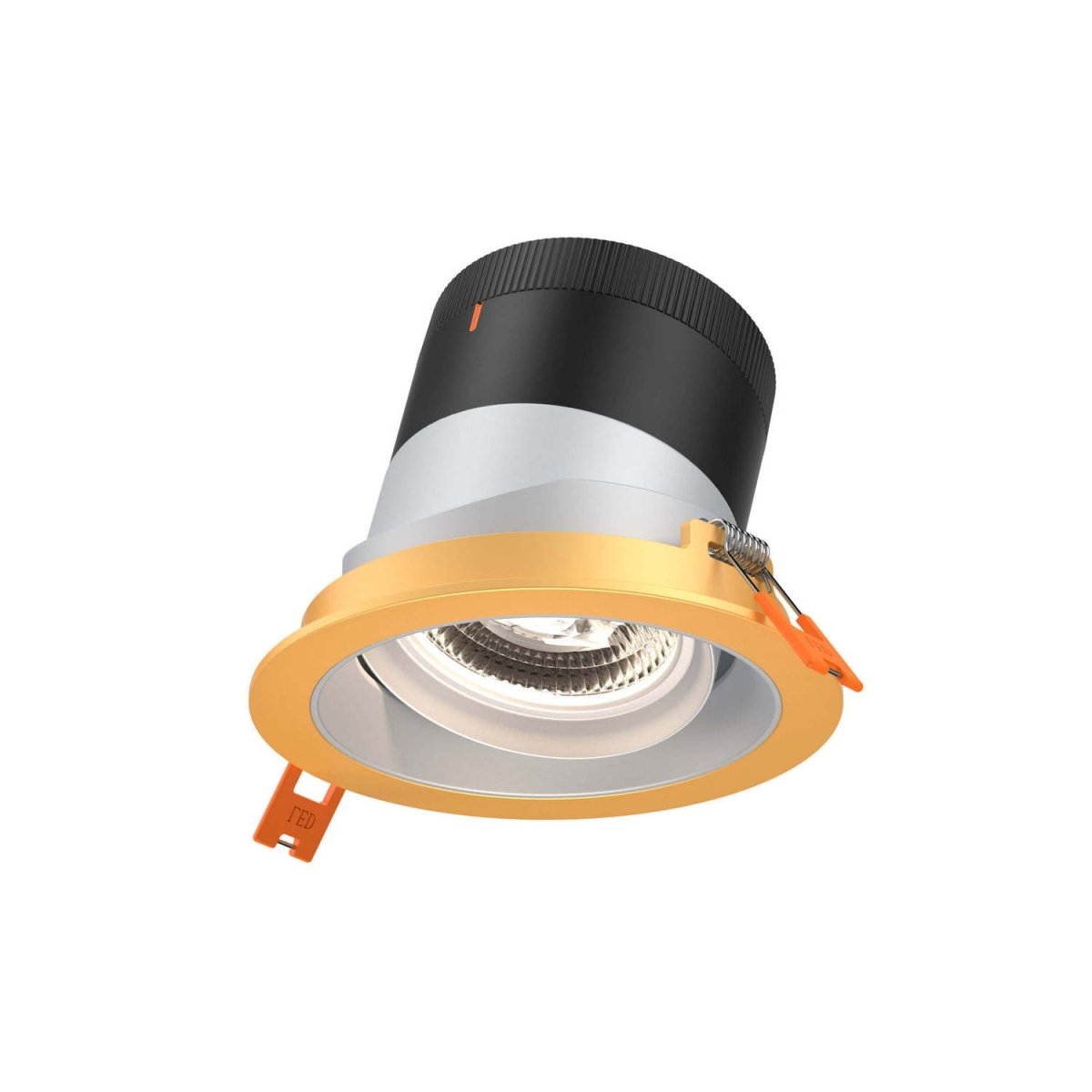
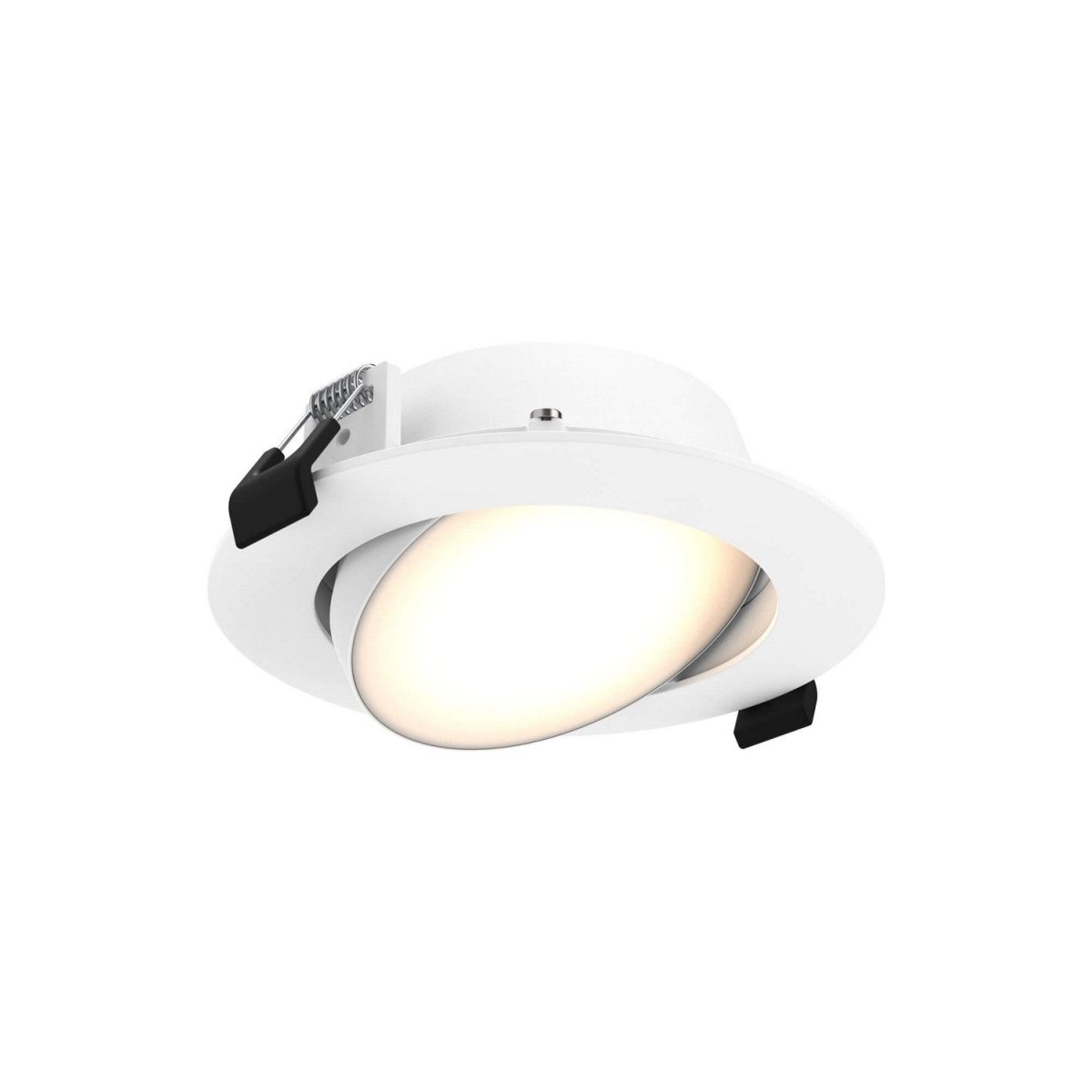
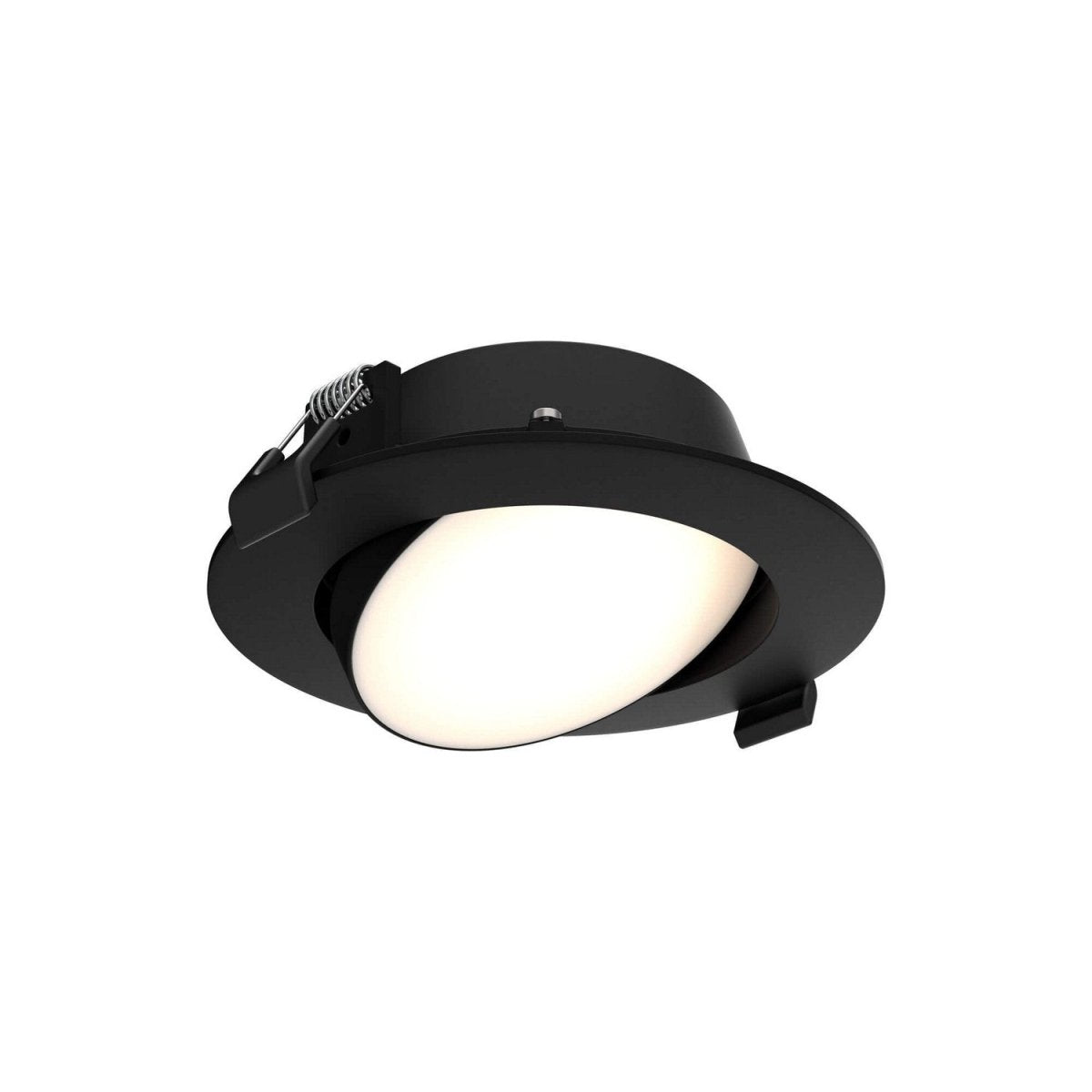
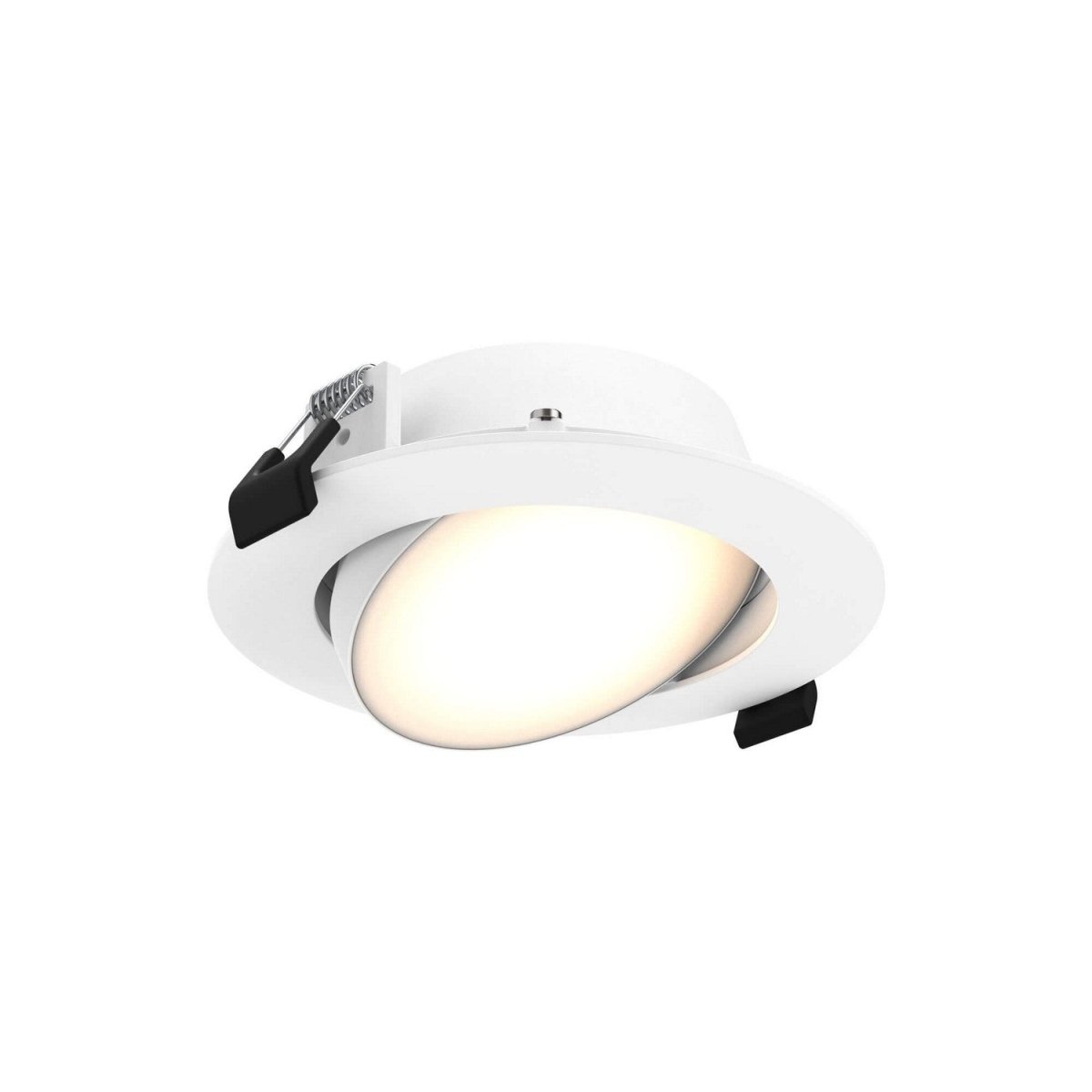
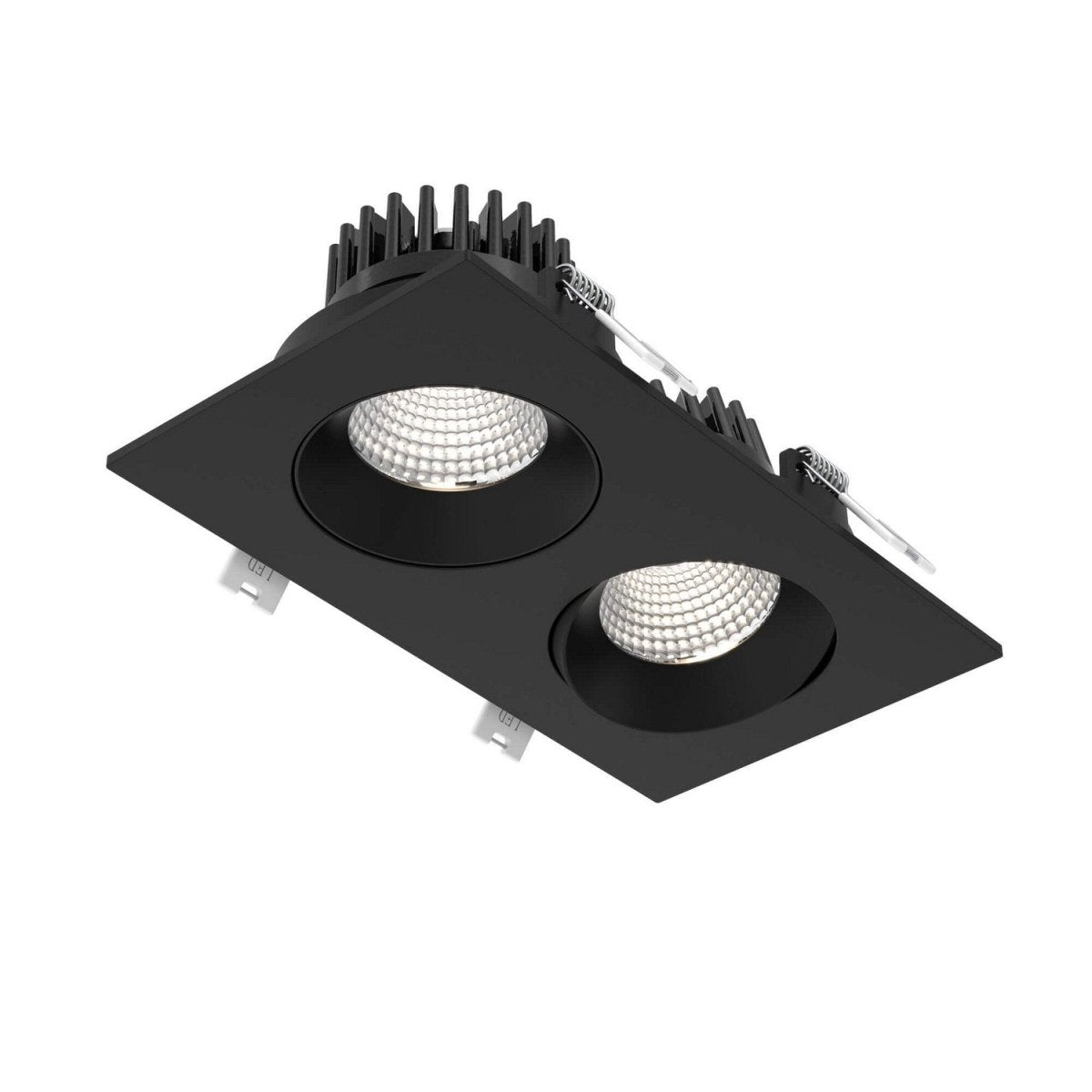
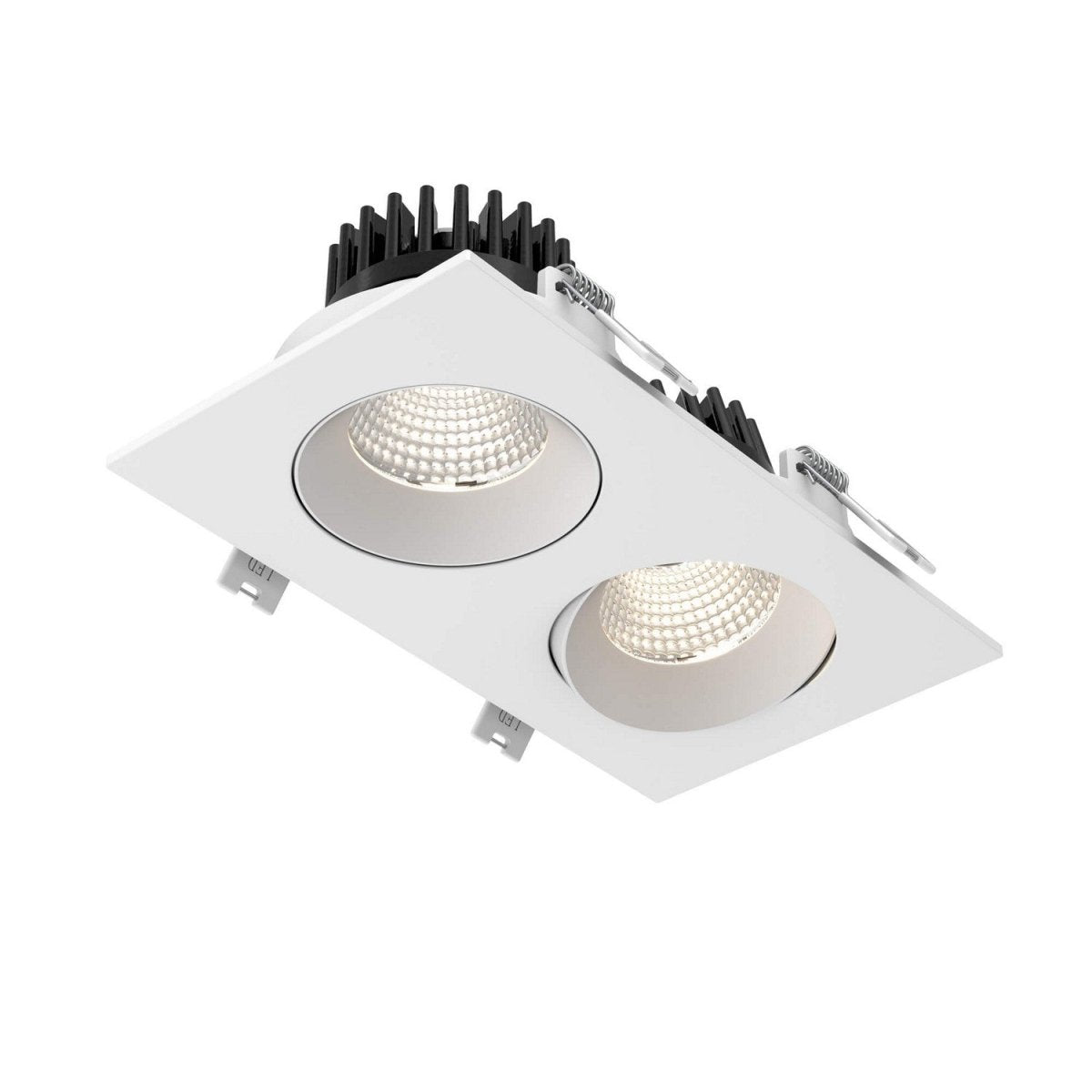
Directional models to aim the light
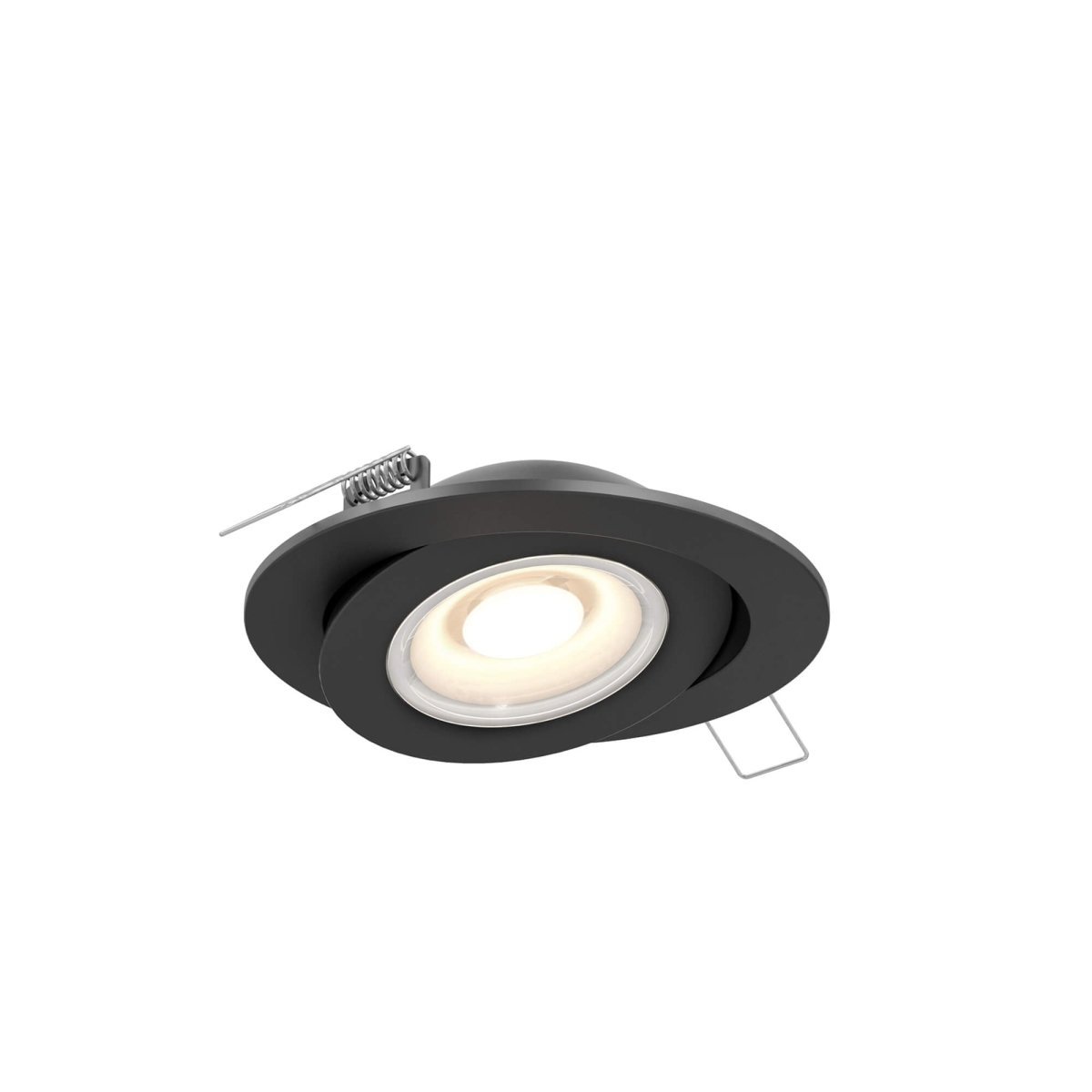
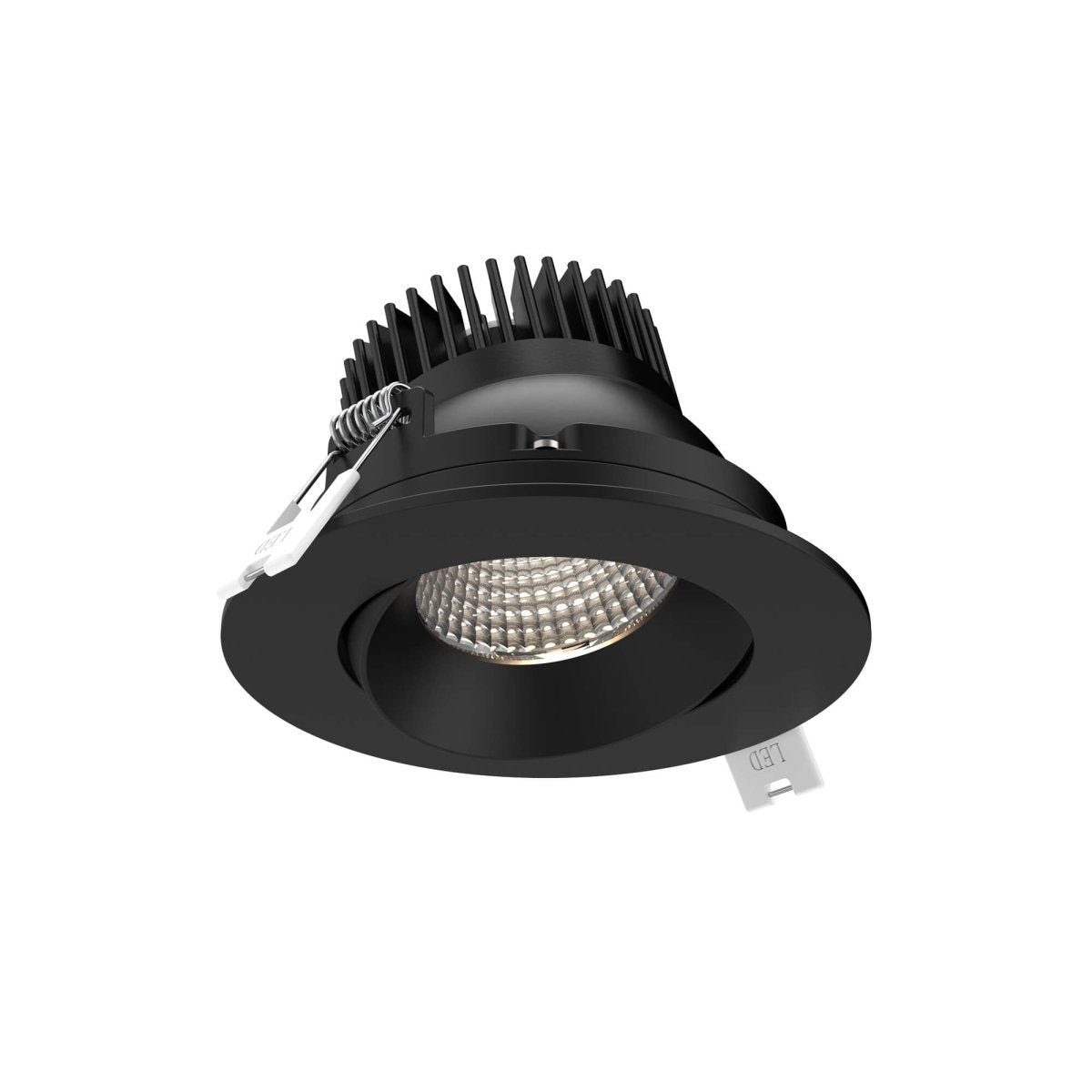
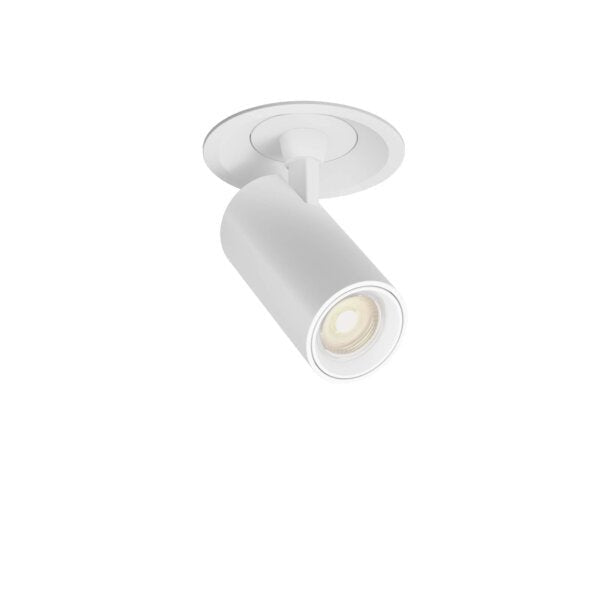
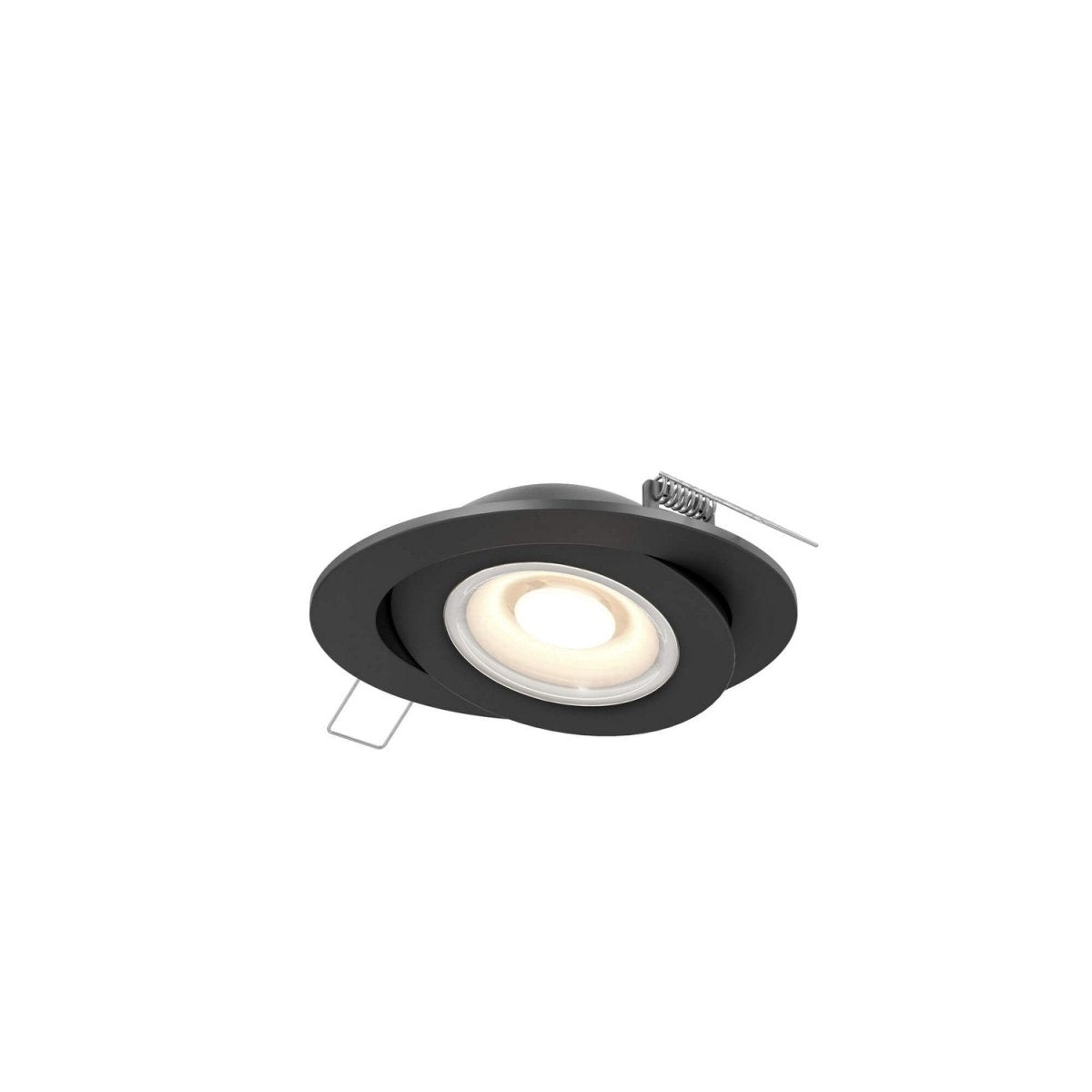
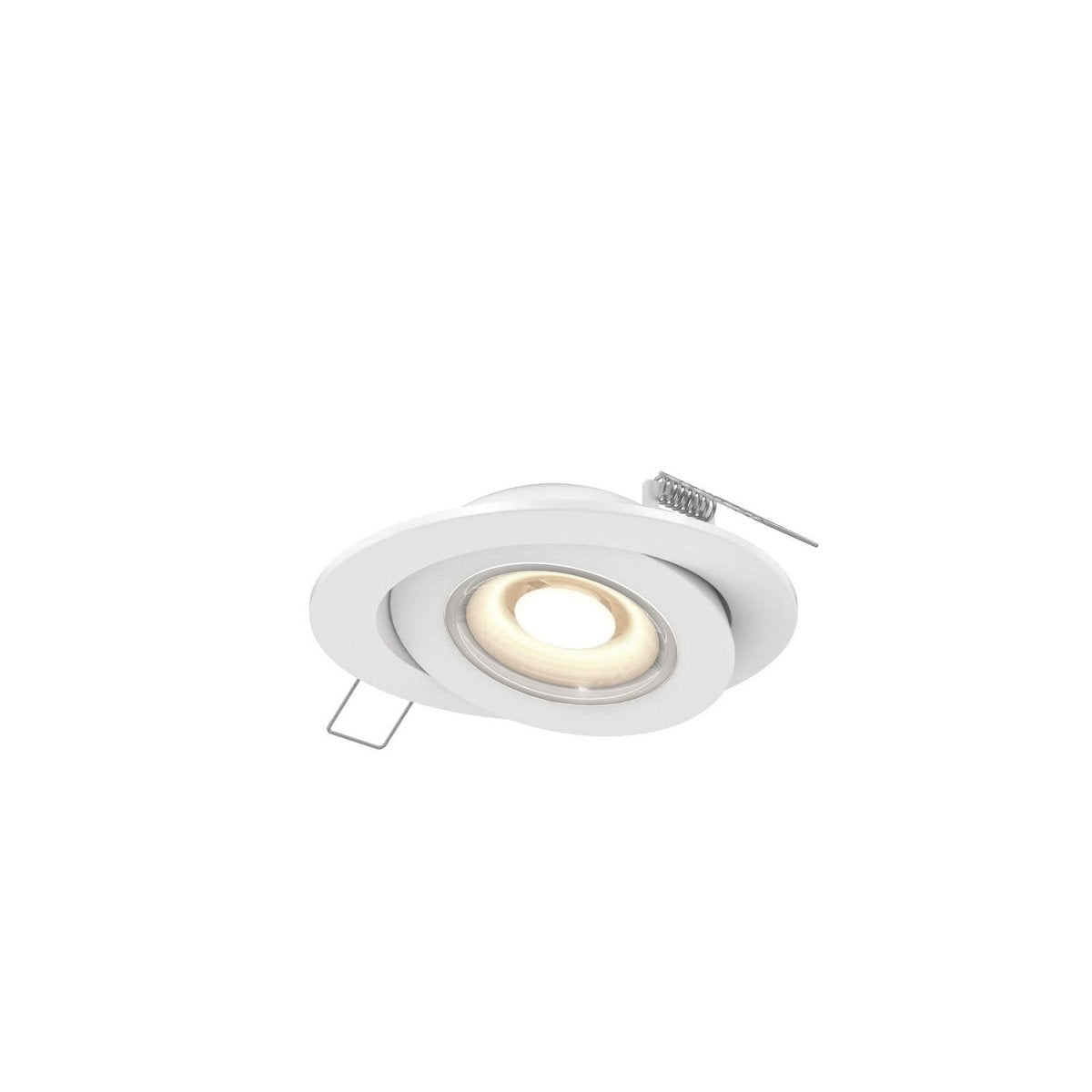
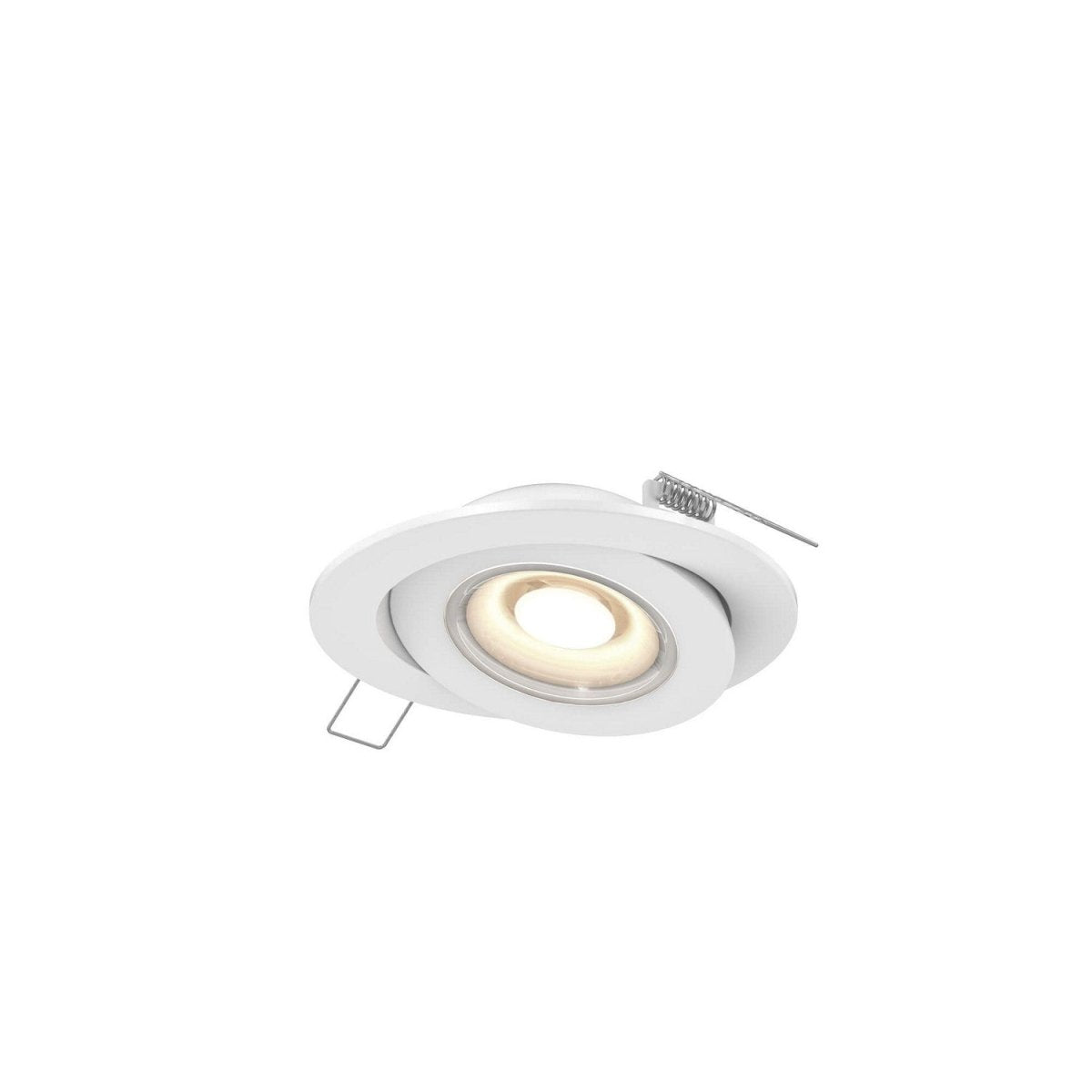
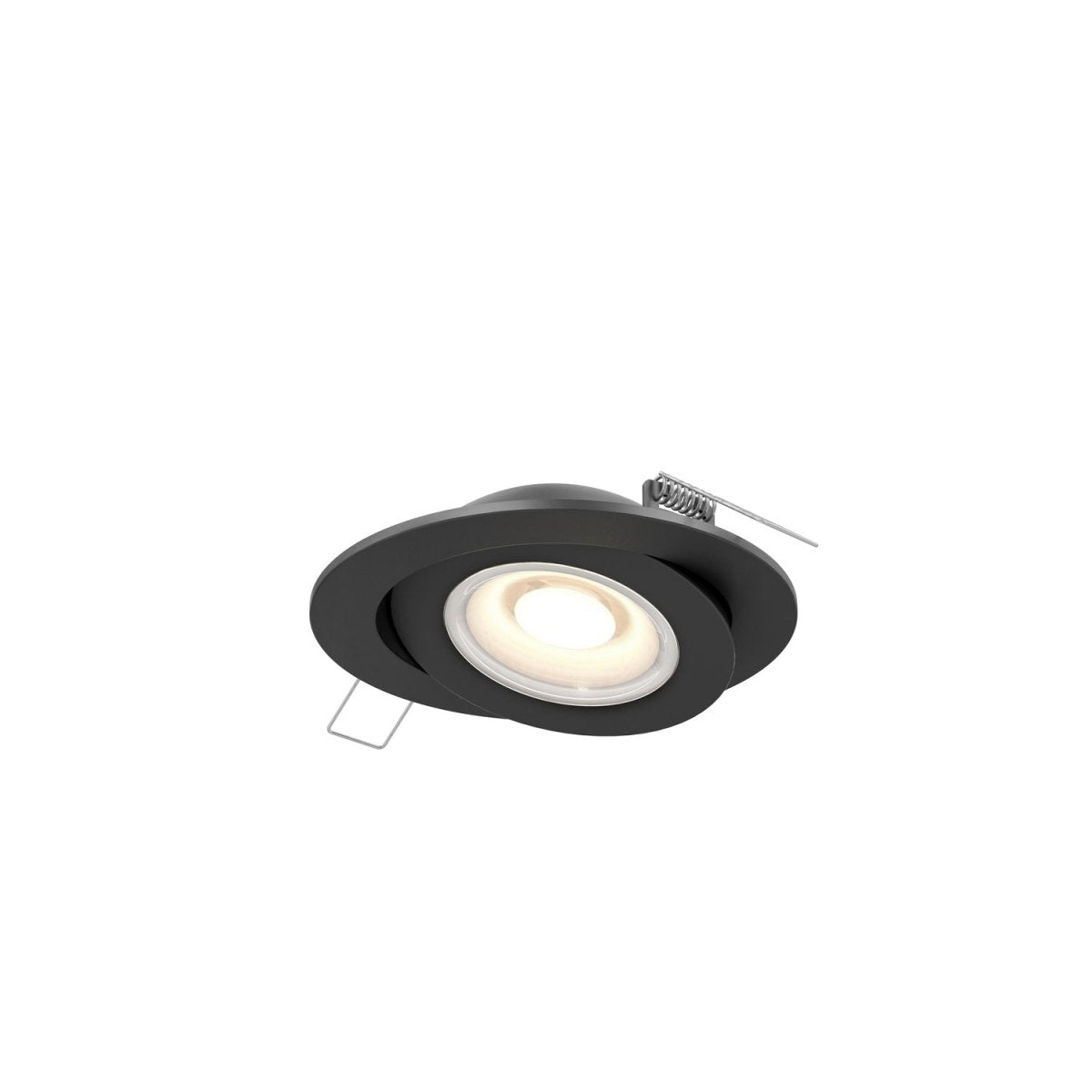
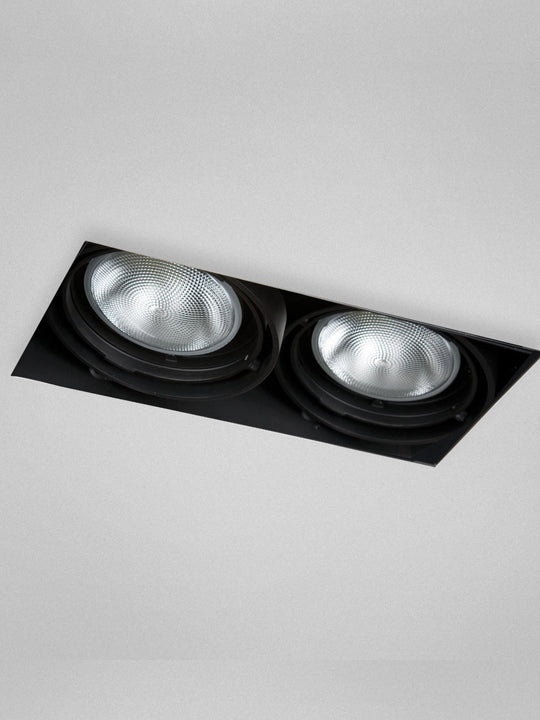
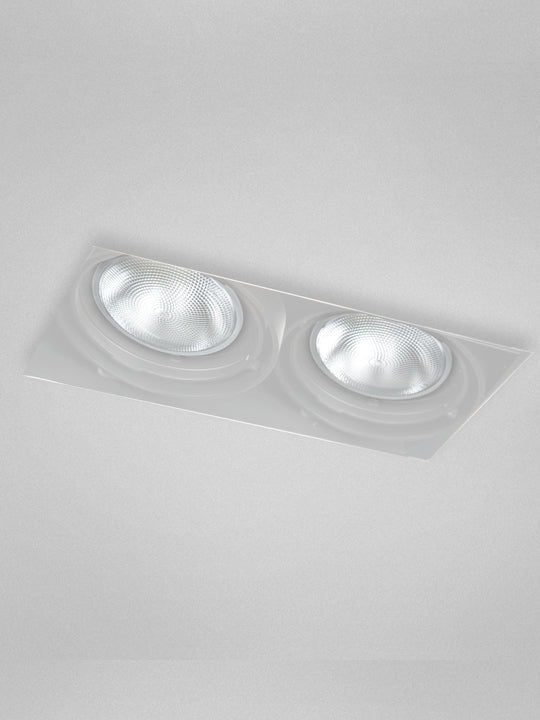
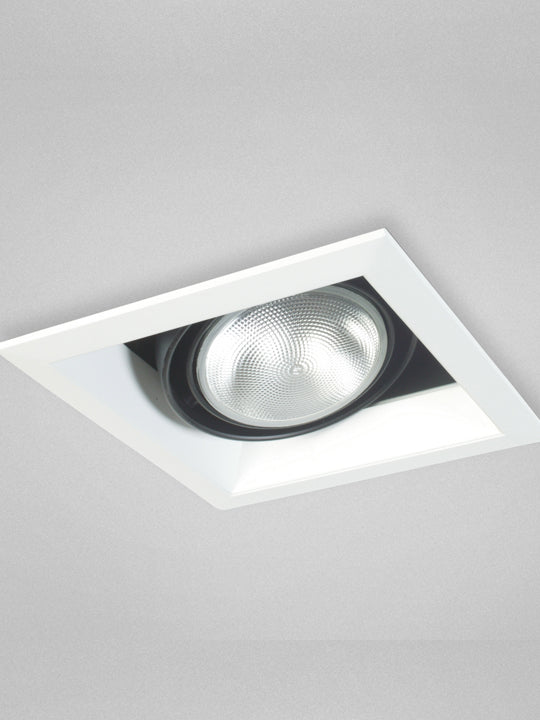
A directional recessed light pivots and tilts within its opening. It's the go-to for accent work: point the beam at a painting, a bookcase or a textured wall. These directional pot lights, sometimes called directional can lights, let you reposition the light whenever you rearrange the space.
Baffle trim for visual comfort
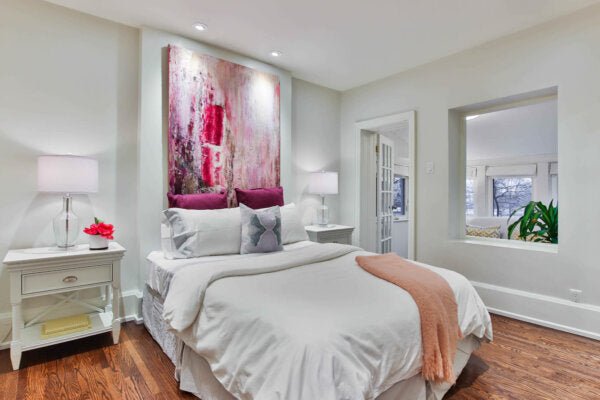
A baffle trim, with its ribbed interior, soaks up stray light and softens the beam. It's the preferred pick in living rooms and bedrooms, where you want atmosphere without glare straight in your line of sight.
Recessed fixtures for wet locations
For a shower or bathroom ceiling, you need a model rated for wet locations, with a watertight seal. Never pair standard recessed lighting with steam: always check the rating before you buy.
Wall-wash to highlight a surface
A wall-wash throws a wide beam that grazes down a wall. It brings out the texture of brick or plaster and visually stretches a hallway or entry. A directional recessed light cover can also fine-tune how the light spreads.
Planning the ceiling layout
A simple rule for general lighting: space the points about half the ceiling height apart. Under an 8 ft (2.4 m) ceiling, set fixtures roughly 4 ft (1.2 m) apart. For task lighting over a counter, keep 18 to 24 in (46 to 61 cm) between the fixture and the wall or cabinet to limit shadows.
The best results come from layering: fixed downcasting points for background light, directional units for accent, and a wall-wash or two for depth. Fixed recessed lighting sets the base while directional fixtures add precision.
Sizes, finishes and colour temperature
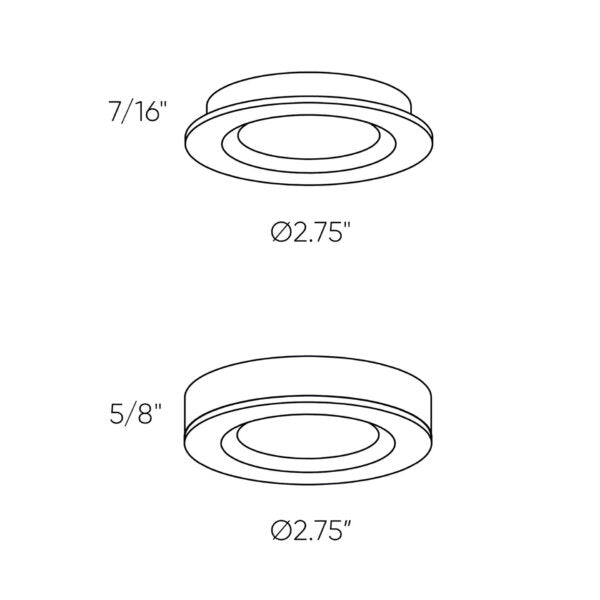
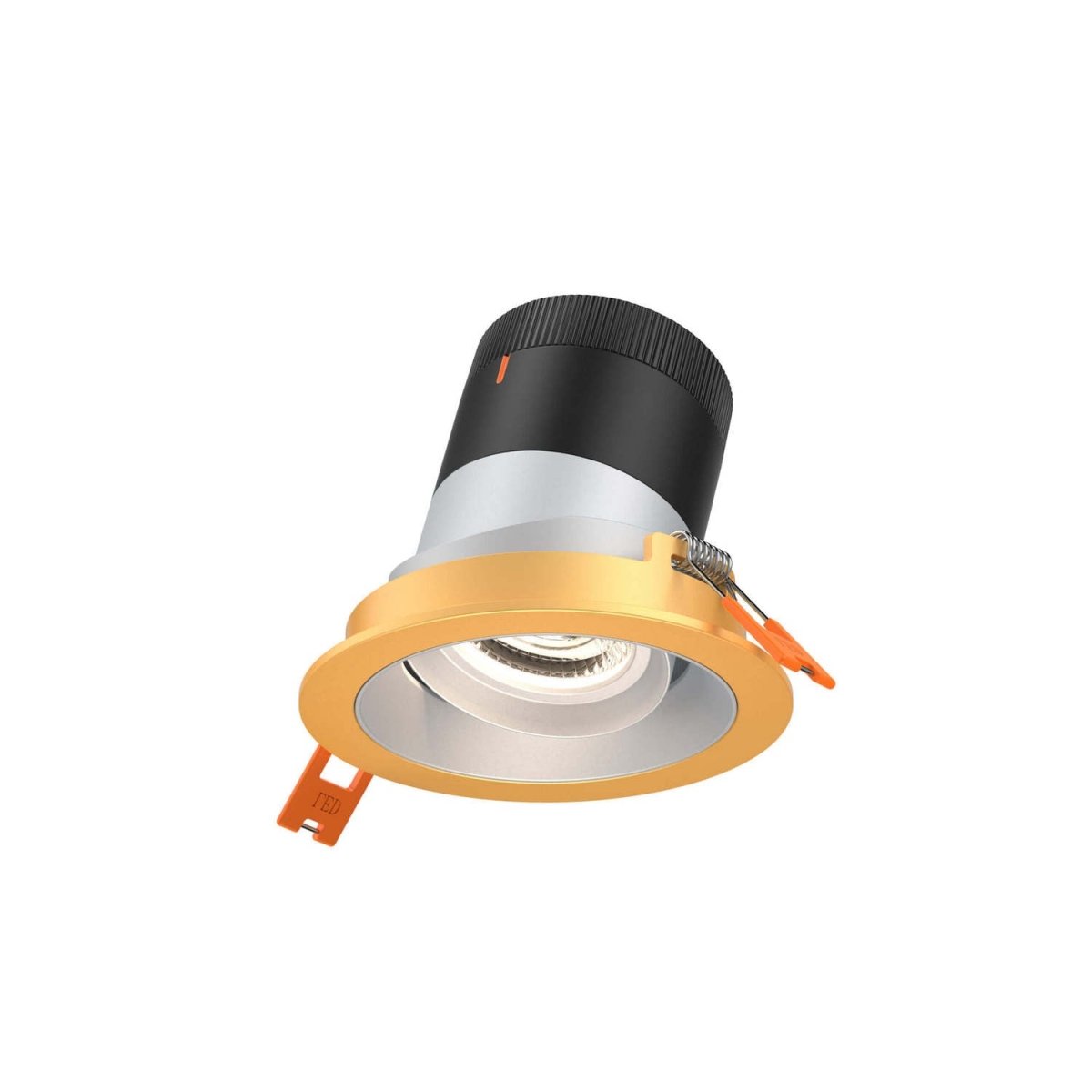
Common residential sizes run from 3 to 6 in, round or square; 4 and 6 in models are the most versatile, while 3 to 3.5 in units suit accents and tight spots. For finish, white blends into the ceiling and black creates the graphic contrast so many people ask for. For light, a 2700 to 3000 K range gives a warm feel in living rooms and bedrooms; step up toward 4000 K for a kitchen or office where task work matters. Some dals and Eurofase models offer adjustable colour temperature, useful for covering several uses with a single product.