




What under-cabinet lighting is for
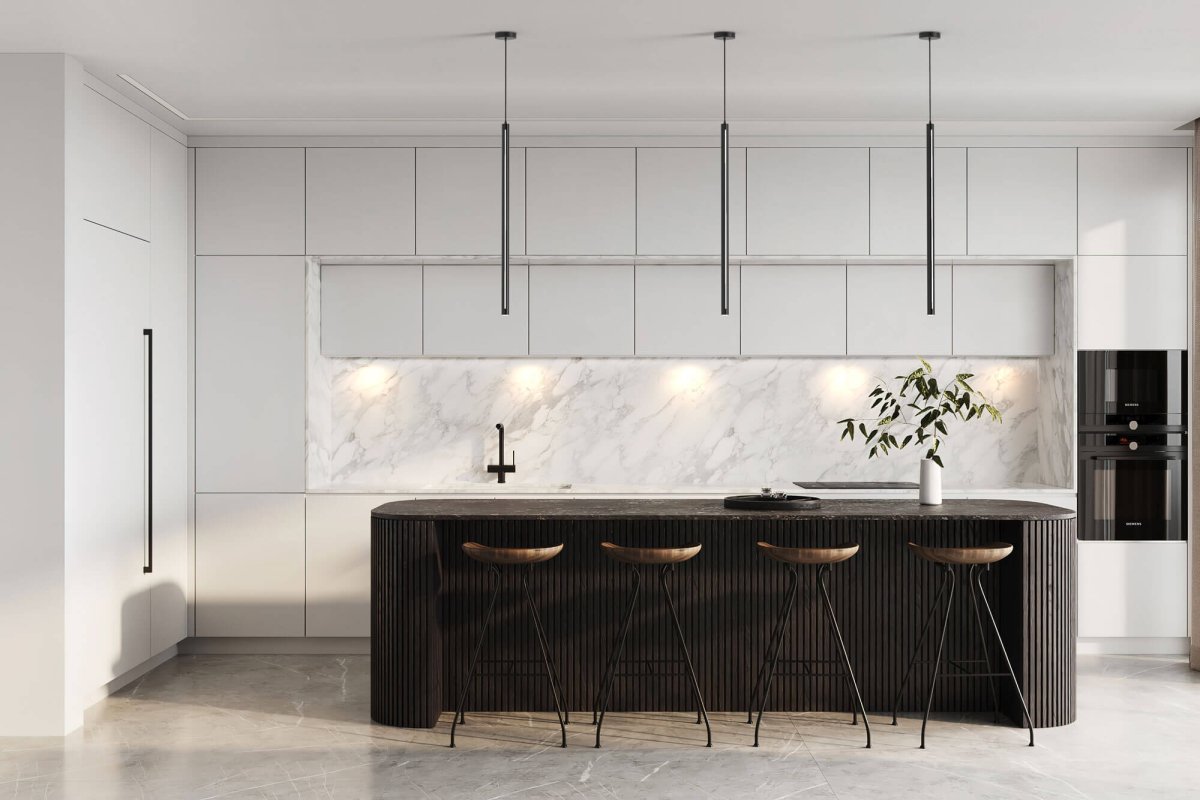
Mounted under the front edge of upper cabinets, under-cabinet lighting casts light straight onto the counter instead of behind you. The result: no shadow while you work, better visibility for precise tasks and, as a bonus, a nice mood in the evening when you dim it down. It's task LED lighting that doubles as accent lighting.
The fixture types in this collection
LED washers
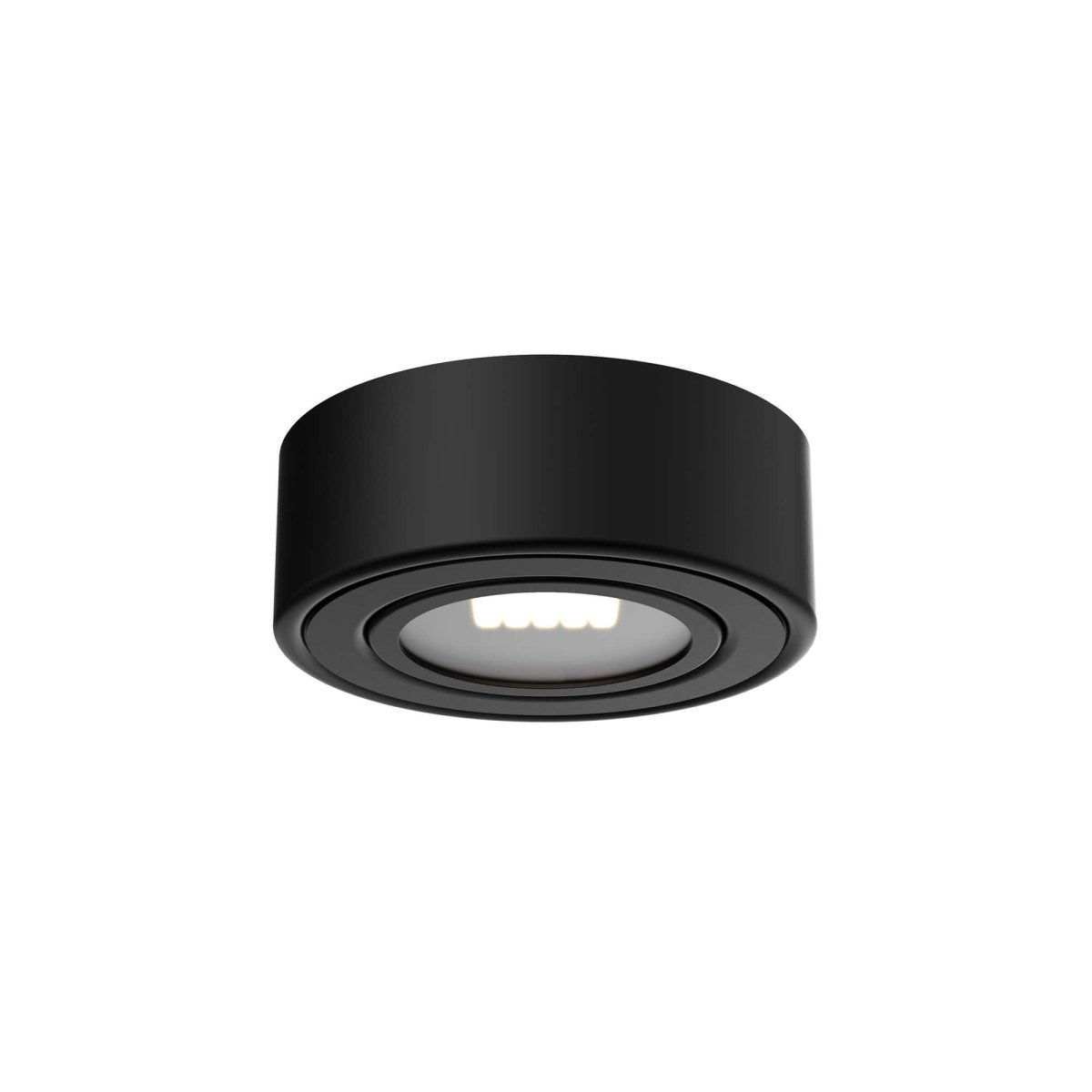
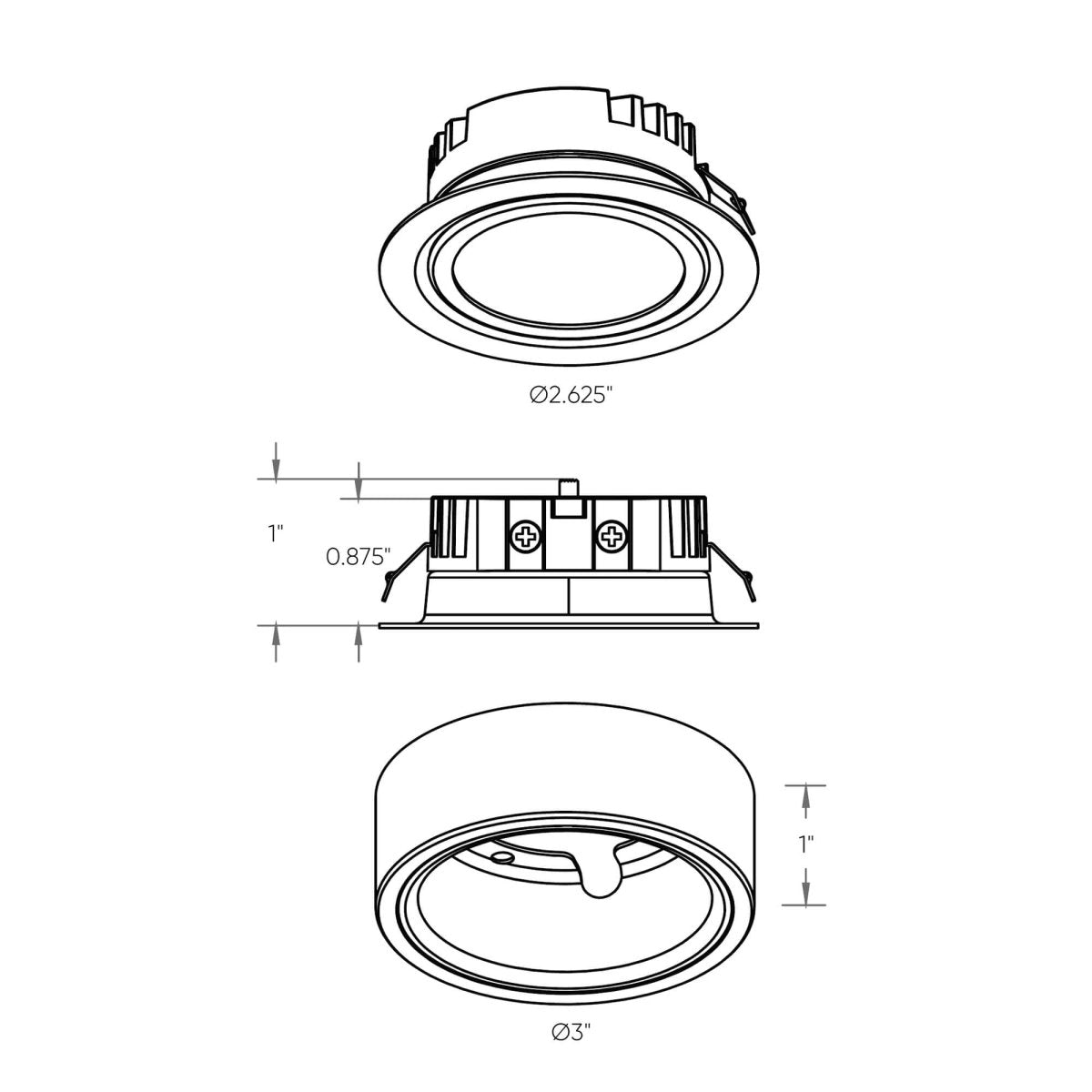
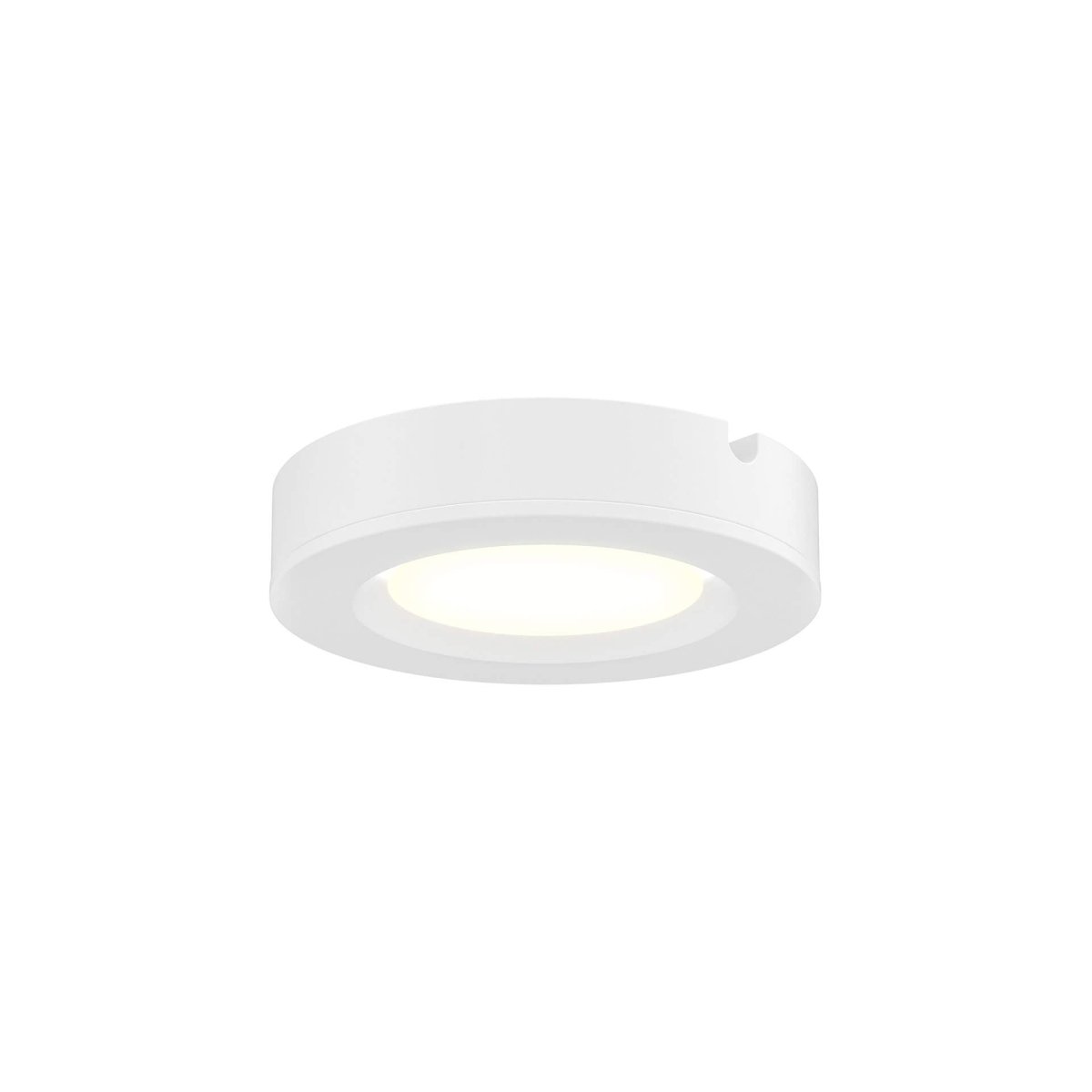
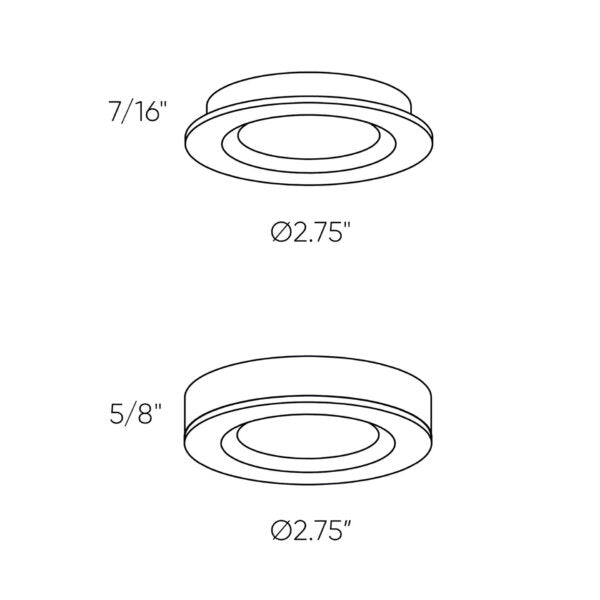
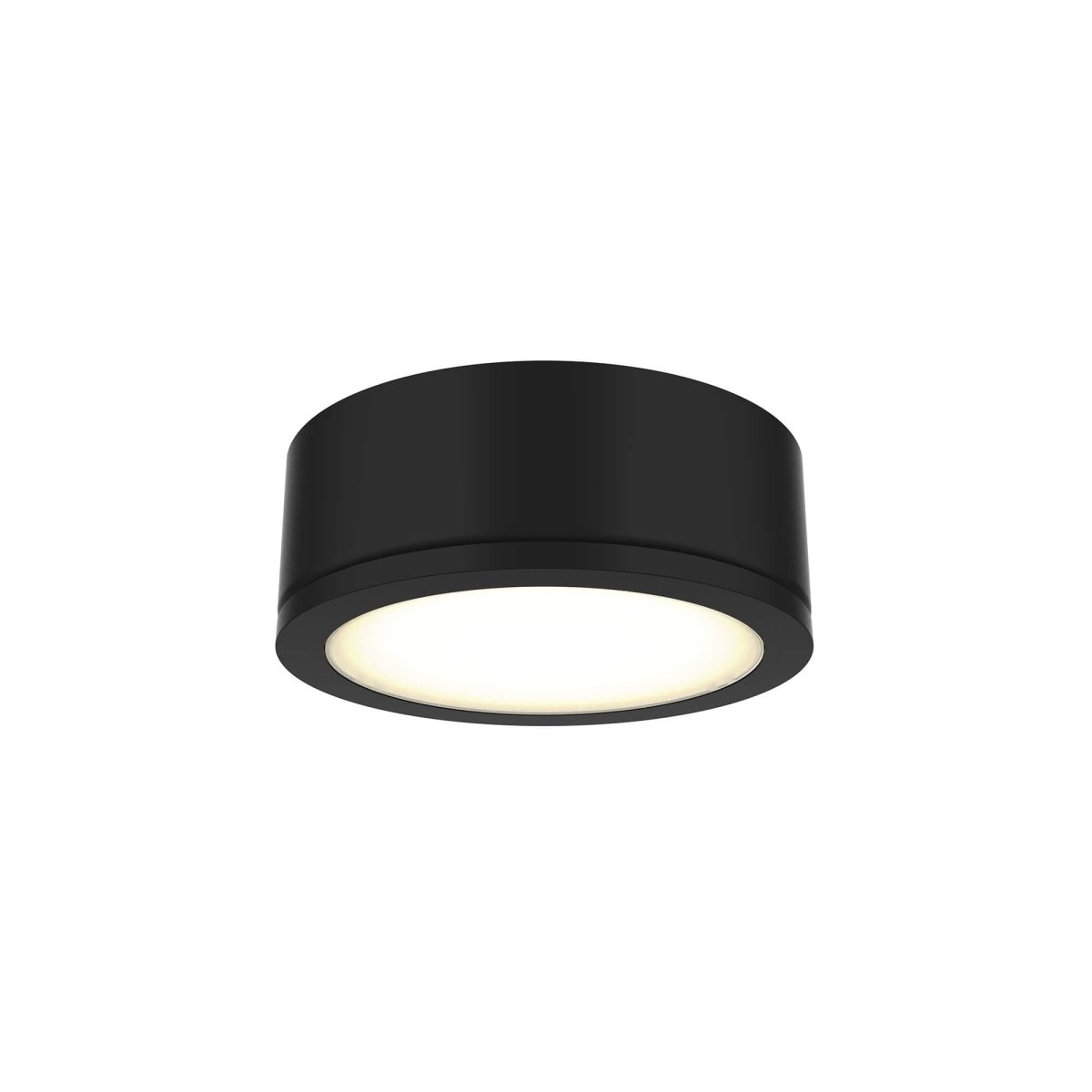
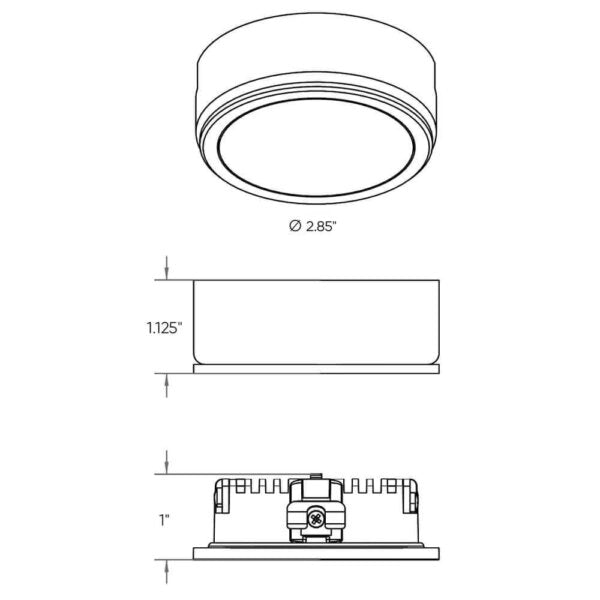
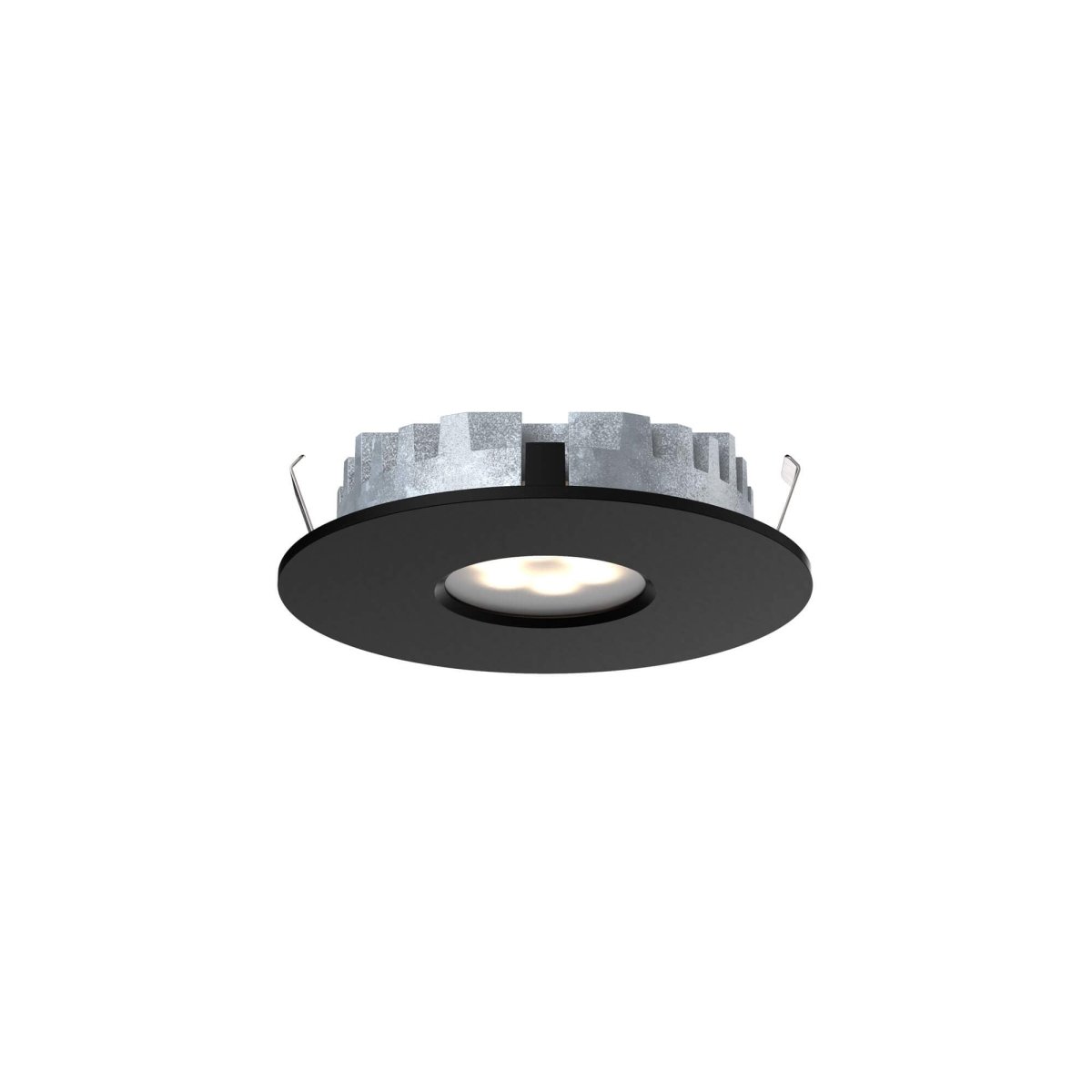
Round and compact, LED washers deliver a concentrated beam. You space them at regular intervals under a cabinet to mark each work zone: coffee corner, cutting board, serving area. They also work under an open shelf to highlight a piece.
Linear fixtures
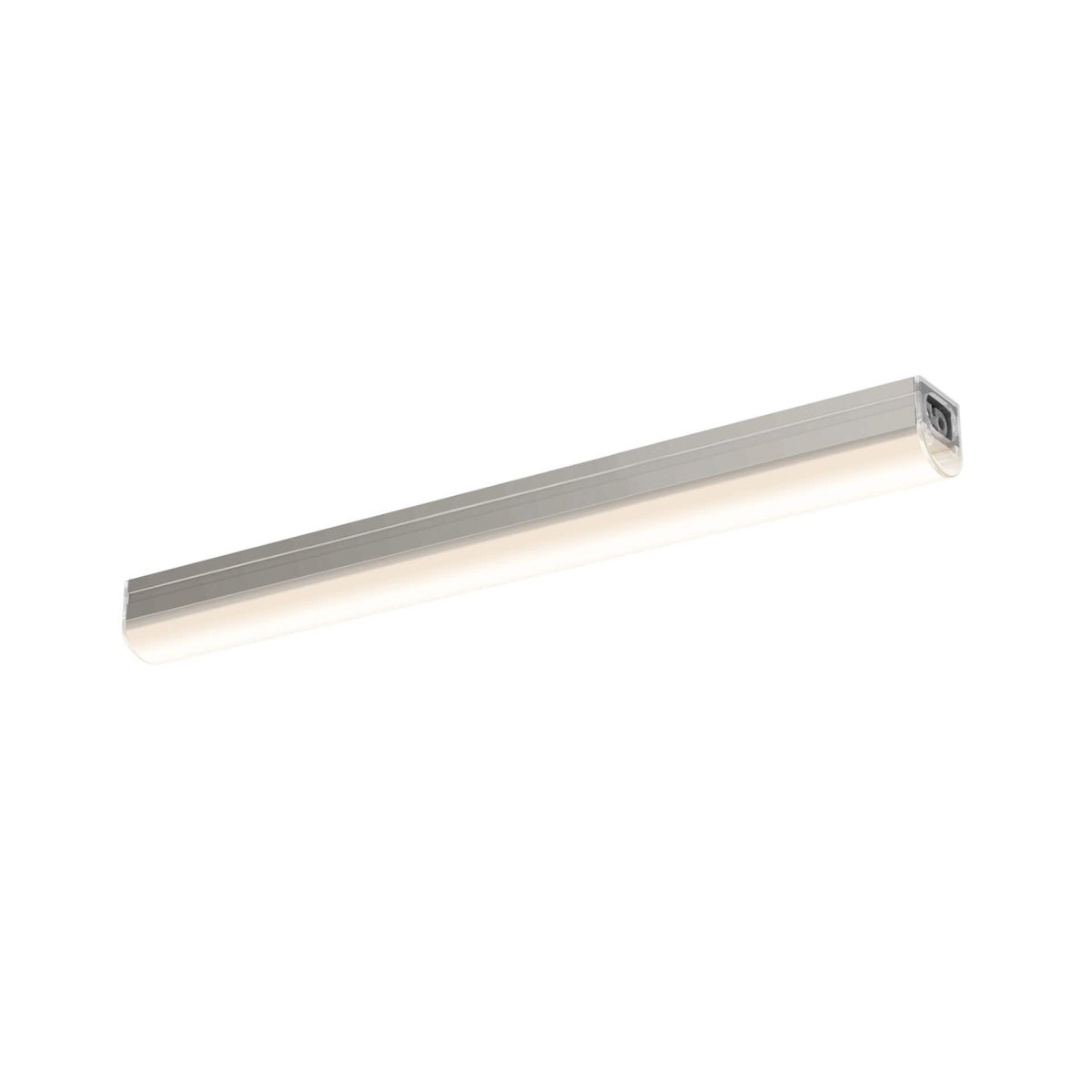
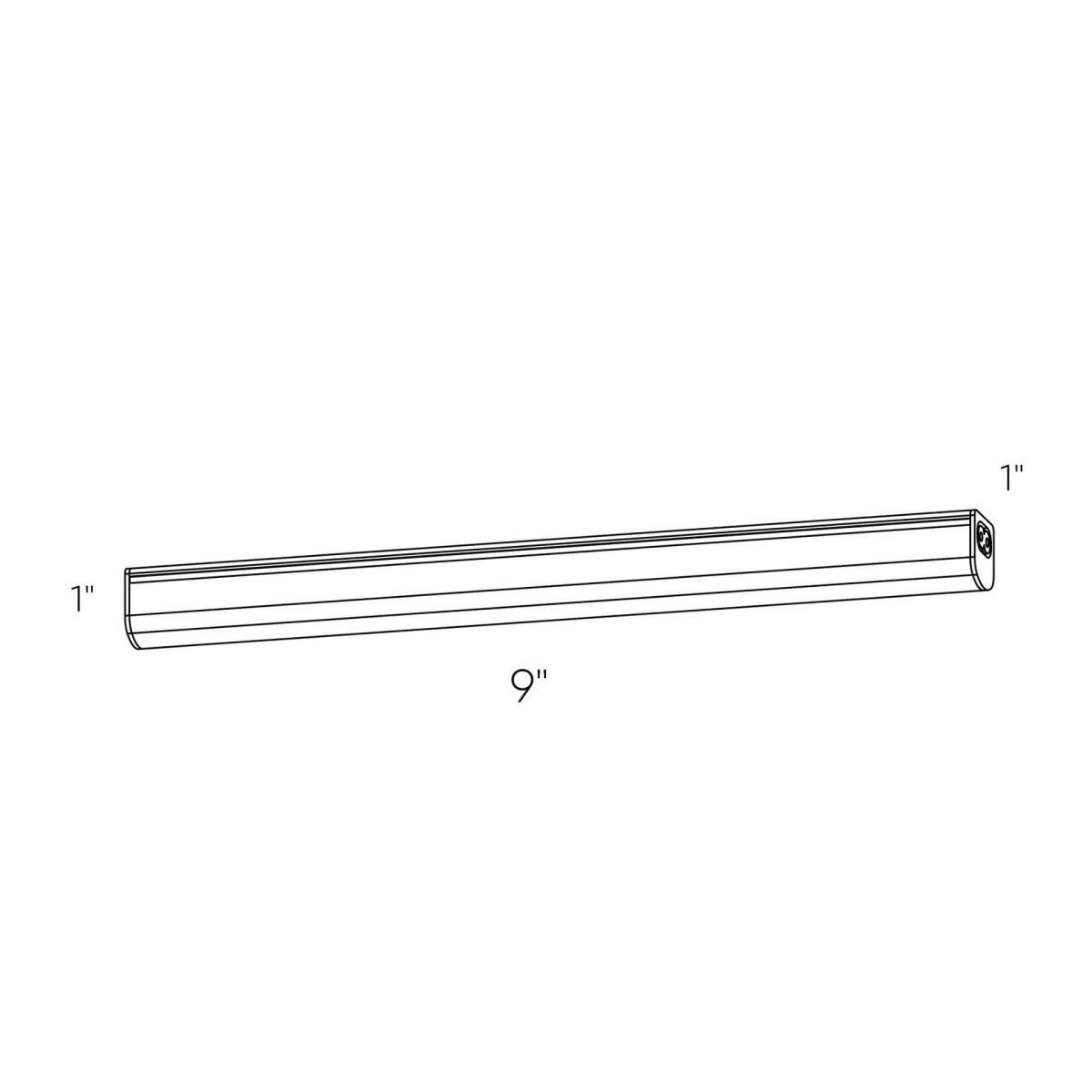
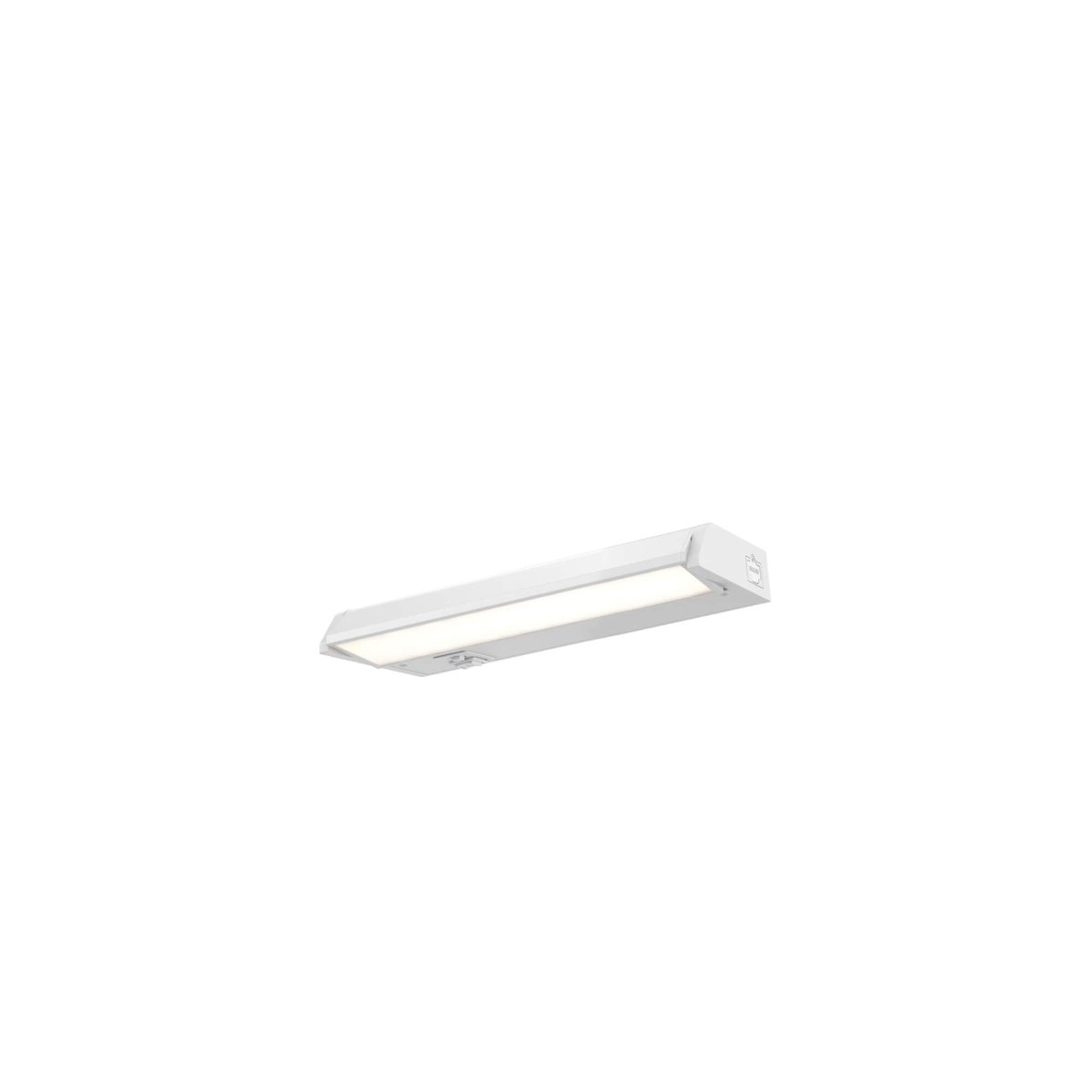
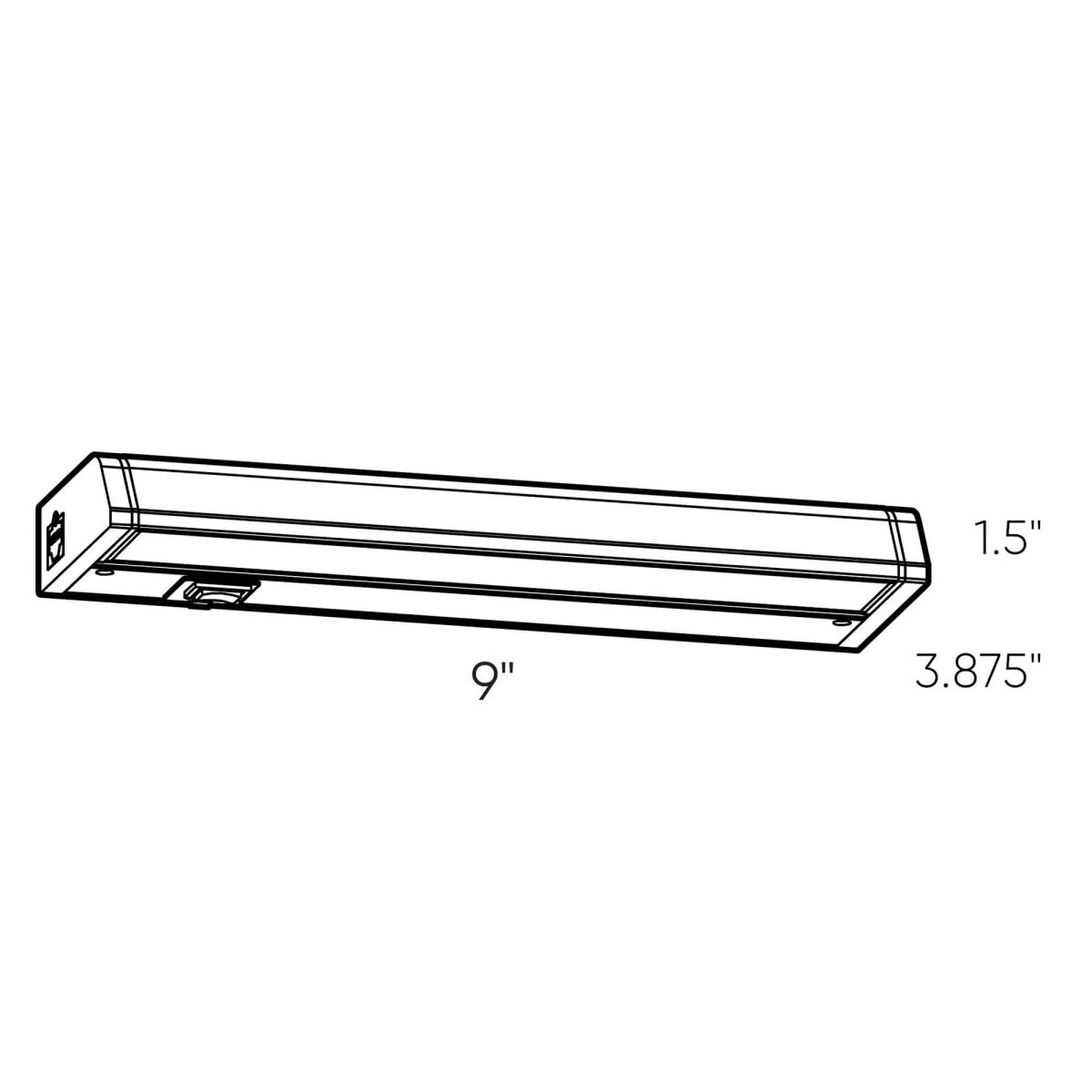
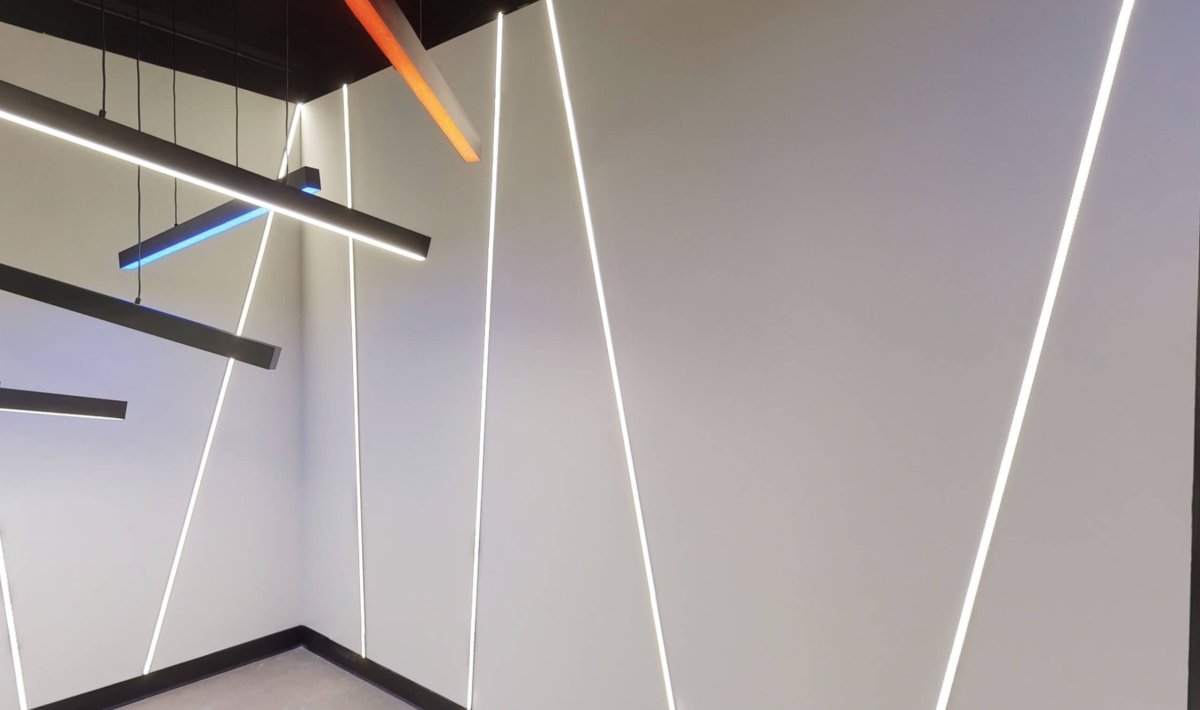
Slim and elongated, under-cabinet linear fixtures give even light along the full length of a counter. This is the logical choice for an under cabinet light that covers a long run of cabinets with no dark spots.
Strip lights
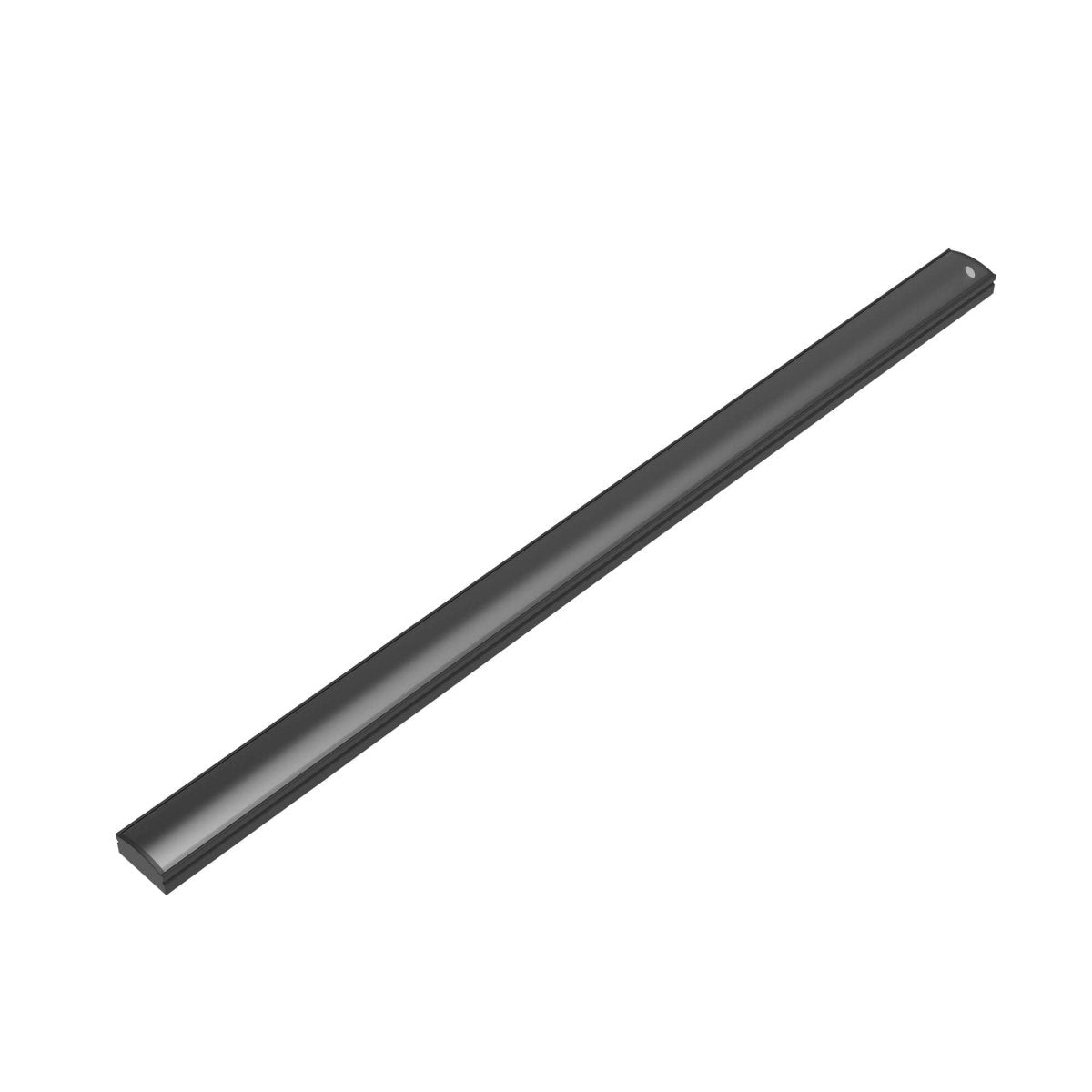
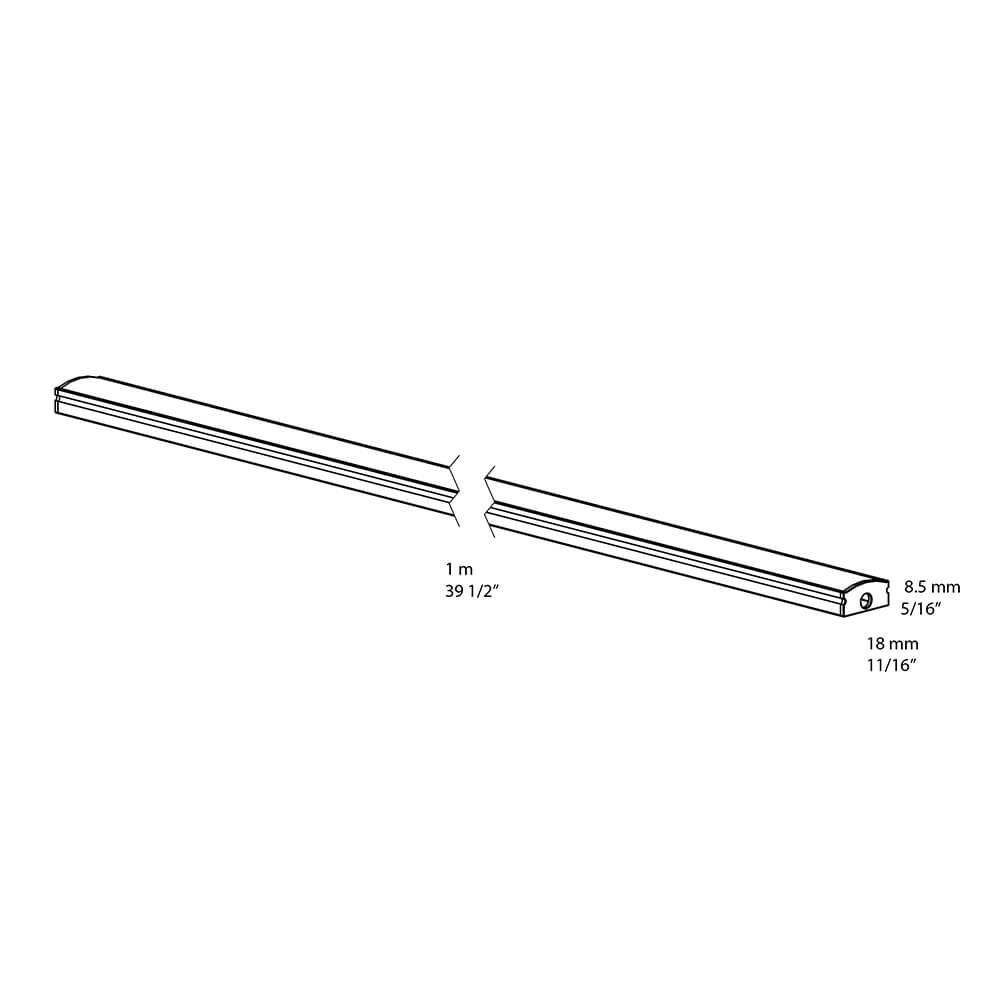
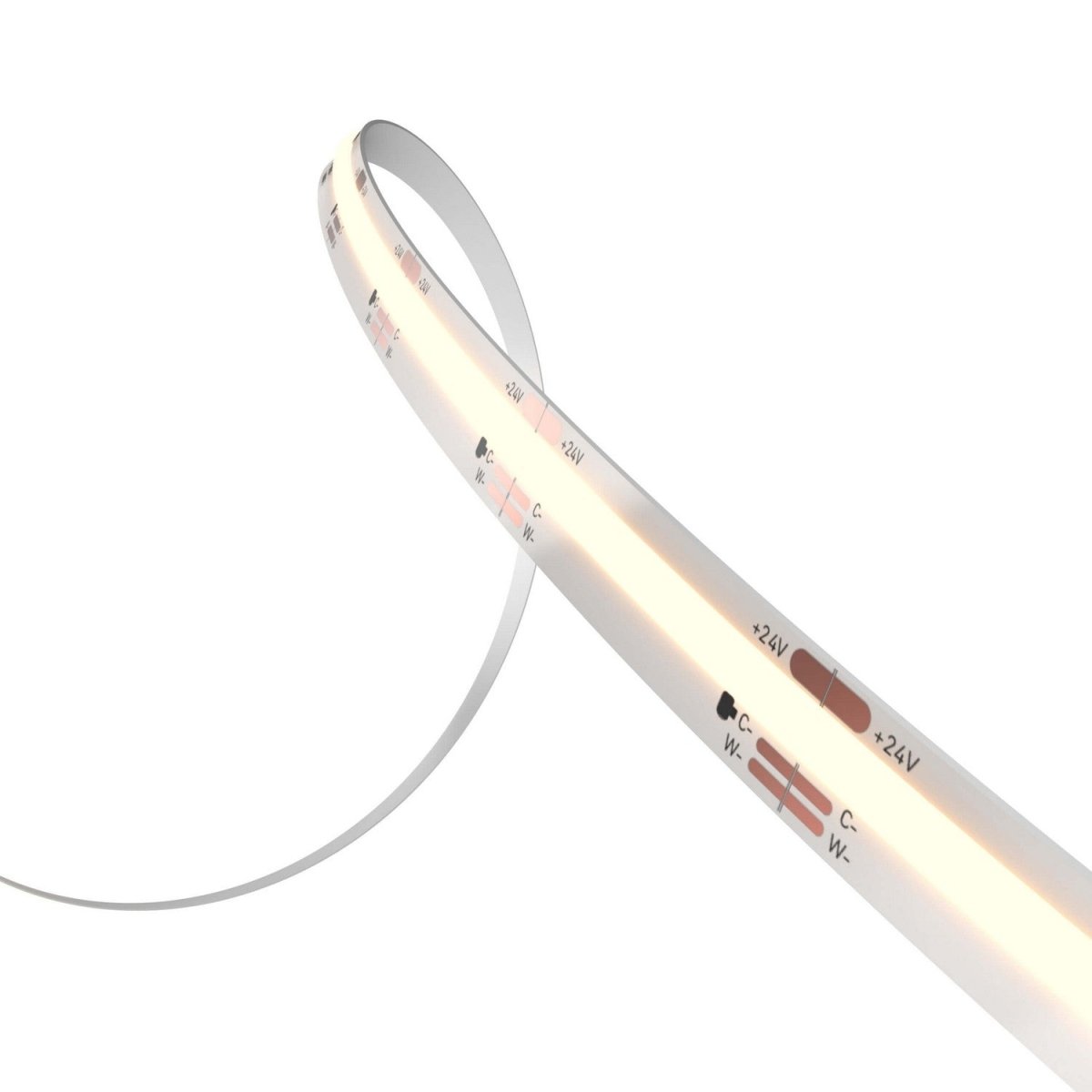
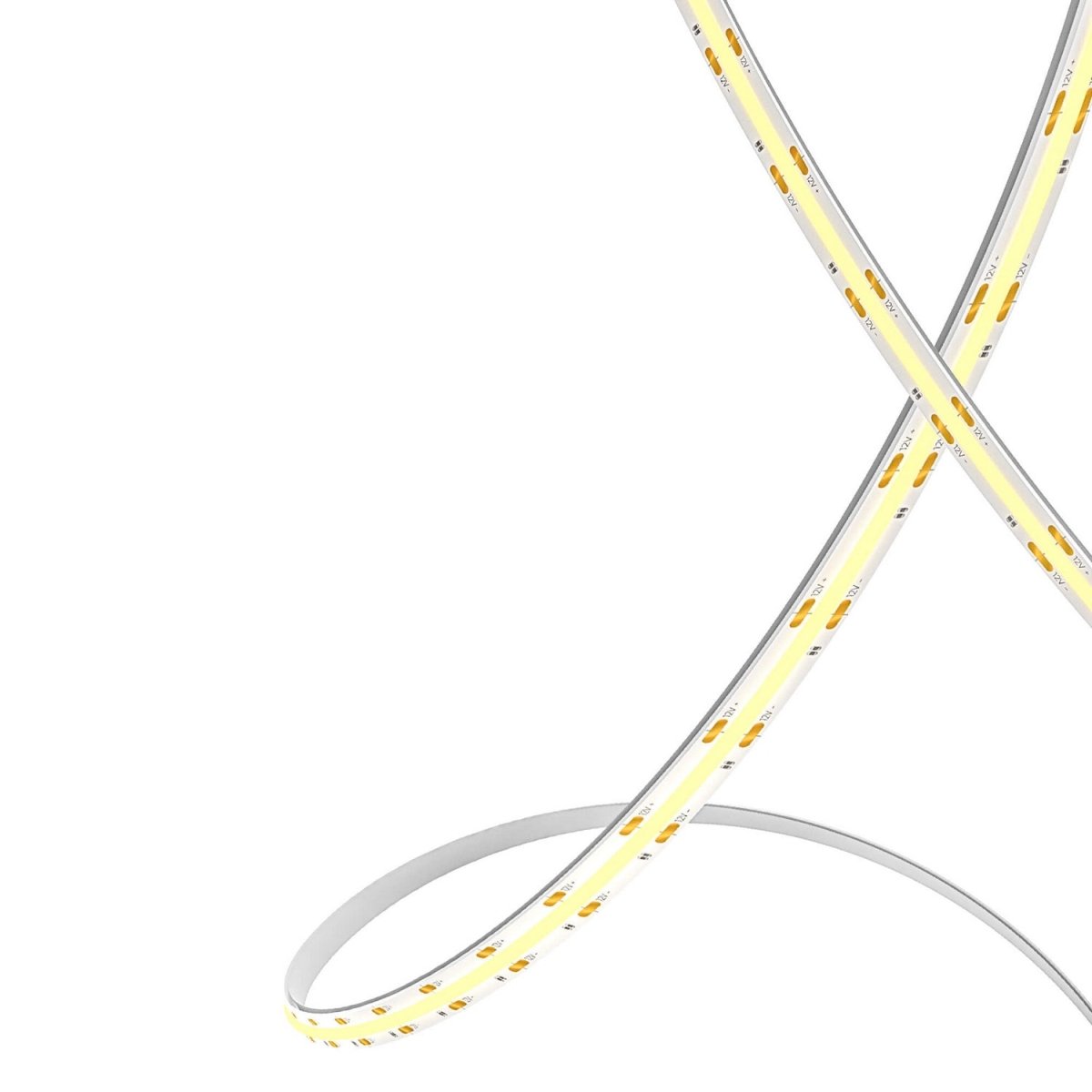
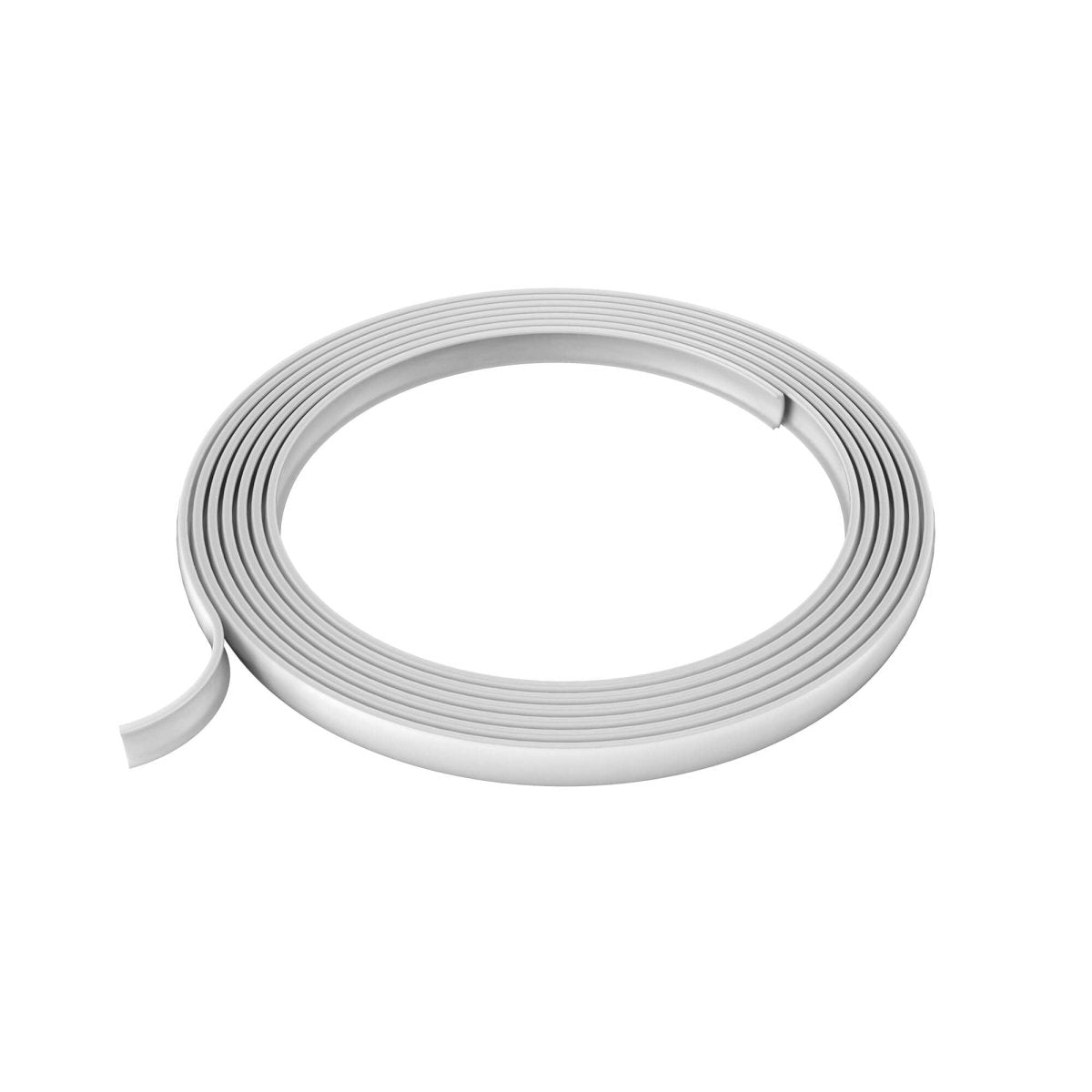
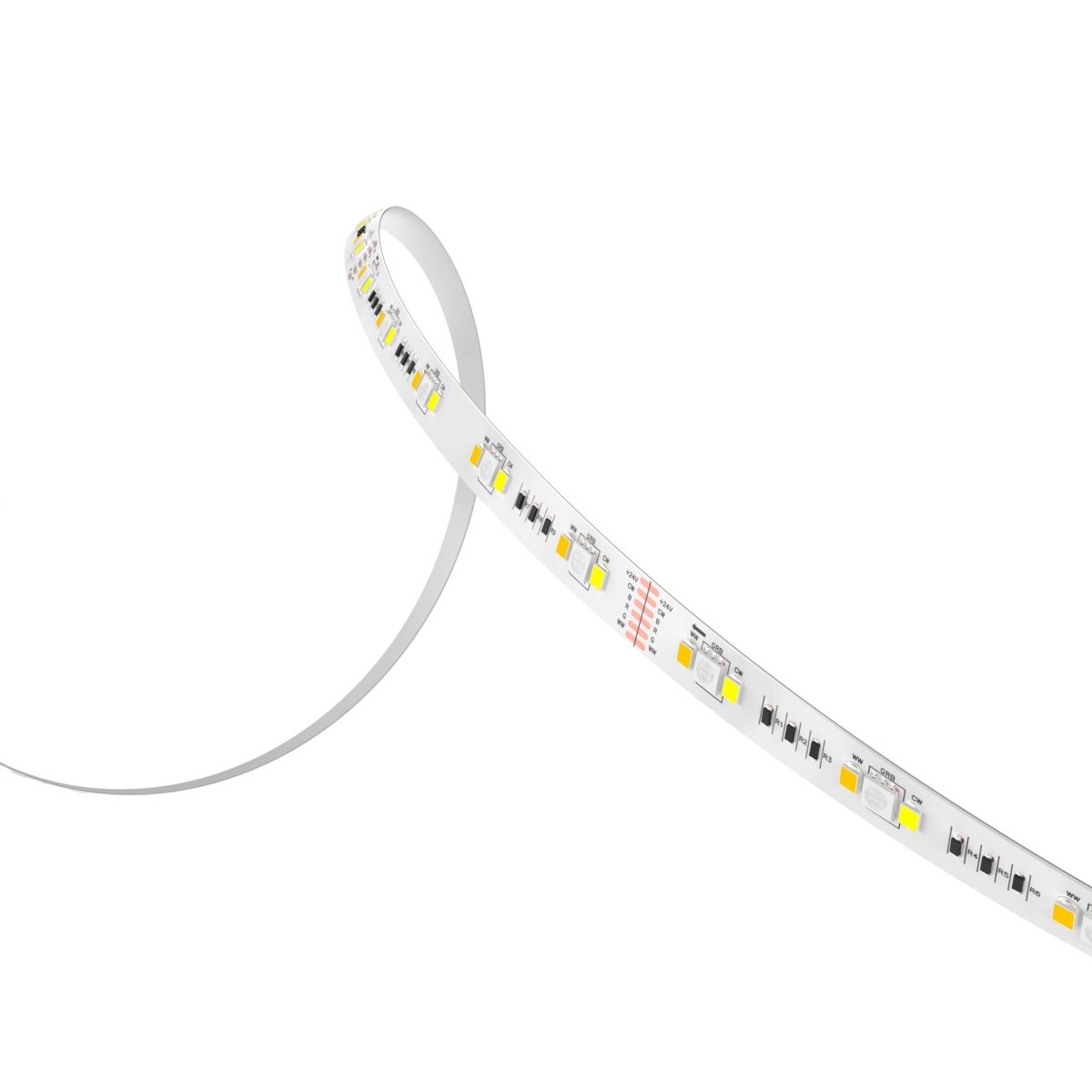
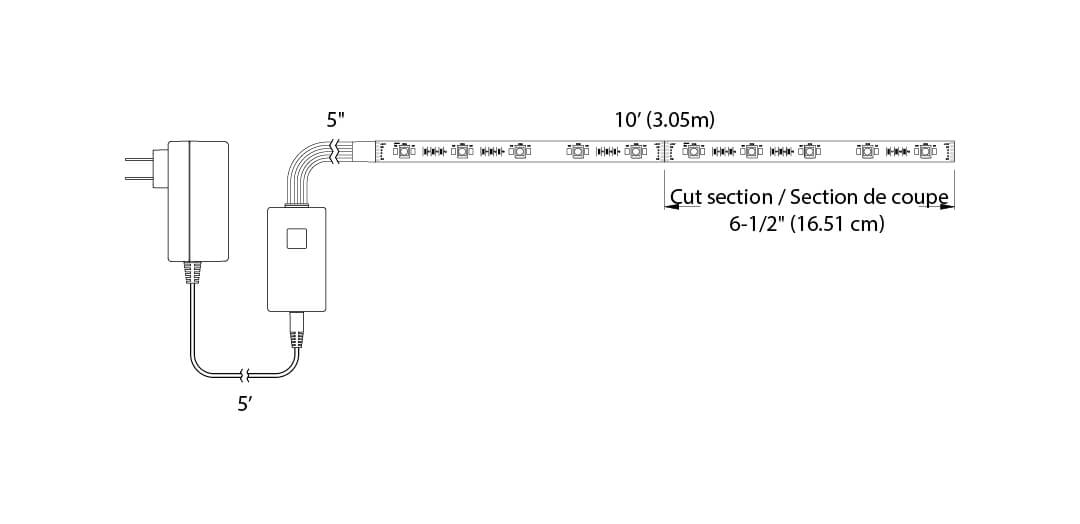
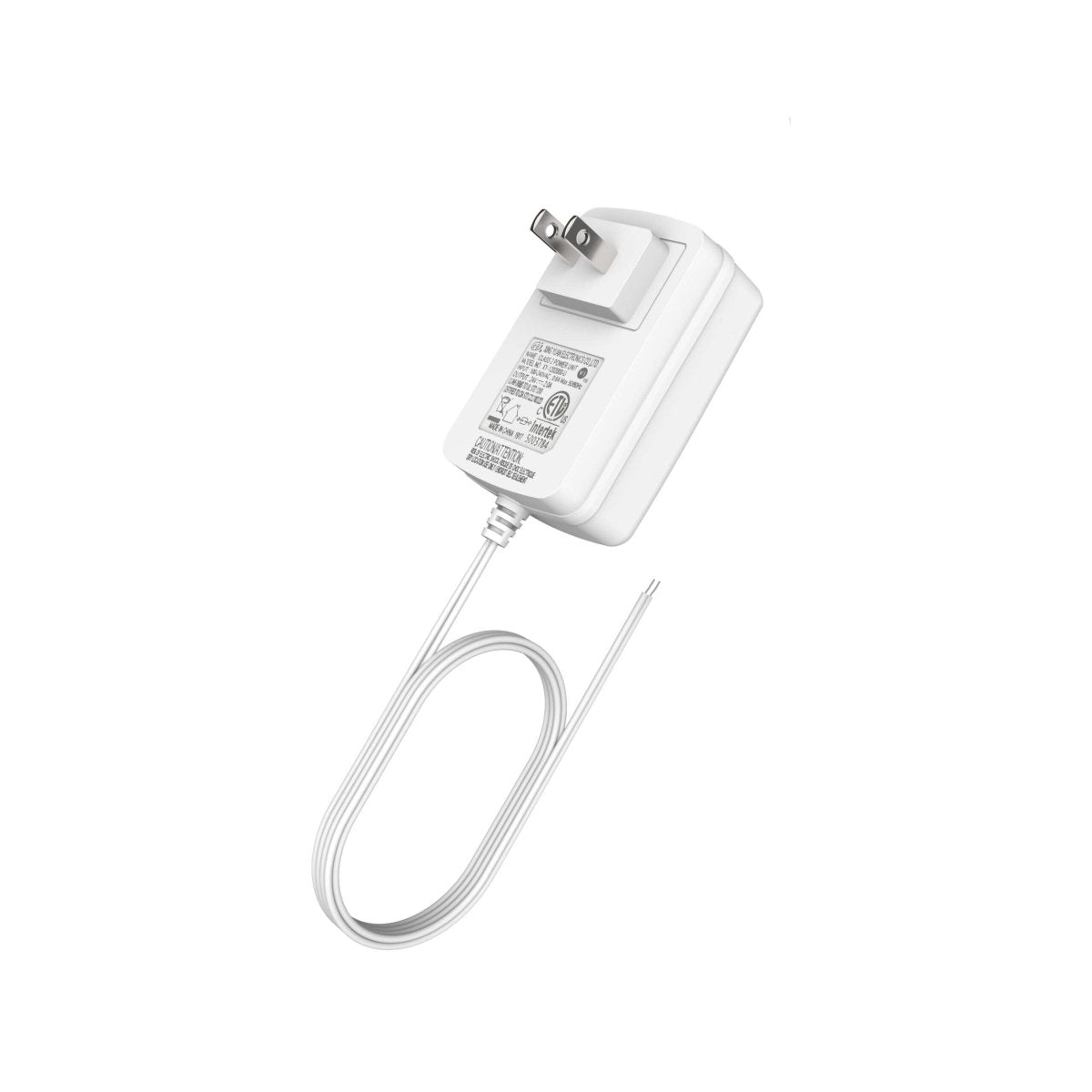
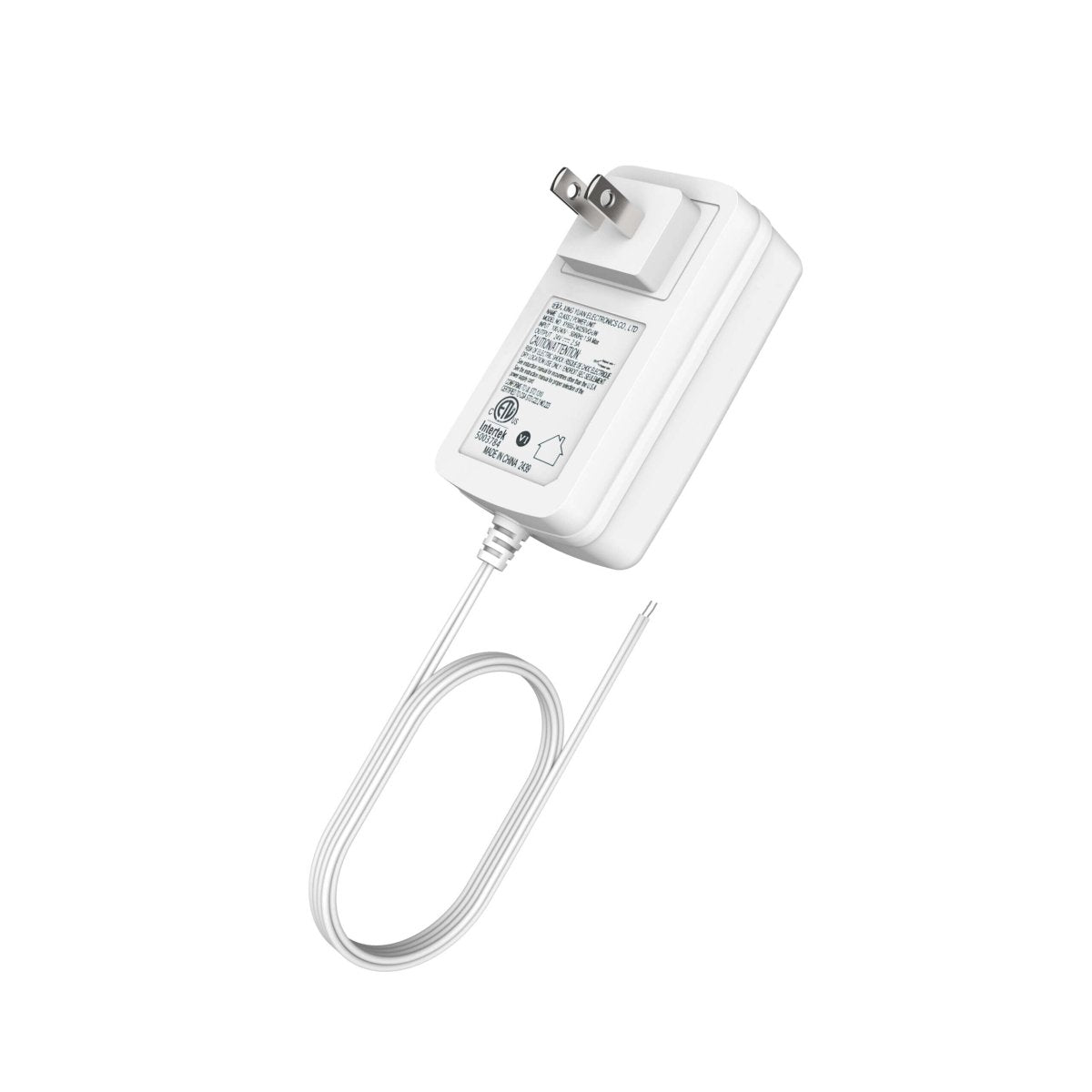
Ultra-flat and flexible, a led strip light slides into an aluminum extrusion for a discreet, continuous run under the cabinet. You cut it to length and connect it to a 24V driver. Ideal for a custom install or to underline a cabinet valance.
A system, not just fixtures
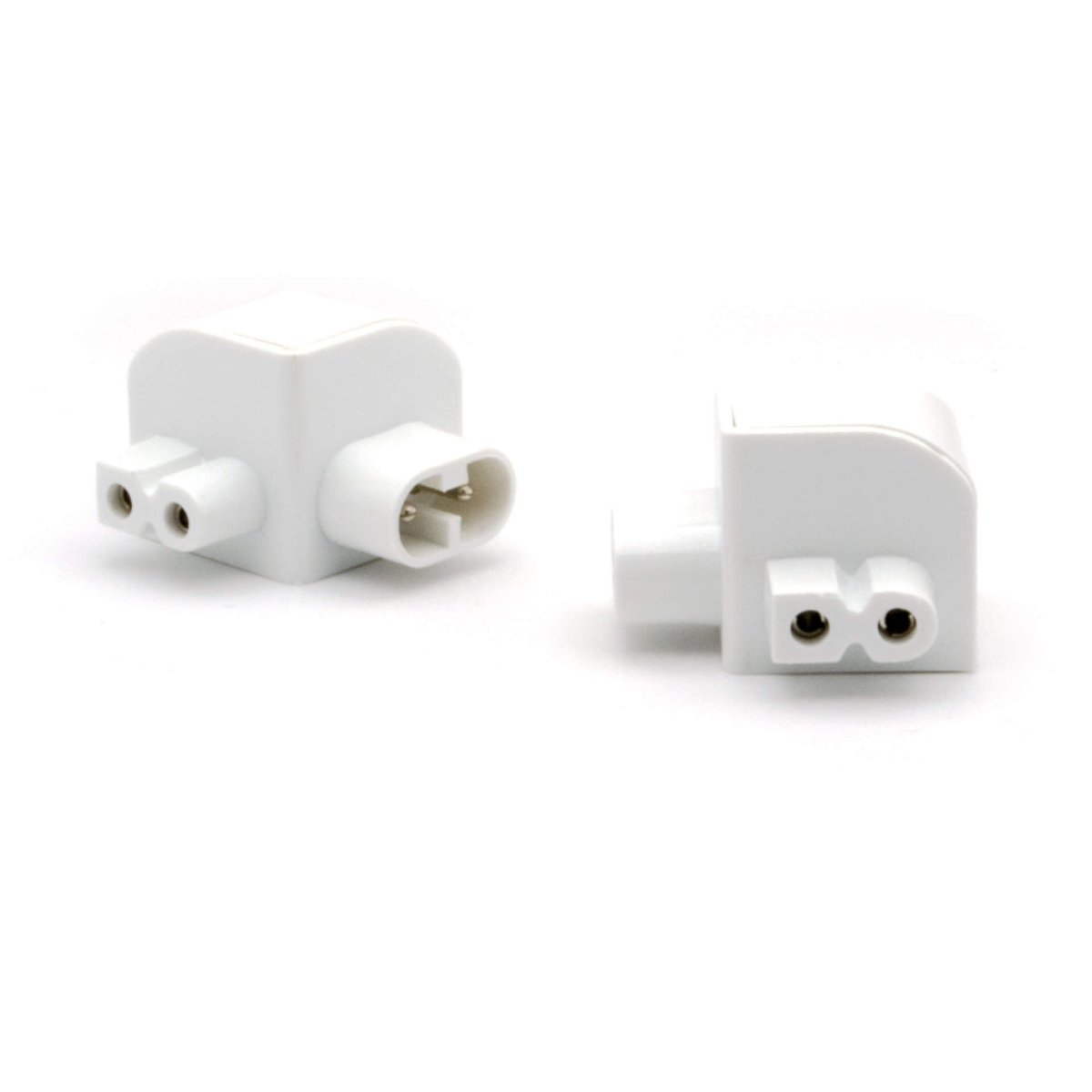
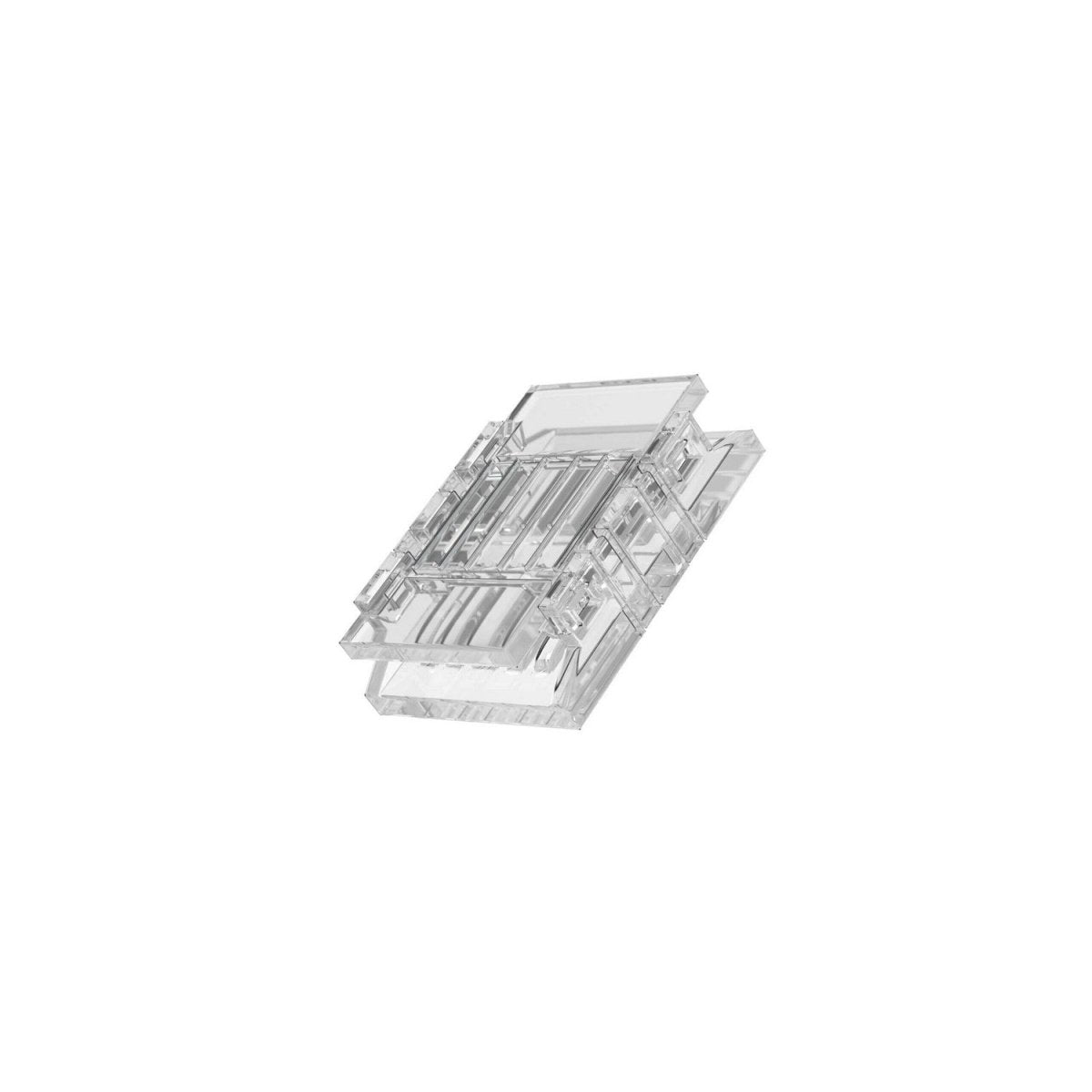
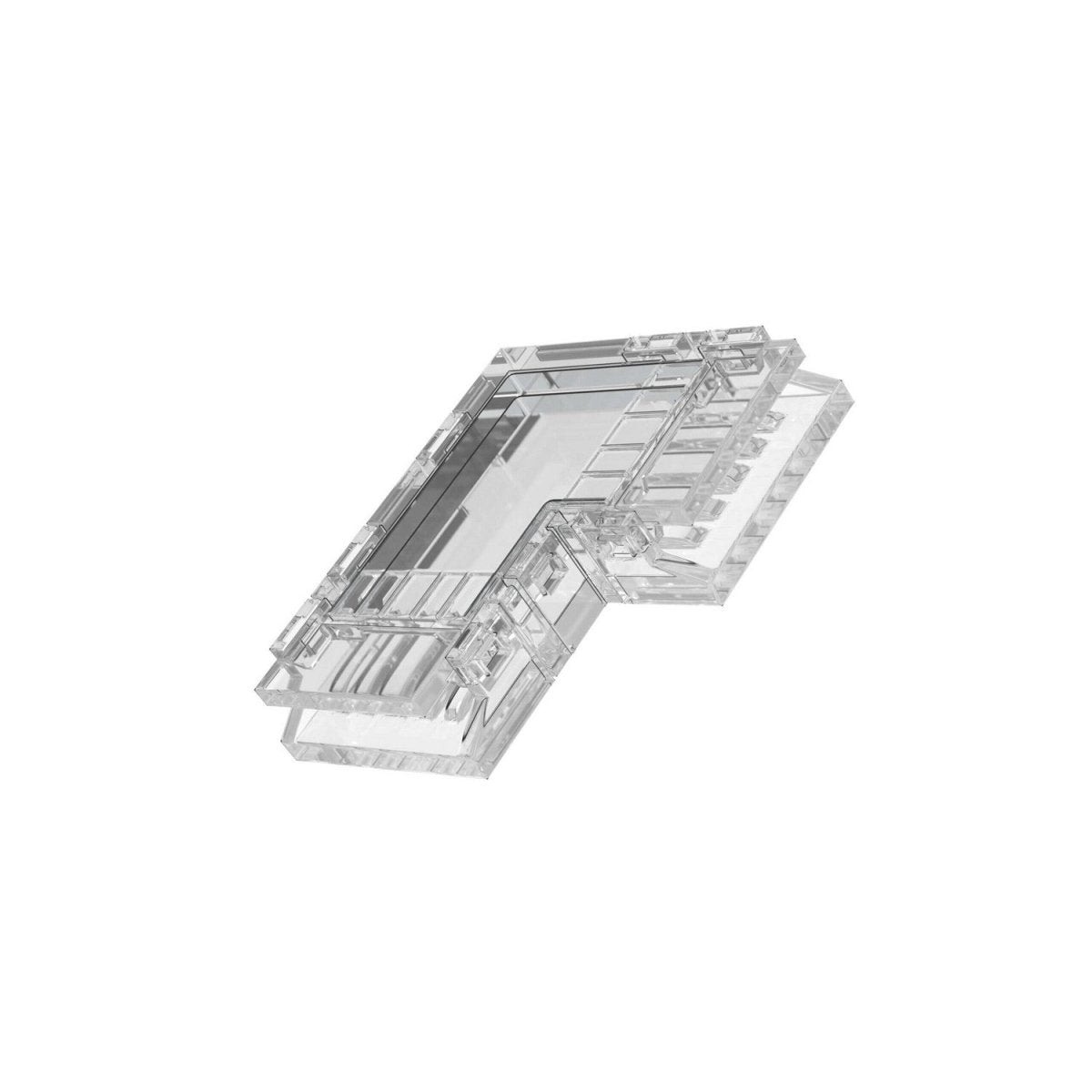
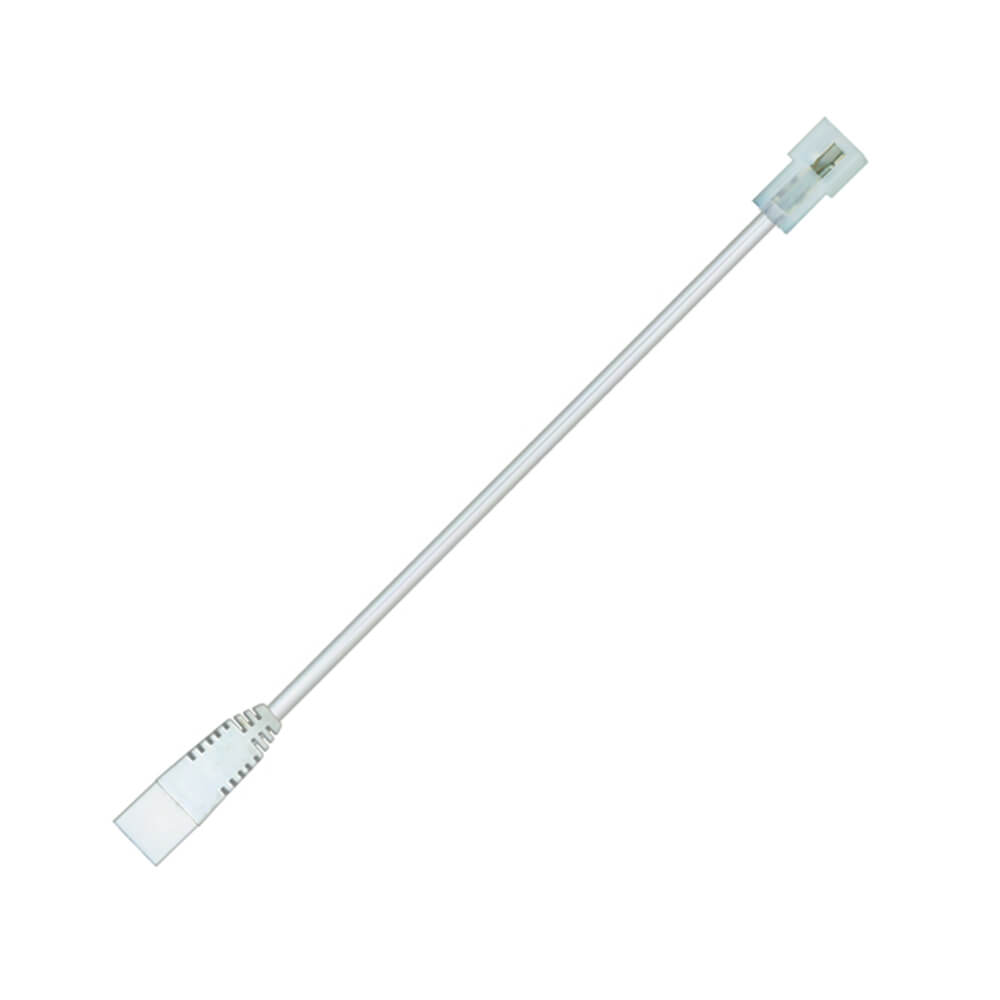
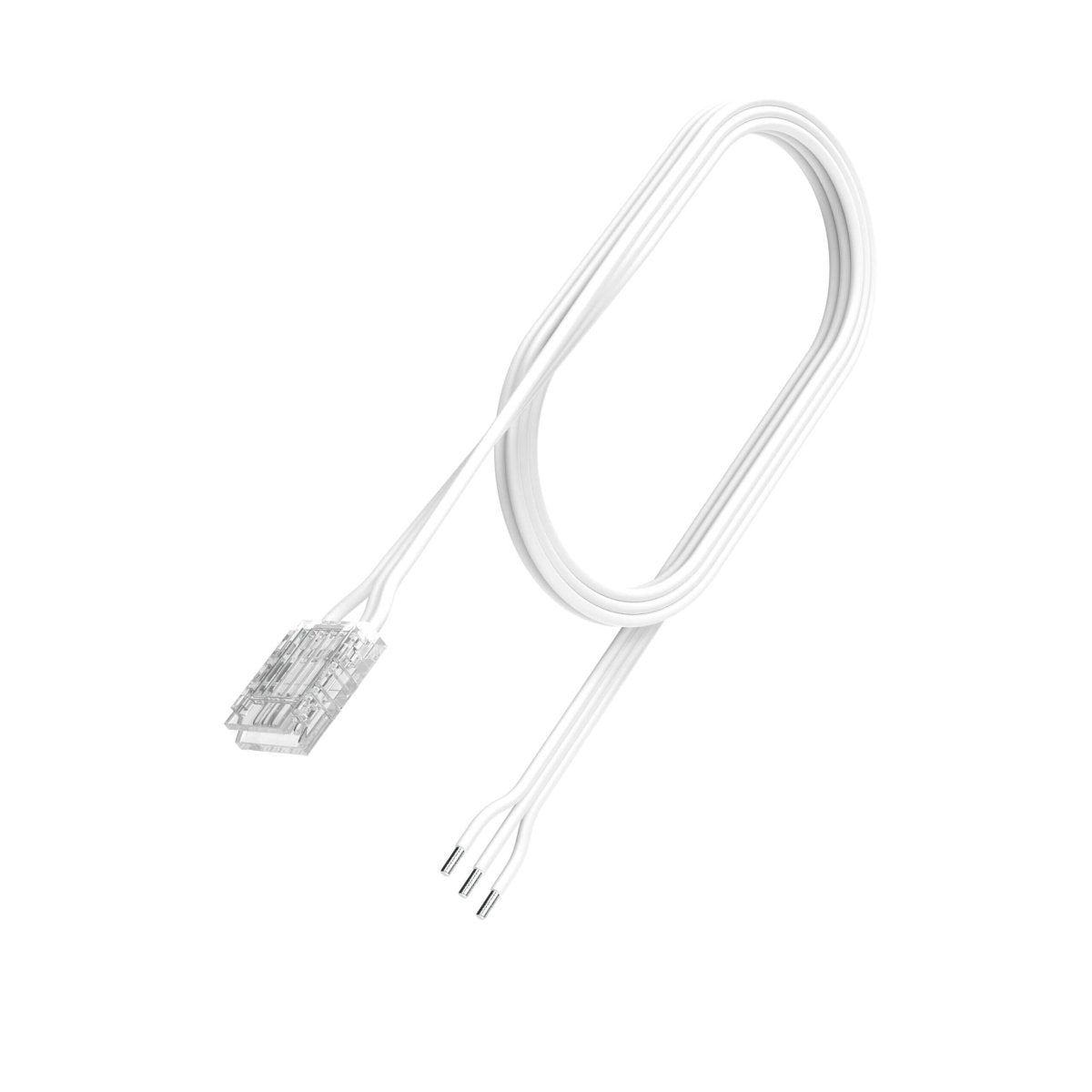
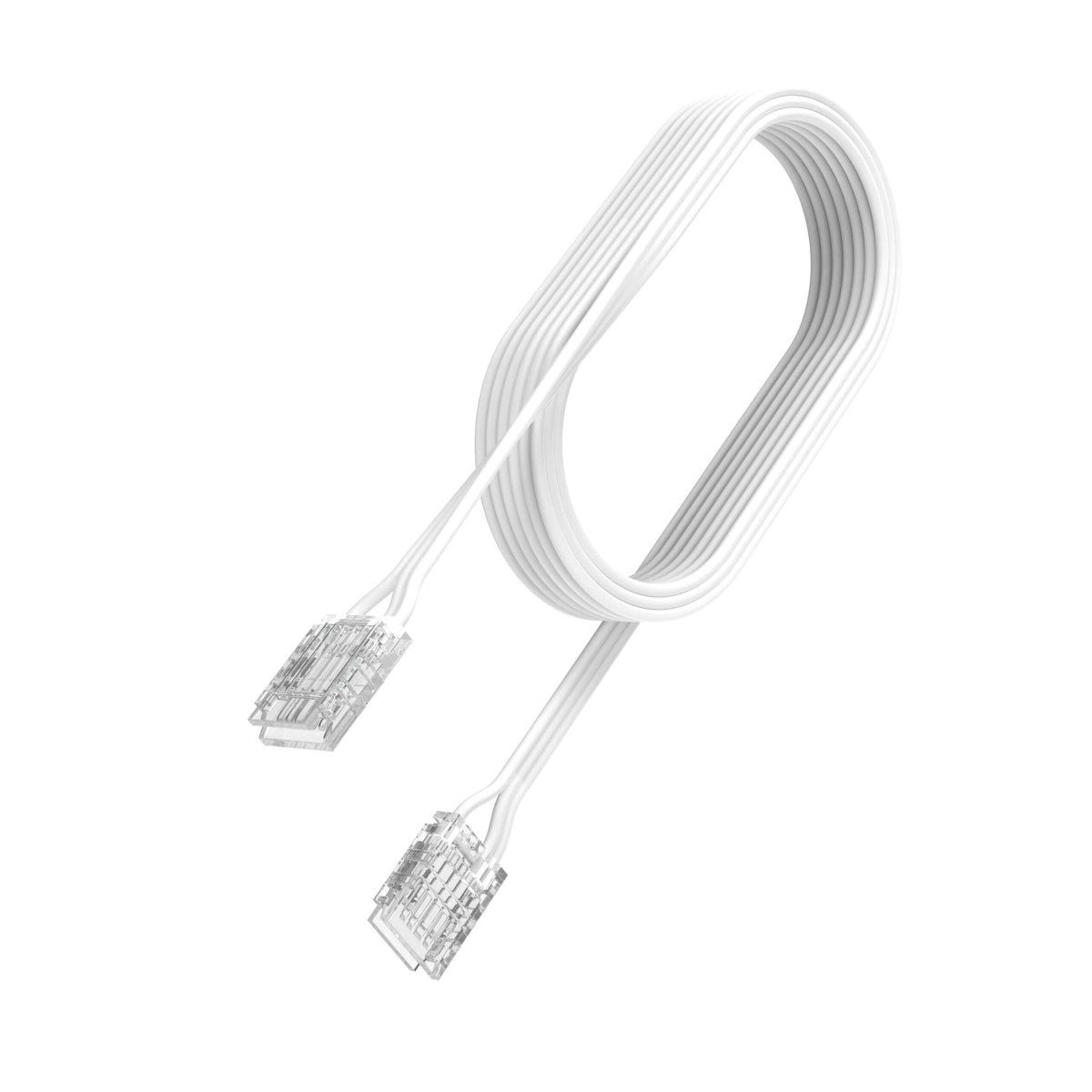
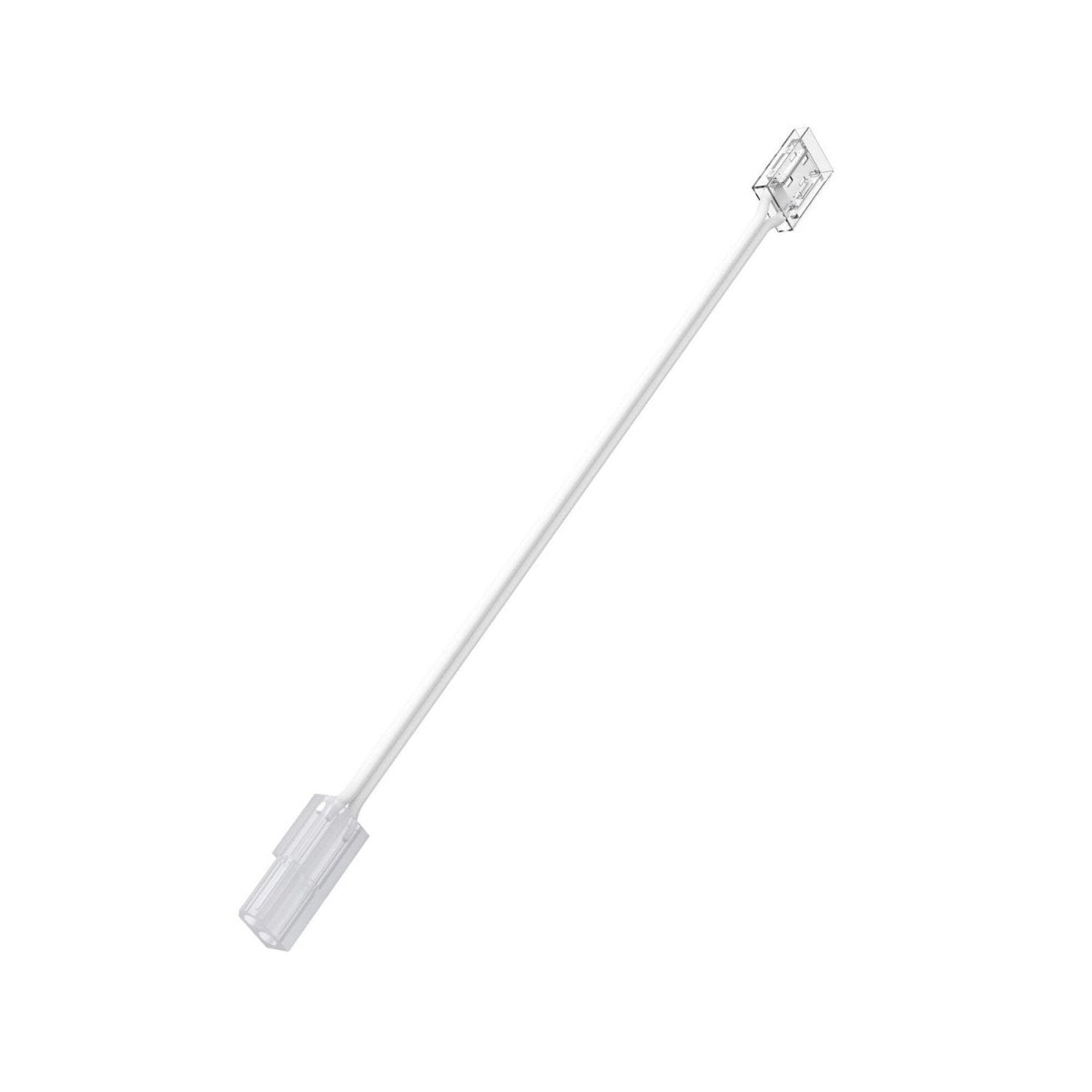
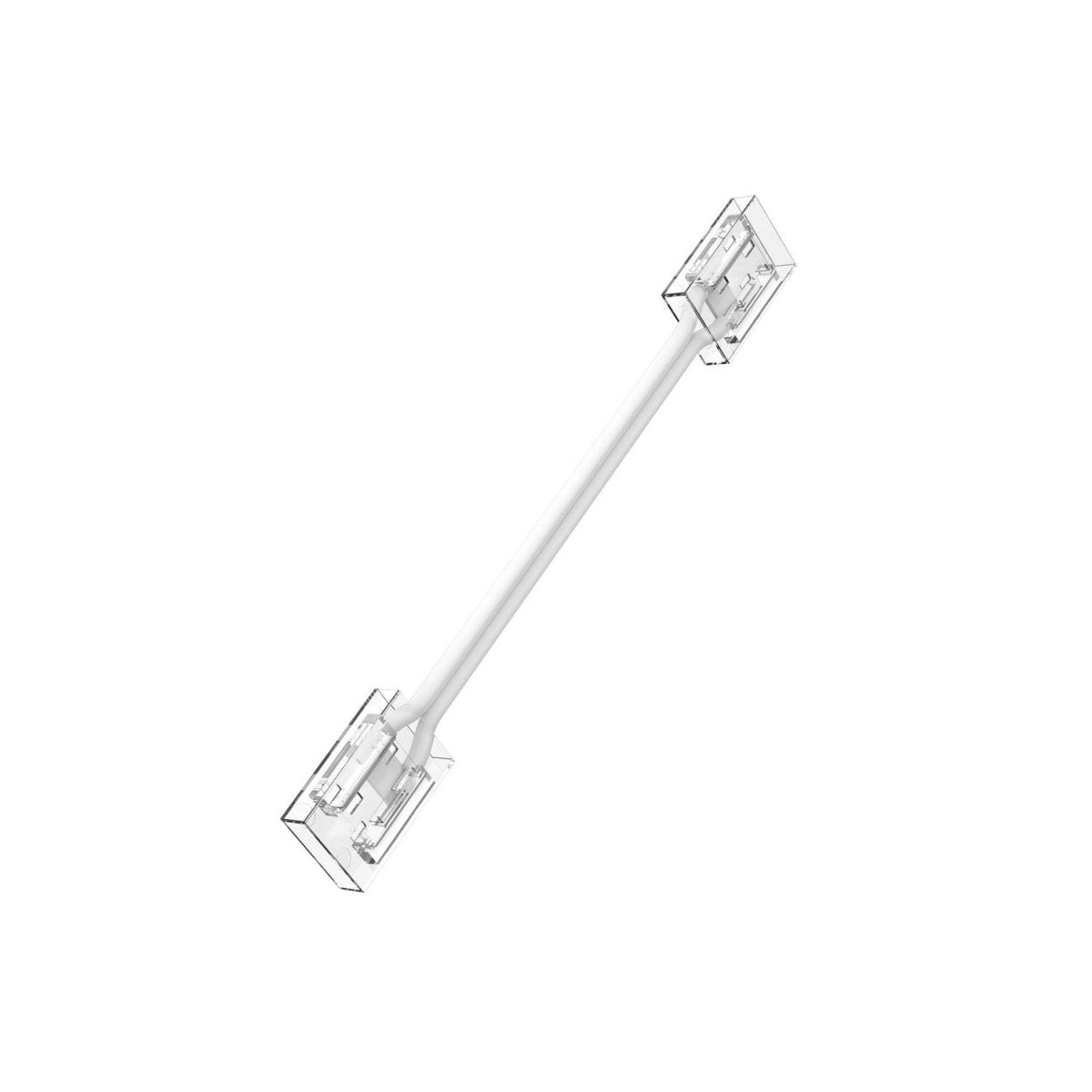
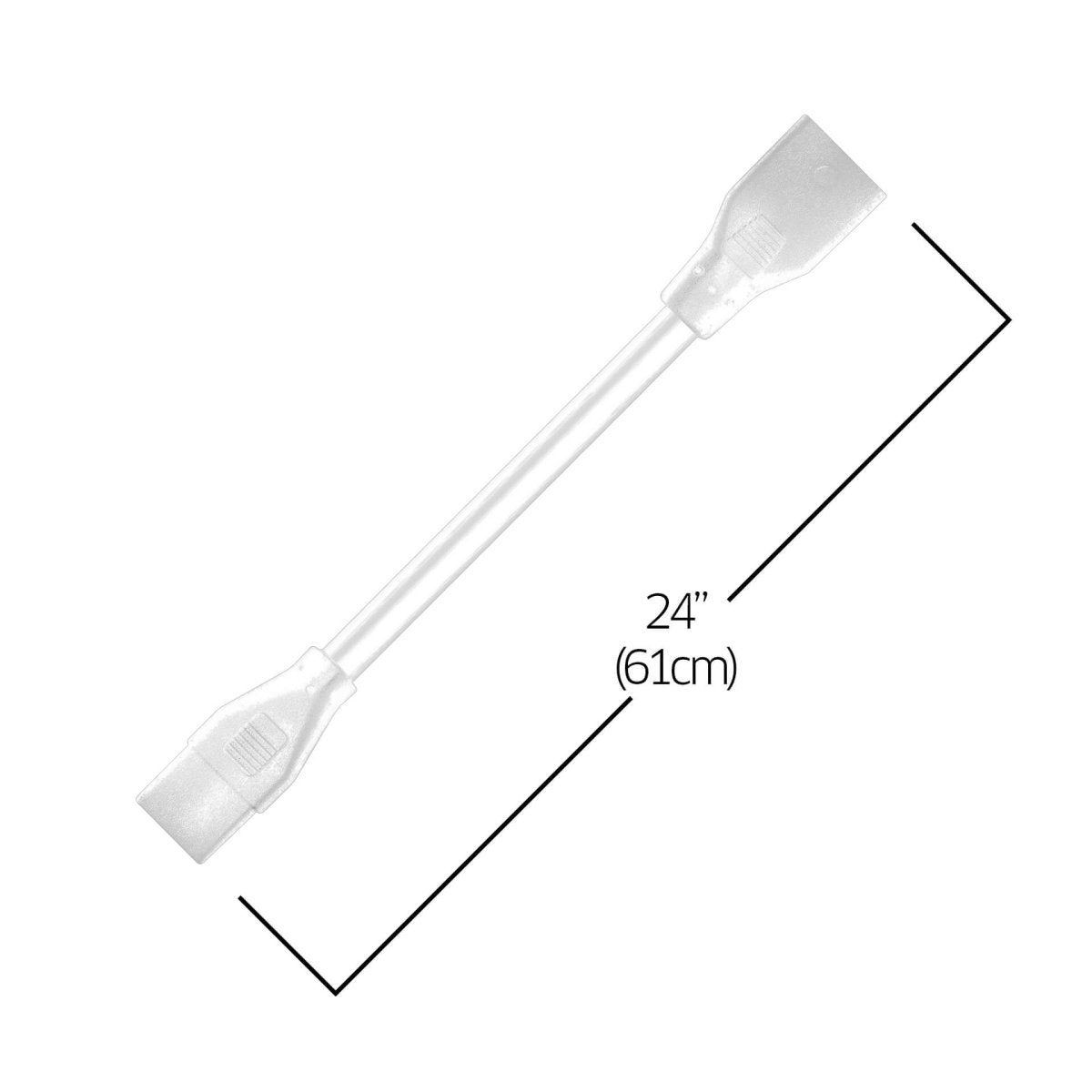
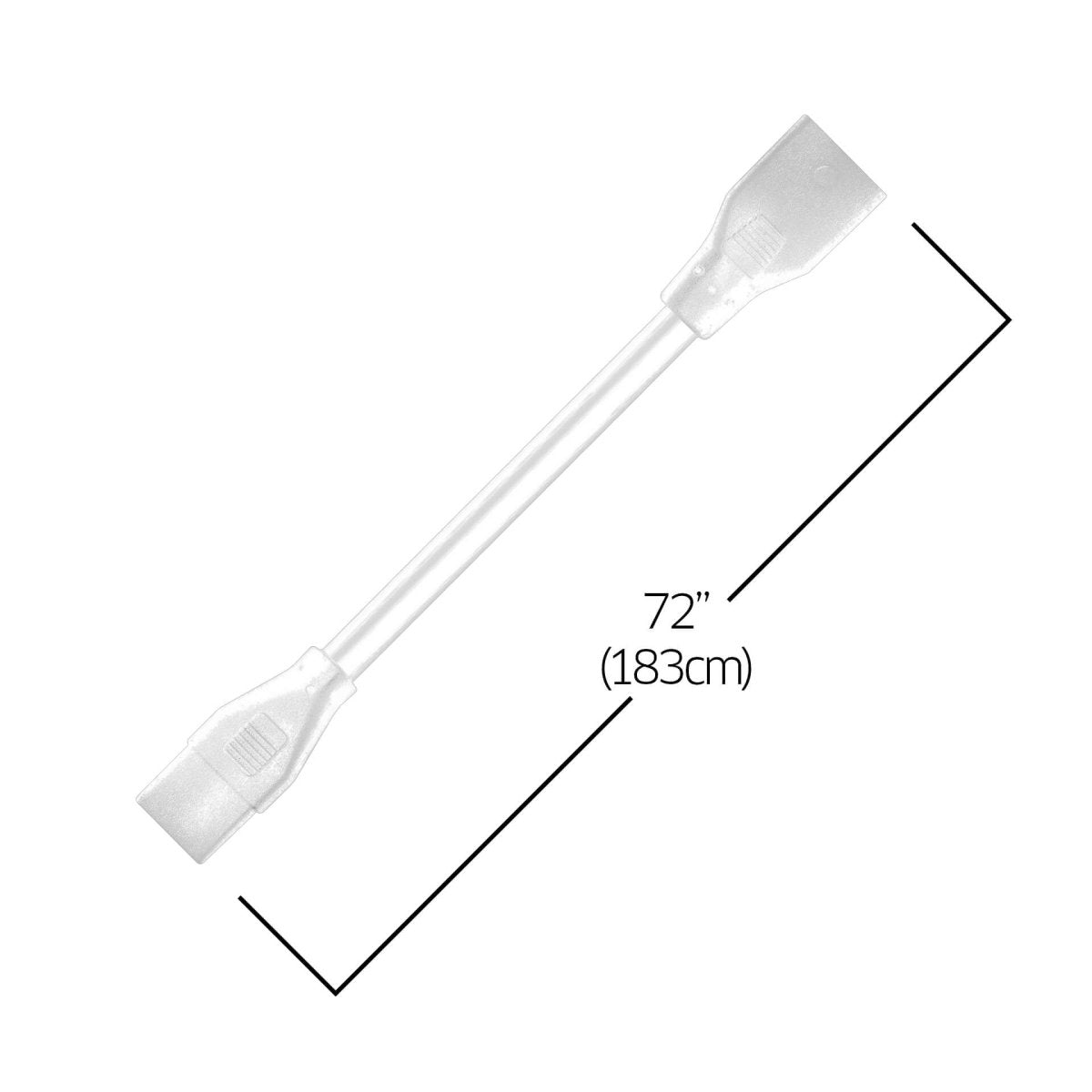
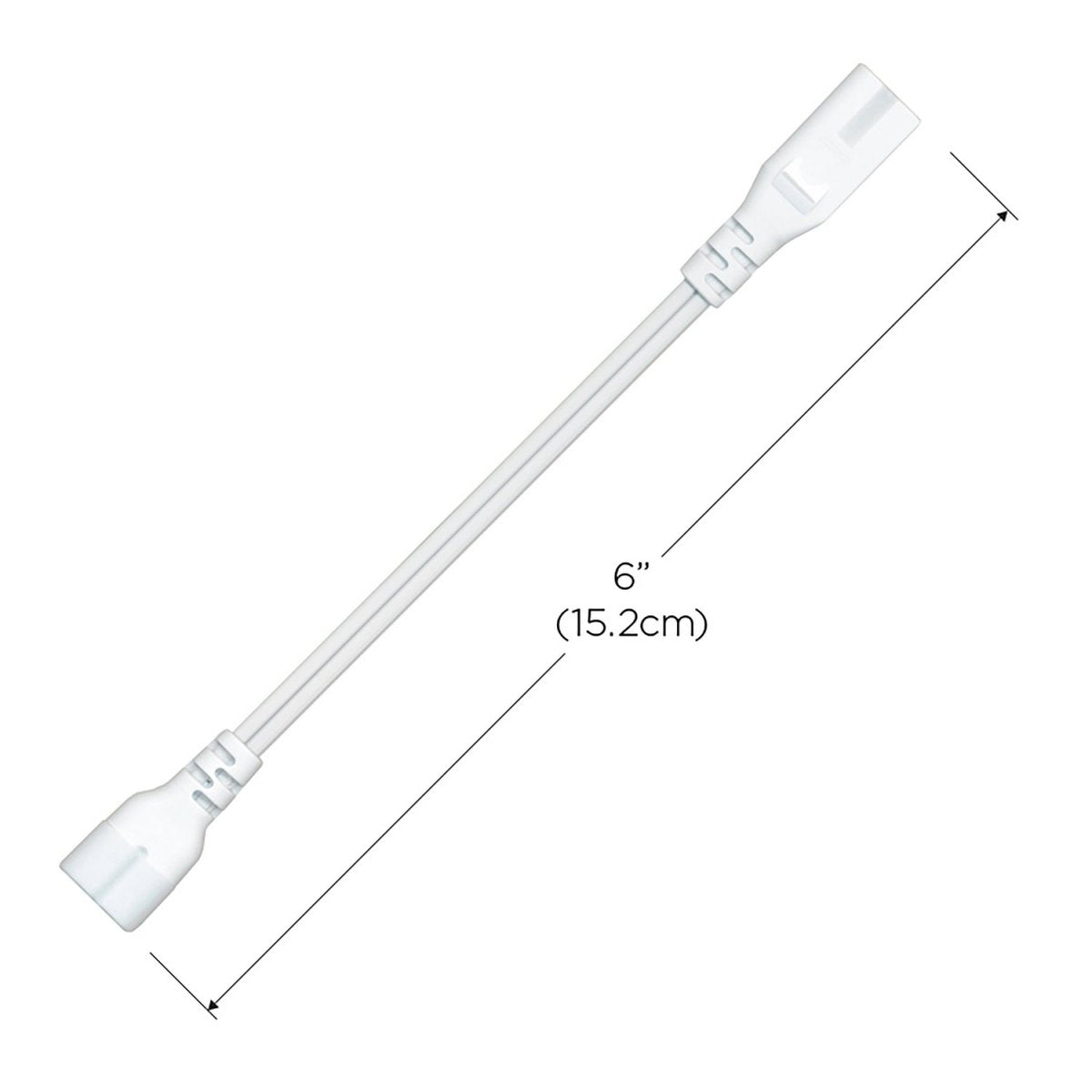
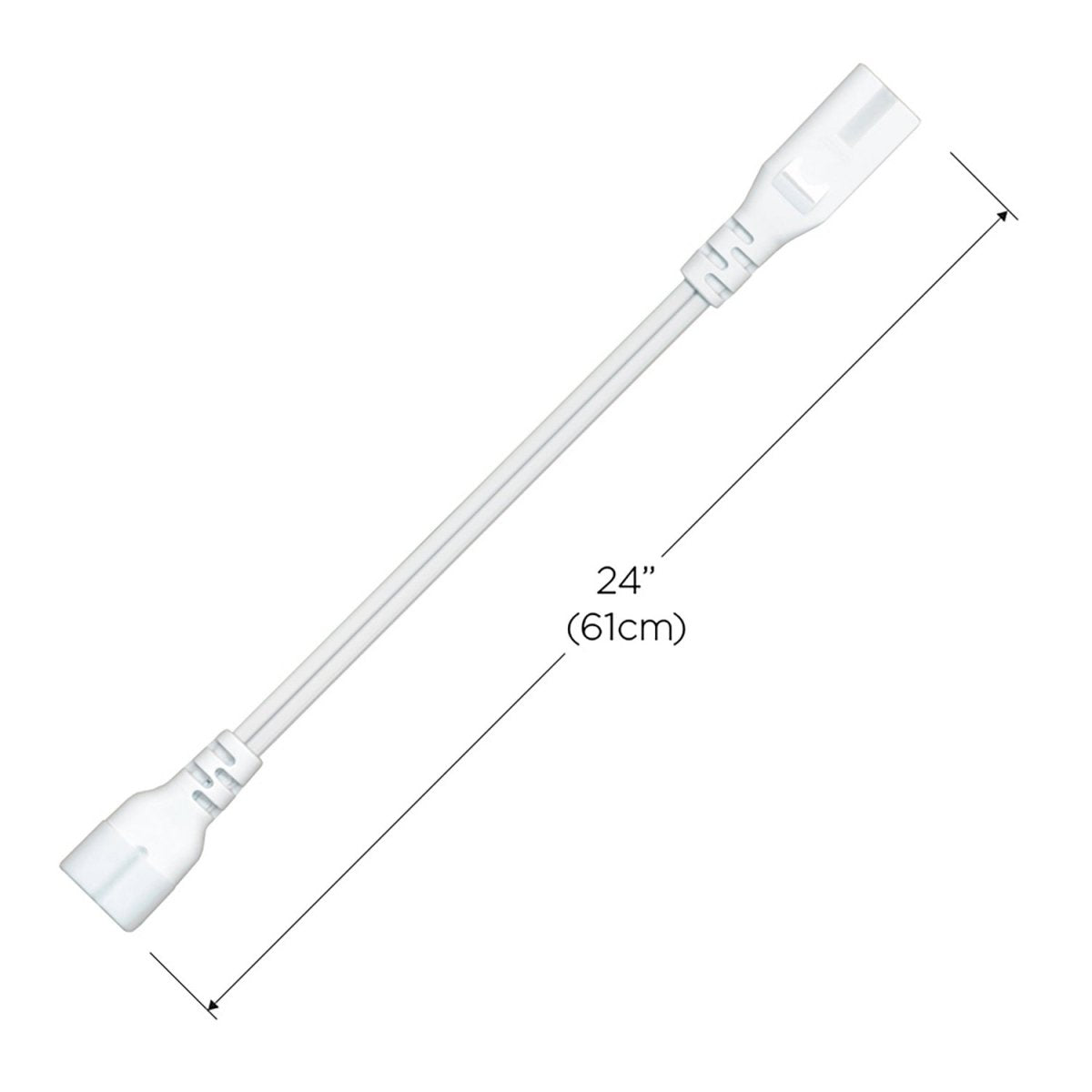
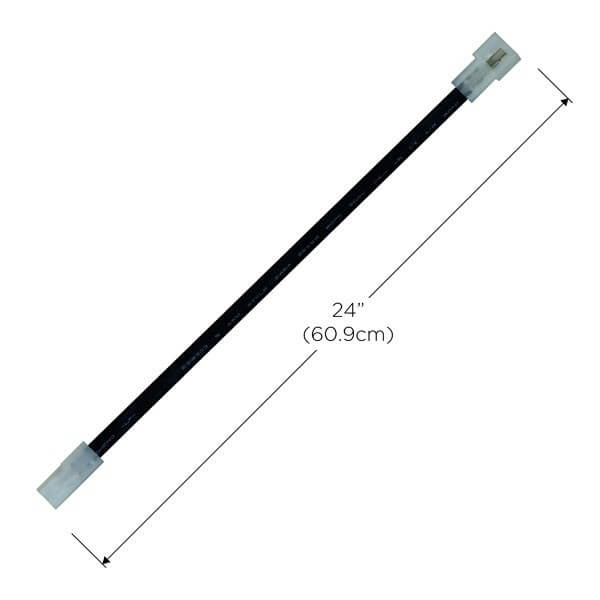
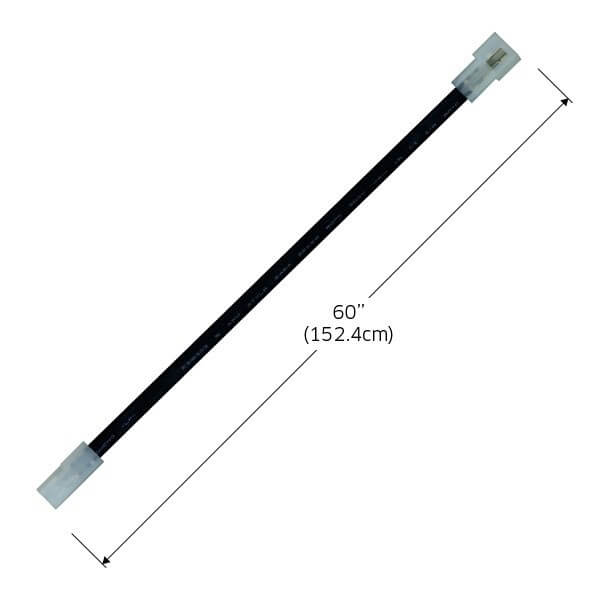
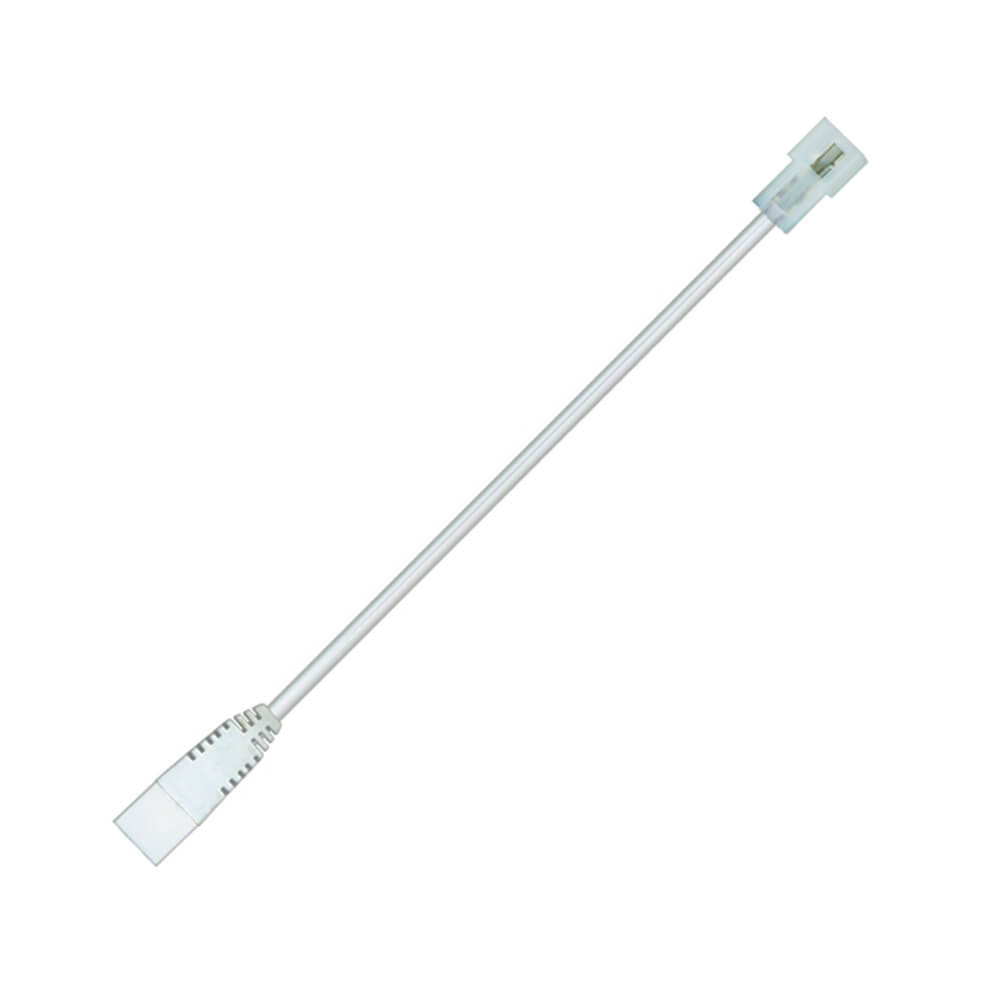
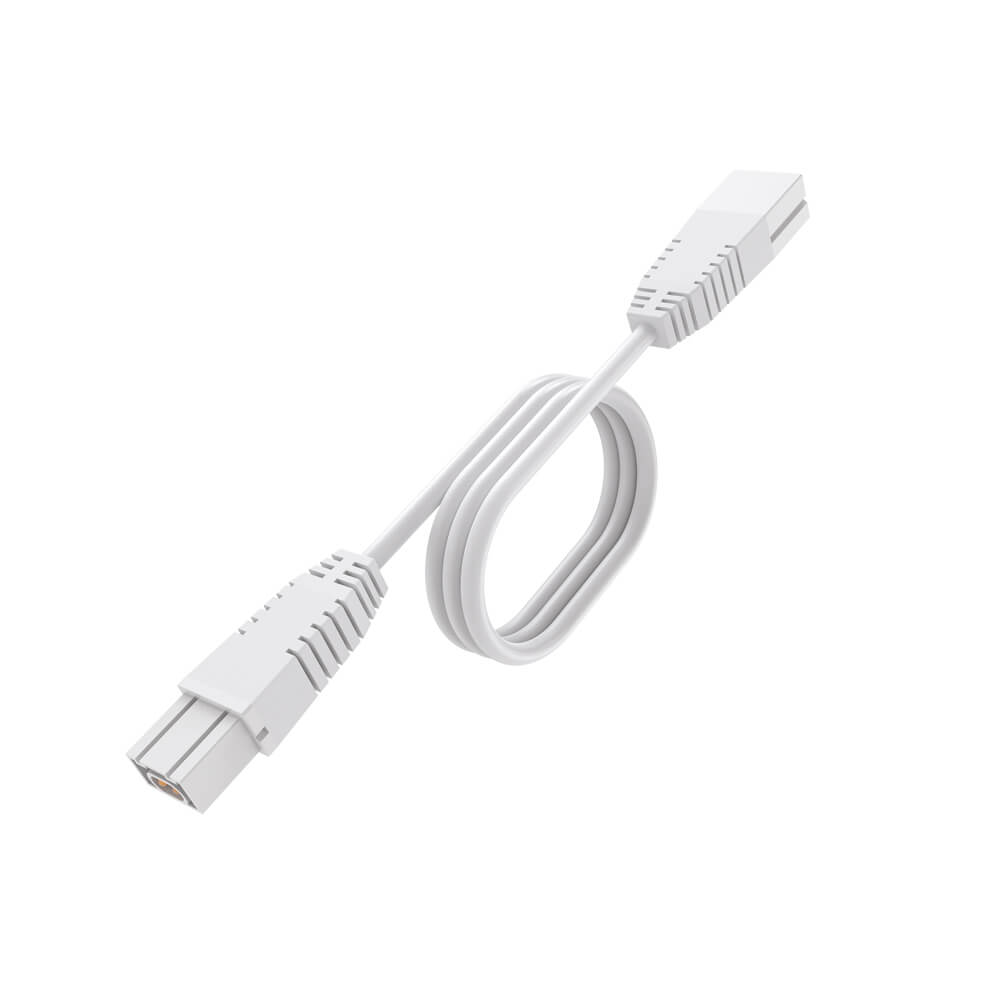
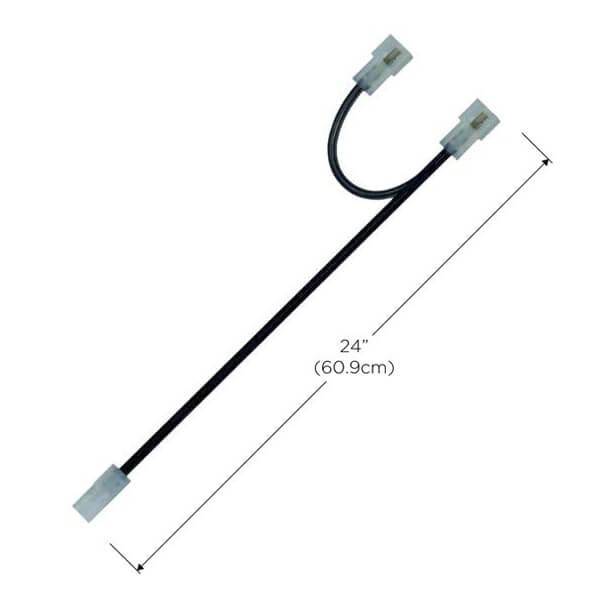
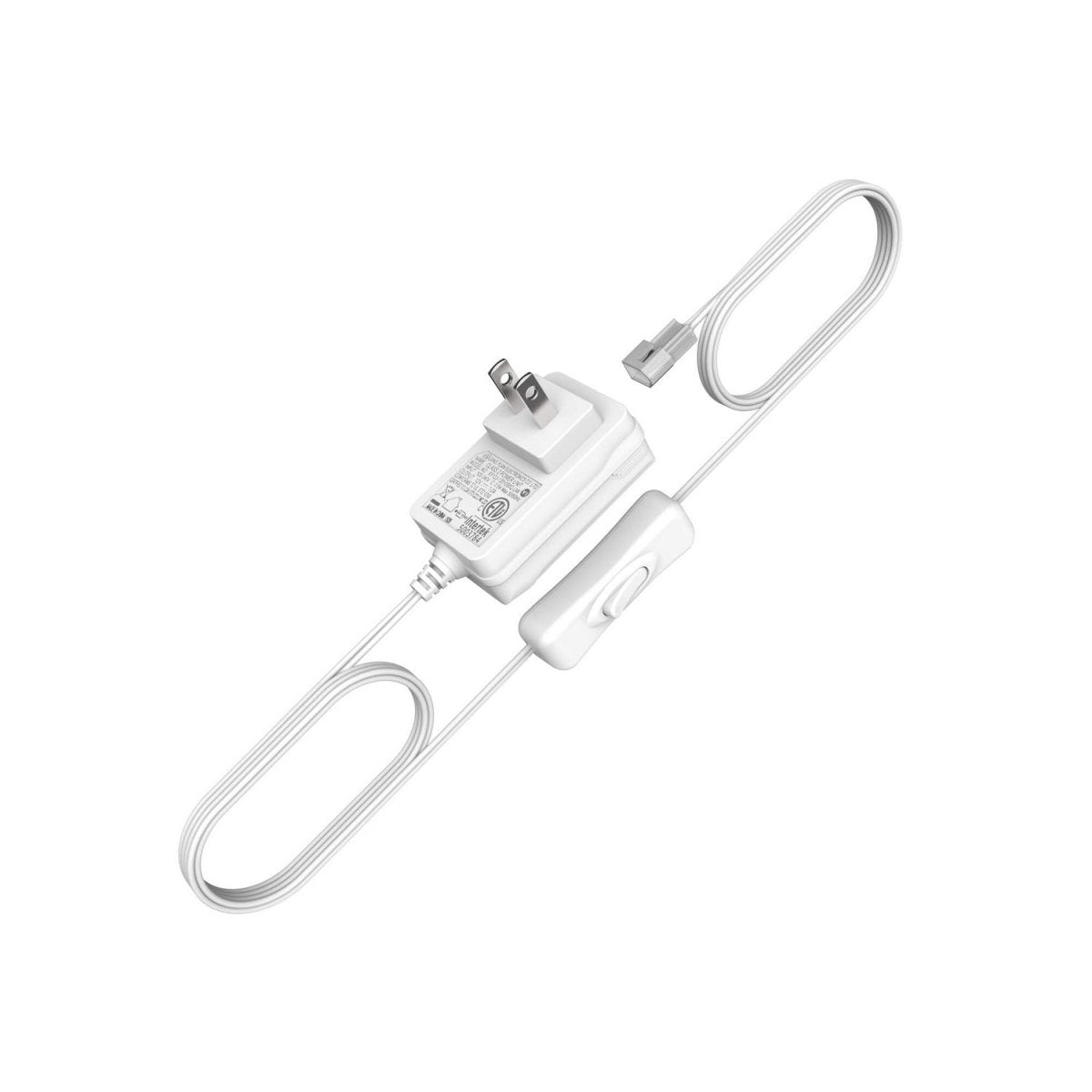
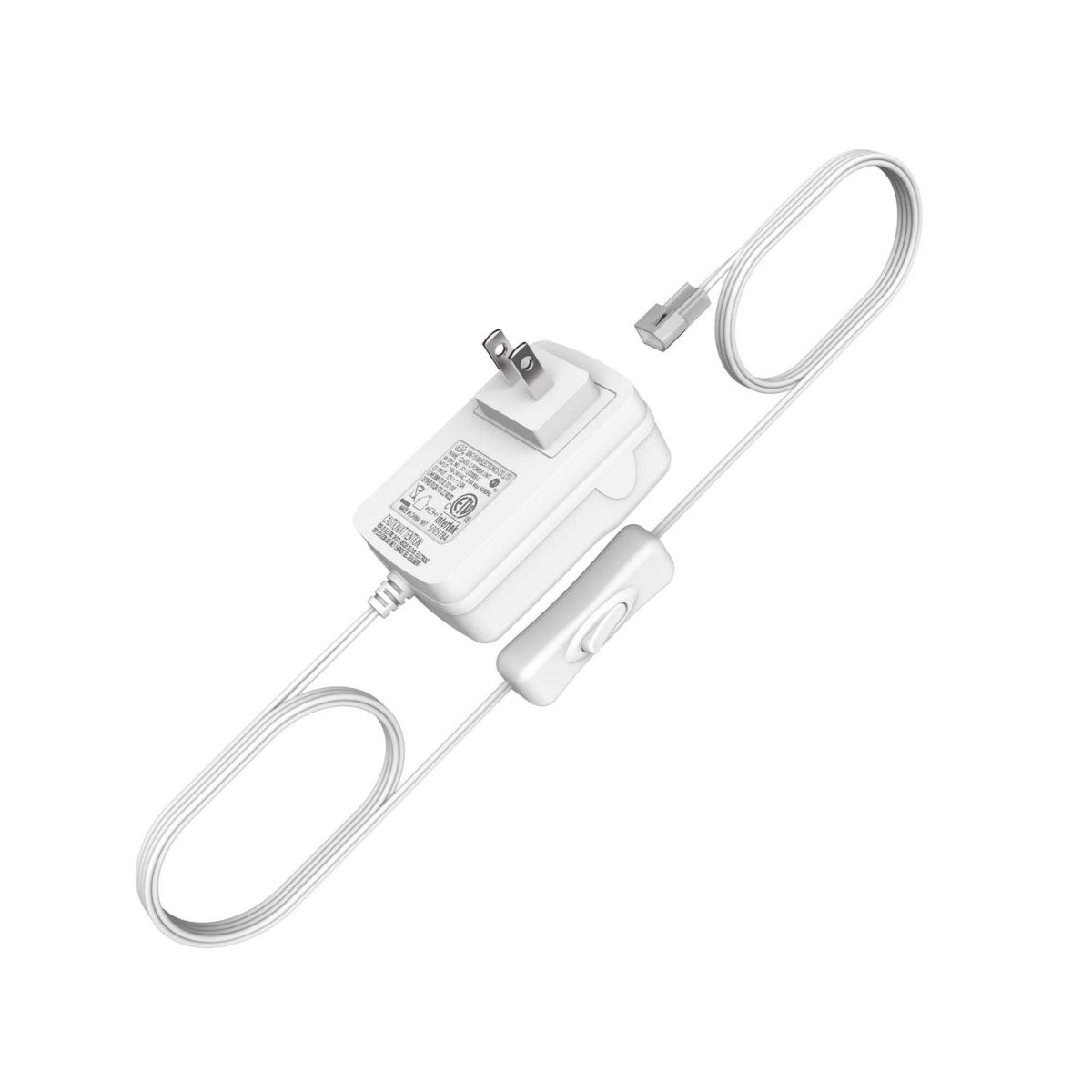
dals under-cabinet lighting works as a modular set. You link fixtures with interconnect cables and L, I or corner-L connectors to follow the cabinet layout. A junction box, a cord with plug or a 120V extension round out the install depending on whether you plug in or hardwire. Extensions let you fine-tune distances between segments.
Hardwired or plug-in: which approach
- Hardwired: connected to the electrical circuit via a junction box, this is the cleanest finish with no visible wire. Leave this work to an electrician.
- Plug-in: a cord with plug allows installation without electrical work — handy for renters or a quick upgrade.
- Modular and upgradable: many systems plug in first, then convert to a hardwired setup during a renovation.
Color temperature and rendering
For a warm kitchen, light from 2700 to 3000 K flatters wood, stone and matte finishes. For a demanding workstation, a more neutral white around 3500 to 4000 K brings clarity. Aim for a CRI of 90 and up: the colors of food and materials come through faithfully, which matters when you cook. That's what sets good under cabinet lighting apart from a plain generic strip.
Where to install it in the home
- Kitchen: under the upper cabinets, to light the counter, the coffee corner or an island backed by a cabinet.
- Office and workshop: under a shelf, above a workbench, to reduce eye strain during detailed tasks.
- Shelves and bookcases: to highlight decor objects and collections with a discreet beam.
- Home bar and coffee station: to showcase materials and create a welcoming atmosphere.
A clean install
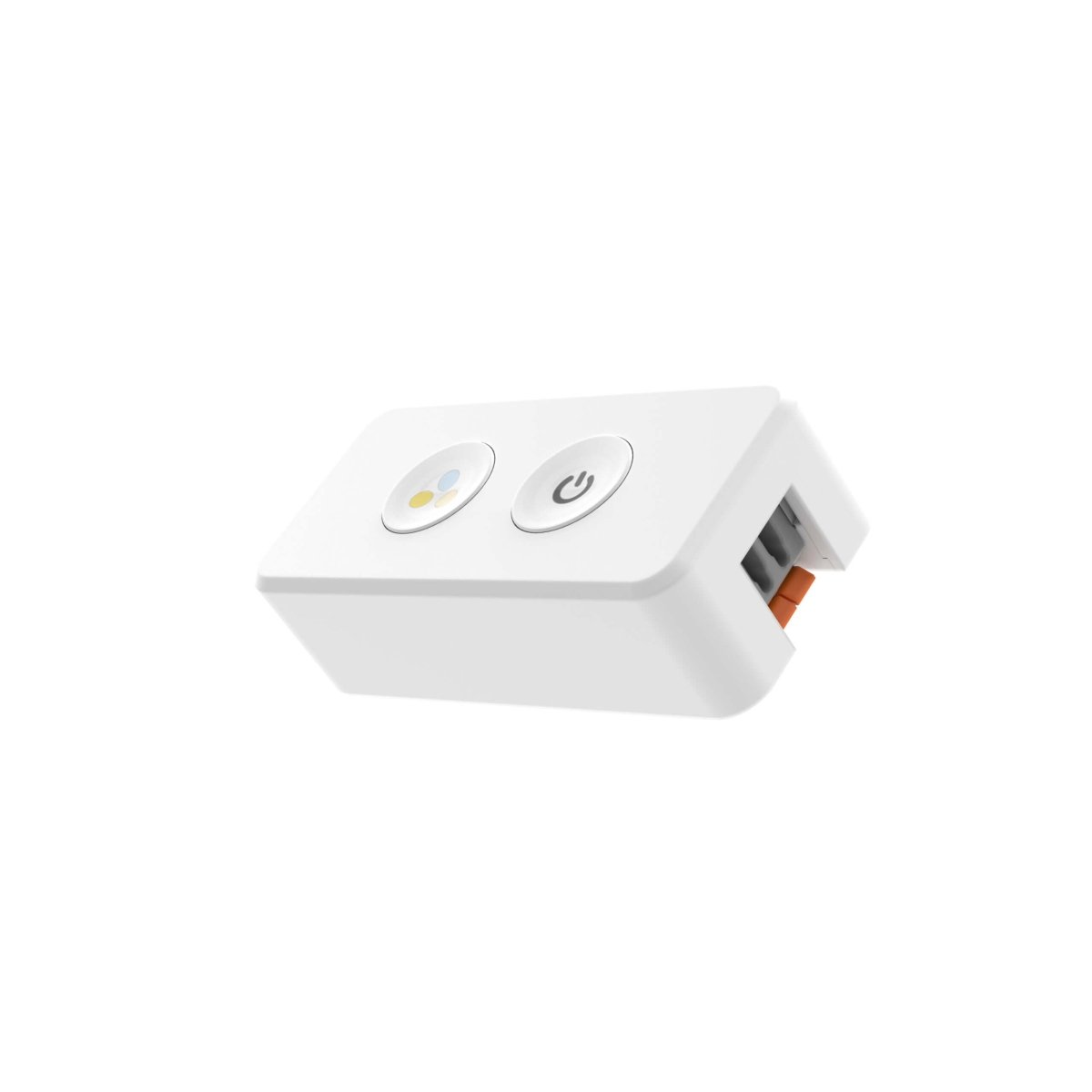
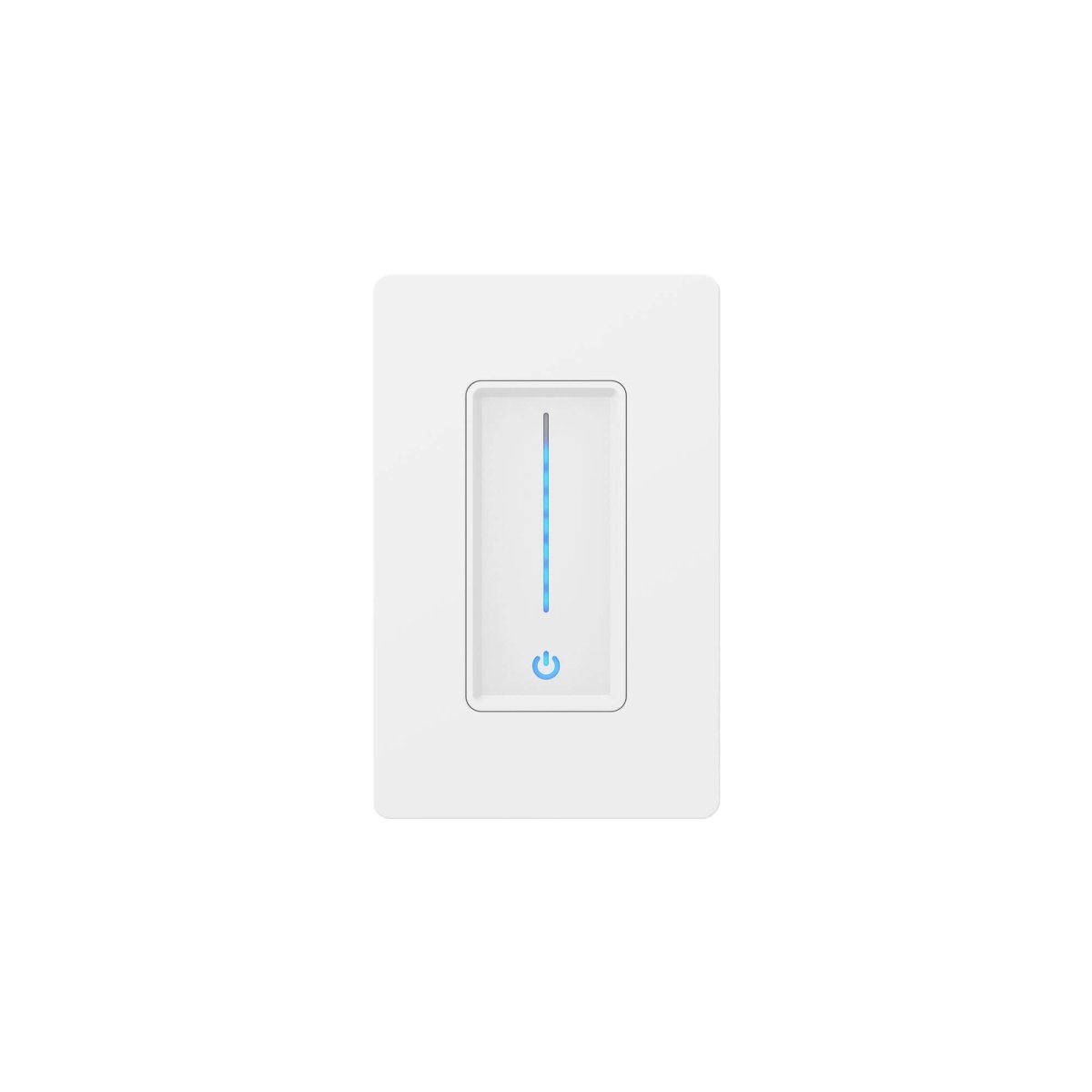
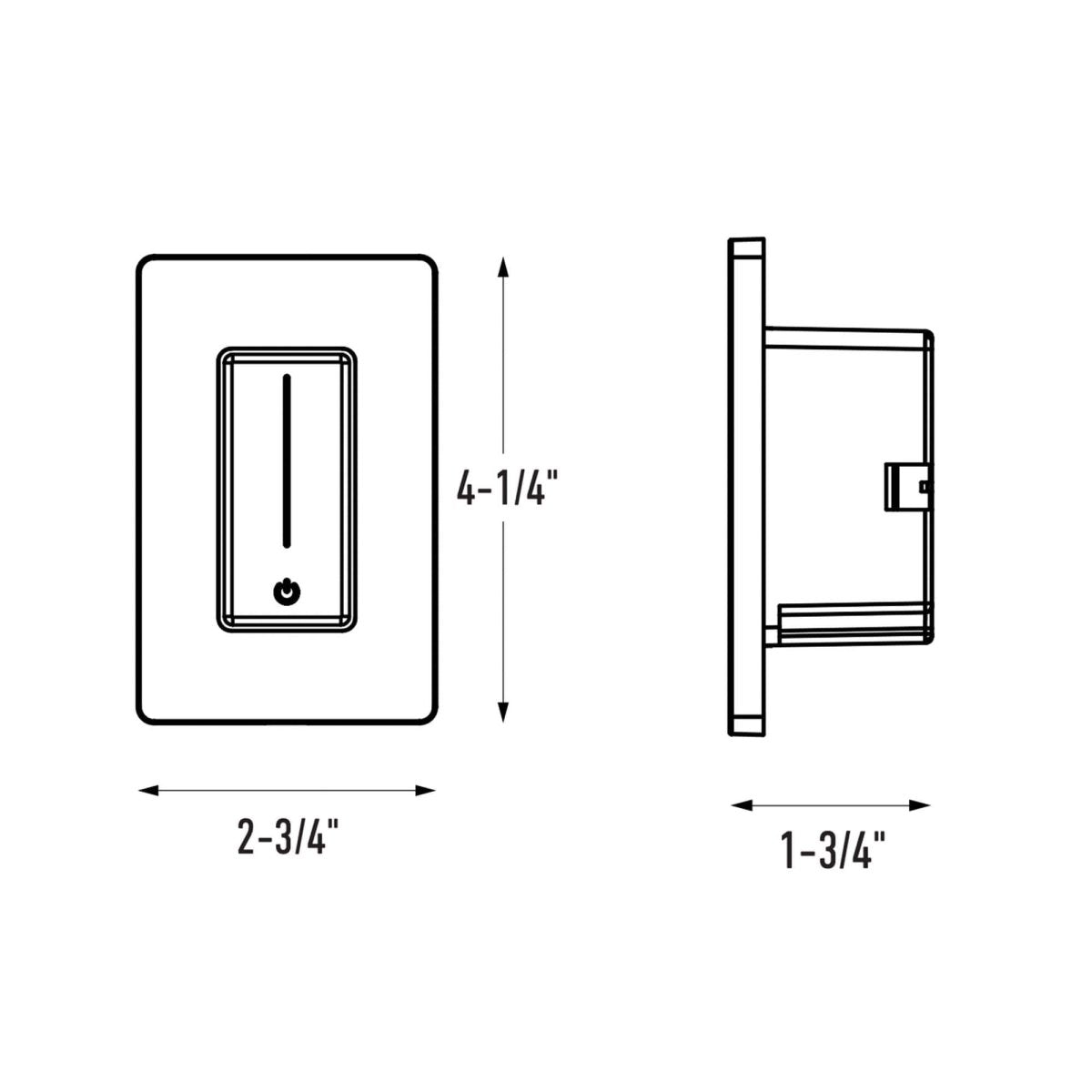
A great result takes planning. First locate outlets and the control (switch or dimmer), then space the fixtures for even light with no dark zone. On existing cabinets, low-profile fixtures and strips in their extrusion slip easily into a retrofit. Hide wires in a molding, behind the cabinet valance or in a dedicated channel for a near-invisible finish.