




















What is architectural lighting?
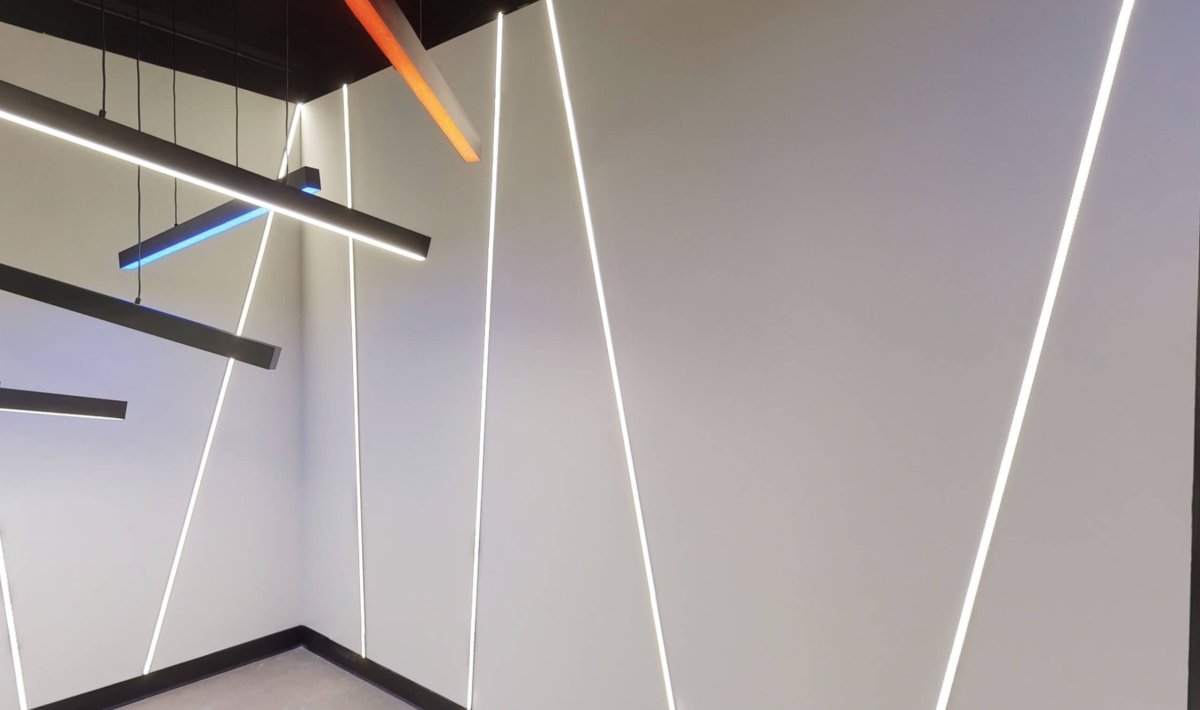
Architectural lighting is when the fixture serves a precise function first — casting focused downlight, grazing a wall, illuminating a counter — while disappearing into the structure. Unlike purely decorative pieces, these fixtures prioritize beam control, color rendering accuracy (high CRI) and dimming compatibility. It's the kind of professional lighting architecture that designers specify project after project for its consistency and long life.
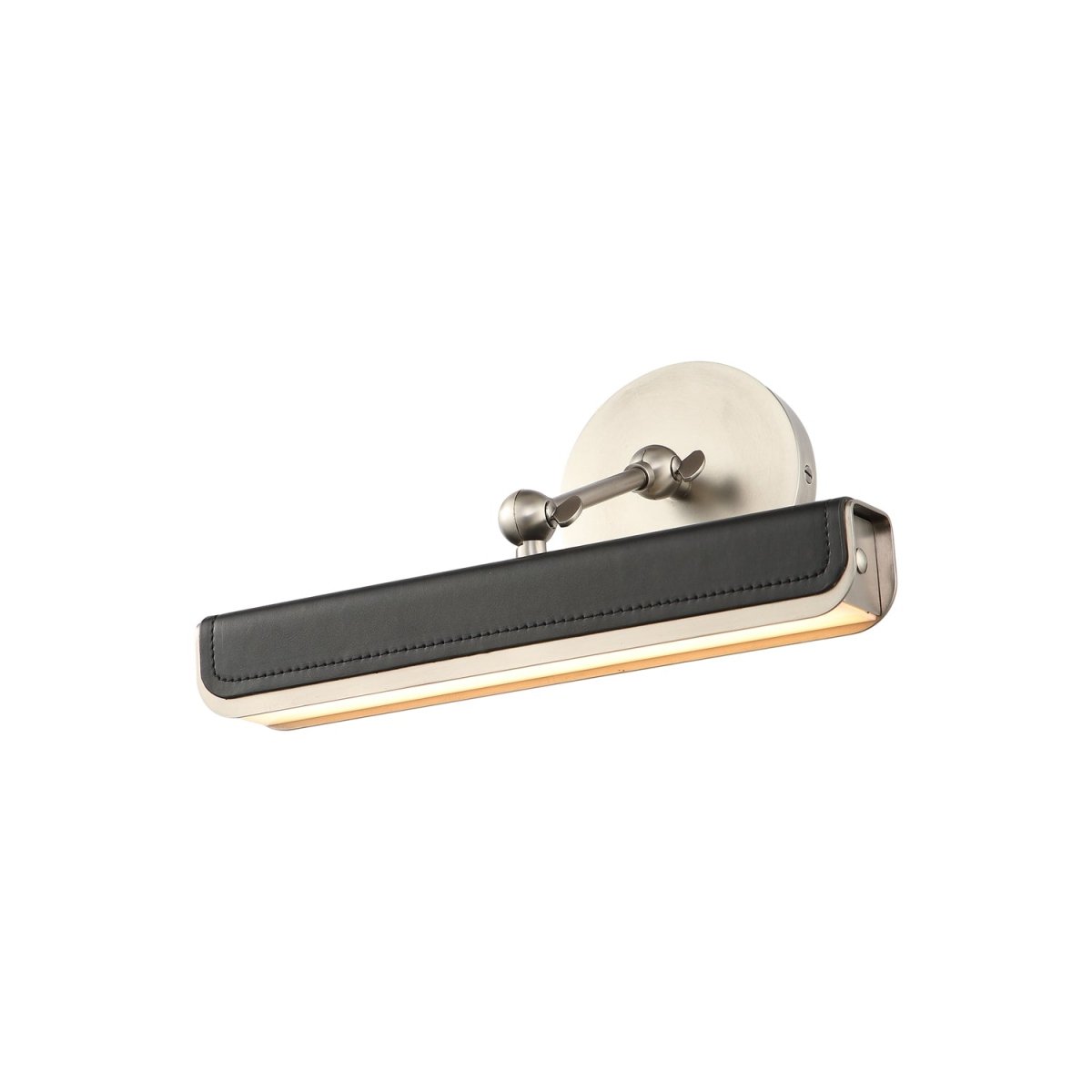
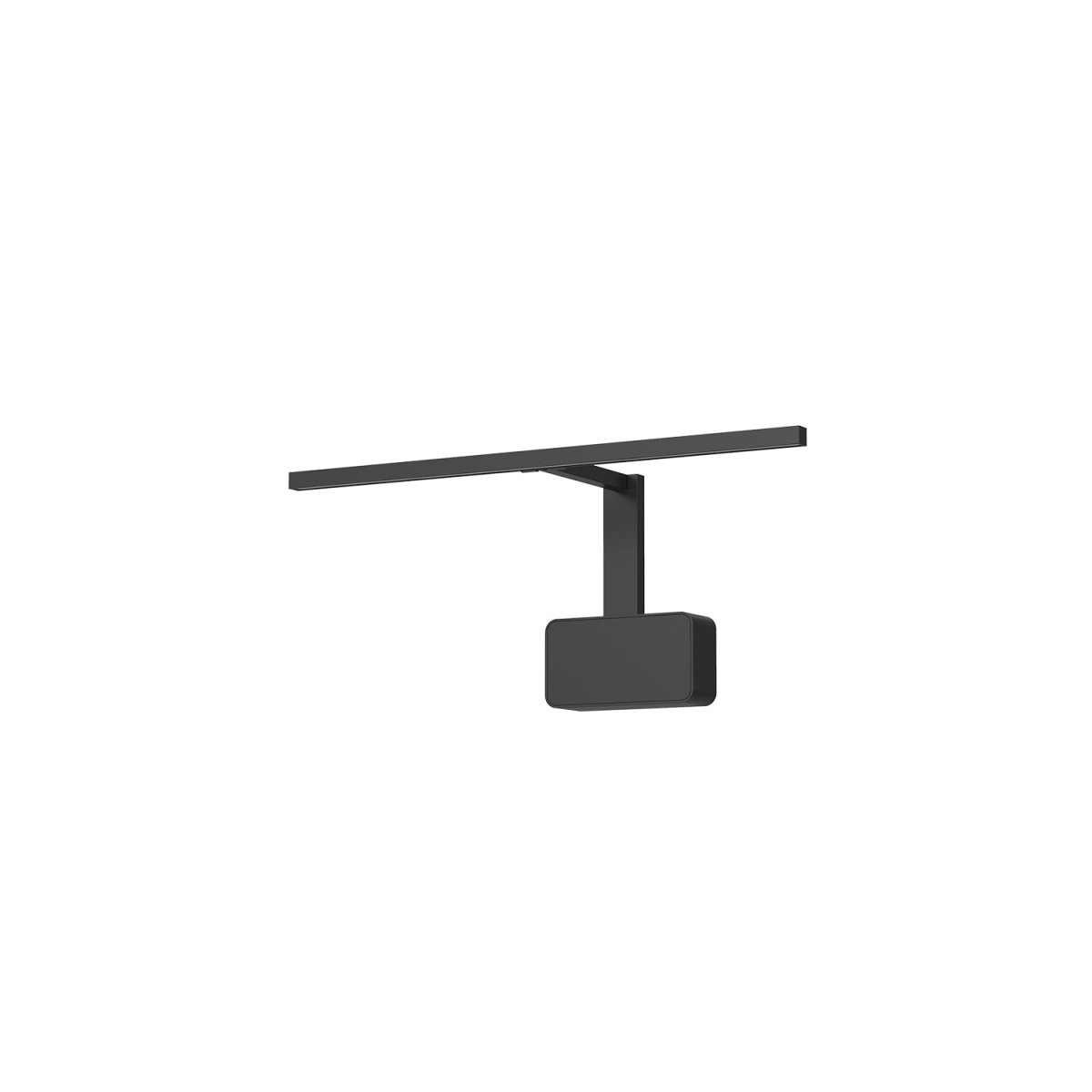
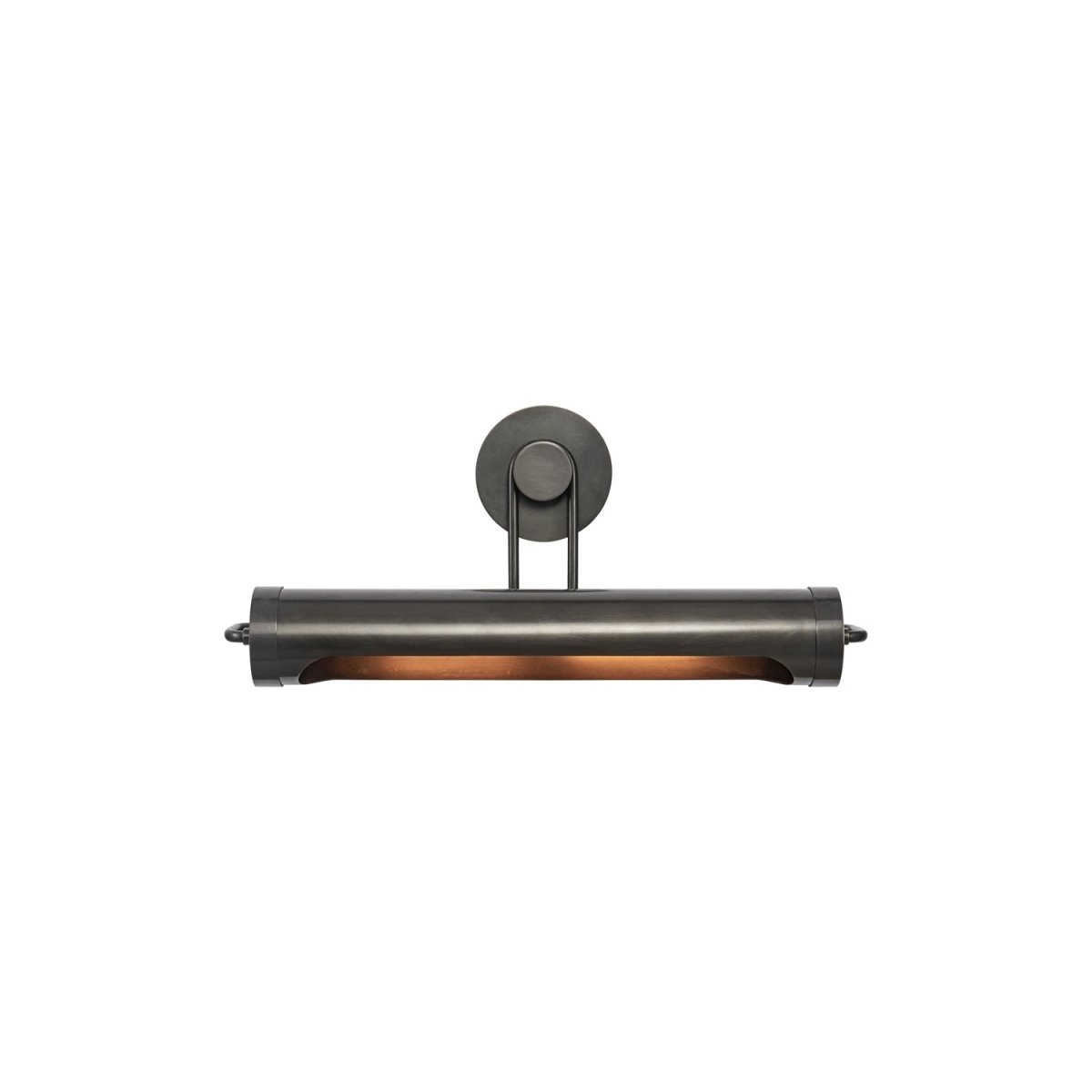
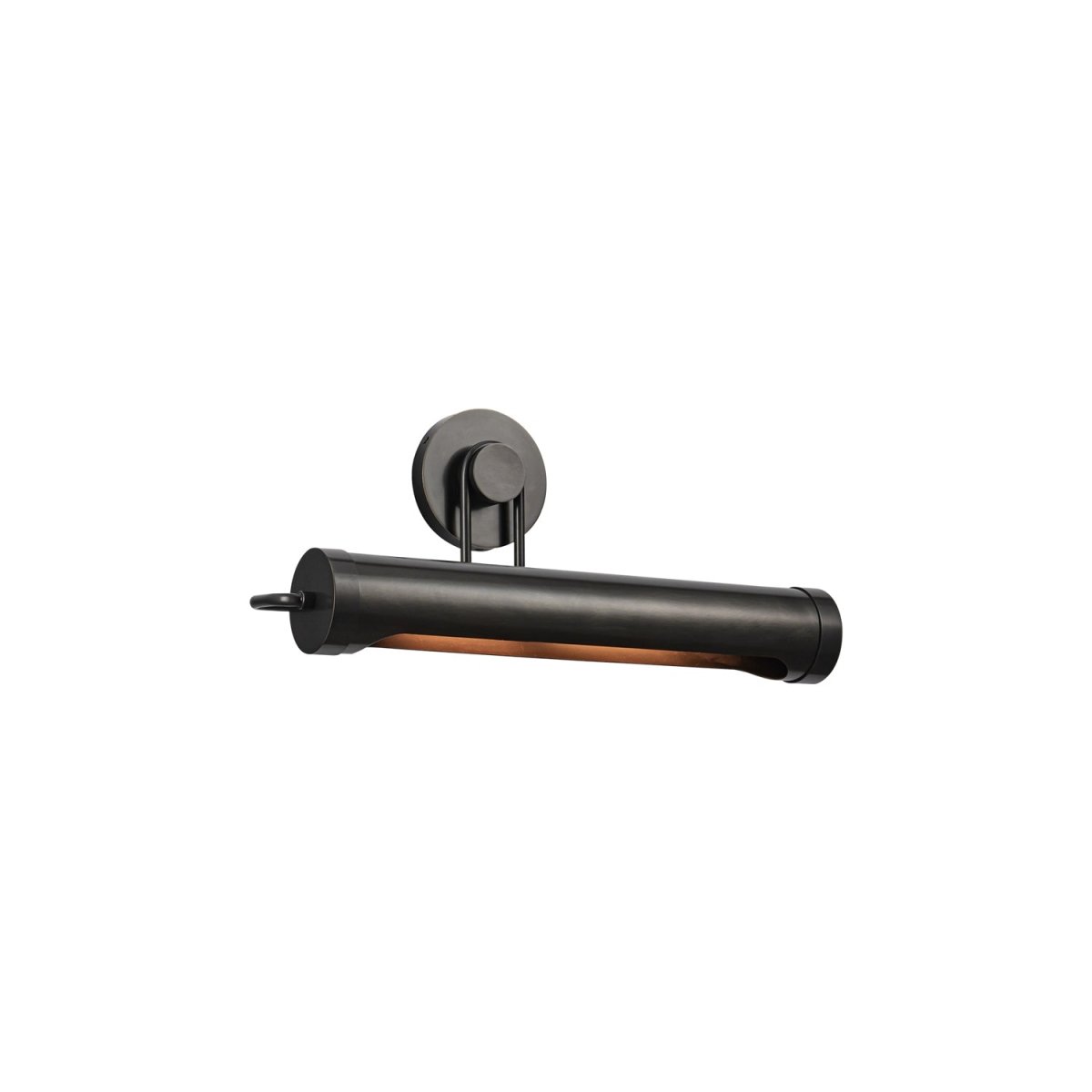
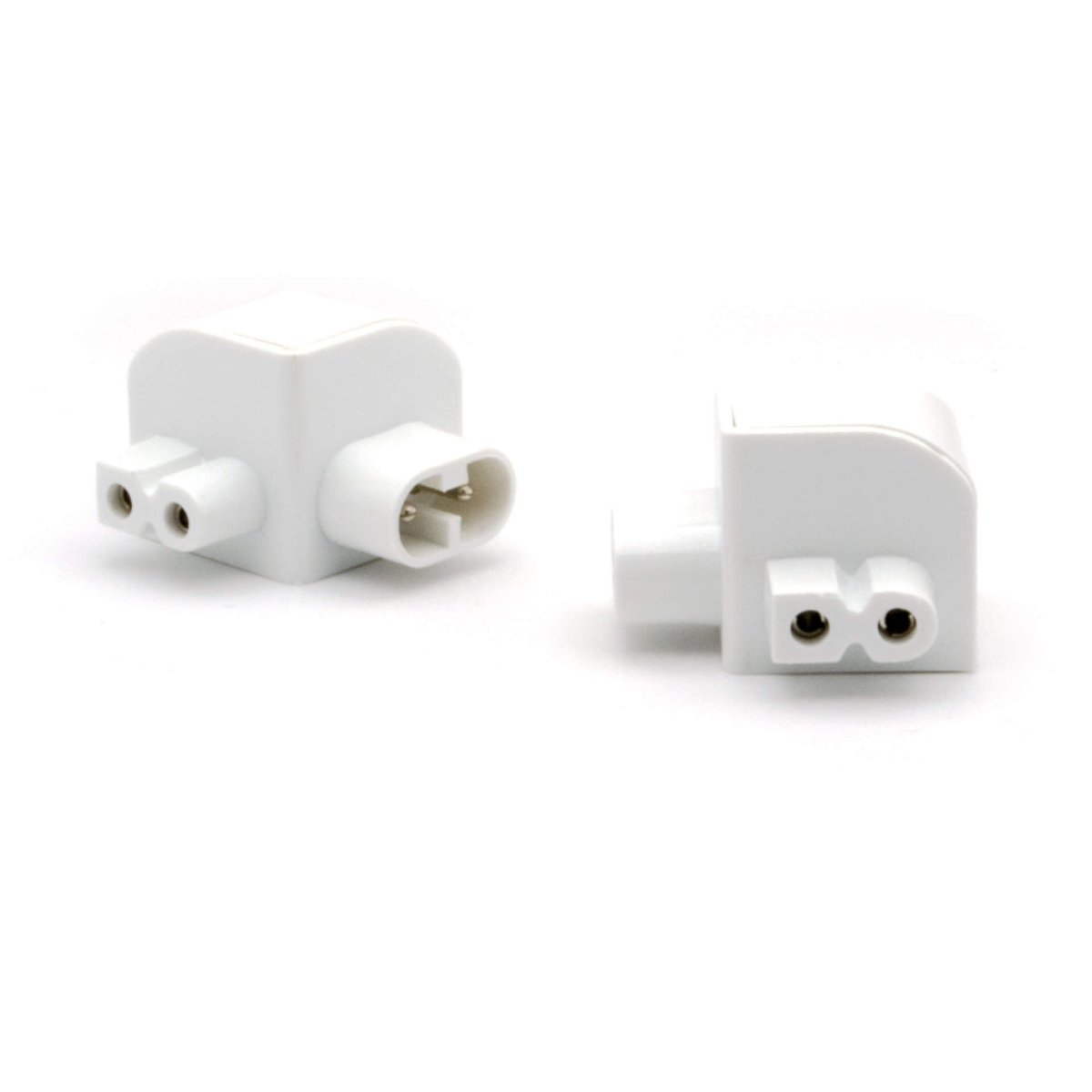
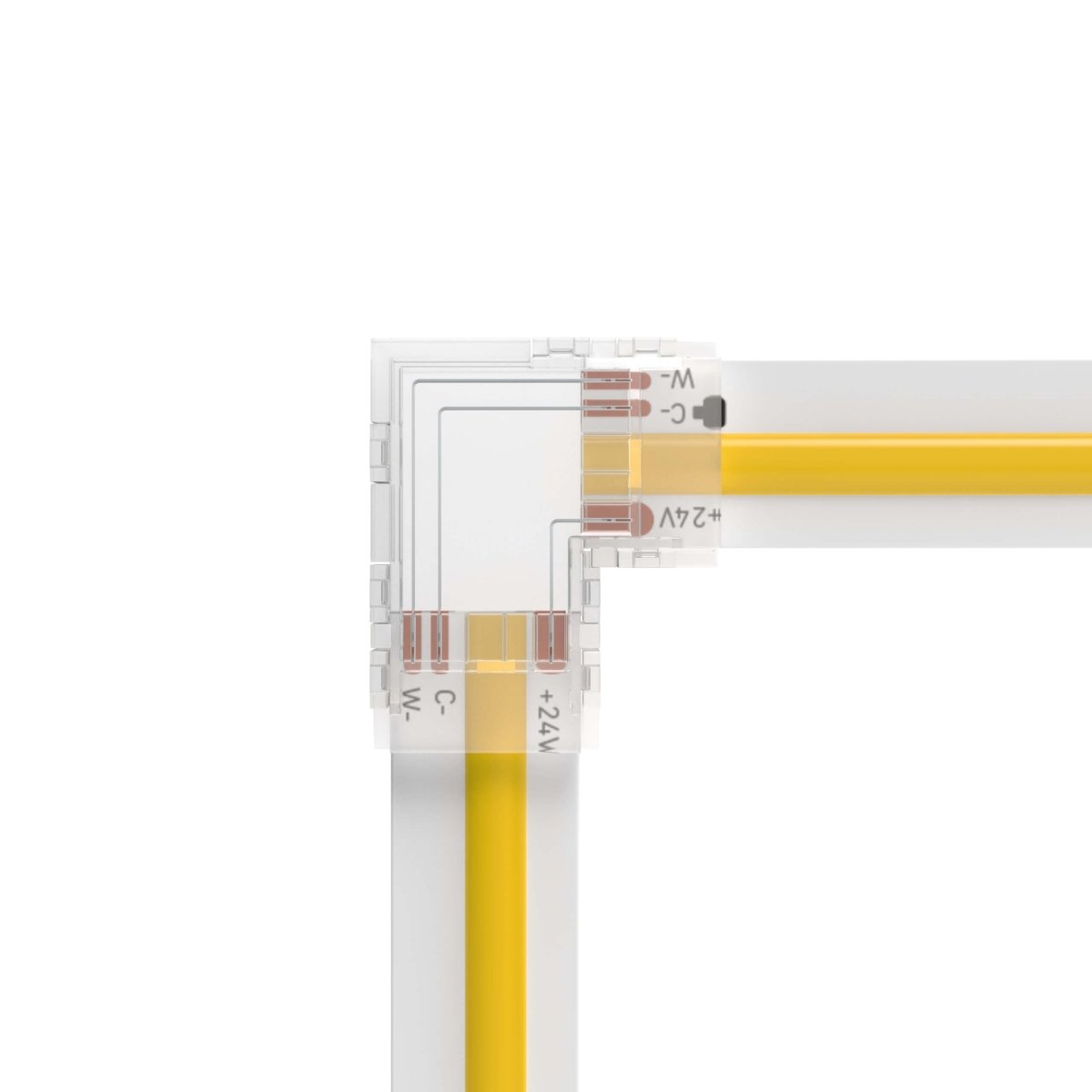
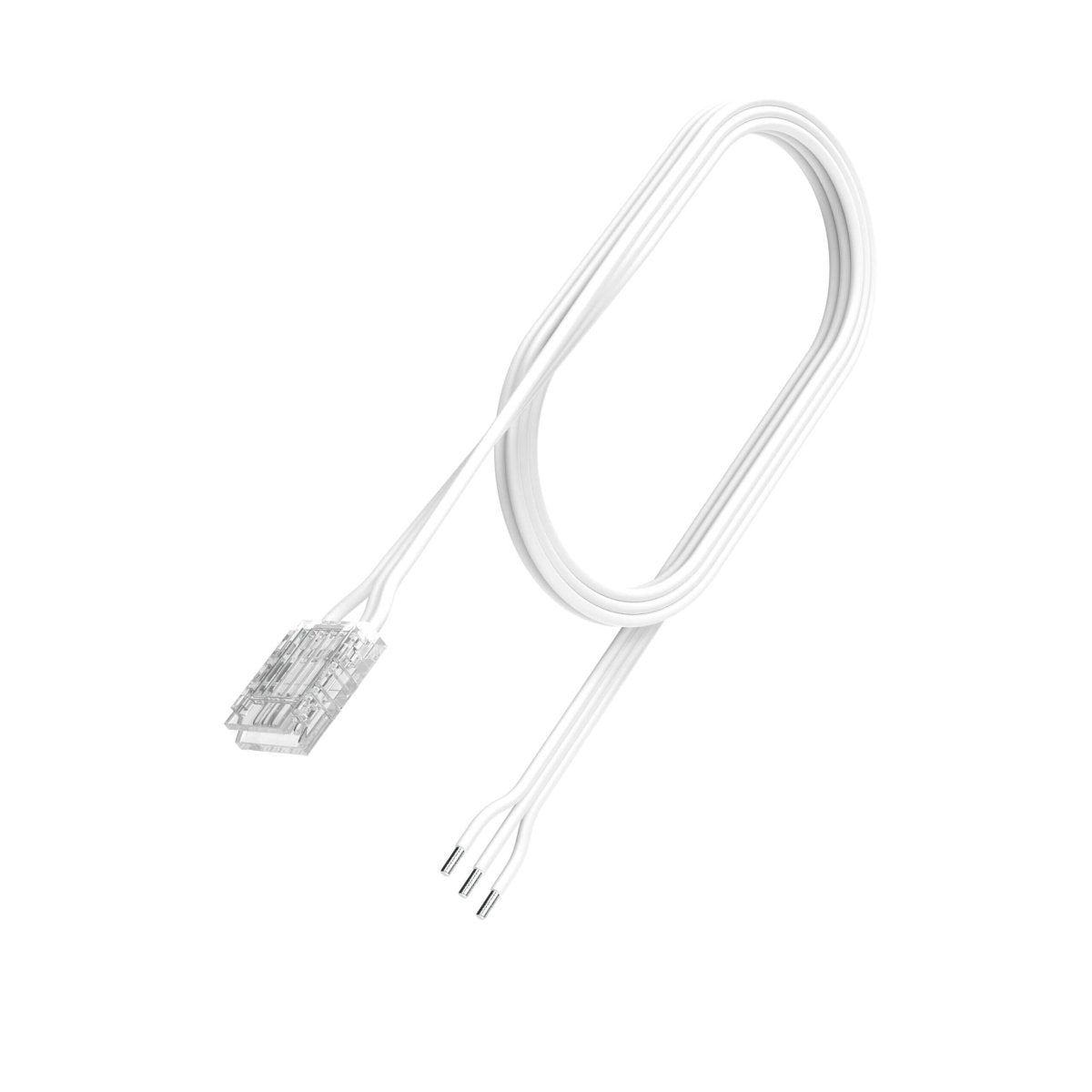
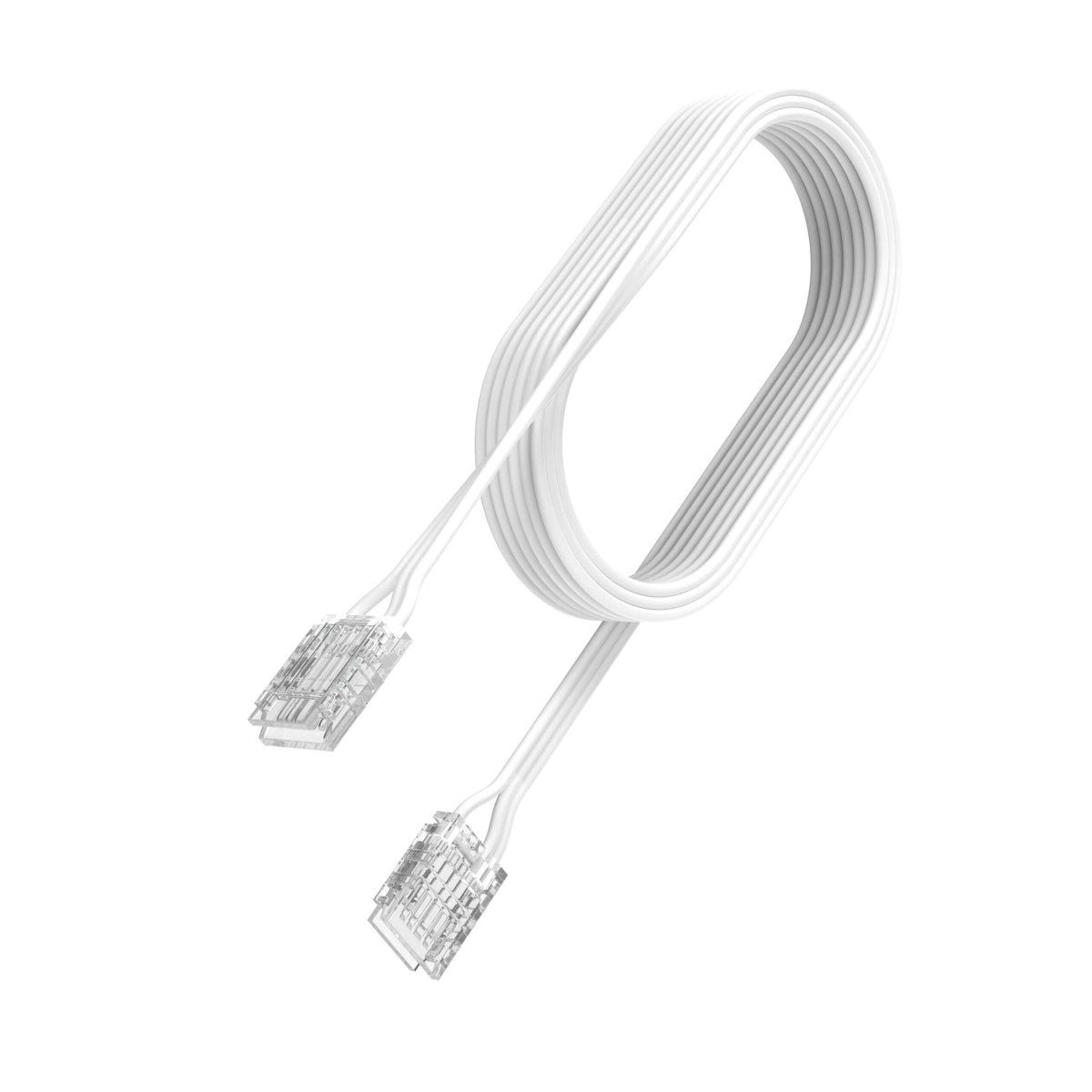
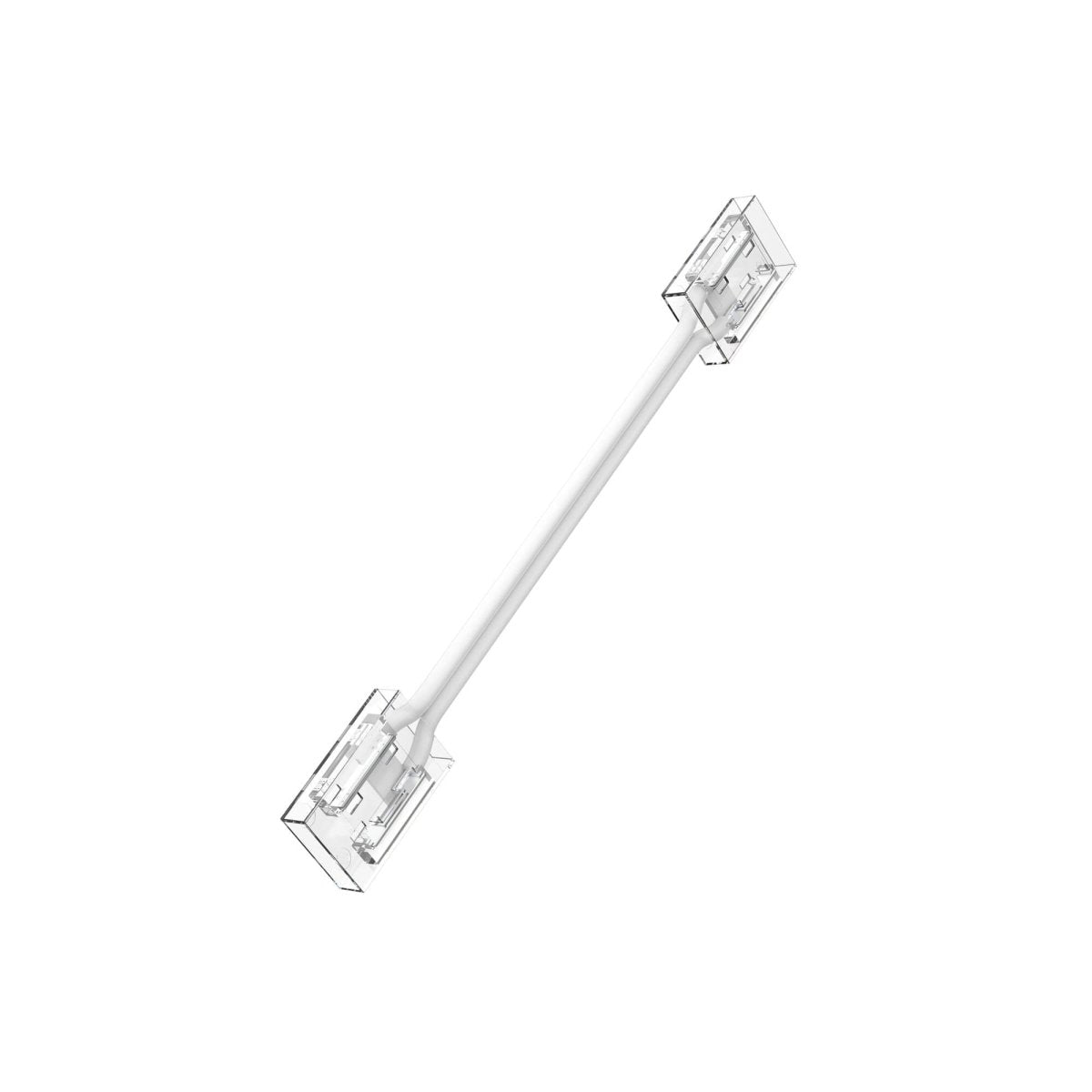
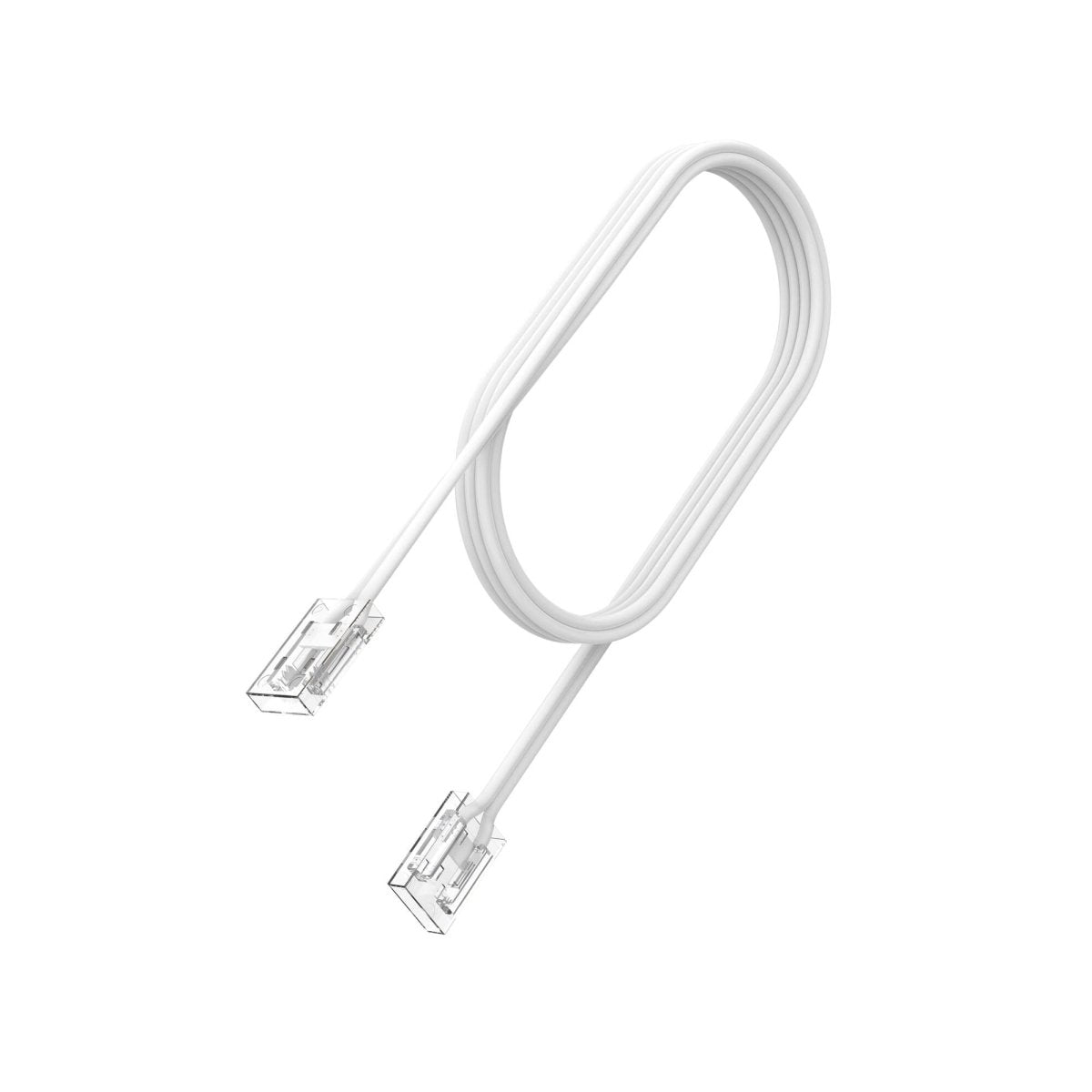
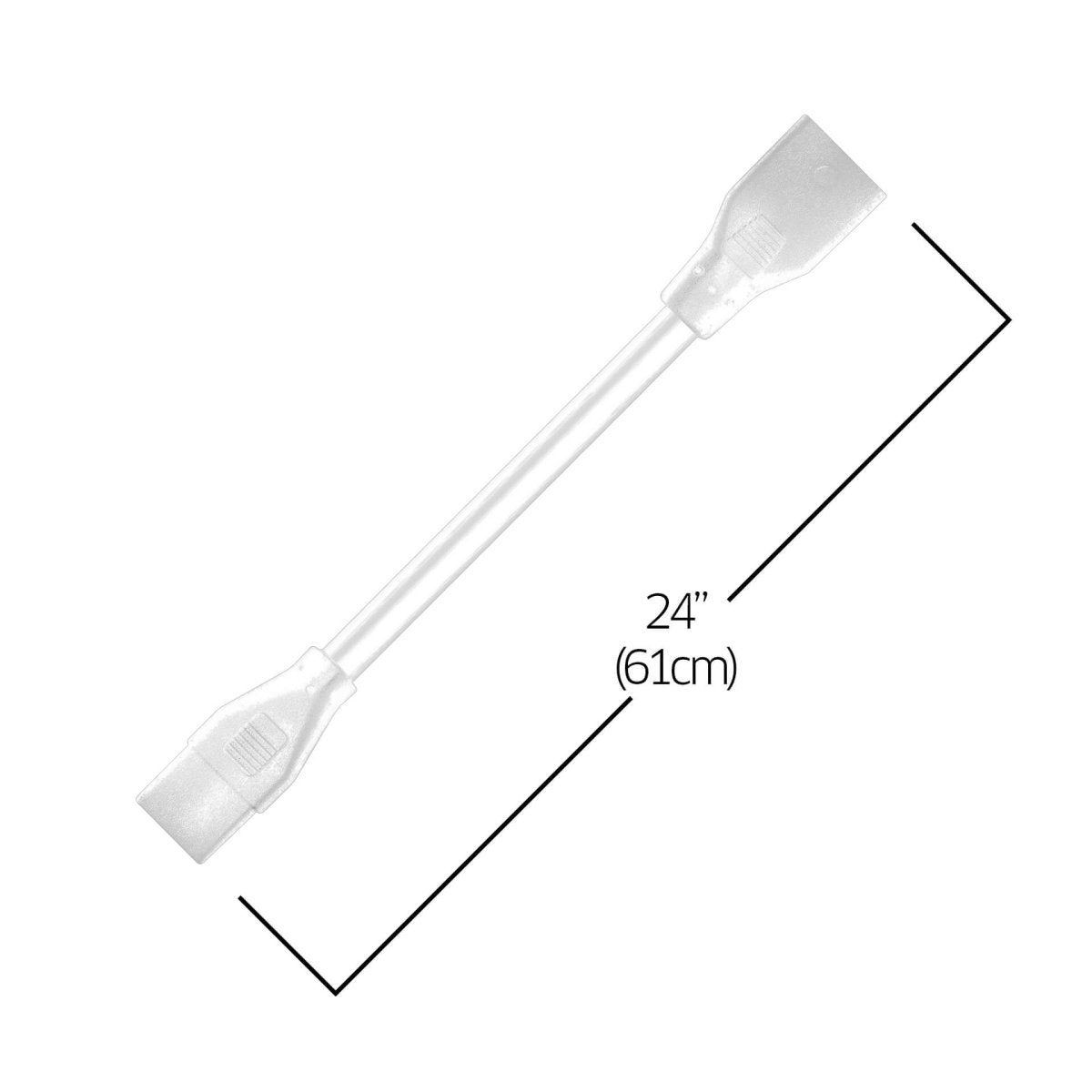
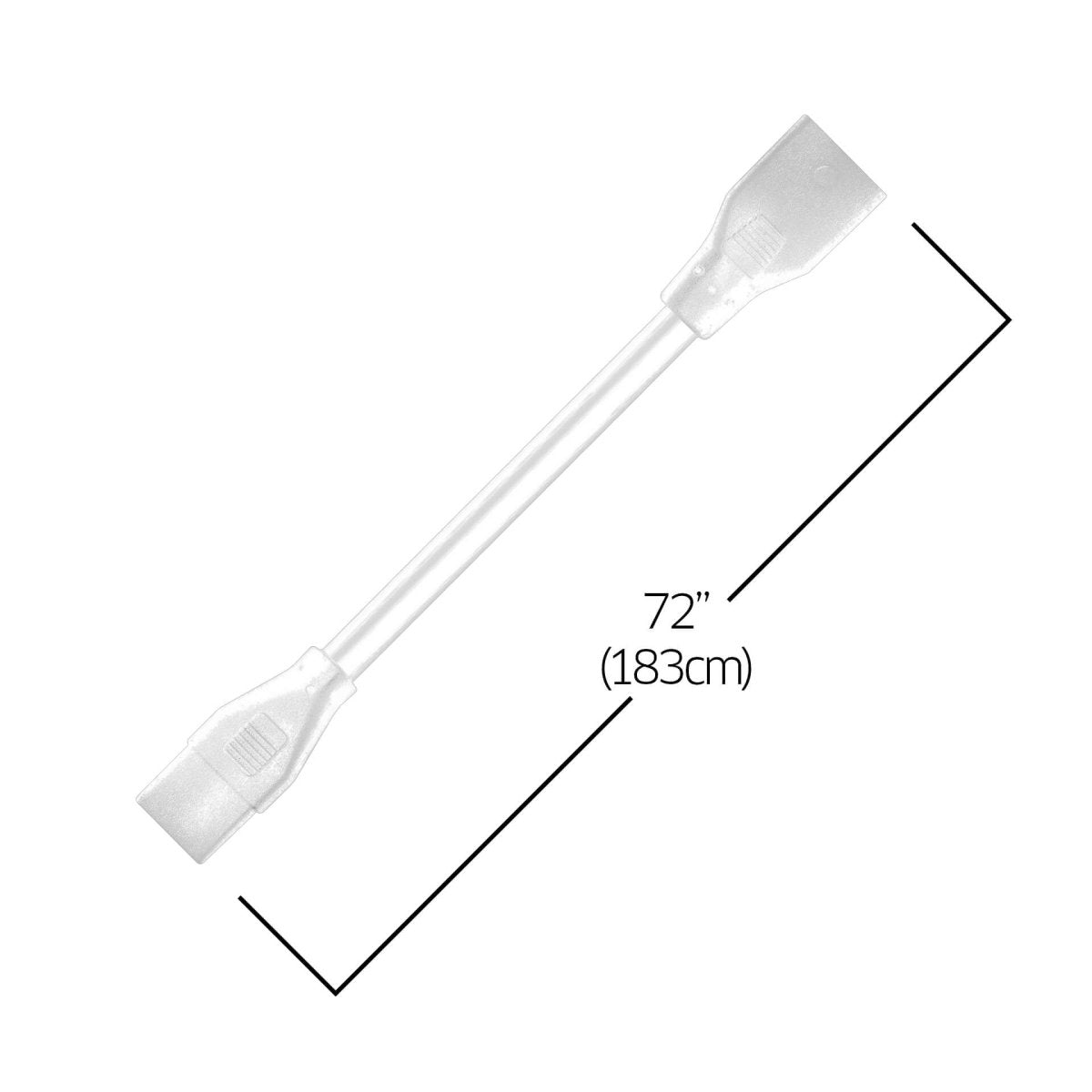
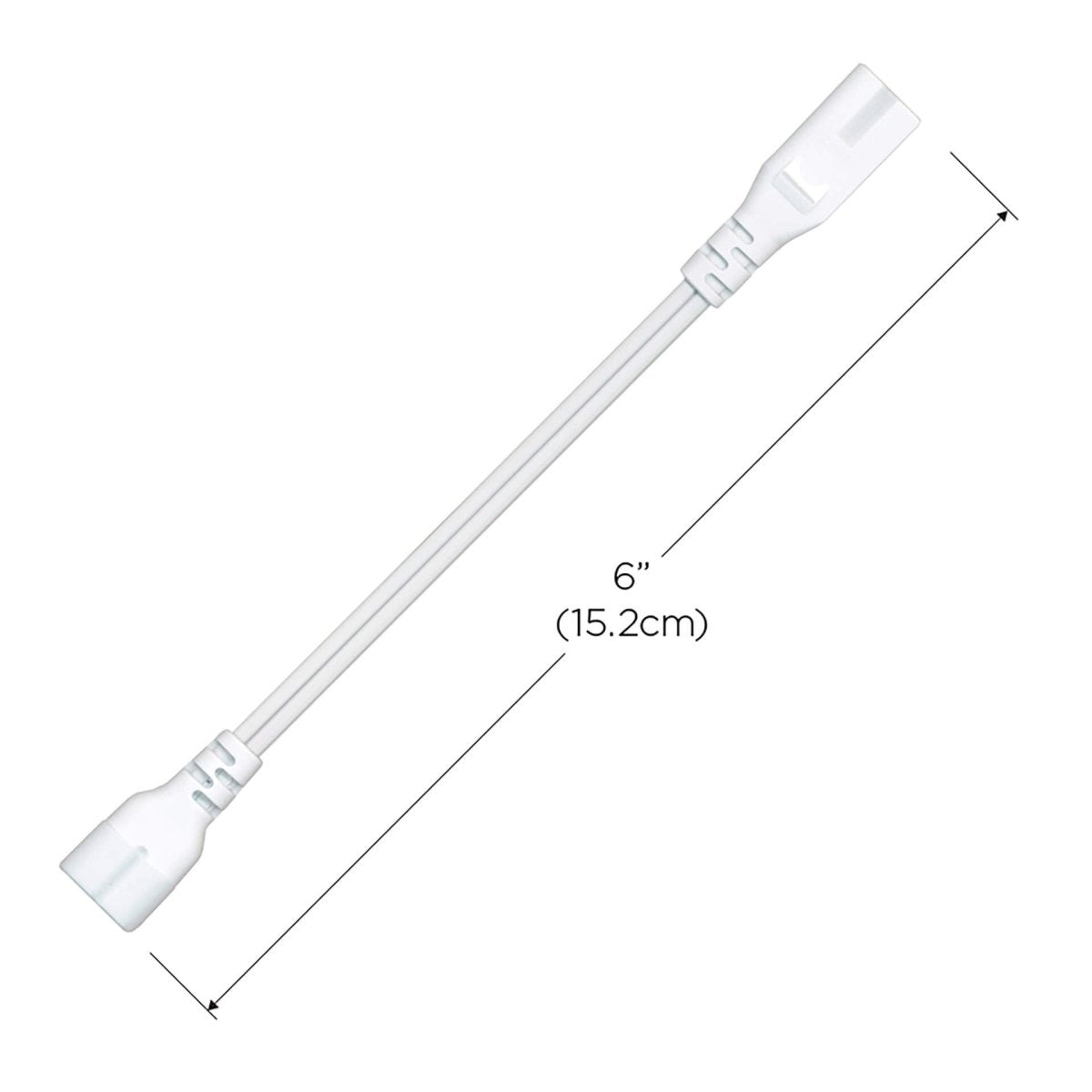
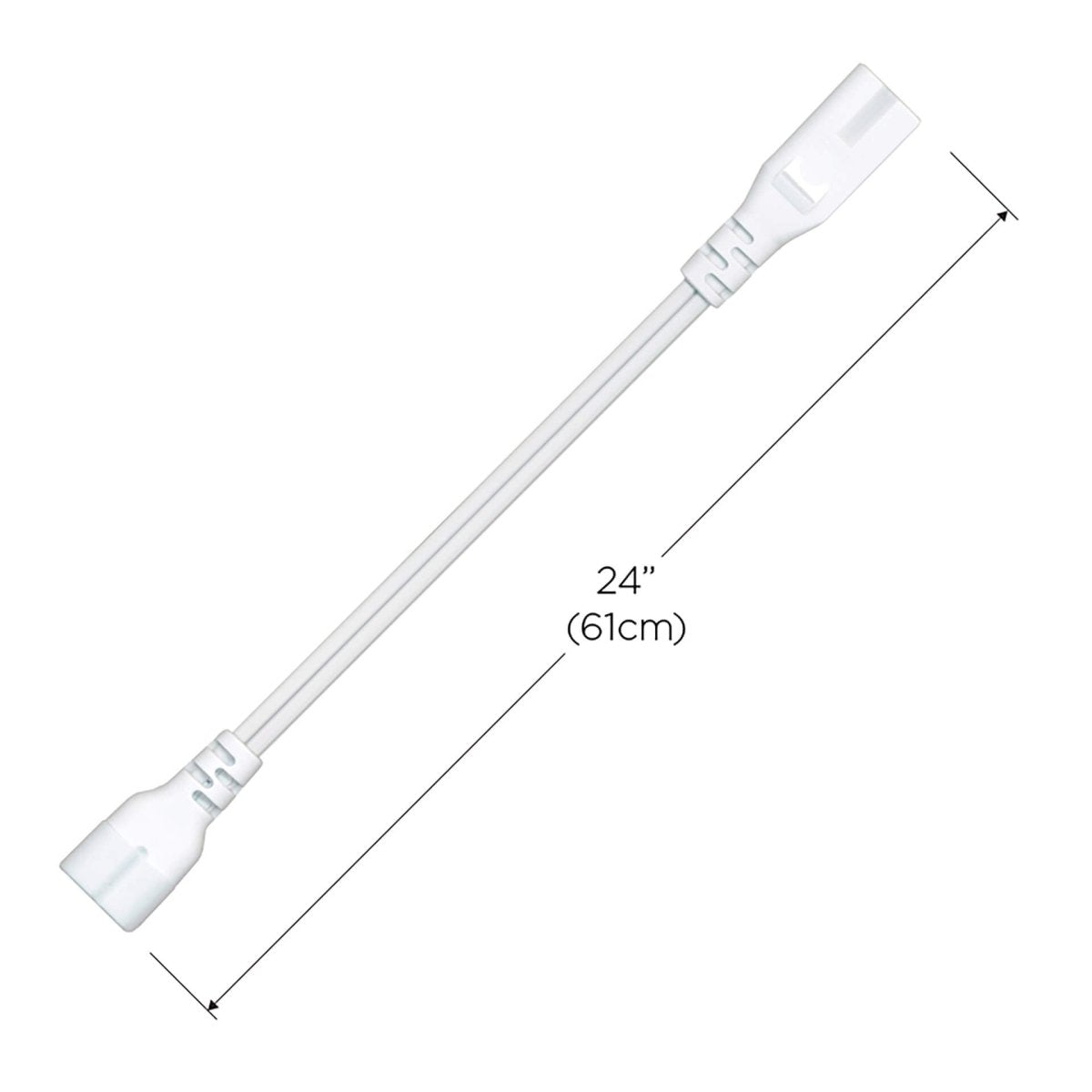
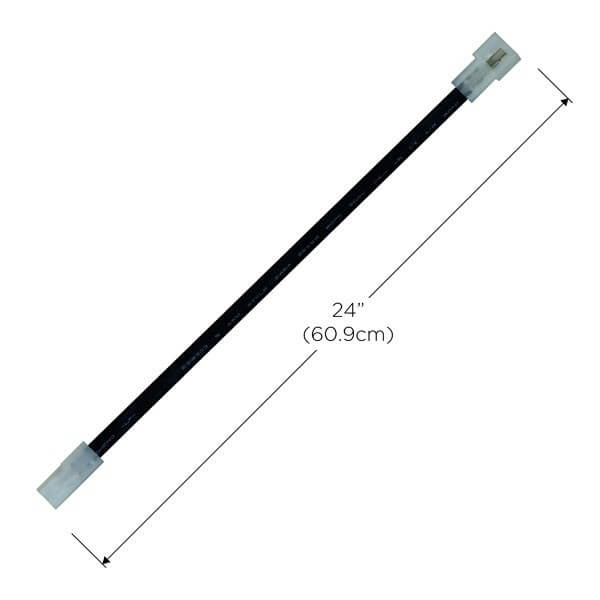
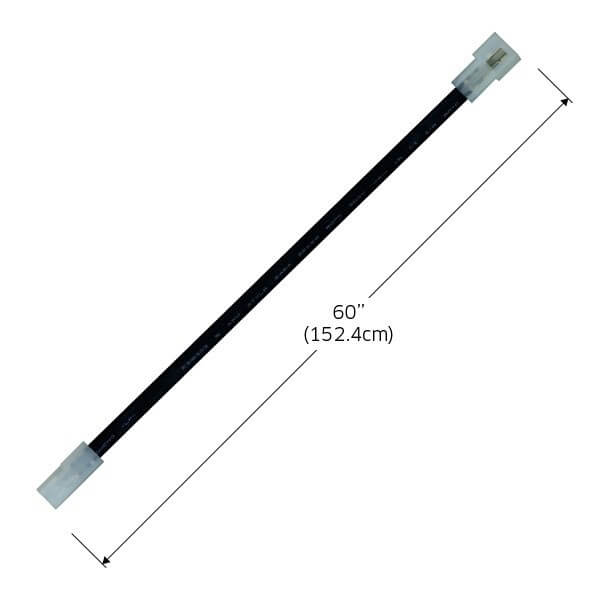
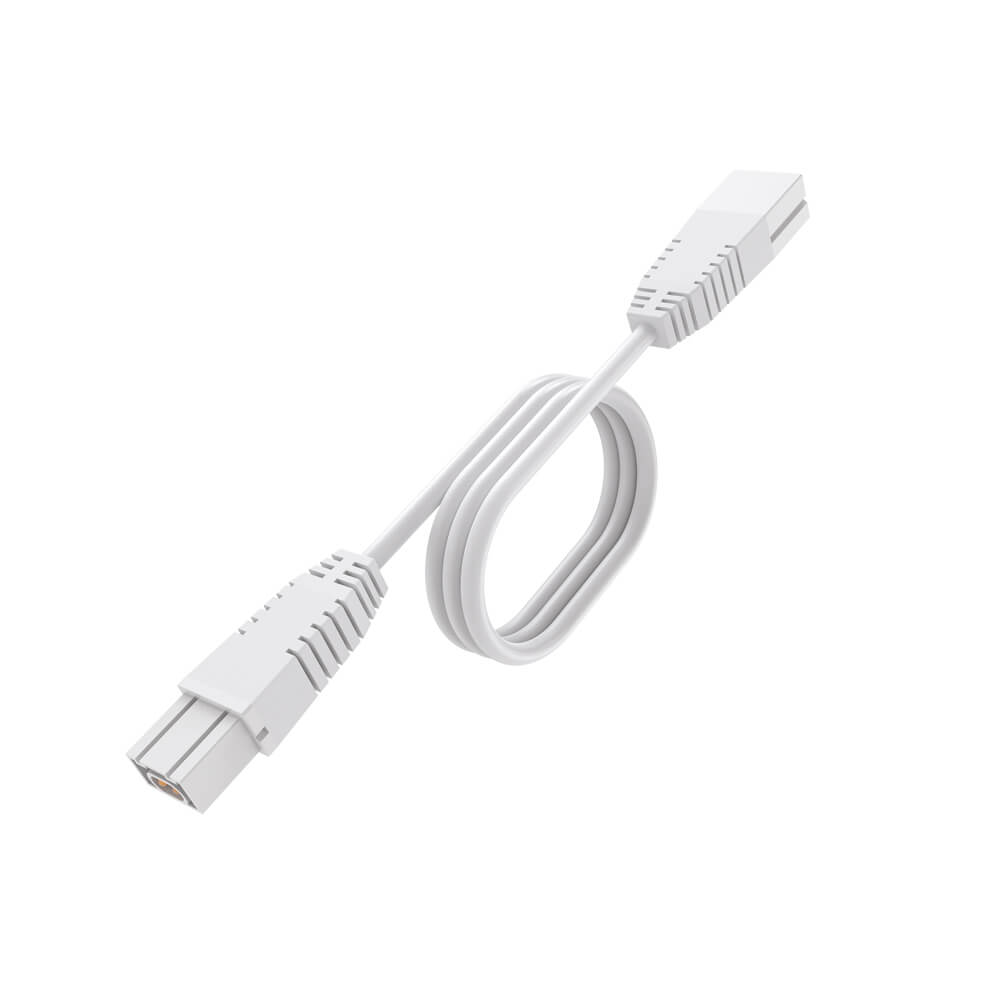
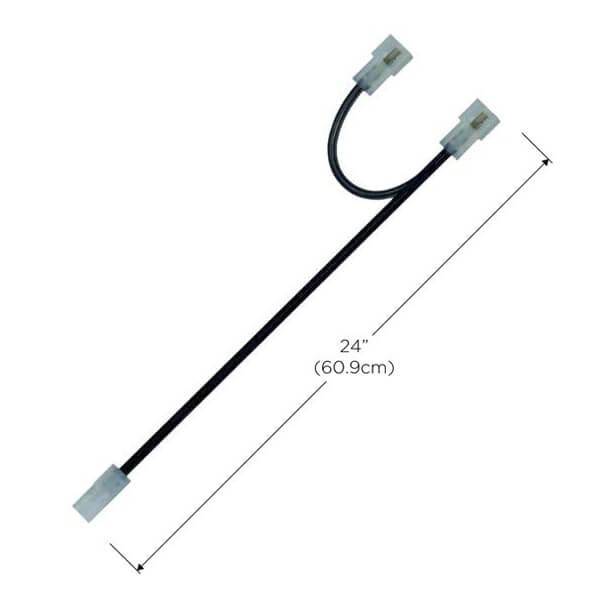
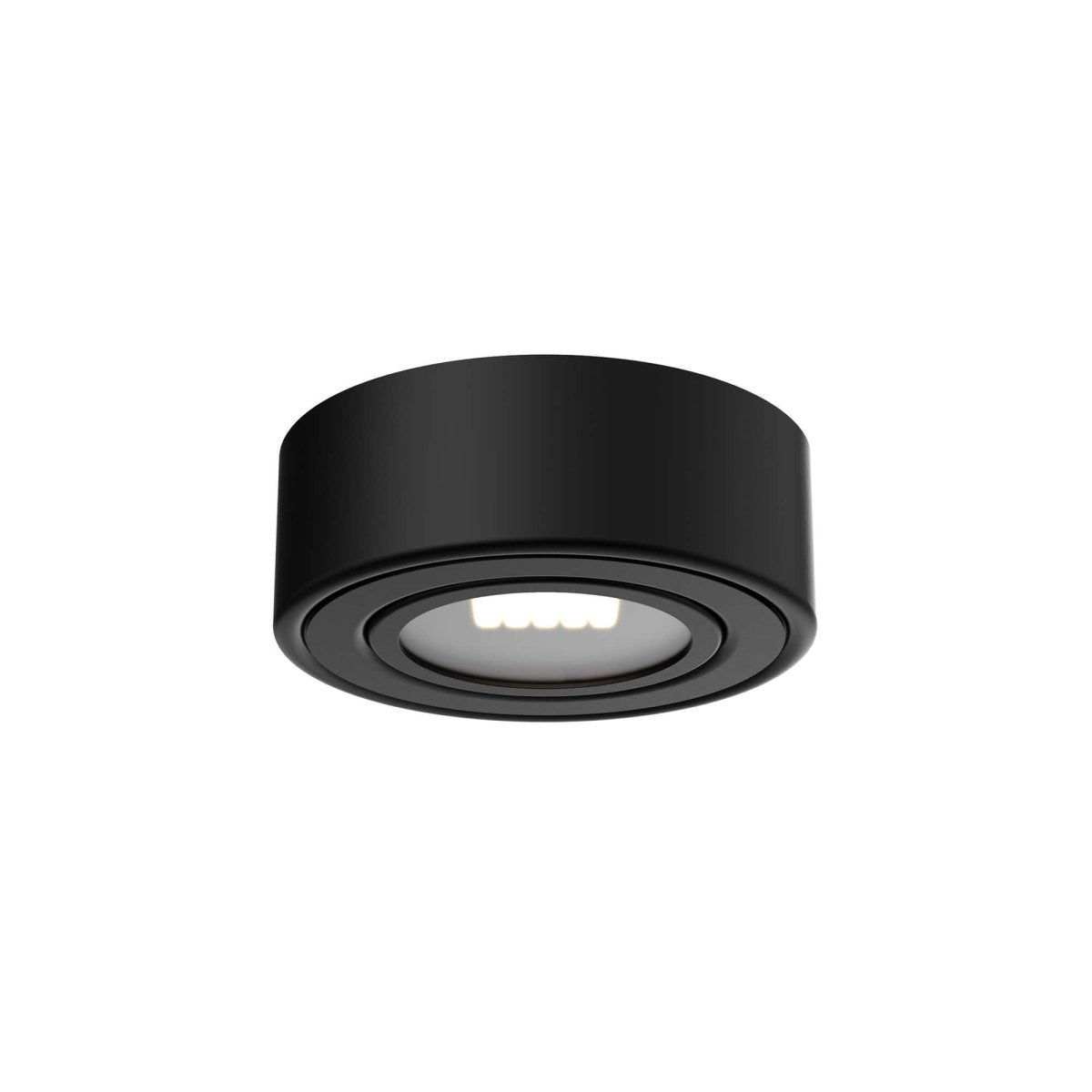
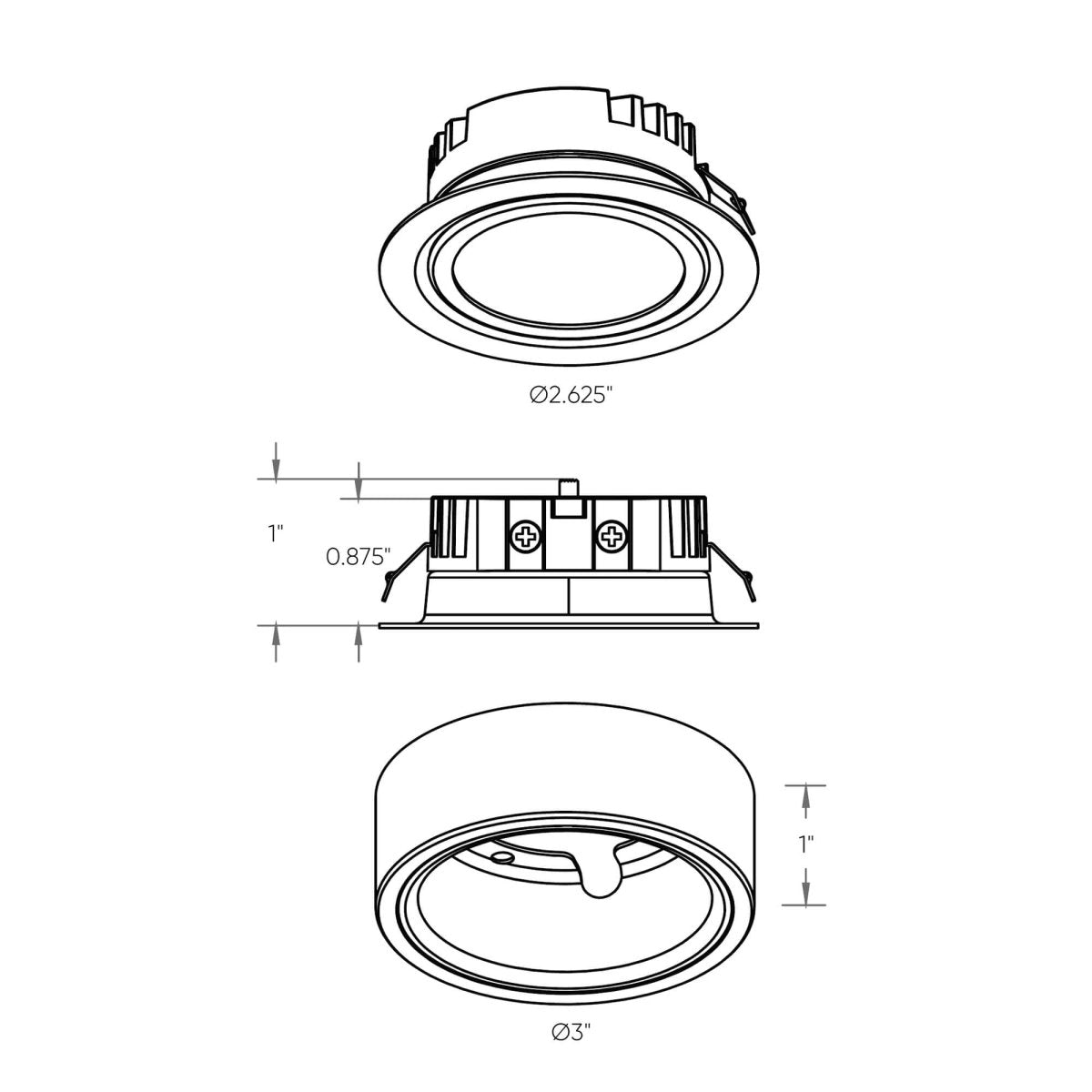
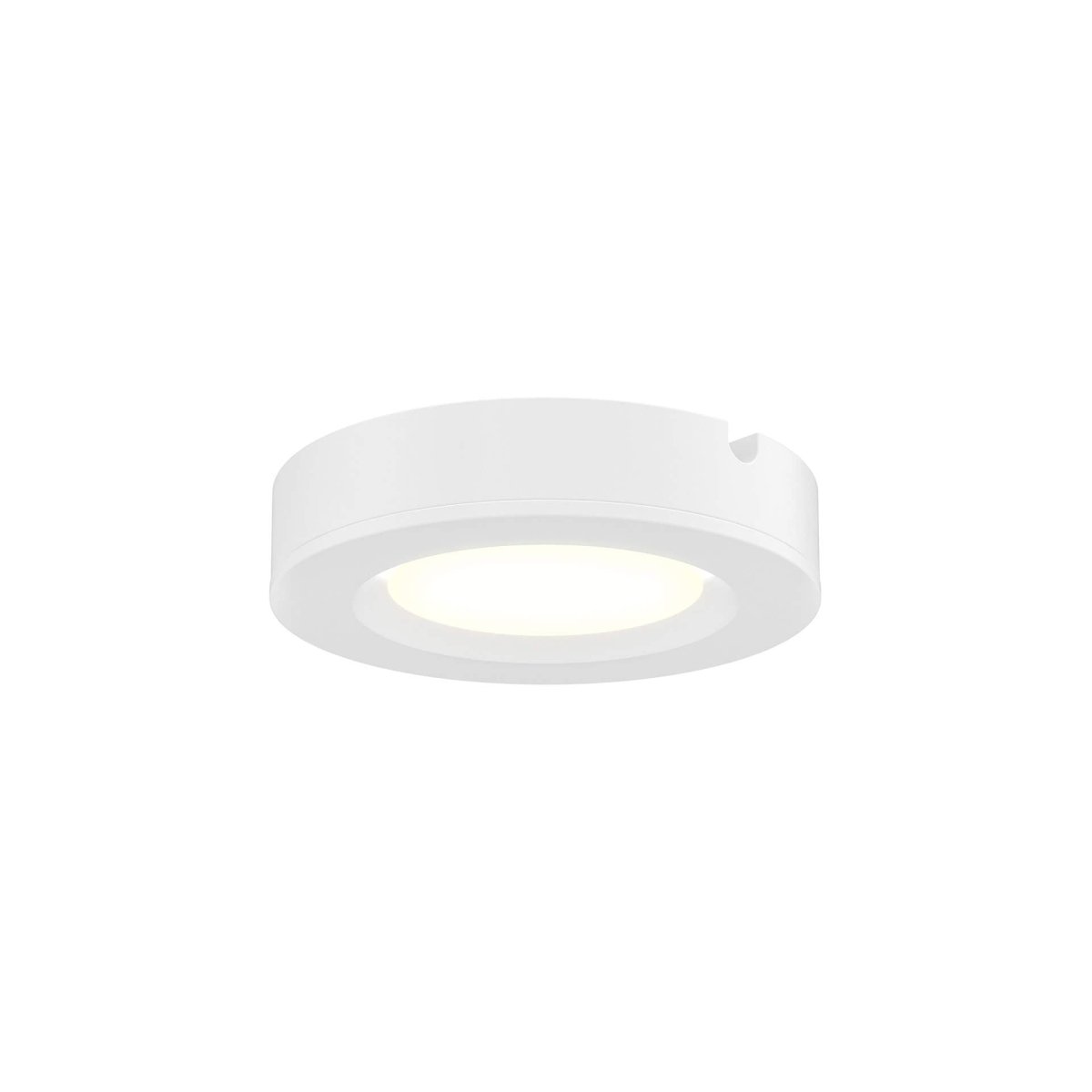
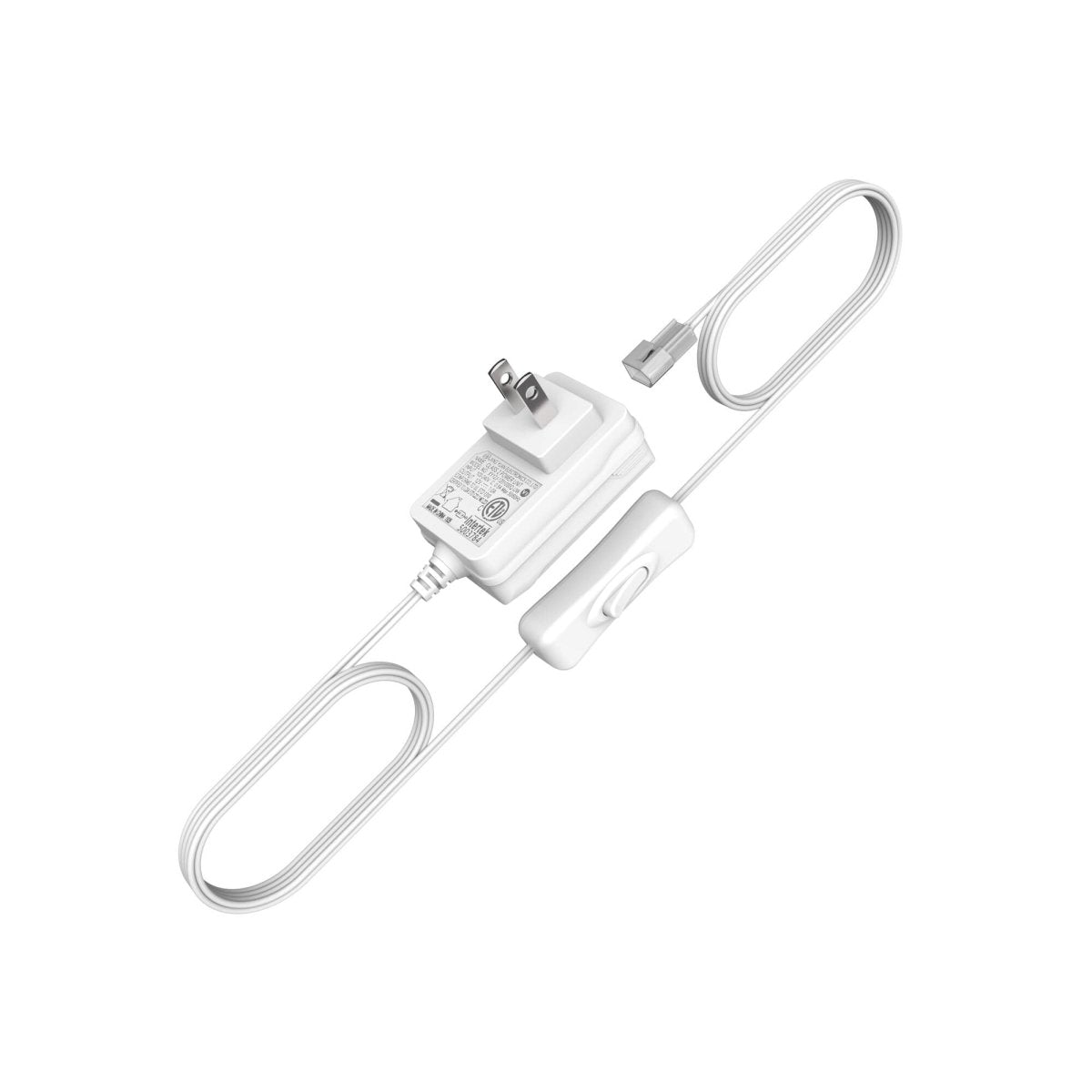
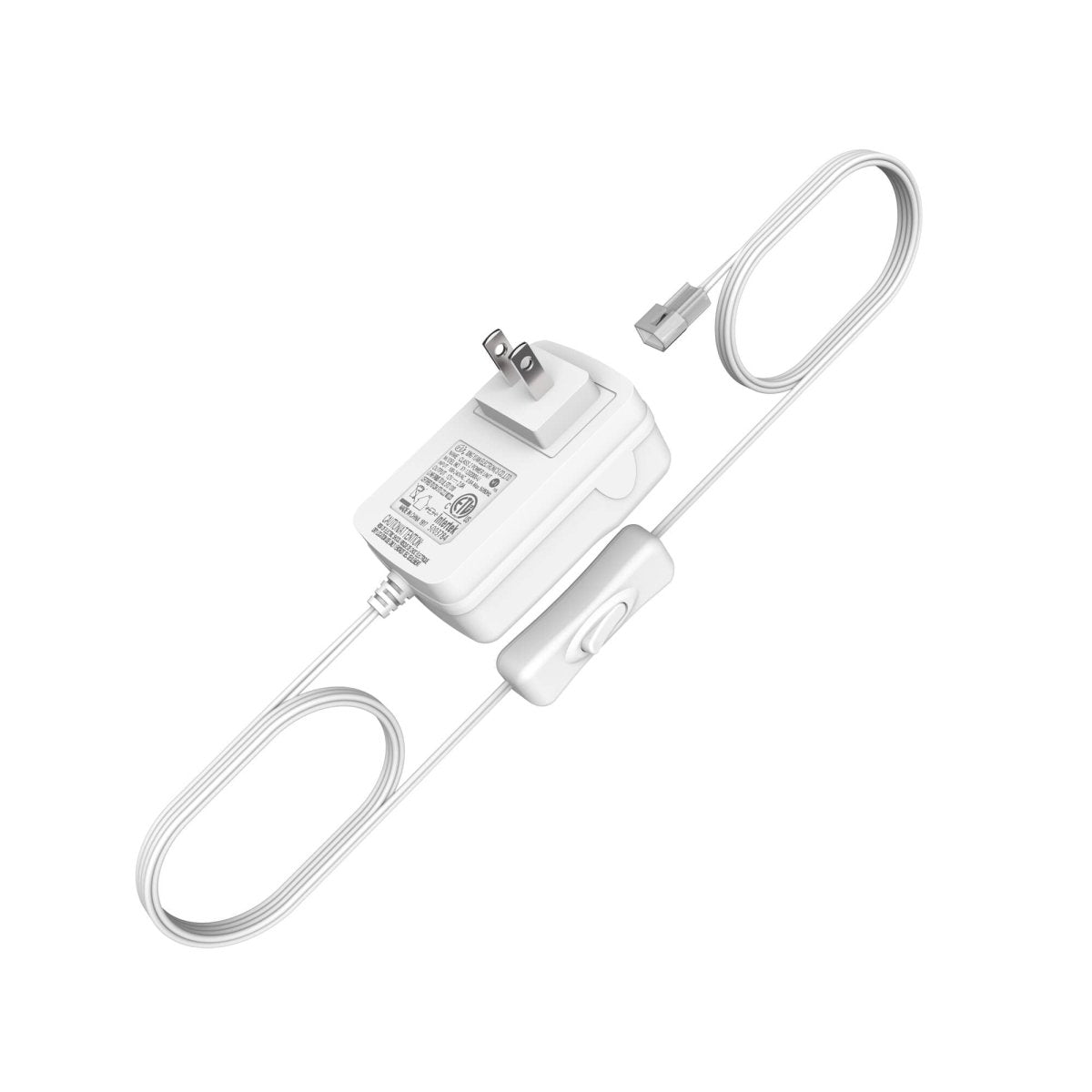
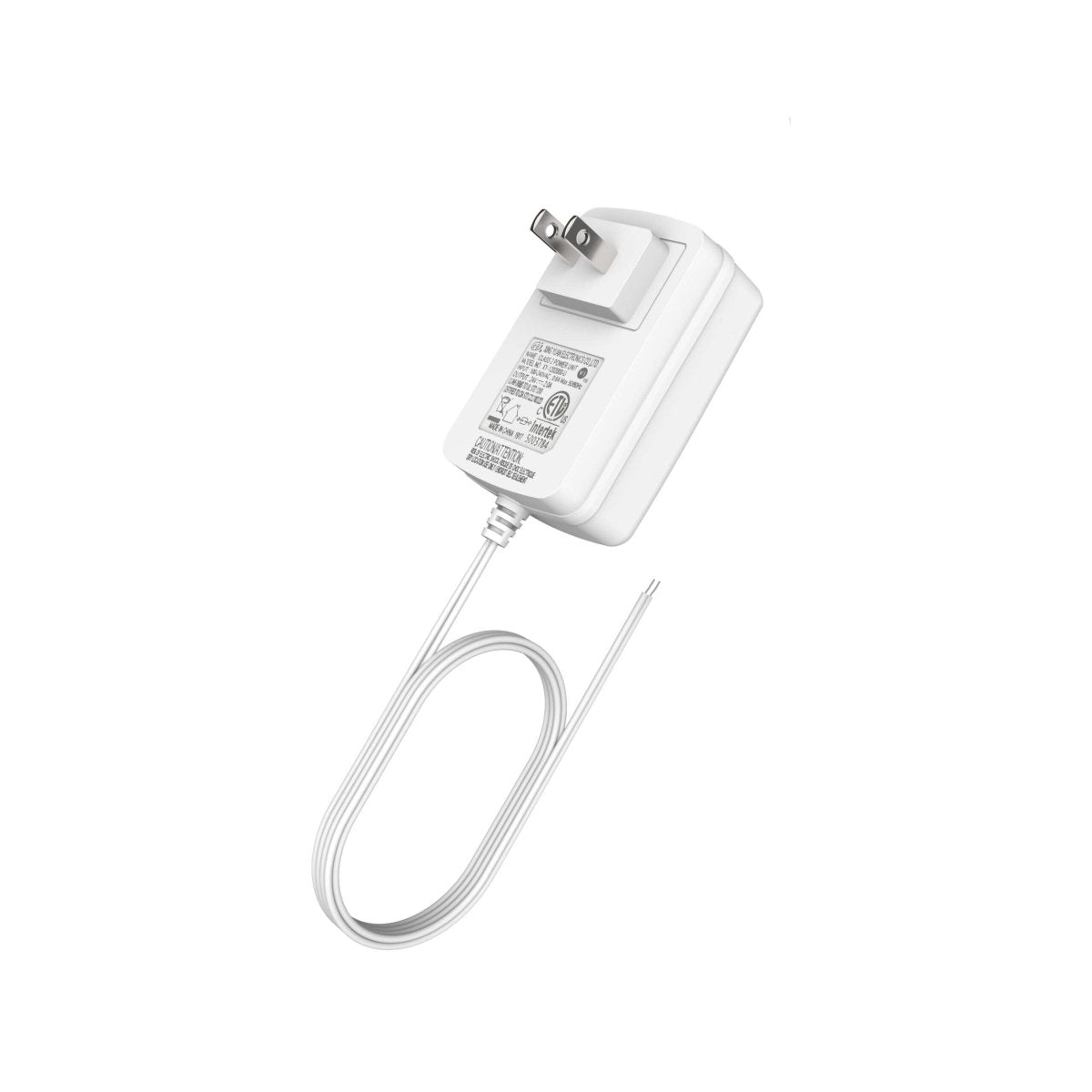
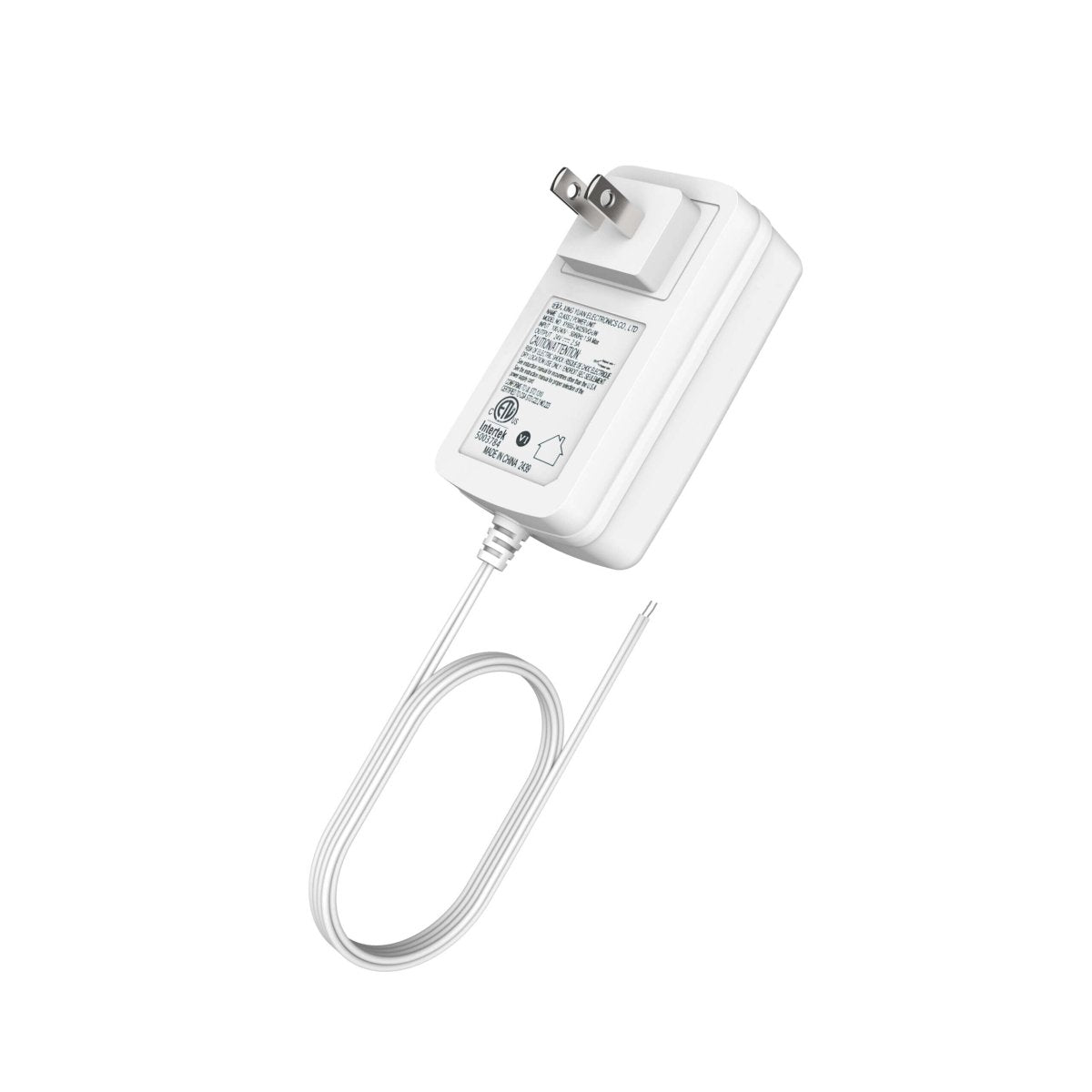
Our selection spans several technical families: recessed housings and LED wafers for ceilings, step lights for stairs and hallways, tape lighting and linear fixtures for undercabinet illumination, picture lights for artwork, plus the extensions, connectors and 24V drivers that complete a system.
Lighting for architects and designers: what really matters
Choosing the right architectural lighting rests on measurable criteria. Color temperature, in Kelvin, shifts how a room reads: 2700-3000K for warm residential ambiance, cooler values for crisp, task-oriented light. Beam angle defines use: a narrow beam accents an object, a wide beam covers a surface. And CRI keeps colors true — an essential factor for high-performance architectural lamps.
- Color temperature: 2700-3000K for warm residential, cooler for task work
- Beam angle: narrow for accent, wide for general lighting
- CRI: favor a high value for faithful color rendering
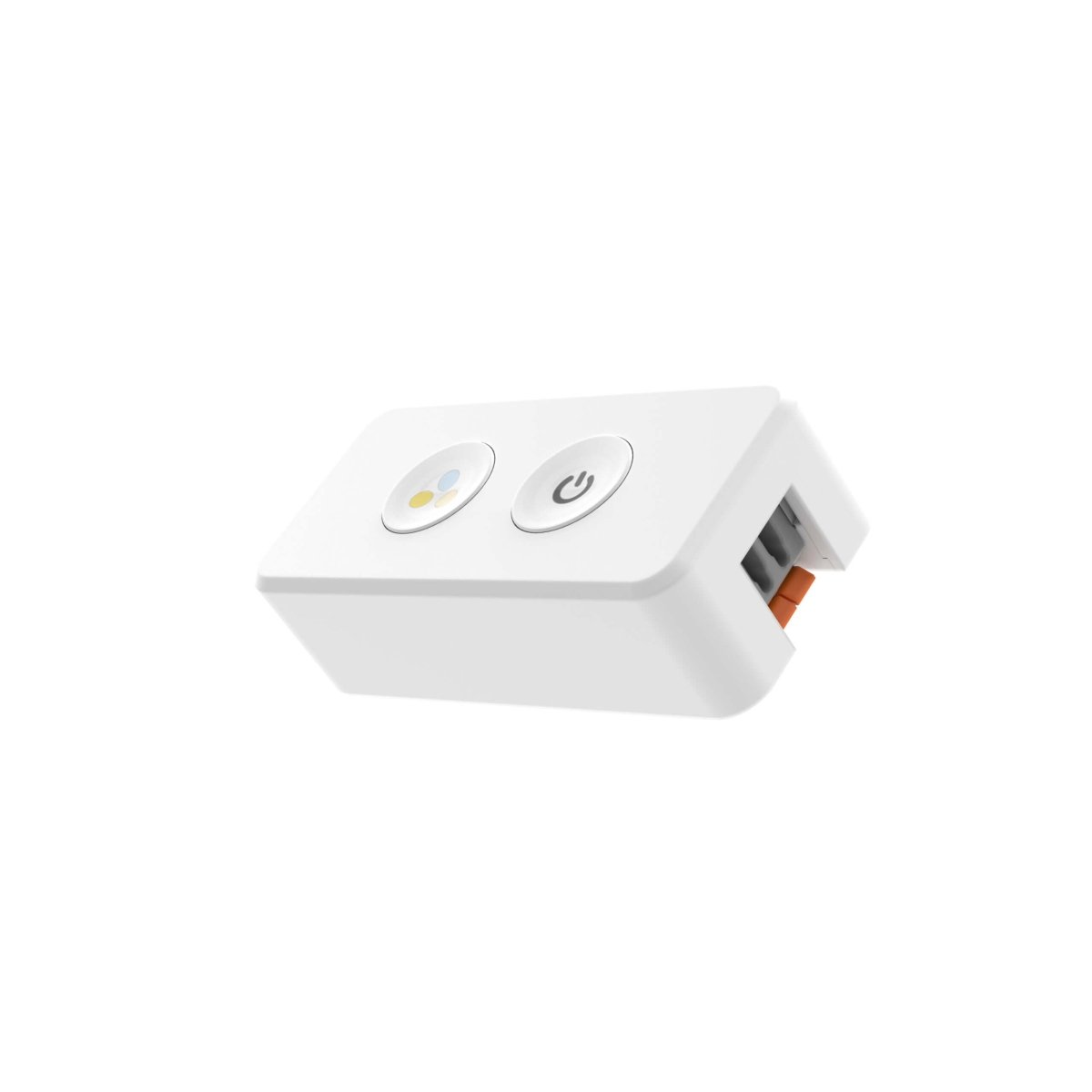
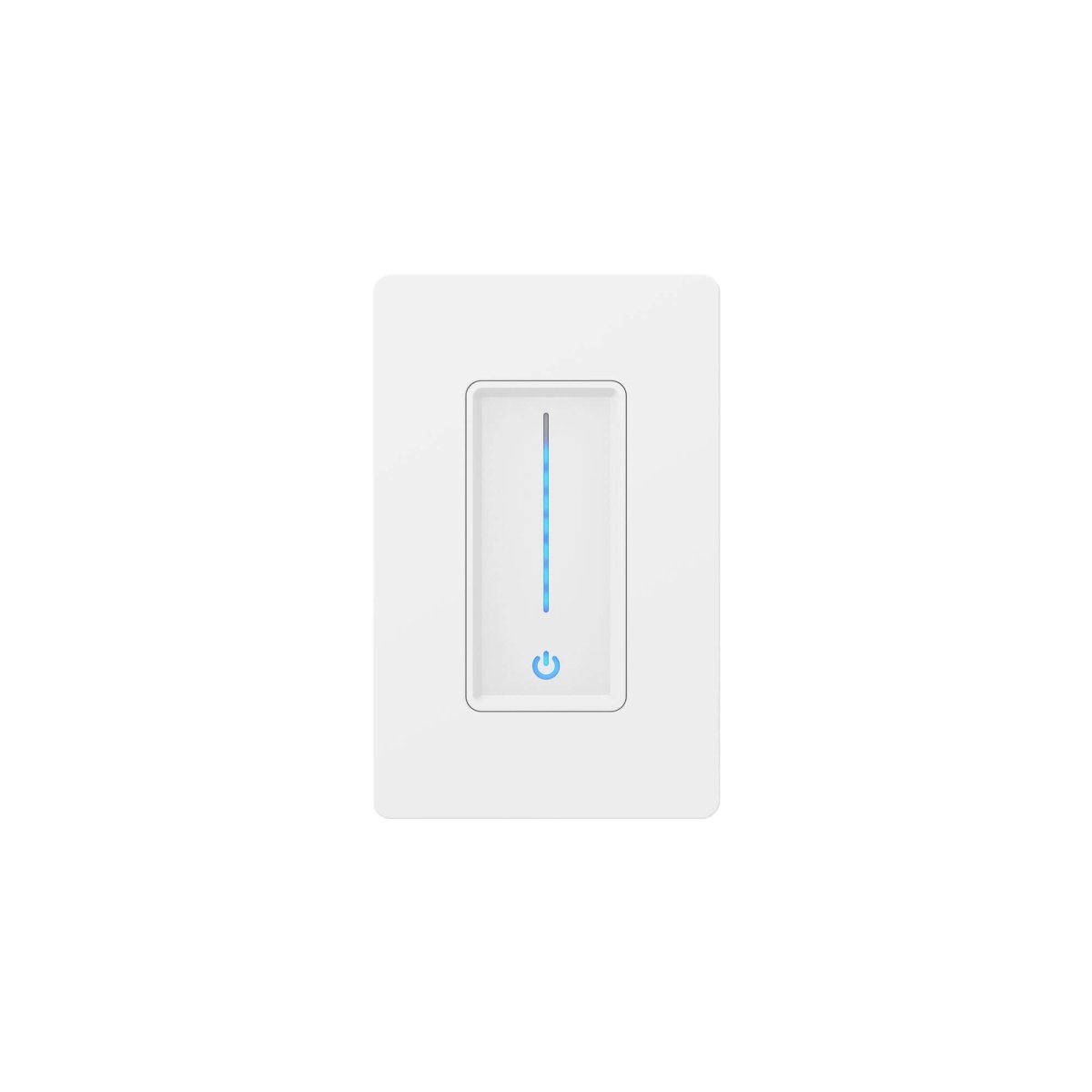
- Dimming: confirm driver compatibility with your controls to avoid flicker
- Location rating: dry, damp or wet depending on the room
Recessed housings, LED wafers and planning your layout
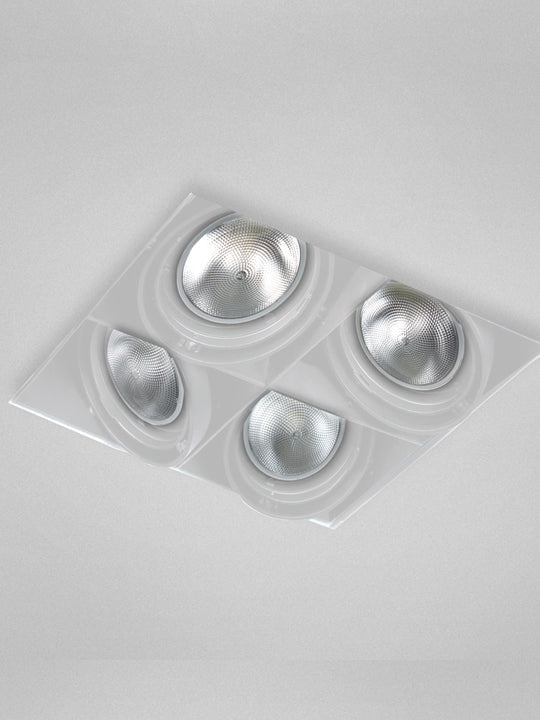
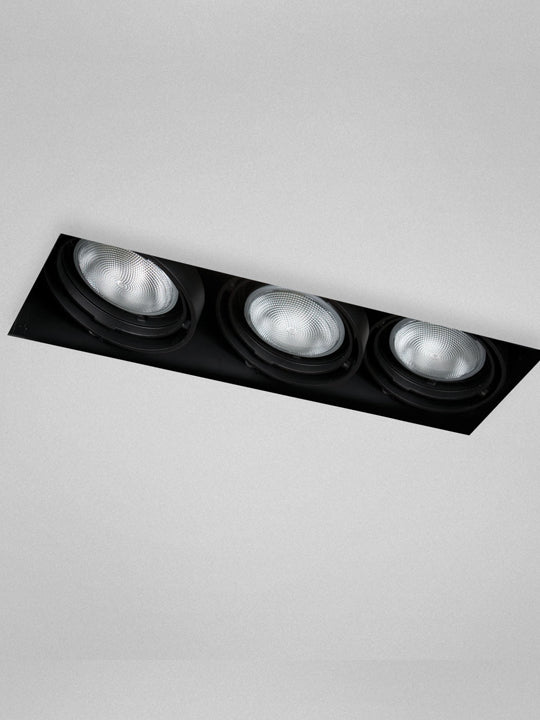
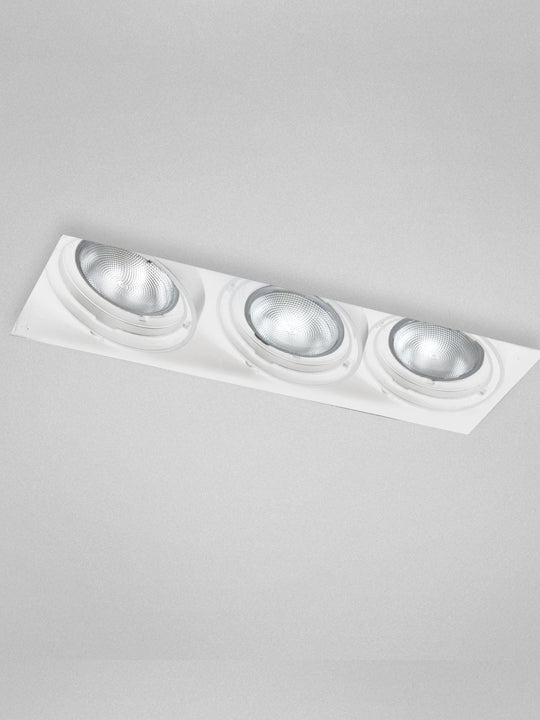
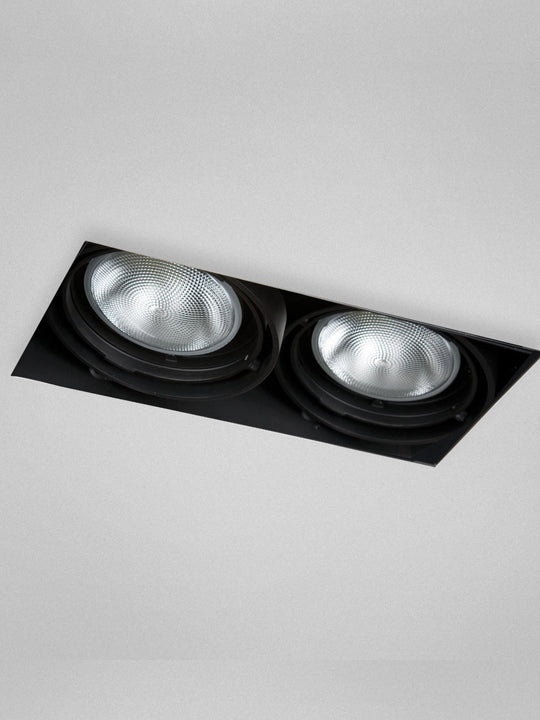
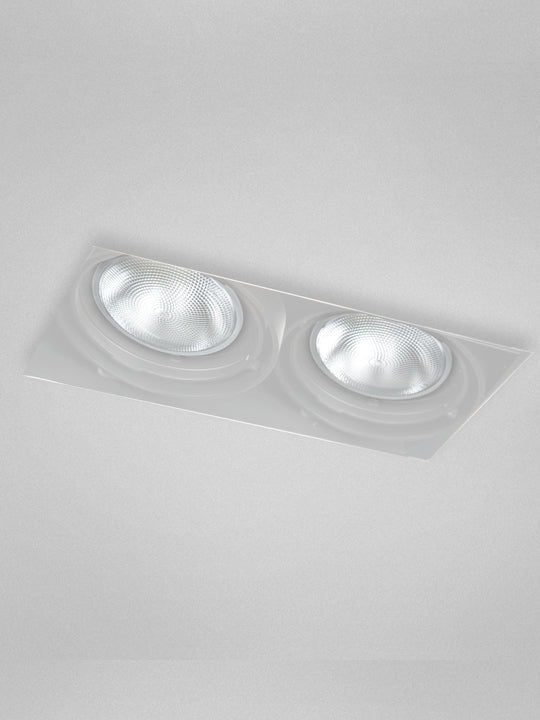
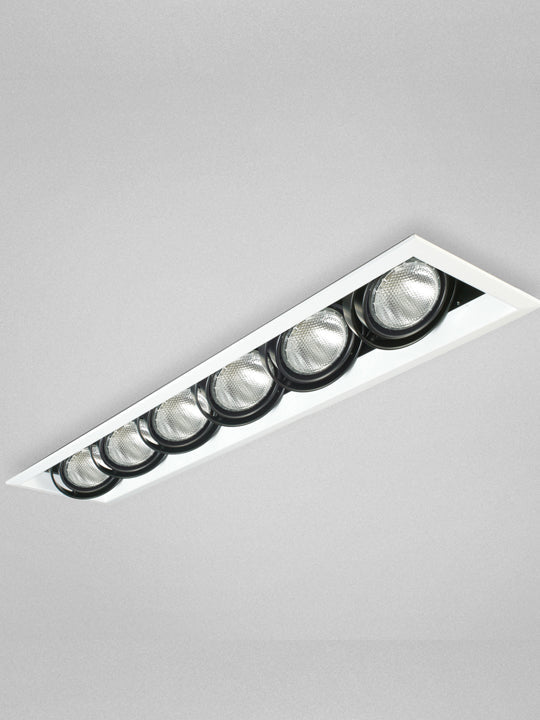
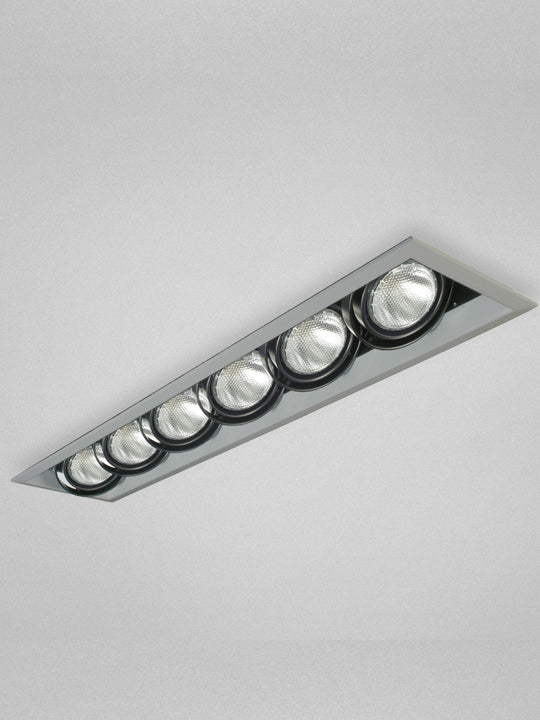
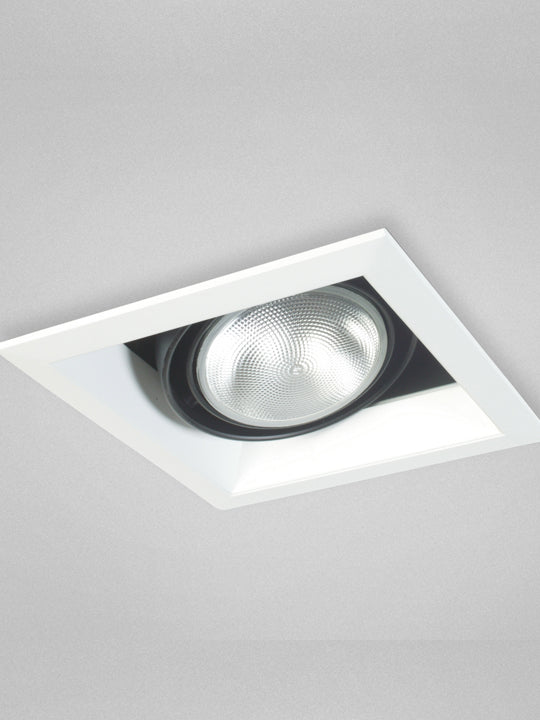
A good layout avoids both dark zones and over-lighting. For 8 to 10 ft (2.4 to 3 m) ceilings, space recessed fixtures 4 to 6 ft (1.2 to 1.8 m) apart and keep them 2 to 3 ft (61 to 91 cm) from walls to prevent scalloping. An adjustable fixture directs light onto an art wall or shelf; a slim LED wafer suits low ceilings where a suspended fixture won't fit. A multiple recessed light plan can wash a whole wall evenly when trims are chosen with care. For showers and bathrooms, pick a damp- or wet-rated housing.
Track lighting and adjustable systems
Track lighting offers unmatched flexibility: you add, move and aim heads as needs change. It shines over a kitchen island, on a mural or along a hallway. Before adding accessories, always confirm the track standard so heads, connectors and power feeds stay compatible.
Undercabinet lighting
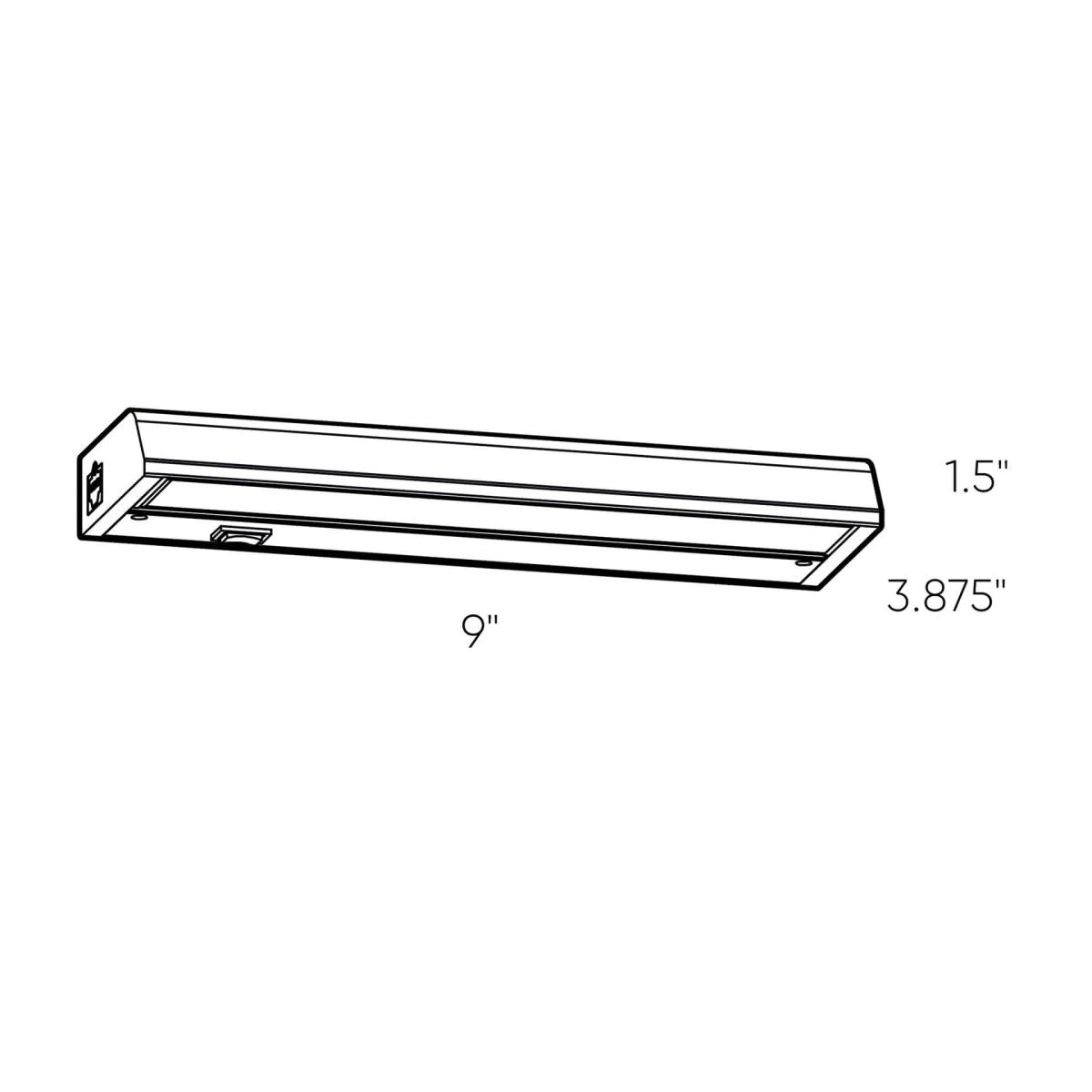
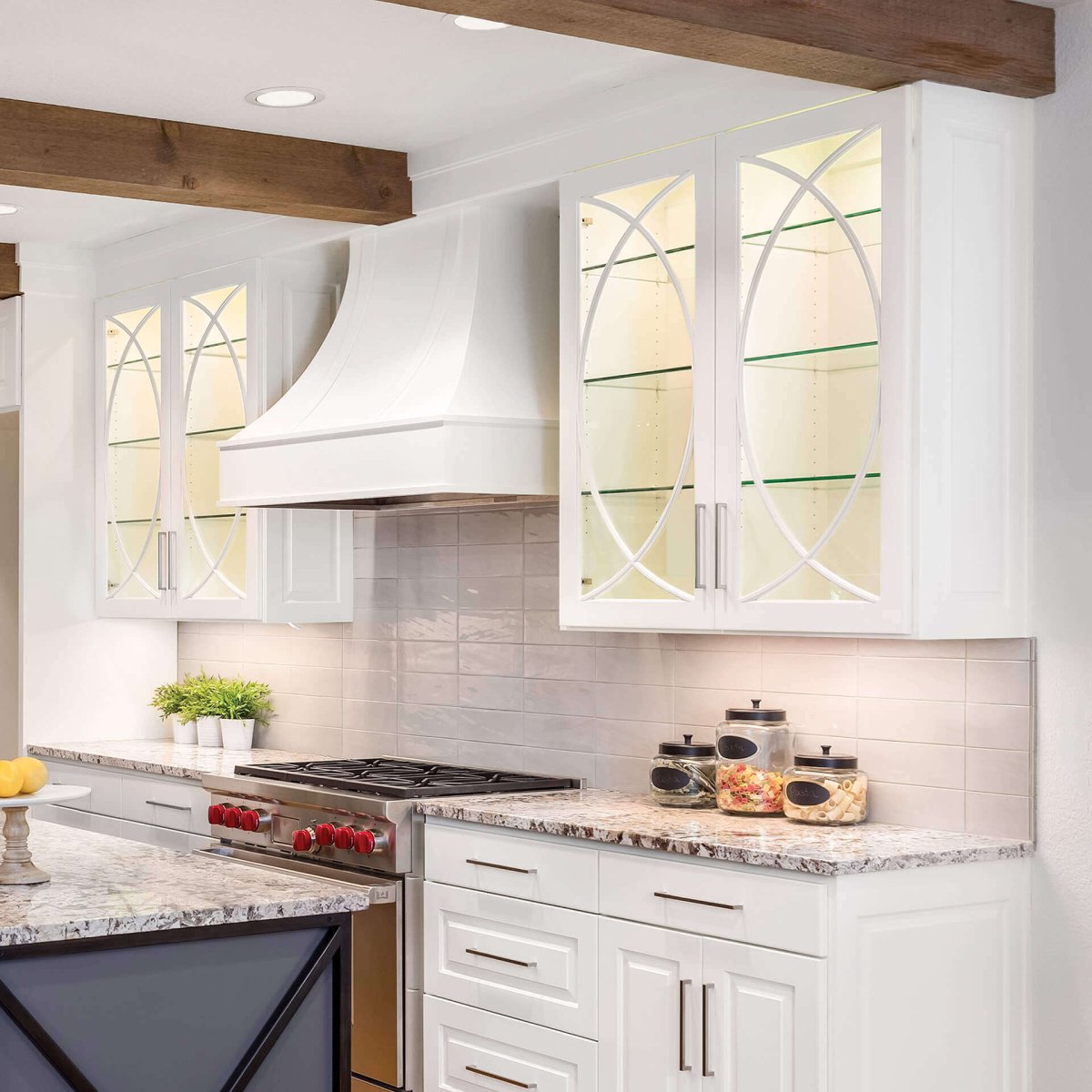
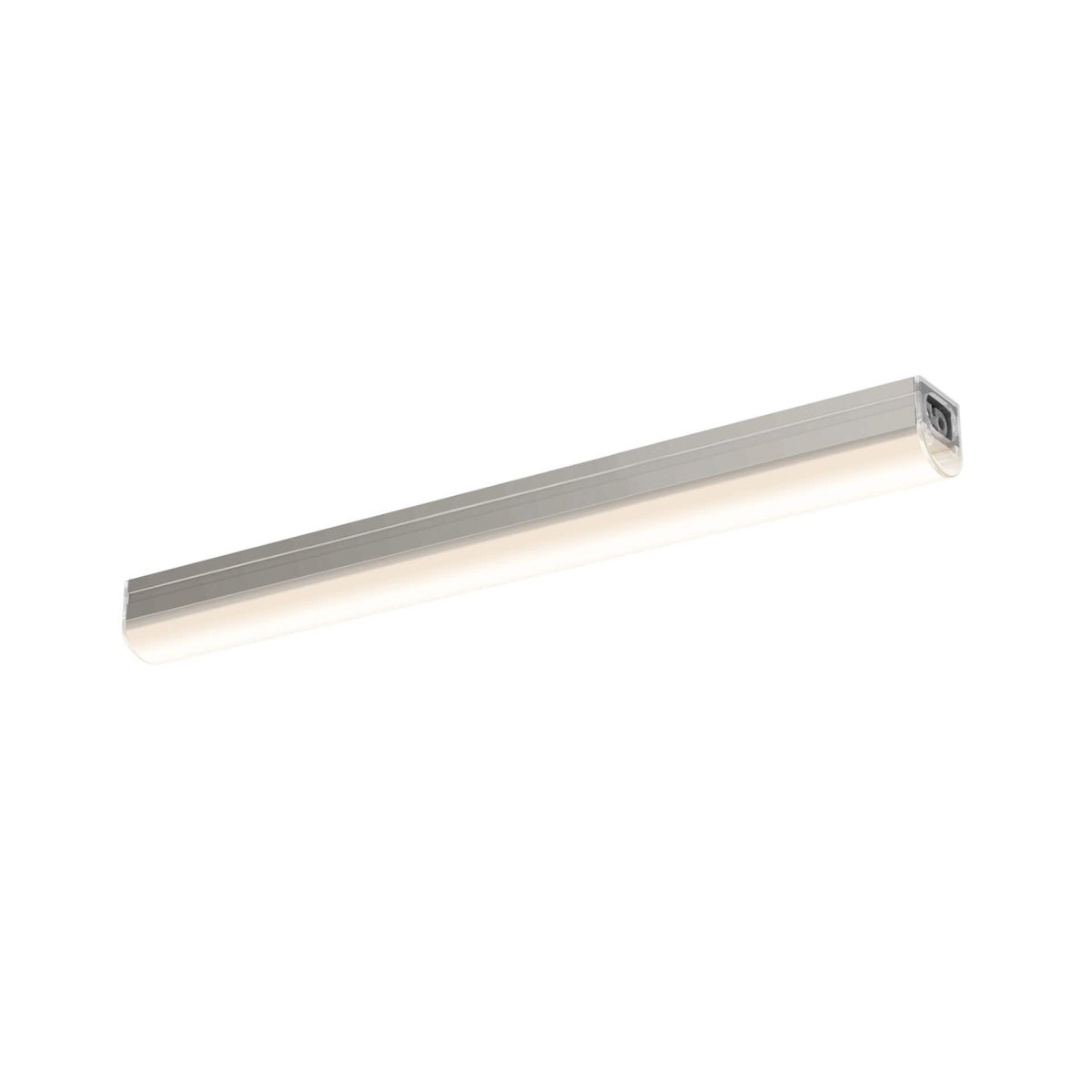
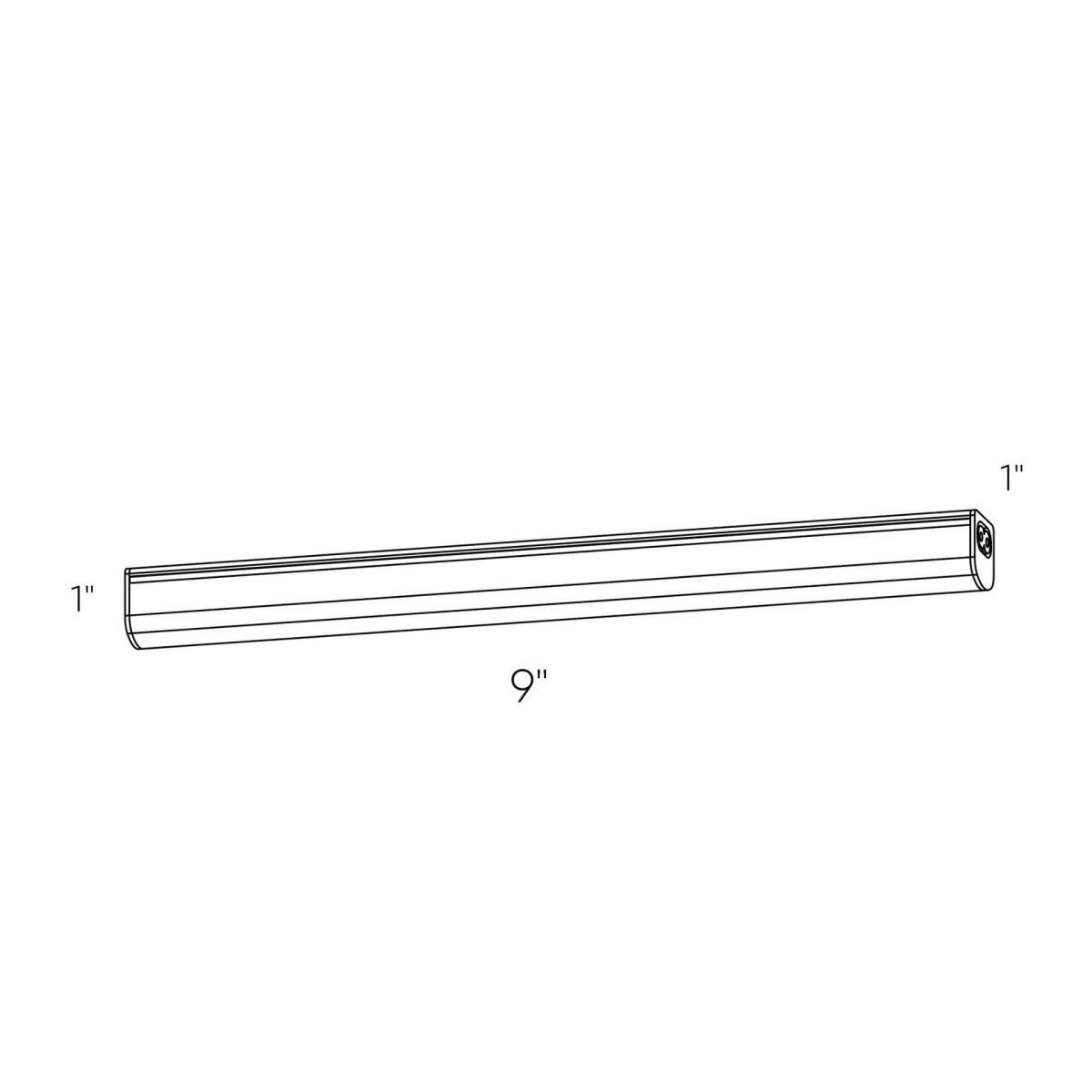
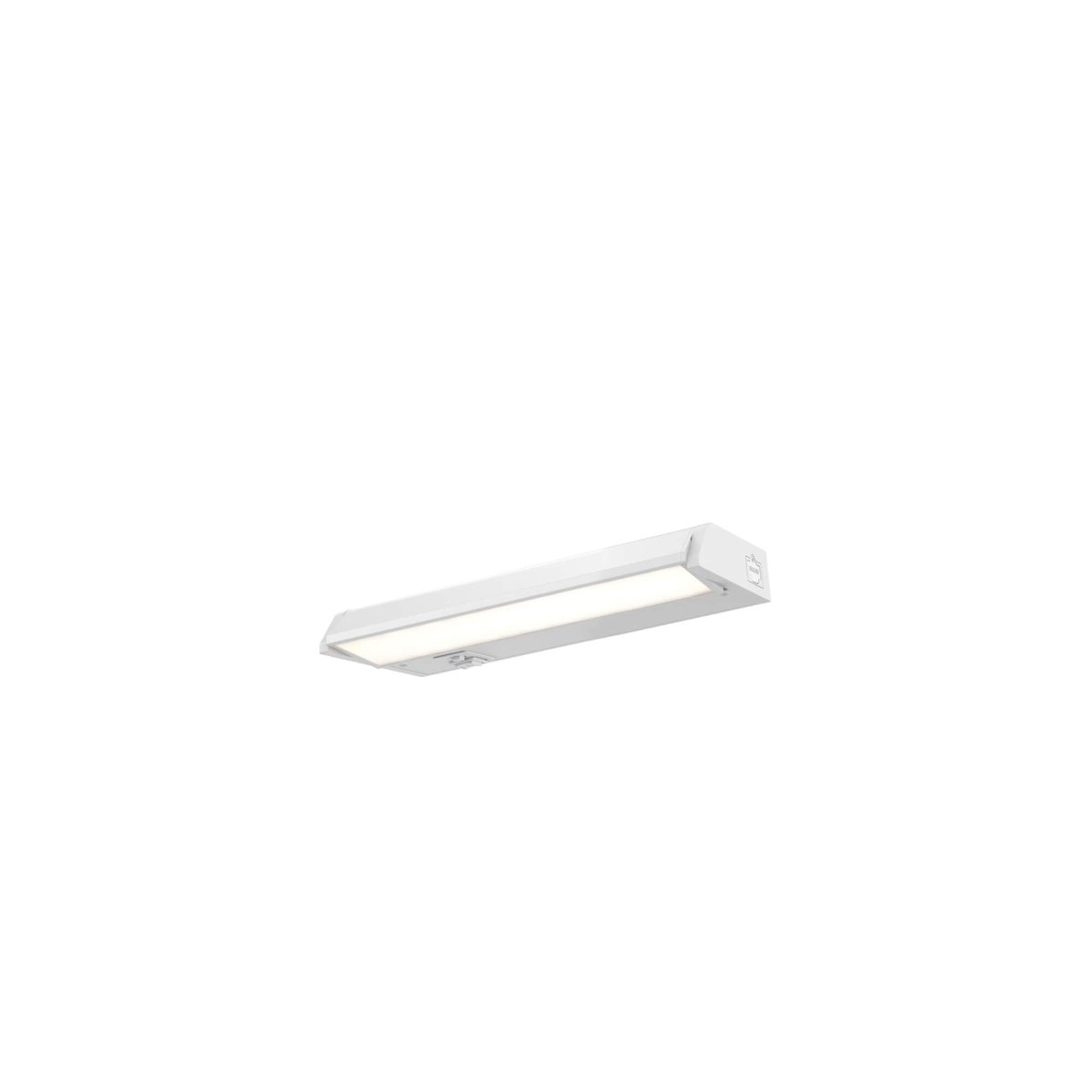
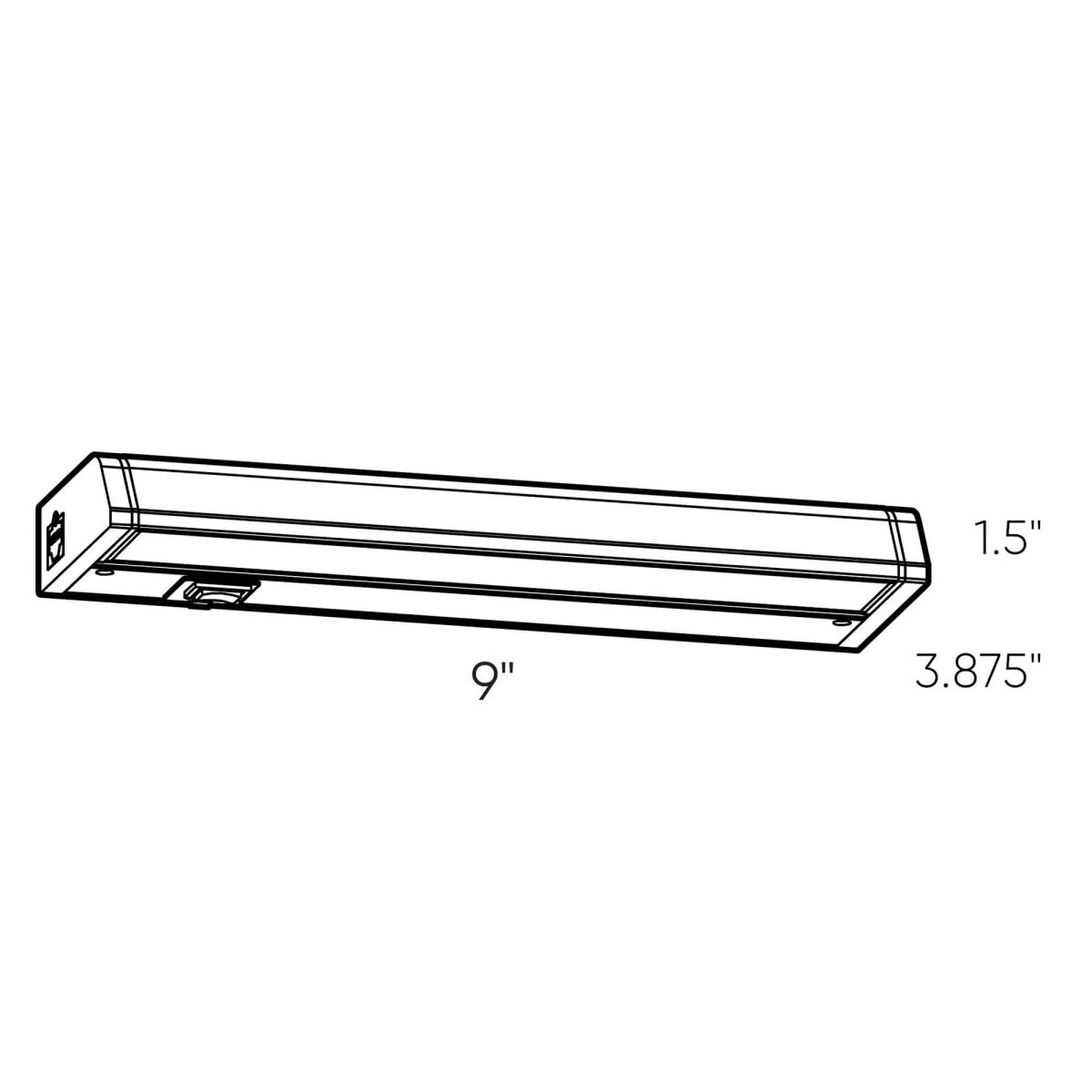
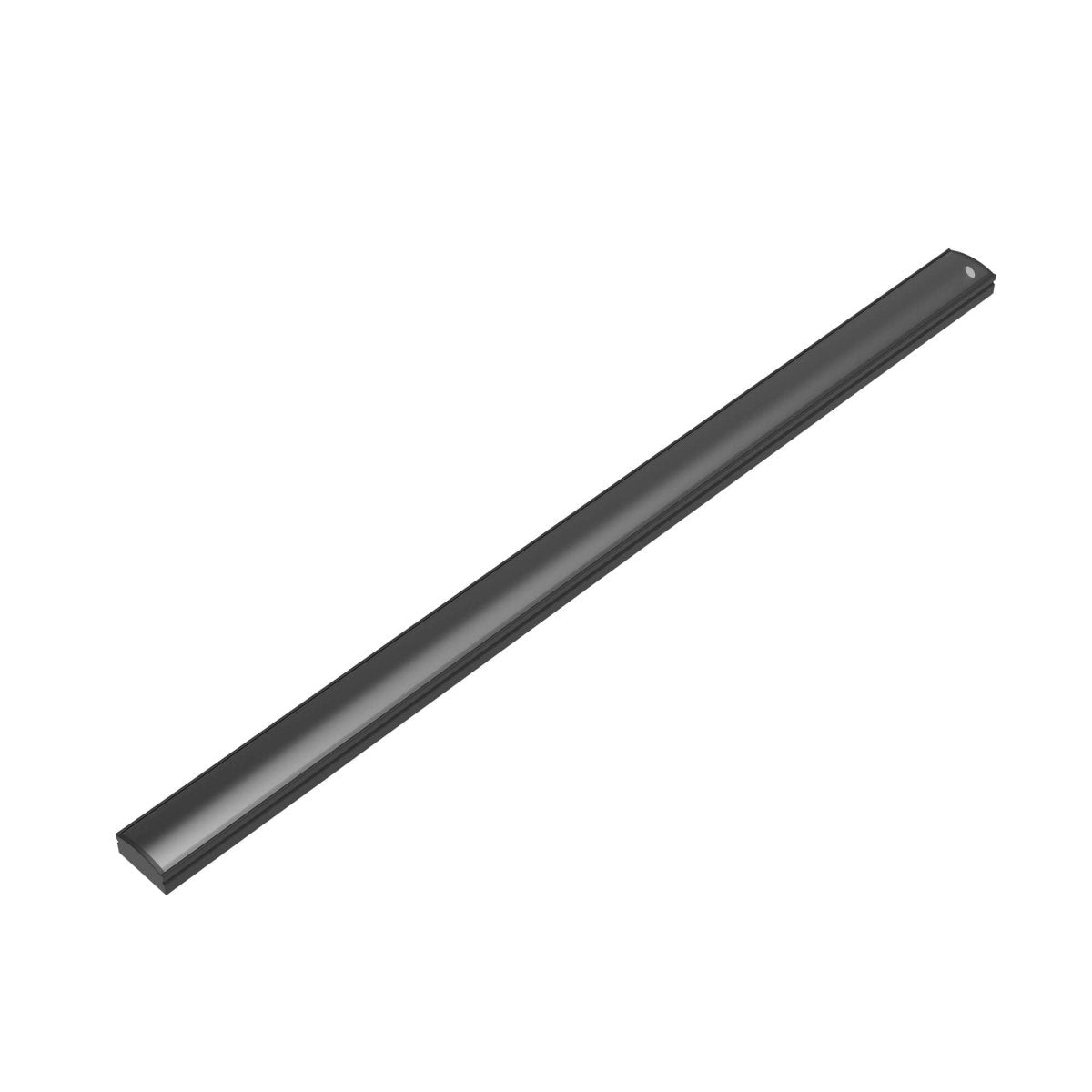
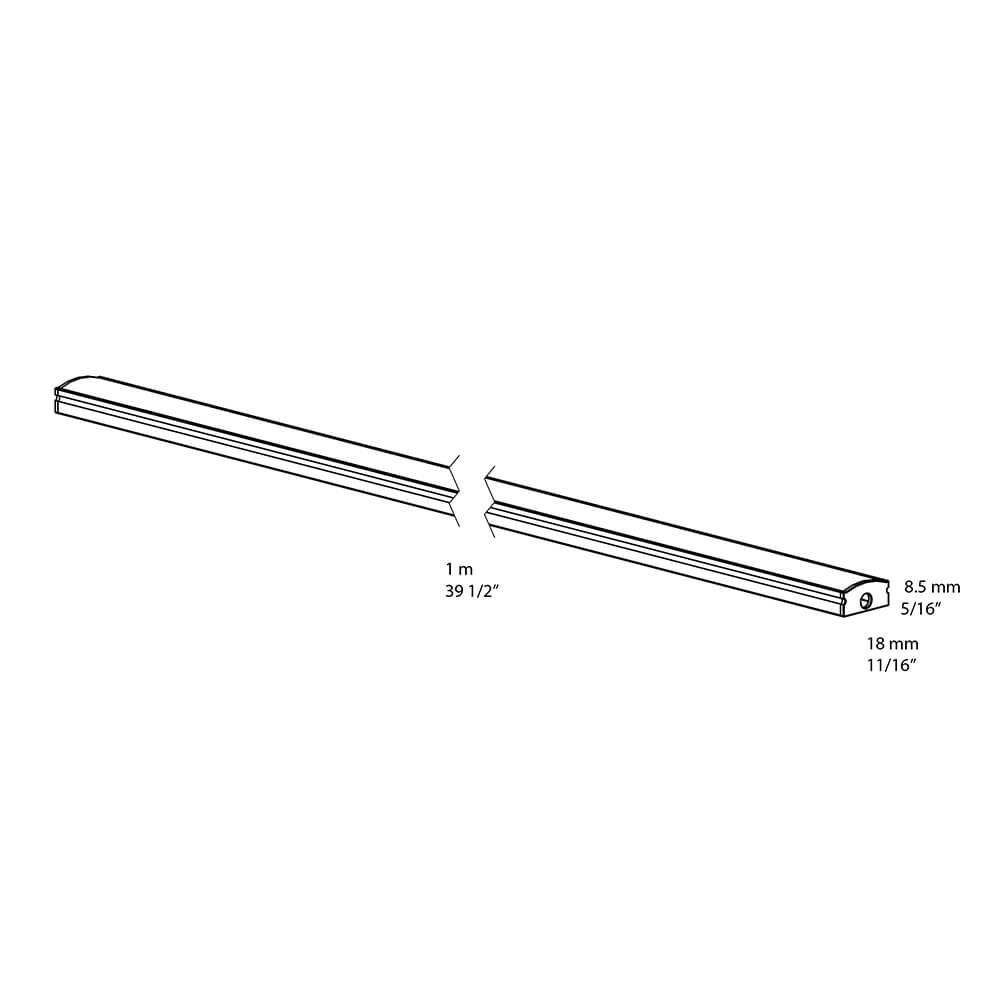
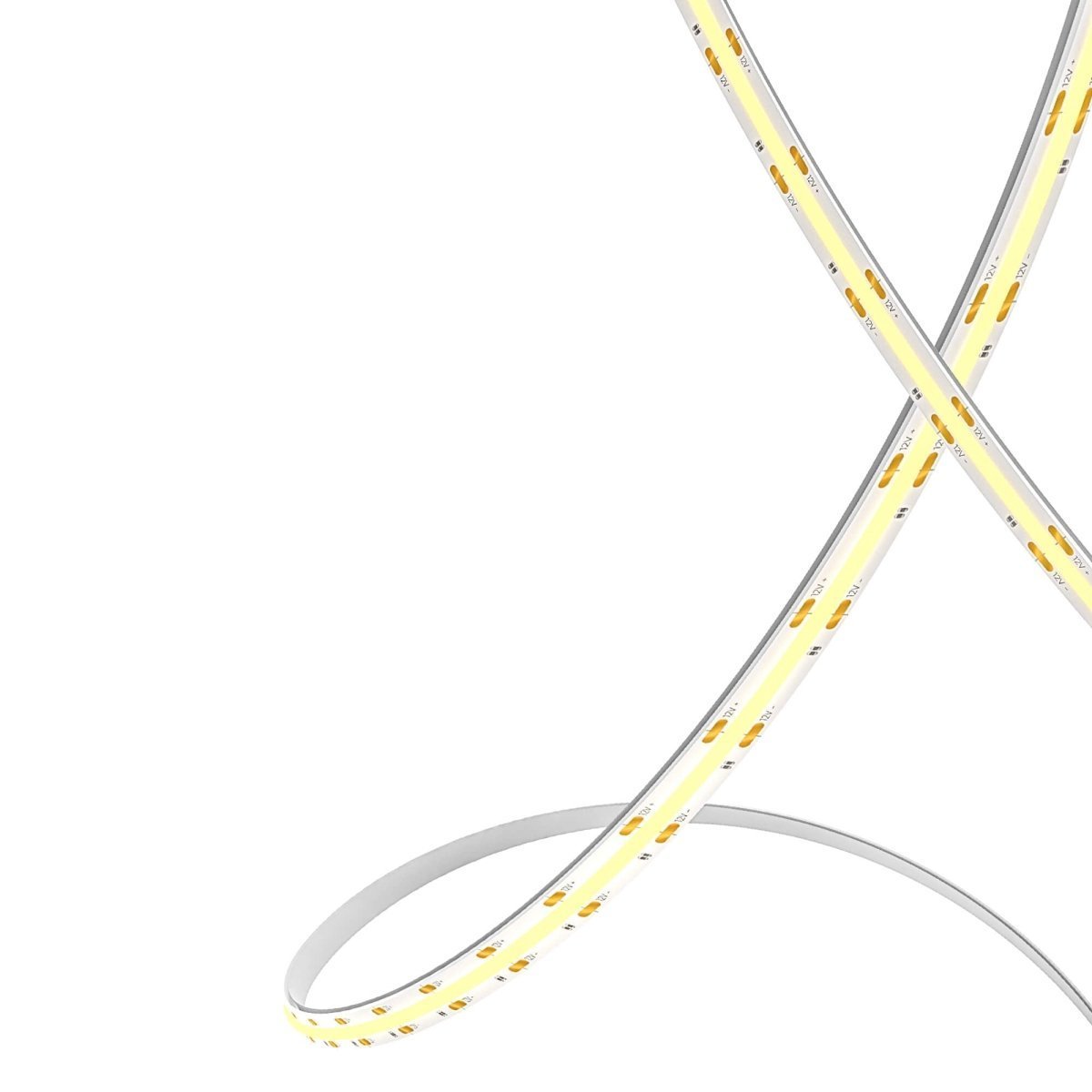
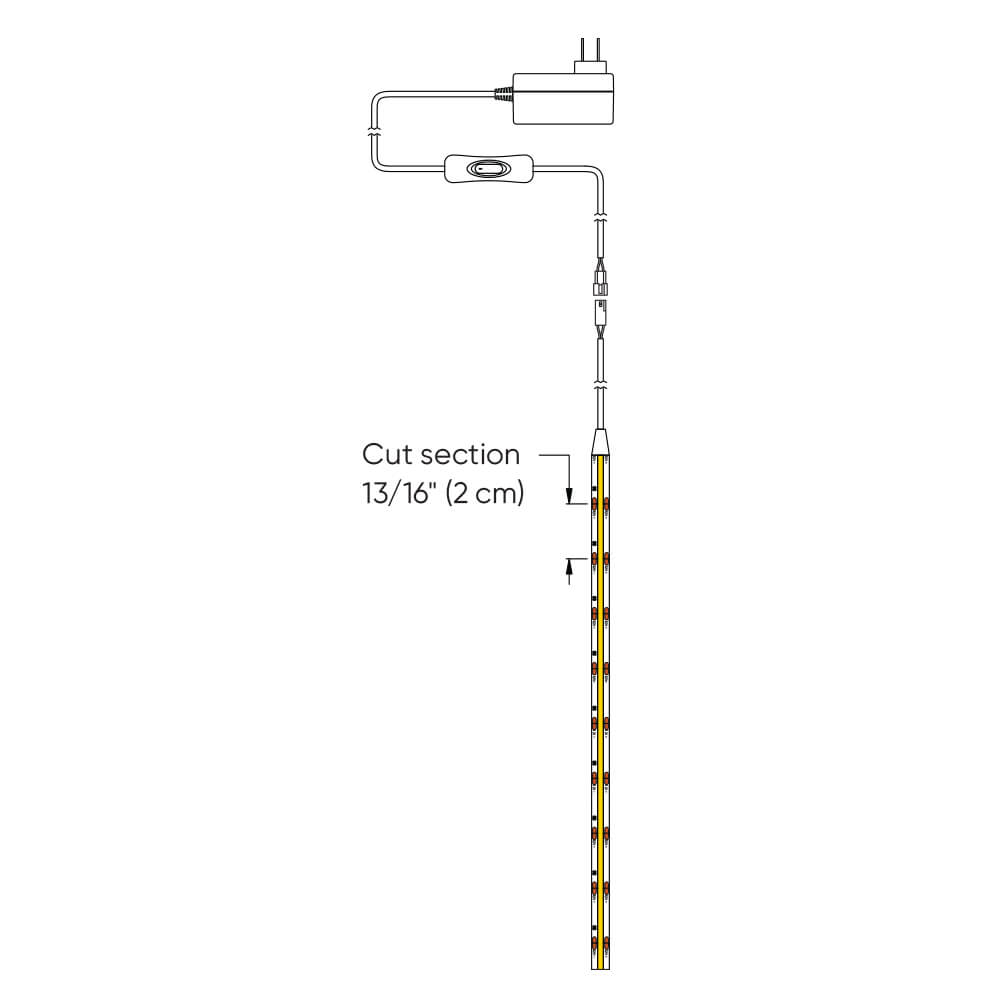
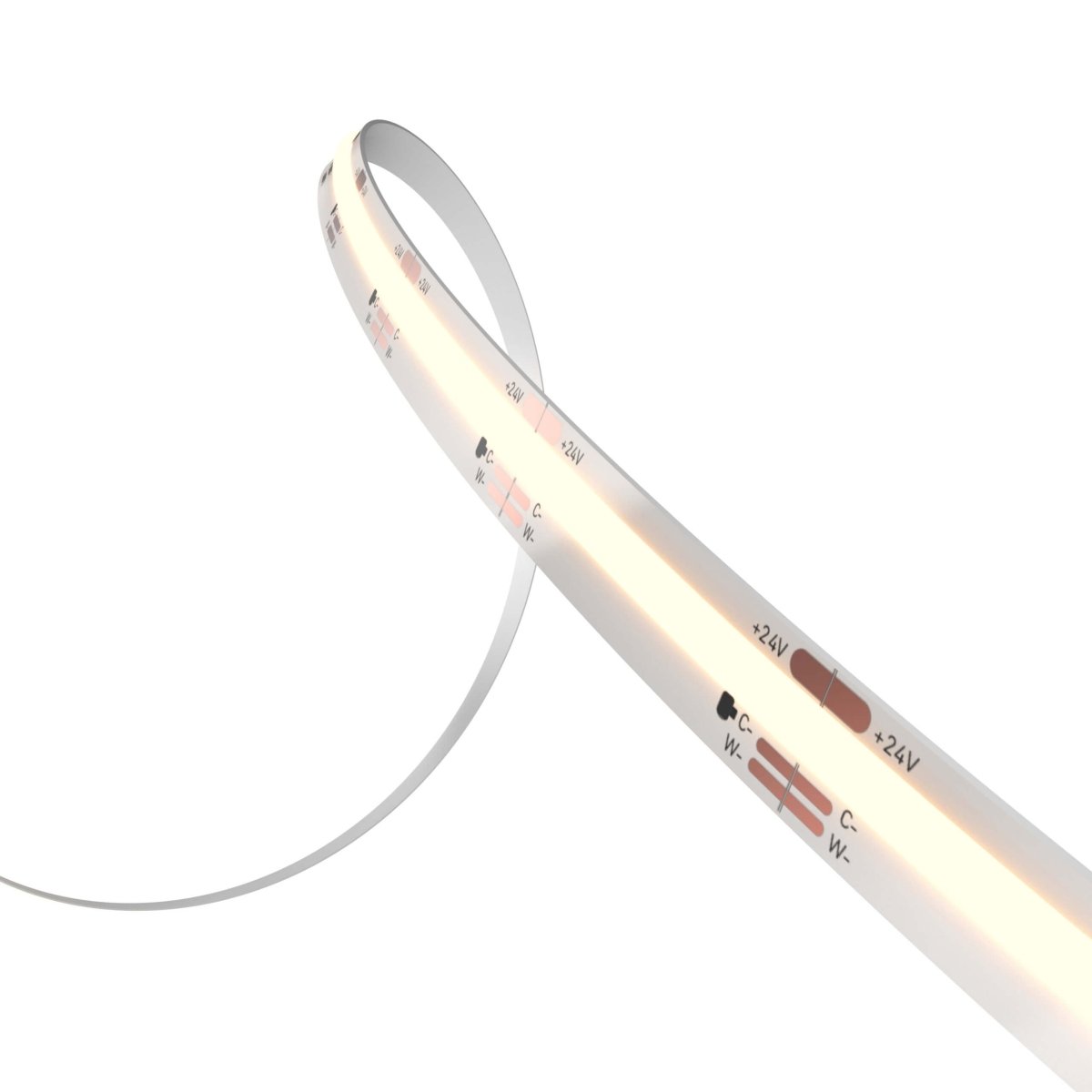
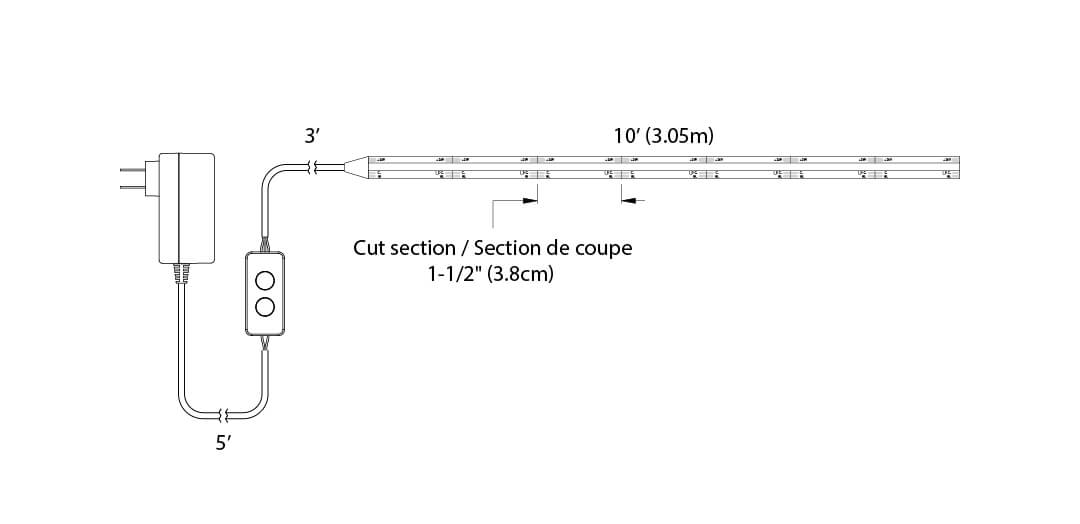
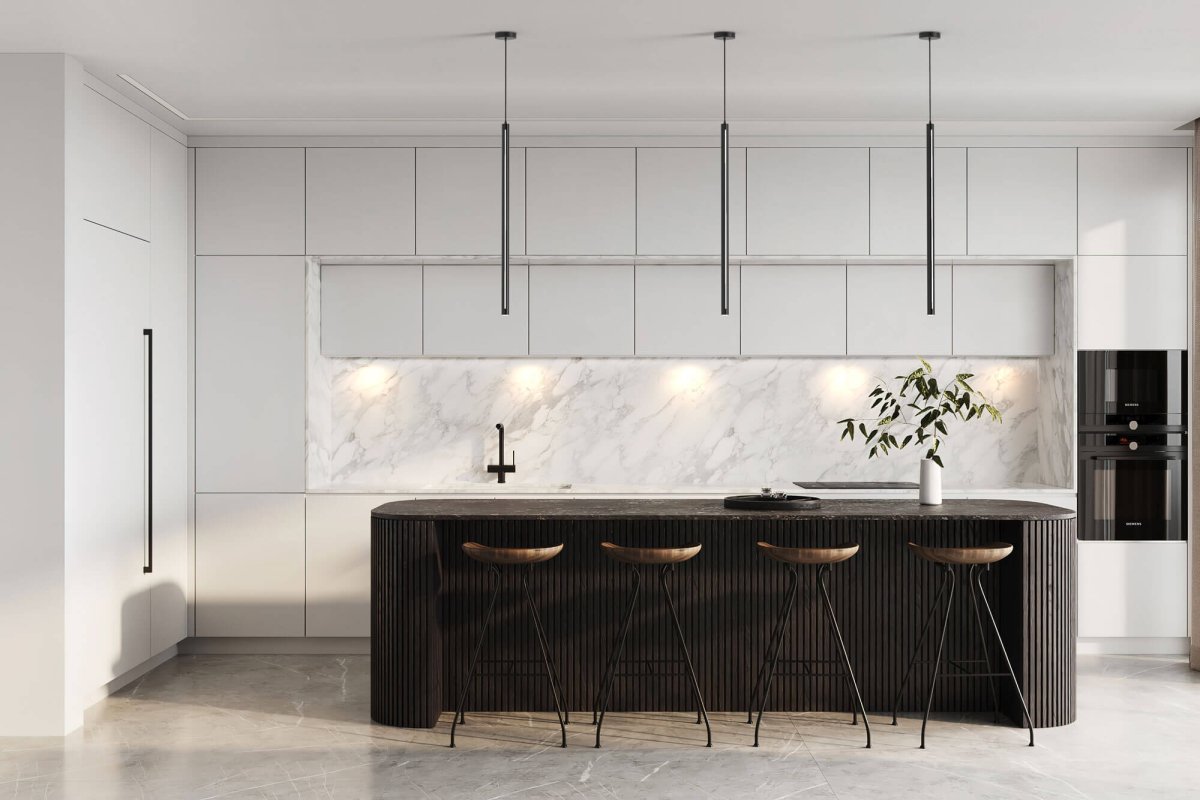
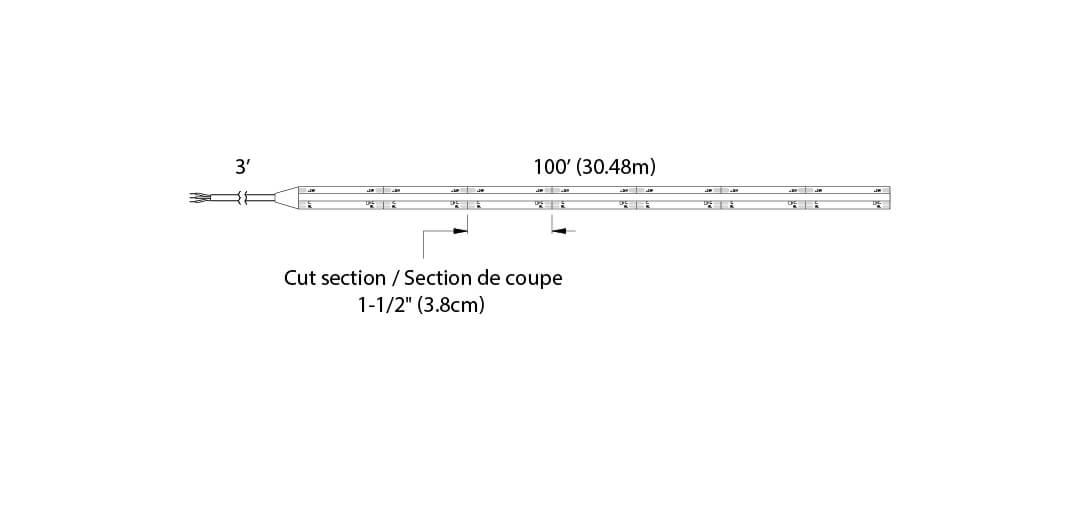
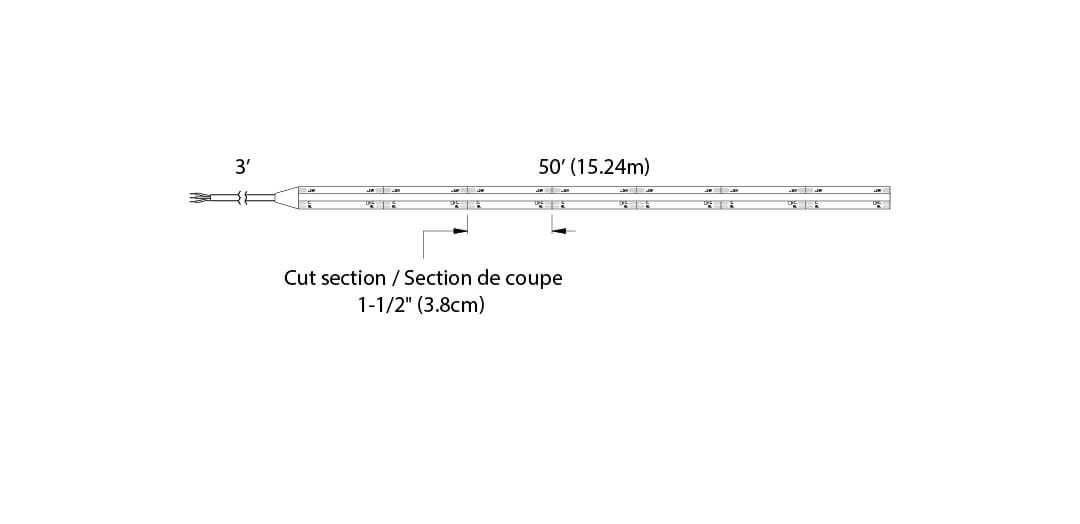
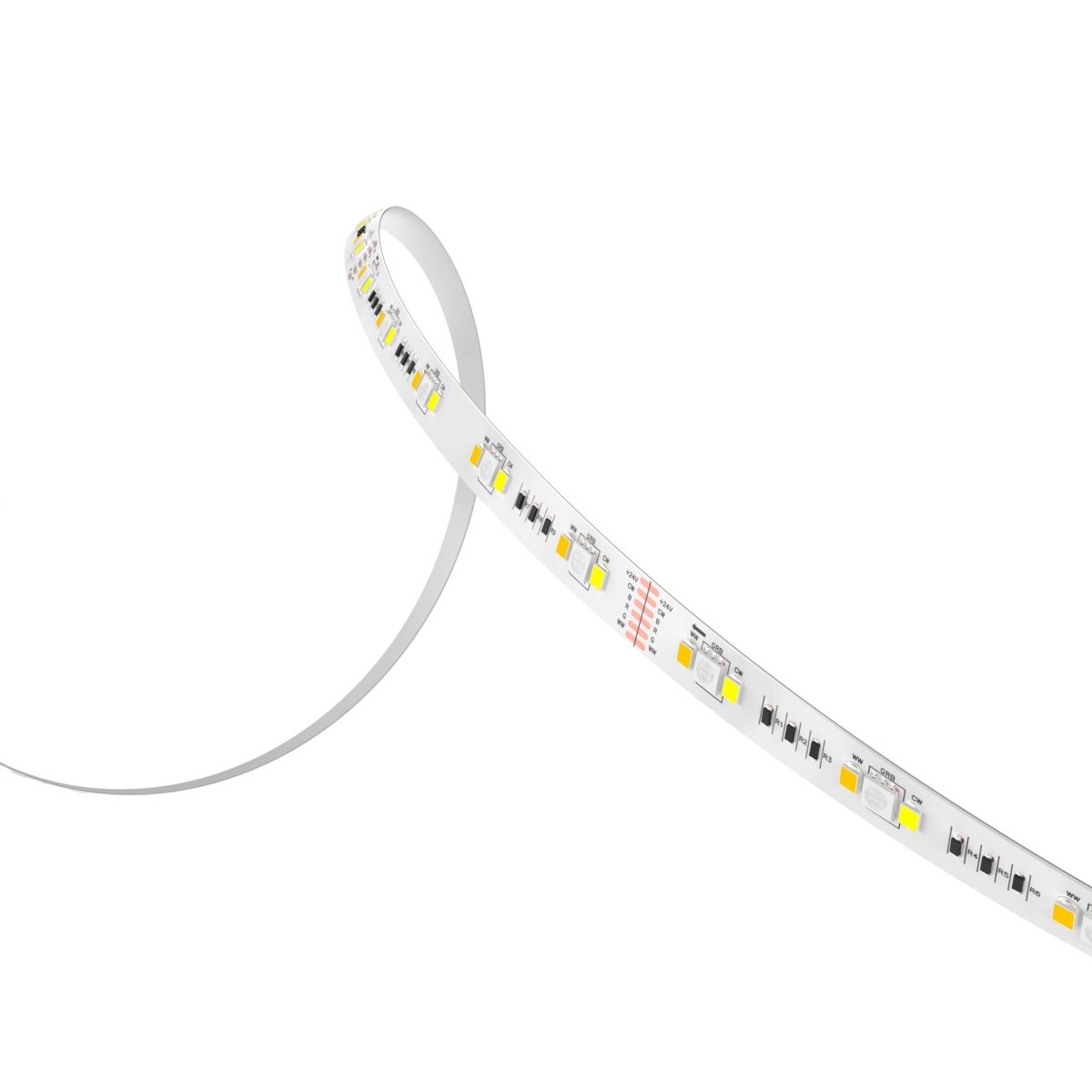
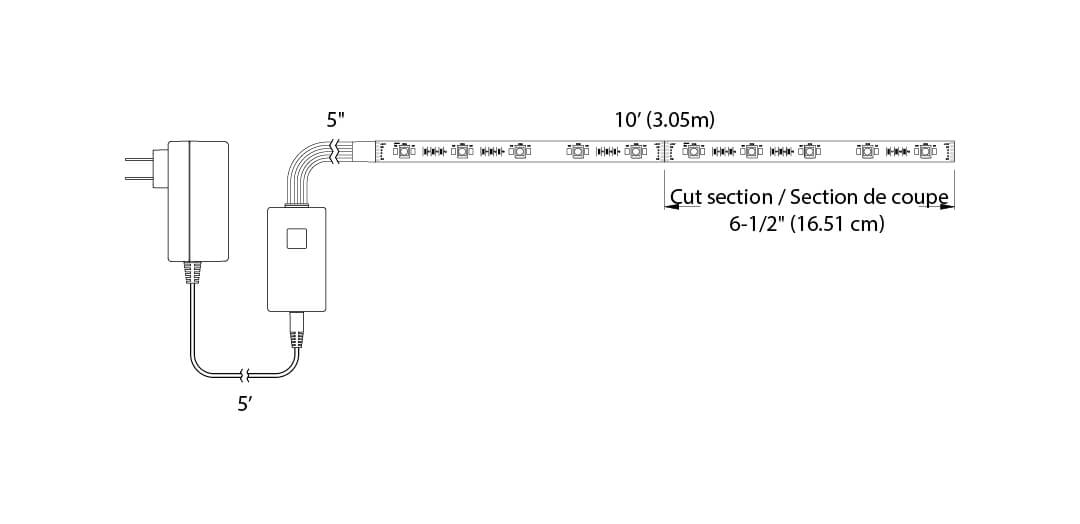
Tape lighting and linear undercabinet fixtures erase shadows on the work surface. LED tape gives a continuous line of light but needs an aluminum channel with a diffuser to avoid hotspots; pre-assembled bars install plug-and-play and link together. Mount fixtures toward the front of the cabinet, 2 to 3 in (5 to 8 cm) from the face, to maximize counter light and limit glare. A 3000K temperature balances warmth with task visibility.
Architectural outdoor and step lighting
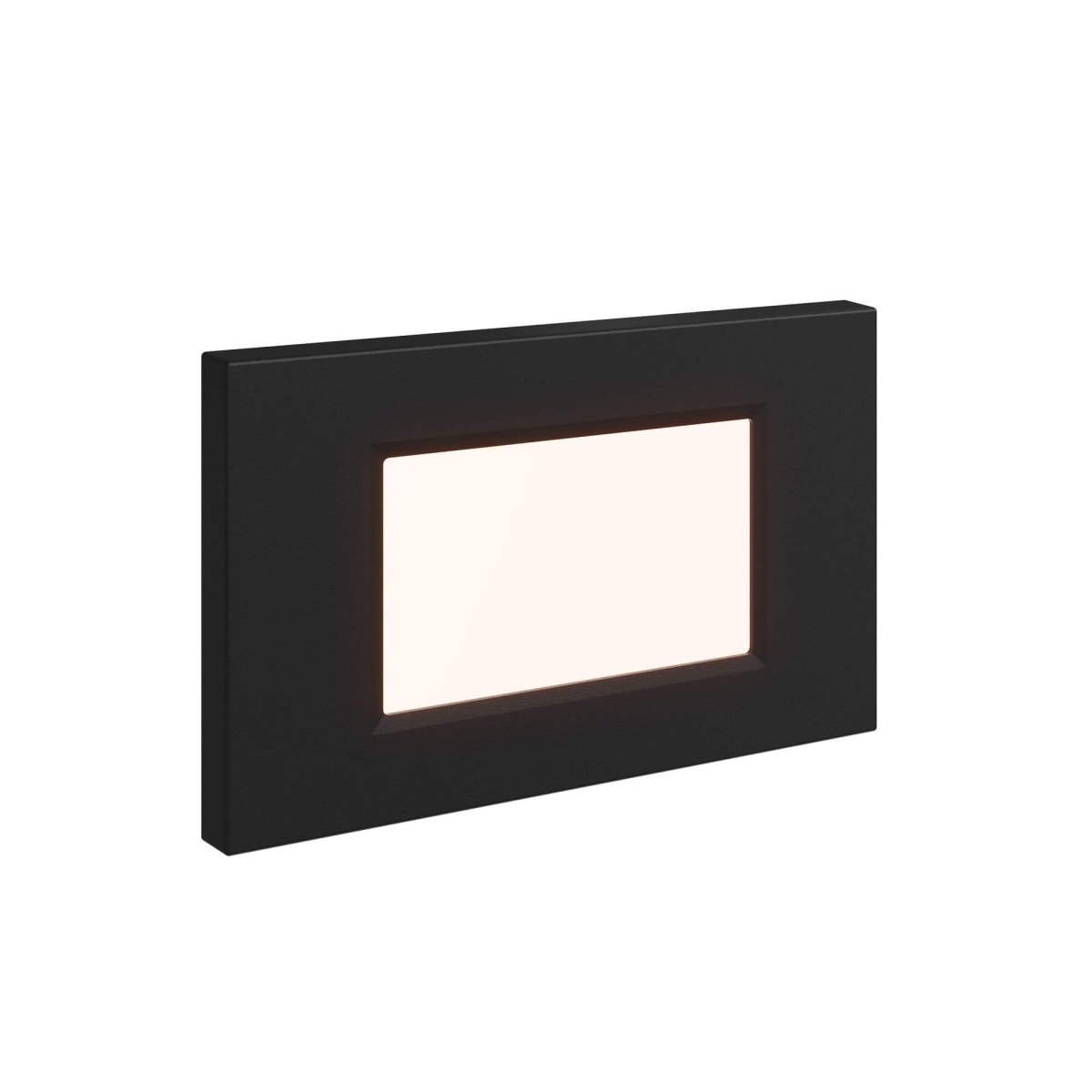
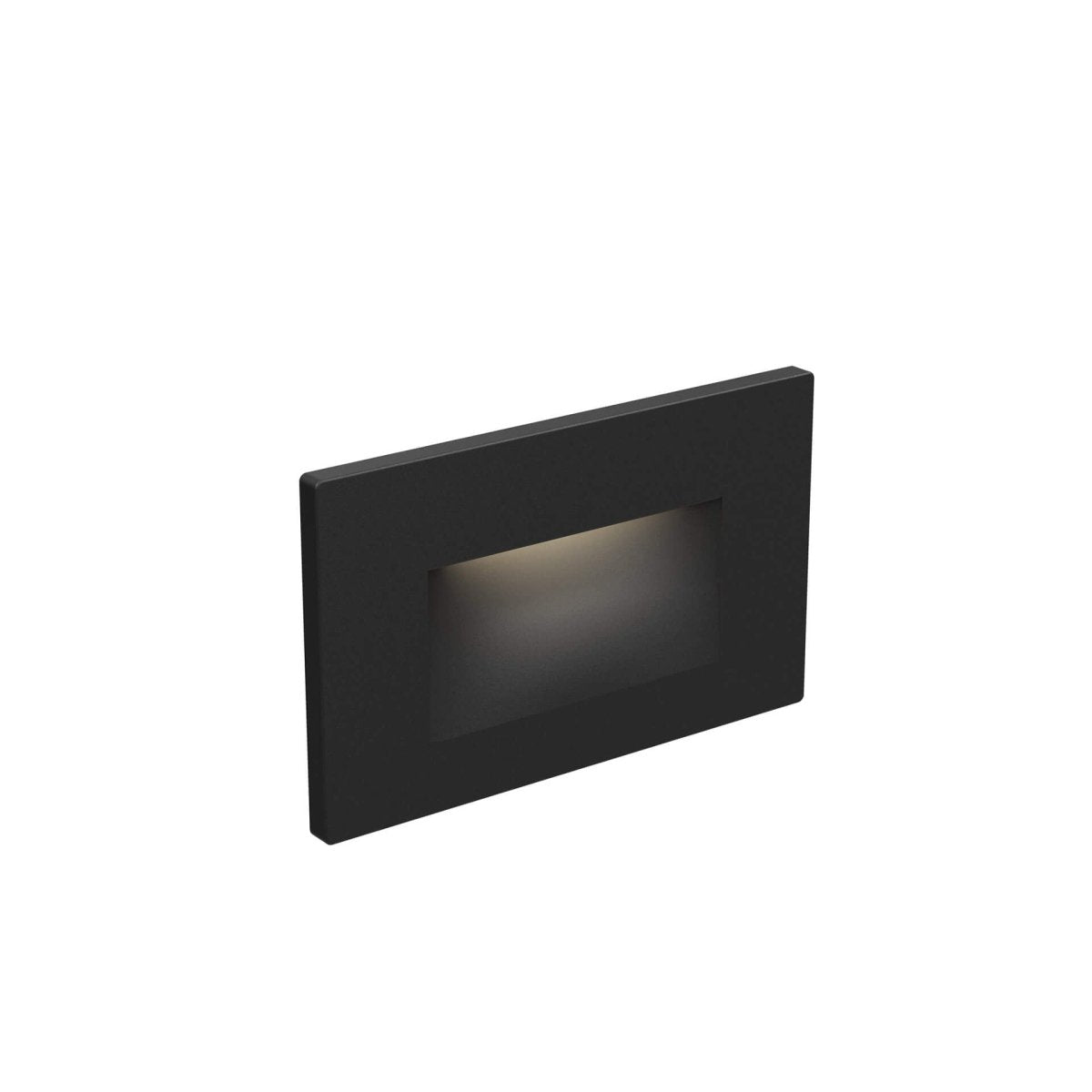
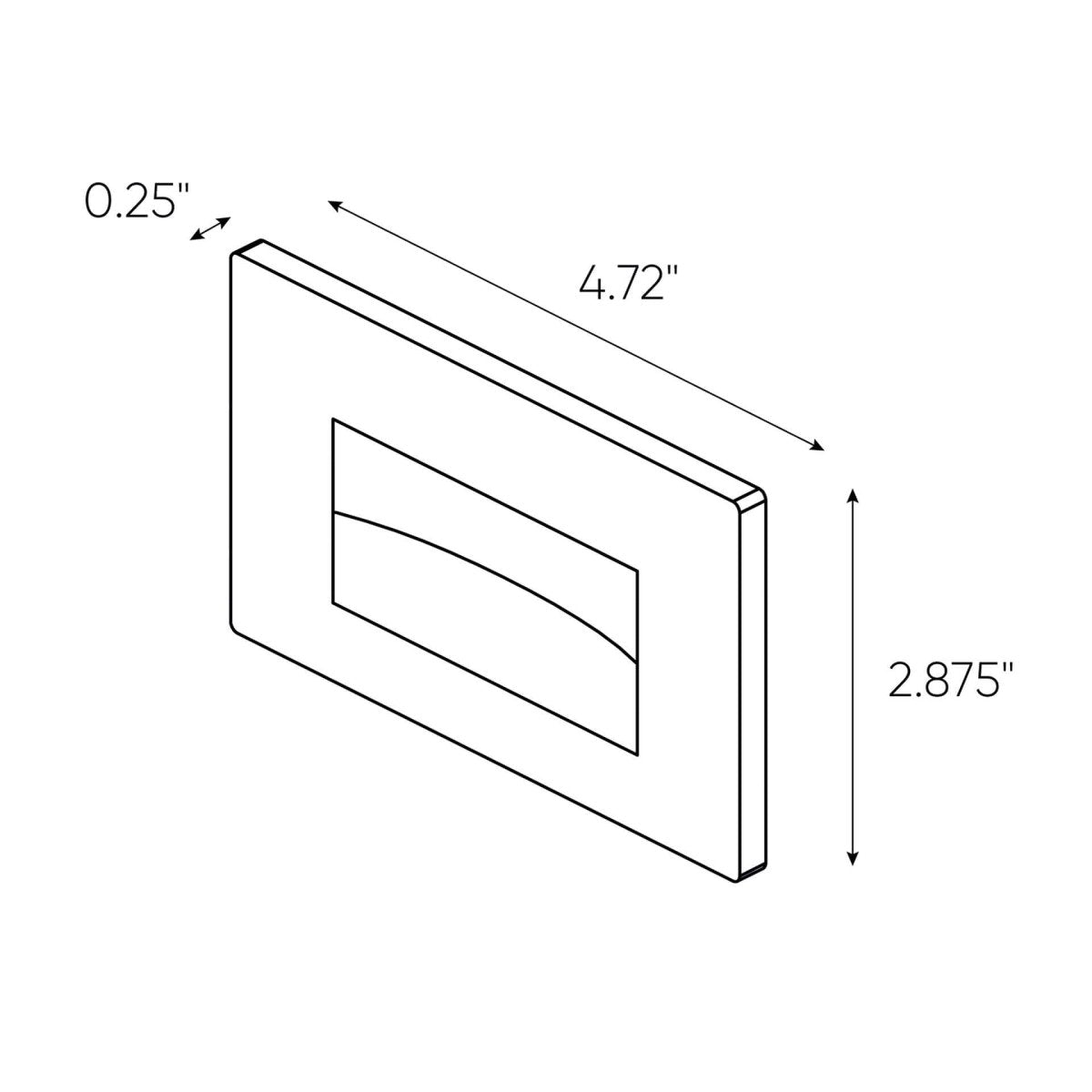
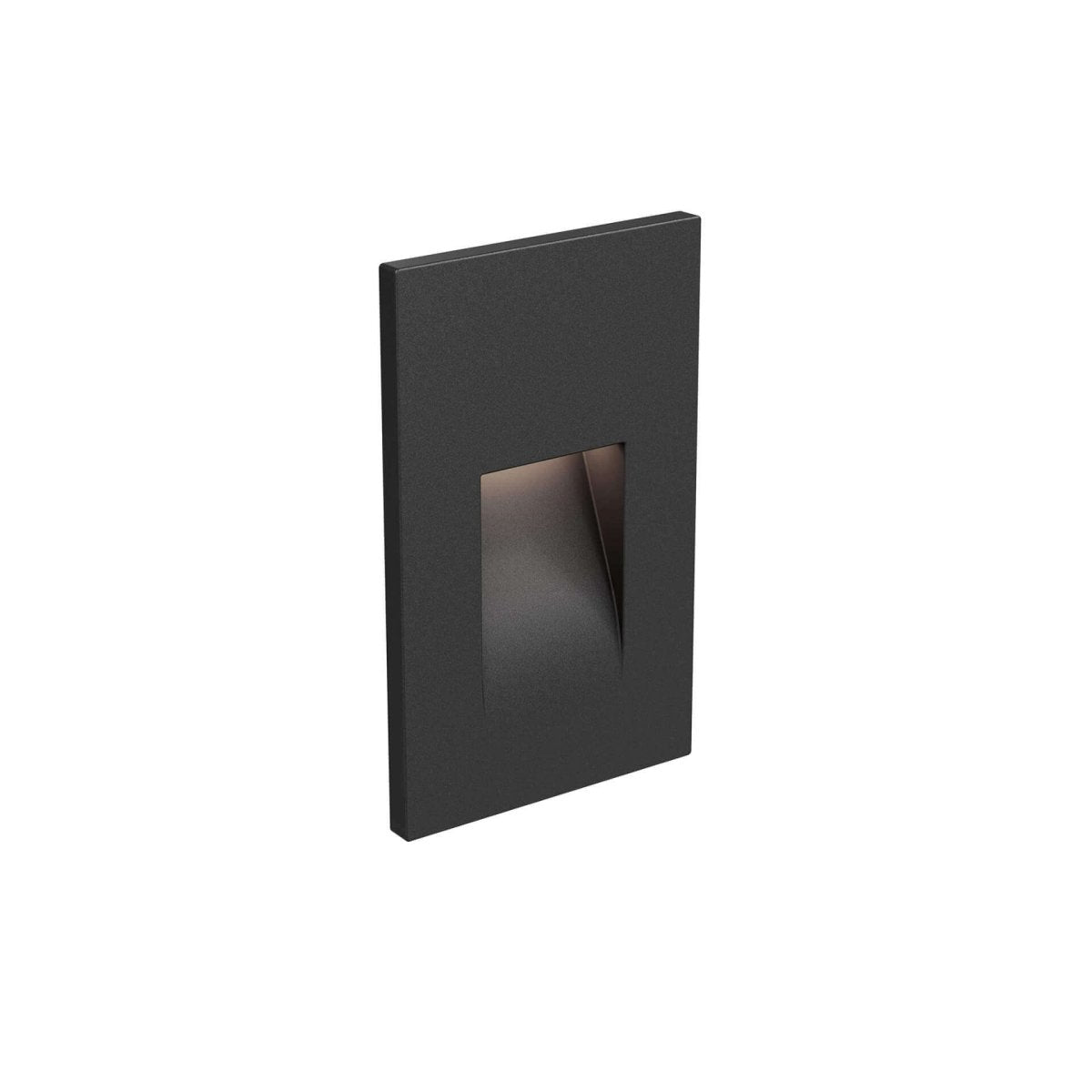
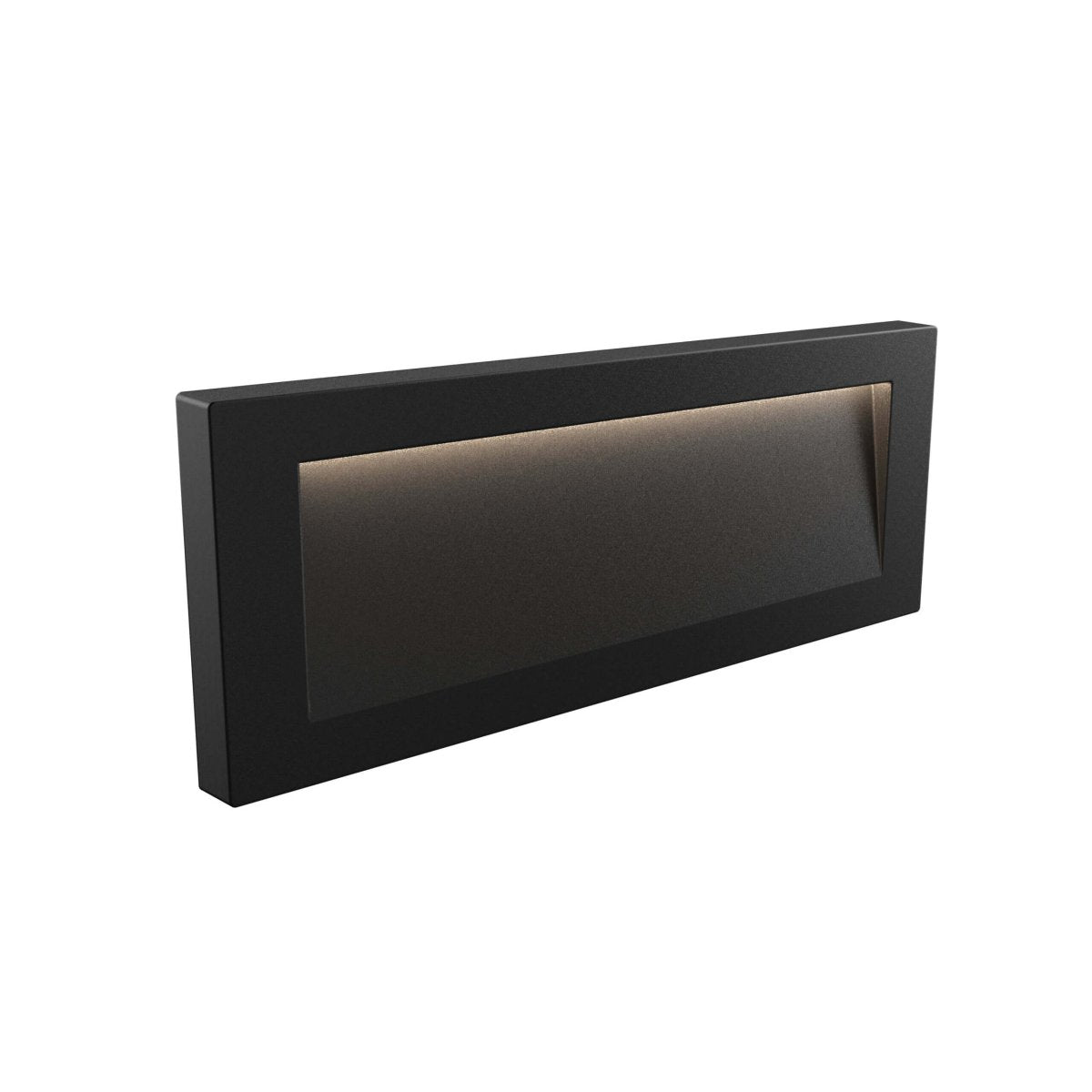
Step lights secure stairs, decks and paths with low, discreet illumination. For outdoor use, choose wet-rated fixtures with the right ingress protection. Well integrated, this layer becomes part of the design as much as a safety cue — a hallmark of thoughtful architecture light.
Where function meets style
Architectural lighting isn't purely utilitarian. Paired with pendants or chandeliers, it builds a modern, refined scheme where each source plays its part. That layered approach is what sets custom architectural lighting apart: you don't notice the fixtures, you feel the atmosphere.