




















Wall sconces room by room
Bedroom wall lamp
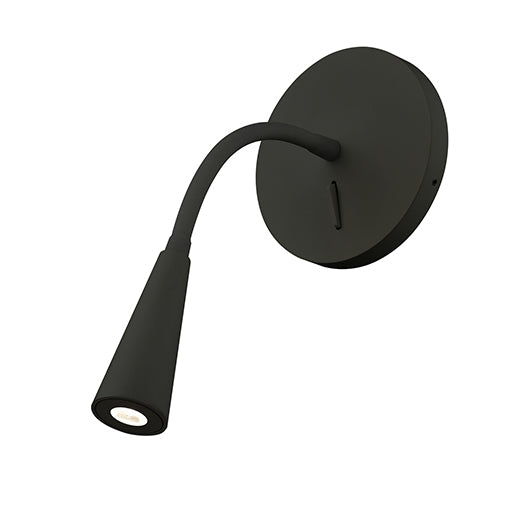
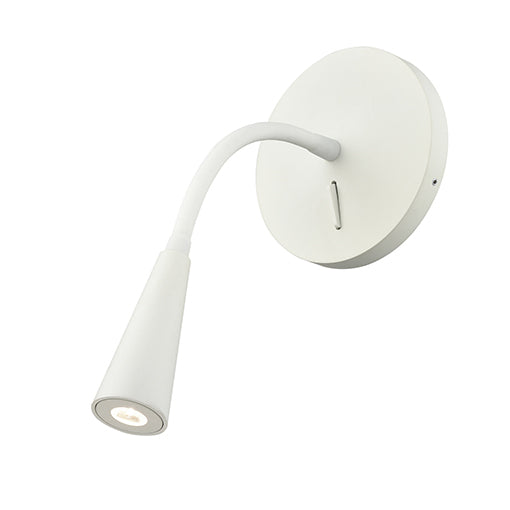
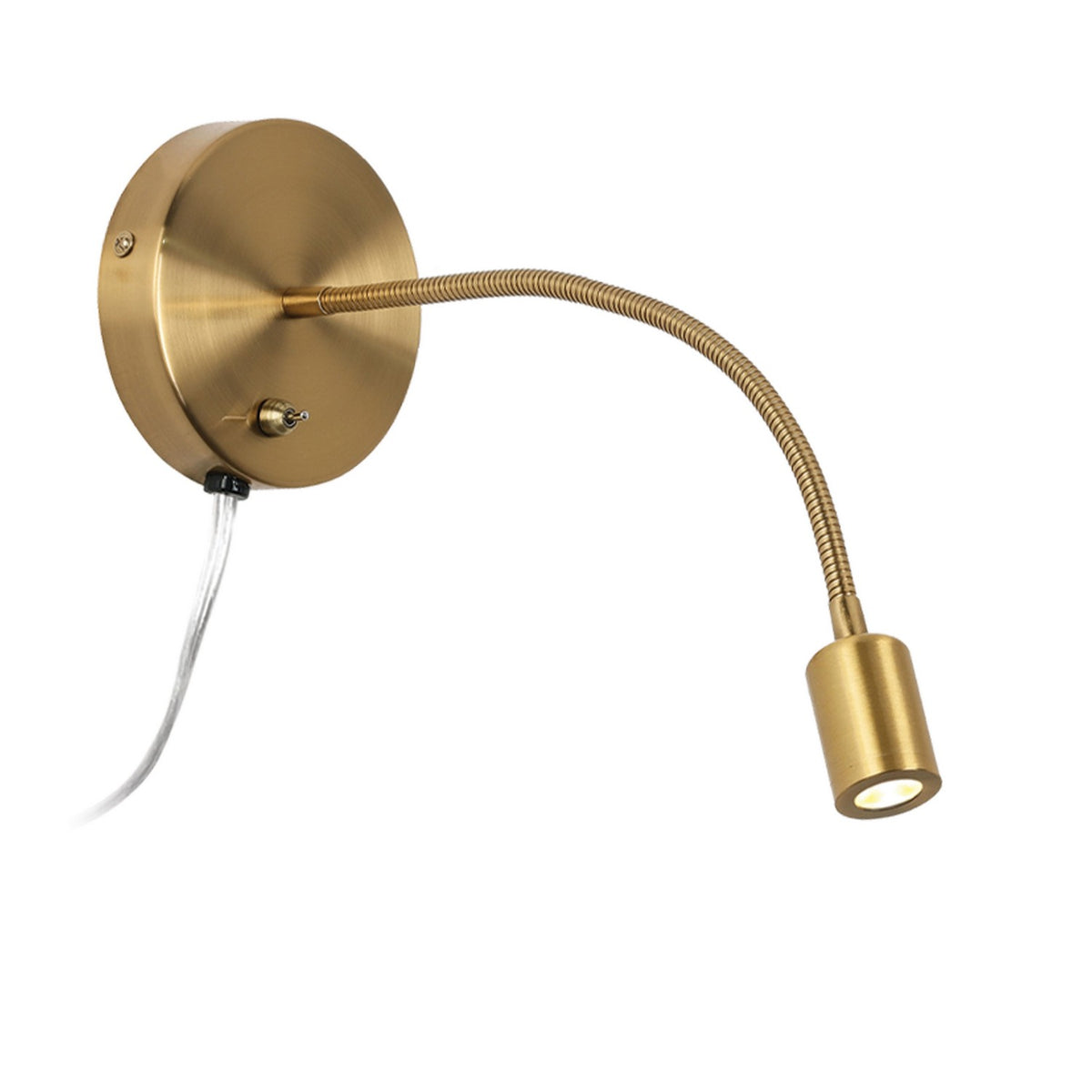
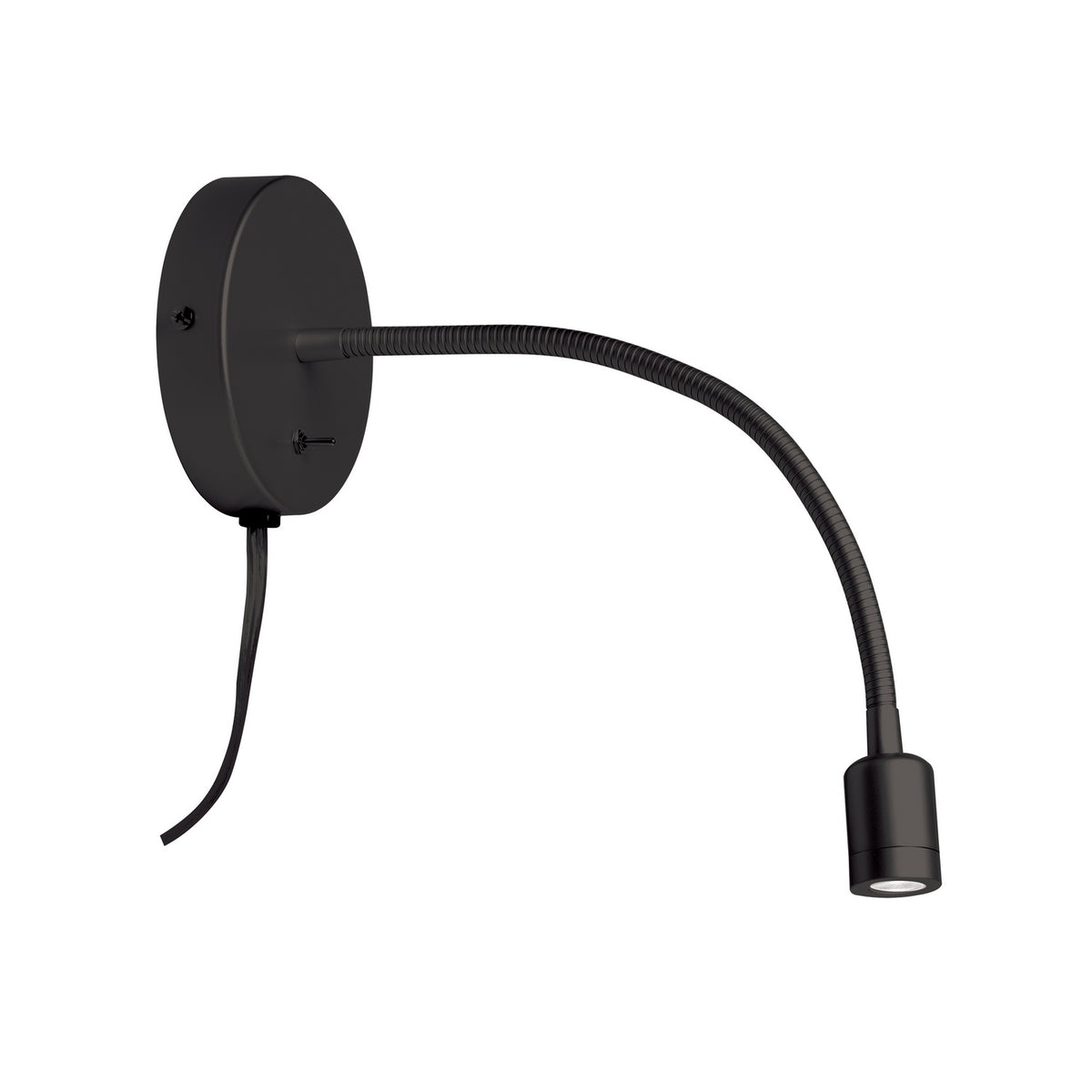
A wall lamp on each side of the bed frees up the nightstand and delivers soft light at eye level. Swing-arm models act as focused reading lights, while sconces with fabric or glass shades create ambient warmth. A bedroom sconce is typically centered about 60 to 66 in (152 to 168 cm) from the floor, symmetrically on either side of the headboard. It's a smart alternative when there's no room for a bedside lamp.
Bathroom and vanity wall light
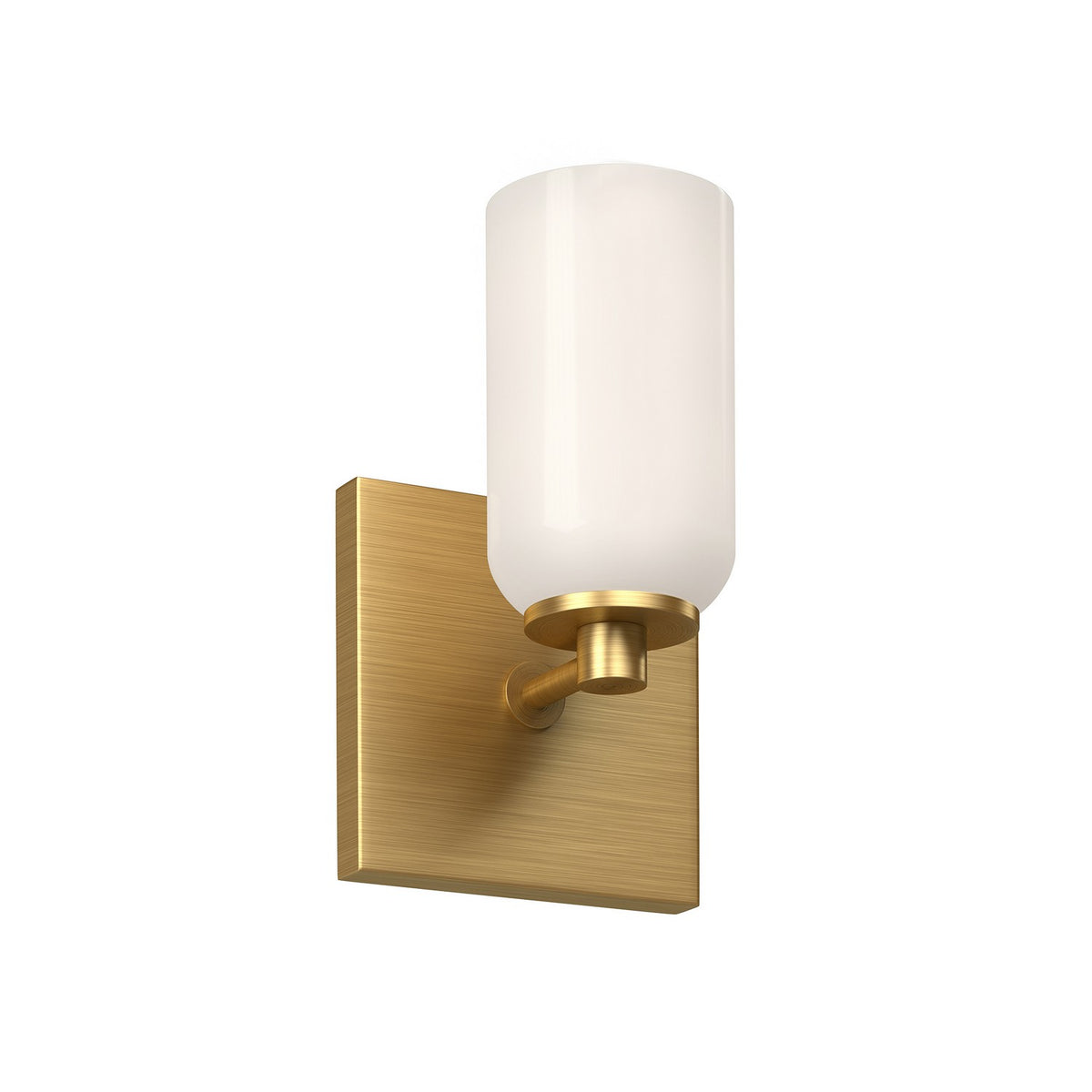
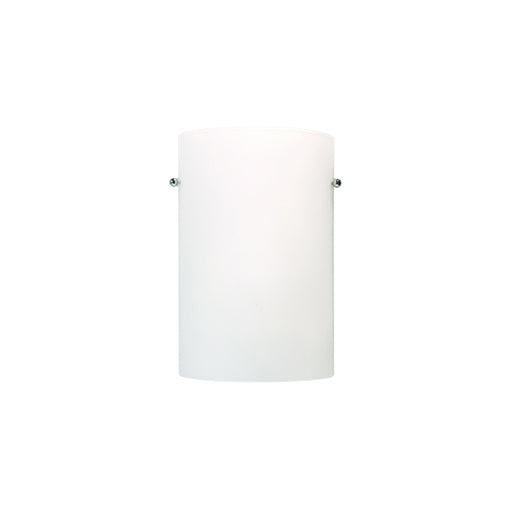
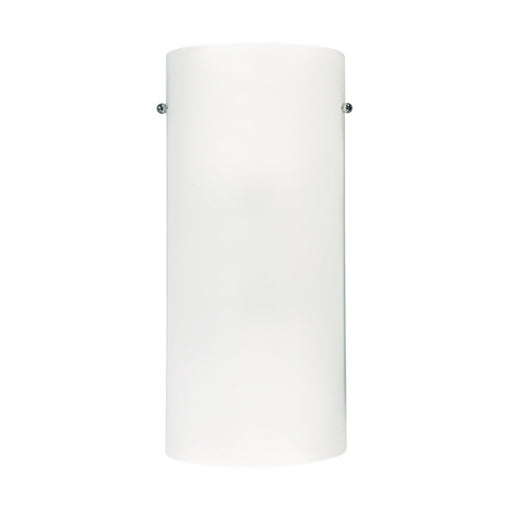
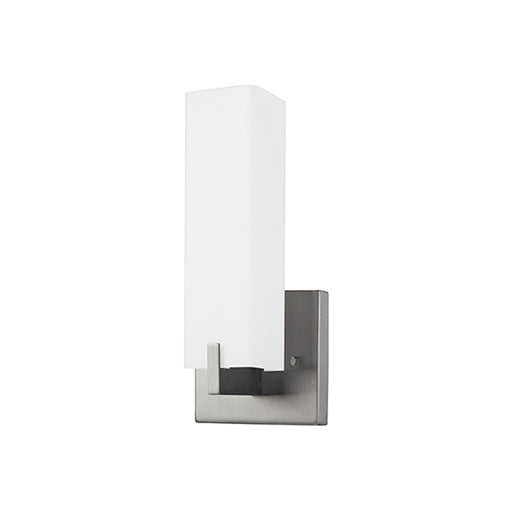
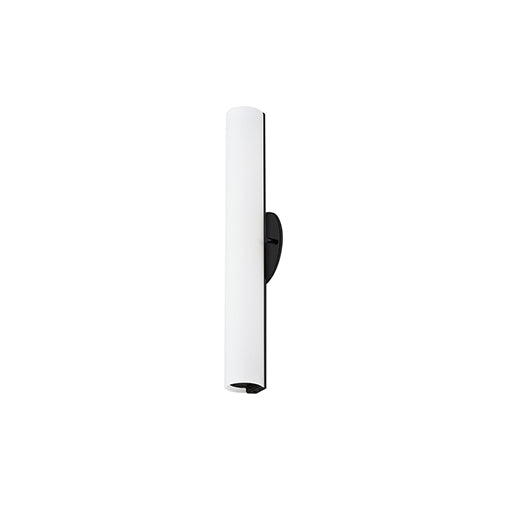
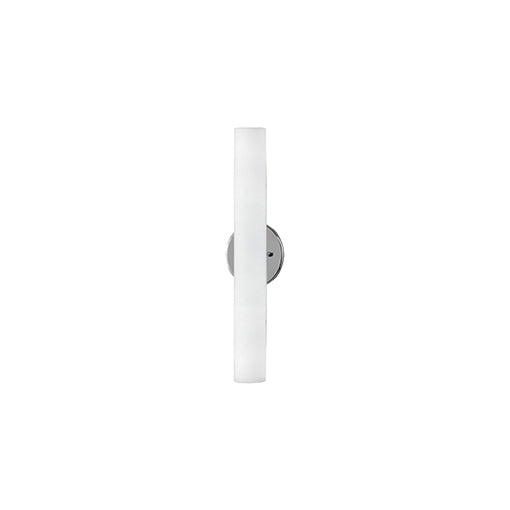
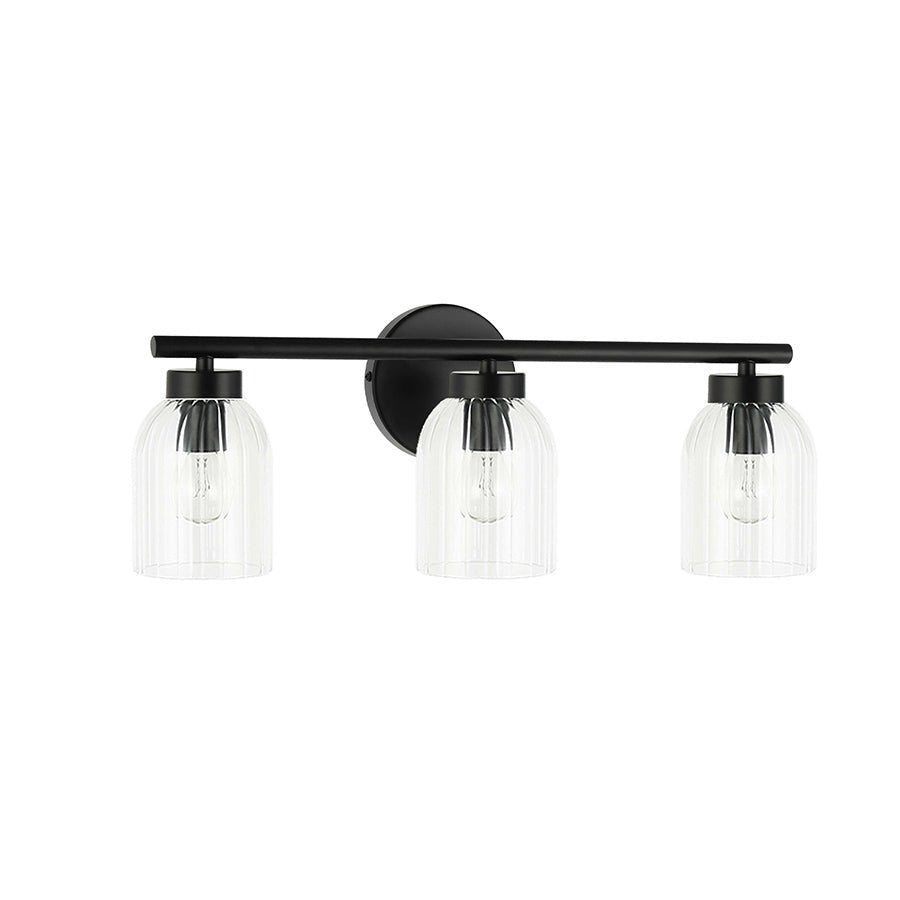
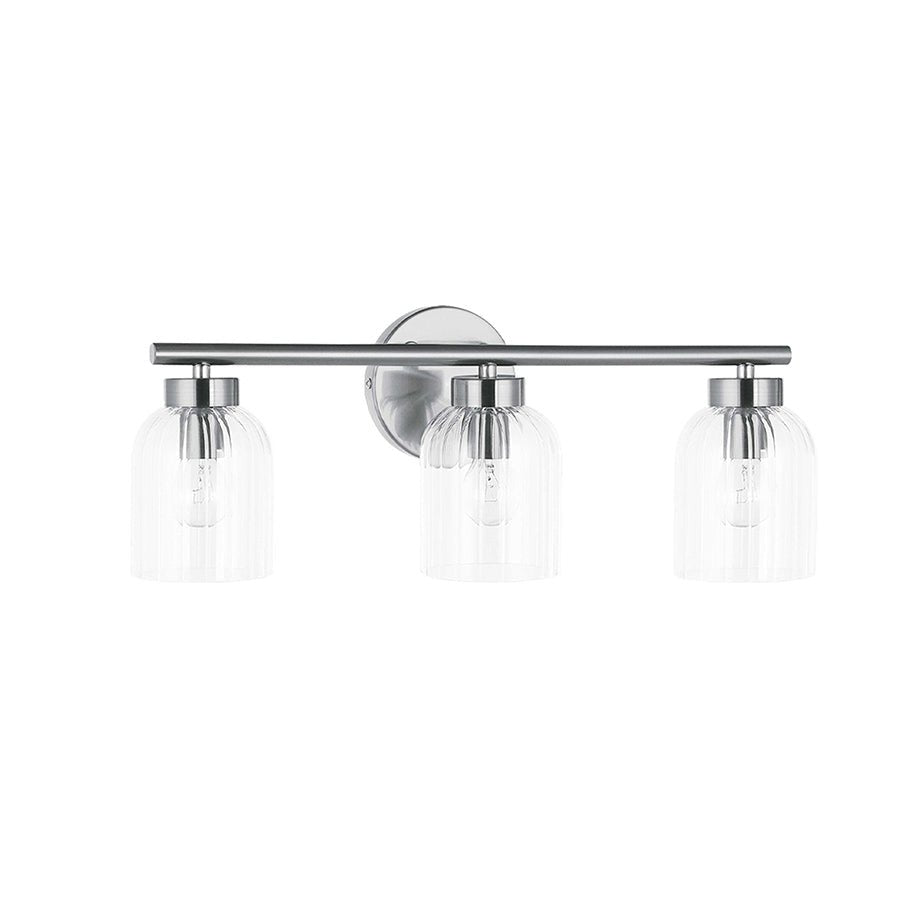
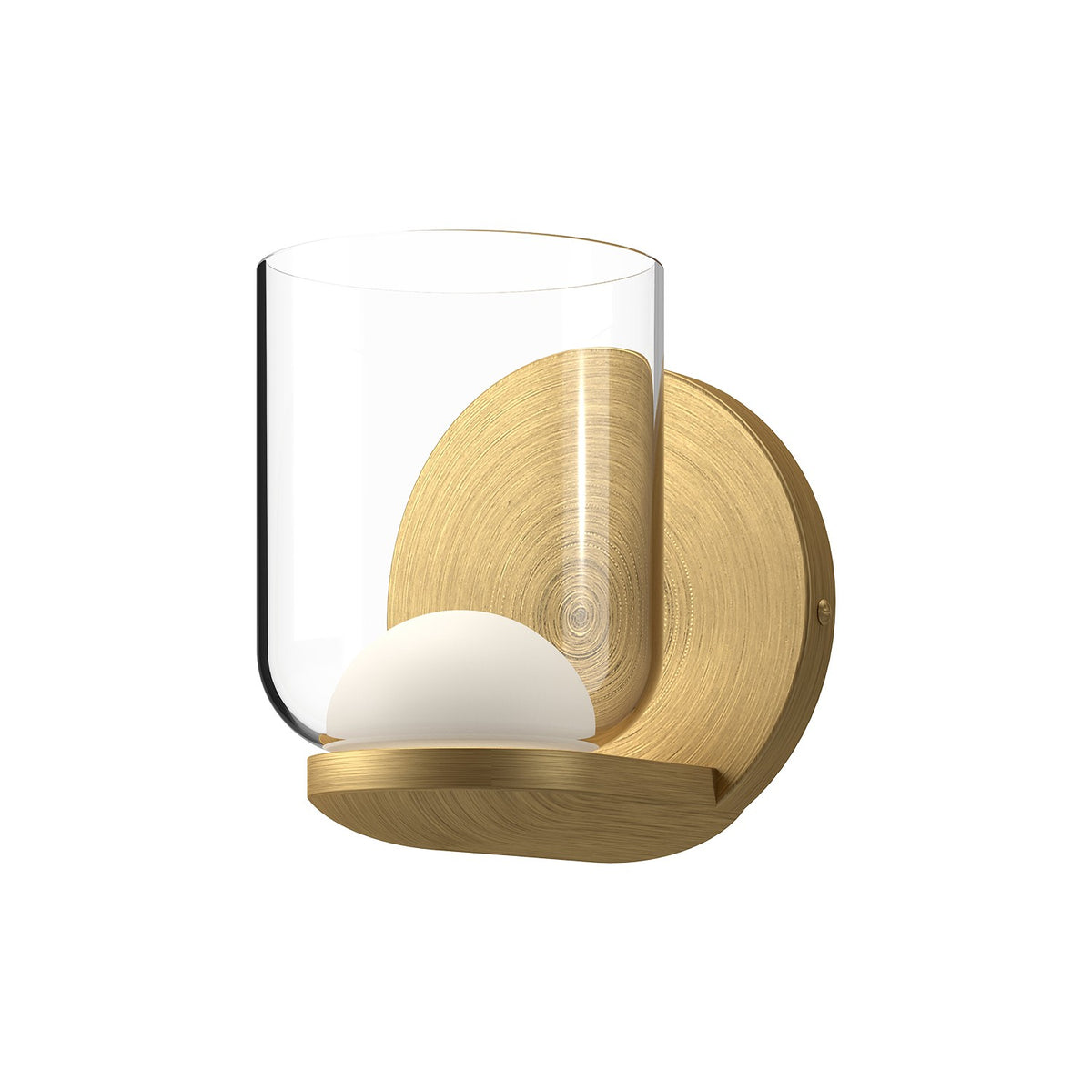
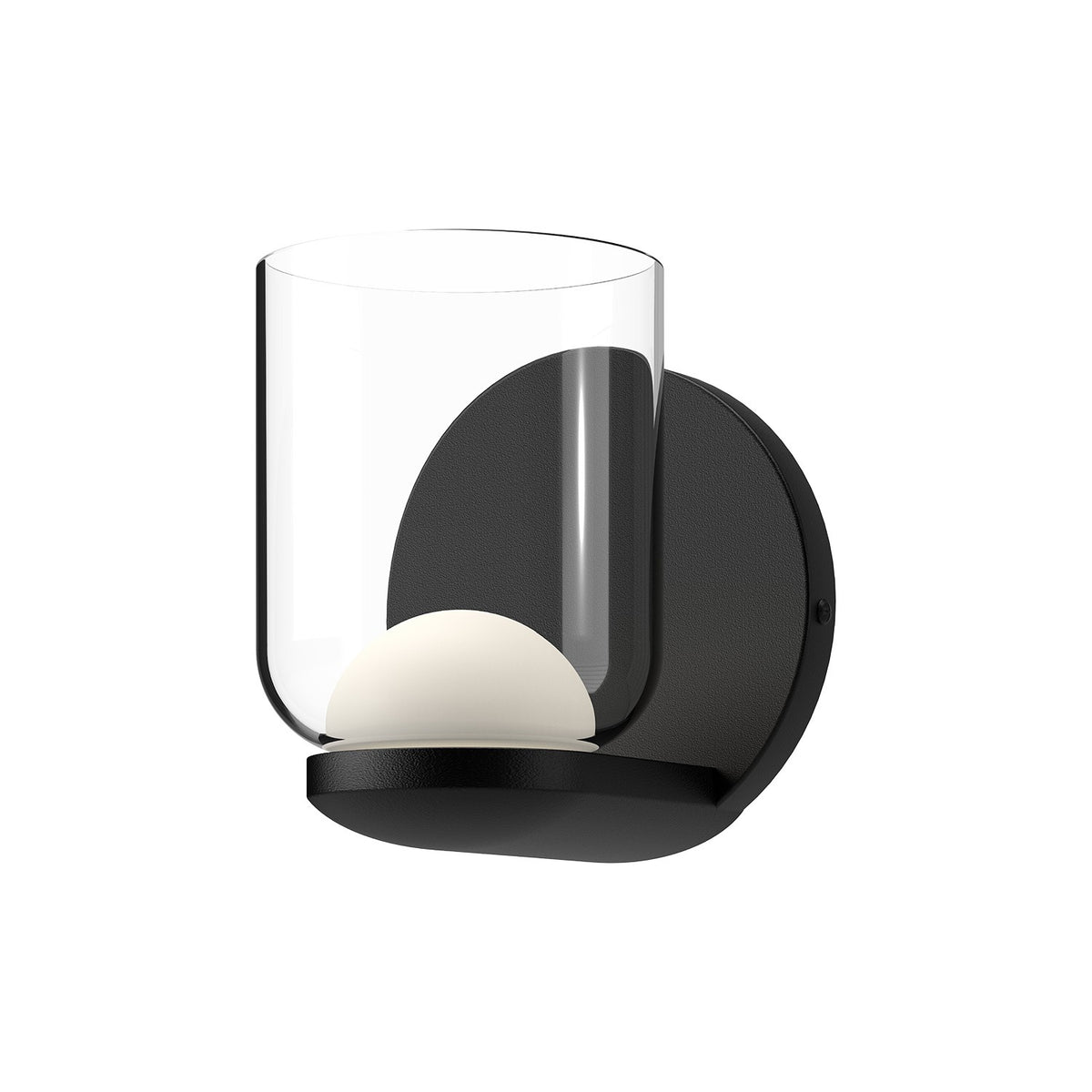
Around the mirror, two sconces set at eye height eliminate the harsh shadows a single ceiling fixture casts over the vanity. Choose damp-rated fixtures with frosted or opal glass that spreads light evenly across the face. A pair of sconces often works better than one central vanity light.
Living room wall lighting
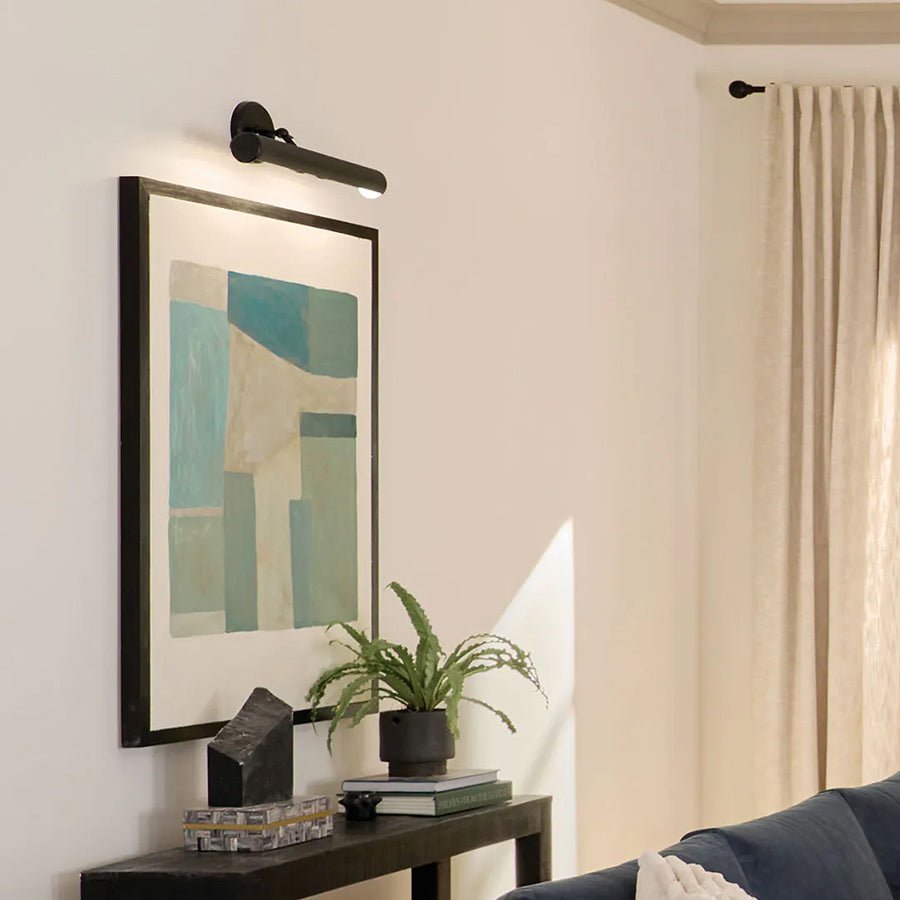
In the living room, a wall light adds a layer of ambient or accent light that supports your main fixtures. It highlights an architectural detail, frames a fireplace, or washes a textured wall. Paired with a dimmer, it shifts the room from functional to atmospheric.
Hallways and entryways
In a narrow hallway, a wall light illuminates without the visual bulk of a pendant. Space sconces roughly 8 to 10 ft (2.4 to 3 m) apart for an even rhythm, and pick low-profile models in traffic areas.
Materials and finishes
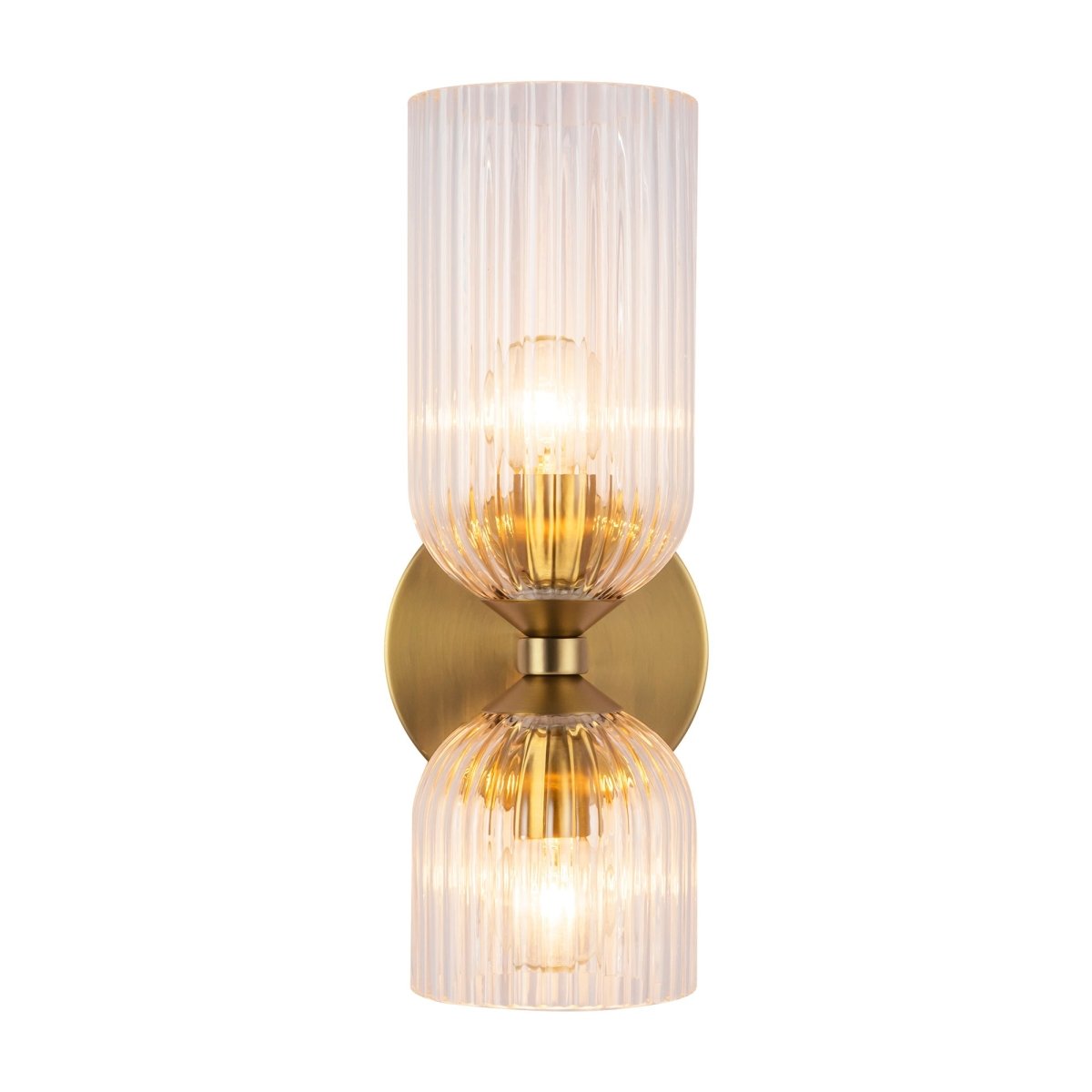
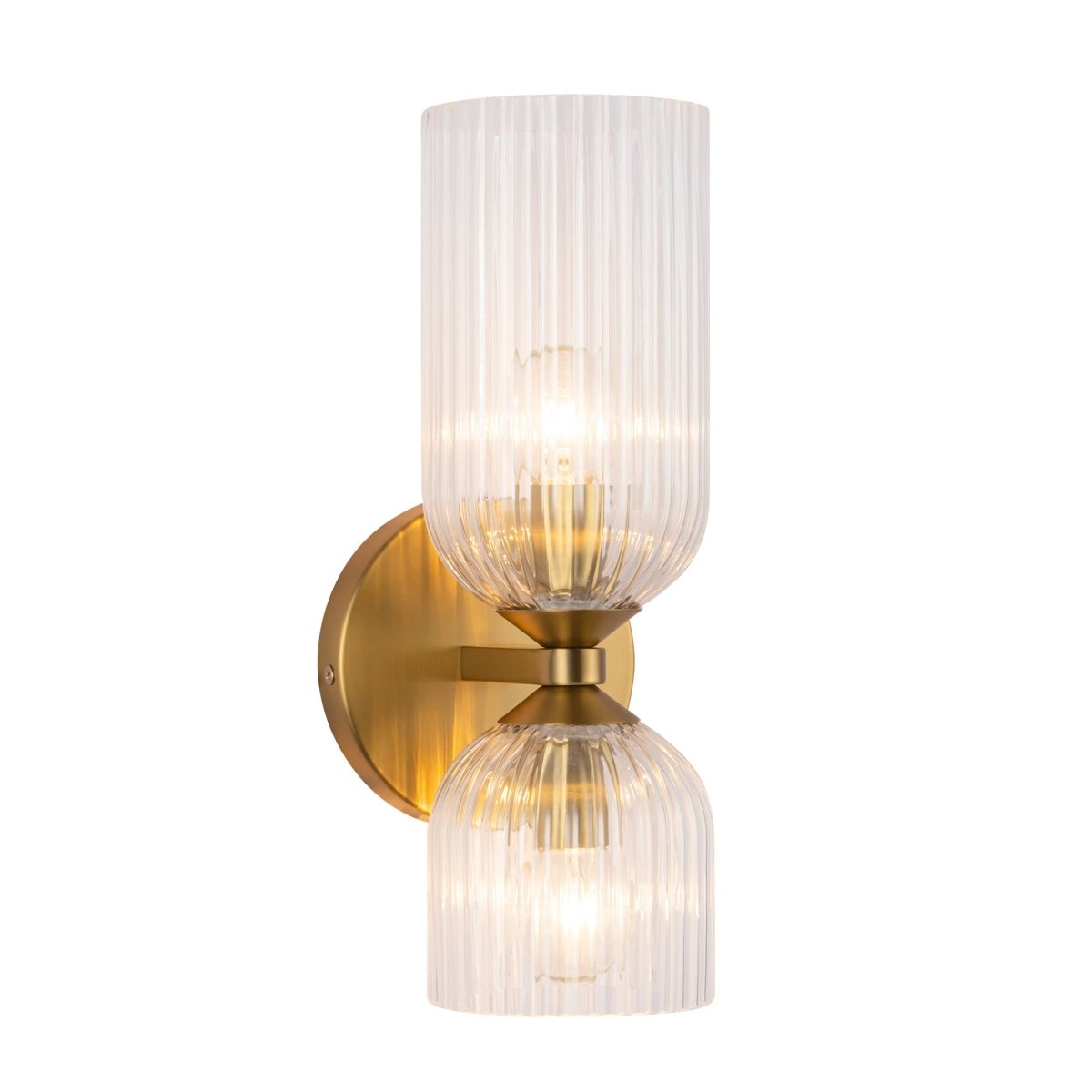
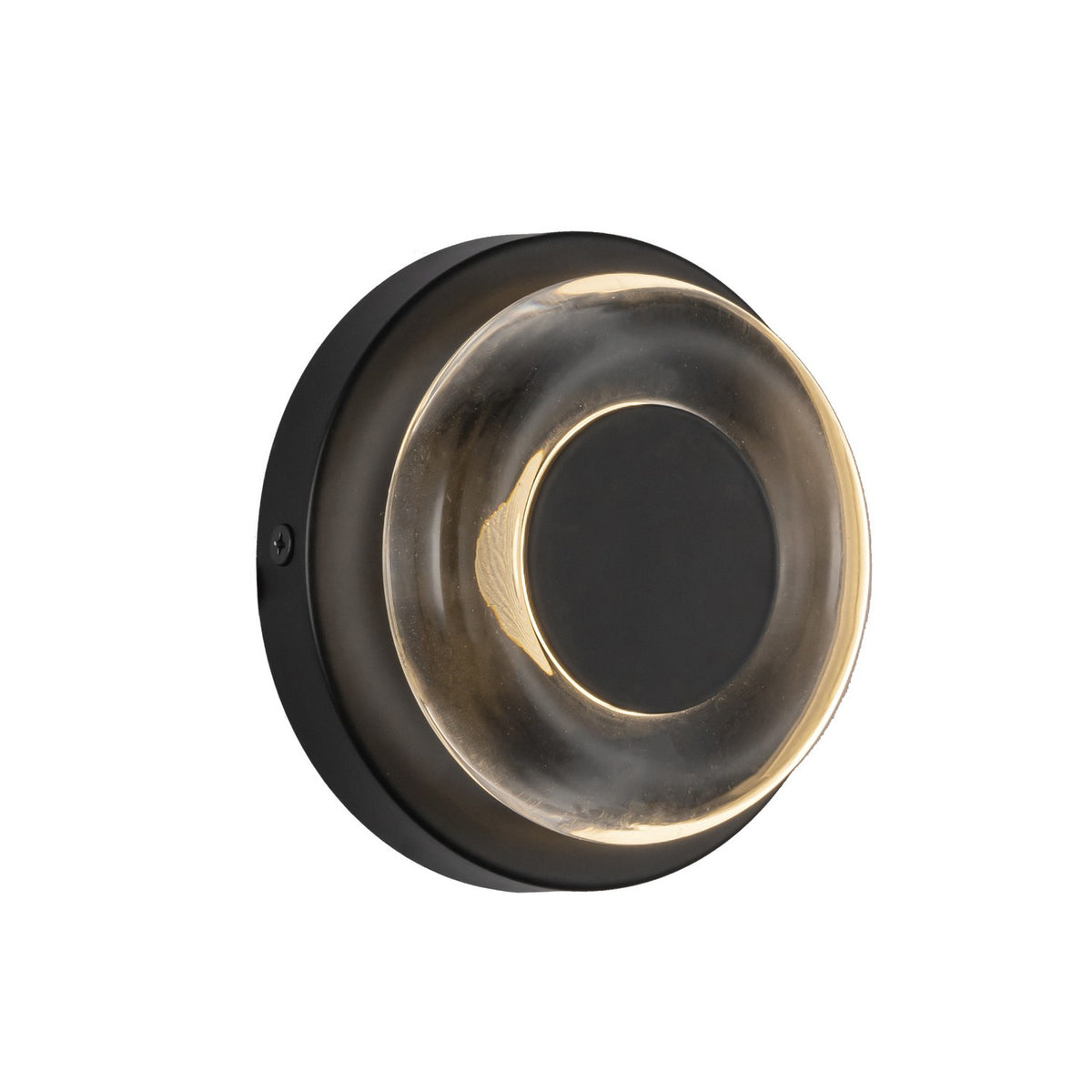
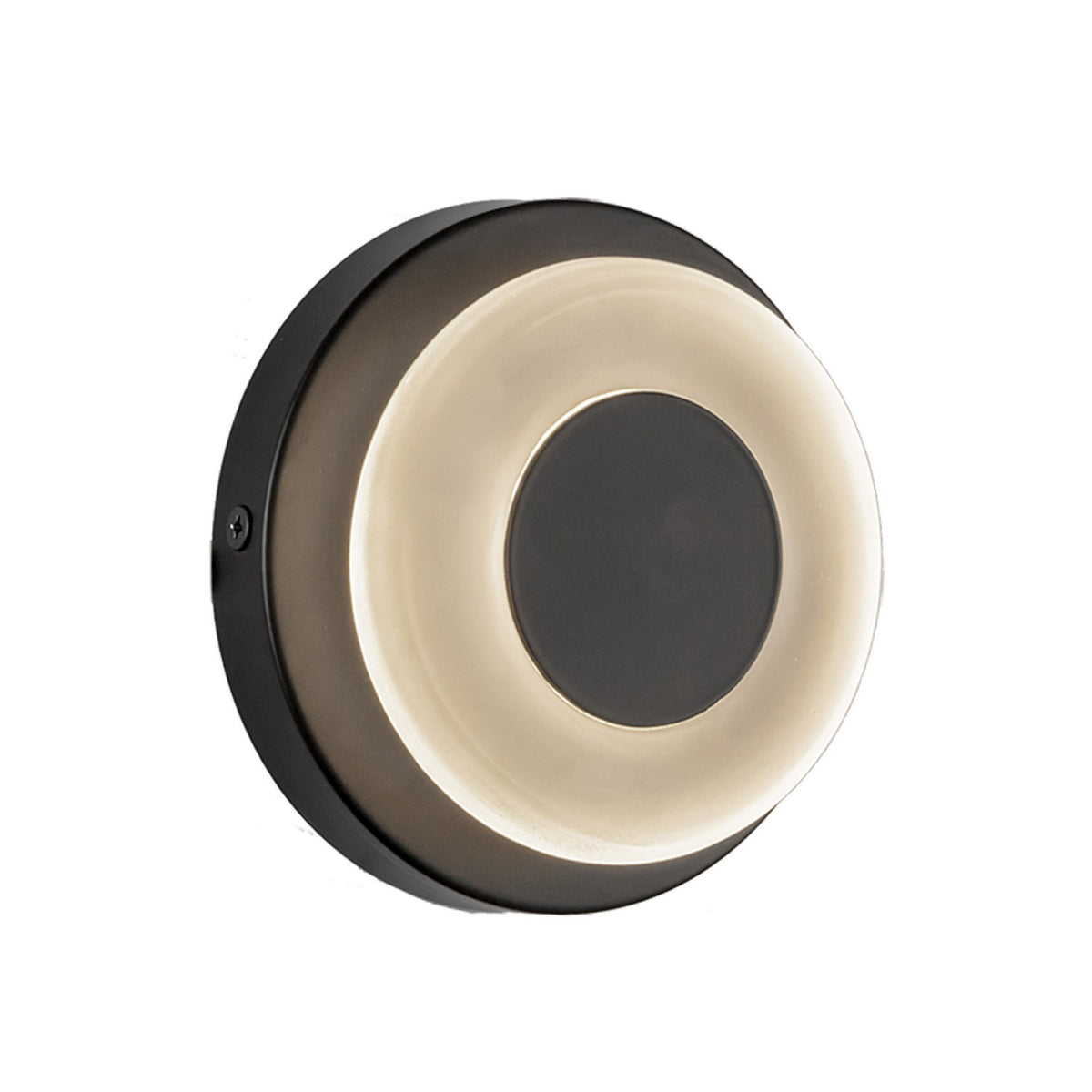
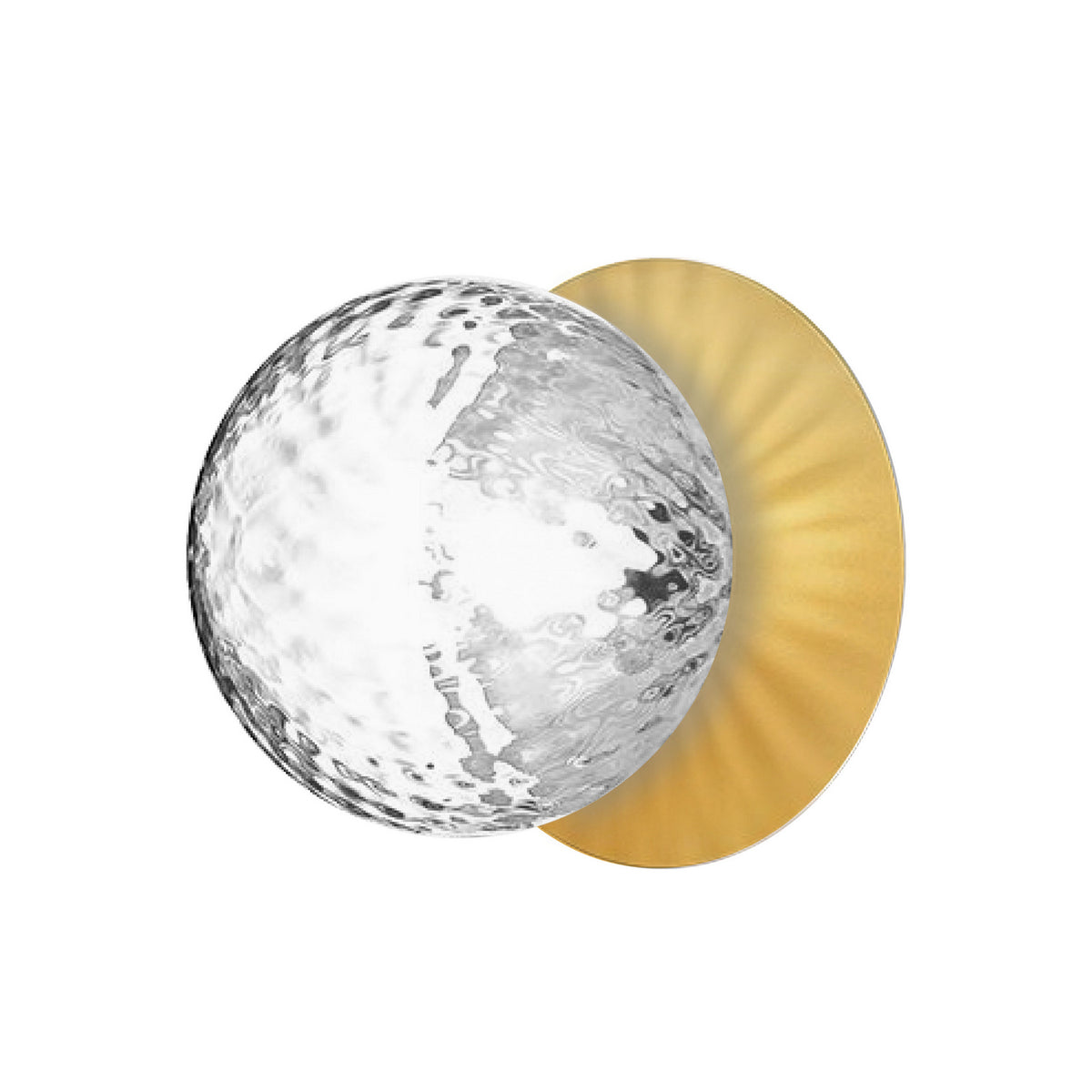
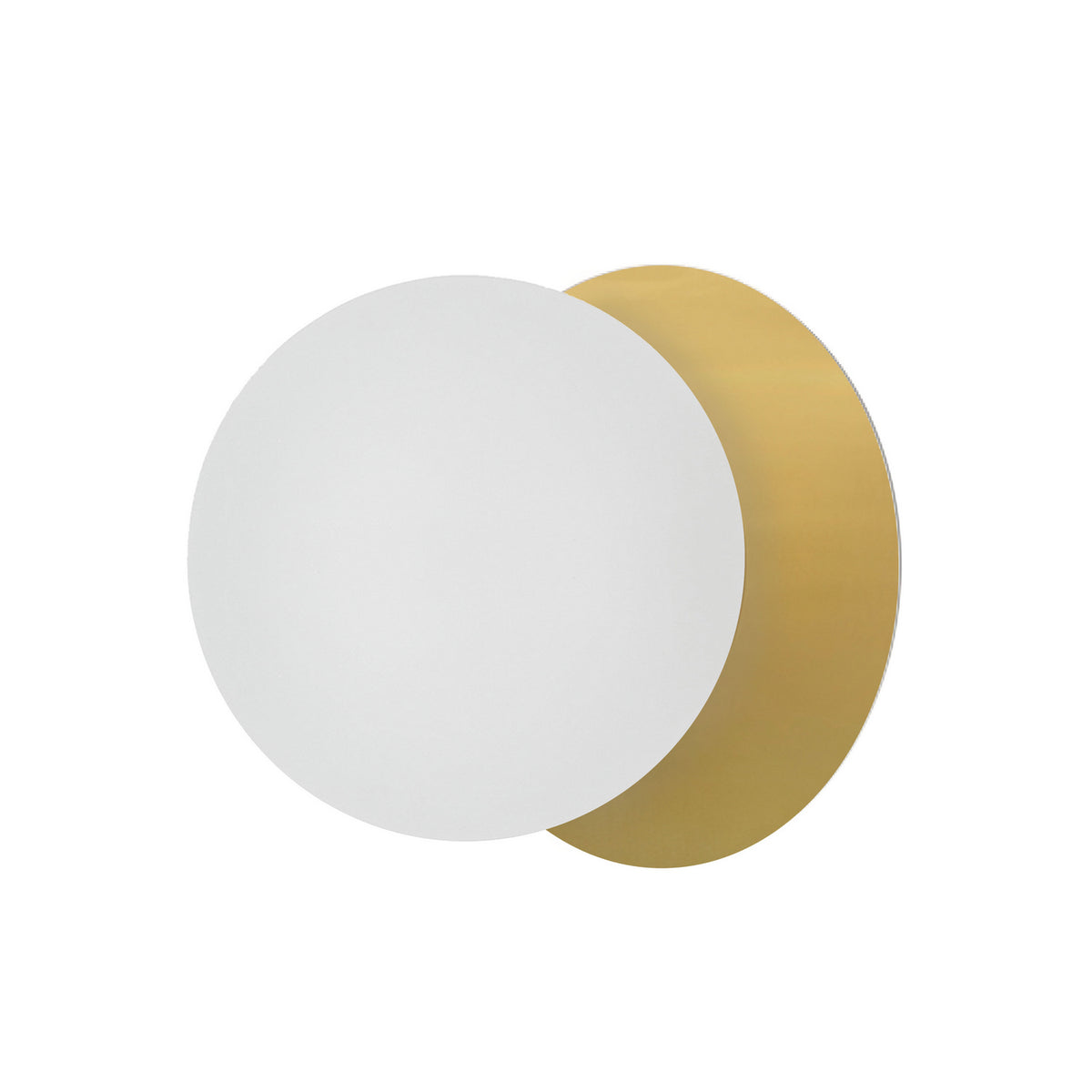
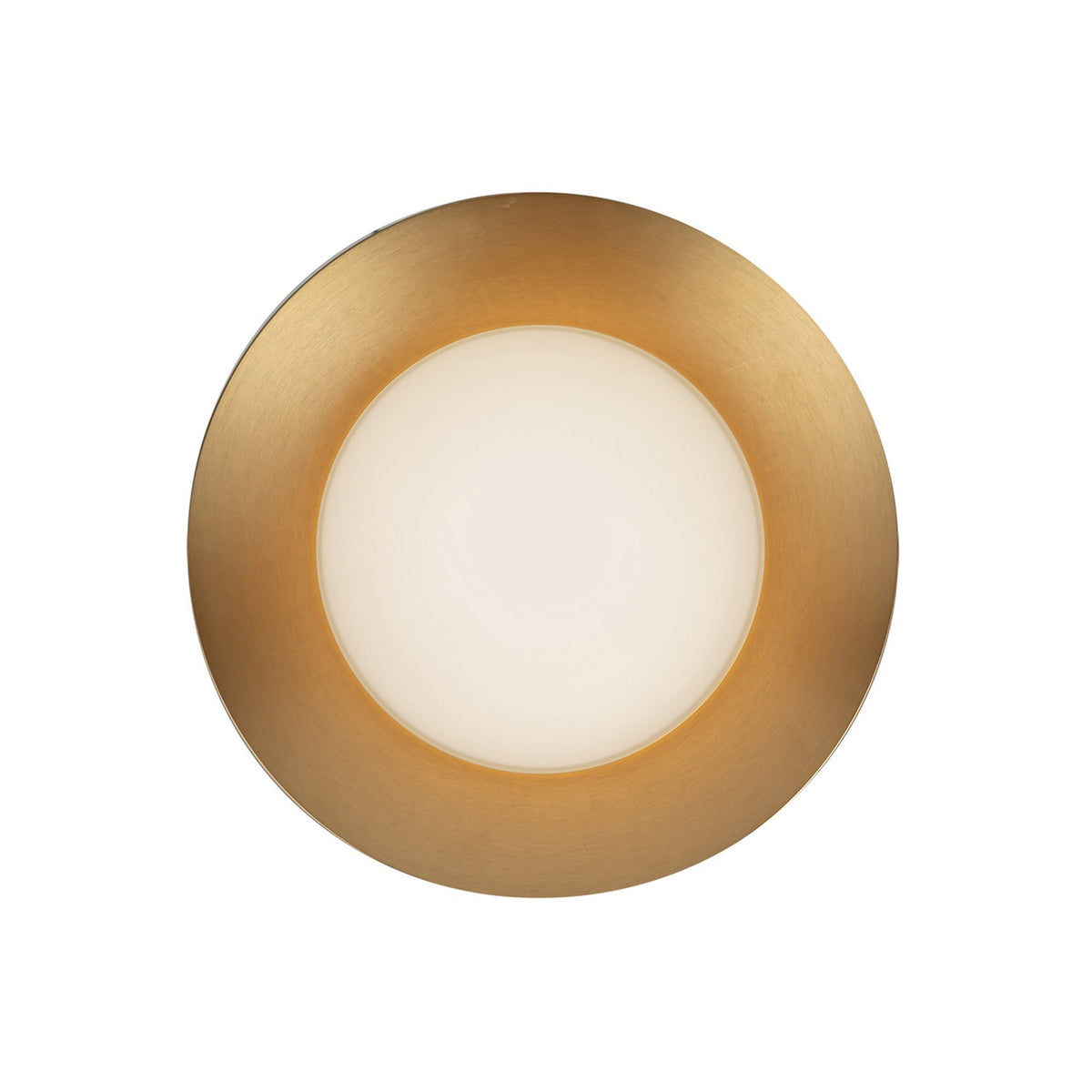
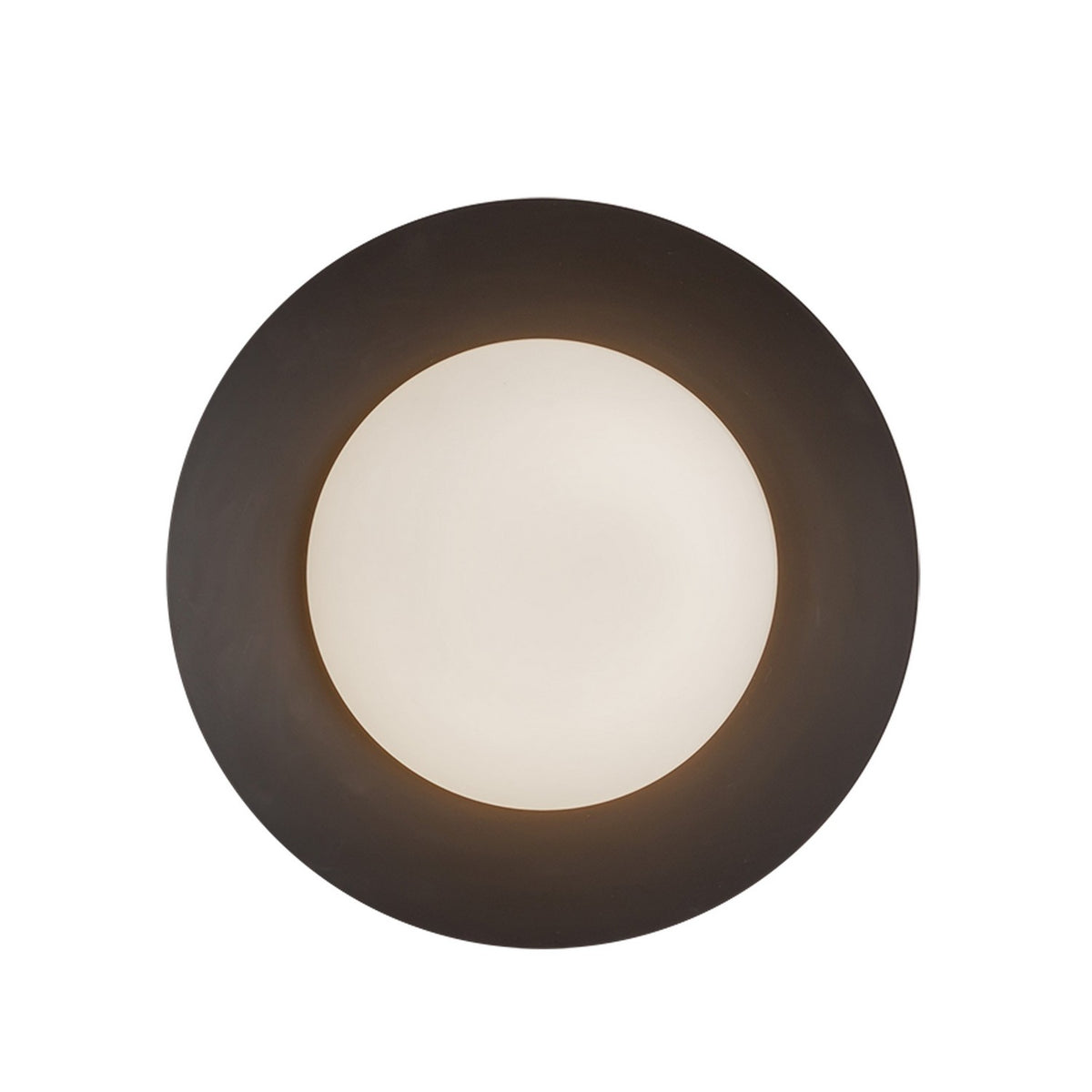
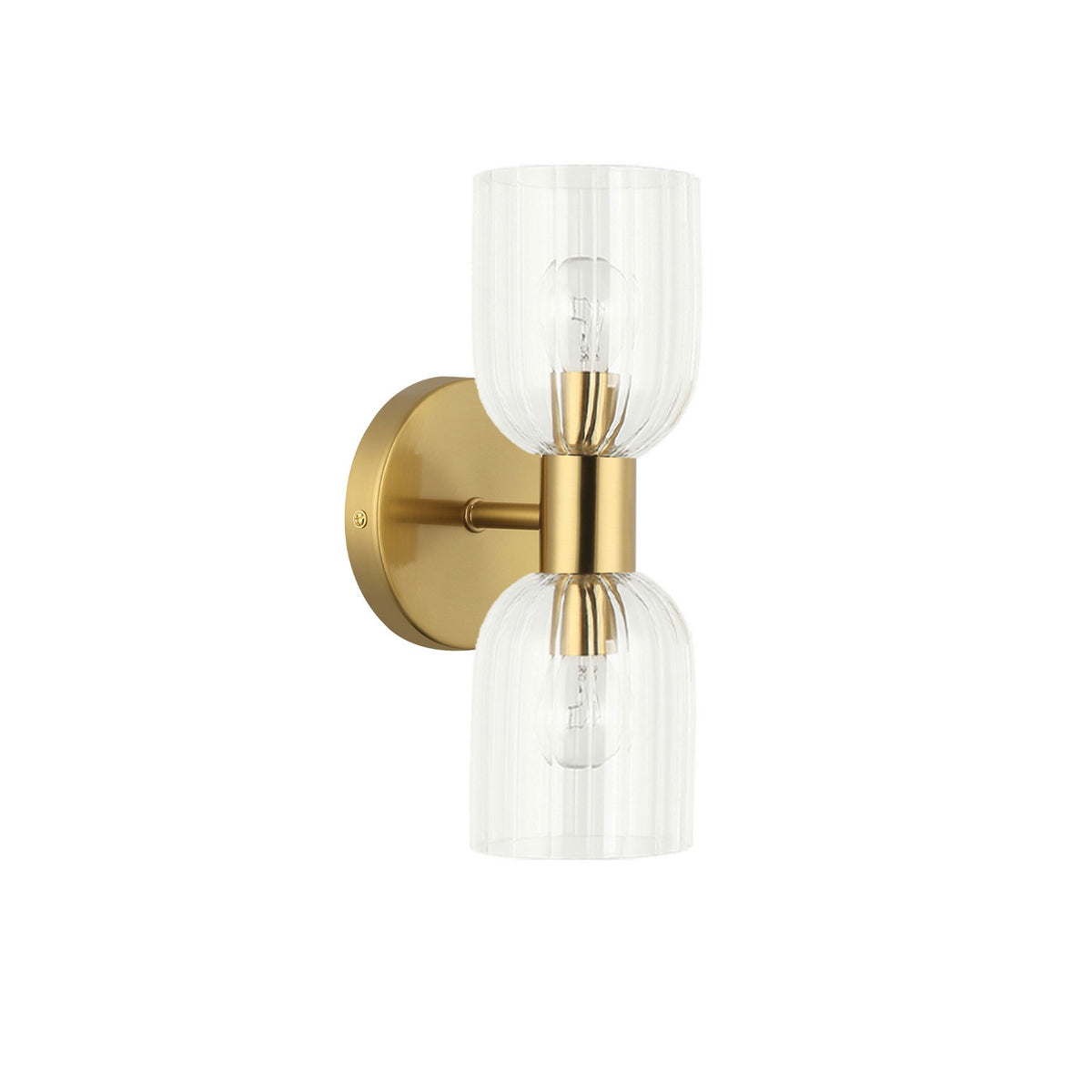
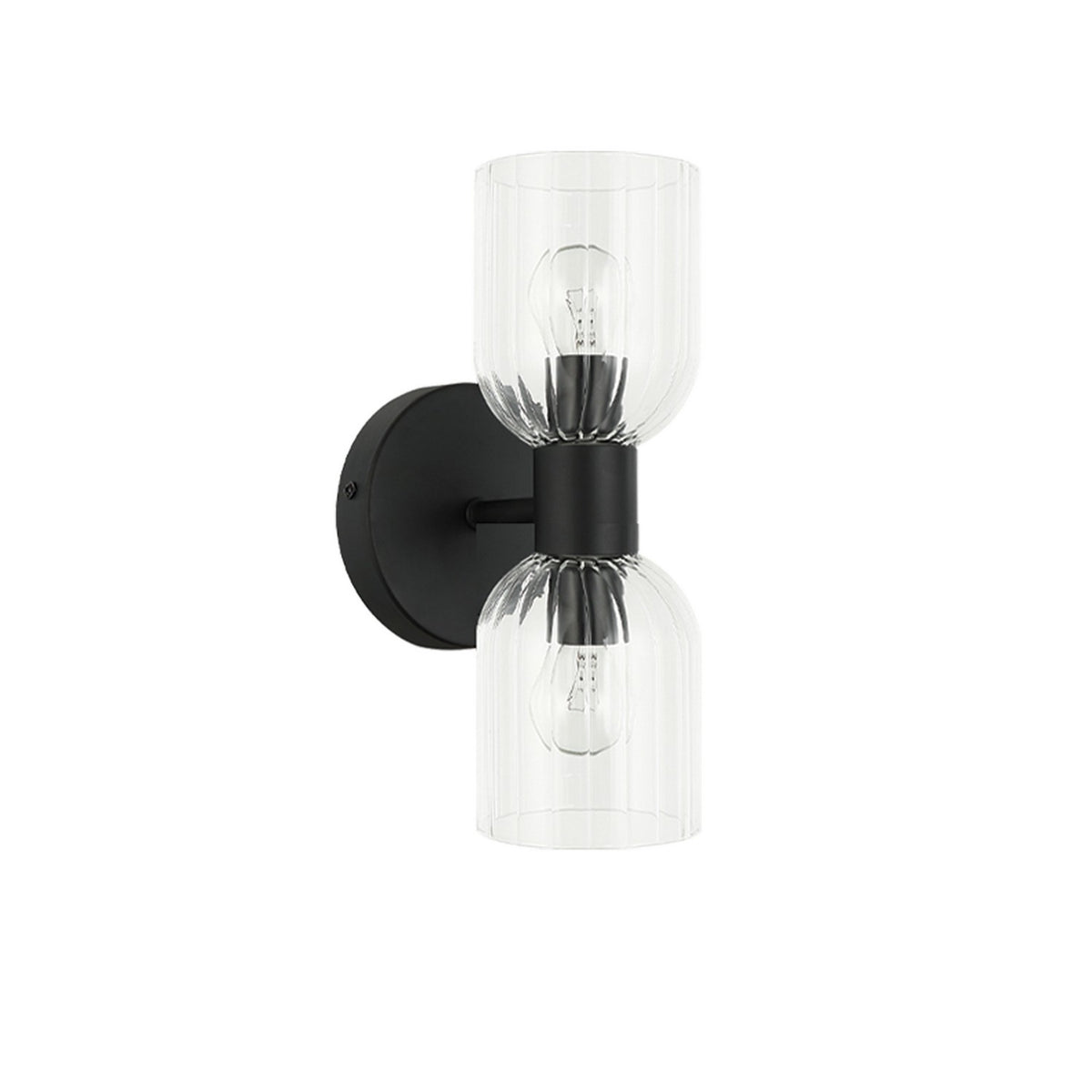
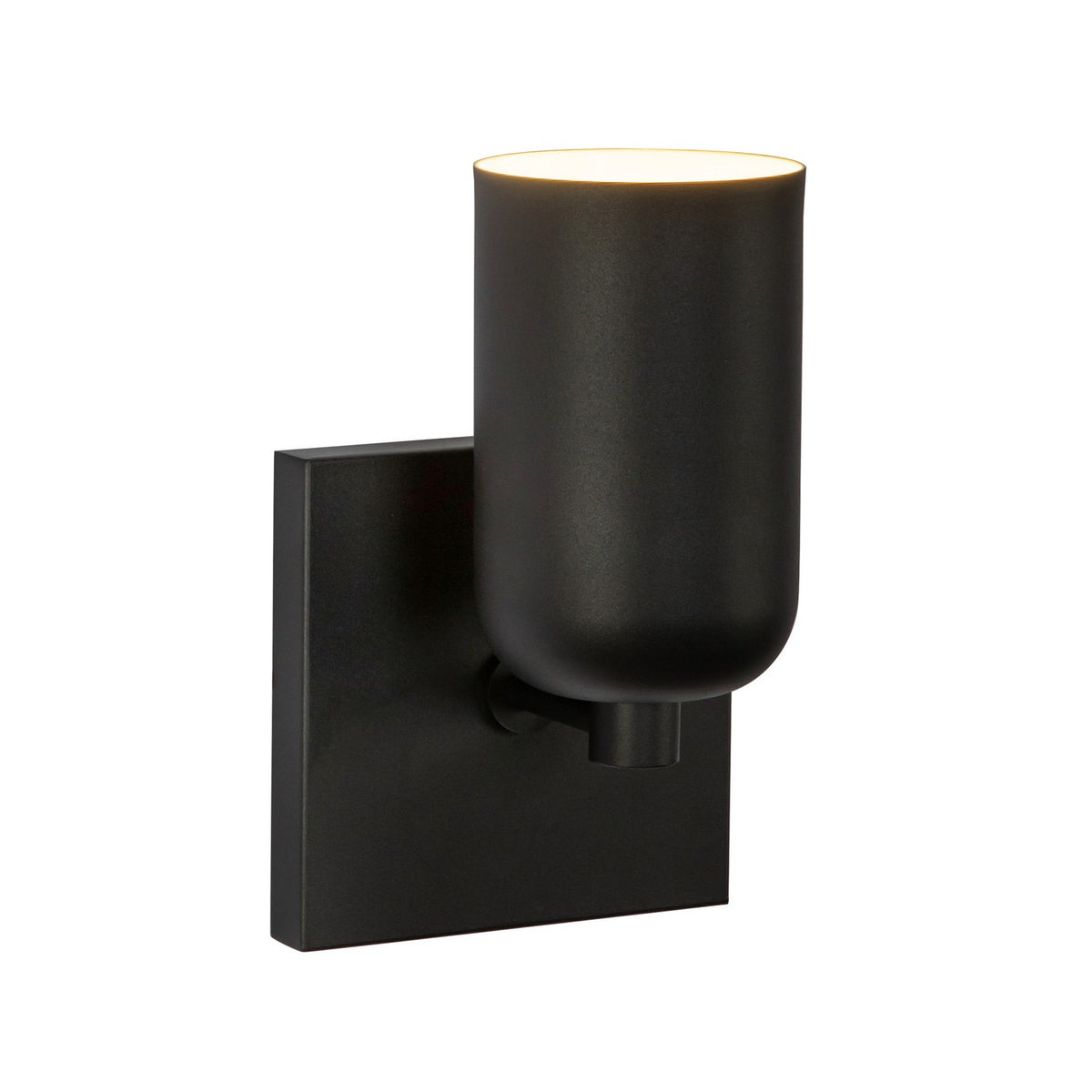
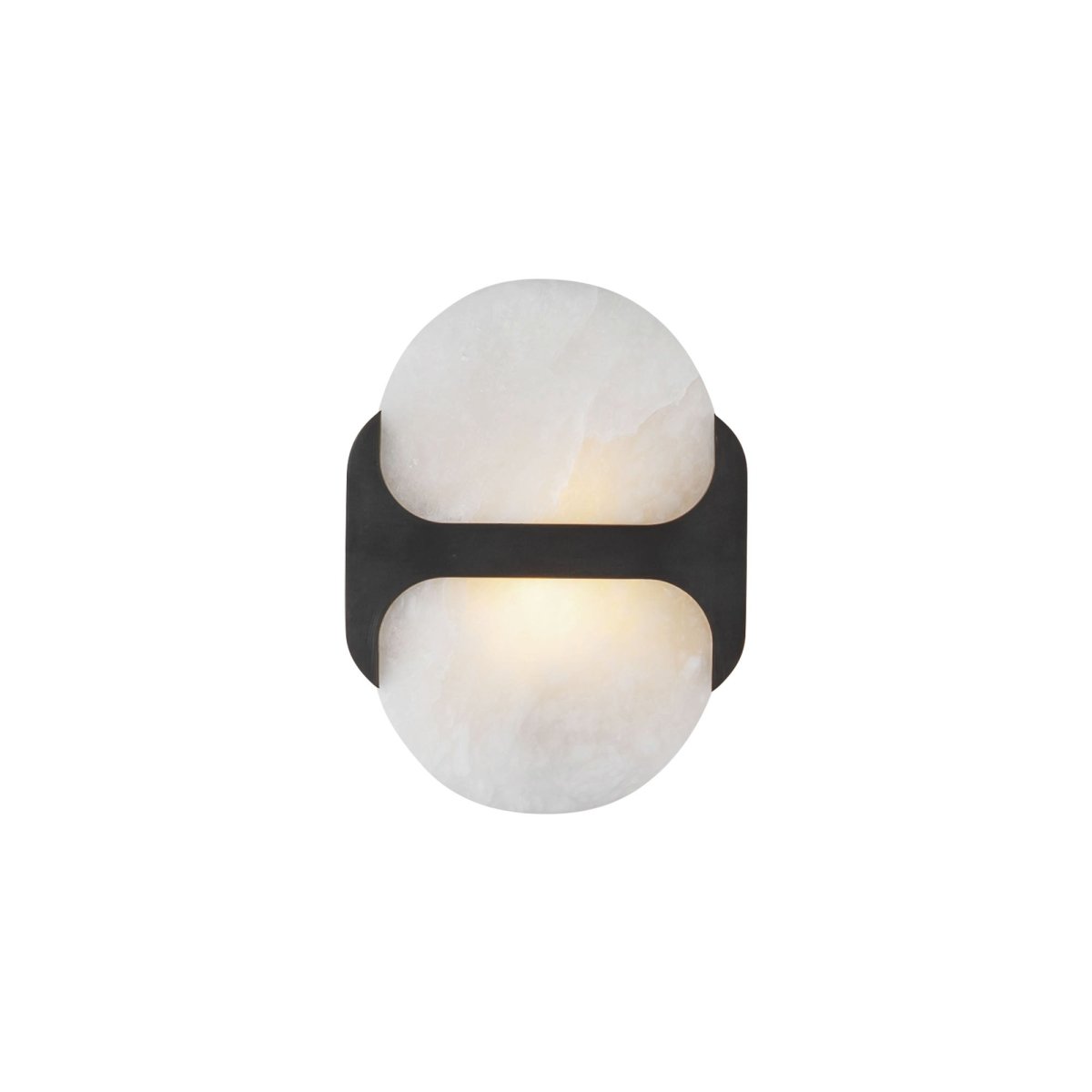
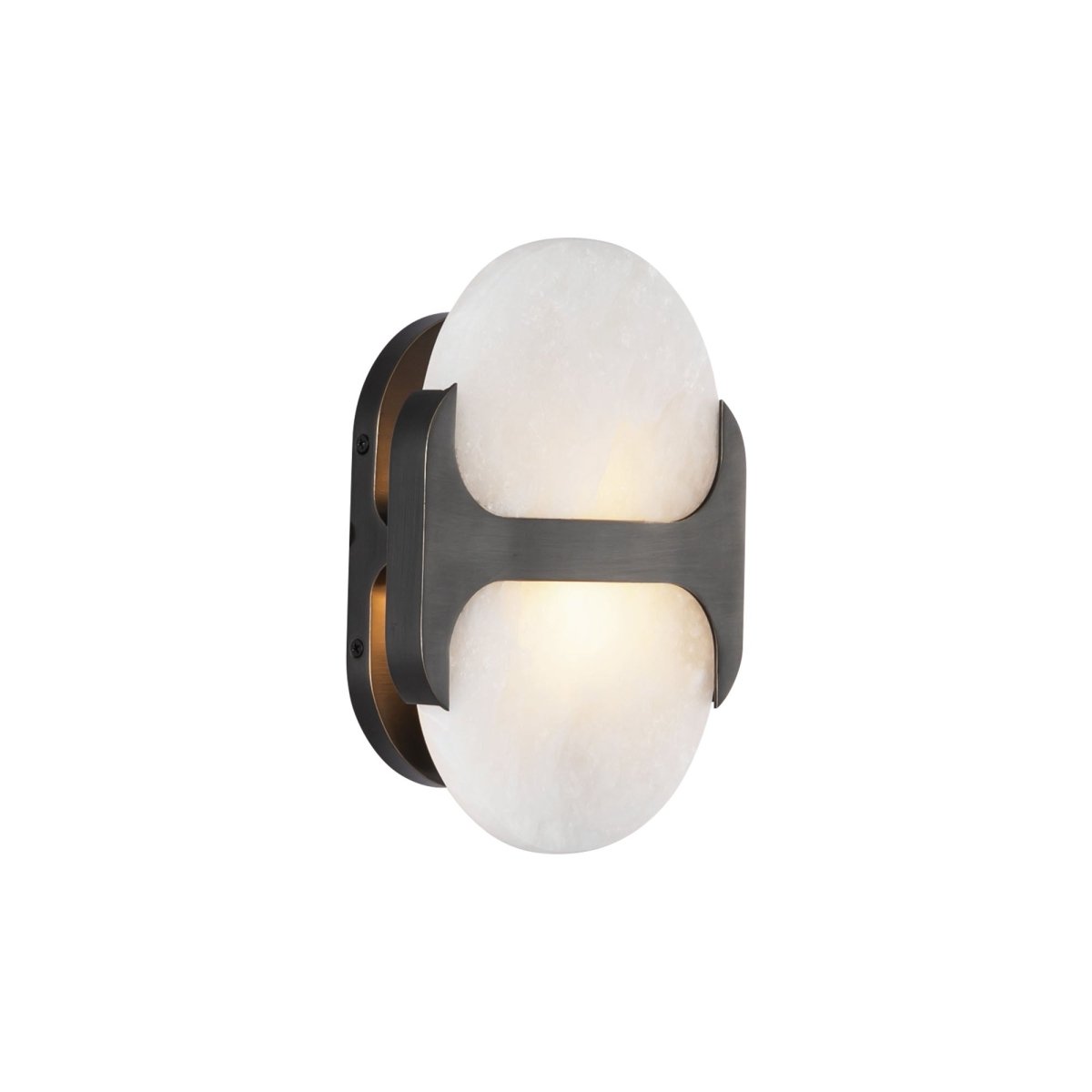
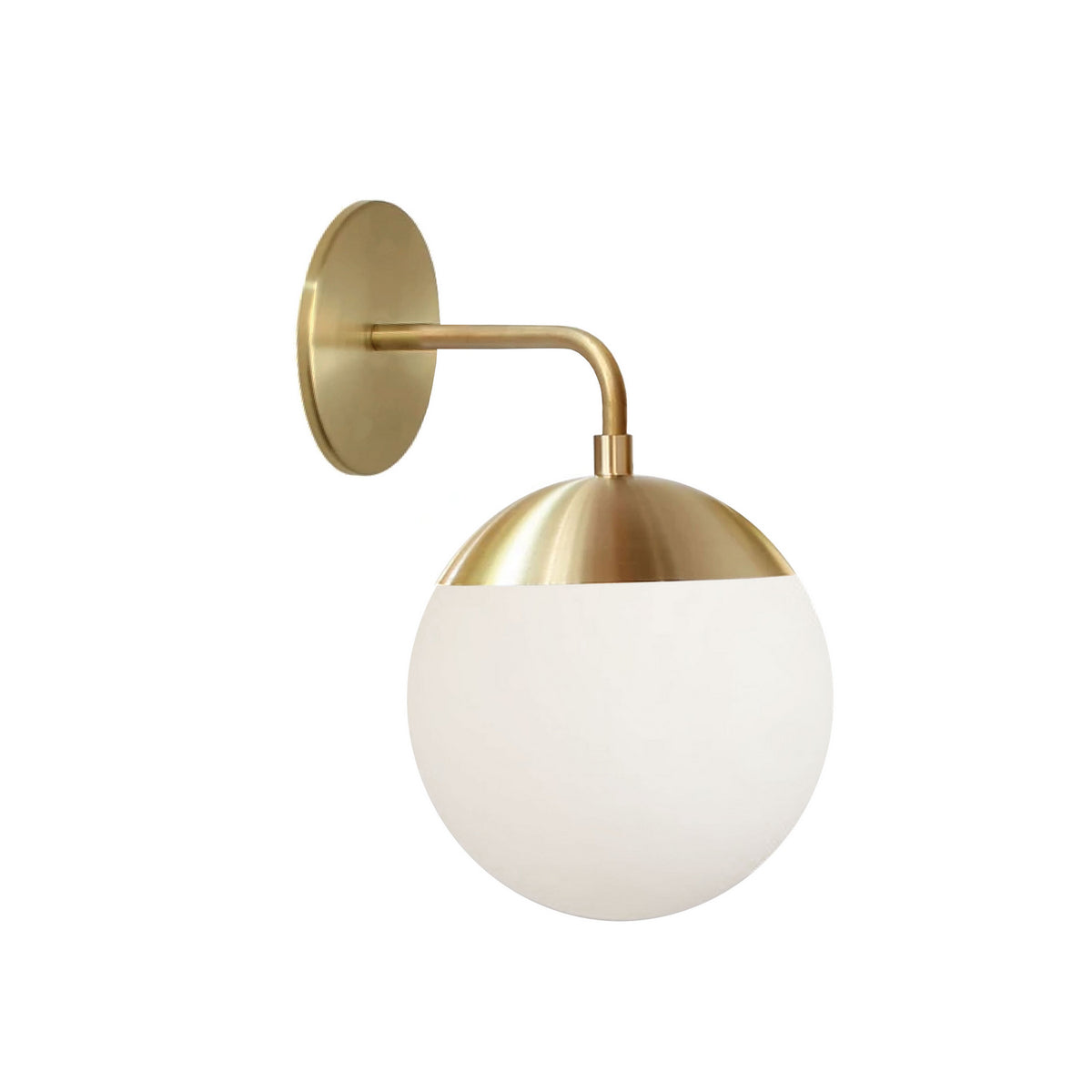
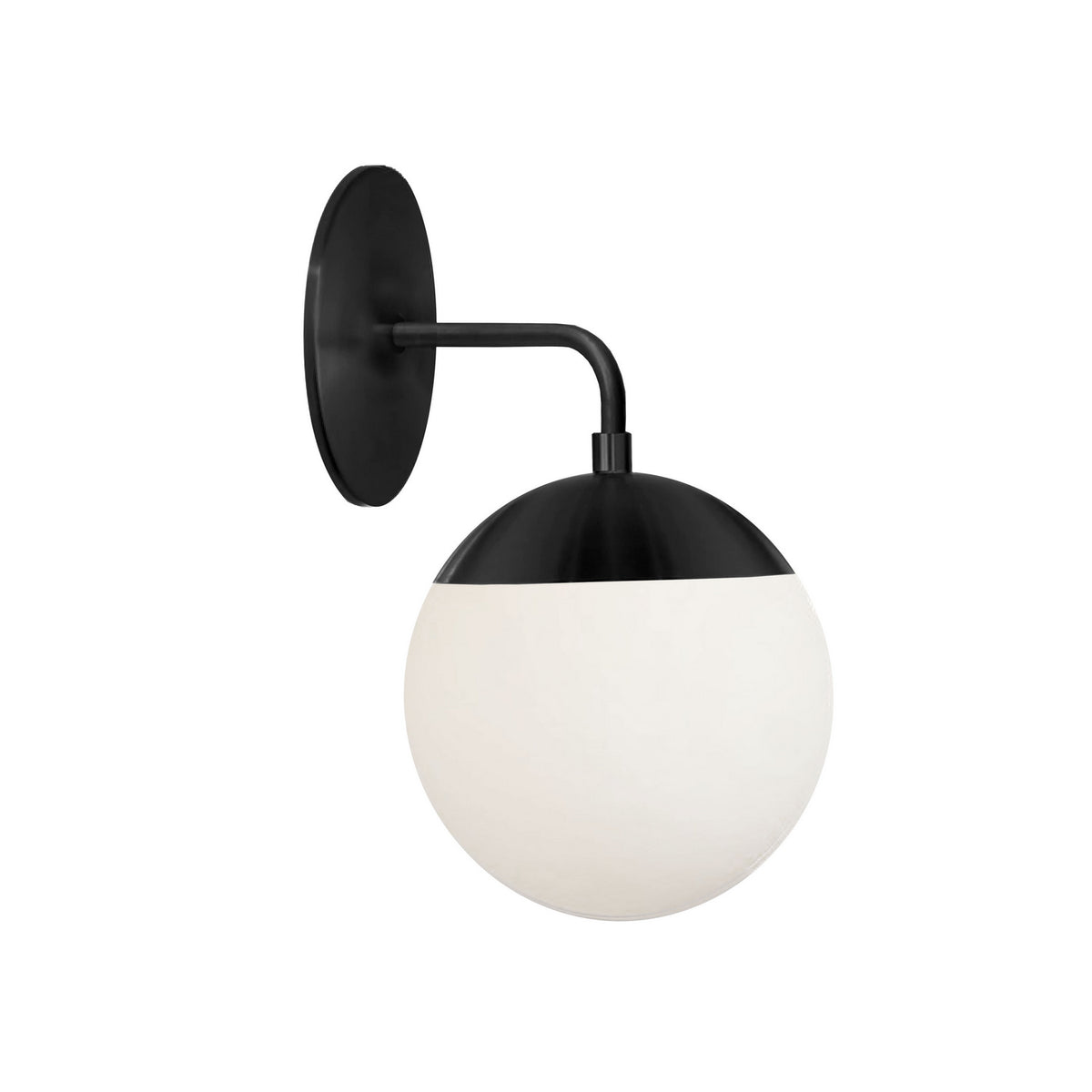
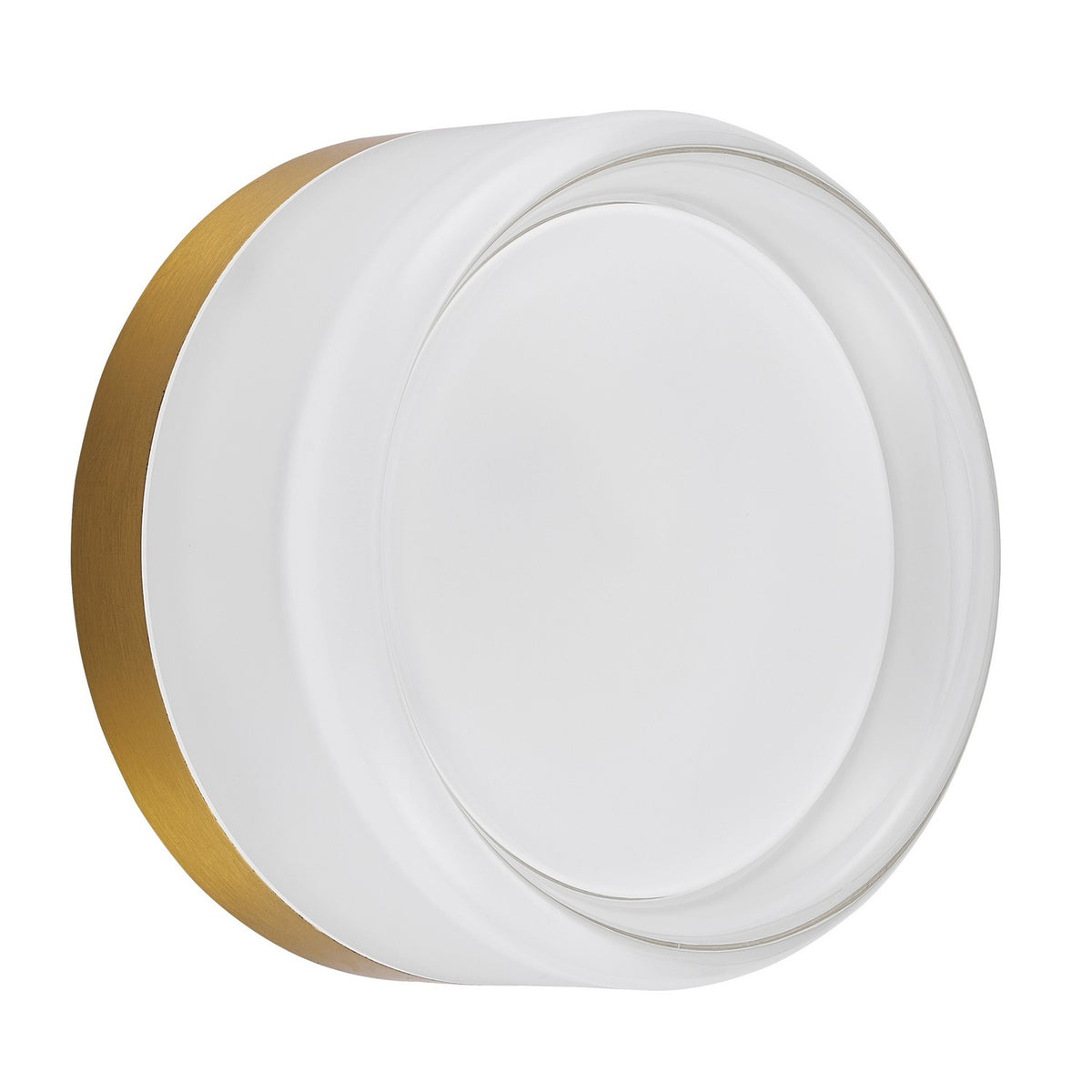
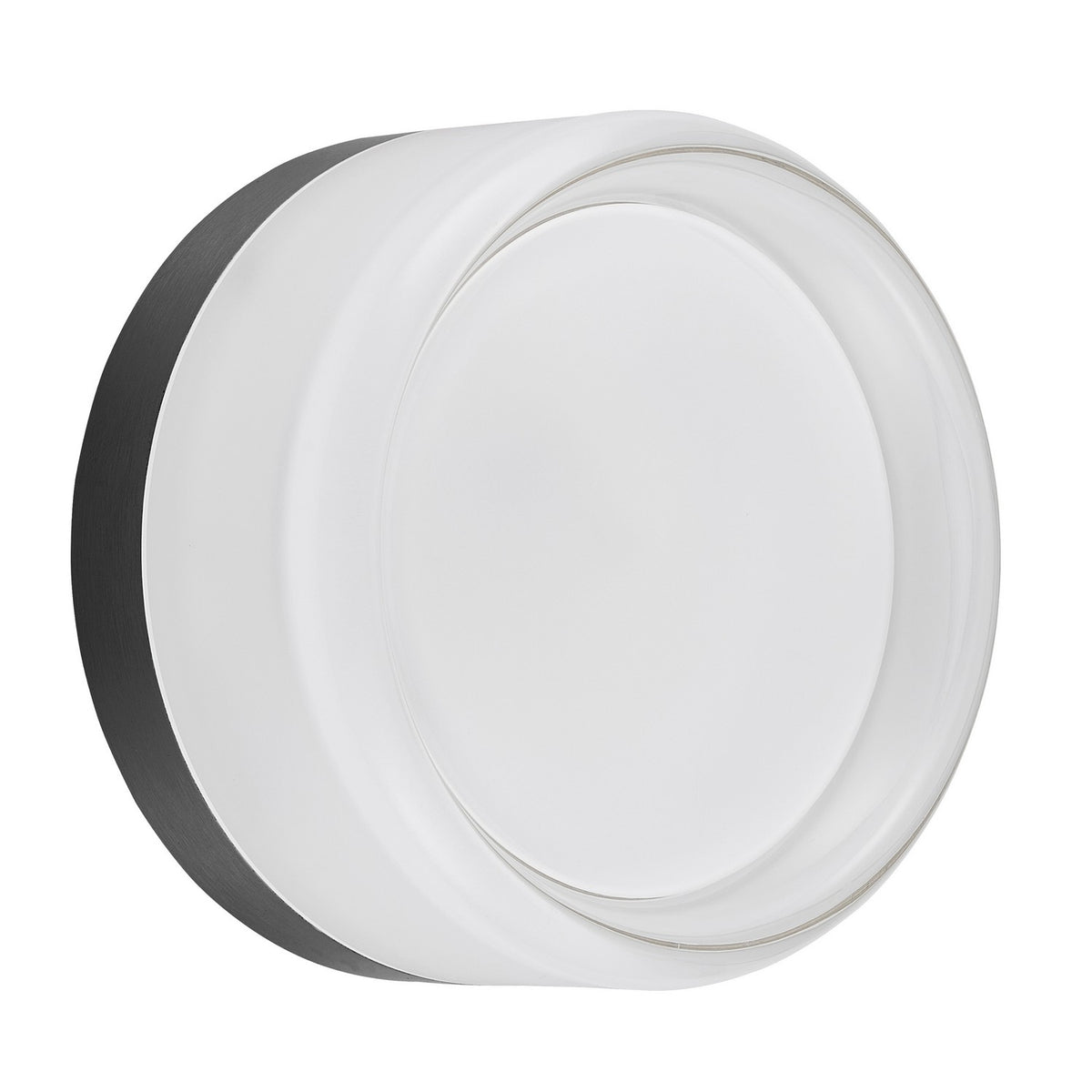
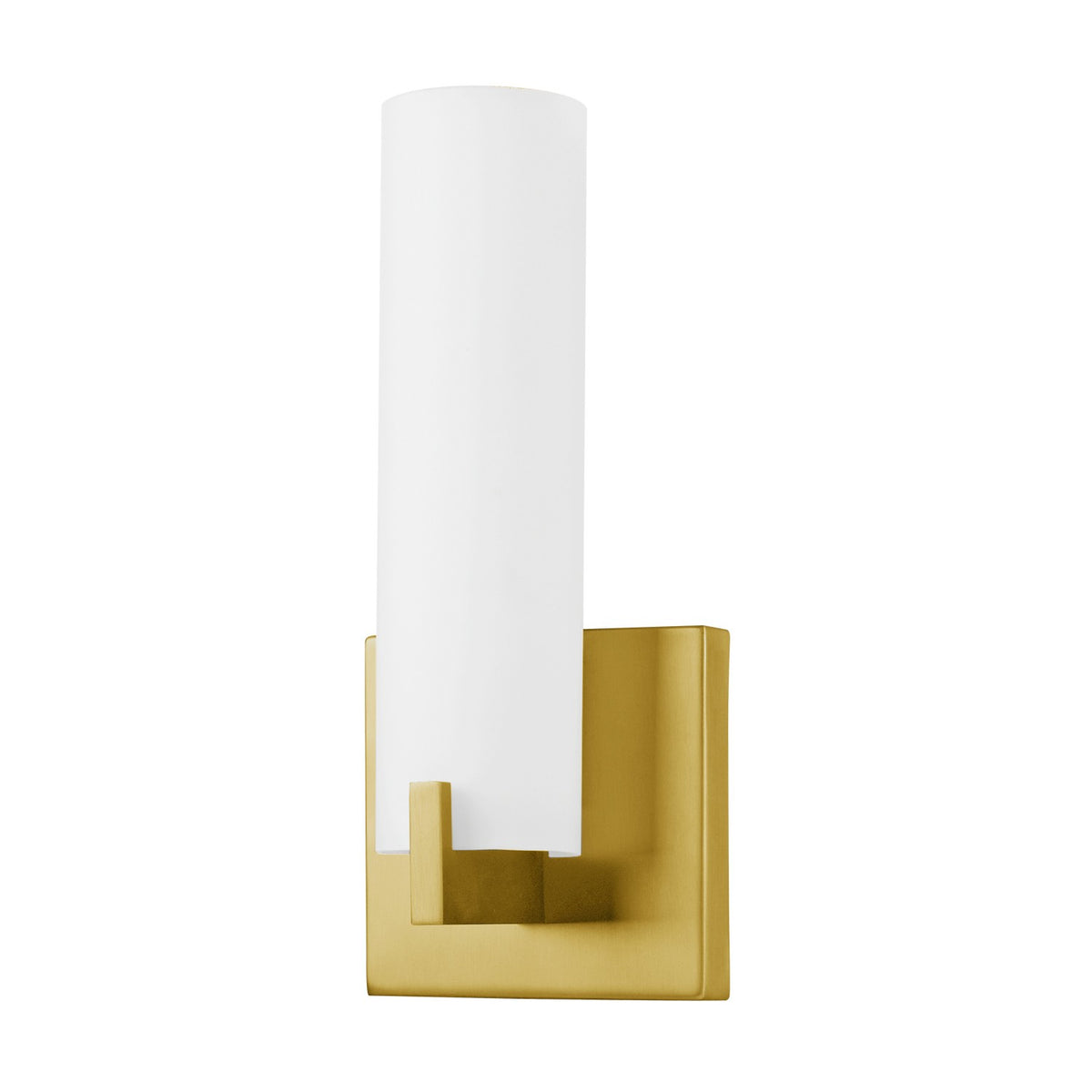
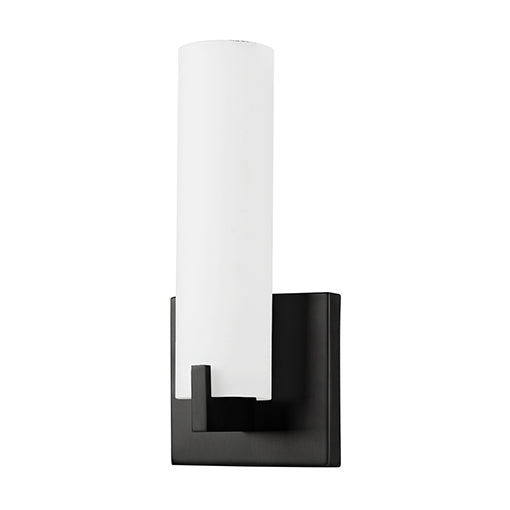
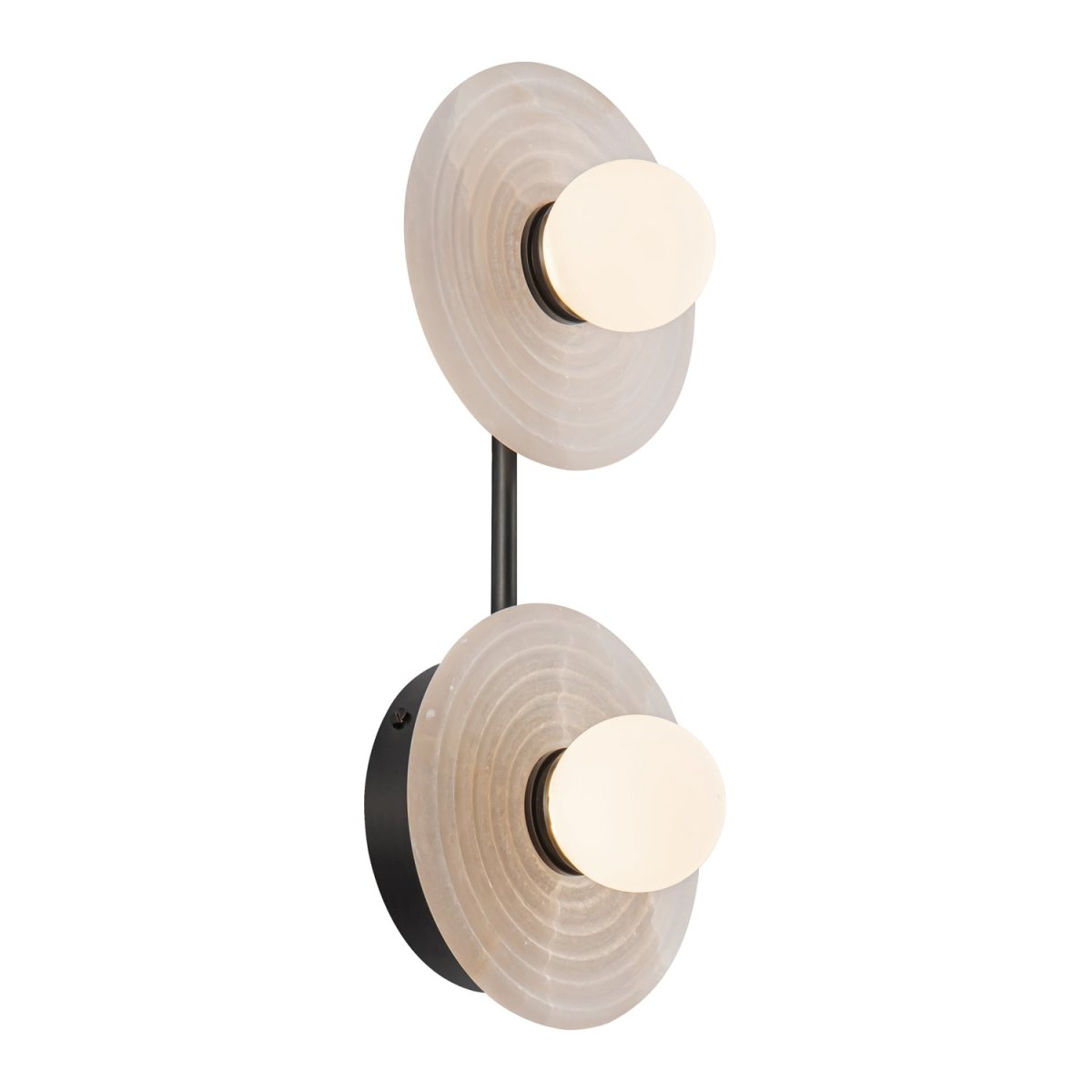
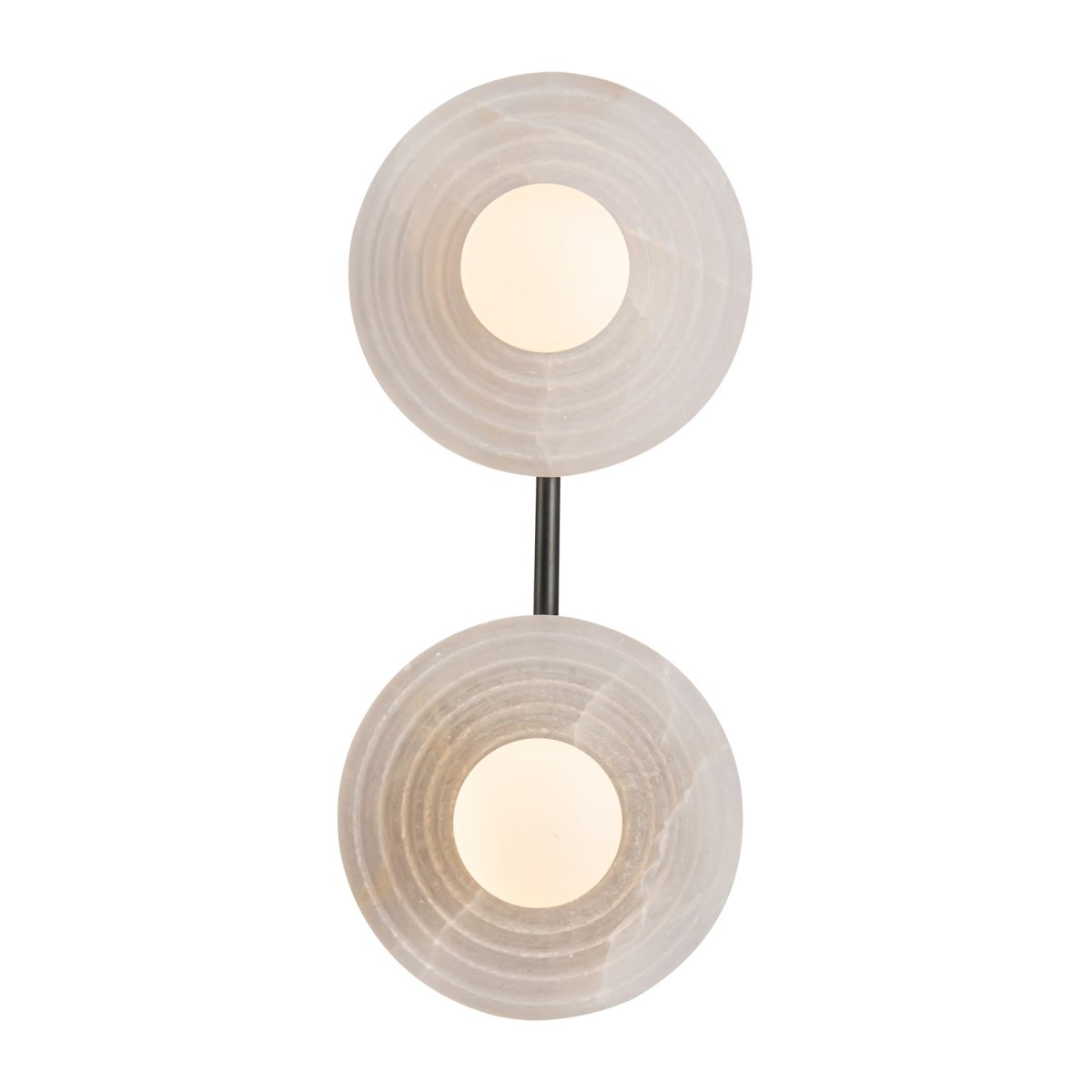
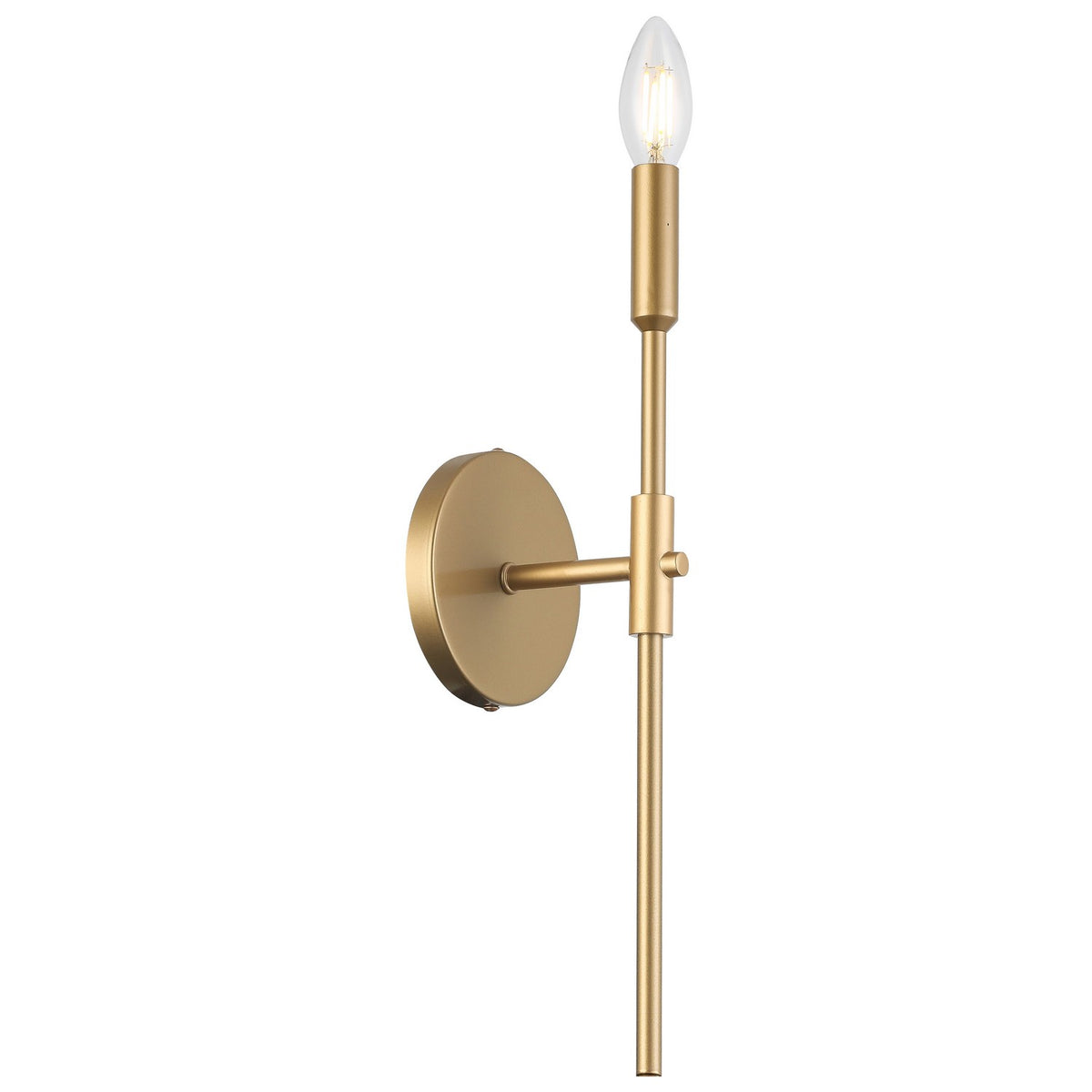
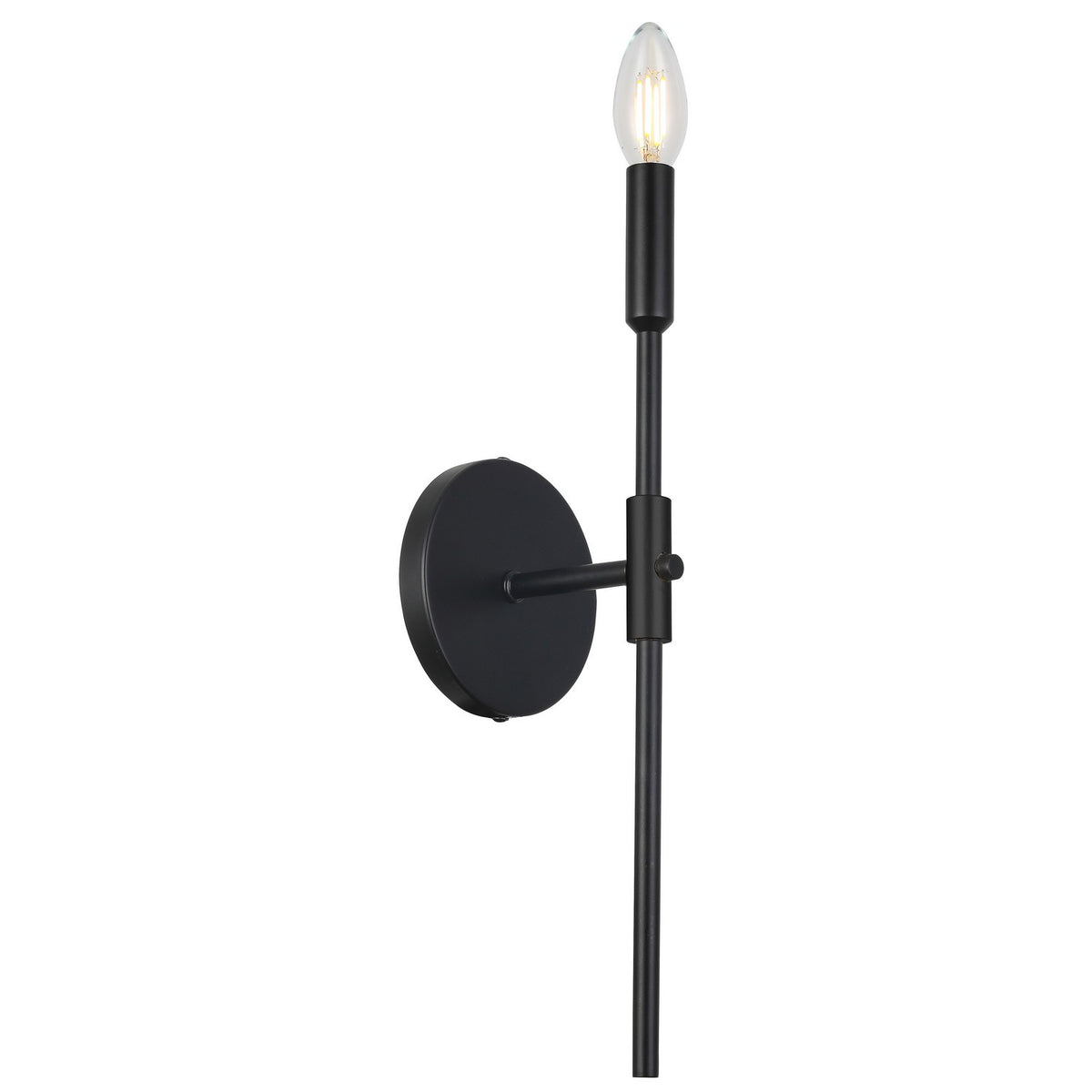
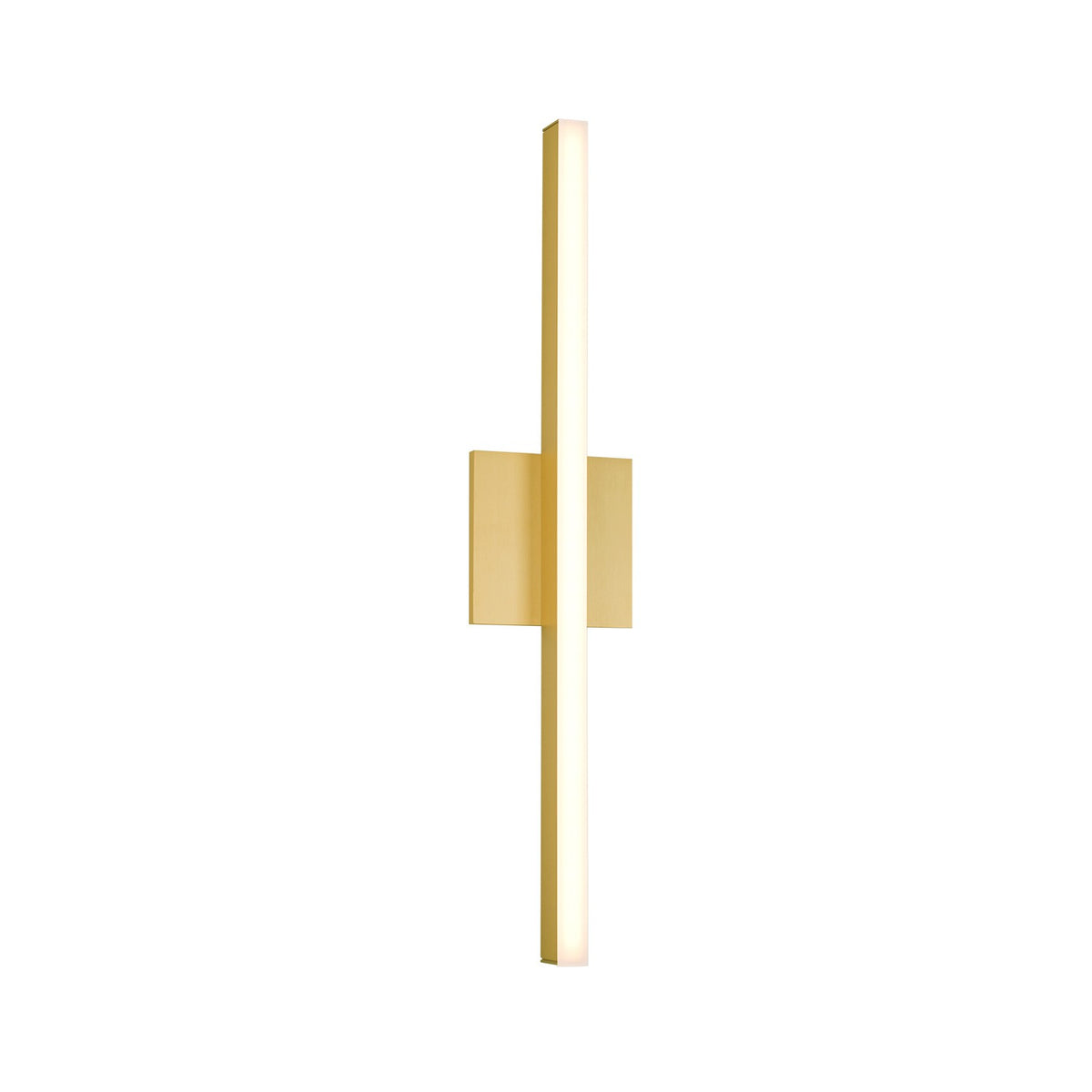
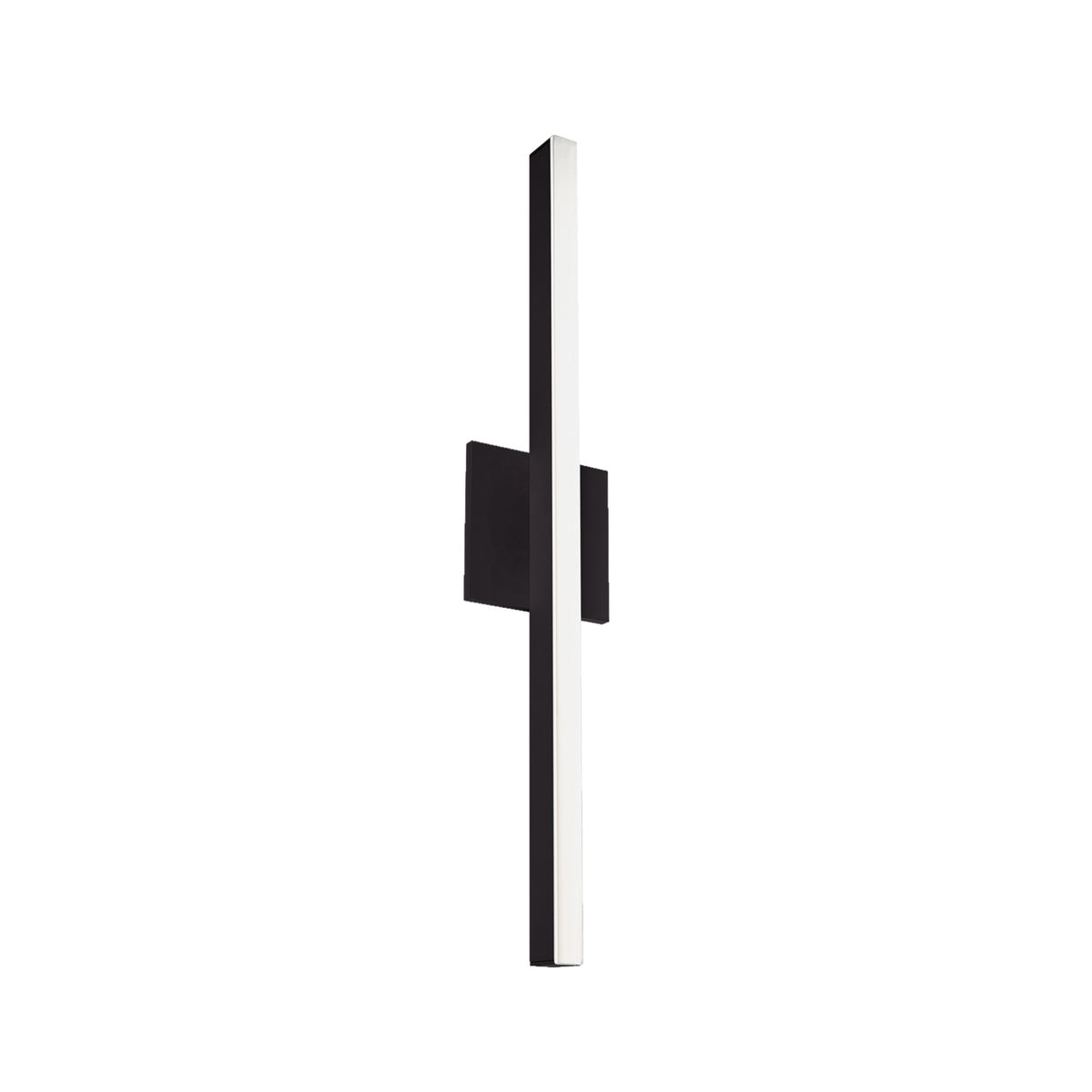
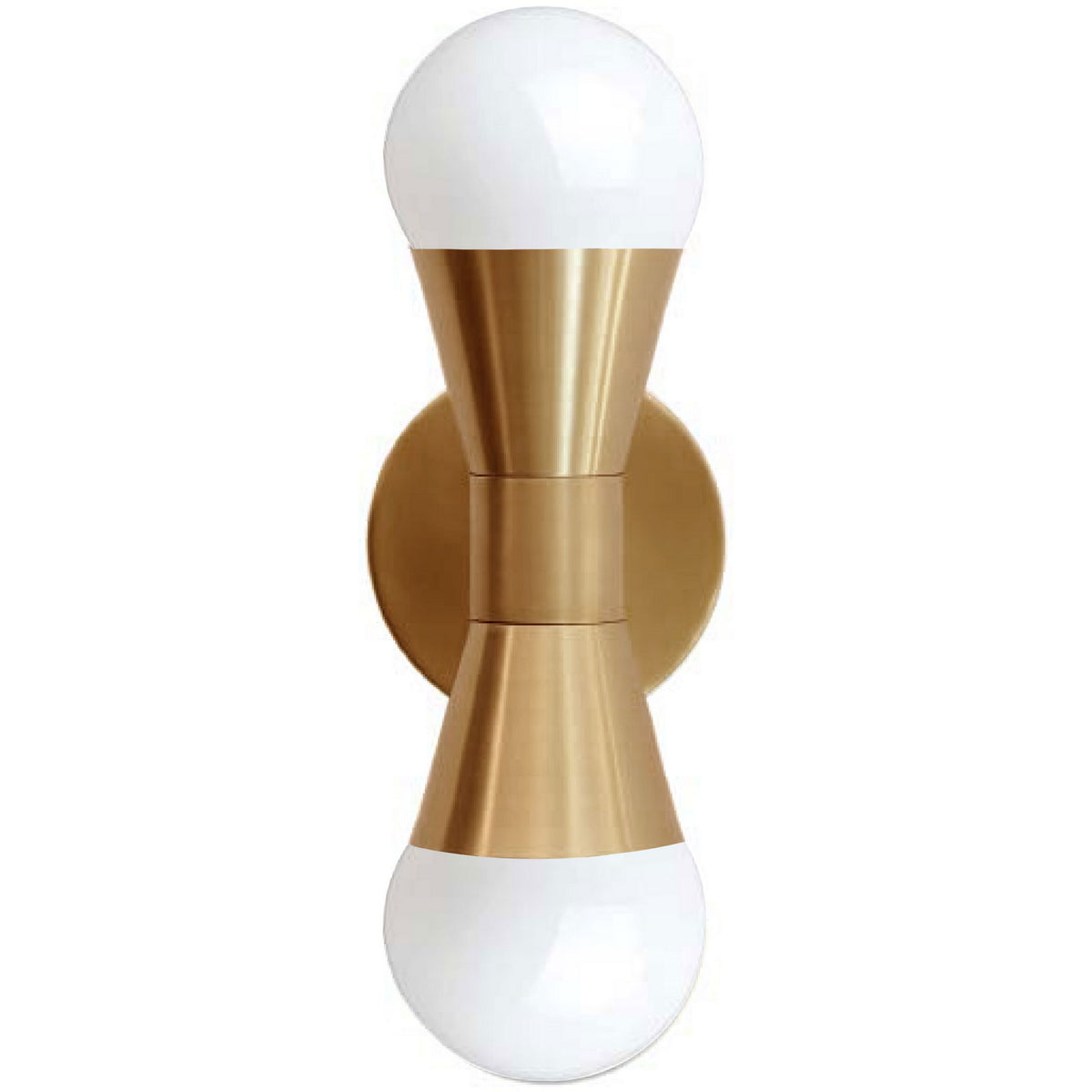
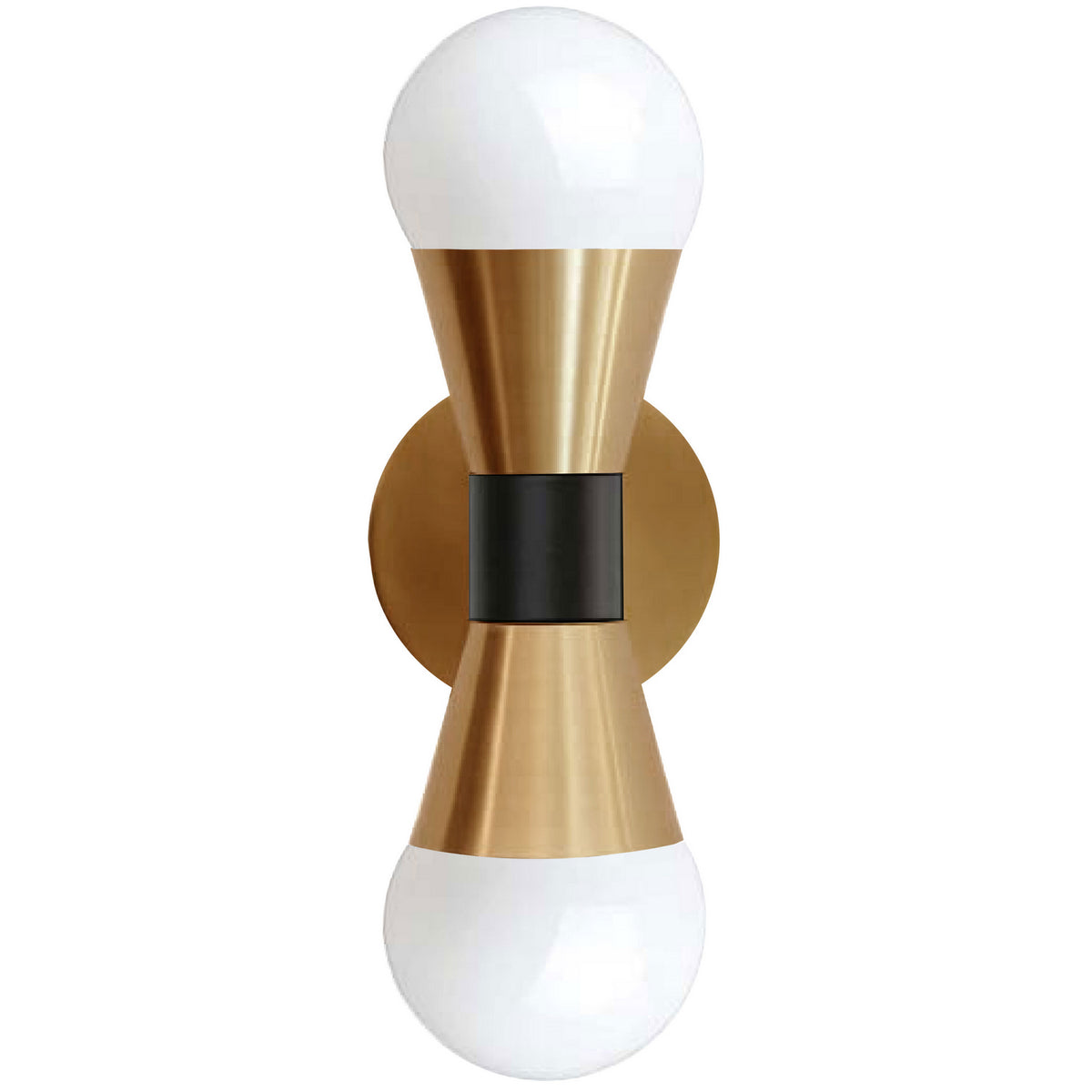
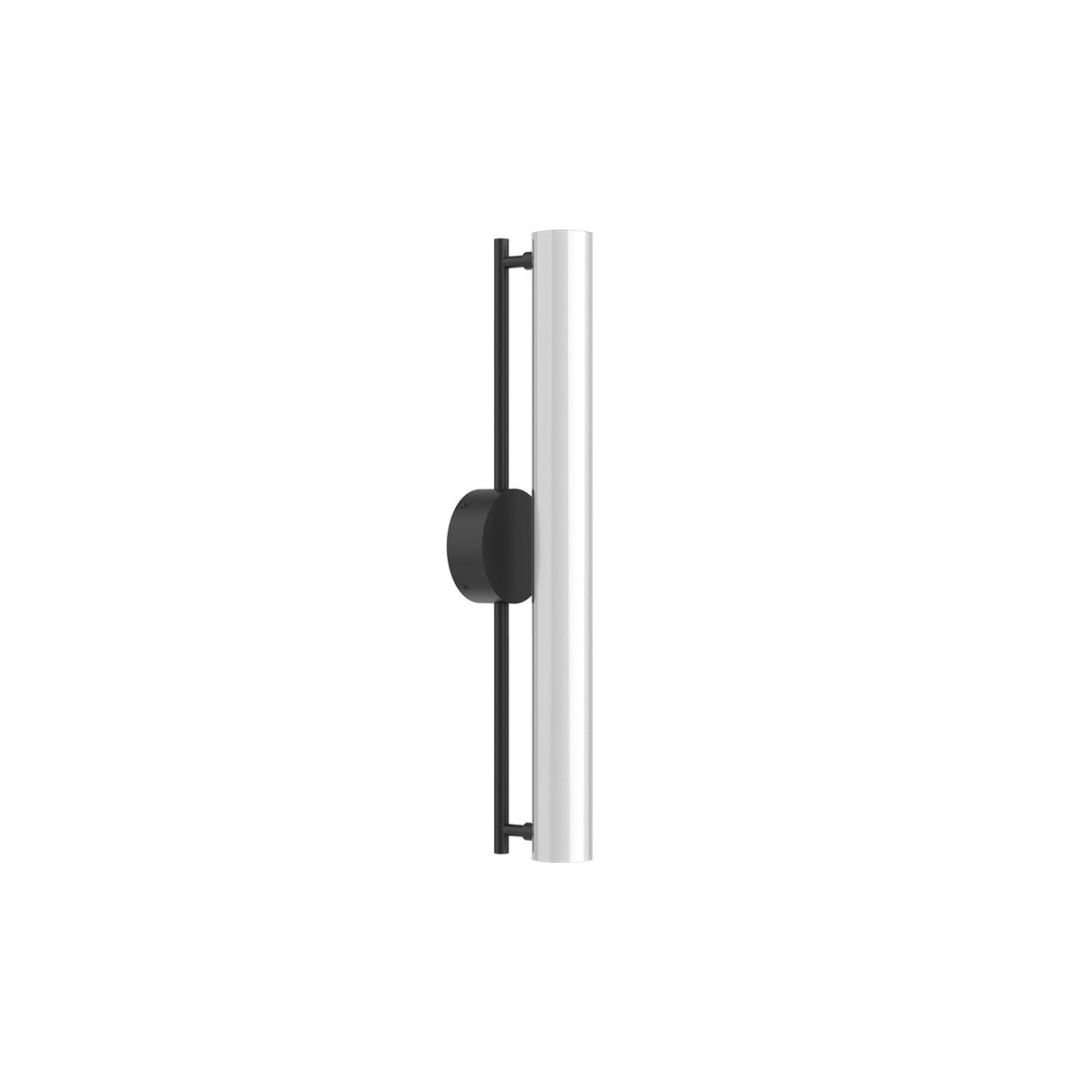
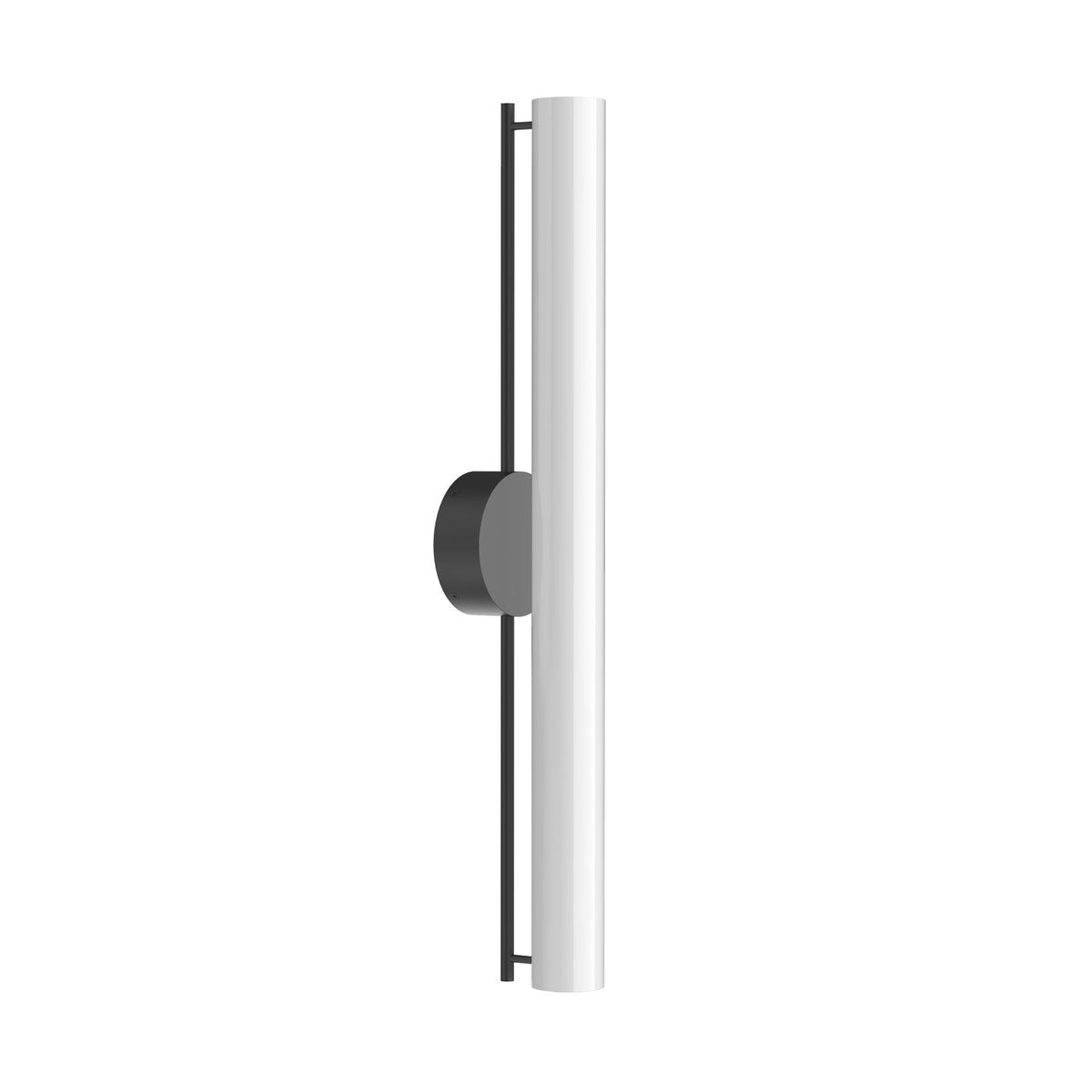
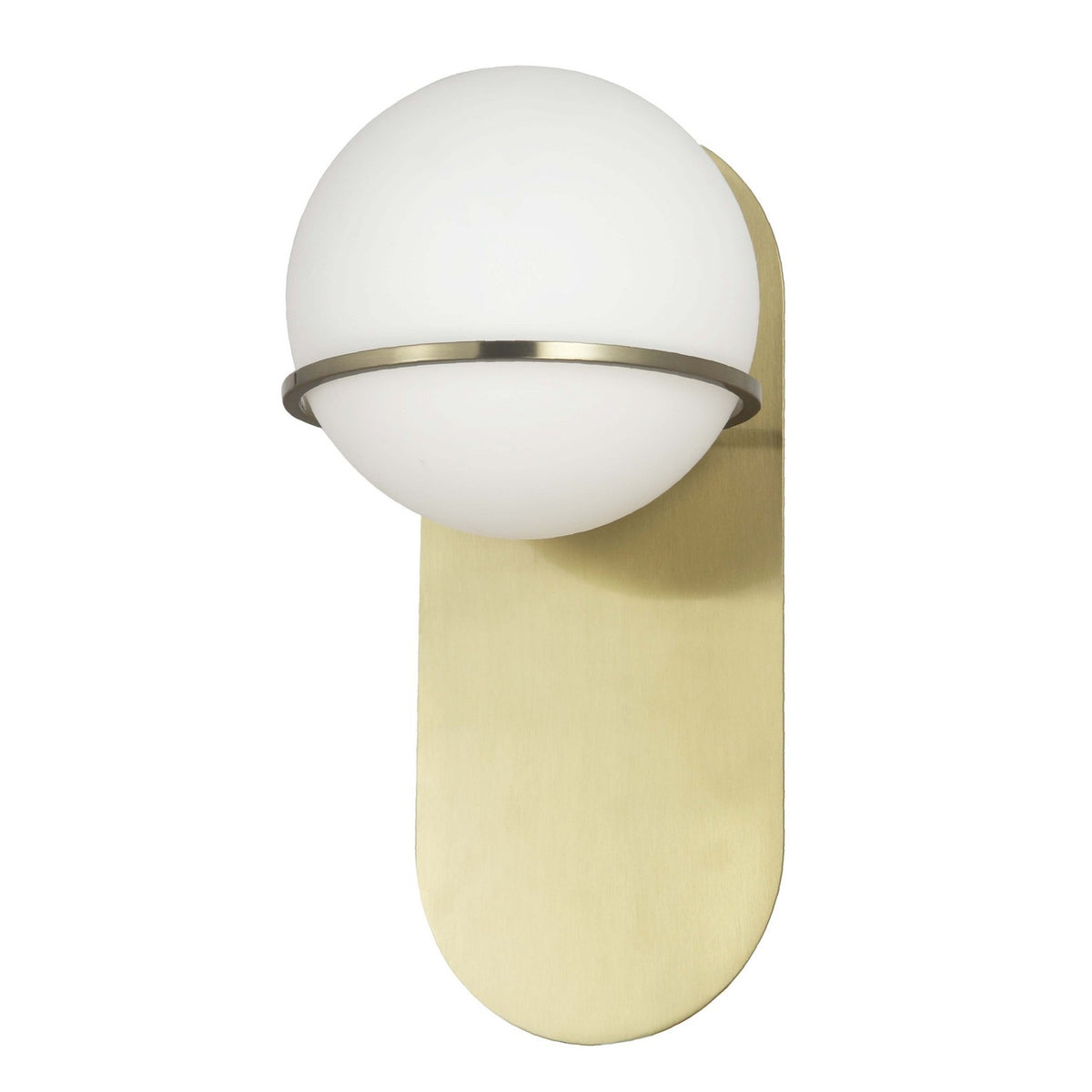
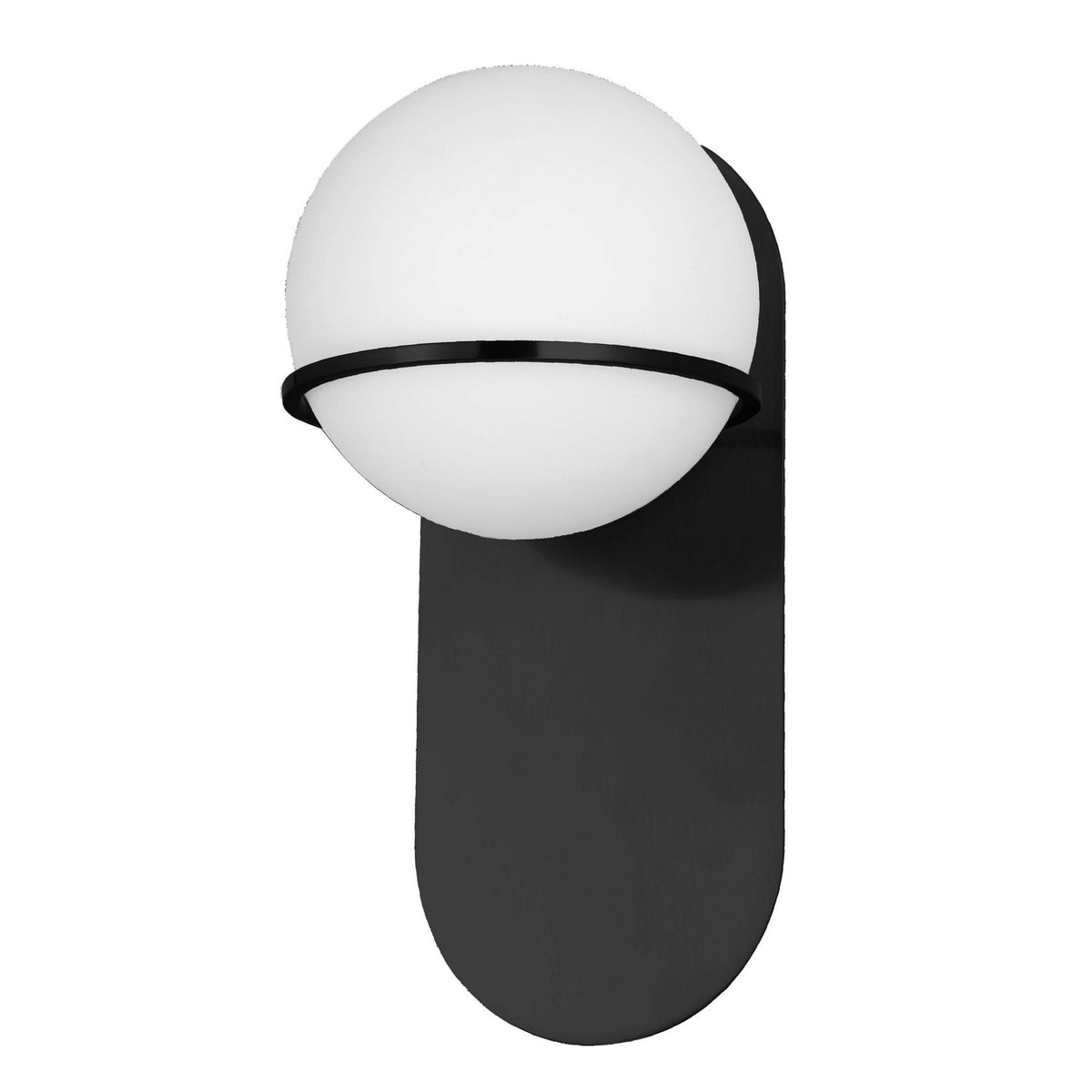
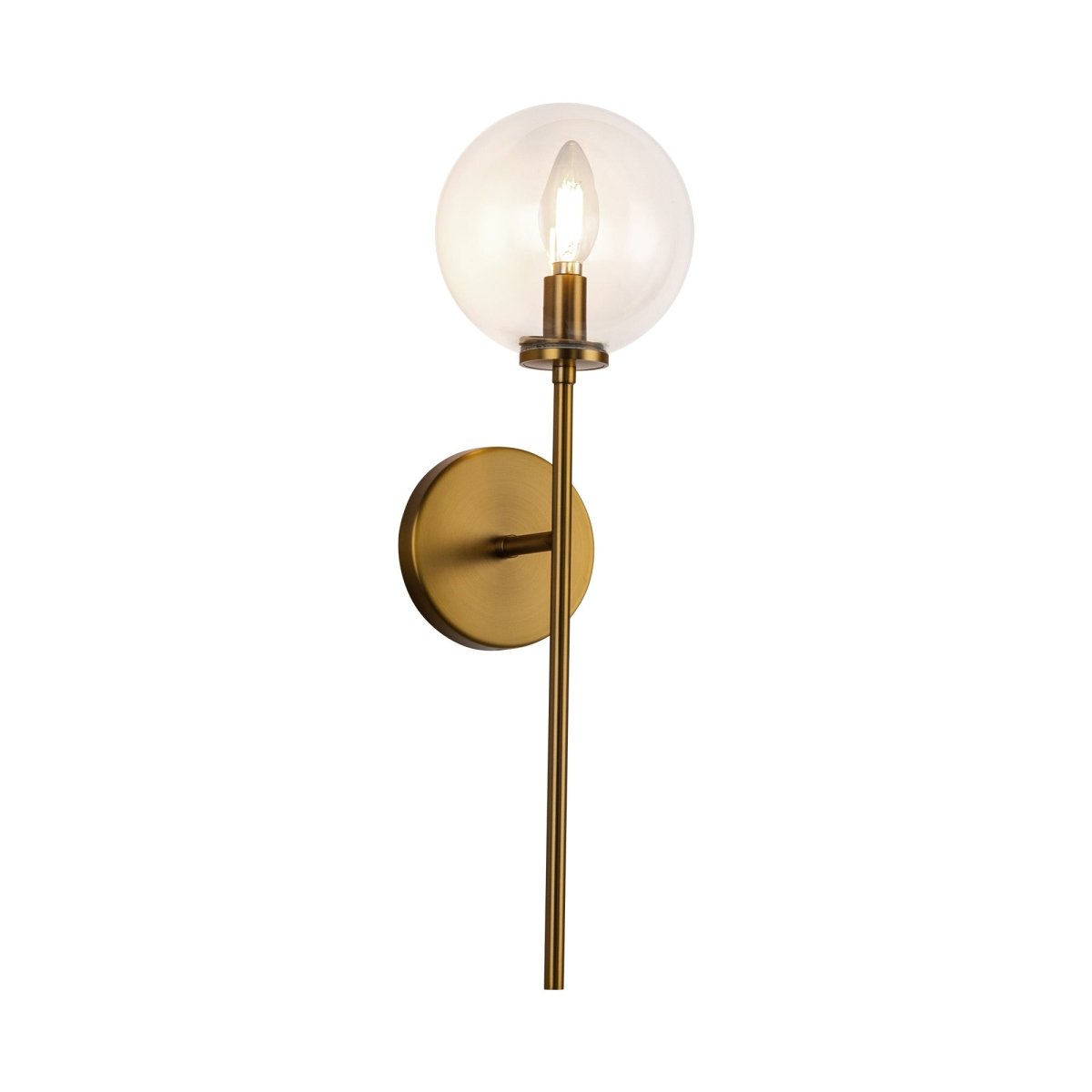
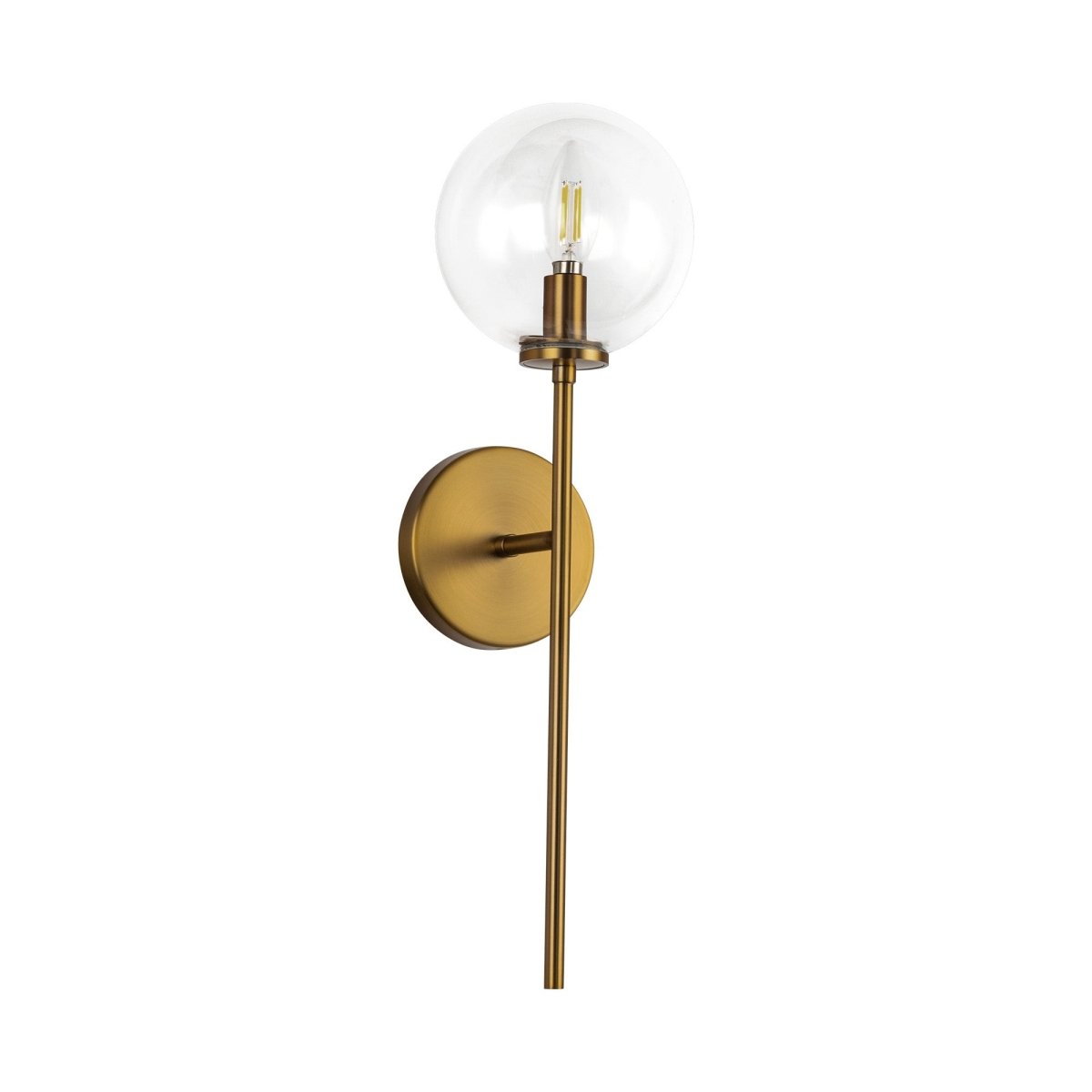
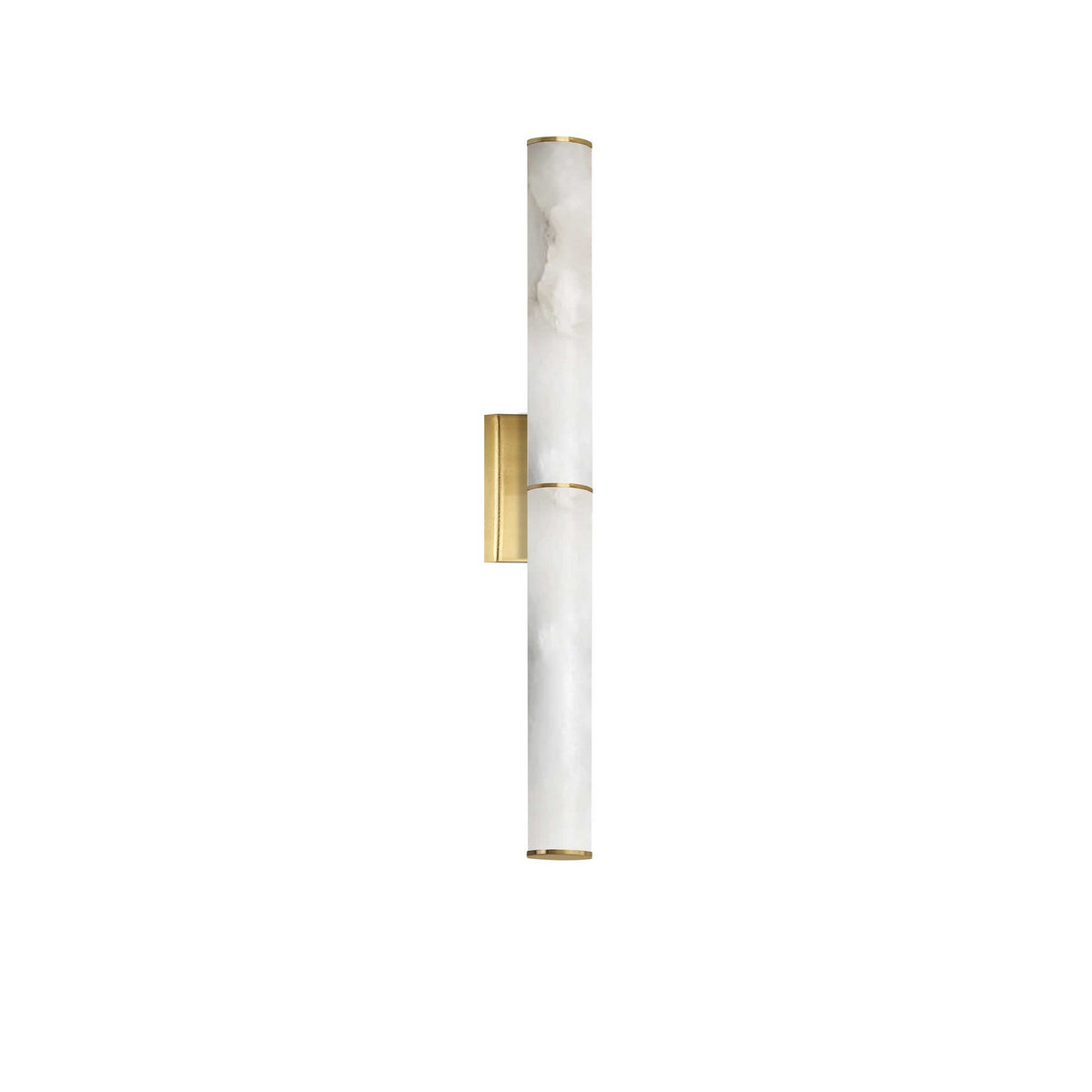
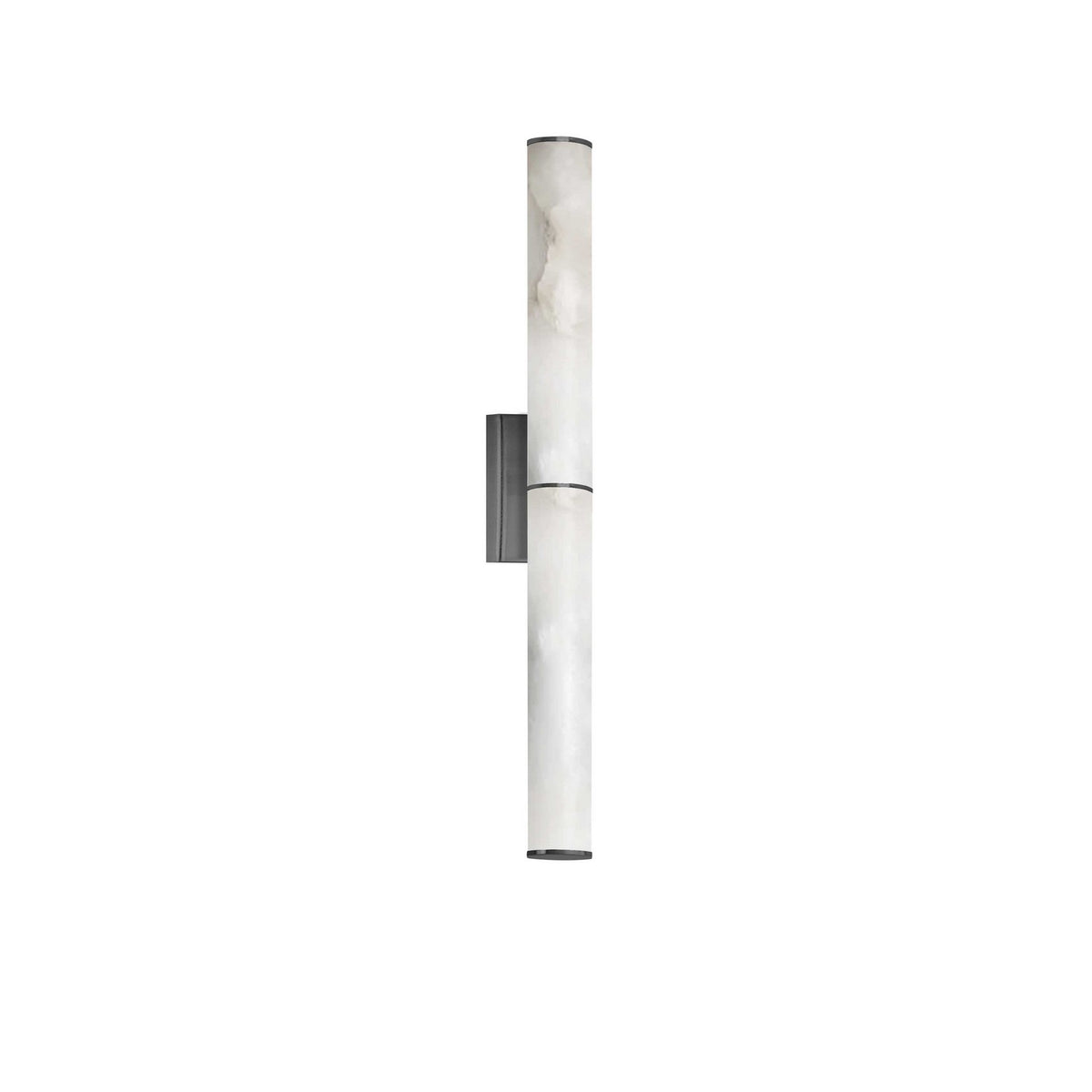
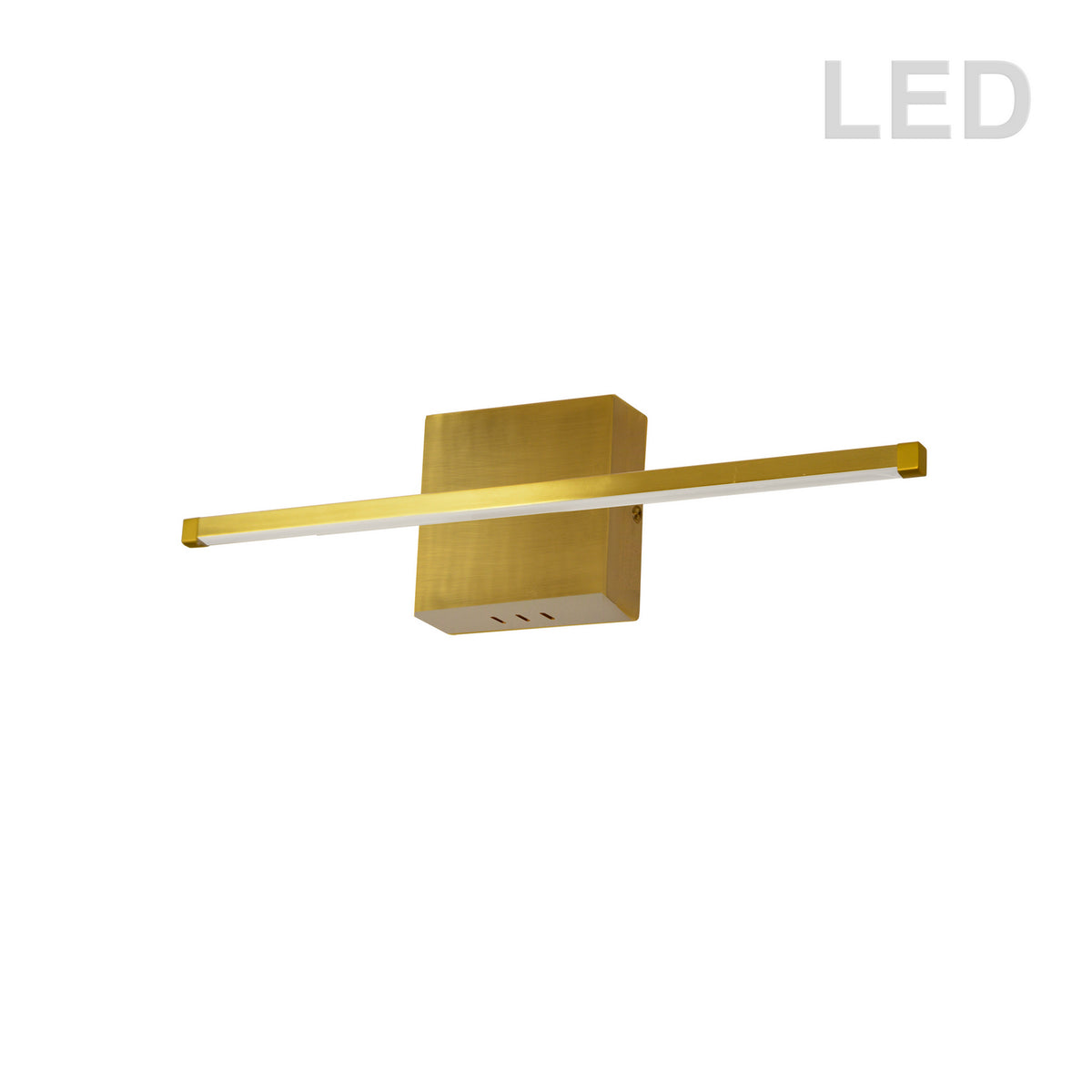
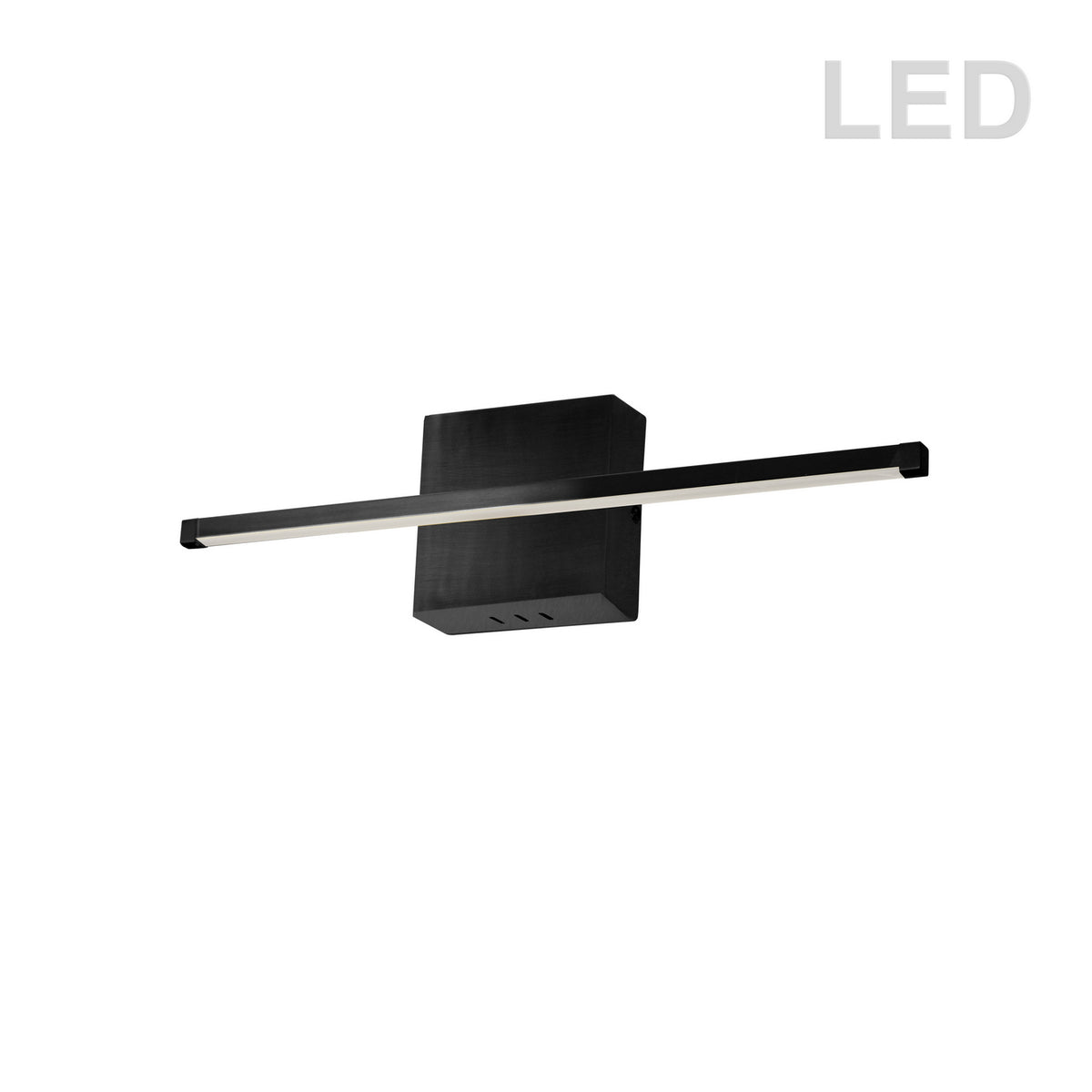
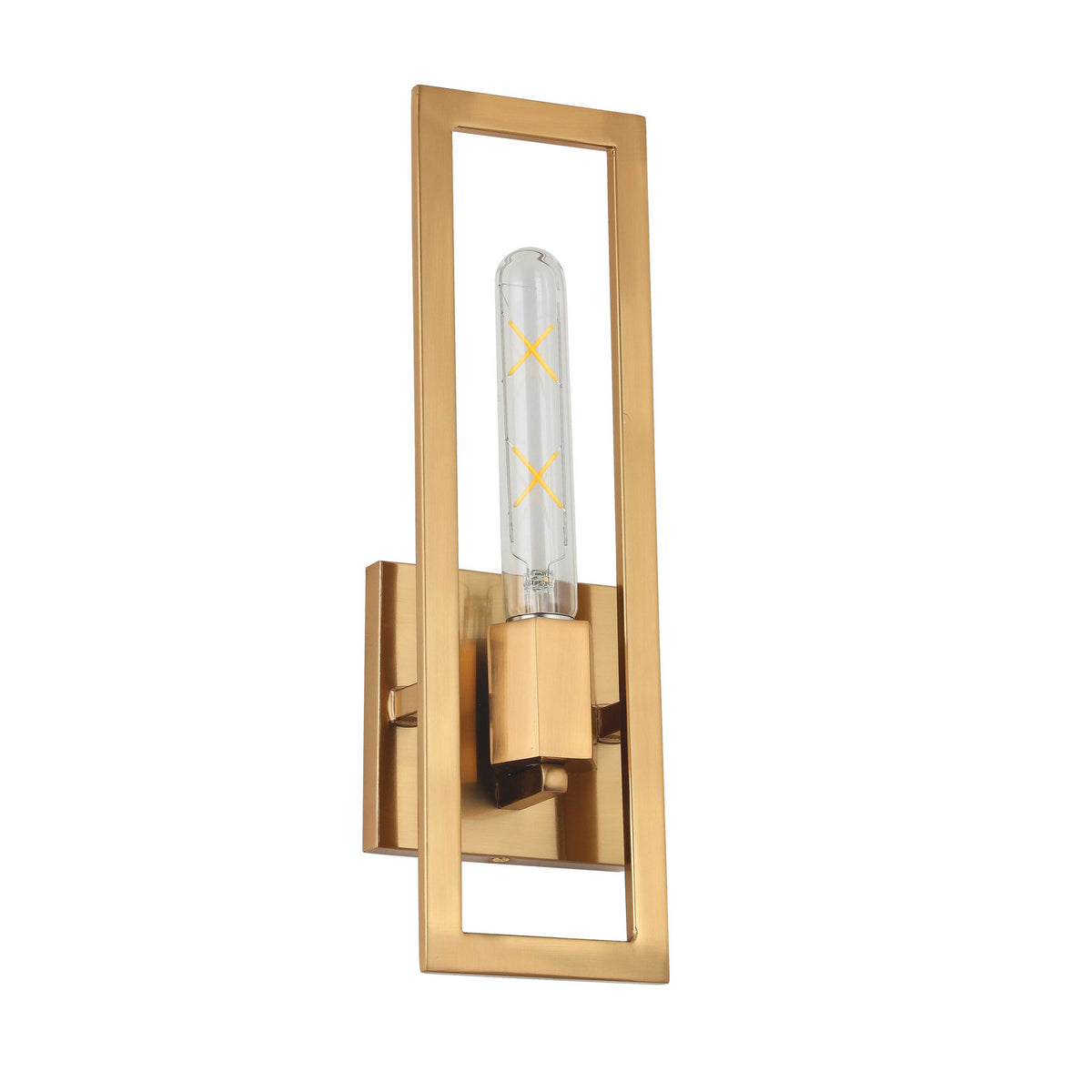
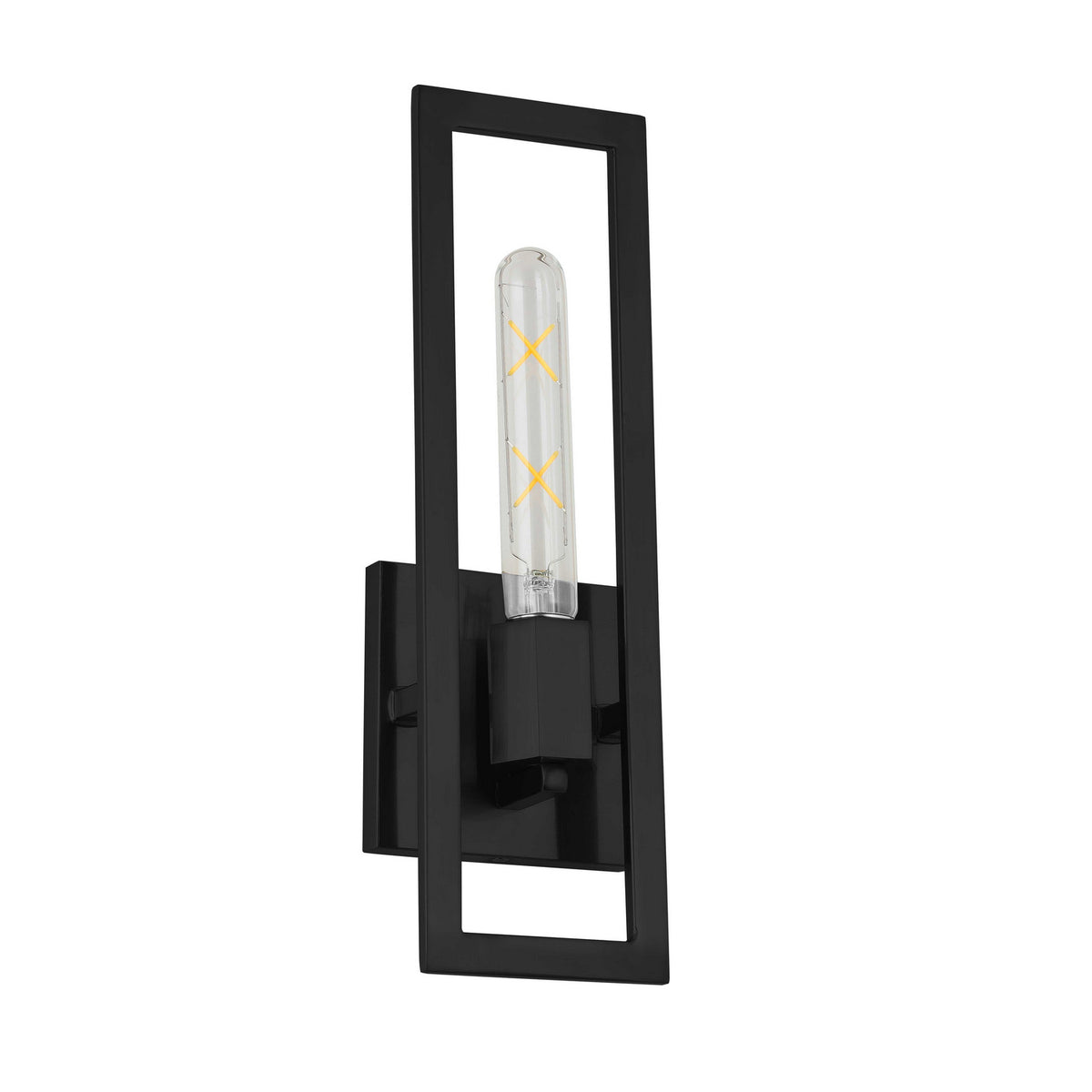
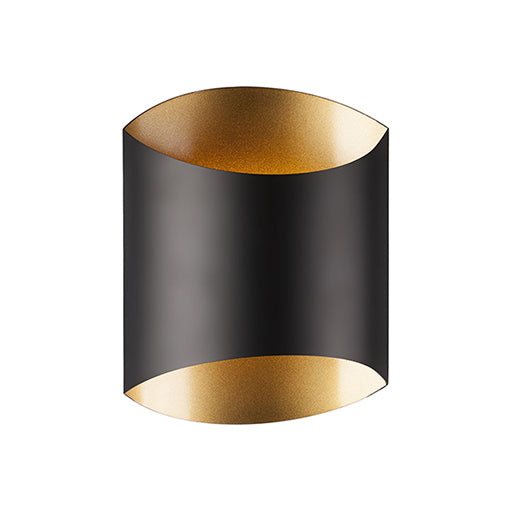
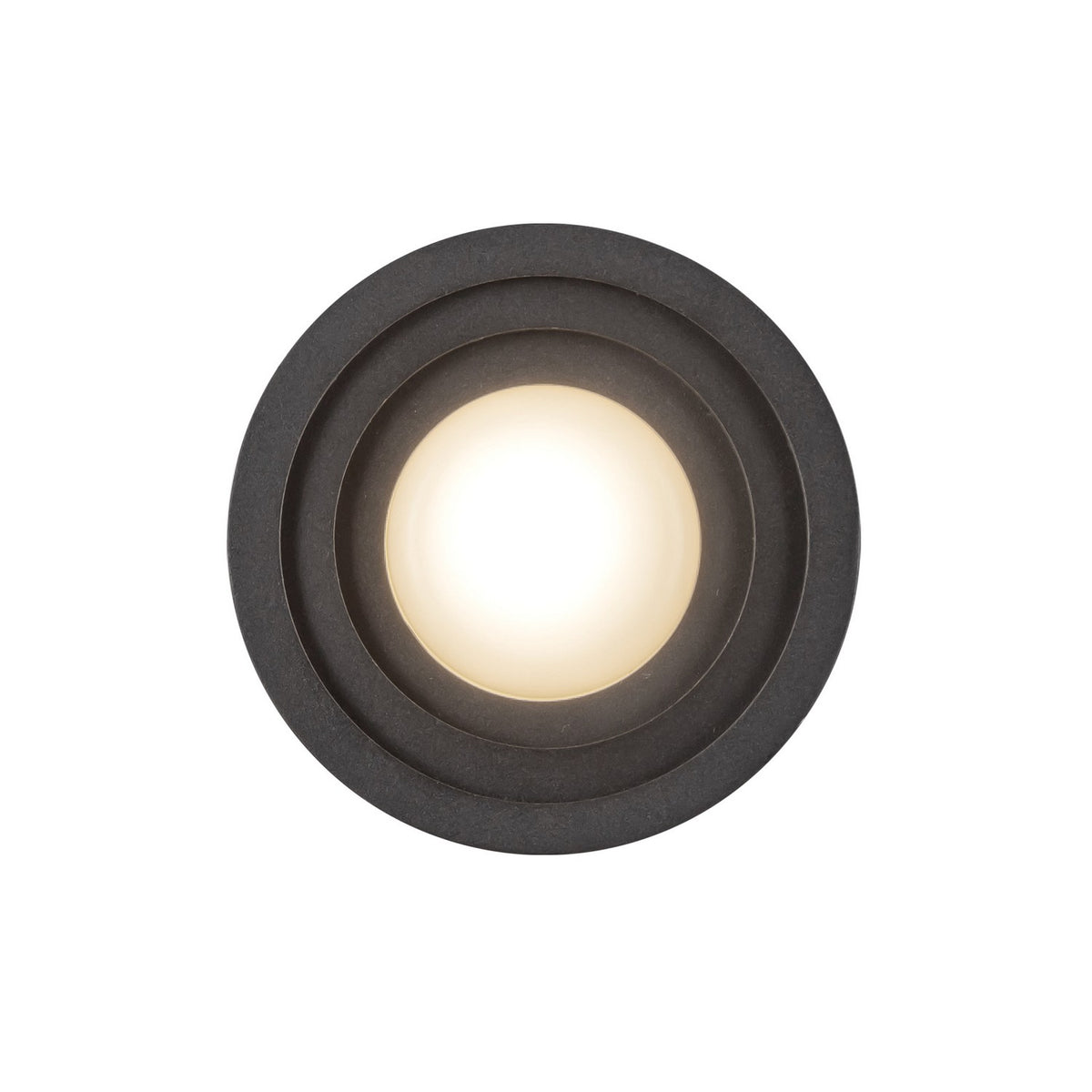
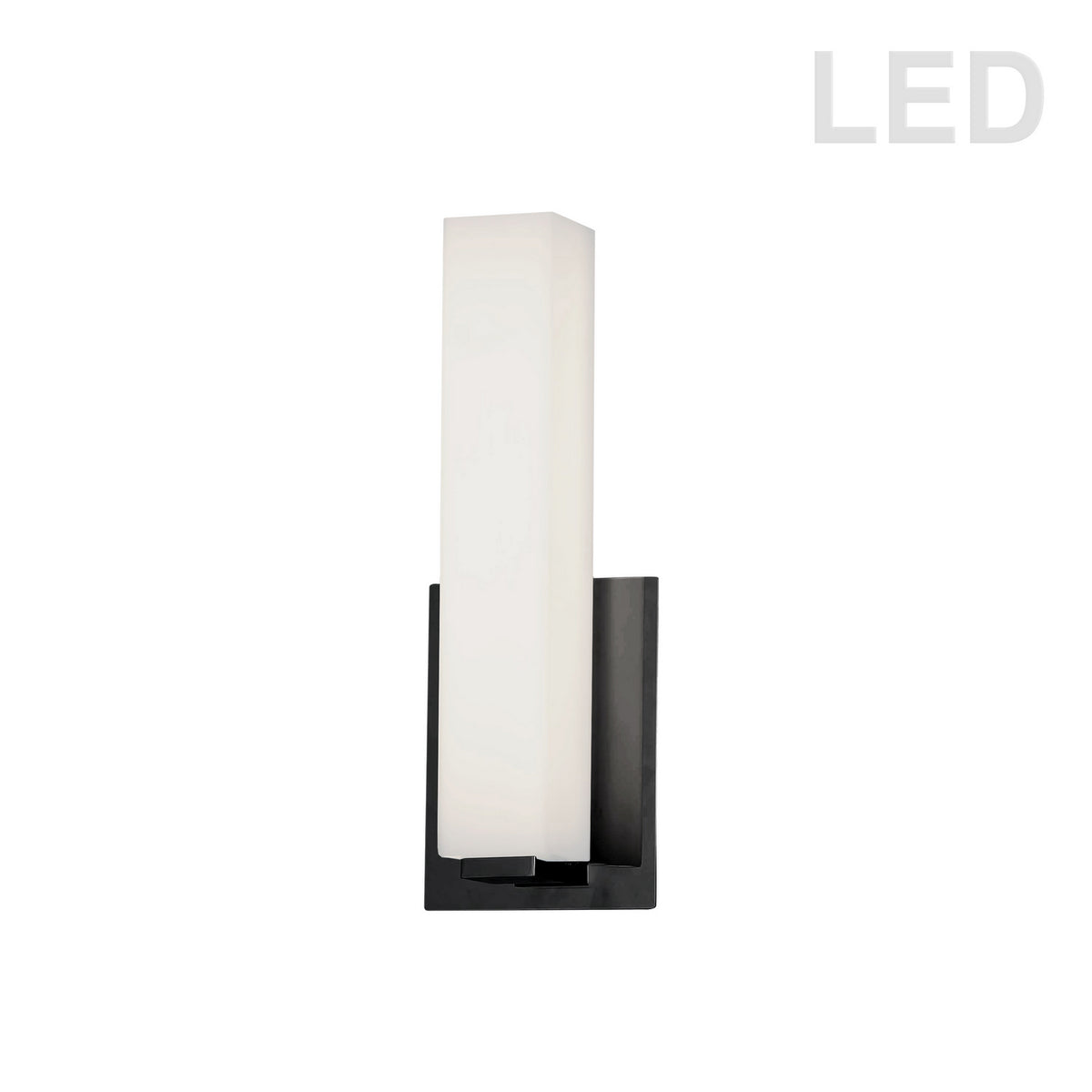
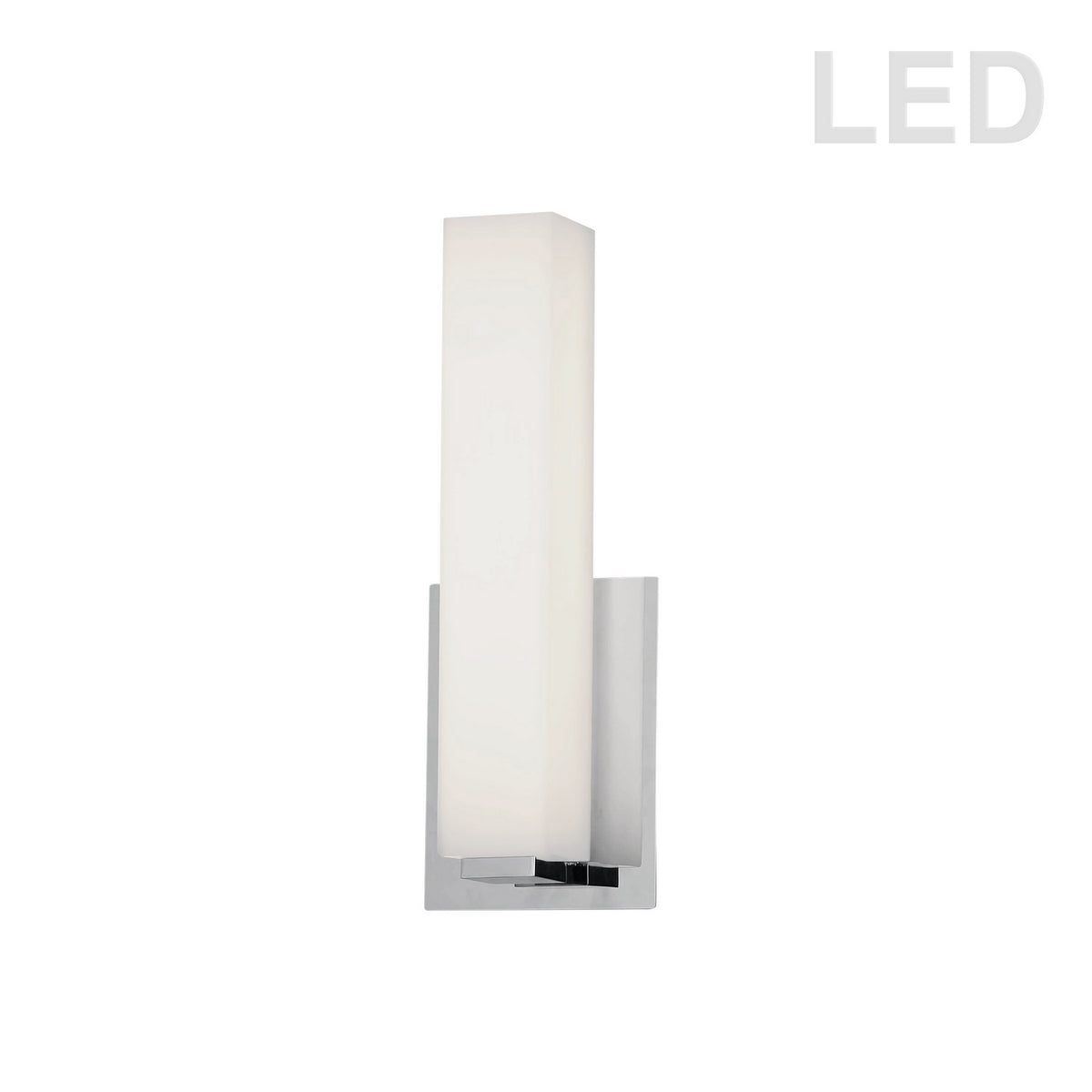
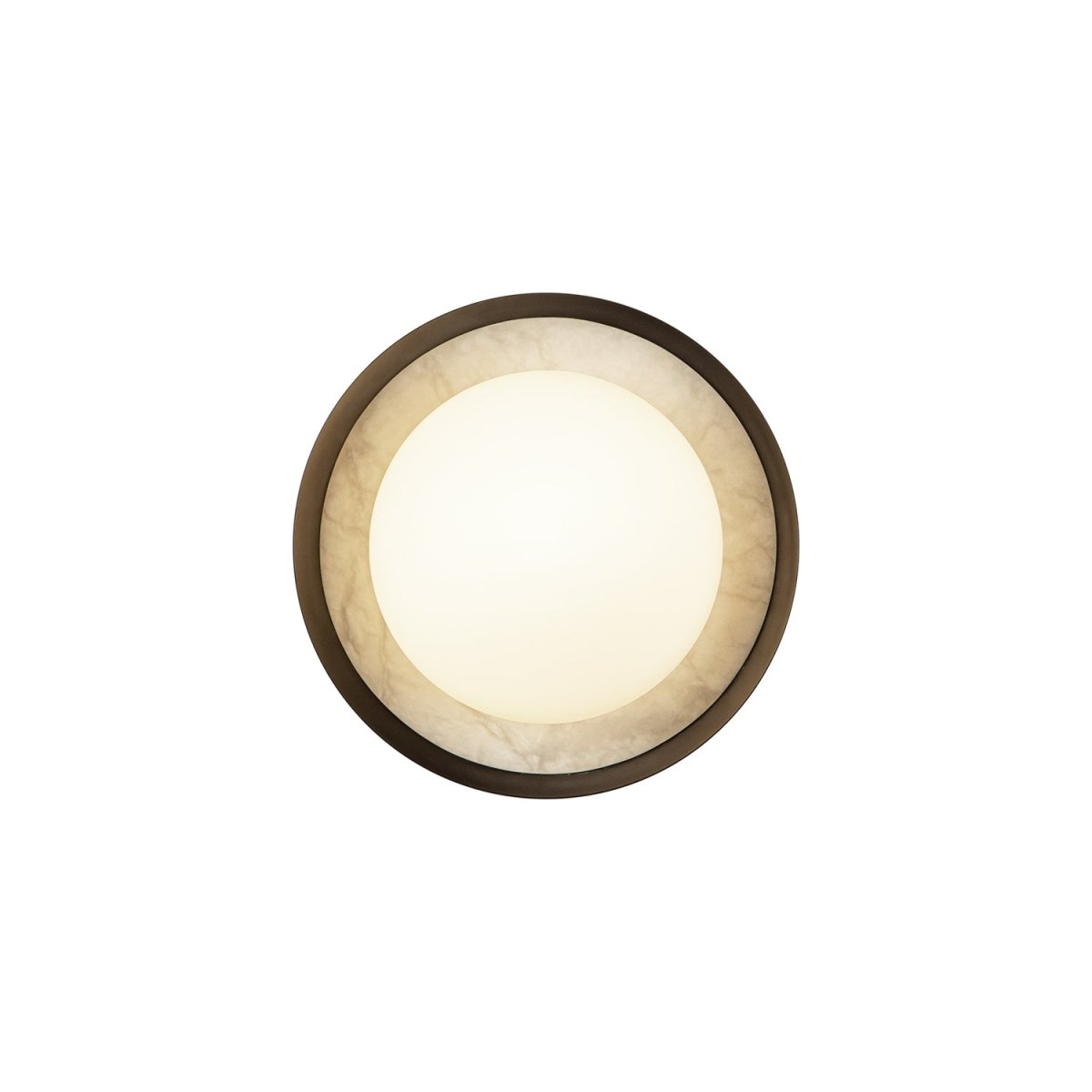
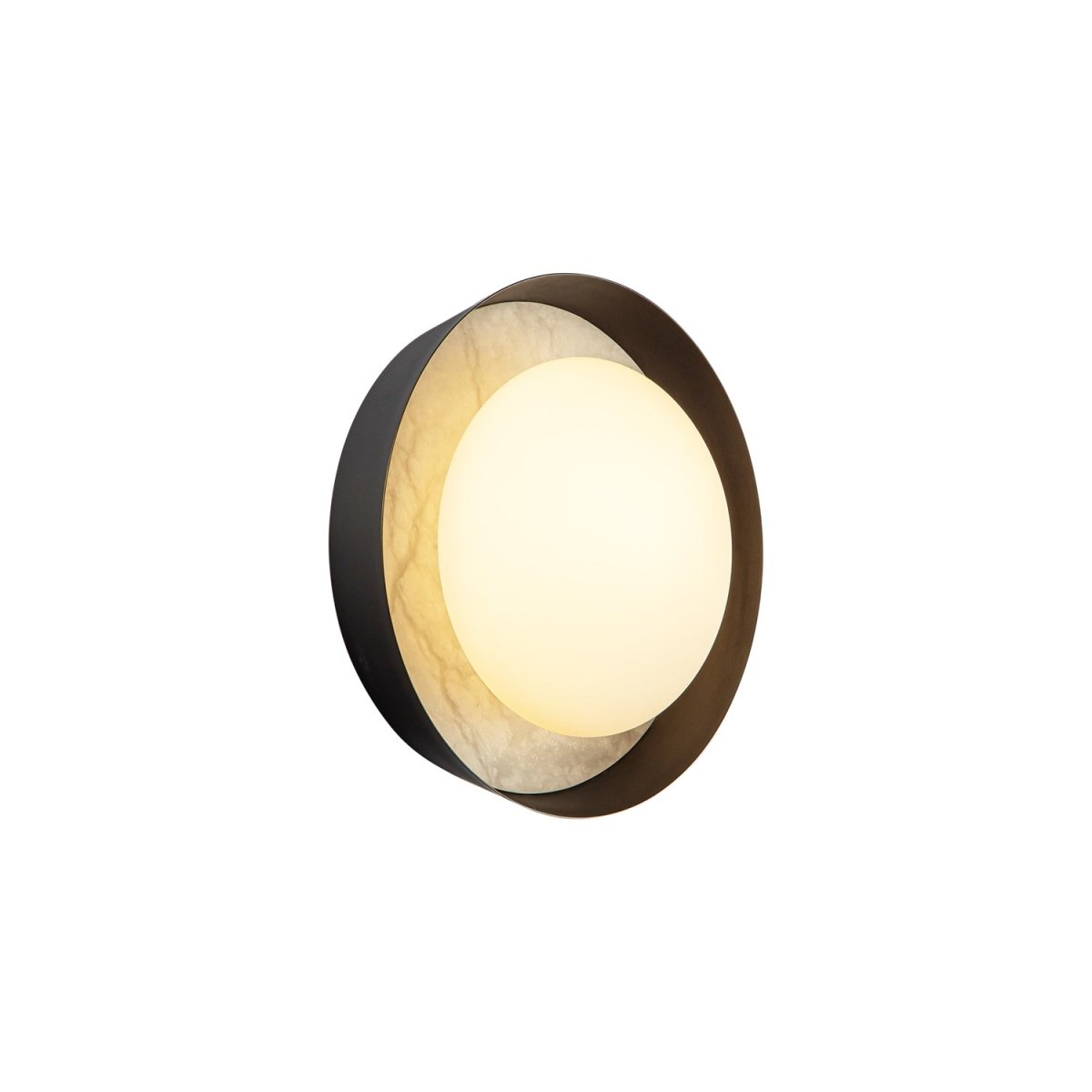
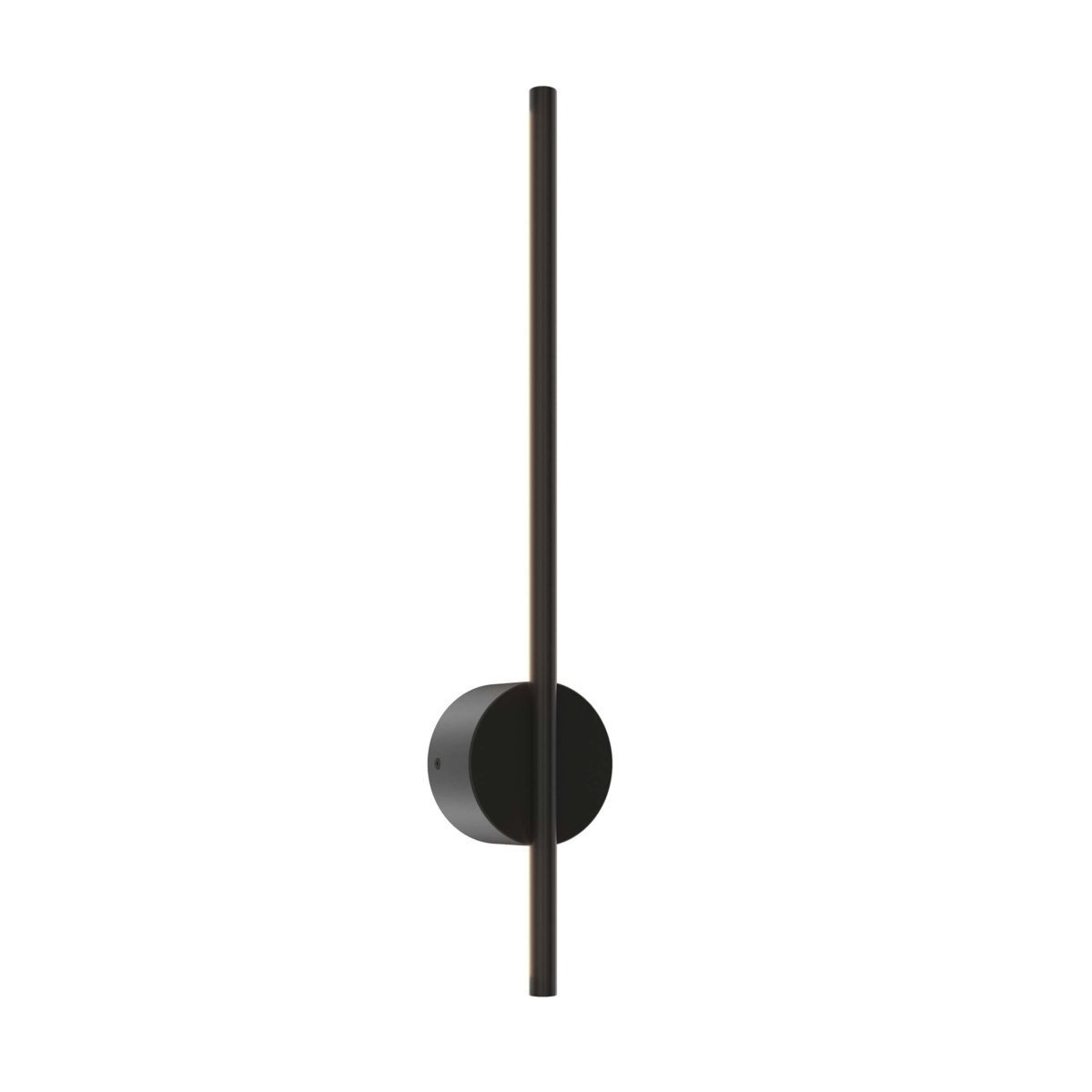
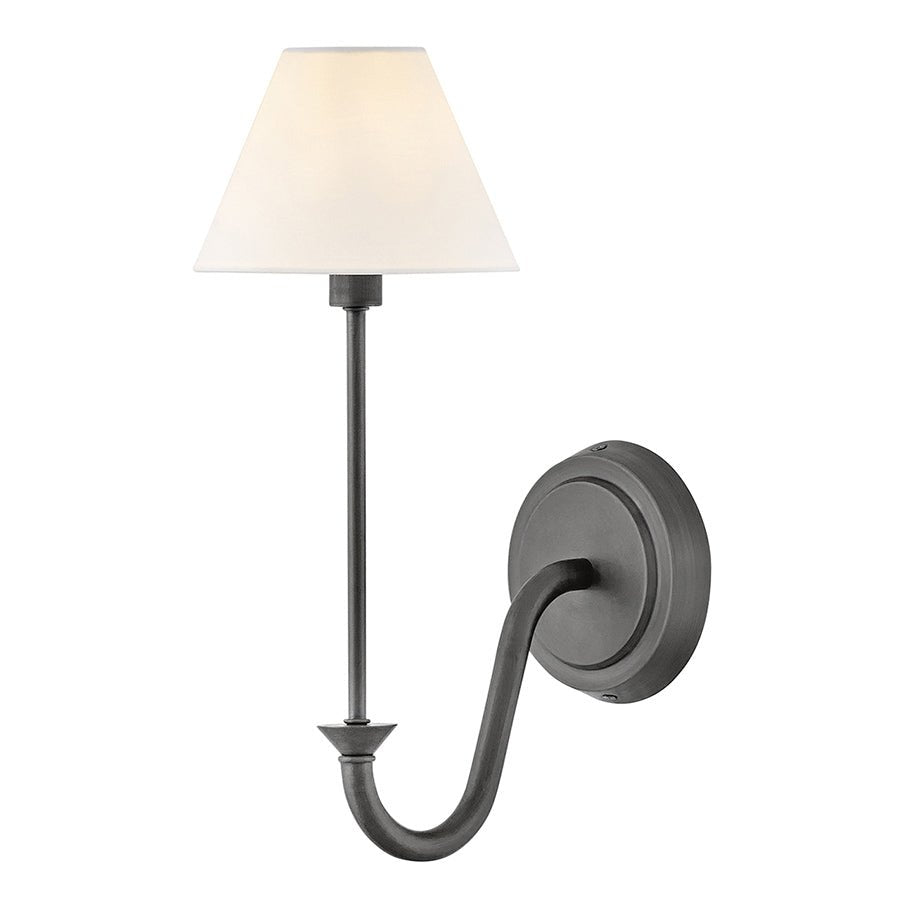
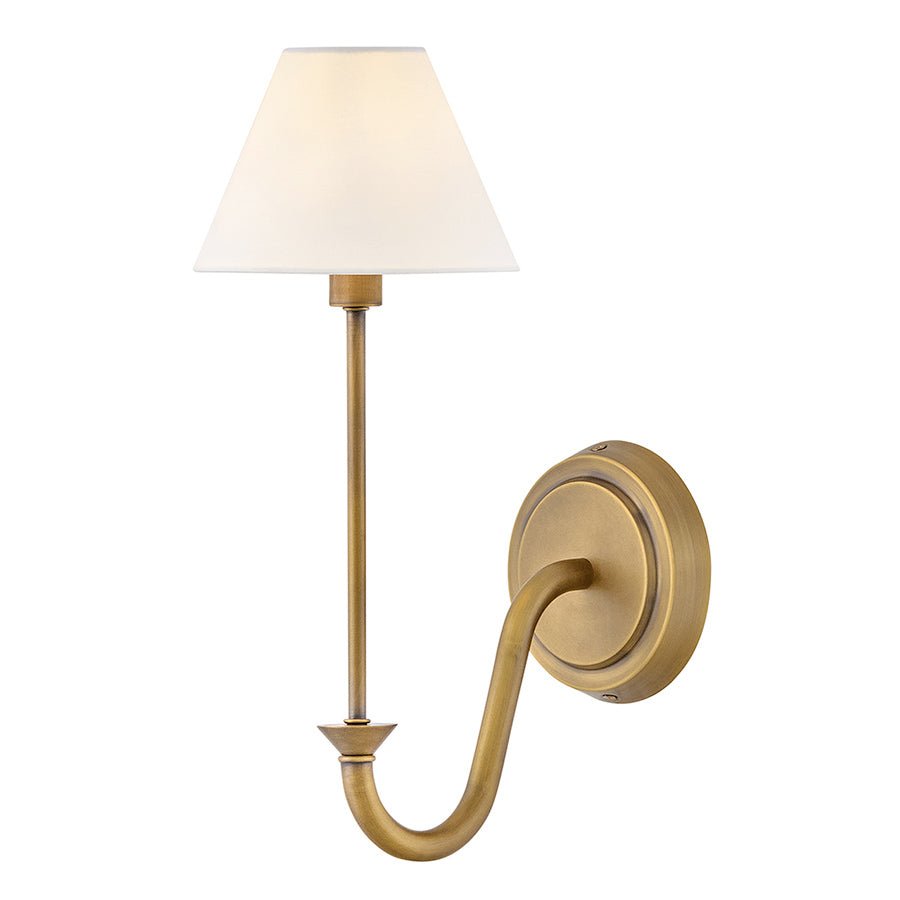
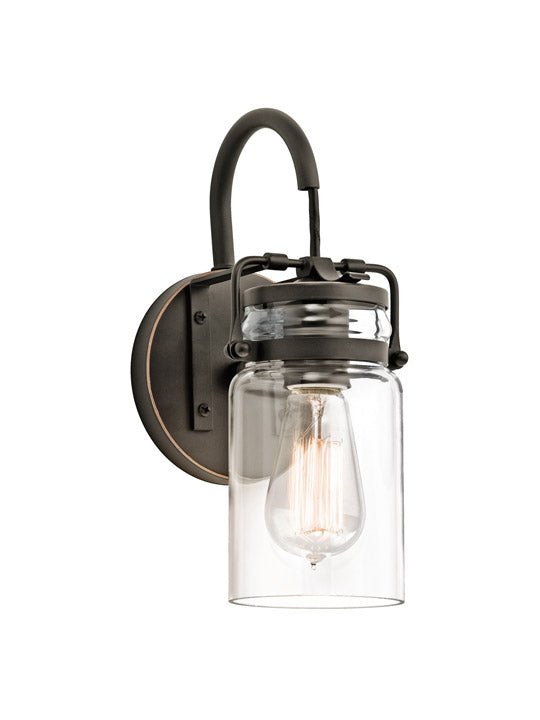
Brass and gold tones bring warmth and develop a unique patina over time. Matte black creates graphic contrast against pale walls and remains one of the most versatile finishes, working with warm wood and cool marble alike. Nickel and chrome offer reflective brightness suited to modern and transitional interiors. For shades, blown, frosted, or opal glass transforms how light diffuses, while ceramic, rattan, and wood add organic texture.
Styles to explore
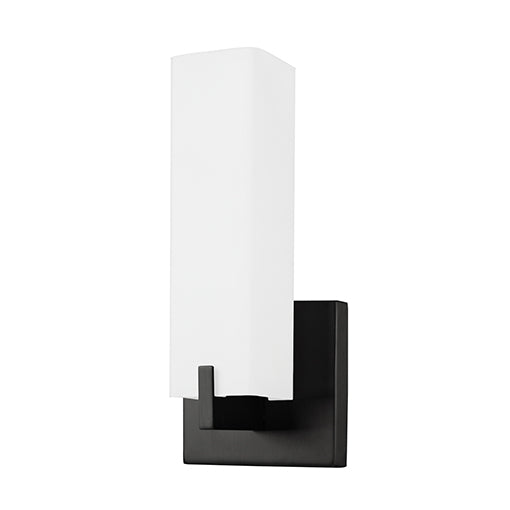
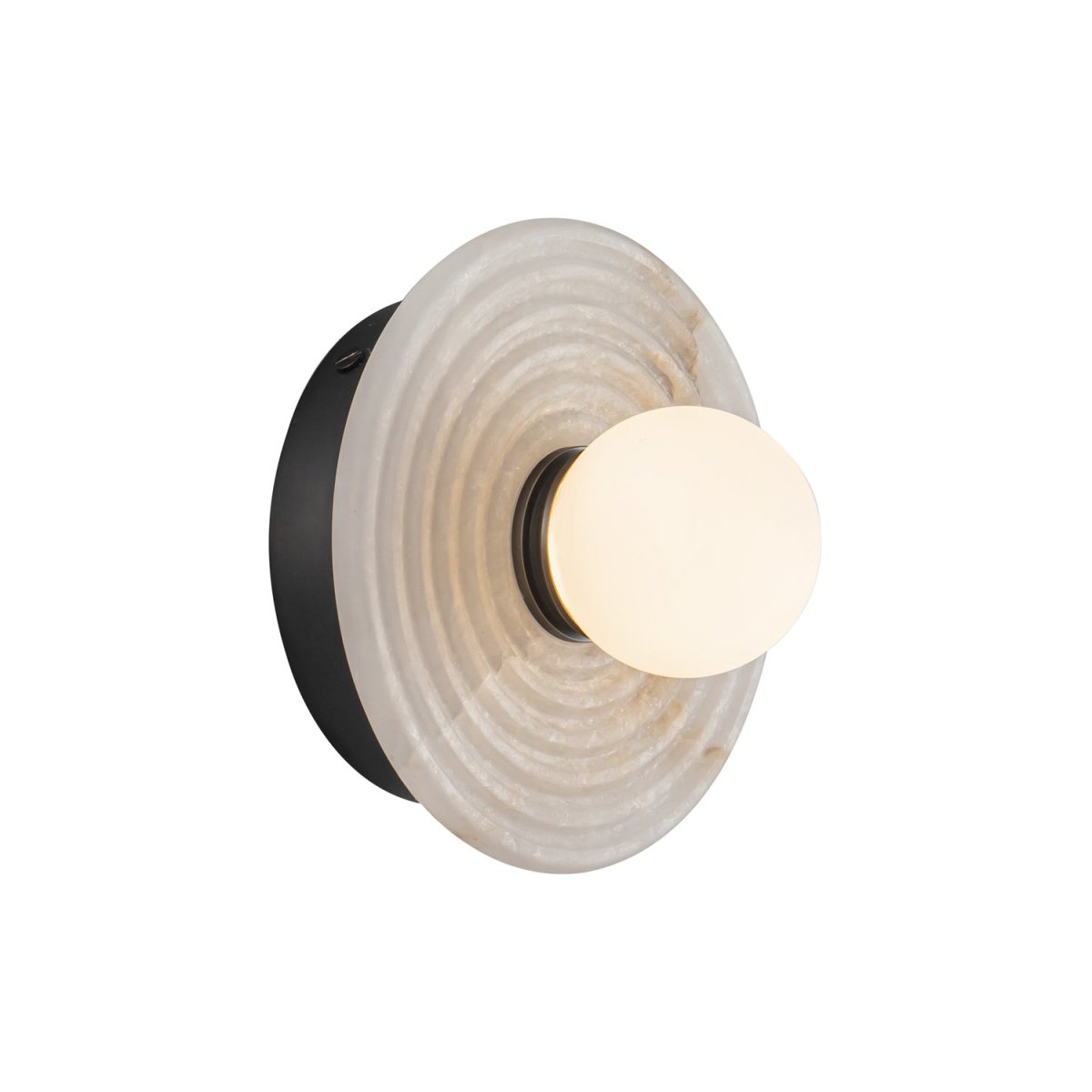
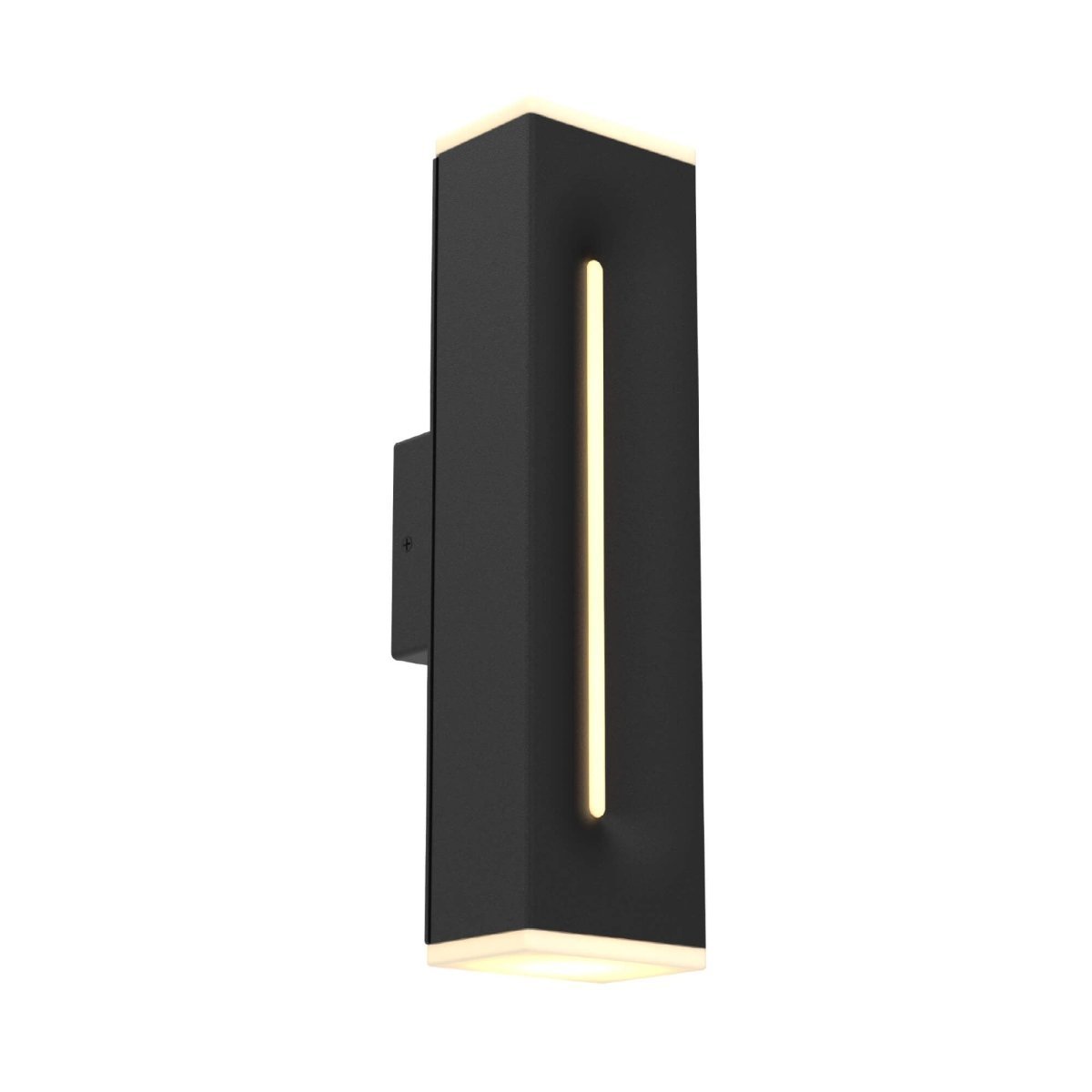
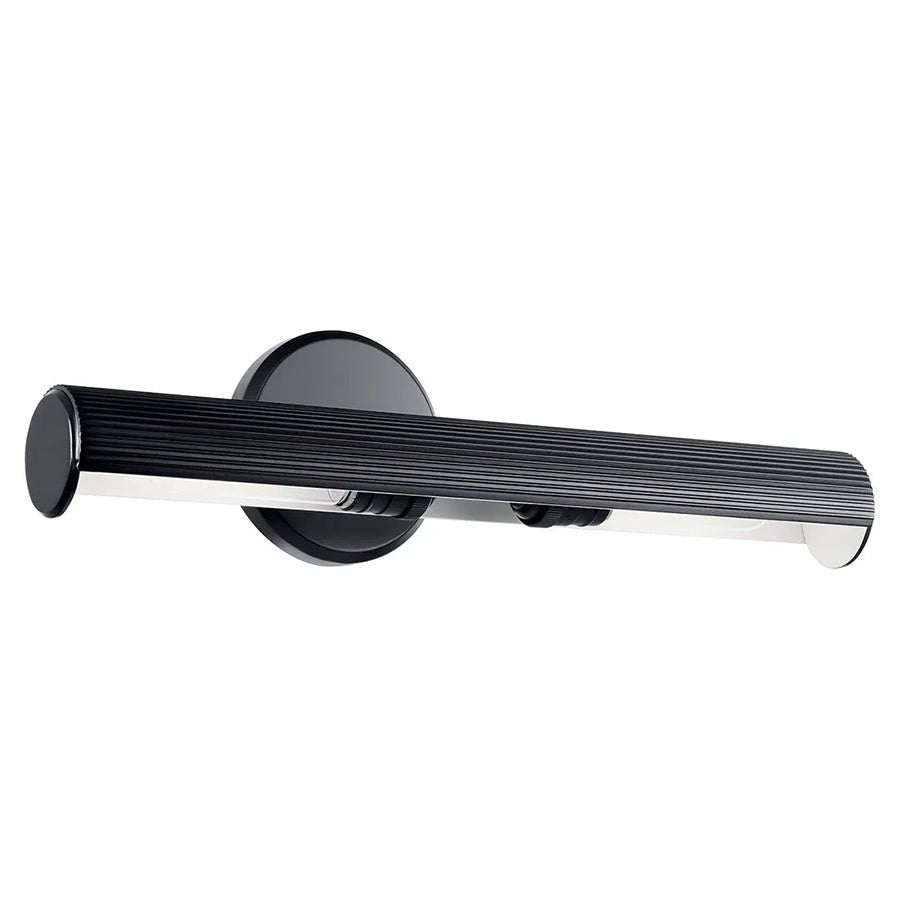
Modern and minimalist looks favor clean geometry, slim profiles, and often integrated LED panels. Mid-century forms revisit cone shades, articulating arms, and warm metallic finishes. Transitional bridges classic silhouettes and contemporary finishes. Art Deco celebrates geometry, fluted glass, and polished metals.
Choosing the right wall sconce
- Hardwired or plug-in: a hardwired wall light connects to your electrical system for a clean, cord-free look. A plug-in model offers flexibility for renters or walls without a junction box.
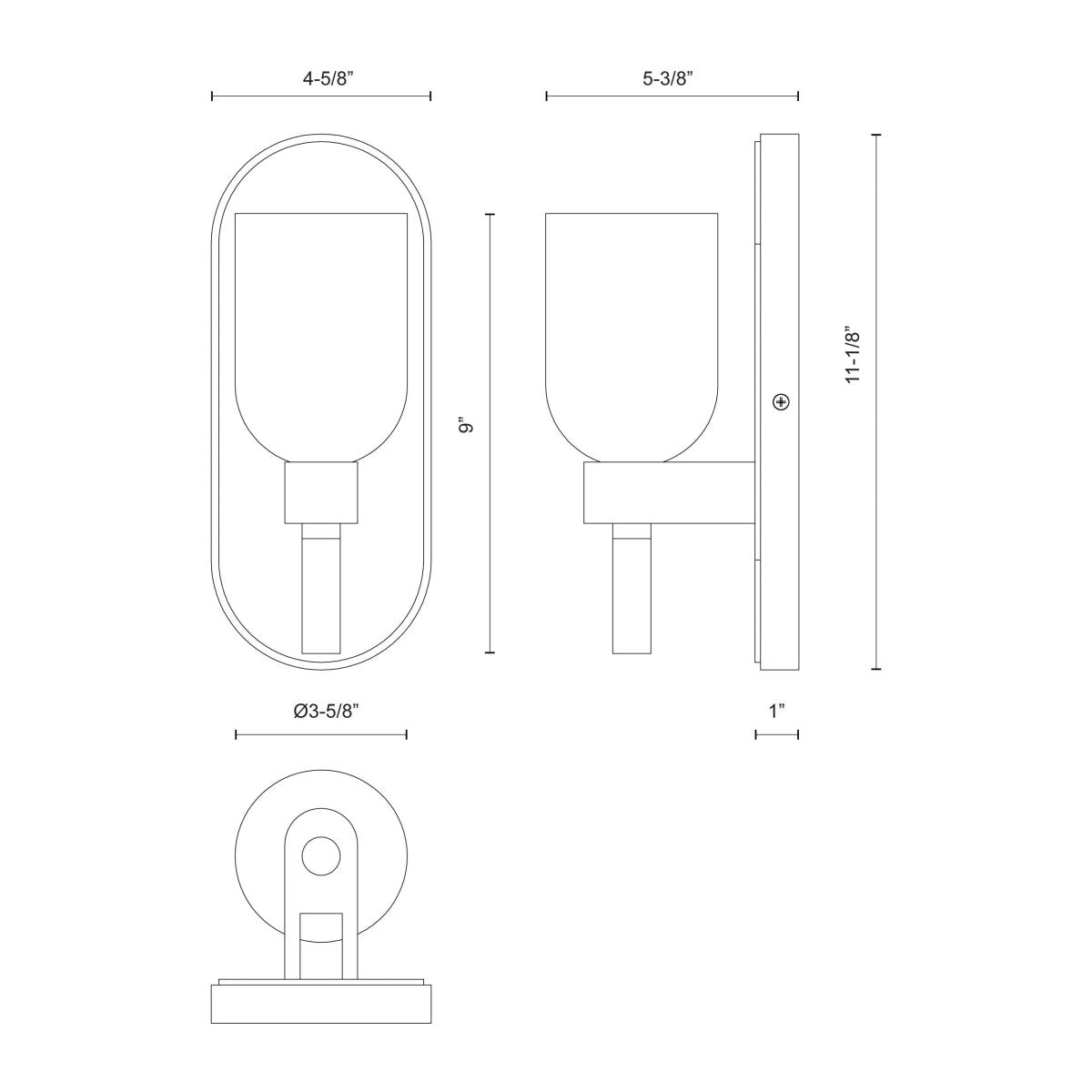
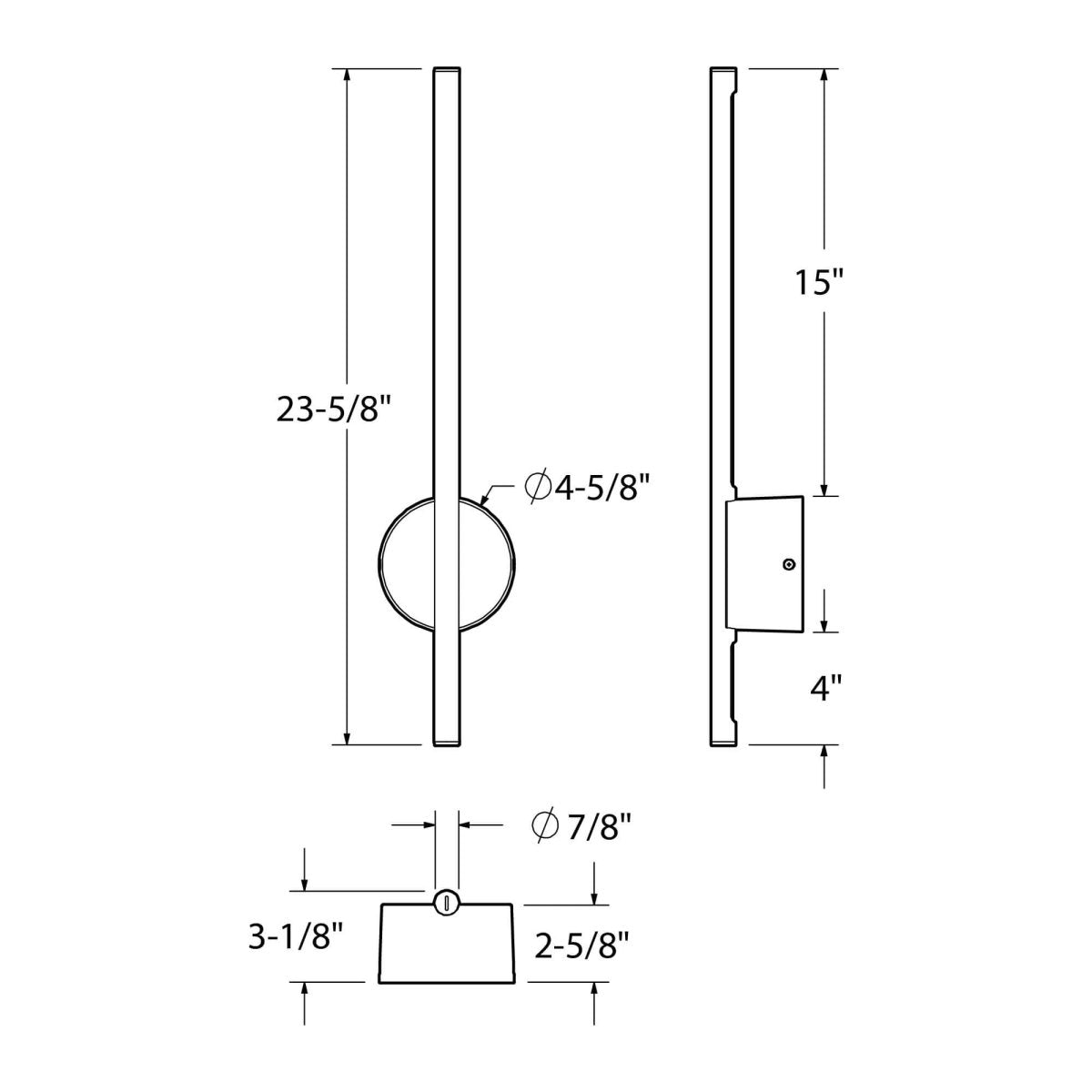
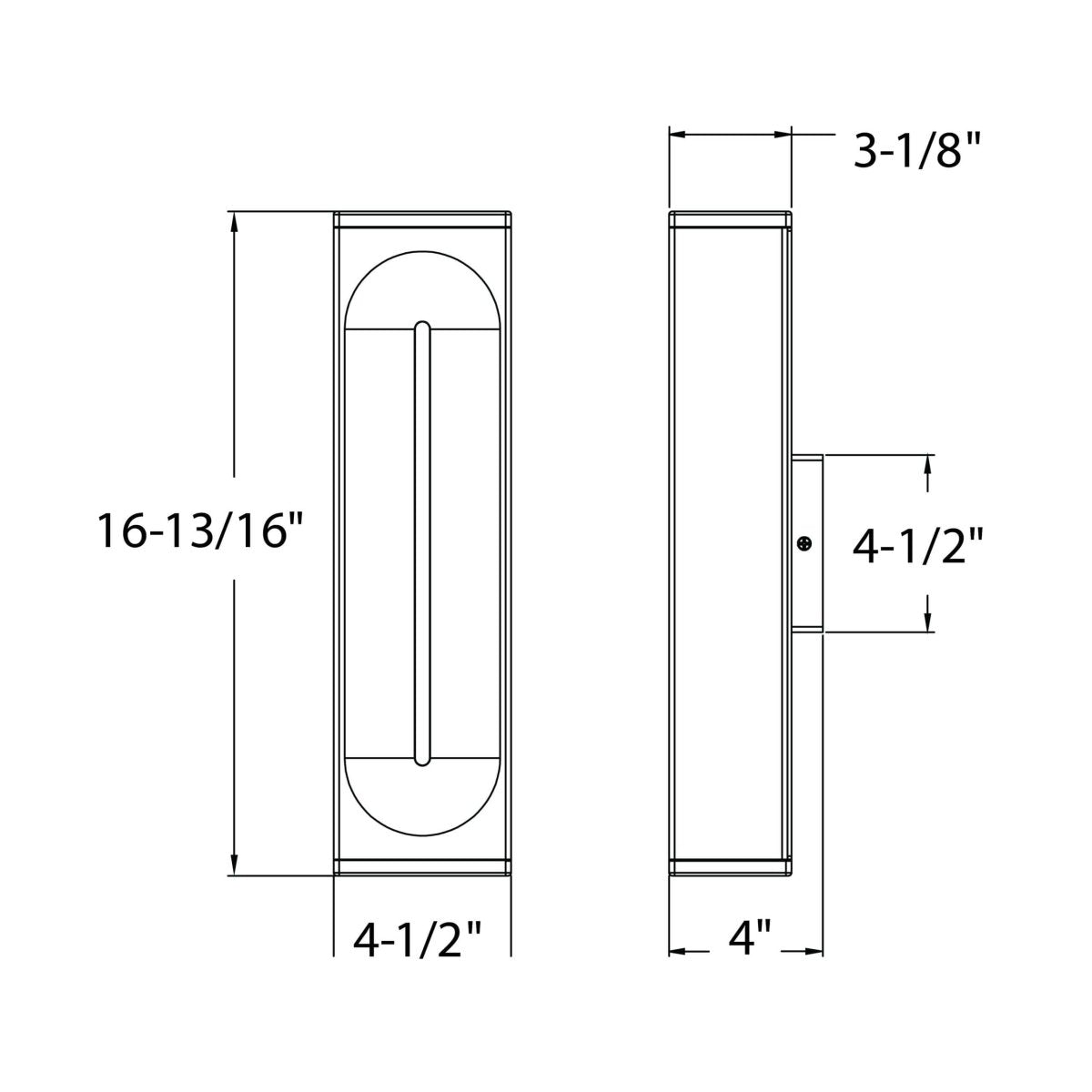
- Proportions: fixture height should suit the wall. For paired installs, keep both sconces at the same height and equidistant from the central element.
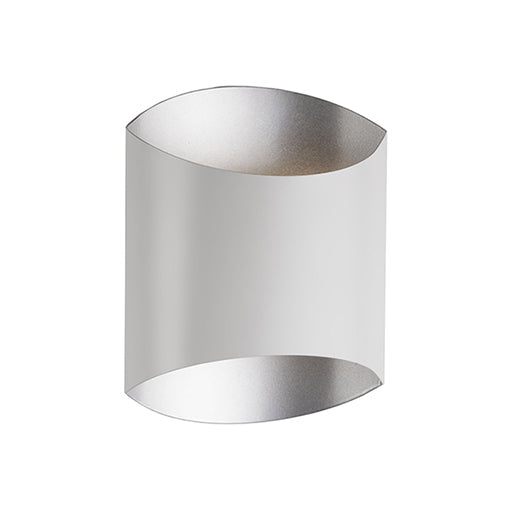
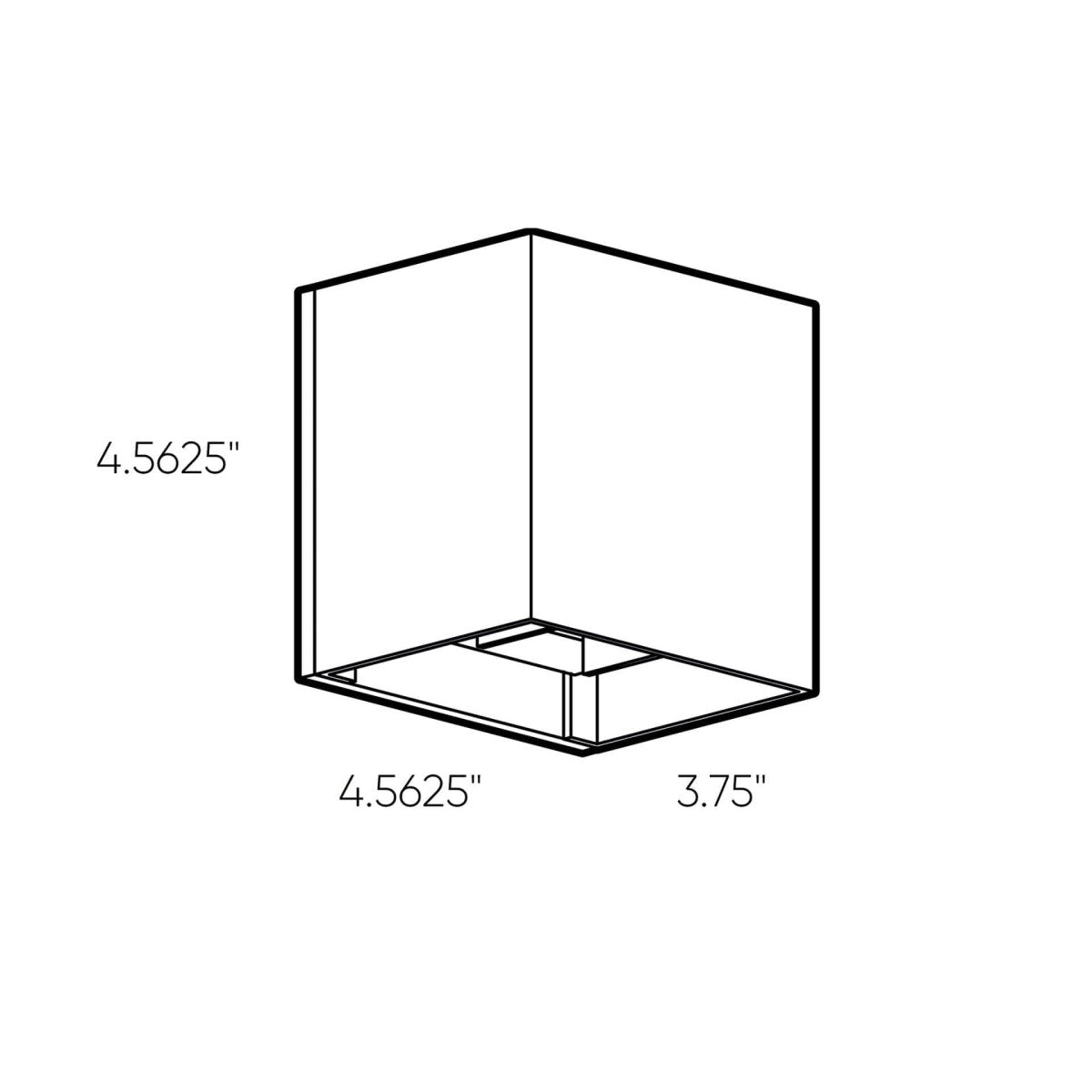
- Light direction: uplight washes the ceiling with ambient glow, downlight concentrates light on the surface below, and a multidirectional model does both.
- Wet locations: any interior wall light fixture near a shower or tub should be damp- or wet-rated.
Layered wall lighting
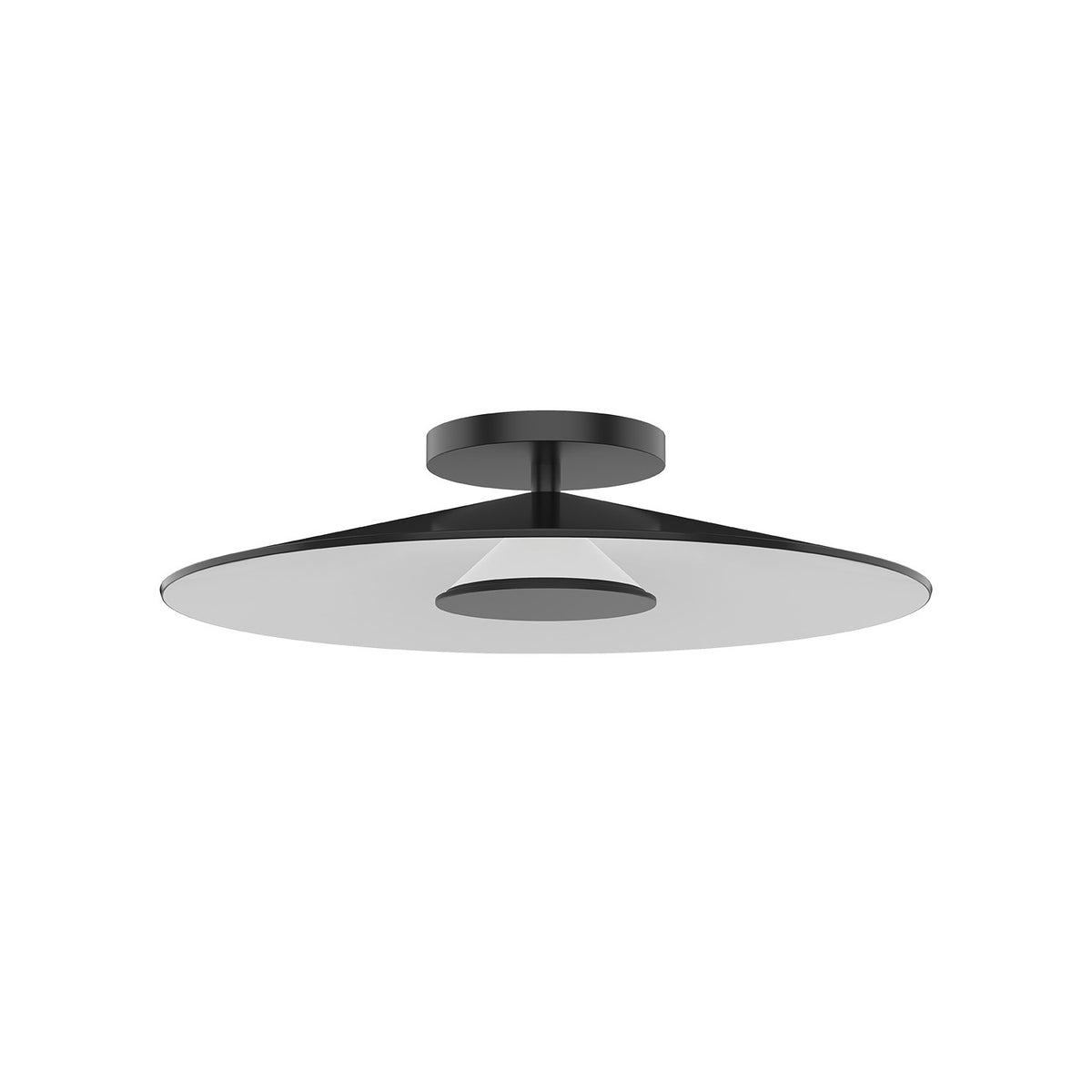
Your wall lights don't need to match your other fixtures. Repeating a single finish — brass, for instance — across a ceiling fixture and a sconce creates continuity without rigidity. It's this blend of sources that gives a room its depth.