We rarely take the time to think about it, but light bulbs and light fixtures are an integral part of our lives. On winter evenings, when we come home after a long day at work, we enter a dark setting, with familiar outlines, but plunged into an unfamiliar darkness. Often, even before putting down our bag and taking off our coat, we do one thing: we turn on the light. And suddenly, it's as if it's less cold, as if small suns are shining in all corners of our home. The invention of the light bulb marked our history and changed our way of life.
In the past, what did people use for lighting?
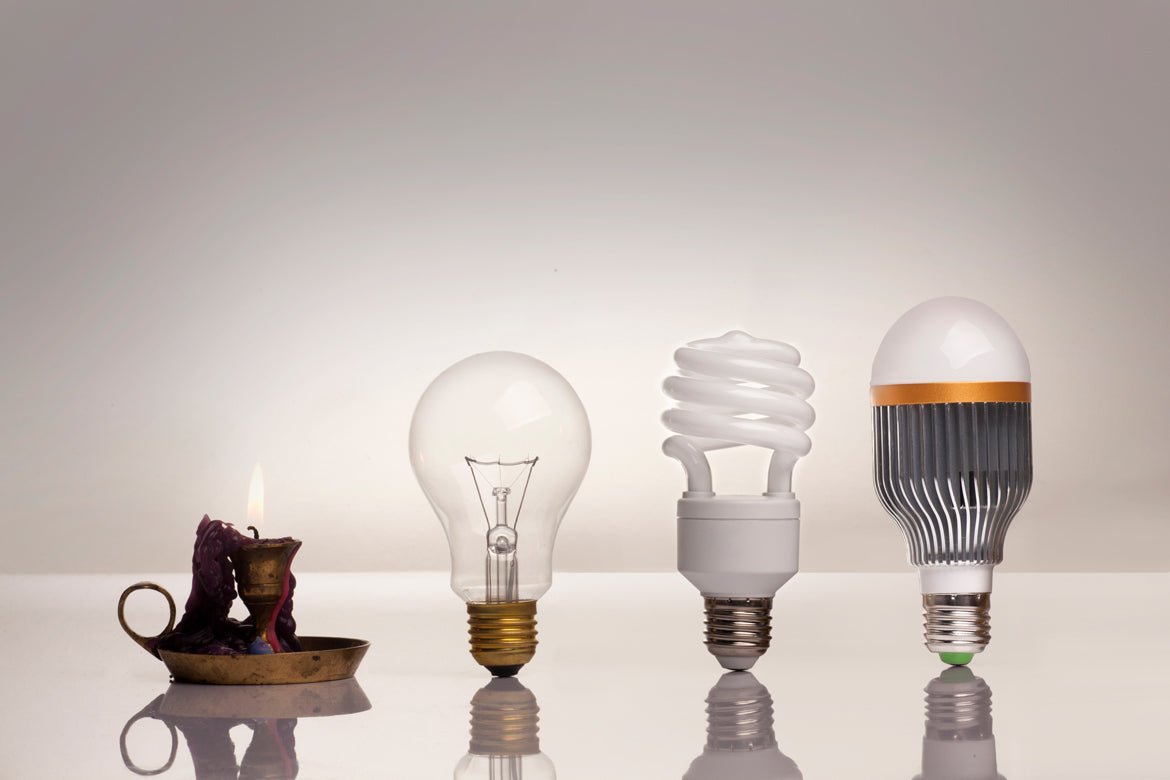
Even though we have always known the light bulb, most of our ancestors were not so lucky. Before the invention of the light bulb, during antiquity, for example, oil lamps were widely used. It was a very simple device requiring only a receptacle, oil, and a wick. Throughout history, several other devices served as lighting sources: candles, tapers, hearth fires, etc. Lighting devices were utilitarian objects, but sometimes also decorative elements used for certain occasions. The Greeks, for example, used terracotta oil lamps in everyday life. But during religious ceremonies, they used more precious bronze lamps. As was the case with many things, light sources could also be a sign of status. In the Middle Ages, only rich people and the Church could afford to use beeswax candles. Poorer people had to make do with candles and tapers made of tallow, purified animal fat that gave off black and very smelly smoke. In the 18th century, the oil lamp underwent several technical improvements, among others in wicks and burners. It may seem hard to believe, but oil lamps, tapers, and candles were used as primary light sources until the end of the 19th century!
The invention of the light bulb: controversial, to say the least
In fact, it was not until 1808 that the first experiments leading to the invention of the light bulb began. At that time, a man named Humphry Davy designed a huge electric battery (with 800 smaller cells). This battery allowed him to obtain a blinding spark continuously. It was 27 years later, in 1835, that James Bowman Lindsay is credited with the first invention of the modern incandescent light bulb. However, he did not protect his invention with a patent, and he never went beyond the prototype. In 1860, Joseph Swan had the idea of creating a vacuum in the bulb to prolong the incandescence of the filament inside. It was in 1879 that Thomas Edison designed a light bulb whose filament was a carbonized cotton fiber. He then commercialized it by inventing an industrial production process. Edison, however, had to face Joseph Swan in court over the "paternity" of the invention of the light bulb. Why? Because in fact, his work was in some way an improvement on Mr. Swan's light bulb invention. Edison lost the trial. However, Joseph Swan had less legally protected his bulb, and he did not have an industrial production process. The two men were therefore authorized to produce their bulbs together. This is how the Edison & Swan United Electric Light Company, nicknamed "Ediswan," was born. Despite all this, it was not until the 1920s that the invention of the electric light bulb found its way into homes! Before that, it was used almost exclusively for public lighting.
Luminaires & cie, more than just light bulbs
It was in 1986 that Claude and René Gélinas opened their first
lighting store in Laval. In a short time, their business experienced impressive growth. They quickly had to find new, larger premises. In 2010, they inaugurated the current store. And today, 30 years after the initial opening, the employees of
Luminaires & cie still put their talent to work for the development of their company with the aim of satisfying their customers. The next step of their project? You are right in the middle of it! This website and blog are intended to be the continuation of the physical store. On www.lampe.ca, you have
access to all the new developments in the world of lighting. You will find
inspiring designs,
technologies for home 2.0,
decoration trends, etc. Since the bulbs of Swan and Edison, we have entered an era where light is no longer just a question of functionality or decoration; it is a question of lifestyle, well-being, and comfort.
Luminaires & cie has understood this well. This is why we are interested in several aspects of lighting, such as
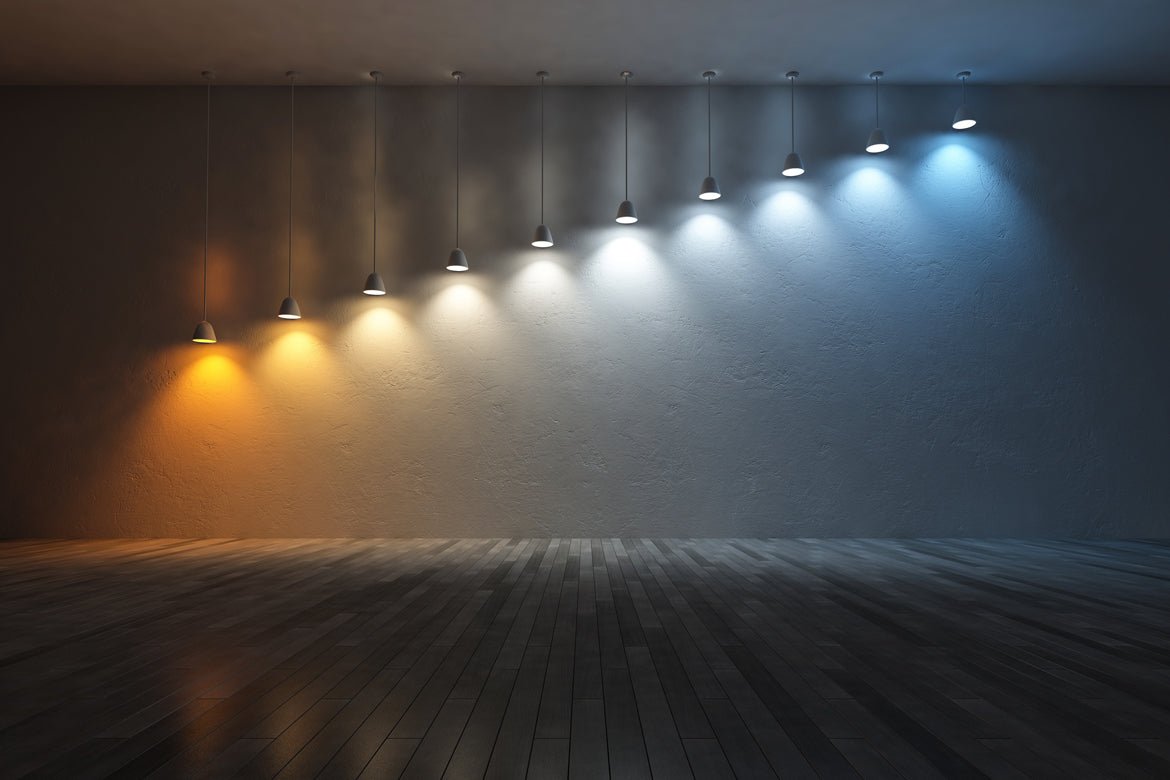
ambiance, the influence of different light colors, or what to consider for lighting your home office. Discover our online lighting store now!